Antique Bowls and Utensils

A collection of antique bowls and decorative handles, showcasing various materials like brass, stoneware, and porcelain, with rich textures and historical significance.

Handrail., 1700 - 1800  Small planer with slightly running sole. The heel has a semi -circular shape. The front is curled up. Two semi -circular cuts in the plane hole on the front. Netherlands wood (plant material). iron (metal) cutting / forging
Handrail., 1700 - 1800 Small planer with slightly running sole. The heel has a semi -circular shape. The front is curled up. Two semi -circular cuts in the plane hole on the front. Netherlands wood (plant material). iron (metal) cutting / forging
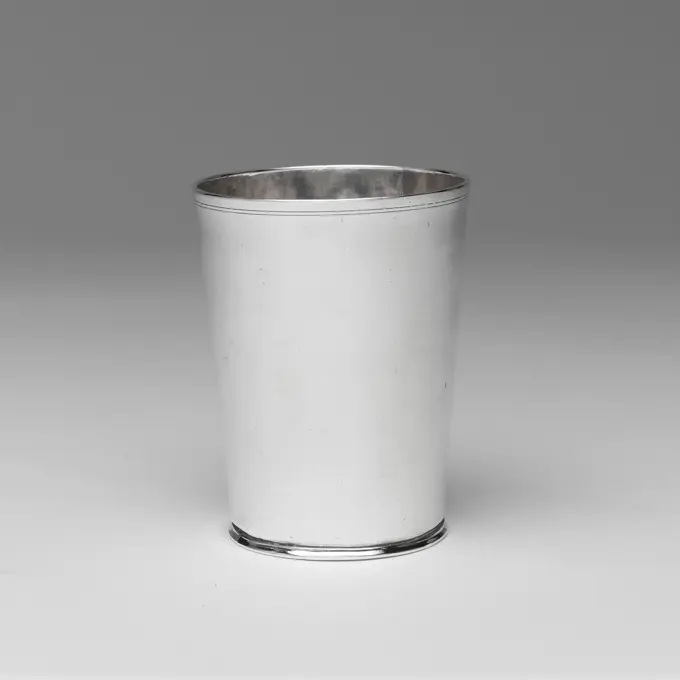
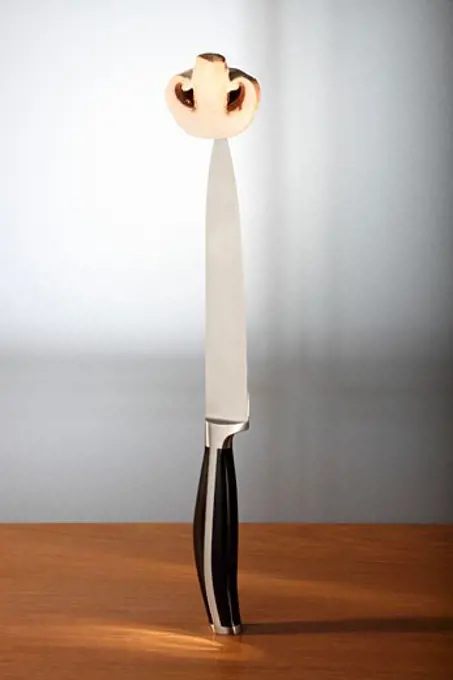
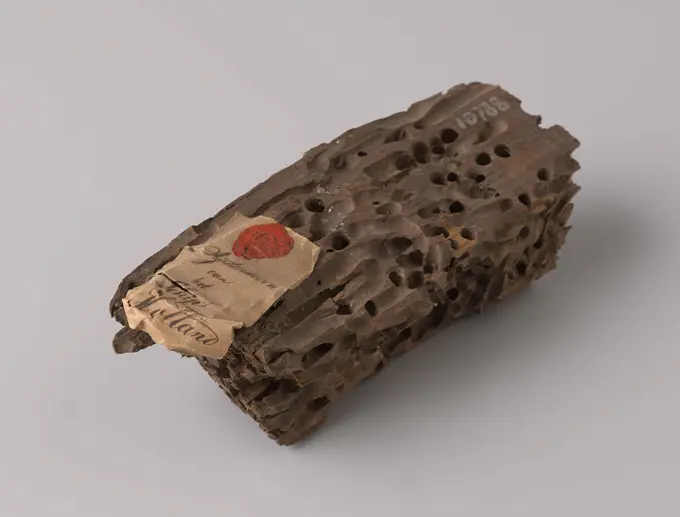
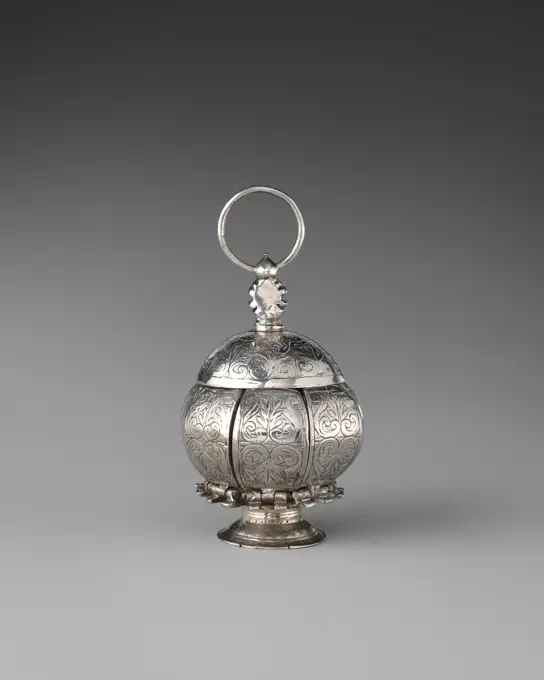
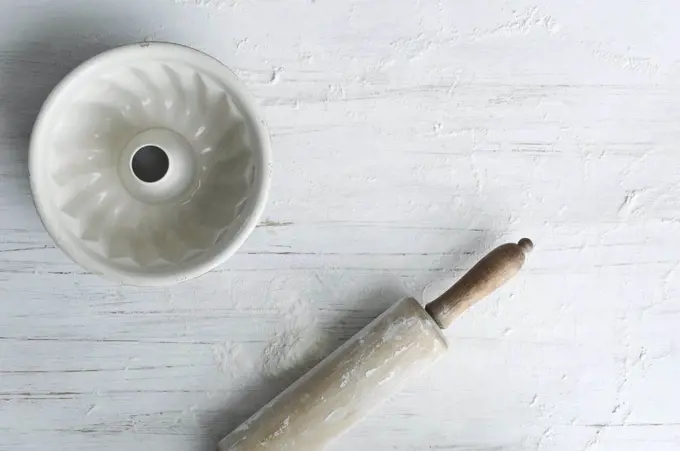
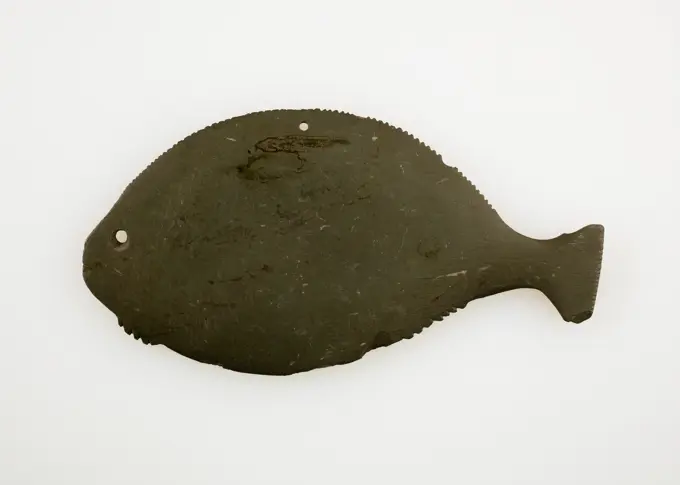
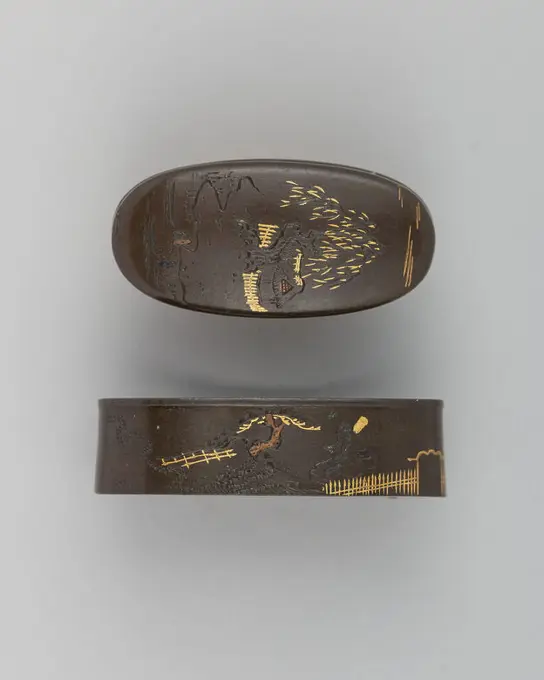
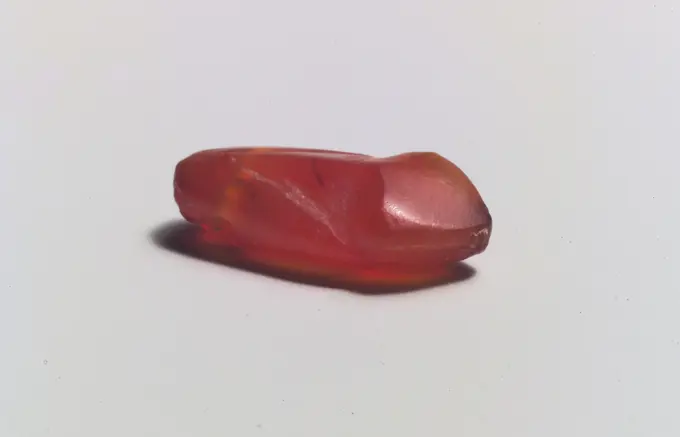
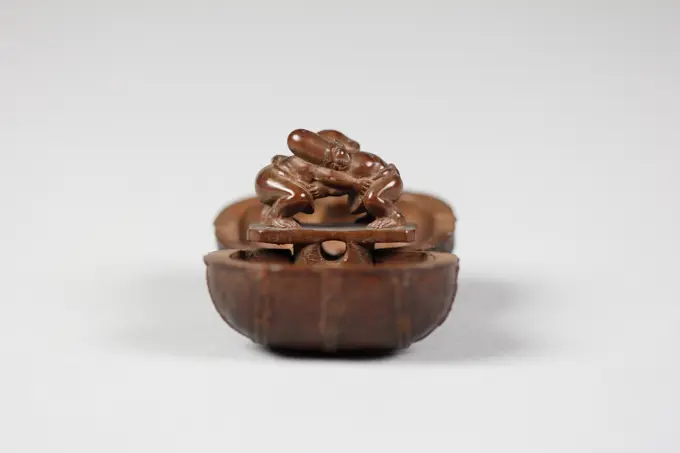
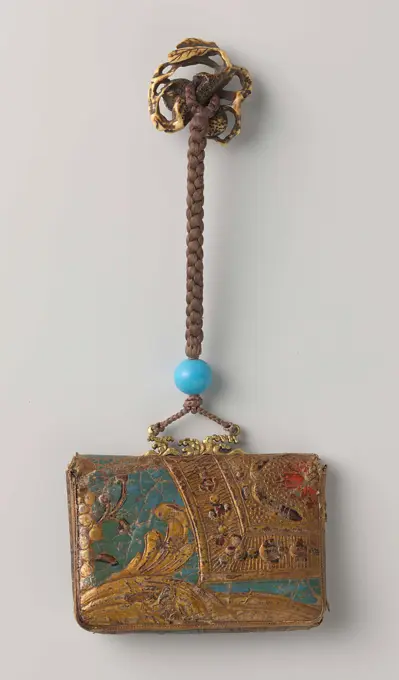
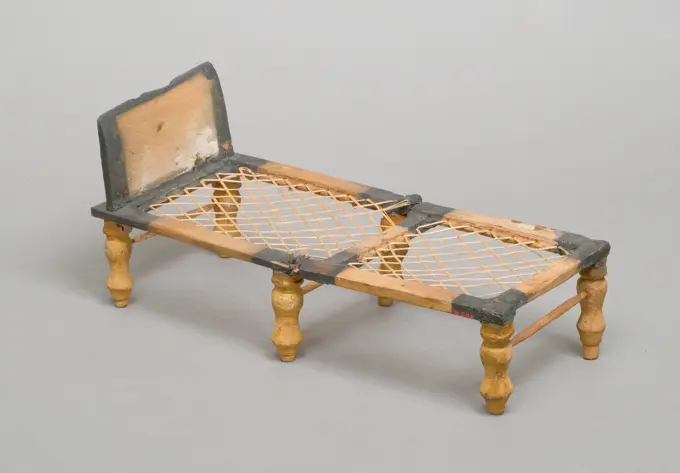
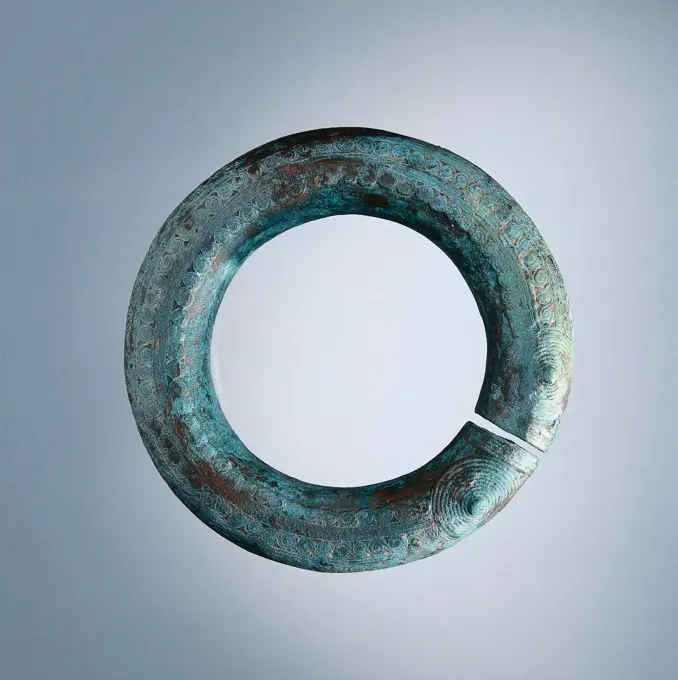
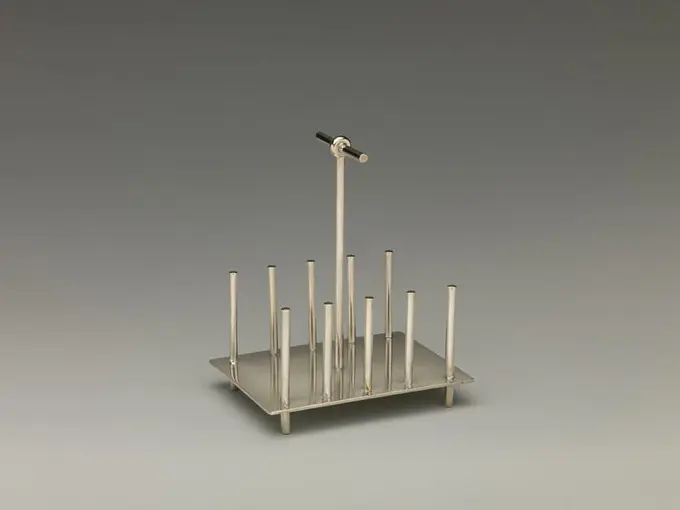
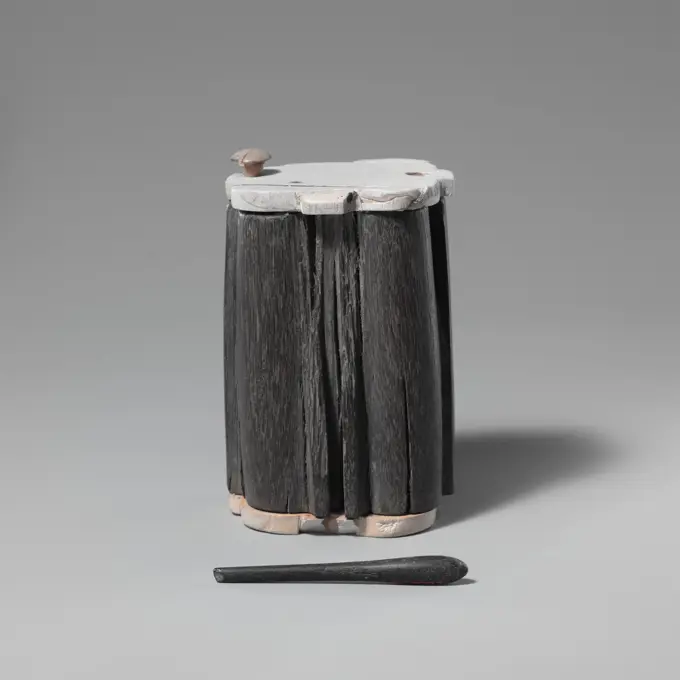
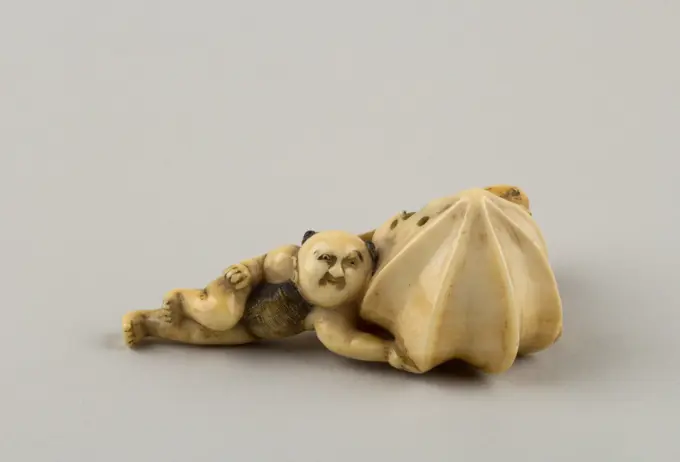
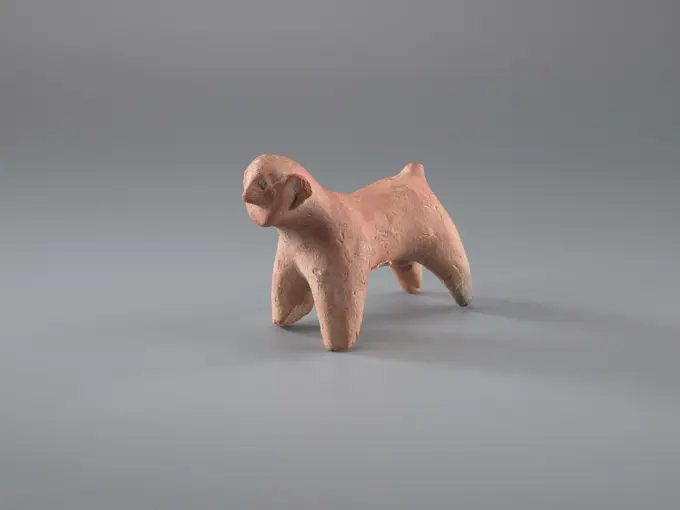
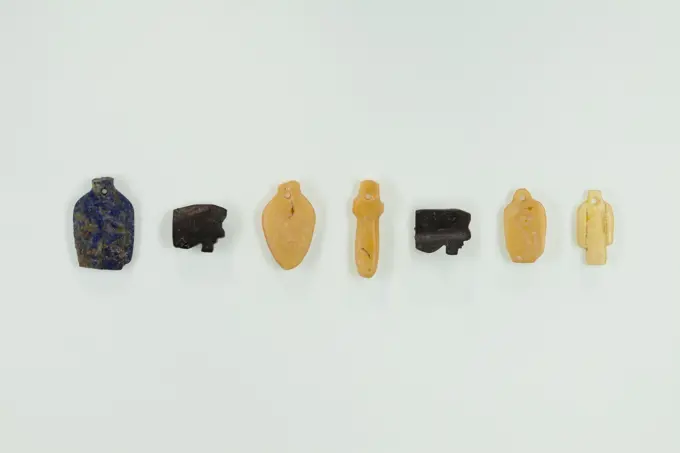
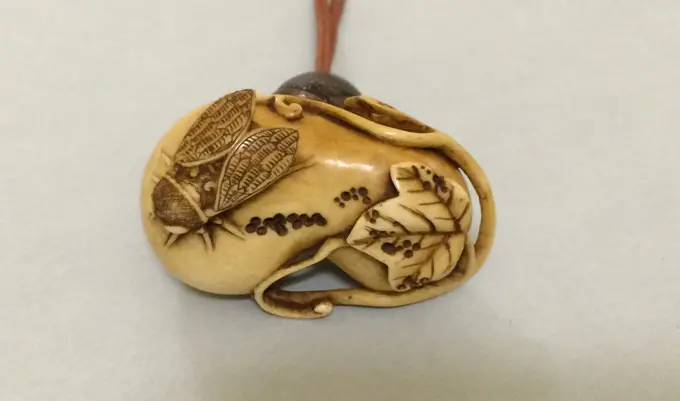
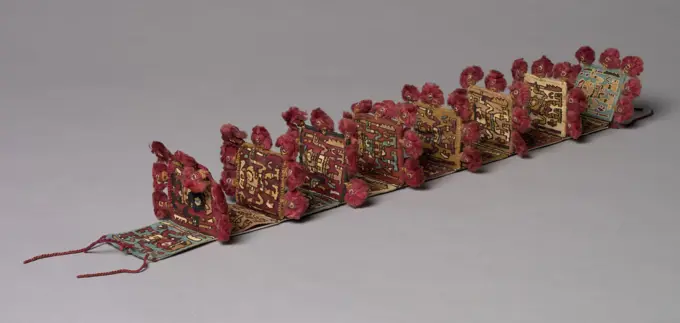
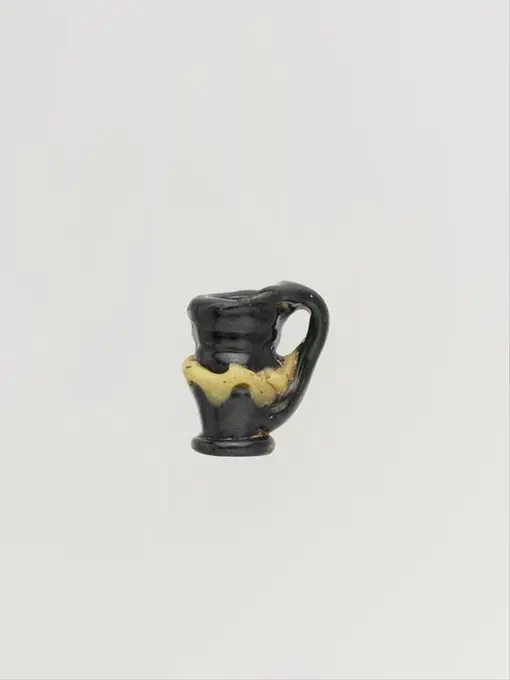
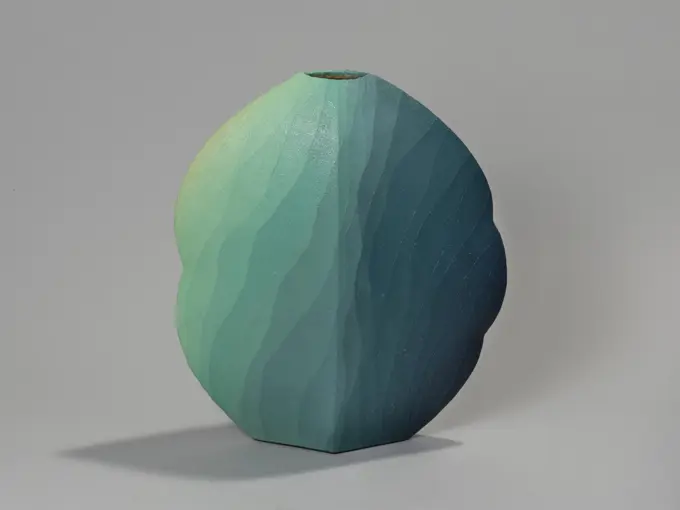
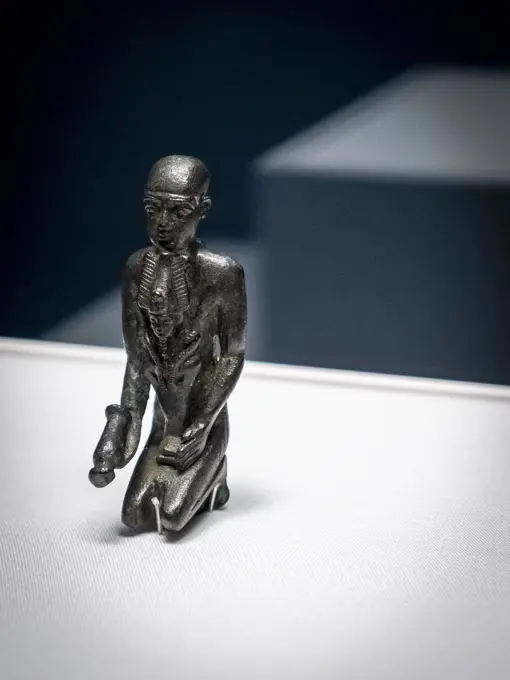
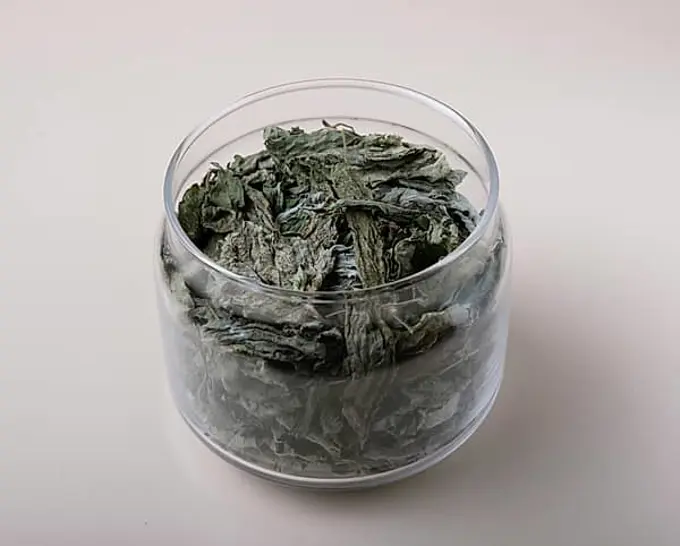
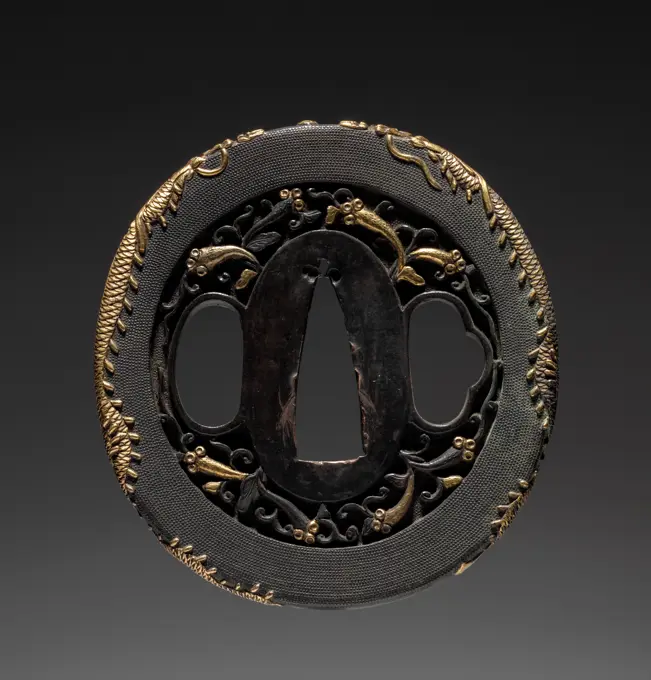
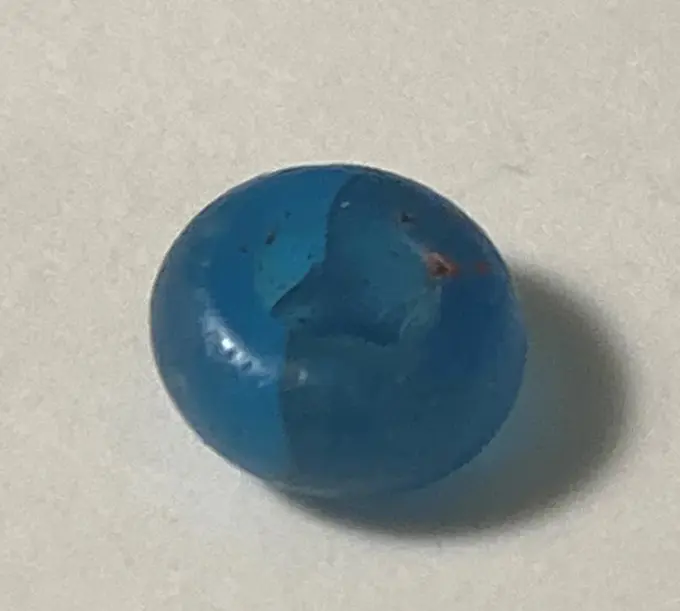
Cylinder neck;  IX-XI century () (801-00-00-1100-00-00);gift (provenance)Mug, Cow, England, 18th-mid-19th century, ceramics, Decorative Arts, MugPlateau 16th century Italian, Venice (Murano). Plateau. Italian, Venice (Murano). 16th century. Glass. GlassBeaker 1770-90 Myer Myers American This beaker is one of three in the Museums collection (1980.501.1-.3) and was originally part of a set of six made for Isaac Moses and his wife, Reyna Levy, possibly at the time of their wedding on August 8, 1770. Reyna was a daughter of Myer Myerss sister, Sloe, and her husband, the merchant Hayman Levy. Isaac Moses was a highly successful businessman, involved in international trade as well as privateering. Both he and Myers were active members of Congregation Shearith Israel in New York.. Beaker 431Placon of red pickled glass, with stop. Vial of red pickled glass. Engraved surfaces in which images of monuments with captions: Ober-Wesel, Ober-Tenmpel A.D. Niederwald, Falkenburg and the initials m.r.Concept, jackpot saving pot and coins Copyright: xNirmalaxMishra/DinodiaxPhotoxMushroom speared on a knifeAgtersteven of the ship Holland .. piece of wood, arranged by pileworms (). Round holes, partly covered with white material (lime). With through patent stamp where weapon (from the Prince of Orange (Willem II as crown prince)) Attached paper, yellowed, with text in brown pen. Perhaps from the period of Belgian rebellion (cf. other objects transferred). Inscription: 'Agtersteven of the Holland ship'. Marked; Lacquer stamp: Coat of arms under crown.Cup with flower drinks. Bottom and stand ring optically blown into star-shaped ribs. Cylindrical body with flower drinks in white, black and blue.Pomander ca. 1580 S. B. The segments have little compartments with sliding covers to contain minuscule amounts of strongly aromatic ground spices.. Pomander. British, London. ca. 1580. Silver. Metalwork-SilverGugelhupf baking dish and rolling pinCupBrush for household, with leather exaggerated back and yellow, black and red soft hair, anonymous, c. 1600 - c. 1800 Brush for household, with leather covered back and yellow, black and red soft hair. Europe Back: Leather. Decoration: Copper (Metal). her: Brush for household, with leather covered back and yellow, black and red soft hair. Europe Back: Leather. Decoration: Copper (Metal). her:Seal stamp of black stoneware with a performance of Esculaap de Fabriek van Wedgwood and Bentley, Wedgwood & Bentley, c. 1400 - c. 1950 Seal stamp of black stoneware with an immersed representation of escula monkey with snake staff. On the reverse side -cornered and cone -shaped rising and conical. 'Basalt' from the Wedgwood and Bentley factory. Stoke-on-Trentmaker: Vicenza stoneware Seal stamp of black stoneware with an immersed representation of escula monkey with snake staff. On the reverse side -cornered and cone -shaped rising and conical. 'Basalt' from the Wedgwood and Bentley factory. Stoke-on-Trentmaker: Vicenza stonewareA durian fruit in front of a grey backgroundPalette ca. 3850-2960 B.C. Predynastic Period. Palette. ca. 3850-2960 B.C.. Slate. Predynastic Period. From EgyptDish;  around 2686- 2181 BC ; Old state (-2686-00-00--2181-00-00);Sword-Hilt Collar and Pommel (Fuchigashira). Culture: Japanese. Dimensions: Fuchi (a); H. 1 1/2 in. (3.8 cm); Wt. 0.7 oz. (19.8 g); kashira (b); H. 1 3/8 in. (3.5 cm); Wt. 0.4 oz. (11.3 g). Date: late 18th century. Museum: Metropolitan Museum of Art, New York, USA.Grahal-Manzara. Carnavalet 2013-2016 collection sites. Numismatics. Droit busts attached to the Grand Dauphin and Dauphine on the right.Snake-head Amulet ca. 1981-1640 B.C. Middle Kingdom The cobra, a common inhabitant of the Nile River's floodplain, has a deadly bite. Wearing an amulet in the form of a cobra's head would have been considered an effective way to prevent an attack, an event feared by both the living and the dead. Amulets like this one were made for use in the afterlife.. Snake-head Amulet. ca. 1981-1640 B.C.. Carnelian. Middle Kingdom. From Egypt, Memphite Region, Lisht North, Cemetery, MMA excavations. Dynasty 12-13Tumbler. Culture: American. Dimensions: H. 3 3/4 in. (9.5 cm). Maker: Probably Hobbs, Brockunier and Company (1863-1891). Date: after 1886. Museum: Metropolitan Museum of Art, New York, USA.Knife (probably France); steel, ivory; L x W: 25.2 x 2.2 cm (9 15/16 x 7/8 in.); The Robert L. Metzenberg Collection, gift of Eleanor L. Metzenberg; 1985-103-195CDK unknownNetsuke of Bale of Rice; Inside are Daikoku and Fukurukujin, Wrestling 18th-19th century Japan. Netsuke of Bale of Rice; Inside are Daikoku and Fukurukujin, Wrestling 59258Fragment Messenheft from the wreck of the East Indians Hollandia, Anonymous, 1700 - in or before 1743 fragment Knife, handle, cylindrical: tapering; fragm, id. NG 1979-403H, ferrule, id. NG 1980-27H426. Netherlands wood (plant material). copper (metal)   Secondold tennis ball on a wooden floorEmpty ceramic Dish on rustic table. Empty ceramic DishLamps in a modern cafe, stock photoEarring-hook type with disc. Earring-hook type with disc 243407Tobacco tie (Tabako-Ire). Gold leather tobacco tie with remains of red and sea-green painting. Transshipment with pressure closure (Kanamono) of bronze with a passage of a dragon in the water. On the top copper ornament (representative waves) for the mounting of the brown, braided bearing cord with a light blue glass bead at the beginning as an ojime and at the end a netsuke of Hertshoorn presented a tree branch with leaves and fruits.Model of a Folding Bed ca. 1550-1295 B.C. New Kingdom. Model of a Folding Bed. ca. 1550-1295 B.C.. Wood, modern cord. New Kingdom. From Egypt. Dynasty 18. Bracelet in the form of a snake with two cups against each other.Toast rack. Culture: British. Designer: Christopher Dresser (British, Glasgow, Scotland 1834-1904 Mulhouse). Dimensions: Overall (confirmed): 5 5/16 × 4 3/8 × 3 1/4 in. (13.5 × 11.1 × 8.3 cm). Manufacturer: Hukin & Heath (British, Birmingham, 1855-1953). Date: 1878.In a career beginning in the early 1850s and spanning fifty years, Dresser designed goods including wallpaper, glass, carpets, furniture, ironwork and pottery for at least fifty manufacturers. Many of his designs can fairly readily be placed in the context of the orientalizing and historicizing taste of the day, but his metalwork designs stand out as almost impossibly austere for the high Victorian era. In the 1870s and '80s he composed arresting geometric shapes that are often seen as harbingers of Modernism.Born in Glasgow, Christopher Dresser enrolled in the government-run School of Design in London in the late 1840s, where he began to pursue an interest in the relatively new field of botany. The search for a hierarchicGeorgetown - Chancery Office Building, United States photographs Related to Embassies, Consulates, and Other Overseas BuildingsLided Kohl Tube and Stick ca. 1550-1295 B.C. New Kingdom. Lided Kohl Tube and Stick 548296Netsuke of Boy Carrying a Branch of Fruit 19th century Japan. Netsuke of Boy Carrying a Branch of Fruit 60029Animal figurine. unknown, craftsmanCann.   Maker: William Pollard, 1690-1740Kom, found at V.O.C. -Schip Witte Leeuw, possibly from Zeelelie, Anonymous, 1725 - 1800 bowl Come, made for export to Anglo-Saxi countries, 80  present. This object is 18th century and cannot therefore be from the freight of the Witte Leeuw. It is unclear whether the object will come from the site or whether it was mixed later, possibly with material from the Zeelelie. Jingdezhen porcelain   Sint-HelenaCandlestick with polished facets. Hexagonal, conical foot, baluster-shaped strain, cylinder-shaped holder with bumped edge. Facet cut foot, strain and holder in facets.Cup plate 1832-35 American. Cup plate. American. 1832-35. Pressed glass. Probably made in New England, United StatesQuatrefoil Box and Cover, 18th century, 4 5/8 x 12 7/16 x 9 1/8 in. (11.7 x 31.6 x 23.2 cm), Carved red lacquer (tihong), China, 18th century, Three dragons, vivaciously carved with sinuous, scaly bodies, horns, and beards, cavort across the lid of this quatrefoil (four-lobed) box. Dragons were associated with both waves and clouds and the so-called 'spinning wave' design comprising the background pattern on this box first emerged in the middle Qing period in the 1700s. The sides of both box and cover are carved with the same overlapping wave pattern, punctuated by floating flower heads. Unlike other lacquer boxes on view, this container does not carry an imperial mark. Nonetheless, the dragon imagery with its court associations suggests that this work might be a product of an official Qianlong workshop.Daqing Guocheng Temple  craftsFragment multi-colored side lamps. A fragment of yellow silk tissue with white clover leaves and further palm trees of different colored silk.Creatively painted chicken and quail Easter eggs with natural hibiscus dye, look like sea stones in bowl on gray background, copy space. Happy Easter DIY concept. Soft slective focus. Flat lay.Lion 18th century China. Lion 61218Heart shaped stonesPodium for product advertisement or restaurant menus with beautiful colorful backgroundTea service KorzecKitchen utensils, tea egg, tea infuser, kitchen utensils, tea eggEpaulettes from H.L. Frans, 1st lieutenant at the 1st battalion field artillery, field battery no 12., anonymous, 1800 - 1830  Epaulet consisting of a tongue of golden galon, in which a lane of silver spacer is woven. On the tongue a fire -gilt knot on which two crossed guns in a stylized wreath. The oval leaf is surrounded with a wider edge of gold galon cord with hanging gold frills. Bottom Epaulet made of dark blue sheet, stitched with yellow wire. Under the tongue a yellow metal hook. One of the epaulettes has a loose dark blue Lakense Halveman -shaped pillow. The other epaulette has a ditto pillow that still hangs on one side on the leaf. From H.L. Frans, in 1830-1832 at the 1st battalion field artillery, field battery no 12. Netherlands silver thread. wool   BelgiumPATENA DEL CALIZ DE SAN SEGUNDO - LADO DEL ESMALTE - SIGLO XIV - COBRE DORADO. Author: PETRUCCI ANDREA-ORFEBRE (SIGLO XIV). Location: CATEDRAL-INTERIOR. AVILA. SPAIN.Dice;  Hellenistic period-Roman period (-323-00-00-395-00-00), unpredictable (0-00-00-0-00-00);Cherry blossoms, Sake cupRice earGroup of 7 amulets ca. 1070-945 B.C. Third Intermediate Period This group of objects was found on the throat of the Lady Djedmutesankh, threaded together in a tight bunch. There are now 7 amulets of various materials: 2 plaques, one incised with the image of a man and the other with a rearing cobra; 2 wedjat eyes; 1 wadj (papyrus) scepter; 1 heart; and 1 "Isis knot" (girdle tie). Two additional amulets, a heart and a papyrus stalk, both of green glass, disintegrated after they were discovered. See 25.3.169a-i for the individual amulets.For other objects found in the burial of Djedmutesankh, see 25.3.1-.3; 154a-d;.17-.18; .24; .27; and .167-.170.. Group of 7 amulets 551037Sword Guard (Tsuba), c. 1615-1868. Japan, possibly Edo period (1615-1868). Iron; diameter: 7.8 cm (3 1/16 in.).Gourd and Cicada 19th century Japan. Gourd and Cicada. Japan. 19th century. Ivory. Edo (1615-1868) or Meiji period (1868-1912). NetsukeHand holding Beautiful sea shell on a white backgroundWaist clamp;  XVII-XVIII century (1601-00-00-1800-00-00);Scarab. UnknownTop view on Old Kitchen cooking utensils on grey stone table - cooking conceptPodium for product advertisement or restaurant menus with beautiful colorful backgroundCuff knot with a photo of young woman with a smiling face, anonymous, c. 1900 - c. 1920 photograph   photographic support. brass (alloy)French fries on a snack fork on a paper plate, dietSchwarze Keramikvase auf schwarzem Holztisch Schwarze Keramikvase auf schwarzem Holztisch LicenseRF Copyright: xZoonar.com/NATASHAxBREENx 23308991King trumpet mushroom, French horn mushroom, king oyster mushroom, Boletus of the steppes (Pleurotus eryngii)wooden geometric shapes on a green backgroundhuman skull for Halloween useBall of thread ca. 1295-1070 B.C. New Kingdom, Ramesside. Ball of thread. ca. 1295-1070 B.C.. Linen, wool. New Kingdom, Ramesside. From Egypt, Memphite Region, Lisht North, Cemetery, MMA excavations. Dynasty 19-20Sword-Hilt Collar and Pommel (Fuchigashira) 19th century Japanese A fuchigashira is a pair of matching sword fittings comprising the fuchi (collar at the base of the grip of the sword hilt) and kashira (pommel cap at the end of a sword hilt).. Sword-Hilt Collar and Pommel (Fuchigashira). Japanese. 19th century. Copper-silver alloy (shibuichi). Sword Furniture-Fuchi-KashiraSchervan of cellar bottles from the wreck of the East Indians' t Vliegend Hart ,, 1700 - 1735  Bottom of a square basement bottle with a single piece of the belly. Piece of the bottom of a basement bottle with yellow -brown attack. Case Bottle. Middelburg .Band (Headband), c. 650-850. Central Andes, Moche-Wari Style, mid-7th to mid-9th century. Camelid fiber (alpaca; weft) and cotton (warp); tapestry weave; overall: 59.4 x 10.8 x 8.3 cm (23 3/8 x 4 1/4 x 3 1/4 in.). This jewel-like textile, perhaps the only one of its kind, is made from a single band accordion-folded to form tabs, each edged with lush red tassels. Repeated in different colors down its length is the image of a warrior who holds an axe in one hand and a jagged, club-like object in the other. The reversed orientation of several of the warriors may be the result of the weaving method.Glass pendant shaped like a jug. Culture: Roman. Dimensions: H.: 13/16 in. (2.1 cm). Date: ca. 4th century A.D..Translucent deep green, appearing black, with handle and base in same color; trail in opaque pale yellow.Body tapering downward; wide mouth; thick rounded rim and cylindrical neck; flat pad base applied to bottom; rod handle applied over trail to body, drawn up, then turned in, and attached to rim, with splayed ends.On neck, spiral ribbing; on body, irregular zigzag trail in relief.Intact except for chip in side of body; dulling, pitting, and slight iridescent weathering.Green vase pendant with one handle; yellow opaque glass thread. Museum: Metropolitan Museum of Art, New York, USA.. Geelkoping Content knap for wet goods with matte cover glass. Together with seven other content moles in gray painted coffin.MIYASHITA zenji (1939-2012). Untest eachother. GRESES AT ENGLOBES. Japon, VERS 2010-2012. Par musée musée malée. Blue, ceramic, geometric shape, gres a loot, vase, green, XXIEM XXI xxi 21st 21st 21st centuryGreen paper boat origami isolated on a blank grey background.. Green paper boat origami isolated on a grey backgroundstatuette of a priest statuette of a priest, bronze, Ptolemaic dynasty, 305-30 BC, Egypt, collection of the British Museum Copyright: xZoonar.com/Tolox 21629967Jade roller with amethyst stones on a wooden table.Planets-manager. Cornalet Collection Sites 2013-2016. Numismatic.FerdinandplatzModel of a Buoy. Model of a buoy with a conical body with sharp tips and round of diamother. Such as a barrel she is composed of dolls and hoops. On top is an eye, as well as at the bottom of a long point for the anchor chain. Marked with crossed anchors. Model belongs to series of six buoys of different formats. Scale 1:10 (archive).Figurine of a laughing and cheerful golden Buddha Vase; from Nancy; France by Emile Galle (1846-1904); of Cameo Glass. This luxury form of art glass involves etching and carving through fused layers of different coloured glass.Dried nettle leaves in a round glass jar on a light backgroundOrganic Hon-Shimeji mushroomsCylinder seal and modern impression: ritual scene before a temple facade. Dimensions: h. 4.5 cm (1 3/4 in.). Date: ca. 3500-3100 B.C..Although engraved stones had been used as early as the seventh millennium B.C. to stamp impressions in clay, the invention in the fourth millennium B.C. of carved cylinders that could be rolled over clay allowed the development of more complex seal designs. These cylinder seals, first used in Mesopotamia, served as a mark of ownership or identification. Seals were either impressed on lumps of clay that were used to close jars, doors, and baskets, or they were rolled onto clay tablets that recorded information about commercial or legal transactions. The seals were often made of precious stones. Protective properties may have been ascribed to both the material itself and the carved designs. Seals are important to the study of ancient Near Eastern art because many examples survive from every period and can, therefore, help to define chronological phases. OfSample of gold glitter gel with small particles isolated on white background, texture of cosmetic products like highlighter, lipstick, and blushFreia Schulze.Copa de cristal. Colección particular.Playing Card Motifs and Counter Matchsafe; USA; german silver (white metal); 6.7 x 3.6 x 1.2 cm (2 5/8 x 1 7/16 x 1/2 in. )Tibetan bowl is used in sound therapy, meditation and yoga. Woman practicing a singing bowl for sound therapy in atmosphere for healing, meditation and relax.  France. Children's cap;  early XIXW. (1915-00-00-1920-00-00);Sword Guard (Tsuba), c. 1615-1868. Japan, possibly Edo period (1615-1868). diameter: 6.4 cm (2 1/2 in.).Blumentopf mit Kopierraum Flowerpot with empty space LicenseRF Copyright: xZoonar.com/ranczandrasx 5210878Bead probably 8th-12th century This object was excavated at Nishapur.Nishapur was a vital city in the early and middle Islamic periods, located along one of the main trajectories that connected Iran and West Asia Islamic lands with Central Asia and China. These itineraries are often referred to by the term Silk routes’ but were in fact crucial to the movement of constellations of materials and objects, as well as people and ideas. The diverse population of Nishapur and its surroundings, from the better-researched elite groups of merchants, land-owning aristocracy, and literates, to the less-known artisans, farmers, miners, and servants, were instrumental in adapting global cultural trends to create their own distinctive visual languages. This is seen in the material remains of everyday life in medieval Nishapur - from pots and pans to lighting devices, inkwells, textiles and trimmings, jewelry, games and toys, talismanic devices, weapons, coins, and architectural fragments.Nishapur loCupEgyptian water bottle. 600 BC. Orientalizing epoch.Background long horizontal with beads and Incense Different objects with traditional religious oriental on a wooden background ,model released, Symbolfoto Copyright: xZoonar.com/AleksandrxKichiginx 11852338 ,model released, Symbolfoto ,property releasedMinimal modern product display on textured beige background with succulent, toned. Minimal product displayBaret of dark blue plush, anonymous, c. 1850 - c. 1900  Europe plush  Europe plush