Antique Bowls and Utensils

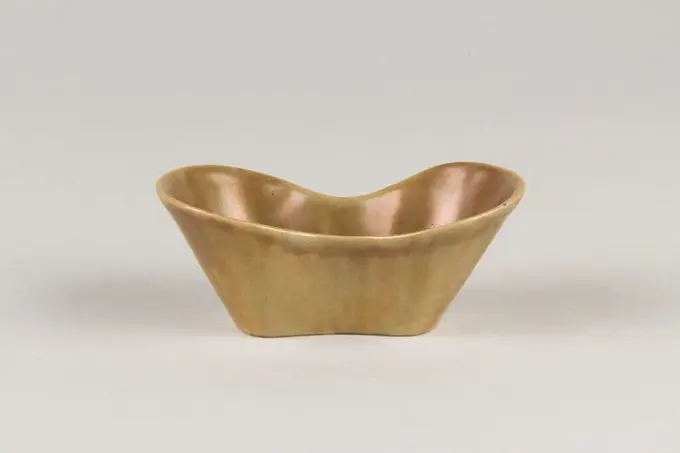
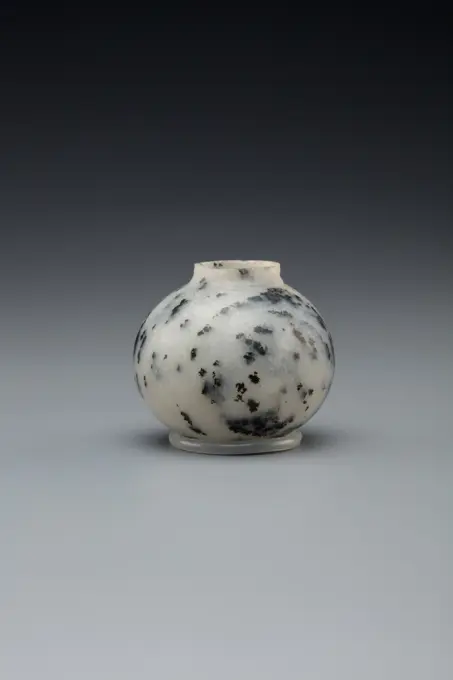
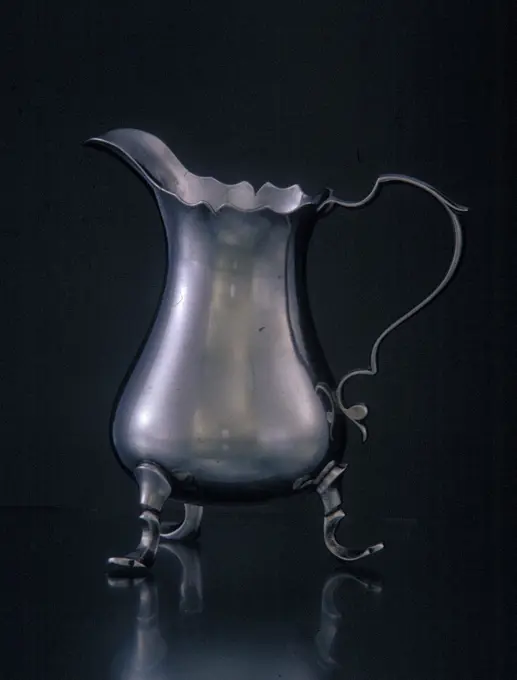
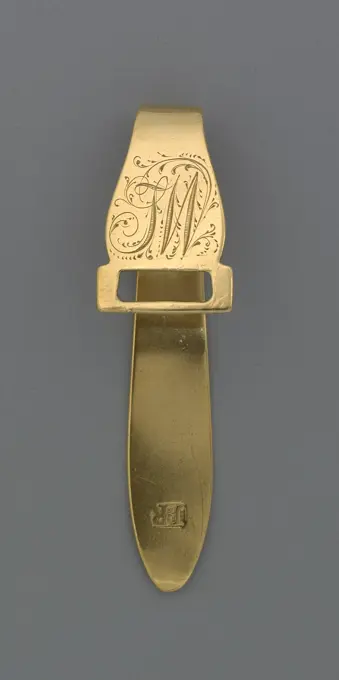
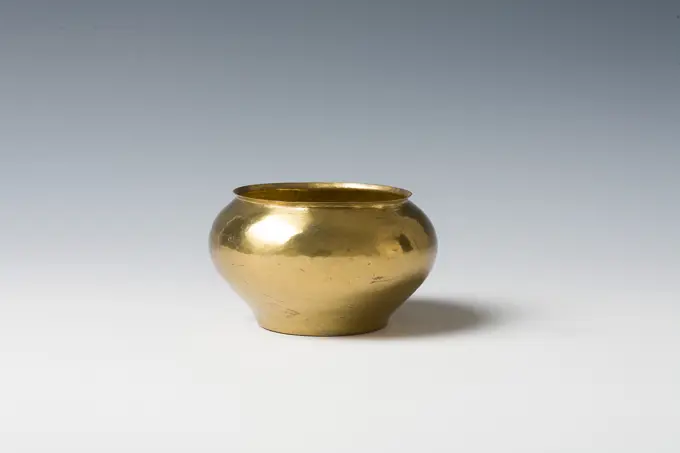
A collection of antique bowls and decorative handles, showcasing various materials like brass, stoneware, and porcelain, with rich textures and historical significance.

Handrail., 1700 - 1800  Small planer with slightly running sole. The heel has a semi -circular shape. The front is curled up. Two semi -circular cuts in the plane hole on the front. Netherlands wood (plant material). iron (metal) cutting / forging
Handrail., 1700 - 1800 Small planer with slightly running sole. The heel has a semi -circular shape. The front is curled up. Two semi -circular cuts in the plane hole on the front. Netherlands wood (plant material). iron (metal) cutting / forging
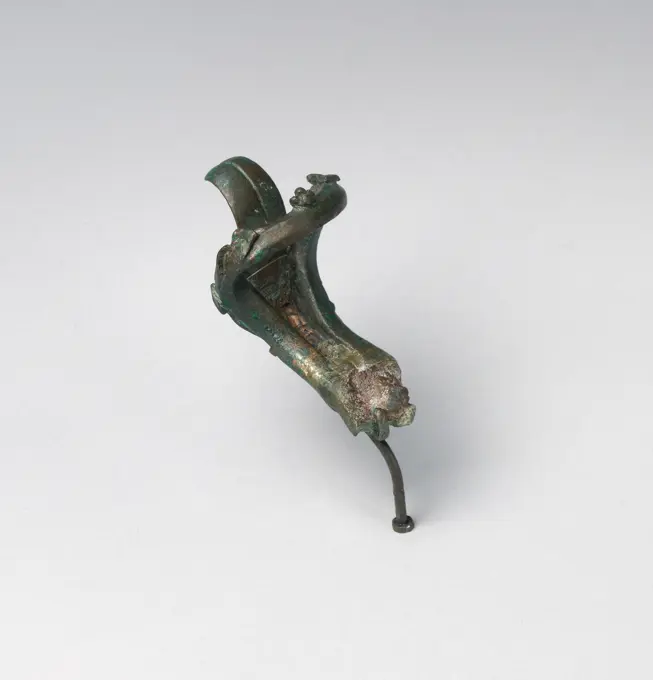
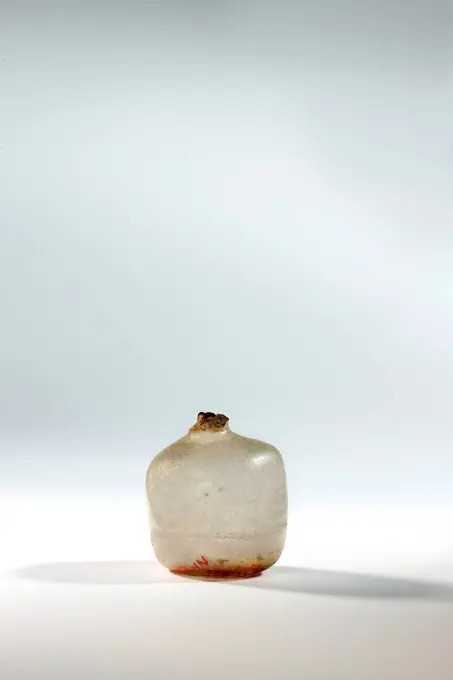
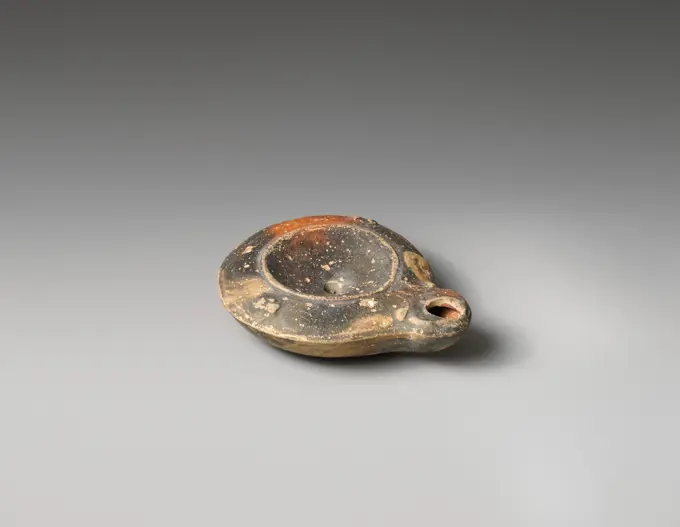
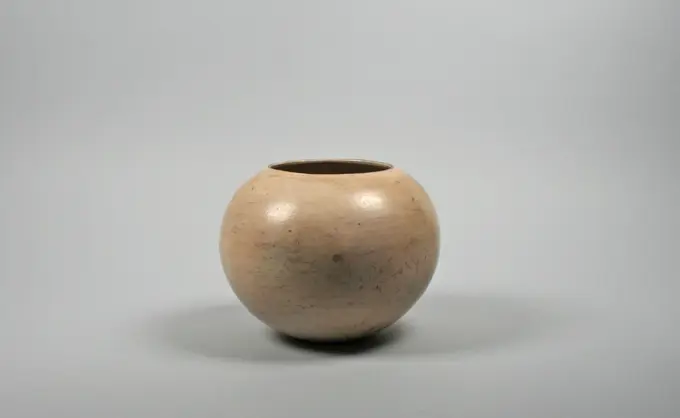
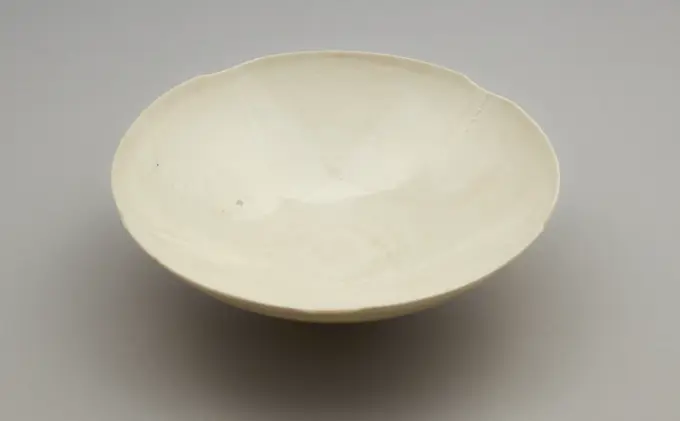
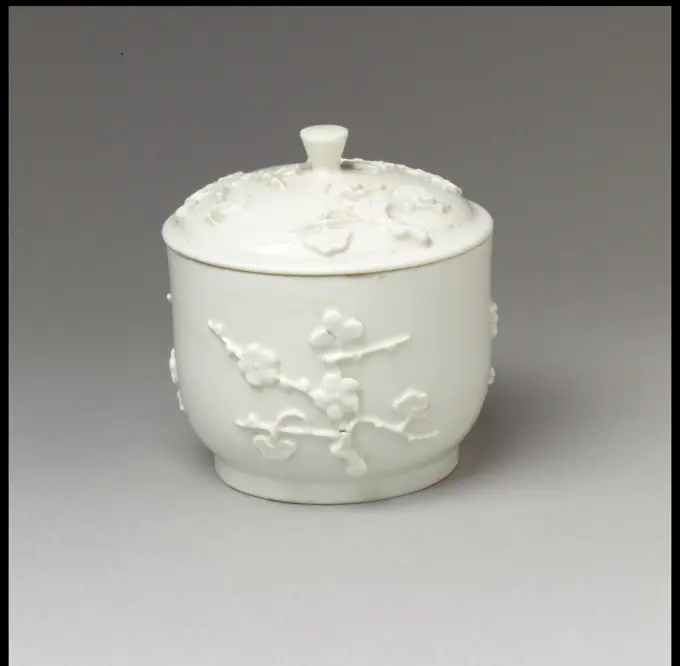
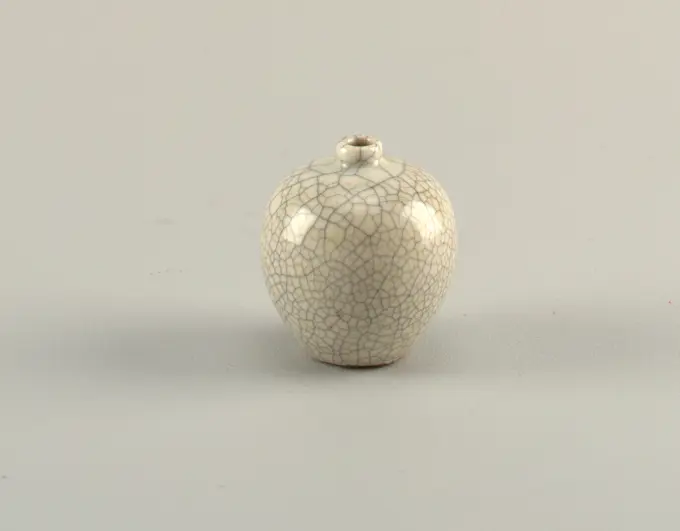
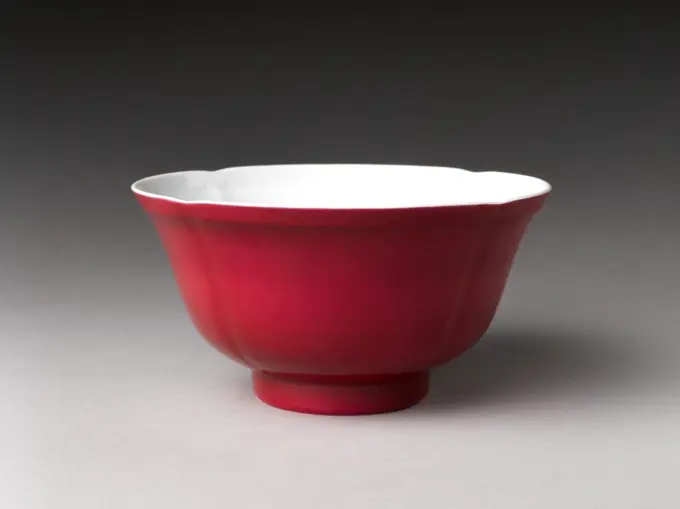
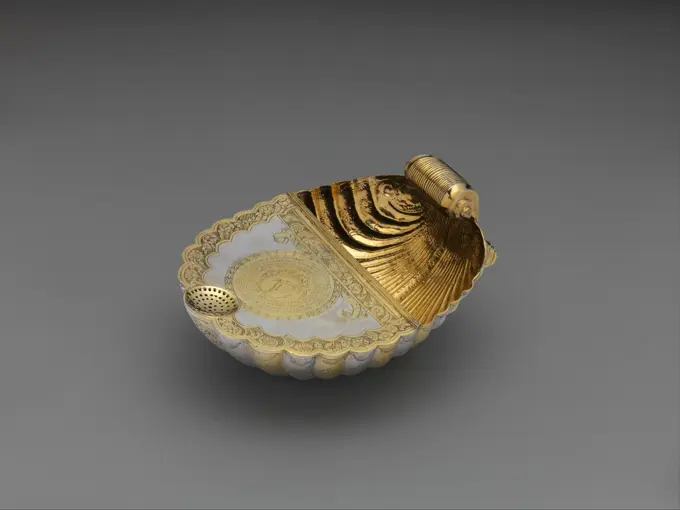
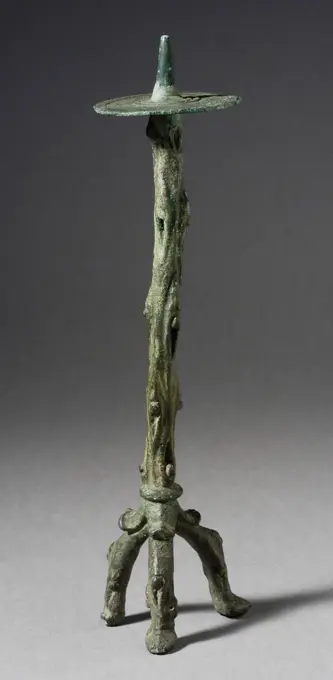
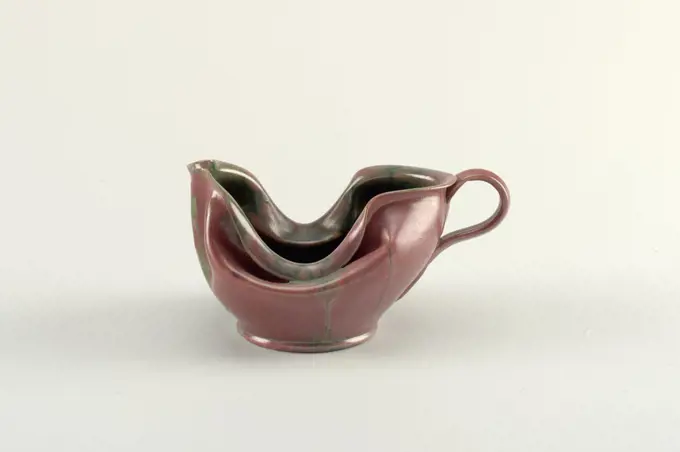
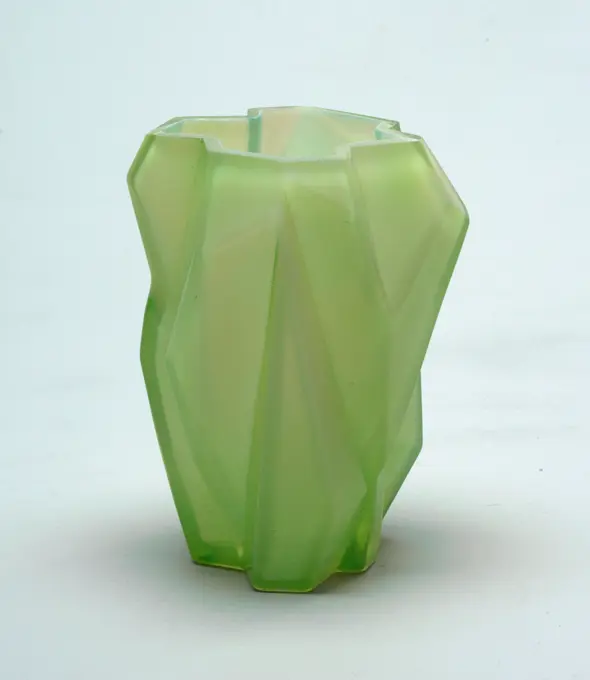
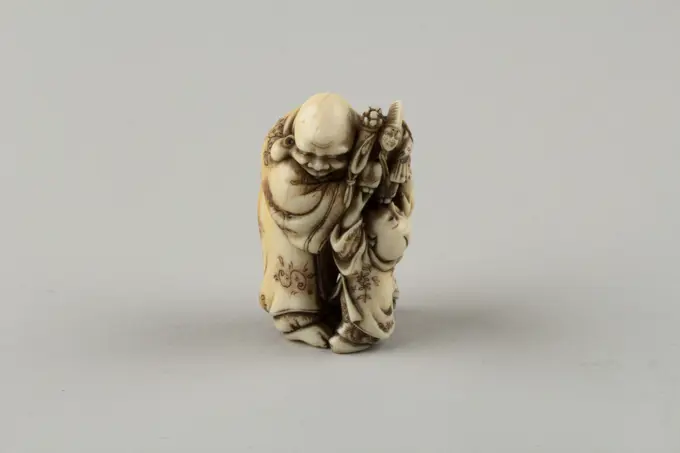
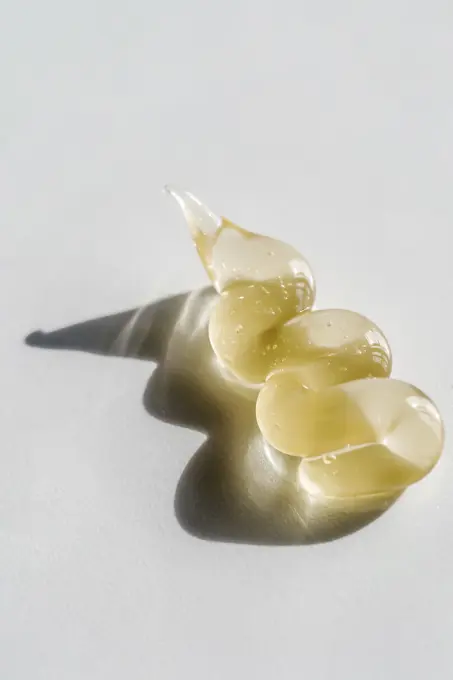
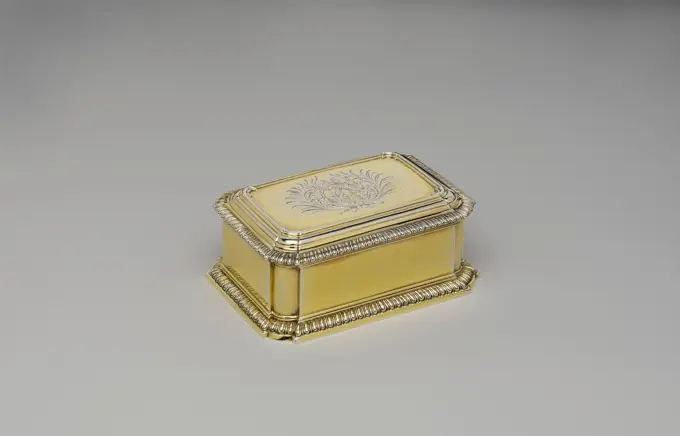
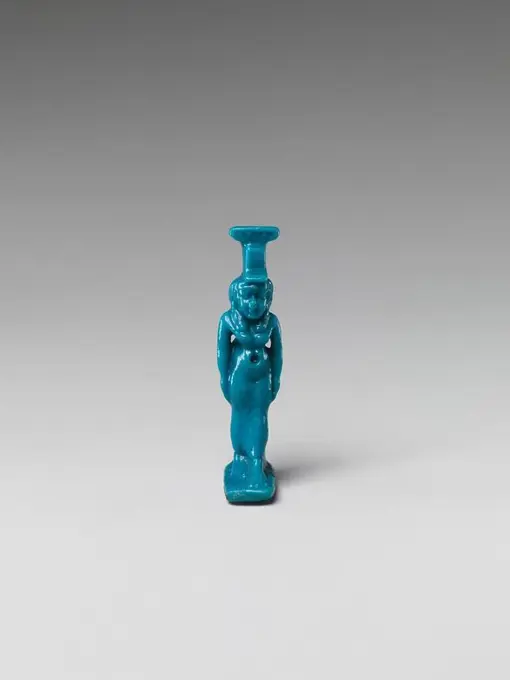
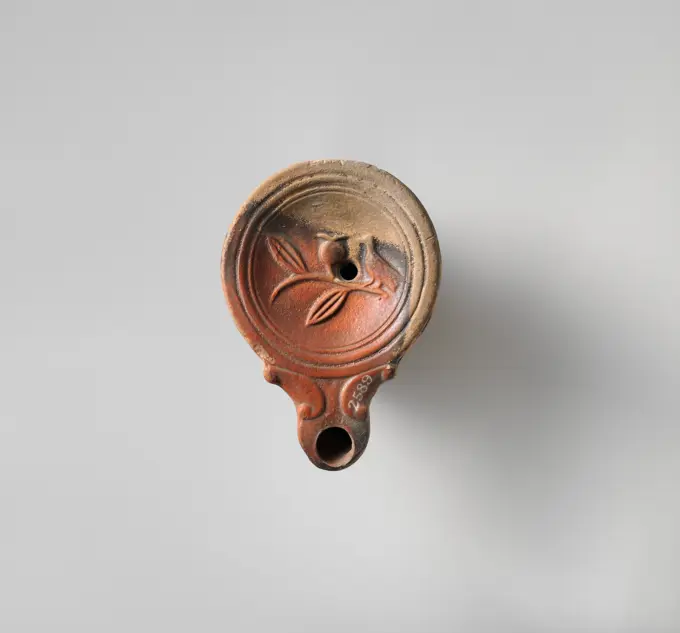
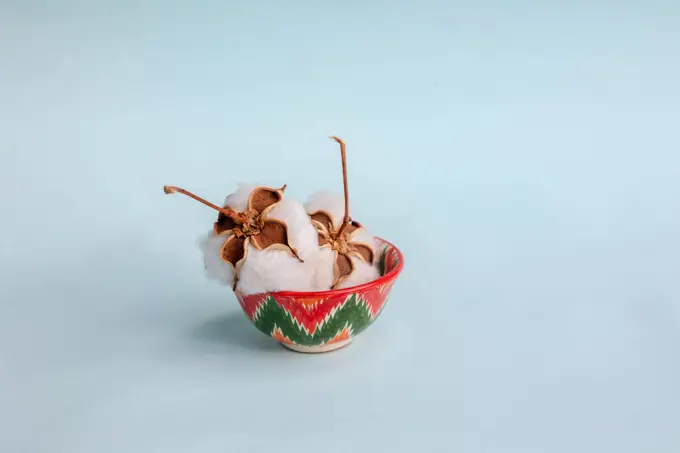
Small bowlSpinning stone, anonymous, c. 1600 - c. 1699 Spider of stoneware. A tire of Ingangrifted lines on the widest part of the stone. Germany stoneware. glaze vitrification Spider of stoneware. A tire of Ingangrifted lines on the widest part of the stone. Germany stoneware. glaze vitrificationHandle. Unknown late 1st-early 2nd century A.D. Description: Central bent stem ending in a leaf curving away from the lamp; stem framed by double-rod handle, curving upward and forward, toward lamp, in a loop; decorated with ivy leaves and berries similar to those on the head wreath; contact point on head unclear, possibly cleaned off().Drawer Pull. Dimensions: Diam. 2 1/2 in. (6.4 cm). Date: 1810-60. Museum: Metropolitan Museum of Art, New York, USA.Bowl with a white glaze and irregular rim, anonymous, c. 1600 - c. 1699 Bell -shaped bowl of porcelain, covered with a white glaze. An unglazed band on the bottom. Marked on the underside with an unidentified seal brand. White porcelain. South China porcelain. glaze. cobalt (mineral) vitrification Bell -shaped bowl of porcelain, covered with a white glaze. An unglazed band on the bottom. Marked on the underside with an unidentified seal brand. White porcelain. South China porcelain. glaze. cobalt (mineral) vitrificationHandrail., 1700 - 1800  Small planer with slightly running sole. The heel has a semi -circular shape. The front is curled up. Two semi -circular cuts in the plane hole on the front. Netherlands wood (plant material). iron (metal) cutting / forgingJug with a ribbed border, anonymous, c. 1600 - c. 1699 Small jug of stoneware on stand ring with a spherical belly and short neck. The center of the abdomen with a horizontal band of slanted ribs. Raeren. Rae stoneware. glaze vitrification Small jug of stoneware on stand ring with a spherical belly and short neck. The center of the abdomen with a horizontal band of slanted ribs. Raeren. Rae stoneware. glaze vitrificationJar And Cover (Denmark); Made by Royal Copenhagen Porcelain Manufactory (Denmark); stoneware, copper, pewterYixing Teapot (lid), 19th Century. China, Qing dynasty (1644-1911). Stoneware; diameter: 18 cm (7 1/16 in.); overall: 10 cm (3 15/16 in.).Round plate. Round plate of tin. The thin edge has turned.Bottle. unknown, craftsmanTerracotta oil lamp 1st century B.C.-1st century A.D. Roman, Cypriot Vessberg Type 13. Mold-made. Plain, concave discus with a single, small filling hole at center, and raised circle around edge; convex-curving shoulder, with small double ax heads in relief at sides; small volutes flanking slight pointed nozzle and ornament between volutes on top of nozzle. Broad, raised base ring, and flat base with circular recess at center.Intact.. Terracotta oil lamp. Roman, Cypriot. 1st century B.C.-1st century A.D.. Terracotta. Early Imperial. TerracottasIncense Burner. Porcelain incense burner, covered with a translucent white glaze. The body is bland on the bottom, turn upwards narrower and runs out slightly under the edge; The two ears are in the form of a lion's head. On the underside a stamped unidentified seal brand. Blanc De Chine.Bowl (Tecomate) 12th-9th century B.C. Olmec. Bowl (Tecomate). Olmec. 12th-9th century B.C.. Ceramic. Mexico, Mesoamerica, Puebla. Ceramics-ContainersAnonymous, bowl (usual name), 0960. Porcelain sandstone coated with a white slip and a transparent cover pulling on gray-green in the thicknesses. Cernuschi Museum, Asia Museum of Asia in the city of Paris.Beaker.   Maker: Samuel Casey, American, 1723-1773Bird;  III/II century BC -1st century (-225-00-00-100-00-00);Rectangular utensil decorated on the walls with carved and whitened (alternating) two sketch floral motifs - wild orchids and rose, and two inscription in cursive script. unknown, craftsmanCup With Pendent Flower Sprays and a Brown Glaze. Bell-shaped head of porcelain, covered with a brown glaze and painted on the glaze with blue, red, pink, green, black and gold. The outside of the head is covered with a dark brown glaze; On the inner edge a band napkin interspersed with a flower branch in a cartouche, under this band depending flower branches, a flower branch on the bottom. Famille Rose with monochrome brown.Fragment blowjob from the wreck of the East Indieschief Hollandia. Pipe, Bowl, Healmar: 17; Fragm, 1HSM1.Jar with cover ca. 1730-50 Saint-Cloud factory The gift of the Hans Syz Collection in 1995 endowed the Museum with nearly three hundred examples of European and Asian ceramics meticulously acquired by Swiss-born collector Dr. Syz (1894-1991) to chart the migration of models and patterns from East to West. Documenting a continuous process of influence and adaptation, these pieces provide a discriminating review of the nuances of stylistic change resulting from three centuries of trade.. Jar with cover 208403Lid of a jar, anonymous, c. 1725 - c. 1750 Facetted, curved lid with faceted, pear -shaped button on four discs. Blow garland engraved on the lid. Bohemia glass glassblowing Facetted, curved lid with faceted, pear -shaped button on four discs. Blow garland engraved on the lid. Bohemia glass glassblowing(Musket) bullet from v.o.c.-ship the 'Witte Leeuw', Anonymous, 1613 bullet (ammunition) (Must -ket) bullet.  lead (metal)Vase (China); porcelainWine tasting scale, smooth, with arched soil, Jacob Helweg (II), 1822 The round, bowl -shaped, double -walled wine taster rests on a straight position ring. The vaulted inside runs up in the middle to a platform. The bottom is not only soldered along the outer edge but also attached to the inside with a screw. Amsterdam silver (metal) The round, bowl -shaped, double -walled wine taster rests on a straight position ring. The vaulted inside runs up in the middle to a platform. The bottom is not only soldered along the outer edge but also attached to the inside with a screw. Amsterdam silver (metal)Bowl early 18th century China. Bowl. China. early 18th century. Porcelain with rose-enameled glaze (Jingdezhen ware). Qing dynasty (1644-1911), Yongzheng mark and period (1723-35). CeramicsTorsoSaucer-dish with incised pearl chasing dragons between clouds and flames. Scale of porcelain, covered with a monochrome dark blue glaze. The dish is on the front and rear covered with ingrangled pearl rooting, five-handed dragons between clouds and flames. Within the foot ring a translucent glaze with the six character mark of Emperor Kangxi in a double circle. Monochromes.Mathieu Lamoureux. "Taste-vin". Money. 1773. Museum of Fine Arts of the City of Paris, Petit Palais. 74384-11 Silver, silverware, bottleneck, TastevinCup. Culture: China. Dimensions: H. 1 3/8 in. (3.5 cm); W. 3 1/2 in. (8.9 cm); D. 2 in. (5.1 cm). Date: first half of the 19th century. Museum: Metropolitan Museum of Art, New York, USA.Miniature "nw" pot Old Kingdom ca. 2465-2150 B.C. This miniature vessel is a stone imitation of a ritual metal nw pot for wine or water offerings. View more. Miniature "nw" pot. ca. 2465-2150 B.C.. Gneiss. Old Kingdom. From Egypt. Dynasty 4-6Plate -Miniature chamber candlestick 1685-90 George Middleton British. Miniature chamber candlestick. British, London. 1685-90. Silver. Metalwork-Silver-MiniatureGlass mosaic fragment 1st century A.D. Roman Thin-walled body fragment.Translucent honey yellow and opaque white.Convex curving side.Marbled pattern of white threads and streaks.Polished exterior; pitting of surface bubbles on exterior; dulling, pitting, and creamy weathering on interior and edges.Probably from a blown mosaic perfume bottle.. Glass mosaic fragment. Roman. 1st century A.D.. Glass; blown. Early Imperial. GlassTea caddy with a green brown glaze, anonymous, anonymous, c. 1700 - c. 1850 Dust bar or Chare van Steengoed with an ivory lid, partially covered with a green brown glaze. The underside of the bus is unglazed. Old label on the inside with 'satsuma/ prov. Osumi/ (Kimmel) '. Tamba. Japan stoneware. glaze. deksel: ivory vitrification Dust bar or Chare van Steengoed with an ivory lid, partially covered with a green brown glaze. The underside of the bus is unglazed. Old label on the inside with 'satsuma/ prov. Osumi/ (Kimmel) '. Tamba. Japan stoneware. glaze. deksel: ivory vitrificationBowl with a white glaze, anonymous, c. 1600 - c. 1699 Come from porcelain, covered with a white glaze. White porcelain. South China porcelain. glaze vitrification Come from porcelain, covered with a white glaze. White porcelain. South China porcelain. glaze vitrificationLower Plate of a Bascinet. Culture: Italian. Dimensions: H. 7 1/16 in. (17.9 cm); W. 8 3/8 in. (21.3 cm); D. 9 1/8 in. (23.2 cm); Wt. 1 lb. 13.2 oz. (827.8 g). Date: early 15th century. Museum: Metropolitan Museum of Art, New York, USA.Tea bowl with a rose cream glaze, anonymous, anonymous, c. 1600 - c. 1699 Theekom van Steengoed, partially covered with a rosé cream -colored glaze. The lower part of the bowl is unglazed. A gold lacquer repair in the wall. Shino. Japan Stoneware. Glaze. repair: vitrification Theekom van Steengoed, partially covered with a rosé cream -colored glaze. The lower part of the bowl is unglazed. A gold lacquer repair in the wall. Shino. Japan Stoneware. Glaze. repair: vitrificationCaster.   Maker: Edward Winslow, American, 1669-1753Cup with spout. unknown, ceramistFaaMence vase with blue -green stock, anonymous, c. 1700 - c. 1750 cup. lid Faaience vase with blue -green stock Delft earthenware. tin glaze.Container, early 1900s. Japan, Meiji period (1868-1912) to Taishō period (1912-26). Brass; diameter: 6.4 x 9.2 cm (2 1/2 x 3 5/8 in.).Small vase. unknown, craftsmanWoman's BonnetKometje with iron remains. Kometje with on the bottom in two places iron remains. The iron residues are possible from a garbage.Handmade empty craft ceramic on  textile background.. Handmade empty craft ceramicFeeding bowl 1690 Hungarian, Transylvania This shell-shaped vesselknown as a feeding bowlwas used to serve strong broth or other liquid nourishment to the sick through a pierced well. The absence of marks suggests that the unknown goldsmith, who merged superior craftmanship with inventive design to create this piece, was guild-exempt while working as a court goldsmith. On the cover plate is an armorial roundel with a Latin inscription encircling the ibex (goat) crest of Count Michael Teleki de Szék (b. 1634), a wealthy statesman, military commander, and landlord. The engraved date 1690 is the year of the count’s death. He likely used the bowl himself during his final illness. A similar coat of arms of a rampant goat as a hexagonal dish in the Hungarian National Museum (Judit H. Kolba. Schätze des ungarischen Barock. Exh. cat. Deutsches Goldschmiedehaus Hanau. Hanau, 1991, p. 82, no. 41).LiteratureEuropean Works of Art, Renaissance Bronzes and Sculpture. Sale cat., Sotheby’s, London, Vase with a Matte Red Glaze, anonymous, 1896 Vase of earthenware, funnel-shaped, covered with pink-purple glaze. The body is decorated with two deep-cuts on top and bottom of running piping, another piping between body and neck. Delft earthenware vitrification Vase of earthenware, funnel-shaped, covered with pink-purple glaze. The body is decorated with two deep-cuts on top and bottom of running piping, another piping between body and neck. Delft earthenware vitrificationCandelabrum. Egypt, Roman Period - Byzantine Period (200 - 1200 CE) or later. Furnishings; Lighting. BronzePitcher, Glazed earthenware, Thrown red earthenware body with slumped, deeply folded sides, short spout, applied curved handle, and low foot. Exterior covered with variegated rose-colored glaze, with streaks of brilliant green glaze. Interior glazed in mottled dark green with areas of lusterless and high luster glaze. Underside partially glazed., Biloxi, Mississippi, USA, ca. 1893-1909, ceramics, Decorative Arts, PitcherSugar bowl with lid, yelled. Sugar bowl of yellow-leaved alabaster, decorated with twisted profile edges. The lid is loose and has a button and profile edges.Stamp seal ca. 150 B.C. Parthian. Stamp seal. Parthian. ca. 150 B.C.. Stone. Parthian. Mesopotamia, NippurRuba Rombic Vase; USA; mold-blown glassSeal stamp of Prince William IV of Orange and Princess Anna van England ,, 1700 - 1750 stamp Oval stamp with handle and carrying ring, in beautiful shapes. The handle is intended to be kept between the wise and middle finger while stamps. Two shields on the stamping area itself, to the left of England, to the right of Orange, both worn by a crowned lion. Above one crown, under the spell of Orange on a band, which is supported by a sierencocel together with the lions. Inscription: o.: Maintiendrai. Round coat of arms of Orange: Honi soit. Qui. MOLD. Y. Pense. Netherlands (possibly) steel (alloy) forging / engravingSpittoon -Doorknob ca. 1850 American. Doorknob 3369Bead China. Bead. China. Glass paste over ceramic core. Eastern Zhou dynasty (770-256 B.C.). GlassBaby tooth brush or infant tooth brush, made by silicone material transparent and hand wear, help your first baby teeth clean, isolated on white.Cooking pot, anonymous, 1400 - 1500 The grape is cast in two halves. The two ears are in the middle of each half. The hull is bullet -shaped. The transition from hull to neck is fluent. The lip edge is more or less round. The object stands on three legs, which have a more or less round on one side straight cross -section, and which are provided with feet. The rectangular ears are applied to the hull and just under the lip edge. A wrought iron handle is attached to it, which has a round cross -section. Two legs are bent. Northern Netherlands (possibly) brass (alloy). iron (metal) casting / forging The grape is cast in two halves. The two ears are in the middle of each half. The hull is bullet -shaped. The transition from hull to neck is fluent. The lip edge is more or less round. The object stands on three legs, which have a more or less round on one side straight cross -section, and which are provided with feet. The rectangular ears are applied to the hull and just under the lip edge. Saltcellar. Culture: American. Dimensions: 2 1/8 x 1 3/4 x 2 3/8 in. (5.4 x 4.4 x 6 cm). Maker: Challinor, Taylor and Company (1866-1891). Date: 1870-90. Museum: Metropolitan Museum of Art, New York, USA.Dish with dragon late 17th-early 18th century China. Dish with dragon. China. late 17th-early 18th century. Porcelain painted in underglaze cobalt blue (Jingdezhen ware). Qing dynasty (1644-1911), Kangxi period (1662-1722). CeramicsNetsuke of Man and Two Children with a Sambaso Dancer Puppet 19th century Masahide. Netsuke of Man and Two Children with a Sambaso Dancer Puppet 59673Empty wooden cutting board on gray textured concrete background Empty wooden cutting board on gray textured concrete background. Cutlery, preparation for dinner Copyright: xZoonar.com/TetianaxChernykovax 21909282Transparent cosmetic gel on the white background in a beam of light.Snuffbox Charles Le Bastier French 1760-61 In eighteenth-century Europe, Paris led the production of high-quality luxury goods. Parisian goldsmiths made a wide range of small, personal articles such as snuffboxes; étuis to hold sealing wax, tweezers, or utensils for sewing; souvenirs, which contained thin ivory tablets for note taking; and shuttles for knotting lace. Gold snuffboxes and boxes decorated with portrait miniatures were prized and frequently given as royal gifts, often to ambassadors or members of the court in lieu of cash payments for their services. Coveted and admired, these boxes were produced from a variety of materials. The best were skillfully made of gold and embellished with diamonds, enameled decoration, lacquer, and other luxurious materials. By the middle of the century, the taking of snuff had become an entrenched social ritual, and the snuffbox, too, had become an important social prop. Snuffboxes were considered highly fashionable accessories, with some merchAlcoholic beverage bottle -Plate 1880-88 Possibly Boston & Sandwich Glass Company. Plate 6432Toilet box (one of a pair) (part of a set) 1766 John Parker British These boxes were part of a toilet service sold by the leading London retailers Parker and Wakelin to John Heathcote, who, a few years earlier, had married the heiress Lydia Moyer. Parker and Wakelins accounts for the sale show that the service included eight such boxes, a pair of candlesticks, two "essence pots," a looking glass, a "jewells trunk," and a pair of octagonal pierced trays. The cost for gilding the service was more than £56—roughly equal to the annual wage of a successful artisan—and the entire bill came to more than £300. There was a further charge of £6 6s for a "red morocco leather case with a drawer & 2 cushions.". Toilet box (one of a pair) (part of a set) 236590SylviteTerracotta Megarian bowl. Culture: Greek, Asia Minor. Dimensions: H. 7.01 cm.. Date: 3rd century B.C.. Museum: Metropolitan Museum of Art, New York, USA.Stack of blankets, anonymous, c. 1750 - c. 1800 A pile of three folded and tied woolen blankets () Bundled with linen band. Netherlands wool. linen (material) napping A pile of three folded and tied woolen blankets () Bundled with linen band. Netherlands wool. linen (material) nappingIpu Hula. Culture: Polynesian. Dimensions: H. 76.2 cm (30 in.); Diam. 30.5 cm (12 in.). Date: 19th century.Large gourd drums called ipu hula are unique to Hawai'i. Ipu hula are fashioned from two ipu (gourds), a smaller one forming the top and a larger one the lower portion of the instrument. The gourds are specially cultivated to obtain the desired shape. When they have reached the appropriate size the gourds are harvested and the upper portions and contents removed, leaving the hard empty shells. The smaller gourd is inverted and cemented over the open top of the larger one with glue, formerly made from breadfruit tree sap, creating a hollow figure-eight shaped instrument. A circular hole made in the top allows the sound to escape. Ipu hula are used to provide the fundamental rhythm for chants and dances, especially, as the name indicates, various forms of Hawaiian hula. It can be played by musicians of either sex. When playing the ipu hula, the musician sits and places a pad, typiLeerer Keramikteller auf einem monochromen braunen Hintergrund Empty ceramic plate on a monochrome brown background. Empty plate with cutlery on a dining table LicenseRF Copyright: xZoonar.com/TetianaxChernykovax 23279209Labret 10th-16th century Tairona. Labret. Tairona. 10th-16th century. Gold. Colombia. Metal-OrnamentsNephthys amulet. Dimensions: H. 4 cm (1 9/16 in.); W. 1 cm (3/8 in.); D. 1.5 cm (9/16 in.). Date: 332-30 B.C..The four small figures of Isis, Khnum, Horus, and Nephthys and Khnum (26.7.883-26.7.886) are probably mummy amulets. Museum: Metropolitan Museum of Art, New York, USA.Close-up of a glass figurine on a wooden stand, Milan, Lombardy, ItalyPot Stand. Dimensions: diam. 13 cm (5 1/8 in). Dynasty: Dynasty 18. Reign: Joint reign of Hatshepsut and Thutmose III. Date: ca. 1479-1458 B.C.. Museum: Metropolitan Museum of Art, New York, USA.Cup-stand China. Cup-stand 52623Ring3d stone podiums, rock platforms for display nature products for spa and cosmetic. Smooth white marble pebbles isolated on transparent background, vector realistic illustration. 3d stone podiums, rock platformsFork, ivory, steel, silver, Two strongly curved tines, pointing outwards, long baluster-shaped neck. Plain silver ferrule, oval in section. Carved ivory handle: two women in costume, one holding a bird in one hand, the other hand resting on the anchor in front of her (Hope), her bare leg partly visible, her foot resting on the lower part of the anchor. The other woman standing behind her, holding a cross in one hand and a Bible in the other hand (Faith). She also has one leg partly visible., Netherlands, 1680-1700, cutlery, Decorative Arts, ForkSlot, 1600 - 1699 A lock with clover -shaped lid. With key (BK-NM-8726-B).  iron (metal) A lock with clover -shaped lid. With key (BK-NM-8726-B).  iron (metal)Terracotta oil lamp 1st century B.C.-1st century A.D. Roman, Cypriot Loeschcke Type 4. Mold-made. Discus: a bird, facing left, perched on the end of a large branch with two leaves and a berry; a single filling hole near center between bird and berry, and a band of lines and grooves towards edge. Volutes flanking nozzle. Incised base ring, and flat base.Intact.. Terracotta oil lamp. Roman, Cypriot. 1st century B.C.-1st century A.D.. Terracotta. Early Imperial. TerracottasFrontlet of gold leaf. Frontlet of gold leaf 242983Weißer Kürbis mit Herbstblättern White whole uncooked decorative pumpkin with autumn dry leaves fern over beige background. Autumn minimalist composition. Copy space Copyright: xZoonar.com/NATASHAxBREENx 22664225Bowl. Culture: British, London. Dimensions: 3 × 6 3/8 in. (7.6 × 16.2 cm). Maker: George Wickes (British, Bury St Edmunds, Suffolk 1698-1761 Thurston, Suffolk). Date: 1744/45.The arms of William Anne Capel (1732-1799), fourth Earl of Essex, are engraved at the center of this bowl, which was probably part of a tea set. The small scale of the cast and applied shell decoration is characteristic of Wickes's Rococo work. Museum: Metropolitan Museum of Art, New York, USA.Bird Pendant 4th-7th century Central Region Tropical Costa Rica is the habitat of an enormous number of bird species, many of which acquired symbolic dimensions in depictions in stone. This pendant, made of a jadeite of great clarity, features a toucan. Yet its upright stance and folded arms indicate that the figure is anthropomorphic, implying perhaps that it is a masked or transformation figure. Adding to the complexity of the image is a trophy head where the figure's feet should be. Disembodied heads are frequent in Precolumbian Costa Rican art. This pendant is said to be from the Atlantic Watershed region, one of the two primary areas of jade use in ancient times. The other is the northwestern province of Guanacaste. Each area is generally associated with characteristic stylistic features in jade and other antiquities. Listen to experts illuminate this artwork's story Listen Play or pause #1614. Bird Pendant Supported by Bloomberg Philanthropies We're sorry, the transcript for thisSpear of Emperor Ferdinand I (reigned 1558-64). Culture: German. Dimensions: L. 8 ft. 5 1/2 in. (257.8 cm); L. of head 13 in. (33 cm); W. 4 in. (10.2 cm). Date: dated 1558.This spear was carried by the bodyguards of the Holy Roman Emperor Ferdinand I (reigned 1558-64). Museum: Metropolitan Museum of Art, New York, USA.Ten Pripih (Funerary objects) Depicting Various Animals 11th-13th century Indonesia (Java). Ten Pripih (Funerary objects) Depicting Various Animals. Indonesia (Java). 11th-13th century. Gold. Song (960-1279) or Yuan (1271-1368) dynasty (). Jewelrycockleshell on sea sand backgroundTeakettle - John Phillips & Co. John Phillips & Co.Knife Handle (Kozuka) 18th century Japanese A kozuka is a handle of a by-knife that is part of a sword mounting. It is kept in a slot on the reverse of a katana scabbard, often with a matching kgai (hairdressing tool).. Knife Handle (Kozuka). Japanese. 18th century. Copper-gold alloy (shakud), gold, silver. Sword Furniture-KozukaHand bell Illustration of a brass hand bell Copyright: xZoonar.com/PaulxFleetx 811759Creampot.   Maker: Daniel Henchman, 1730-1775Cotton white dry plant flower in national Uzbek bowl. Fluffy cotton ball on a blue background, close -up cotton white dry plant flower in national Uzbek bowl. Fluffy cotton ball on a blue background, close -up copyright: xzoonar.com/larisaxshpinevax 22717220Chatelaine.  Maker: Joseph Richardson Jr., American, 1752-1831Six shards of Chinese manufacturing ceramic, found in Vietnam (usual name). Sandstone, Céladon covered. Cernuschi Museum, Asia Museum of Asia in the city of Paris.Children's hat of white batist () With white embroidery with spreading motif and flower and leaf vines, trimmed all around with ruffle of tulle and lace; Disconnected on the back with lace, anonymous 1 embroidered Battisten baby hat with tulle side along the edge and around the balls.  batiste. embroidering 1 embroidered Battisten baby hat with tulle side along the edge and around the balls.  batiste. embroideringChildren's hat from brown side with wide silver passion deposited, anonymous, c. 1800 - c. 1825 Children's hat of brown side decorated with wide silver passion and trimmed with lace. Stiff interior of mesh. Lining in gray and blue, striped linen side strip with tulle transition. France whole: Silk. Completely: Braid. whole:. whole: embroidering Children's hat of brown side decorated with wide silver passion and trimmed with lace. Stiff interior of mesh. Lining in gray and blue, striped linen side strip with tulle transition. France whole: Silk. Completely: Braid. whole:. whole: embroideringShell on the beach in Sapi Island, Sabah.