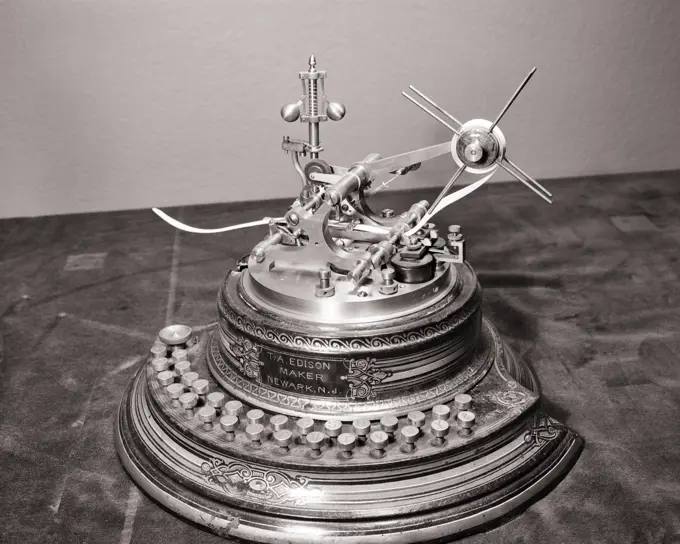
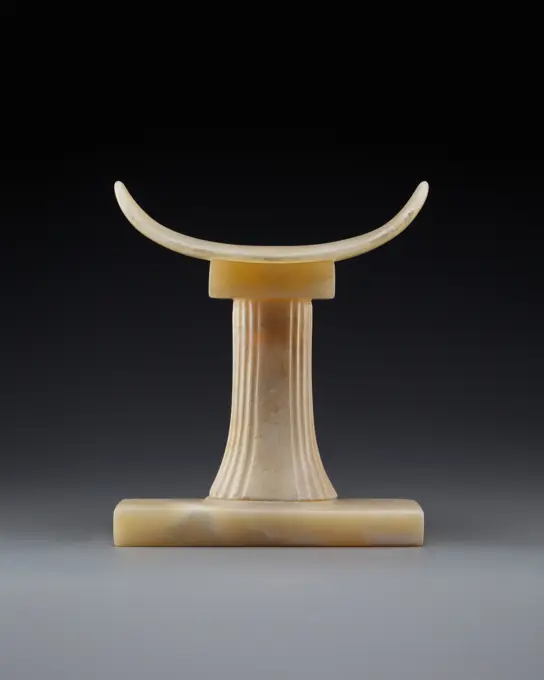
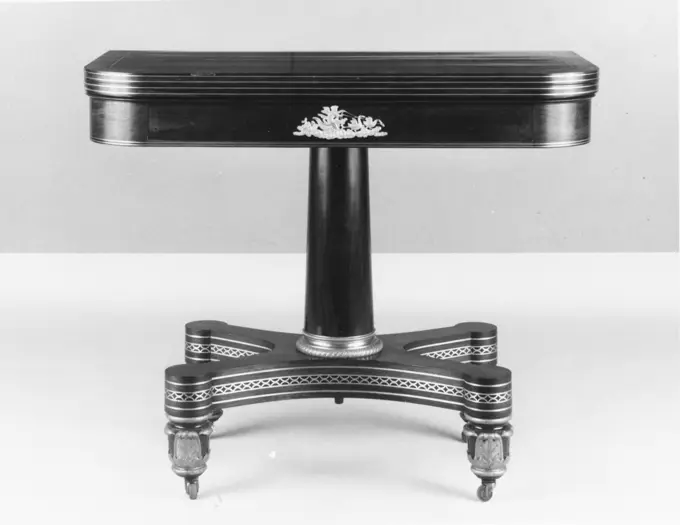
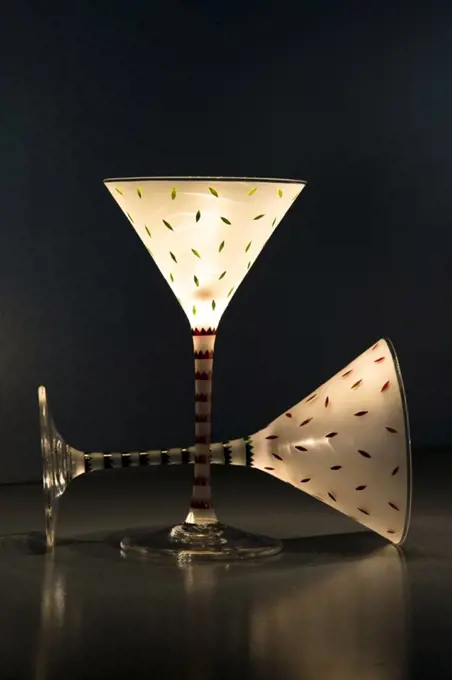
Antique Candlesticks Collection

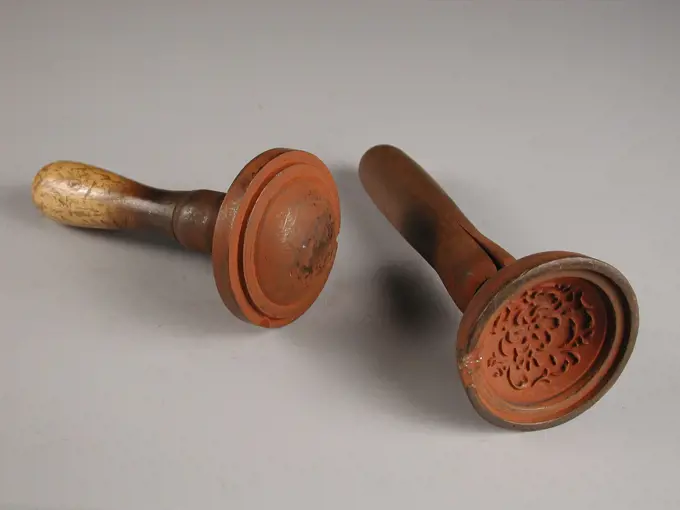
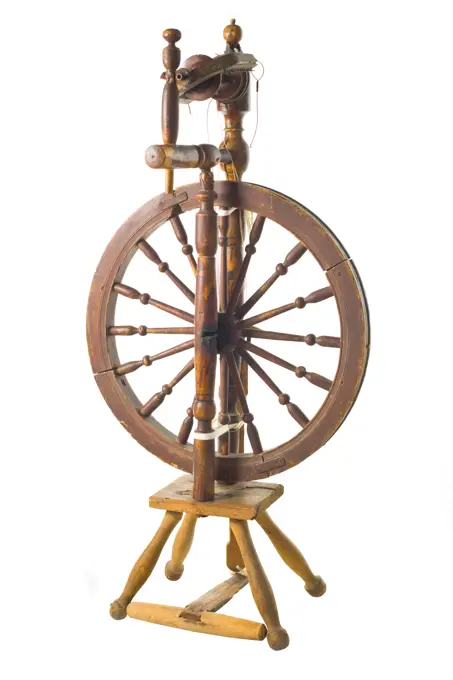
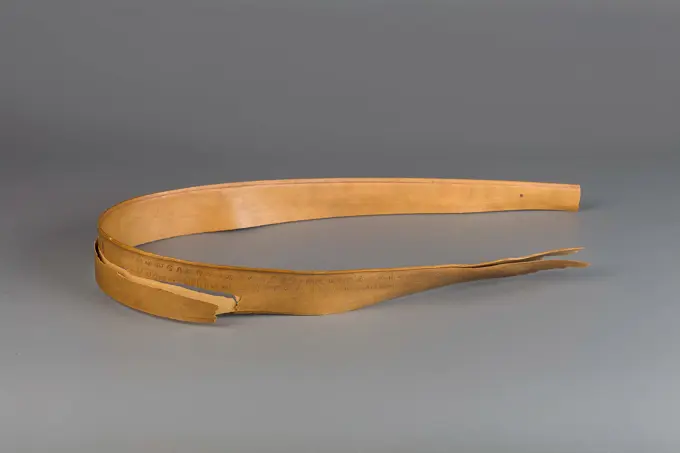
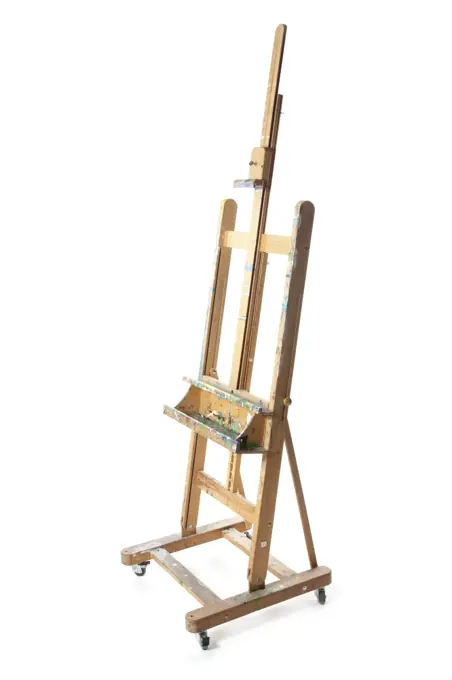
A series of ornate candlesticks from the 14th to 17th century, showcasing intricate designs in brass and wood, highlighting historical craftsmanship and style.
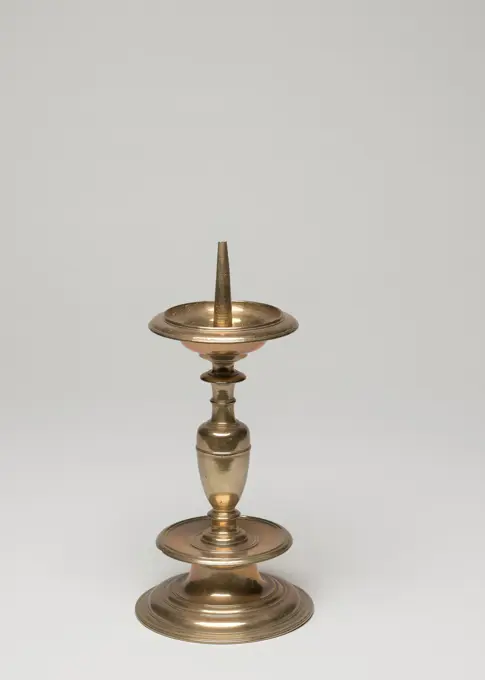
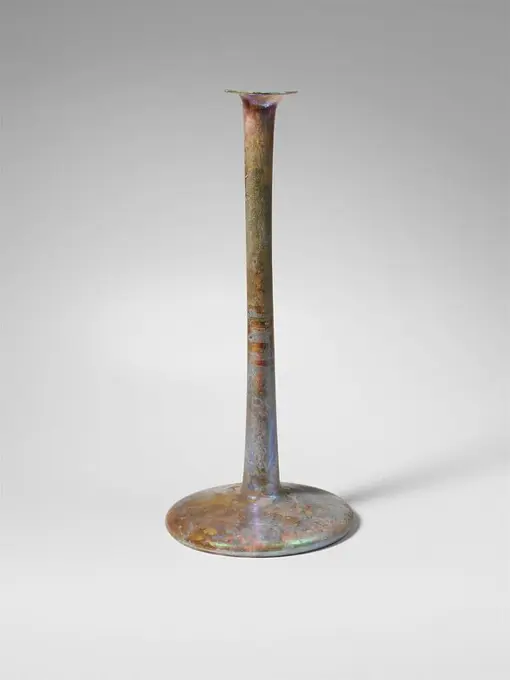
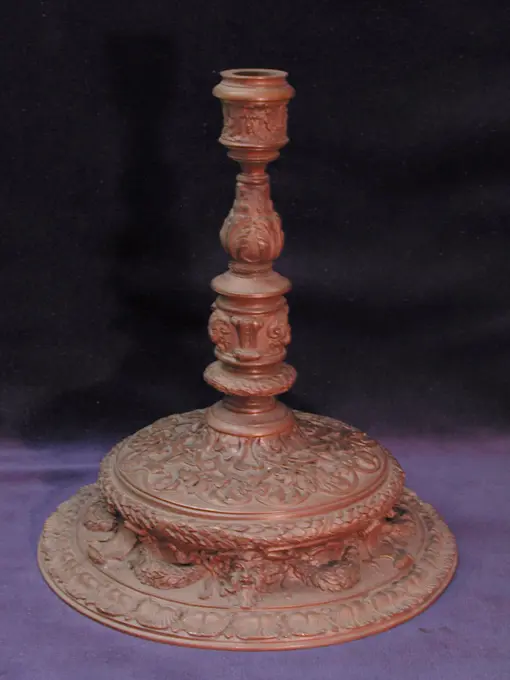
Candlestick, 16th century, 8 3/4 x 3 7/8 x 3 7/8in. (22.2 x 9.8 x 9.8cm), Brass, Italy, 16th century
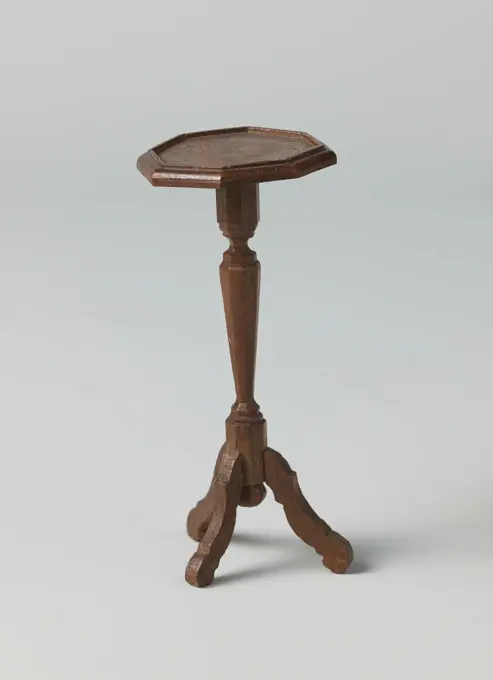
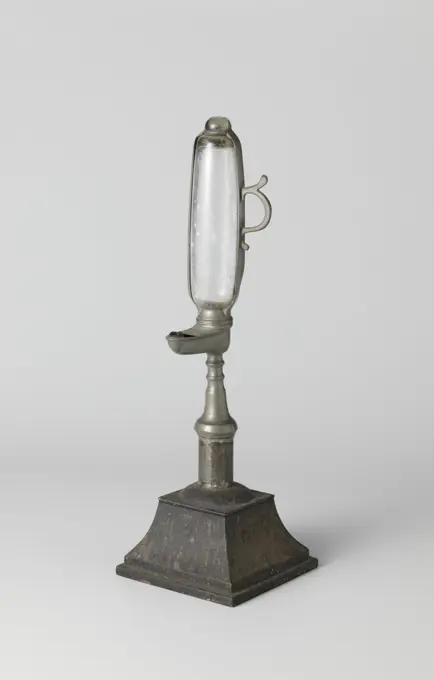
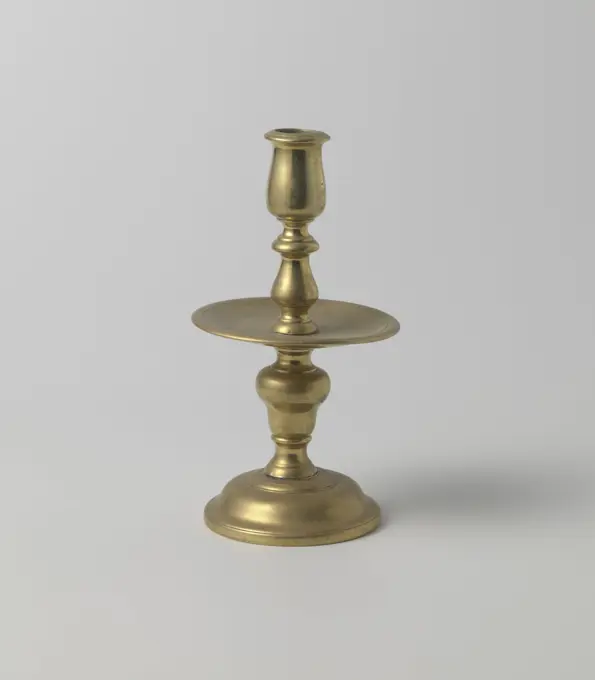
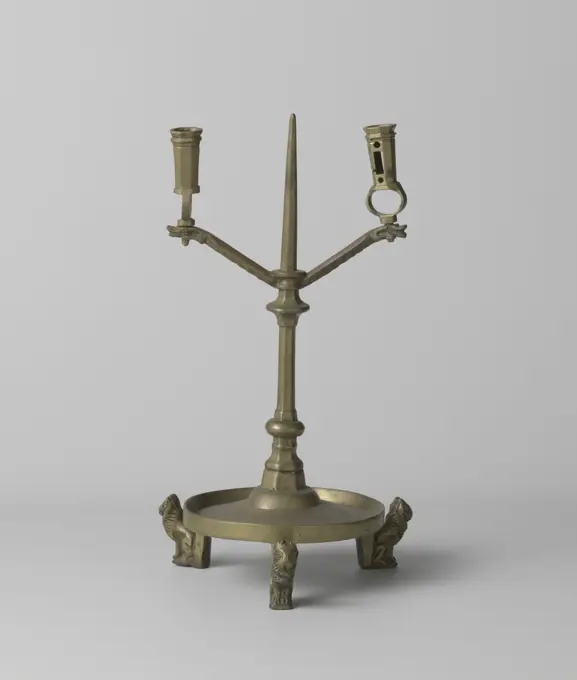
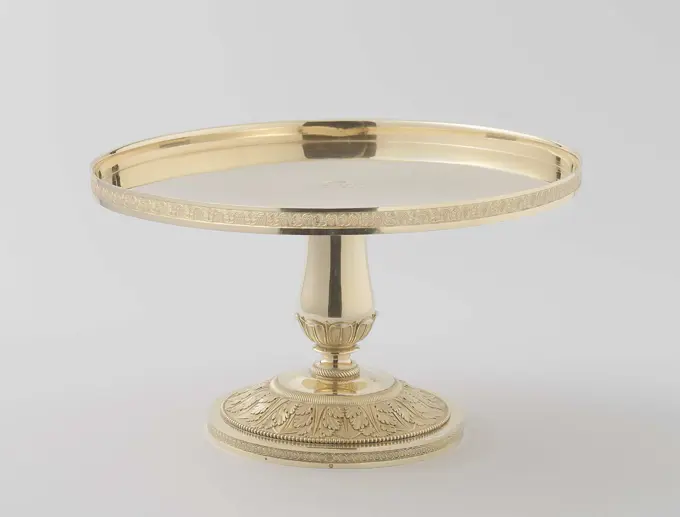
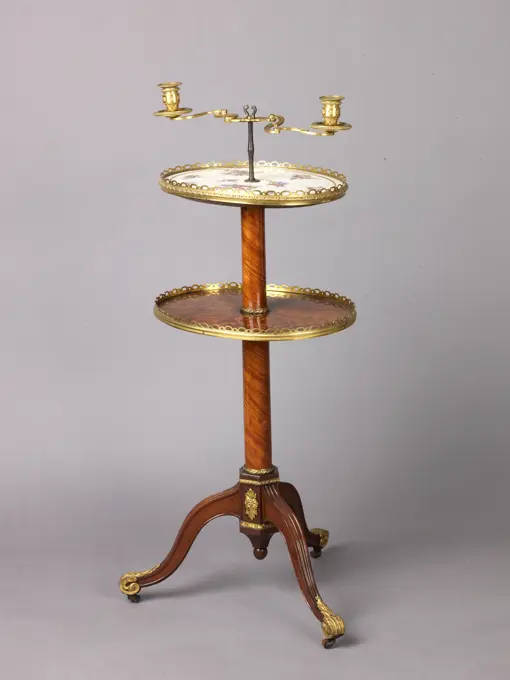
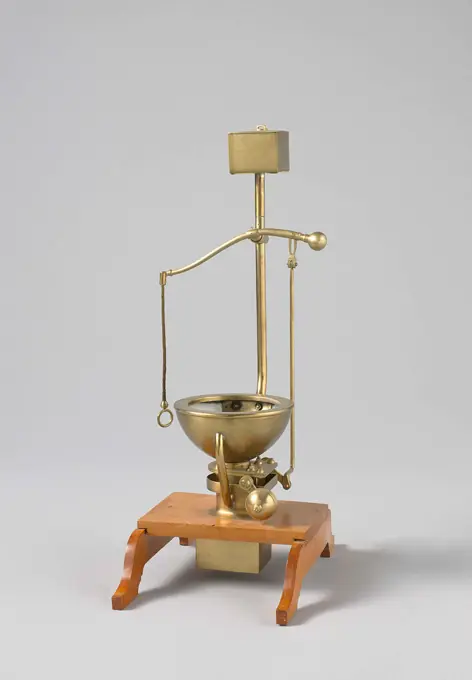
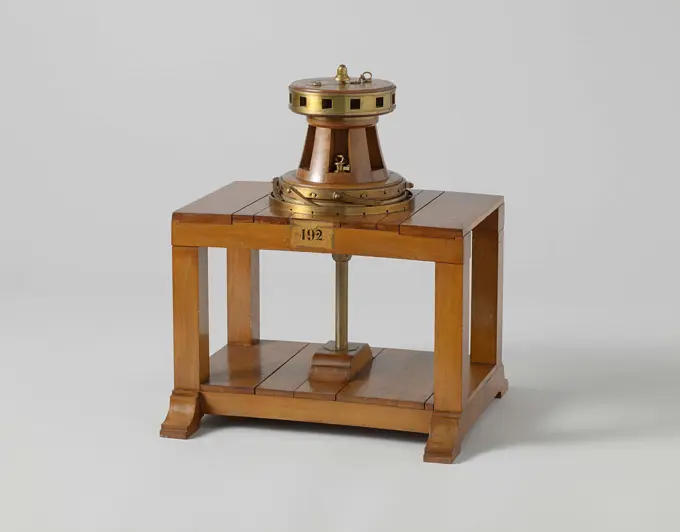
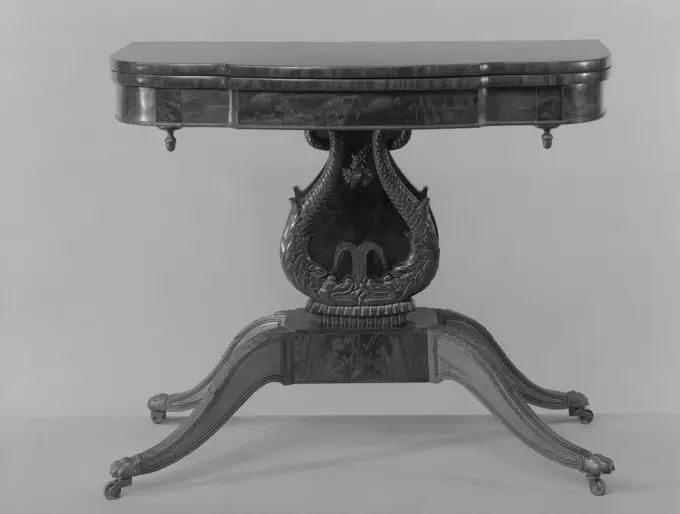
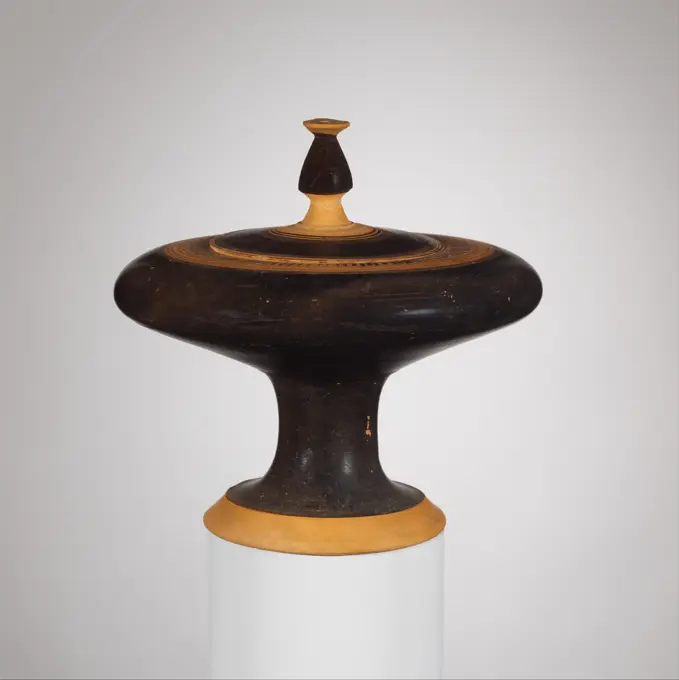
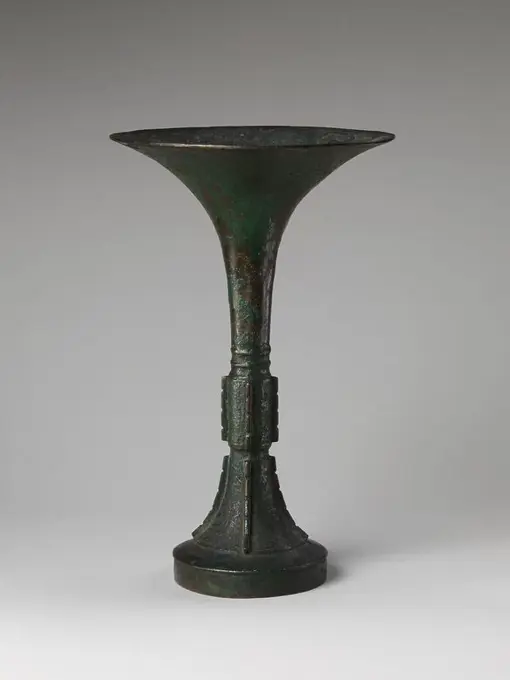
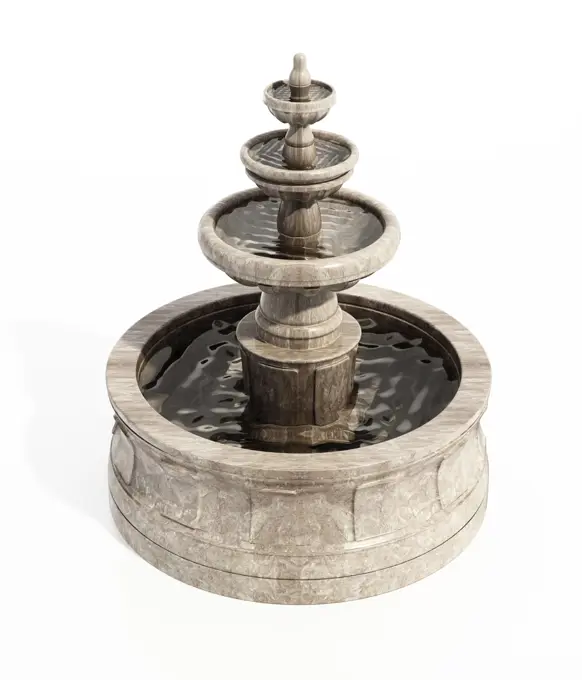
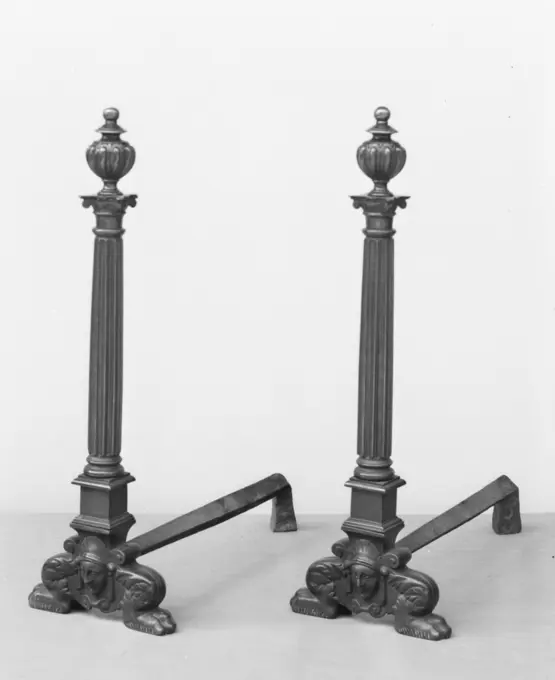
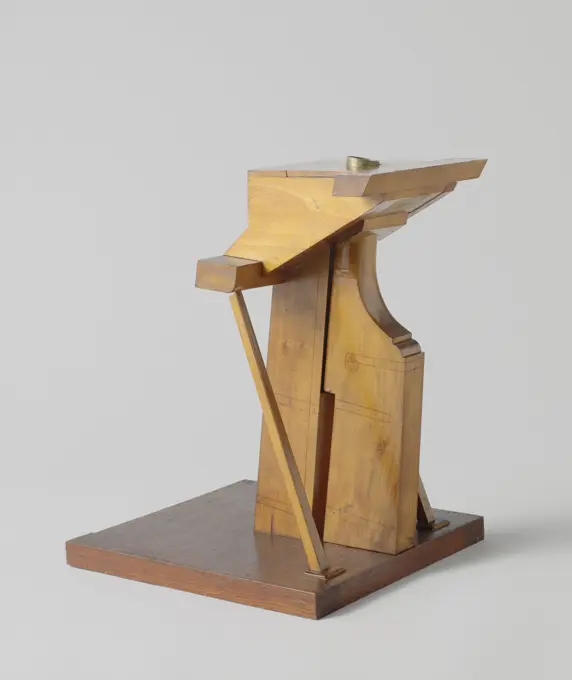
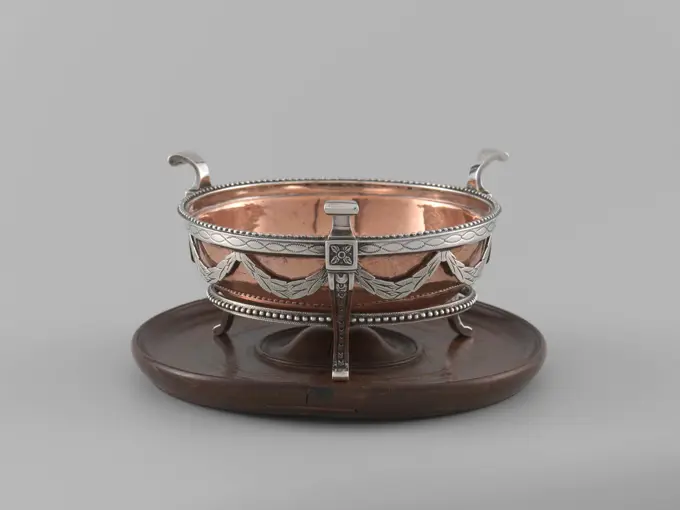
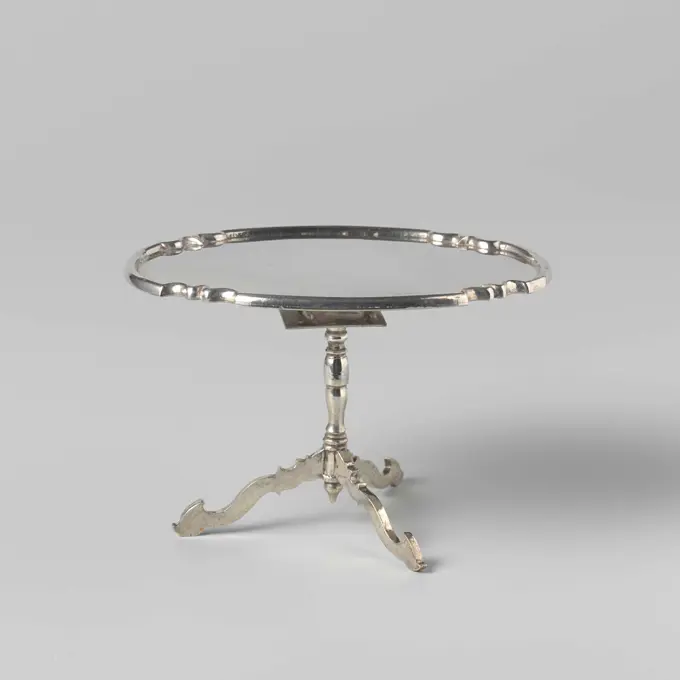
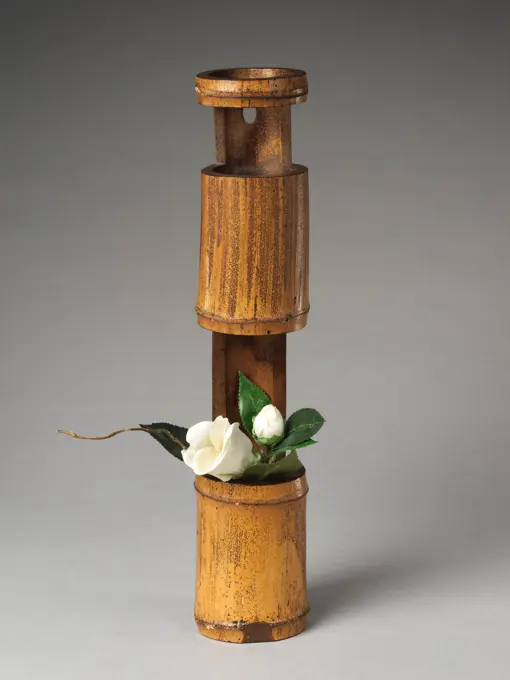
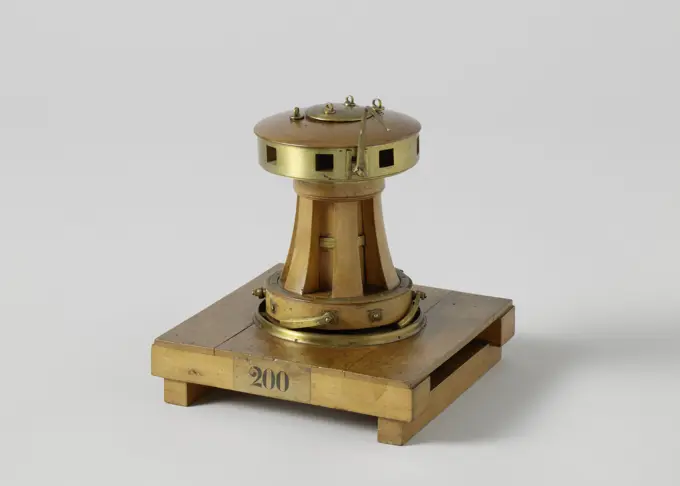
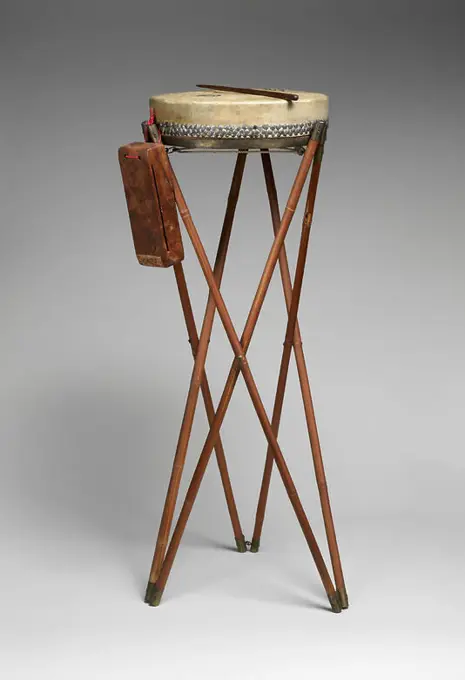
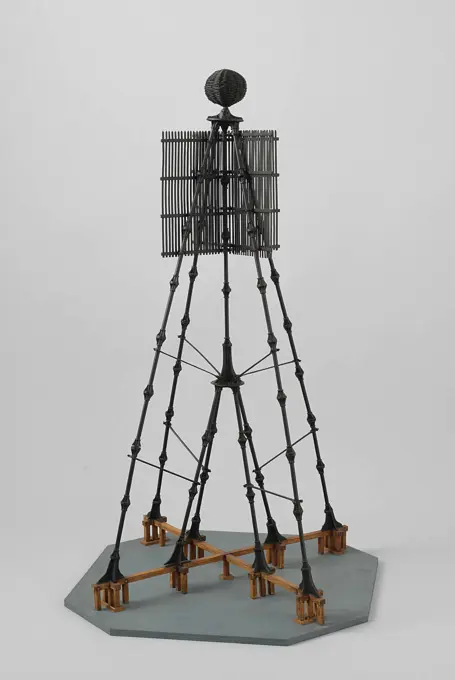
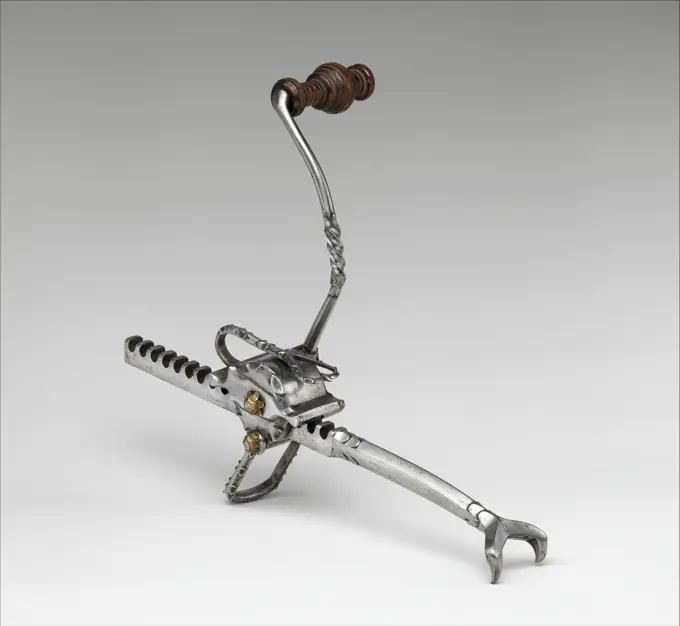
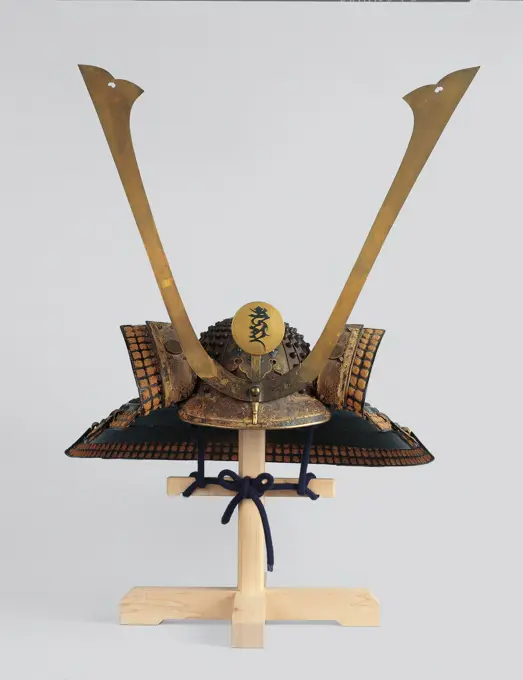
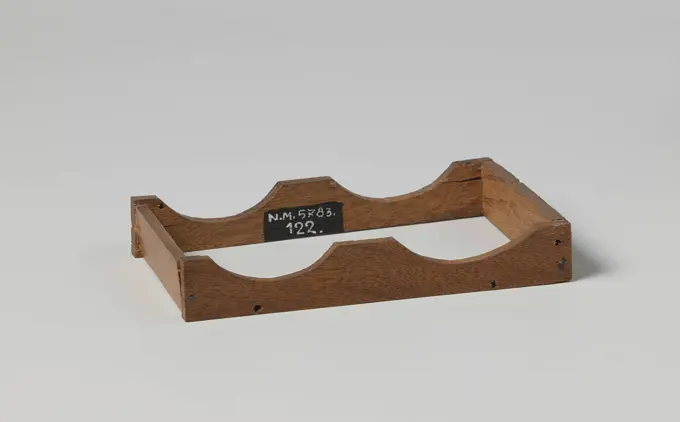
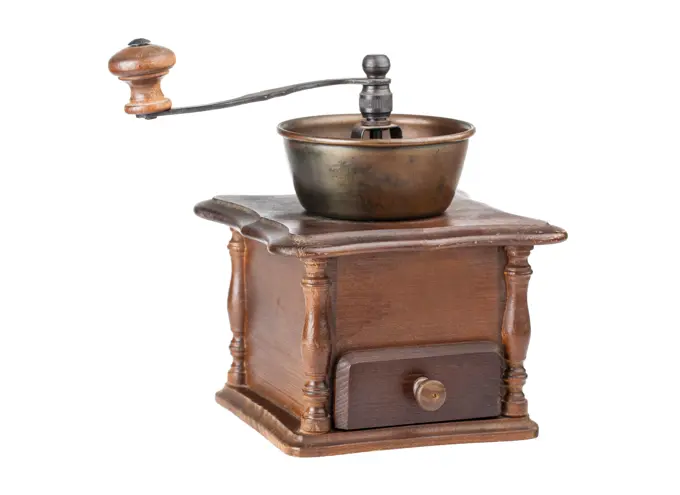
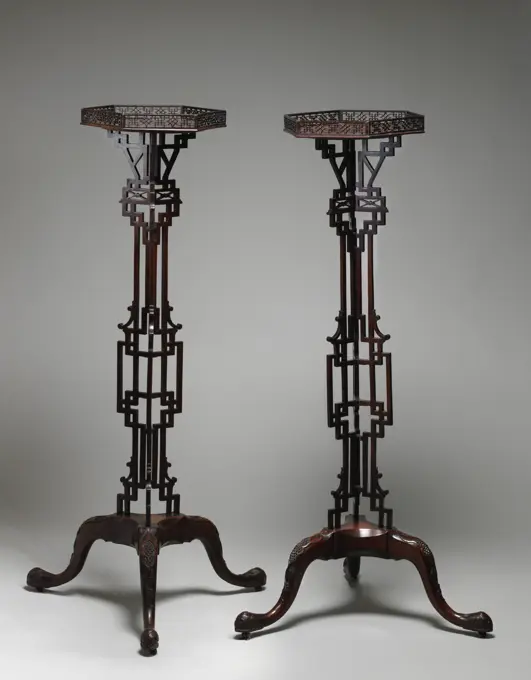
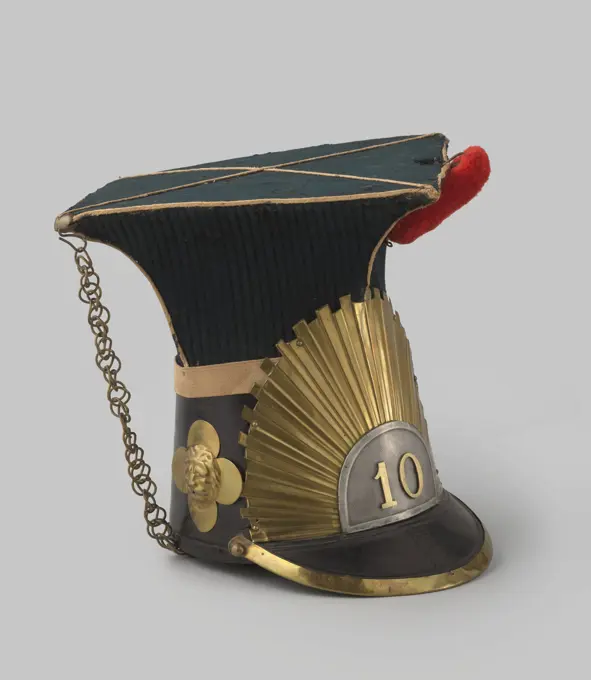
Candlestick, 16th century, 8 3/4 x 3 7/8 x 3 7/8in. (22.2 x 9.8 x 9.8cm), Brass, Italy, 16th centuryCandlestick, worn by lions, anonymous, c. 1400 - c. 1500 The object is composed of the following parts: the foot and trunk that are cast in one whole, the fat catcher, the candle pin and the three pedestals. The trunk is hollow on the top to the upper knot. The round, slightly enhancing foot towards the middle, turns into the round trunk with three knots. The round fat catcher connects, which has almost the same cross -section as the foot, and whose bottom is slightly. The raised edge with six tilting has been enlivened with six ornaments, consisting of a perforation in the form of a five pass. On top of the large candle pin is applied, which is profiled at the foot. Foot, trunk, fat catcher and pin are decorated with fine grooved rings. The candlestick has three cams at the bottom, on which the three pedestals are soldered in the form of lions. These were not originally and later applied. Northern Netherlands (possibly) brass (alloy) casting / soldering The object is composed of the fKandelaber in lobe style with three candle holders, anonymous, c. 1625 - c. 1675 The candlestick now consists of the following parts: the foot and the stem in it, the two-armed turner and the associated fat catchers. The screw to attach the turner to the smooth stretch of the trunk is missing. Similarly one of the candle holders who belong to the turner, as well as the candle holder and the fat catcher, who can be screwed up at the top of the trunk. The feet standing on three legs and the two-armed turner are in lobe style. The lower part of the trunk has been twisted. The fat catchers are provided with a raised edge at the top. Northern Netherlands (possibly) brass (alloy) casting The candlestick now consists of the following parts: the foot and the stem in it, the two-armed turner and the associated fat catchers. The screw to attach the turner to the smooth stretch of the trunk is missing. Similarly one of the candle holders who belong to the turner, as well as the candle holder and Gueridone with octagonal leaves, tapered, profiled strain on three S-shaped legs. Gueridone of walnut, with octagonal leaf with raised edge, tapered, profiled trunk on three S-shaped legs.Candlestick 16th century Spanish. Candlestick 463021Candlestick, c. 1400 - c. 1950 Candlestick of copper, on a three -foot.  copper (metal). brass (alloy) Candlestick of copper, on a three -foot.  copper (metal). brass (alloy)Tin oil lamp, serving as a clock, anonymous, 1700 - 1800 Tin oil lamp, which can be used as a clock. The iron base is square, reversed conical and shows traces of black and red paint. In the middle of the foot a cylindrical shaft runs up, on which the pewter oil lamp is placed. The oil lamp starts at the bottom with a conical shaft, above which two silly nodes can be seen. Above that the spout and the glass lamp. The surrounding tin frame has a handle on one side. The other side is decorated with Roman figures. West-Europa tin (metal). glass. iron (metal) casting Tin oil lamp, which can be used as a clock. The iron base is square, reversed conical and shows traces of black and red paint. In the middle of the foot a cylindrical shaft runs up, on which the pewter oil lamp is placed. The oil lamp starts at the bottom with a conical shaft, above which two silly nodes can be seen. Above that the spout and the glass lamp. The surrounding tin frame has a handle on one side. The other side is Candlestick with trunk with three buttons. The object is composed of two parts: the foot and the trunk with candle holder. They are poured and then turned. The foot is flattened to the middle of cone-shaped and has a raised edge, which can also serve as a fat trap. The trunk, which is decorated with three knots, one of which is slightly smaller, is at the top of a cylinder-shaped holder with two rectangular openings. Stem with holder date from the beginning of the sixteenth century and is not originally at the foot, which dates from the fifteenth century. Some parts are damaged. The strain is soldered at the bottom of the foot.Model of a capstan, Philips, 1819Suona ( ). Culture: Chinese. Dimensions: L: 44.2 cm (17-15/16 in.).; Diam. of Bell: 13.7 cm (5-3/8 in.). Date: 19th century.Double-reed instruments first appeared during the late Han dynasty, having originated in the Middle East. The term suona derives from zurna, the Arabic name for the instrument. It is depicted, along with many other instruments, in images created from the third to the fifth century in the Buddhist cave temples at Kizil. The penetrating sound of the suona, ideal for processions and military functions, was easily appropriated for popular music. Several varieties are found in China, including a smaller version called a haidi. The player, whose mouth completely covers the small reeds, uses circular breathing (inhaling through the nose) to maintain a constant tone. Museum: Metropolitan Museum of Art, New York, USA.Guéridon of teak wood with flinged trunk and round foot on three pear -shaped legs, Anonymous, 1650 - 1699 Gueridon of teak wood. The twisted, stepped, round foot rest on three pear -shaped legs. The sliced trunk rejuvenates to the round leaf that has a profiled edge and a stepped bottom. On the underside of the foot, tracks of six now disappeared legs (the current presumably later). Indonesia teak (wood) Gueridon of teak wood. The twisted, stepped, round foot rest on three pear -shaped legs. The sliced trunk rejuvenates to the round leaf that has a profiled edge and a stepped bottom. On the underside of the foot, tracks of six now disappeared legs (the current presumably later). Indonesia teak (wood)Collar of Messing, Anonymous, 1700 - 1725 The candlestick is cast and turned in four parts: the foot, the lower part of the trunk, the fat catcher, the upper of the trunk with the candle holder. On the profiled foot, the lower tribe area follows with a vase -shaped thickening in the middle. The collar is decorated at the top with a ring. The upper part of the trunk is baluster -shaped. Similarly the candle holder, who has one round opening in the middle of the wall. Under the foot, the original confirmation method can no longer be seen as a result of solder. A candlestick of this type is called collar or disc candlestick. Low Countries brass (alloy) casting The candlestick is cast and turned in four parts: the foot, the lower part of the trunk, the fat catcher, the upper of the trunk with the candle holder. On the profiled foot, the lower tribe area follows with a vase -shaped thickening in the middle. The collar is decorated at the top with a ring. The upper part of the trunk is balusCandlestick, c. 1400 - c. 1950 Candlestick of copper, on a three -foot.  copper (metal). brass (alloy) Candlestick of copper, on a three -foot.  copper (metal). brass (alloy)WeightCandlestick, two -armed, the legs supported with lions, Anonymous, Before 1400 - Before 1450 The candlestick consists of a foot placed on three legs with a trunk. This is cast in one whole. The two-armed turner was then placed, to which two candle holders are screwed in the ends. The slightly rising foot, which is equipped with fine grooved rings, has a raised edge, so that he can also serve as a fat catcher. The legs have sitting lions. The profiled hexagonal trunk has a round at the bottom and a hexagonal knot in the middle and runs point so that the upper part can be used as a candle pin. The turner has a hexagonal hole in the middle. The two arms end in Drakekoppen with two legs underneath. Here the two eight -flat front and rear perforated holders are screwed on vertical ring -shaped feet. The foot has been restored to the bottom and in the edge, probably by the watering can that the object has made. One leg has been re -confirmed. An addition to this piece is an angel (BK-NM-2381. This is not just any service. These objects belong to a huge coffee and tea service that originally comprised more than a thousand pieces. The Russian tsar Nicholas I bought it from the French silversmith Biennais in 1817. The pieces are double gilded, so they look like they are made of solid gold. The geometric shapes and type of rims are typical of the early Empire style.Candlestick, anonymous, c. 1200 - c. 1300 The object, which is cast in one whole, has a flattening-konic base, resting on three legs, a trunk with a button, a fat catcher and a large candle pin. The profiles on the trunk and around the foot are accentuated with a dot -driven dots. The stylized claws on the end of the legs are missing. Northern Netherlands (possibly) copper alloy casting / striking (metalworking) The object, which is cast in one whole, has a flattening-konic base, resting on three legs, a trunk with a button, a fat catcher and a large candle pin. The profiles on the trunk and around the foot are accentuated with a dot -driven dots. The stylized claws on the end of the legs are missing. Northern Netherlands (possibly) copper alloy casting / striking (metalworking)Candlestand and holder (guéridon) ca. 1730-85 Attributed to Martin Carlin French. Candlestand and holder (guéridon) 461487SideChairModel or a Ship's toilet. Shiped toilet with cistern, on a standard.Komfoor van Messing, Anonymous, c. 1700 - c. 1725 The object consists of the following cast or rotated from plate, then sounded parts: the in and out connected connecting parts on claw legs and with buttons on top, a container and the profiled ring. Foldable brewers in the form of a French lily are mounted hinged on the connection parts. Two eyes have sounded to the profiled ring, in which rings are attached, with which the object can be absorbed. Netherlands brass (alloy) casting The object consists of the following cast or rotated from plate, then sounded parts: the in and out connected connecting parts on claw legs and with buttons on top, a container and the profiled ring. Foldable brewers in the form of a French lily are mounted hinged on the connection parts. Two eyes have sounded to the profiled ring, in which rings are attached, with which the object can be absorbed. Netherlands brass (alloy) castingModel of a capstan. Model of a capstan on a wooden floor. It is a capstan for eight wind trees and has four pies in the foot against falling. The drum has four 'Brown's clinging': these are freely choosing that are provided above and under widening and thickening and of metal reinforcement. The king, which is stuck with a square foot in the floor and around which the drum turns, is brass and is locked under the cover plates of the head with a nut; The floor has been substantially reinforced. The model has two wind trees. The model carries the same inscription as NG-MC-206. Scale 1:10 (Scale by model).Model or a capstan. Model of a capstan in a wooden frame that represents two decks. The capstan is for twelve wind trees and has eight catches in the heel. The metal king continues to a trace on the lower deck. This capstan has two speeds that are obtained by leaving or lifting the catches in the head and in the heel; Rader's wheel, consisting of sun and planetraders, is placed under the upper deck between the beams of the fishing. Scale 1:10.Card Table 1815-20 Probably Henry Connelly The attribution of this card table is based on its similarity to a pair of tables Henry Connelly made for the prominent Philadelphia banker and philanthropist Stephen Girard in 1817. All are distinguished by their elegant proportions, shimmering mahogany surfaces, and fine carving. Dolphins--popular French-inspired motifs in both New York and Philadelphia furniture during the early decades of the nineteenth century--here grace a lyre-shaped central support. Although lyre motifs are common features in furniture designs during this period, it is rare to find one combined with or formed by whimsical creatures. The result is a striking and highly original composition, enlivened by the dolphins sinuous scaled bodies and interlaced tails.. Card Table. American. 1815-20. Mahogany, maple, pine. Made in Philadelphia, Pennsylvania, United StatesErxian (Two-Stringed Chinese Fiddle), 1800s. China, Qing dynasty (1644-1911). Wood; diameter: 5.8 cm (2 5/16 in.); overall: 43.2 cm (17 in.).Candlestick. Makers: Matthew Boulton & John FothergillTerracotta plemochoe (vase for perfume) late 6th century B.C. Assigned to Kothons Type B There were several types of vase in ancient Athens for perfumed oils. The aryballos and alabastra were small, and their round bases prevented them from standing on their own. They required a support or were suspended from a cord. The plemochoe has a flat base but on fifth-century vases is often shown being carried by a woman. The mouth is specially profiled to minimize spilling.. Terracotta plemochoe (vase for perfume) 247261Vase. Culture: China. Dimensions: H. 11 1/2 in. (29.2 cm). Museum: Metropolitan Museum of Art, New York, USA.Candlestick 1790-1820. Candlestick. 1790-1820. BrassGlass perfume bottle. Culture: Roman. Dimensions: H.: 5 5/8 in. (14.3 cm)Diam.: 2 3/8 in. (6 cm). Date: 2nd-3rd century A.D..Candlestick unguentarium.Uncertain color (colorless ).Everted rim, with rounded outer lip; slender, tall, slightly concave neck; horizontal shoulder; sides of body expanding downwards; pushed-in bottom with circular pontil scar.Broken at top with two-thirds of rim missing, but otherwise complete; bubbles and blowing striations; creamy brown weathering and brilliant iridescence, inside of neck encrusted and blocked with soil. Museum: Metropolitan Museum of Art, New York, USA.Dish Cross 1820-40 Gerardus Boyce. Dish Cross 3346Rouletteman. Round table with baluster-shaped strain that excludes a tripod. On the leaf of the table is a twelve-pointed star engraved with the numbers 1 to 12 around it. In the center of the tabletop there is a cylindrical strain on which a man balances on his foot. The man is stuck on a semicircular bow with pear-shaped ends. In his left hand, the man has a stick and in his right hand. The image is noticed: Mt. = Abraham Vilelle, a dolphin and a crowned O.Three tier outdoor water fountain isolated on white background. 3D illustration Three tier outdoor water fountain isolated on white background. 3D illustration. Copyright: xZoonar.com/CigdemxSimsekx 21441648Pair of andirons late 16th-early 17th century Possibly after a design by Pere Jean-Antoine Ducerceau French Andirons, also known as firedogs, are placed inside fireplaces to hold burning logs. This pair features columns supporting vases and resting on female masks framed by foliage that ends in animal paws.. Pair of andirons. French. late 16th-early 17th century. Bronze. Metalwork-BronzeModel of a Round-Headed Rudder for Frigates, Rijkswerf Vlissingen (possibly), c. 1829 demonstration model Model of the top of a rudder with rear stern and a wulf construction, on a ground board. The Roerkop jumps forward and is round. The brass of the rudder has been completed, that of the stern is sharp at the bottom, but becomes hollow where the Roerkop starts. The hennegat is closed with a separate part in the Wulf. A stirring and the care tire have been scratched. model maker: Flushing (possibly)after design by: Netherlands wood (plant material). brass (alloy). Tobacco bowl with a copper inner box hanging in an open frame that rests with three legs on a round wooden leaf. Signature and dated.Scientific instrument - Culpepper Compound Microscope, 18th Century. Drawer from microscope's oak case, containing assorted slides (1965T5099.2 to .12)... Microscope with lignum (wood) base, two-tier baluster-shaped brass tripod supporting cardboard and lignum main body. Shagreen (shark skin or rough leather) covered outer tube, with lignum cap. In wooden (oak) case... Purchased from Edward H Pinto, 1965.Candlestick; brassWild crown with twelve hooks and three arches, c. 1400 - c. 1950 Wild crown of iron, with twelve hooks and three arches.  iron (metal) Wild crown of iron, with twelve hooks and three arches.  iron (metal)Candlestick (England); lignum vitae or yew, turnedCandlestick 19th century, after 16th century original British, after Italian, Venice original This electrotype is after a sixteenth-century original in the Victoria and Albert Museum, London, at the time of reproduction.. Candlestick 185865StandTwo Tazzas 1815-1825 Rome. Silver gilt . Pietro Paola SpagnaWarming Pan 1770-1830. Warming Pan. 1770-1830. Brass, ironFolding table. Folding table on a baluster-shaped leg that runs into a tripod. The leaf is oval and has an applicated, scalloped edge. The folding table is marked: STK. = Amsterdam, JRL. = P (1749) and MT. = Arnoldus van Geffen. The table is equal to a table with Invnr. BK-NM-11177-158-A. There is a tray (BK-NM-11177-181-BI) on the folding table (BK-NM-11177-181-B-II) and six drinking glasses (BK-NM-11177-181-B-III T / M BK-NM-11177-181-B-VIII).Double-cut (Nij-giri) Flower Container (Hanaire), named Cool Summer Morning (Shinry) early 17th century Kgetsu Sgan Cut from a single piece of bamboo, this double-windowed flower holder (hanaire) was created for the tea ceremony by Kgetsu Sgan, who mentions making it in his accompanying letter, now mounted as a hanging scroll. The son of Tsuda Sgy (died 1591), one of the San Ssh (Three Greatest Tea Masters), Sgan became a Zen monk of the Rinzai sect as well as the 156th head abbot of the Daitokuji Temple in Kyoto. In 1612 he built the famous Kohan, a subtemple of Daitokuji, with the noted feudal lord, architect, garden designer, and tea master Kobori Ensh (1579-1647).. Double-cut (Nij-giri) Flower Container (Hanaire), named Cool Summer Morning (Shinry). Kgetsu Sgan (Japanese, 1574-1643). Japan. early 17th century. Bamboo, lacquer, gold. Momoyama (1573-1615)-Edo period (1615-1868). BambooModel of a Capstan with a Winch, Rijkswerf Rotterdam, 1835 demonstration model Model of a Lierspil. Model of a capstan on a wooden floor. It is a pivot for eight wind trees with a winch in the head and four places in the heel against the decline. To use the winch, the head with the small brass cover plate is linked to the relaxed king, which is placed in the reinforced floor with a square heel. The drum is equipped with a toothed wheel under the head, which is driven by two hodels with rads in the head; So the drum runs under the head. The cracks can be disconnected with wedges. To use the spindle with wind trees, the cover plate is removed and the head on the drum is attached with two kegnen, so that head and drum together turn around the king. The drum has six clamps. Scale 1:10 (estimate). This model is almost identical to NG-MC-199. model maker: Rotterdamafter design by: Netherlands wood (plant material). brass (alloy)Wild crown with eight hooks and four arches, c. 1400 - c. 1950 Wild crown of iron, with eight hooks and four arches  iron (metal) Wild crown of iron, with eight hooks and four arches  iron (metal)Pair of chamber candlesticks 1805-6 Matthew Boulton British. Pair of chamber candlesticks. British, Birmingham. 1805-6. Silver. Metalwork-SilverBangu (). Culture: Chinese. Dimensions: Frame Drum: Depth: 2 3/4 in. (7 cm)Diameter: 49 3/8 in. (125.4 cm)Mallet: 10 1/2 in. (26.7 cm). Maker: Elevated Tone Workshop, Guangzhou (Canton). Date: 19th century.The interior of the bangu has six wood wedges held together by a brass belt and tightly stretched cowhide. When struck, this small drum produces a sharp, dry sound to signal the different tempi of the piece. Several sounds may be produced depending on where it is struck.Used in Chinese opear by the percussionist who plays many different instruments and is the ensemble's leader, responsible for setting the rhythm, linking scenes, emphasizing the action and punctuating the singing and speech. This is accomplished by a rich variety of gongs, drums, cymbals and wood blocks. The following examples are a few of the essentials. Museum: Metropolitan Museum of Art, New York, USA.Model of an Artificial Reef, anonymous, 1799 - 1800 scale model. demonstration model Model of an artificial clip. From above it is a star -shaped framework with eight sharp points. Eight upwards focused points are mounted on a metal disk in the middle. In the side view it seems like a reversed pyramid with an eye for anchors at the top; The lower part is a reverse pyramid with a square base, closed with shelves. A standard in the middle connects all construction elements. Scale 1:12 (derived). Netherlands wood (plant material). iron (metal). copper (metal). ropeHigh back chair covered with orange velor. Oak chair, partly glued with rosewood, resting on four legs. Rejuvenate the short round front legs and are painted black; The hind legs have one sloping side. The high trapezoidal seat is located just above the ground and is completely covered with orange velor. The high back runs up narrower and has been caught in two styles that protrude. The back is also covered with orange velor and is deposited with a beige trim on the sides.Model or a country beacon. Wooden model of an iron, painted black and on a base plank. The framework consists of round iron bars with flat disks at the ends, which are bolted together; The whole is reinforced with tie rods. It has four outdoor and four inside legs, standing on a wooden cross that is of the paws underneath on the spot. Two-way screens of slats; Completely on top of a round basket.Cranequin from the Armory of Emperor Maximilan I (reigned 1493/1508-19) ca. 1505-19 Western or Central European, the Netherlands or Austria Crossbows with bows made from steel or horn and sinew were so powerful that they had to be loaded, or spanned, using mechanical devices. This winder, which operates on the rack and pinion principle, is one of the most elaborately decorated examples of its type. It is struck with a mark consisting of a St. Andrew's cross and a fire steel, devices of the dukes of Burgundy that were later adopted by their successor, the future Emperor Maximilian I. The mark, combined with the richness of decoration, indicates that this winder probably came from Maximilian's personal armory.. Cranequin from the Armory of Emperor Maximilan I (reigned 1493/1508-19). Western or Central European, the Netherlands or Austria. ca. 1505-19. Steel, wood (fruitwood, possibly pear), copper alloy. Archery EquipmentTwo-piece bronze mold for cup of pepper spreader, cast molding tool tools kit metal_metal bronze wood iron, cast turned Two-piece bronze mold for the spreading head of pepper spreader or sugar spreader Rotterdam tingieterij tinnegieter tin pepper sugar Meeuws Druy craft Forms come from the originally 18th century Rotterdam tinnegieter J Druy. The large molds that were not signed or dated were the property of the tinker guild and were rented to the small tin caster.Pedestal ca. 1875 American. Pedestal. American. ca. 1875. Walnut. Made in United StatesThis is a vintage candlestick. And this object used. On the white backgroundOld antique vintage wooden a distaff. Old antique vintage traditional spinning-wheel,a distaff of the 19th century isolated on white background. Russia. Copyright: xZoonar.com/SergeyxxKozoderovx 18918599Inscription on a palm leaf. unknown, scribe-copyistLink wheels.Sand spreader of a tin ink set with feather. Sand spreader of tin with cylindrical body. The top is opened with small circles that form a star.time concept with hourglass isolatedModel of A Prototype Dispatch Vessel. Model of a catamaran advanced on the power. The two floors are connected to the ends with metal rods and each have a place for a driver. The pre-motion mechanism consists of a single shabby wheel with flat counter-wines, placed on the move by means of handles on each side.Antique globe and candle solar system modelModern black podium on white background. 3D renderingSewing and writing table. Culture: Austrian, Vienna. Dimensions: Overall: 38 1/2 × 21 1/2 × 21 1/2 in. (97.8 × 54.6 × 54.6 cm); Diameter (top): 19 in. (48.3 cm). Date: ca. 1815-30. Museum: Metropolitan Museum of Art, New York, USA.Cranequin for a Member of the Ayrer Family ca. 1570-90 German, Nuremberg. Cranequin for a Member of the Ayrer Family 654324easle for painting in studio against white backgroundwooden office ink blotter isolated on white bacground, studio shotHelmet with ornament bearing seed syllable for Fudō Myōō, 17th century, Unknown Japanese, 30 5/16 × 21 7/8 × 15 1/4 in. (77 × 55.5 × 38.74 cm) (on mount, wings erect), Iron, gilt copper, deerskin, silk, and lacquer, Japan, 17th century, With its wide-spreading laced neck guard (shikoro) and curving face protectors (fukikaeshi), this helmet is typical of the type used with Japan's classic armor for mounted warriors, o_yoroi, constructed by lacing metal or leather pieces together. The heraldic front pieces of this example are particularly dramatic, with extremely long kuwagata (stylized long blades). The central disk is emblazoned with the Sanskrit characters for the Buddhist deity Fudo_ Myo_-o_, 'the immovable king of brightness.' Thus, the owner of this helmet hoped that the fierce implacability of this demigod would accompany him into battle.Censer on chain, with freak and striker tapered lid. The components are poured and criminated, with the exception of the chains. The cockpit is riveted on a renovated round foot. The tub has a convex form that has been chamfered by four vertical surfaces and has again emitted by four globe segments, so that the edge of the cockpit has the shape of a four-pass. Kuip and lid have three pairs of eyes. The opened lid, the edge of which connects to that of the tub, is common and striker. The ring carrier has the shape of a three-leaf with a hole for the lid chains. The foot, the chains and the ring are added in later time.Pair of candlesticks. Culture: British. Dimensions: Height (each): 8 1/4 in. (21 cm);Diameter of base (each): 6 3/4 in. (17.1 cm). Date: probably ca. 1660-90. Museum: Metropolitan Museum of Art, New York, USA.Andiron 1787-1810 Revere and Son. Andiron. American. 1787-1810. Brass, iron. Made in Boston, Massachusetts, United Statestriple candlestick with one lighted candle triple candlestick with one lighted candle isolated on white background Copyright: xZoonar.com/ValeryxVoennyyx 6197003Beer setting for two barrels. A rack of oak, slightly deeper finished, with two cavities for the barrels.Quadrant, 1793 - 1808  Two almost identical clinometers to measure the maximum slope of a winding ship. Both are made of brass, mounted on a wooden back plate with the center of the arch at the top. The dish on the arch runs from 0 ° to 45 ° to each side. The outer edge of the bow is toy, every side in the opposite direction. The two hands have piles against the back, which grab in the teeth: this allows them to only move outside along the arch. The piles can be detached by hand to bring the hands back to 0 °. Due to a small interruption of the Palrand, the hands cannot end up in each other's eighth bow. The teeth of one quadrant (A) divide the bow into a quarter of degrees, which on the second (b) into half degrees. The hands on the first quadrant (A) run with small rolls over the degree arch. When the ship hurled, every hand hit the side where the ship held and indicated the maximum slope. Combined description Amsterdam wood (plant material). brass (alloy)Vintage coffee mill Vintage coffee mill isolated on white background Copyright: xZoonar.com/AndreyxEreminx 6154088Model of a figurehead, Anonymous, 1800 - 1850Candlestand (one of a pair) 1755-60 British Chinese fretwork first appeared in England early in the eighteenth century in garden fenves, but it was not until mid-century that the vogue for fretwork on furniture erupted. The model of these candlestands is Plate CXX in the first edition of Thomas Chippendales Gentleman and Cabinet-Makers Director (1754).. Candlestand (one of a pair). British. 1755-60. Mahogany. Woodwork-FurnitureModel of a Disengaging Gear for Paddle Wheels, anonymous, 1841 demonstration model Model of the disconnection of the crankshaft of a scoop wheel, on a ground board. The pen of the stool falls into a slot of a head on the stool of the Rader axis, which, when turned in the correct position, lets the pen and thus disconnect the ashes. With each stroke, the pen of the stool then moves freely through the slot. Both axes can be moved with a crank. Scale 1: 5 (derived). model maker: Netherlandsafter design by: United Kingdom wood (plant material). bronze (metal)Fork. Fork with four teeth and a slightly curved handle. The handle has a middle clad and double praise. The fork is equal to three forks with Invnrs. BK-NM-11177-225, BK-NM-11177-226 and BK-NM-11177-227. The fork has not been marked.CornerWashstandModel of a Masting Sheer, Rijkswerf Hellevoetsluis (Possible), c. 1818 demonstration model Model of a mast tap, a mast lifting, on ground board. The legs lean ahead and are retained by two braces and four stages attached to Bolders. The base in which the braces are located is adjustable in two positions. Behind the Bolders are two Cape Standers and two Bettings behind it. There is a heavy betting between the legs of the mast tap. Two hoists, one for the top and one for the lower part of the mast: the rope is attached to the top of the mast tap and then goes through the double block that is attached to the mast and a three -disc block at the top of the mast valve, then To a block on the Betting, again to the three -disc block at the top and down again. At the top of the mast there are two more blocks with rope, which is attached to the Betting with both ends. Hellevoetsluis (Possible) wood (plant material). brass (alloy). yarnAncient lamp isolated on the whitepart of the boss from a shield, the lid to a Christian chalice, or the stopper to a drinking horn. from the Staffordshire Hoard. decorated with very fine cloisonnÈ garnet work, small gold panels with pairs of biting beasts and, at the top, a glass gemí. The Staffordshire Hoard is a collection of Anglo-Saxon. Discovered in a field near the village of Hammerwich, near Lichfield, in Staffordshire, England, in 2009. it consists of over 3, 500 items, dated to the 7th or 8th centuries, placing the oriOld wooden stamp isolated on white background Old artisan table made from worn wood Old wooden table or stool made by carpenter and polished. Isolated and cutout with path from white background Copyright: xZoonar.com/StevexHeapx 61579721800s 1870 EDISON'S FIRST STOCK TICKER INVENTED WHILE WORKING AT WESTERN UNION PATENT MONEY USED TO SET UP LAB MENLO PARK NJ USAMonstrans, anonymous, c. 1600 - c. 1625 Upper part (lid) of monstrans. The object is made up of parts that are driven, beaten, cast, sawn or forged, and confirmed by soldering, bream or using pens. The design is poor. Remarkable are the two rosettes with five -leaf florets in the middle on the spherical lid and the four excellent leaves on either side against the onset of the lantern. Cologne (possibly) brass (alloy) striking (metalworking) / casting / sawing / forging / soldering Upper part (lid) of monstrans. The object is made up of parts that are driven, beaten, cast, sawn or forged, and confirmed by soldering, bream or using pens. The design is poor. Remarkable are the two rosettes with five -leaf florets in the middle on the spherical lid and the four excellent leaves on either side against the onset of the lantern. Cologne (possibly) brass (alloy) striking (metalworking) / casting / sawing / forging / solderingHeadrest of Khentika ca. 2323-2150 B.C. Old Kingdom This stone headrest was excavated in a wealthy officials tomb. It appears to have been designed solely for use in the afterlife as its components—pillow, column, and base—were glued together instead of joined using a mortise and tenon mechanism that structured the more common wood examples. Headrests mimicked the sun (the head) rising in the horizon (the headrests pillow). Therefore, waking up would have been seen as rebirth for the sleeper, like the suns morning appearance was for the world. Many headrests show wear and have impressions from, or actual scraps of attached linen, indicating they were padded for comfort. Although pillows existed, a headrest was cooler and elevated the sleepers face away from the insects and scorpions that prowled in the night.. Headrest of Khentika. ca. 2323-2150 B.C.. Travertine (Egyptian alabaster). Old Kingdom. From Egypt, Memphite Region, Saqqara, Teti Pyramid Cemetery, Tomb of Khentika, Shaft BVintage coffee pot Gold retro coffee pot with clipping path Copyright: xZoonar.com/Baloncicix 7274580Scissors sharpener. Scissors sharpener pushing his car. The man stands on an oval plate with a engraved zig-zag line along the edge. A grinding stone is mounted on the car, a water vessel with a tap. The image is marked: twice Mt. = Wessel Janssen, twice a crowned o and a ax.. Round eating sign with scalloped edge. Guird builds are engraved on the edge. A flower is engraved in the middle of the board. The sign has been labeled: stk. = Amsterdam, jrl. = X (1782) and mt. = Foot 430. The plate is a copy from a set consisting of 36 identical plates (BK-NM-11177-189 up to / m. NM-11177-224).old rusty wood and metal coffe mill. coffee millOld broken coffee mill on white backgroundCard Table ca. 1825 Attributed to the Workshop of Duncan Phyfe Scottish With their bold yet simple shape, these pillared card tables (see also 68.94.2) with rounded corners anticipate the simplified Grecian style of the 1830s. Possibly made in Duncan Phyfe's workshop, they are in the French Restoration style, which coincided in the United States with the Greek Revival mode in architecture. Veneered with exotic rosewood and inlaid with brass, the tables are further enriched with gilded brass ornaments centered on the aprons and with bronzed and gilded antique-style feet.. Card Table. American. ca. 1825. Rosewood, mahogany, tulip poplar, white pine, brass. Made in New York, New York, United StatesCartography, Micronesia. Representation of the Marshall Islands made with listels of palm tree and shells to indicate the relative positions of the islands, the current and the route.Celestial Globe, 1645 - 1648  Hemelgrobe composed of 38 hand -colored engraved paper strips that are stuck on a plaster ball, each with copper pins and a copper ring with a degree bowl placed in a wooden chair; Around a wooden ring, covered with engraved and colored paper on which scales, a calendar, etc. Amsterdam wood (plant material). paper. gypsum. wood (plant material). copper (metal) engravingFreia Schulze.Copa de cristal. Colección particular.Chapzka of the 10th Lansiers Regiment, c. 1824 - c. 1850  A Chapzka van Groen Laeken with white piping, with a front plate on which the number 10, being the primite model of the headgear of the 10th regiment that was founded in Mechelen in 1824. Torn at the rear, pumpkin, cords and storm chain are missing. Netherlands cloth   Mechelen