Antique Ceramic and Glass Vessels

Images of historical pottery and glass vessels, highlighting intricate designs and textures, featuring muted colors and showcasing cultural craftsmanship.
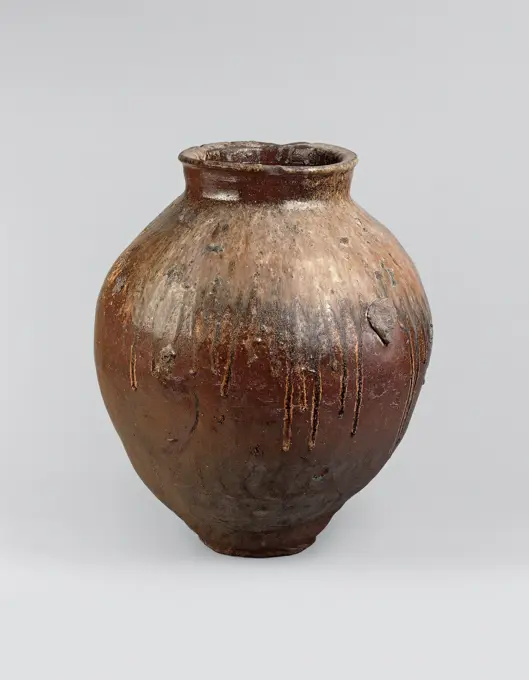
Storage jar, early 17th century, Unknown Japanese, 21 1/2 × 17 1/2 × 18 in. (54.61 × 44.45 × 45.72 cm), Tokoname ware; stoneware with natural ash glaze, Japan, 17th century, A light-colored glaze descends from the wide neck and covers the sloping shoulders of this storage jar from the Tokoname kilns. Named for the town of Tokoname on the Chita Peninsula south of Nagoya, Tokoname ware has been produced since the eleventh century at a number of kilns in the vicinity of the town. The high iron content of Tokoname clay leads to a characteristic dark, red-brown surface.
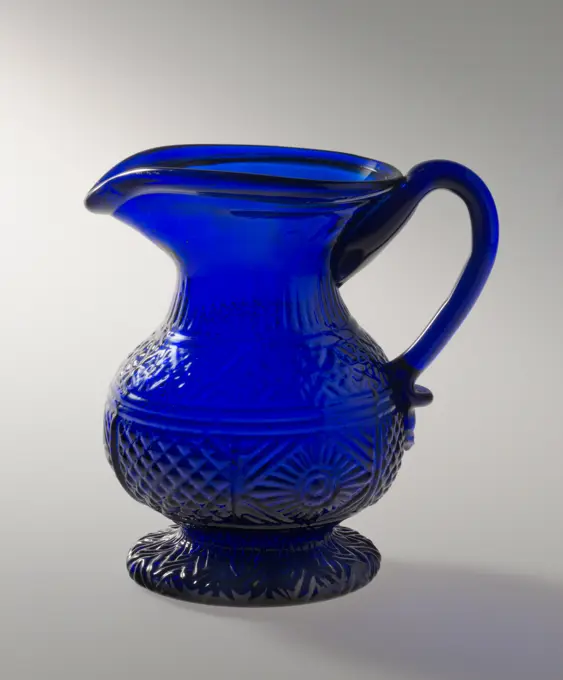
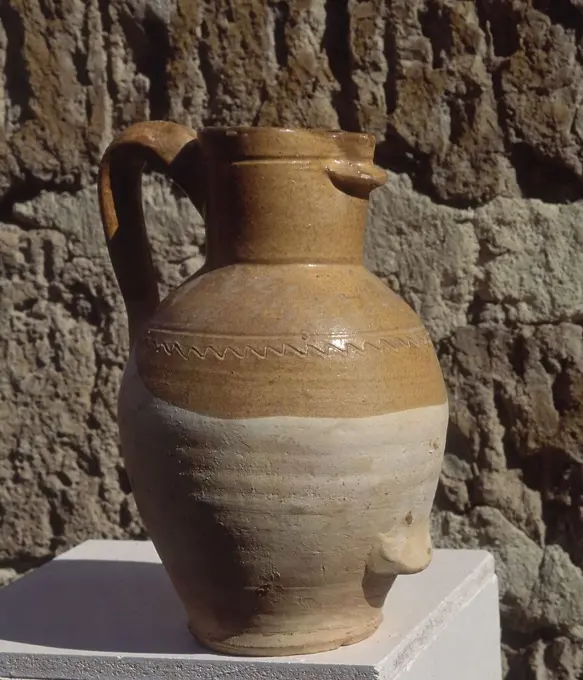
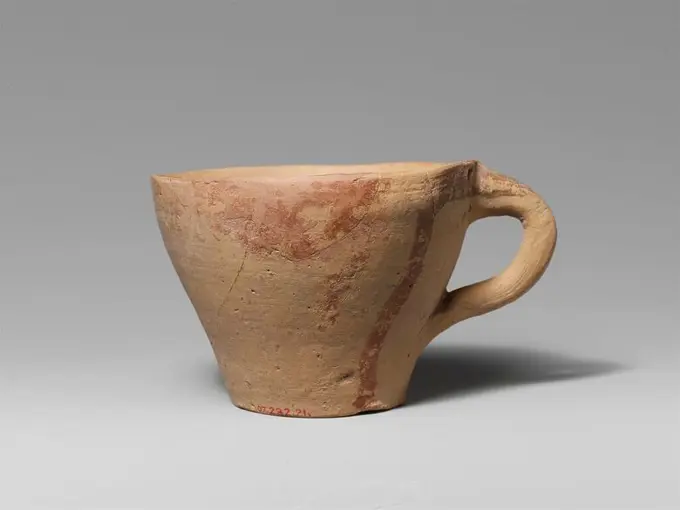
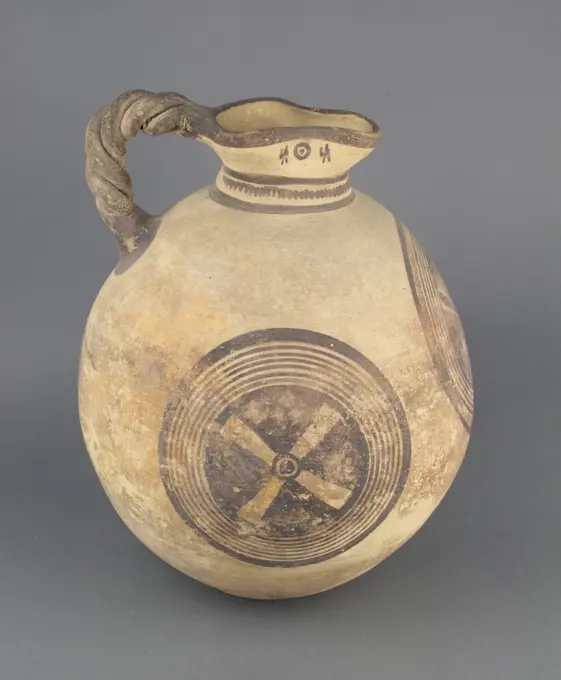
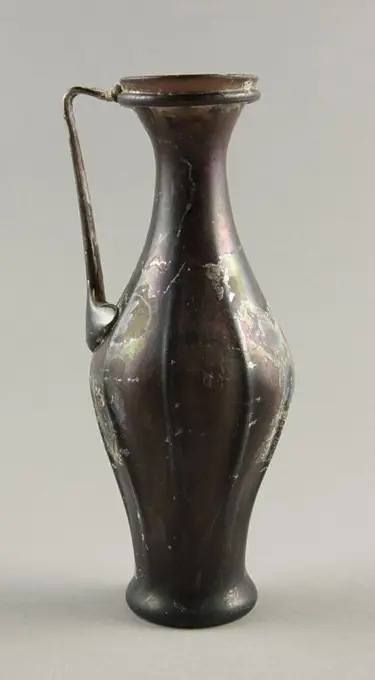
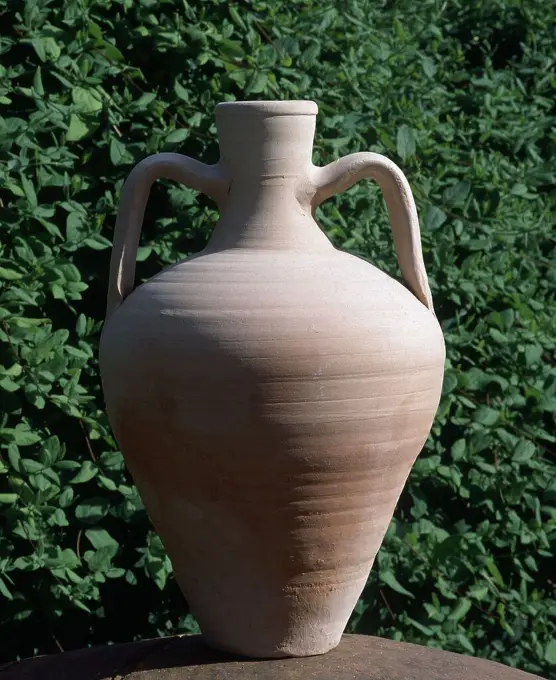
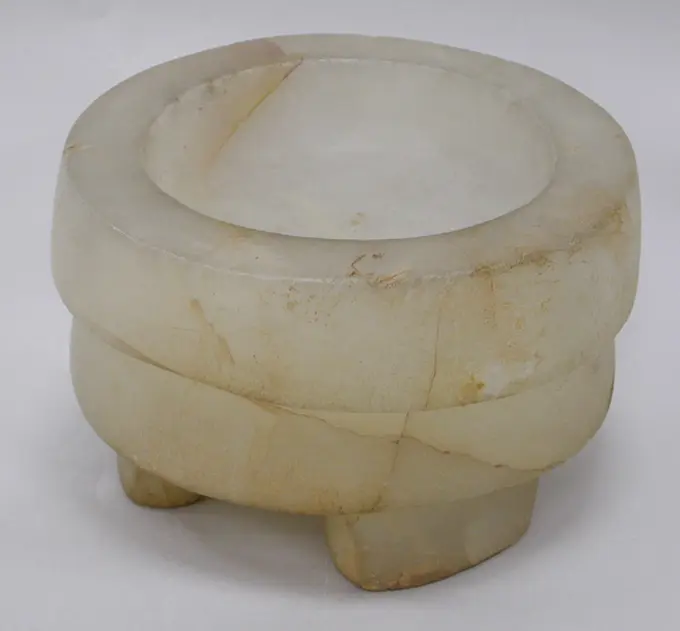
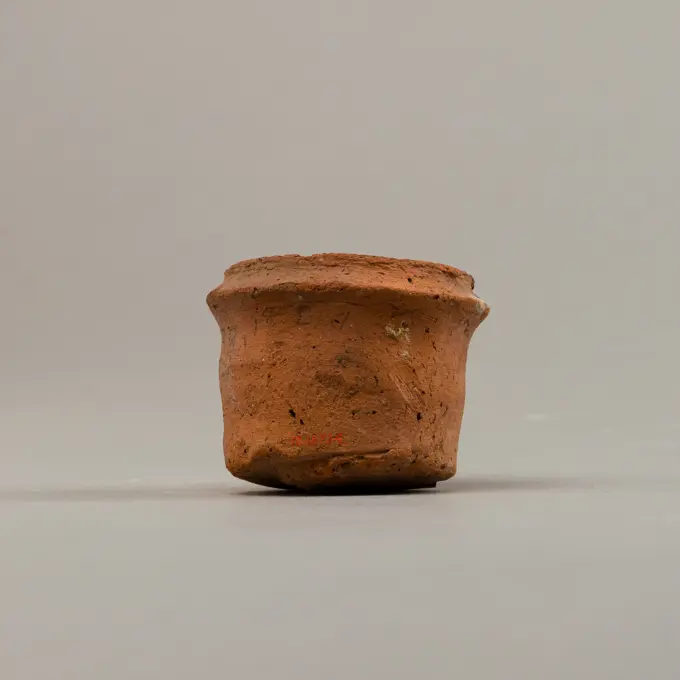
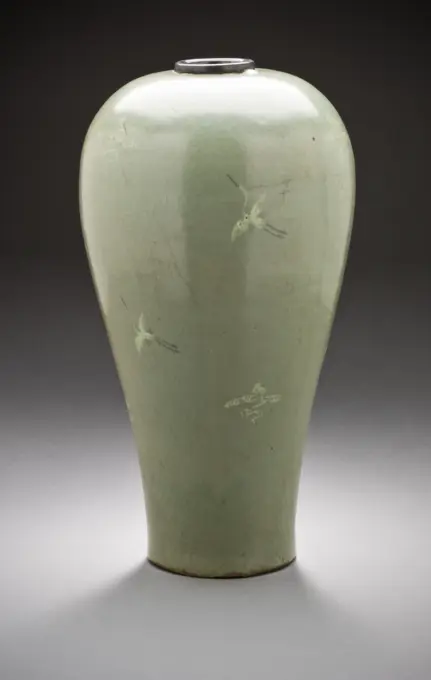
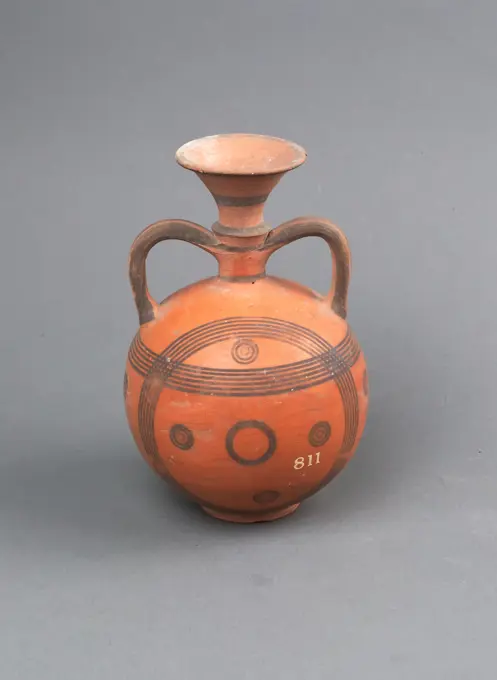
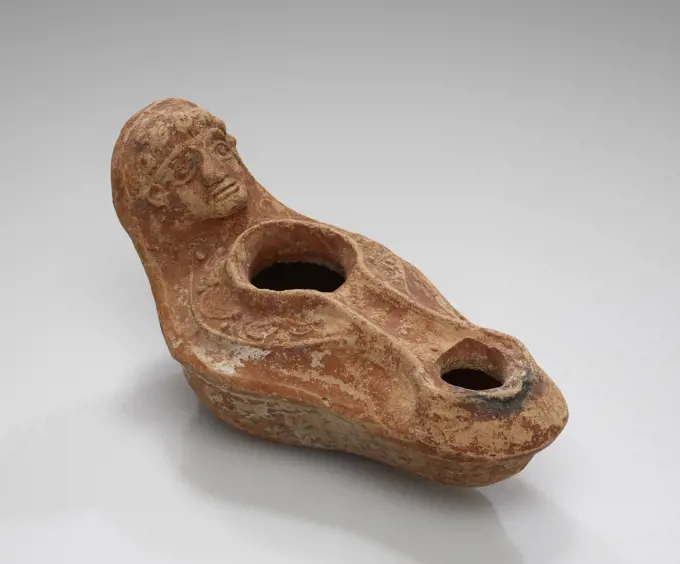
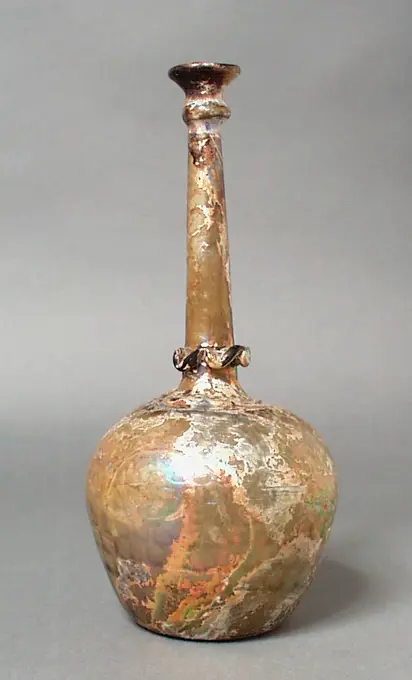
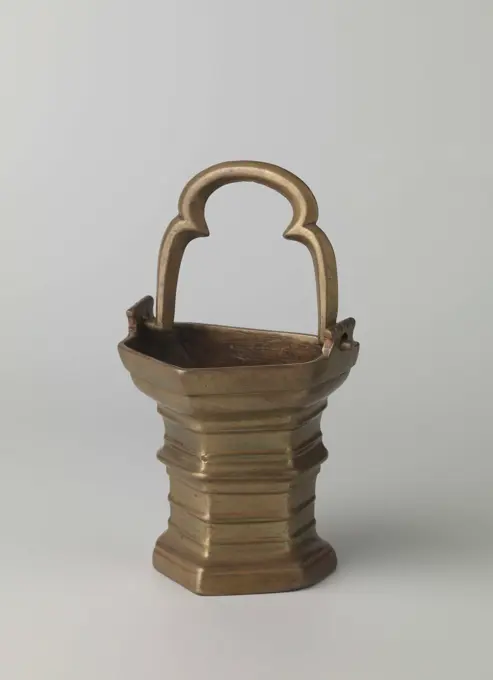
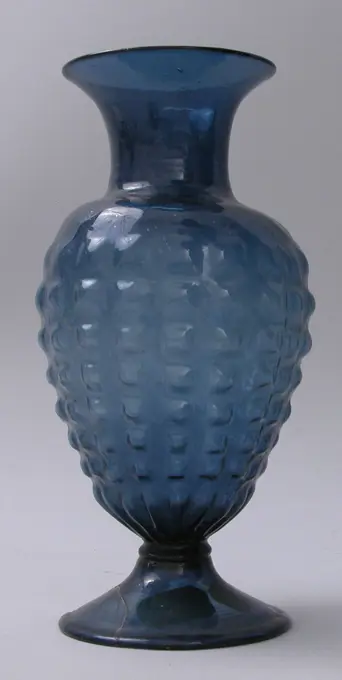
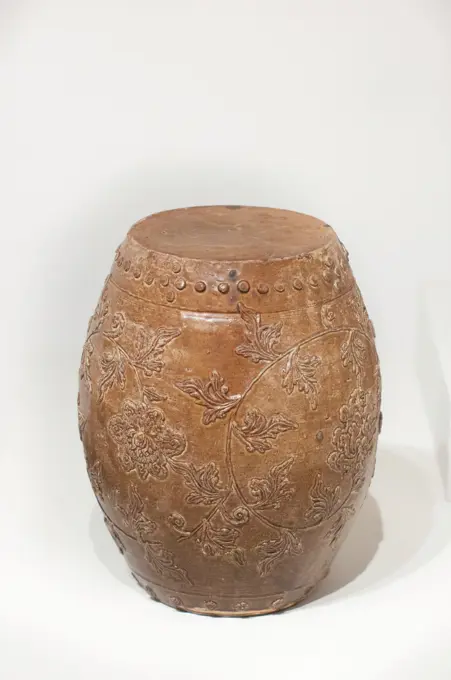
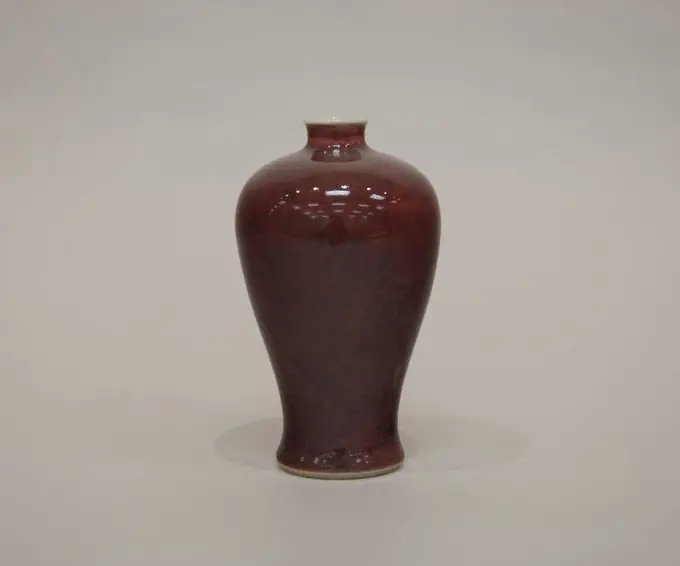
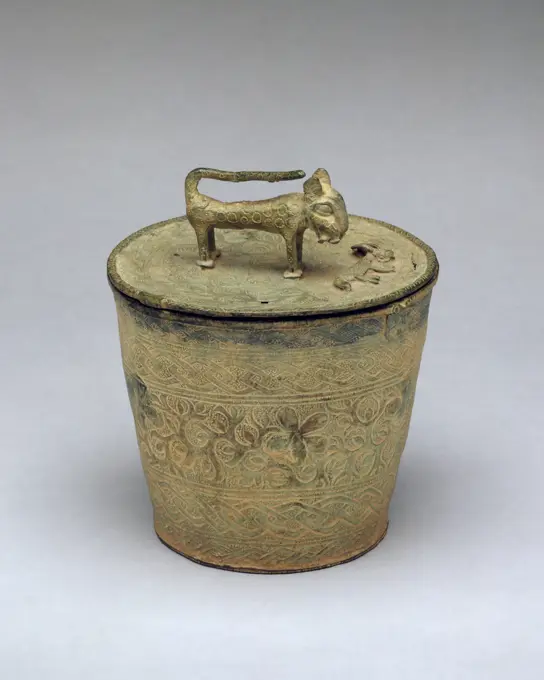
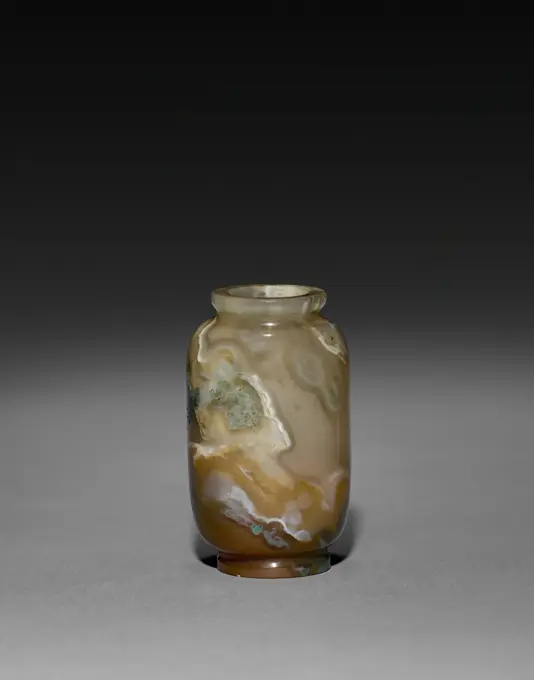
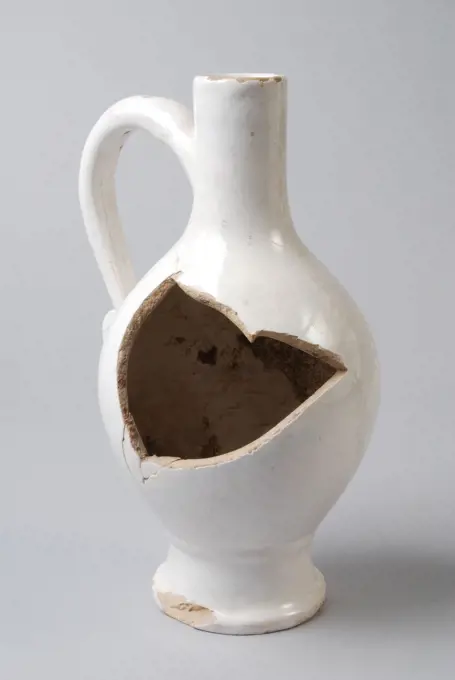
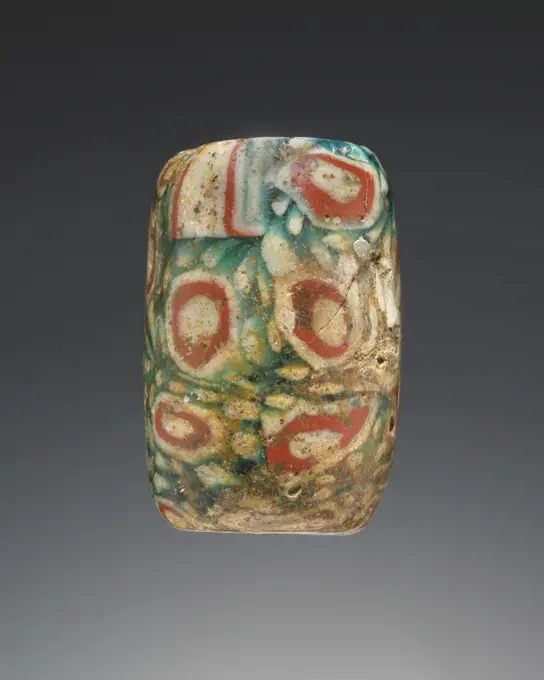
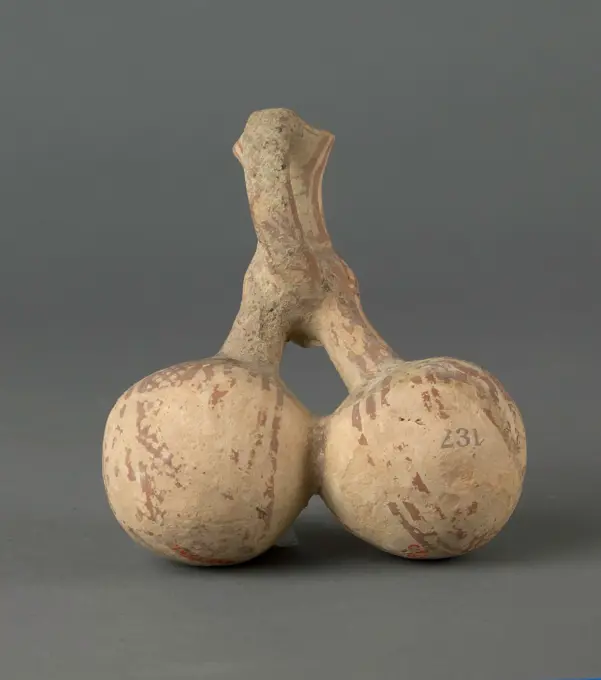
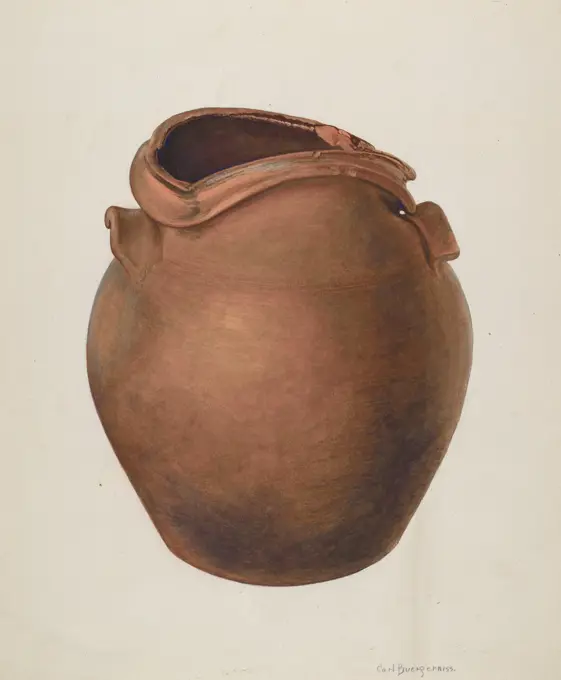
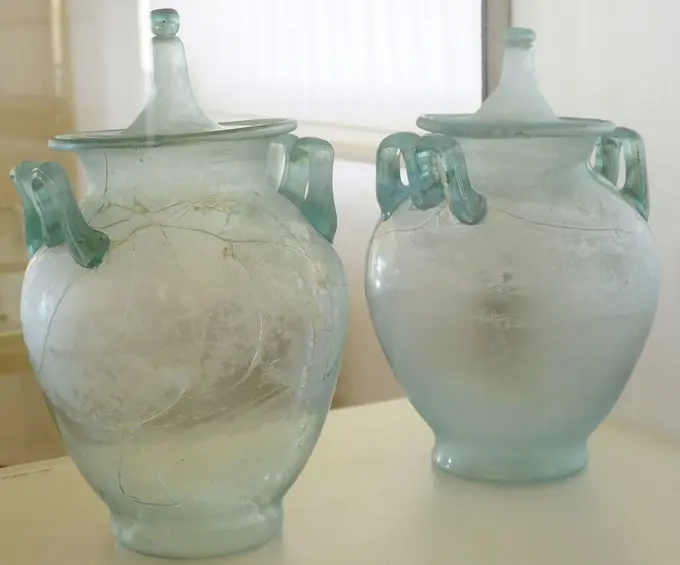
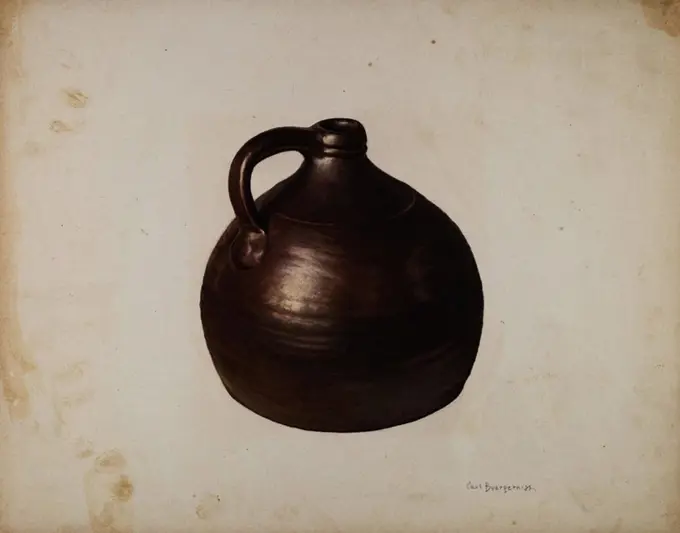
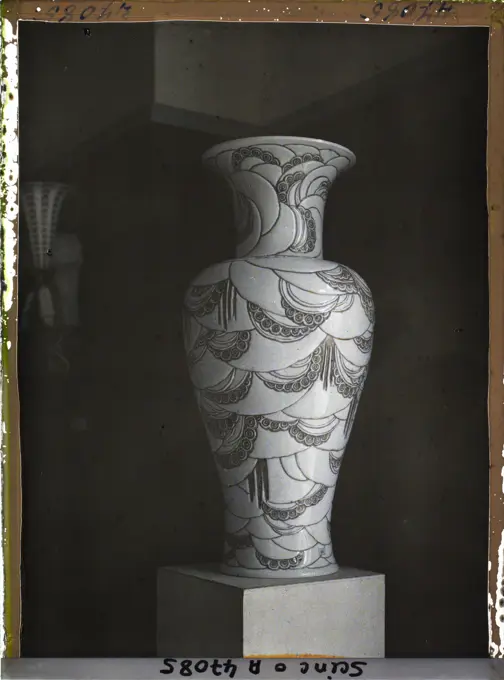
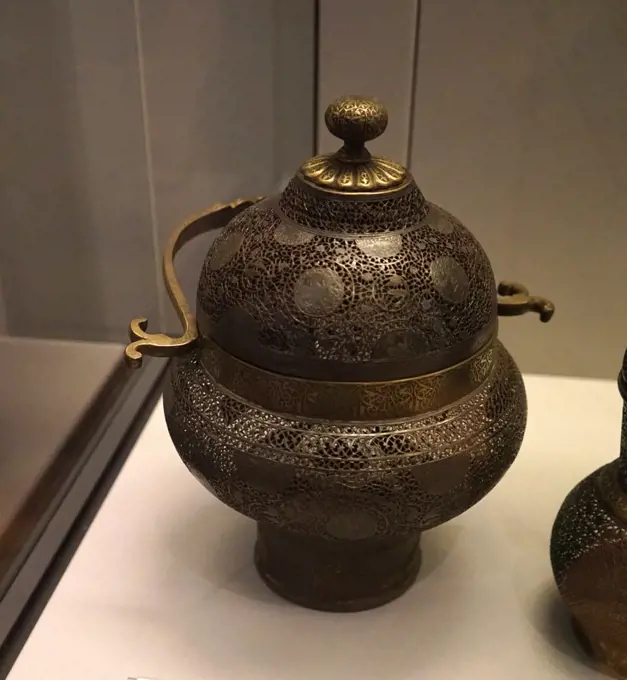
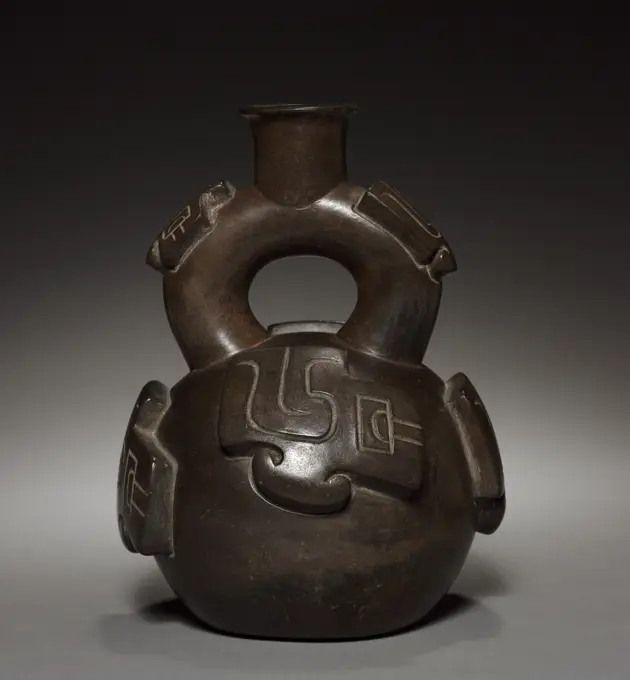
Vessel with Stirrup Spout, 500-200 BC. Peru, North Coast, Cupisnique style (1200-200 BC). Earthenware; overall: 22.8 x 17.2 cm (9 x 6 3/4 in.).Italic civilizations, Piceni, 9th century b.C. Dark pots. From the necropolis of Novilara, province of Pesaro-Urbino.Maker Unknown, Footed Cream Pitcher, glass.'Vas de Besalú' siglo IX-X, Vidrio soplado en molde, Persia. Museu d'Art de Girona.Chalcolithic ceramics, Marroquies Altos, Archeological Museum. Úbeda, Jaén province, Andalusia, Spain.Ewer, Glass, Light green; vessel with long flaring neck and slightly pear shaped body with tear drop shaped relief along base. One handle of applied glass and long upturned spout., Iran, 17th-18th century, glasswares, Decorative Arts, EwerGrain Serving Vessel (Dou) late 6th-early 5th century BC China A subtle all-over pattern of interwoven bands complements the graceful shape of this vessel, which is further adorned by the four nearly naturalistic feline handles.. Grain Serving Vessel (Dou). China. late 6th-early 5th century BC. Bronze. Eastern Zhou dynasty, Spring and Autumn period (770-476 B.C.). MetalworkCERAMICA. JARRON DECORADO DE CERAMICA DE LA GRANJA. PALACIO REAL DE RIOFRIO.SEGOVIA.JARRON EN TERRACOTA S XIII-TIPICA REPRODUCCION CERAMICA PERSA. Location: MUSEOS VATICANOS-MUSEO GREGORIANO ETRUSCO. VATICANO.CANTARA DE VINO CON DECORACION INCISA Y VIDRIADO PARCIAL. Location: ALFARERIA. SPAIN.Terracotta one-handled cup. Culture: Minoan. Dimensions: H. 2 7/8 in. (7.3 cm); D. of mouth 3 7/8 in. (9.9 cm). Date: ca. 1400-1200 B.C..One-handled, no decoration. Museum: Metropolitan Museum of Art, New York, USA.CANTARO PARA AGUA DE BOCA ANCHA Y PARCIALMENTE VIDRIADO- S XX- ARTE POPULAR. Location: ALFARERIA. BENISANET. TARRAGONA. SPAIN.ACEITERA VIDRIADA CON DECORACION GEOMETRICA-S XX ARTE POPULAR. Location: ALFARERIA. CASTELLAR DE SANTIAGO. CIUDAD REAL. SPAIN.Jug 750-600 B.C. Cypriot Jug with trefoil lip, twisted handle, and vertical circles enclosing maltese cross.. Jug. Cypriot. 750-600 B.C.. Terracotta. Cypro-Archaic I. VasesPUCHERO DE CUERPO REDONDO CON TAPA Y DOS ASAS - VIDRIADO PARCIAL. Location: ALFARERIA. ARRABAL DE PORTILLO. Valladolid. SPAIN.Pitcher. Roman; Levant or Syria. Date: 101 AD-300 AD. Dimensions: 17.8 x 7.6 x 7.6 cm (7 x 3 x 3 in.). Glass, blown technique. Origin: Syria. Museum: The Chicago Art Institute, Chicago, USA. Author: ANCIENT ROMAN.Gourd-Shaped Vase, late 1700s. China, Qing dynasty (1644-1911). Yellowish-green jade with brown markings; overall: 13.6 cm (5 3/8 in.).Unguent Jar 332 BCE-30 BCE Egypt. Calcite . Ancient EgyptianLUCERNA. Location: PRIVATE COLLECTION. MADRID. SPAIN.BOTIJO CON DOS ASAS CUELLO ANCHO Y ALTO - ARTE POPULAR S XX. Location: ALFARERIA. Almería. SPAIN.Onyx Tripod Vessel before 16th century Mexican. Onyx Tripod Vessel 317565Short cylindrical jar ca. 3100-2649 B.C. Early Dynastic Period. Short cylindrical jar. ca. 3100-2649 B.C.. Pottery. Early Dynastic Period. From Egypt, Fayum Entrance Area, Tarkhan, Tomb 38, BSAE excavations 1911-1913. Dynasty 1Prunus Vase with Inlaid Cloud and Crane Design. Korea, Goryeo dynasty (918-1392), 13th-14th century. Furnishings; Serviceware. Wheel-thrown stoneware with incised and slip-filled decoration and green glazeJuglet 850-750 B.C. Cypriot Two handles, globular body, horizontal, vertical and concentric circles.. Juglet. Cypriot. 850-750 B.C.. Terracotta. Cypro-Geometric III. VasesChalcolithic period vessels Teleilat el-Ghassul; Jericho; Palestine circa 3000 BCEBowl 4th-7th century Coptic. Bowl 478886Lamp, Asia Minor; 1st - 4th century; Terracotta; 3 x 5.4 x 10 cm (1 3,16 x 2 1,8 x 3 15,16 in.)BottleBottle 14th-15th century European. Bottle 466674Pot of white -baking clay, with yellow glaze on the inside and on the outside of green glaze, damaged, anonymous, 1500 - 1799   earthenware. glaze   earthenware. glazeToothbrush Holder Holder; Manufactured by J. P. Kayser & Sohn (Germany); pewterWine cooler. Culture: French, Lunéville (). Dimensions: H. 19.5 cm. Date: ca. 1755-60. Museum: Metropolitan Museum of Art, New York, USA.Two-Handled Flask; Eastern Mediterranean or Italy; 1st century; Glass; 7.8 cm (3 1,16 in.)Wood water lining, Fif-sided. The object is composed of the following parts: the bucket with the attachments (cast), the handle (molded). The top edge of the attachments has been serrated by cisellation. Four sides of the bucket have a profiling derived from architecture, the fifth is smooth and forms the back. The bucket extracts to the top edge and at the hollow base. The horizontal-flat edge has a rectangular attachment on either side with an eye for the handle. This is executed as a three pass and has a flat hexagon in diameter of a flat hexagon.CANTARO TIPO DAROCA CON UNA SOLA ASA Y CUELLO CORTO - CERAMICA POPULAR - SIGLO XX. Location: ALFARERIA. SESTRICA. Saragossa Zaragoza. SPAIN.Belly bottle, belly bottle bottle holder soil find glass, free blown and shaped glass application Circular bottle in clear green glass. Pontil mark underneath wide raised bottom. Body with convex ascending wall to convex shoulders and rejuvenated (dm 4.7 - 2.4 cm) neck with imposed all-round flat glass thread and flattened lip archeology packagingVase probably 18th-19th century. Vase 444740Bottle 1 CE-300 CE Mediterranean Region. Initially affordable only among the wealthy, glass was used in ancient Rome as containers for oils, perfume, and tablewares. The variety of glass-making techniques reveals the changing tastes and fashions over the centuries. During the 1st century CE, cast glass was a novel form that was a luxury for the Roman household. But by the end of the century, the innovation of blown glass allowed for cheaper and less labor-intensive production, making it affordable to people of lesser means. This container would have been just one object among the array of mirrors, combs, palettes for mixing cosmetics, bottles and other containers used to beautify well-to-do Romans.. Glass, blown technique . Ancient MediterraneanVase after 1885 American. Vase 9225MEDIDA DE VINO O BARRIL - VIDRIADO PARCIAL Y DECORACION INCISA - ARTE POPULAR. Location: ALFARERIA. FRESNO DE CANTESPINO. SEGOVIA. SPAIN.Snuff Bottle with Five Bats late 18th century China. Snuff Bottle with Five Bats 41452Lid of multi -colored painted faience, three pursleyne astonne, after Hendrik van Hoorn, c. 1760 - c. 1800 lid Lid in the form of a pumpkin. Corning with a Terrine and Subtotel. Delft .Garden Seat, 12th-13th century, 16 3/16 x 12 1/2 in. (41.1 x 31.75 cm), Stoneware with brown glaze, China, 12th-13th century, This barrel-shaped stool is embellished with an appliqué floral and tendril pattern in keeping with Sung (960-1279) and Yuan (1280-1368) taste. It is unusual to find ceramic garden seats dating to this early period, but a thermoluminescence test confirms a date of about 1250 for this rare object, making it one of the earliest ceramic stools known. Gardens with large decorative rocks became popular during Sung and outdoor seating made of stone in stone or glazed ceramics were often used in such settings. The Chinese genius for ceramics is expressed here in a lovely, yet functional, weather resistant object that would have been relatively inexpensive to produce.Prunus Vase. Culture: China. Dimensions: H. 7 in. (17.8 cm); W. 3 1/2 in. (8.9 cm); Diam. of rim: 2 1/2 in. (6.4 cm); Diam. of foot: 1 1/4 in. (3.2 cm). Museum: Metropolitan Museum of Art, New York, USA.Snuff Bottle China. Snuff Bottle. China. Indian agate with pink glass stopper. Qing dynasty (1644-1911), Kangxi period (1662-1722). Snuff BottlesLittle Crimean Oil Lamp A little Ukrainian oil lamp made in clay, from the town of Chersonesus in Crimea Copyright: xZoonar.com/AlainxdexMaximyx 8697499Ring. Culture: Coptic. Dimensions: Overall: 1 5/16 x 2 13/16 in. (3.4 x 7.1 cm). Date: 4th-7th century. Museum: Metropolitan Museum of Art, New York, USA.Terracotta amphora for storing wine, from Beirut, LebanonKerma ware bowl ca. 1635-1458 B.C. Second Intermediate Period-Early New Kingdom. Kerma ware bowl. ca. 1635-1458 B.C.. Pottery. Second Intermediate Period-Early New Kingdom. From Egypt, Upper Egypt, Thebes, Asasif, Courtyard CC 41, Radim C x Near Tomb R 2, MMA excavations, 1915-16. Dynasty 17-18Clay jars isolated on the white background
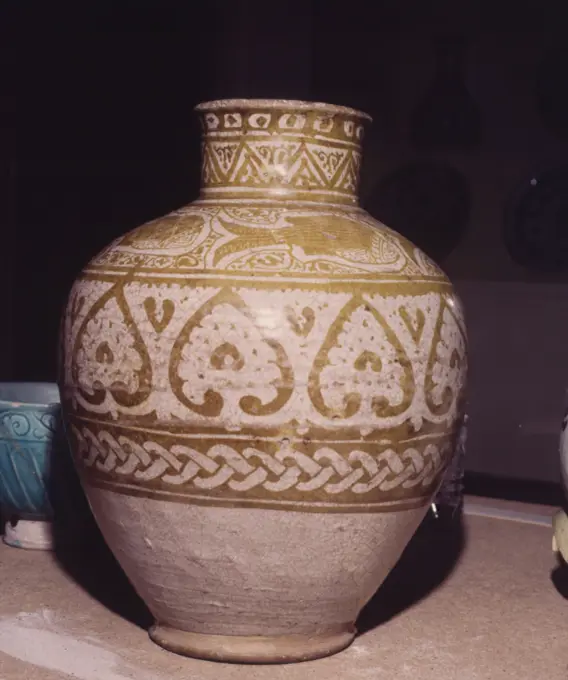
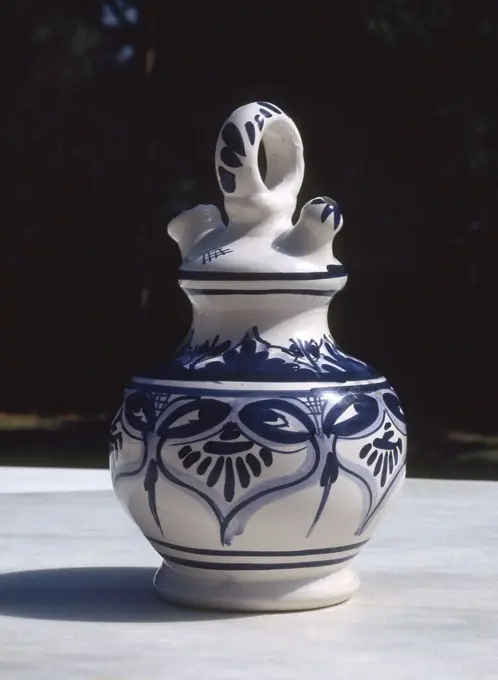
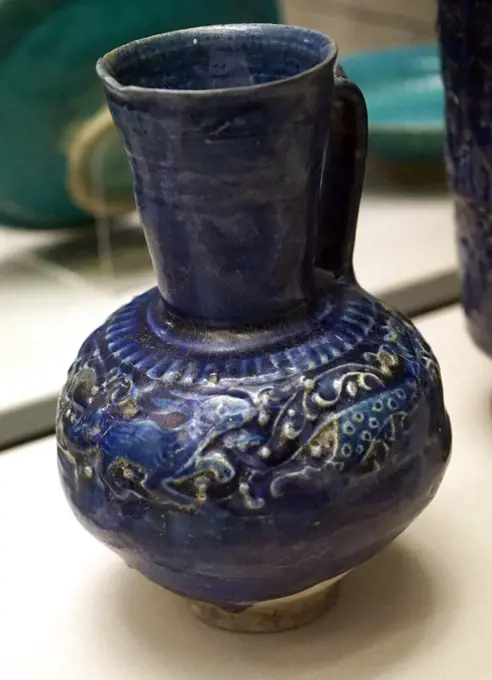
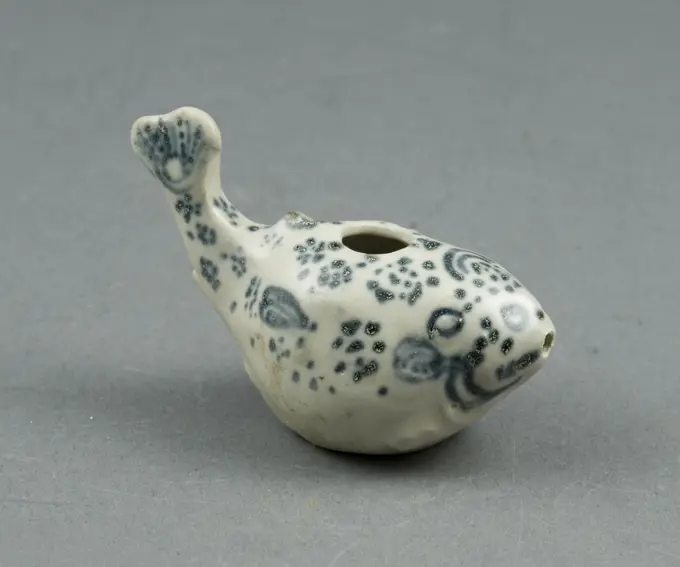
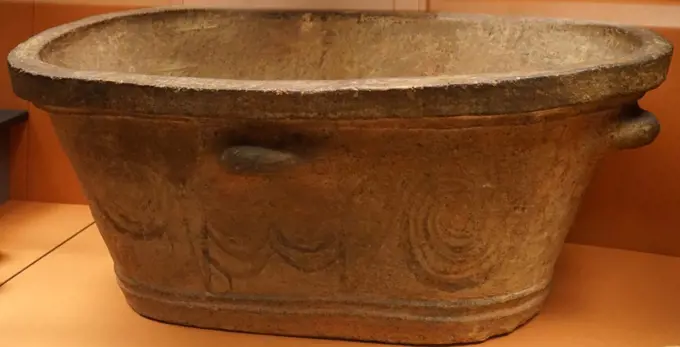
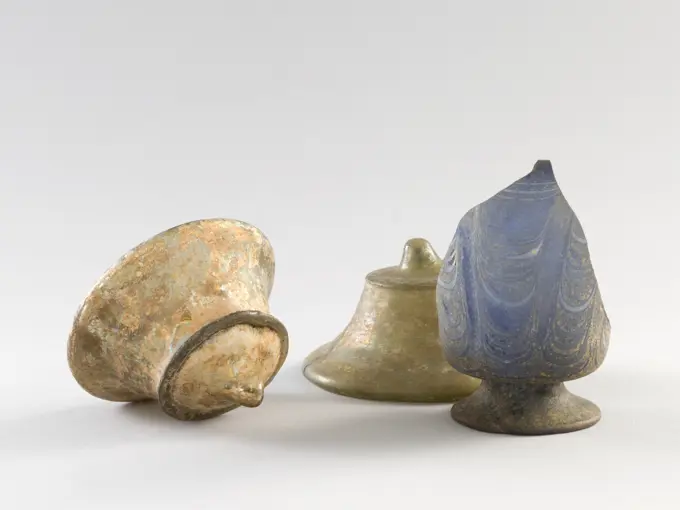
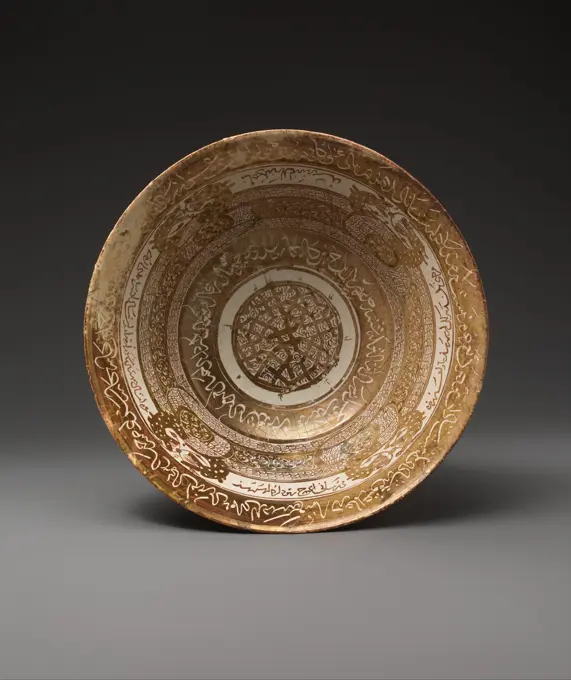
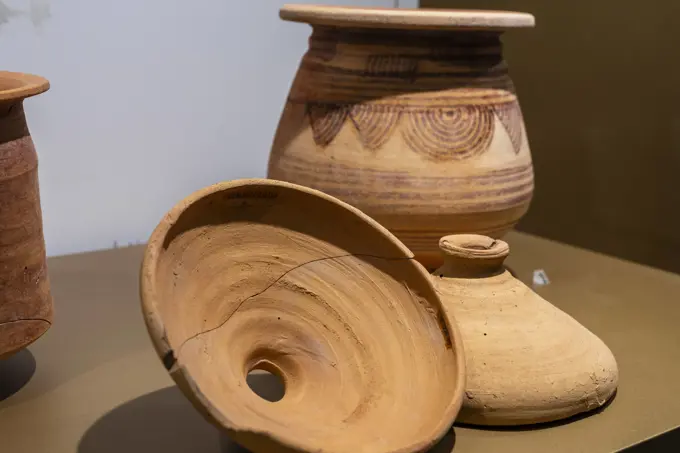
Kerma ware bowl. Dimensions: Diam. 13 cm × H. 8 cm (5 1/8 × 3 1/8 in.). Dynasty: Dynasty 17-18. Date: ca. 1635-1458 B.C.. Museum: Metropolitan Museum of Art, New York, USA.Fatimid glazed ware, 11th cent. from Fostat, Egypt.BOTIJO VIDRIADO-DECORADO EN AZUL Y BLACO-LLAMADO DE INVIERNO-S XX. Location: ALFARERIA. LA RAMBLA. CORDOBA. SPAIN.Decorated rounded Tzu stoneware jar, China. Chinese Civilisation, Jin Tartar Dynasty, 12th-13th century.Vase, Rookwood Pottery, American, 1880 - 1967, glazed stoneware, White clay body, thrown. Ovoid body with a gradual taper from shoulder to rim, thick lip; no foot. Decorated with tall slender trees and branches. Underbrush covering lower third of body and tree foliage filling third to lip. Trees and foliage in dark brown underglazed slip against ivory background. Interior is greenish-white, glazed. Allover vellum glaze, crackled. Bottom glazed., 1909, ceramics, Decorative Arts, vase, vaseLidded Vessel: Leopard and Prey 16th-19th century Edo peoples At its origins, the centralized city-state of Benin was founded by Edo-speaking peoples. The accounts by official court historians and descriptions provided by visitors evoke a vibrant cultural center continually redefined by its leadership through shifting internal and external power dynamics. According to oral tradition, circa 1300, Edo chiefs are reputed to have reached out to the leader of neighboring Ife, Oranmiyan, to establish a new divinely sanctioned royal dynasty. Since then, the investiture of Benins rulers to the title of obas has conferred upon them at once a role of chief priest officiating in important religious ceremonies and presiding over an elaborate structure of palace officials. During the fifteenth century reign of Oba Ewuare, Benins armies were formed and the fortification of its capital with a massive wall undertaken. In parallel, delegations of Portuguese traders assiduously sought to secure exclusTerracotta oil lamp 2nd century A.D. Roman Loeschcke Type 4. Mold-made. Discus: in relief, four-petalled rosette, with four long stems and buds alternating with petals; a single small filling hole at center; band of lines and grooves around edge. Undecorated, horizontal shoulder; two elongated knobs at sides. Heart-shaped nozzle. Raised base ring, flanked by two incised circles, and flat base.Intact; a small, jagged lump of clay on discus.. Terracotta oil lamp. Roman. 2nd century A.D.. Terracotta. Mid Imperial. TerracottasVase. Culture: China. Dimensions: H. 9 in. (22.9 cm); W. 4 in. (10.2 cm); Diam. of rim 1 3/8 in. (3.5 cm); Diam. of foot 2 3/4 in. (7 cm). Museum: Metropolitan Museum of Art, New York, USA.Stoneware jug with tin lid, on the neck MARIA in Gothic letters, oak branches, bullet dispenser jug crockery holder ceramic stoneware tin earthenware glaze salt glaze metal, hand-turned glazed pan-stoned Stoneware jug with ear and tin lid. Gray shard gothic letters to read the neck: Mana Mana to serve as Maria Maria serving drink12th Century jug with foliate and zoomorphic decoration, from Iran.Lid of bowl of soup tartrine in the shape of a green cabbage. Soup tartrine in the shape of a green cabbage, from green-painted faience.Miniature Water Dropper in the Shape of a Blowfish 1401-1500 Vietnam. Glazed stoneware with cobalt-blue underglaze .Cooking rebuilding. Celadon coverage sandstone. Cernuschi Museum, Asia Museum of Asia in the city of Paris.Cream Pitcher ca. 1784 Chinese. Cream Pitcher. Chinese. ca. 1784. Porcelain. Made in ChinaDrinking or pouring vessel worn by three mans figures. Drinking or pouring barrel of stoneware with two spouts and two ears. The lamp is worn by 3 grotesque, bearded mans figures that serve as a foot.Bell Beaker 6th-7th century Frankish. Bell Beaker 465680 Frankish, Bell Beaker, 6th7th century, Glass, Overall: 4 15/16 x 2 5/8 in. (12.5 x 6.7 cm). The Metropolitan Museum of Art, New York. Gift of J. Pierpont Morgan, 1917 (17.193.342)The Byzantine Goblet (IX-X century) from the grave of Warega Warega of the Transnistic Polans in the collections of the National Museum in Warsaw-general view;  Not after 29.05.1929 (1918-00-00-1929-00-00);Snuff Bottle, 1644-1911. China, Qing dynasty (1644-1911). Glass; overall: 7 cm (2 3/4 in.).Faience jug on stand foot, white glazed, ball model, cylindrical neck, jug crockery holder soil find ceramic earthenware glaze tin glaze, hand turned fried glazed fried Faience jug with cylindrical neck on stand Foot gracefully curved vertical sausage ear in which hole for attaching tin lid at the top Profile ring around top of stand . Stand with soul Wholly white glazed. Delftware archeology Rotterdam serving serving table drinking war Second World War Soil discovery from rubble after the bombing of May 1940 Rotterdam.EagleFlaskMinoan terracotta bath-tub shaped coffin. Dated 1300 BCEnsemble 16th-18th centuries. From g. to dr. : bells or lids (AV 2202 and BC 2203), blue pedestal glass, patterns in drapery inlaid with white (AV 101). Paris, Carnavalet museum. XVIE-XVIIEM SUCCESS GLASS SET White, bell, lid, inlaid, pattern, blue glass or blue, glassware, draperyEnsemble 16th-18th centuries. From g. to dr. : bells or lids (AV 2202 and BC 2203), blue pedestal glass, patterns in drapery inlaid with white (AV 101). Paris, Carnavalet museum. XVIE-XVIIEM SUCCESS GLASS SET White, bell, lid, inlaid, pattern, blue glass or blue, glassware, draperyVaseBowl with Dragons dated A.H. 607/A.D. 1210 Snakelike dragons, their heads confronting one another, run concentrically and intertwine on this bowl. Dragons were associated with the pseudo-planet al-Jawzahr, able to cause and reverse eclipses by swallowing moon and sun, and were thus both terrifying and beneficial, protective, and apotropaic. The bowl may have had a perceived beneficial quality, amplified by a twice-inscribed benediction: May your power and glory be perpetual / May your good fortune surpass all limits / So that everything in this bowl brings you enjoyment / Oh master of the world, may it prolong your life.. Bowl with Dragons 451636kalathos-type urn with painted decoration and funnel-lids 5th-3rd century BC kalathos-type urn with painted decoration and funnel-lids 5th-3rd century BC, Cerro Boyero, Valenzuela, Iberian culture, Iberian Museum of Jaén, Andalusia, Spain Copyright: xZoonar.com/BartomeuxBalaguerxRotgerx 21704836Lamp Made 200 CE-300 CE Italy. terracotta . Ancient RomanSwedish medieval stone Stoup. Dated 12th CenturyVase, c. 1890, Royal Crown Derby Porcelain Company., Derby, England, est. 1877, 8 1/8 x 4 9/16 x 4 9/16 in. (20.64 x 11.59 x 11.59 cm), Glazed ceramic, gilt, pigment, England, 19th centuryBead; Panticapaeum (Kerch), Crimea; 8th - 9th century B.C; Glass; 2.6 x 1.7 cm (1 x 11,16 in.)Egyptian pottery vessels Middle Kingdom, about 1900-1800 BC From BuhenURNA DE INCINERACION ROMANA CON TAPADERA - VIDRIO AZUL - S I - PROCEDE DE EL ROCADILLO. Location: MUSEO DE CADIZ-ARQUEOLOGIA. Cadiz. SPAIN.Beaker 19th century. Beaker 443157Beaker with Imperial Russian Arms ca. 1735 Vienna This beaker, from a set that Emperor Charles VI (r. 1711-40) probably gave to Czarina Anna Ivanovna (r. 1730-40), includes the arms of six major Russian cities in its armorial panels, a subtle salute to Russias rising military, commercial, and territorial power. Charles VI made lavish gifts of Du Paquier porcelain to the Russian court, probably as a result of the alliance between Russia and Austria during the War of the Polish Succession (1733-38).. Beaker with Imperial Russian Arms 207127Incense Box in Shape of Mandarin Duck 18th century Japan. Incense Box in Shape of Mandarin Duck 58251Vase, triple ca. 3200-1050 B.C. Cypriot. Vase, triple. Cypriot. ca. 3200-1050 B.C.. Terracotta. Bronze Age. VasesCANDIL AL ESTILO ARABE CON DECORACION INCISA. Location: ALFARERIA. Órjiva. GRANADA. SPAIN.CAMPANA DE ALABASTRO. Location: MUSEO DE CADIZ-ARQUEOLOGIA. Cadiz. SPAIN.Egyptian 18th dynasty alabaster vesselCarl Buergerniss, Jar, c 1940 Jarfresh milk in white jug and on a tableOLLA DE LECHE VIDRIADA Y CON UNA SOLA ASA - ARTE POPULAR S XX. Location: ALFARERIA. NIÑODAGUIA. Orense. SPAIN.Funeral urns. Incineration. Crystal. 1st-2nd century. They come from a funeral monument located in between the streets Francesc Bastos and Eivissa, Tarragona. National Archaeological Museum. Tarragona. Catalonia, Spain.Clay pipe, marked, with smooth handle, clay pipe smoking equipment smoke floor pottery ceramics pottery, pressed finished baked heel: Tudor rose in round stamping area archeology smoking tobaccoTwo-Handled Flask. UnknownStone Jug. Dated: c. 1939. Dimensions: overall: 35.7 x 45.6 cm (14 1/16 x 17 15/16 in.) Original IAD Object: 10" High 5 1/4" Dia(top). Medium: watercolor, graphite, and colored pencil on paperboard. Museum: National Gallery of Art, Washington DC. Author: Carl Buergerniss.CANTARO CON DOS ASAS DECORACION INCISA LINEAL - BARRO BLANCO. Location: ALFARERIA. Totana. MURCIA. SPAIN.Ginger pot, 1944    zinc etchingParis (7th arr.), France The exhibition of decorative arts, national manufacture of Sèvres, a vase , 1925 - International Exhibition of Modern Decorative and Industrial Arts Paris (French - Paris ( VIIe arr. ) , France L' Exposition des arts décoratifs , Manufacture Nationale de Sèvres , un vase). Interior view, vase, decorative arts, ceramics, exhibition, exhibition of decorative arts, ephemeral architecture, Habitat , Architecture , Art, France, Paris, Exhibition of decorative arts, Manufre nle de Sèvres. A vasepatinated brass vessel in openwork with cast handles, from Iran. Dated 19th Century