Antique Ceramic and Glass Vessels

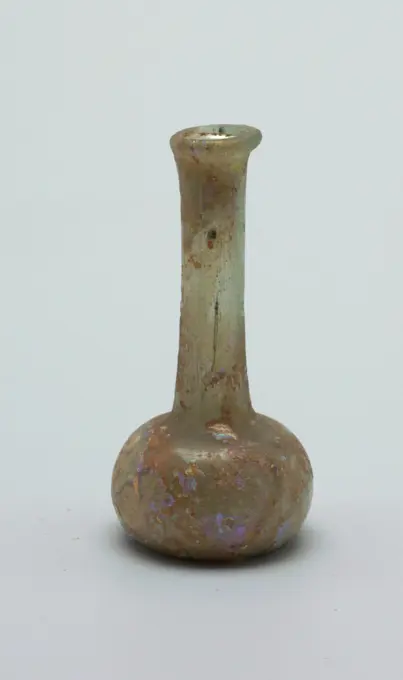
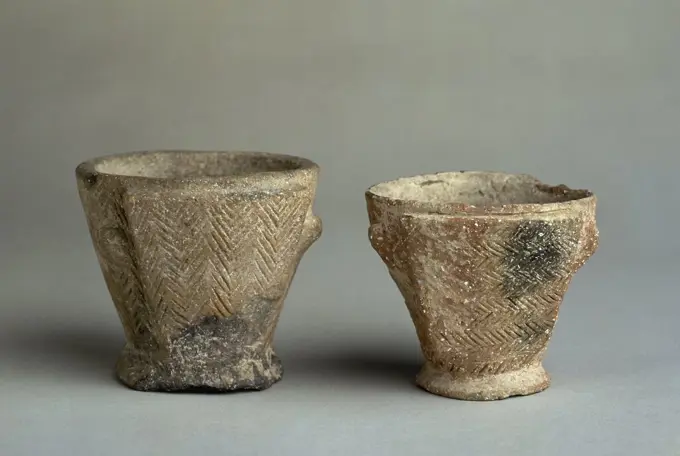
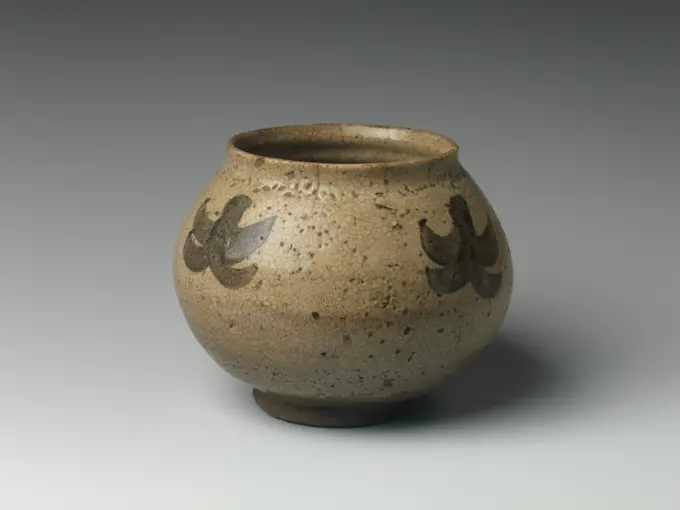
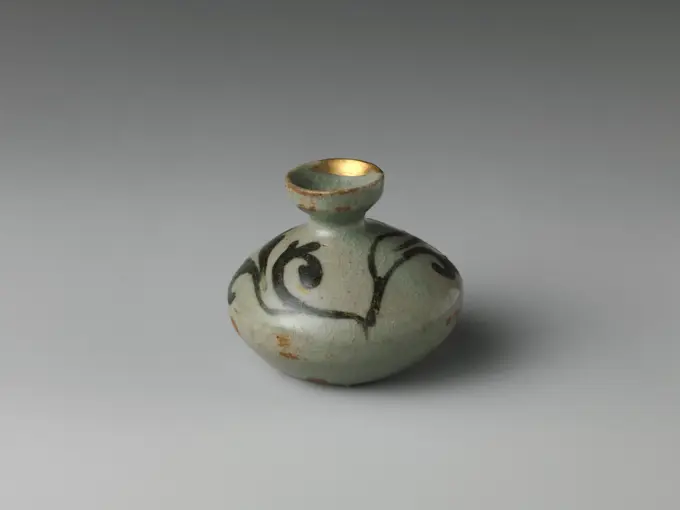
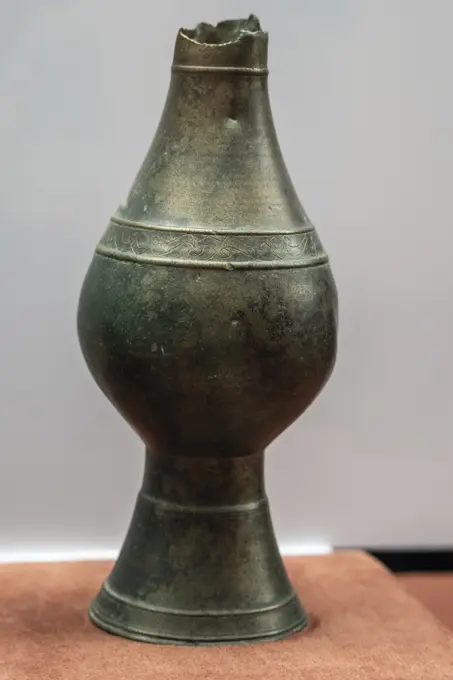
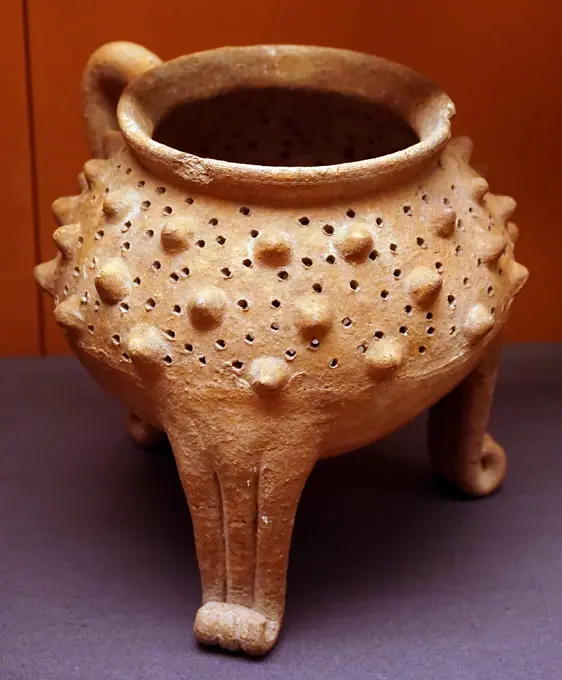
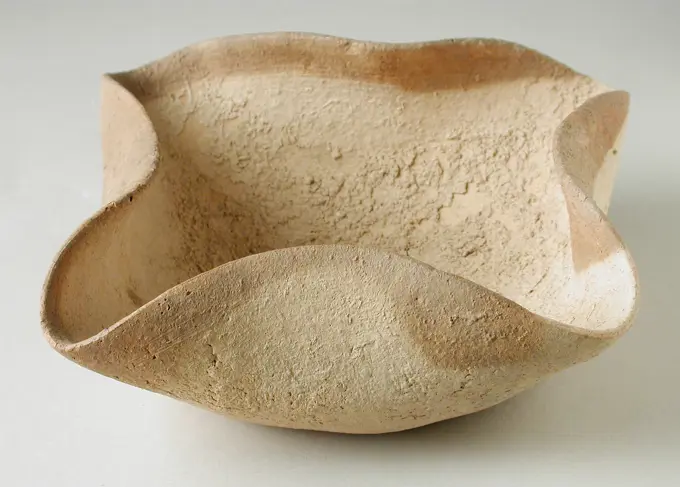
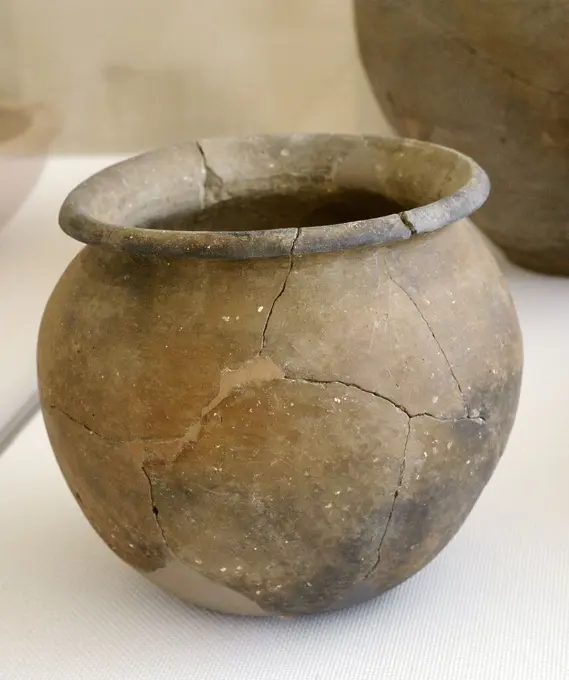
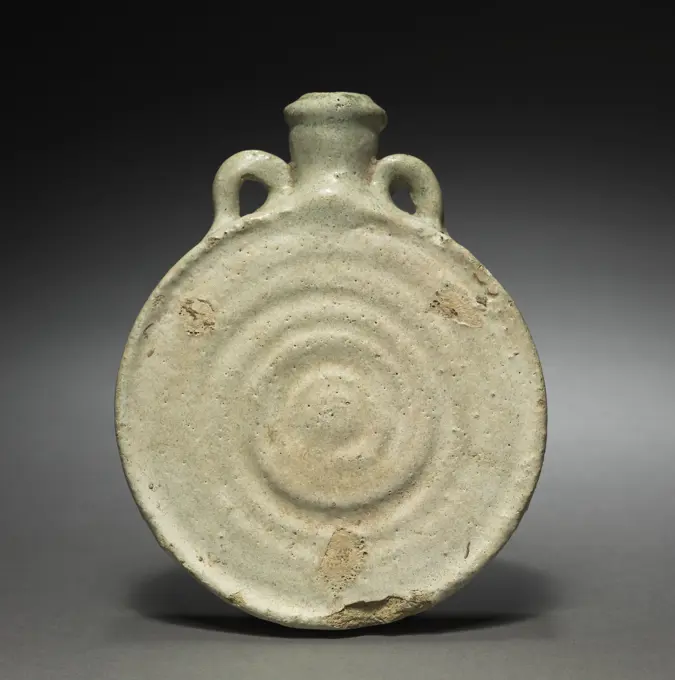
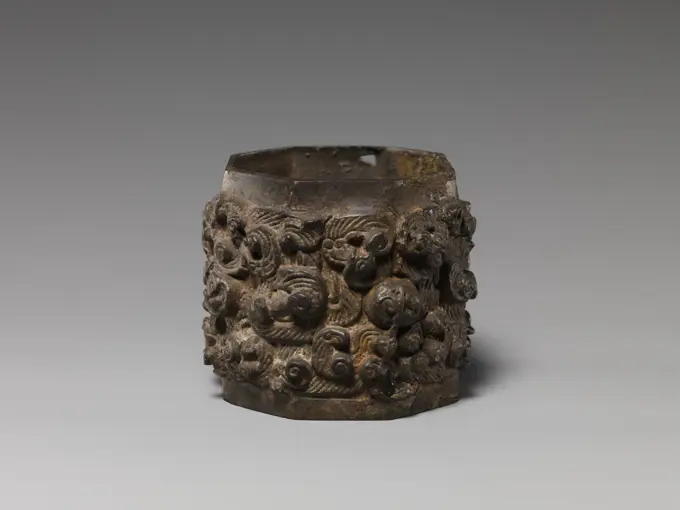
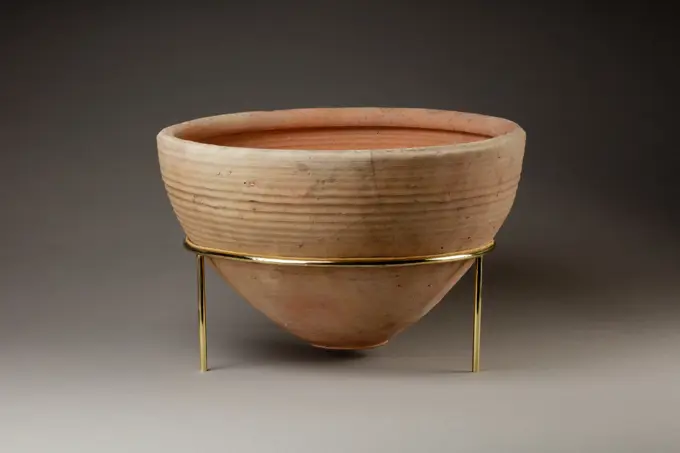
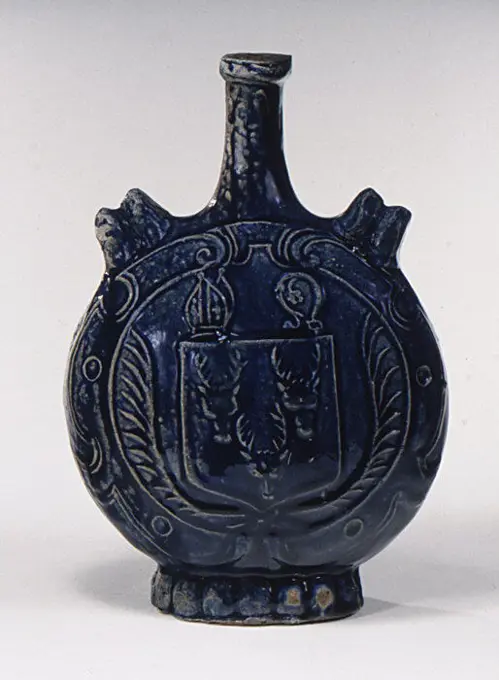
Images of historical pottery and glass vessels, highlighting intricate designs and textures, featuring muted colors and showcasing cultural craftsmanship.
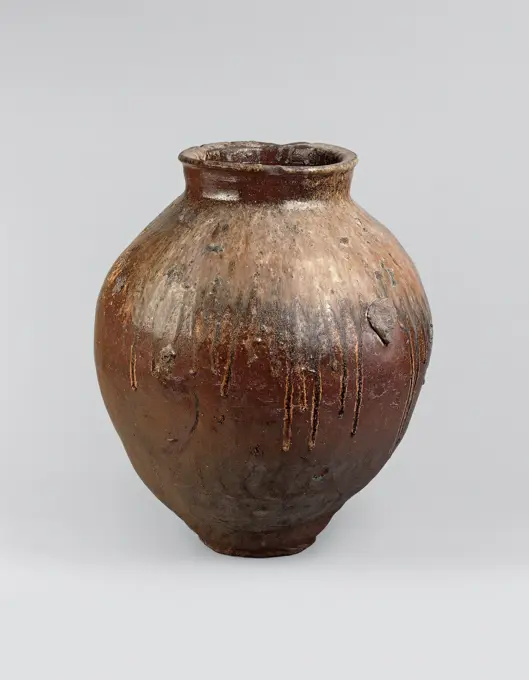
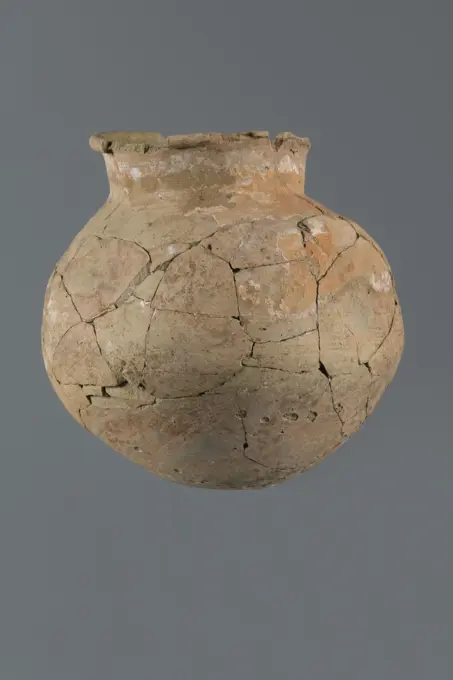
Storage jar, early 17th century, Unknown Japanese, 21 1/2 × 17 1/2 × 18 in. (54.61 × 44.45 × 45.72 cm), Tokoname ware; stoneware with natural ash glaze, Japan, 17th century, A light-colored glaze descends from the wide neck and covers the sloping shoulders of this storage jar from the Tokoname kilns. Named for the town of Tokoname on the Chita Peninsula south of Nagoya, Tokoname ware has been produced since the eleventh century at a number of kilns in the vicinity of the town. The high iron content of Tokoname clay leads to a characteristic dark, red-brown surface.
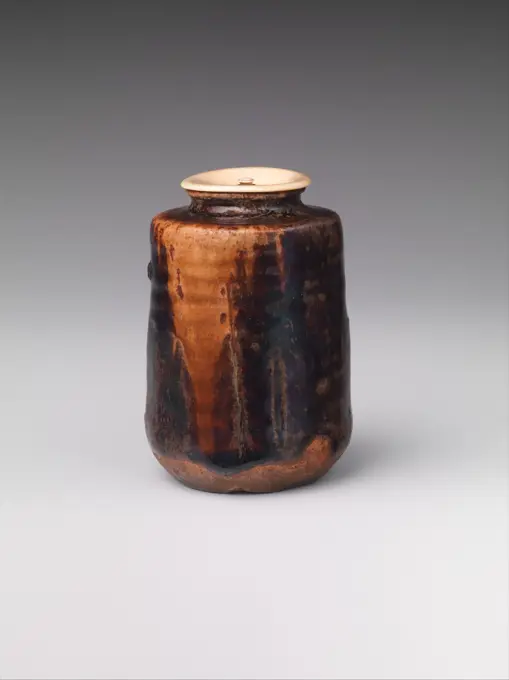
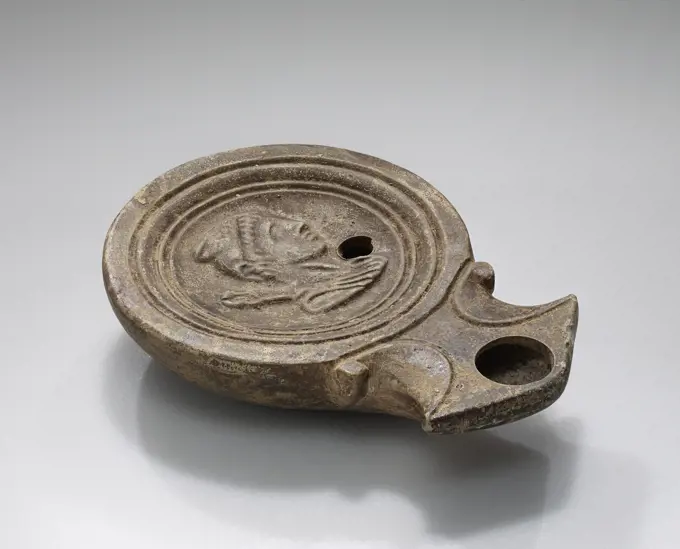
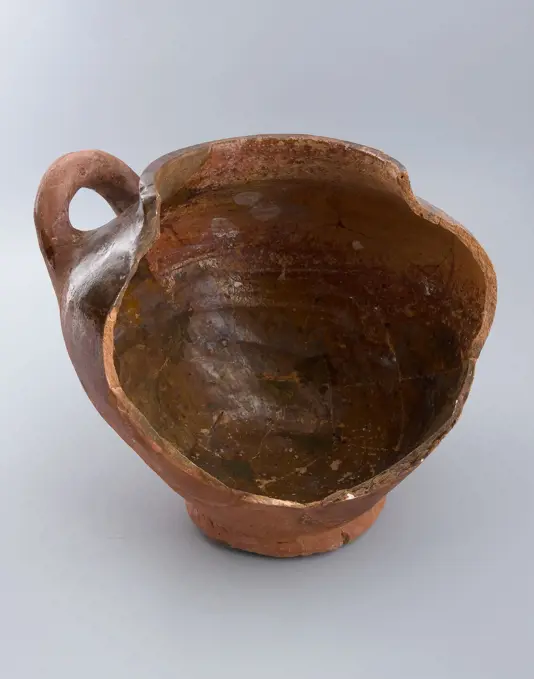
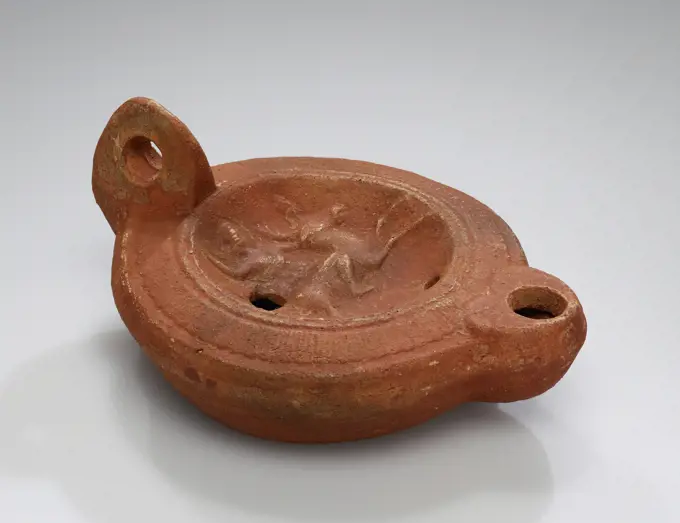
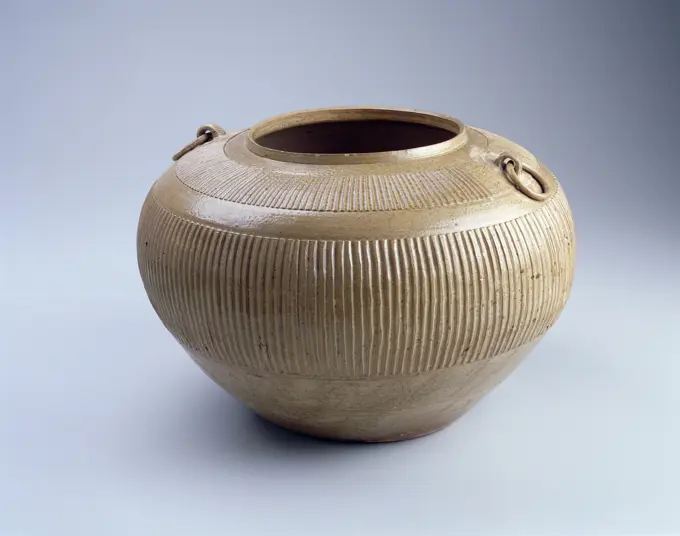
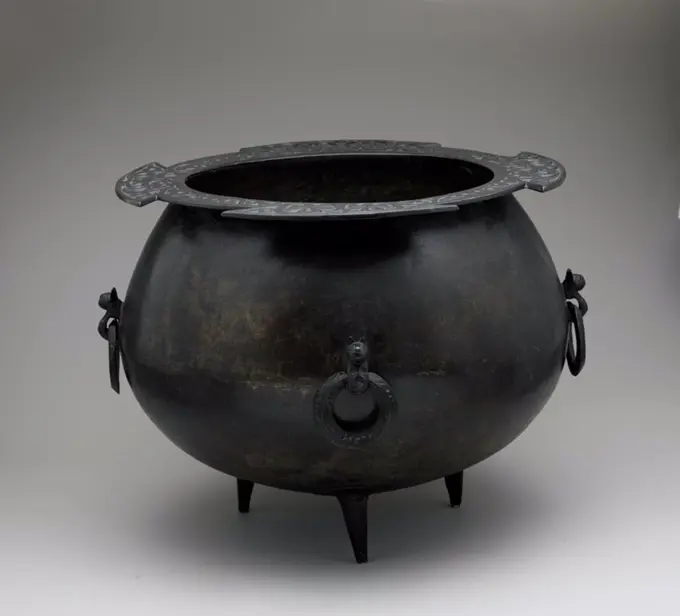
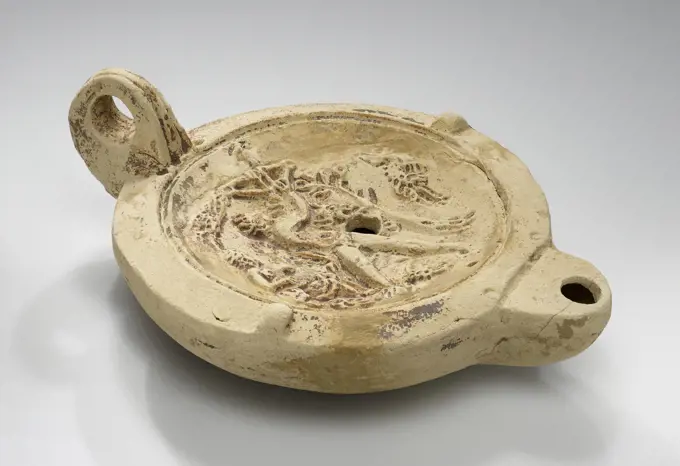
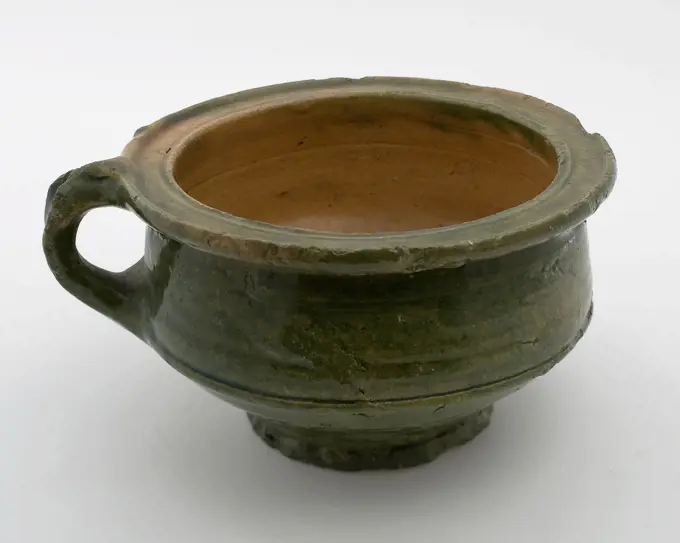
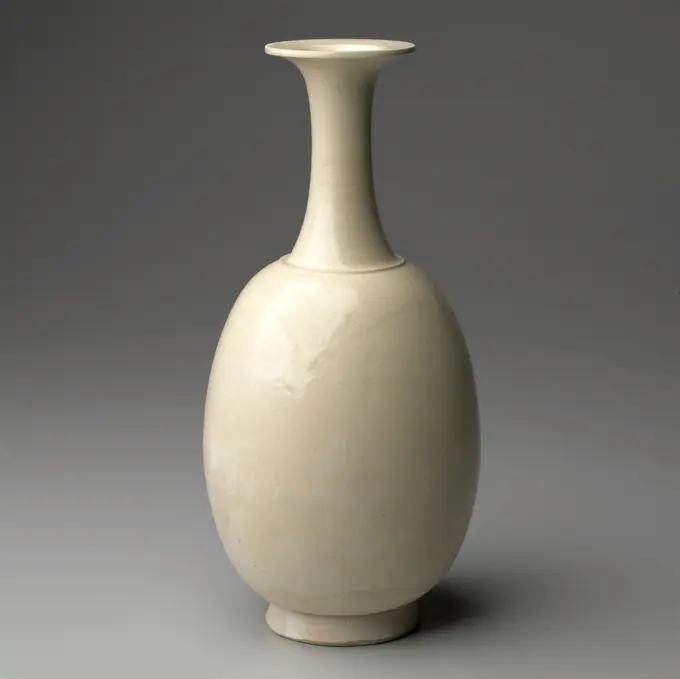
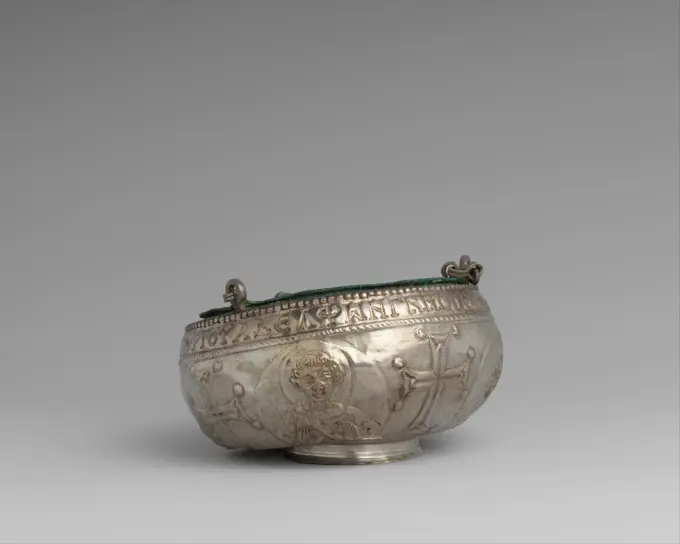
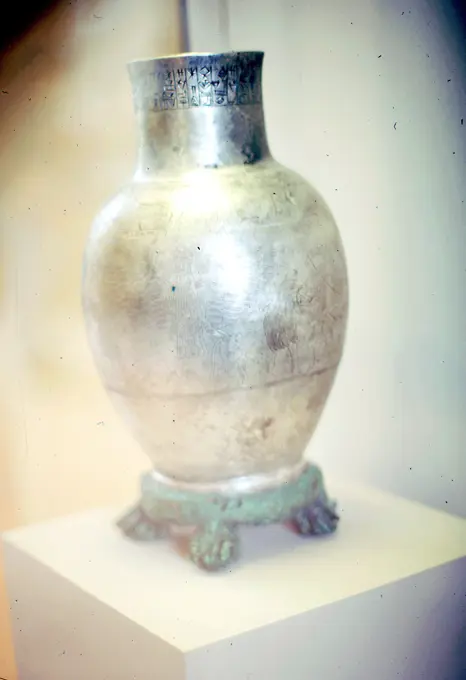
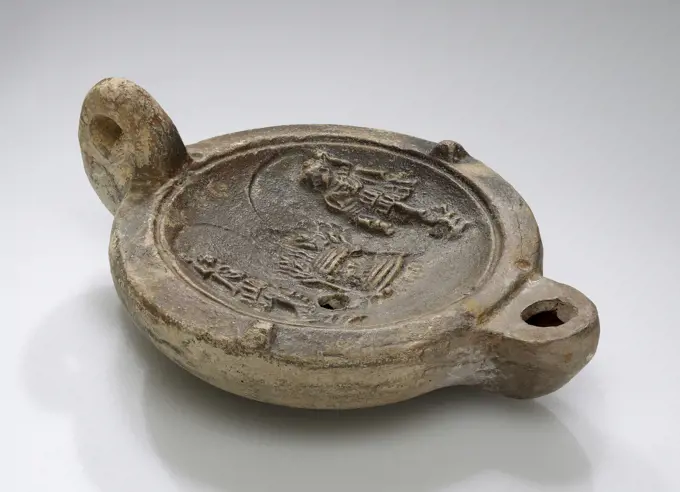
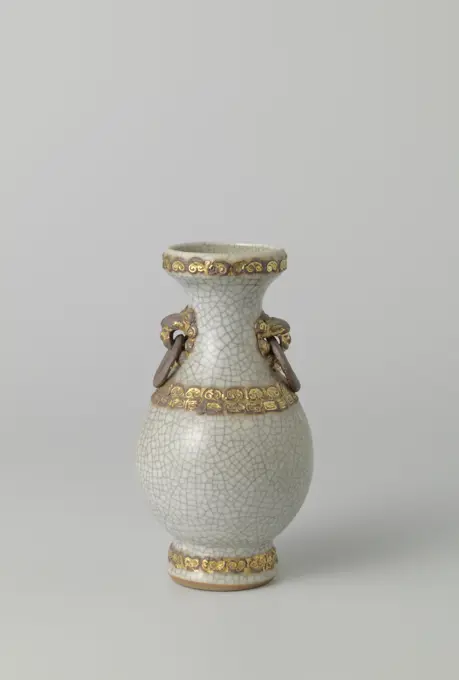
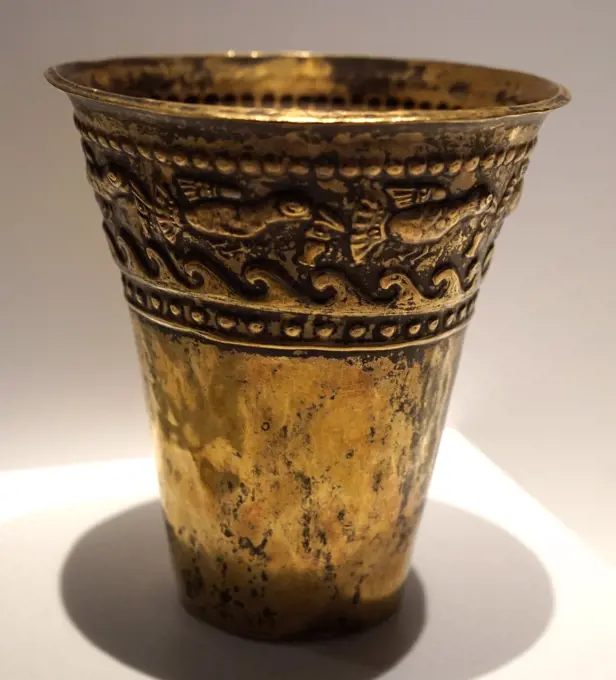
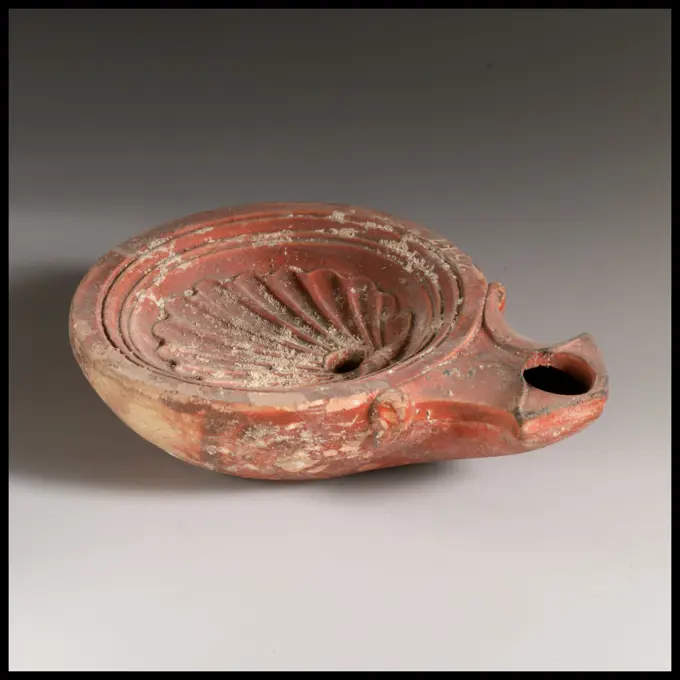
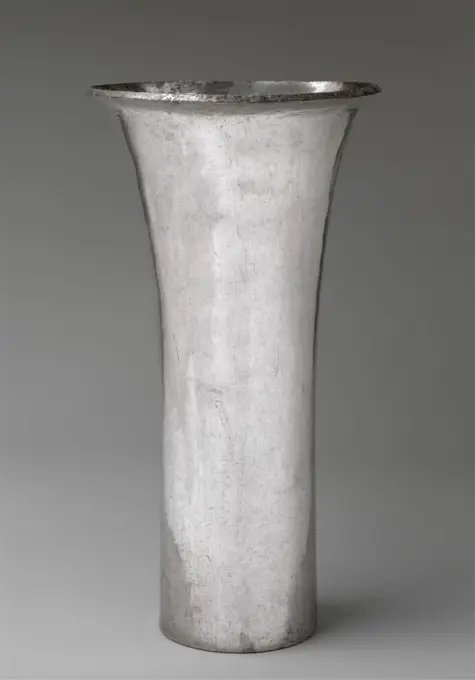
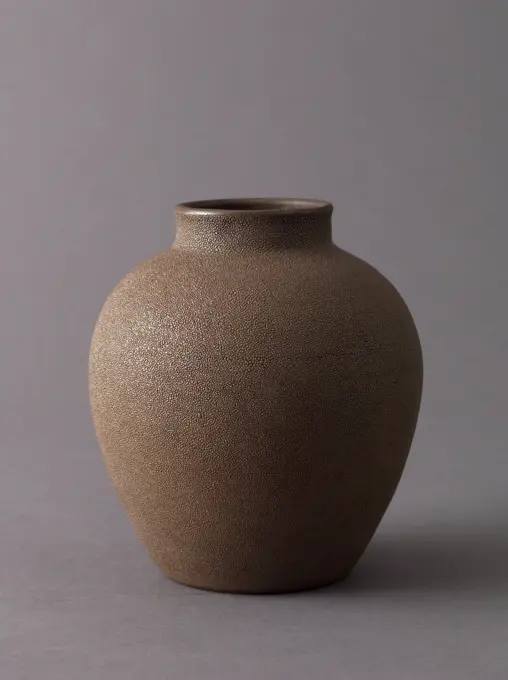
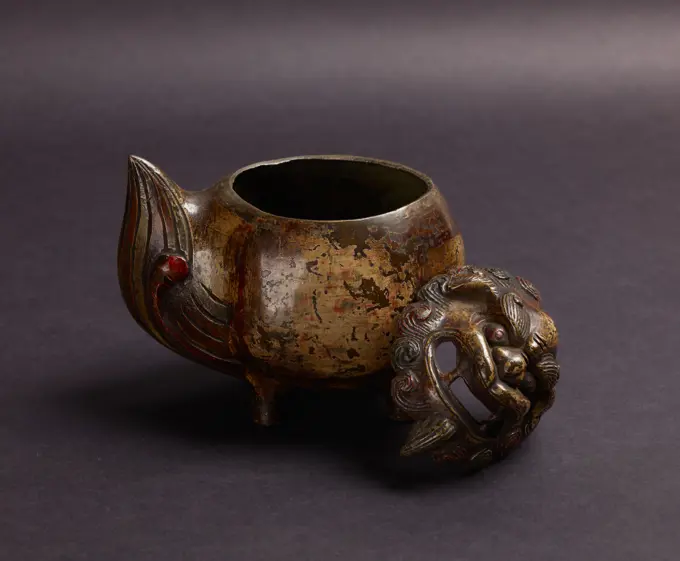
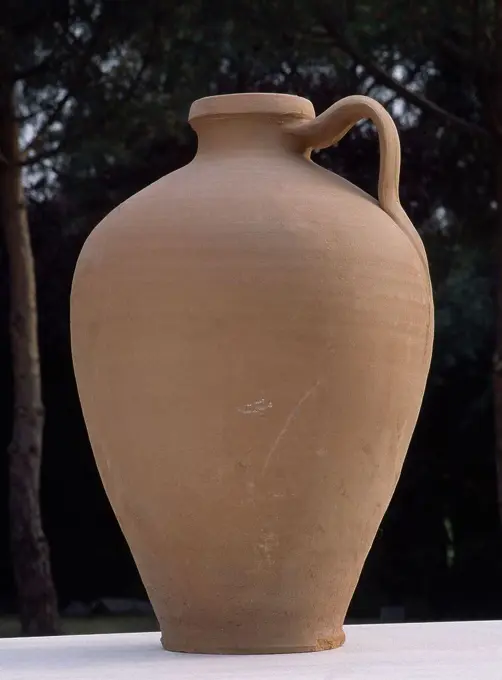
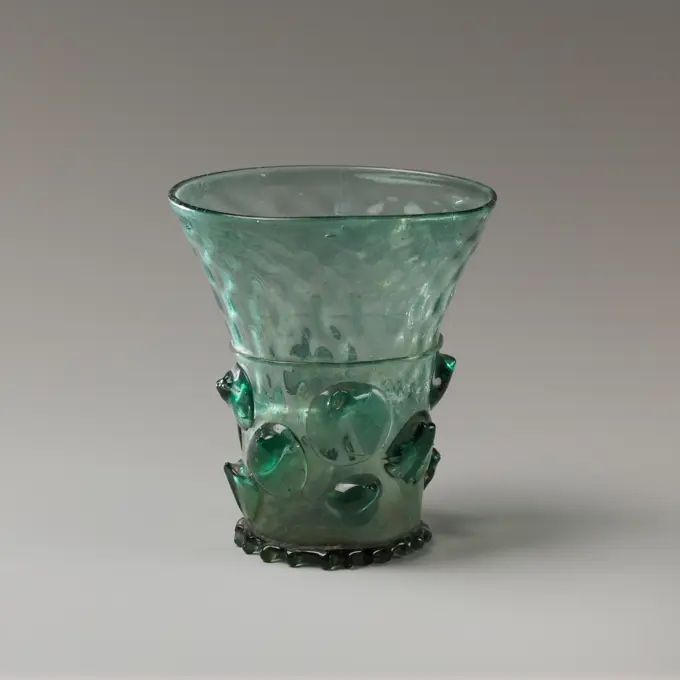
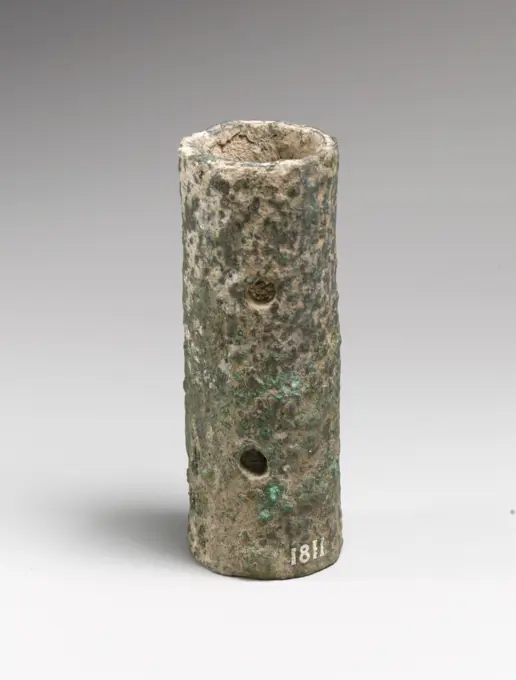
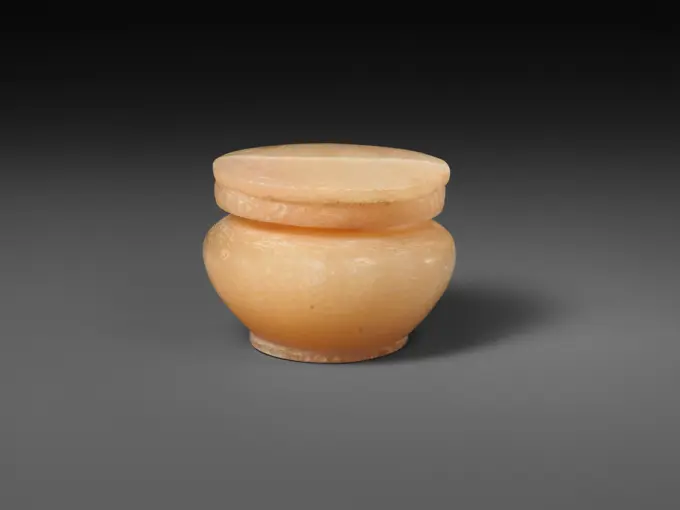
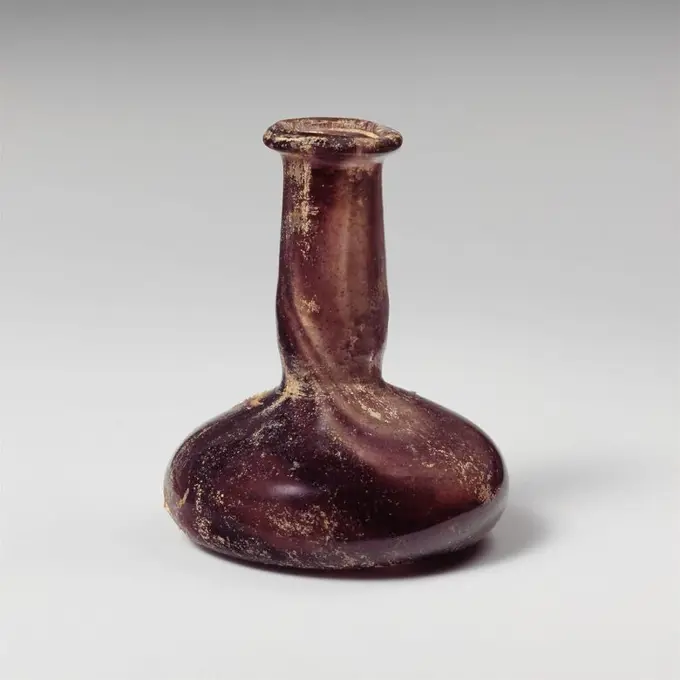
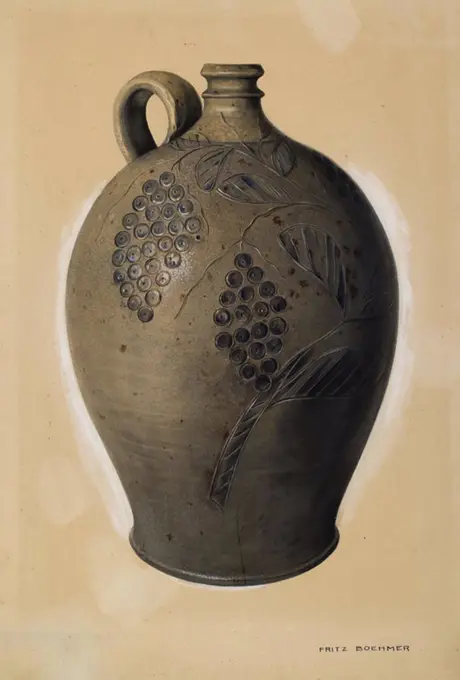
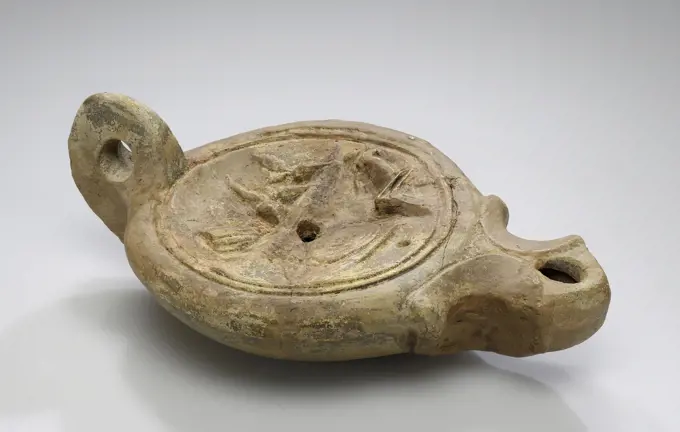
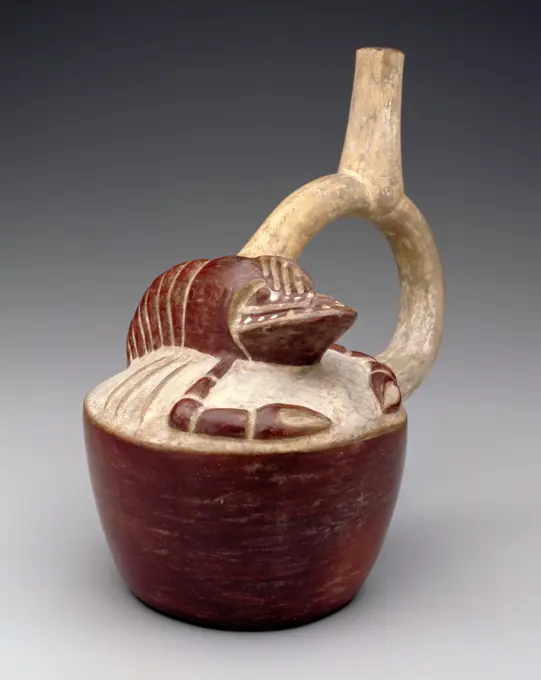
Stoneware jar 1873 Anna Pottery. Stoneware jar. American. 1873. Stoneware. Made in Anna, Illinois, United StatesTea jar ca. 1500 Japan. Tea jar 63121Lamp, Roman Empire; 1st century B.C. - 4th century A.D; Terracotta; 2.4 x 7.8 x 10.8 cm (15,16 x 3 1,16 x 4 1,4 in.)Fragment of pottery storage pot on stand, lying sausage ear, storage jar pot holder soil find ceramic earthenware glaze lead glaze, hand turned baked glazed Fragment of earthenware pot on stand. Heart-shaped model Narrow neck opening short, upright top edge Externally only on the shoulder glazed internal whole except the shoulder glazed. Reclining sausage tower curved upwards Restauration is repainted archeology underground pit Rotterdam City Triangle Groenendaal indigenous pottery store kitchen basement pack soil founding estate Groenendaal from waste well 0.5 to 2 meters -NAP found 1975-09-29.Lamp, North Africa; 1st - 4th century; Terracotta; 2.9 x 8.1 x 10.7 cm (1 1,8 x 3 3,16 x 4 3,16 in.)Glass perfume bottle. Culture: Roman. Dimensions: 6 11/16in. (16.9cm)Other: 2 5/16in. (5.8cm)Diam. of rim: 1 1/8 in. (2.9 cm). Date: 2nd-3rd century A.D..Translucent pale blue green.Rim folded out, over, and in, with broad, uneven mouth; slender, slightly concave cylindrical neck, tooled in around base; sloping shoulder; convex sides to body, tapering downward; pushed-in bottom with deep kick and trace of pontil scar.Intact; many bubbles, elongated in neck; dulling and iridescence. Museum: Metropolitan Museum of Art, New York, USA.Lime Container in the Form of a "Mloko" Drum 500 B.C.-A.D. 300 Indonesia (Java, Lumajang, Pasiran). Lime Container in the Form of a "Mloko" Drum. Indonesia (Java, Lumajang, Pasiran). 500 B.C.-A.D. 300. Bronze. Bronze and Iron Age period. MetalworkStorage Jar, 4th century BCE, 11 x 14 3/4 in. (27.94 x 37.47 cm), Porcelaneous stoneware with impressed and carved decor under light yellow-green glaze, China, 4th century BCE, This elegant storage jar made in vague imitation of contemporary bronze vessels was created by building up coiled strips of clay which were finished on a slow-turning potter's wheel. Set on opposite sides of the shoulder are two mold-impressed plaques centered under the loose ring handles. The main decoration consists of two continuous registers of neatly incised vertical fluting. The finely worked precise detailing lends a sense of formal majesty to this exceptional example of early celadon ware. High-fired stoneware with shapes, decorations, and glazes similar to this vessel have been excavated from Warring States (475-221 BCE) tombs in Guixi, Jiangxi province and Shaoxing, Zhejiang province in southeastern China.Bottle with spherical body. Deeply inserted soul, narrowing body through rounded shoulders passing into a highly tapered neck with a high-placed ring.Cauldron. Dimensions: H. 15 3/8 in. (39 cm). Date: mid-15th century.This cauldron was made from a copper alloy sourced in the Caucasus Mountains, a region that has been mined for its metals for hundreds of years. While its basic shape is derived from traditional forms, the cauldron is unusual for its large size, the arabesques on its rim, and the lions that attach four rings to its body. Museum: Metropolitan Museum of Art, New York, USA.Censer with a spherical lid, handles and legs in the form of peach fruit and branches. unknown, craftsmanLamp, North Africa; 1st - 4th century; Terracotta; 2.7 x 9.5 x 12.6 cm (1 1,16 x 3 3,4 x 4 15,16 in.)ACEITERA VIDRIADA EN VERDE. Location: ALFARERIA. Lorca. MURCIA. SPAIN.Pottery cooking pot, white shard, glazed, yellow and green, bandoor, on pinched stand, ear bowl bowl pottery holder kitchen utensils earthenware ceramics earthenware glaze lead glaze, hand-turned glazed baked Pottery ear bowl white shard entirely covered with lead glaze topped pinched light ear pinched stand ring archeology indigenous pottery food drink cooking kitchenBottle, 7th century, 11 1/8 x 5 1/4 in. (28.26 x 13.34 cm), White porcelaneous stoneware with white glaze, China, 7th century, Fine white wares of Sui (586-618) and early Tang (7th century) are arguably the world's earliest porcelains. Hard, white, and translucent, they were produced at the Xing kilns in Hebei province and the Gongxian kilns in Henan. Their white gaolin clay was exceptionally pure and well-refined with feldspar for hardness. The shape of this bottle is one of the most elegant in all Far Eastern ceramics. Beautifully proportioned, simple, and flawlessly executed, it was probably reserved for Buddhist ritual as a container for holy water. Popular domestically, large quantities of Gongxian and Xing wares have been found in the Middle Eastern sites of Siraf in the Persian Gulf and Samarda in Iraq.Porcelain bowl of red earthenware, internally glazed, porcelain crockery holder earth discovery ceramic earthenware glaze lead glaze, hand turned glazed baked Porcelain bowl of red earthenware lying crochet ear stand ring internal light brown glazed turnings archeology Valckensteyn Poortugaal Albrandswaard indigenous earthenware porridge porridge eat kitchen nutrition food serve food Soil discovery, moat at kitchen castle Valckensteyn at Poortugaal now Albrandswaard 1961.Terracotta saucer-shaped lamp 4th century B.C. Cypriot Wheel-made with edge folded in to form a wick rest; flaring rim, with rounded lip; broad, open body; undefined, convex base.Intact.. Terracotta saucer-shaped lamp. Cypriot. 4th century B.C.. Terracotta. TerracottasBottle with spherical body, anonymous, c. 1750  Deep inserted soul, half spherical body through rounded shoulders transferred to a high, gathering neck with a high -placed ring. Northwest Europe glass glassblowingThe Attarouthi Treasure - Censer 500-650 Byzantine With Saint John the Forerunner, a youthful saint, a deacon saint with a censer (probably Saint Stephen), a saint in orant pose, and crossesInscribed in Greek: For the salvation of Kerykos, son of Michaelios, and Martyrios, genuine brothersThese censers retain their original copper liners, which held hot coals and incense. Deacons swung the censers, releasing the perfume of the incense to honor the Gospel, the altar, and the objects used in the Eucharist.. The Attarouthi Treasure - Censer 466133Bucchero sottile. 7th-6th centuries BC. Etruscan Vase. Provenance unknown. Archaeological Museum of Catalonia. Barcelona. Spain.Cantaro, Quart. Museu Català de les Arts i Tradicions Populars.Pottery belly model ointment jar, red shard, internally glazed, ointment jar pot holder soil find ceramic earthenware glaze lead glaze, hand-turned glazed baked Pottery cream jar red shard internally glazed. Abdomen model Narrowing over the foot. Outstanding sloping top edge. Stand with light soul. Outside damaged corroded archeology health care indigenous pottery pharmacy store sell craftSilver/copper vase dedicated by Entemena, Prince of Lagash to God Ningirsu. Tello. About 2400 BC.Glass jar. Culture: Roman. Dimensions: H.: 2 1/4 in. (5.7 cm). Date: 3rd-4th century A.D..Colorless with blue green tinge.Thickened, outsplayed rim, with rounded outer lip; body expands downwards to maximum diamter slightly above bottom, then curves in; small central kick on bottom, with traces of pontil mark.On upper part of body, horizontal trail wound slightly more than once.Intact; some bubbles, with a few very large; dulling, whitish weathering, and iridescence. Museum: Metropolitan Museum of Art, New York, USA.Vase;  2nd half 18th century (1736-00-00-1795-00-00);Flakon on the fragrance (UNGUENTARIUM); unknown eastern workshop; I-II century (1-00-00-200-00-00);Jar with decorated rim, swivel, and knob. Dimensions: h. 7.5 cm (2 15/16 in.); diam. 5.5 cm (2 3/16 in.). Date: 664-30 B.C..The color of this cylindrical vessel suggests a Late Period or Ptolemaic Period date. In a thickening on one side of the vessel's lip there is a hole for a swivel for the now missing lid. When meant to remain closed, string would have secured a knob on the lid to a knob protruding from the side of the vessel opposite the swivel. Museum: Metropolitan Museum of Art, New York, USA.Lamp, North Africa; 1st - 4th century; Terracotta; 2.6 x 7.5 x 11 cm (1 x 2 15,16 x 4 5,16 in.)AmphoraNaczynie kuliste. nieznany warsztat północno mezopotamski (ca 2600-ca 2350 a.C.), workshopPear-shaped vase with shishi, monster heads and gilded bands with ruyi motif, anonymous, c. 1750 - c. 1799 Pear -shaped vase of porcelain with flared neck and upright edge, covered with a monochrome crawls gray glaze and on biscuit gold. A monster head with ring on both sides on the shoulder; Around the foot, shoulder and neck a band with Ruyi motif, decoration in gilded biscuit. Gilding flake. Monochrome. China porcelain. glaze. gold (metal) gilding / vitrification Pear -shaped vase of porcelain with flared neck and upright edge, covered with a monochrome crawls gray glaze and on biscuit gold. A monster head with ring on both sides on the shoulder; Around the foot, shoulder and neck a band with Ruyi motif, decoration in gilded biscuit. Gilding flake. Monochrome. China porcelain. glaze. gold (metal) gilding / vitrificationPelican 16th-17th century Chumash. Pelican 319170CANTARO O BOTIJA SIN VIDRIAR - S XX. Location: ALFARERIA. Alcora. Castellón. SPAIN.Ewer 13th-14th century. Ewer 448424Sencha cup with poem, from a set of five, 19th century, Ōtagaki Rengetsu, Japanese, 1791 - 1875, 1 3/4 × 2 5/8 × 2 5/8 in. (4.45 × 6.67 × 6.67 cm), White stoneware, Japan, 19th centuryAmphoraKero culture, ritual cup in gold; Mesoamerican. Equador1450-1535 ADCup: "The meal of Dido and in Aeneas", Italian majolica of Castel Durante, around 1523 (reverse on a gray background). Museum of Fine Arts of the City of Paris, Petit Palais. 27008-12 Castel Durante, Ceramic, Italy, Majolique, Italian Renaissance, reverseTerracotta oil lamp 1st century B.C.-1st century A.D. Roman. Terracotta oil lamp. Roman. 1st century B.C.-1st century A.D.. Terracotta. Early Imperial. TerracottasBottle; olive glassBOTIJO DE BARRO BLANCO - CERAMICA PARA AGUA SIN VIDRIAR. Location: ALFARERIA. VALDEVERDEJA. Toledo. SPAIN.Vase; iridized glassAge of metals. Iron Age. Talayotic culture. Double-bottomed cups with geometric incision. 700-301 BC. From the Cerro de Biniet, Mahon (Minorca, Balearic Islands). National Archaeological Museum. Madrid. Spain.Jar Japan It was in the Karatsu area of the island of Kyushu that Korean potters first introduced the noborigama, or climbing kiln, to Japan. This type of kiln was more advanced than previous ones, and allowed for better control during firing. This jar, painted with a simple motif reminiscent of the character dai, or great, was made in such a kiln. This austere aesthetic was promoted by followers of the tea ceremony during the Momoyama period. The techniques employed by Korean potters at Karatsu kiln sites were integral to the emergence of porcelain production in Japan in the early seventeenth century.. Jar 49276Barrel still bank, 20th century, 3 5/8 x 3 3/16 x 3 3/16 in. (9.21 x 8.1 x 8.1 cm), Ceramic, pigment, United States, 20th centuryFragment of a Bowl 14th-15th century. Fragment of a Bowl 446380Oil Bottle 12th century Korea. Oil Bottle 52085Jar. Dated: c. 1938. Dimensions: overall: 37.2 x 30 cm (14 5/8 x 11 13/16 in.) Original IAD Object: 15" High 7 1/2" Dia.(top). Medium: watercolor, colored pencil, and graphite on paper. Museum: National Gallery of Art, Washington DC. Author: George Loughridge.Sake bottle. unknown, ceramistCANTARO - BARRO CON MUCHA MICA Y RUSTICO (SIN PULIR) DECORACION INCISA. Location: ALFARERIA. PERERUELA. Zamora. SPAIN.. Fabric tea bus or chair of stoneware with an ivory lid, partially covered with a brown glaze. The lower part of the bus is unglazed. Old label on the bottom with 'W580'. Seto.Handleless Oil LampBeaker 14th-15th century Chimú. Beaker 310634POT. Graves, Peu de Requin. Par musée musée malée. The Samehada-Gusuri technique is a specialty of the ovens of Kagoshima as well as the Hagi region. Gres, jar, shark skin, pot, sandstone, sharkskinliturgical jug and bronze paten, seventh century, Illescas, Museum of the Councils and the Visigoth Culture, Church of San Román,Toledo, Castilla-La Mancha, Spain.Censer in the shape of a styIIsed IIon (karashishi) unknownBottle, Feline Face 5th-2nd century B.C. Paracas. Bottle, Feline Face 308627Bowl 17th-18th century possibly Spanish. Bowl. possibly Spanish. 17th-18th century. Glass. GlassLimestone incense burner on three legs 330 B.C.-A.D. 300 Cypriot The tall stem rests on three schematic lions paws. There is a projection under the bowl with vertical sides, the edges of which are partially broken.. Limestone incense burner on three legs 244040CANTARO DE CUELLO CORTO Y ESTRECHO CON UNA SOLA ASA. Location: ALFARERIA. CAMPO REAL. MADRID. SPAIN.Hispano-visigotisches liturgisches Gefäß Hispano-visigotisches liturgisches Gefäß Copyright: xZoonar.com/Tolox 22568891Lamp. UnknownMycenaean pottery brazier, from Ialysos, Rhodes. Dated 1200 BCCANTARO "GERRA" - S XX ARTE POPULAR. Location: ALFARERIA. MARRATXI-PORTOL. MALLORCA. SPAIN.Archeological Museum. Úbeda, Jaén province, Andalusia, Spain.Double Kandila of the Grotta-Pelos Group. UnknownOil LampFour-Wick Oil Lamp. Israel, circa 2000 B.C.. Furnishings; Lighting. CeramicCooking pot. 5th century AD. Ceramics. Coming from the late-Roman dump of Vila-Roma. Spain. National Archaeological Museum. Tarragona. Catalonia, Spain.Pilgrim Flask, 1-200. Parthian, 1st-2nd Century. Terracotta; overall: 17.6 cm (6 15/16 in.).Footed beaker. Culture: Hungarian, Brass. Dimensions: Overall: 8 3/8 x 4 5/16 in. (21.2 x 11 cm). Maker: Franciscus Rether (active 1634-84, master 1635). Date: mid-17th century.Trumpet-shaped beakers with high hollow bases were one of Salgo's great passions, and the Metropolitan Museum of Art selected several examples from his collection to document their variety of sizes, artistic quality, and type of decoration. Hunting scenes and a lion, elk, and rampant horse are all powerfully depicted on this piece. The applied, molded ring marks the actual bottom of the liquid-containing part of this piece.LiteratureTihamr Gyrfs. A brassai tvssg trtnete. Brass, 1912, p. 108, no. 183.European and English Silver. Sale cat., Sotheby's, London, July 11-12, 1985, n.p., no. 80.Judit H. Kolba. Hungarian Silver: The Nicolas M. Salgo Collection. London, 1996, p. 50, no. 28.ReferencesA beaker with a similar foot was sold at auction by Dr. Fischer Kunstauktionen in HeiLamp. UnknownRing China. Ring 61137Vase, late 1800s. Wedgwood Factory (British). diameter of mouth: 10.2 cm (4 in.); overall: 16.6 cm (6 9/16 in.).Beaker early 16th century German Ordinary drinking vessels were produced widely throughout German-speaking lands. Because the workshops that made them were located in forests, where raw materials were readily available, they are often called Waldgläser (forest glasses). This example is unusual in the refinement of its design.. Beaker. German. early 16th century. Free- and mold-blown glass with applied decoration. Made in probably Lower Rhineland, Germany. Glass-VesselsBowl Late Period 664-332 B.C. View more. Bowl. 664-332 B.C.. Pottery. Late Period. From Egypt, Upper Egypt, Thebes, Deir el-Bahri, Senenmut Quarry, Embalmer's Cache, MMA excavations. Dynasty 27-30Bowl Late Period 664-332 B.C. View more. Bowl. 664-332 B.C.. Pottery. Late Period. From Egypt, Upper Egypt, Thebes, Deir el-Bahri, Senenmut Quarry, Embalmer's Cache, MMA excavations. Dynasty 27-30Pilgrim bottle 17th century French, Puisaye. Pilgrim bottle 194291Snuff bottle 18th-19th century China. Snuff bottle 41756Pot 4th-7th century Coptic. Pot 478719Jar with Vertical Ribs 600 CE-699 CE Korea. Stoneware with natural ash glaze .Bronze cylindrical fitting ca. 1600-1050 B.C. Minoan Perhaps used as a sceptre stem. With two pairs of opposite holes.. Bronze cylindrical fitting 247627Kohl jar with a separate neck and lid ca. 1887-1750 BC Middle Kingdom This small jar is composed of a base, neck, and lid. Its style suggests that it once held a substance used as eyepaint.Link to a blog postJewelry from the Haraga Treasure, United at the Met. Kohl jar with a separate neck and lid. ca. 1887-1750 BC. Travertine (Egyptian alabaster). Middle Kingdom. From Egypt, Fayum Entrance Area, Haraga, Cemetery A, Tomb 124Glass jar. Culture: Roman, Syrian. Dimensions: H.: 3 1/4 in. (8.3 cm). Date: 4th-5th century A.D..Colorless; trails and base in translucent cobalt blue.Everted rim, folded over and in, pressed flat on upper surface and with beveled outer edge; broad horizontal mouth; funnel-shaped neck; broad sloping shoulder; bulbous body, tapering downwards; solid base pad, applied as a coil and flattened underneath, with pontil scar.One fine trail wound round in a spiral on underside of mouth; a thick trail wound round from left to right in zigzag between outer edge of shoulder and rim, forming openwork collar, with overlap extending for a single upward section; another thick trail wound around lower body as a continuous, irregular zigzag.Intact, but internal cracks running around body; pinprick and larger bubbles; pitting, dulling, iridescence, and enamel-like brownish weathering. Museum: Metropolitan Museum of Art, New York, USA.Glass perfume bottle. Culture: Roman. Dimensions: 1 15/16 × 1 5/8 in. (4.9 × 4.1 cm)Diam. of rim: 5/8 in. (1.6 cm). Date: 1st-2nd century A.D..Colorless with many translucent purple streaks.Rim folded out, over, and in, with uneven, beveled upper lip; cylindrical neck but slightly bulging and tooled in around base; low, bulbous body; flattened bottom.Intact; pinprick bubbles; some iridescent weathering on exterior, soil encrustation of interior. Museum: Metropolitan Museum of Art, New York, USA.Bowl 14th century. Bowl 452922Wine jug. Dated: probably 1939. Dimensions: overall: 44.2 x 31.9 cm (17 3/8 x 12 9/16 in.) Original IAD Object: Rendered 2/3 original size.. Medium: watercolor, graphite, colored pencil, gouache, andpen and ink. Museum: National Gallery of Art, Washington DC. Author: Fritz Boehmer.Lamp, Tunisia; 1st - 4th century; Terracotta; 2.9 x 9.2 x 15 cm (1 1,8 x 3 5,8 x 5 7,8 in.)Vessel with Lobster Motif, 400-499, 8 x 8 1/2in. (20.3 x 21.6cm), Clay, pigments, Peru, 5th centuryOil Lamp"MIXOLA" - JARRA CON BOCA LATERAL-VIDRIADA Y PINTADA CON 1 ASA - SIGLO XX. Location: ALFARERIA. TARRAGONA. SPAIN.Medicine Bottle, medicine bottle bottle holder soil find glass, free blown and shaped Small (medicine) Bottle in clear light green glass. Pontil mark under slightly raised soil. Cylindrical body slightly flared at the bottom to straight shoulders short neck and flared lip (dm 1.6 cm) archeology health care packaging pharmacyLamp, Anatolia; 1st - 4th century; Terracotta; 2.7 × 7.2 × 10.3 cm (1 1,16 × 2 13,16 × 4 1,16 in.)Handle () ca. 9th century B.C. Iran. Handle () 325016Chalice. 1400-1325 BC found in Israel.Vase fragment Roman Part of two-handled cup with green glaze; rosette and bands in relief.. Vase fragment. Roman. Terracotta. VasesBottle probably 18th-19th century. Bottle 443118Romano-British silver jug from water Newton Treasure. Earliest Christian silver known, 3rd cent. AD.Small Bottle Vase 1300-1350 China. Qingbai ware; glazed porcelain in iron spots .