Antique Ceramics and Vases

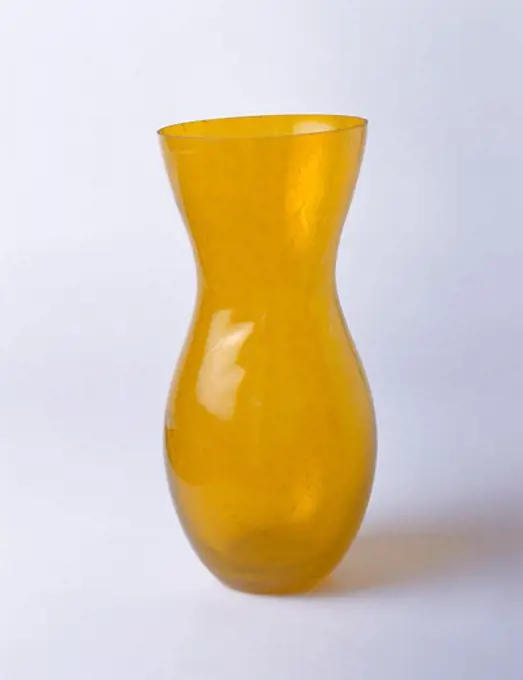
A variety of unique ceramic bottles and vases from different periods, highlighting colors, shapes, and historical craftsmanship in pottery.
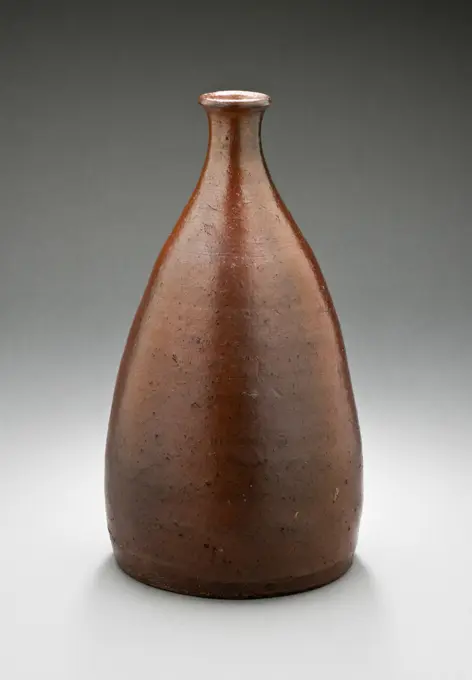
Sake Bottle. Japan, early Edo period (1615-1868), 17th century. Ceramics. Tanba ware; stoneware with red-brown iron glaze
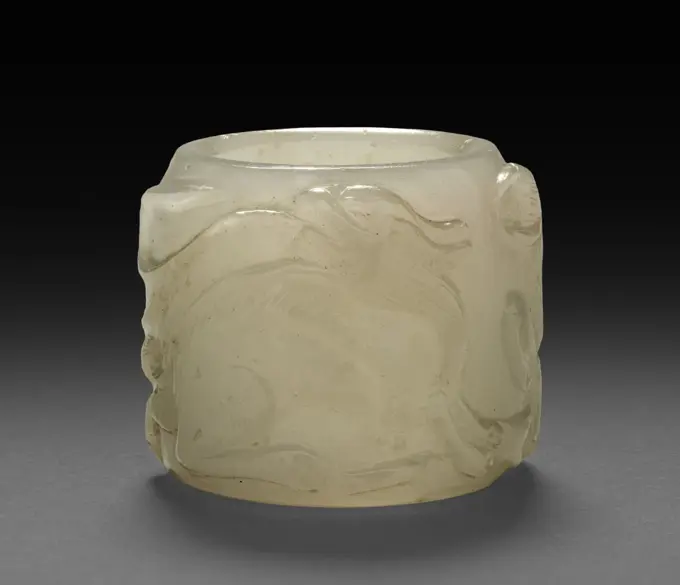
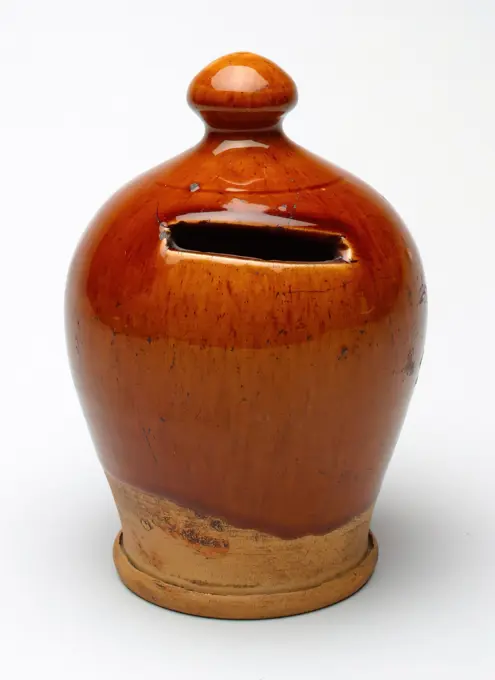
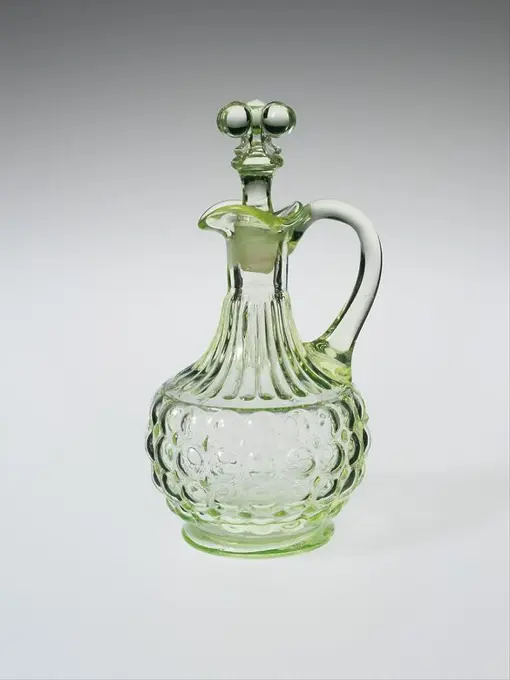
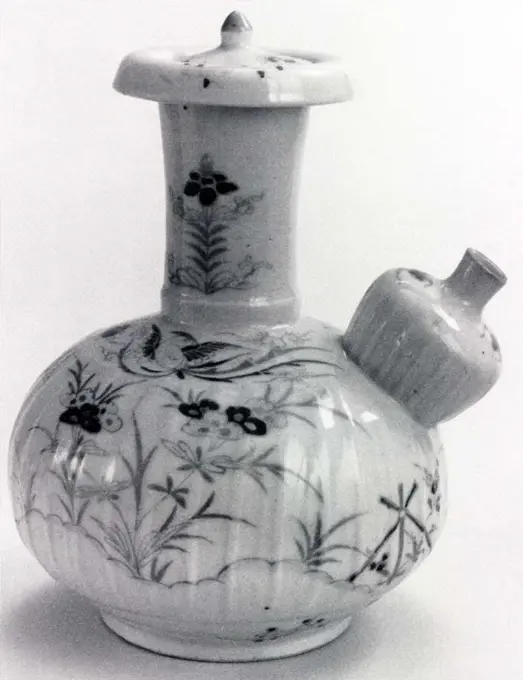
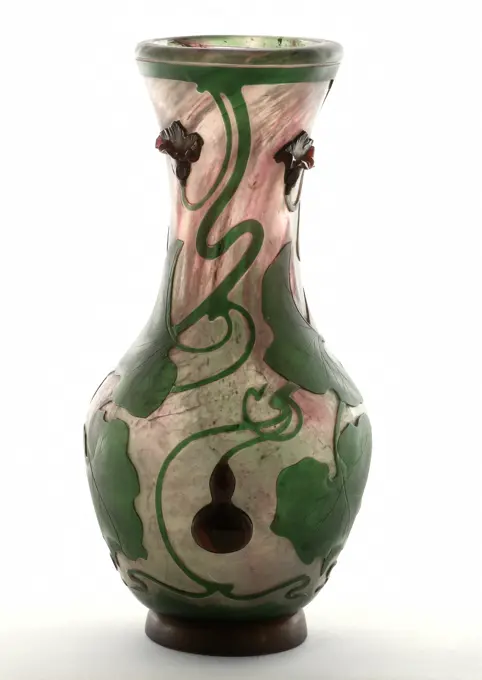
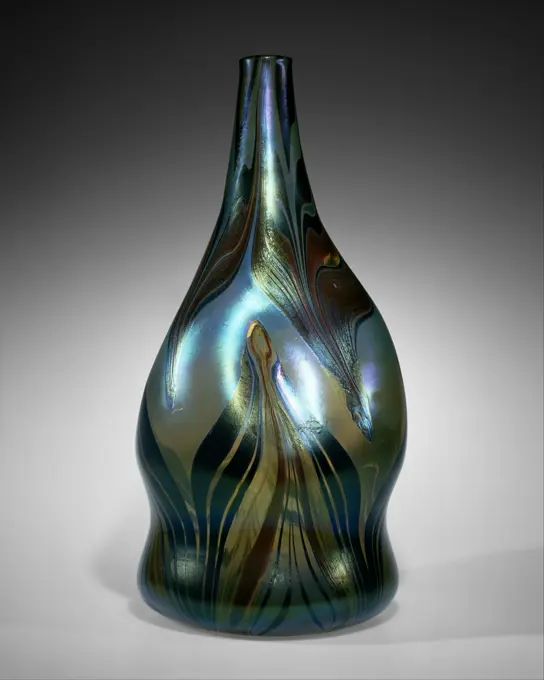
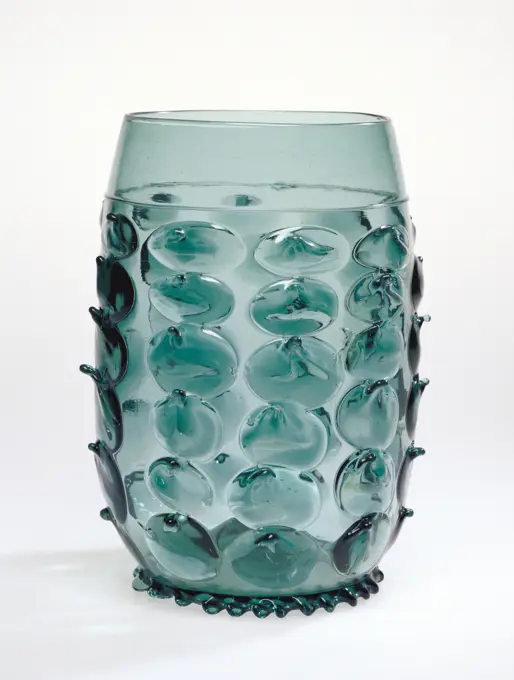
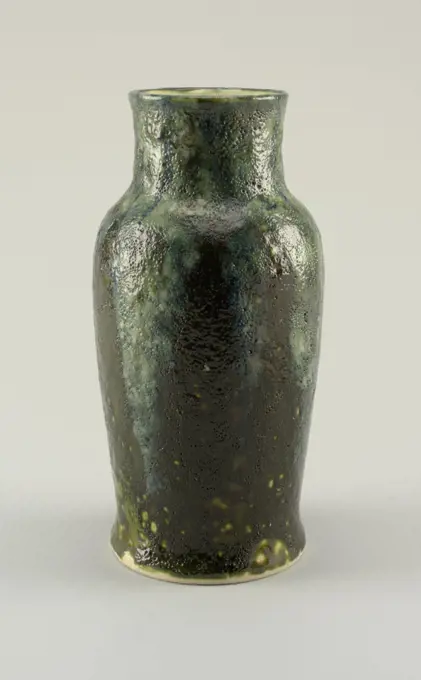
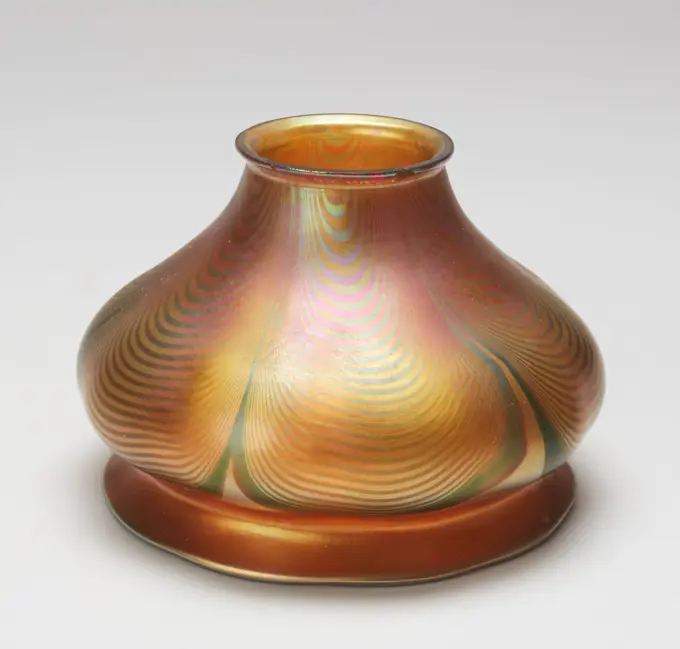
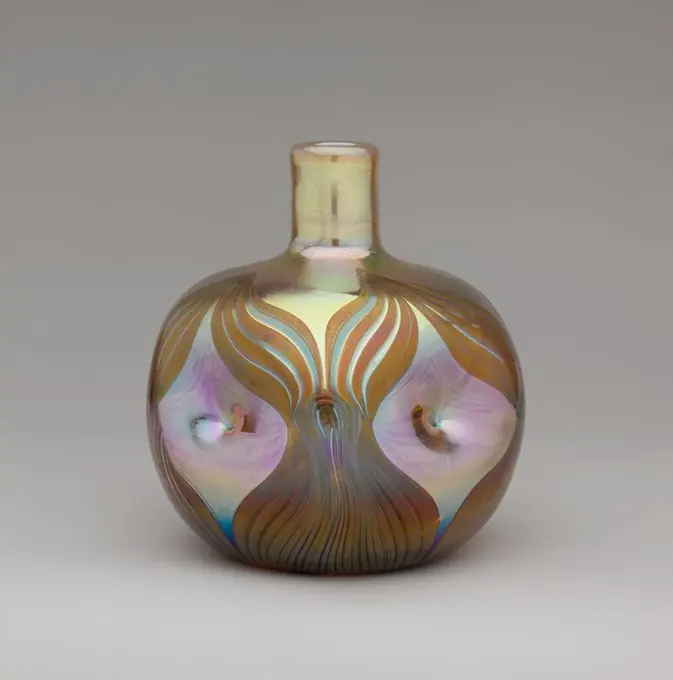
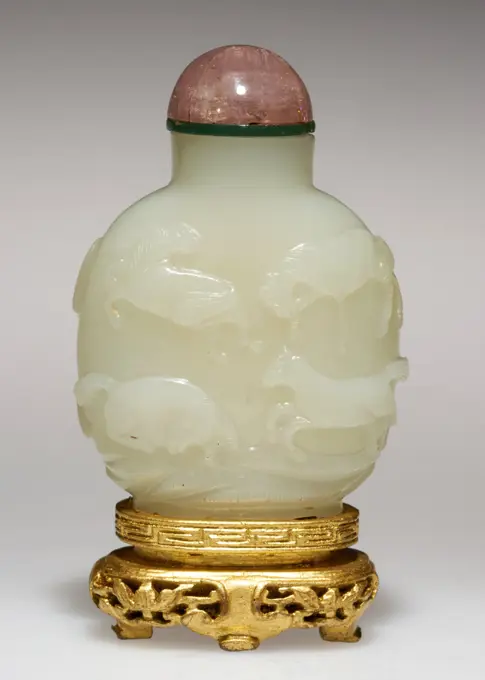
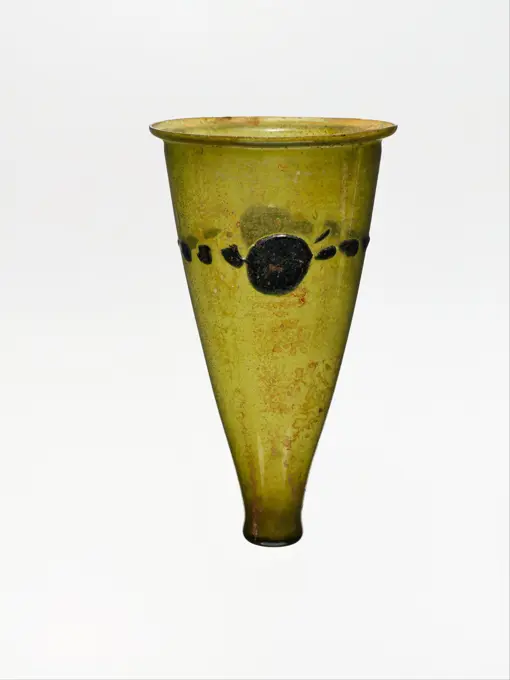
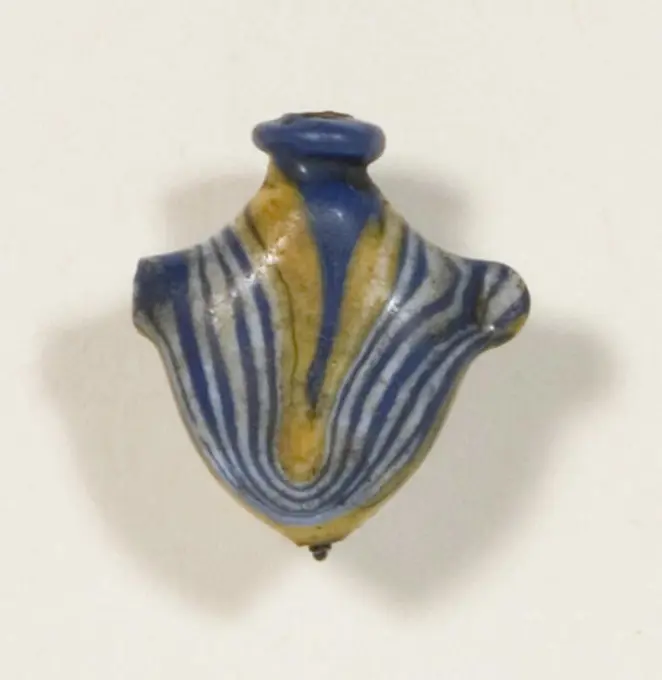
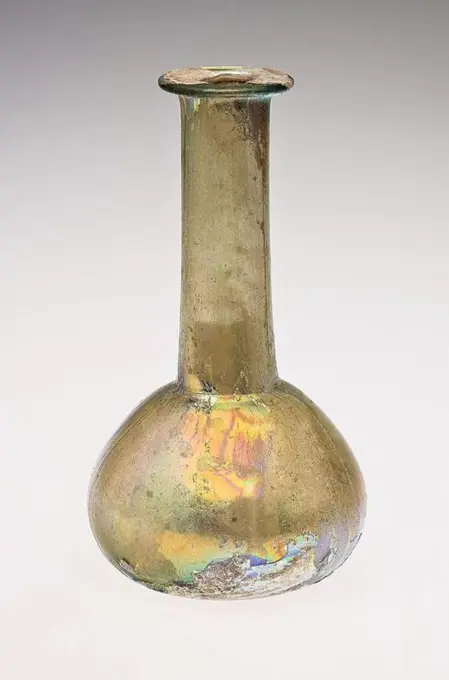
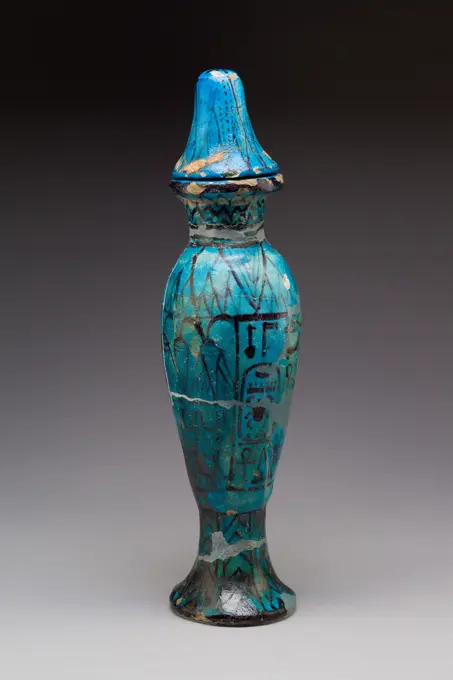
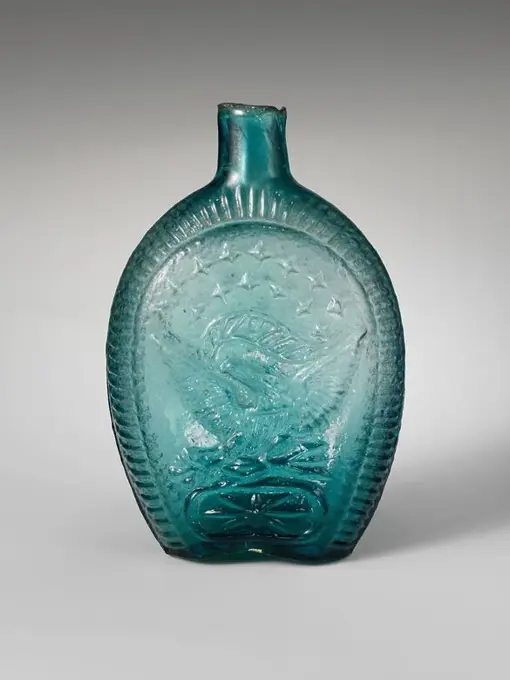
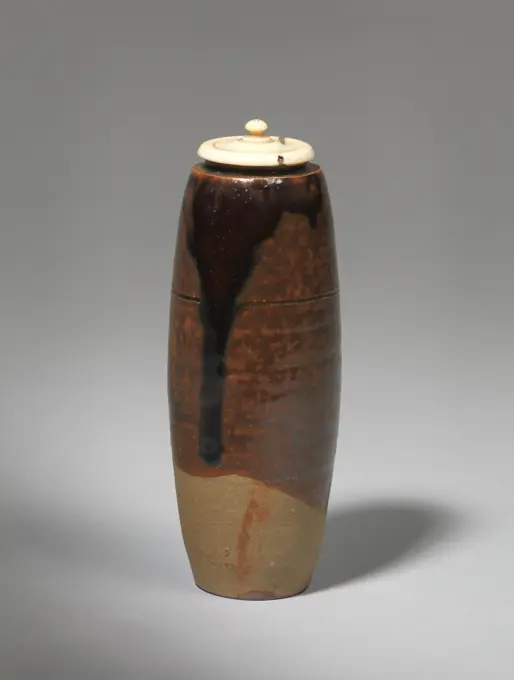
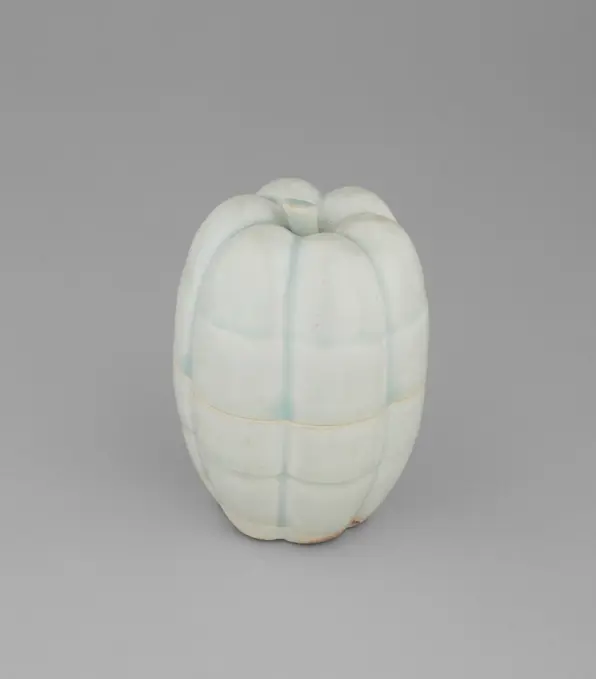
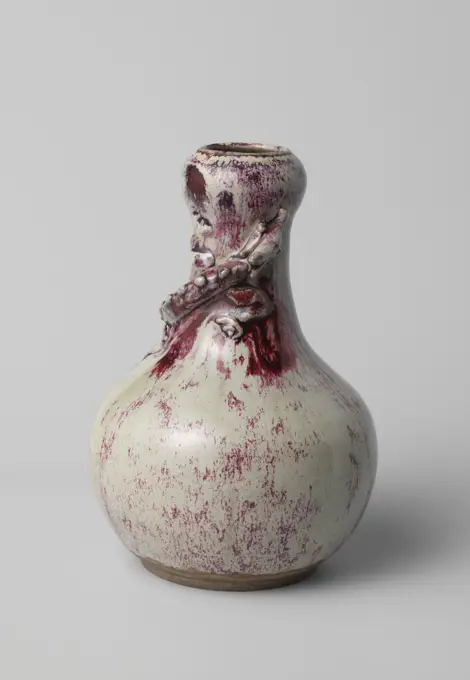
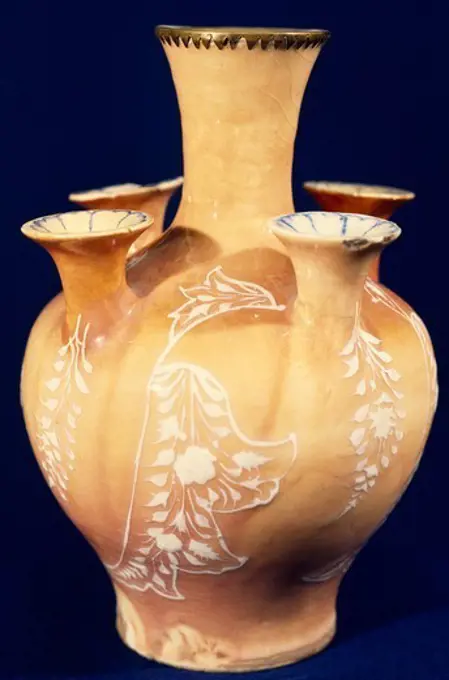
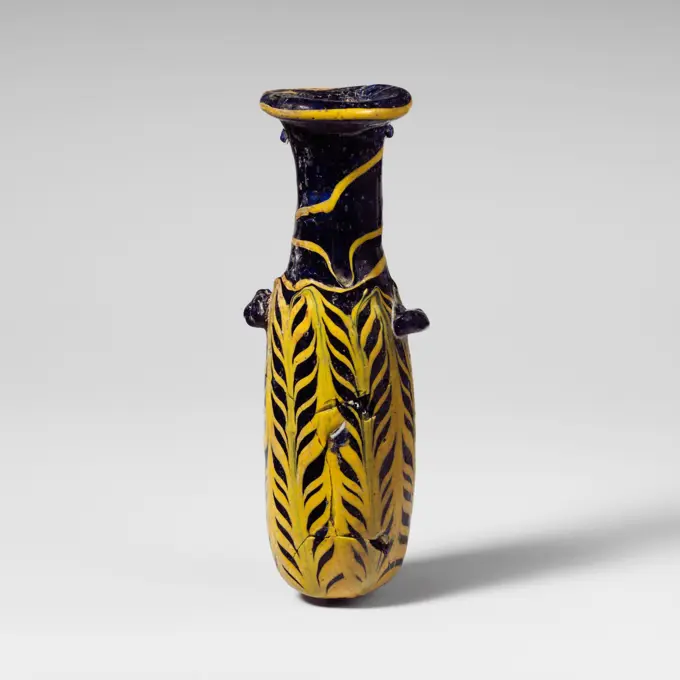
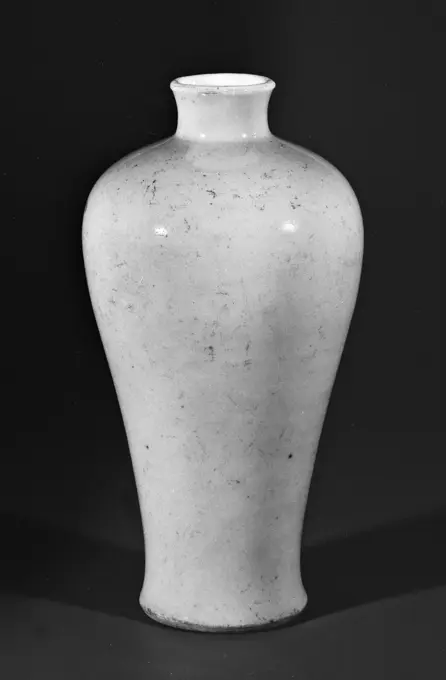
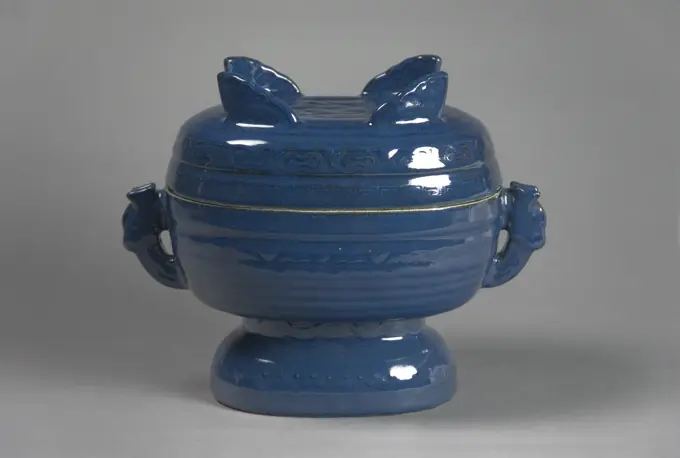
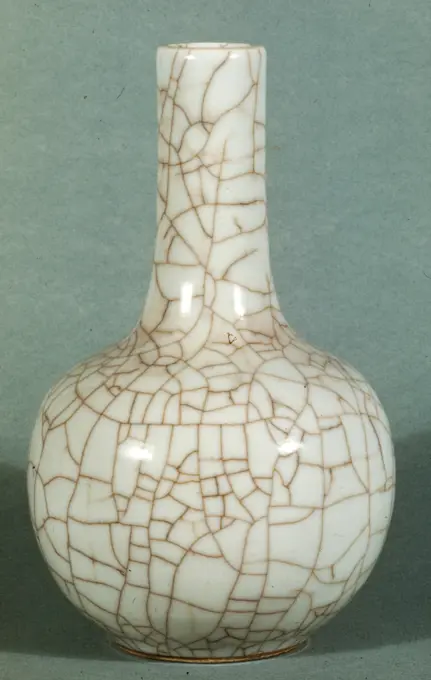
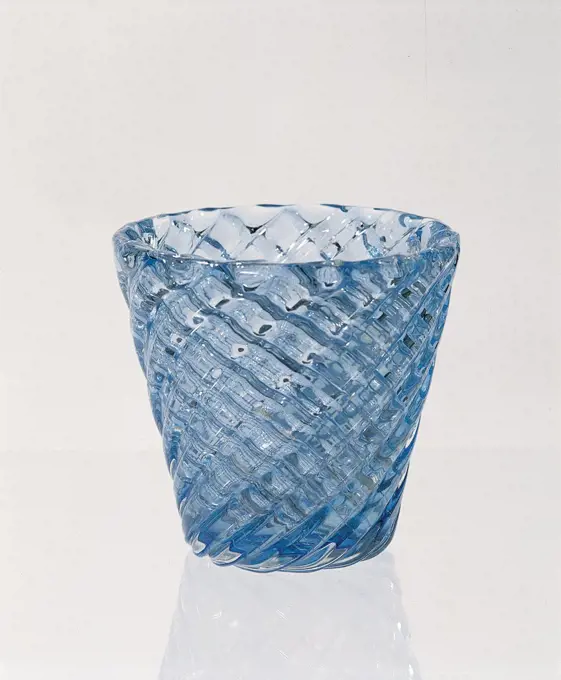
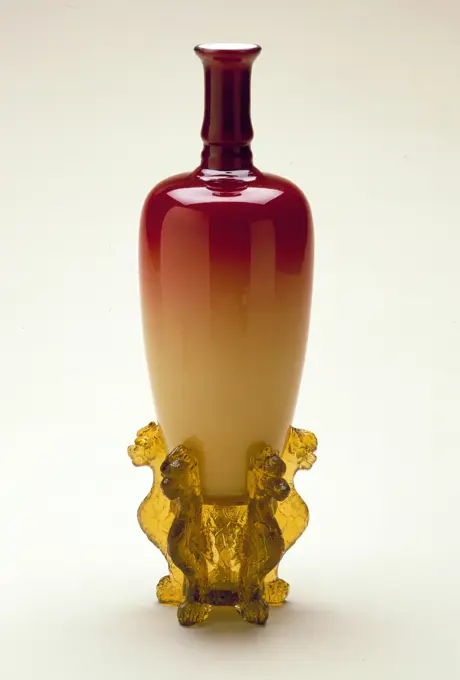
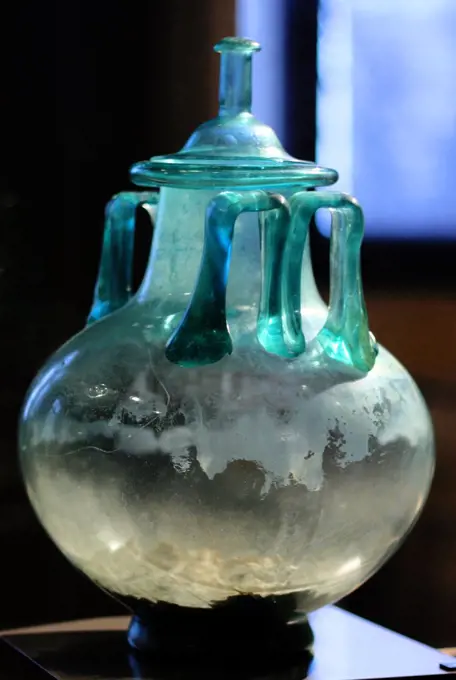
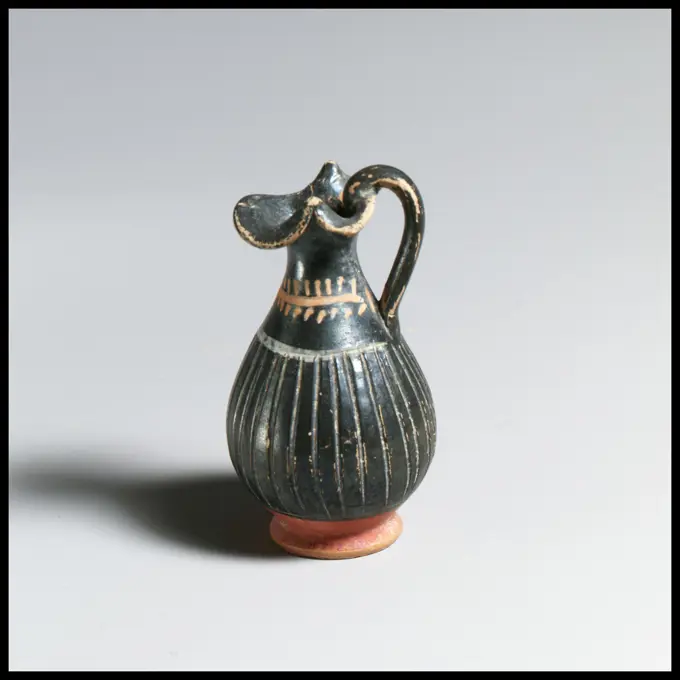
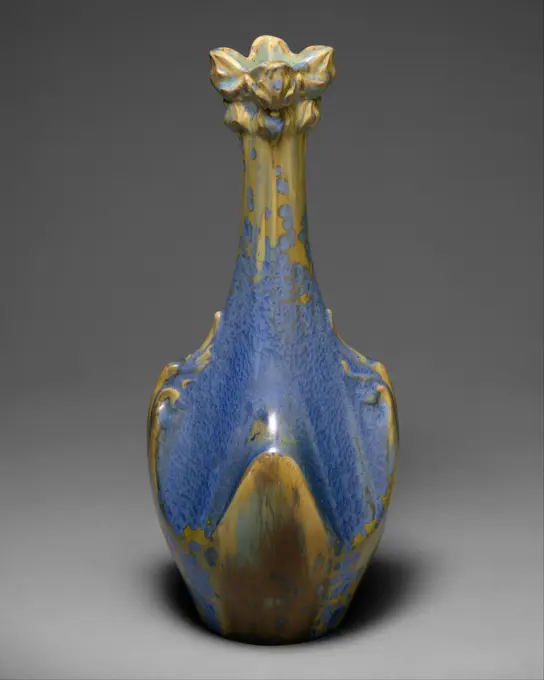
Vase ca. 1885 Factory of Olivier de Sorra Art Nouveau potter Olivier de Sorra is known for the fine stoneware and crystalline glazes he produced at his factory, Pierrefonds. Molded with stylized foliage and glazed entirely in variegated shades of sky blue and tan with mottled and streaked patterns, this vase represents the technical achievements of the nineteenth century in ceramics.. Vase. French, Pierrefonds. ca. 1885. Stoneware. Factory of Olivier de Sorra. Ceramics-PotteryThumb Ring, 1800s-mid-1900s. China. White jade; diameter: 3.1 cm (1 1/4 in.); overall: 2.6 cm (1 in.). Jade rings were worn by men on the thumb of the right hand to assist with holding and pulling the string of the archers bow. However, thumb rings were also fashionable accessories for civil officials in the late Qing dynasty.Jar still bank, c. 1860, 5 1/2 x 3 15/16 x 3 15/16 in. (13.97 x 10 x 10 cm), Ceramic, United States, 19th centuryCruet. Culture: American. Dimensions: H. 6 1/2 in. (16.5 cm). Maker: Adams and Company. Date: 1870-90. Museum: Metropolitan Museum of Art, New York, USA.Keystone Glass Works, Figured Bottle, c. 1866-74, aquamarine glass.Pocket bottle 1792 American. Pocket bottle 3711Kundika (Long-Necked Bottle) ca. 18th century Japan. Kundika (Long-Necked Bottle) 49335Eugène Michel. Vase decorated with nasturtiums. Glass. 1912. Museum of Fine Arts of the City of Paris, Petit Palais. 53949-6 Capucine, flower, floral motif, ornament, vase, glassVase 1893-94 Designed by Louis Comfort Tiffany American This object forms part of a group of over forty given to the Museum in 1896 by Louisine and Henry Osborne Havemeyer (96.17.9-.56). The gift was the first American glass to enter the Museum's collection. Most likely prompted by Louis Comfort Tiffany, the Havemeyers presented their collection of Tiffany Favrile glass to the Museum only three years after Tiffany started making decorative blown-glass vessels. The shapes, colors, and finishes of Tiffany's vases and plaques were inspired by the natural world and ancient glass.. Vase 9393Prunted Beaker. UnknownBottle, anonymous, 1686 Purple glass bottle with inserted soul. Spherical body, transfer to a slender neck, which is provided with a ring at the top. On the body, Italian scriptures are called "abuse of wyn.is soul-fenijn." On the bottom around the pontil brand 'Willem van Heemskerk.e 73 3 AO 1686'. 4 glassblower: Low CountriesLeiden glass glassblowing Purple glass bottle with inserted soul. Spherical body, transfer to a slender neck, which is provided with a ring at the top. On the body, Italian scriptures are called "abuse of wyn.is soul-fenijn." On the bottom around the pontil brand 'Willem van Heemskerk.e 73 3 AO 1686'. 4 glassblower: Low CountriesLeiden glass glassblowingSnuff bottle. Culture: China. Dimensions: H. 1 7/8 in. (4.8 cm). Date: 19th century. Museum: Metropolitan Museum of Art, New York, USA.Snuff Bottle, 1750-1850, 3 x 2in. (7.6 x 5.1cm), Amber, glass, ChinaCandlestick with a conical bulb stem and candleholder and base with a water landscape, anonymous, c. 1775 - c. 1799 Klock -shaped base with a ribbed wall from Porcelain candlestick, painted in underly glaze blue. The foot is painted with a continuous river landscape with pavilions, trees, rocks and boats on the water. At the top of the foot, a fled circle on which the upper part of the candlestick is placed. Blue White. Japan porcelain. glaze. cobalt (mineral) painting / vitrification Klock -shaped base with a ribbed wall from Porcelain candlestick, painted in underly glaze blue. The foot is painted with a continuous river landscape with pavilions, trees, rocks and boats on the water. At the top of the foot, a fled circle on which the upper part of the candlestick is placed. Blue White. Japan porcelain. glaze. cobalt (mineral) painting / vitrificationVase, Dedham Pottery, Hugh Cornwall Robertson, 1845 - 1908, stoneware, Gray-white stoneware body, thrown. Baluster body with cylindrical neck, slightly flaring; base also slightly flaring; not foot. Exterior covered with an olive green volcanic glaze pitted with yellow-green 'craters.' A blue-gray and green glaze flowing over the base glaze extending from rim to shoulder, also pitted. Bottom not glazed. Interior covered with clear glaze., Massachusetts, USA, ca. 1896-1908, ceramics, Decorative Arts, VaseJug 501 CE-600 CE Syria. Glass vessels were one of the many kinds of objects that were made for pilgrims of different faiths who visited Jerusalem. This jug was probably used to store blessed oil or water.. Glass, mold-blown technique . ByzantineCream Jug 1780-1820 American or British. Cream Jug 2592. Vase with two ears of pottery, covered with a luster and painted in different shades of green and yellow with fish and aquatic plants on a light green fond. Signature: St. Lukas Utrecht Made in Holland in blue black, including two red dots; Next to 78. R. in purple; Inrummation: a triangle, standing on one of the points, with a horizontal stripe above it.Chandelier, c. 1905, Unknown American, 30 x 24 3/8 x 24 3/8 in. (76.2 x 61.91 x 61.91 cm) (approximate), Brass and other metals, glass, electrical wiring, United States, 20th centuryVase. Culture: American. Designer: Designed by Louis Comfort Tiffany (American, New York 1848-1933 New York). Dimensions: H. 5 in. (12.7 cm). Maker: Tiffany Glass and Decorating Company (American, 1892-1902). Date: 1893-96. Museum: Metropolitan Museum of Art, New York, USA.Snuff Bottle, 1780-1850, Jade, rose quartz, ChinaGlass beaker or lamp 4th century A.D. Roman, Eastern Mediterranean Translucent yellow green; blobs in translucent cobalt blue.Bulging, cracked-off rim; straight side tapering downwards, then slightly outsplayed at base; small circular bottom with central indent.Three horizontal bands of wheel-abraded decoration: on upper body, a single fine line; a band of three lines above middle of body; and the third band comprising two fine lines just below middle of body. Between the first and second cut bands, a band of applied flattened blobs comprising two large circular blobs on opposite sides with two groups of six and seven smaller irregularly-shaped blobs arranged between them.Intact; pinprick and a few elongated bubbles; pitting, brown weathering, and slight iridescence.. Glass beaker or lamp 253058 Roman, Eastern Mediterranean, Glass beaker or lamp, 4th century A.D., Glass, H.: 2 3/4 in. (7 cm) Diam.: 1 9/16 in. (4 cm). The Metropolitan Museum of Art, New York. Rogers Fund, 1930 (30.40.1Insence burner with a metal cover, anonymous, anonymous, c. 1600 - c. 1868 Incense burner (Koro) of stoneware with a double gourd shape, partially covered with an eggplant and ocher -colored glaze. The lid is opened at the top. Takatori or Shigaraki. Japan Stoneware. Glaze. lid: Metal vitrification Incense burner (Koro) of stoneware with a double gourd shape, partially covered with an eggplant and ocher -colored glaze. The lid is opened at the top. Takatori or Shigaraki. Japan Stoneware. Glaze. lid: Metal vitrificationFlask; Roman Empire; 3rd - 4th century; Glass; 10.5 cm (4 1,8 in.)Vase, c. 1900, Lucien Gaillard, French, 1861-1933, 8 x 3 1/2 x 2 3/4in. (20.3 x 8.9 x 7cm), Patinated bronze, France, Art NouveauAmulet of a Heart. Egyptian. Date: 1550 BC-1295 BC. Dimensions: 2.1 × 1.9 × 0.6 cm (7/8 × 3/4 × 1/4 in.). Glass. Origin: Egypt. Museum: The Chicago Art Institute, Chicago, USA. Author: Ancient Egyptian.Bottle. Roman. Date: 101 AD-300 AD. Dimensions: 15.1 × 8.4 × 8.4 cm (6 × 3 1/4 × 3 1/4 in.). Glass, core-formed technique. Origin: Roman Empire. Museum: The Chicago Art Institute, Chicago, USA. Author: ANCIENT ROMAN.Vase decorated with flowers and parrots, N.V. Haagsche Plateel Factory Rozenburg, 1904 Vase of porcelain, around the ground surface, rejuvenating and turning into a square, with square slightly outstanding mouth opening. Multicolored painted with floral motifs and two sitting next to each other parrots, within an ornamental decor. The Hague porcelain Vase of porcelain, around the ground surface, rejuvenating and turning into a square, with square slightly outstanding mouth opening. Multicolored painted with floral motifs and two sitting next to each other parrots, within an ornamental decor. The Hague porcelainPerfume Bottle 1840-50 American or French. Perfume Bottle 2171Water Pitcher and Basin. Possibly Redwood Glass Works; American, 1833-c.1880; Redwood, New York. Date: 1833-1842. Dimensions: Pitcher: 22.2 × 21 × 16.5 cm (8 3/4 × 8 1/4 × 6 1/2 in.); basin: 13.7 × 33.7 × 32.7 cm (5 3/8 × 13 1/4 × 12 7/8 in.). Glass. Origin: New York. Museum: The Chicago Art Institute, Chicago, USA.Hes Vase ca. 1400-1390 B.C. New Kingdom. Hes Vase. ca. 1400-1390 B.C.. Faience. New Kingdom. From Egypt, Upper Egypt, Thebes, Valley of the Kings, Tomb of Thutmose IV (KV 43), Davis/Carter excavations 1903. Dynasty 18Flask. Culture: American. Dimensions: H. 6 3/4 in. (17.1 cm). Maker: Possibly Kentucky Glass Works (ca. 1850-55). Date: 1840-60. Museum: Metropolitan Museum of Art, New York, USA.Vase China. Vase 48480Druid Vase. Designed by René Lalique (French, 1860-1945); Manufactured by Lalique et Cie (French, founded 1885). Date: 1924. Dimensions: 17.8 x 6 cm (7 x 2 3/8 in.). Glass; white opalescent, mold blown, acid etched. Origin: Paris. Museum: The Chicago Art Institute, Chicago, USA.Pitcher. Culture: American. Dimensions: H. 7 7/8 in. (20 cm). Date: 1830-65. Museum: Metropolitan Museum of Art, New York, USA.Bottle 201 CE-400 CE Syria. Glass, blown technique . Ancient RomanBalsamaire. Gallo-Roman. Glass. Paris, Carnavalet museum. Balsamaire Balsamaire, bottle, Gallo-Roman time, perfume bottle, Gallo-Roman, container, glass, archeological vestigeEwer 17th century Italian, possibly Venice (Murano) During the Renaissance, Venetian glassmakers, working on the island of Murano, were celebrated across Europe for their fine and sparkling work. Called cristallo” emulating the clarity of rock crystal, in the hands of the most skilled glassblowers the medium could be delightfully manipulated, variously stretched paper-thin flat, or playfully twisted, or blown into molds with spectacular patterns.. Ewer. Italian, possibly Venice (Murano). 17th century. Glass. GlassChinese vase of the Kangxi period (1662-1722). Turquoise glazed porcelain. The handles represent a Chimera Janus - head Cup; Eastern Mediterranean; 1st century; Glass; 8.7 cm (3 7,16 in.)Jug 6th-7th century Byzantine. Jug 468555Vase. Culture: China. Dimensions: H. 17 1/2 in. (44.5 cm). Museum: Metropolitan Museum of Art, New York, USA.Glass perfume bottle mid-1st-early 2nd century A.D. Roman Translucent yellow green.Rim folded out, round, and in; cylindrical neck, tooled in around base; slender, elongated piriform body; thick, flattened bottom.Intact; many bubbles; deep pitting, brilliant iridescent weathering, and dulling.. Glass perfume bottle 239796Close-up of curvedamber-yellow glass vaseCup with cover China. Cup with cover 43837Old vase Old ceramic vase isolated with clipping path included Copyright: xZoonar.com/Baloncicix 7323622Jug ca. 1860-70 Possibly made at Pauly and Company, Venice. Jug. Italian, Venice (Murano). ca. 1860-70. Glass. GlassTea caddy, after 1657, Nonomura Ninsei, Japanese, act. c. 1646-1694, 4 1/2 × 1 11/16 × 1 11/16 in. (11.43 × 4.29 × 4.29 cm), Kyōyaki ware; glazed stoneware; ivory lid, Japan, 17th century, 焼 {Kyōyaki} Kyoto ware; Nonomura Ninsei remains one Japan’s most renowned potters and was one of the first to mark his works with his name.Covered SugarBowl.  Maker: Boston and Sandwich Glass Works, American, 1826-88Box (common name), 960. CERUNUSCHI Museum, Asia Museum of Asia in the city of Paris.DecanterPear-shaped vase with a moulded dragon, anonymous, c. 1700 - c. 1799 Pear -shaped vase of stoneware with a lump in the neck just below the edge, covered with a crackle gray and flambé purple glaze. Starting on the shoulder and continuously over the neck, a winding, applied chilong (polled dragon). Shiwan. China stoneware. glaze vitrification Pear -shaped vase of stoneware with a lump in the neck just below the edge, covered with a crackle gray and flambé purple glaze. Starting on the shoulder and continuously over the neck, a winding, applied chilong (polled dragon). Shiwan. China stoneware. glaze vitrificationRing-Handled Cup. China. Date: 618 AD-906 AD. Dimensions: H. 6.3 cm (2 1/2 in.); diam. 9.4 cm (3 11/16 in.). Slip-coated earthenware with three color (sancai) lead glazes. Origin: China. Museum: The Chicago Art Institute, Chicago, USA.Glass double cosmetic flask (kohl tube). Culture: Roman, Syrian. Dimensions: H. 7 7/8 in. (20 cm). Date: 4th-5th century A.D. or later.Translucent blue green; handles in same color.Everted rim, folded in and down sides of neck; body comprising two tubes, side by side, made from a single inflated gather by pinching sides vertically to make diaphragm; thick, flattened bottom with pontil scar; basket handle made from seven separate rods: on sides of body, two trails applied as pads, drawn up vertically in three tooled, angular loops, ending on top of rim; M-shaped trail applied as a large pad on top of one of the side trails, drawn across mouth to rim at junction of the two tubes, and ending on top of the other side trail; above this, trail drawn up and down, with acute angle at apex; then two trails applied to rim on either side of junction of the two tubes, draw up vertically, tooled in, and formed into two small round loops above, ending on top of apex; final trail applied to top of Close-up of spherical blown glass vase with multi-coloured stripesFour sided vase with flambé glaze unknownFive spouts vase, Islamic ceramics, Iran. Persian Civilisation, Safavid dynasty, 16th century.Oinochoe. UnknownTea jar 18th century Japan. Tea jar 63133Glass alabastron (perfume bottle) 2nd-1st century B.C. Greek, Eastern Mediterranean Translucent deep cobalt blue, with handles in same color; trail in opaque yellow.Broad, uneven, almost horizontal rim-disk, with rounded edge and wide mouth; cylindrical neck, flaring upwards; small, sloping shoulder; cylindrical body, with slightly convex sides; rounded bottom with central prokecting knob; two horizontal lug handles applied over trail at top of body.Yellow trail attached to rim-disk and wound round edge and down neck in a spiral, tooled into a feather pattern on body in six panels of alternating upward and downward strokes with slightly raised loops around shoulder, ending around bottom.Broken and repaired with some chips and small holes in body; slight dulling and pitting, with iridescent weathering.. Glass alabastron (perfume bottle). Greek, Eastern Mediterranean. 2nd-1st century B.C.. Glass; core-formed, Group III. Hellenistic. GlassBird - Shaped Flask; Eastern Mediterranean; 1st - 2nd century; Glass; 7.8 x 9 cm (3 1,16 x 3 9,16 in.)Vase decorated with piping in black, red and gold. Vase of porcelain, pear-shaped with slender neck, decorated with running piping on different width in black and red. On the shoulder and just below the mouth edge also some in gold. Mounted with: scepter in underglazing blue and in red with a rich apple and k.p.m., continue with 25/84 in red, rebel Z and an unclear annual letter.Mallet-shaped vase late 17th-early 18th century China. Mallet-shaped vase. China. late 17th-early 18th century. Porcelain with copper red glaze (Jingdezhen ware). Qing dynasty (1644-1911), Kangxi period (1662-1722). CeramicsMeiping vase 18th century China. Meiping vase. China. 18th century. Porcelain with crackled yellow glaze (Jingdezhen ware). Qing dynasty (1644-1911). CeramicsJar ca. 1981-1640 B.C. Middle Kingdom. Jar. ca. 1981-1640 B.C.. Blue faience. Middle Kingdom. From Egypt, Memphite Region, Lisht South, tomb west of the tomb of Senwosretankh, debris, MMA excavations, 1933-34. Dynasty 12-13Vessel for Ritual Offering (Gui) China These vessels (25.143.1-.3) were used in state rituals held in the first lunar month of the year, during which the emperor made offerings to heaven at the Altar for Bountiful Harvest (Qigutan), part of the Temple of Heaven in Beijing. In shape and decoration, these ceramic vesselsa gui and two douare modeled on bronze grain receptacles of the Eastern Zhou dynasty (770-256 B.C.), which would have formed part of a larger set of objects, employed in ritual offerings, that included containers for wine and meat. In later times, ceramic took the place of bronze, and vessels were color-coded according to one of four ritual altars at which the emperor conducted ceremonies: blue for heaven, yellow for earth, red for the sun, and white for the moon.. Vessel for Ritual Offering (Gui). China. Porcelain with low-relief decoration under dark blue glaze. Qing dynasty (1644-1911), Qianlong period (1736-95). CeramicsBottle, 1736-1795, 8 x 5in. (20.3 x 12.7cm), Porcelain, China, 18th centuryBottle. Culture: China. Dimensions: H. 4 in. (10.2 cm); Diam. 2 1/2 in. (6.4 cm); Diam. of rim 7/8 in. (2.2 cm); Diam. of foot 1 3/8 in. (3.5 cm). Date: 18th century. Museum: Metropolitan Museum of Art, New York, USA.Gustave Keller. Wine or water broc, around 1900. Museum of Fine Arts in the city of Paris, Petit Palais. 71786-5 Broc, design, water, pitcher, wineTabaka bottle with a dragon motif unknownBowl. Culture: China. Dimensions: H. 4 3/8 in. (11.1 cm). Date: early 18th century. Museum: Metropolitan Museum of Art, New York, USA.HSUN GWET sacrificial vessel;  19th/20th century (1890-00-00-1910-00-00);Toeplitz-Mrozowska, Jadwiga (1880-1966), Toeplitz-Mrozowska, Jadwiga (1880-1966)-collection, gift (provenance), Burmese artFlask. Dated: c. 1936. Dimensions: overall: 24.9 x 22.9 cm (9 13/16 x 9 in.). Medium: watercolor, gouache, and graphite on paperboard. Museum: National Gallery of Art, Washington DC. Author: Charles Caseau.Jar And Cover (Philippines); bronze, inlaid metalJug still bank, c. 1880, 4 1/8 x 2 11/16 x 2 11/16 in. (10.48 x 6.83 x 6.83 cm), Redware, pigment, United States, 19th centuryVase with vertical ribs, anonymous, c. 1750 - c. 1775 Inserted bottom, vertically ribbed foot, transfer into a vertical ribbed, cylindrical body, ending in a wide, flat, ribbed edge. England glass glassblowing Inserted bottom, vertically ribbed foot, transfer into a vertical ribbed, cylindrical body, ending in a wide, flat, ribbed edge. England glass glassblowingCan. Can be made of stoneware, with pewter lid. The bullet-shaped belly is over in the wide, cylindrical neck. The belly is completely occupied with paths of printed dots on a blue fond.Glass "Claw" Beaker 5th-6th century Frankish Most Frankish glass vessels display simple shapes and minimal color, with decoration generally limited to trails applied to the glass. Among a number of innovative forms, the most elaborate was the claw beaker, decorated with protruding clawlike forms.. Glass "Claw" Beaker 468762Snuff bottle with stopper late 18th-early 19th century China. Snuff bottle with stopper 41117Ernest Chaplet (1835-1909). Vase. Flammed porcelain. 1894. Museum of Fine Arts of the City of Paris, Petit Palais. 60193-1 Flamee porcelain, vaseCup 18th-19th century Italian, possibly Venice (Murano). Cup. Italian, possibly Venice (Murano). 18th-19th century. Glass. GlassSnuff Bottle, 17th century, 2 5/8 x 1 7/8in. (6.7 x 4.8cm), Crystal, glass, China, 17th centuryGreen cylindrical bottle, gold iridescent, bottle holder soil find glass, free blown and shaped glass application Small cylindrical bottle in clear green glass. Pontil mark under slightly raised soil. Cylindrical lightly squeezed body to straight shoulders and cylindrical neck with imposed all-round sharp glass thread and irregularly flattened lip archeology packagingJar China. Jar 52075Vase. Dimensions: H. 16 cm (6 5/16 in), Diam. 6 cm (2 3/8 in). Dynasty: Dynasty 18. Reign: reign of Amenhotep III. Date: ca. 1390-1353 B.C..This nearly complete glass bottle was discovered during the Museum's excavations at Malqata, the site of a city built for the jubilee festival of Amenhotep III. Museum: Metropolitan Museum of Art, New York, USA.Diamond vase, by Venini Paolo, 1934, 20th Century, Unknow. Italy, Friuli Venezia Giulia, Udine, Private Collection. Whole artwork. Vase light blue: azure glass.Night carafe. Czechy, creatorVase with stand, after 1886, Hobbs, Brocunier and Company, 8 x 3 1/8 x 3 1/8 in. (20.32 x 7.94 x 7.94 cm), Rose red glass (vase), amber glass (base), United States, 19th centuryAmphora, a type of container of a characteristic shape and size, descending from at least as early as the Neolithic Period. This example is with burnt bones. GlassTerracotta miniature oinochoe (jug) ca. 325-300 B.C. Greek, South Italian, Apulian On the neck, a wreath. The body is ribbed.. Terracotta miniature oinochoe (jug) 248623Vase 18th century China. Vase. China. 18th century. Porcelain with ox-blood glaze (Lang ware). Qing dynasty (1644-1911), Kangxi period (1662-1722). CeramicsSnuff Bottle China. Snuff Bottle 41509Glass alabastron (perfume bottle) late 6th-5th century B.C. Greek, Eastern Mediterranean Opaque dark red brown, with handles in same color; trails in opaque yellow and opaque white.Slightly uneven horizontal rim-disk, with jagged edge to mouth; short cylindrical neck, tapering downwards; narrow rounded shoulder; straight-sided cylindrical body, tapering upwards; convex bottom; two large vertical ring handles with knobbed tails, applied over trail decoration; one higher than the other.A thick yellow trail attached at edge of rim-disk; another yellow trail applied to base of neck together with a white trail, overlaid on the yellow; both wound in a close-set spiral around body to bottom; yellow trail ending in a swirl on bottom.Intact; very slight dulling, pitting, and weathering.. Glass alabastron (perfume bottle) 249982Pharmacy jar probably 18th century Italian, Venice (Murano) or French. Pharmacy jar. Italian, Venice (Murano) or French. probably 18th century. Glass. GlassMoney box of Pijpaarde .. Money box of Pijpaarde ().Chess Piece, Knight 8th-10th century Caliphal decrees prohibited the playing of chess (the pieces of which are customarily figural) for iconoclastic reasons as early as the eighth century. It is likely that chess pieces of the abstract type, such as those exhibited here, replaced the figural ones in order to circumvent those decrees.. Chess Piece, Knight 452038Ear Stud ca. 1390-1353 B.C. New Kingdom. Ear Stud. ca. 1390-1353 B.C.. Faience. New Kingdom. From Egypt, Upper Egypt, Thebes, Malqata, Palace of Amenhotep III, MMA excavations, 1910-11. Dynasty 18Snuff Bottle, 18th century, 3 1/8in. (7.9cm), Jade, tourmaline, silver, China, 18th centuryTea Jar 17th century Japan. Tea Jar 62637