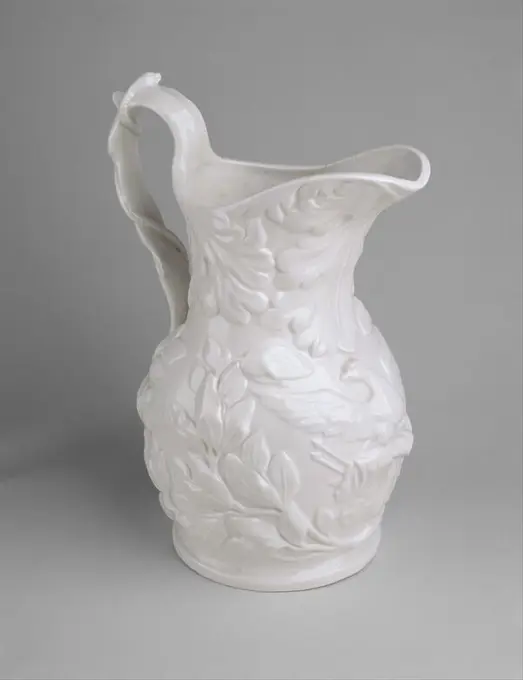
Antique Ceramics and Vases

A variety of unique ceramic bottles and vases from different periods, highlighting colors, shapes, and historical craftsmanship in pottery.
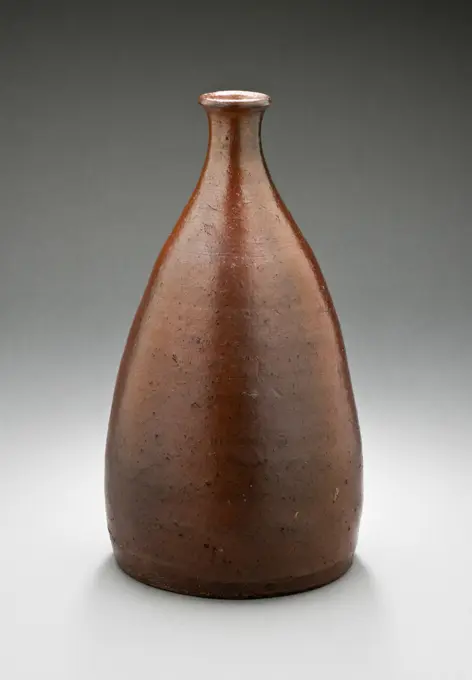
Sake Bottle. Japan, early Edo period (1615-1868), 17th century. Ceramics. Tanba ware; stoneware with red-brown iron glaze
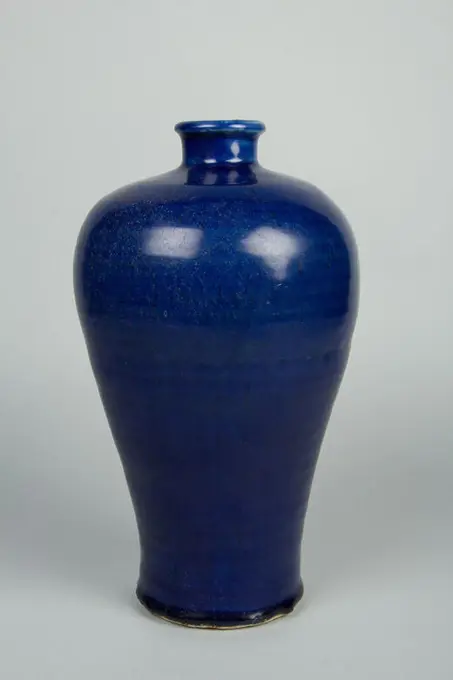
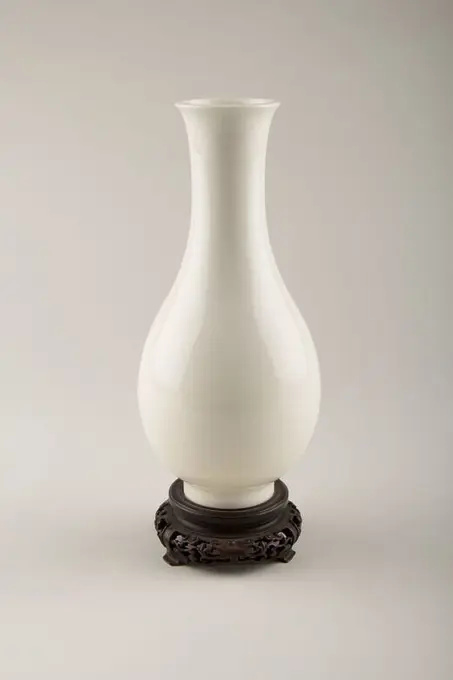
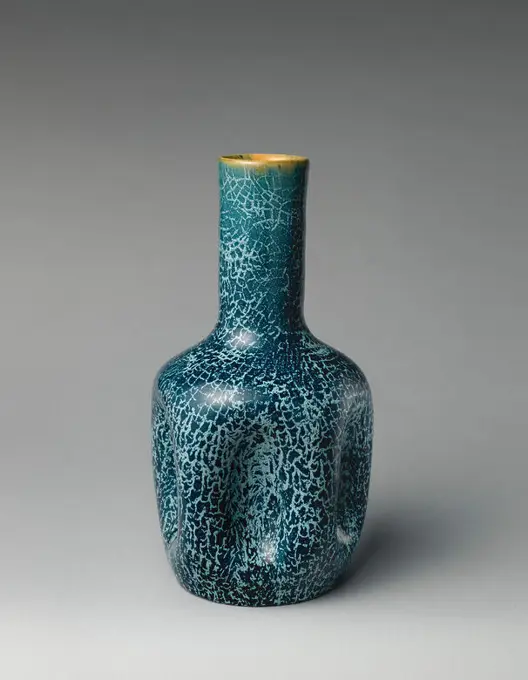
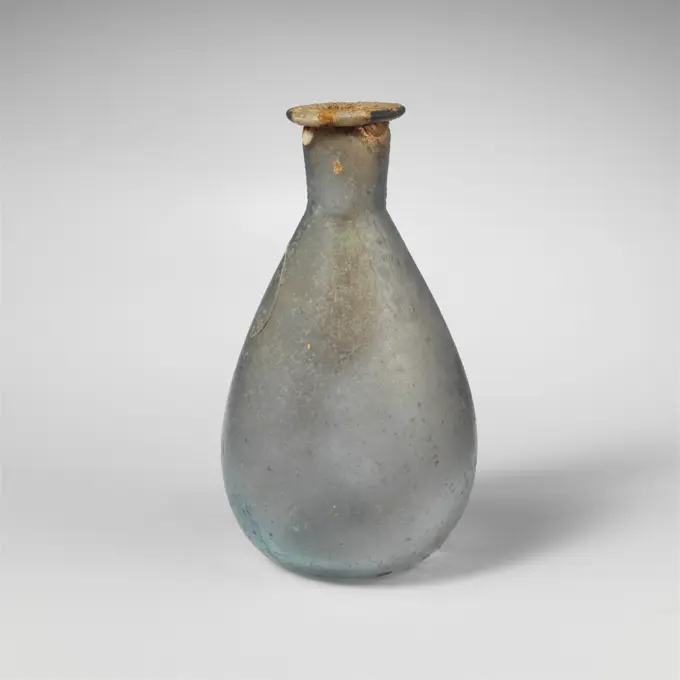
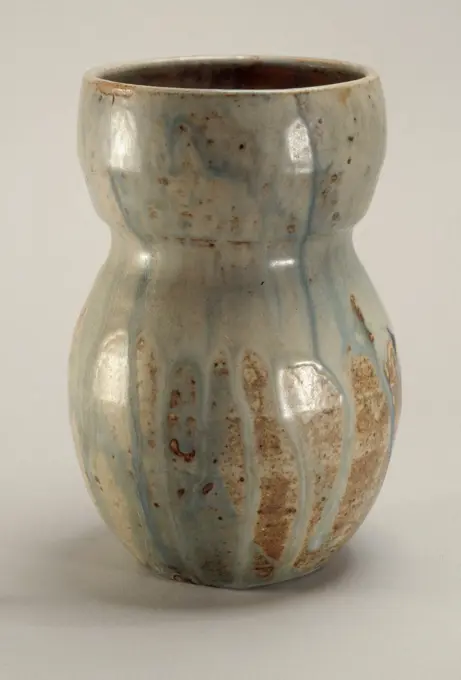
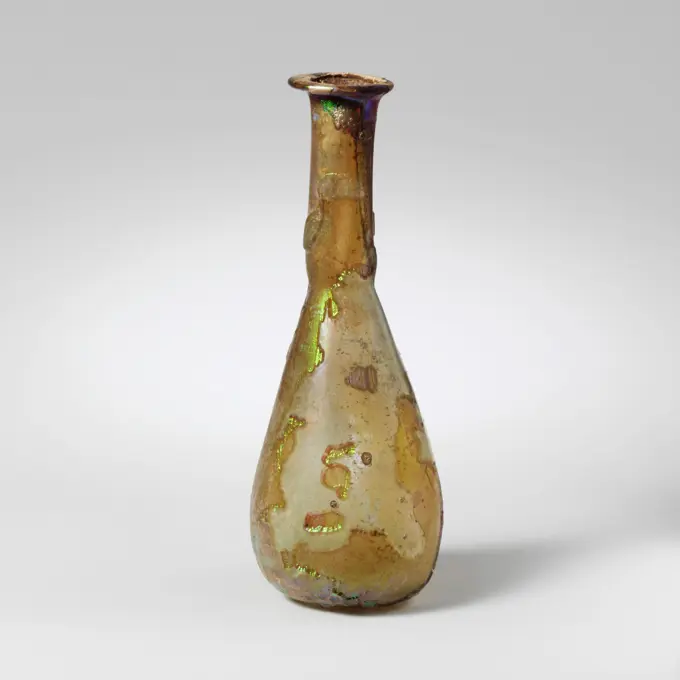
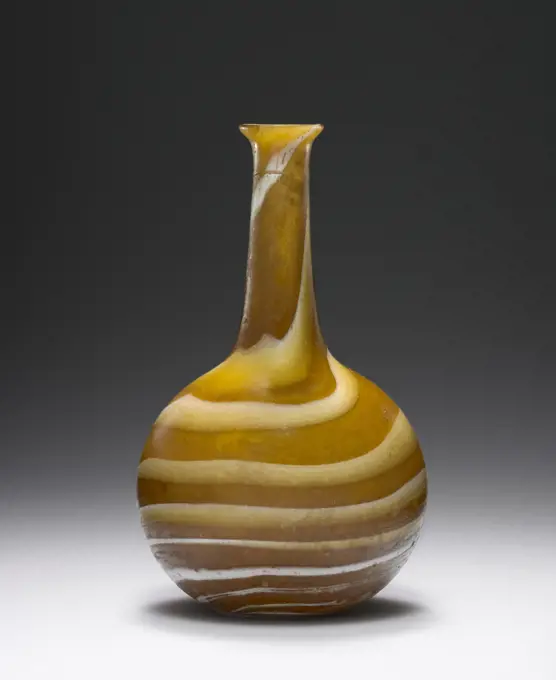
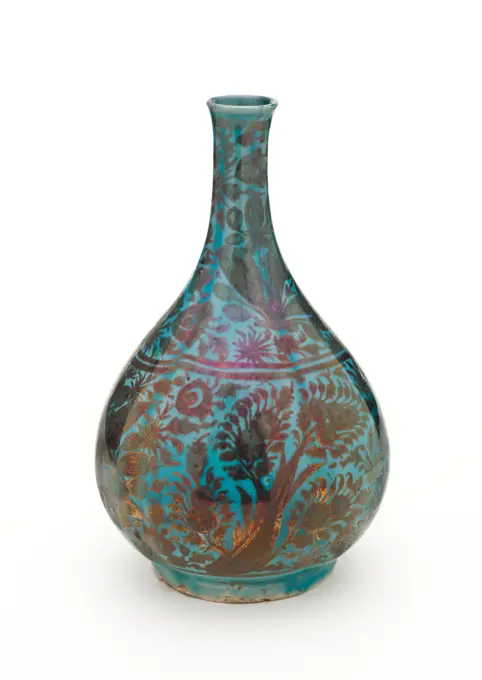
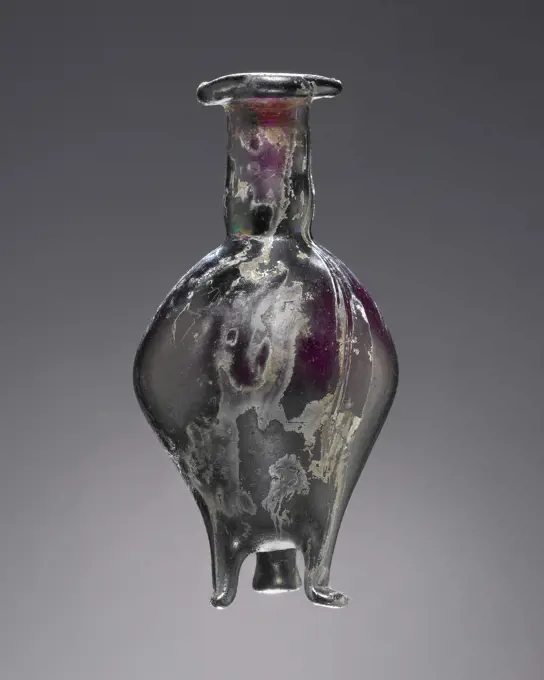
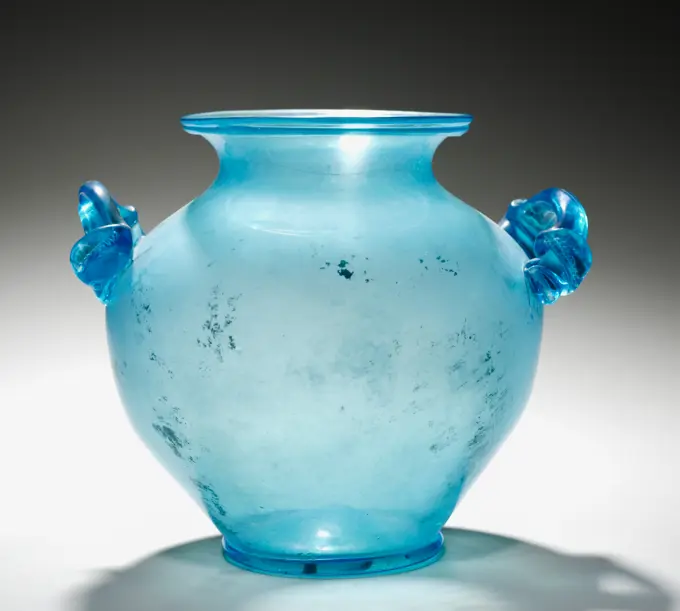
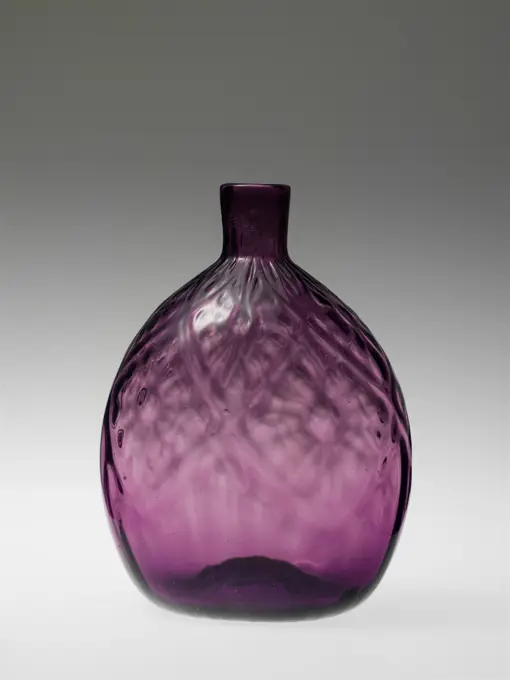
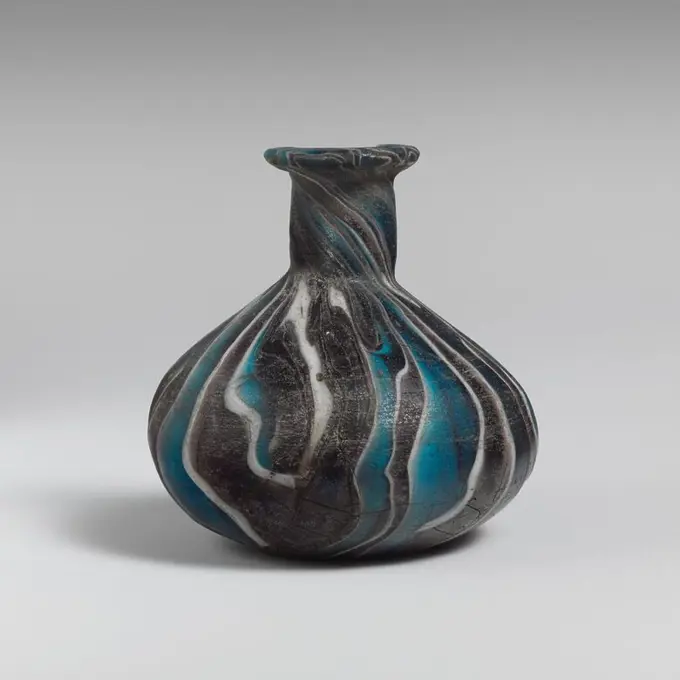
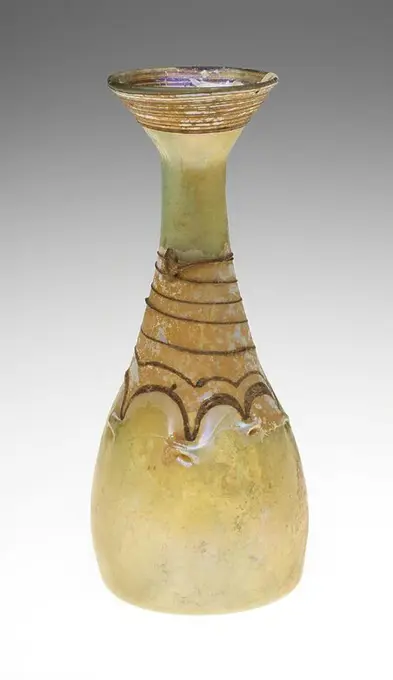
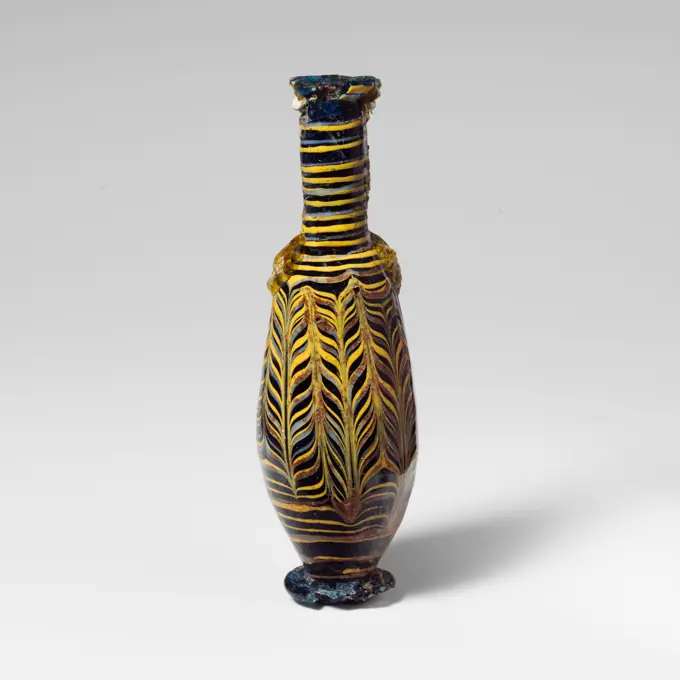
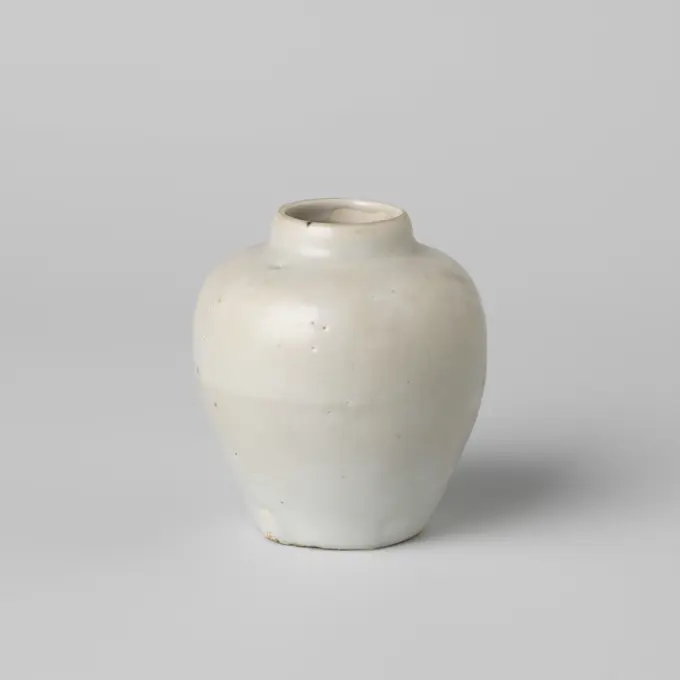
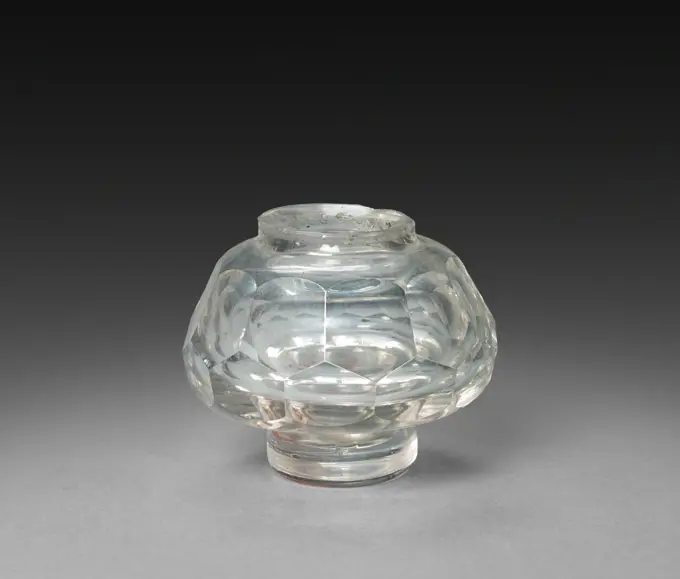
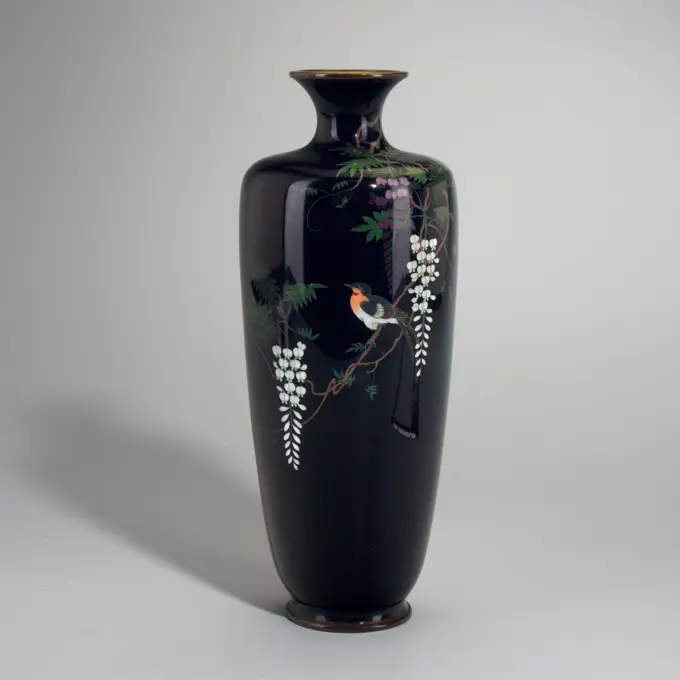
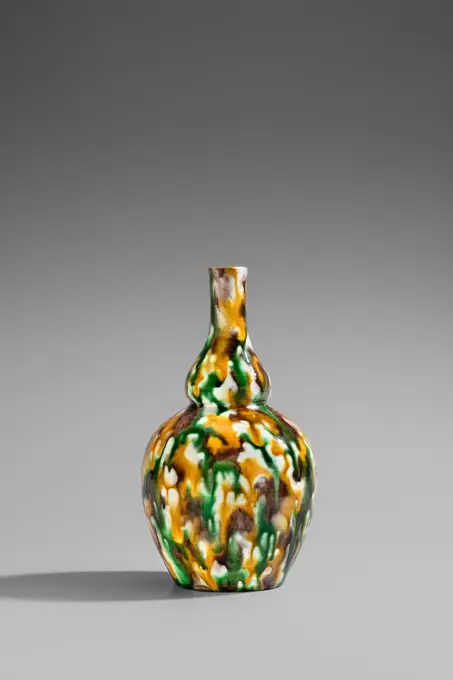
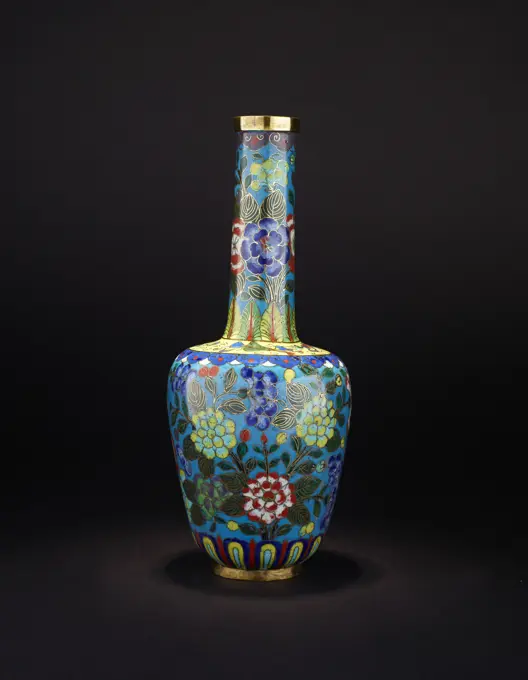
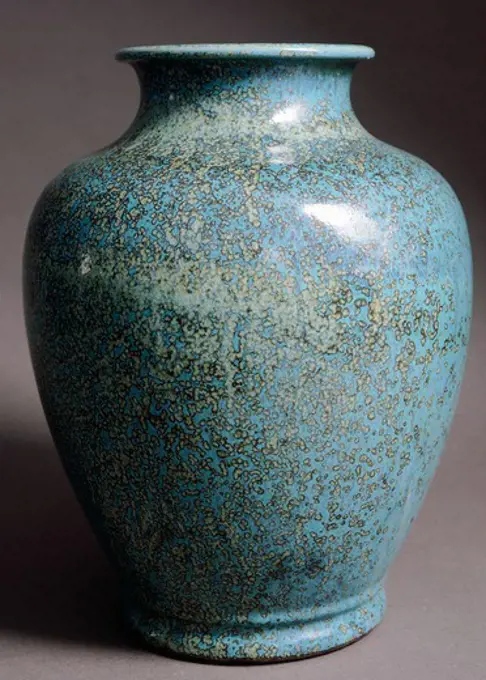
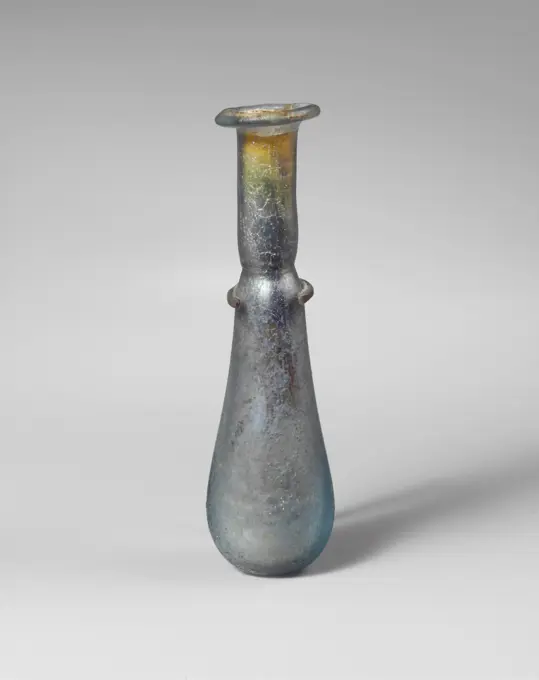
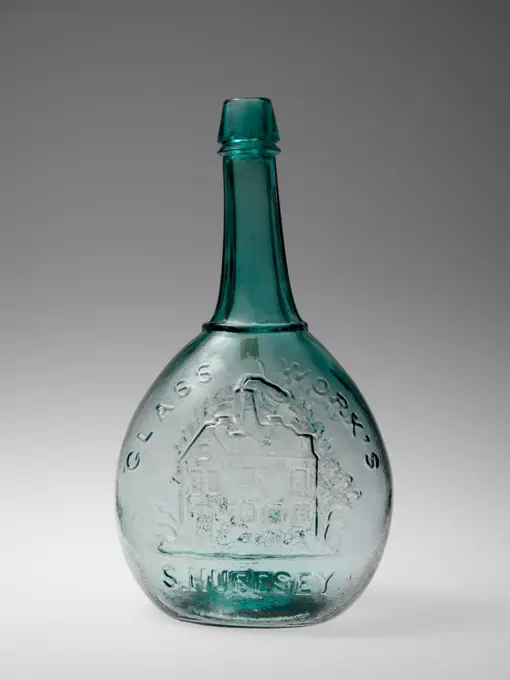
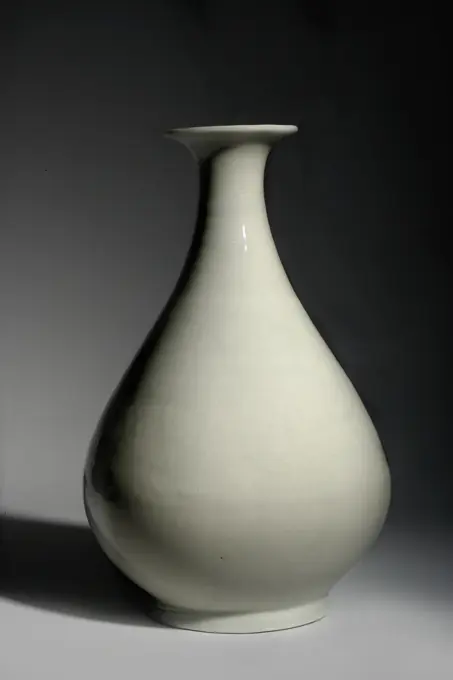
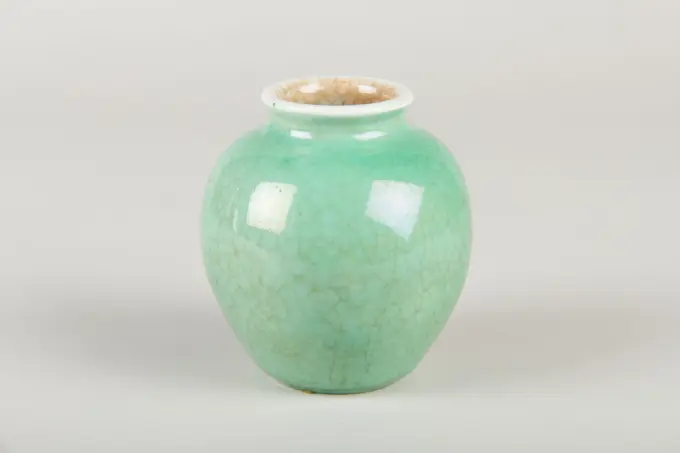
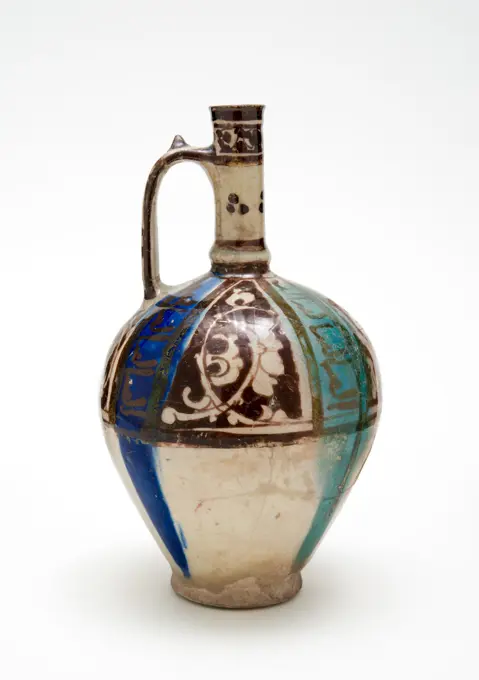
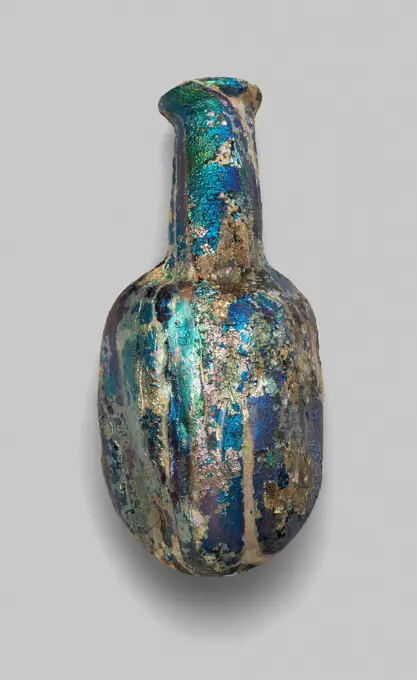
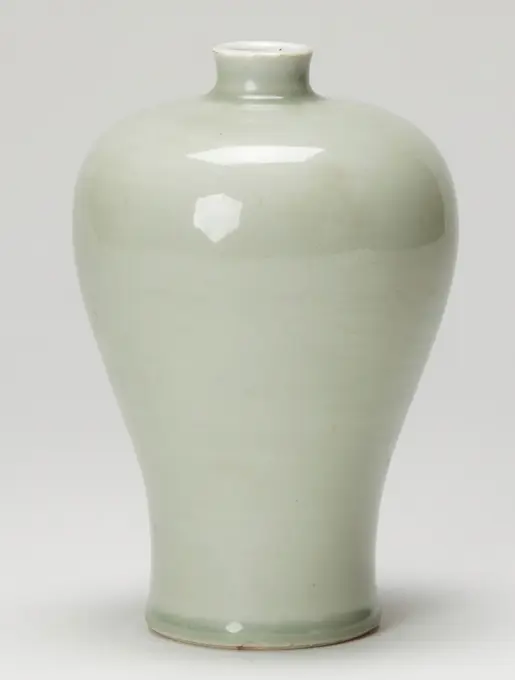
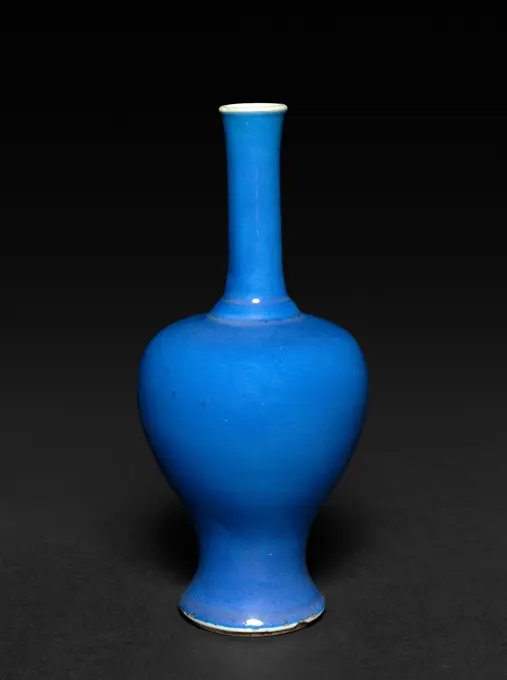
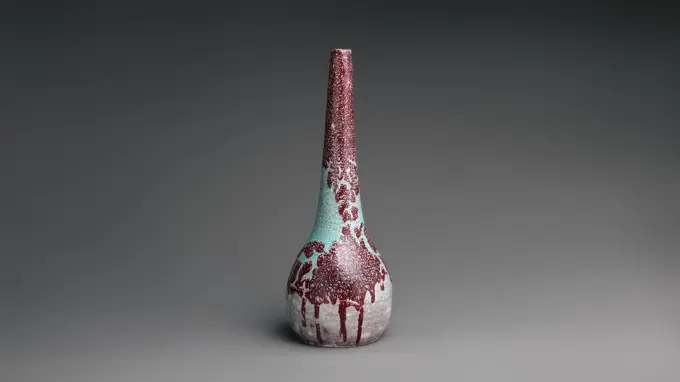
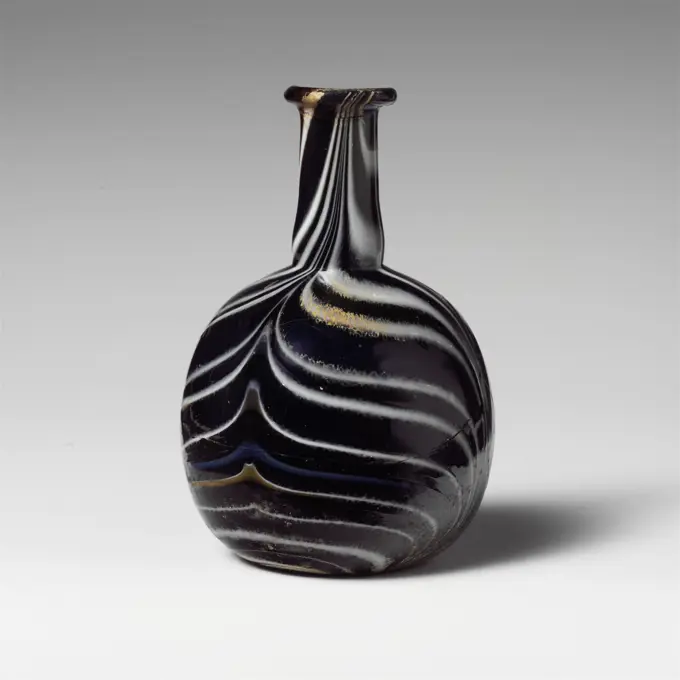
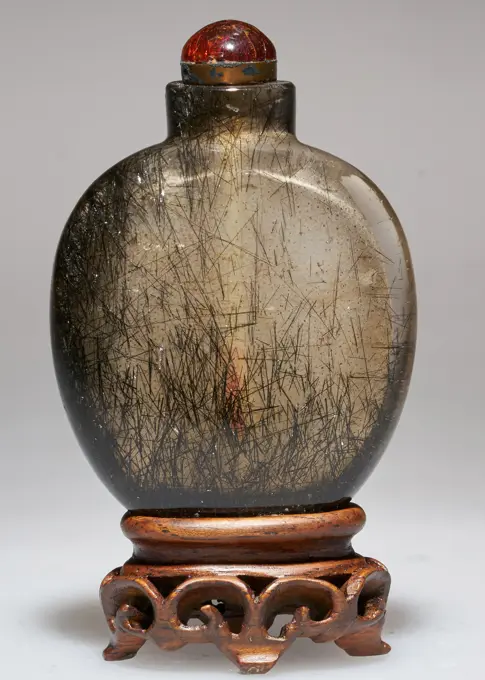
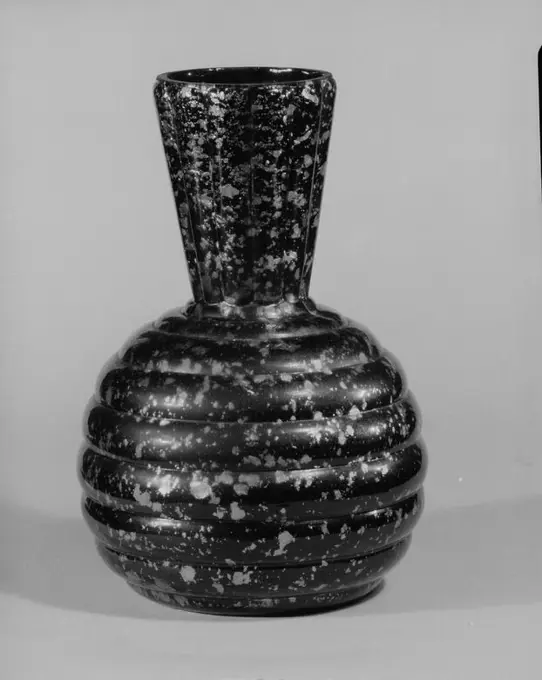
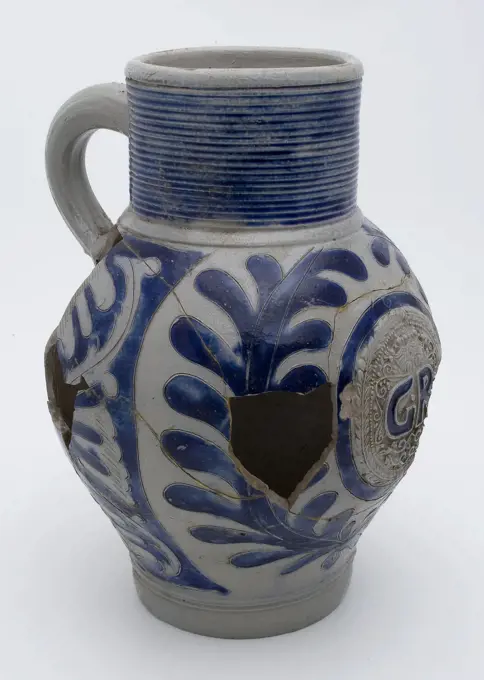
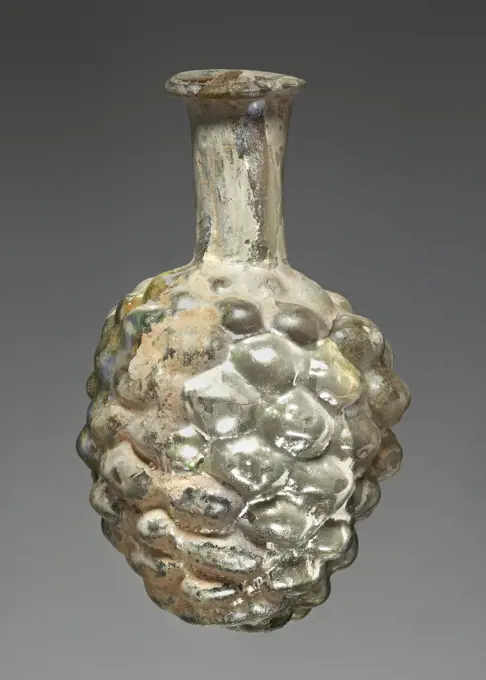
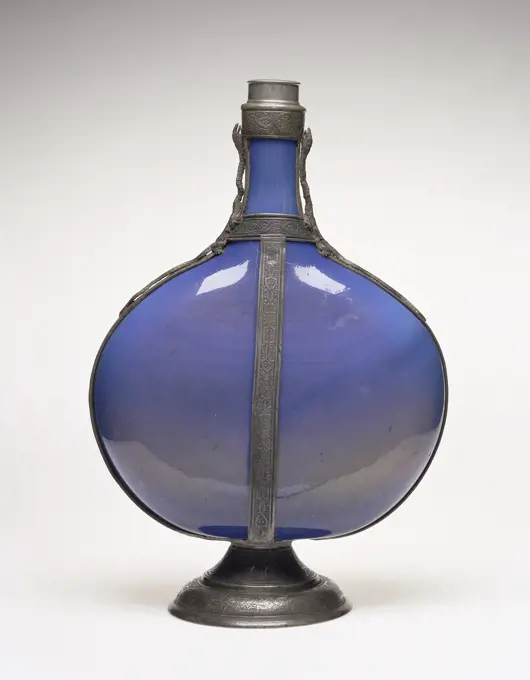
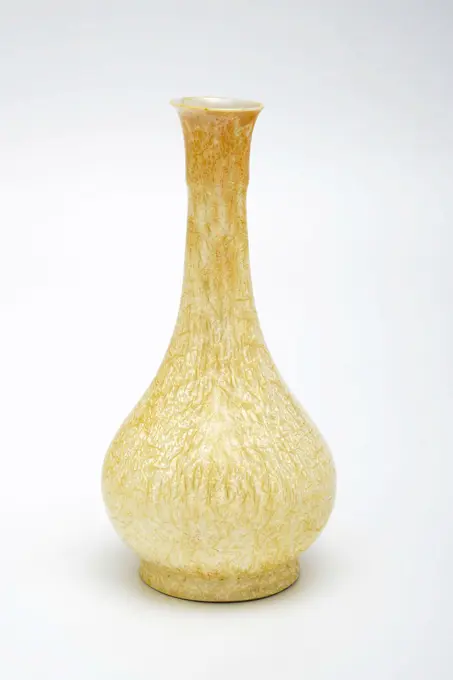
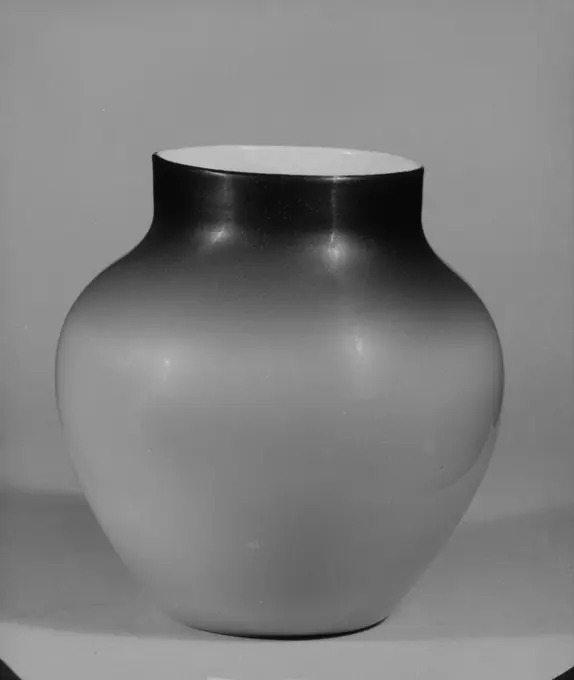
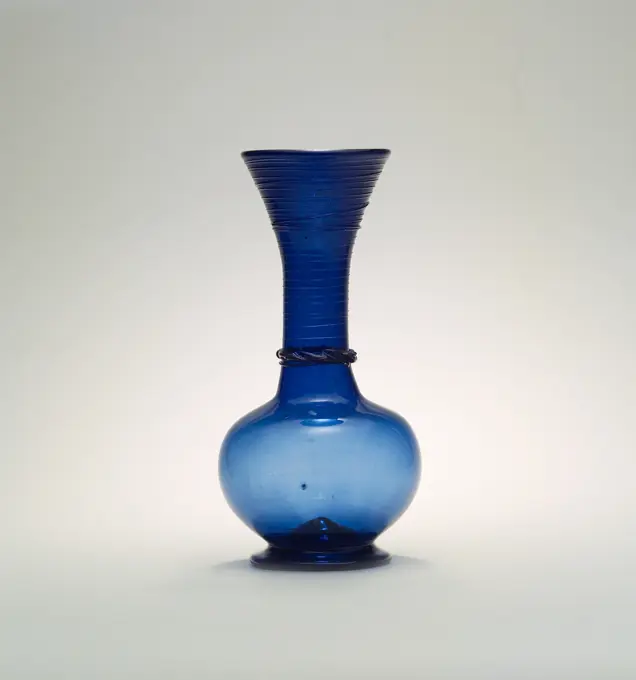
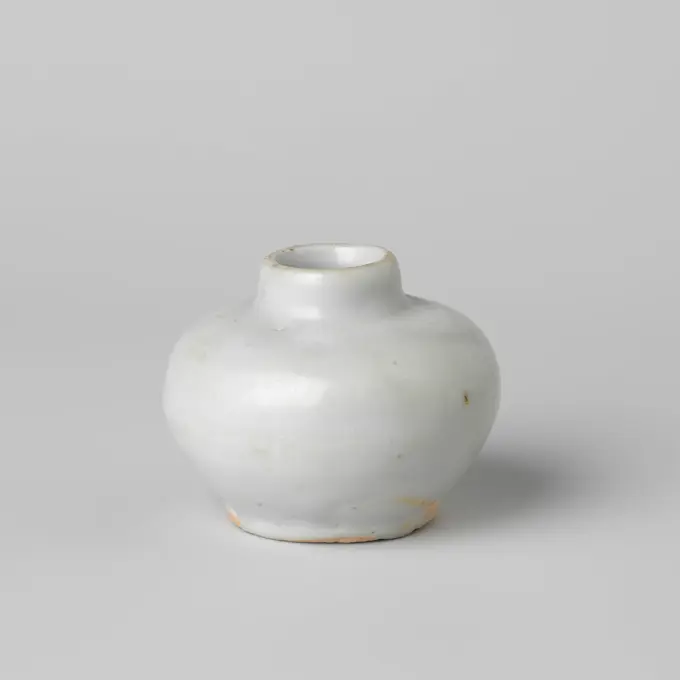
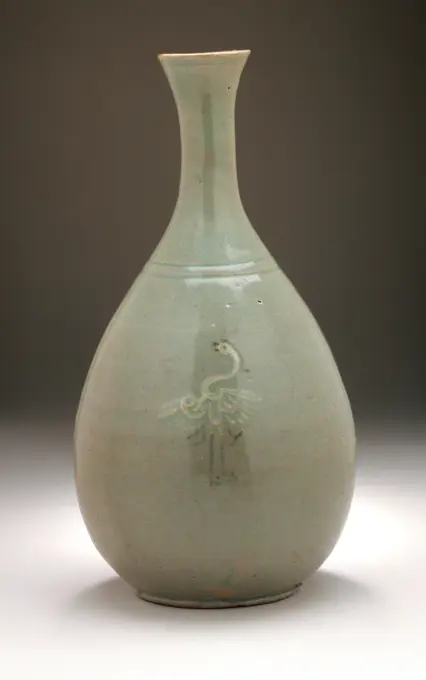
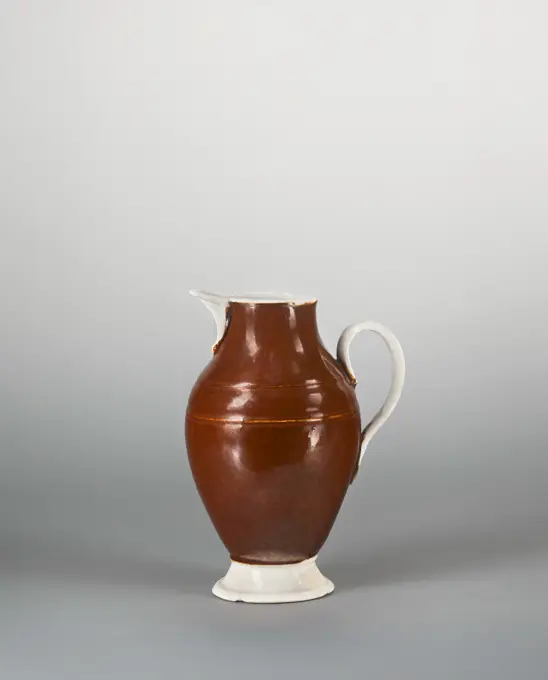
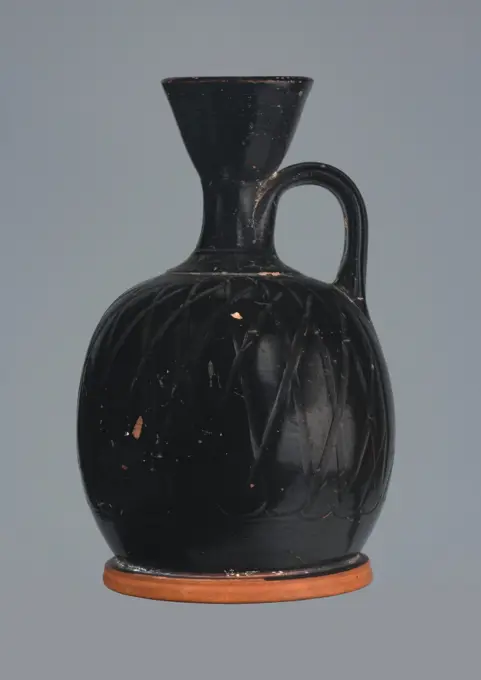
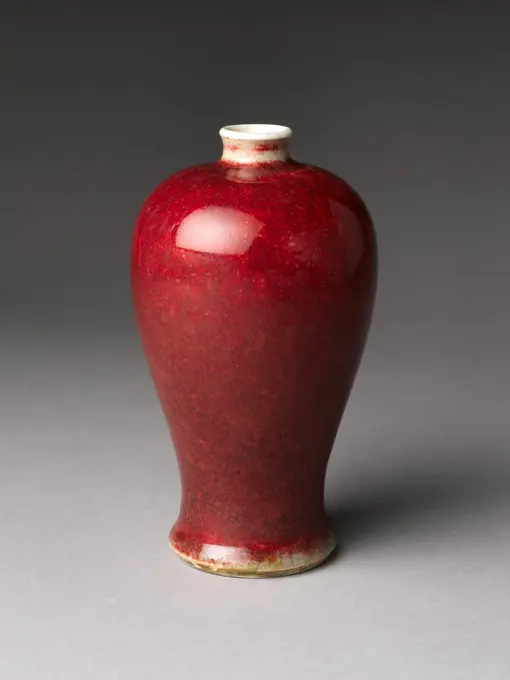
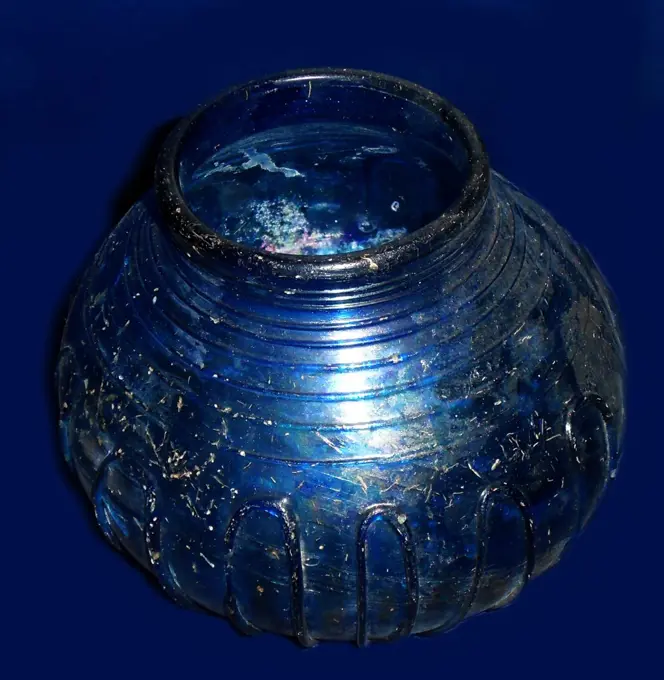
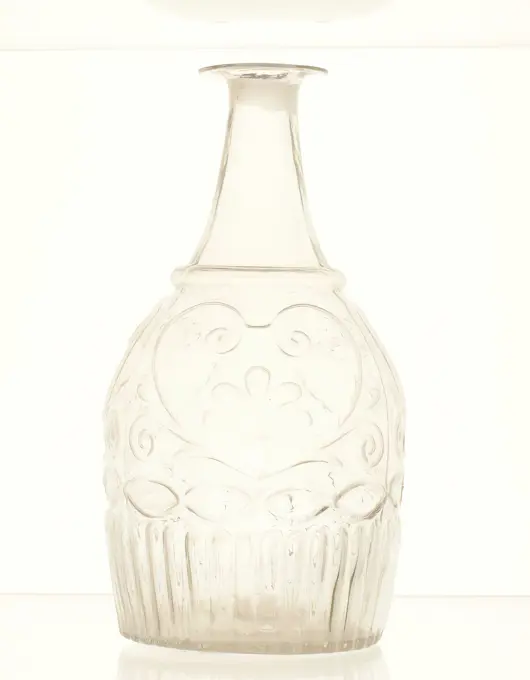
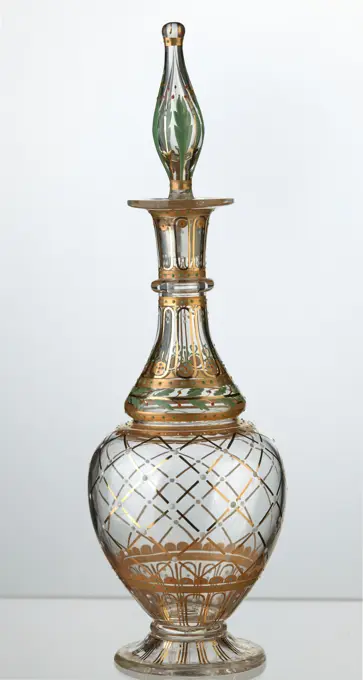
Bottle China. Bottle. China. Porcelain. Qing dynasty (1644-1911), Qianlong period (1736-95). CeramicsMaker Unknown, Bottle, c. 1790-1830, olive-green glass.Meiping Vase. Culture: China. Dimensions: 13 in. (33 cm); Diam. of rim: 2 1/4 in. (5.7 cm); Diam. of base: 4 1/2 in. (11.4 cm); Diameter: 7 1/2 in. (19.1 cm). Date: early 15th century. Museum: Metropolitan Museum of Art, New York, USA.Candle-form Sake Bottle. Japan, 19th century. Ceramics. Agano ware; stoneware with blue-green glazeVase. Culture: China. Dimensions: H. 6 1/2 in. (16.5 cm). Museum: Metropolitan Museum of Art, New York, USA.Sake Bottle. Japan, early Edo period (1615-1868), 17th century. Ceramics. Tanba ware; stoneware with red-brown iron glazeBottle vase. Culture: British. Designer: Christopher Dresser (British, Glasgow, Scotland 1834-1904 Mulhouse). Dimensions: Overall (confirmed): 9 1/2 × 4 7/8 × 4 7/8 in. (24.1 × 12.4 × 12.4 cm). Manufactory: Linthorpe Pottery Works (British, 1879-1889). Date: ca. 1882.This vase illustrates a shape designed by Christopher Dresser during his partnership with the Linthorpe Pottery Works from 1879 to 1882. The dimpled bottle vase--model number 24--was produced in great numbers, but few have the beautiful and rare crackle glaze of the present vase. It is thought that Linthorpe glazes, particularly the experimental mottled and crackled glazes used by the factory, were the work of the pottery manager, Henry Tooth, while Dresser was responsible for the forms. Museum: Metropolitan Museum of Art, New York, USA.Bottle China. Bottle. China. Porcelain with red glaze. Qing dynasty (1644-1911), Yongzheng period (1723-35). CeramicsGlass perfume bottle 1st century A.D. Roman Translucent light blue green.Slanting rim folded out, over, and in, forming slight constriction to mouth; short cylindrical neck, tapering downwards and with slight tooled indent around base; ovoid body; slightly concave bottom.Complete, but with cracks in rim, neck, and upper part of body; pinprick and a few larger bubbles; pitting and dulling on exterior, and patches of iridescent weathering on rim and interior.. Glass perfume bottle 244646Vase Necel, Franciszek (1868 1935)Jean Carriès (1855-1894). "Gourd at a large orifice". Enameled sandstone. Museum of Fine Arts of the City of Paris, Petit Palais. 24203-1 Ceramic, gourd, native gres, wide orificeBottle. Culture: China. Dimensions: H. 9 1/2 in. (24.1 cm). Museum: Metropolitan Museum of Art, New York, USA.Glass perfume bottle 1st century A.D. Roman Colorless with pale blue green tinge.Lopsided rim folded out, over, and in, and pressed flat; slender, cylindrical neck, tooled in around base; elongated piriform body; concave bottom.Complete, but one small hole in body; pinprick bubbles; deep pitting and brilliant iridescent weathering.. Glass perfume bottle 239803Flask; Eastern Mediterranean; 1st century A.D; Glass; 11.2 × 6.5 cm (4 7,16 × 2 9,16 in.)FlaskFlask. UnknownWine Bottle. Iran, second half of 17th century. Ceramics. Fritware, overglaze luster-paintedJug 301 CE-500 CE Ancient Near East. Glass vessels were part of the luxurious domestic decoration displayed in wealthy households in both urban villas and rural estates in the later Roman and early Byzantine eras (about 300ñ725). Glass vessels were used for a variety of purposes, including cosmetic containers. In the kitchen and for dining, pitchers served water and wine, and small cups were used for drinking. Glass was also used for lamps to light the home.Byzantine glass craftsmen improved upon the techniques, forms, and decorative motifs they had inherited from their Roman predecessors. An imperial edict of 337 exempted glassworkers from personal taxes and attested to their relative status in society; it remained in effect for several centuries. These artisans would, in turn, pass on their craft to successive generations, including those who worked under Islamic rule after the important Byzantine provinces of Egypt, Palestine, and Syria were conquered in the seventh century.. Glass,Small ball vase. .Tuit jug with pear -shaped body, anonymous, c. 1700 - c. 1810 Soul inserted. Silent -flat -shaped body, transferred to a concave neck with a thickened edge. The high, curved spout is trimmed at the mouth with a double wing. The small C-shaped ear turns into a ribbed wire at the bottom. Persia glass glassblowing Soul inserted. Silent -flat -shaped body, transferred to a concave neck with a thickened edge. The high, curved spout is trimmed at the mouth with a double wing. The small C-shaped ear turns into a ribbed wire at the bottom. Persia glass glassblowing. Fabric tea bus or chair of stoneware with an ivory lid, partially covered with a green-brown glaze. The bottom of the bus is unglazed. Old label on the inside with 'agano / 18th'. Agano.Sugar bowl. Culture: American. Dimensions: H. 6 3/4 in. (17.1 cm). Date: 1815-35. Museum: Metropolitan Museum of Art, New York, USA.Wine bottle filled with wine from the wreck of the East Indians' t Vliegend Hart, Anonymous, c. 1700 - c. 1735 wine The onion -shaped, green, wine bottle is filled with wine and is closed with a cork, lacquer and copper wire. Middelburg glass. cork (bark). lacquer (coating). wine blow moldingVase (USA); Decorated by Cynthia Pugh Littlejohn (d. 1959); Potter: Joseph Fortune Meyer (1848 - 1931); Made by Newcomb Pottery; Manufactured by Sadie Agnes Estelle Irvine (1887-1970); glazed earthenware. Fabric tea bus or chair of stoneware with a spherical body and ivory lid, partly covered with a golden brown glaze. Old label on the bottom with 'W596'. Shunkei Yaki.Vase 1899 Corona. Glass . Louis Comfort TiffanyBlue Bottle Vase, 1736-95. China, Qing dynasty (1644-1911), Qianlong mark and reign (1736-95). Porcelain; overall: 55 cm (21 5/8 in.).Flask; Eastern Mediterranean or Italy; 1st century; Glass; 7.6 cm (3 in.)Vase. Martin Brothers; English, 1873-1914. Date: 1901. Dimensions: 26.7 x 17.8 x 10.0 cm (10 1/2 x 7 x 3 15/16 in.). Glazed stoneware. Origin: Southall. Museum: The Chicago Art Institute, Chicago, USA. Author: Martin Brothers.Cinerary Urn, 1-200. Italy, Roman, 1st-2nd Century. Glass; diameter: 20.4 cm (8 1/16 in.); overall: 22.3 cm (8 3/4 in.).Pocket bottle 1769-74 Attributed to American Flint Glass Manufactory The diamond-daisy pattern on this amethyst-colored pocket bottle may have been introduced by Stiegel; it is not found on European examples. Many variations of this popular design exist, as seen in other pieces in the collection (see 34.65 and 14.74.17).. Pocket bottle 6636Glass mosaic perfume bottle. Culture: Roman. Dimensions: H. 2 5/16 in. (5.9 cm). Date: 1st half of 1st century A.D..Translucent turquoise blue, translucent purple, and opaque white.Everted, horizontal rim with rounded outer lip; cylindrical neck, with slight horizontal indent around base; squat globular body; concave bottom.Marbled mosaic pattern formed from large, irregularly shaped sections of a cane in a turquoise blue ground with purple outlined in white.Intact, except for one large chip in rim; dulling, pitting, and faint iridescence.Rotary grinding marks on exterior.Small bottles and lidded pyxides (boxes) in mosaic and luxury gold-band glass were made during the Julio-Claudian period. But as glass-blowing became more widespread during the mid-1st century, they were quickly supplanted by free-blown versions, often in more transparent glass that allowed one to see the contents. Museum: Metropolitan Museum of Art, New York, USA.Bottle. Byzantine; probably Eastern Mediterranean. Date: 450 AD-550 AD. Dimensions: 15.7 × 6.7 × 6.7 cm (6 1/8 × 2 5/8 × 2 5/8 in.). Glass, blown technique. Origin: Levant. Museum: The Chicago Art Institute, Chicago, USA.Glass grape flask late 1st-2nd century A.D. Roman Translucent deep emerald green.Rim folded out, over, and in, and pressed flat into flaring mouth; short, funnel-shaped neck; globular body with prominent seam running from neck down side and across bottom; round bottom.Blown in a two-part negative mold to produce relief decoration on body comprising tightly packed small knobs, probably imitating a bunch of grapes.Intact; pinprick bubbles; dulling, slight pitting, and faint iridescence.. Glass grape flask 239902Bottle. Culture: American. Dimensions: H. 4 in. (10.2 cm). Date: 1815-45. Museum: Metropolitan Museum of Art, New York, USA.Glass amphoriskos (perfume bottle) 2nd to mid-1st century B.C. Greek, Eastern Mediterranean Translucent blue, with same color pad-base; handles in translucent greenish yellow; trails in opaque yellow and opaque pale grayish blue.Narrow rim-disk, sloping inward; tall, narrow cylindrical neck, with slightly convex sides; sloping shoulder; elongated fusiform body; uneven circular pad-base, flat at center but with angular upward slanting sides, round edge, and horizontal upper surface; vestiges of two vertical s-shaped handles on underside of rim and down neck, with two large pads on shoulder.Yellow trail applied to edge of rim-disk and another trail in grayish blue applied over the yellow immediately below, both wound spirally down neck and across shoulder, then tooled into a feather pattern from top of body to the point where the body turns inward toward the bottom, in eight panels of alternating upward and downward strokes of unequal length, both trails continuing in spiral around lowerVase China. Vase 46935Jar, Molded, glazed hard-paste porcelain, Ovoid form with rounded lip; 'Sang de Boeuf' or oxblood glaze running to foot where it was ground away. 'Celadon' glaze inside and over lip where it flows with red. Also 'celadon' glaze in poorly finished foot. Firing crack at neck., China, 18th century, ceramics, Decorative Arts, JarGlobular Vase, 1644-1911. China, Qing dynasty (1644-1911). Glazed porcelain; overall: 44.5 x 23 cm (17 1/2 x 9 1/16 in.).Ovoid Vase With A White Glaze. Egg-shaped vase of porcelain with a flat, unglazed underside and a short neck, covered with a gray-white glaze. Ming porcelain.Inkwell (bottle), 1825-1850. England or America, 19th century. Gilt bronze and glass; overall: 7 x 24.8 x 13.4 cm (2 3/4 x 9 3/4 x 5 1/4 in.).Vase;  around 1900-1910 (1890-00-00-1900-00-00);Cloisonné, bottles, glycine, birds, Japanese art, vasesVase late 12th-early 13th century. Vase. late 12th-early 13th century. Stonepaste; painted under transparent turquoise glaze. Made in Syria, Raqqa. CeramicsSmall gourd-shaped vase. unknown, craftsmanVase. Culture: China. Dimensions: H. 10 3/4 in. (27.3 cm). Date: 19th century. Museum: Metropolitan Museum of Art, New York, USA.Bottle with a floral motif on a turquoise blue background unknownStoneware small jar with blue and green double enamel, China. Chinese Civilisation, Qing dynasty, Qianlong reign, 18th century.Vase China. Vase. China. Porcelain. Qing dynasty (1644-1911), Qianlong period (1736-95). CeramicsChinese, Narrow Neck Bottle, porcelain.Vase 1890-1905 France. Glass . Nancy Daum Glassworks (Manufacturer)Vase (One of a Pair) 1675-1685 Netherlands, northern. This large vase, one of a pair in the Art Institute, was part of a garnitureóa set of large ornamental vessels, often ceramic or precious metal like silveródisplayed on tall cabinets or fireplace mantels. Glass garnitures are rare, and likely intended to replicate rock crystal (quartz) vessels. The fine silver-gilt mounts add ornament as well as strengthen their fragile rims. Another similar vase is in the Victoria and Albert Museum, which may have been part of the same garniture.Late seventeenth-century glass production in the Netherlands was highly experimental. Large vessels like these represented the technical limits for the art of glass blowing in this period. Risks were also taken in the composition of the glass. Concocted from an unstable formula of potash (alkali), lime, and silica, both vases are now crizzled (cracked all over), creating a hazy-effect. It is unclear in the case of these vases if this crizzling happened immeGlass perfume bottle 1st-2nd century A.D. Roman Small unguentarium.Translucent light blue.Rim folded out, over, and in; flaring mouth; slender cylindrical neck with tooled indent around base; elongated ovoid body; small flattened bottom.Intact; pinprick and a few larger bubbles; dulling on exterior, brilliant iridescent weathering on interior; neck blocked by encrusted soil and some loose soil in bottle.. Glass perfume bottle 244681Figured bottle ca. 1854 Probably Isabella Glass Works/ New Brooklyn Glass Works. Figured bottle. American. ca. 1854. Blown-molded glass. Made in New Brooklyn, New Jersey, United StatesCylinder;  XVIII/19th century (1790-00-00-1810-00-00);Paderewski, Ignacy Jan (1860-1941) - collection, gift (provenance), porcelain, Chinese artMaker Unknown, Decanter and Stopper, c. 1825-c. 1840, colorless glass.Beaker (Krautstrunk) late 15th or early 16th century German While intended primarily as drinking vessels, small beakers of this type were sometimes adapted as containers for sacred relics. Seals impressed into the wax used to cap the vessels often provide a means of dating them.. Beaker (Krautstrunk). German. late 15th or early 16th century. Free-blown glass with applied decoration. Made in possibly the Valley of the Lower Rhine, Germany. Glass-VesselsJar late 17th-early 18th century China. Jar 48256Large Export Copper-Red 'Floral' Bottle Vase 1800-1899 China. Porcelain painted in underglaze iron red .Bottle with Handle. Iran, late 12th-early 13th century. Ceramics. Fritware, underglaze and overglaze luster-paintedBottle 101 CE-300 CE Syria. Glass, blown technique . Ancient RomanMei-Ping, 19th century, Di.6-7/8 in., Porcelain, China, 19th centuryMiniature Vase, 1662-1722. China, Qing dynasty (1644-1911), Kangxi reign (1662-1722). Porcelain; overall: 13.1 cm (5 3/16 in.).Bottle vase ca. 1890 Ernest Chaplet French This bottle vase is decorated with a flambé glaze, a mixture of deep copper red and turquoise blue. The technique, known in China for centuries, was emulated in the nineteenth century by French art potters led by Chaplet. It involved the oxidation of copper in the kiln (reduced oxygen to create red; increased oxygen for blue). One critic wrote, "M. Chaplet, who, after thirty years of special study, also seems to have gained absolute control over his capricious materials, so that, apparently at will, he can, on a single piece, obtain the most unexpected and diverse effects of color.". Bottle vase 239356Glass mosaic perfume bottle 1st half of 1st century A.D. Roman Translucent deep cobalt blue, with translucent honey brown, opaque white, opaque light blue, and opaque yellow trails.Everted, rounded rim; cylindrical neck, expanding slightly downward, with fine indent around base; globular body; concave bottom.Striped mosaic pattern of applied trails wound round on a blue ground and then tooled in four strokes, alternating upward and downward, into a broad feather pattern.Broken and repaired, with one large chip in rim, and one hole and some small cracks in body; some large bubbles; faint iridescence and small patches of creamy white weathering.. Glass mosaic perfume bottle 245470Jug 301 CE-400 CE Levant. Glass vessels were part of the luxurious domestic decoration displayed in wealthy households in both urban villas and rural estates in the later Roman and early Byzantine eras (about 300ñ725), and were used for a variety of purposes, including cosmetic containers, pitchers for water or wine, and small cup for drinking. Byzantine glass craftsmen improved upon the techniques, forms, and decorative motifs they had inherited from their Roman predecessors. An imperial edict of 337 exempted glassworkers from personal taxes and attested to their relative status in society; it remained in effect for several centuries.. Glass, blown technique . Ancient RomanSnuff Bottle, 17th-19th century, 2 3/8 x 1 5/8in. (6 x 4.1cm), Crystal; agate, China, 17th-19th centuryVase. Culture: American. Dimensions: H. 8 1/4 in. (21 cm); Diam. 5 3/8 in. (13.7 cm). Date: 1870-90. Museum: Metropolitan Museum of Art, New York, USA.Bottle. probably Iran, 9th-10th century. Glass. Blown glass with cut decorationStoneware bell jar with ear, belly with medallion in which crowned initials GR, jug crockery holder soil find ceramic stoneware glaze salt glaze, hand turned stamped molded sgraffito glazed baked Stoneware bell jar gray shard with salt glaze sausage ear profiled neck with many rings In medallion the letters: GR (George Rex ) archeology heraldry import pottery serve serve serve drink beer wine elector Hannover king BritainBeaded Bottle, 20th century, 25 3/16 x 9 9/16 x 9 9/16 in. (63.98 x 24.29 x 24.29 cm), Beads, plant fibers, cloth, gourd, wood, Cameroon, 20th centuryWazon. unknown, creatorVase, 1912-1949, 4 3/8 × 2 15/16 × 2 15/16 in. (11.11 × 7.46 × 7.46 cm), Glazed porcelain, China, 20th centurySnuff Bottle with Gold Sparkles. Culture: China. Dimensions: H. 2 11/16 in. (6.8 cm). Date: 19th century. Museum: Metropolitan Museum of Art, New York, USA.Grape Flask; Eastern Mediterranean; about 1st - 2nd century; Glass; 10 cm (3 15,16 in.)Flask; Façon de Venise, France (possibly); about 1550 - 1600; Free-blown dichroic (Prussian blue to smoky brown) glass with pewter mounts; 33.5 × 22.5 cm (13 3,16 × 8 7,8 in.)Jug with concentric circles and stylized flowers, anonymous, c. 1760 - c. 1800 Can be made of stoneware on the stand ring with an egg -shaped abdomen and narrow, long neck with a pinched spout. The C-shaped ear is attached to the neck and shoulder. Partly covered with cobalt blue. On the front of the can be an Inganglift medallion of concentric circles formed by curl or leaf motifs saved in a blue background. A stylized flower in the center. The neck with a similar decoration. Lahntal, Westerwald. Lahntal stoneware. glaze. cobalt (mineral) vitrification Can be made of stoneware on the stand ring with an egg -shaped abdomen and narrow, long neck with a pinched spout. The C-shaped ear is attached to the neck and shoulder. Partly covered with cobalt blue. On the front of the can be an Inganglift medallion of concentric circles formed by curl or leaf motifs saved in a blue background. A stylized flower in the center. The neck with a similar decoration. Lahntal, Westerwald. Lahntal stonewarBottle, 18th-19th century, 6 5/8 x 4 7/8 x 2 3/8in. (16.8 x 12.4 x 6cm), Gass, United States, 18th-19th centuryTerracotta squat lekythos (oil jar). Culture: Greek, Attic. Dimensions: H. 3 7/8 in. (9.9 cm). Date: early 4th century B.C..Seated woman and Eros on either side of a moundThe seated woman may be Aphrodite. The scene has been connected with rites celebrated for the goddess. Museum: Metropolitan Museum of Art, New York, USA.Unknown, Cologne Bottle and Stopper, c. 1820-50, sapphire blue glass.Belly bottle, onion, belly bottle bottle holder soil find glass, neck with imposed circumferential sharp glass thread, chip and flared lip, idem chip, archeologie Rotterdam Spaansepolder package Soil discovery of the Spaansepolder 1958.Bottle vase. Legacy of Prof. Dr. med. Max Nonne, HamburgVase ca. 1886 Hobbs, Brockunier and Company. Vase. American. ca. 1886. Blown peachblow glass. Made in Wheeling, West Virginia, United StatesBottle with a Globular Body 19th century By the beginning of the sixteenth century, Venice had become the leading producer and exporter of fine glass wares and many such products became fashionable in Persia. These styles and techniques influenced local production, and factories were created in Shiraz producing wares that rivaled the imports from abroad. These types of wares-with a flared mouth and bulbous body- were produced in vivid blues and greens, illustrating the range of colors employed by glassmakers in the eighteenth and nineteenth centuries. This bottle may have been used to decant or store wine, or perhaps as a base of a water pipe. Such vessels were admired for their graceful shapes and often were decoratively displayed within niches of private and public buildings in Tehran, Isfahan, and Shiraz.. Bottle with a Globular Body. 19th century. Glass, blue; free blown, folded foot, applied decoration. Attributed to Iran. GlassBottle shaped bottle  blue enamel unknownOvoid Vase With A White Glaze. Vase of porcelain with a printed, egg-shaped body, a flat, unglazed underside and a short neck, covered with a gray-white glaze. Ming porcelain.Vase. Maker (glass): Loetz Glassworks, Austrian, 1840-1940Maker (silver overlay): La Pierre Manufacturing Co., American, 1888-1929Decanter, after 1902. Harry Powell (British, 1835-1922), Whitefriars Glasshouse (British). Glass; diameter: 13.6 cm (5 3/8 in.); overall: 27.9 cm (11 in.).Jar 18th century Japan. Jar 47679Storage Jar (Olla) 1150-1300 Arizona. Ceramic and pigment . Ancestral Pueblo (Anasazi)Bottle with Clouds and Crane Design in Underglaze Slip. Korea, Korean, Goryeo dynasty (918-1392), 13th-14th century. Furnishings; Accessories. Wheel-thrown stoneware with slip-painted decoration and green glazeBottle 101 CE-300 CE Syria. Iridescent GlassThe iridescent sheen on this bottle, an artificially created effect sought after by 19th-century glassmaking innovators such as Louis Comfort Tiffany, was not actually intended by or known to their makers. Because of their association with luxury and precious oils and perfumes, these vessels were often buried with their owners in tombs, the chemical conditions of which, over time, have caused the surfaces to deteriorate, resulting in the shimmering, often opalescent, hues that appeal to the modern eye.. Glass, blown technique . Ancient RomanBottle. Culture: American. Dimensions: H. 8 1/2 in. (21.6 cm). Date: 1810-30. Museum: Metropolitan Museum of Art, New York, USA.Jug. Bolesławiec (ośrodek ceramiczny ; ca 1400- ), potter's workshop, Altmann, Johann Gottlieb (1780-1851), ceramistAryball lease;  4th century BC (-400-00-00--301-00-00);Vase in Meiping Shape late 17th-early 18th century China. Vase in Meiping Shape. China. late 17th-early 18th century. Porcelain with ox-blood glaze (Jingdezhen ware). Qing dynasty (1644-1911), Kangxi period (1662-1722). CeramicsMaker Unknown, Cologne Bottle or Cruet, c. 1825-40, colorless glass.Blue Bell-shaped Glass Beaker 550 B.C.Bowl, 18th-19th century, 1 3/4 x 6 1/4 x 6 1/4in. (4.4 x 15.9 x 15.9cm), Glass, United States, 18th-19th centuryCarafe with traffic jam J. & L. LobmeyrPitcher. Culture: American. Dimensions: H. 13 1/2 in. (34.3 cm). Maker: Attributed to American Porcelain Manufacturing Company (1854-1857). Date: 1854-57. Museum: Metropolitan Museum of Art, New York, USA.