Antique Chair Designs

Elegant antique chairs showcasing intricate woodwork and upholstery styles, featuring rococo and historical design elements from various periods and regions.
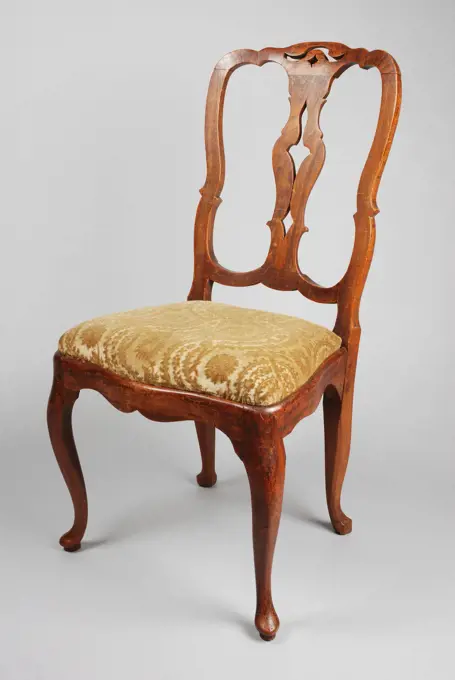
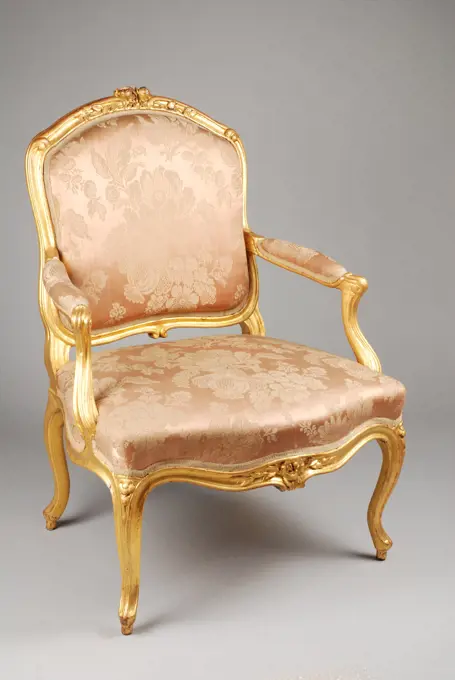
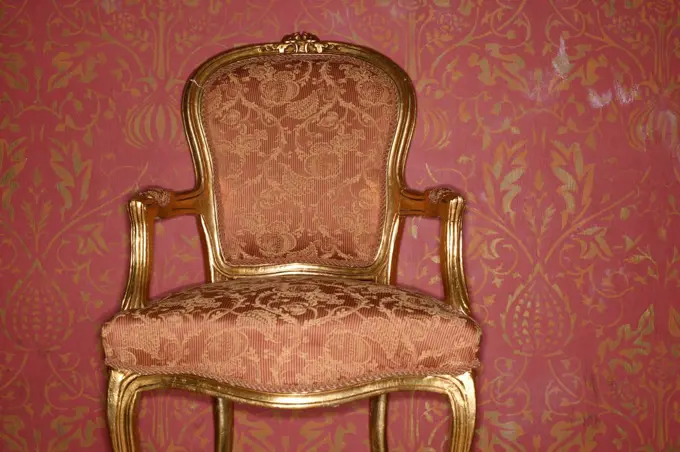
Straight elm wood rococo chair, chair furniture furniture interior design wood elm wood textile, Openwork backrest modern green ripped upholstery on loose seat webbing original rococo
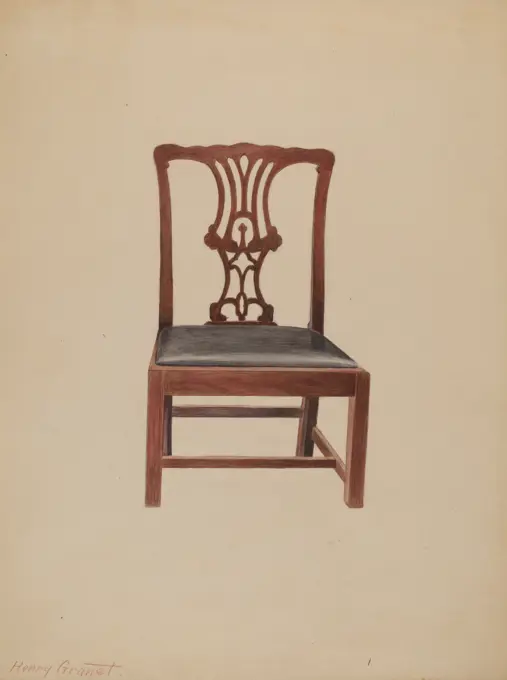
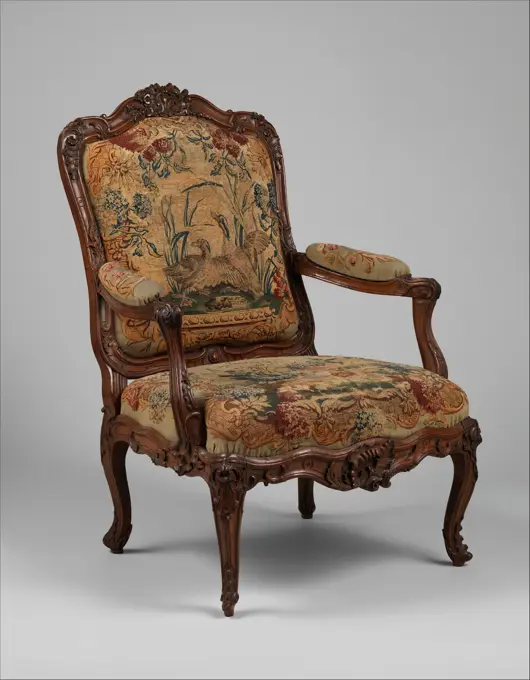
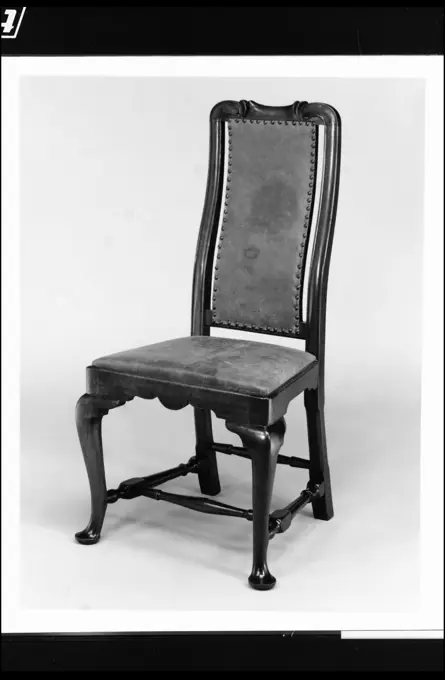
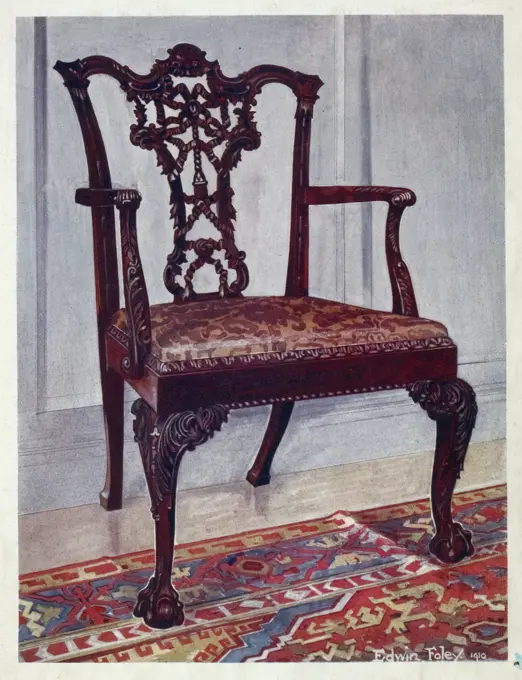
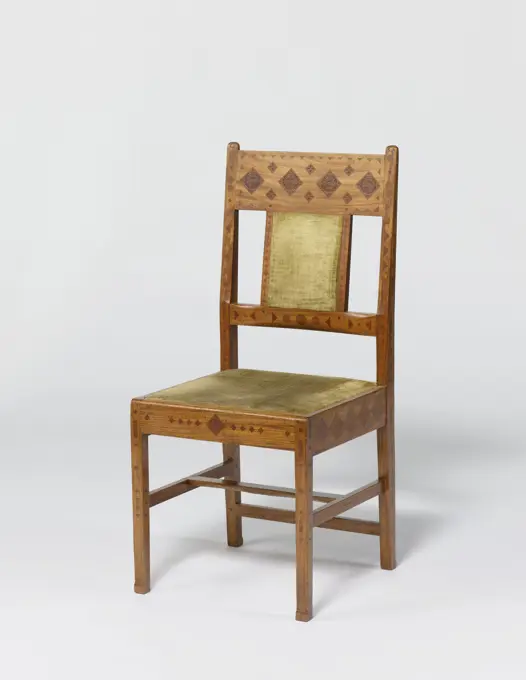
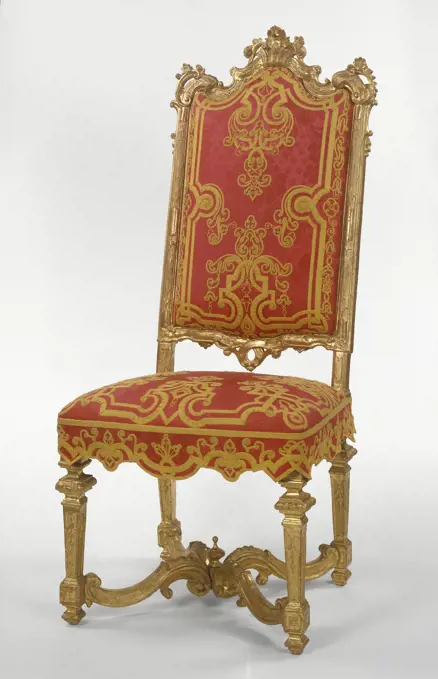
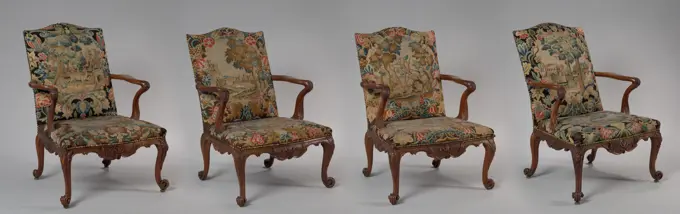
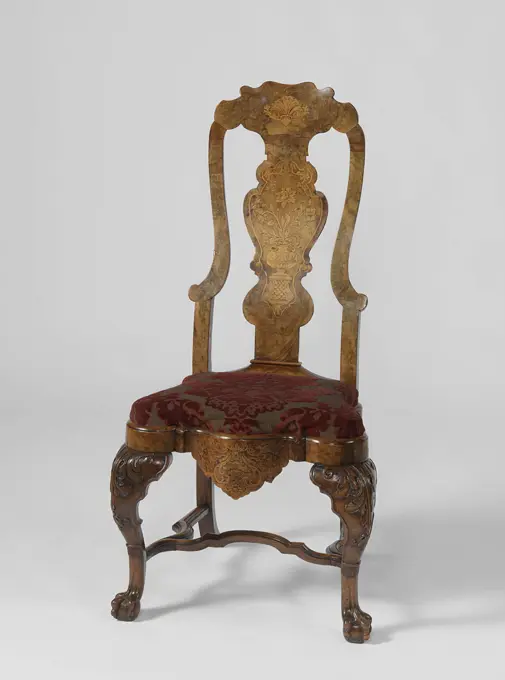
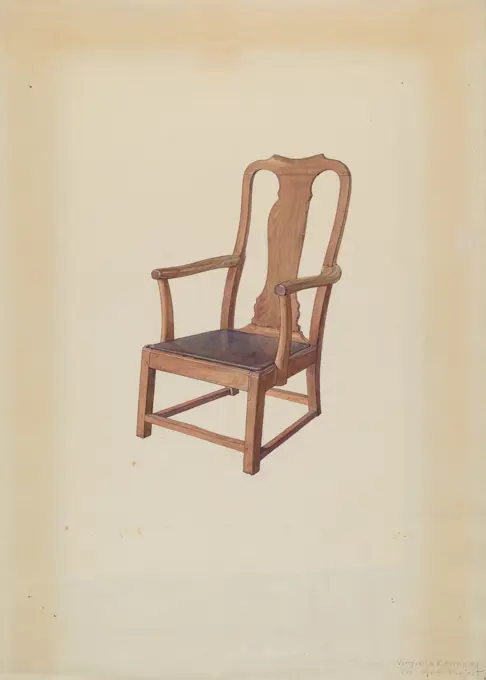
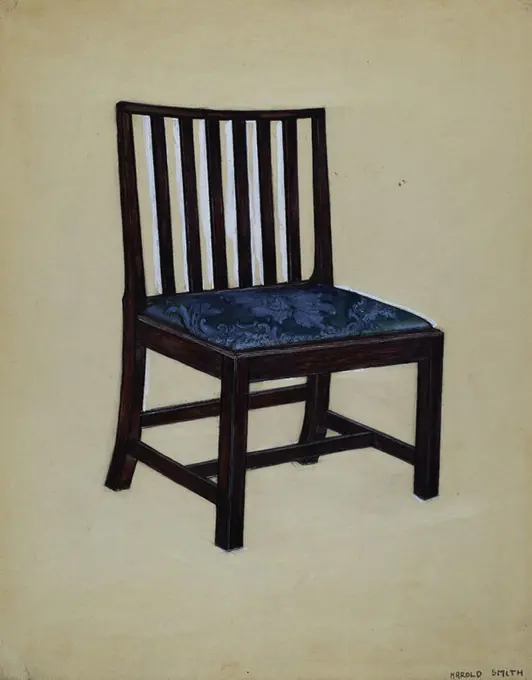
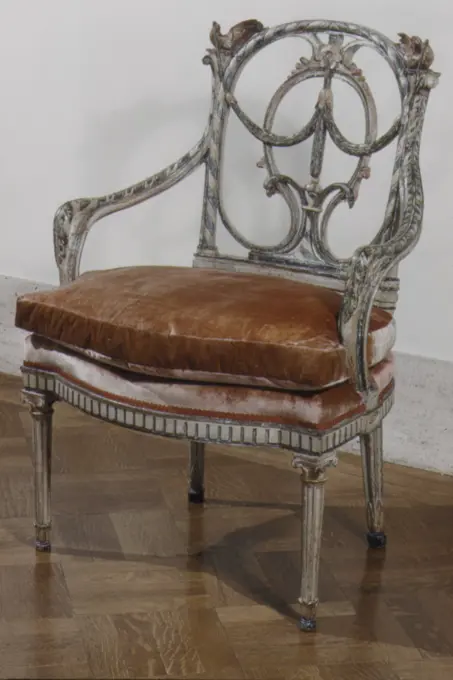
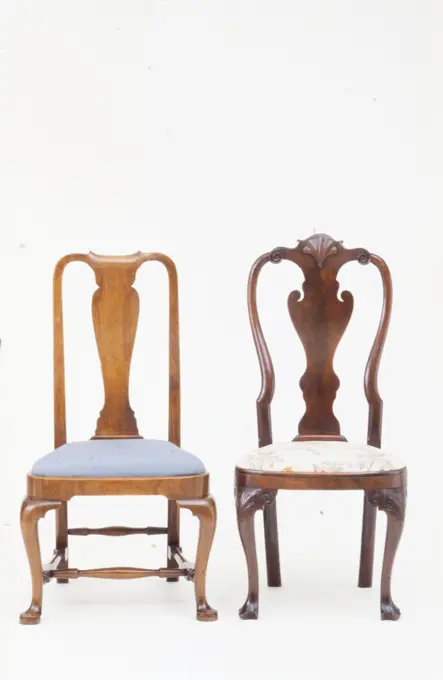
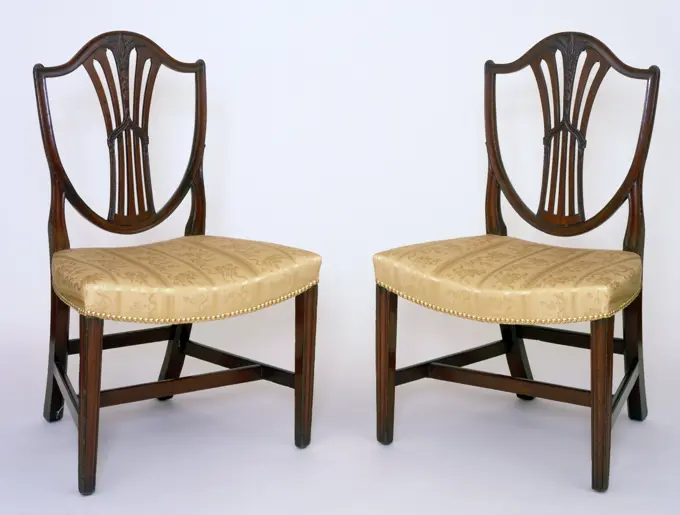
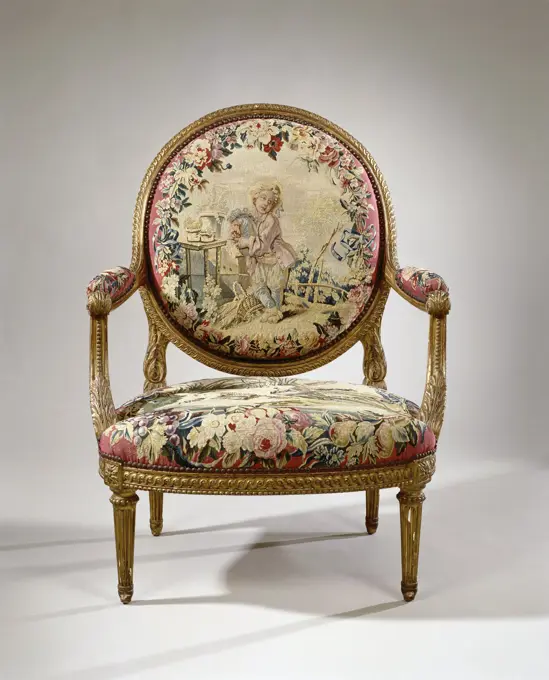
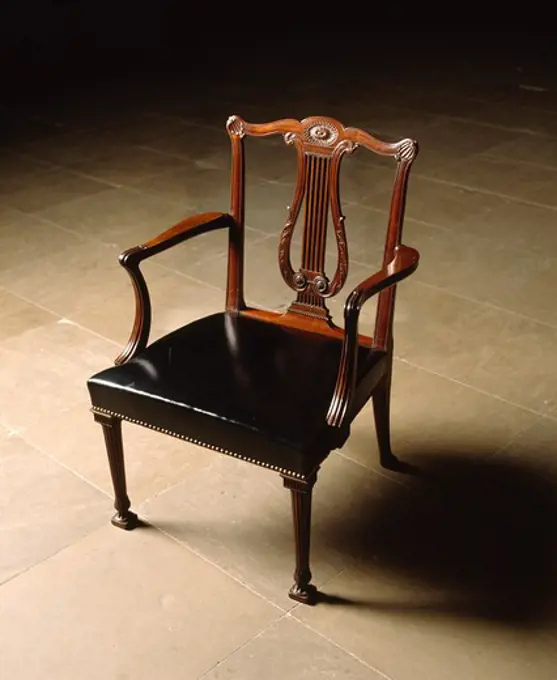
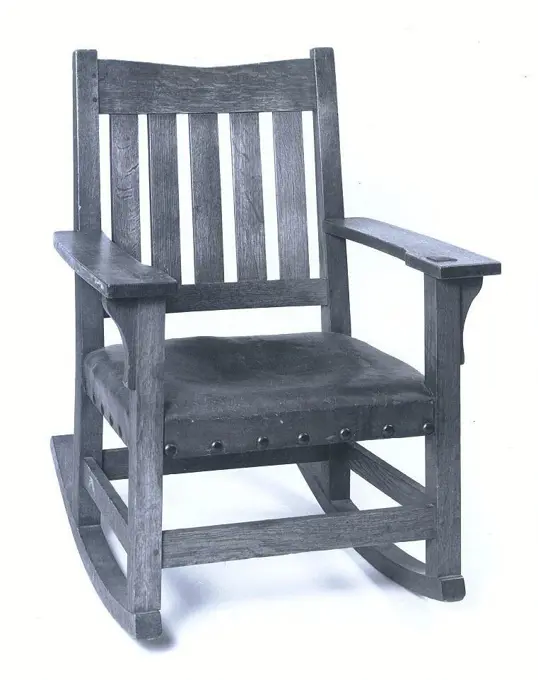
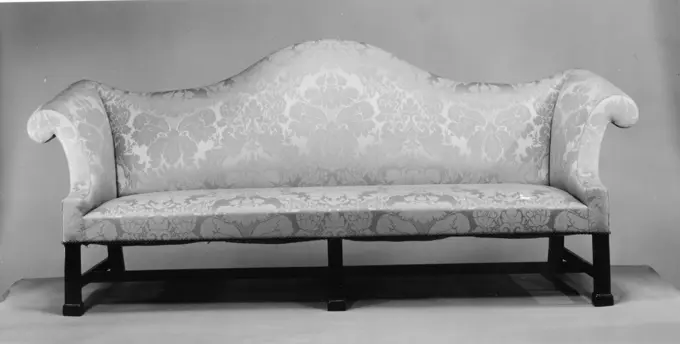
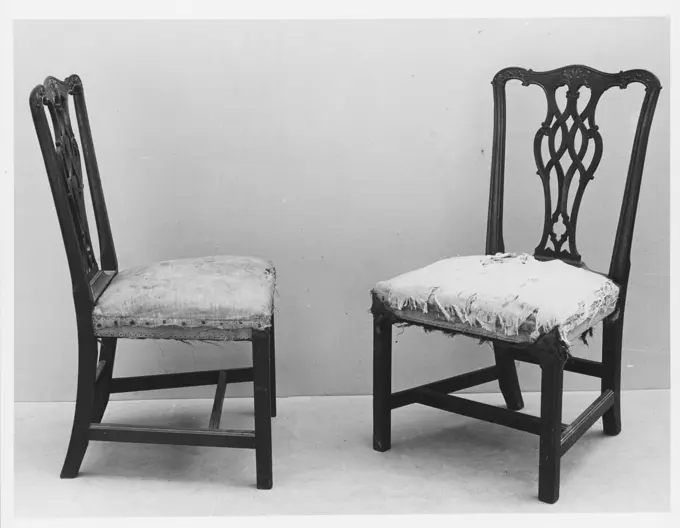
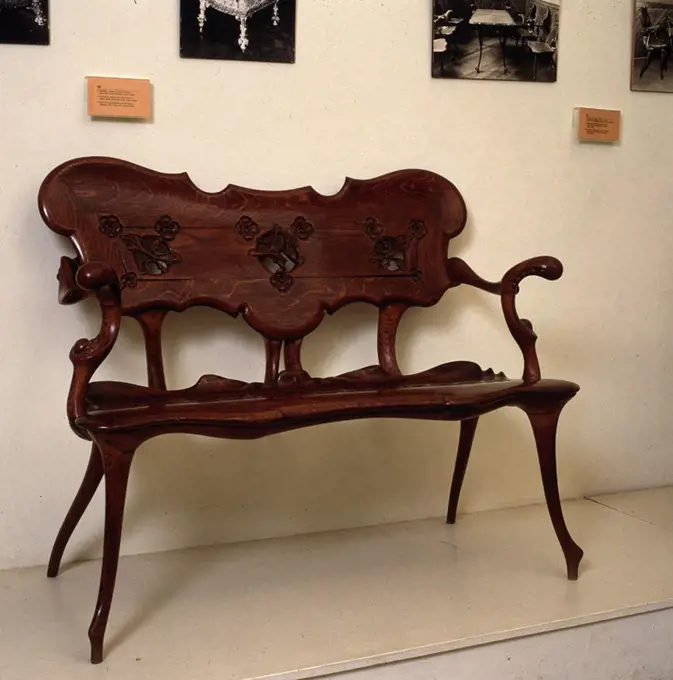
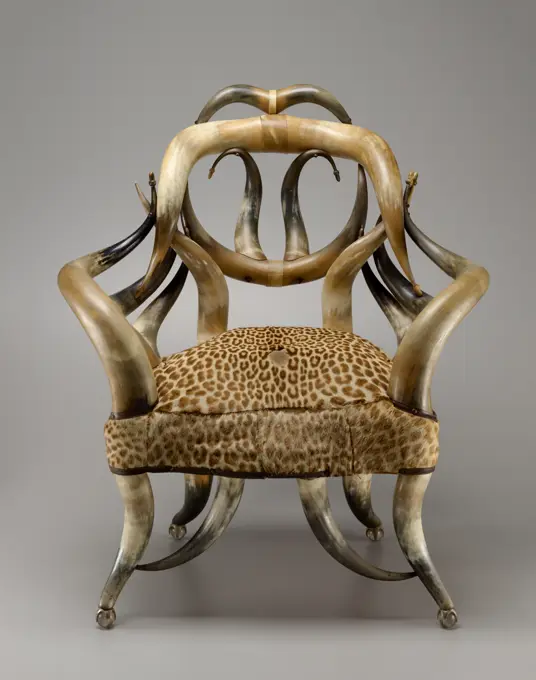
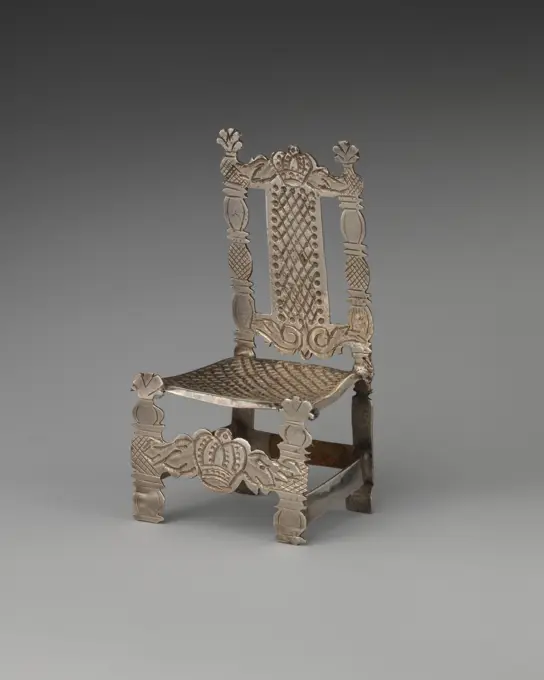
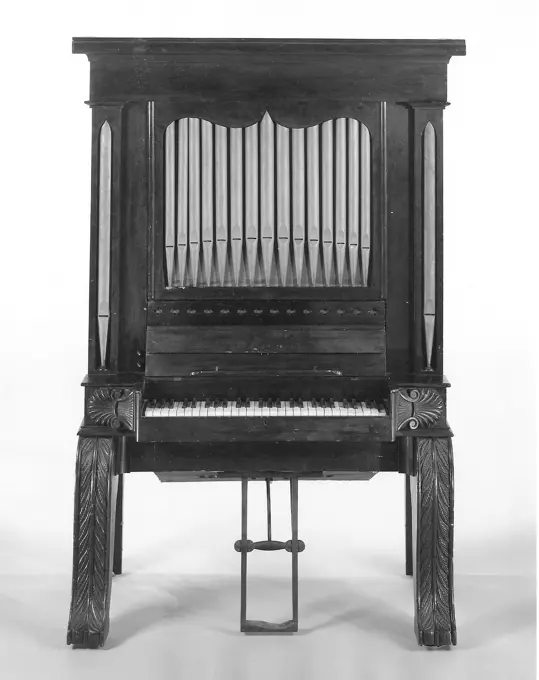
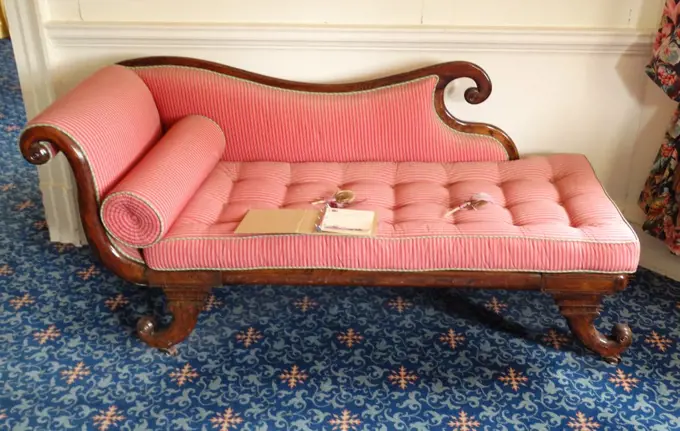
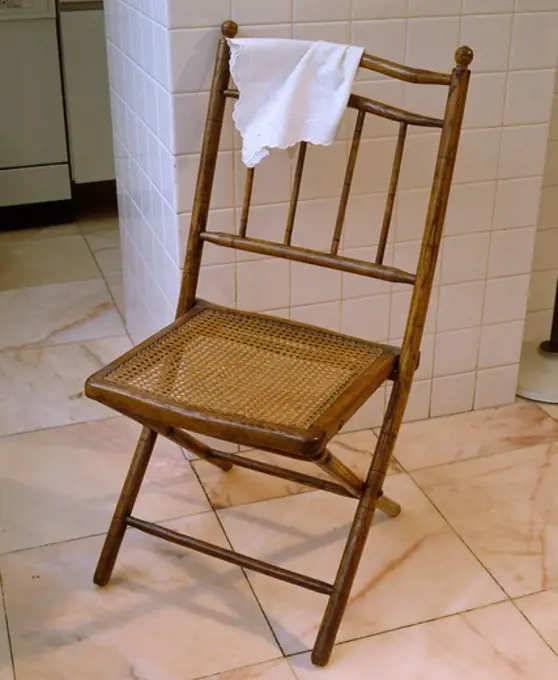
Vintage classical style Chair in white roomBrown Royal classical style Armchair sofa couch in vintage room Side Chair 1760-90 American. Side Chair 1573Henry Granet, Chair, 1935 1942 ChairArmchair ca. 1760 American. Armchair 16985Armchair 1735-40 Attributed to René Cresson This chair is known in French as a fauteuil à la Reine et à chassis. The first part of this name refers to the fact that it is an armchair with a flat back (as opposed to a concave back). The second part refers to the upholstery which is not nailed into the frame but attached to the removable seat, back, and arm pads. This practice was introduced early during the eighteenth century and allowed for an easy change of seat covers according to the seasons or to reflect new fashions. Although this armchair is not signed, based on the exuberant rocaille decoration of the walnut frame, it is attributed to the menuisier or joiner René Cresson, also known as Cresson lainé (the elder) who became a master in 1738. He was a member of a successful family of eighteenth-century chair makers by that name. The wool and silk upholstery panels were woven at the Beauvais Manufactory. This workshop not only specialized in sets of decorative tapestry hangings wovSide Chair 1730-60 American. Side Chair 1546Furniture around the turn of the century 1900, Mahogany arm-chair in Chippendale style (1911), Mahogany arm-chair, style of Chippendale (1911) .Padoekhout chair, decorated with entered patterns and inlaid with a tropical wood, 1899 Padoekhout chair, decorated with entered patterns and inlaid with a tropical wood. The back of the back is decorated with the original batiked parchment. The covering of the chair is not original. Amsterdam padouk (wood). parchment (animal material)   Amsterdam Padoekhout chair, decorated with entered patterns and inlaid with a tropical wood. The back of the back is decorated with the original batiked parchment. The covering of the chair is not original. Amsterdam padouk (wood). parchment (animal material)   AmsterdamSide Chair 1800-1810 American. Side Chair. American. 1800-1810. Primary: mahogany. Secondary: poplar (medial braces, probably original). Made in New York, New York, United States. Chair of walnut. The furniture has applied a loose on window, covered cushion. Resting on overhoeks placed, s-shaped front legs, ending in boxing hooves. The cross is H-shaped and scalloped. The high back is lightly rolled horizontally and has a cut-away middle leaf with a scalloped outline and a profiled window. The styles of this window are resumed in the upper part; The sills shows degrees votes with shell, the upper shell is scalloped and opened in the middle.Side Chair. Sicily, Italy. Date: 1790-1800. Dimensions: 97.5 x 55.3 x 55.9 cm (38 3/8 x 21 3/4 x 22 in.). Carved, gilded and painted wood, inlay reverse painted glass, modern upholstery. Origin: Sicilia. Museum: The Chicago Art Institute, Chicago, USA.Stadtholders chair, Gerrit Hutte, 1747 Stadholder's chair of nuthout, covered with green velvet. The high back is wearing an attachment with the weapons of Zeeland, Holland and W. Friesland. On the back the weapon of Oranje-Nassau is embroidered; On the loose pillow the weapons of Holland, Zeeland and W. Friesland. The chair served for the stadholder, when it attended the session in the Hof van Holland, Zeeland and W. Friesland. The Hague wood (plant material). walnut (hardwood). velvet (fabric weave). silk. silver thread   Courtyard Stadholder's chair of nuthout, covered with green velvet. The high back is wearing an attachment with the weapons of Zeeland, Holland and W. Friesland. On the back the weapon of Oranje-Nassau is embroidered; On the loose pillow the weapons of Holland, Zeeland and W. Friesland. The chair served for the stadholder, when it attended the session in the Hof van Holland, Zeeland and W. Friesland. The Hague wood (plant material). walnut (hardwood). velvet (fabricOak chair with sitting and back of leather. Eight oak chairs with leather sitting and back. The legs show home and suffered and are connected by an H-shaped cross. There is a wide advance at the front, between two houses. The hind legs neighborhood. The back rests high on the struts and is bent from above.Armchair 1700-1800 American. Armchair 199Writing Desk (Italy); Designed by Carlo Zen (1851-1918); joined, bent and turned fruitwood, inlaid with brass, white metal and mother-of-pearl, leatherEasychairChair. unknown, authorNo. 8 Bench; Manufactured by Gebrüder (Brothers) Thonet (Austria); Austria; bent beech wood, caningWing Chair. Dated: c. 1941. Dimensions: overall: 51 x 38.1 cm (20 1/16 x 15 in.) Original IAD Object: 48"high; 35 1/4"wide; 34"deep. Medium: watercolor, colored pencil, and graphite on paper. Museum: National Gallery of Art, Washington DC. Author: Isidore Sovensky.Chair 17th century Flemish. Chair 186676Armchair; Jacob, Georges (1739-1814); 4. W. 18th century (1776-00-00-1800-00-00);Purchase (provenance)Ernest A Towers, Jr, Windsor Comb back Chair, c 1939 Windsor Comb-back ChairPeacock Side Chair; Designed by Frank Lloyd Wright (American, 1867-1959); Client: Imperial Hotel; USA; oak, leatherette upholsteryReclining Armchair. Culture: American. Dimensions: 38 1/2 x 26 x 33 in. (97.8 x 66 x 83.8 cm). Maker: George Jakob Hunzinger (1835-1898). Date: after 1866. Museum: Metropolitan Museum of Art, New York, USA.Side Chair; Turin, Piemonte, Italy; about 1710 - 1715; Gilt wood with modern silk upholstery copying the original silk; 128.6 x 55.6 x 69.5 cm (50 5,8 x 21 7,8 x 27 3,8 in.)Arm chair with wide side walls and covered with red -colored wool, Hendrik Wouda, c. 1924 Arm chair of oak-wood resting on four wide flat legs with chasing top and bottoms. The front and hind legs are connected by means of wide side walls. The front legs continue in the army tits and the hind legs continue in the backstyles. The arms and the backstyles are connected to each other by means of a rule on which the armrests who are entered in the backstyles rest. Both the seat and the handrail are covered with red -colored wool. The Hague oak (wood). beech (wood). wool Arm chair of oak-wood resting on four wide flat legs with chasing top and bottoms. The front and hind legs are connected by means of wide side walls. The front legs continue in the army tits and the hind legs continue in the backstyles. The arms and the backstyles are connected to each other by means of a rule on which the armrests who are entered in the backstyles rest. Both the seat and the handrail are covered with red -cSet of Four Armchairs , 1760-1765. England, 18th century. Mahogany upholstered in needlework; overall: 101.6 x 73 x 69.9 cm (40 x 28 3/4 x 27 1/2 in.).. Although this chair clearly derives from an English model, it was surely made in the Netherlands. The design is somewhat heavy, with convex and concave shapes. The back is made of oak, but this cannot be seen because it is covered by a decorative veneer of other woods. This technique is called marquetry.Armchair (part of a set of nine) mid-18th century Tapestry woven at Aubusson. Armchair (part of a set of nine) 239169Folding chair of Beukenhout, Anonymous, 1500 - 1600 Folding chair of Beukehout, with five slats in the back and nine in the seat. The upper sill of the back shows a simple notch-cut decoration with a sawn-out stylized lily in the middle. See also: BK-15387 and BK-15388. Italy wood (plant material). beech (wood) Folding chair of Beukehout, with five slats in the back and nine in the seat. The upper sill of the back shows a simple notch-cut decoration with a sawn-out stylized lily in the middle. See also: BK-15387 and BK-15388. Italy wood (plant material). beech (wood)Virginia Kennady, Armchair, 1939 ArmchairChair. Dated: 1935/1942. Dimensions: overall: 28.3 x 23 cm (11 1/8 x 9 1/16 in.). Medium: watercolor, graphite, and gouache on paper. Museum: National Gallery of Art, Washington DC. Author: Harold Smith.Orville Cline, Shaker Rocking Chair, c 1939 Shaker Rocking ChairSidechairIsidore Sovensky, Wing Chair, c 1941 Wing ChairAmerican 20th Century, Ladder Back Chair, 1935 1942 Ladder Back ChairArmchair. Culture: British. Dimensions: Overall: 39 × 29 1/2 × 30 in. (99.1 × 74.9 × 76.2 cm). Date: ca. 1740.The tapestry panels displaying bouquets, baskets, and vases of flowers were probably designed by the painter Tobias Stranover (1684-1756), who specialized in the depiction of birds, flowers, and still life, and were woven by William Bradshaw (act. 1728-75) in London. Museum: Metropolitan Museum of Art, New York, USA.Armchair (part of a set) ca. 1780 Italian, Venice These chairs are from a large set comprising at least two settees and twelve armchairs (one settee and three armchairs are in the Metropolitan Museum). The conceit of birds upholding the swags on the back contributes to the light and playful qualities of the design.. Armchair (part of a set) 209097Mahogany Chair with Card Rose Design on UpperWrung. Dated: c. 1937. Dimensions: overall: 35.2 x 24.4 cm (13 7/8 x 9 5/8 in.) Original IAD Object: 32 1/4"high; 16 1/2"wide (seat). Medium: watercolor, colored pencil, graphite and some heightening on paper. Museum: National Gallery of Art, Washington DC. Author: Florence Truelson.Chaise (USA); rosewood veneer, oak (frame), velvet upholsteryPair of side chairs late 16th century Italian, Florence. Pair of side chairs 192384Arm chair covered with tapisserie with flower bouquets, I. Gourdin, c. 1770 Arm chair, part of an ameublement, made of white with gold painted beech wood and covered on a loose window with tapisserie that shows bouquets bound by ribbons with bows on a red damous ground. The front legs, by-line, upper sill and styles of the back window wear stabbed leaf and floral motifs. The armrests with cushions end in volutes; The S-shaped legs covered over-corner ends in an Acanthus leaf. Marked: I. Gourdin. See: BK-16655-A/B, C, E, F, G. maker: Francemaker: Parismaker: Parisdesigner: Francedesigner: France wood (plant material). beech (wood). paint (coating). gilding (material). ketting: wool. inslag: wool. inslag: silk tapestry / gilding Arm chair, part of an ameublement, made of white with gold painted beech wood and covered on a loose window with tapisserie that shows bouquets bound by ribbons with bows on a red damous ground. The front legs, by-line, upper sill and styles of the back window weSilla. Siglo XVI. Monasterio de Pedralbes, Barcelona.Margery Parish, Chair, c 1938 ChairWhite Vintage classical farbirc style ChairArmchair ca. 1740 British The tapestry panels displaying bouquets, baskets, and vases of flowers were probably designed by the painter Tobias Stranover (1684-1756), who specialized in the depiction of birds, flowers, and still life, and were woven by William Bradshaw (act. 1728-75) in London.. Armchair. British. ca. 1740. Mahogany and tapestry. Woodwork-FurnitureSide chair, 1739, Thomas Baxter, American, Boston, 40 1/2 x 23 in. (102.87 x 58.42 cm), Walnut, United States, 18th centuryBlack genuine leather classical style sofa in vintage roomHepplewhite side chair, one of a pair, c. 1795, Stephen Badlam, American (Massachusetts), American, 1751-1815, 37 1/2 x 23 x 19in. (95.2 x 58.4 x 48.3cm), Mahogany, United States, 18th-19th centuryArmchair (one of a pair) ca. 1760 German. Armchair (one of a pair) 238574Cheval Glass ca. 1815 American. Cheval Glass 2044Chair with parrot -like birds, anonymous, c. 1650 - c. 1700 Low ebony chair with a loose seat, covered with rattan braid, flinged legs with houses and flinged rules. The houses, information rule and backstyles show rosettes and tenders. Under the seating rules openwork sculpture with two winged samples and tendrils. Parrot -like birds on the backstyles. Between the sills are nine -lined columns with leaf capitals, between which eight buds, are applied. The chair shows sculpture with, among other things, winged heads, female figures and samples. Sri Lanka wood (plant material). ebony (wood). rattan. bone (material). ivory   Sri Lanka Low ebony chair with a loose seat, covered with rattan braid, flinged legs with houses and flinged rules. The houses, information rule and backstyles show rosettes and tenders. Under the seating rules openwork sculpture with two winged samples and tendrils. Parrot -like birds on the backstyles. Between the sills are nine -lined columns with leaf capitals, bSettee. unknown, authorArm chair lined with tapisserie with a boy playing on a bagpipe (Petit Keur de Cornemuse) (back) and a dog that hunts ducks (seat), Manufacture Royale des Gobelins, c. 1935 Arm chair of gilded beech wood, resting on conically shaped legs. The armchair belongs to an ameblement. On the covered bent sitting window and the covered oval back window have been installed on a pink long -distance performances within flower wreaths (Tapisserie de Beauvais). See also: BK-16657-A and C/F. ParisParisdesigner: Francedesigner: Francefurniture worker: France walnut (hardwood). gilding (material). ketting: wool. inslag: silk tapestry / gilding Arm chair of gilded beech wood, resting on conically shaped legs. The armchair belongs to an ameblement. On the covered bent sitting window and the covered oval back window have been installed on a pink long -distance performances within flower wreaths (Tapisserie de Beauvais). See also: BK-16657-A and C/F. ParisParisdesigner: Francedesigner: Francefurniture workUnknown, Sofa (one of pair).Close up of antique lyre back chair with upholstered black leather seatTaburet van Notenhout, Anonymous, c. 1650 - c. 1665 Taburet van Notenhout. The seat is covered. He rests on flinged legs, also connected by also flared underports. The upholstery has been renewed. One of a few taboerets (inv. No. BK-16022-A and -B). Netherlands wood (plant material). walnut (hardwood) Taburet van Notenhout. The seat is covered. He rests on flinged legs, also connected by also flared underports. The upholstery has been renewed. One of a few taboerets (inv. No. BK-16022-A and -B). Netherlands wood (plant material). walnut (hardwood)Side Chair. Italy, Turin; Designed by Filippo Pelagio Palagi (Italian, 1775-1860); Made by Gabriele Capello and Carlo Chivasse (Italian, 19th century). Date: 1830-1840. Dimensions: 99.7 x 53.3 x 54.6 cm (39 1/4 x 21 x 21 1/2 in.). Mahogany veneer with maple and mahogany inlay; modern reproduction upholstery. Origin: Italy. Museum: The Chicago Art Institute, Chicago, USA.RockingChair.   Maker: Gustav Stickley, American, 1858-1942Gold plated straight rococo armchair with armrest, armchair armchair chair seating furniture furniture interior design wood beechwood gold leaf goldpainted silk, With pink silk damask upholstered on the shade and the carving of flowers wide seat rococoChairStripe chair Wooden chair with stripe design and clipping path Copyright: xZoonar.com/Baloncicix 15072114Pair of WindsorChairsSide Chair (part of a set) c 1885 New York. Painted maple, and vinyl . Louis Comfort Tiffanychair, wood, turned and joined, In 17th century style, England or USA, mid-19th century, miniatures, Decorative Arts, Miniature, MiniatureChair. unknown, creatorArmchair ca. 1875-76 Pottier and Stymus Manufacturing Company This armchair, along with a matching side chair and cabinet, was made for Pottier and Stymus display at the 1876 Centennial International Exhibition in Philadelphia. This seminal event offered unprecedented exposure to potential patrons and sparked the nations preference for the Aesthetic style. Founding partner Auguste Pottier then donated the pieces to the Metropolitan Museum as examples of distinguished contemporary craftsmanship.During the late 1870s and early 1880s, New York City emerged as the center for the production of luxury furniture, interior woodwork, and decoration. Companies including George A. Schastey & Co., Herter Brothers, Pottier and Stymus Manufacturing Company, and Herts Brothers flourished during this period of unparalleled financial growth. With showrooms and manufactories located in the citys thriving commercial district at Union Square, they received commissions from wealthy financiers and railroThrone chair. unknown, creatorBlack genuine leather classical style sofa in vintage roomSide chair 1690-1710 British. Side chair 1567Chair. Schinkel, Karl Friedrich (1781-1841), designer, unknown, creatorRex F Bush, Chair (Jack Knife Type), c 1937 Chair (Jack Knife Type)Armchair, c. 1775, Jean-Baptiste II Tilliard, French, 1723 - 1797, 39 x 27 x 24 in. (99.06 x 68.58 x 60.96 cm), Gilded and painted wood with modern silk upholstery, France, 18th centuryFour Post Bed withtesterWheelchairSofa 1760-90 American The camel-back sofa, so-called for the crest that forms a central hump, was the most common type of sofa made in America, most often Philadelphia, in the second half of the eighteenth century. There are numerous surviving examples with this style of legs and arms which were preferred and frequently seen in Philadelphia.. Sofa. American. 1760-90. Mahogany, yellow pine. Made in Philadelphia, Pennsylvania, United StatesSide Chair 1760-90 American. Side Chair. American. 1760-90. Mahogany, maple, white pine. Probably made in Boston, Massachusetts, United StatesPink Vintage retro style ChairFire pit, trapezoidal, the front legs with button decoration. Fire pit made of iron with a loose grid. The basket is trapezoidal. The front legs end in button decorations. The front and hind legs are connected by hol and spherical ornamental connections.Modernist bench by Antoni Gaudí. Museum: CASA CALVET, Barcelona, SPAIN.Red Vintage retro style Chair with lampArmchair with tapestry with female figure in landscape. Boucher, François (French, 1703-1770) (designed after) painter Oudry, Jean-Baptiste (French, 1686-1755) (designed after) painter unknown Tapestry Materials/Techniques: unknown Culture: French Weaving Center: Aubusson Ownership History: Jacques Seligmann & Co. purchased from Mme Vermaut, 5/2/1927; sold, 7/1930, on their New York premises. Upholstered armchair with floral garland & holly forming medallion enclosing female peasant in landscape, & farm house with thatched roof in background The armchair is part of a set comprising 6. A note on related work GCPA 0238830 (in set) indicates that the armchair seats depict animal scenes, designed after Oudry; but they are not visible. Jacques Seligmann & Co. stock sheet in archive, 11696 old stock no. 11169 Related Works: Panels in set: GCPA 0238830-0238831Vintage classical style Sofa bedRed sofaStaircase Model (France); Made by Ugen (French, n.d.); planed, carved, veneered, and turned cherryGolden chair with red coverWhite Vintage retro style Chair with lampRoundaboutChairBaroque armchairFancy Chair No.7. Maker, attributed to: Wenzel Friedrich, American, born Bohemia, 1827-1902Black genuine leather classical style chair with side cabinet and telophoneMiniature chair (one of four) (part of a set) 1690-91 Probably George Manjoy British. Miniature chair (one of four) (part of a set). British, London. 1690-91. Silver. Metalwork-Silver-MiniatureChamber Organ ca. 1845-60 Attributed to George Clisbee American The chamber organ is a moderately-sized piped organ. It typically has a single manual, a limited number of stops, and a limited pedalboard or no pedals at all. It is generally intended for use in small chapels, in homes, or other intimate rooms. As it is capable of long sustained tones, it is sometimes preferable to harpsichord as a continuo instrument in chamber ensembles. Such instruments might also be used in small churches, like those found in small towns and villages throughout the United States in the nineteenth century. Chamber organs were largely usurped by reed organs after the middle of the century. Technical description: One 53-note manual F-a3 with ivory naturals, ebony sharps; disposition from rear of chest, with basses arranged at sides: 8' Stopped Bass F-c, 8' Stopped Flute from c# (open from a#2), 4' open Principal (four bass pipes on each side), 8' Flute stopped f-cl, open from c#1 (probably common 8' stop19th Century fainting couch . A fainting couch is a couch with a back that is traditionally raised at one end. Dated 19th CenturyThe throne seat of King Willem II, Willem III and Wilhelmina. The throne seat of King Willem II, Willem III and Wilhelmina. Richly decorated seat with lion pods as feet. RUG crowned two lions on either side. To handrail and sitting frills. Front backrest embroidered a crowned w and text on back: King Willem II's chair given by Queen Anna Polowna given to King Willem III.Objects, furniture, hand decorated chair , Houses, Interiors, Chairs. Frank Cousins Glass Plate Negatives CollectionTabarette. Dated: c. 1942. Dimensions: overall: 38.2 x 27.9 cm (15 1/16 x 11 in.) Original IAD Object: 27"high; top 18"x18"x1". Medium: watercolor, colored pencil, graphite, and heightening on paperboard. Museum: National Gallery of Art, Washington DC. Author: Ralph Morton.Strip, accolade -shaped sculpted, of cream -white satin, colorful embroidered with a rosette and swinging slender ,, 1750 - 1800 Strip, accolade-shaped sculpted, made of cream-white satin, colorful embroidered with a rosette and swinging slender. Forms a pendant with a second one. Chinese silk. China silk embroidering Strip, accolade-shaped sculpted, made of cream-white satin, colorful embroidered with a rosette and swinging slender. Forms a pendant with a second one. Chinese silk. China silk embroideringClose-up of Edwardian bamboo folding chair with cane seat on marble floor tiles