Antique Chair Designs

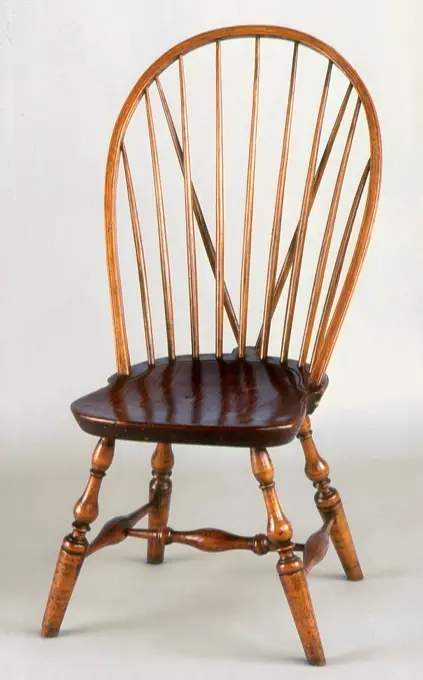
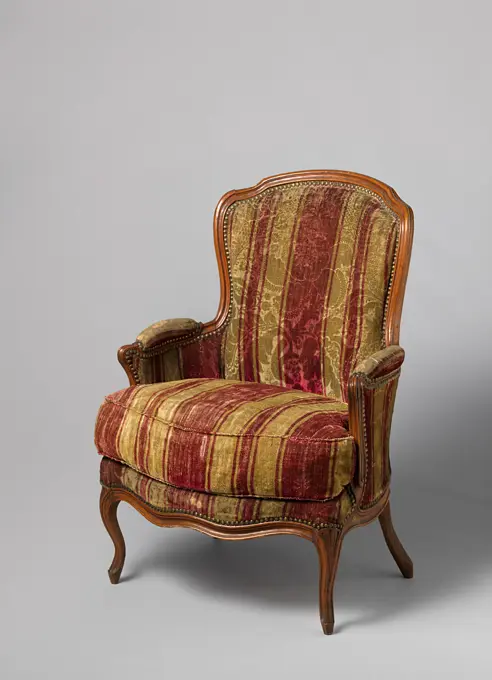
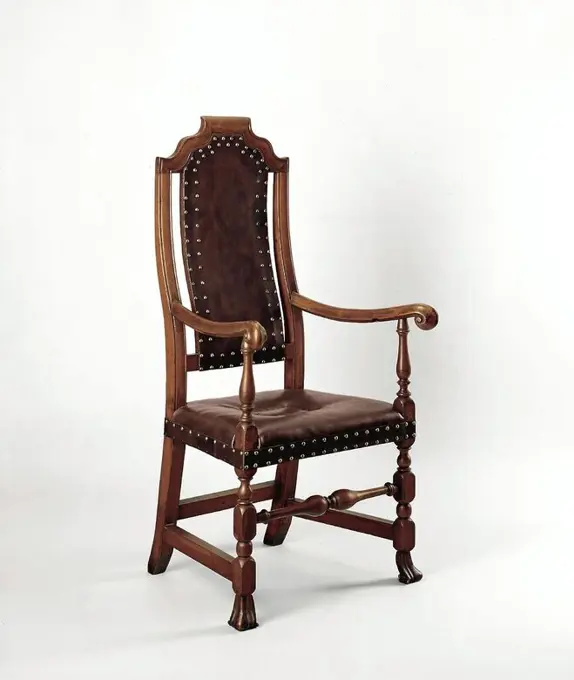
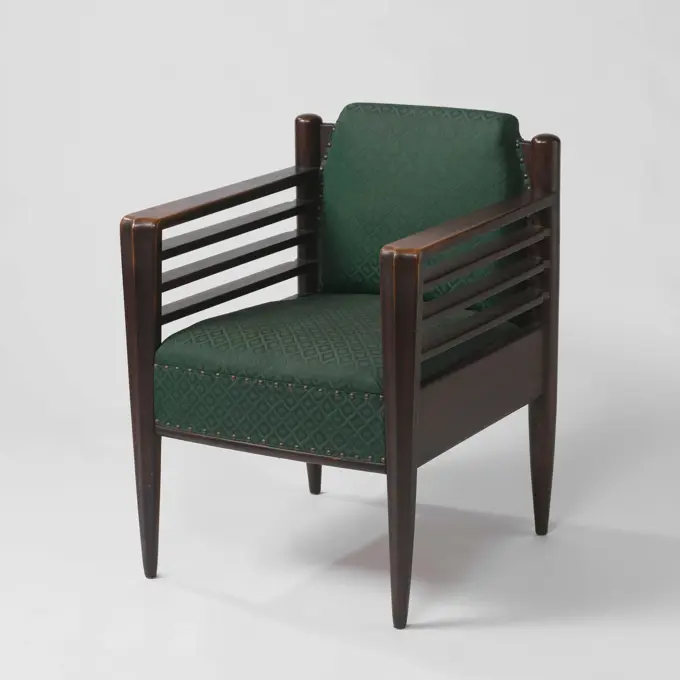
Elegant antique chairs showcasing intricate woodwork and upholstery styles, featuring rococo and historical design elements from various periods and regions.
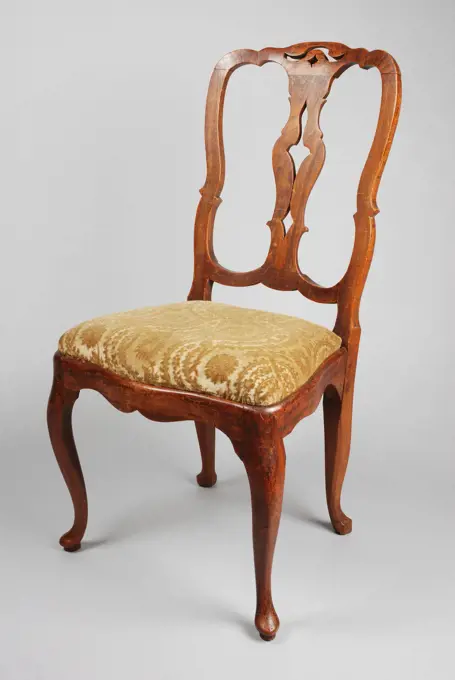
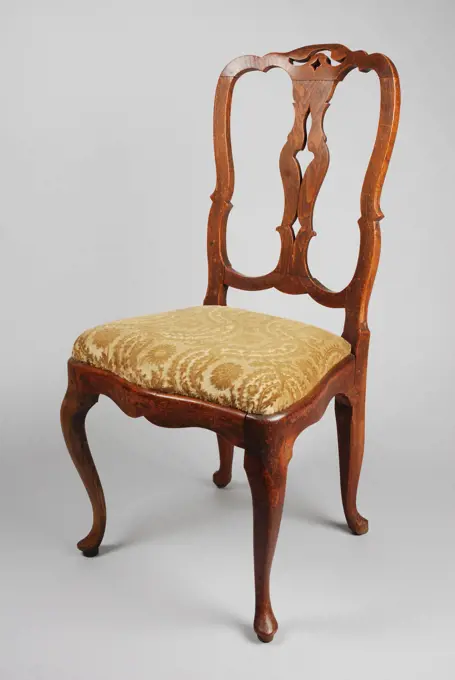
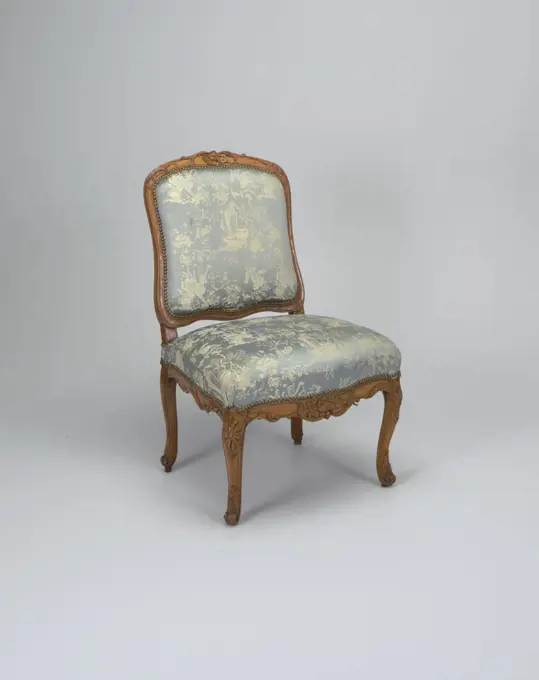
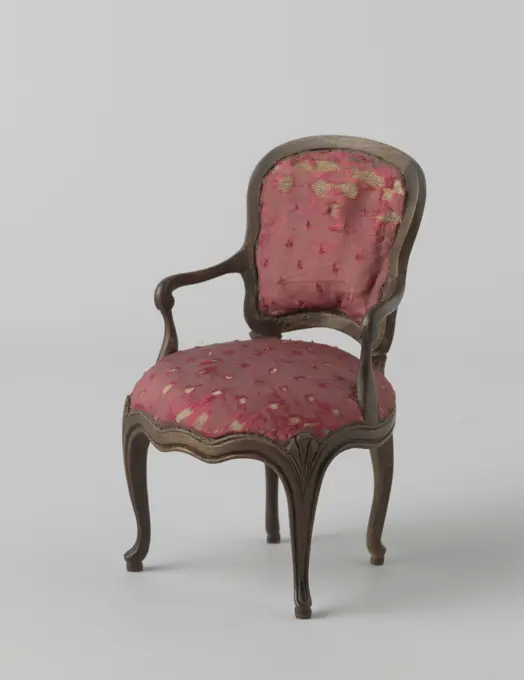
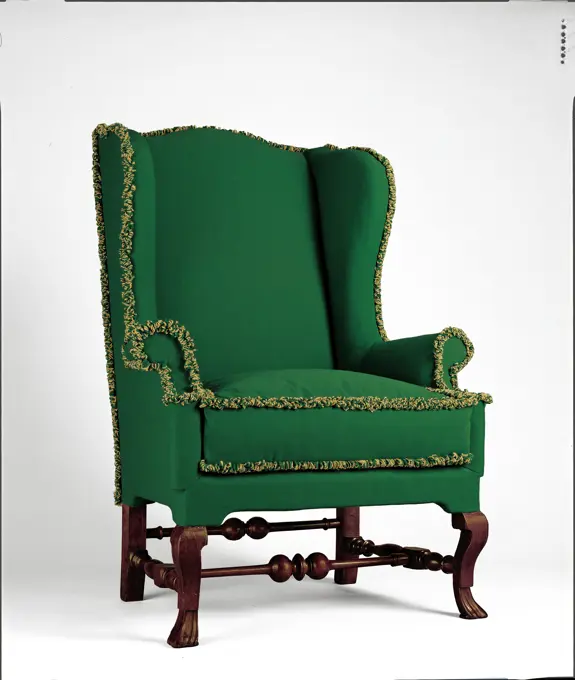
Straight elm wood rococo chair, chair furniture furniture interior design wood elm wood textile, Openwork backrest modern green ripped upholstery on loose seat webbing original rococo
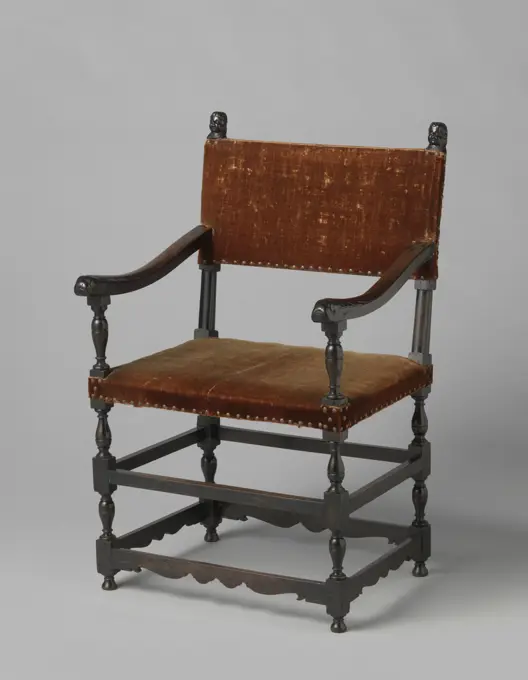
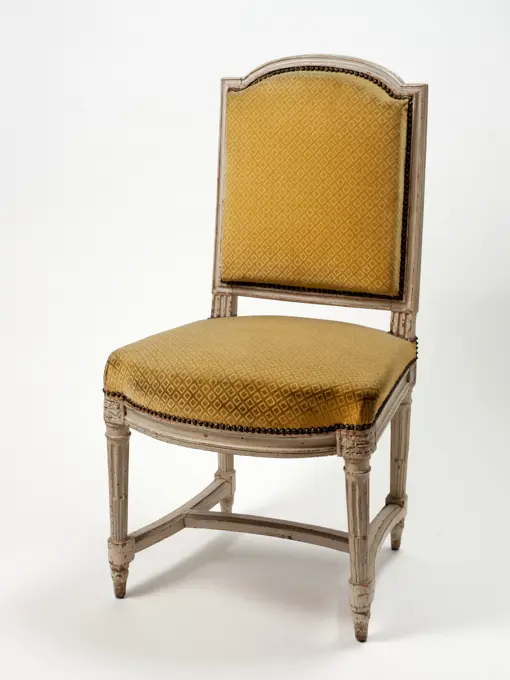
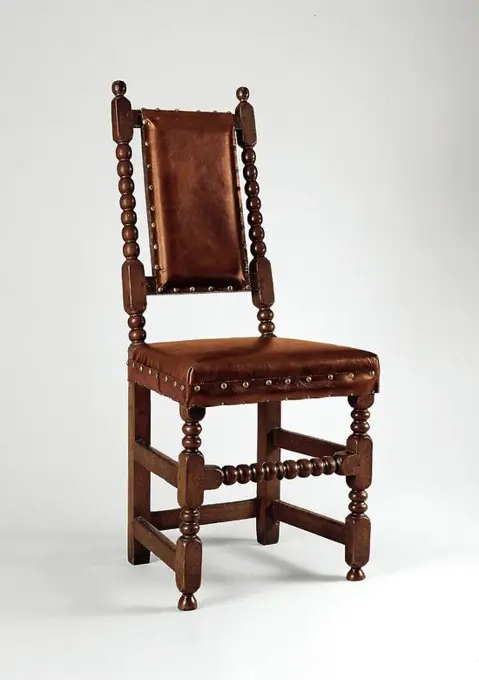
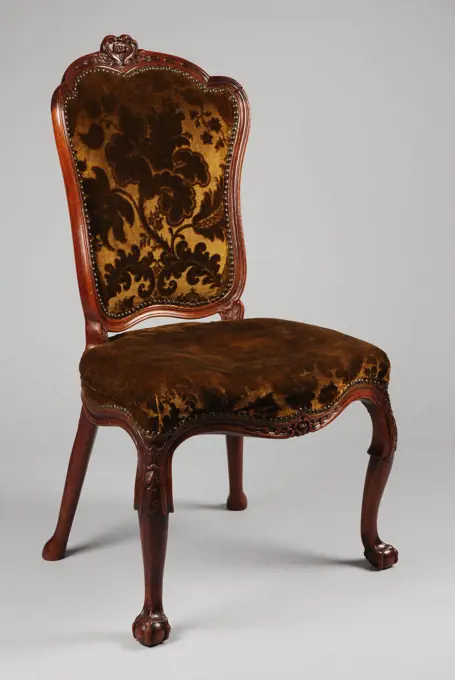
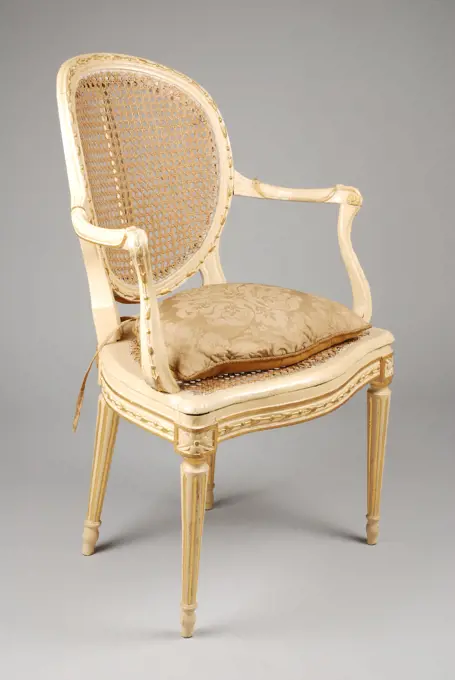
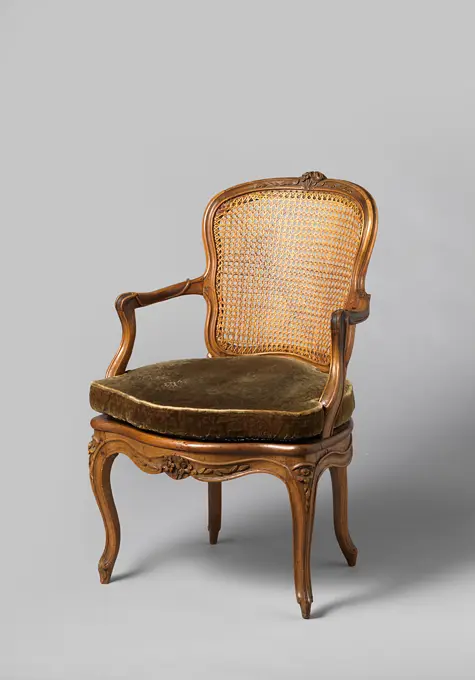
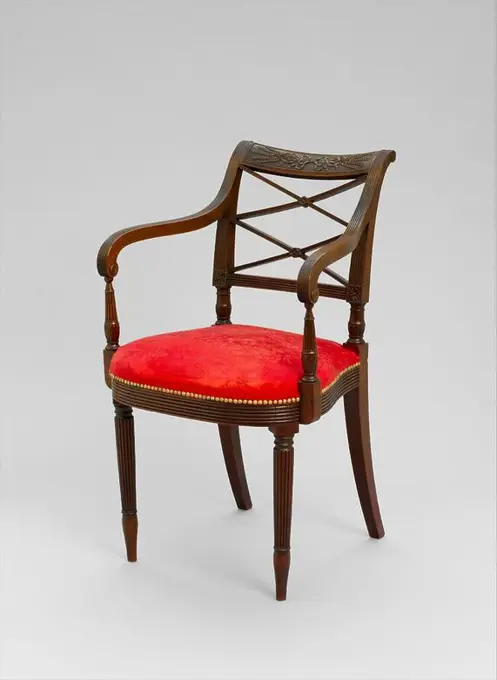
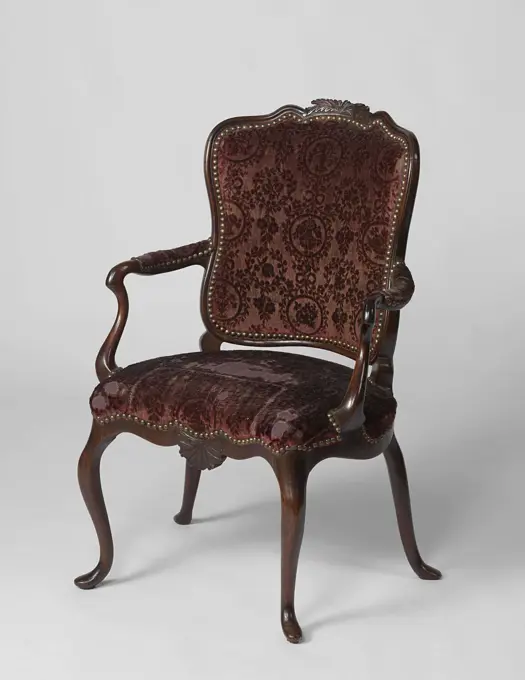
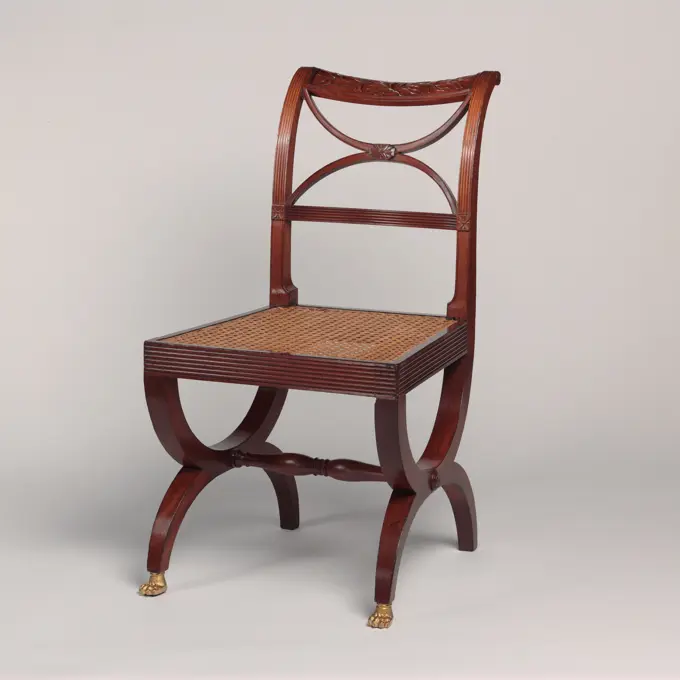
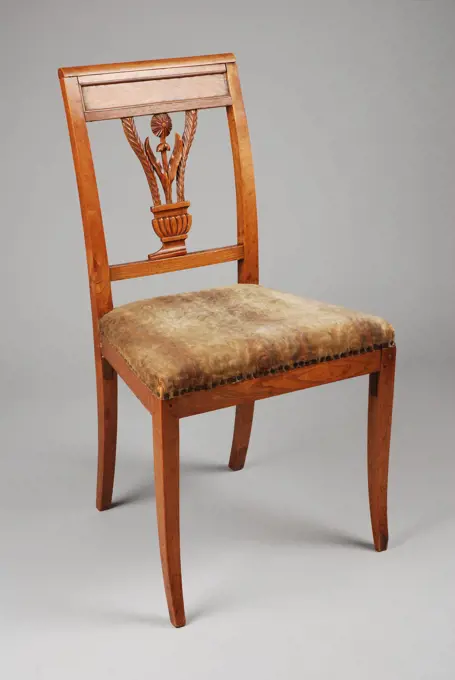
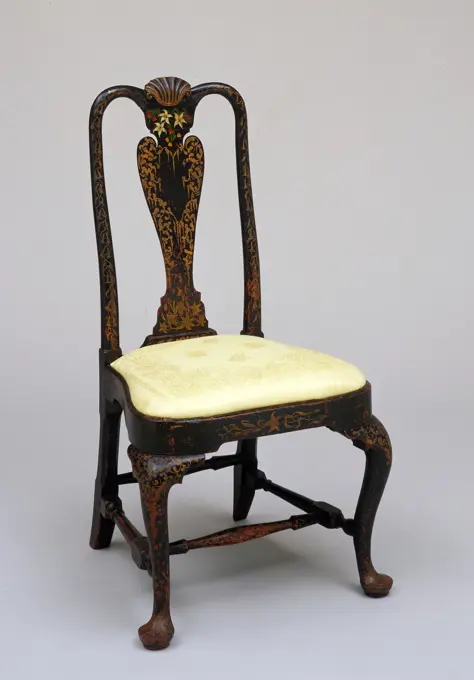
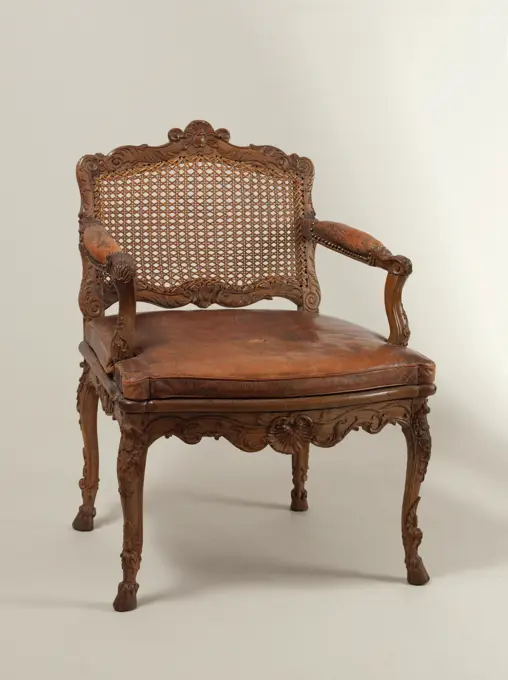
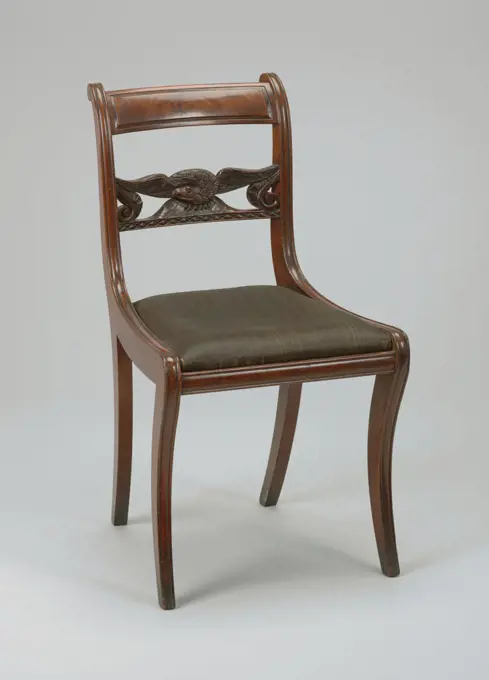
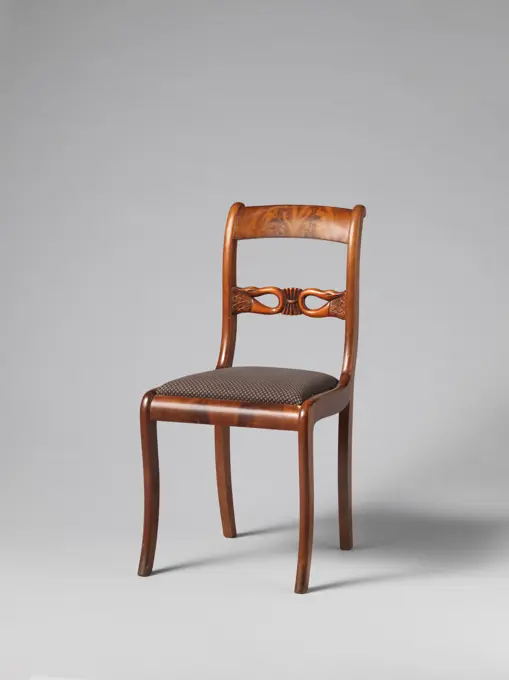
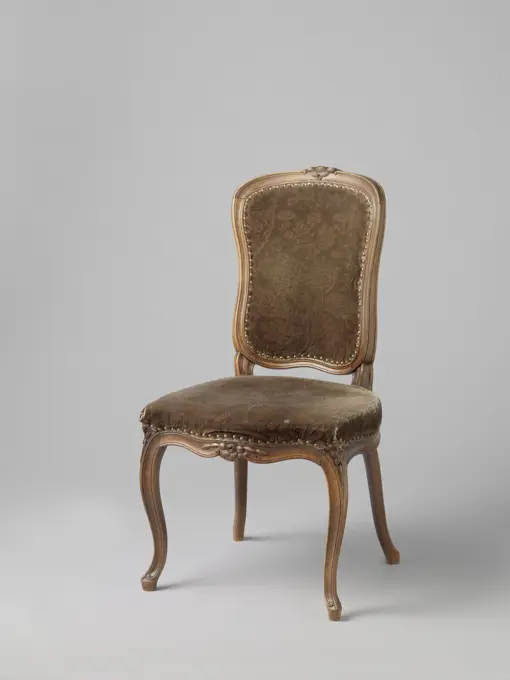
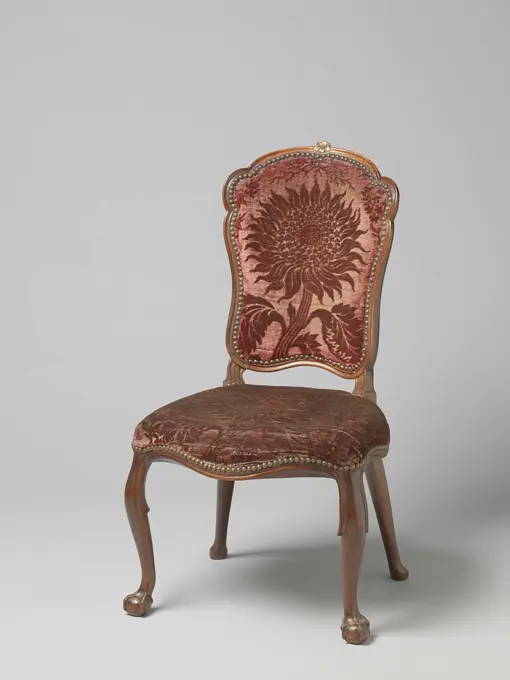
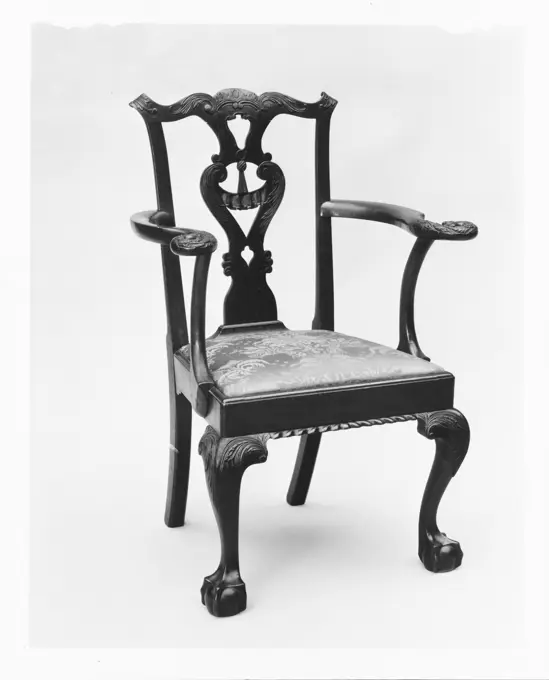
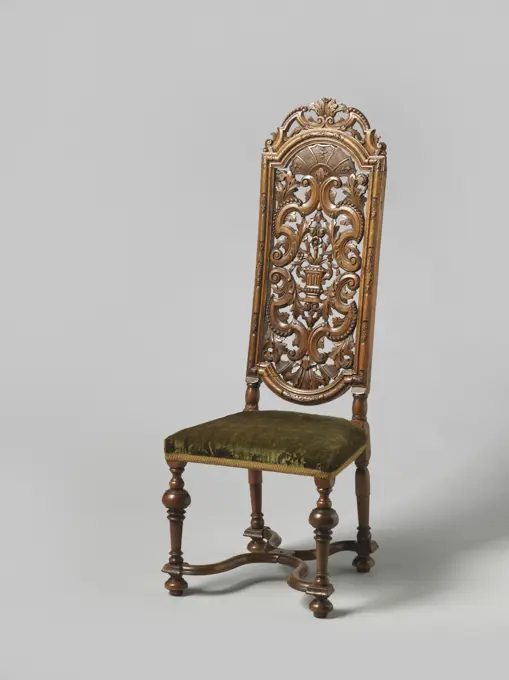
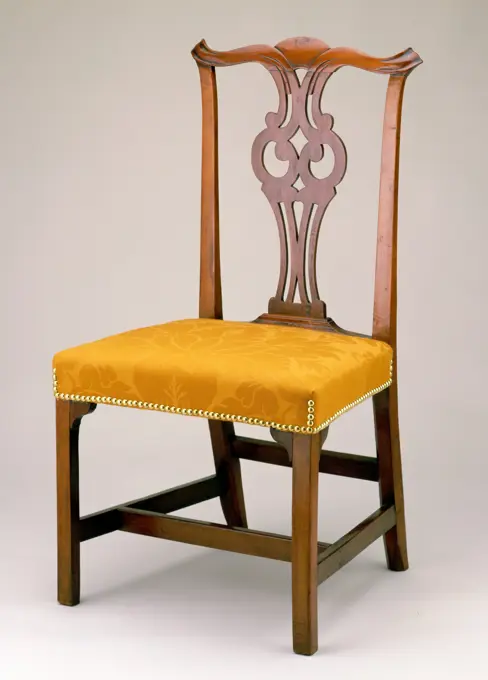
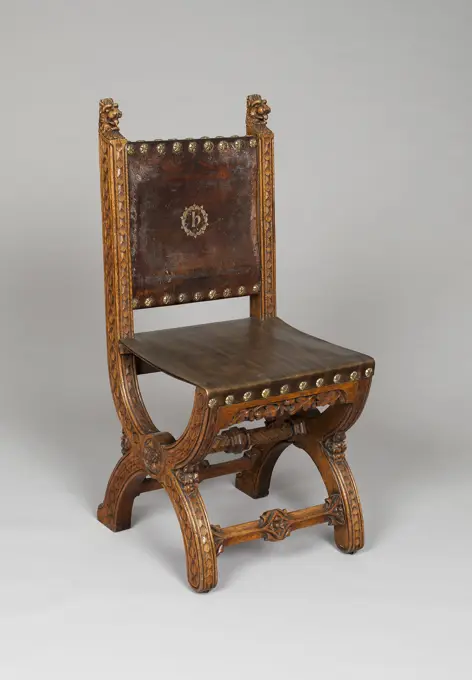
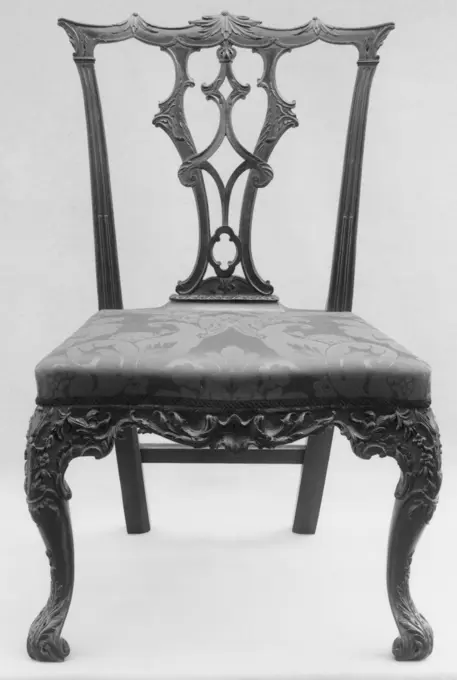
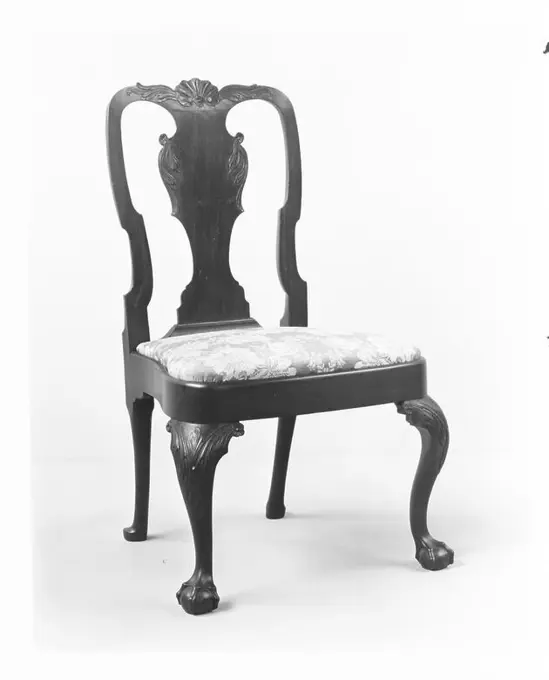
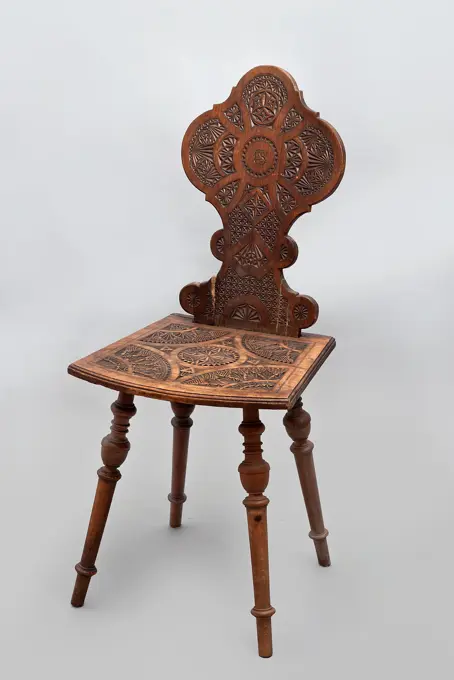
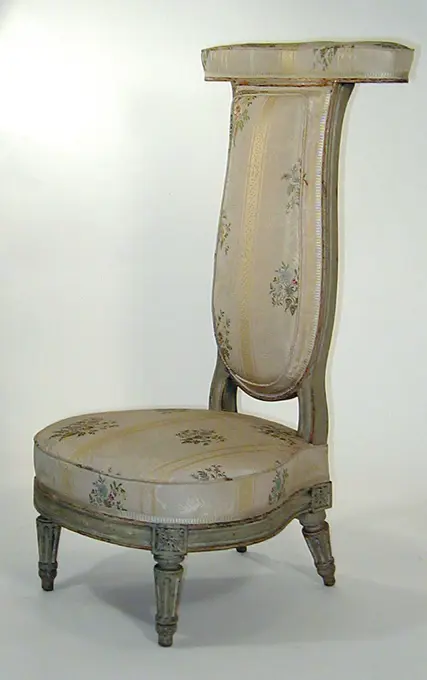
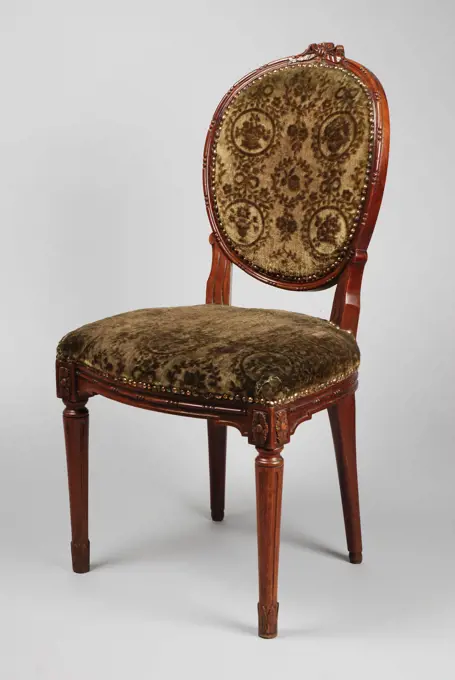
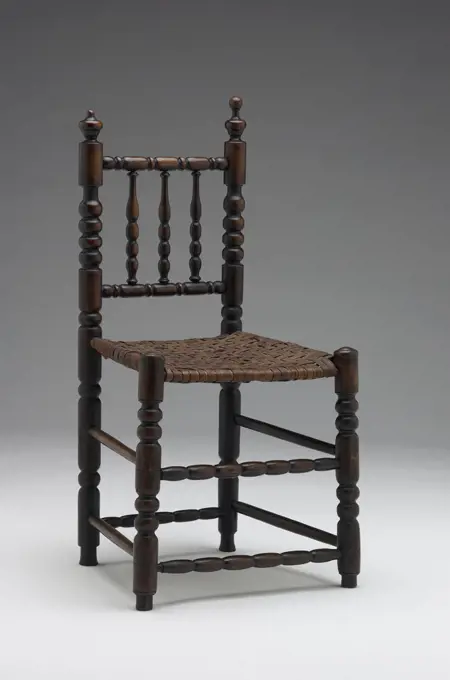
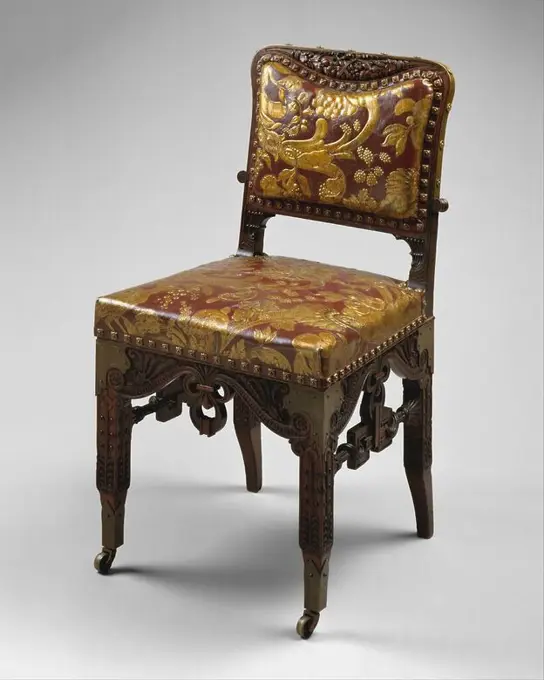
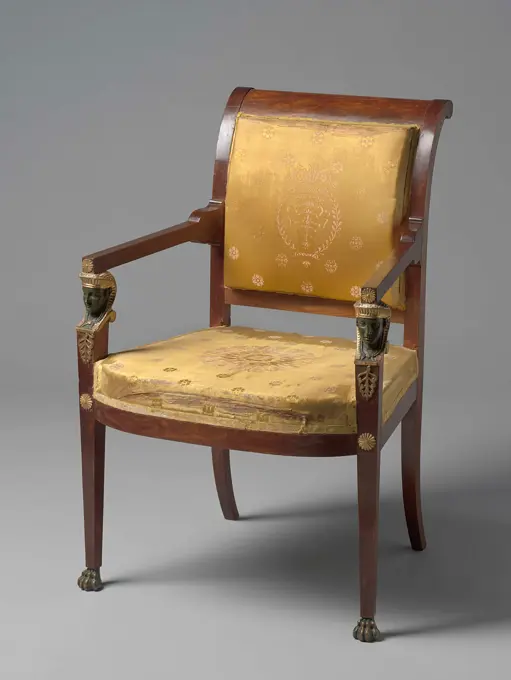
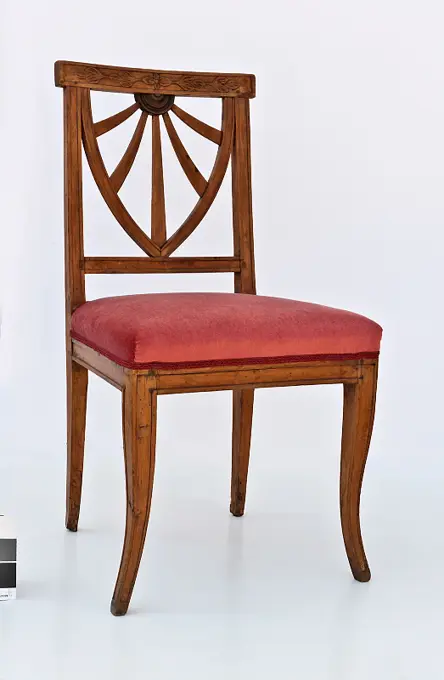
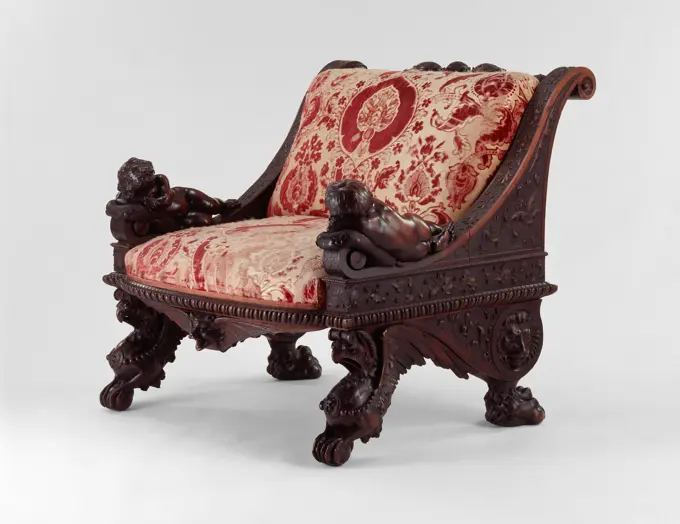
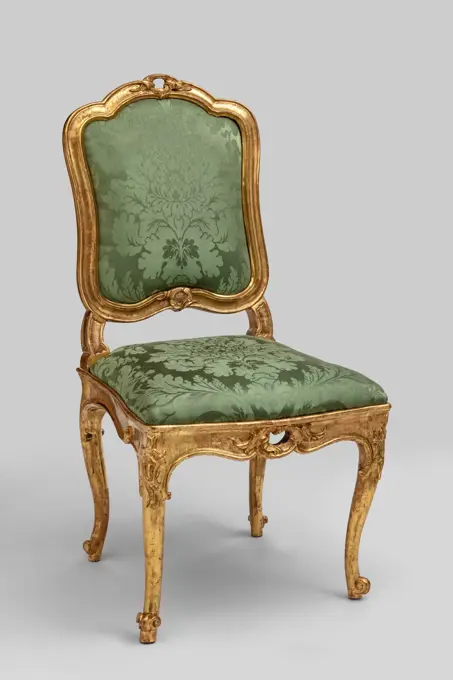
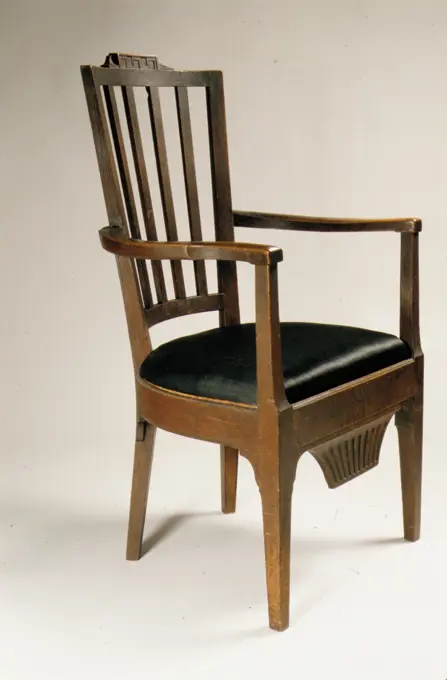
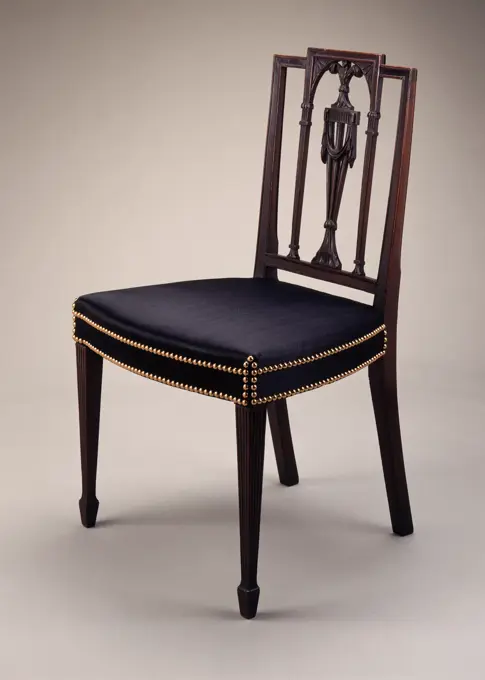
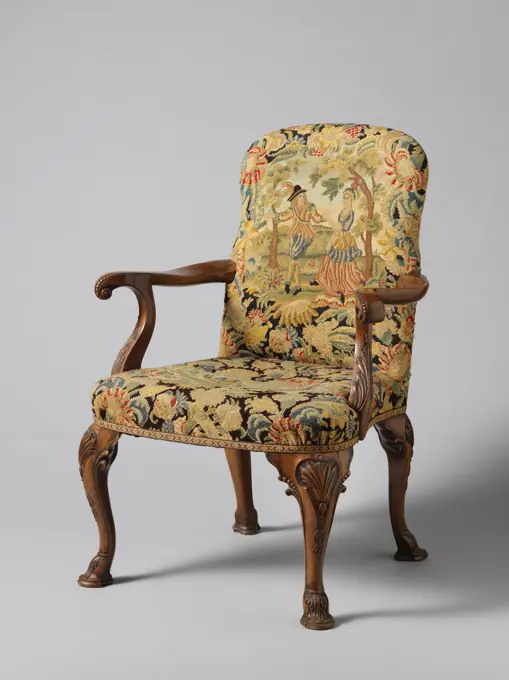
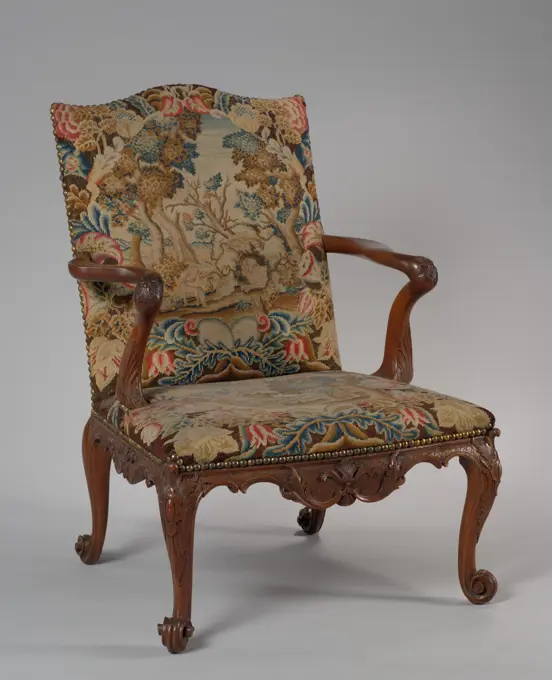
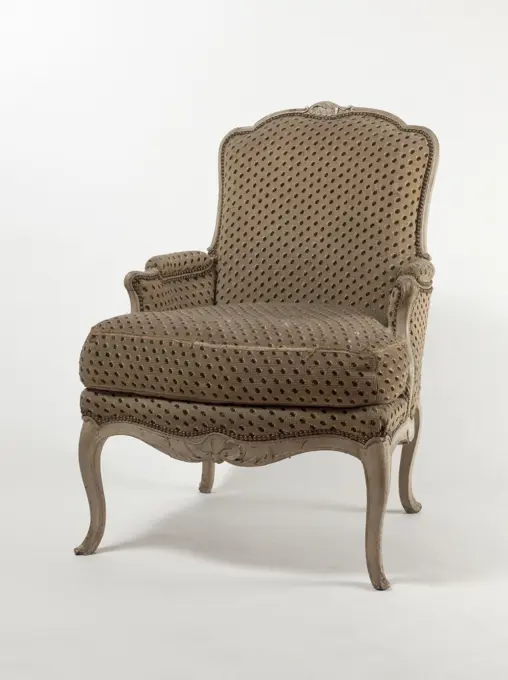
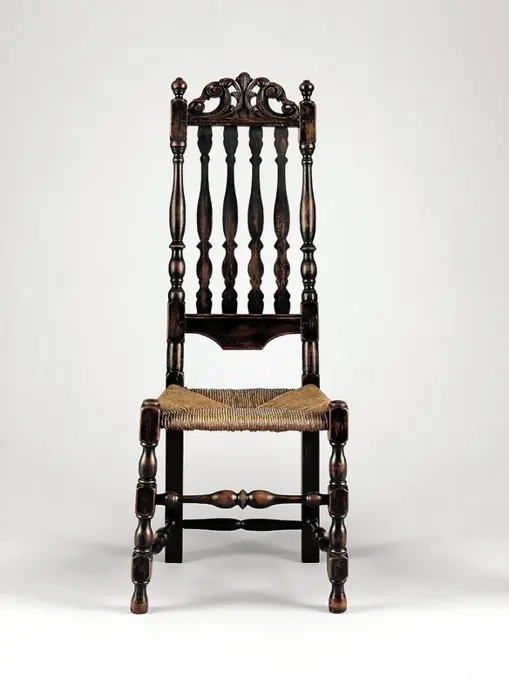
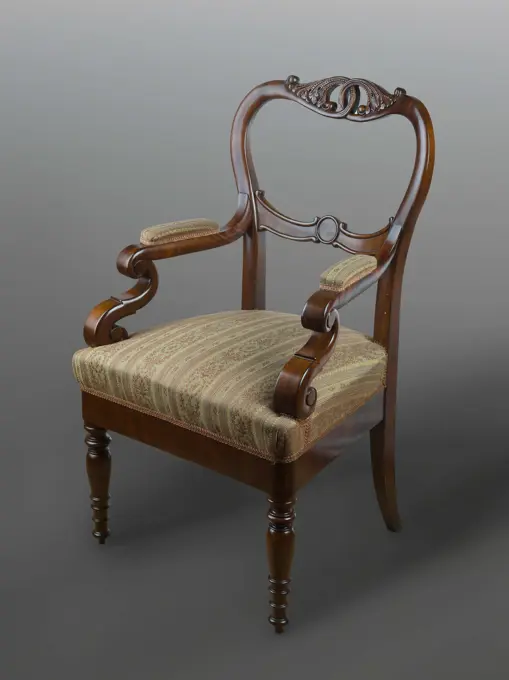
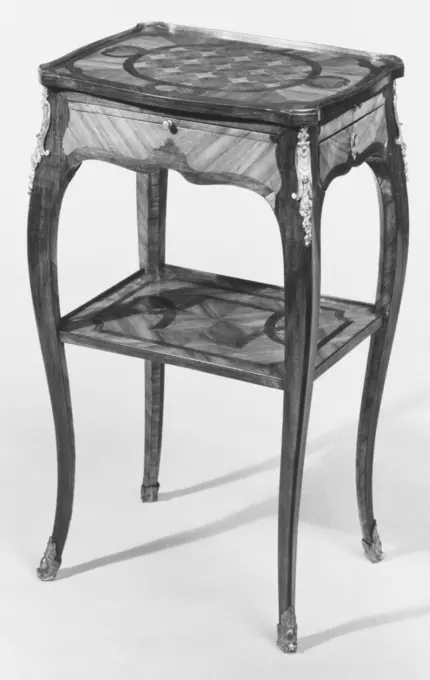
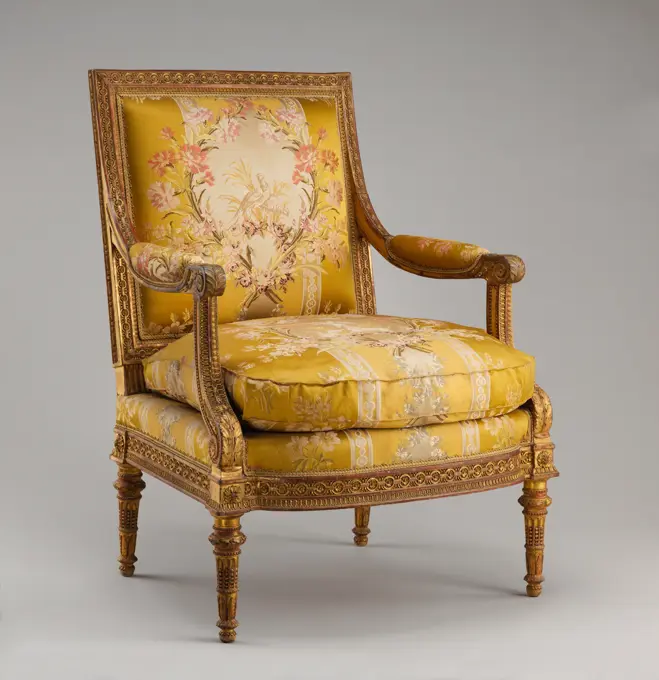
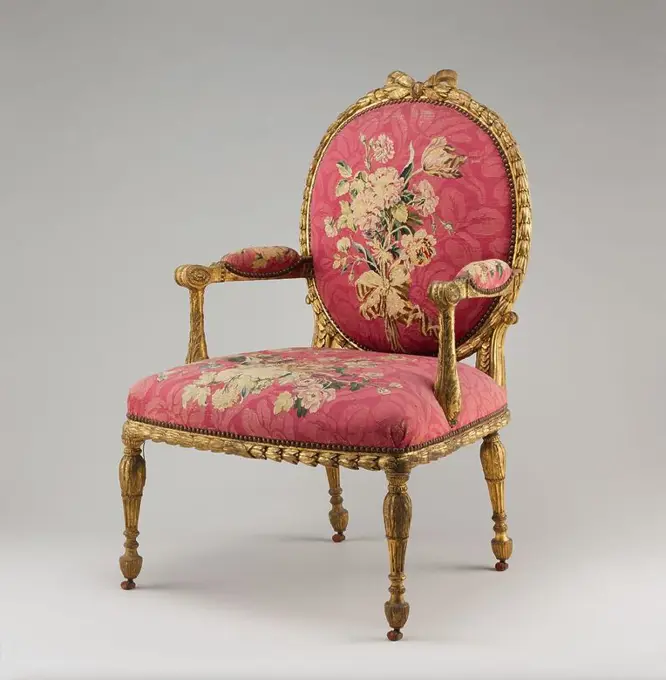
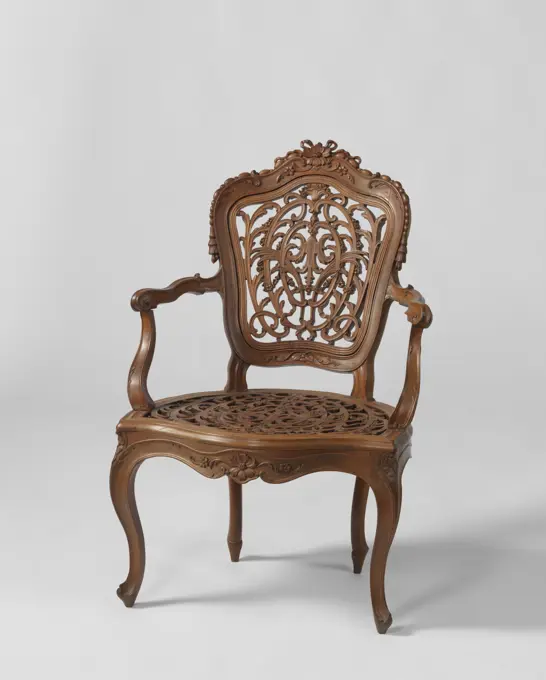
Armchair, anonymous, c. 1765 - c. 1775 Arm chair (and convertible) of cherry wood in late Lodelijk XV style, with fully open work and seat with a pattern of volutes, leaf motifs, a flower garland, a ribbon and palm branches. Northern Italy (Possible) cherry (wood) Arm chair (and convertible) of cherry wood in late Lodelijk XV style, with fully open work and seat with a pattern of volutes, leaf motifs, a flower garland, a ribbon and palm branches. Northern Italy (Possible) cherry (wood)Straight elm wood rococo chair, chair furniture furniture interior design wood elm wood textile, Openwork backrest modern green ripped upholstery on loose seat webbing original rococoStraight elm wood rococo chair, chair furniture furniture interior design wood elm wood textile, Openwork backrest modern green ripped upholstery on loose seat webbing original rococoArmchair. A. H. Davenport & Co.; American, 1875-1910; Design attributed to Francis H. Bacon; American, 1856-1940. Date: 1880-1890. Dimensions: 107.9 × 59.7 × 50.8 cm (42 1/2 × 23 1/2 × 20 in.). Oak. Origin: Boston. Museum: The Chicago Art Institute, Chicago, USA. Author: A. H. Davenport & Company.Ebony armchair with healed armrests ending in stylized dolphin heads on vase-shaped armlets. Back styles with cherubs .. Armchair of ebony, resting on four legs with house and articulation and connected by eight straight exercise, the four below the bottom brace-shaped scalloped. The modern upholstery has been laid off, also on the front houses. The healed armrests end in styled, stylized dolphin heads and supports on vase-shaped armrests. The back styles are crowned by two cobblestones with folded wings at the height of the neck. The rectangular back window rests on high struts.Jean-Baptiste-Claude Sené (1748-1803). Queen's chair. Sculpted and painted beech, garnish: yellow velvet. 1789. Paris, Carnavalet museum. Chair, Queen's chair, yellow color, heter, stuck, furniture, velvet, 18th 18th 18th 18th 18th 18th century, furnitureSide Chair. Culture: American. Dimensions: 45 x 18 1/2 x 15 1/2 in. (114.3 x 47 x 39.4 cm). Date: 1675-1700. Museum: Metropolitan Museum of Art, New York, USA.Mahogany rococo chair, chair furniture furniture interior design wood mahogany velvet, Seat and backrest covered with dark green velvet decorated with carving flowers polecat feet Rotterdam City Triangle Hoogstraat North Oude Noorden Gerard Scholtenstraat Heilige Geesthuis Oudemannenhuis Old man house Heiligegeesthuis rococo Object was until 1972 part of the inventory of the Heiligegeesthuis at the Gerard Scholtenstraat From 1898 to 1972 the 'Heiligegeesthuis' was located in this building.Cream-white Louis Seize medallion armchair, medallion chair seat furniture furniture interior design wood elm wood paint gold paint rattan silk dam 95,5, Gold colored details rattan seat and back in lines and back carving edge with chalice motif loose silk damask Louis XVI Louis XVI Louis Seize Kralingen-Crooswijk Rubroek Rotterdam Van Rijckevorsel From the estate Rubroec (Rubroek) of the Van Rijckevorsel family.Chair (USA); Made by John Hewitt (American, 1777-1857); wood (mahogany), wood (poplar), horse hairArmchair of walnut with s-shaped overhoeks. Paws set with carving of flowers and leaves. Back and seat of braided reeds. With loose cushion .. Nut wood (Ameublement) with back and seat of braided reeds. The stretched S-shaped overhoeks places places set with profiling go without interruption in the seating frame and are decorated with stabbed flowers. Scalloped rule with flower and leafwork. Backwards placed armrest tricks S-shaped; Holded armrests ending in Volutes. Upper rule window with volutes. With loose cushion. See also BK-16851-A T / M H.ArmchairArmchair. Culture: American. Dimensions: 33 1/8 x 20 3/8 x 16 3/4 in. (84.1 x 51.8 x 42.5 cm). Maker: Possibly Duncan Phyfe (1770-1854). Date: 1805-15. Museum: Metropolitan Museum of Art, New York, USA.Armchair of nut and beech wood with S-shaped overhoeks places placed; X-shaped cross with rosette; Sliced flower and leafwork, back and sitting of reeds, with loose pillow. Low-knit of nut and beech wood (Ameublement) with S-shaped overhoeks places placed, connected by a roared X-shaped cross with rosette. Rules and sills and legs are decorated with sliced flower and leaf motifs. Back and seat of braided reeds. Loose kisses from green shaved tripe (modern). See also: BK-16852-A, B, D.Armstoel, anonymous, 1685 - 1700 Armchair of walnut. The furniture has a covered seat and rest on front legs in the form of S-Voluten and articulated hind legs, resting on flat bulbs and connected by an X-shaped cross. The armrests are completely and end in volutes, decorated with acanthus leaf. The armrest stars are articulated vase. The freestanding corner styles of the openwork back are baluster -shaped. The center track shows volutes, grunts and acanthus leaf; The styles on either side only volutes and acanthus leaf. Northern Netherlands wood (plant material). walnut (hardwood). velvet (fabric weave) Armchair of walnut. The furniture has a covered seat and rest on front legs in the form of S-Voluten and articulated hind legs, resting on flat bulbs and connected by an X-shaped cross. The armrests are completely and end in volutes, decorated with acanthus leaf. The armrest stars are articulated vase. The freestanding corner styles of the openwork back are baluster -shaped. The centerFurniture, Anonymous, 1775 - 1800 Chair of mahogany, resting on square legs that narrow downwards and wearing acanthus rosettes on the houses. The hind legs areas backwards. The open bent and profiled back has a narrow middle style and two sloped twisted bars. The scanned sitting window is fainting at the front with square corner pieces and is half -round at the back. The upholstery of Groen Trijp was applied later. Northern NetherlandsNetherlands wood (plant material). mahogany (wood). velvet (fabric weave) Chair of mahogany, resting on square legs that narrow downwards and wearing acanthus rosettes on the houses. The hind legs areas backwards. The open bent and profiled back has a narrow middle style and two sloped twisted bars. The scanned sitting window is fainting at the front with square corner pieces and is half -round at the back. The upholstery of Groen Trijp was applied later. Northern NetherlandsNetherlands wood (plant material). mahogany (wood). velvet (fabric weave)Chair of nut and beech wood with S-shaped overhoeks placed legs; X-shaped cross with rosette; Cut flower and leaf work, Reed back and seat, with loose pillow, anonymous, 1750 Chair of Note and Beukehout (ameblement) with s-shaped overhoeks placed legs, connected by a flung X-shaped cross with rosette. Rules and sills and legs are decorated with cut flower and leaf motifs. Back and seat of braided reeds. Loose pillow of green Shaved Trijp (Modern). See also: BK-16852-E T/M P. France wood (plant material). walnut (hardwood). beech (wood). Chair of Note and Beukehout (ameblement) with s-shaped overhoeks placed legs, connected by a flung X-shaped cross with rosette. Rules and sills and legs are decorated with cut flower and leaf motifs. Back and seat of braided reeds. Loose pillow of green Shaved Trijp (Modern). See also: BK-16852-E T/M P. France wood (plant material). walnut (hardwood). beech (wood).. Armchair from mahogany. The furniture is covered and rests on S-shaped legs, which pass in the semicircular sitting window. The rule is advanced to the front. The armrest struts go over in the S-shaped, partially coated armrests. The healed back window rests on short struts, is scalloped and has a leaf motif in the middle of the upper spray. The sitting window has been glued to oak. The upholstery of red floral velvet is probably later applied.Side Chair 1791-1818 Attributed to Duncan Phyfe Scottish. Side Chair. American. 1791-1818. Mahogany, brass. Made in New York, New York, United StatesChair of nut and beech wood with s-shaped overhoeks places placed; X-shaped cross with rosette; Sliced flower and leafwork, back and seat of reeds, with loose cushion. Loose from note and beech wood (amublement) with s-shaped overhoeks places placed, connected by a swapped X-shaped cross with rosette. Rules and sills and legs are decorated with sliced flower and leaf motifs. Back and seat of braided reeds. Loose kisses from green shaved tripe (modern). See also: BK-16852-e up to P.Arm chair in Neo-Rococo style of djatihout and with reeds stretched seat and back, anonymous, 1850-1875 Arm chair in neo-Rococo style of djatihout, the seat and the oval backrest with reeds. S-shaped curved front legs and curved pre-line, strongly bent out, from two volutes of arms, an open work with loose side styles and a crowning of a large flower flanked by volute-shaped horns from which flowers come. Indonesia wood (plant material). rattan Arm chair in neo-Rococo style of djatihout, the seat and the oval backrest with reeds. S-shaped curved front legs and curved pre-line, strongly bent out, from two volutes of arms, an open work with loose side styles and a crowning of a large flower flanked by volute-shaped horns from which flowers come. Indonesia wood (plant material). rattanEggshade Louis Seize straight chair, straight-seat chair furniture furniture interior design wood elmwood brass velor, With flower vase as back in the hood brass profiled frame slightly curved legs velor upholstery with brown stripe pattern and floral relief Louis XVI Louis XVI Louis SeizeChair ca. 1730-40 British. Chair. British. ca. 1730-40. Mahogany. Woodwork-FurnitureChairSide chair mid-18th century British The design is based on one of several "ribband back chairs" in the first edition of Thomas Chippendale's Gentleman and Cabinet-Maker's Director (1754).. Side chair. British. mid-18th century. Mahogany, modern damask. Woodwork-FurnitureBernard Krieger, Side Chair, 1936 Side ChairJapanned side chair, c. 1760 (19th century decoration), 40 x 21 1/2 x 21 in. (101.6 x 54.61 x 53.34 cm), Walnut with painted decoration, United States, 18th centuryAnonymous. Archair at the Queen. Beech, around 1725. Paris, Carnavalet museum. 50254-14 Armchair at the Queen, Hetre, Mobilier, FurnitureChair, carved mahogany, Crozier posts include panelled top rail and slat carved in form of an eagle with wings outspread. Slip seat covered in horsehair. Flat front legs are moulded on front surface and are sharply curved. Rear legs are sharply curved as well., USA, 1820-25, furniture, Decorative Arts, ChairLouis Annino, Side Chair, c 1937 Side ChairChair with Swans, Anonymous, 1830 Chair from a set of ten chairs and four arm chairs of partly solid and partly glued mahogany on elm core. Loose covered seats. The square hind legs areas backwards. Nine chairs and an armchair have square, slightly rounded at the front, front legs; The rest has round articulated front legs. The stretched S-shaped backs have a sculpted intermediate rule with a palmet flanked by two swans bending back with the necks. The flat volute -shaped armrests run high in the back. Northern NetherlandsNetherlands wood (plant material). mahogany (wood). elm (wood). textile materials Chair from a set of ten chairs and four arm chairs of partly solid and partly glued mahogany on elm core. Loose covered seats. The square hind legs areas backwards. Nine chairs and an armchair have square, slightly rounded at the front, front legs; The rest has round articulated front legs. The stretched S-shaped backs have a sculpted intermediate rule with a palmet flanked by two swans Chair with S -shaped legs placed overhoeks on Bokhoeven, Anonymous, 1740 - 1760 Chair belonging to ameublement consisting of six covered walnut chairs and one arm chair, resting on overhoek-placed stretched s-shaped legs on boxing farms, which turn into the sitting window. The rounded, sculpted, sitting window has decorated decorations in floral pattern; As well as the upper sill of the elongated covered back window that is slightly sculpted from below and from the side. The stretched S-shaped armrests are supported by stretched out-in-backed S-shaped struts with volute and acanthus leaf decorations. Northern Netherlands (possibly) wood (plant material). walnut (hardwood). textile materials Chair belonging to ameublement consisting of six covered walnut chairs and one arm chair, resting on overhoek-placed stretched s-shaped legs on boxing farms, which turn into the sitting window. The rounded, sculpted, sitting window has decorated decorations in floral pattern; As well as the upper siChair. Chair of mahogany, glued locally with different types of wood; The chair is part of an amele. The chair rests on two conical front legs and two back paws curved. The back that consists in the middle of five, connected by boocks, bars is raised in the middle of the upper solid. The seat of the seat is nailed. A letter is stamped under the sitting room of different seats. See also: BK-16144-B / n.Silla siglo XIX. Museo Maricel del Mar, Sitges. Barcelona.Armchair. unknown, authorChairs, Carved walnut, silk damask upholstery (modern), Pair of chairs, each with natural wood frame carved with foliage and rocaille motifs at crest rail, seat rail and knees; square seat on four cabriole legs terminating in feet on pegs; each back and seat upholstered in blue silk edged with brass studs., France, 1730-40, furniture, Decorative Arts, ChairsChair, mahogany, covered with velor d'Utrecht, on which a squeezed sunflower pattern. Chair covered with velor d'Utrecht, on which a pressed large sunflower pattern. The S-shaped front legs end in a bird claw with ball and are extra profiled to about the welfx. The hind legs neighborhood in spread stand back. The seat rules and the back rules and sills are vaulted. The upper spray of the coated back window is crowned by a small floral pattern. The upholstery is nailed. The hollow curved back window rests on cannellated vaulted struts.Arm chair with flinged legs, covered with tripe with a pattern of red and green grenades, anonymous, 1675 - 1700 Arm chair of walnut, covered with woolen trijp. The furniture has hurled legs, which are connected by an H-shaped cross and a pre-sport, all also hurled. The armrests rest on slimed armrest stars, are slightly hold and end in a volute, which is decorated with an acanthus leaf as well as the back. The upholstery shows a pattern of large red and green grenades on a soil of shaved pool. The fringe has small moes in red and yellow. Northern Netherlands wood (plant material). walnut (hardwood). wool Arm chair of walnut, covered with woolen trijp. The furniture has hurled legs, which are connected by an H-shaped cross and a pre-sport, all also hurled. The armrests rest on slimed armrest stars, are slightly hold and end in a volute, which is decorated with an acanthus leaf as well as the back. The upholstery shows a pattern of large red and green grenades on a soil of shaved pool. Armchair 1755-75 American. Armchair 190Armchair;  2. PO. 19th century (1851-00-00-1900-00-00);ArmchairChair with baluster-shaped legs, lined with floral tripe. High openwork and carved back with a window with scalloped sills and locally rosette and acanthus decorations with a flower vase in the middle around which plots. Chair of walnut, covered with floral tripe. The furniture has round baluster-shaped legs connected by a thrilled X-shaped cross. The high, openwork and carved back has a window with scalloped sills and locally rosette and acanthus decorations. Inside the window, the back has a filling of volutes, symmetrically grouped to a flower vase. In the scoops of fan-shaped motifs and between the volutes acanthus sheet. As a crowning of the window Volutes and Acanthus sheet.Chair with open backrest with middle style, sitting with green velvet. Chair of mahogany, round open backrests with middle style; straight rule, back legs of hind legs and overhoeks placed S-shaped front legs; Seat covered with green velvet with filling over blackboard paper.Side chair, c. 1770-1790, 39 x 22 x 21in. (99.1 x 55.9 x 53.3cm), Mahogany, United States, 18th century, Chairs with this decorative back-splat are often called 'Salem chairs' because many have been traced back to families from that area. Its inspiration derives from a design in Robert Manwaring's Cabinet and Chair-Maker's Real Friend and Companion (1765). The pattern book was widely circulated in England and America, and seems to have enjoyed a particularly strong impact on form and decoration in Massachusetts.Side Chair 1843-1853 London. Oak, leather, and brass . Augustus Welby Northmore Pugin (Designer)Piano seat of Roser -in -house covered with red velor, anonymous, c. 1860 - c. 1890  Piano seat of Roser -ander covered with red velor. The chair has a brand M.  rosewood (wood). oak (wood). beech (wood). velvet (fabric weave)Side chair ca. 1750 British. Side chair. British. ca. 1750. Mahogany. Woodwork-FurnitureSide Chair. Culture: American. Dimensions: 38 7/8 x 21 x 21 1/2 in. (98.7 x 53.3 x 54.6 cm). Date: 1750-90. Museum: Metropolitan Museum of Art, New York, USA.Chair with swans. Chair from a set of ten seats and four armchairs from partially solid and partly glued mahogany on moors wood core. Loose coated seats. The square hind legs deviate backwards. Nine chairs and an armchair have square, slightly rounded, front legs; The rest has rounded front legs. The stretched S-shaped backs have a sculpted intermediate rule with a palmet flanked by two degrees, with the biods of doubling swans. The flat filler-shaped armrests run high in the back.Chair. unknown, creatorSideChairFan-back WindsorarmchairArm chair for dollhouse, Anonymous, c. 1750 Doll arm chair with red silk covered. With studies. Louis XV style.  walnut (hardwood). oak (wood). silk Doll arm chair with red silk covered. With studies. Louis XV style.  walnut (hardwood). oak (wood). silkStool;  19th/20th century (1880-00-00-1910-00-00);Egyptian Chair, 1857. Designer: William Holman Hunt. Manufacturer: J G CraceKneeling Chair (France); Made by Georges Jacob (French, 1739-1814), C. Chevigny; carved and painted beechwood, silkMahogany Louis Seize medallion chair, medallion chair seat furniture furniture interior design wood mahogany velvet metal, With bow as crest and dark green ropes with medallions round rejuvenated legs with cannelures Louis XVI Louis XVI Louis SeizeArmchair late 17th-early 18th century French. Armchair 199501SideChair, European or American cherry, European walnut, European or American ash, hickory, 30 11/16 × 13 × 13 3/8 in. (77.9 × 33 × 34 cm), This chair, with multiball turnings on its legs, back posts, spindles, and stretchers, illustrates the impact of Dutch traditions on the styles of chairs made in the New York area. Many chairs of this type have been found in the Hudson River Valley and New Jersey, where the Dutch settled in 1624 and continued to be a strong cultural force well after the political rule of the area was taken over by the British in1664. , Made in New Jersey, American, 17th-18thcentury, FurnitureChairSide chair ca. 1850-55 American. Side chair 14433Chair. unknown, authorSide chair. Culture: American. Dimensions: 35 x 23 7/8 x 21 3/4 in. (88.9 x 60.6 x 55.2 cm). Maker: Herter Brothers (German, active New York, 1864-1906). Date: 1879-82.This is one of several side chairs known to survive from the dining room Christian Herter designed for William H. Vanderbilt's (1821-1885) house at 640 Fifth Avenue, New York. An iconography of bounty governed the room, drawn from Renaissance precedents as was popular during the period. The lush swag of flowers, nuts, and berries sculpted on the chair's crest rail was one of several such motifs unifying the room's carved oak furnishings and paneling: contemporary photographs show that on either side of the built-in buffet pairs of plump putti held similar swags aloft. The legs and stretchers, however, bear no relationship to European precedents and distinguish this chair as one of Herter's most original designs. The stretcher is a complex composition of interlocking parts held in taut balance by equal forces of verticalSideChairArmchair, painted and gilded beech wood, Chair has crozier posts and a narrow top rail. Lower back rail is pierced with full and half lozenges. A caned oval panel and two vertical splints included. Simple curved arms are supported on stumps which curve out to meet extensions of curved, tapered, octagonal front legs. Rear legs raked sharply backwards. Caned seat. On black ground, gilded design of panels and lines., England, ca. 1800, furniture, Decorative Arts, ArmchairSide chair, one of a pair, c. 1750, 40 1/4 x 20 x 16 1/2in. (102.2 x 50.8 x 41.9cm), Mahogany, white pine, United States, 18th centuryArmchair from mahogany with a yellow silk upholstery. Armchair of mahogany with a yellow silk upholstery that shows a central motif on the seat and on the back and is further printed with small rosettes. The legs rejuvenate. The front legs rest on small claw feet; The hind legs are saber-shaped. The back was bent back. The armrest tricks end in a green dyed Egyptian cup, with gold-plated hair. Below are a gold-plated bronze palm with rosette. Straight armrests end at the back in flower cages.Side Chairs, set often. Maker, possibly by: James Graham, American, born Scotland, 1728-1808Chair with coal paws, covered with beef leather, anonymous, 1600 - 1650 Chair of nuthout, covered with beef leather. The furniture has colompen with four rectangular underputing. The in the back are also covered with leather between seat and back. The back of the back shows a pinewood bottom layer. The upholstery has been renewed (after 1952). Northern Netherlands wood (plant material). walnut (hardwood). spruce (wood). leather. Chair of nuthout, covered with beef leather. The furniture has colompen with four rectangular underputing. The in the back are also covered with leather between seat and back. The back of the back shows a pinewood bottom layer. The upholstery has been renewed (after 1952). Northern Netherlands wood (plant material). walnut (hardwood). spruce (wood). leather.Chair. unknown, creatorArmchair 1876 Florence. Luigi Frullini was the son of a woodcarver under whom he learned his craft. The talented Frullini was especially skilled at depicting the beauty of nature. He was equally gifted at rendering children, as we can see in his sensitive portrayal of infants on each arm of this chair.Frullini showed his work at many of the international exhibitions that took place in Europe and the United States in the second half of the 19th century. These fairs were crucial in disseminating the latest styles to potential clients and retailers, as well as the general public. After exhibiting works and winning two prizes at the National Exposition in Florence in 1861, Frullini went on to participate in a succession of international fairs in Dublin, London, Paris, Philadelphia, Turin, and Vienna. From 1870 to 1890 his workshop expanded to accommodate the commissions that poured in from both sides of the Atlantic.This massive armchair, with a putto (a chubby infant) on each arm, is carvEikhout chair with a seat and back of leather, anonymous, 1675 - 1700 Eight oak seats with leather seat and back. The legs show house and suffered and are connected by an H-shaped cross. At the front is, between two houses, a wide forecution. The hind legs turn back. The back rests high on the struts and is bent from above. Northern Netherlands wood (plant material). oak (wood). elm (wood). leather Eight oak seats with leather seat and back. The legs show house and suffered and are connected by an H-shaped cross. At the front is, between two houses, a wide forecution. The hind legs turn back. The back rests high on the struts and is bent from above. Northern Netherlands wood (plant material). oak (wood). elm (wood). leatherWalnut seat whose in the middle scalloped back is decorated with carving. Walnut chairs, resting on articulated legs connected by an H-shaped cross. The front legs are vase-shaped and extra connected by a high scalloped sport. The trapezoidal sitting window is coated with modern green velvet. Grumic backrax plugs supported with cane stretched, flanked by detached, topic and rejuvenating, columnar back styles. The top in the middle-scalloped back is crowned by broken S-shaped carving, between which a shell pattern.Chair. unknown, creatorArmchair ca. 1800 American. Armchair 213Side Chair. Dated: 1936. Dimensions: overall: 29.6 x 22.3 cm (11 5/8 x 8 3/4 in.) Original IAD Object: none given. Medium: watercolor, gouache, and colored pencil on paperboard. Museum: National Gallery of Art, Washington DC. Author: Florence Choate.Square Black Side Chair with Carved UrnSide Chair 1735-1745 England. A taste for new and stylish furnishings inspired by continental fashion played a prominent role in the evolution of design in 18th-century Britain. The growing wealth of aristocrats, as well as of an ever-expanding middle class attracted a growing number of British and foreign craftsmen to London. One of the largest and busiest cabinetmaking firms in the city was that of Giles Grendey. In operation from 1716 to 1766, Grendyís workshop catered both to a domestic clientele as well as an export market that included Norway and Spain.Grendey produced a wide variety of furniture that ranged from church furnishings to stylish, finely carved pieces like this side chair. The lines of the chair are curved in true Rococo style, from the crest at the top to the horseshoe-shaped seat and cabriole (double curve) legs. With its carved shells, pendant bellflowers and acanthus, and its urn-shaped splat (the pierced supporting form of the back), this side chair would have aSide Chair (USA); wood (mahogany), fabricArm chair of walnut with a cladding of gros and petitpoint, anonymous, c. 1750 - c. 1775 Arm chair (from a few), with a cladding of gros and petitpoit. The overhoek-placed stretched S-shaped legs end in flat boxing farm and wear decorations of cut acanthus leaf on the swellings. The same motif occurs on the S-shaped bent armrest stars, which support the faintly curved armrests, ending in a volute. Trapezium -shaped sitting window. The upholstery shows birds and a men's and female figure. See: BK-19955-43-B; Modern seats. Northern Netherlands wood (plant material). walnut (hardwood). textile materials embroidering Arm chair (from a few), with a cladding of gros and petitpoit. The overhoek-placed stretched S-shaped legs end in flat boxing farm and wear decorations of cut acanthus leaf on the swellings. The same motif occurs on the S-shaped bent armrest stars, which support the faintly curved armrests, ending in a volute. Trapezium -shaped sitting window. The upholstery shows birds and a Armchair, 1760-1765. England, 18th century. Mahogany upholstered in needlework; overall: 101.6 x 73 x 69.9 cm (40 x 28 3/4 x 27 1/2 in.).Chair with mats seat, slightly healed back and curved upper shot. Chair of yes, beech and cherry wood with a mats seat. The front legs, the H-shaped cross and the four sports have been rotated; The front legs have a swapped and flattened foot. The back has been slightly rolled, bent the upper spray, the center web is equipped with rectangular breakings.Shepherdess to the queen. Painted beech; Modern garnish, around 1750. Paris, Carnavalet museum. 77640-22 Bergere queen, Louis XV time, armchair, modern garnish, stretch, marker, furniture, louis XV style, seat, 18th century, wood, furnitureSide Chair. Culture: American. Dimensions: 46 1/4 x 17 1/2 x 13 in. (117.5 x 44.5 x 33 cm). Date: 1700-1730. Museum: Metropolitan Museum of Art, New York, USA.. Since antiquity, this type of folding or X-chair has served as a seat of honour for emperors and bishops.Usually, there was only one such chair in a room - reserved for a person of standing. The front legs and posts are decorated with dolphins and crowned Tritons (mermen: half-men, half-fish). The hinge on the front is fitted with a lions head.Bow-back Windsor sidechairBergère van Beukenhout. Berchere of beech wood, coated, with a loose high cushion and resting on overhoeks placed s-shaped legs, which pass into the scalloped rules. Front legs decorated with triangular leaf motif. The semicircular sitting window is shifted at the front. The armrests with cushions deviate from outside and are connected to the hold back window with its stretched S-shaped styles and scalloped upper spray. The armrest tricks run backwards, come from the seating window and go into the shelves in the leggers.Side Chair c 1890 New York. Imported into the United States as early as the 1860s, East Asian bamboo furniture inspired the manufacture of Western goods such as this faux-bamboo chair and matching desk (2003.10). Such wares reached the height of their popularity after the 1876 Philadelphia Centennial Exhibition, where Japanís display of bamboo furniture garnered much public attention. As the demand for Asian-inspired decorative arts and interiors intensi ed during the Aesthetic Movement, American companies began using local materials such as this maple to produce faux-bamboo furniture in an attempt to compete with foreign imports. Firms such as R. J. Horner and Company advertised suites such as this one as most appropriate for the dining rooms and bedrooms of country houses.. Maple and birds-eye maple . R. J. Horner and Company (Manufacturer)Rococo Revival Slipper Chair (One of a pair)Leather armchair. Culture: American. Dimensions: 48 3/4 x 24 1/2 x 17 in. (123.8 x 62.2 x 43.2 cm). Date: 1725-45.Armchairs with serpentine backs, boldly carved hand terminals, and turned front posts were made in both Boston and Philadelphia during the second quarter of the eighteenth century. This armchair has a history of ownership in New York, where leather chairs of this crooked-back design were not produced. It was probably imported from Boston, which, unlike Philadelphia, had a large export trade in leather chairs. Museum: Metropolitan Museum of Art, New York, USA.. Deckchair of red pickled Iepenhout resting on four legs that rejuvenate. The front legs contain a profile on the front and run through in the arm struts. The hind legs run through in the back styles and have a rounded top. The side walls consist of three flat rules above each other. This is a broad rule applied and the armrests in the back styles are blended above. Both the backrest and the seat are coated with green plastic with a diamond pattern and rosettes that is secured with copper nails. The coating of the backrest is tensioned with curved sides over the upper shellWindow Stool 1810-20 American. Window Stool 9830Easy chair 1730-40 American The fully upholstered easy chair was introduced to the colonies in the early eighteenth century, with initial models emerging from Boston. As textiles were costly and upholstering required considerable labor, easy chairs were expensive and, accordingly, were found exclusively in wealthy homes. They were usually placed in the best bed chamber rather than the parlor, with upholstery fabric chosen to match the bed hangings.. Easy chair. American. 1730-40. Black walnut, beech, soft maple, maple. Made in Boston, Massachusetts, United StatesChair. Wojciechów - Fabryka Mebli Giętych (Wojciechów ; fabryka mebli giętych ; 1870-1939), factoryButton chair, the backrest with two transverse rules, the seat of braided piping, anonymous, c. 1750 - c. 1760 Four button chairs made of dark brown stained wood; backrest with two cross rules; Low model with seat of braided piping. Amsterdam (possibly) wood (plant material). tule (grass material) Four button chairs made of dark brown stained wood; backrest with two cross rules; Low model with seat of braided piping. Amsterdam (possibly) wood (plant material). tule (grass material)RockingChairArmchair. Mohr, Jan (fl. ca 1825-1850), joinerSmall rectangular table ca. 1765 Bernard II van Risenburgh. Small rectangular table 205760Armchair (fauteuil) from Louis XVI's Salon des Jeux at Saint Cloud 1788 Georges Jacob French The 1789 inventory of Saint Cloud mentions a much larger set of furniture that had been commissioned from Georges Jacob two years before for the Salon des Jeux du Roi, or King's Gaming Room, at Saint Cloud. Jacob, one of the most successful chair makers of the eighteenth century, supplied sixty-two pieces of furniture, including sixteen identical armchairs, for this room where fortunes were won and lost at the gaming tables. According to the detailed account, Jacob charged 24 livres per armchair for cutting the walnut to shape and joining the various parts together. The carving, by an unidentified carver, cost 180 livres, and the gilding, by Louis-François Chatard, amounted to 240 livres. A paper label pasted underneath the frame identifies it as having been ordered in February 1788 for the gaming room at Saint Cloud. The notches cut underneath the frame next to the maker's stamp indicate that Armchair (one of a set of six). Culture: British and French. Designer: Tapestry designed by Maurice Jacques (French, 1712-1784). Dimensions: Overall: 42 5/8 × 28 × 26 in. (108.3 × 71.1 × 66 cm). Factory: Tapestry woven at Manufacture Nationale des Gobelins (French, established 1662). Maker: Workshop of Jacques Neilson (French, 1714-1788); John Mayhew (British, 1736-1811); and William Ince (British, active ca. 1758/59-1794, died 1804). Patron: Commissioned for George William Coventry, 6th earl of Coventry (Croome Court, Worcestershire, England). Date: 1769-71.This is one of six armchairs supplied by Mayhew and Ince described in their 1769 invoice as "large Antique Elbow Chairs with oval backs carv'd with Double husks and ribbon knot on top.". Museum: Metropolitan Museum of Art, New York, USA.