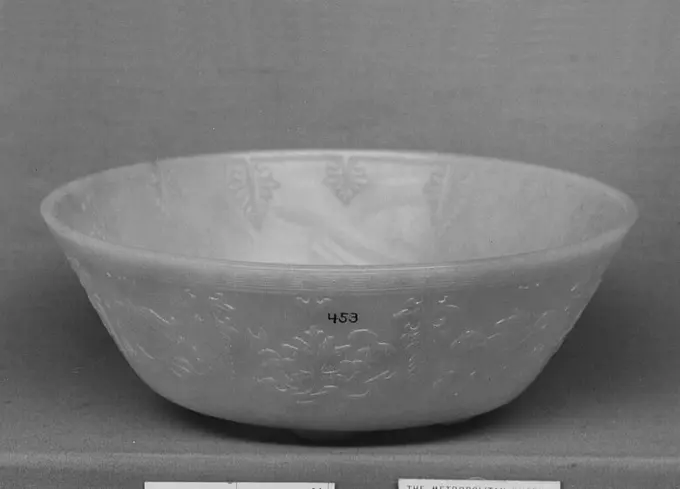
Antique Chinese Ceramics

A collection of traditional Chinese ceramics from various dynasties, showcasing intricate designs, vibrant colors, and unique shapes, including vases and jars.
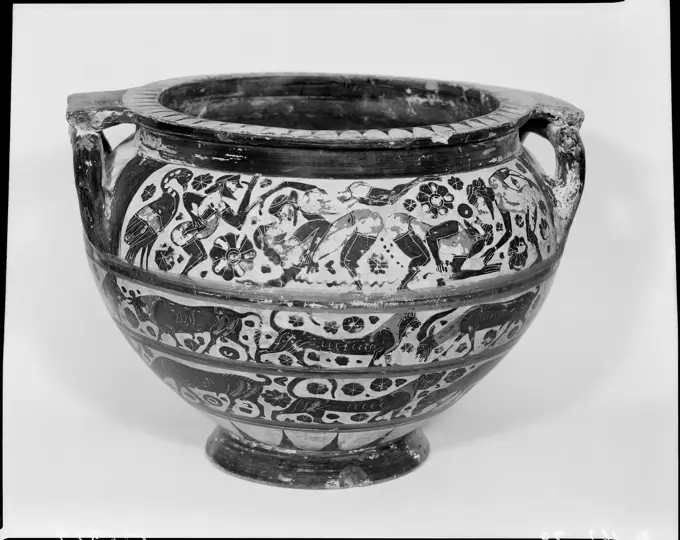
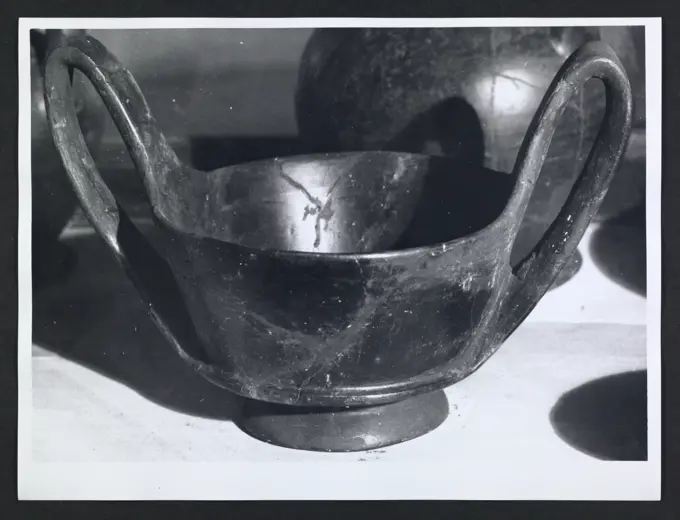
Terracotta column-krater (bowl for mixing wine and water) ca. 625-600 B.C. Greek, Corinthian Padded dancers, usually shown dancing and drinking, were a common theme in Corinthian vase painting. They were apparently ordinary people dressed in a special costume stuffed or padded to accentuate bellies and buttocks. On this vase they surround a wine krater on one side and play leapfrog on the other.. Terracotta column-krater (bowl for mixing wine and water). Greek, Corinthian. ca. 625-600 B.C.. Terracotta; black-figure. Early Corinthian. Vases
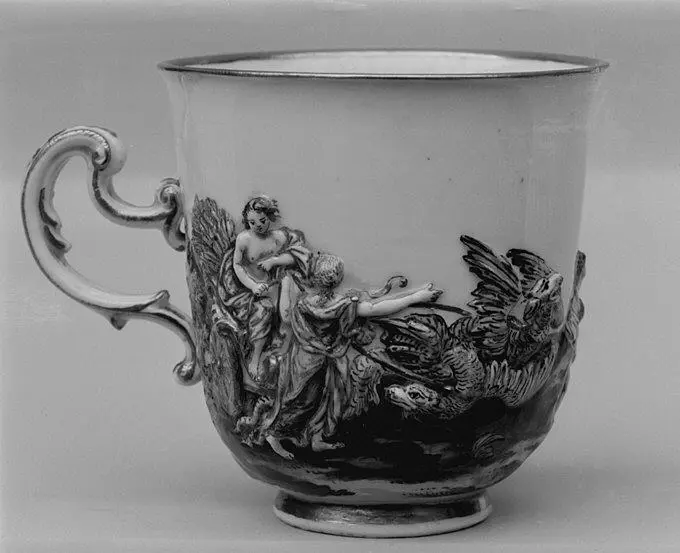
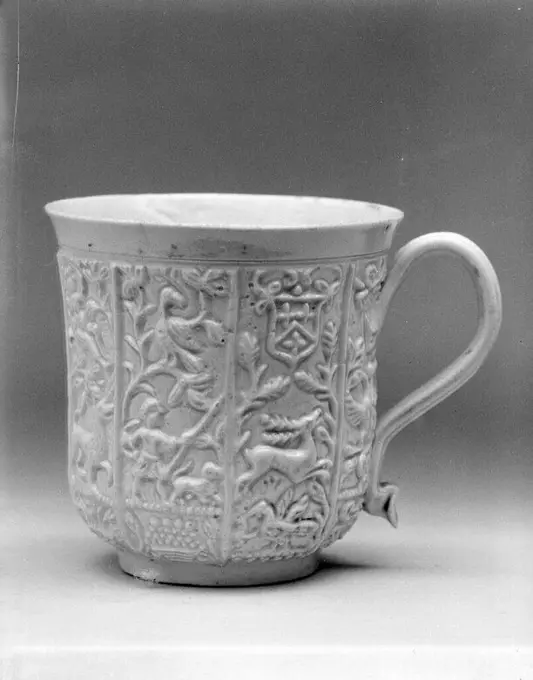
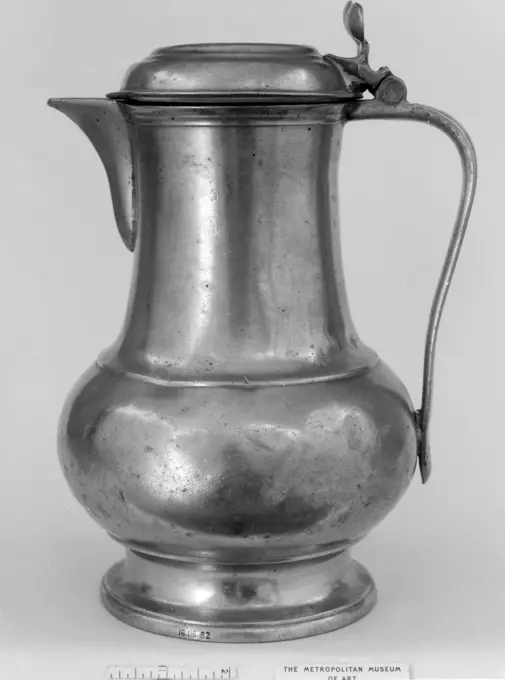
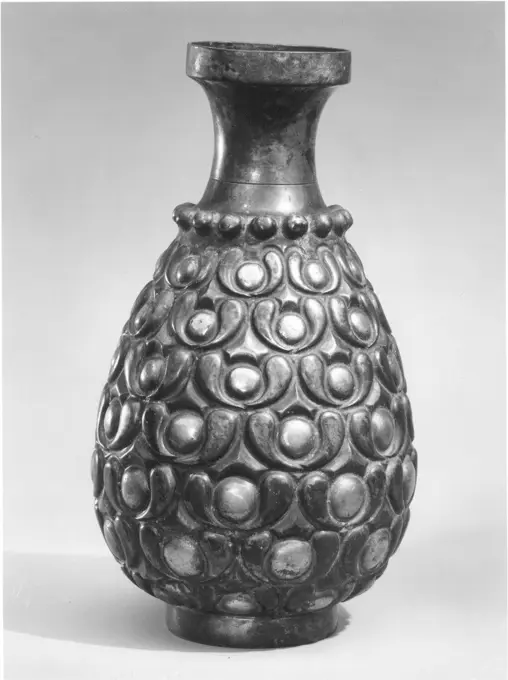
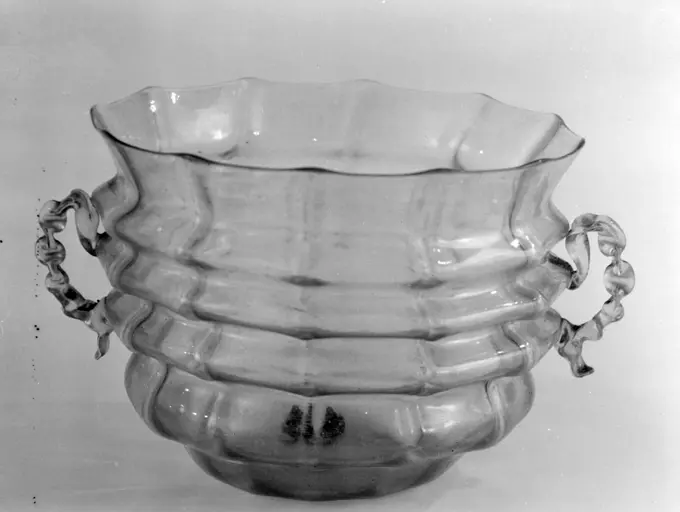
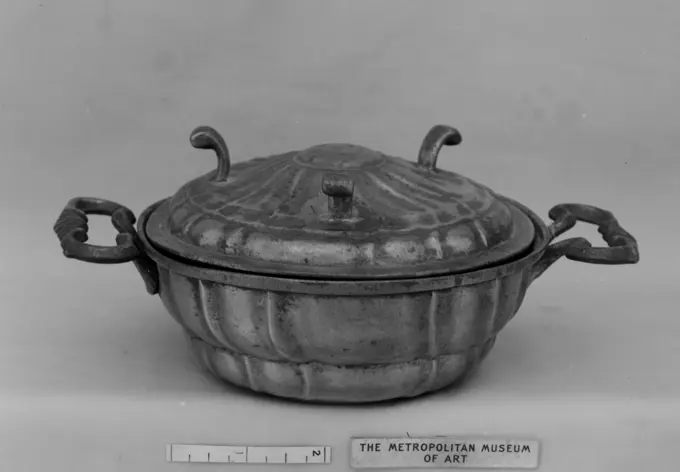
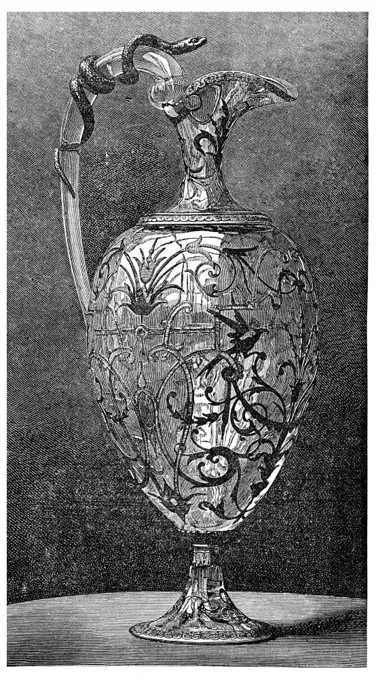
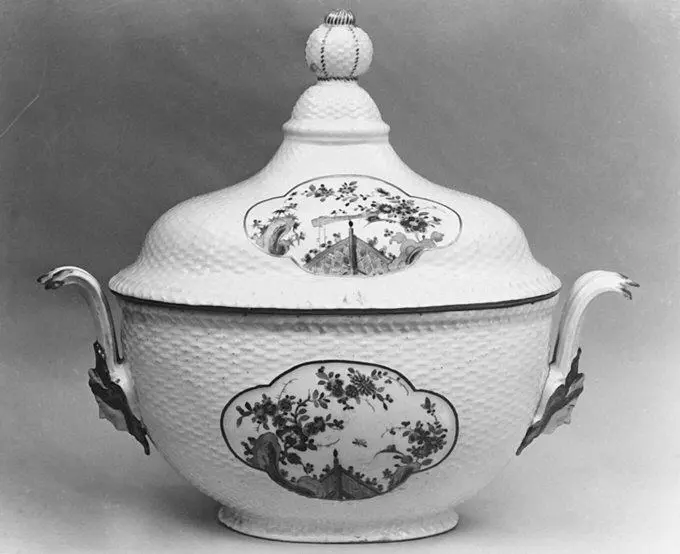
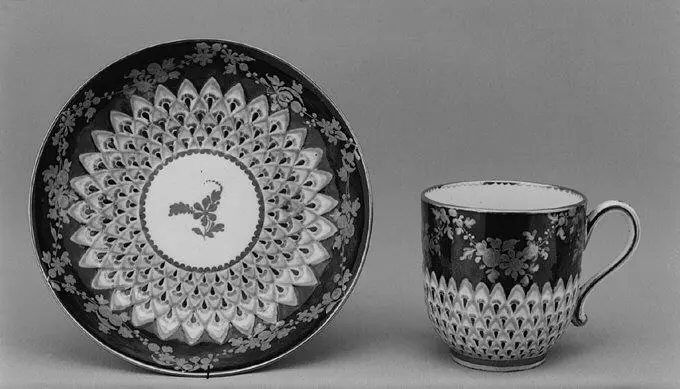
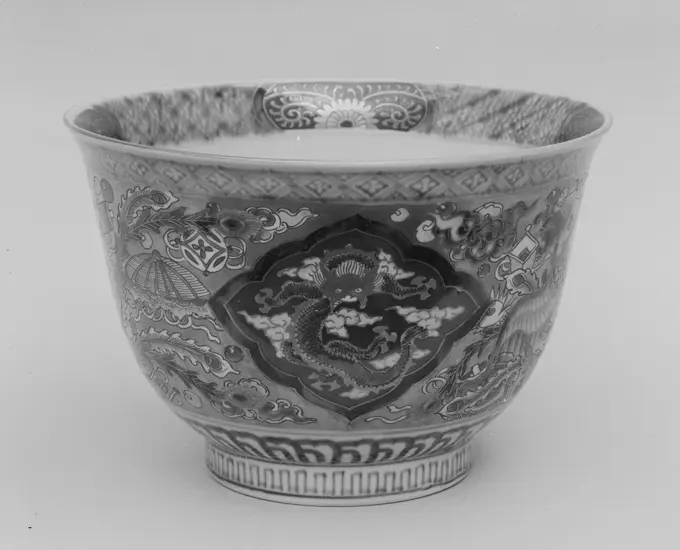
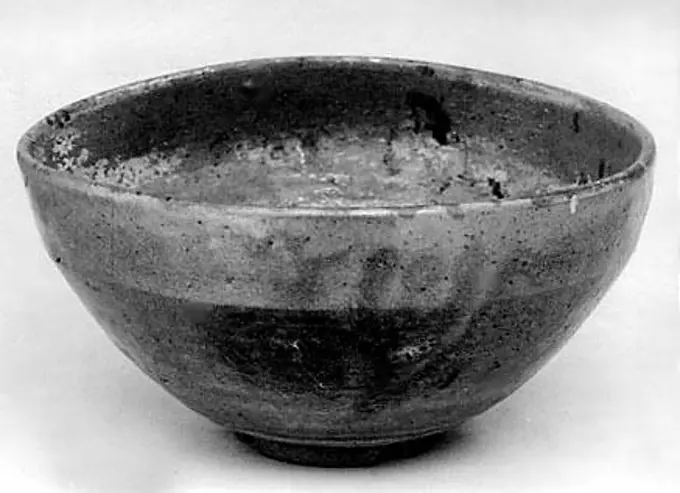
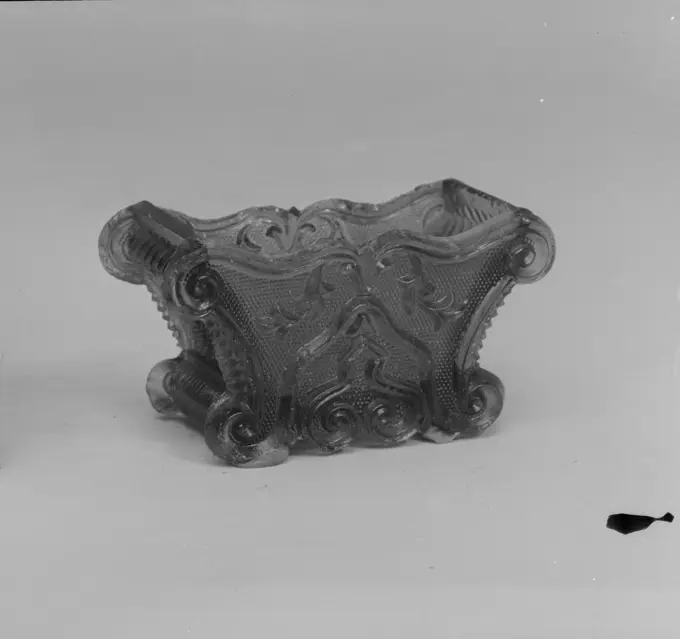
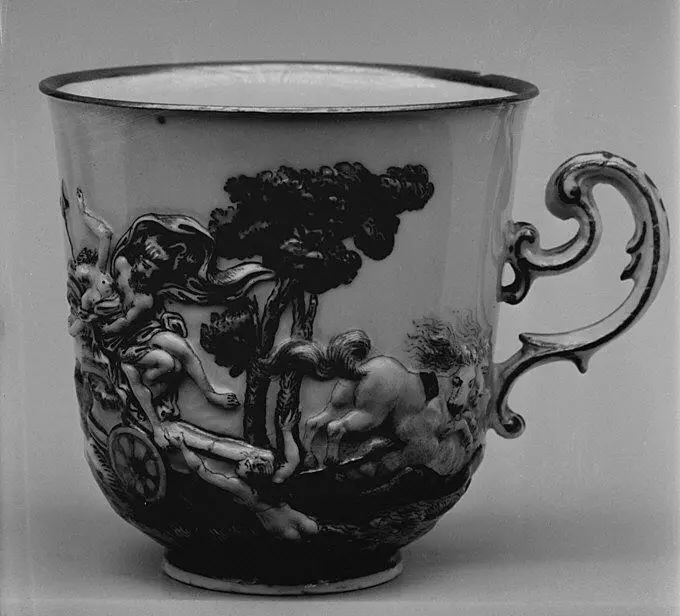
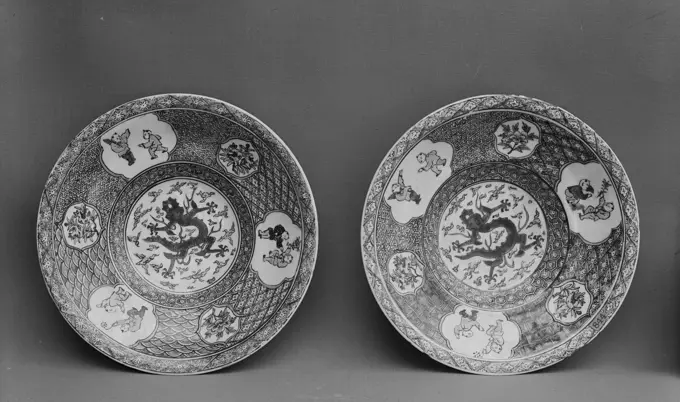
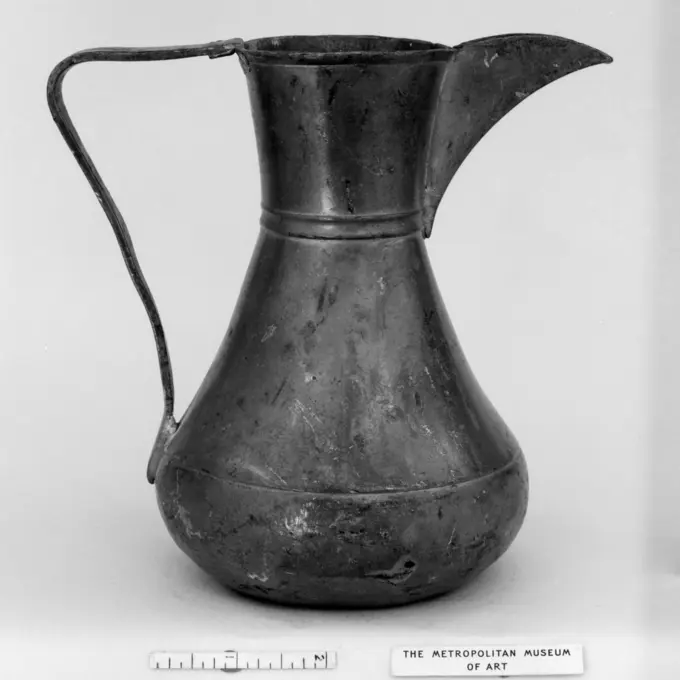
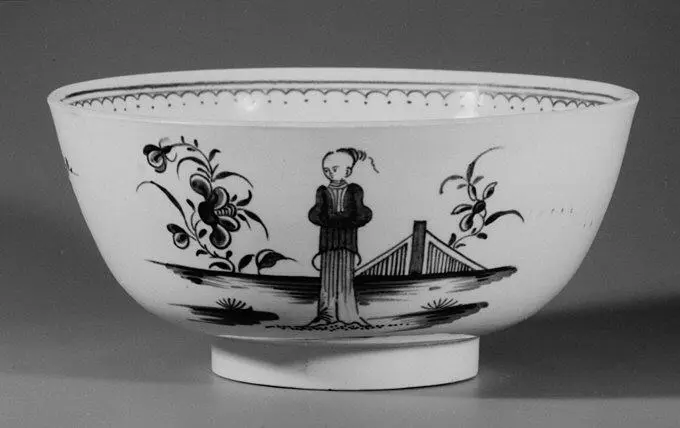
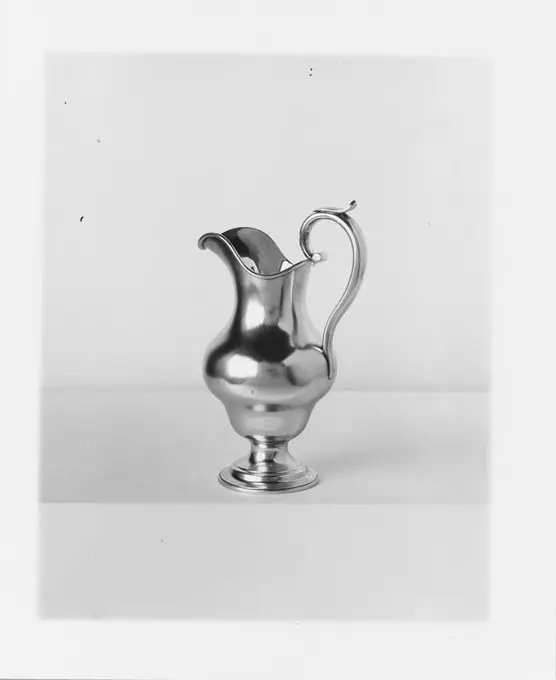
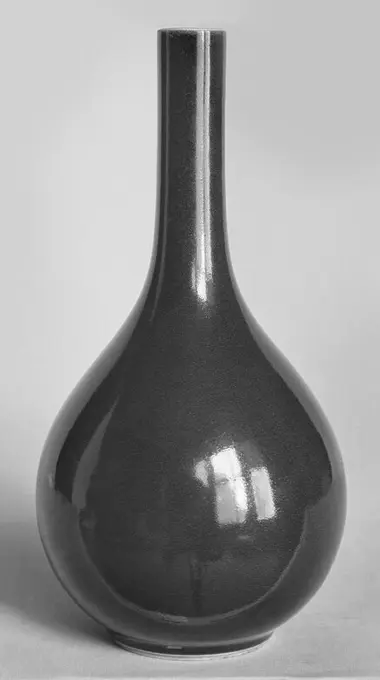
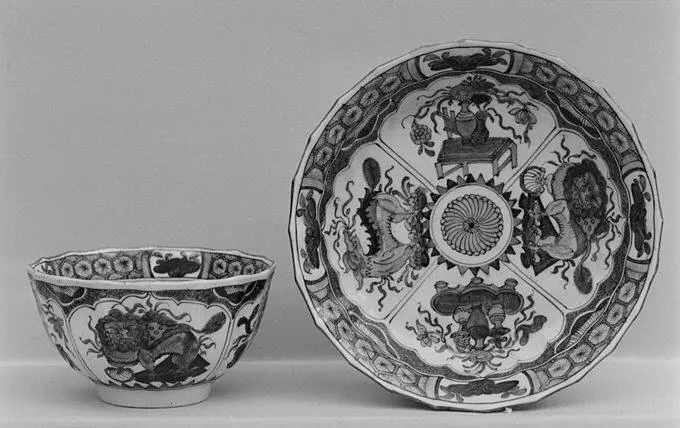
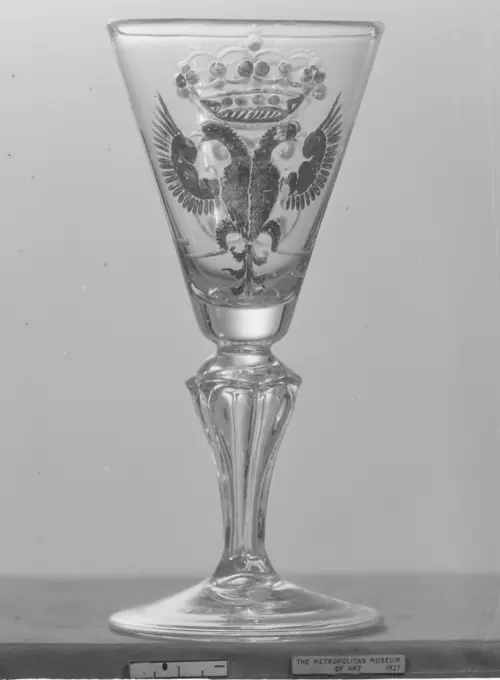
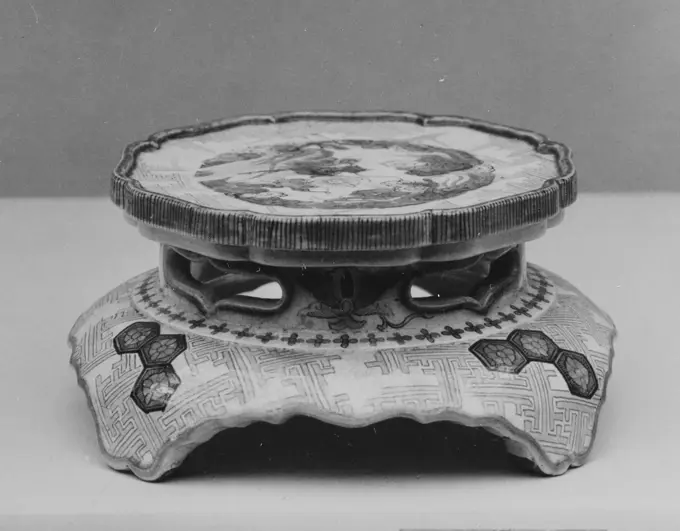
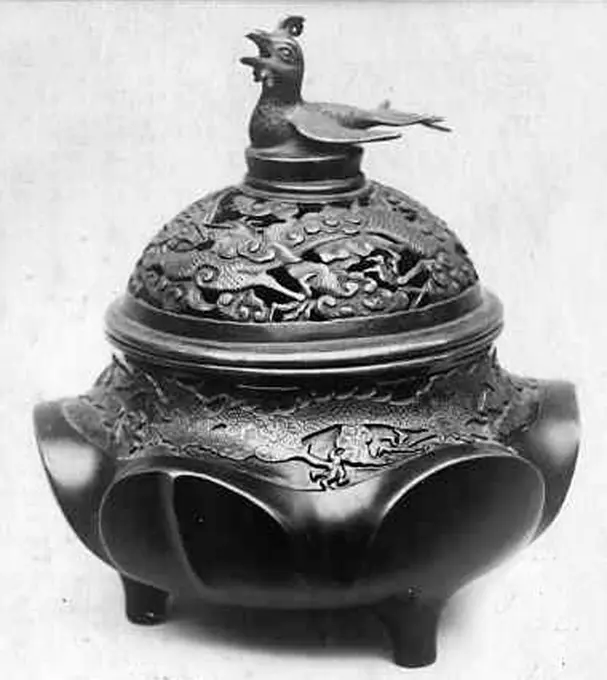
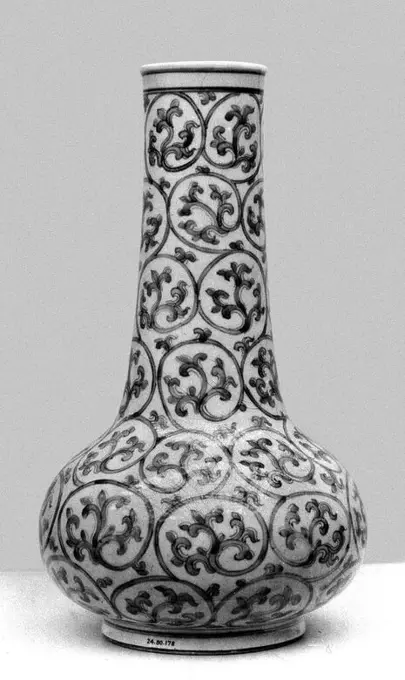
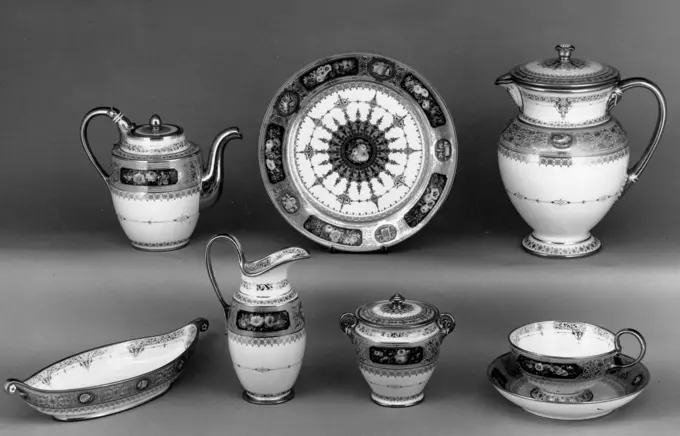
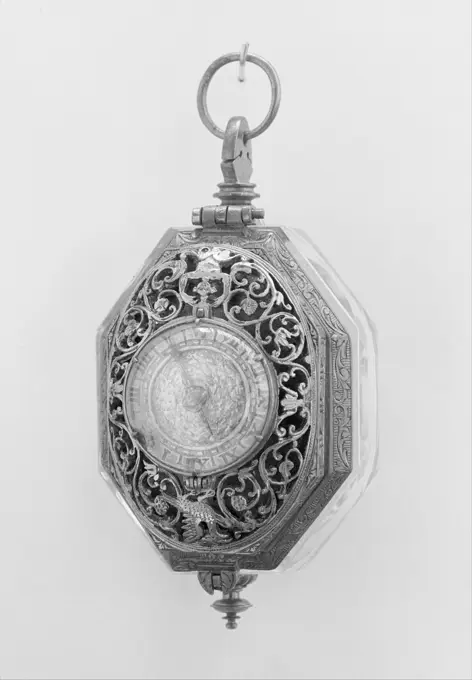
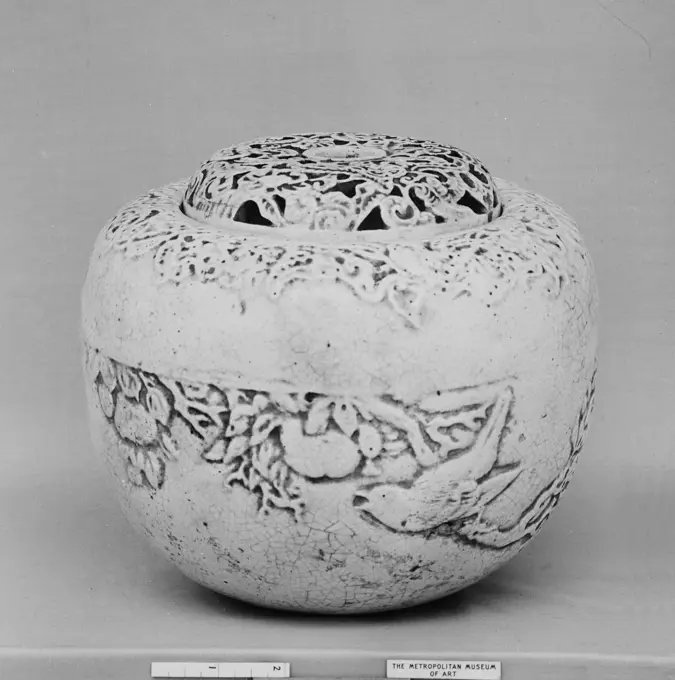
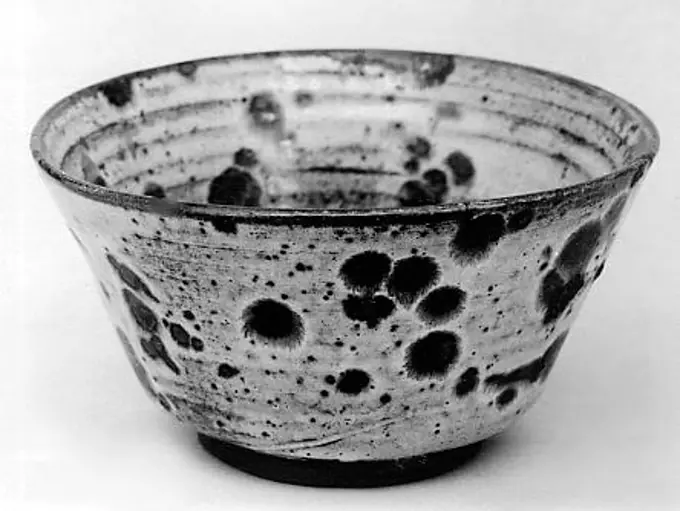
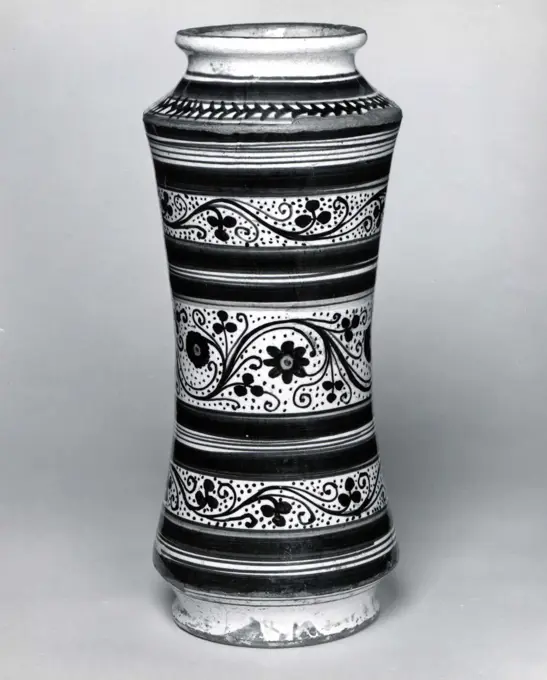
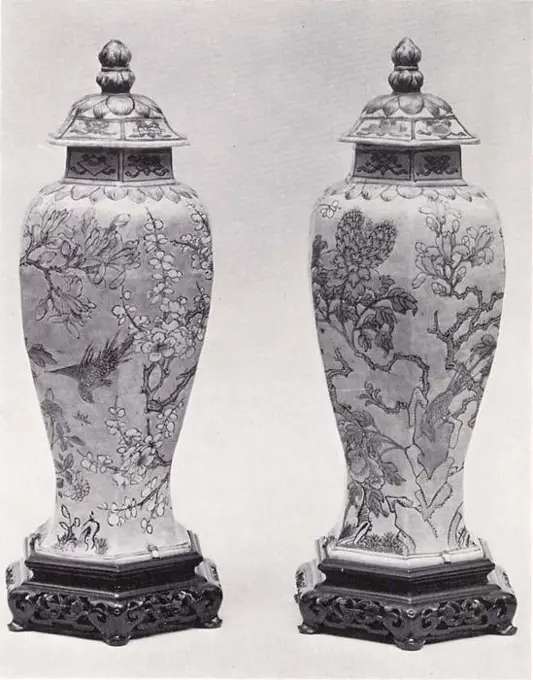
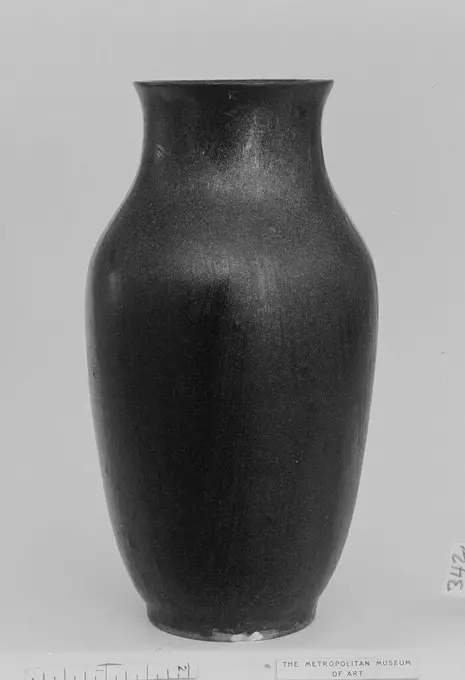
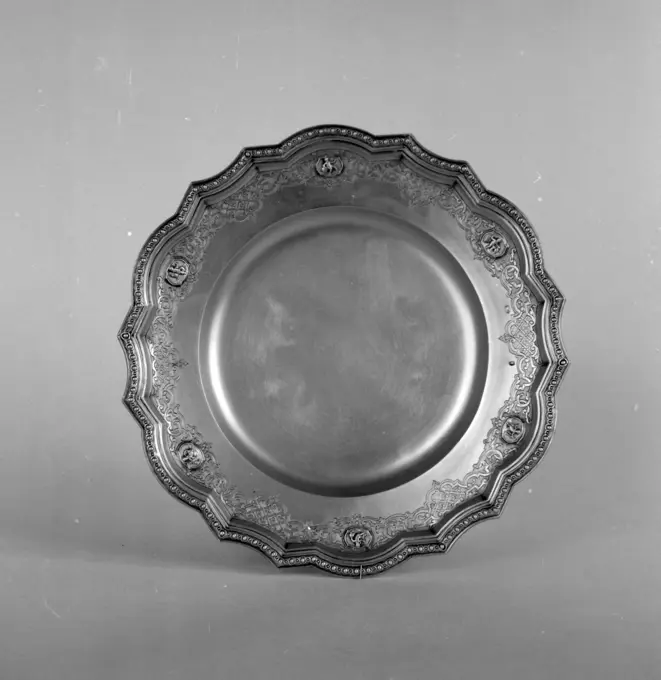
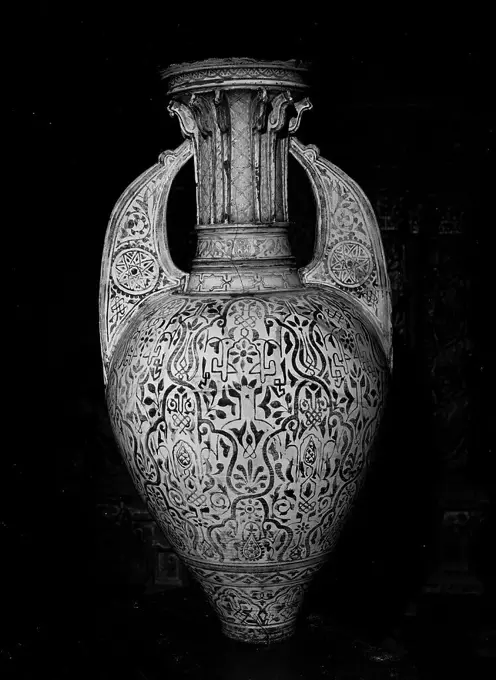
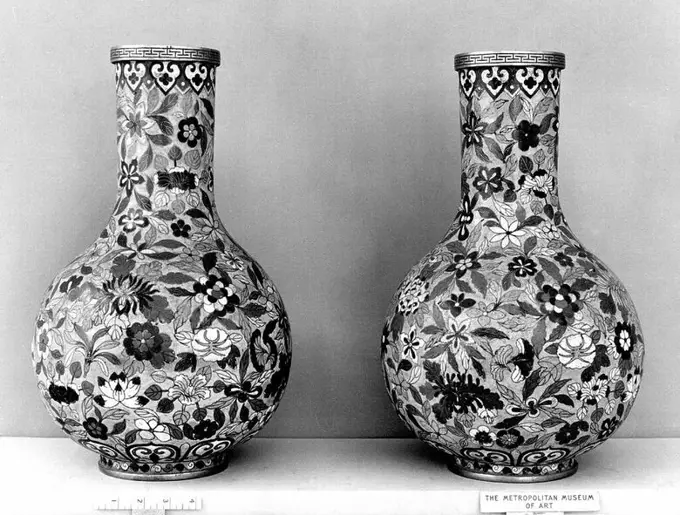
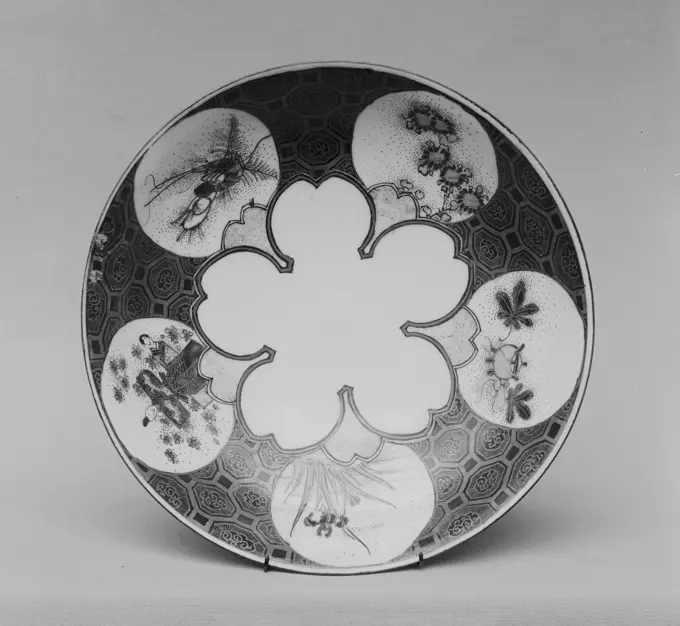
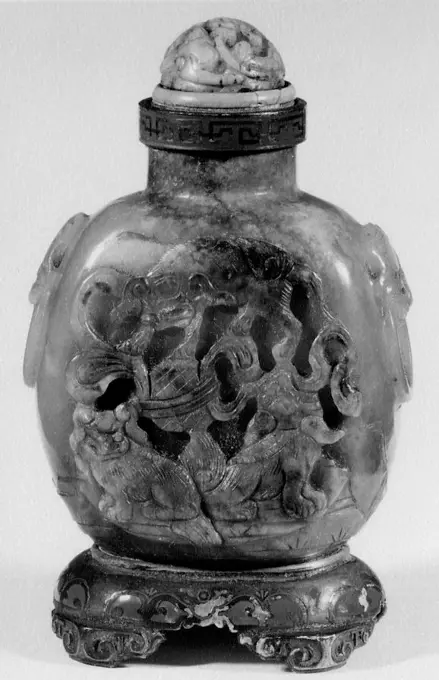
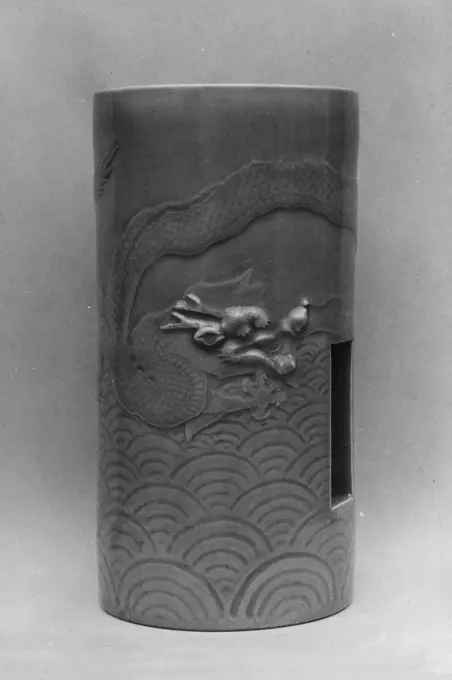
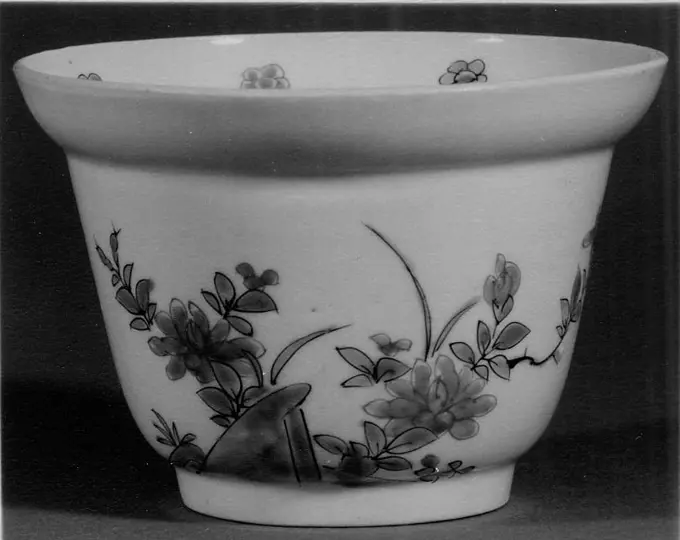
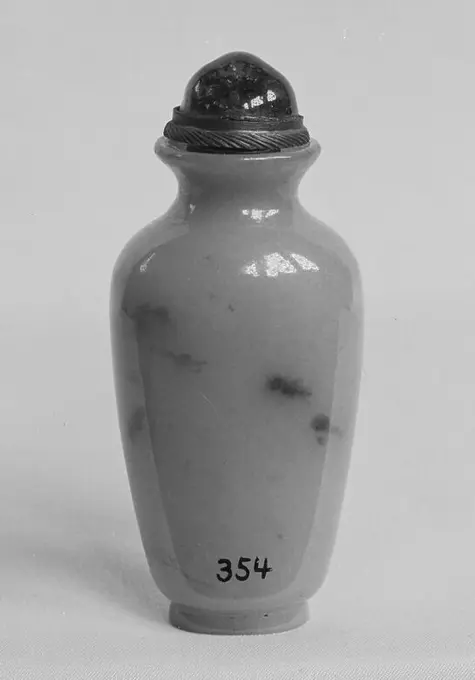
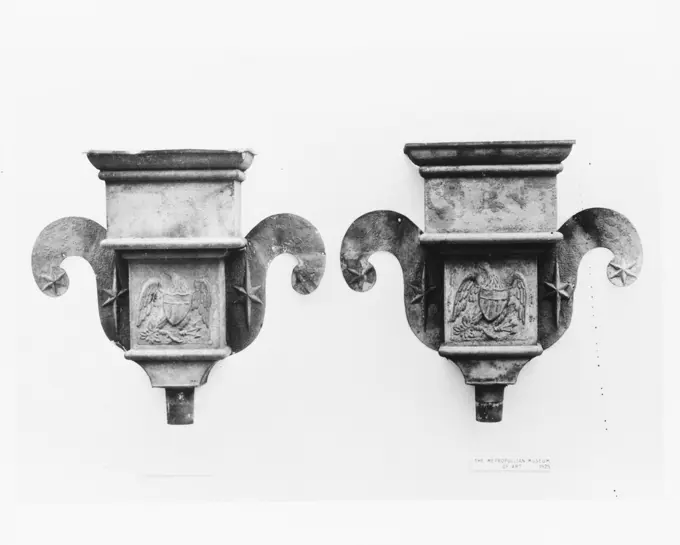
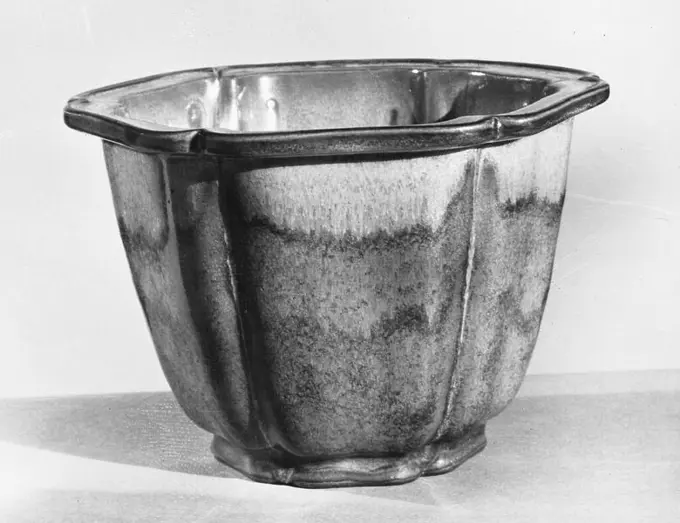
Flower Pot. Culture: China. Dimensions: H. 6 1/2 in. (16.5 cm); Diam. 9 3/8 in. (23.8 cm). Date: 13th-14th century. Museum: Metropolitan Museum of Art, New York, USA.Jar China. Jar. China. Porcelain. Ming dynasty (1368-1644). CeramicsCoffee cup (part of a service) ca. 1760 Doccia Porcelain Manufactory Italian. Coffee cup (part of a service) 196900Cup. Culture: British (American market). Dimensions: H. 2 1/2 in. (6.4 cm); Diam. 2 3/8 in. (6 cm). Date: 1740-50. Museum: Metropolitan Museum of Art, New York, USA.Flagon 18th century probably Flemish. Flagon 193289Pear-Shaped Vase 8th century Silver vessels counted among the Sasanian Empires most highly desired luxury goods. Their production continued into the Islamic period, suggesting continuity of artistic traditions despite the more global cultural shifts taking place with the arrival of Islam in the region. Two strong Islamic traditions come together in this bottle: its shape and medium recall the Sasanian heritage of Iran, while its decoration in the beveled style is characteristic of Abbasid developments in Samarra, Iraq. The winged shapes around the gilded, bead-like focal points are also reminiscent of Sasanian works.. Pear-Shaped Vase 452064Bowl 17th century Italian, Venice (Murano) During the Renaissance, Venetian glassmakers, working on the island of Murano, were celebrated across Europe for their fine and sparkling work. Called cristallo” emulating the clarity of rock crystal, in the hands of the most skilled glassblowers the medium could be delightfully manipulated, variously stretched paper-thin flat, or playfully twisted, or blown into molds with spectacular patterns.. Bowl. Italian, Venice (Murano). 17th century. Glass. GlassModel vase ca. 1981-1850 B.C. Middle Kingdom. Model vase. ca. 1981-1850 B.C.. Limestone. Middle Kingdom. From Egypt, Memphite Region, Lisht North, Tomb of Senimeru (470), south cemetery, Pit 443, MMA excavations, 1913-14. Dynasty 12Snuffbox () (one of a pair) 1760-70 Mennecy In eighteenth-century Europe, Paris led the production of high-quality luxury goods. Parisian goldsmiths made a wide range of small, personal articles such as snuffboxes; étuis to hold sealing wax, tweezers, or utensils for sewing; souvenirs, which contained thin ivory tablets for note taking; and shuttles for knotting lace. Gold snuffboxes and boxes decorated with portrait miniatures were prized and frequently given as royal gifts, often to ambassadors or members of the court in lieu of cash payments for their services. Coveted and admired, these boxes were produced from a variety of materials. The best were skillfully made of gold and embellished with diamonds, enameled decoration, lacquer, and other luxurious materials. By the middle of the century, the taking of snuff had become an entrenched social ritual, and the snuffbox, too, had become an important social prop. Snuffboxes were considered highly fashionable accessories, with some merEwer and basin ca. 1765-75 Chinese, for European, probably French, market. Ewer and basin 191799Bowl 1700-1800 Chinese, for American market. Bowl. Chinese, for American market. 1700-1800. Porcelain. Made in ChinaLazio Viterbo Viterbo Museo Civico47. Hutzel, Max 1960-1990 Views of paintings (Middle Ages through 18th c.), frescoes, a tabernacle, coffin, sculpture reliefs, portal fragments, busts, sculpture, tapestry found in the Pinacoteca, Second floor gallery and Second floor cloister sequences. Antiquities: Many views of Etruscan and Roman fragments, sculpture, sarcophagi, pottery, masks, jewelry and other objects found in the Storeroom sequence (inventory numbers on back of prints), and the Cloister, Second floor Cloister, Valle Giulia, Sala Romana and Sala Etrusca sequences. General Notes: There are eight separate numerical sequences for this location. The cloister as an architectural structure, rather than museum site, is documented in the record and file for S. Maria della Verita, Cloister, all views of which are stored in Medieval core collection. Five views from the Museo Civico Second floor cloister sequence are stored in Medieval. German-born photographer and scholar Max Hutzel (1911-Bag Made 1701-1800 England. Silk, plain weave, warp-faced, moirÈ treatment; embroidered in silk floss, spangles, purl, metal strip wrapped on silk core; stem and satin stitches .Vase. Culture: China. Dimensions: H. 8 in. (20.3 cm). Date: 1689-1712. Museum: Metropolitan Museum of Art, New York, USA.Jar with Cover China. Jar with Cover. China. Porcelain. Qing dynasty (1644-1911), Kangxi period (1662-1722). CeramicsEmilia-Romagna Ferrara Ferrara Museo Civico di Schifanoia45. Hutzel, Max 1960-1990 General Notes: INCOMPLETE RECORD--NEGATIVES PROCESSED, PRINTS FILED German-born photographer and scholar Max Hutzel (1911-1988) photographed in Italy from the early 1960s until his death. The result of this project, referred to by Hutzel as Foto Arte Minore, is thorough documentation of art historical development in Italy up to the 18th century, including objects of the Etruscans and the Romans, as well as early Medieval, Romanesque, Gothic, Renaissance and Baroque monuments. Images are organized by geographic region in Italy, then by province, city, site complex and monument.Porringer with cover or posset cup 18th century probably German. Porringer with cover or posset cup. probably German. 18th century. Pewter. Metalwork-PewterVase. Culture: China. Dimensions: H. 6 in. (15.2 cm). Museum: Metropolitan Museum of Art, New York, USA.Rock crystal ewer, Froment Meurice, vintage engraved illustration. Industrial encyclopedia E.-O. Lami - 1875.Tureen with cover ca. 1740-45 Meissen Manufactory German. Tureen with cover 199204Lazio Viterbo Viterbo Museo Civico20. Hutzel, Max 1960-1990 Views of paintings (Middle Ages through 18th c.), frescoes, a tabernacle, coffin, sculpture reliefs, portal fragments, busts, sculpture, tapestry found in the Pinacoteca, Second floor gallery and Second floor cloister sequences. Antiquities: Many views of Etruscan and Roman fragments, sculpture, sarcophagi, pottery, masks, jewelry and other objects found in the Storeroom sequence (inventory numbers on back of prints), and the Cloister, Second floor Cloister, Valle Giulia, Sala Romana and Sala Etrusca sequences. General Notes: There are eight separate numerical sequences for this location. The cloister as an architectural structure, rather than museum site, is documented in the record and file for S. Maria della Verita, Cloister, all views of which are stored in Medieval core collection. Five views from the Museo Civico Second floor cloister sequence are stored in Medieval. German-born photographer and scholar Max Hutzel (1911-Cup and saucer 1770-84 Possibly made at Chelsea Porcelain Manufactory. Cup and saucer. British, Chelsea-Derby. 1770-84. Soft-paste porcelain. Ceramics-PorcelainCovered Dish 1870-90 Challinor, Taylor and Company. Covered Dish. American. 1870-90. Pressed purple marble glass. Made in Tarentum, Pennsylvania, United StatesCup 16th century German. Cup. German. 16th century. Shell, silver gilt. Metalwork-Silver In CombinationJar. Culture: China. Dimensions: H. 3 in. (7.6 cm); Diam. 4 in. (10.2 cm). Date: late 18th-19th century. Museum: Metropolitan Museum of Art, New York, USA.Cup 1750-70 Chinese, probably for Continental European market. Cup. Chinese, probably for Continental European market. 1750-70. Hard-paste porcelain. Ceramics-Porcelain-ExportVase with stopper ca. 1830 Fontainebleau. Vase with stopper 196360Bowl 18th-19th century Japan. Bowl. Japan. 18th-19th century. Porcelain decorated in red-orange, blue, green and gilt (Arita ware, Imari style). Edo period (1615-1868). CeramicsFire Bowl 19th century Japan. Fire Bowl 59814Saucer ca. 1725-30 Meissen Manufactory German. Saucer 197672Teabowl 19th century Japan. Teabowl 62610Plate ca. 1825 British (American market). Plate. British (American market). ca. 1825. Earthenware, gaudy dutch. Made in Staffordshire, EnglandSalt 1830-40 American. Salt. American. 1830-40. Lacy pressed glass. Possibly made in New England, United StatesDecanter 1820-40 American. Decanter 3062Vase. Culture: China. Dimensions: H. 13 1/2 in. (34.3 cm). Museum: Metropolitan Museum of Art, New York, USA.Coffee cup (part of a service) ca. 1760 Doccia Porcelain Manufactory Italian. Coffee cup (part of a service) 196899Ewer after 1885 British, probably. Ewer. British, probably. after 1885. Blown satin opaque amber glass. Possibly made in EnglandDish 19th century Japan. Dish. Japan. 19th century. White porcelain decorated with iron polychrome enamels (Hizen ware, Kutani type). Edo (1615-1868) or Meiji period (1868-1912). CeramicsEwer late 16th-early 17th century Dutch or Flemish. Ewer 193325Flask 1750-1800 () American. Flask 3694Vase China. Vase. China. Porcelain. Qing dynasty (1644-1911), Kangxi period (1662-1722). CeramicsWaste bowl (part of a service) ca. 1760 Worcester factory. Waste bowl (part of a service) 204815Tea Jar 1650 Japan. Tea Jar. Japan. 1650. Clay covered with a smooth glaze (Sasuma ware). Edo period (1615-1868). CeramicsCreamer. Culture: American. Dimensions: Overall: 6 15/16 x 4 1/4 x 3 1/8 in. (17.6 x 10.8 x 7.9 cm); 6 oz. 15 dwt. (210.6 g)Foot: Diam. 2 1/2 in. (6.4 cm). Maker: George B. Foster (1810-1881). Date: 1840-50. Museum: Metropolitan Museum of Art, New York, USA.Vase. Culture: China. Dimensions: H. 11 in. (27.9 cm). Museum: Metropolitan Museum of Art, New York, USA.Jar early 18th century China. Jar. China. early 18th century. Porcelain with crackled green glaze (Jingdezhen ware). Qing dynasty (1644-1911), Kangxi period (1662-1722). CeramicsBox 18th century Italian, Venice. Box 192872Cup and saucer ca. 1770 Worcester factory. Cup and saucer 198485Plate ca. 1760 Imperial Porcelain Manufactory. Plate 200736Lazio Viterbo Viterbo Museo Civico76. Hutzel, Max 1960-1990 Views of paintings (Middle Ages through 18th c.), frescoes, a tabernacle, coffin, sculpture reliefs, portal fragments, busts, sculpture, tapestry found in the Pinacoteca, Second floor gallery and Second floor cloister sequences. Antiquities: Many views of Etruscan and Roman fragments, sculpture, sarcophagi, pottery, masks, jewelry and other objects found in the Storeroom sequence (inventory numbers on back of prints), and the Cloister, Second floor Cloister, Valle Giulia, Sala Romana and Sala Etrusca sequences. General Notes: There are eight separate numerical sequences for this location. The cloister as an architectural structure, rather than museum site, is documented in the record and file for S. Maria della Verita, Cloister, all views of which are stored in Medieval core collection. Five views from the Museo Civico Second floor cloister sequence are stored in Medieval. German-born photographer and scholar Max Hutzel (1911-Caldron late 19th century China. Caldron 43320Wineglass ca. 1730 Central or Southern German. Wineglass. Central or Southern German. ca. 1730. Glass. GlassStand 1840 Japan. Stand. Japan. 1840. Faience decorated in colored enamels. Edo period (1615-1868). CeramicsIncense bowl mid-18th-19th century Japan. Incense bowl 59958Bottle. Culture: China. Dimensions: H. 15 1/4 in. (38.7 cm). Museum: Metropolitan Museum of Art, New York, USA.Campania Salerno Nocera Inferiore Museo dell'Agro Nocerino04. Hutzel, Max German-born photographer and scholar Max Hutzel (1911-1988) photographed in Italy from the early 1960s until his death. The result of this project, referred to by Hutzel as Foto Arte Minore, is thorough documentation of art historical development in Italy up to the 18th century, including objects of the Etruscans and the Romans, as well as early Medieval, Romanesque, Gothic, Renaissance and Baroque monuments. Images are organized by geographic region in Italy, then by province, city, site complex and monument.Sèvres Porcelain Manufactory, Dinner and Tea Service, 1844-47, hard-paste porcelain.Watch first half 17th century Watchmaker: Timothée Hubert (the Elder). Watch 194184Plate 1700-1800 Dutch. Plate. Dutch. 1700-1800. Earthenware. Made in Delft, South Holland, NetherlandsPlatter - "Connecticut Arms". Dated: c. 1936. Dimensions: overall: 20.3 x 25.4 cm (8 x 10 in.) Original IAD Object: 8 1/2" long; 6 3/4" wide. Medium: black and white photograph. Museum: National Gallery of Art, Washington DC. Author: Helmut Hiatt.Mosquito Smoker 19th century Japan. Mosquito Smoker. Japan. 19th century. Covered with crackled glaze over a moulded design (Sanuki ware, Takamatsu type). Edo (1615-1868) or Meiji period (1868-1912). CeramicsTeabowl 19th century Japan. Teabowl 62669Apothecary jar (albarello) ca. 1470-80 Italian, Faenza or Pesaro. Apothecary jar (albarello). Italian, Faenza or Pesaro. ca. 1470-80. Maiolica (tin-glazed earthenware). Ceramics-PotteryVase (one of a pair) late 17th-early 18th century China. Vase (one of a pair). China. late 17th-early 18th century. Porcelain painted in enamels on the biscuit (famille jaune). Qing dynasty (1644-1911), Kangxi period (1662-1722). CeramicsVase. Culture: Japan. Dimensions: H. 7 in. (17.8 cm). Date: 18th century. Museum: Metropolitan Museum of Art, New York, USA.Creamer.  Manufacturer: William Ellis Tucker, American, 1800-1832 Manufacturer: Tucker and Hulme, American, active 1828-1829 Manufacturer: Tucker and Hemphill, American, active 1831-38 Manufacturer: Joseph Hemphill, American, 1770-1842Snuff Bottle China. Snuff Bottle 41284Vase. Culture: China. Dimensions: H. 6 in. (15.2 cm). Museum: Metropolitan Museum of Art, New York, USA.Bowl 14th-15th century Chimú. Bowl 310640Plate China. Plate 52636Stand for écuelle 1723-27 (Johann) Daniel Schäffler I. Stand for écuelle. German, Augsburg. 1723-27. Silver gilt. Metalwork-SilverTea Caddy 19th century China. Tea Caddy. China. 19th century. Painted enamel. Qing dynasty (1644-1911). EnamelsSugar Bowl ca. 1887 Mount Washington Glass Company. Sugar Bowl. American. ca. 1887. Blown glass. Made in New Bedford, Massachusetts, United StatesCupPlateCup and Saucer 1853-57 Chinese. Cup and Saucer. Chinese. 1853-57. Porcelain. Made in ChinaTwo-handled cup ca. 1740 Meissen Manufactory German. Two-handled cup 197666JARRON HISPANOMUSULMAN - FOTOGRAFIA EN BLANCO Y NEGRO - AÑOS 60. Location: ALHAMBRA-MUSEO-CERAMICA. SPAIN.Attic Black-Figure Oinochoe (Shape 2). Attributed to the Guide-line Class (Greek (Athenian), active 520 - 500 B.C.)Vase. Culture: China. Dimensions: H. 17 in. (43.2 cm); W. 11 in. (27.9 cm). Date: 19th century. Museum: Metropolitan Museum of Art, New York, USA.Saucer 19th century Japan. Saucer. Japan. 19th century. White porcelain decorated with red and gold (Hizen ware, Kutani type). Edo period (1615-1868). CeramicsBoat 19th century China. Boat. China. 19th century. Nephrite. Qing dynasty (1644-1911). JadeSnuff Bottle 19th century China. Snuff Bottle 41740Vase for a Pillar 19th century Japan. Vase for a Pillar. Japan. 19th century. Porcelain with celadon glaze. Edo (1615-1868) or Meiji period (1868-1912). CeramicsDish 1840 Toyosuke IV Japanese. Dish. Toyosuke IV (Japanese,). Japan. 1840. Pottery covered with rich green glaze; green over white at handles. Edo period (1615-1868). CeramicsCup 17th century Japan. Cup. Japan. 17th century. Porcelain painted in overglaze polychrome enamels (Arita ware, Kakiemon type). CeramicsCup and saucer Manufactory Meissen Manufactory German Factory director Marcolini Period 1774-1814Jug ca. 600-400 B.C. Iran This ceramic jug has a teardrop-shaped body, a flat base, a slightly flaring rim and a single handle connecting the shoulder to the rim. It is made of a red clay and has been burnished. It was excavated at Yarim Tepe in northeastern Iran, six miles south of the modern town of Gonbad-e Kavus. Yarim Tepe was a small settlement, inhabited from the Neolithic to the Parthian period, with many interruptions. This jug probably dates to the Achaemenid period. Its small size and flat base suggest it was a table vessel, used for serving a liquid such as wine.. Jug. Iran. ca. 600-400 B.C.. Ceramic. Iron Age. Iran, Yarim TepeLazio Frosinone Casamari Museo Archeologico4. Hutzel, Max 1960-1990 Post-medieval: paintings on canvas, paintings on wood, wooden church furnishings Governing Body: Abbazia di Casamari General Notes: This record is for the pinacoteca which is part of the Museo Archeologico, housed within the Abbey of Casamari. Hutzel assigned it a separate numbering sequence. German-born photographer and scholar Max Hutzel (1911-1988) photographed in Italy from the early 1960s until his death. The result of this project, referred to by Hutzel as Foto Arte Minore, is thorough documentation of art historical development in Italy up to the 18th century, including objects of the Etruscans and the Romans, as well as early Medieval, Romanesque, Gothic, Renaissance and Baroque monuments. Images are organized by geographic region in Italy, then by province, city, site complex and monument.Beaker ca. 1700-1720 Chinese, for Dutch market The design and painting are probably copied from a Dutch (Delft) model.. Beaker 205144Apulian Red-Figure Skyphos. Associated with Monopoli Group (South Italian (Apulian), active 340 - 320 B.C.)Cup and saucer early 19th century German or French. Cup and saucer 187809 German or French, Cup and saucer, early 19th century, Hard-paste porcelain, Height (cup .292): 2 1/2 in. (6.4 cm); Diameter (saucer .293): 5 1/8 in. (13 cm). The Metropolitan Museum of Art, New York. Gift of Henry G. Marquand, 1894 (94.4.292, .293)Snuff Bottle. Culture: China. Dimensions: H. incl. top 2 3/4 in. (7 cm); H. w/o top 2 3/8 in. (6 cm); W. 1 1/8 in. (2.9 cm); D. 7/8 in. (2.2 cm). Museum: Metropolitan Museum of Art, New York, USA.Rainwater Leader 1800-1830. Rainwater Leader 6846Saltcellar ca. 1835 American. Saltcellar. American. ca. 1835. Lacy pressed glass. Possibly made in Midwest, United StatesBreastplate with Tassets ca. 1580 Swiss. Breastplate with Tassets. Swiss. ca. 1580. Steel, leather. Armor Parts-BreastplatesCup China. Cup 40916Attic Black-Figure Neck Amphora Fragment. UnknownMirror with flowers 8th-9th century China. Mirror with flowers. China. 8th-9th century. Bronze. Tang dynasty (618-907). MirrorsDecanter 1820-40 American. Decanter. American. 1820-40. Blown molded lead glass. Made in United StatesBowl. Culture: China. Dimensions: H. 2 3/8 in. (6.1 cm); W. 6 3/4 in. (17.1 cm). Museum: Metropolitan Museum of Art, New York, USA.