Antique Chinese Ceramics

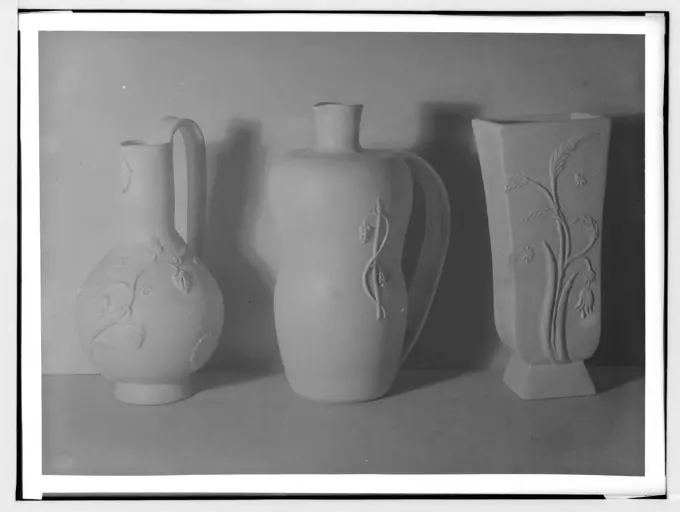
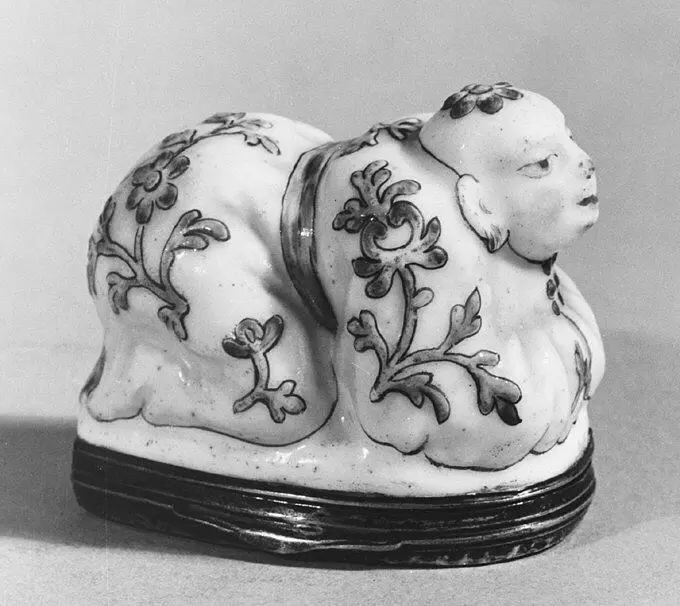
A collection of traditional Chinese ceramics from various dynasties, showcasing intricate designs, vibrant colors, and unique shapes, including vases and jars.
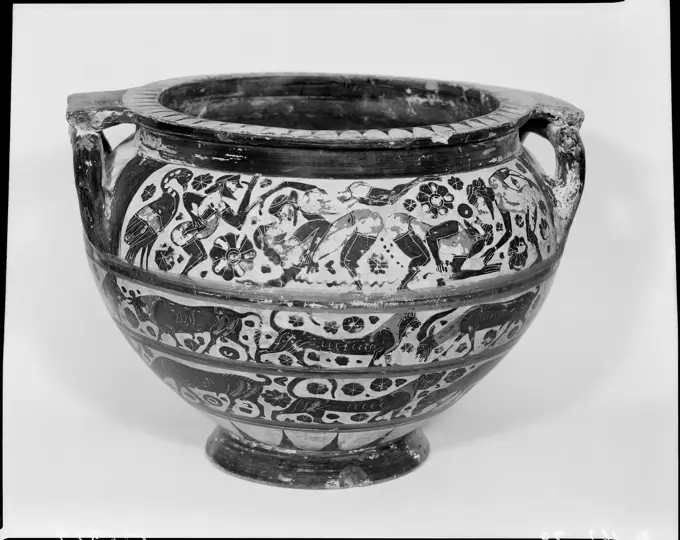
Terracotta column-krater (bowl for mixing wine and water) ca. 625-600 B.C. Greek, Corinthian Padded dancers, usually shown dancing and drinking, were a common theme in Corinthian vase painting. They were apparently ordinary people dressed in a special costume stuffed or padded to accentuate bellies and buttocks. On this vase they surround a wine krater on one side and play leapfrog on the other.. Terracotta column-krater (bowl for mixing wine and water). Greek, Corinthian. ca. 625-600 B.C.. Terracotta; black-figure. Early Corinthian. Vases
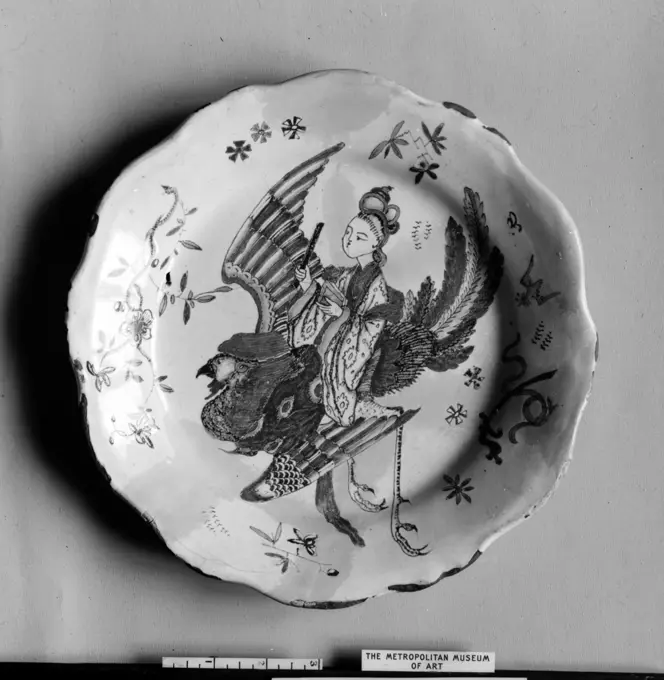
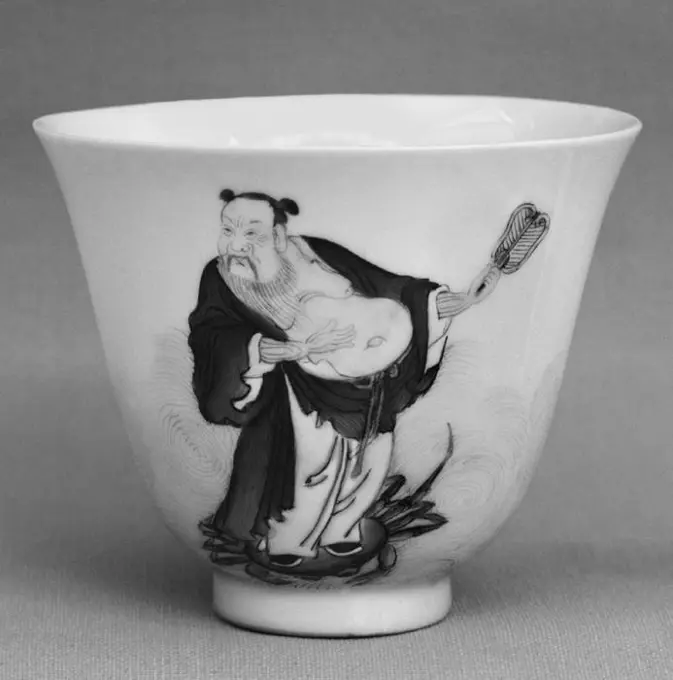
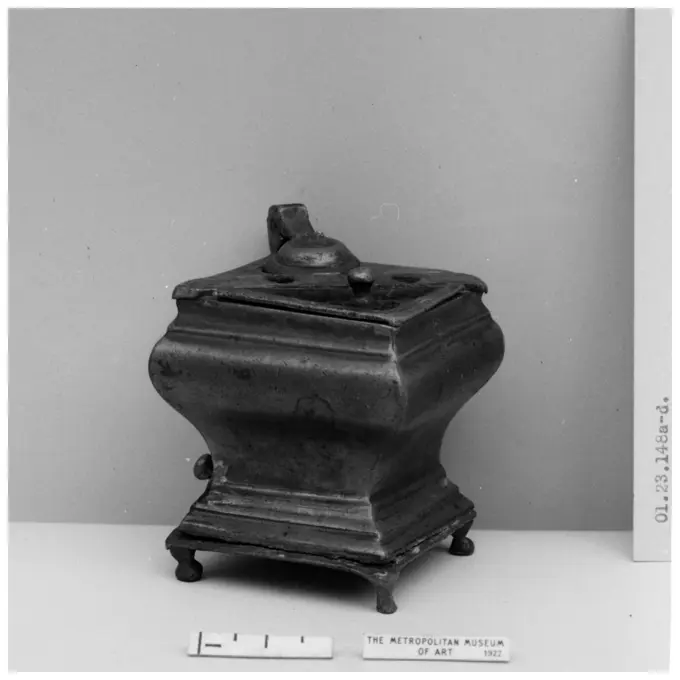
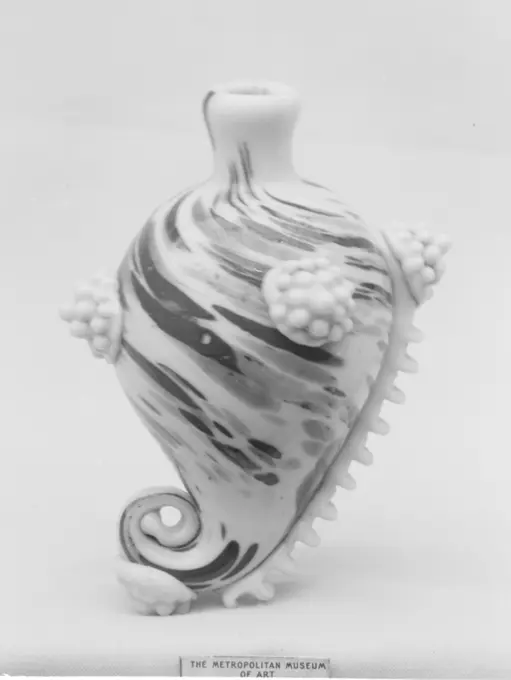
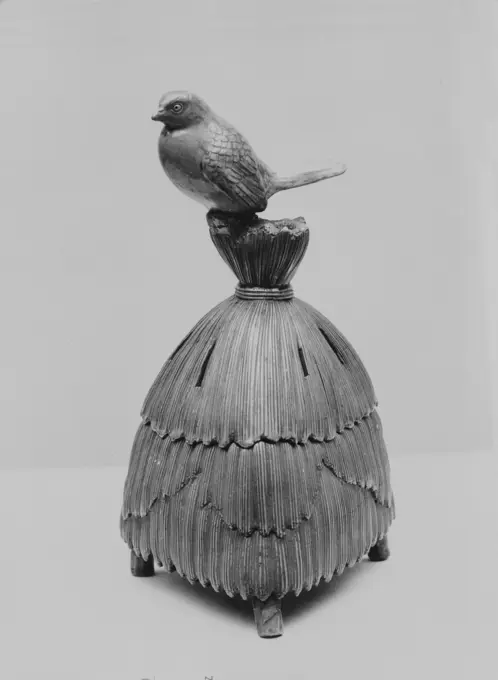
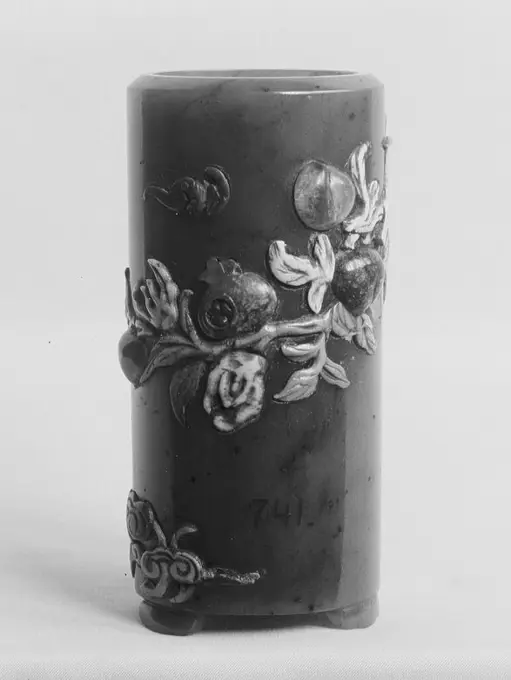
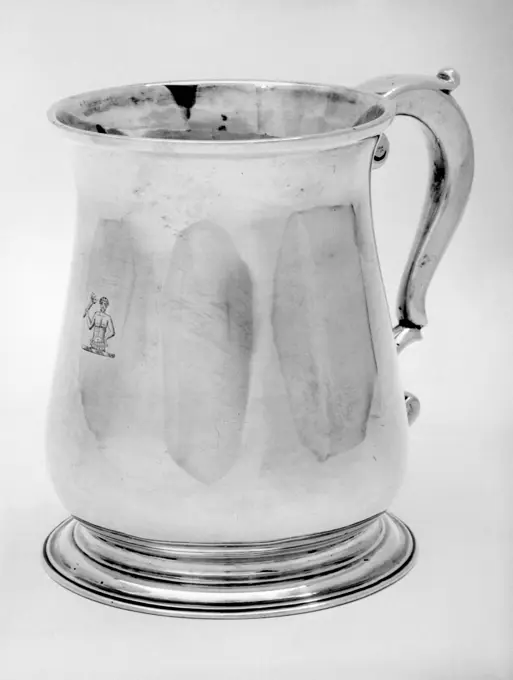
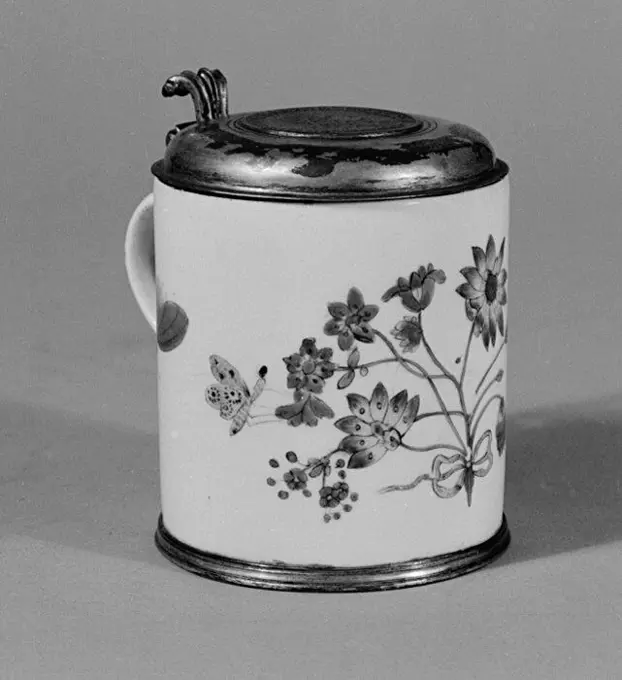
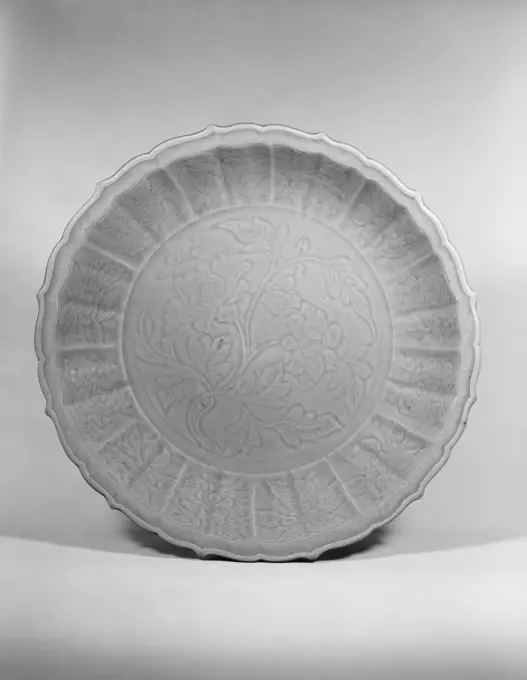
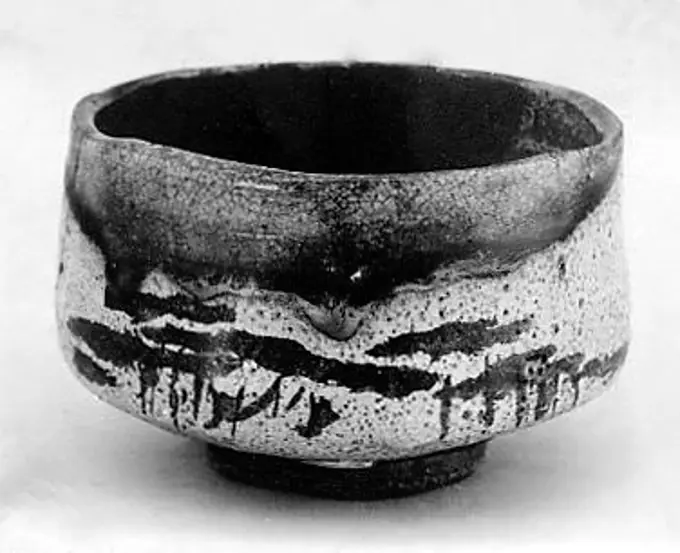
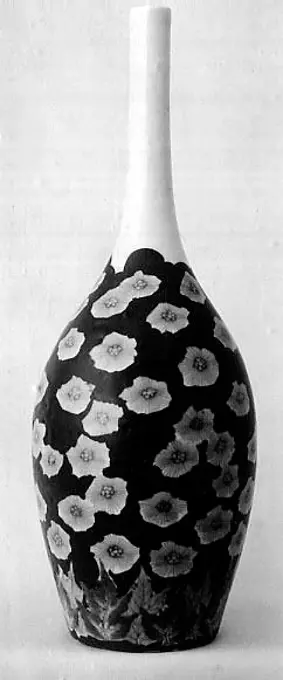
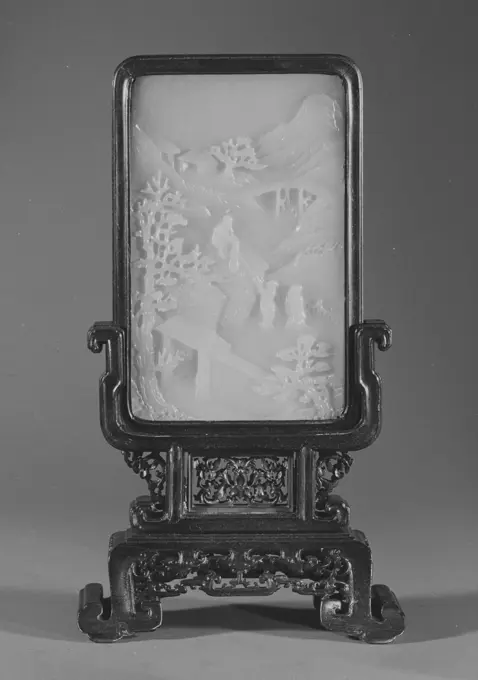
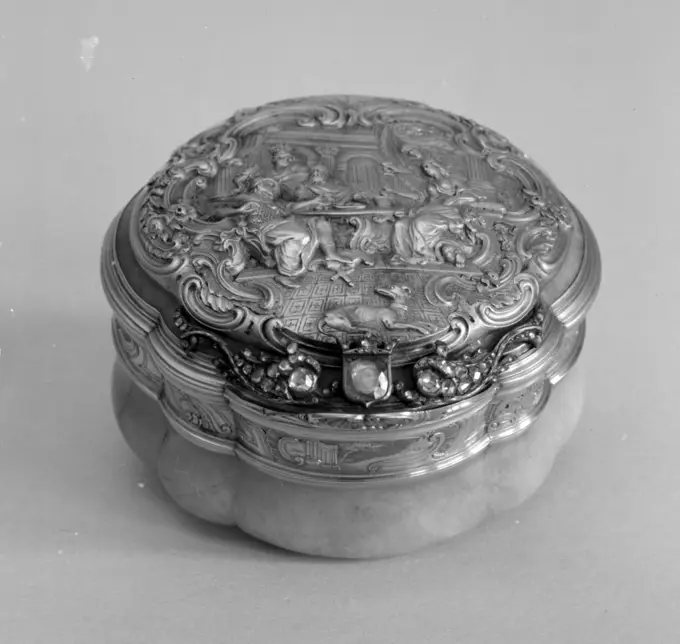
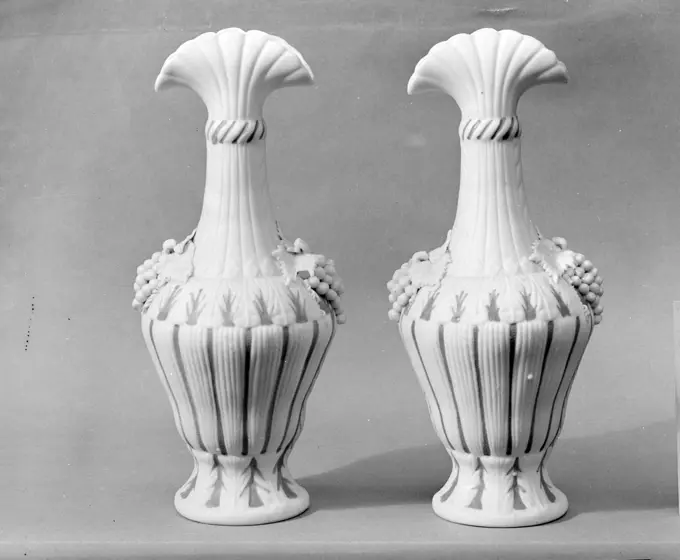
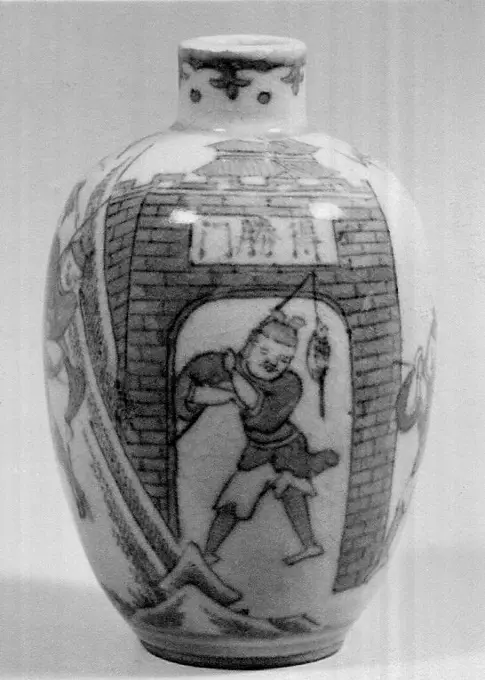
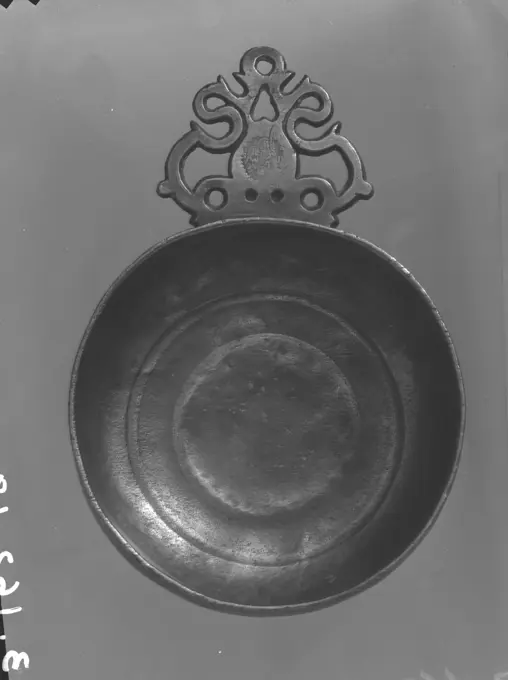
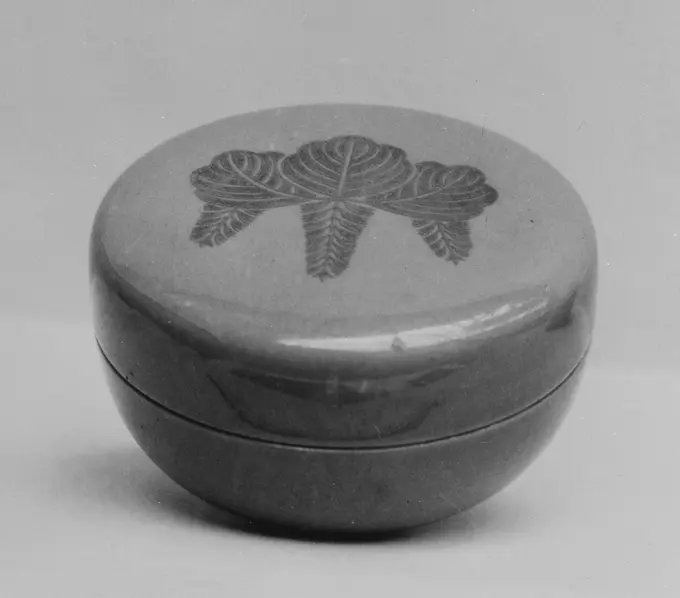
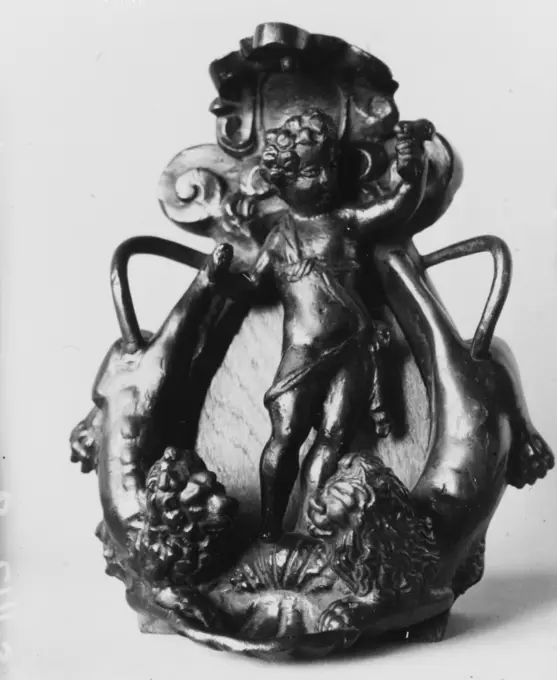
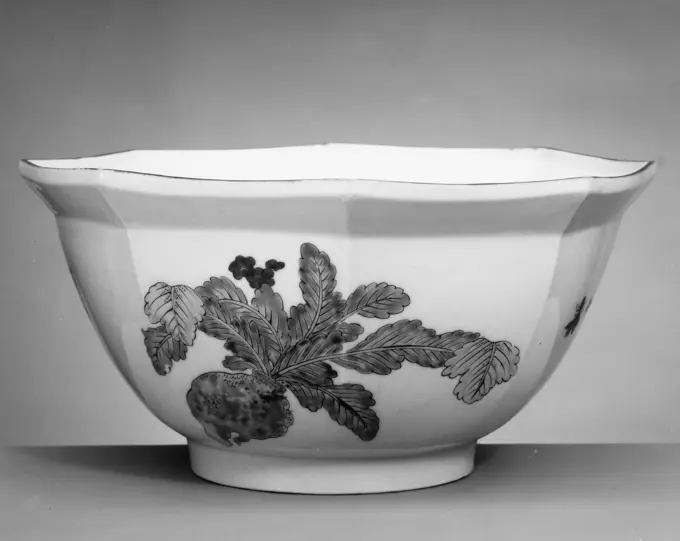
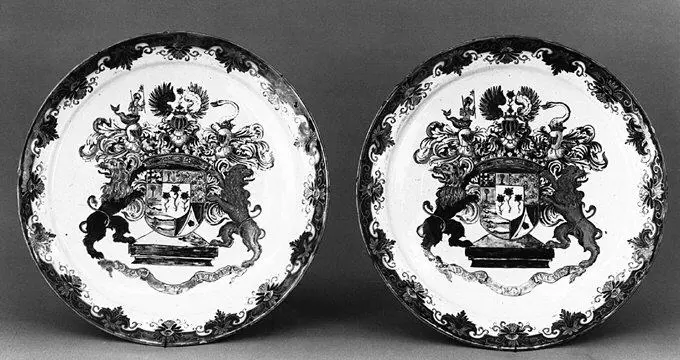
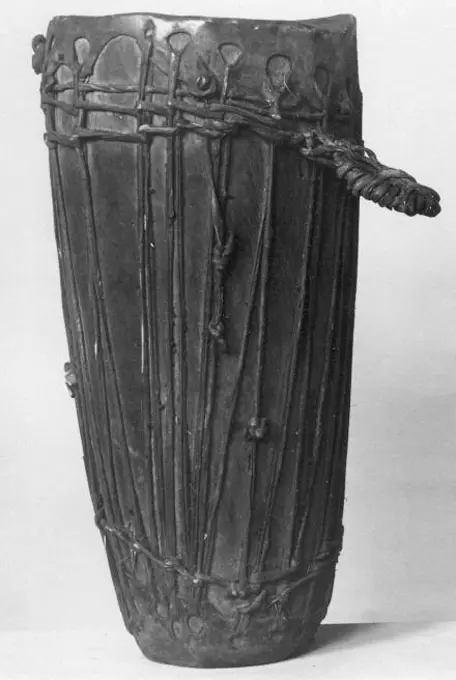
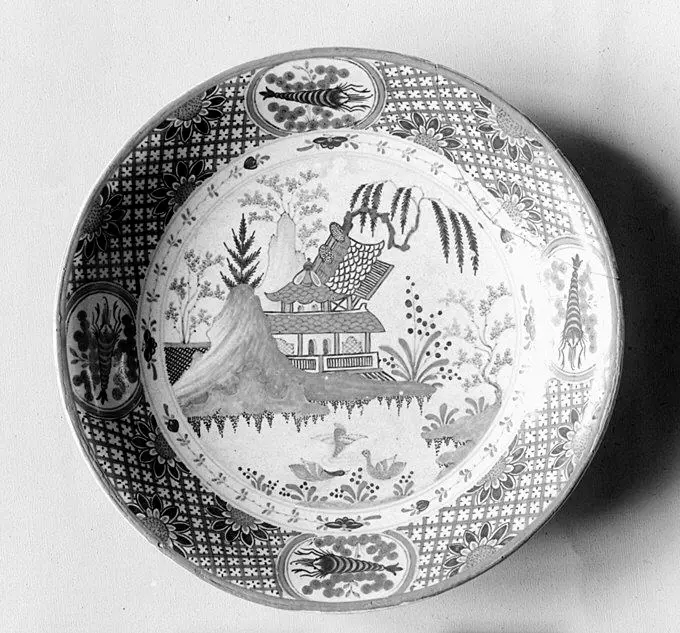
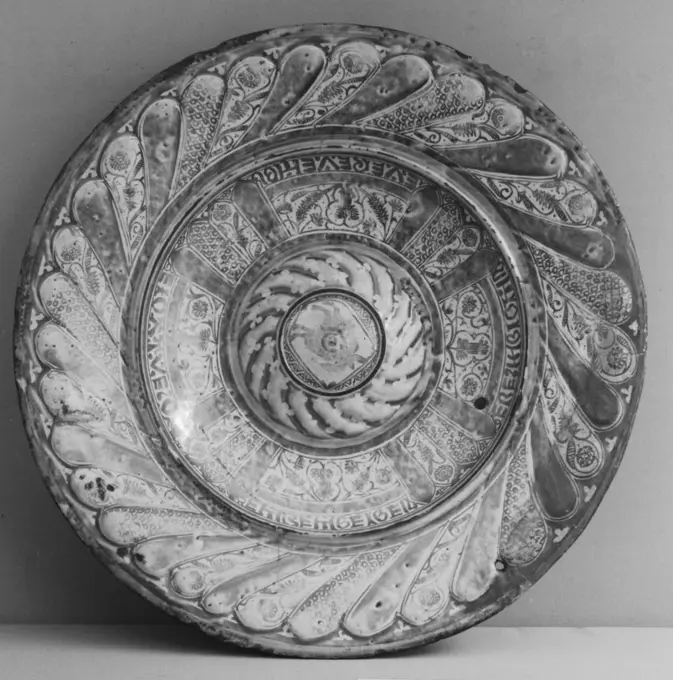
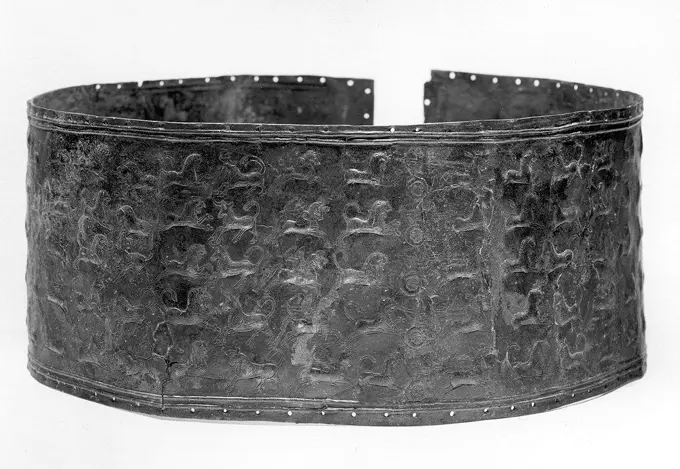
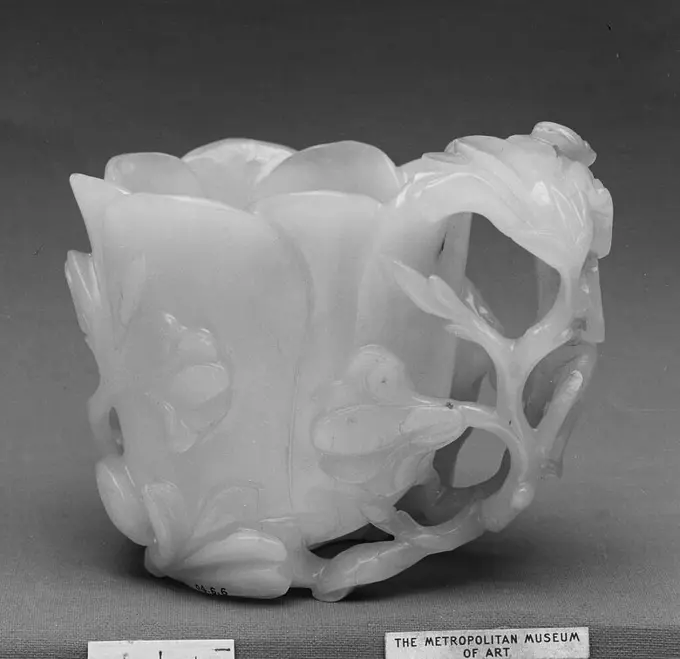
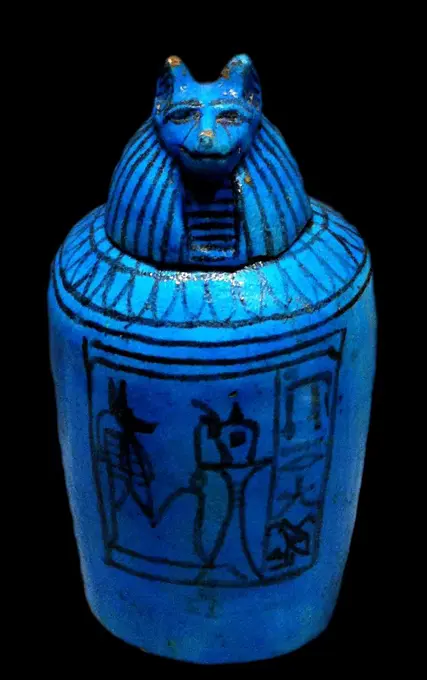
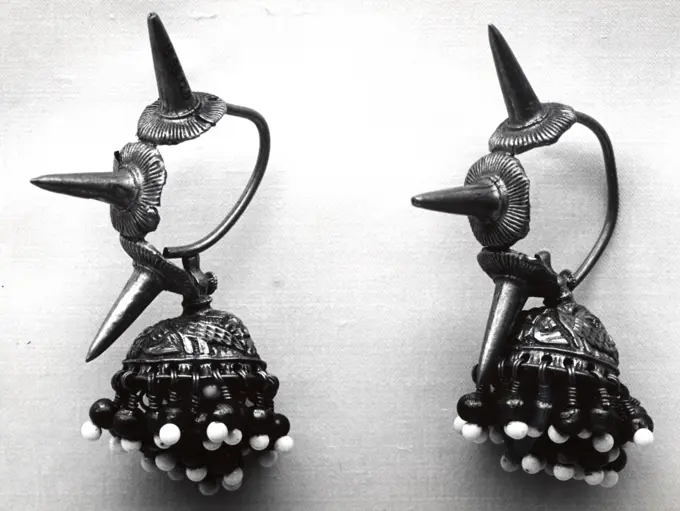
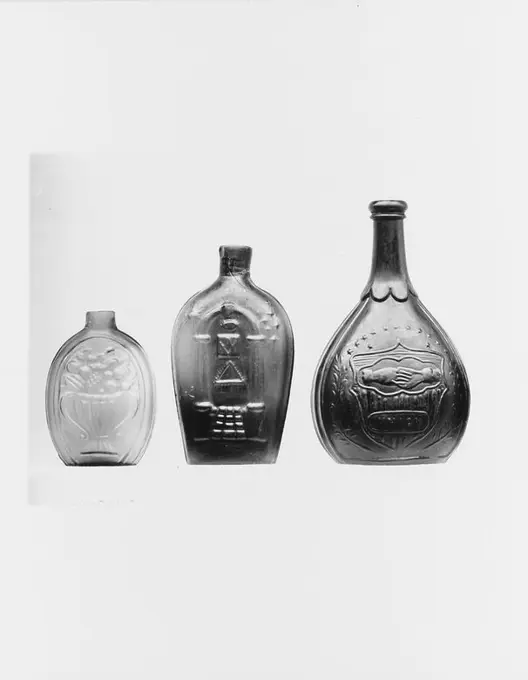
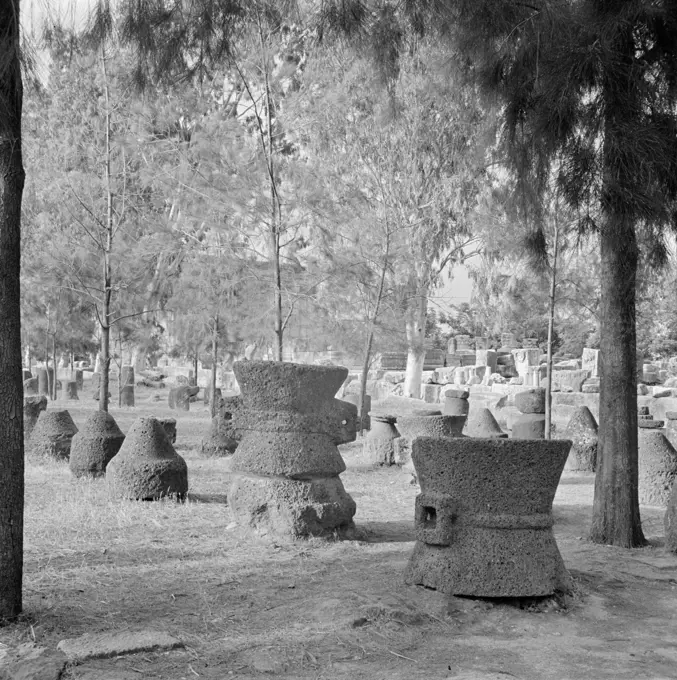
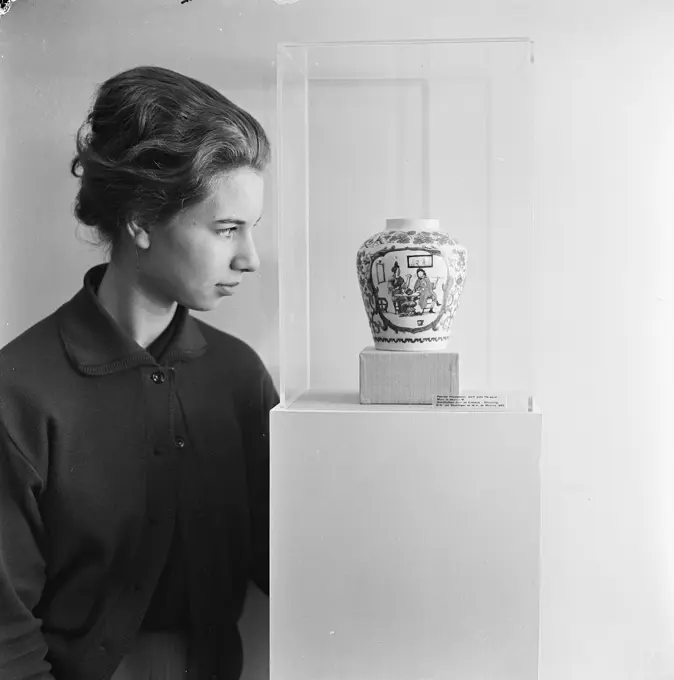
Sword pommel China. Sword pommel 42781Plate 18th century French, Rouen Faience, or tin-glazed and enameled earthenware, first emerged in France during the sixteenth century, reaching widespread usage among elite patrons during the seventeenth and early eighteenth centuries, prior to the establishment of soft-paste porcelain factories. Although characterized as more provincial in style than porcelain, French faience was used at the court of Louis XIV as part of elaborate meals and displays, with large-scale vessels incorporated into the Baroque garden designs of Versailles. Earlier examples of French faience attest to the strong influence of maiolica artists from Italy. Later works demonstrate the ways in which cities such as Nevers, Rouen, Lyon, Moustiers, and Marseille developed innovative vessel shapes and decorative motifs prized among collectors throughout Europe. While faience can be created from a wide mixture of clays, it is foremost distinguished by the milky opaque white color achieved by the addition of tin oxideCup with Lü Dongbin (one of the Eight Immortals) late 18th-early 19th century China. Cup with Lü Dongbin (one of the Eight Immortals) 46384Bowl 19th century Japan. Bowl 63068Inkstand 17th-18th century possibly French or Dutch. Inkstand. possibly French or Dutch. 17th-18th century. Pewter. Metalwork-PewterWaste Bowl ca. 1825 John Crawford. Waste Bowl. American. ca. 1825. Silver. Made in New York, New York, United StatesCup 19th century Japan A natural form, perhaps a mushroom, is meticulously reproduced in metal, in striking contrast to the smooth silver.. Cup 52171Lazio Viterbo Viterbo Museo Civico69. Hutzel, Max 1960-1990 Views of paintings (Middle Ages through 18th c.), frescoes, a tabernacle, coffin, sculpture reliefs, portal fragments, busts, sculpture, tapestry found in the Pinacoteca, Second floor gallery and Second floor cloister sequences. Antiquities: Many views of Etruscan and Roman fragments, sculpture, sarcophagi, pottery, masks, jewelry and other objects found in the Storeroom sequence (inventory numbers on back of prints), and the Cloister, Second floor Cloister, Valle Giulia, Sala Romana and Sala Etrusca sequences. General Notes: There are eight separate numerical sequences for this location. The cloister as an architectural structure, rather than museum site, is documented in the record and file for S. Maria della Verita, Cloister, all views of which are stored in Medieval core collection. Five views from the Museo Civico Second floor cloister sequence are stored in Medieval. German-born photographer and scholar Max Hutzel (1911-Pot for Wine or Tea 19th century Japan. Pot for Wine or Tea. Japan. 19th century. Bronze. Edo (1615-1868) or Meiji period (1868-1912). MetalworkLazio Roma Rome SS. Giovanni e Paolo, Museum14. Hutzel, Max 1960-1990 Medieval: Ceramic fragments, sculptural fragments, fresco fragments, inscribed tomb markers. Houses one of the best collections of Malagan medieval ceramics for casting wall monuments, copies of which are housed in campanile. Specific Location: Museum Antiquities: Ceramic fragments, sculptural fragments, architectural fragments Object Notes: Basilica has separate record and is filed separately. German-born photographer and scholar Max Hutzel (1911-1988) photographed in Italy from the early 1960s until his death. The result of this project, referred to by Hutzel as Foto Arte Minore, is thorough documentation of art historical development in Italy up to the 18th century, including objects of the Etruscans and the Romans, as well as early Medieval, Romanesque, Gothic, Renaissance and Baroque monuments. Images are organized by geographic region in Italy, then by province, city, site complex and monument.Covered Bowl. Culture: China. Dimensions: H. 7 in. (17.8 cm); Diam. 5 in. (12.7 cm). Date: late 18th-19th century. Museum: Metropolitan Museum of Art, New York, USA.Coal Hod. Dimensions: 17 3/4 x 16 1/4 x 11 in. (45.1 x 41.3 x 27.9 cm). Date: ca. 1800. Museum: Metropolitan Museum of Art, New York, USA.Sugar bowl with cover (part of a service) ca. 1780-85 Meissen Manufactory German. Sugar bowl with cover (part of a service) 205988Perfume flask late 17th century French, Nevers or Nivernais. Perfume flask. French, Nevers or Nivernais. late 17th century. Glass. GlassCenser in Form of a Sparrow Atop a Rice Rick 1700 Japan. Censer in Form of a Sparrow Atop a Rice Rick. Japan. 1700. Stoneware covered with glaze (Bizen ware). Edo period (1615-1868). CeramicsBrush holder. Culture: China. Dimensions: H. 3 9/16 in. (9.1 cm); W. 1 5/8 in. (4.2 cm). Museum: Metropolitan Museum of Art, New York, USA.Mug 1740-41 Richard Gurney. Mug. British, London. 1740-41. Silver. Metalwork-SilverDish 18th century British, Bristol. Dish 197812Tankard ca. 1740 Meissen Manufactory German. Tankard 206022Plate with Peonies late 14th-early 15th century China. Plate with Peonies 42514Teabowl 18th century Japan. Teabowl. Japan. 18th century. Clay covered with polychrome glazes over decorations (Mino ware, Oribe type). Edo period (1615-1868). CeramicsBottle 18th century Japan. Bottle 62529Incense Burner 1720 Japan. Incense Burner. Japan. 1720. White porcelain decorated with polychrome enamels (Hizen ware, Kutani type). Edo period (1615-1868). CeramicsBowl second half 17th century Dutch. Bowl 192149Chocolate pot (part of a set) ca. 1740-50 Meissen Manufactory German. Chocolate pot (part of a set) 187812 Factory: Meissen Manufactory, German, 1710present, Chocolate pot (part of a set), ca. 174050, Hard-paste porcelain, Height: 5 in. (12.7 cm). The Metropolitan Museum of Art, New York. Gift of Henry G. Marquand, 1894 (94.4.299)Snuff Bottle 19th century China. Snuff Bottle 41760Covered vase. Culture: China. Dimensions: a, b: H. 9 3/4 in. (24.8 cm); a-c: H. 11 3/8 in. (28.9 cm);W. 4 3/4 in. (12.1 cm). Date: 19th century. Museum: Metropolitan Museum of Art, New York, USA.Anefo photo collection. "See Italy in Amsterdam", exhibition in Rai. 17 June 1968. Amsterdam, Noord-HollandWater Pot. Culture: Japan. Dimensions: H. 7 1/2 in. (19.1 cm). Date: 19th century. Museum: Metropolitan Museum of Art, New York, USA.Bottle 19th century Japan. Bottle 62677Table Screen 18th century China. Table Screen. China. 18th century. Nephrite, wood. JadeFan ca. 1775-77 French. Fan. French. ca. 1775-77. Silk, ivory. FansSnuffbox ca. 1750 German. Snuffbox. German. ca. 1750. Quartz, gold, jewels. Metalwork-Gold and PlatinumVase 1830-70 American Named in reference to the ancient marble quarry on the Greek island of Parros, parian has a higher proportion of feldspar than conventional porcelain, resulting in a vitrified biscuit body that resembles white statuary marble. Stylish and affordable, parian statuary and hollowware were extremely popular household ornaments in the mid-nineteenth century. This vase (one of a pair, 47.90.5) was likely made by the United States Pottery Company, which exhibited parian to great acclaim at the 1853 New York Crystal Palace Exhibition in New York.. Vase. American. 1830-70. Parian porcelain. Probably made in Bennington, Vermont, United StatesTable screen China. Table screen. China. Jadeite. Qing dynasty (1644-1911), Qianlong period (1736-95). JadeSnuff Bottle China. Snuff Bottle. China. Porcelain "soft paste". Qing dynasty (1644-1911), Qianlong period (1736-95). Snuff BottlesAntique glass 1898, Middle EastPorringer 1795-1816 Samuel Danforth. Porringer. American. 1795-1816. Pewter. Made in Hartford, Connecticut, United StatesCovered incense box 19th century Japan. Covered incense box. Japan. 19th century. Pottery; surface covered with; design in gold (Izumo ware). CeramicsDoor knocker late 16th-early 17th century Niccolò Roccatagliata Italian. Door knocker 195363Octagonal bowl 1800 Japan. Octagonal bowl. Japan. 1800. Porcelain decorated in colored enamels (Nabeshima ware). Edo period (1615-1868). CeramicsTub-like vessel with geometric decoration ca. 8th-7th century B.C. Assyrian. Tub-like vessel with geometric decoration 324344Étui ca. 1750-60 probably German. Étui 198092Base Fragment. Culture: French. Date: ca. 1130-40. Museum: Metropolitan Museum of Art, New York, USA.Candelabrum with figures of Summer and Autumn (one of a pair) ca. 1765 Bow Porcelain Factory British. Candelabrum with figures of Summer and Autumn (one of a pair) 203548Pair of plates mid-18th century Dutch, Delft. Pair of plates 187869 Dutch, Delft, Pair of plates, mid-18th century, Tin-glazed earthenware, Diameter (each): 8 3/4 in. (22.2 cm). The Metropolitan Museum of Art, New York. Gift of Henry G. Marquand, 1894 (94.4.367, .368)Hol late 19th century Indian (possibly Munda people). Hol 500731Bliżej Kultury unknownSaucer 1800-1830 British. Saucer. British. 1800-1830. Earthenware, spatterware. Possibly made in Staffordshire, EnglandBowl with Interior Four-Part Design with Hatching, Zigzag, and Spiral Motifs 950 CE-1150 Arizona. Ceramic and pigment . HohokamAnefo photo collection. Horticulture: tulip culture. Flower bulb culture. 1945One of Pair of Rice Bowls China. One of Pair of Rice Bowls 43987Pair of pepper boxes 1771 Etienne Barrau. Pair of pepper boxes 200346Caster American 1850-1900 View more. Caster. American. 1850-1900. Pewter. Made in Connecticut, United StatesDisk German 18th century View more. Disk. German. 18th century. Pewter. Metalwork-PewterWorcester Porcelain Manufactory, Baskets (pair), c. 1770, soft-paste porcelain.Salad bowl (Saladier) ca. 1740 French, Rouen Faience, or tin-glazed and enameled earthenware, first emerged in France during the sixteenth century, reaching widespread usage among elite patrons during the seventeenth and early eighteenth centuries, prior to the establishment of soft-paste porcelain factories. Although characterized as more provincial in style than porcelain, French faience was used at the court of Louis XIV as part of elaborate meals and displays, with large-scale vessels incorporated into the Baroque garden designs of Versailles. Earlier examples of French faience attest to the strong influence of maiolica artists from Italy. Later works demonstrate the ways in which cities such as Nevers, Rouen, Lyon, Moustiers, and Marseille developed innovative vessel shapes and decorative motifs prized among collectors throughout Europe. While faience can be created from a wide mixture of clays, it is foremost distinguished by the milky opaque white color achieved by the addition Plateau first half 16th century Spanish, Valencia Tin-glazed earthenware, of which lusterware is one type, was developed in the Middle East in the ninth and tenth centuries to imitate the porcelains produced in China. The opaque white glaze concealed the clay body, which could range from pale buff to brick red, allowing for brilliant effects created by painting the white surface with metal oxides that fired to a range of colors. This technique, as well as the use of metallic lusteran iridescent, coppery painted glazespread throughout the Muslim world, arriving among the potters of Valencia in the thirteenth century. The so-called Hispano-Moresque lusterware, with its fusion of Islamic and Gothic styles and motifs, often in shaped imitating those of metal vessels, was treasured by the elite in Spain during the fifteenth century and exported to the courts of Europe. The Valencian industry declined in the late sixteenth century, as colorful Italian Renaissance maiolica gained in popularEwer 1862-67 Bishops Waltham. Ewer 206385Belt with scenes of bull and lion hunts ca. late 8th-7th century B.C. Urartian. Belt with scenes of bull and lion hunts 327407Wineglass possibly 17th century Italian, Venice (Murano). Wineglass. Italian, Venice (Murano). possibly 17th century. Glass. GlassManant, Dish, Cover, and Plate, 1838-79, silver.Cummings' Columbian Art Tresures Exhibit. Photographs of Marshall Plan Programs, Exhibits, and PersonnelZero products (two goblets, glass and casket) from the collection of minutes Institut, Liegnitz; Belitski, Ludwig (1830-1902); 1854- (1854-00-00-1854-00-00);Legnica (Dolnośląskie Voivodeship), minutes of Institut (Legnica), artistic crafts, goldsmithCup with Handle. Culture: China. Dimensions: H. 3 1/4 in. (8.3 cm); W. 3 7/8 in. (9.8 cm). Museum: Metropolitan Museum of Art, New York, USA.Seal China. Seal 41000Drum 19th century Possibly Wutu. Drum 501946Vase and two handle jugs with a plastic decorPlate. Dated: c. 1936. Dimensions: overall: 20.3 x 25.4 cm (8 x 10 in.) Original IAD Object: 9 1/8" in diameter. Medium: black and white photograph. Museum: National Gallery of Art, Washington DC. Author: Helmut Hiatt.Vase of Rouen, vintage engraved illustration. Industrial encyclopedia E.-O. Lami - 1875.Manufacture de Sevres, Gallic pottery, vintage engraved illustration. Magasin Pittoresque 1873.Snuffbox 1750-56 French, Mennecy In eighteenth-century Europe, Paris led the production of high-quality luxury goods. Parisian goldsmiths made a wide range of small, personal articles such as snuffboxes; étuis to hold sealing wax, tweezers, or utensils for sewing; souvenirs, which contained thin ivory tablets for note taking; and shuttles for knotting lace. Gold snuffboxes and boxes decorated with portrait miniatures were prized and frequently given as royal gifts, often to ambassadors or members of the court in lieu of cash payments for their services. Coveted and admired, these boxes were produced from a variety of materials. The best were skillfully made of gold and embellished with diamonds, enameled decoration, lacquer, and other luxurious materials. By the middle of the century, the taking of snuff had become an entrenched social ritual, and the snuffbox, too, had become an important social prop. Snuffboxes were considered highly fashionable accessories, with some merchants adverPedestal. Culture: China. Dimensions: H. 7 1/8 in. (18.1 cm); W. 7 11/16 in. (19.5 cm). Date: early 14th century. Museum: Metropolitan Museum of Art, New York, USA.Blue Faience Duamutef Canopic Jar 1290 B.C. The jackal-headed jar would contain the stomach and was protected by the Goddess Neith. EgyptWatch 18th century Watchmaker: J. Patron. Watch. Swiss, Geneva. 18th century. Metal, enamel. HorologyCollection of ceramics, circa 1920, Wellington, by Berry & Co.Bliżej Kultury unknownWatch 1822-38 Watchmaker: Charles Oudin. Watch 195572Pomade jar (one of a pair) 1756 Sèvres Manufactory French. Pomade jar (one of a pair) 200851Group 1755-60 Bow Porcelain Factory British. Group 203550Anefo photo collection. English silver exhibition. April 19, 1966Tea Caddy 1800-1815 Chinese. Tea Caddy. Chinese. 1800-1815. Porcelain. Made in ChinaIncense Stick Holder 10th-11th century() Indonesia (Java). Incense Stick Holder 37735Nose Ring, One of a Pair 18th-19th century. Nose Ring, One of a Pair 446792Imitation Proto-Corinthian Skyphos. UnknownBase of a candle socket 17th-18th century French. Base of a candle socket. French. 17th-18th century. Bronze with brown patina. Metalwork-Gilt BronzeFixture French 18th century View more. Fixture. French. 18th century. Gilt bronze. Metalwork-Gilt BronzeFlask. Culture: American. Dimensions: H. 7 1/4 in. (18.4 cm). Maker: Probably Keene Marlboro Street Glassworks (1815-41). Date: 1820-30. Museum: Metropolitan Museum of Art, New York, USA.Poll photo collection. Product photos; silverware. Molds for teaspoons of the fa. Gerritsen & Van Kempen in Zeist. January 1, 1930. Utrecht (province), ZeistBowl with human head 2nd millennium B.C.. Bowl with human head 327828Poll photo collection. Israel 1948-1949: Galilee. Archaeological finds - including wine presses and architecture fragments - exhibited in Kapernaum on the shore of Lake Genesareth / Tiberias. January 1, 1948. Israel, Kapernaum, TiberiasAnefo photo collection. Museum Boijmans gets Delft blue jar from 17 th century of Erasmus foundation. March 9, 1962