Antique Chinese Ceramics

A collection of vintage Chinese ceramics, including a bellows, snuff bottle, hexagonal vase, and a decorative lamp, showcasing historical craftsmanship.
Mode (depicted name).Fashion (depicted name)
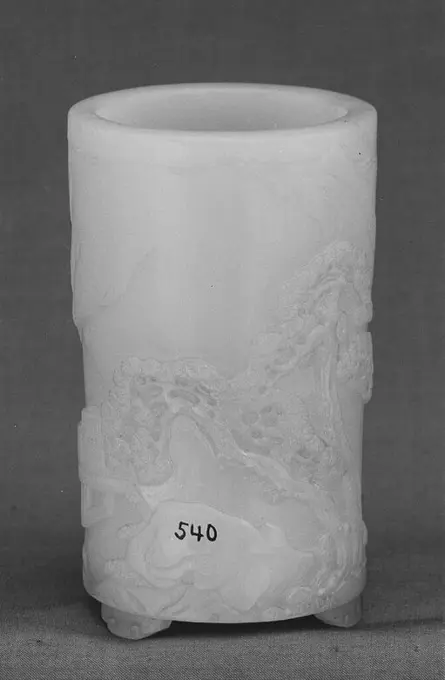
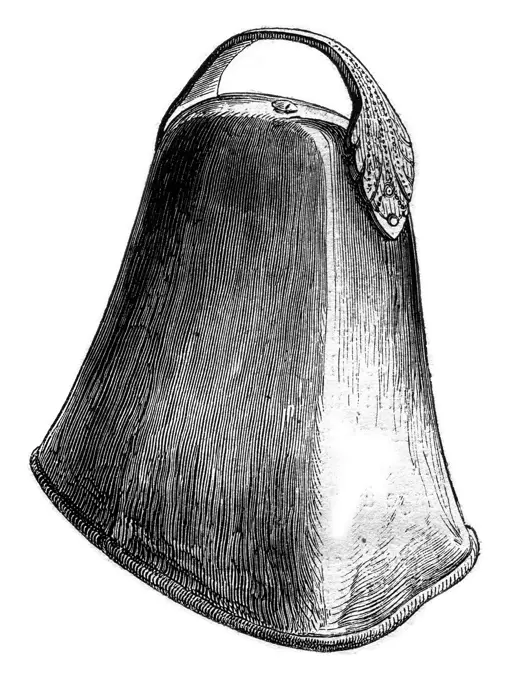
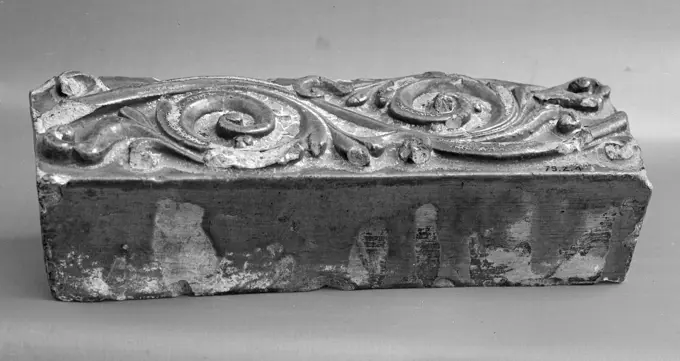
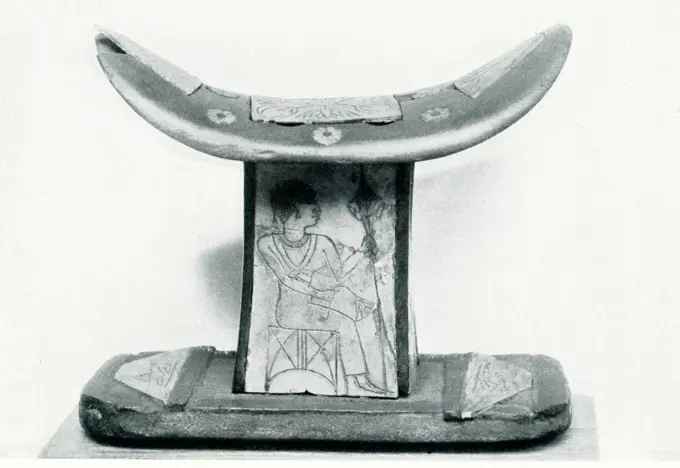
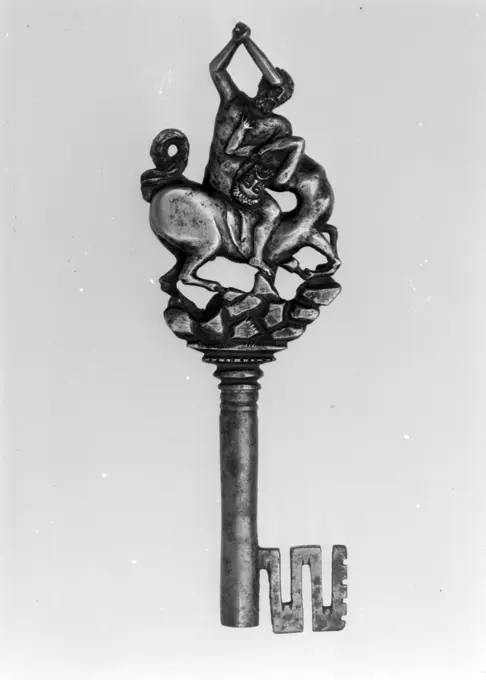
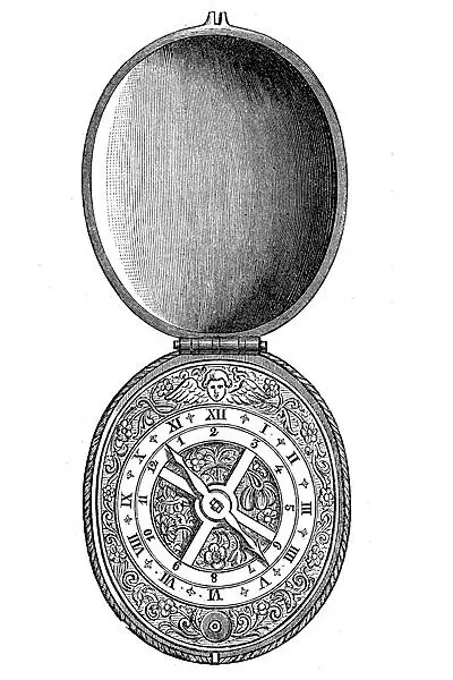
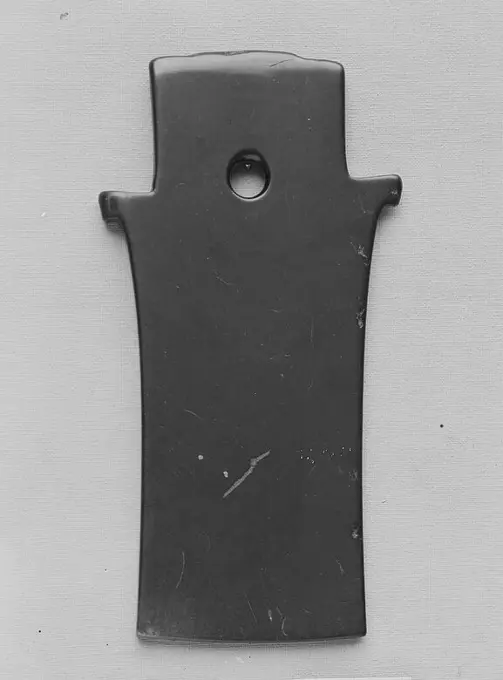
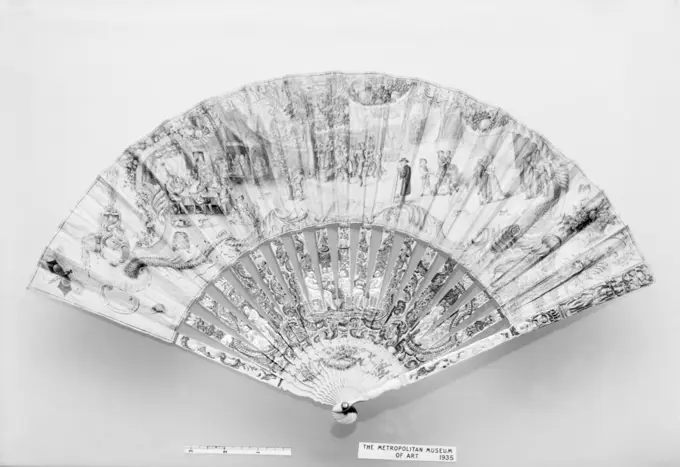
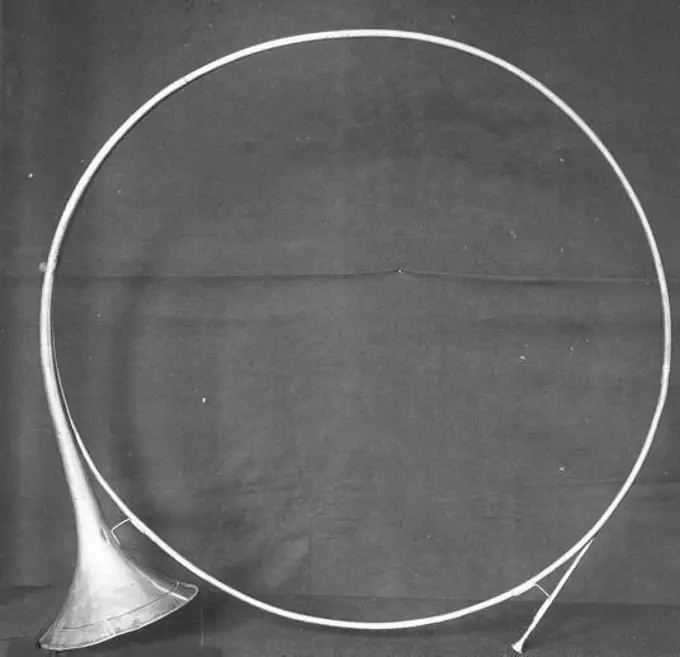
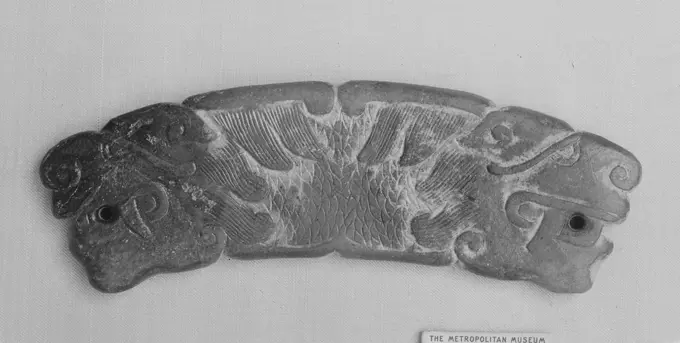
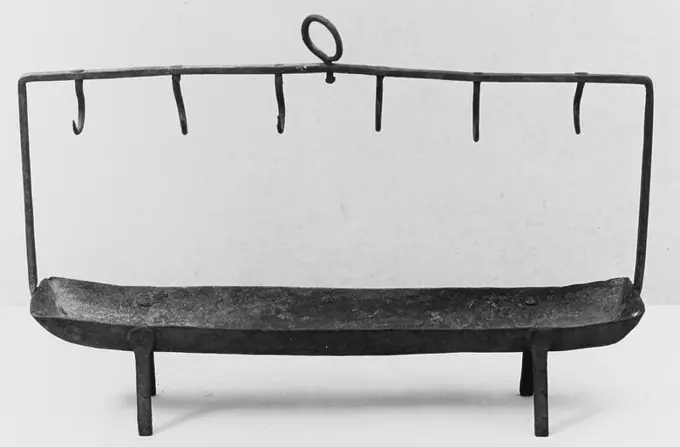
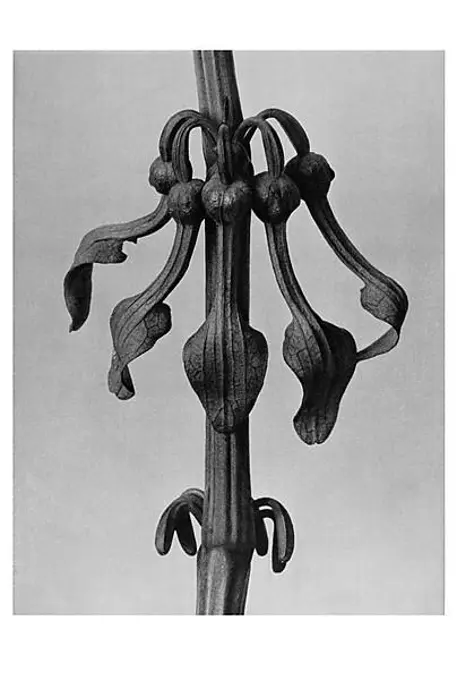
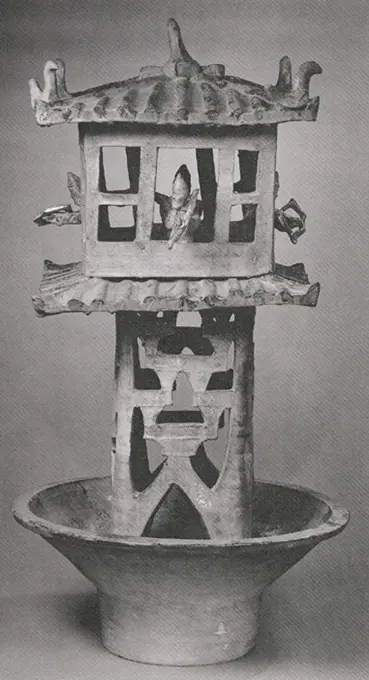
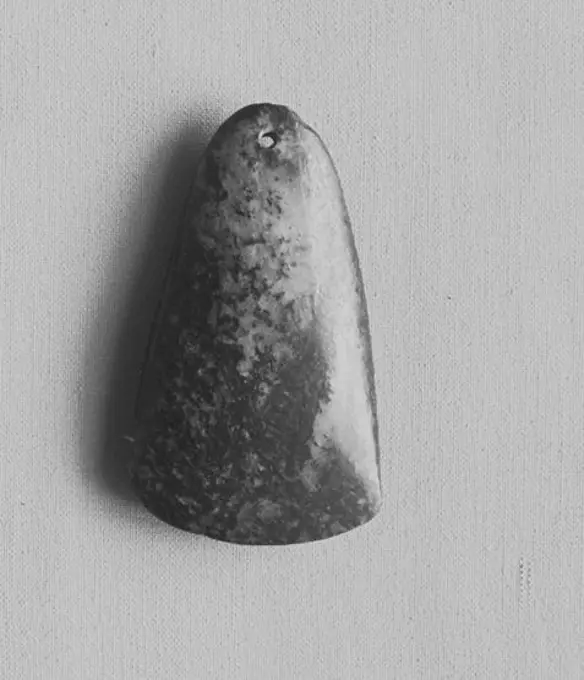
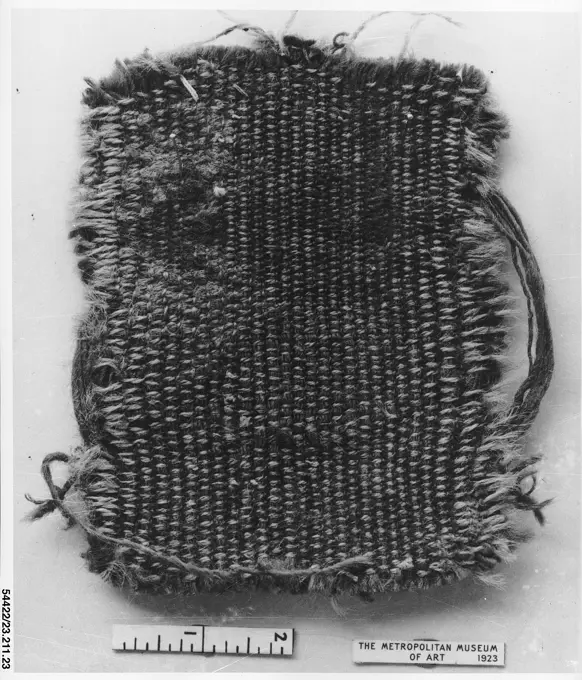
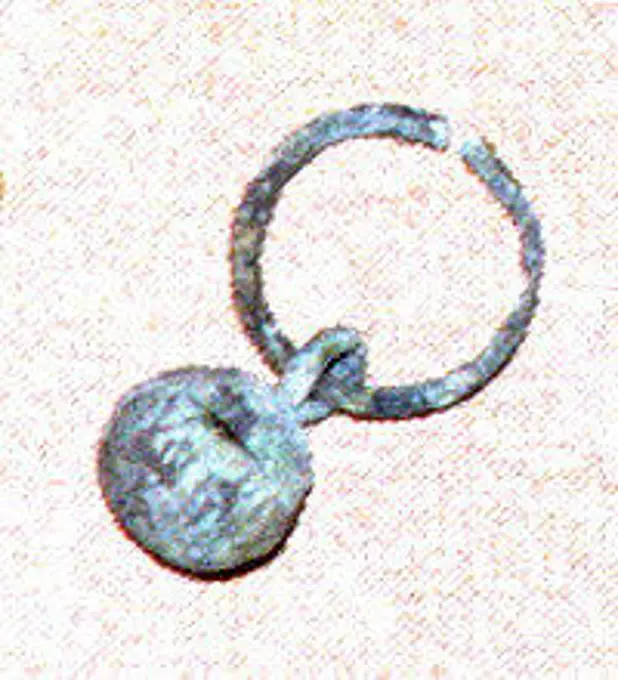
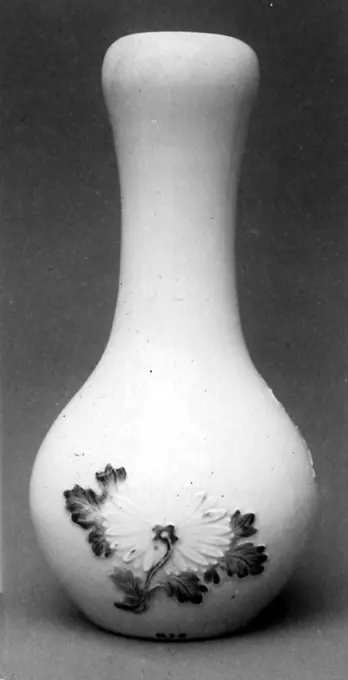
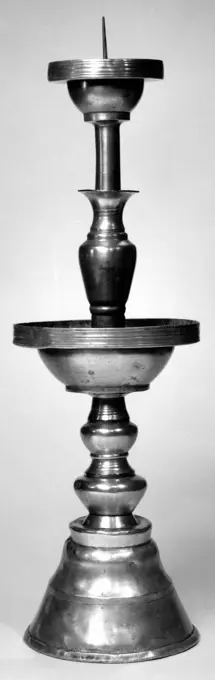
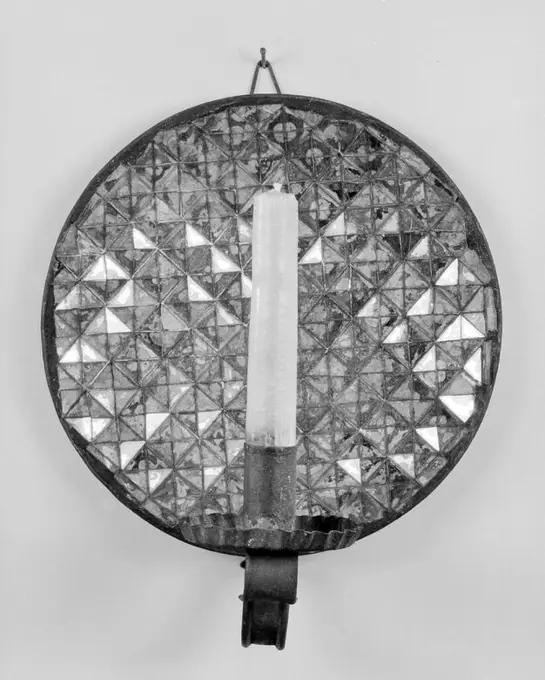
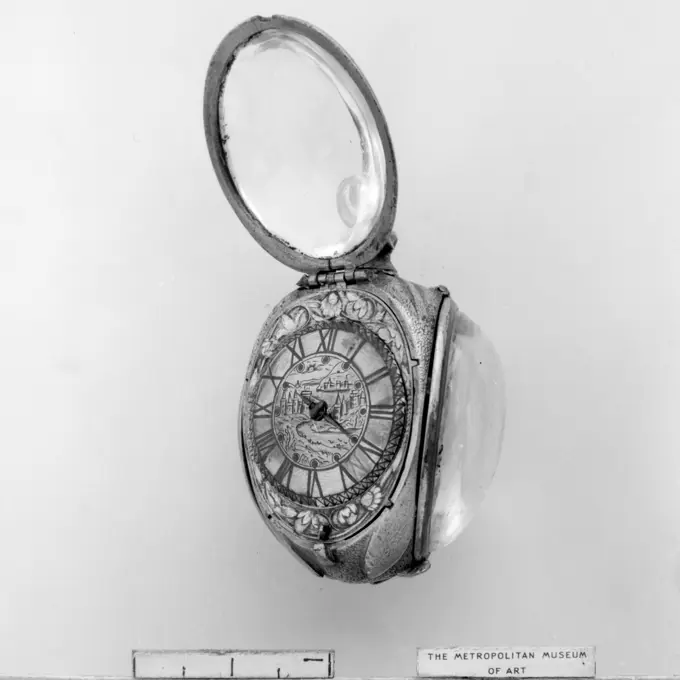
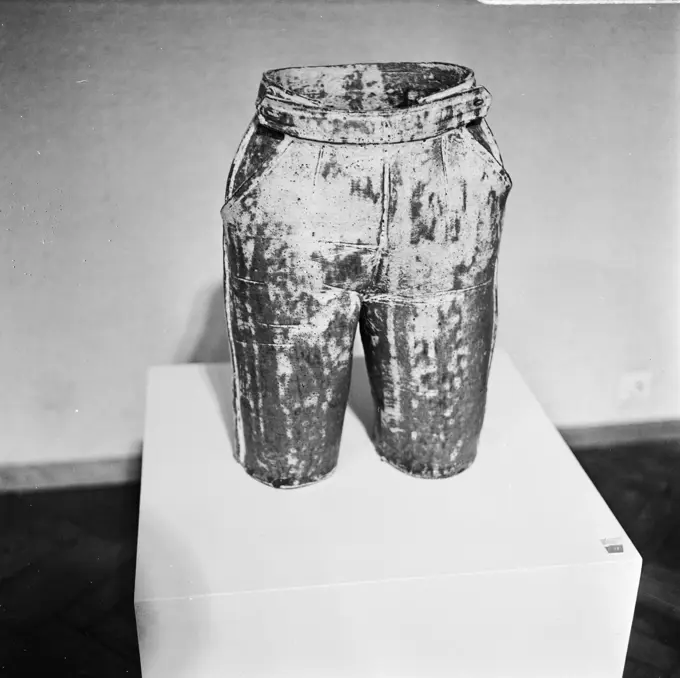
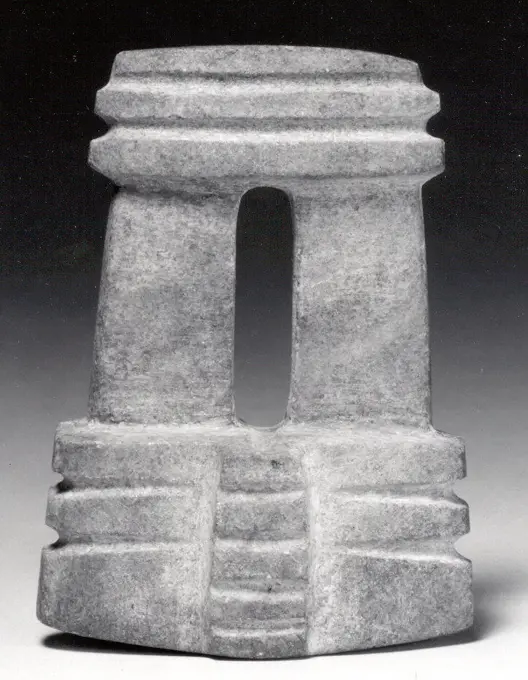
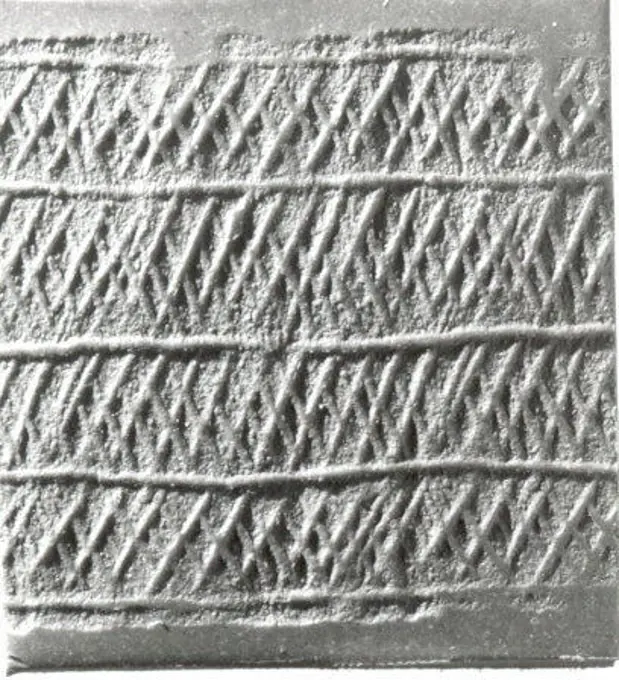
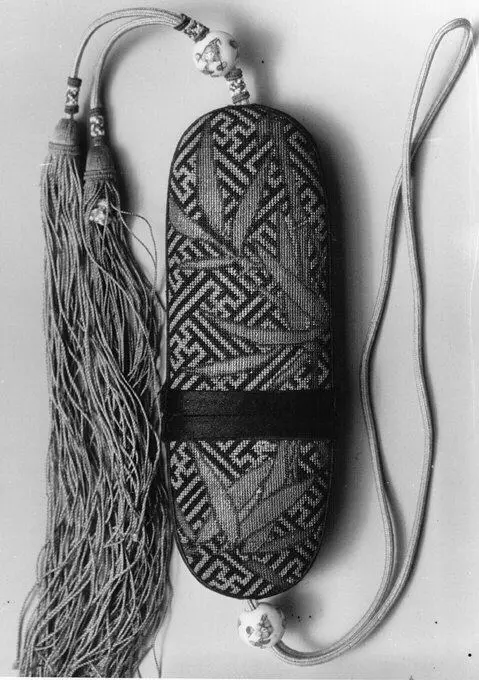
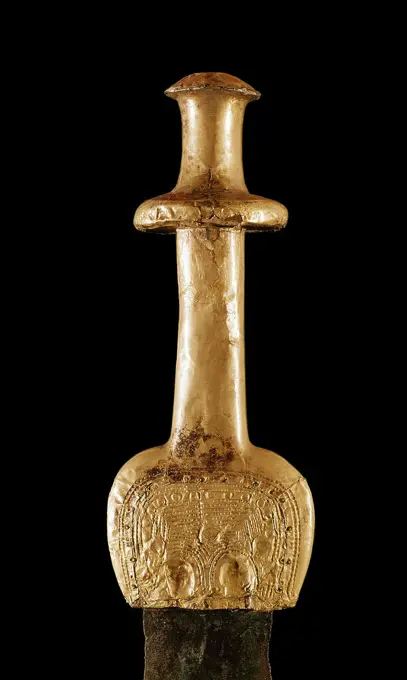
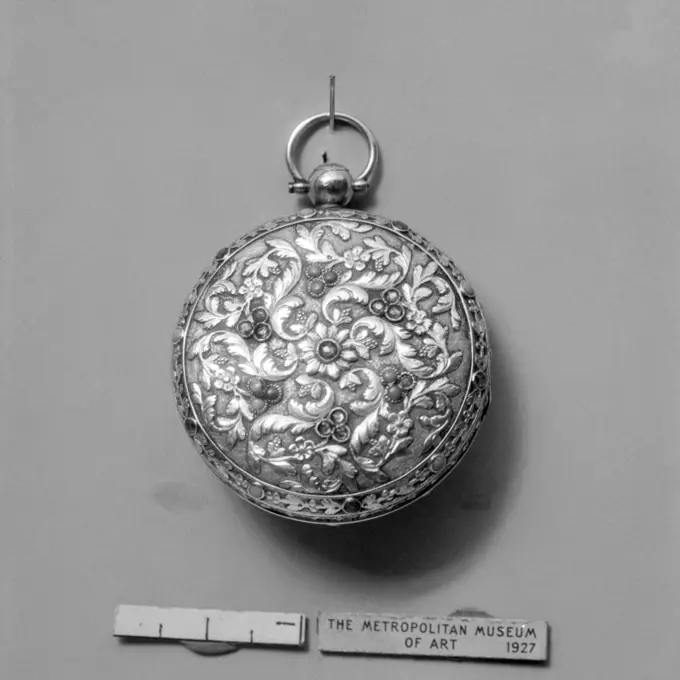
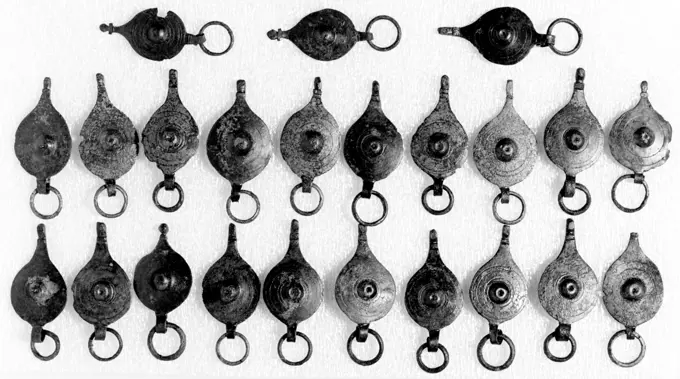
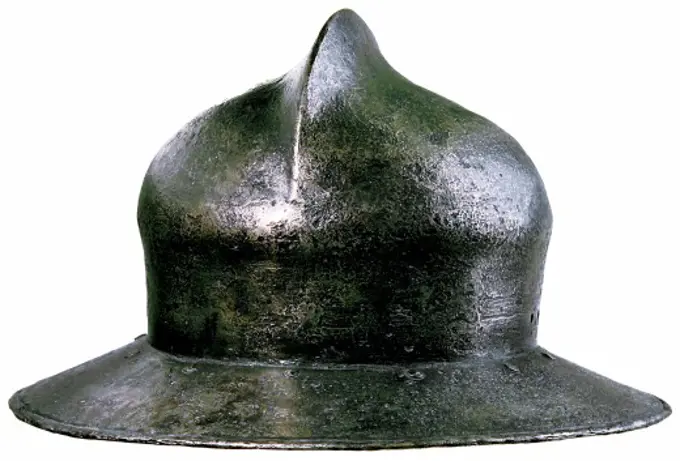
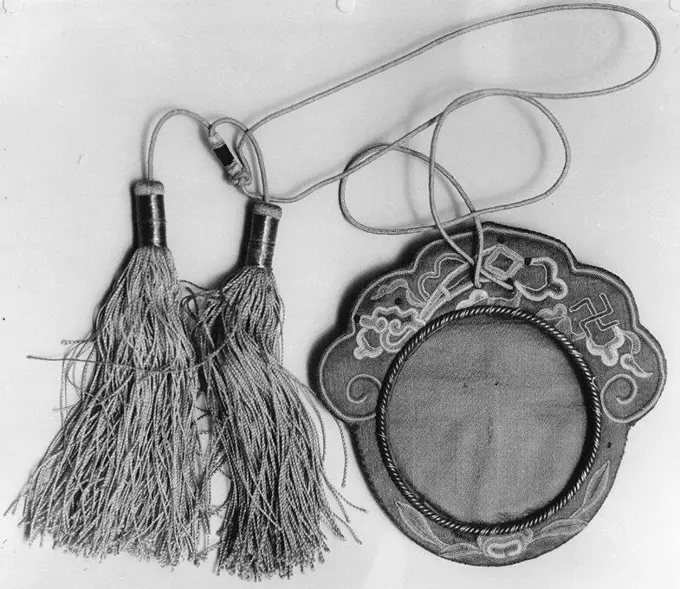
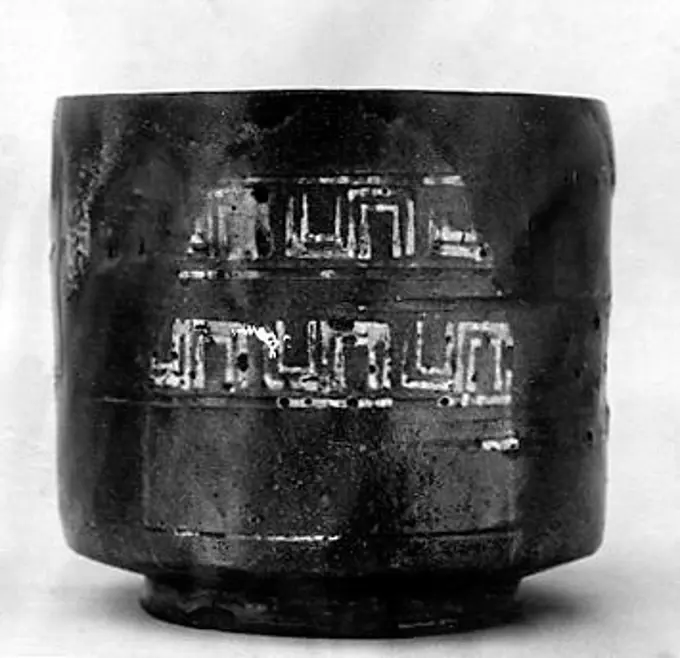
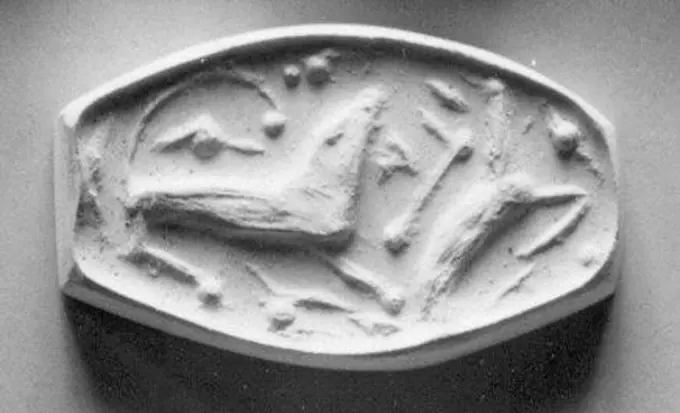
Dish or basin German 19th centuryDecorative art objects exhibited in the south-kensington museum, London, 1896, Bordeaux carafe made of green-white glass with golden ornaments, France...Flower Vase 19th century Japan. Flower Vase. Japan. 19th century. White porcelain with large crackle covered with a thin brown wash. Edo (1615-1868) or Meiji period (1868-1912). CeramicsBrush holder. Culture: China. Dimensions: H. 3 3/4 in. (9.6 cm); W. 2 3/16 in. (5.6 cm). Museum: Metropolitan Museum of Art, New York, USA.Antsiva late 19th century Malagasy. Antsiva 501132Quadrangular vase in the form of a Neolithic ritual jade object (cong) 19th century China. Quadrangular vase in the form of a Neolithic ritual jade object (cong). China. 19th century. Stoneware with crackled grey glaze (Shiwan ware). Qing dynasty (1644-1911). CeramicsSet of four casques. Culture: French. Dimensions: Overall (.374a): 12 1/2 × 8 in. (31.8 × 20.3 cm);Overall (.374b): 11 × 7 1/4 in. (27.9 × 18.4 cm);Overall (.374c): 11 1/2 × 7 1/2 in. (29.2 × 19.1 cm);Overall (.374d): 11 1/2 × 7 1/2 in. (29.2 × 19.1 cm). Date: 18th century. Museum: Metropolitan Museum of Art, New York, USA.Textile Fragment 4th century. Textile Fragment 443958Disc with Projecting Nail. UnknownAncient bell preserved in Saint-Pol de Leon, Finistere, vintage engraving. Ancient bell preserved in Saint-Pol de Leon, Finistere, vintage engraved illustration. Magasin Pittoresque 1869. Copyright: xZoonar.com/PatrickxGuenettex 10678755Tile China. Tile. China. Earthenware. Qin-Han dynasty (221 B.C.-A.D. 220). CeramicsArchitectural Tile 15th century China. Architectural Tile. China. 15th century. Stoneware with green glaze. Ming dynasty (1368-1644). CeramicsPottery Whistle ca. 800-1525 Costa Rican Whistle in the shape of a dog.Although numerous pottery instruments survive from pre-Conquest South and Central America, little is known of how they were used before Spanish invaders ravaged the native cultures. Whistles, trumpets and rattles in animal or human form probably had ceremonial functions or served as playthings. Smaller whistles in animal shapes, perhaps worn suspended from the neck, sometimes have fingerholes that allow variation of pitch.. Pottery Whistle. Costa Rican. ca. 800-1525. Pottery. Pre-Columbian. Diquis Region, Costa Rica. Aerophone-Whistle Flute-whistleAncient Egyptian Head Rest in British Museum. The ancient Egyptian equivalent of a pillow, the headrest (known to the ancient Egyptians as a weres) was used to support the head while sleeping. Broadly speaking, culturesboth ancient and modernwho use headrests share some characteristics that might make the use of this type of head support more practical. The use of headrests in climates that are hot is practice al as it lifts the head and neck above the sleeping surface, and air currents can flow under the head and cool the sleeper. Many have been found in tombs of ancient Egyptians.Disk ornament 13th-16th century Colombia. Disk ornament 307515Sword Grip Ornament (Megugi) 19th century Japanese. Sword Grip Ornament (Megugi) 35029Necklace 18th-19th century. Necklace 446766It is a small hooked metal piece usually used near the chain bearing, vintage engraved line art illustration. Bicycle Accessories 1900.Key 16th century European. Key. European. 16th century. Iron. Metalwork-IronPo 19th century Chinese. Po 500588Pocket watch from the 16th century, digitally restored reproduction of an original from the 19th century, exact original date not knownLazio Frosinone Veroli S. Andrea Apostolo, Cathedral2. Hutzel, Max 1960-1990 Views of metalwork objects housed in Treasury of S. Andrea Apostolo, including busts, reliquaries, crosses, polittico, boxes. Antiquities: relief sculpture; busts General Notes: Museum, which contains Treasury, is located in the last chapel of the right nave. Thirteen views of (non-metalwork) sculpture from Museum have been assigned numbers at end of Treasury sequence, but there are no negatives corresponding to these prints, nor is there authoritative evidence that these objects are housed in the Cathedral Museum. German-born photographer and scholar Max Hutzel (1911-1988) photographed in Italy from the early 1960s until his death. The result of this project, referred to by Hutzel as Foto Arte Minore, is thorough documentation of art historical development in Italy up to the 18th century, including objects of the Etruscans and the Romans, as well as early Medieval, Romanesque, Gothic, Renaissance and Baroque Hatchet. Culture: China. Dimensions: H. 5 3/8 in. (13.7 cm); W. 2 3/4 in. (7 cm). Museum: Metropolitan Museum of Art, New York, USA.Fan mid-18th century Flemish. Fan 209597Trompe à la Dampierre 1710-30 French. Trompe à la Dampierre 502718Lazio Viterbo Tarquinia Palazzo Vitelleschi37. Hutzel, Max 1960-1990 Exterior views of Palazzo and museum as well as interior courtyard views and interior views of vaulting. 15th cent. gothic architecture (1436-39, 1460-90). Inside palazzo is the Cappella gentilizia, 15th century, and the antecappella, with frescoes of the story of Lucrezia alternating with the cardinal virtues. Antiquities: Phoenician: faience. Etruscan: sarcophagi; pottery; bronze implements (weapons, vessels, mirrors, candelabra). Gold jewelry. Terracotta masks, statuettes and votive objects. Roman: marble statues, bronze vessels, pottery. Object Notes: Hutzel photo campaign dates: February 15, 1984 and November 9, 1985. It appears that there may have been another campaign for which there are no notes. Palazzo Vitelleschi houses the Museo Nazionale Tarquiniese, antiquities prints are located in antiquities section. Only a few of the antiquities prints are matched to negatives. However, the NNP numbers follow the higRattle 1200-1521 Mexican. Rattle. Mexican. 1200-1521. clay. Late postclassic (Aztec) period (Pre-Columbian). Central plateau, Mexico. Idiophone-Shaken-rattleBox with lid Japan. Box with lid 62448Textile Fragment 4th-5th century. Textile Fragment 445735Girdle ornament China. Girdle ornament. China. Jade. Han dynasty (206 B.C.-A.D. 220). JadeShoe Made 1501-1600 England. Leather .Engraved Gem. UnknownRoasting Rack. Dimensions: H. 14 in. (35.6 cm). Date: 1700-1800. Museum: Metropolitan Museum of Art, New York, USA.Spoon second half 16th century Southern German. Spoon. Southern German. second half 16th century. Wood, silver. Metalwork-Silver In CombinationSweden, Blekinge, Blekinge, Karlskrona, Karlskrona, external marina (depicted, town).Sweden, Blekinge, Blekinge, Karlskrona, Karlskrona, External War Gogs (depicted, City)Objects from the Roman period, from the left a bronze brooch, an iron sword was bent to be placed in the grave, an iron shield boss and a bronze spur with blunt tip, Germany, digitally restored reproduction of a 19th century original, exact original date unknown, EuropeWool Snowball (Viburnum Lantana), Rosskestanie (Aesculus Spec.), Asps of budsTemple Bell. Culture: China. Dimensions: H. 30 1/4 in. (76.8 cm); W. 16 in. (40.6 cm); D. 14 1/2 in. (36.8 cm). Date: dated 1762. Museum: Metropolitan Museum of Art, New York, USA.Topaz Ring. Dated: c. 1938. Dimensions: overall: 29.5 x 22.9 cm (11 5/8 x 9 in.). Medium: watercolor and graphite on paper. Museum: National Gallery of Art, Washington DC. Author: John H. Tercuzzi.Historical photograph, Birthwort (Aristolochia clematitis), Karl Blossfeldt, Urformen der Kunst, The original artLock and key 17th century Italian. Lock and key. Italian. 17th century. Iron, silver. Metalwork-IronWatchtower with Four Archers ca. 1st-early 3rd century China Pottery models of houses and farm structures were commonly included in Eastern Han burials to provide for the afterlife.. Watchtower with Four Archers. China. ca. 1st-early 3rd century. Earthenware with green lead glaze. Eastern Han dynasty (25-220). Tomb PotteryAncient riddle metal blades, Screeners without blades, vintage engraved illustration. Magasin Pittoresque 1869.Chisel China. Chisel 42768Charles Frederick Kandler I, Spoon Tray, 1729/30, silver.Rug fragment 16th century Spanish. Rug fragment 221493Earring ca. 7th-9th century A.D. Alanic. Earring 327579Historical photograph, Sickle shaped shield fern (Polystichum falcatum), Karl Blossfeldt, Urformen der Kunst, The original artFan last quarter 18th century French. Fan 209621Pelerine first half 19th century Belgian, Brussels. Pelerine. Belgian, Brussels. first half 19th century. Applied. Textiles-LacesVase 1760 Japan. Vase. Japan. 1760. White porcelain decorated with blue under the glaze and reliefs (Hirado ware). Edo period (1615-1868). CeramicsCandlestick 17th century China. Candlestick 42741It is a short, slender, sharp-pointed metal pin with a raised helical thread running around it and a slotted head, used to join things together by being rotated helps in tightening a nut or loosening it, vintage engraved line art illustration. Bicycle Accessories - 1900Coat of arms with image of a Zeeland / Flemish barge. Further information unknown.Bliżej Kultury unknownEmilia-Romagna Ferrara Ferrara Museo Civico di Schifanoia67. Hutzel, Max 1960-1990 General Notes: INCOMPLETE RECORD--NEGATIVES PROCESSED, PRINTS FILED German-born photographer and scholar Max Hutzel (1911-1988) photographed in Italy from the early 1960s until his death. The result of this project, referred to by Hutzel as Foto Arte Minore, is thorough documentation of art historical development in Italy up to the 18th century, including objects of the Etruscans and the Romans, as well as early Medieval, Romanesque, Gothic, Renaissance and Baroque monuments. Images are organized by geographic region in Italy, then by province, city, site complex and monument.Textile Fragment 6th century. Textile Fragment 444173Sconce. Dimensions: 11 7/8 x 8 3/4 in. (30.2 x 22.2 cm). Date: 1700-1800. Museum: Metropolitan Museum of Art, New York, USA.Poll photo collection. Product photos; silverware. Spoons with province weapons of the fa. Gerritsen & Van Kempen in Zeist. January 1, 1930. Utrecht (province), ZeistTextile Fragment 4th century. Textile Fragment. 4th century. Wool, linen; tapestry weave. Attributed to Egypt. TextilesWater post hydrant fitting for removal of water from a water distribution system  /  Wasserpfosten, Hydrant, Armatur zur Entnahme von Wasser aus einem Wasserverteilungssystem, Historisch, historical, digital improved reproduction of an original from the 19th century / digitale Reproduktion einer Originalvorlage aus dem 19. Jahrhundert. Watch ca. 1620-50 Watchmaker: Jaques Sermand. Watch. Swiss, Geneva. ca. 1620-50. Rock crystal, gilt bronze, silver. HorologyWilliam Weston, Caddy Spoon, 1825/26, silver.Anefo photo collection. Swedish art in Amsterdam "Pantalon" in ceramics of Hertha Hillfon. November 15, 1968. Amsterdam, Noord-HollandPottery Whistle ca. 1200-1521 Mexican. Pottery Whistle. Mexican. ca. 1200-1521. Pottery. Pre-Columbian. Huexotla, Mexico. Aerophone-Whistle Flute-whistleTemple Model 1st-8th century Mezcala. Temple Model 315067Atonement shrine on Meissen Cathedral Square, Meissen, Meissen, Saxony, Germany, EuropeCampania Caserta Capua Museo Campano41. Hutzel, Max 1960-1990 Medieval: Byzantine architectural fragments; parchment fragments with miniatures (12th century) from Montecassino; painted wooden crucifix (13th century); Carolingian crucifixes; Bishop's miter (11th century) of gold and silver damask; fresco (13th century). Post-medieval: Architecture (15th century). Formerly the Palazzo Antignano. Unusual Catalan/Moorish-style portal; Paintings on panel and canvas (15th-18th centuries); marble intarsia (16th century); marble sculpture: busts of Christ and Mary (17th century); sculpture of saints in marble and in wood (15th century); painted and gilded sculpture in wood; marble grave sculpture (16th century); sarcophagus with allegorical carvings; gold reliquary "Rosa d'Oro"; crucifix made of elephant tusk Specific Location: Pianterreno Antiquities: Italic sculpture (seated women holding babies); inscription. Photo campaign #1: 533 photos. Roman relief and sculpture; cinerary urns; Greek anPlate ca.1820-24 Possibly Daniel Dry , active ca. 1820-80. Plate 6007Tricorne mid-18th century Italian. Tricorne 81668Cylinder seal ca. 15th-14th century B.C. Mitanni. Cylinder seal 324507Family urn in Luffendorf, Brandenburg province, vintage engraved illustration. From the Universe and Humanity, 1910.Eyeglasses Case with Bamboo on Fretwork Background 18th-19th century China Bamboo, a favorite subject in Chinese art, is seen here on a typically Chinese background. The fretwork incorporates the broken cross, or swastikaan ancient symbol in Asia that is associated in China with the character wan, which denotes the number ten thousand and symbolizes longevity. The incorporation of the symbol into an unending pattern emphasizes its meaning.Small overall geometric patterns were commonly mentioned in texts of the Song dynasty (960-1279), and "endless wan," the pattern of connected swastikas, attained dominance by the end of the Ming (1368-1644).. Eyeglasses Case with Bamboo on Fretwork Background 54420 China, Eyeglasses Case with Bamboo on Fretwork Background, 18th?19th century, Silk and metallic thread embroidery on silk gauze, Overall: 5 3/4 x 2 in. (14.6 x 5.1 cm). The Metropolitan Museum of Art, New York. Bequest of William Christian Paul, 1929 (30.75.691)ESPADA ARGARICA CON EMPUÑADURA DE ORO PROCEDENTE DE GUADALAJARA - EDAD DEL BRONCE. Location: MUSEO ARQUEOLOGICO NACIONAL-COLECCION. MADRID. SPAIN.Southern Dalarna Railway, Vagn LabelBead China. Bead 43137Earring ca. 7th-9th century A.D. Alanic. Earring 327581Bunch of grapes 304-30 B.C. Ptolemaic Period. Bunch of grapes. 304-30 B.C.. Faience. Ptolemaic Period. From Egypt  in antique cemetery of turkey asia and    mystery headstone Reliquary, found with bronze coins of the kings Vima Takto, Kujula Kadphises and Indo-Parthian ruler Sasan and the Indo-Scythian satrap Zeionises or Jihonika. They rules north-west Pakistan and Afghanistan in the first century CE.in  australia the concept of navigation  whit vassel rope like backgroundSeal 19th century China. Seal 41063Rochage silver, vintage engraving. Rochage silver, vintage engraved illustration. Magasin Pittoresque 1870. Copyright: xZoonar.com/PatrickxGuenettex 10679188Rods in Various Shades of Blue Glass ca. 1295-1070 B.C. New Kingdom, Ramesside. Rods in Various Shades of Blue Glass 558919Knife rest. Korzec (manufaktura porcelany ; 1790-1832), factoryFragment. Date: 4th-5th century. Museum: Metropolitan Museum of Art, New York, USA.Collar of Mail. Culture: German. Dimensions: H. 21 5/16 in. (54.0 cm); W. 22 13/16 in (58.0 cm); Diam. (outside) of collar links 13/32 in. (10.7 mm); Diam. (inside) of collar links 9/32 in. (6.9 mm); Diam. (outside) of shawl links 13/32 in. (10.4 mm); Diam. (inside) of shawl links 9/32 in. (7.1 mm) Wt. 3 lbs. 11 oz. (1672.6 g).. Date: 16th century. Museum: Metropolitan Museum of Art, New York, USA.Harp (harp ventriculata) vintage engraving. Old engraved illustration of the harp shell.Campania Caserta Capua Museo Campano05. Hutzel, Max 1960-1990 Medieval: Byzantine architectural fragments; parchment fragments with miniatures (12th century) from Montecassino; painted wooden crucifix (13th century); Carolingian crucifixes; Bishop's miter (11th century) of gold and silver damask; fresco (13th century). Post-medieval: Architecture (15th century). Formerly the Palazzo Antignano. Unusual Catalan/Moorish-style portal; Paintings on panel and canvas (15th-18th centuries); marble intarsia (16th century); marble sculpture: busts of Christ and Mary (17th century); sculpture of saints in marble and in wood (15th century); painted and gilded sculpture in wood; marble grave sculpture (16th century); sarcophagus with allegorical carvings; gold reliquary "Rosa d'Oro"; crucifix made of elephant tusk Specific Location: Pianterreno Antiquities: Italic sculpture (seated women holding babies); inscription. Photo campaign #1: 533 photos. Roman relief and sculpture; cinerary urns; Greek anWatch ca. 1815-30 Watchmaker: Firm of Bordier Frères. Watch 195621Watch 1819-38 French. Watch 195638One Bronze Pendant on Ring. Unknownweapons arms helmets Middle Ages medieval helmet German circa 1450 front,Mirror Case 18th-19th century China. Mirror Case 68773Teabowl 18th century Japan. Teabowl 62705Bell 19th century European. Bell. European. 19th century. Metal. Idiophone-Struck-bell-clapperDD-710 Gearing , Ships, Naval Vessels, Boats, Naval History, NavyPoll photo collection. Israel 1948-1949. Jerusalem. Cloid stones in the so-called grave of kings north of the old town. January 1, 1948. Israel, JerusalemTruncated amygdaloid (rhomboid ) seal ca. 3100-2900 B.C.. Truncated amygdaloid (rhomboid ) seal 323815Brayette. Culture: German. Dimensions: H. 9 5/16 in. (23.5 cm); W. 20 1/2 in. (52.0 cm); Diam. (outside) of links 1/4 in. (6.4 mm); Diam. (inside) of links 3/16 in. (4.6 mm); Diam. of wire 1/32 in. (1.0 mm); Wt. 2 lbs. 9 oz. (1.16 kg).. Date: 16th century. Museum: Metropolitan Museum of Art, New York, USA.