Antique Chinese Ceramics

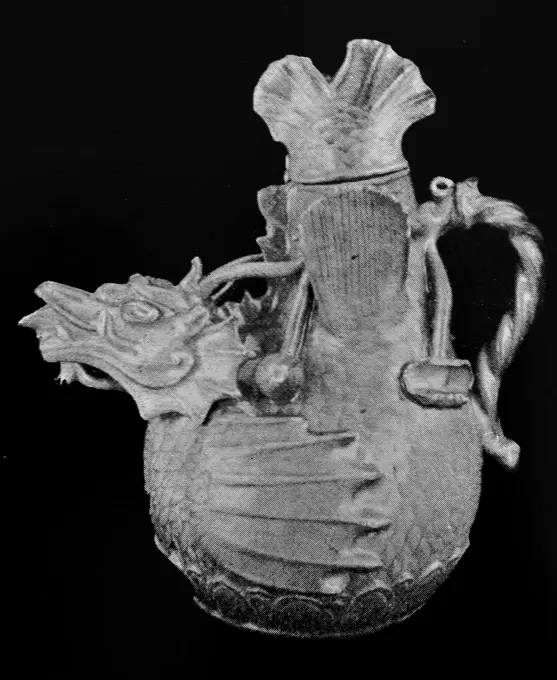
A collection of vintage Chinese ceramics, including a bellows, snuff bottle, hexagonal vase, and a decorative lamp, showcasing historical craftsmanship.
Mode (depicted name).Fashion (depicted name)
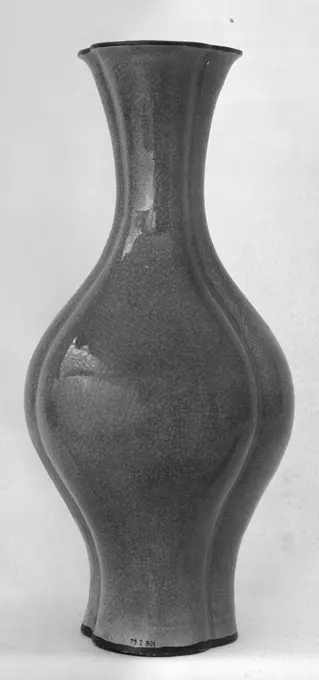
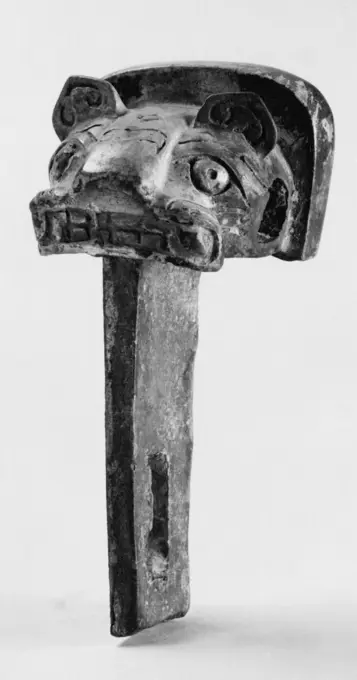
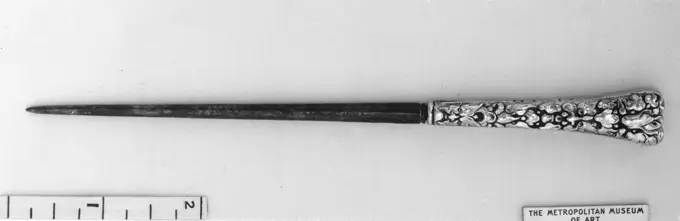
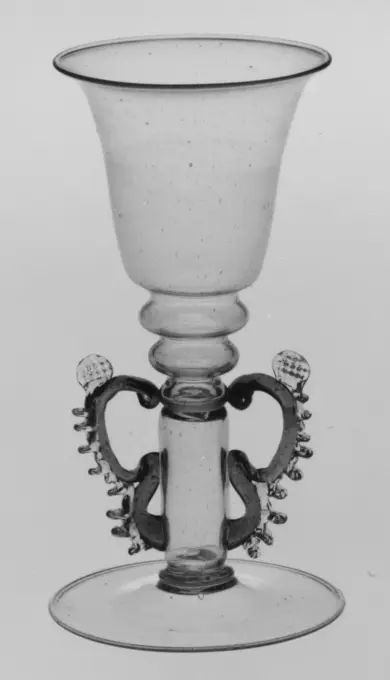
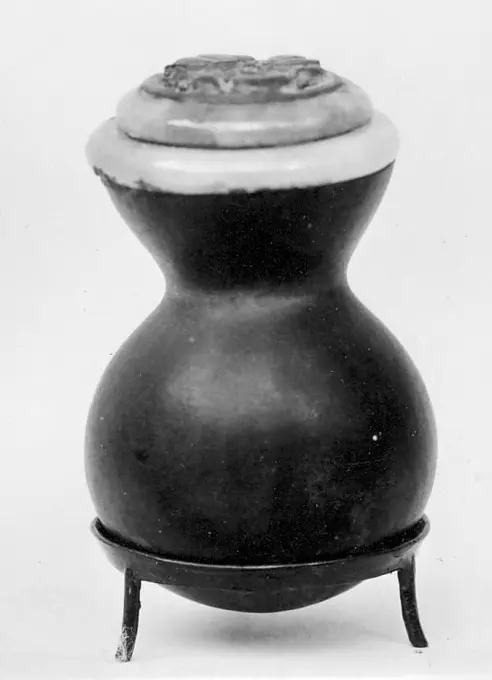
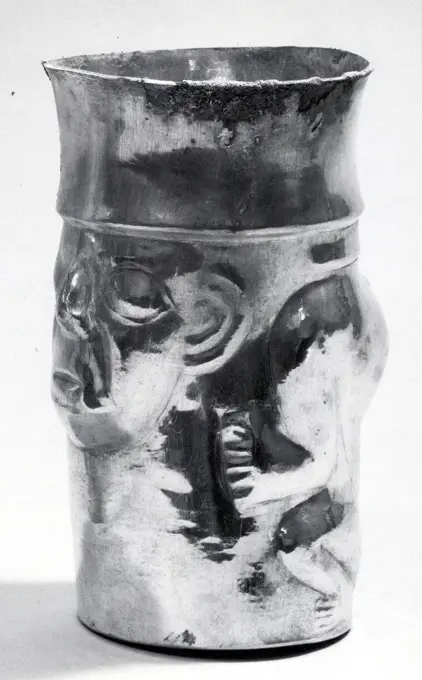
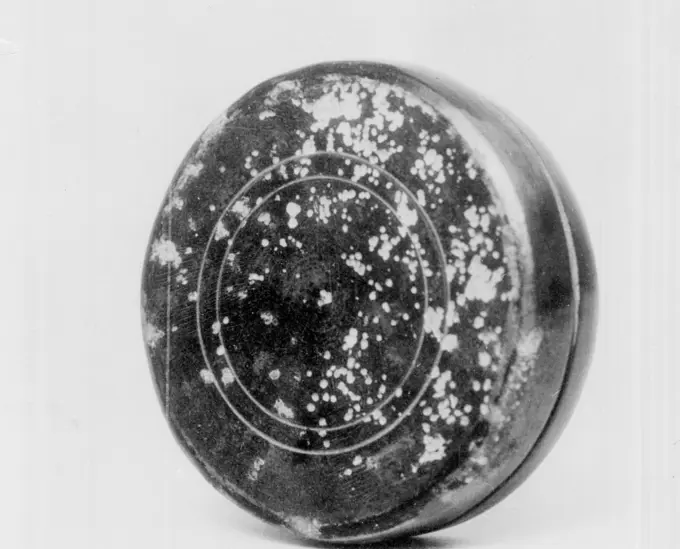
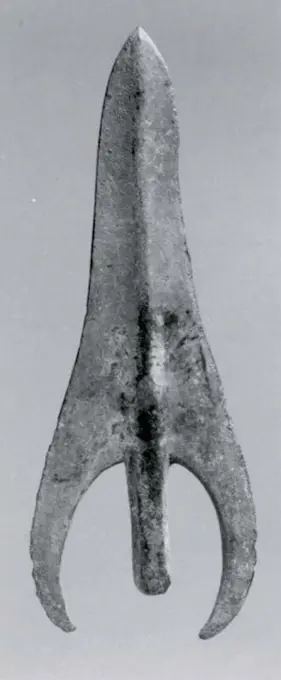
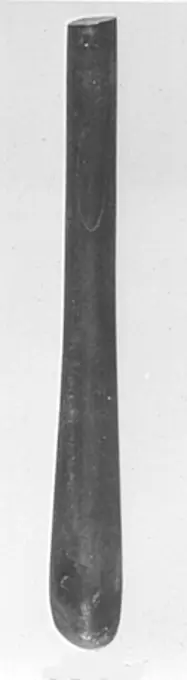
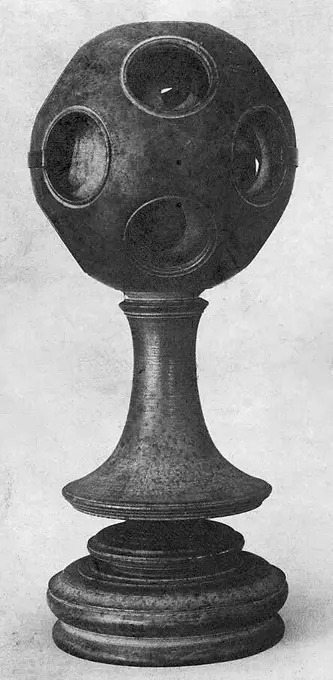
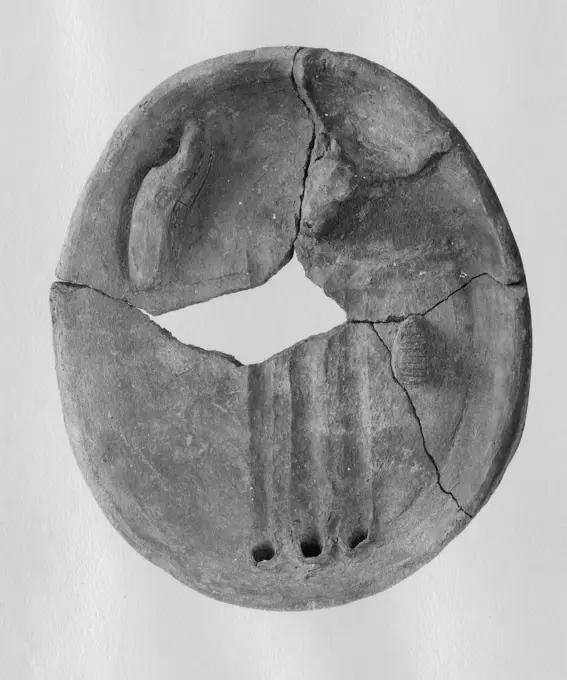
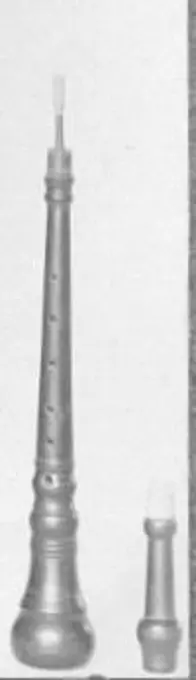
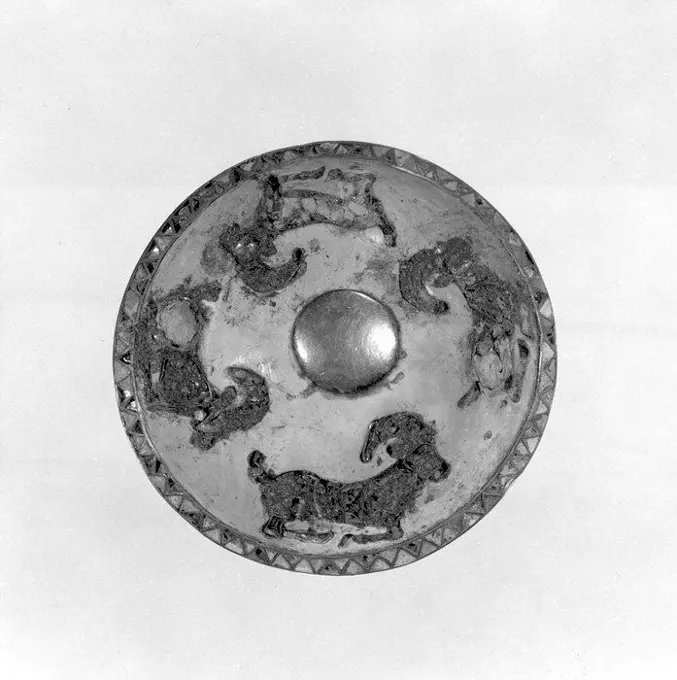
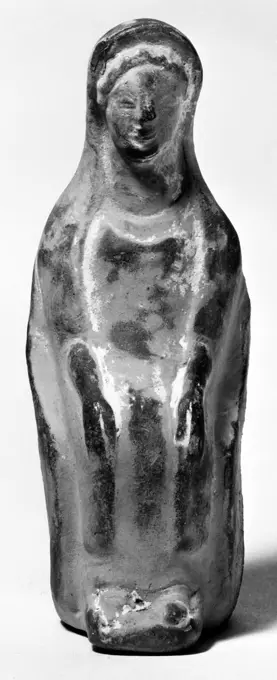
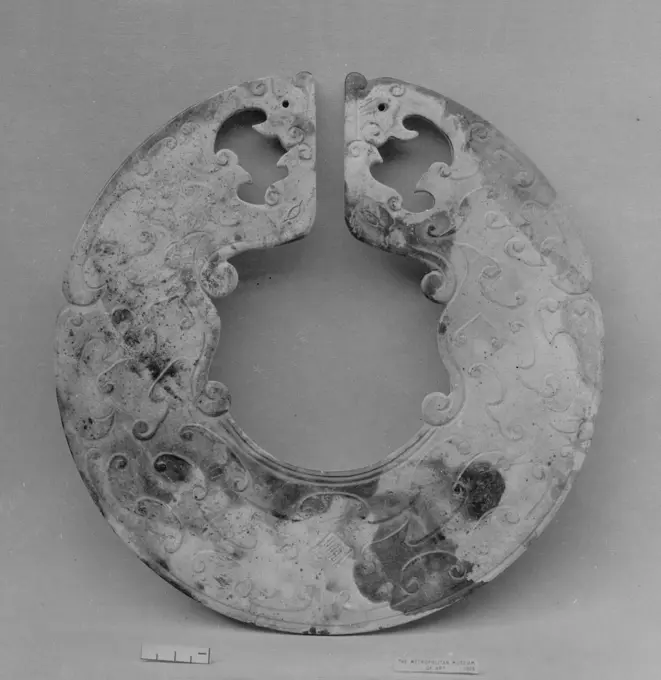
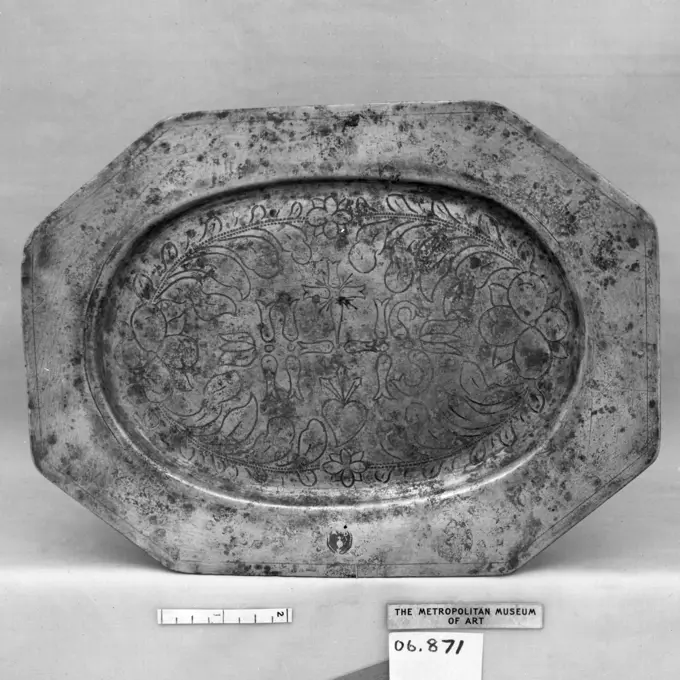
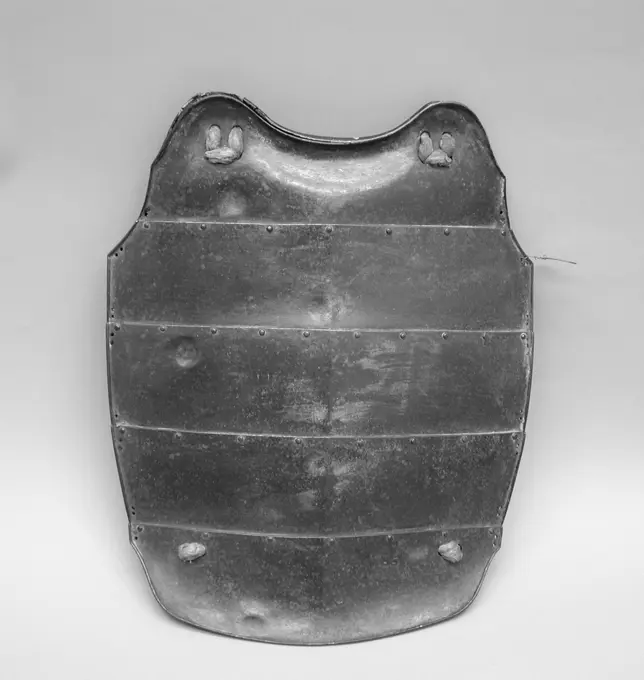
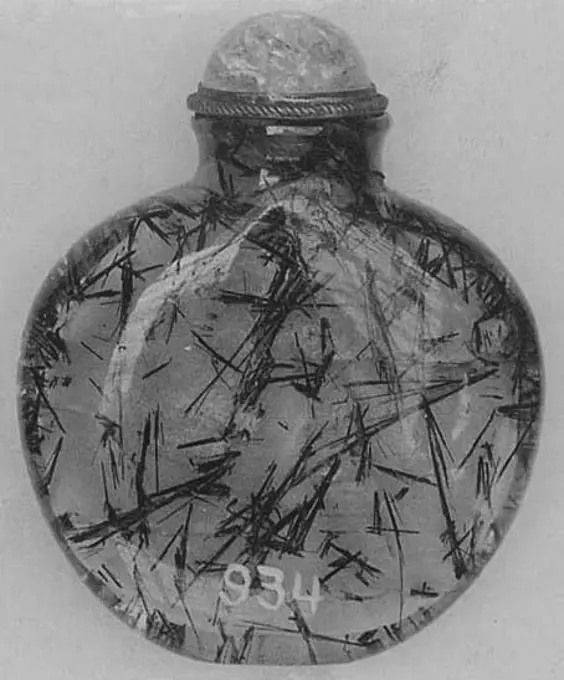
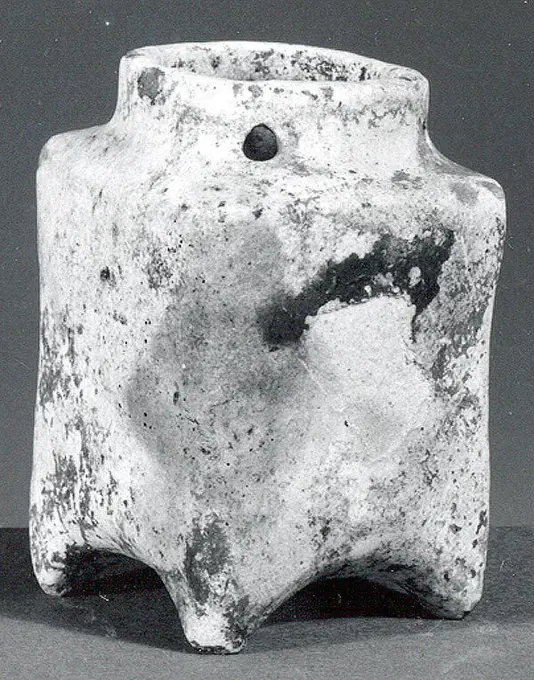
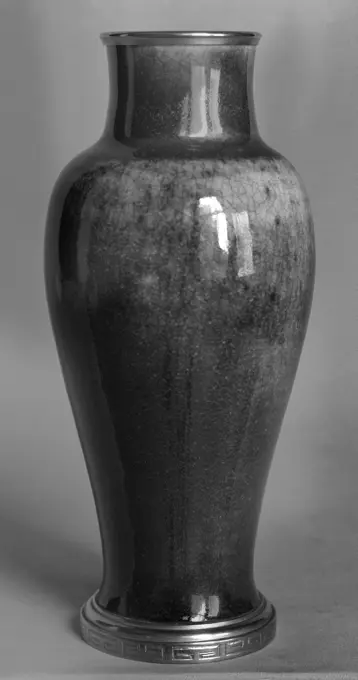
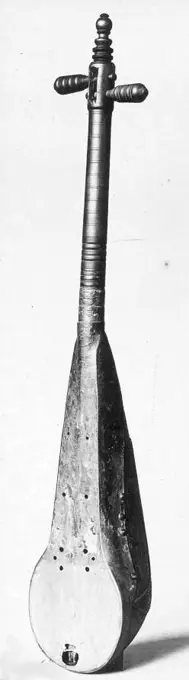
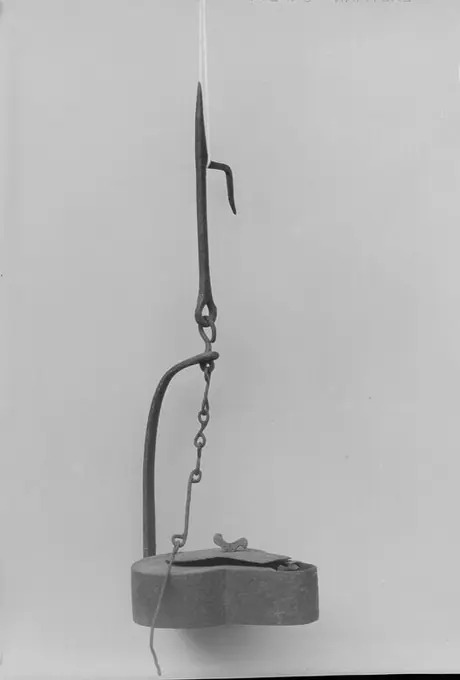
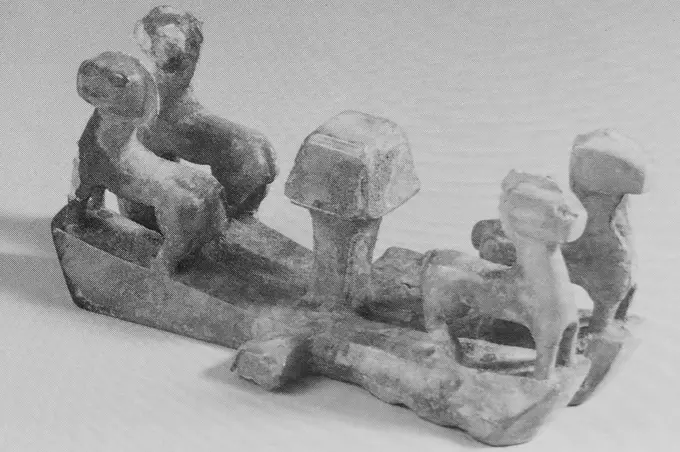
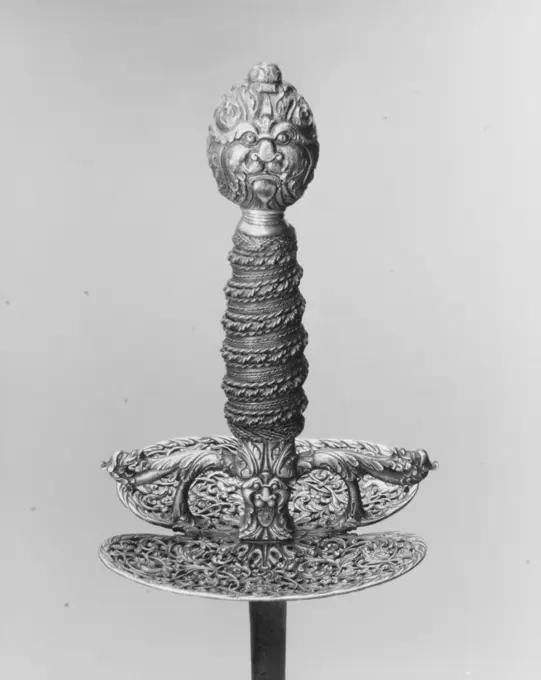
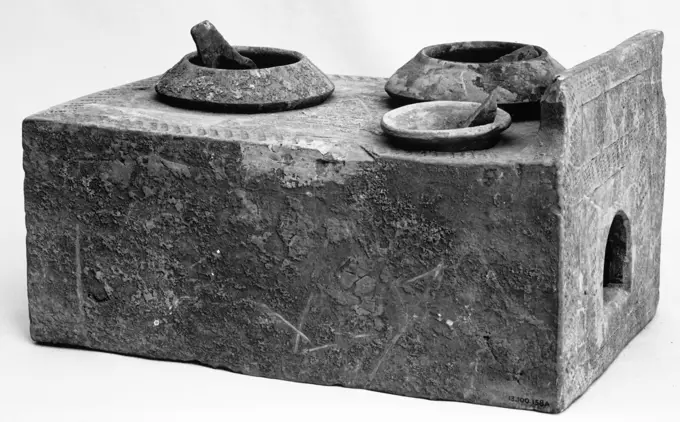
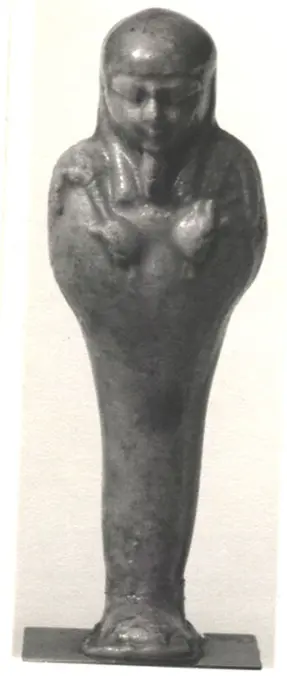
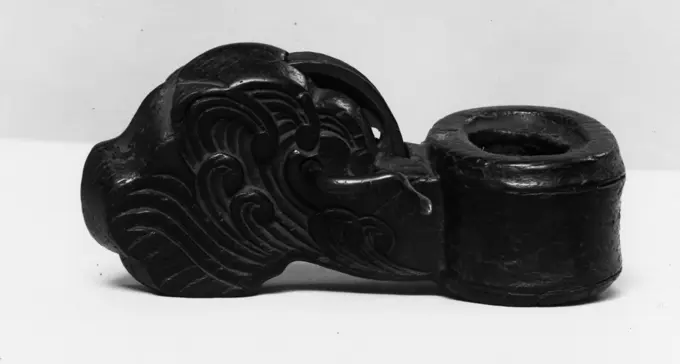
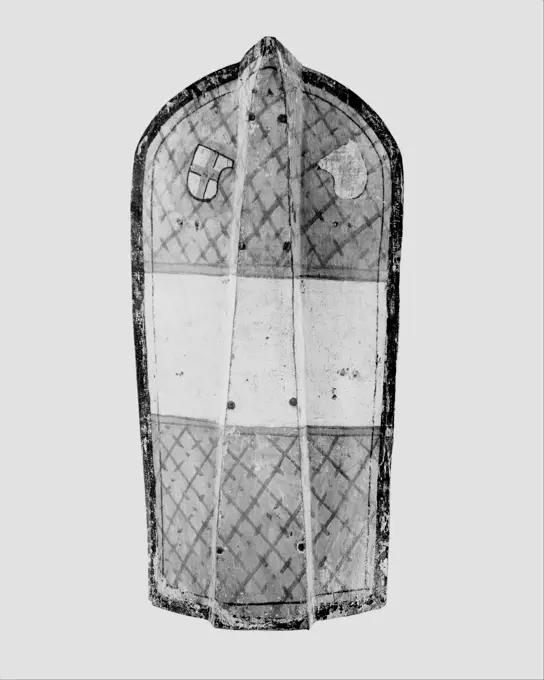
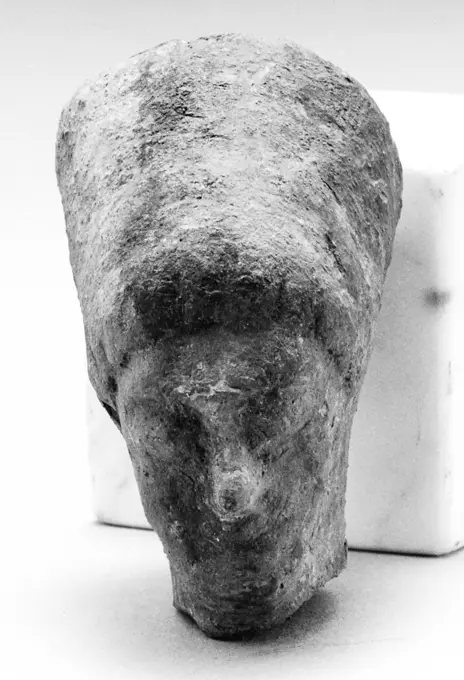
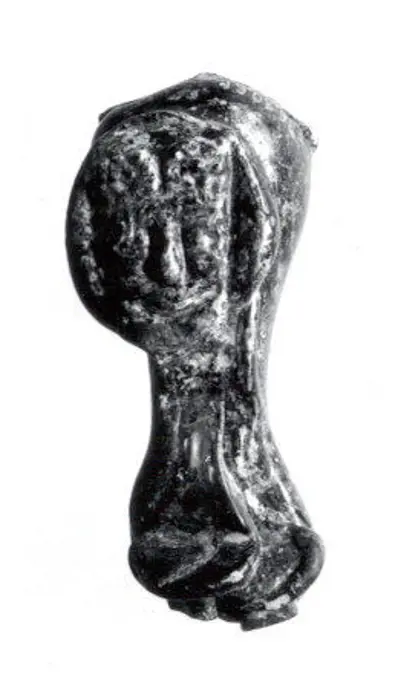
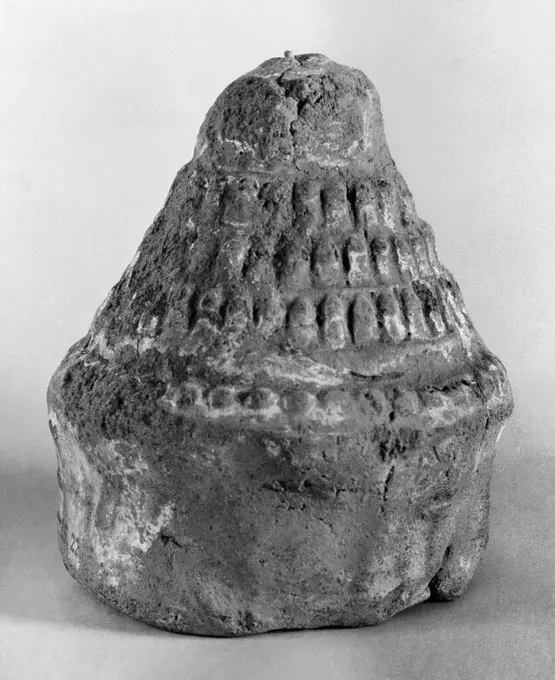
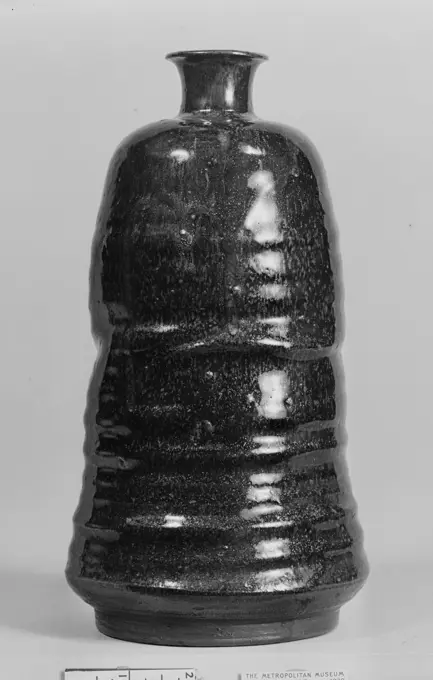
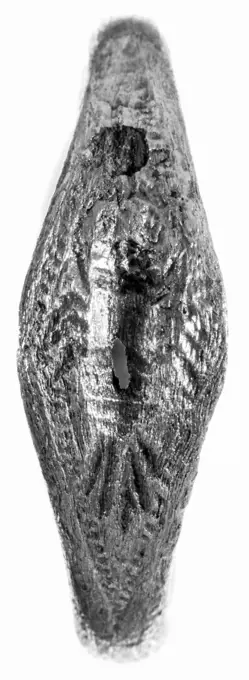
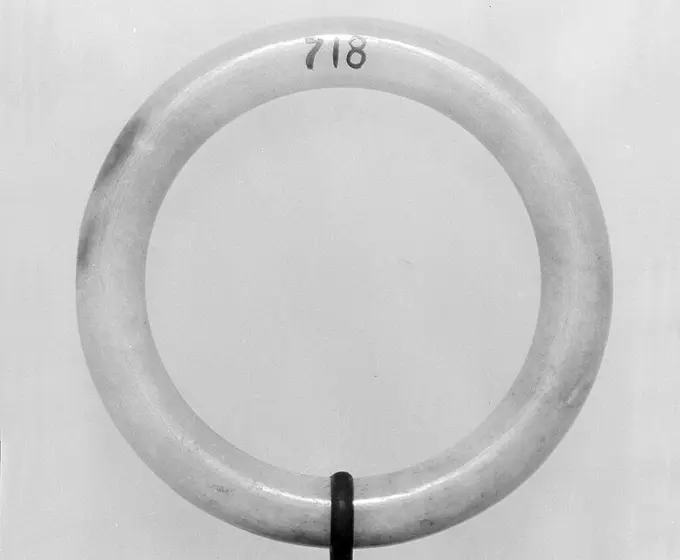
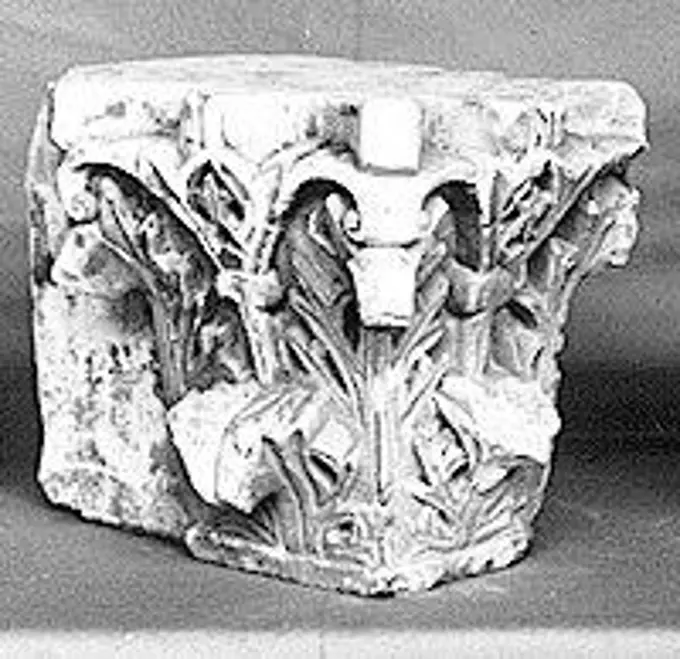
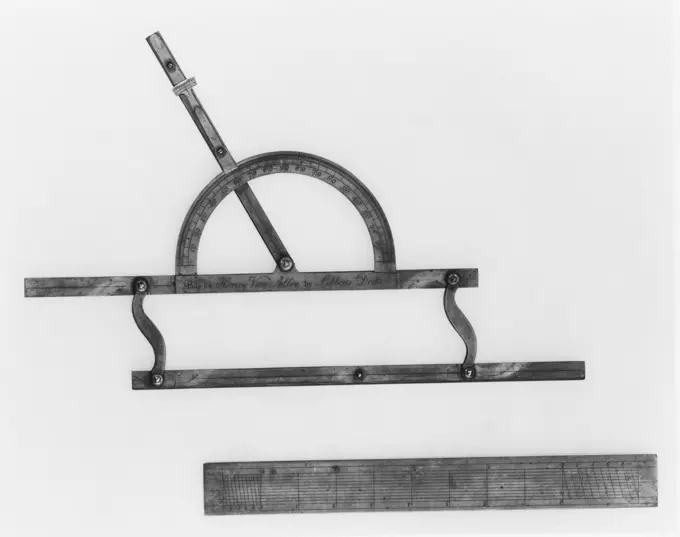
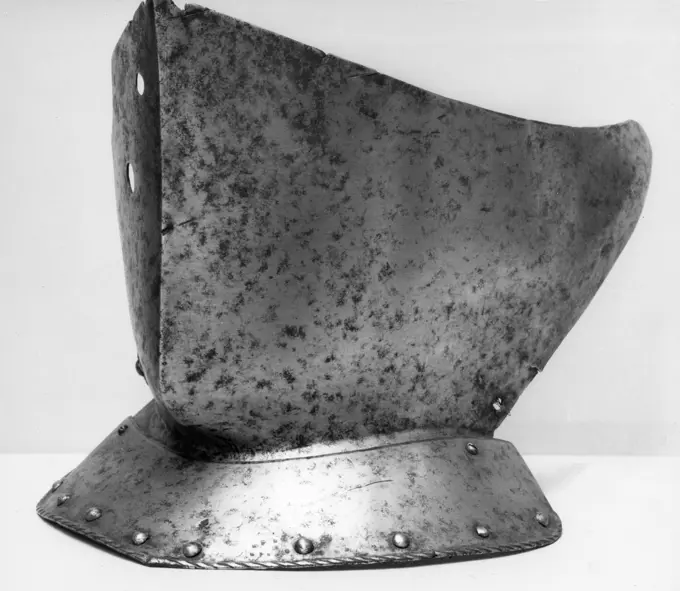
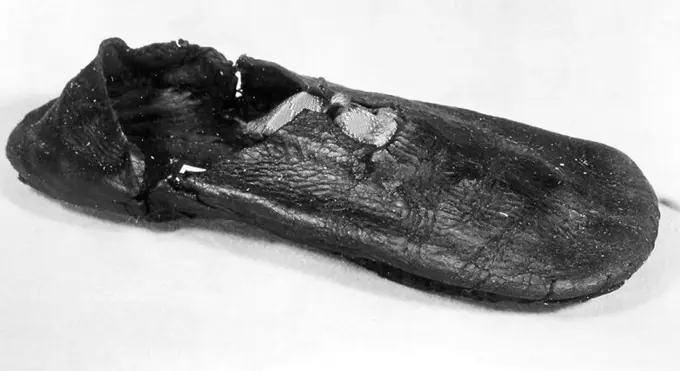
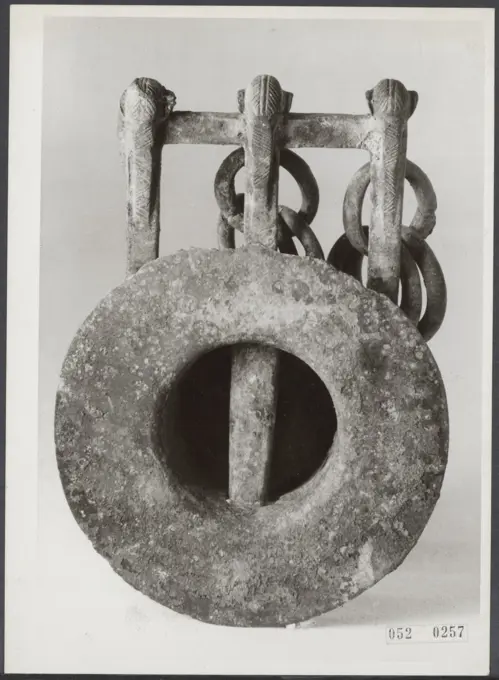
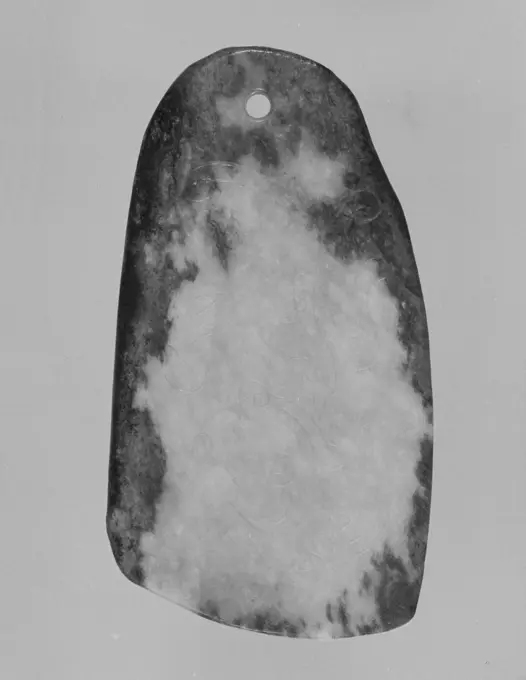
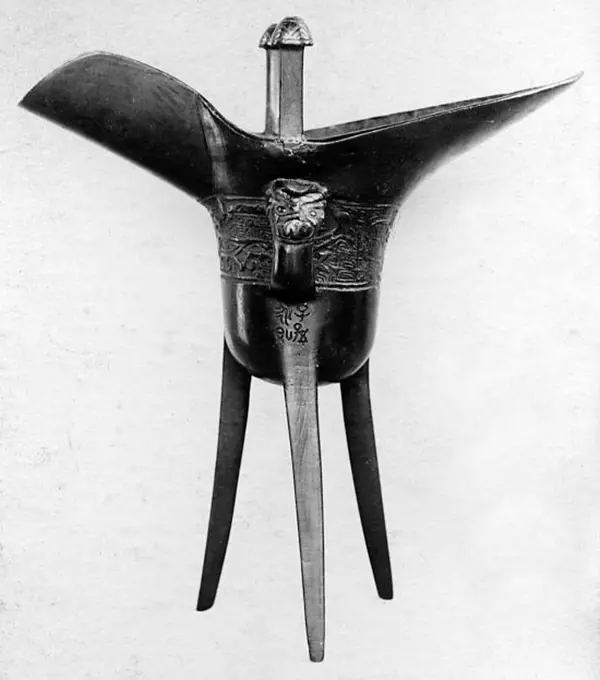
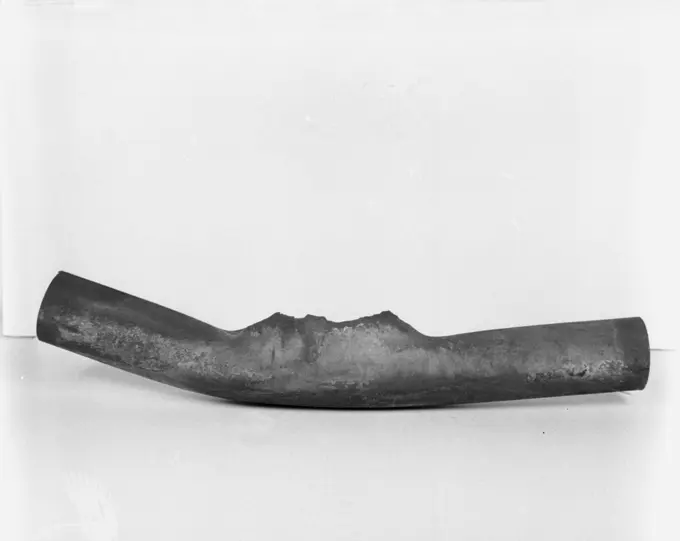
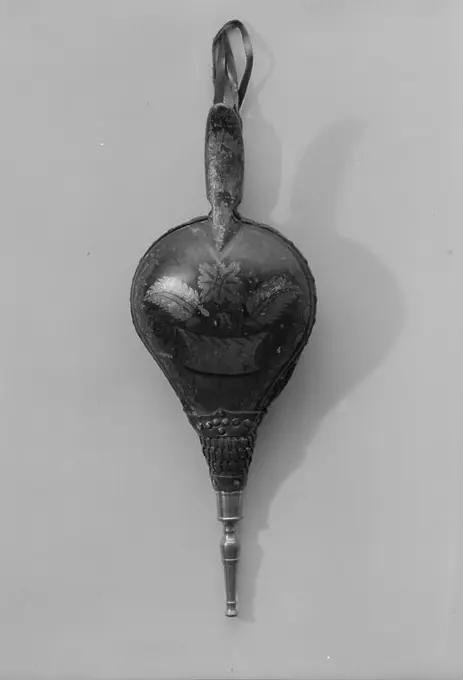
Bellows. Dimensions: 19 x 7 in. (48.3 x 17.8 cm). Date: 1810-20. Museum: Metropolitan Museum of Art, New York, USA.Snuff Bottle 19th century China. Snuff Bottle 41274Hexagonal vase late 18th-early 19th century China. Hexagonal vase. China. late 18th-early 19th century. Porcelain with tea-dust glaze (Jingdezhen ware). Qing dynasty (1644-1911). CeramicsLampka. unknown, authorVase late 18th-early 19th century China. Vase. China. late 18th-early 19th century. Porcelain with reticulated decoration and painted in overglaze polychrome enamels (Jingdezhen ware). Qing dynasty (1644-1911). CeramicsChariot Linchpin with a Tiger Head 11th-10th century B.C. China. Chariot Linchpin with a Tiger Head 49402Mode (depicted name).Fashion (depicted name)Bodkin or skewer ca. 1620-50 Dutch or German. Bodkin or skewer 192232Wineglass probably 17th century, possibly late 19th century Façon de Venise, northern European. Wineglass 460888Cricket cage 18th-19th century China. Cricket cage 60747Salzburg Kratz-Zither late 18th-early 19th century Austrian. Salzburg Kratz-Zither 504795Bottle vase 19th century China. Bottle vase 46673Attic Red-Figure Vase Fragment. UnknownHumpback Figure Beaker 12th-15th century Chimú. Humpback Figure Beaker 310622Vase ca. 1800 Japan. Vase. Japan. ca. 1800. Clay; glaze flecked with black and splashed with red at shoulder; metal rim at neck; (Awata ware). Edo period (1615-1868). CeramicsWater Jar. Culture: Japan. Dimensions: H. 6 1/2 in. (16.5 cm); Diam. 4 3/4 in. (12.1 cm). Date: 17th century. Museum: Metropolitan Museum of Art, New York, USA.Shovel. Dimensions: H. 31 in. (78.7 cm). Date: 1795-1815. Museum: Metropolitan Museum of Art, New York, USA.Porringer. Culture: American. Dimensions: Diam. 4 in. (10.2 cm). Maker: Attributed to Samuel Hamlin (1746-1801); Attributed to Samuel Ely Hamlin (1774-1864). Date: 1773-1856. Museum: Metropolitan Museum of Art, New York, USA.Box with Cover Korea The swastika incised on the center of this box is an ancient Indian symbol of auspiciousness that was introduced to Korea with Buddhism.. Box with Cover 57460Bottle in Meiping Shape with "Tortoiseshell" Glaze. Culture: China. Dimensions: H. 13 3/4 in. (34.9 cm); Diam. 7 1/2 in. (19.1 cm). Date: 14th century.One of many glaze effects re-created in Japan and in the West, "tortoiseshell" decoration is created by applying an iron-rich slip to a ceramic body and then covering the slip with an iron-rich glaze. During firing, the glaze melts and separates and the iron bubbles to the surface to create the dramatic design. Museum: Metropolitan Museum of Art, New York, USA.Fragmentary Fibula. UnknownArrowhead 2nd-1st millennium B.C. Iran. Arrowhead 325227Kohl Stick ca. 1635-1458 B.C. Second Intermediate Period-Early New Kingdom. Kohl Stick. ca. 1635-1458 B.C.. Hematite. Second Intermediate Period-Early New Kingdom. From Egypt, Upper Egypt, Thebes, Asasif, Courtyard CC 41, Tomb R 3, Burial B 1, In coffin, MMA excavations, 1915-16. Dynasty 17-Early Dynasty 18Bottle stopper China. Bottle stopper 43045Tea jar 18th century Japan. Tea jar. Japan. 18th century. Clay, reddish brown underglaze and richly mottled overglaze running into large drops (Takatori ware). Edo period (1615-1868). CeramicsVase. Culture: China. Dimensions: H. 7 in. (17.8 cm). Date: late 18th century. Museum: Metropolitan Museum of Art, New York, USA.Key. UnknownNest of Spheres 19th century China. Nest of Spheres. China. 19th century. Wood. Qing dynasty (1644-1911). WoodworkArrowhead or spear head ca. 3rd-7th century A.D. Sasanian. Arrowhead or spear head 323106Offering tray ca. 2051-2000 B.C. Middle Kingdom. Offering tray. ca. 2051-2000 B.C.. Pottery. Middle Kingdom. From Egypt, Upper Egypt, Thebes, Deir el-Bahri, Tomb MMA 101, MMA excavations, 1926-27. Dynasty 11Miniature Vessel 15th-early 16th century Inca. Miniature Vessel 309391Hautbois de Poitou 18th or 19th century French. Hautbois de Poitou. French. 18th or 19th century. Wood, ivory. France. Aerophone-Reed Vibrated-double reedWhistle late 19th century North American Indian. Whistle. Native American (Northwest Coast). late 19th century. Aerophone-Whistle Flute-whistleMedicine spoon () 17th century Possibly by Michael Lamb. Medicine spoon () 188120 Maker: Possibly by Michael Lamb, master 1605, Medicine spoon (), 17th century, Silver, 6 1/8 in. (15.6 cm). The Metropolitan Museum of Art, New York. Gift of Mrs. Samuel P. Avery, 1897 (97.2.85)Branches of various maple species (Acer), Left: Rosskestanie (Aesculus)Collection Dutch Heidematschappij. Red willow wood fireplace. undatedRoundel with horned animals ca. 9th-7th century B.C. Iran This dome-shaped object may have decorated a pommel, the knob on the end of a dagger or sword handle opposite the blade. It is composed of a disc of shell, attached to a copper alloy backing by a rivet going through the center. The head of the rivet is covered with a sheet of gold foil. Around the edge of the disc runs a decorative pattern, formed of a gold foil frame arranged in a pattern of interlocking triangles, into which small inlays were set. Many of these small inlays have deteriorated or been lost completely, and those which remain appear to be made of carved shell. Inlaid into the surface of the disc are four rams, shown in profile and arranged head-to-tail with heads toward the center. In many areas of the shell surface that was hollowed out to form the bodies of the rams, a black residue is visible. This may be traces of bitumen, a tar-like substance that was used as an adhesive. The outlines of the rams are formed fStatuette of a Seated Female. Unknownwine pot, Celadon glaze; modelled and incised decoration. From the time of Koryo (Goreyo) (Goreyo) dynasty (918 - 1392)Bone Clappers late 19th century North American. Bone Clappers 501914Spoon ca. 1650 British, Norwich. Spoon. British, Norwich. ca. 1650. Silver. Metalwork-SilverShoulder Band Fragment. Dimensions: H. 10 in. (25.4 cm)W. 4 1/2 in. (11.4 cm). Date: 5th-6th century. Museum: Metropolitan Museum of Art, New York, USA.Naczynie malowane. unknown, authorSnuff Bottle 18th century China. Snuff Bottle 41731FIGURILLA - BARRO ROJIZO - SIGLOS X-VIII AC -DIOSA MADRE DE LA FERTILIDAD -ESTILO DE AMLASH - FOTOGRAFIA EN BLANCO Y NEGRO - AÑOS 60. Location: MUSEO ARQUEOLOGICO NACIONAL-COLECCION. MADRID. SPAIN.Incomplete Ring China. Incomplete Ring. China. Jade. Han dynasty (206 B.C.-A.D. 220). JadeDish late 17th century possibly Flemish. Dish 189139 possibly Flemish, Dish, late 17th century, Pewter, 10  7 1/2 in. (25.4  19.1 cm). The Metropolitan Museum of Art, New York. Rogers Fund, 1906 (06.871)Breastplate (Plastron) 17th century Japanese. Breastplate (Plastron) 22029Corinthian Alabastron Fragment. UnknownAttic Red-Figure Column Krater Fragment. Unknown 5th century B.C. Exterior, part of framing pattern (two columns of dots). Interior, black.Snuff Bottle China. Snuff Bottle 41692Snuff bottle with stopper 18th-19th century China. Snuff bottle with stopper 41110Square jar ca. 9th century B.C. Iran. Square jar 325623Vase late 17th-early 18th century China. Vase. China. late 17th-early 18th century. Porcelain with copper red glaze (Jingdezhen ware), gilt bronze mounts. Qing dynasty (1644-1911), Kangxi period (1662-1722). CeramicsShoe Made 1553-1558 England. Leather .Gunibri 19th century possibly Egyptian With plucked strings and bodies of gourd, tortoise shell and delicately carved wood. This folk instrument resembles ancient Egyptian lutes.. Gunibri 501037Band Fragment. Dimensions: 18 in. high 14.25 in. wide (45.72 cm high 36.19 cm wide). Date: 5th century. Museum: Metropolitan Museum of Art, New York, USA.Betty Lamp. Culture: American. Dimensions: 11 1/2 x 4 1/2 in. (29.2 x 11.4 cm). Date: 1725-75. Museum: Metropolitan Museum of Art, New York, USA.Engraved Gem Inset into a Ring. UnknownSnuff Bottle China. Snuff Bottle 41202Guenbri late 19th century Moroccan. Guenbri. Moroccan. late 19th century. wood, parchment. Morocco. Chordophone-Lute-plucked-unfrettedFragment 17th century Swiss. Fragment 190826Sword Pomme made of bronze. From the period of Three Kingdoms in Korea (57 BCE - 668) despite the existence of more than 70 tribes throughout Korean territory at the time.Jar China. Jar 48267Man's Horned Toe Shoe. England. Date: 1501-1600. Dimensions: 26.5 × 8.5 × 8.5 cm (10 7/16 × 3 5/16 × 3 5/16 in.). Leather. Origin: England. Museum: The Chicago Art Institute, Chicago, USA.Rapier ca. 1650 Italian, Brescia The rapier was the principal civilian sidearm throughout the sixteenth and seventeenth centuries. Designed for cut-and-thrust fencing of progressively complex techniques, the rapier is characterized by a double-edged blade with an acute point and an elaborate guard for the hand. The guards, usually of iron or steel, were subject to a variety of embellishment. They were engraved, chiseled, gilded, damascened, and encrusted in gold and silver in keeping with fashionable styles. Unless otherwise noted, the materials, attributions, and dating given here refer to the hilts. Rapier blades, invariably of steel, bear a variety of makers marks denoting their origin in the two principal centers of blademaking, Toledo in Spain and Solingen in Germany.. Rapier. Italian, Brescia. ca. 1650. Steel, wood. Brescia. SwordsModel of a Cooking Stove China. Model of a Cooking Stove 62841Shabti. Dimensions: H. 10.1 cm (4 in); w. 3.4 cm (1 5/16 in). Dynasty: Dynasty 30. Date: ca. 380-343 B.C.. Museum: Metropolitan Museum of Art, New York, USA.Carpenter's Chalk-Line 19th century Japan. Carpenter's Chalk-Line 61925Bone. Possibly to the stove.Archer's Shield (Pavise) 1450-75 Austrian, Klausen. Archer's Shield (Pavise). Austrian, Klausen. 1450-75. Wood, gesso, pigment, pigskin. Klausen, South Tyrol; Klausen, South Tyrol. ShieldsSmall Hanging China. Small Hanging 65672Female Head. UnknownHandle ca. 3rd-7th century A.D. Sasanian. Handle 323242Moulded Miniature Stupa (stupika). Culture: Tibet. Dimensions: H. 3 7/8 in. (9.8 cm); Diam. 3 1/16 in. (7.8 cm). Date: 12th-19th century. Museum: Metropolitan Museum of Art, New York, USA.Belt early 20th century Tibet. Belt 70621Figure 18th century Columbia River. Figure. Columbia River. 18th century. Bone. United States, Oregon, Columbia River region. Bone/Ivory-SculptureEar ornament. Culture: Mexico. Dimensions: H. 1 5/8 in. (4.2 cm); W. 1 in. (2.5 cm). Museum: Metropolitan Museum of Art, New York, USA.Bottle ca. 1500 Japan. Bottle. Japan. ca. 1500. Clay with dark brown mottled glaze, shading into lighter tones (Karatsu ware). Muromachi period (1392-1573). CeramicsRing; second half of 6th century B.C; Silver; 2.2 cm, 0.0046 kg (7,8 in., 0.0101 lb.)Armlet. Culture: China. Dimensions: H. 3 1/8 in. (8 cm); W. 7/16 in. (1.1 cm). Date: 1796-1875. Museum: Metropolitan Museum of Art, New York, USA.Mirror Handle ca. late 11th-12th century Indonesia (Java). Mirror Handle 37683Capital with Acanthus Leaves 6th century In the 500s Apa (Father) Jeremias founded a Coptic monastery at Saqqara, the ancient Egyptian necropolis (cemetery) of the city of Memphis, near the oldest pyramids. He and the earliest monks lived in tombs at the site. As the monastery grew, several grand churches with lavish decoration were built, as well as many chapels, public buildings, and complexes of cells (rooms) for each monk. The monastery continued to grow after the Arab conquest with materials from early Byzantine tomb structures being reused for additional monastic structures. Inscriptions record prayers to numerous holy figures. Sculptural elements from Saqqara are often carved with deeply undercut patterns to intensify the play of light and shadow and to mask the solidity of the architecture. This sculptural style was popular throughout the Byzantine world in the 500s.. Capital with Acanthus Leaves. 6th century. Limestone; carved in relief. Found Egypt, Saqqara. SculptureBliżej Kultury unknownSiana Cup Fragment. UnknownLazio Roma Rome Museo degli Strumenti Musicali2. Hutzel, Max 1960-1990 German-born photographer and scholar Max Hutzel (1911-1988) photographed in Italy from the early 1960s until his death. The result of this project, referred to by Hutzel as Foto Arte Minore, is thorough documentation of art historical development in Italy up to the 18th century, including objects of the Etruscans and the Romans, as well as early Medieval, Romanesque, Gothic, Renaissance and Baroque monuments. Images are organized by geographic region in Italy, then by province, city, site complex and monument.Parallel Rule with Protractor and Plotting Scale 1796 Lebbeus Dod. Parallel Rule with Protractor and Plotting Scale. American. 1796. Brass, wood. Made in Newark, New Jersey, United StatesRing 1795 British. Ring. British. 1795. Gold, ivory, glassDeep Cup. Culture: Japan. Dimensions: H. 5 1/4 in. (13.3 cm); Diam. 3 3/4 in. (9.5 cm). Date: 19th century. Museum: Metropolitan Museum of Art, New York, USA.Buffe 16th century German. Buffe 23010Shoe. England. Date: 1501-1600. Dimensions: 22.8 × 10 × 5.5 cm (9 × 3 15/16 × 2 1/8 in.). Leather. Origin: England. Museum: The Chicago Art Institute, Chicago, USA.Finial Fragment. UnknownEngraved Gem Inset Into a Ring. UnknownElsevier photo collection. Series: Utensils prehistoric time No Caption. undatedSamo (depicted - name).Samo (depicted - name)Textile Fragment 3rd-4th century. Textile Fragment 443525Pendant 18th century China. Pendant. China. 18th century. Nephrite. JadeLibation Cup (Jüe) 18th-19th century China. Libation Cup (Jüe). China. 18th-19th century. Bronze. Qing dynasty (1644-1911). MetalworkJoseph Taylor, Caddy Spoon, 1813/14, silver.Coffee spoon 18th century Possibly by Benjamin Brewood II. Coffee spoon 188051 Maker: Possibly by Benjamin Brewood II, active from 1755, Coffee spoon, 18th century, Silver, Length: 4 1/2 in. (11.4 cm). The Metropolitan Museum of Art, New York. Gift of Mrs. Samuel P. Avery, 1897 (97.2.15)