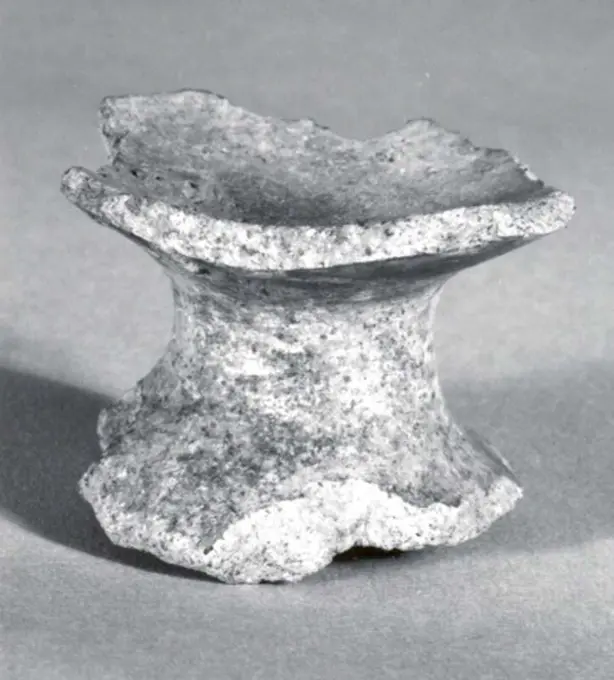
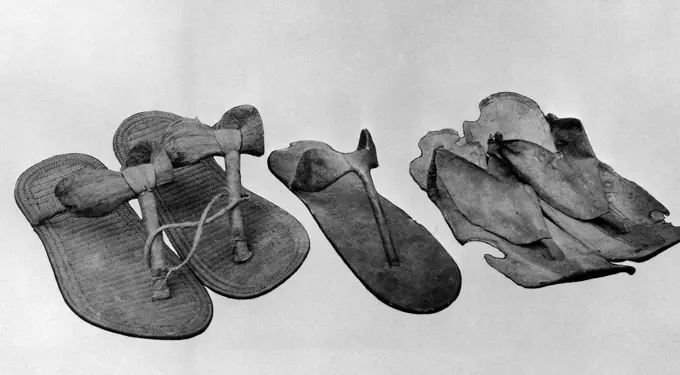
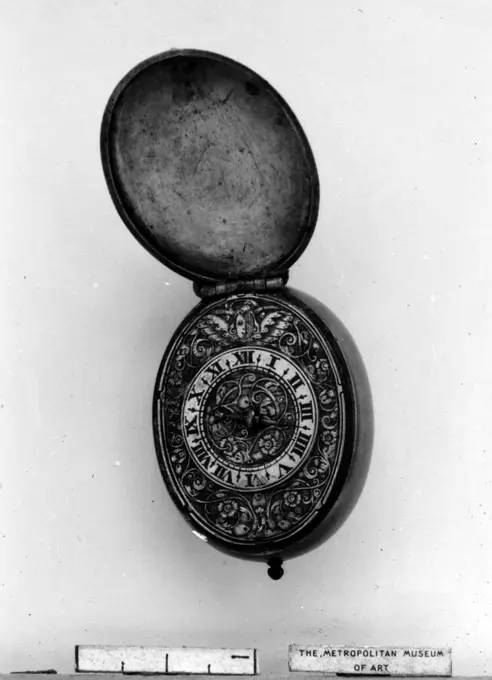
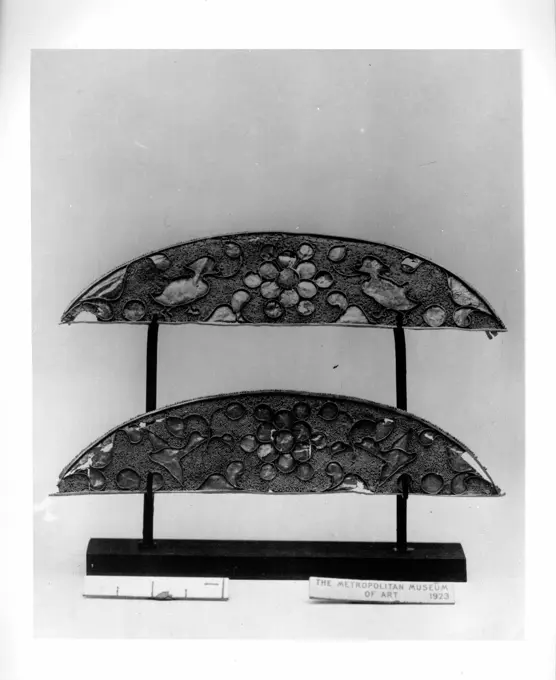
Antique Cultural Artifacts

A collection of unique historical items including bellows, ceramics, snuff bottles, and cricket cages, showcasing craftsmanship from various cultures and eras.

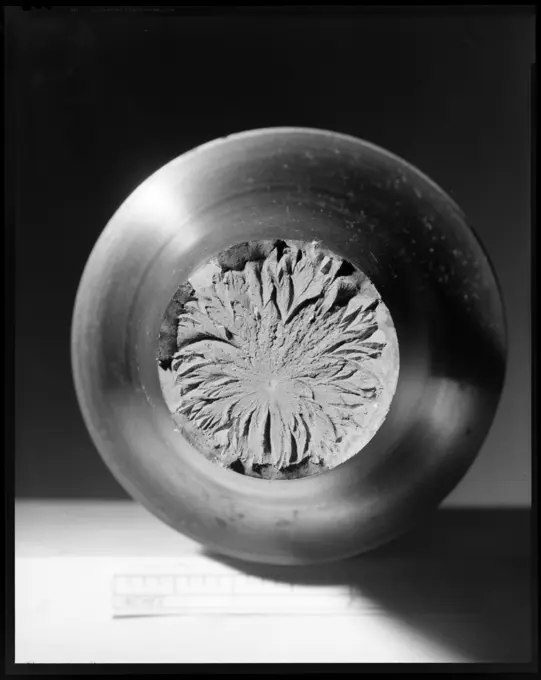
Emilia-Romagna Ferrara Ferrara Museo Civico di Schifanoia59. Hutzel, Max 1960-1990 General Notes: INCOMPLETE RECORD--NEGATIVES PROCESSED, PRINTS FILED German-born photographer and scholar Max Hutzel (1911-1988) photographed in Italy from the early 1960s until his death. The result of this project, referred to by Hutzel as Foto Arte Minore, is thorough documentation of art historical development in Italy up to the 18th century, including objects of the Etruscans and the Romans, as well as early Medieval, Romanesque, Gothic, Renaissance and Baroque monuments. Images are organized by geographic region in Italy, then by province, city, site complex and monument.
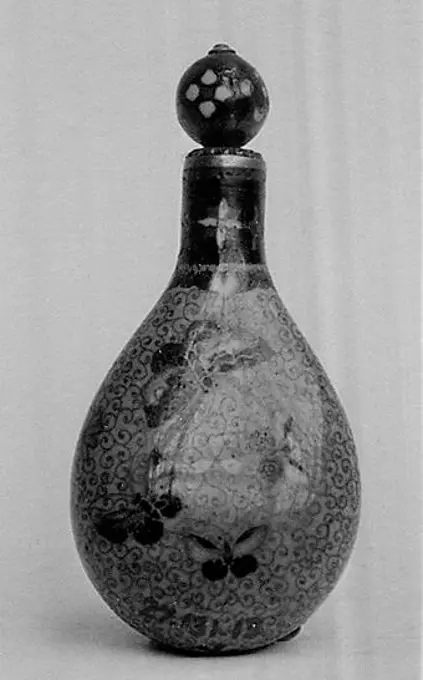
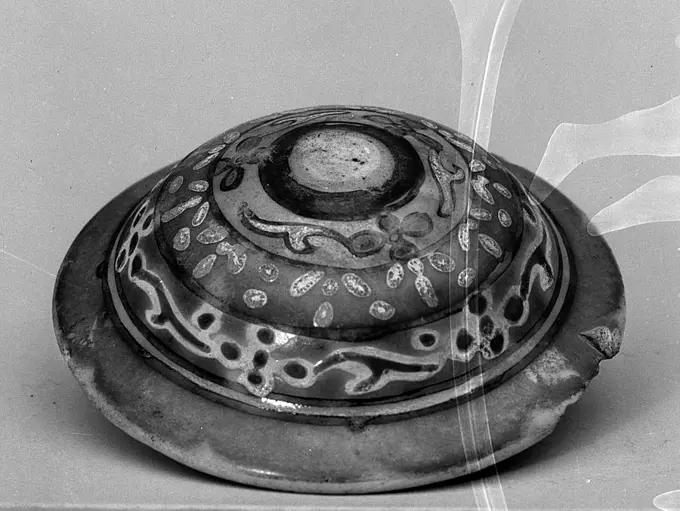
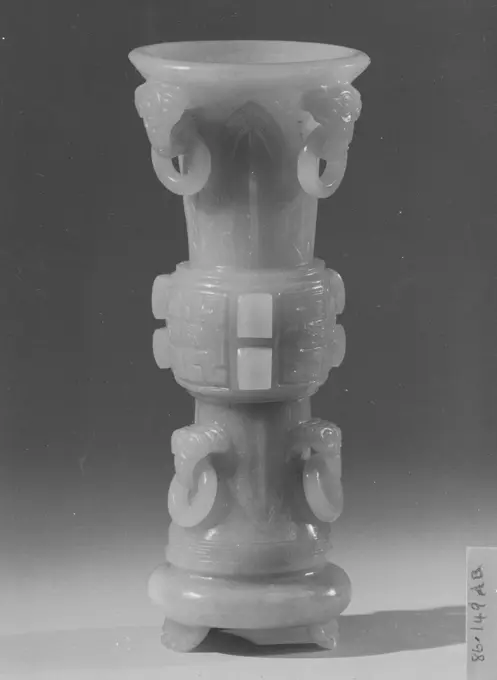
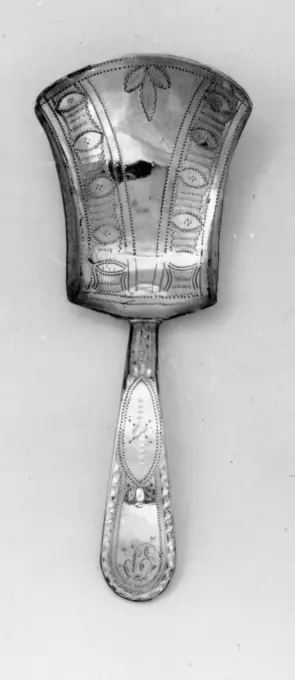
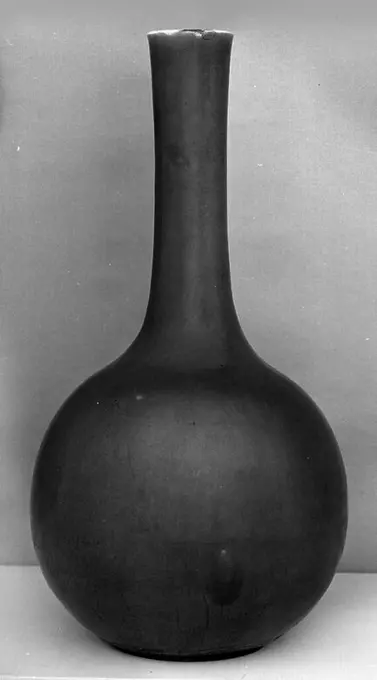
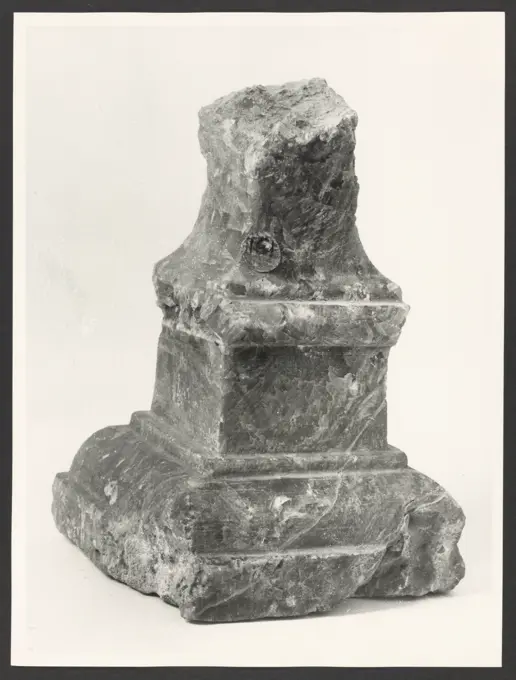
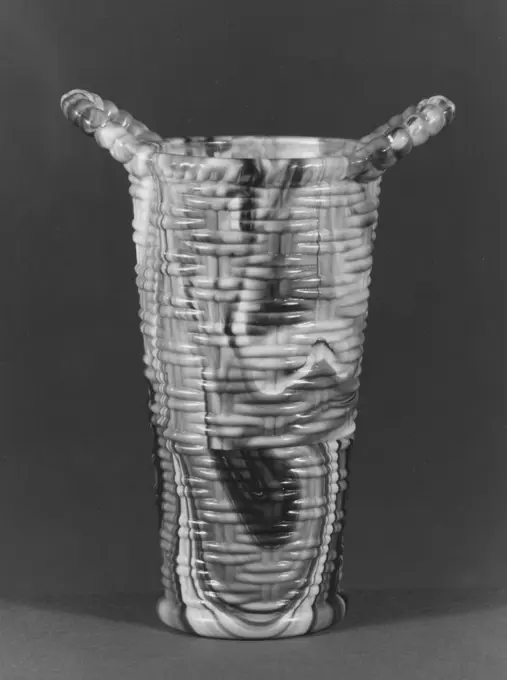
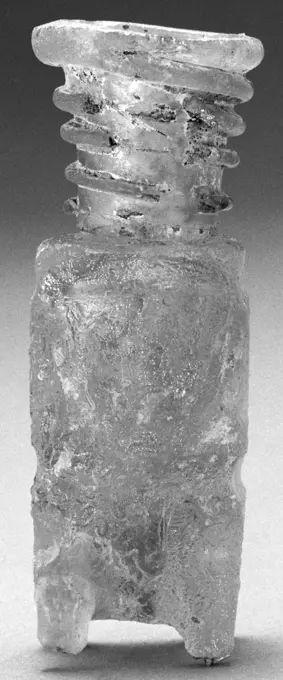
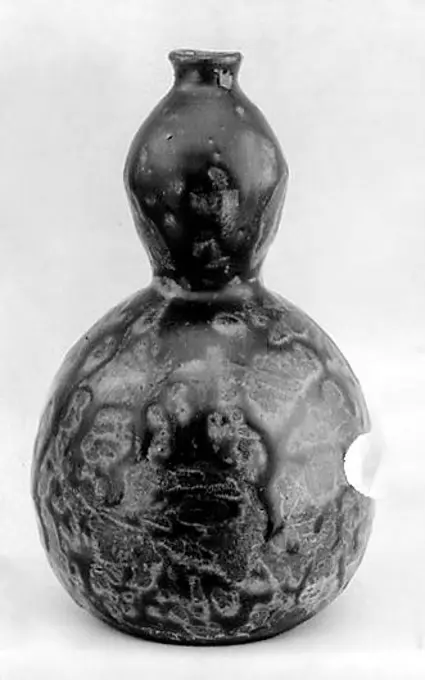
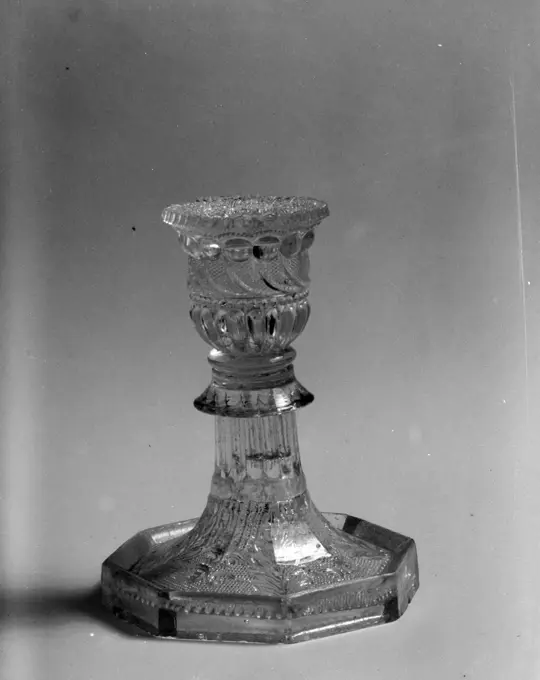
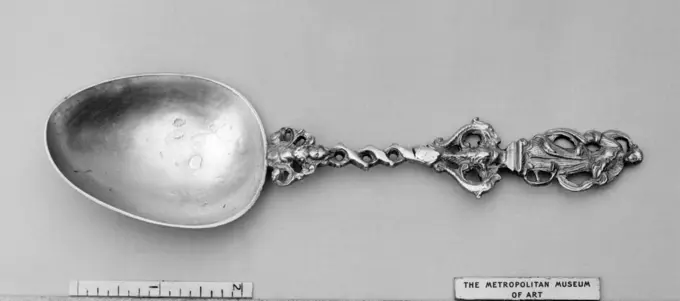
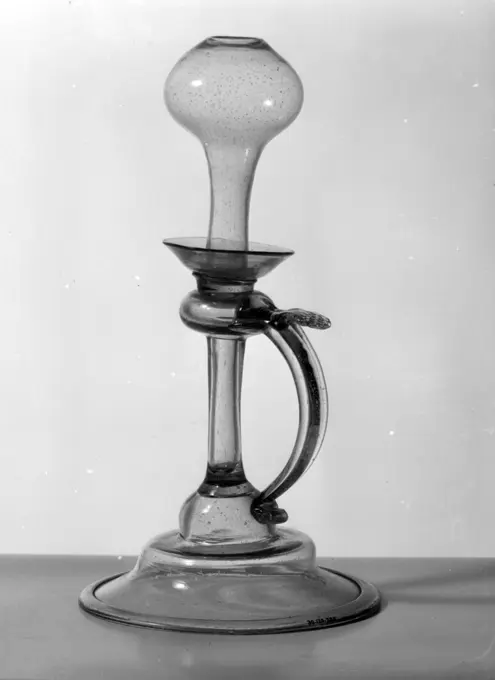
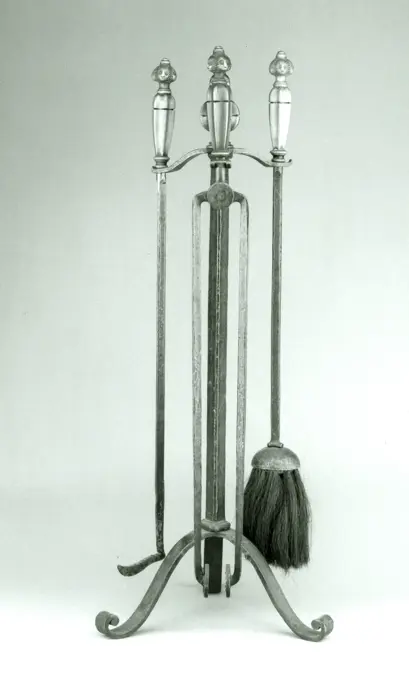
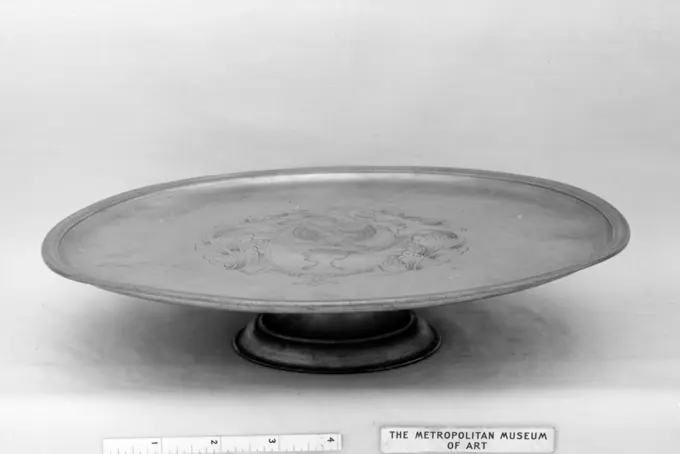
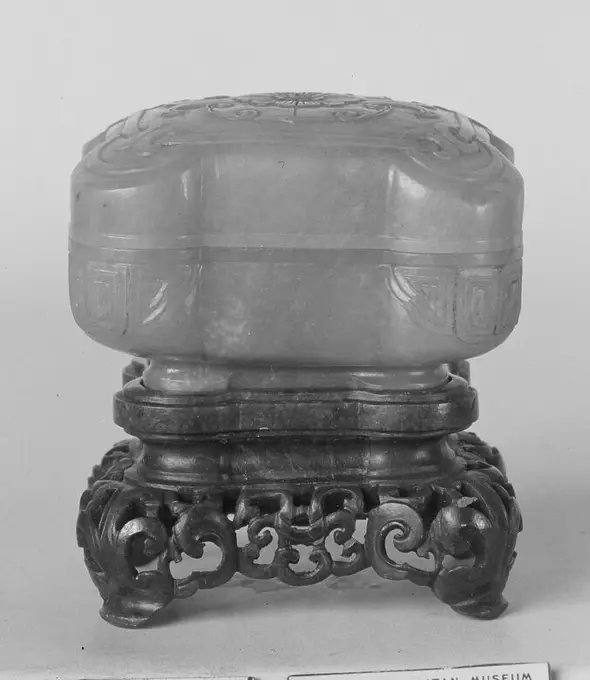
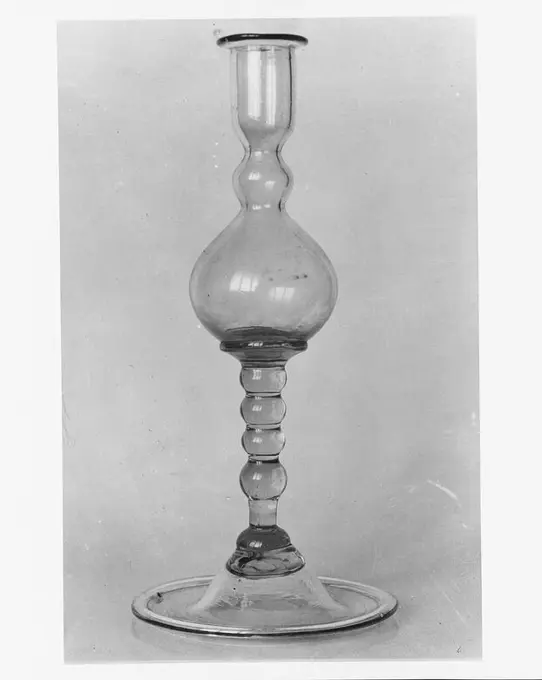
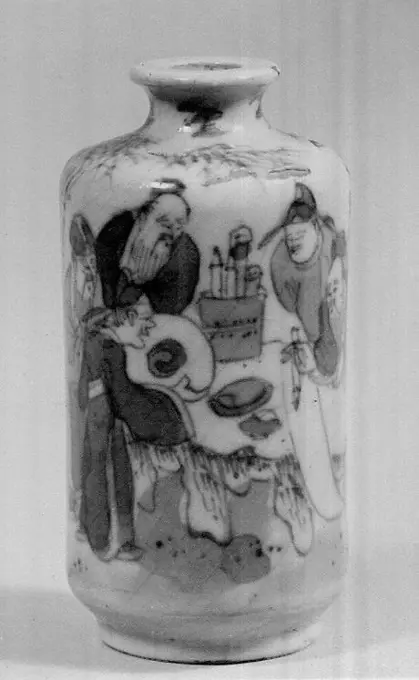
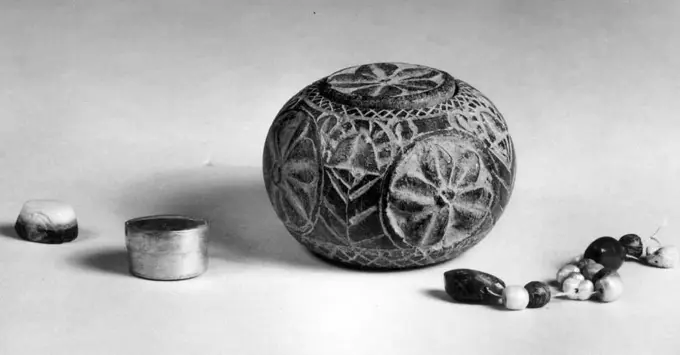
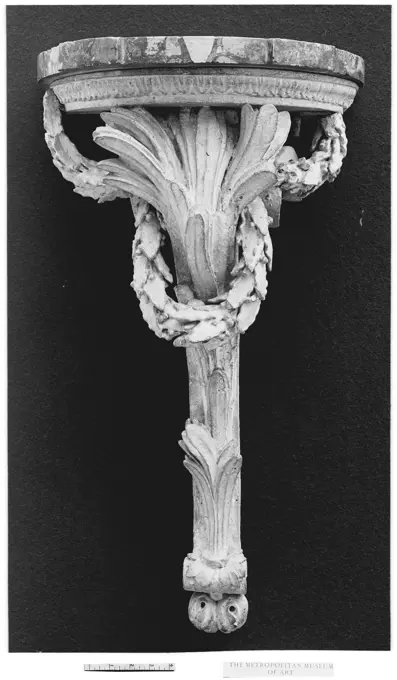
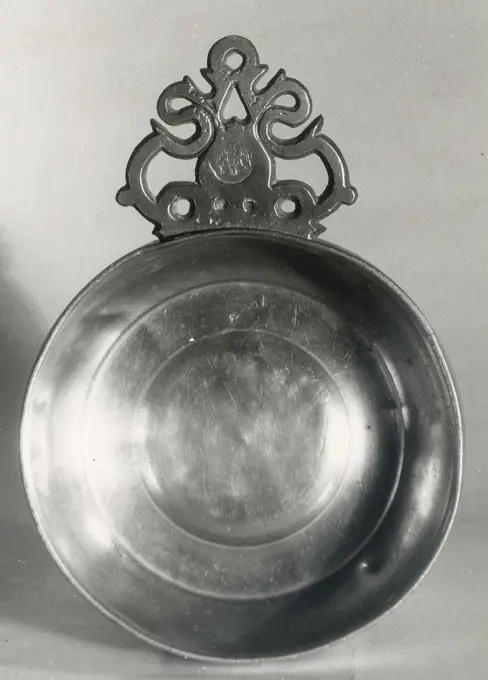
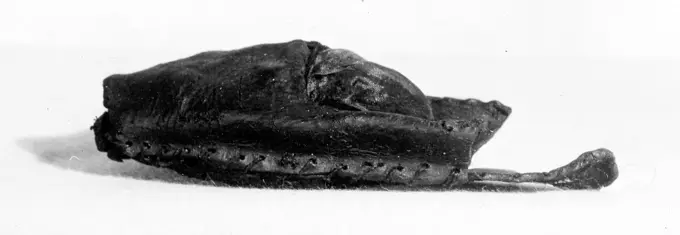
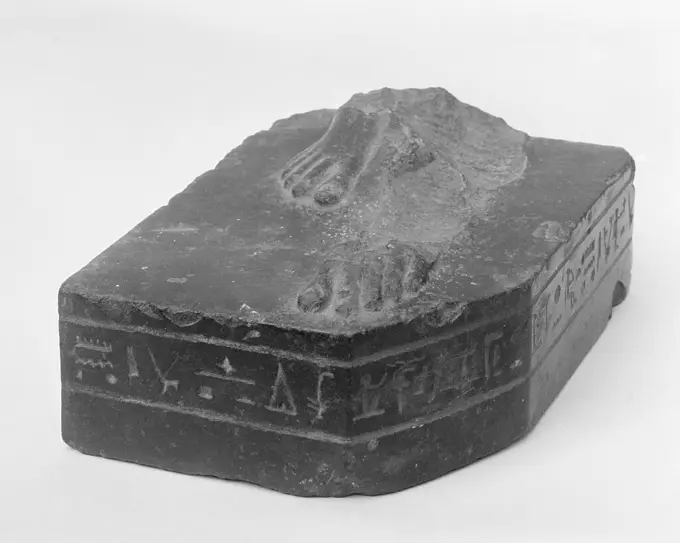
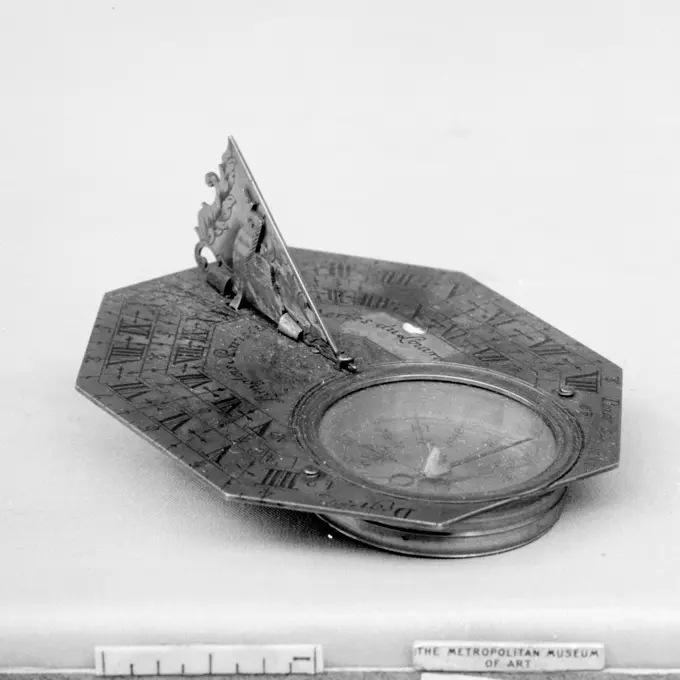
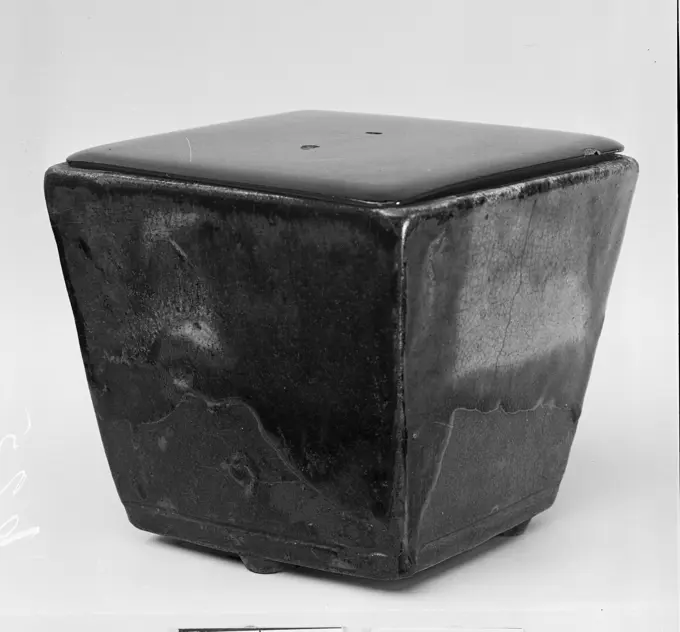
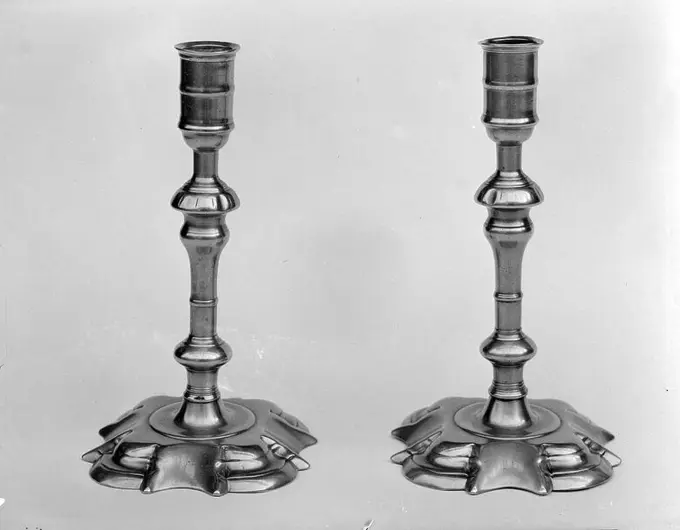
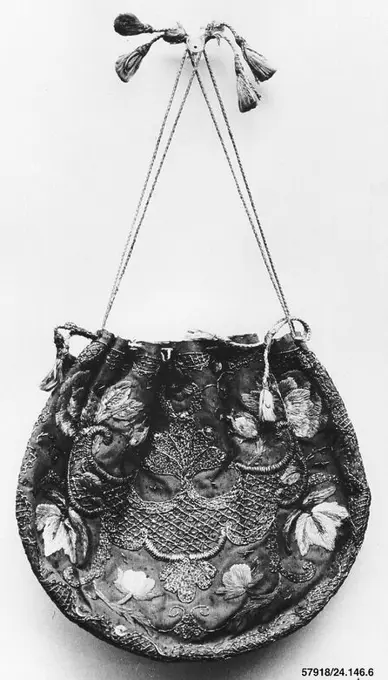
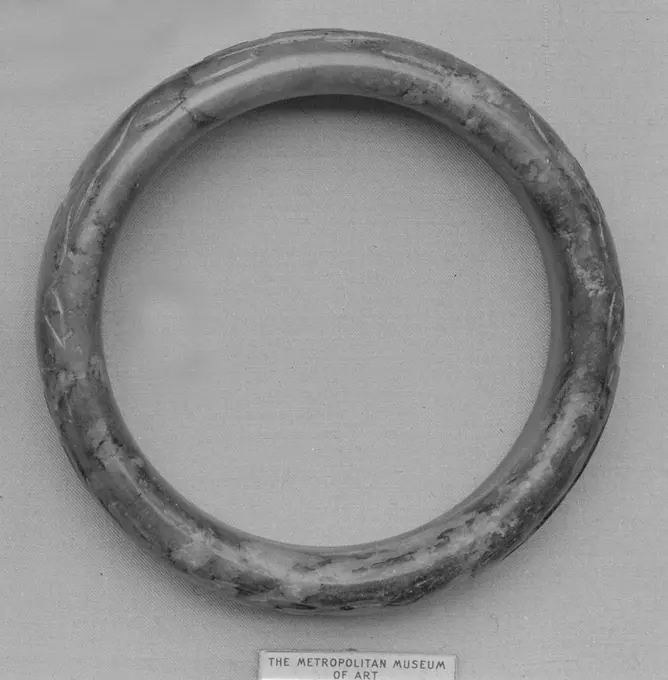
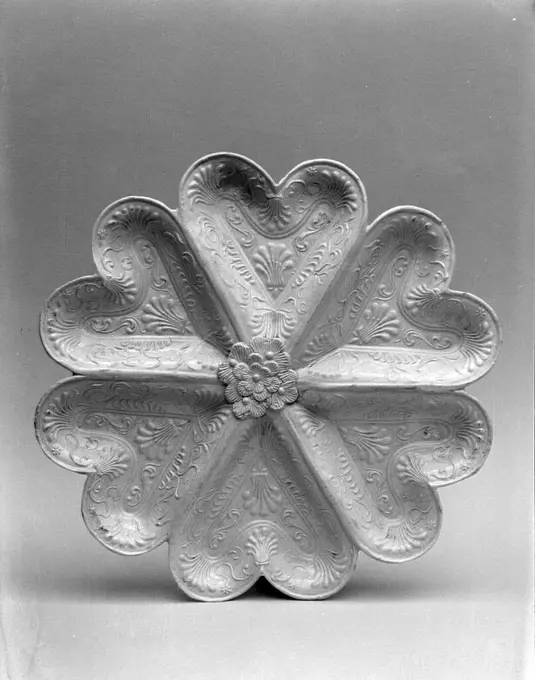
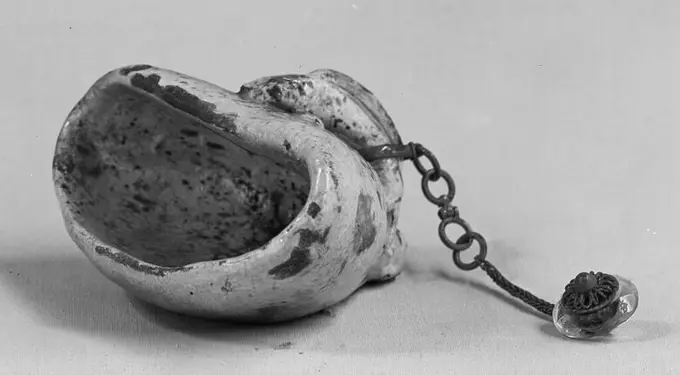
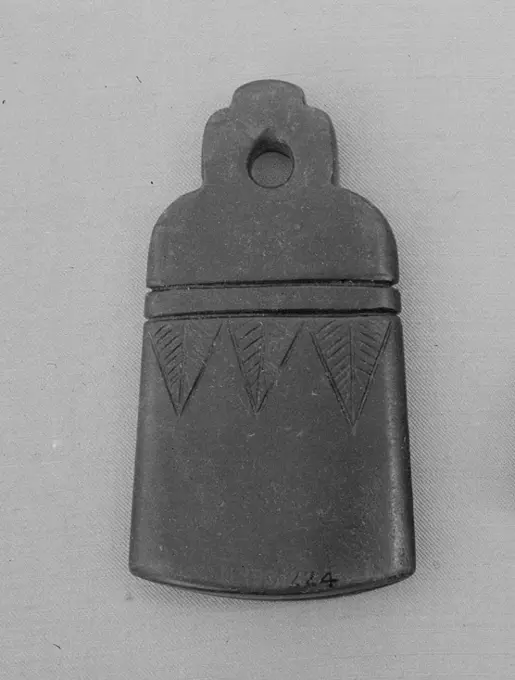
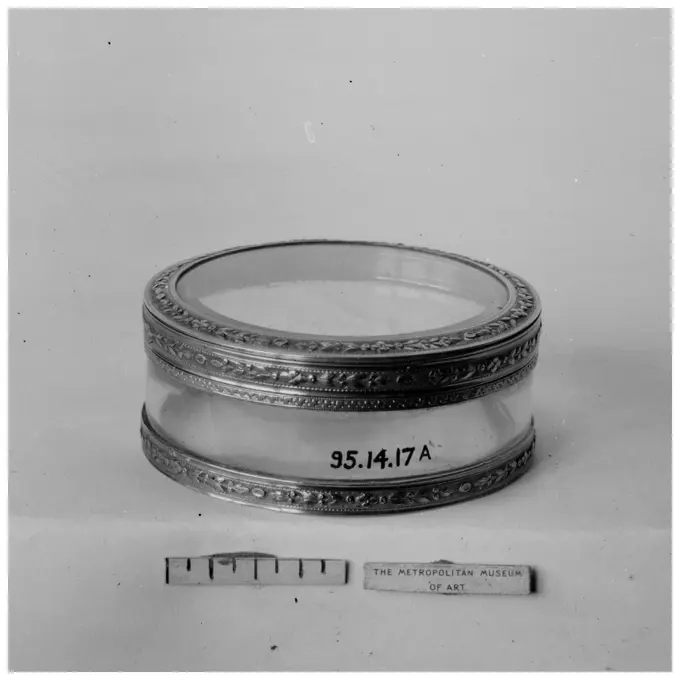
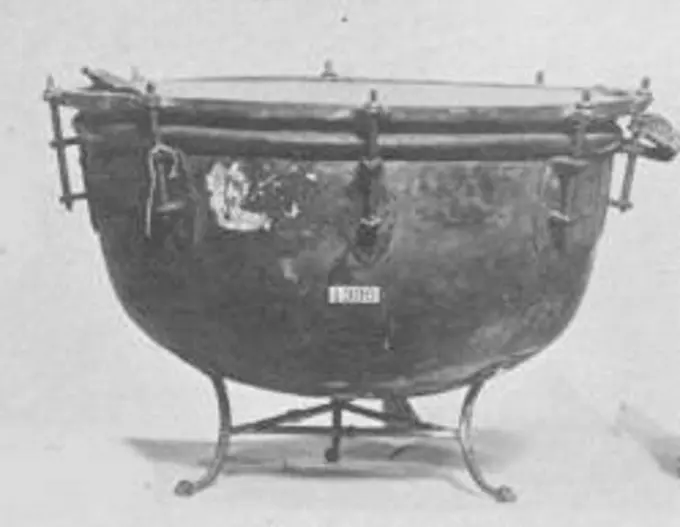
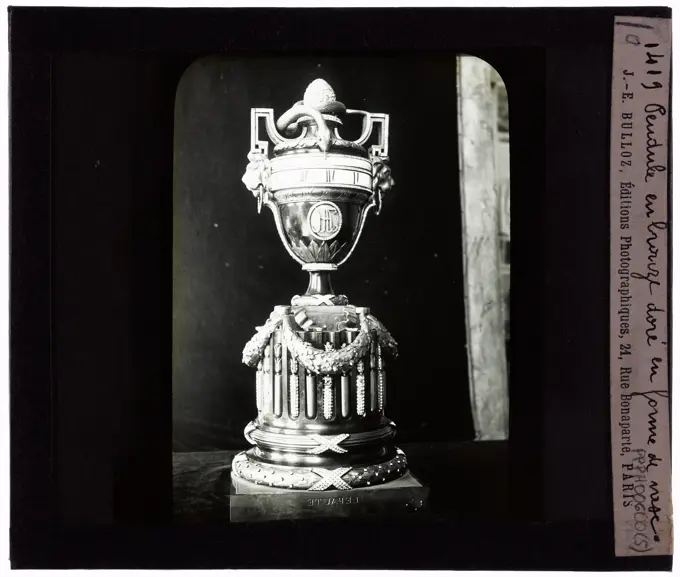
Bellows 1810-20. Bellows. 1810-20. Lacquered wood, brass, leather. Made in United StatesEmilia-Romagna Ferrara Ferrara Museo Civico di Schifanoia75. Hutzel, Max 1960-1990 General Notes: INCOMPLETE RECORD--NEGATIVES PROCESSED, PRINTS FILED German-born photographer and scholar Max Hutzel (1911-1988) photographed in Italy from the early 1960s until his death. The result of this project, referred to by Hutzel as Foto Arte Minore, is thorough documentation of art historical development in Italy up to the 18th century, including objects of the Etruscans and the Romans, as well as early Medieval, Romanesque, Gothic, Renaissance and Baroque monuments. Images are organized by geographic region in Italy, then by province, city, site complex and monument.Snuff Bottle 19th century China. Snuff Bottle 41685Cricket cage 18th-19th century China. Cricket cage. China. 18th-19th century. Gourd, jade. Qing dynasty (1644-1911). Cricket cagesEmilia-Romagna Ferrara Ferrara Museo Civico di Schifanoia59. Hutzel, Max 1960-1990 General Notes: INCOMPLETE RECORD--NEGATIVES PROCESSED, PRINTS FILED German-born photographer and scholar Max Hutzel (1911-1988) photographed in Italy from the early 1960s until his death. The result of this project, referred to by Hutzel as Foto Arte Minore, is thorough documentation of art historical development in Italy up to the 18th century, including objects of the Etruscans and the Romans, as well as early Medieval, Romanesque, Gothic, Renaissance and Baroque monuments. Images are organized by geographic region in Italy, then by province, city, site complex and monument.Lid with floral patterns 19th century China. Lid with floral patterns 46281Vase 19th century China. Vase. China. 19th century. Jade. JadeThomas Wallis II, Caddy Spoon, 1802/3, silver.Left Thigh Defense (Cuisse) with Knee Defense (Poleyn) 16th century German. Left Thigh Defense (Cuisse) with Knee Defense (Poleyn) 34866Sword guard China. Sword guard 42785Bottle. Culture: China. Dimensions: H. 17 5/8 in. (44.8 cm); Diam. of rim 2 3/8 in. (6 cm); Diam. 9 5/8 in. (24.4 cm); Diam. of base 4 3/4 in. (12.1 cm). Museum: Metropolitan Museum of Art, New York, USA.Porringer 1780-90 Elisha Kirk. Porringer. American. 1780-90. Pewter. Made in York, Pennsylvania, United StatesBracelet. UnknownKunda (bell) late 19th century Mayumba people Congo Used by the Nganga, healer and spiritualist, the hourglass shaped double bell is liked to Nkisi cult worship and is used during songs and dances to treat the ill. It was also used to tame evil witches, evil spirits of the dead and ghosts.. Kunda (bell) 501119Lazio Latina Terracina Museo Archeologico5. Hutzel, Max 1960-1990 Antiquities: Stone figures, both full-length and busts; ancient altars, sarcophagi, inscriptions and stone fragments from the Temple of Giove Anxur and from the ancient town. Object Notes: Hutzel campaign notes are undated. German-born photographer and scholar Max Hutzel (1911-1988) photographed in Italy from the early 1960s until his death. The result of this project, referred to by Hutzel as Foto Arte Minore, is thorough documentation of art historical development in Italy up to the 18th century, including objects of the Etruscans and the Romans, as well as early Medieval, Romanesque, Gothic, Renaissance and Baroque monuments. Images are organized by geographic region in Italy, then by province, city, site complex and monument.Cricket cage 18th-19th century China. Cricket cage. China. 18th-19th century. Gourd, jade. Qing dynasty (1644-1911). Cricket cagesVase 1880-90. Vase 9237Flask. UnknownGourd-Shaped Sake Bottle 18th century Japan. Gourd-Shaped Sake Bottle. Japan. 18th century. Clay with congealed glaze over a thin glaze (Shidoro ware). Edo period (1615-1868). CeramicsSweden, Blekinge, Blekinge, Karlskrona, Karlskrona, external marina (depicted, town).Sweden, Blekinge, Blekinge, Karlskrona, Karlskrona, External War Gogs (depicted, City)Bone. Possibly to the stove.Guitar 18th century Bernard. Guitar 501904Candlestick ca. 1827-35 Boston & Sandwich Glass Company. Candlestick. American. ca. 1827-35. Lacy pressed glass. Made in Sandwich, Massachusetts, United StatesFlask. UnknownSnuff Bottle 19th century China. Snuff Bottle 41761Bead China. Bead 43153Figure-top spoon ca. 1790 Y. Posthumus. Figure-top spoon 188319 Maker: Y. Posthumus, recorded 1794, Figure-top spoon, ca. 1790, Silver, 7 3/16 x 1 15/16 in. (18.3 x 4.9 cm). The Metropolitan Museum of Art, New York. Gift of Mrs. Samuel P. Avery, 1897 (97.2.296)Salt ca. 1830-40 American. Salt. American. ca. 1830-40. Lacy pressed glass. Made in New England, United StatesLamp 18th century French. Lamp. French. 18th century. Glass. GlassFiretools. Firetools 460472Tazza 17th century French. Tazza 189095 French, Tazza, 17th century, Pewter, 2 3/8  10 3/4 in. (6  27.3 cm). The Metropolitan Museum of Art, New York. Rogers Fund, 1906 (06.783)Archer's ring China. Archer's ring. China. Jade. Han dynasty (206 B.C.-A.D. 220). JadeSweden, Blekinge, Blekinge, Karlskrona, Karlskrona, external marina (depicted, town).Sweden, Blekinge, Blekinge, Karlskrona, Karlskrona, External War Gogs (depicted, City)Sweden, Blekinge, Blekinge, Karlskrona, Karlskrona, external marina (depicted, town).Sweden, Blekinge, Blekinge, Karlskrona, Karlskrona, External War Gogs (depicted, City)Image of the hanging bracket of the St. Salvator clock of the Dom Tower (Domplein) in Utrecht, during the restoration of the tower.Flask. UnknownCovered Incense Box. Culture: China. Dimensions: H. 1 1/2 in. (3.8 cm); W. 2 1/4 in. (5.7 cm); D. 1 7/8 in. (4.8 cm). Museum: Metropolitan Museum of Art, New York, USA.Covered Box. Culture: China. Dimensions: Diam. 2 3/16 in. (5.6 cm). Date: 19th century. Museum: Metropolitan Museum of Art, New York, USA.Corinthian capital , Capitals Columns, Corinthian order. Nicholas Catsimpoolas CollectionLamp 1600-1800 American. Lamp. American. 1600-1800. Iron. Made in New England, United StatesFlask 18th century French. Flask. French. 18th century. Glass. GlassVase 1893-96 Designed by Louis Comfort Tiffany American. Vase 9404Scraper North America (Alaska, Cape Prince of Wales). Scraper. North America (Alaska, Cape Prince of Wales). Nephrite. Prehistoric. JadeShirley Plantation, Shirley, Charles City County, Virginia. Carnegie Survey of the Architecture of the South. United States  Virginia  Charles City County  Shirley, Trays, Tableware.Candlestick. Culture: American. Dimensions: H. 10 1/4 in. (26 cm). Date: 1700-1800. Museum: Metropolitan Museum of Art, New York, USA.Snuff Bottle China. Snuff Bottle 41695Piece 18th century possibly Italian. Piece 224237Reliquary with Contents ca. 2nd-3rd century Pakistan (ancient region of Gandhara). Reliquary with Contents 37399Stand for an Offering Basin with the Name of King Khafre. Dimensions: H. 85 cm (33 7/16 in.). Dynasty: Dynasty 4. Reign: reign of Khafre. Date: ca. 2520-2494 B.C..Stands like this one bearing a king's name would have been associated with a god's temple or royal funerary complex, but the best evidence for use and placement of such stands comes from private tombs where they are documented as having stood on either side of an offering table or offering slab in front of the false door.Middle Kingdom evidence indicates this type of offering stand held mainly incense. The incense coals may have been placed in a pottery bowl or directly on the stone. Food placed on the adjacent offering slab was first passed over the incense to aid its transmission to the god or deceased person to whom it was offered. Museum: Metropolitan Museum of Art, New York, USA.Lazio Viterbo Viterbo Museo Civico23. Hutzel, Max 1960-1990 Views of paintings (Middle Ages through 18th c.), frescoes, a tabernacle, coffin, sculpture reliefs, portal fragments, busts, sculpture, tapestry found in the Pinacoteca, Second floor gallery and Second floor cloister sequences. Antiquities: Many views of Etruscan and Roman fragments, sculpture, sarcophagi, pottery, masks, jewelry and other objects found in the Storeroom sequence (inventory numbers on back of prints), and the Cloister, Second floor Cloister, Valle Giulia, Sala Romana and Sala Etrusca sequences. General Notes: There are eight separate numerical sequences for this location. The cloister as an architectural structure, rather than museum site, is documented in the record and file for S. Maria della Verita, Cloister, all views of which are stored in Medieval core collection. Five views from the Museo Civico Second floor cloister sequence are stored in Medieval. German-born photographer and scholar Max Hutzel (1911-Console table 18th century French. Console table. French. 18th century. Carved and painted gray wood; marble top. Woodwork-FurniturePorringer.   Maker: Samuel Danforth, American, 1774-1816Bowl. UnknownLazio Viterbo Viterbo Museo Civico52. Hutzel, Max 1960-1990 Views of paintings (Middle Ages through 18th c.), frescoes, a tabernacle, coffin, sculpture reliefs, portal fragments, busts, sculpture, tapestry found in the Pinacoteca, Second floor gallery and Second floor cloister sequences. Antiquities: Many views of Etruscan and Roman fragments, sculpture, sarcophagi, pottery, masks, jewelry and other objects found in the Storeroom sequence (inventory numbers on back of prints), and the Cloister, Second floor Cloister, Valle Giulia, Sala Romana and Sala Etrusca sequences. General Notes: There are eight separate numerical sequences for this location. The cloister as an architectural structure, rather than museum site, is documented in the record and file for S. Maria della Verita, Cloister, all views of which are stored in Medieval core collection. Five views from the Museo Civico Second floor cloister sequence are stored in Medieval. German-born photographer and scholar Max Hutzel (1911-Fracture for F. Larson ,.  Records of U.S. Army OperationalToe of a Shoe Made 1501-1600 England. Leather .Feet from statue of Musician of Amun Tasheritkhonsu. Dimensions: H. 9 cm (3 9/16 in.); W. 15 cm (5 7/8 in.); D. 20.7 cm (8 1/8 in.). Date: 332-30 B.C.. Museum: Metropolitan Museum of Art, New York, USA.Portable horizontal sundial 1735-57 Claude Langlois. Portable horizontal sundial 188863 Maker: Claude Langlois, working 173057; died before 1760, Portable horizontal sundial, 173557, Brass and copper alloy, 2-7/8 x 2-1/2 in. (7.3 x 6.4 cm). The Metropolitan Museum of Art, New York. Gift of Mrs. Stephen D. Tucker, 1903 (03.21.63)Square Bowl ca. 1700 Japan. Square Bowl. Japan. ca. 1700. Clay, shaded light and dark brown crackled glaze; cover of dark brown lacquer (Seto ware). Edo period (1615-1868). CeramicsCandlestick. Dimensions: H. 7 3/4 in. (19.7 cm). Date: 1750-70. Museum: Metropolitan Museum of Art, New York, USA.Bag. Culture: French. Dimensions: L. 5 x W. 5 3/4 inches (12.7 x 14.6 cm). Date: late 17th century. Museum: Metropolitan Museum of Art, New York, USA.Tuscany Grosseto Massa Marittima Museo Civico5. Hutzel, Max 1960-1990 Post-medieval: Panel painting (1), painting Antiquities: Sculpture, urns, arrowheads, tools German-born photographer and scholar Max Hutzel (1911-1988) photographed in Italy from the early 1960s until his death. The result of this project, referred to by Hutzel as Foto Arte Minore, is thorough documentation of art historical development in Italy up to the 18th century, including objects of the Etruscans and the Romans, as well as early Medieval, Romanesque, Gothic, Renaissance and Baroque monuments. Images are organized by geographic region in Italy, then by province, city, site complex and monument.Bracelet China. Bracelet 42852Lazio Viterbo Viterbo Museo Civico14. Hutzel, Max 1960-1990 Views of paintings (Middle Ages through 18th c.), frescoes, a tabernacle, coffin, sculpture reliefs, portal fragments, busts, sculpture, tapestry found in the Pinacoteca, Second floor gallery and Second floor cloister sequences. Antiquities: Many views of Etruscan and Roman fragments, sculpture, sarcophagi, pottery, masks, jewelry and other objects found in the Storeroom sequence (inventory numbers on back of prints), and the Cloister, Second floor Cloister, Valle Giulia, Sala Romana and Sala Etrusca sequences. General Notes: There are eight separate numerical sequences for this location. The cloister as an architectural structure, rather than museum site, is documented in the record and file for S. Maria della Verita, Cloister, all views of which are stored in Medieval core collection. Five views from the Museo Civico Second floor cloister sequence are stored in Medieval. German-born photographer and scholar Max Hutzel (1911-Base sherd 5th-2nd millennium B.C. Iran This sherd is from a goblet or bowl on a short foot. It is made of red clay. It was excavated in 1937 at a prehistoric site in the vicinity of Nishapur in northeastern Iran. While Nishapur itself was founded by the Sasanian king Shapur I (reigned ca. A.D. 241-272), this sherd shows that human habitation there goes back to the prehistoric period. Furthermore, the prehistoric pottery from Nishapur has close affinities with ceramic materials from Central Asia rather than with contemporary sites in Iran, meaning that in this period its inhabitants were likely culturally linked to their neighbors to the east. At the same time, Nishapurs location on what later became known as the Great Khorasan Road suggests that it was part of the trade network that facilitated the import of precious stones such as lapis lazuli, carnelian and turquoise from Central Asia to Mesopotamia.. Base sherd. Iran. 5th-2nd millennium B.C.. Ceramic. Chalcolithic-Early Bronze AgeMiniature Drum 13th-15th century Chimú or Chancay. Miniature Drum 315704Lazio Latina Sezze Antiquarium Comunale41. Hutzel, Max 1960-1990 German-born photographer and scholar Max Hutzel (1911-1988) photographed in Italy from the early 1960s until his death. The result of this project, referred to by Hutzel as Foto Arte Minore, is thorough documentation of art historical development in Italy up to the 18th century, including objects of the Etruscans and the Romans, as well as early Medieval, Romanesque, Gothic, Renaissance and Baroque monuments. Images are organized by geographic region in Italy, then by province, city, site complex and monument.Attic Black-Figure Neck Amphora Fragment. UnknownSaucer (one of six) (part of a set) 1820-30 French. Saucer (one of six) (part of a set) 187818 French, Saucer (one of six) (part of a set), 182030, Hard-paste porcelain, Diameter: 4 7/8 in. (12.4 cm). The Metropolitan Museum of Art, New York. Gift of Henry G. Marquand, 1894 (94.4.305)Ancient Egyptian Shoes, Papyrus and Leather SandalsBeads (four) 19th century China. Beads (four) 40962Lazio Latina Sezze Antiquarium Comunale8. Hutzel, Max 1960-1990 German-born photographer and scholar Max Hutzel (1911-1988) photographed in Italy from the early 1960s until his death. The result of this project, referred to by Hutzel as Foto Arte Minore, is thorough documentation of art historical development in Italy up to the 18th century, including objects of the Etruscans and the Romans, as well as early Medieval, Romanesque, Gothic, Renaissance and Baroque monuments. Images are organized by geographic region in Italy, then by province, city, site complex and monument.Bead China. Bead 43150Bliżej Kultury unknownCloak Pin 1770-1800. Cloak Pin. 1770-1800. Enamel, brass. Made in EnglandScabbard ornament China. Scabbard ornament 42800Abruzzo L'Aquila S. Giuliano (L'Aquila environs) Museo1. Hutzel, Max 1960-1990 Views of the four collections housed in museum: Roman coins; Pre-Columbian art brought from Central America in 17th century; Greek and Roman sculpture; Egyptian sculpture and minor arts. Museum Roman coins; Greek and Roman sculpture; Egyptian sculpture and minor arts; Pre-Columbian sculpture. German-born photographer and scholar Max Hutzel (1911-1988) photographed in Italy from the early 1960s until his death. The result of this project, referred to by Hutzel as Foto Arte Minore, is thorough documentation of art historical development in Italy up to the 18th century, including objects of the Etruscans and the Romans, as well as early Medieval, Romanesque, Gothic, Renaissance and Baroque monuments. Images are organized by geographic region in Italy, then by province, city, site complex and monument.Box 1775-1800. Box. 1775-1800. Ivory, tortoiseshell, glass. Made in FranceShoe Made 1501-1600 England. Leather with one strap and buckle .Comb Tops 8th century China These comb tops feature pairs of mandarin duckssymbols of marital fidelityin flight and standing.. Comb Tops. China. 8th century. Gold. Tang dynasty (618-907). JewelryLazio Roma Rome SS. Giovanni e Paolo, Museum0. Hutzel, Max 1960-1990 Medieval: Ceramic fragments, sculptural fragments, fresco fragments, inscribed tomb markers. Houses one of the best collections of Malagan medieval ceramics for casting wall monuments, copies of which are housed in campanile. Specific Location: Museum Antiquities: Ceramic fragments, sculptural fragments, architectural fragments Object Notes: Basilica has separate record and is filed separately. German-born photographer and scholar Max Hutzel (1911-1988) photographed in Italy from the early 1960s until his death. The result of this project, referred to by Hutzel as Foto Arte Minore, is thorough documentation of art historical development in Italy up to the 18th century, including objects of the Etruscans and the Romans, as well as early Medieval, Romanesque, Gothic, Renaissance and Baroque monuments. Images are organized by geographic region in Italy, then by province, city, site complex and monument.Hinge 1700-1730 American. Hinge. American. 1700-1730. Wrought iron. Made in Pennsylvania, United StatesTiger: emblem of the West China. Tiger: emblem of the West 61952Photography of the seal of the Płock bishop of Gunter of the Prussian coat of arms (before 1223  1232) unknownHeart Dish. Culture: British (American market). Dimensions: Diam. 8 1/8 in. (20.6 cm). Date: 1740-60. Museum: Metropolitan Museum of Art, New York, USA.Dish Japan. Dish 63602Anefo photo collection. MANCE TIME IN VOLECTANCE MUSEUM ROTTERDAM. January 7, 1959. Rotterdam, South HollandPilgrim's Cup. Culture: Japan. Dimensions: L. 3 in. (7.6 cm). Date: 18th century. Museum: Metropolitan Museum of Art, New York, USA.Fisherman , Fishermen. The Massachusetts WPA Federal Art Project Photograph CollectionPhotograph of a silver plate showing Władysław of Varna, with royal insignia. unknown, photographerGirdle ornament China. Girdle ornament 43002Lazio Latina Terracina Museo Archeologico3. Hutzel, Max 1960-1990 Antiquities: Stone figures, both full-length and busts; ancient altars, sarcophagi, inscriptions and stone fragments from the Temple of Giove Anxur and from the ancient town. Object Notes: Hutzel campaign notes are undated. German-born photographer and scholar Max Hutzel (1911-1988) photographed in Italy from the early 1960s until his death. The result of this project, referred to by Hutzel as Foto Arte Minore, is thorough documentation of art historical development in Italy up to the 18th century, including objects of the Etruscans and the Romans, as well as early Medieval, Romanesque, Gothic, Renaissance and Baroque monuments. Images are organized by geographic region in Italy, then by province, city, site complex and monument.Bottle with stopper late 18th century Dutch. Bottle with stopper. Dutch. late 18th century. Glass. GlassPoll photo collection. Product photos; silverware. Molds for teaspoons of the fa. Gerritsen & Van Kempen in Zeist. January 1, 1930. Utrecht (province), ZeistNakakeer late 19th century Egyptian. Nakakeer 501799Box 1787-88 French, Paris. Box. French, Paris. 1787-88. Gold, crystal. Metalwork-Gold and PlatinumKettledrum 18th century German Pairs of kettledrums were traditionally paired with sets of evenly numbered trumpets and used in military and ceremonial functions. The drums were played with wooden mallets by players who were members of the musicians guild who carefully guarded the techniques, repertoire, and traditions associated with these instruments. Accordingly, guild kettledrummers and trumpeters were paid more than the typical soldiers. When used in ceremonial processions, the drums were typically draped in colorful banners and mounted and played on horseback. Often, kettledrummers in European courts and military units were black African men.Technical description: Copper shells, smaller drum of a pair with 89.4.1340 measureing 425 mm (16 3/4 in) in Height with a stand of 4 inches by 590 mm (23 1/4 inches) in diameter. Seven metal rod tensioners requiring a drum key to tune. Each screw is received by an iron mount, decorated like a downward pointing leaf with eight lobes, riveted Vase 1860 Japan. Vase 46103Poelzig Hans (1869-1936), exhibition of porcelain Volkstedter models after sketches by Poelzig and Moeschke in the porcelain pavilion, Dresden (1921): Large hanging lamp. Photo on paper, 17.1 x 22.5 cm (including scan edges)Watchmaking. Showcase objects. Watches. Silverware. Vase pendulum Watchmaking. Showcase objects. Watches. Silverware. Pendulum in the form of vase. Black and white projection plate. 1900-1930. Photograph of Jacques-Ernest Bulloz.