Antique Decorative Artifacts

A selection of historical decorative pieces including incense burners, cups, and vases, showcasing intricate craftsmanship.

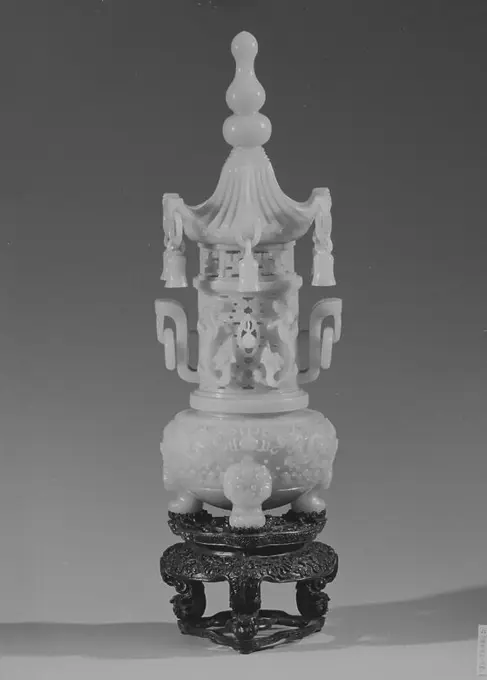
Incense burner 18th century China. Incense burner. China. 18th century. Jade. Jade
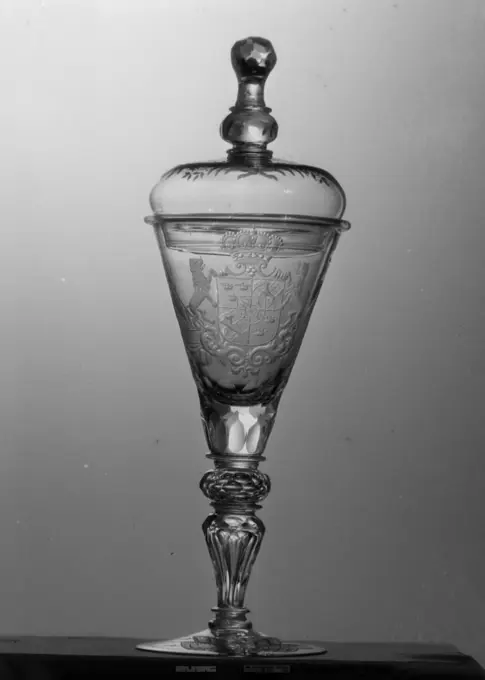
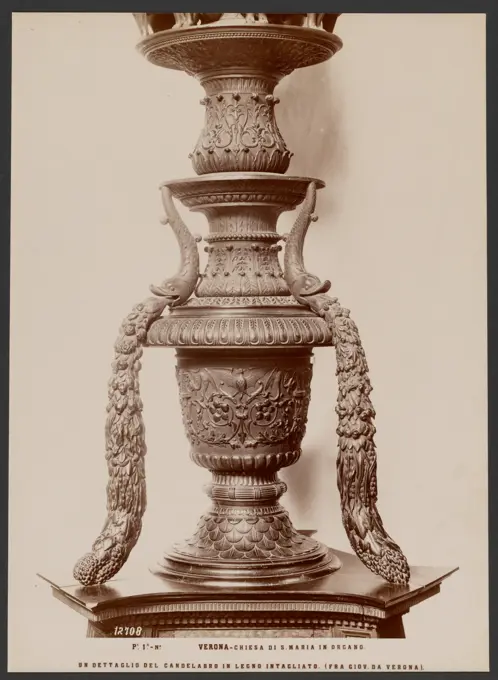
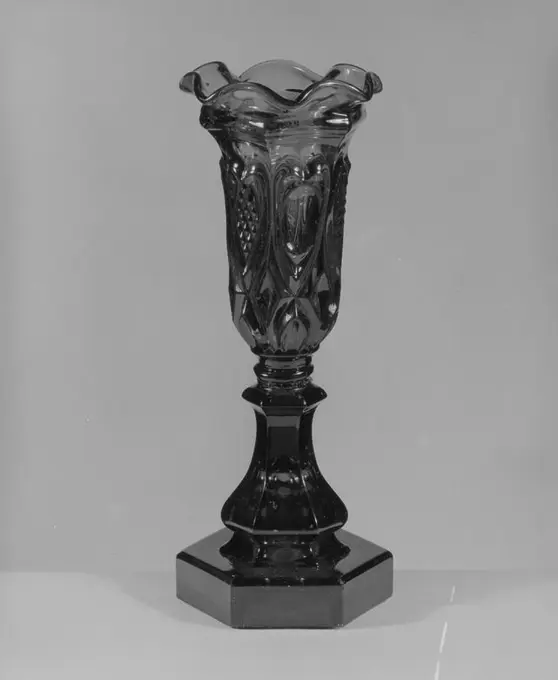
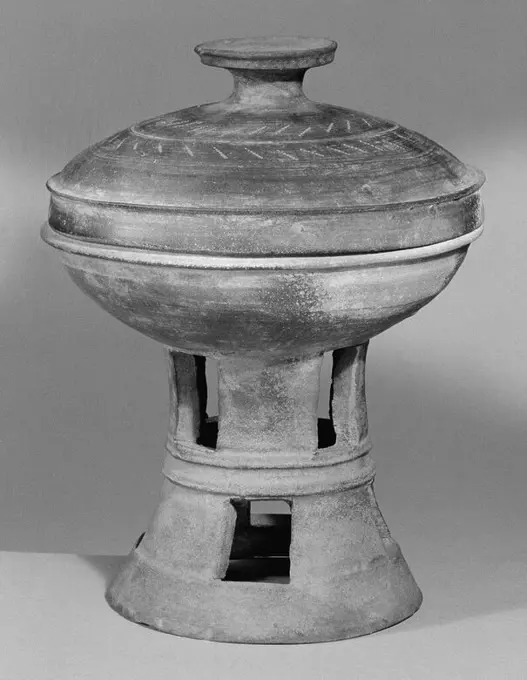
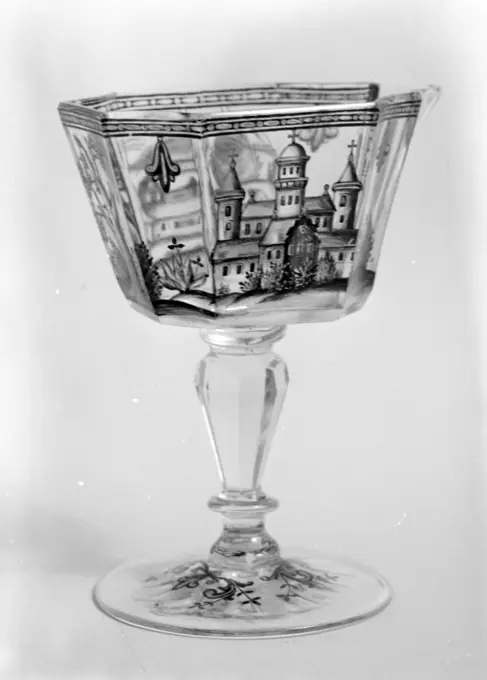
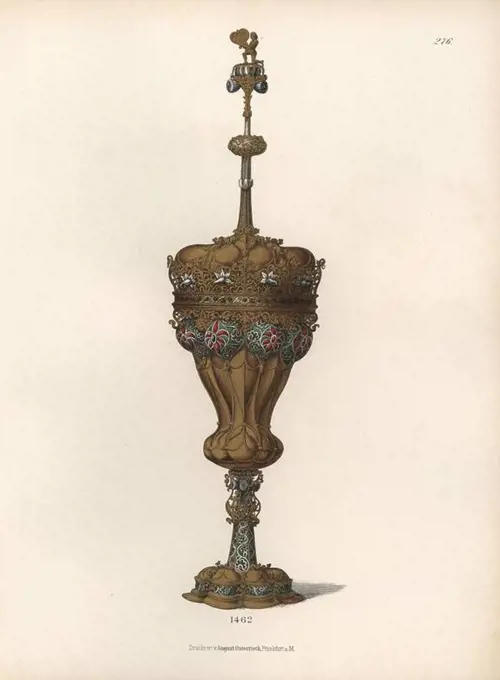
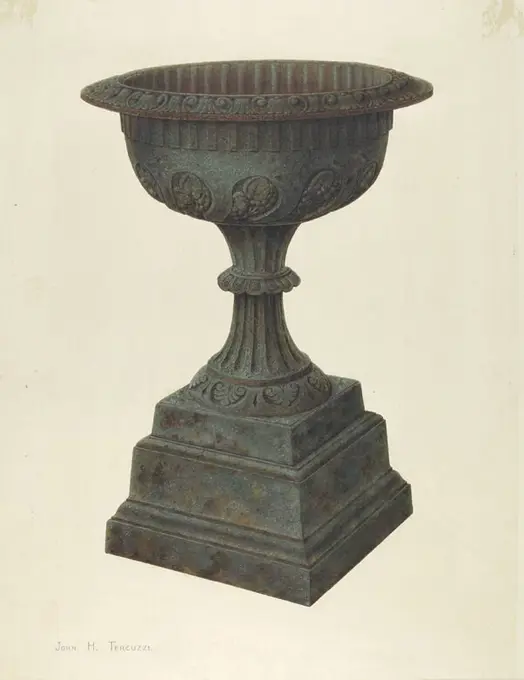
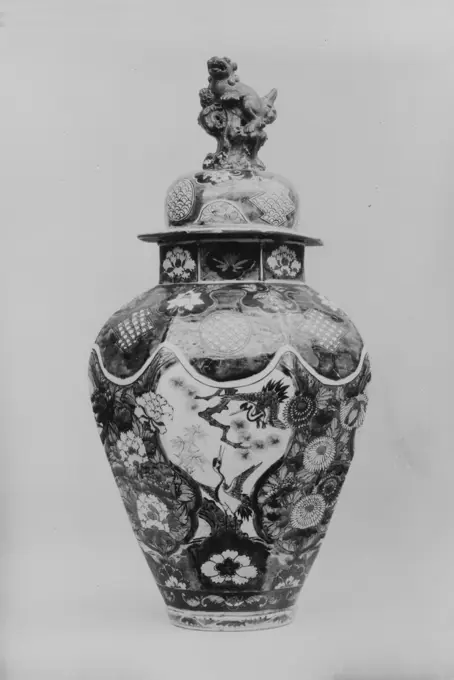
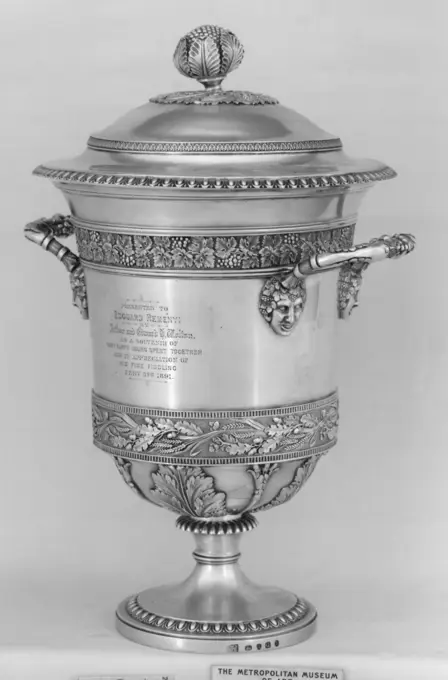
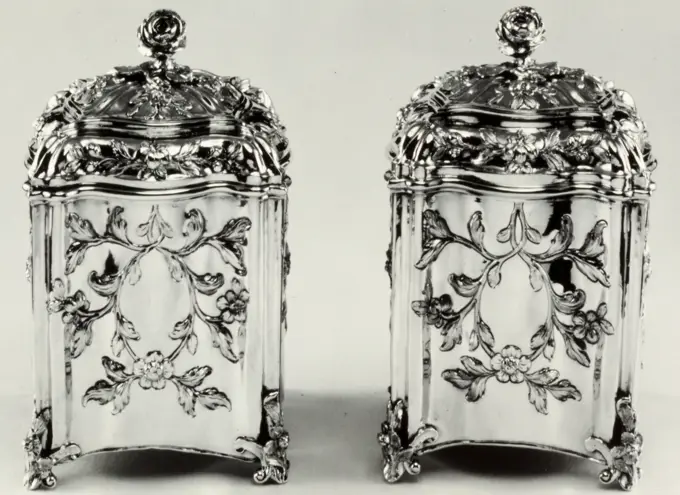
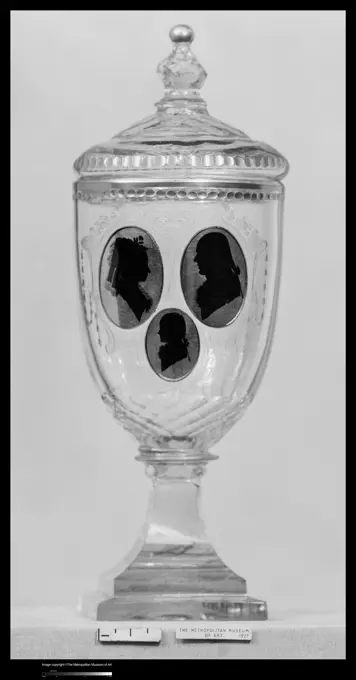
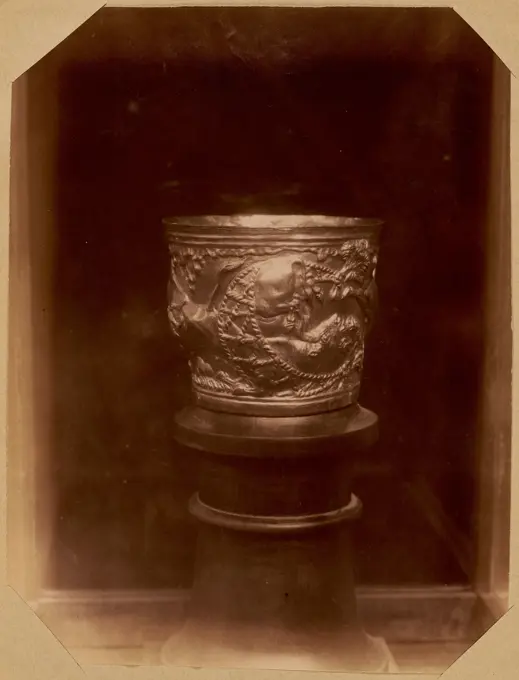
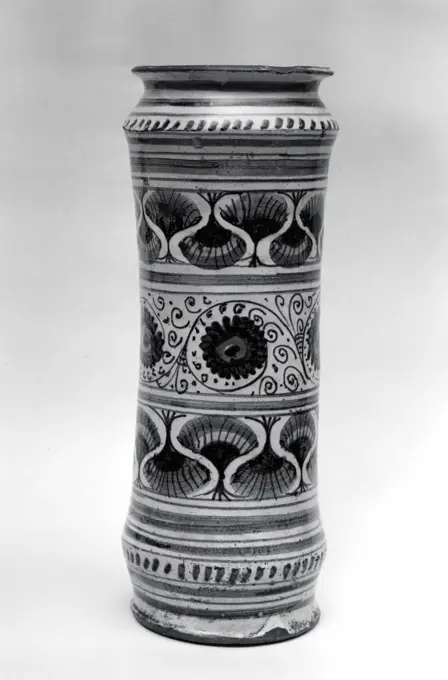
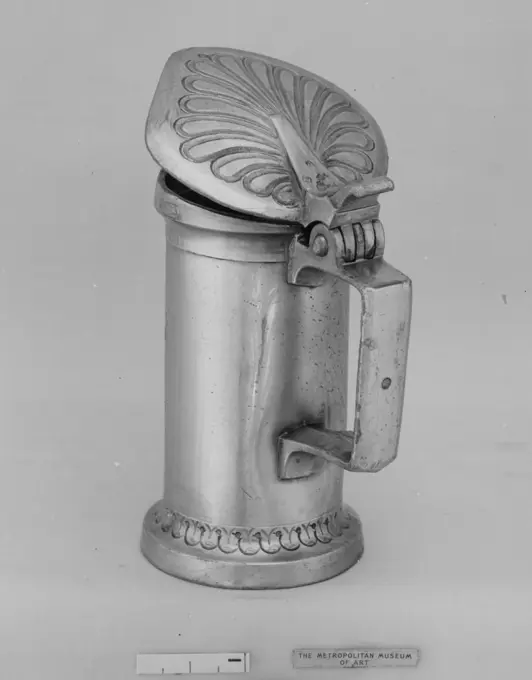
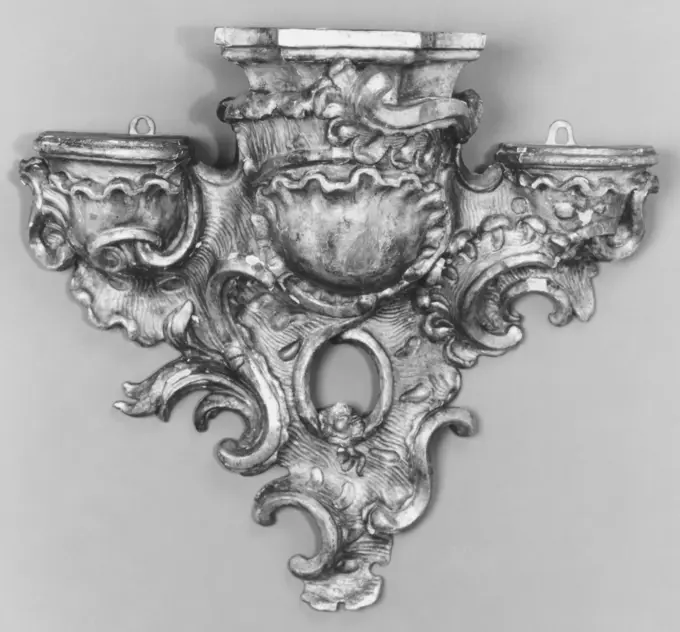
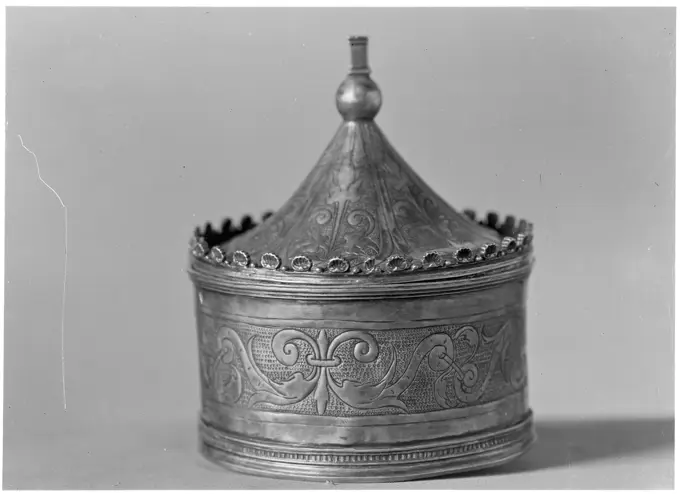
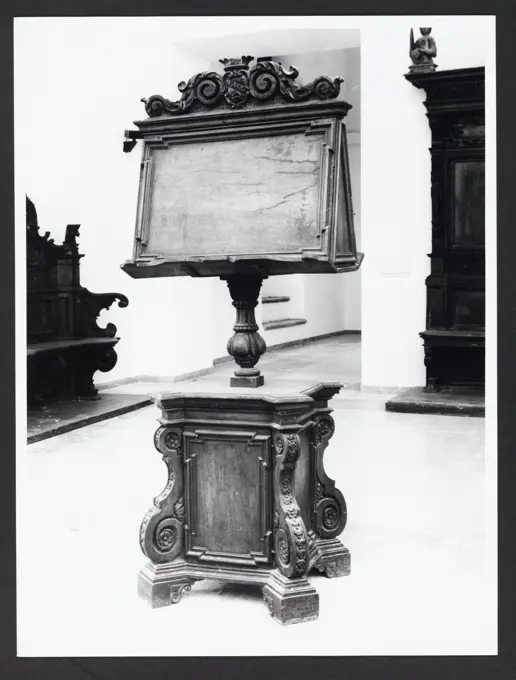
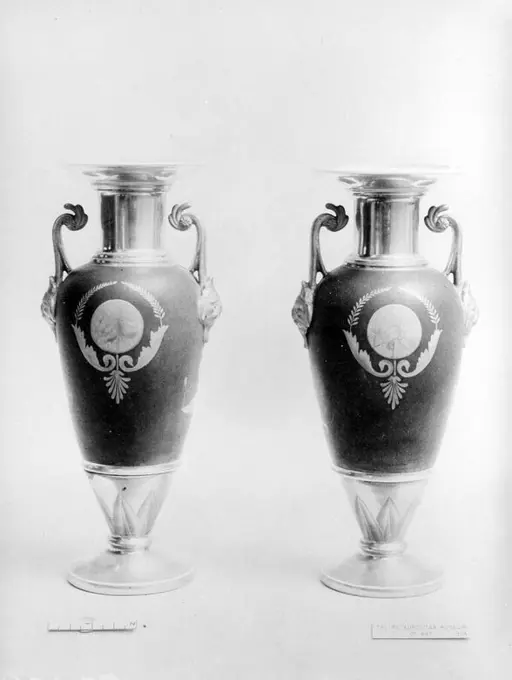
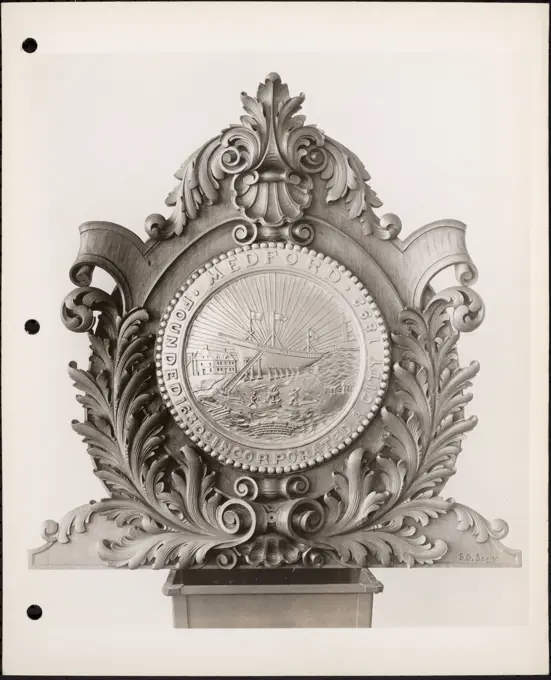
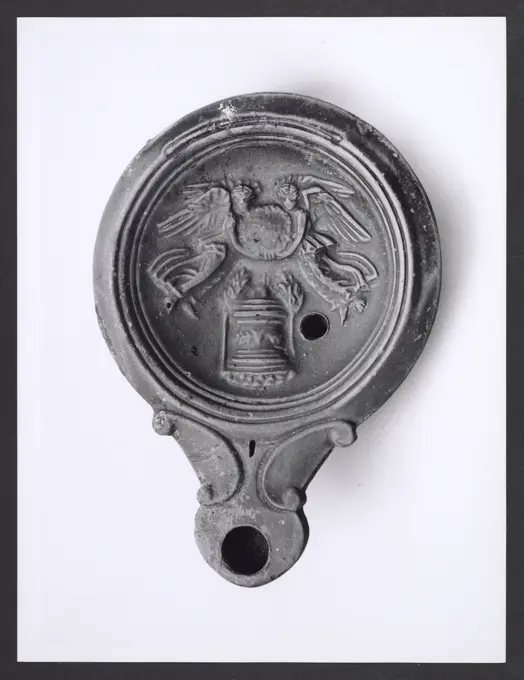
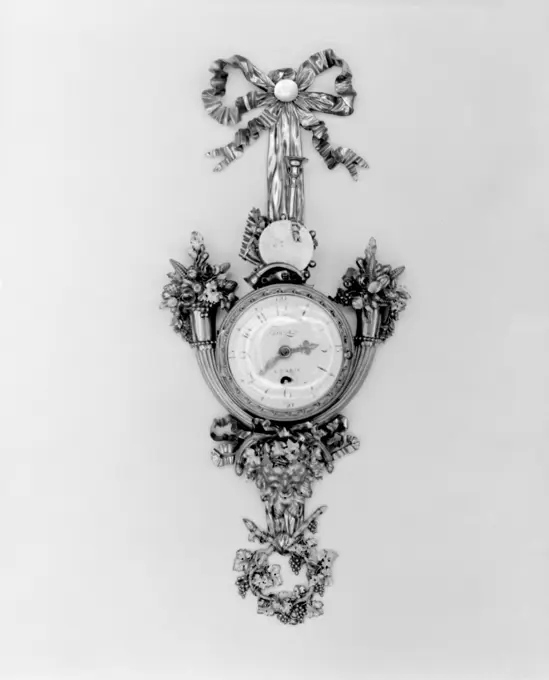
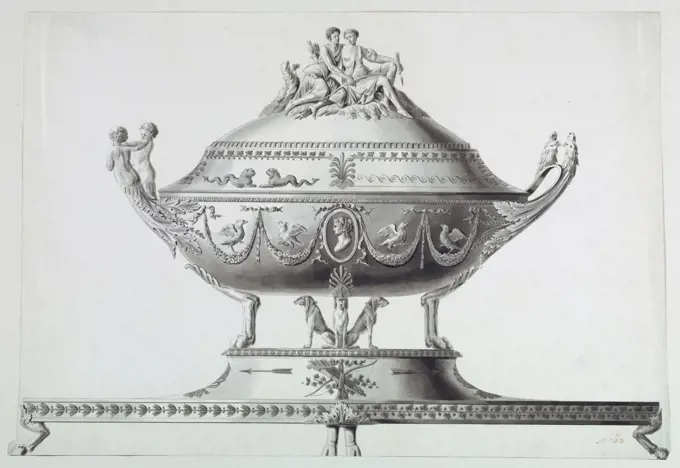
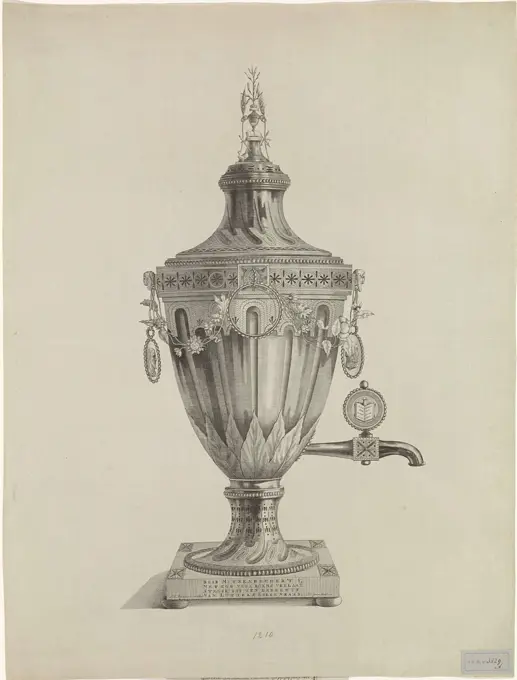
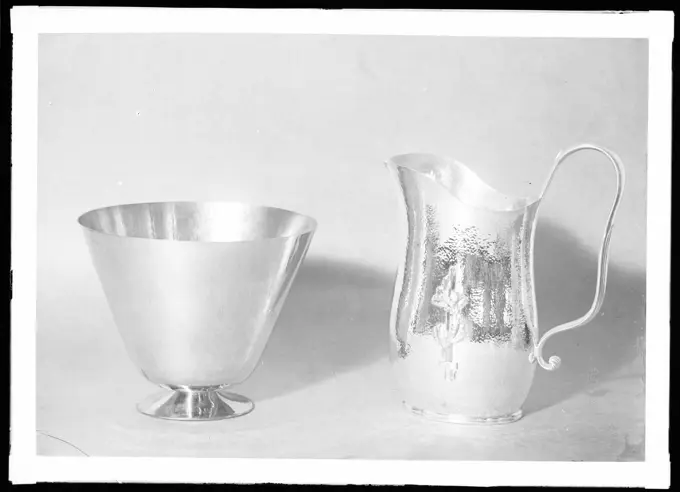
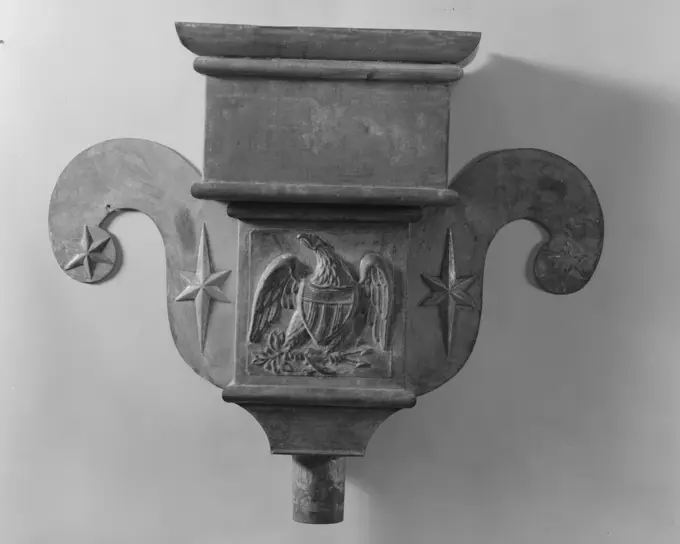
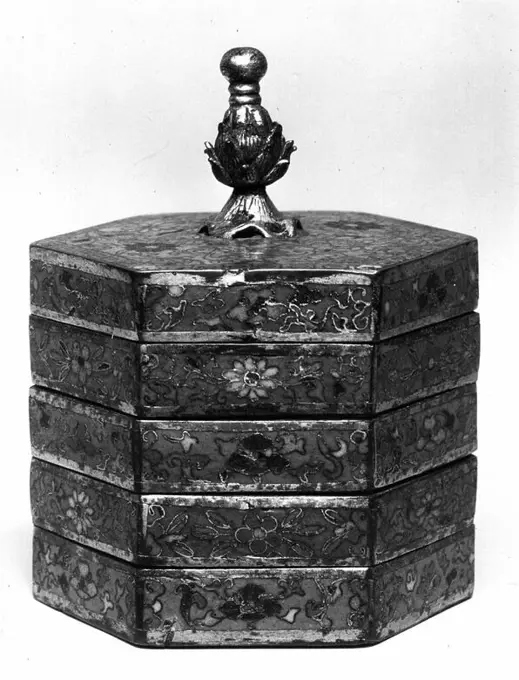
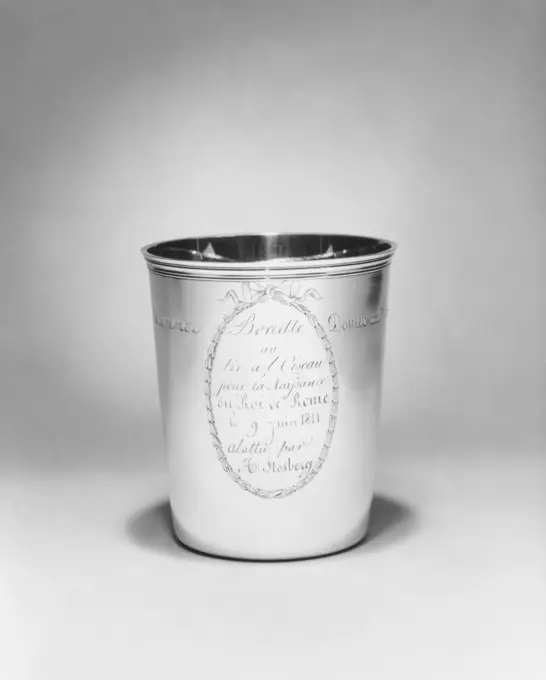
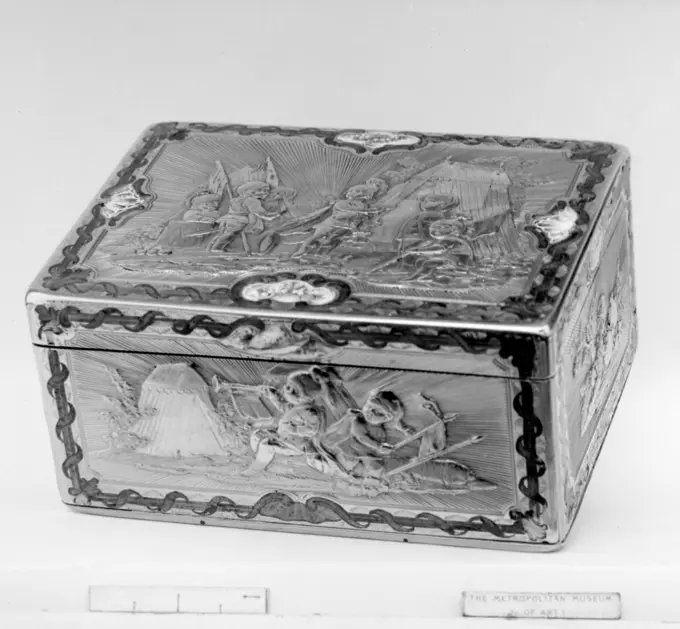
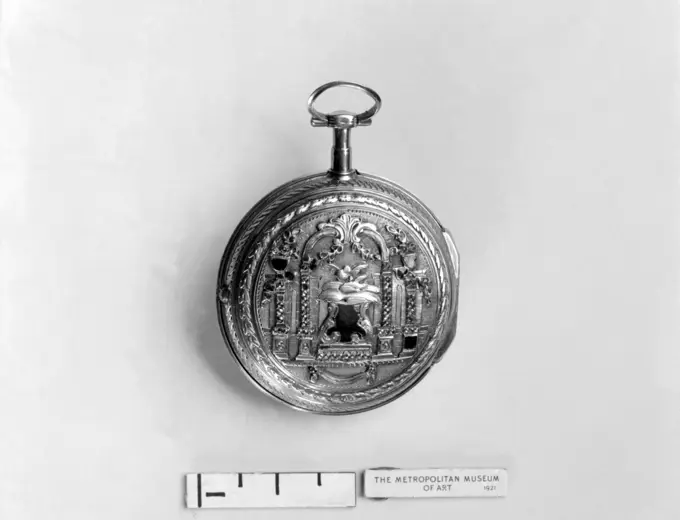
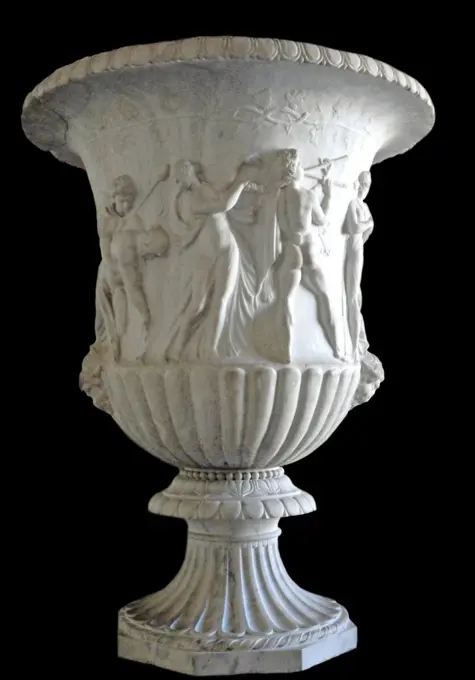
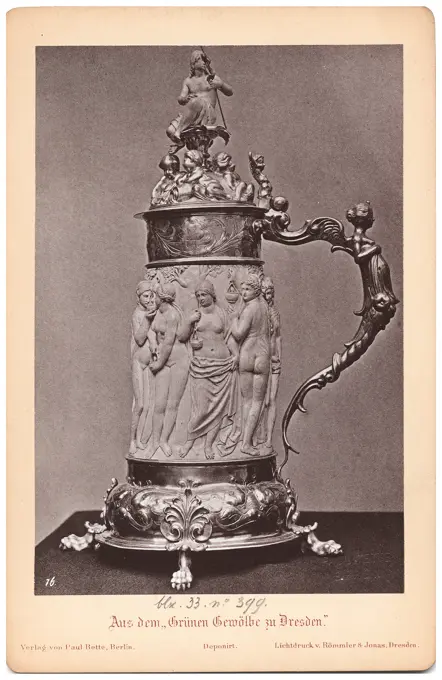
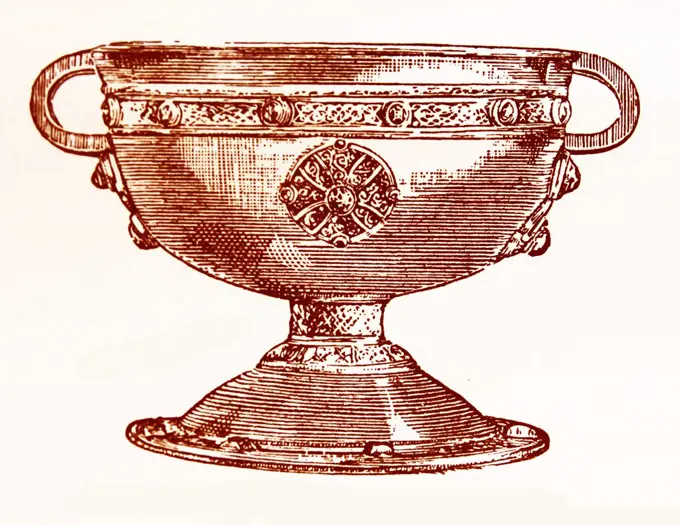
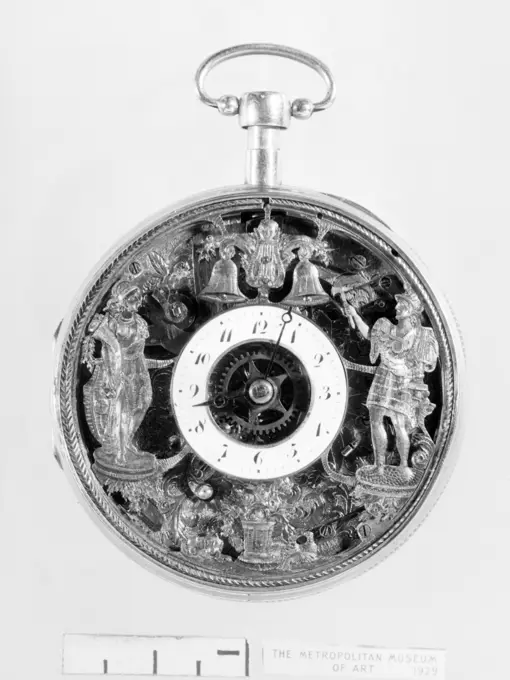
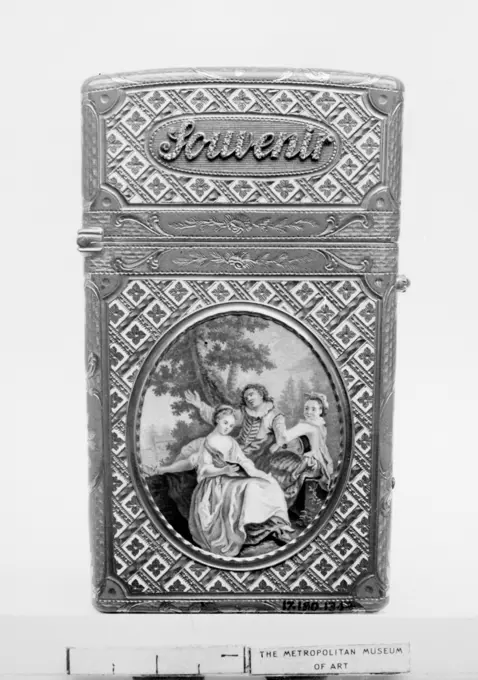
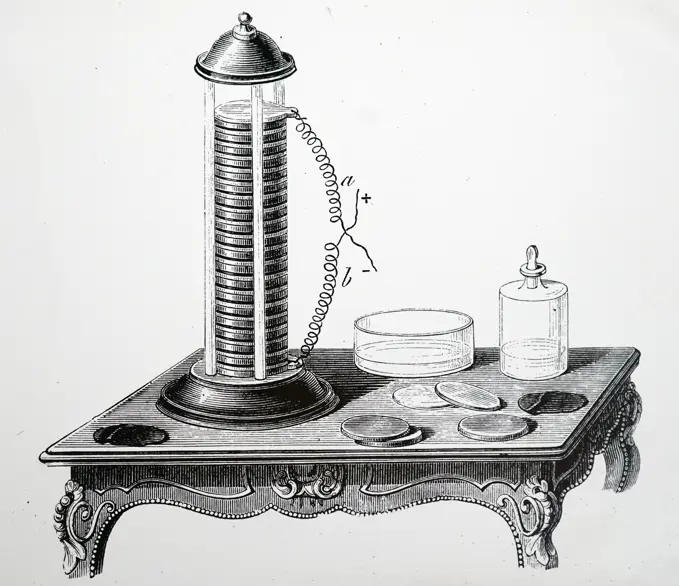
Incense burner. Culture: China. Dimensions: Overall Height 12 7/8 in. (32.7 cm); Gr. W. 5 in. (12.7 cm). Date: 18th century. Museum: Metropolitan Museum of Art, New York, USA.Standing cup with cover early 18th century German or Swedish. Standing cup with cover. German or Swedish. early 18th century. Glass. GlassApulian Thymiaterion. UnknownVerona - Chiesa di Santa Maria in Organo. Un Dettaglio del Candelabro in legno intagliato. (Fra. Giov. da Verona). Fratelli Alinari (Italian, founded 1852)Vase. Culture: American. Dimensions: 9 5/8 in. (24.4 cm). Date: 1840-60. Museum: Metropolitan Museum of Art, New York, USA.Incense burner 18th century China. Incense burner. China. 18th century. Jade. JadeVase probably late 19th century probably Antonio Salviati Italian. Vase 460898Mounted Bowl and Cover. Culture: Korea. Dimensions: Overall: H. 8 1/2 in. (21.6 cm); Diam. 6 3/4 in. (17.1 cm). Date: 5th-6th century. Museum: Metropolitan Museum of Art, New York, USA.Standing cup with cover ca. 1750 German, Silesia. Standing cup with cover. German, Silesia. ca. 1750. Glass. GlassSweetmeat glass ca. 1740 German. Sweetmeat glass. German. ca. 1740. Glass. Glass-PaintedTankard.   Maker: Cornelius Kierstede, American, 1675-1757Bliżej Kultury unknownGoblet in gold-plated silver and enamel from the mid 15th century from Vienna New Town. Chromolithograph from Hefner-Alteneck's "Costumes, Artworks and Appliances from the early Middle Ages to the end of the 18th Century," Frankfurt, 1883. IIlustration lithographed by I.K., and published by Heinrich Keller. Dr. Jakob Heinrich von Hefner-Alteneck (1811-1903) was a German archeologist, art historian and illustrator. He was director of the Bavarian National Museum from 1868 until 1886.Garden Urn. Dated: 1935/1942. Dimensions: overall: 52.2 x 39.3 cm (20 9/16 x 15 1/2 in.) Original IAD Object: 28 1/4" high; 20" wide. Medium: watercolor, pen and ink, and graphite on paperboard. Museum: National Gallery of Art, Washington DC. Author: John H. Tercuzzi.Octagonal Jar with Cover 1700 Japan. Octagonal Jar with Cover. Japan. 1700. Porcelain decorated with blue under the glaze, gold and colored enamels (Arita ware, Imari type). Edo period (1615-1868). CeramicsCandlestick 1850-70 American. Candlestick. American. 1850-70. Pressed gray glass. Made in Pennsylvania, United StatesDoor knocker (one of a pair) ca. 1600-1625 Manner of Hubert Gerhard German Hubert Gerhards workshop made a variety of similar bronze objects in the Mannerist style. He worked for several important patrons including the Fugger banking family in Augsburg and their various country estates creating monumental sculptural groups and fittings of great refinement.. Door knocker (one of a pair). Manner of Hubert Gerhard (Netherlandish, 1540/50-1621, active Germany). German, Augsburg. ca. 1600-1625. Bronze. Sculpture-BronzeStanding cup with cover ca. 1730 Bohemian. Standing cup with cover. Bohemian. ca. 1730. Zwischengold glass. GlassVase with cover 1811-12 Joseph William Story. Vase with cover. British, London. 1811-12. Silver. Metalwork-SilverWine can 1780 Abraham Hiller. Wine can. Swiss, Saint Gall. 1780. Pewter. Metalwork-PewterTea Caddy, from a set of tea caddies with fitted casket, 1768-1769, William Vincent, British, London, 1757 - 1793, 5 3/4 x 3 1/8 x 3 1/8 in. (14.61 x 7.94 x 7.94 cm), Silver with shagreen covered box with silver mounts, England, 18th centuryPokal with cover late 18th century Johann Sigismund Menzel. Pokal with cover 195888Bliżej Kultury unknownGolden cup of the Hague Schutterij; Ation of a delicious golden present-beeche. A gold cup by Stadhouder Willem IV promised to the Schutterij in The Hague and after his death presented by Princess Anna on May 8, 1753. The cup is decorated with horns of all abundance, seed beads, garlands, rocaille cartouches with putti and rocaille cartouches with texts. The lid has been awarded a crowned lion with a crowned coat of arms with the Text Honi Soit Qui Mal y Pense.The gold Vapheio cups, National Museum, Athens , Antiquities, Drinking vessels. Nicholas Catsimpoolas CollectionApothecary jar (albarello) ca. 1480 Italian, probably Faenza. Apothecary jar (albarello). Italian, probably Faenza. ca. 1480. Maiolica (tin-glazed earthenware). Ceramics-PotterySpirit measure 18th century French. Spirit measure. French. 18th century. Pewter. Metalwork-PewterBracket ca. 1750 Northern Italian or German. Bracket 203901Pyx with cover 17th century Spanish. Pyx with cover. Spanish. 17th century. Silver. Metalwork-SilverCrystals Engraved can with lid, from the Louvre, Charles Thurston Thompson, 1866 - 1890 photomechanical print  Louvre Museum paper  container of glass: bottle, jar, vase Louvre MuseumAbruzzo L'Aquila Sulmona Museo Civico3. Hutzel, Max 1960-1990 Museo Civico Treasures: these objects (Tesoro del Pio Istituto della SS. Annunziata and Tesoro della Cattedrale) are now housed in the security vault of a bank, not in the Museo Civico, as noted in Hutzel's photo campaign notes of August 1984. Views of the treasures include: a silver processional cross (14th century); gold, silver and enamel chalice (13th century), gold and silver crosier with sculpted figures depicting the Annunciation (13th century), a silver and gold reliquary with glass (13th century), a silver diadem (13th century), and a box-like silver and gold reliquary (15th century). German-born photographer and scholar Max Hutzel (1911-1988) photographed in Italy from the early 1960s until his death. The result of this project, referred to by Hutzel as Foto Arte Minore, is thorough documentation of art historical development in Italy up to the 18th century, including objects of the Etruscans and the Romans, as welAbruzzo, L'Aquila, Trasacco, SS. Rufino e Cesidio, Italy, 20th century, photo, photography, EuropeCandlestick 1725-40. Candlestick. 1725-40. Brass. Made in EnglandFlask 1800-1830 American. Flask. American. 1800-1830. Blown pattern-molded glass. Made in United StatesVase. Culture: French. Dimensions: H. 10 1/8 in. (25.7 cm). Date: 1800-1830. Museum: Metropolitan Museum of Art, New York, USA.Shield for Medford City Hall , Seals Insignia. The Massachusetts WPA Federal Art Project Photograph CollectionLamp ca. 1860 American. Lamp. American. ca. 1860. Pressed glass. Made in United StatesVase 1870-90. Vase. 1870-90. Pressed purple marble glass. Made in EnglandTankard first half 17th century probably German, Königsberg See 17.190.545 for a similar amber tankard.. Tankard 193528Pair of candelabra first half 17th century German, Freiburg im Breisgau. Pair of candelabra 193512Campania Caserta Capua Museo Campano054. Hutzel, Max 1960-1990 Medieval: Byzantine architectural fragments; parchment fragments with miniatures (12th century) from Montecassino; painted wooden crucifix (13th century); Carolingian crucifixes; Bishop's miter (11th century) of gold and silver damask; fresco (13th century). Post-medieval: Architecture (15th century). Formerly the Palazzo Antignano. Unusual Catalan/Moorish-style portal; Paintings on panel and canvas (15th-18th centuries); marble intarsia (16th century); marble sculpture: busts of Christ and Mary (17th century); sculpture of saints in marble and in wood (15th century); painted and gilded sculpture in wood; marble grave sculpture (16th century); sarcophagus with allegorical carvings; gold reliquary "Rosa d'Oro"; crucifix made of elephant tusk Specific Location: Pianterreno Antiquities: Italic sculpture (seated women holding babies); inscription. Photo campaign #1: 533 photos. Roman relief and sculpture; cinerary urns; Greek aRoemer with a row of blackberry, anonymous, c. 1690 - c. 1800 Small Roemer with inserted bottom on conical, spun from a wire. The spherical chalice blown as a whole with the trunk, which is set with three Braamernoppen Low Countries glass glassblowing Small Roemer with inserted bottom on conical, spun from a wire. The spherical chalice blown as a whole with the trunk, which is set with three Braamernoppen Low Countries glass glassblowingEmilia-Romagna Ferrara Ferrara Museo Civico di Schifanoia57. Hutzel, Max 1960-1990 General Notes: INCOMPLETE RECORD--NEGATIVES PROCESSED, PRINTS FILED German-born photographer and scholar Max Hutzel (1911-1988) photographed in Italy from the early 1960s until his death. The result of this project, referred to by Hutzel as Foto Arte Minore, is thorough documentation of art historical development in Italy up to the 18th century, including objects of the Etruscans and the Romans, as well as early Medieval, Romanesque, Gothic, Renaissance and Baroque monuments. Images are organized by geographic region in Italy, then by province, city, site complex and monument.Candlestick ca. 1750 American or British. Candlestick. American or British. ca. 1750. Brass. Possibly made in England; Possibly made in United StatesWall clock (pendule en cartel) ca. 1785 Clock maker: Joseph Buzot. Wall clock (pendule en cartel) 207542VIII. Whale-oil lamp with inverted bulbs, lamp on right having a candle-base; middle lamp have blown glass below. encircling fray above.Covered Bowl ca. 1833-68 Designed by Charles A. Cornwall. Covered Bowl 2310Slipper Chair ca. 1855 John Henry Belter German. Slipper Chair 7555Still life with stereoscope, hat, Chinese vase, silver showcase and Degen, Eduard Isaac Asser, c. 1855 photograph  Amsterdam paper. photographic support. cardboard salted paper print still life of miscellaneous objectsSugar caster (part of a service) 1760-70 Chinese, for Spanish market. Sugar caster (part of a service) 201302Sand Shaker 1835-50 American. Sand Shaker. American. 1835-50. Lacy pressed glass, metal. Made in New England, United StatesDesign for a Tureen, Joseph Anton Seethaler II, German, 1799-1868, Pen and ink, brush and washes, Vessel heavily decorated with garlands, dolphins, birds, medallion (center). Finial in the form of a hunter and woman seated together. Left handle composed of a pair of half figures issuing from leaf clusters; right, of two eagles' heads. The vessel rests on paw feet and three seated dogs in the center. Base decorated with attributes of the hunt and is supported on paw feet., Germany, 1825-1835, drawing, drawingSconce. Dimensions: Dimensions unavailable. Date: ca. 1870. Museum: Metropolitan Museum of Art, New York, USA.. An ornamental teapot with tap, donated to Mr. Esdras Heinrich by the Lutheran Church of Amsterdam. The teapot has two medallions with the portraits of Luterach and Melanchton respectively. On the tap the Lamb of God with a Bible. A Dutch inscription on the pedestal.Canister ca. 1670-80 Juergen Richels A typical form of the later seventeenth century, originally used in pharmacies, but soon adopted for wine or water to be enjoyed on journeys or at the hunt. It is a splendid example of bold auricdular ornament enclosing panels decorated with lightly stippled birds and flowers.. Canister 206254John and Henry Lias, Caddy Spoon, 1822/23, silver.Saltcellar 1780-1825 American or British. Saltcellar. American or British. 1780-1825. Blown pattern-molded lead glass. Possibly made in England; Possibly made in United StatesMetal cups and small jugs brass,Looking Glass 1800-1820 American. Looking Glass. American. 1800-1820. Gilt gesso, wood, wire. Made in New York, New York, United StatesRainwater Leader 1800-1830. Rainwater Leader. 1800-1830. Painted tinAbruzzo L'Aquila Trasacco SS. Rufino e Cesidio97. Hutzel, Max 1960-1990 The original monument was destroyed in 936, rebuilt, modified throughout the 16th century (with an addition to the nave in 1618), and restored in 1969. Exterior views include the bell tower and general building facades. Most views focus on the architectural sculpture of the Portale delle Donne and the Portale degli Uomini. Interior views in the Medieval core collection focus on a statue of St. Catherine in an aedicule (15th century); an ambo lecturn (pluteus) decorated with the four symbols of the Evangelists (c. 1267); a statue of the Virgin and Child under a sculpted baldachin on the entrance wall of the oratory (14th century) and the main altar composed of sarcophagus fragments of lions and peacocks in low-relief (8th-10th centuries). A baptismal font and possibly bas-reliefs (immured spolia) in the Oratory. Interior views in the Hutzel collection include: the altar statue of S. Cesidio, frescoes of the AnnunciaRELICARIO CON UN HUESO DE SAN BERNABE. Location: CONVENTO DE LAS CLARISAS / MUSEO DE ARTE SACRO. MONFORTE DE LEMOS. LUGO. SPANIEN.Tankard.   Maker: Jacob Hurd, American, 1702-1758Relicario de San Lorenzo del siglo XVI. Museum: VICTORIA AND ALBERT MUSEUM, NAPOLES, UK.Saint John the Evangelist 17th century Flemish The youthful saint is shown with his attribute, an eagle. This small appliqué was undoubtedly conceived as one of four, along with Matthew, Mark, and Luke-the other authors of the Gospels. Such small busts are commonly encountered in ivory or precious metal adorning the arms of a crucifix or, as is likely in this case, the cover of a Bible.. Saint John the Evangelist. Flemish. 17th century. Boxwood. Sculpture-MiniatureCrystals engraved gift jug with feminine handle, from the Louvre.Knife Urn. Culture: American. Dimensions: 25 11/16 x 12 9/16 in. (65.2 x 31.9 cm). Date: ca. 1820.Knife boxes typically were displayed on the top of sideboards and contained all the silver cutlery required for dining. The cylindrical form and multiple reeds with pointed Gothic profiles around the bodies of these examples are design features specific to Baltimore. Museum: Metropolitan Museum of Art, New York, USA.Meissen. Albrechtsburg - Oven from KärnthenLazio Viterbo Ischia di Castro S. Ermete2. Hutzel, Max 1960-1990 Exterior views of facade of early 18th c. church. Interior views of nave and altar, iconostasis, frescos, paintings, baptismal, chalice, reliquary. German-born photographer and scholar Max Hutzel (1911-1988) photographed in Italy from the early 1960s until his death. The result of this project, referred to by Hutzel as Foto Arte Minore, is thorough documentation of art historical development in Italy up to the 18th century, including objects of the Etruscans and the Romans, as well as early Medieval, Romanesque, Gothic, Renaissance and Baroque monuments. Images are organized by geographic region in Italy, then by province, city, site complex and monument.Pair of candlesticks 18th century possibly German. Pair of candlesticks. possibly German. 18th century. Brass. Metalwork-BrassTiered Box. Culture: China. Dimensions: H. 5 in. (12.7 cm); Diam. 4 1/4 in. (10.8 cm). Date: 16th century. Museum: Metropolitan Museum of Art, New York, USA.Beaker 1811 I.K.. Beaker. French, Aix-la-Chapelle. 1811. Silver. Metalwork-SilverCANDLESTICK unknownSnuffbox 1757-58 Jean Georges (or George) In eighteenth-century Europe, Paris led the production of high-quality luxury goods. Parisian goldsmiths made a wide range of small, personal articles such as snuffboxes; étuis to hold sealing wax, tweezers, or utensils for sewing; souvenirs, which contained thin ivory tablets for note taking; and shuttles for knotting lace. Gold snuffboxes and boxes decorated with portrait miniatures were prized and frequently given as royal gifts, often to ambassadors or members of the court in lieu of cash payments for their services. Coveted and admired, these boxes were produced from a variety of materials. The best were skillfully made of gold and embellished with diamonds, enameled decoration, lacquer, and other luxurious materials. By the middle of the century, the taking of snuff had become an entrenched social ritual, and the snuffbox, too, had become an important social prop. Snuffboxes were considered highly fashionable accessories, with some merchaBliżej Kultury unknownWatch 18th century Watchmaker: Ferdinand Berthoud. Watch 194839Medici Vase 17th Century. Medicis vase for the form, and the Borghese vase for the Bacchic scene.Unknown photographer, green vault in Dresden (without dat.): ivory jug (the clever and foolish virgins). Photo on cardboard, 16.9 x 11 cm (including scan edges) unbek. Fotograf : Grünes Gewölbe in Dresden (ohne Dat.)Boekbeslag, Anonymous, in or after 1673 The engraved picture has an egg -shaped midfield, surrounded by a cartouche of Weke, blurring forms that determine the contour of the object. In midfield is engraved: the ed. // strenghen Heere // My Lord // Iohan Huydecooper // Knight Lord of Maer // Seveen, Neerijck and // Diependal, Raat and // Burgemeester der Stad // Amsterdam, custody // of the East Indian Compag // Nie to teecken from // danckbaarheyt / / by // i.c. Top and bottom of the plate show a mounting hole. Amsterdam silver (metal) engraving  Amsterdam The engraved picture has an egg -shaped midfield, surrounded by a cartouche of Weke, blurring forms that determine the contour of the object. In midfield is engraved: the ed. // strenghen Heere // My Lord // Iohan Huydecooper // Knight Lord of Maer // Seveen, Neerijck and // Diependal, Raat and // Burgemeester der Stad // Amsterdam, custody // of the East Indian Compag // Nie to teecken from // danckbaarheyt / / by // i.c. Top and boSet of four candlesticks 1771-73 John Carter II. Set of four candlesticks 196523Table Model 1770-1800. Table Model 5220the Ardagh Chalice; Celtic metalwork goblet from the 8th - 9th centuries. Found in 1868; it is now on display in the National Museum of Ireland in DublinHarry G Aberdeen, Stove, c 1937 StoveMaker's Mark DB in quatrafoil, star above, crescent below, Pair of Candlesticks, 1694/95, silver.Watch early 19th century Watchmaker: Ferdinand Berthoud. Watch. French, Paris. early 19th century. Gold, enamel. HorologySouvenir 1779-80 French, Paris In eighteenth-century Europe, Paris led the production of high-quality luxury goods. Parisian goldsmiths made a wide range of small, personal articles such as snuffboxes; étuis to hold sealing wax, tweezers, or utensils for sewing; souvenirs, which contained thin ivory tablets for note taking; and shuttles for knotting lace. Gold snuffboxes and boxes decorated with portrait miniatures were prized and frequently given as royal gifts, often to ambassadors or members of the court in lieu of cash payments for their services. Coveted and admired, these boxes were produced from a variety of materials. The best were skillfully made of gold and embellished with diamonds, enameled decoration, lacquer, and other luxurious materials. By the middle of the century, the taking of snuff had become an entrenched social ritual, and the snuffbox, too, had become an important social prop. Snuffboxes were considered highly fashionable accessories, with some merchants advertiImage of a decorated Romanesque capital from the former St. Paulusabdij in the Centraal Museum (Agnietenstraat 1) in Utrecht.Campania Salerno Padula Museo Archeologico della Lucania Occidentale4. Hutzel, Max 1960-1990 Antiquities: There are views of Ardean artifacts, including artefixes. German-born photographer and scholar Max Hutzel (1911-1988) photographed in Italy from the early 1960s until his death. The result of this project, referred to by Hutzel as Foto Arte Minore, is thorough documentation of art historical development in Italy up to the 18th century, including objects of the Etruscans and the Romans, as well as early Medieval, Romanesque, Gothic, Renaissance and Baroque monuments. Images are organized by geographic region in Italy, then by province, city, site complex and monument.Showcase with copper objects, at the bottom of a water gauge in the form of a lion's head; West. Courtyard. .Two bronze handbells and a statuette of bodhisattva Padmapani. Talaga, Cirebon district, West Java province, 9th and 16th century, Indonesia, 1863 - 1864 photograph  Java (possibly) paper. cardboard albumen printEngraving depicting Alessandro Volta's pile: the first electric battery made up of discs of zinc, copper, cloth moistened with acid, zinc, and so on.Pogwizdów  photography of a seventeenth century mass cup unknownSugarbowl.   Maker: Timothy, Jr., and William Keith, active ca. 1825-1829Chinese porcelain from Sèvres at the World Exhibition in 1862, William England, 1862 stereograph  London cardboard. paper albumen print world fair, world exhibition. container of ceramics: jar, jug, pot, vase LondonFullers Tauchlaterne, Laterne für Unterwasser, linke Vorderansicht geschlossen, rechte Vorderansicht offen, Historisch, digital restaurierte Reprodukt...Chrismatory or oil-stock 17th century probably Flemish. Chrismatory or oil-stock 189078 probably Flemish, Chrismatory or oil-stock, 17th century, Pewter, 2 1/4  3 in. (5.7  7.6 cm). The Metropolitan Museum of Art, New York. Rogers Fund, 1906 (06.748)STRATY WOJENNE MNKMarches Macerata Matelica S. Francesco4. Hutzel, Max 1960-1990 Exterior views of the Baroque architecture of the church; interior views of the 15th-century painted altarpieces (ie. Madonna and Child with Saints, the Last Supper, the Crucifixion and the Deposition from the Cross), sculpture and decorative arts. Object Notes: Hutzel photo campaign date: March 19, 1983 German-born photographer and scholar Max Hutzel (1911-1988) photographed in Italy from the early 1960s until his death. The result of this project, referred to by Hutzel as Foto Arte Minore, is thorough documentation of art historical development in Italy up to the 18th century, including objects of the Etruscans and the Romans, as well as early Medieval, Romanesque, Gothic, Renaissance and Baroque monuments. Images are organized by geographic region in Italy, then by province, city, site complex and monument.George Edmund Street, 1824-1881, British, Designs executed for Jones and Willis, metal and wood-workers and church furniture manufacturers of Birmingham and London, undated. Pen, black ink and graphite with watercolor and gouache on moderately thick, slightly textured, green wove paper with one fold mark.Image of a sculpted vase in the royal waiting room of the N.S. station Amsterdam et al. in Amsterdam.