Antique Decorative Boxes

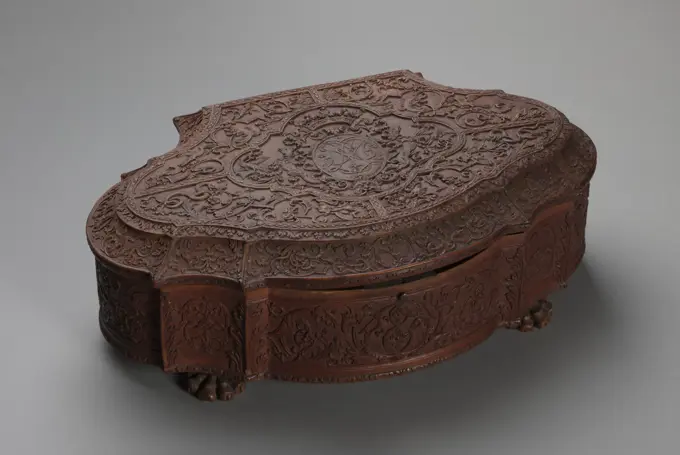
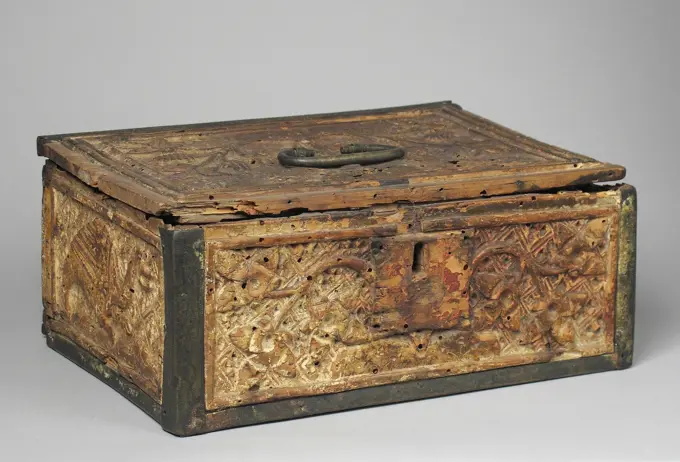
A collection of ornate antique boxes, featuring intricate designs and materials like brass and wood, showcasing craftsmanship from different eras and regions.

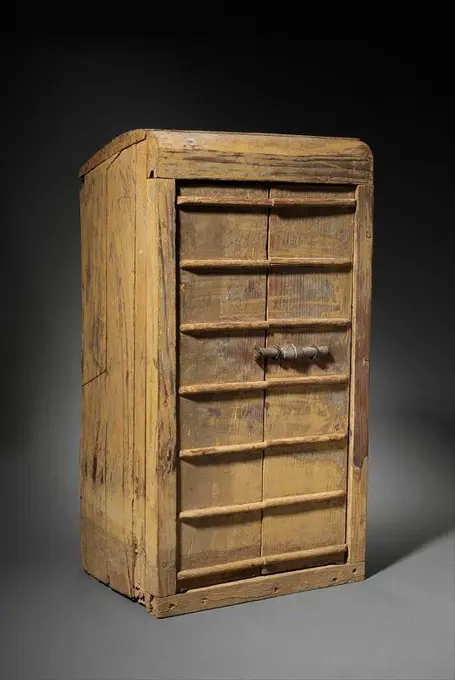
Cabinet;  End of the 17th century (1680-00-00-1700-00-00);
Cabinet; End of the 17th century (1680-00-00-1700-00-00);
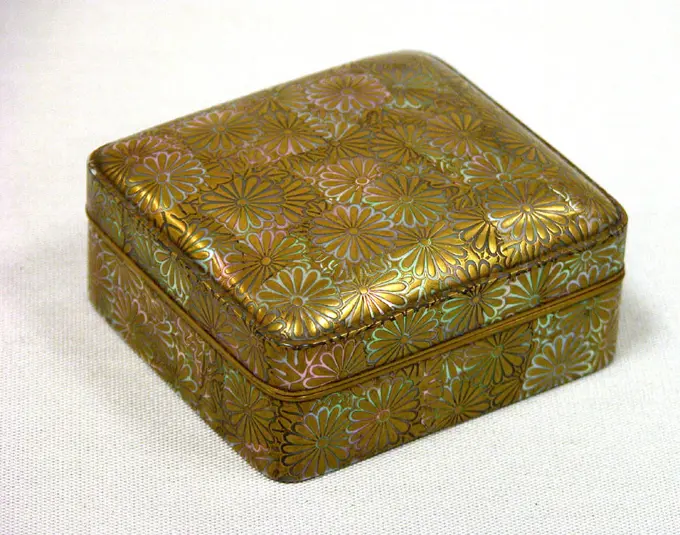
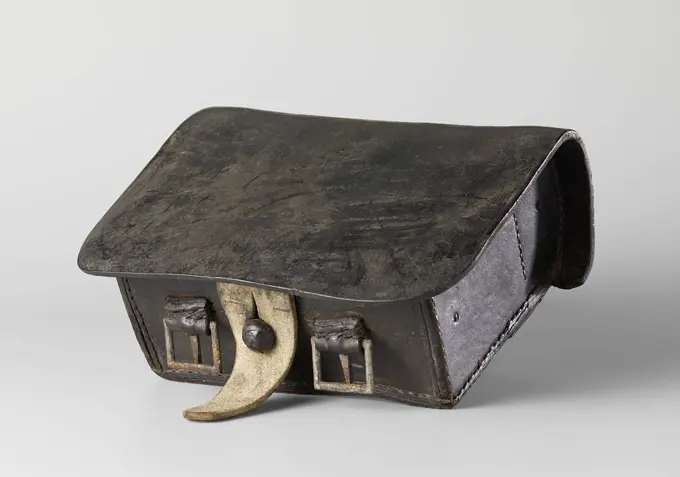
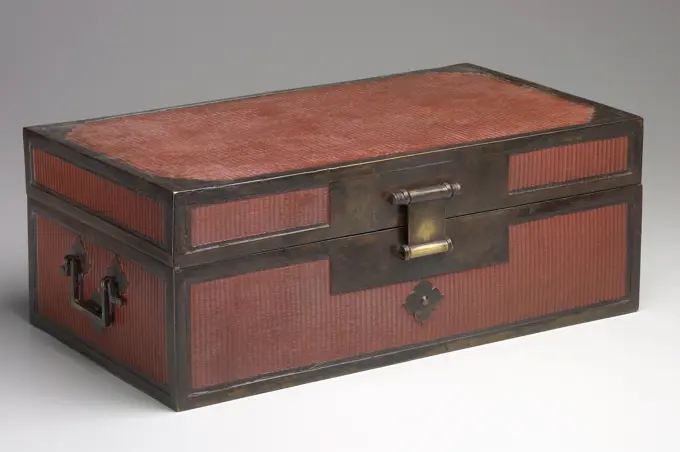
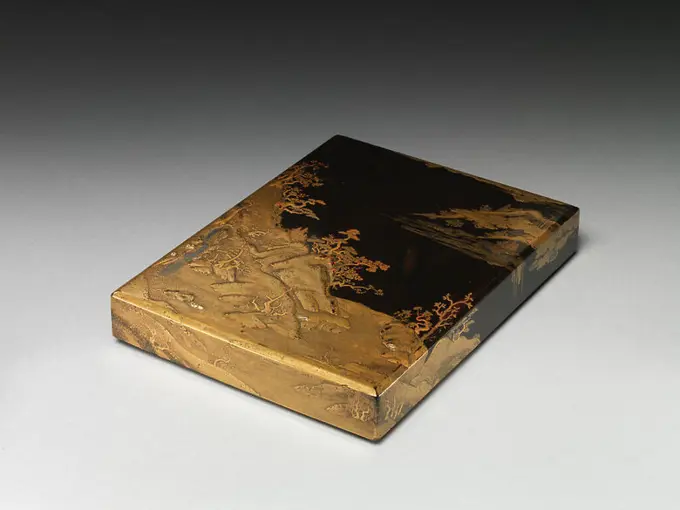
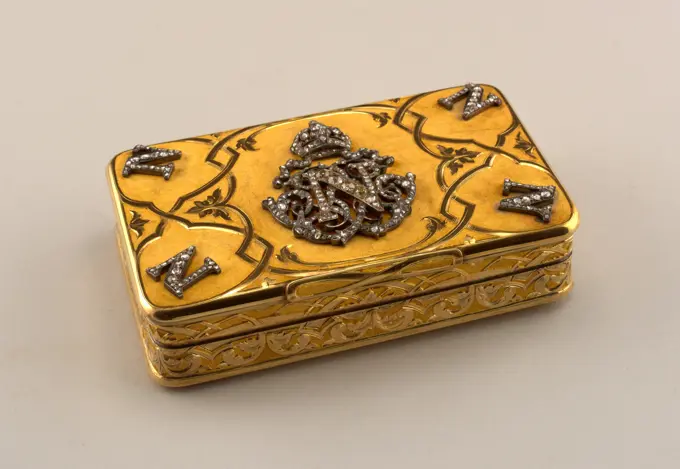
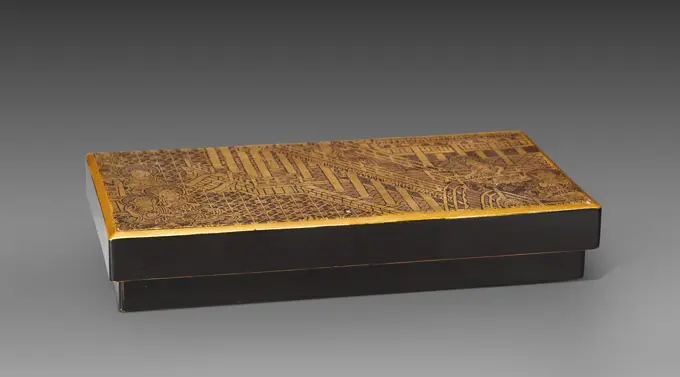
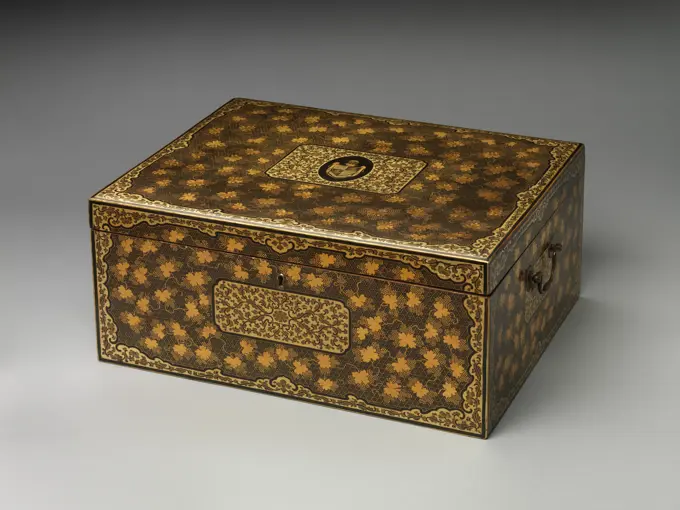
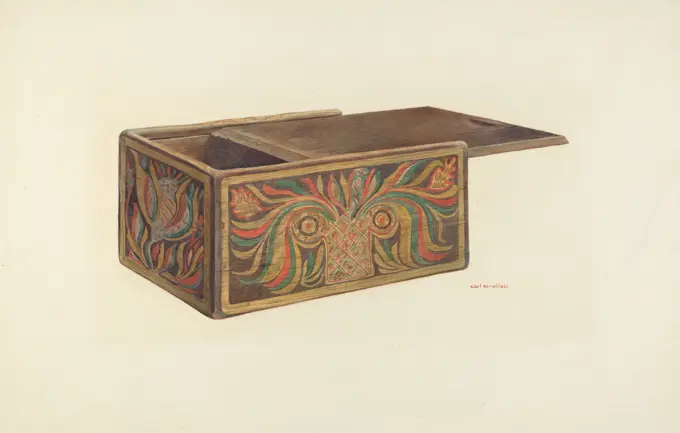
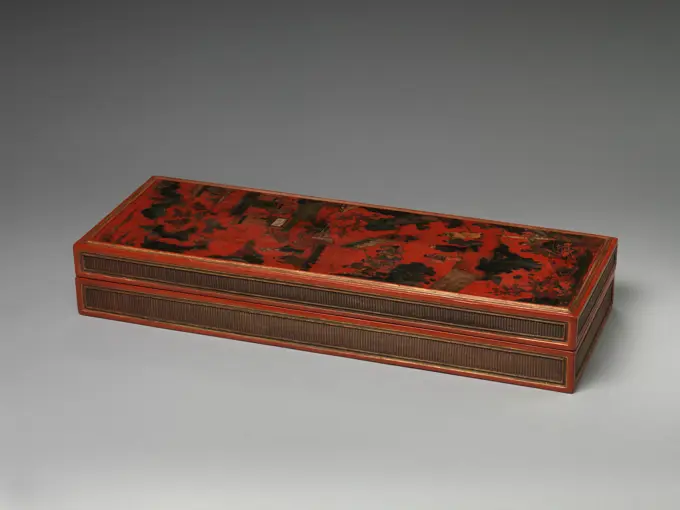
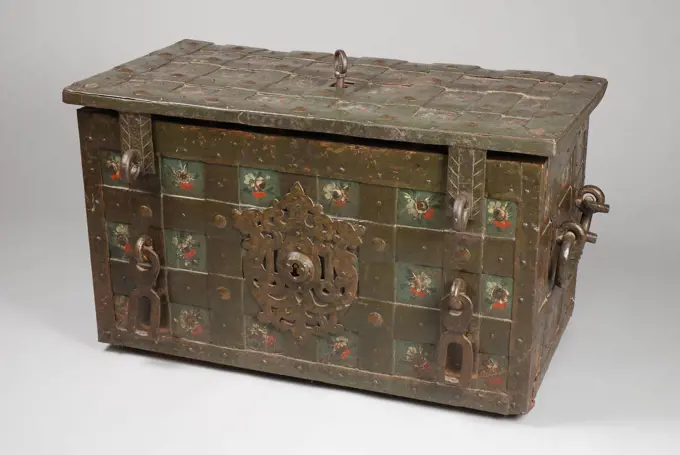
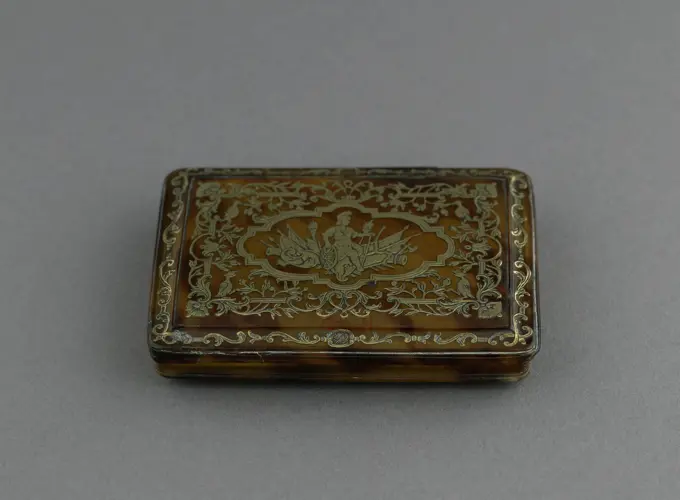
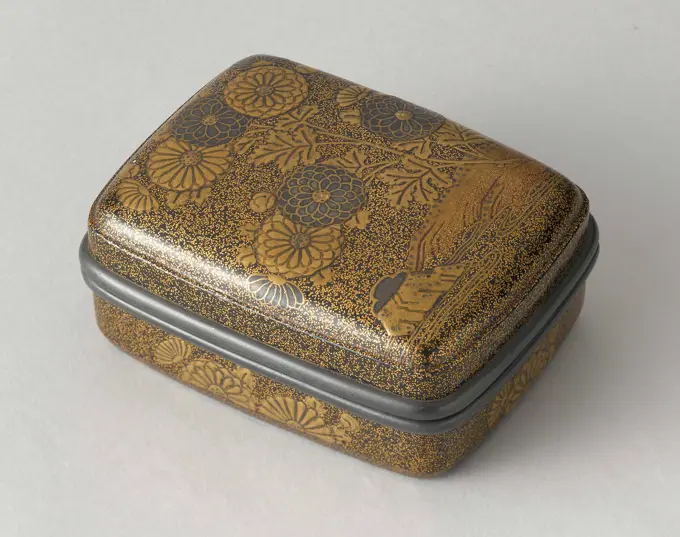
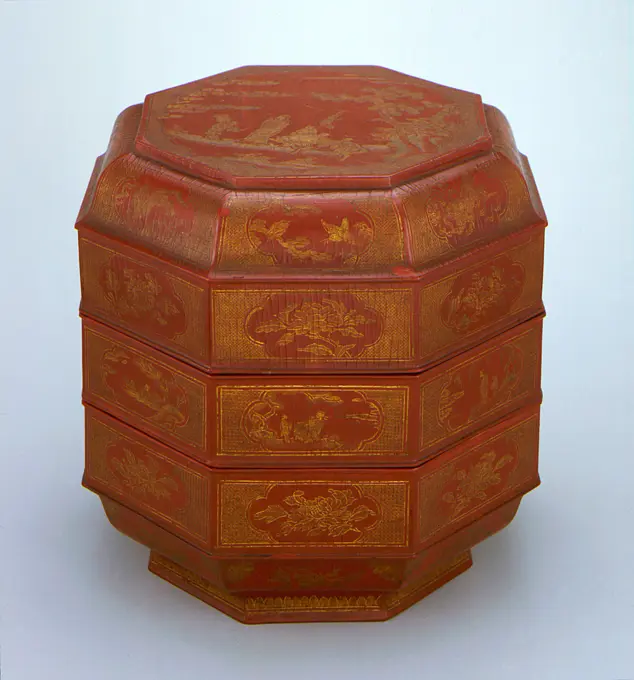
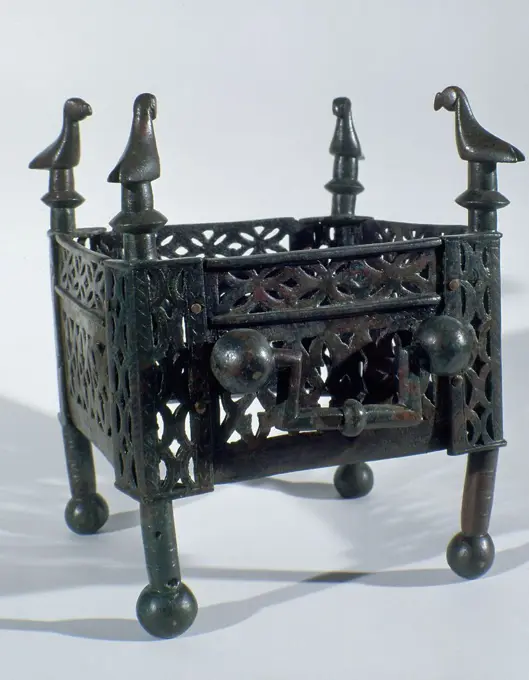
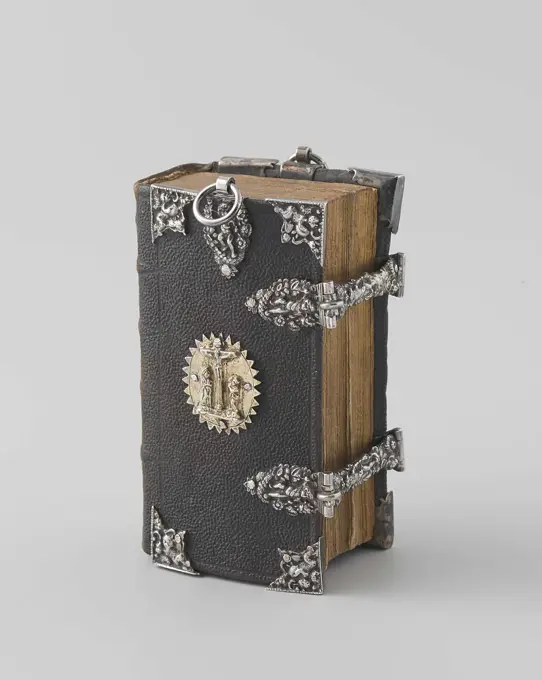
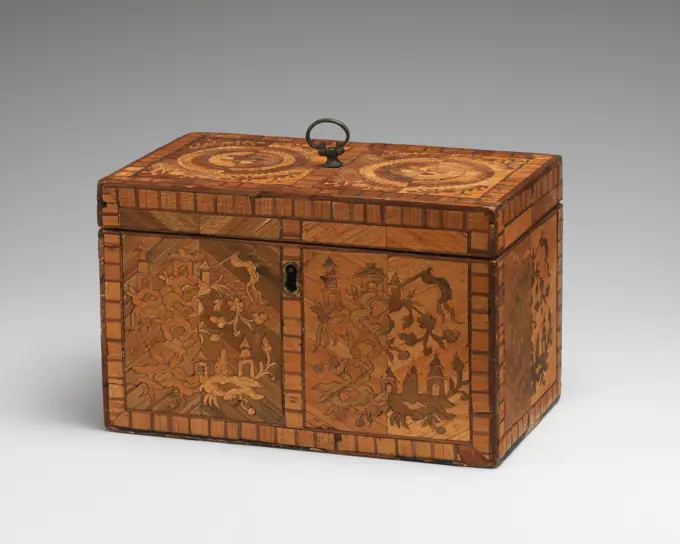
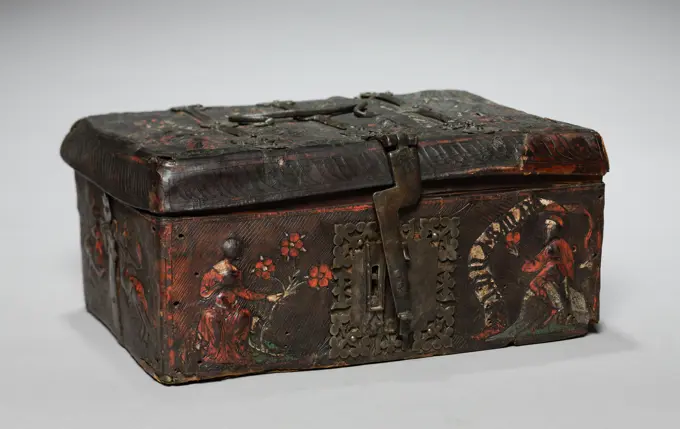
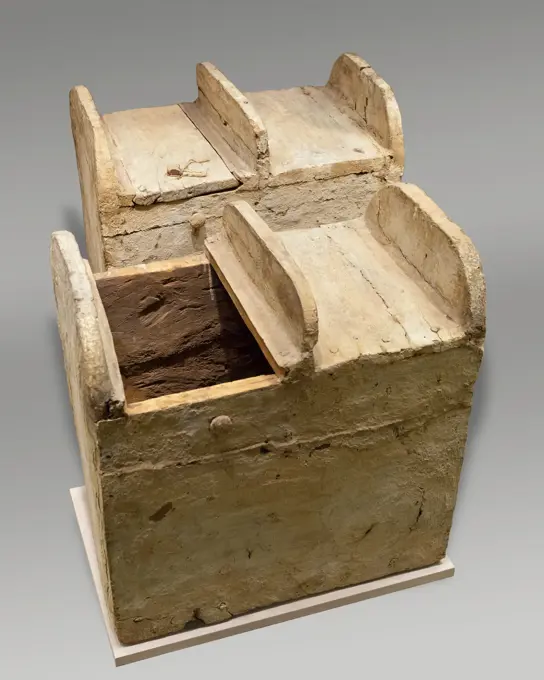
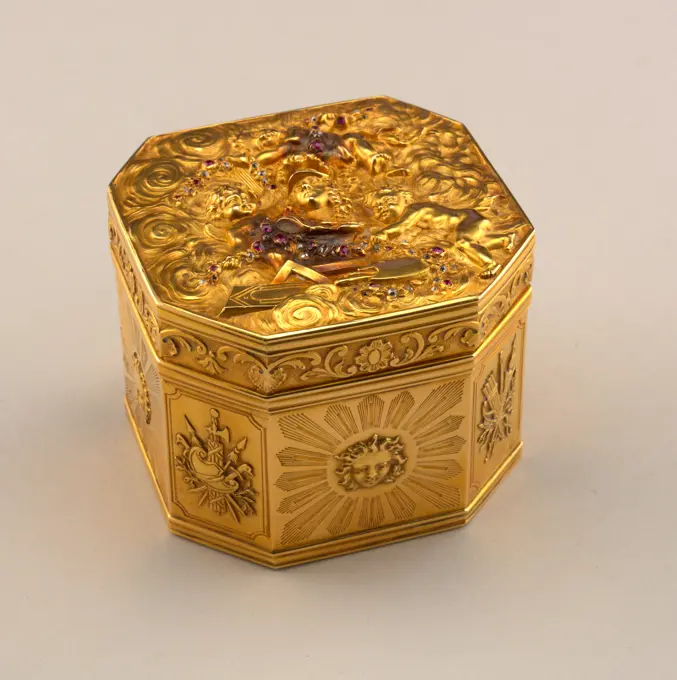
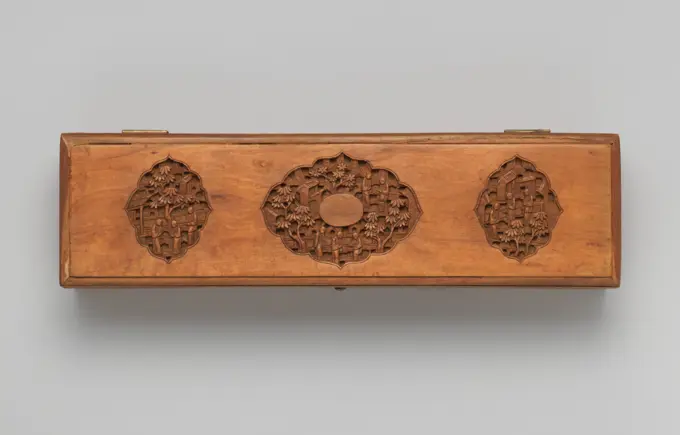
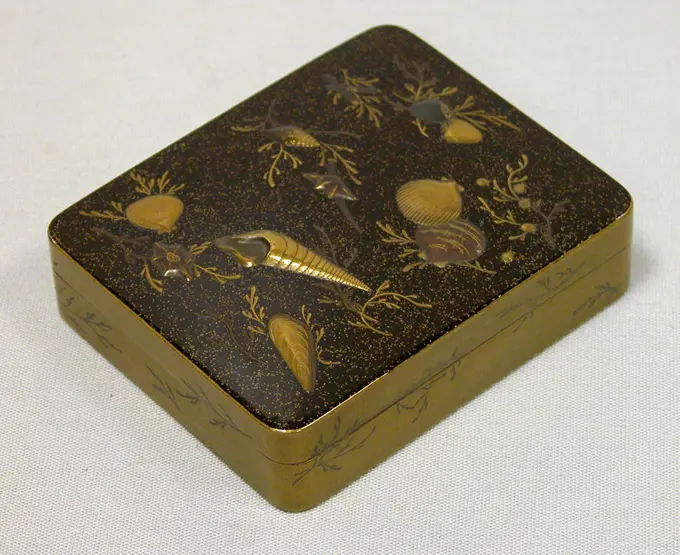
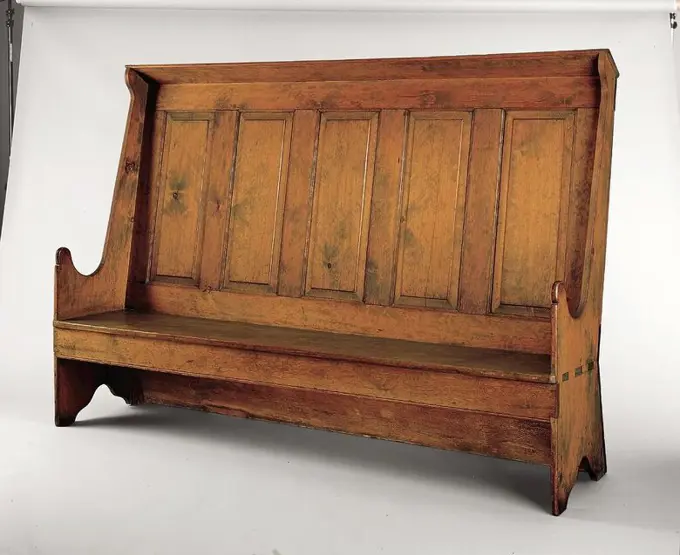
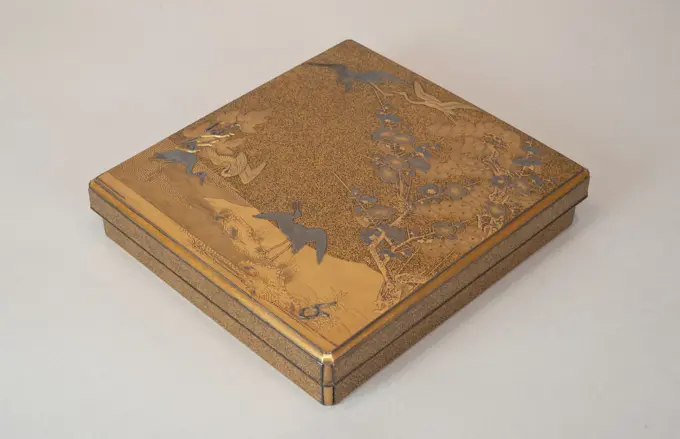
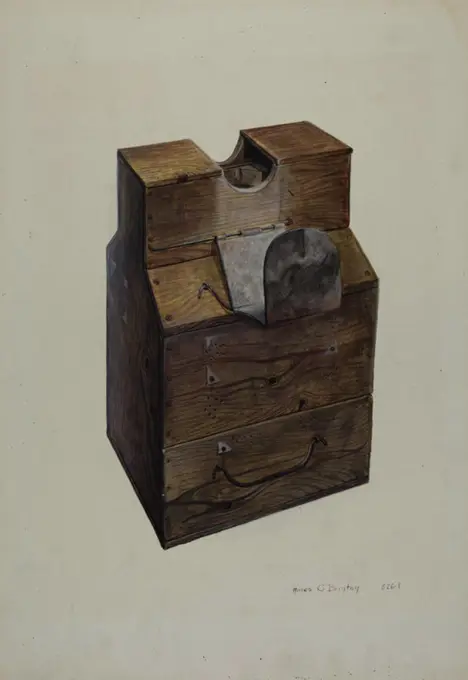
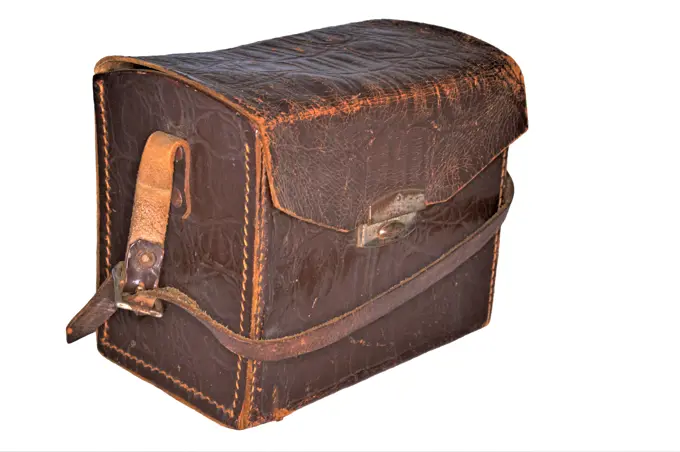
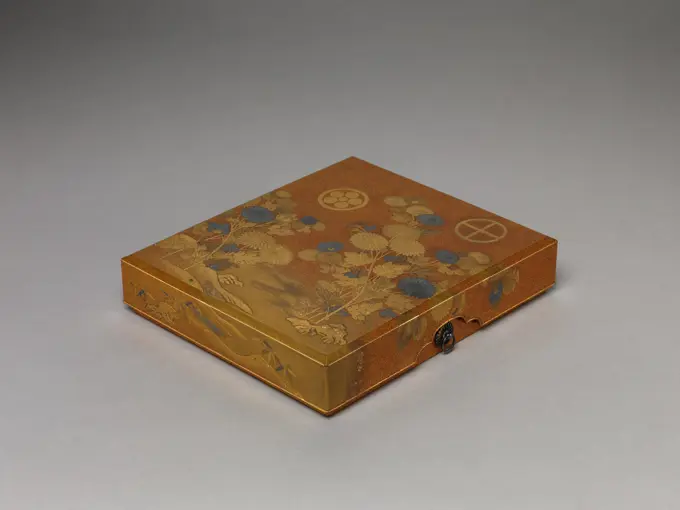
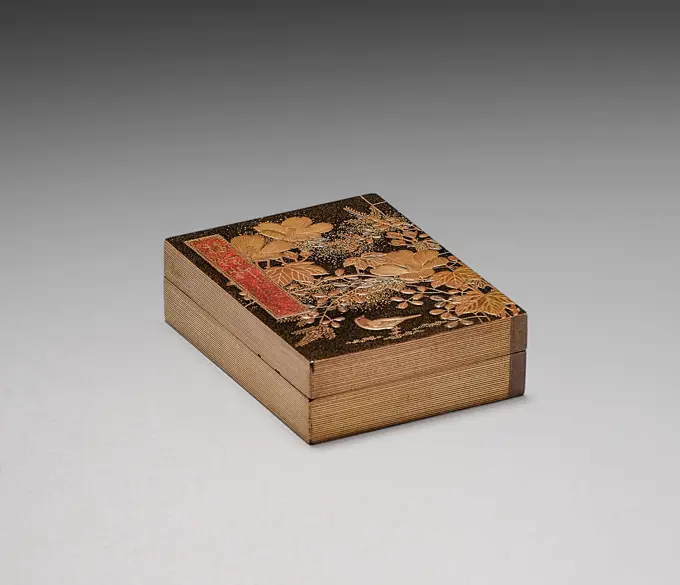
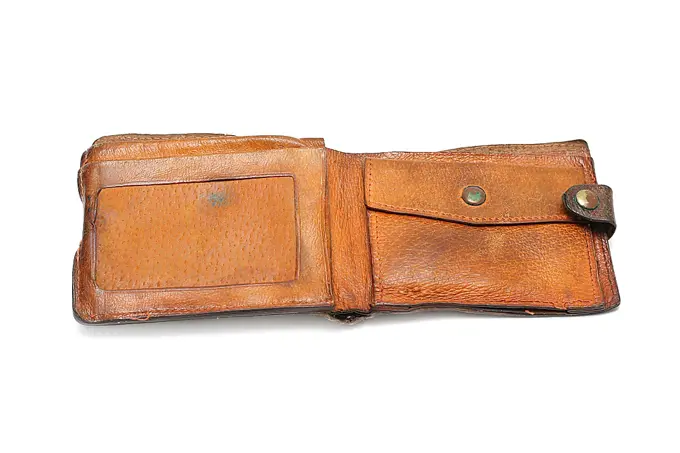
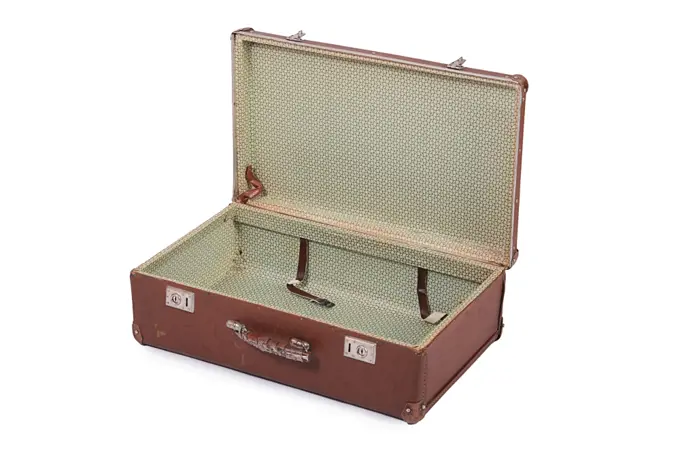
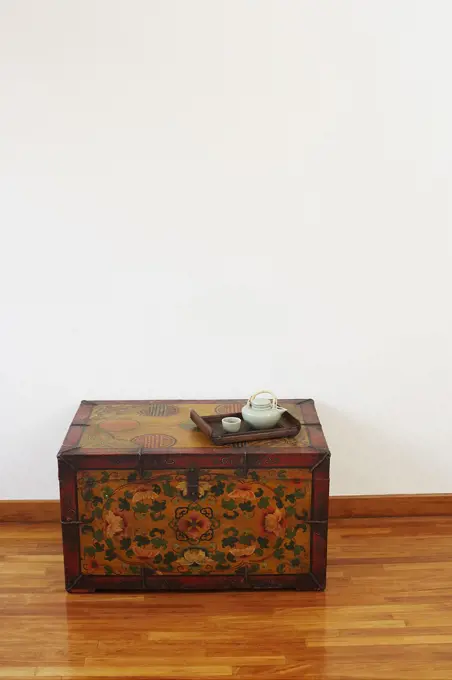
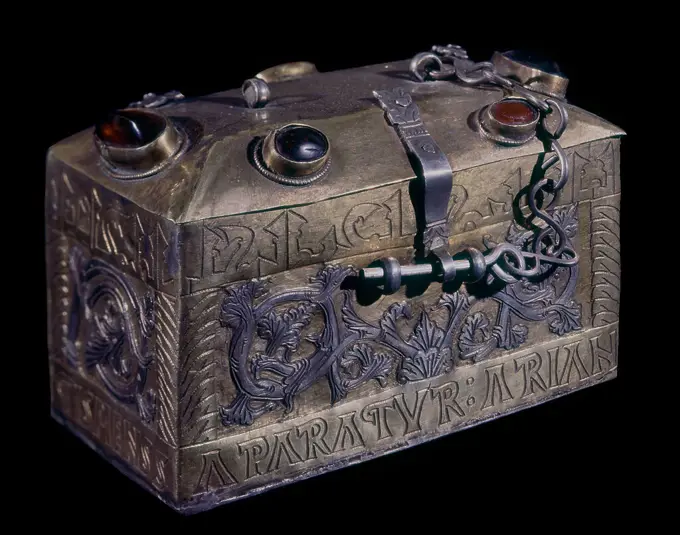
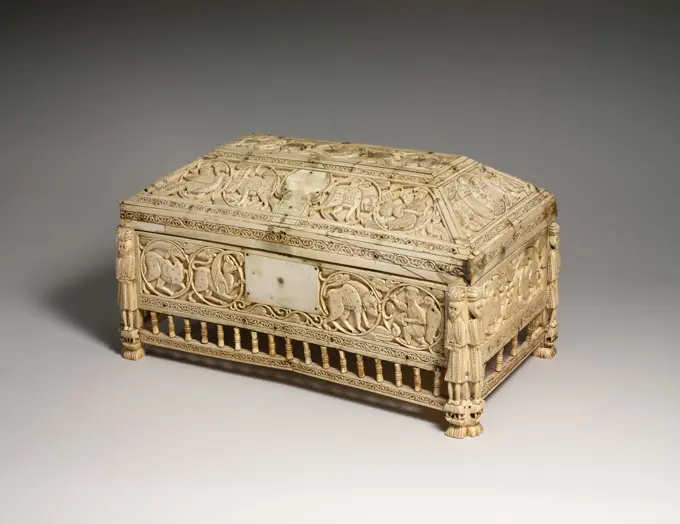
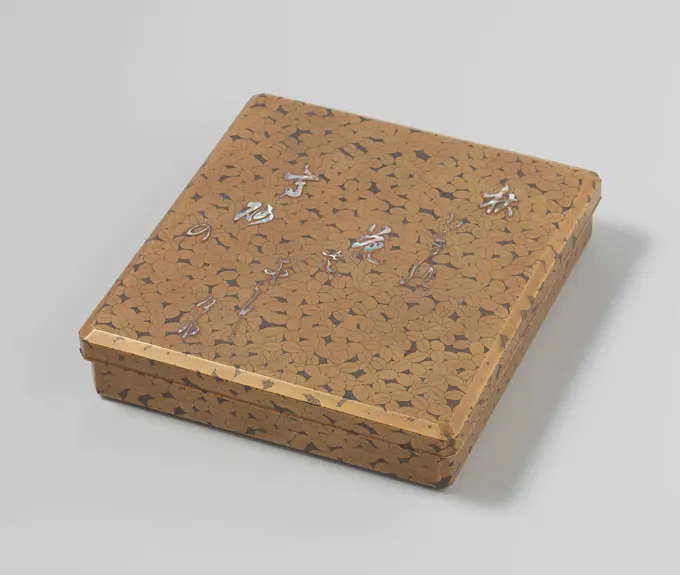
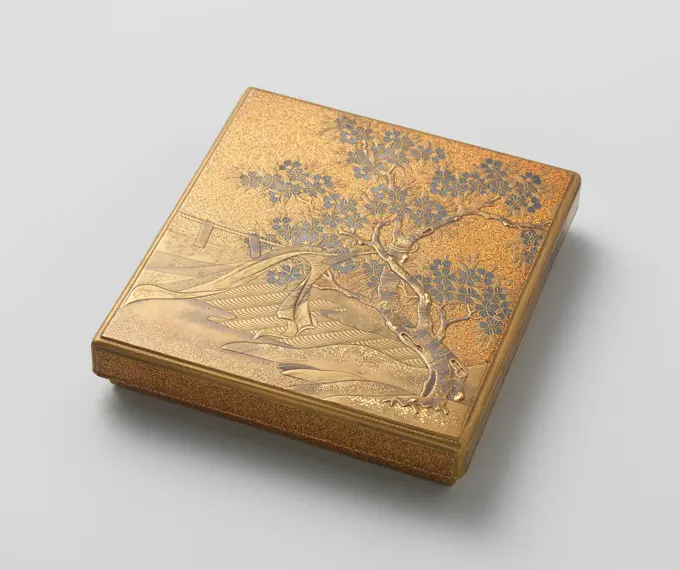
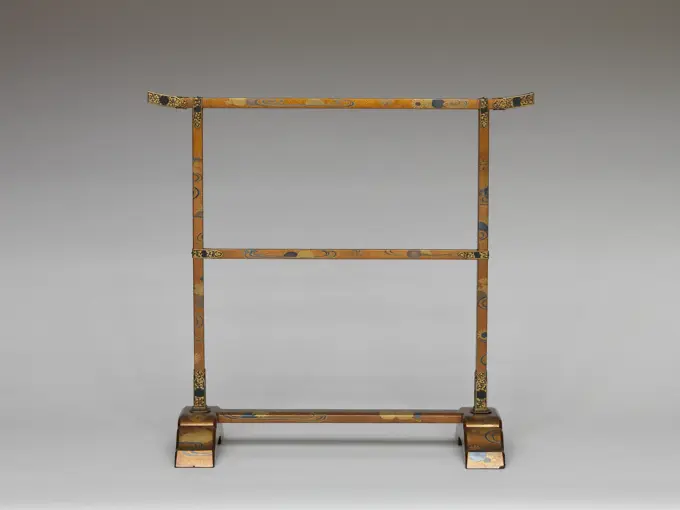
Old chest isolated on the white backgroundFootstoof of Messing, Anonymous, 1650 - 1750 The object largely made of plate consists of a bin on cast legs. In the top, an ornament with stamps is punched and cut out, consisting of a rosette in the middle and symmetrical tendrils from the four studs in the corners. A rosette in a star with leaf shapes are punched in the bottom. The legs are surrounded by punched studs. An eye with a ring is riveted against the right -hand side. This part has been demolished on the other side. The drawer and the doors are missing. Netherlands brass (alloy) striking (metalworking) / casting / sawing The object largely made of plate consists of a bin on cast legs. In the top, an ornament with stamps is punched and cut out, consisting of a rosette in the middle and symmetrical tendrils from the four studs in the corners. A rosette in a star with leaf shapes are punched in the bottom. The legs are surrounded by punched studs. An eye with a ring is riveted against the right -hand side. This part has been Cabinet;  End of the 17th century (1680-00-00-1700-00-00);Brass design fitting on antique wooden box, Jodhpur, Rajasthan, India Copyright: xSafatxAli/DinodiaxPhotoxBox -Box (2 of 2), early 1700s. Bagard (French). Wood; overall: 37.5 x 23.8 x 11.2 cm (14 3/4 x 9 3/8 x 4 7/16 in.).Traveling comb box early 17th period Japan. Traveling comb box 40470Coffret late 14th-early 15th century German (). Coffret. German (). late 14th-early 15th century. wood, brass. Woodwork-FurnitureIncense Box with Chrysanthemums second half of the 19th century Japan This box employs an earlier technique of sprinkling fine gold powder on mother-of-pearl inlay. This method emphasizes the contrast between the warmth of the gold and the iridescent white of the chrysanthemums. Ubiquitous in the visual arts throughout East Asia, these auspicious flowers symbolize longevity.. Incense Box with Chrysanthemums. Japan. second half of the 19th century. Gold hiramaki-e on mother-of-pearl ground. Meiji period (1868-1912). Lacquer"Kokinshū": Anthology of Classic Japanese PoetryCasket;  2. PO. 19th century (1851-00-00-1900-00-00);Furniture, Anonymous, 1617 Oak dark gray painted sacrificial bus. The heart -shaped lock is painted with a weapon consisting of a halved saber with a tree, crowned by a double eagle with a shield, including the year 1617 and the words: "St. Lucas". The key is missing. Northern NetherlandsNetherlands wood (plant material). oak (wood). metal Oak dark gray painted sacrificial bus. The heart -shaped lock is painted with a weapon consisting of a halved saber with a tree, crowned by a double eagle with a shield, including the year 1617 and the words: "St. Lucas". The key is missing. Northern NetherlandsNetherlands wood (plant material). oak (wood). metalCandle Box. Dated: 1935/1942. Dimensions: overall: 30.9 x 43.8 cm (12 3/16 x 17 1/4 in.) Original IAD Object: 14 1/2" long; 6 5/8" high; 8 3/4" wide. Medium: watercolor and graphite on paper. Museum: National Gallery of Art, Washington DC. Author: Carl Strehlau.. Black leather rectangular bag with two iron bins placed above each other. Bottom container: two compartments; Upper box: four compartments. Sides with flaps. On the front bag stitched leather fountry with two holes. On bottom a braided leather knot and two leather loops with iron buckles. Back two leather stitched loops with two holes. On the left a natural leather belt with hole. Black leather valve with on the inside Brand: Hiof IH. Backside valve with white leather belt with hole.Woven Bamboo Box, 17th century, 6-1/4 x 16-3/8 x 9-3/16 in. (15.9 x 41.6 x 23.3 cm), Bamboo, metal, wood, China, 17th centuryRectangular Tray (Changfan Pan). China, early Qing dynasty, probably Kangxi period, 1662-1722, but with Yongzheng mark. Furnishings; Serviceware. Red and black lacquer on wood core with gold painted and applied decoration (duicai) and wickerworkScot of paneling from Huis Dentz van Schaick, Carel Adolph Lion Cachet, c. 1900 - c. 1905 Schot, part of paneling made for the house of Mr Th.G. Dentz van Schaick on Frederiksplein in Amsterdam 50-52. marked with pencil: AB6D3. Amsterdam . Schot, part of paneling made for the house of Mr Th.G. Dentz van Schaick on Frederiksplein in Amsterdam 50-52. marked with pencil: AB6D3. Amsterdam .Box for Books with Waterfall. Culture: Japan. Dimensions: L.10 1/4 in. (26 cm); W. 71/4 in. (18.4 cm); H. 1 7/8 in. (4.8 cm). Date: 16th century.Originally this extravagantly decorated box held books, which could be pushed up through a hole at the base. It was later converted into a box for writing implements. The decoration of a pine, cypress, plum, and camellia set in a mountainous landscape with a waterfall and temples fills the entire surface of the box, from the top to the beveled sides, and remains uninterrupted whether the box is open or closed. The decoration may refer to classical poetry, though the scene cannot be definitively identified. Museum: Metropolitan Museum of Art, New York, USA.Brass design fitting on wooden box, Jodhpur, Rajasthan, India Copyright: xSafatxAli/DinodiaxPhotoxBox (France); cut, cast and engraved gold, set with diamondsFragment Mounted as a Box Cover with a Scene from Amida's Paradise, 1100s. Japan, Heian period (794-1185). Gold lacquer on wood; overall: 2.6 x 7.8 cm (1 x 3 1/16 in.).Tea chest with crest of Alexander Hamilton late 18th century China. Tea chest with crest of Alexander Hamilton. China. late 18th century. Black lacquer with gold painting. Qing dynasty (1644-1911). LacquerPortable writing desk. unknown, authorCarl Strehlau, Decorated Box, 1935 1942 Decorated BoxRectangular Box with Scene of a Reception 17th century China The scene represented on this box is the arrival of guests at a grand reception. The host and hostess are seated in the reception hall at the upper right of the composition, which resembles that of a traditional Chinese-style horizontal or hanging scroll. A member of the household stands before the hosts, awaiting a messenger carrying a pink calling card. The guests, who are about to cross a stone bridge, are shown in the lower part of the painting. On their way to the reception, the guests will pass a group of musicians playing behind silk curtains. Most of the musical instruments they use are displayed in the case nearby.. Rectangular Box with Scene of a Reception. China. 17th century. Red lacquer painted with lacquer and oil colors; basketry panels. late Ming (1368-1644) or early Qing (1644-1911) dynasty. LacquerPainted wrought iron Nuremberg coffin, archive case casket cabinet furniture furniture interior design iron paint, approximately 130 kg Iron box with outside band iron attached with rivets; two large handles on both sides turned halfway; two transfer bars at the front which can be pushed over the protruding staples but which are now hanging down (the padlocks that normally hang on them are missing here). Whole is polychrome on the outside with flowers on green surface. Rear painted completely dark. At the front fake key plate of driven iron for decoration including an engraved head Cover is (normally) openable with the help of key (probably 44057) which is inserted into keyhole placed centrally on lid and over which keyhole protector could be pushed (missing present). The keyhole is slightly deformed (due to wear). On the inside lid rectangular removable openwork and engraved cover plate with two square similar images next to each other. On each stand interwoven mermaids (and men) AnBrass design fitting on antique wooden box, Jodhpur, Rajasthan, India Copyright: xSafatxAli/DinodiaxPhotoxGames Box, 1600-1700. Eger Work made by Johann Karl Haberstumpf and. Adam Eck. Pinto Collection - Purchased from Edward H Pinto, 1965.. The town of Eger in Bohemia (southern Germany) was the centre of a specialised type of woodworking in the 17th century. Here, craftsmen created detailed pictures, using layers of carefully selected woods which were glued on to a background and then carved to make a relief marquetry panel. It was known as Egerwork. This highly artistic and painstaking work was mainly used to decorate altar fronts, luxury cabinets and gamesboards. Egerwork panels are usually highly detailed and the battle scene on the cover of this board is typical. In contrast, the backgammon board has been made by laying strips of veneer into a base panel to produce a flush surface. This is known as inlaid marquetry. .LIPSANOTECA DE LOS SANTOS JULIAN Y BASILISA (DEPOSITO: MUSEO DIOCESANO) . JACA, HUESCA, ARAGON, ESPAÑA.Box, Wood, painted, Box for card game, Venice, Italy, late 18th century, containers, Decorative Arts, BoxIberian culture. Coffin (larnax). Late 4th century BC. Painted limestone. Necropolis of Tutugi, Zone III, Grave 152. Galera (province of Granada, Andalusia, Spain). National Archaeological Museum. Madrid. Spain.BoxGolden -encrusted scales box with a figure in arms in a cartridge, decor inspired by. Anonymous French, 1720-1740. Paris, Cognacq-Jay museum. On the lid of this box, in a cartridge, a warrior is with a arms trophy. On the bottom, a hunter is represented with two dogs. The symmetrical organization of the decor and the choice of motifs evoke the art of Jean Bérain, while the supervision, with its palms, its sticks and its scrolls, reveals the appearance of the rocky style. All this suggests a French object of the first third of the 18th century. Box, cartridge, decor, squaille, figure weapons, encrusted, goldSlip case for a book Case; USA; leather on paper. Japanese lacquerwork from the 15th and 16th centuries is often meticulously executed. The careful delineation of the gold and silver chrysanthemums has given this little box a modest charm and elegance.Casket angle Brown casket angle isolated including clipping path Copyright: xZoonar.com/Baloncicix 14240813. Paint box with a representation of Daruma on the top, sailing on its reeds. Red-brown lacquer inlaid with mother-of-pearl.Drawing Instrument Box. Dated: c. 1940. Dimensions: overall: 24.6 x 35.5 cm (9 11/16 x 14 in.) Original IAD Object: 1 3/4" high; 8 1/8" long; 4 3/4" wide. Medium: watercolor and graphite on paperboard. Museum: National Gallery of Art, Washington DC. Author: Fred Hassebrock.Cylinder Music Box. Maker: Chas. Auberson Ullman. Made in Switzerland, Europe .Blank brown book Blank brown book on a white background Copyright: xZoonar.com/OlgaxPopovax 3862194Writing box, anonymous, c. 1700 - c. 1725 Writing box of rosewood, glued with ebony and ivory. The folding lid consists of two parts, the front half of which slows down. The lid shows a tergotif all around and in the middle a rectangular field with tendrils and flowers surrounded by band work; Also four copper rosettes. Rank motifs on the front and sides. The profiled plinth is trimmed with an ivory piping. Internally a layout with courses and drawers. The engravings in the ivory are filled with black. Sri Lanka wood (plant material). rosewood (wood). ebony (wood). ivory. copper (metal). iron (metal) engraving  Sri Lanka Writing box of rosewood, glued with ebony and ivory. The folding lid consists of two parts, the front half of which slows down. The lid shows a tergotif all around and in the middle a rectangular field with tendrils and flowers surrounded by band work; Also four copper rosettes. Rank motifs on the front and sides. The profiled plinth is trimmed with an ivory piping. InCupboard belonging to a bank, E.G.C. SCHUBAD, c. 1923 Cupboard belonging to a bank where it can be added to the right Netherlands oak (wood). rosewood (wood). plywood. glass Cupboard belonging to a bank where it can be added to the right Netherlands oak (wood). rosewood (wood). plywood. glassOctagonal Three-tiered Food Box (Bajiao Sanceng He) with Flowers and Cartouches Showing Scholars in Landscapes. China, Yuan dynasty, 1279-1368. Furnishings; Accessories. Red lacquer on wood core with incised and gold-filled decoration (qiangjin)BRASERO RECTANGULAR DE LATON - SIGLO XII - 25x24x19. Location: MUSEO ARQUEOLOGICO-COLECCION. CORDOBA. SPAIN.Band for a tide book, Den Seven tidal from Onse L. Lady 't Hantwerpen 1669. Tide book,' Den Seven tidable of Onse L. Lady 't Hantwerpen 1669, tied in a serenary band with silver corners, locks and rings, on which driven children and Ornaments. On the paste a silver toothed medallion on which the crucifixion. On the downside. Maria.Tea caddy third quarter 18th century probably British For the marquetry of this tea caddy, layers of lighter and darker straw were stacked and cut at the same time before being separated. That resulted in identical chinoiserie decoration, which was used with a twist: on the right, a light ground is inlaid with darker straw ornament and vice versa on the left.. Tea caddy. probably British. third quarter 18th century. Straw on wood, silver paper. Natural SubstancesIsolated antique wooden chest on white backgroundLeather Casket with Scenes of Courtly Love, c. 1350-1400. France, Gothic period, 2nd half of the 14th century. Leather: embossed, incised; iron mounts; wood core; overall: 10.5 x 25.2 x 19 cm (4 1/8 x 9 15/16 x 7 1/2 in.).Shabti Box for inscribed for Henettawy, daughter of Isetemkheb ca. 990-970 B.C. Third Intermediate Period Two wooden boxes (see also 25.3.20.1a-c) filled with "shabtis" inscribed for Henettawy (daughter of Isetemkheb) were found in Chamber B of Tomb MMA 60. These small magical figures would have worked for their owner in the afterlife if she were called upon to carry out manual labor, such as digging canals or creating sandbanks to hold back the floodwaters. Divided between these two boxes were a total of 411 shabtis, 374 mummiform workers with tools and baskets, and 37 kilted supervisors holding whips.The boxes were found intact, with their lids still in place. They are made of small planks of reused wood, whitewashed inside and out. Each has two lids; one is pegged in place and the other is a true lid, sliding on grooves and secured by a string attached to the knobs.. Shabti Box for inscribed for Henettawy, daughter of Isetemkheb 590976Box (France); Made by Julien Quévanne; gold, diamonds, rubies; 4.9 x 5.7 x 5.2 cm (1 15/16 x 2 1/4 x 2 1/16 in.)Fan box Chinese 19th century View more. Fan box. Chinese. 19th century. Wood, silk, paper, and glass. FansPenbox with Portrait of Muhammad Shah Qajar 1840s This penbox bears a portrait of the third ruler of the Qajar dynasty, Muhammad Shah (r. 1834-1848) on the lid. The ruler is seated on a jeweled throne in a Europeanizing landscape. He wears a European military uniform with trousers and a jacket with epaulettes and holds a pistol yet dons an astrakhan hat with with a paisley-shaped aigrette and a bejeweled belt and armbands (bazubands). The eclectic details of costume and the setting, mixing traditional and European elements is characteristic of the "in-between" positioning of Muhammad Shah's reign. View more. Penbox with Portrait of Muhammad Shah Qajar. 1840s. Papier-mache; painted and varnished. Probably made in Iran. LacquerTea box with two tea buses and a mixing bus. The rectangular wooden box is divided into three compartments on the inside by means of two wooden sliders. Both the interior and the sliders are covered with blue velor. It is caught in a silver holder that has a hinged lid, containing the loose wooden lid of the coffin. The holder rests on four hollow vaulted, fluted legs, upside down and bottomed by profile edges. It has a bottom of smooth silver but has been opened to all other sides. The four sides of the coffin holder each exhibit a field of angular guilloches against a background of railing with rosettes, surrounded by a border of similar, small-scale railing. At the front, the decoration is interrupted by the keyhole, which is sealed by a movably molded plate in the form of a trophy of music books and instruments suspended from a ribbon, a torch and leaf wreaths and garlands. The new blue velor upholstery is arranged so that the lock is covered on all sides. The four sides of the lidBox 19th century Japan. Box 58303Book storage box .. Book storage box, wood with pressed leather covered with iron tires, lock and key, hanging on a yellow band.Base of Indra, Anonymous, c. 1600 - c. 1984 Base of image: the God Indra sitting in a Maharajalilasana.  marble (rock) Base of image: the God Indra sitting in a Maharajalilasana.  marble (rock)Faberge Cigarette Box Christie's, London Portable Bookcase, 1755-1765. Pinto Collection - Purchased from Edward H Pinto, 1965.. This rare, portable bookcase was made in England, around 1760. The cabinet maker has followed the fashions of the period, both in his use of mahogany and in the design of the Gothic arched doors. Wealthy people in the eighteenth century had many more opportunities to travel than previous generations. Cabinet makers made a wide range of furniture which was suitable for carrying with them on long land or sea voyages.Settee. Culture: American. Dimensions: 84 1/2 x 59 x 22 1/4 in. (214.6 x 149.9 x 56.5 cm). Date: 1725-1850. Museum: Metropolitan Museum of Art, New York, USA.BoxTea caddy ornamented with rolled paper, c. 1800, 4 3/4 x 8 x 4in. (12.1 x 20.3 x 10.2cm), Wood, paper, England, 18th-19th centuryMore than three hudred year old book photographed closed from spine side on a white background, showing the design of the embossed cover.Writing Box with Cranes, Pines, Plum Blossoms, and Characters 18th century Japan Auspicious motifs such as cranes, pine trees, and plum blossoms, together with three silver-inlaid characters, appear on the lid of this writing box. Two of the cranes are executed in silver foil. On the inside of the lid, plovers fly over a rocky shore lined with pine trees. The landscape is lit by a silver moon, and the dry patches of the seashore are also inlaid in silver. The front of the lid might be a reference to a poem (chka) by Yamabe no Akahito (active 8th century):Waka no ura ni shiomichi kureba kata o nami ashibe o sashite tazu naki-wataru At Waka Baythe tide flows in,covering the sandbars,as cranes fly towarda bed of reeds, crying.—Trans. John T. CarpenterOn the inside is an anonymous poem from the Kokinwakash anthology. The plover’s chirp is said to sound like “chiyo,” as contained in the phrase “eight thousand years” (ya-chiyo):Shio no yama sashide no iso ni sumu chidori kimi ga miyo oba yCigarette box, wood, burrel/ amboyna exterior, mohogany interior, 19th century, containers, Decorative Arts, Cigarette boxNutmeg Grater 1837-1848 Birmingham. Silver and iron .Liquor Carrier. Dated: c. 1939. Dimensions: overall: 34.8 x 24.1 cm (13 11/16 x 9 1/2 in.) Original IAD Object: 16 1/2" high; 8 3/4" wide. Medium: watercolor, graphite, and gouache on paperboard. Museum: National Gallery of Art, Washington DC. Author: Amos C. Brinton.Writing box (suzuribako) with chrysanthemums and mandarin ducks Igarashi Fujin  Japanese second half 17th-early 18th century Next to Kyoto and Edo, there was a third major center of lacquer art in the early Edo period: Kanazawa in Kaga Province (present day Ishikawa Prefecture). Around the middle of the seventeenth century, Maeda Toshitsune (1594-1658), the third daimyo of Kaga, summoned the Kyoto-based lacquer master Igarashi Dho (d. 1678) to his seat of government at Kanazawa. It was Dho and a few other lacquer artists, including Igarashi Fujin, who established the traditions of the so called Kaga lacquer school. Maki-e lacquer decorated with gold was an especially important genre since Kaga was well-known for its gold mines and its high-quality gold leaf and powder.This writing box by Igarashi Fujin follows the Kaga maki-e lacquer art lineage style established by Dho (specializing in sprinkled precious metal powder techniques) but also represents his individual artistic vision. The Old camera bag of a roll fimbox recording an old camera bag from the time before 1936Box with Design of Chrysanthemums by a Stream 19th century Japan. Box with Design of Chrysanthemums by a Stream 45491Nested Boxes with Chrysanthemums (inner box), early 1900s. Japan, Meiji period (1868-1912). Lacquer; overall: 0.7 x 5.8 x 4.2 cm (1/4 x 2 5/16 x 1 5/8 in.).Old wooden chest made in Surinam, isolated on whiteKnifeBoxesCarvedSeatGrunge wallet isolated on white backgroundTea; Bayreuth (ceramic family); 1730-1770 (1730-00-00-1730-00-00);PuzderkoEcrin video. Floral patterns. Details.Shrine for Anubis fetish (Imiut). Dimensions: H. 59.3 cm (23 3/8 in.); W. 32 cm (12 5/8 in.); D. 23 cm (9 1/16 in.). Dynasty: Dynasty 12. Reign: reign of Amenemhat II. Date: ca. 1919-1885 B.C..Two male figures, shrine, and fetishlike object were discovered by Metropolitan Museum excavators in a chamber in the enclosure wall of an elite tomb at Lisht South. The object of veneration found inside the shrine was called an imiut, "the one in the wrappings.". Museum: Metropolitan Museum of Art, New York, USA.Mysterious box Old wooden crate on dirty concrete floor Copyright: xZoonar.com/J.xSandvikx 1440011Medical instrument - Surgeon's Instrument Case, c1798. This surgeon's mahogany instrument case was used by William Aston, a surgeon, about 1798. It contains five scalpels with ebony handles, made by Laundy. The silver blow pipe was used for inflating blood vessels in dissection... Purchased from Edward H Pinto, 1965... .Missal cover with the Ascension of the Virgin, David Roobol (attributed to), 1738 The tire consists of a front and a back leaf, both rectangular and both hinged connected to the curved back. On the inside of the blades, bent edges walk along top, bottom and outside, connected on the corners by profiled frames, in which the magazines of the Missal are caught. On the inside of the back, bracts with a scalloped contour have been installed on top and bottom, to protect the back of the book. The tire can be concluded with two clamps, which close to the cover sheet. The clamps have corrugated sides. Front and back leaf and the back of the tire are surrounded by a profiled edge. A flat frame has been placed on the front and back leaf, closed by a profile and decorated on the corners with imposed, cast culots. The list includes a field with a punched soil. On the front leaf this is decorated with a large oval medallion surrounded by a frame that is curled in the middle of the underside, which The old suitcase isolated on white backgroundOpen old suitcase isolated on white backgroundApproval AFTERS OF DRANDISATIONSIJKERS, Anonymous, 1875 - 1997 chest Wooden box with sliding lid in which approval departments of district rijkers. Netherlands wood (plant material)   NetherlandsHalf Model of a 32-Gun Frigate, anonymous, c. 1780 - c. 1810 ship model. half model. builder's model Polychromed mold model (starboard) of a three -mast. Eleven guns indicated on one deck. Get mirror, Hol Wulf, no details of fence or side gallery; Straight with square stirring king. See at both ends slightly ascending, one mountain wood and one reehout. Peaked around. Netherlands wood (plant material)Box with Design of Pine, Bamboo, and Cherry Blossom 19th century Japan. Box with Design of Pine, Bamboo, and Cherry Blossom 57893Combined development box for wet collodion photographic process, made of wood, circa 1858, used for chemical development of plates.Approval deposits of calibrations. Wooden coffin with sliding lid in which approval deposits of calibrations.Box with iron, steel and ore samples, Aall & Sons, c. 1860 - c. 1870 sample Rectangular open wooden drawer with eleven compartments, in which samples of iron, steel and iron ore. The steel and iron monsters consist of a group of eight steel bars (two lack), numbered from 1 to 10 in rising hardness; Two iron monsters, one cast in sand and the other in scallop; two broken pieces of a heavy steel beam; a strip cemented iron; Two bending tests. Norway wood (plant material). iron (metal). paper   NorwayLid box made of woodCornelis Knuijsting, Silver tea box with two compartments, tea chest holder silver, d 10.6treasure chest with jewels treasure chest with jewels isolated on white background Copyright: xZoonar.com/VVxVoennyyx 5039073Teapot and a tea cup with a tray on a trunkCAMARA SANTA - ARQUETA DEL OBISPO ARRIANO. Location: CATEDRAL DE SAN SALVADOR-INTERIOR. Oviedo. ASTURIAS. SPAIN.Painting on antique wooden box, Jodhpur, Rajasthan, India Copyright: xSafatxAli/DinodiaxPhotoxMorgan Casket 11th-12th century One of the most accomplished examples of carved ivory known from Norman Italy, the so-called "Morgan casket" is also one of the clearest expressions of the international artistic milieu in which it was created. Pairs of men in turbans and tunics stand guard at the corners of the casket, recalling in style and programmatic use similar figures on the ceiling of the Cappella Palatina at Palermo. Medallions on the side panels are filled with fantastic beasts and birds, which are hunted by men with spears.. Morgan Casket. 11th-12th century. Ivory; carved. From Southern Italy. Ivories and BoneWriting Box. Exterior of lid and box covered with Hagi leaves in gold and silver; On the inside "the seven fall plants". A poem in pearl inlaid starts on the lid and continues on the inside.Suzuribako with inkstone and water dropar. Suzuribako (writing box), the substrate is made of Nashiji (speckled golden lacquer). The decoration is applied to Takamakie (golden lacquer and relief) and consists of flowering cherry trees, to which a large cloth is attached as windshield with cords. In the box there is an ink stone caught in gold lacquer and a metal water dropper. The whole is stored in a cloth in a box of black paint without decoration. Box is kept together by a ribbon.Two chests isolated on the whiteHand-towel Rack (Tenugui kake) with Chrysanthemums and Meandering Stream 18th century Japan The motif of chrysanthemums on a stream recalls the auspicious story of a mythical Chinese river whose water, sweetened by dewdrops from the chrysanthemums growing alongside it, imparts eternal life to anyone who drinks it. The lacquered surface of this small rack is decorated in the pear skin” (nashiji) technique, in which small flecks of sprinkled gold densely cover the ground area. The rack must have been made as part of a wedding trousseau, as it features two superimposed family crests, one of plum blossoms and the other of nine stars.. Hand-towel Rack (Tenugui kake) with Chrysanthemums and Meandering Stream 72746