Antique Decorative Ceramics

Fragments and dishes of intricately painted majolica and porcelain featuring floral and animal motifs, highlighting historical art style and craftsmanship.

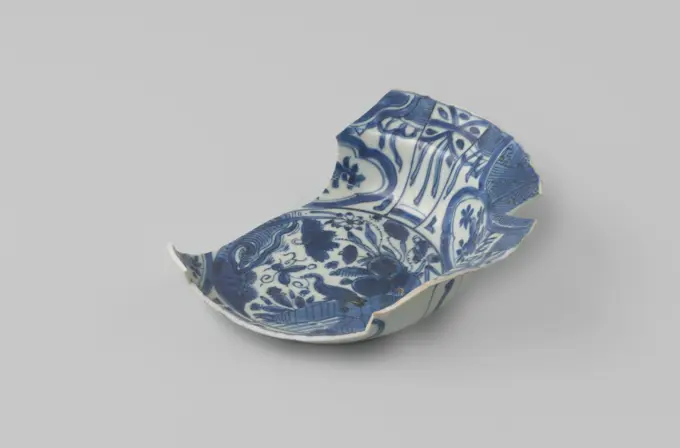
Majolica plate, blue on white, bird in Chinese garden, border in Wanli style, plate dish tableware holder earth discovery ceramics pottery glaze, At prongs fried archeology food decorate serving China
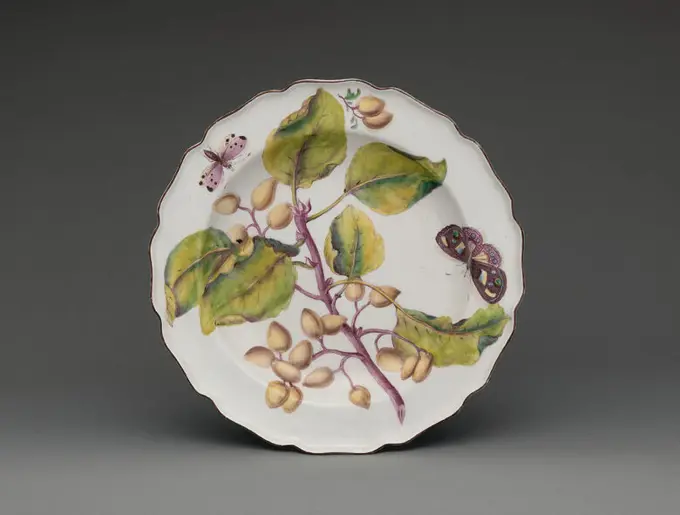
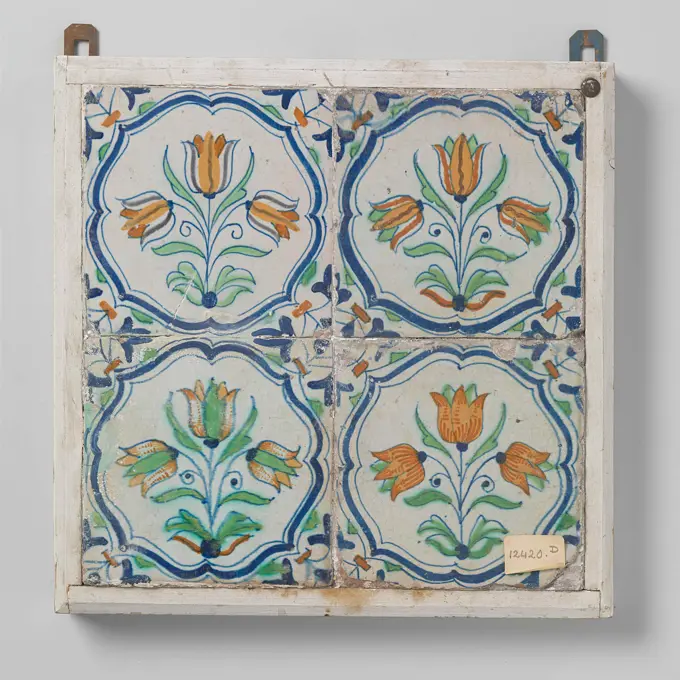
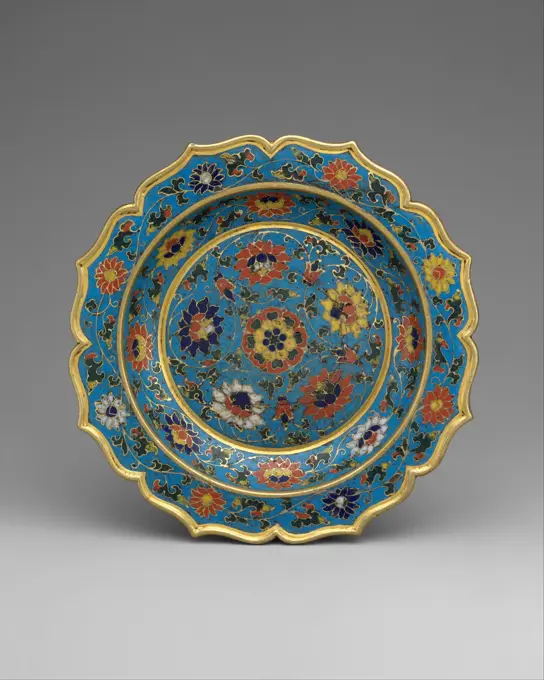
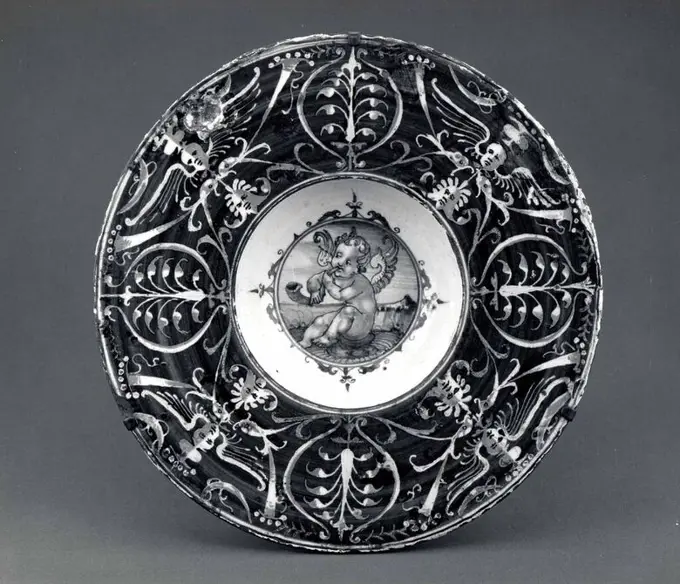
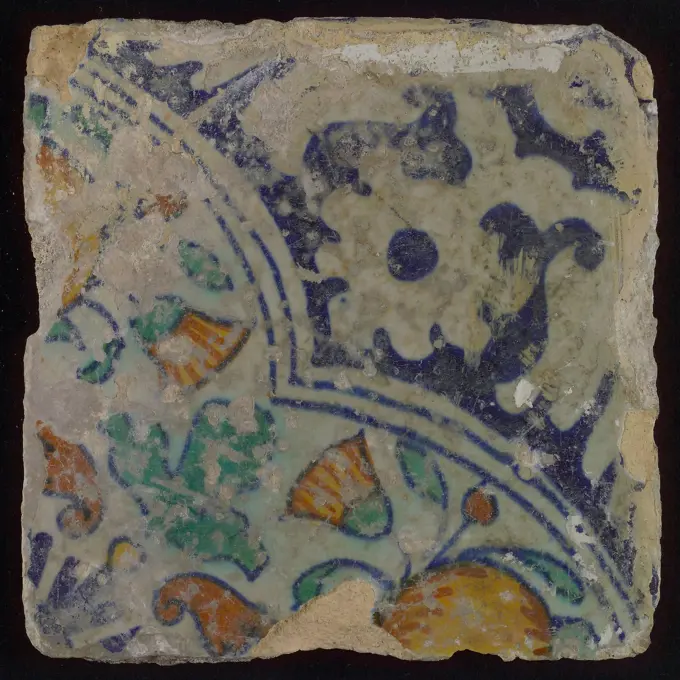
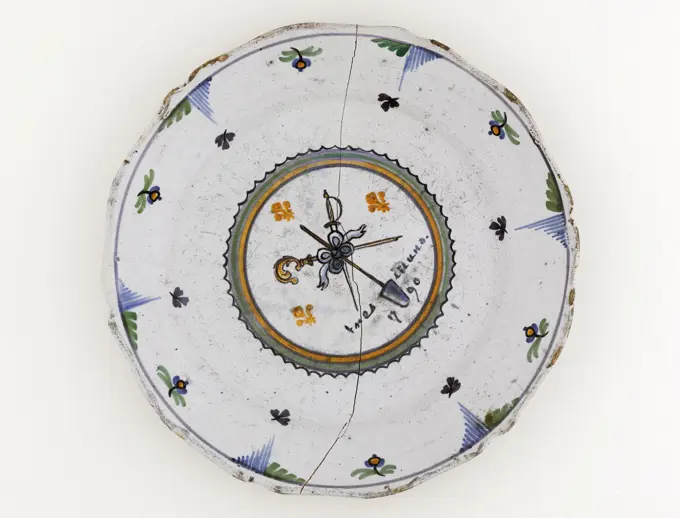
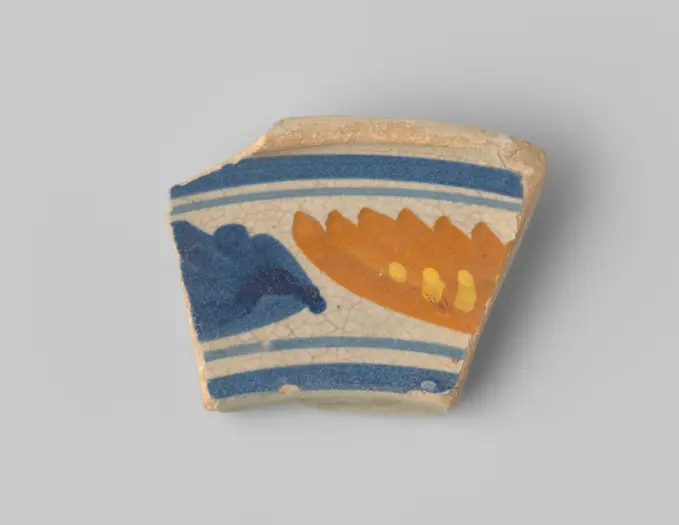
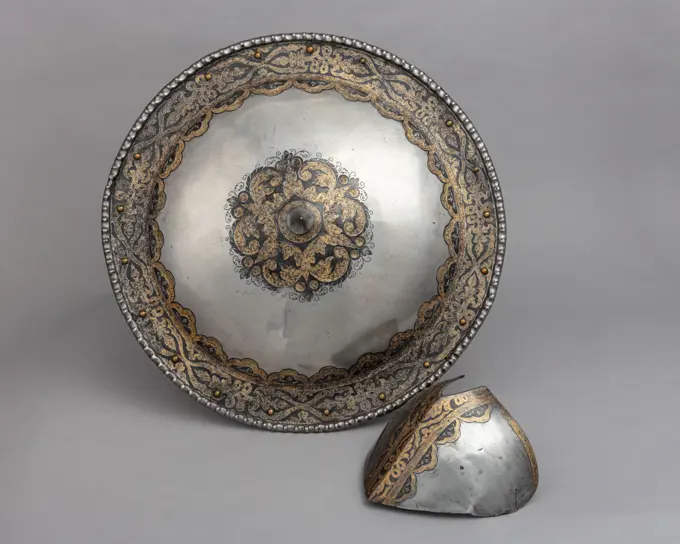
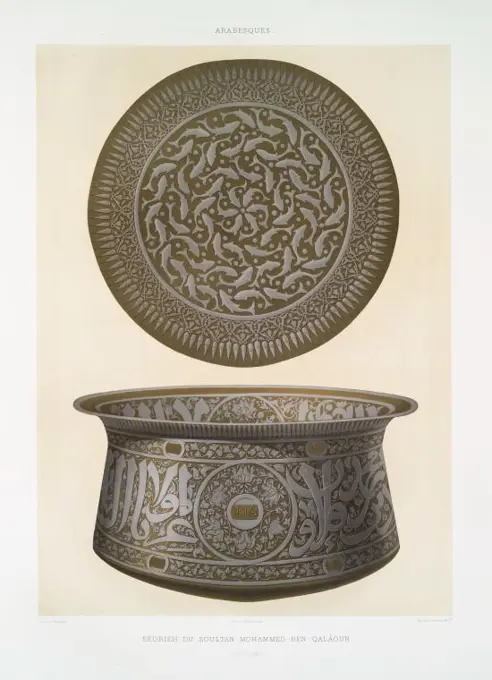
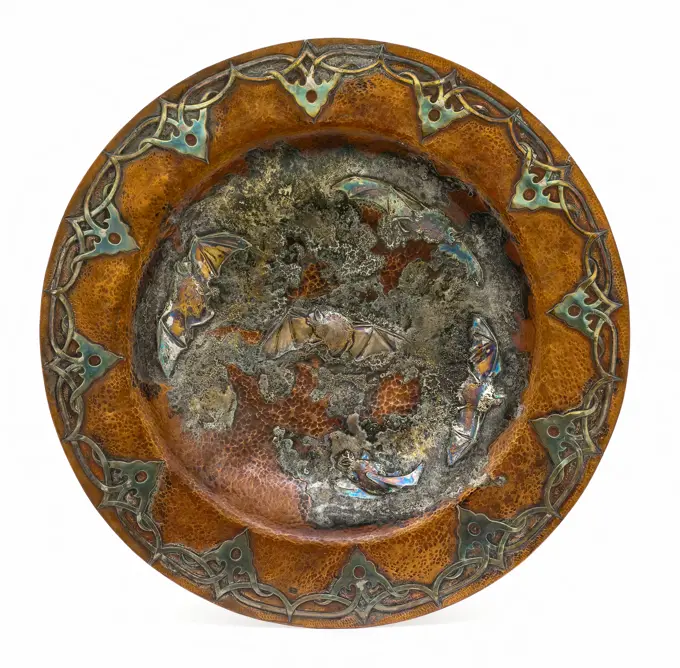
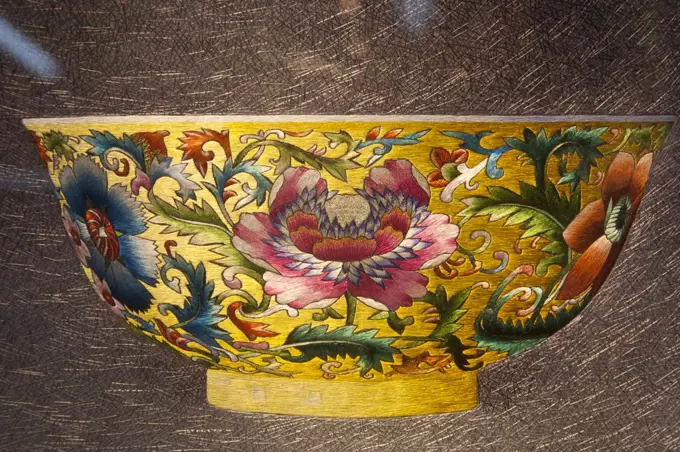
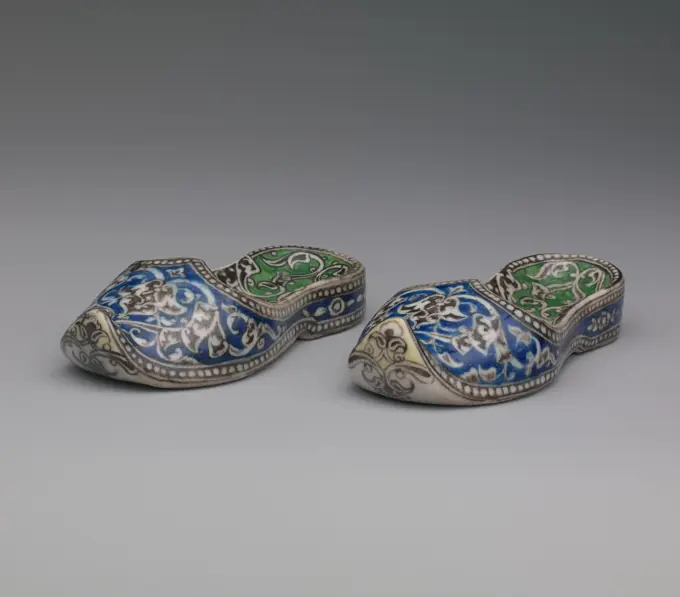
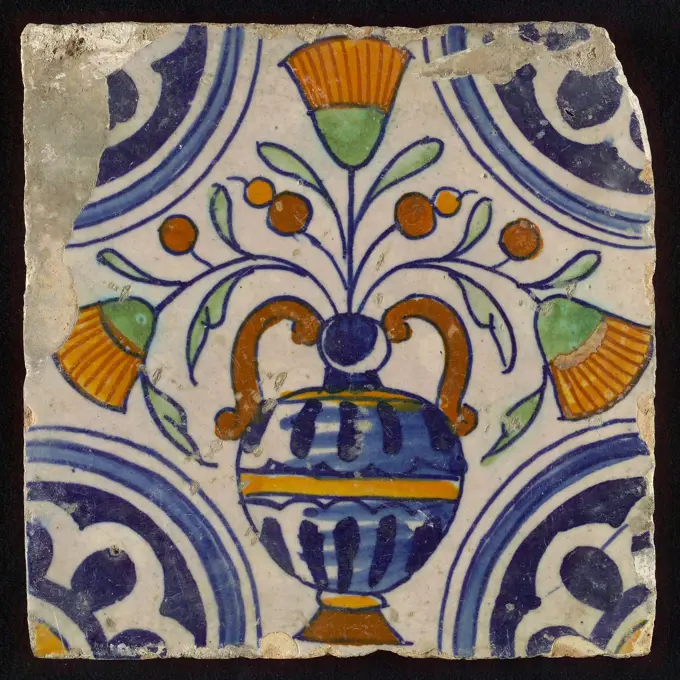
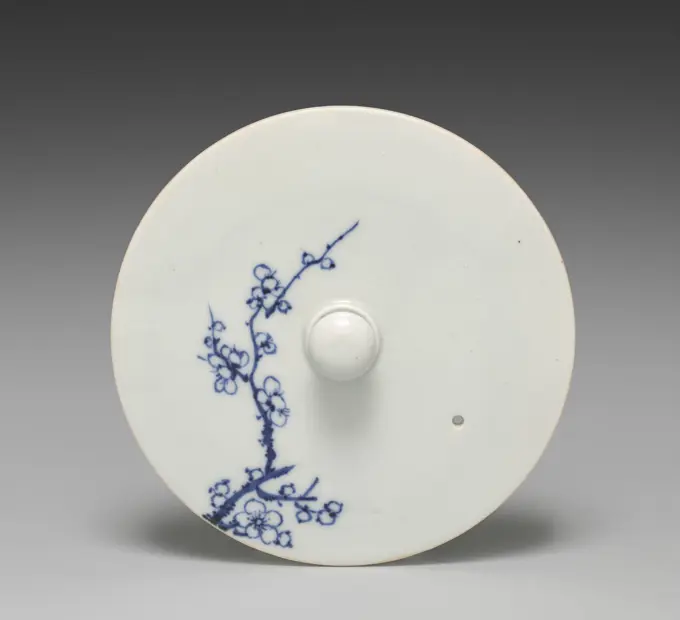
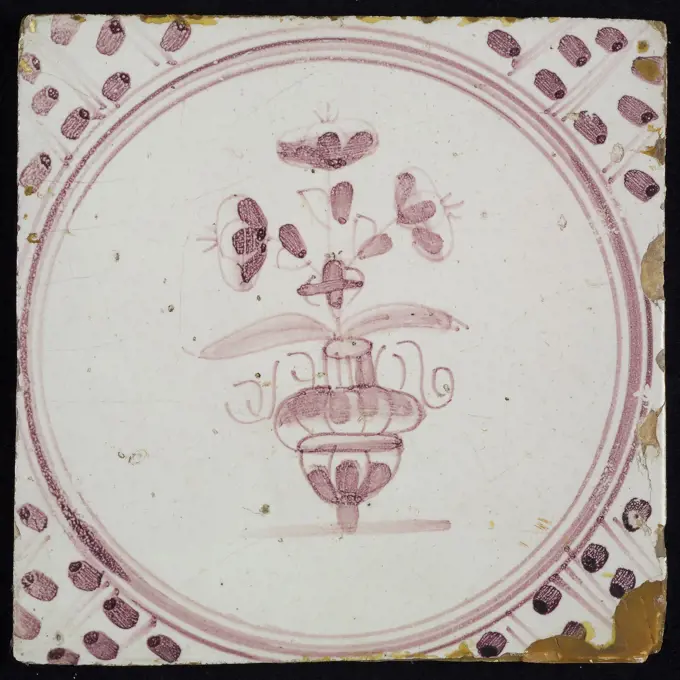
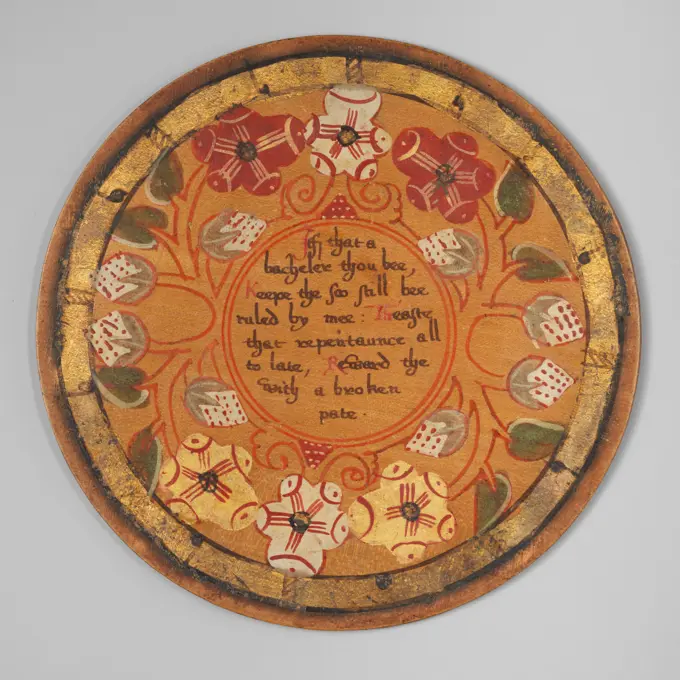
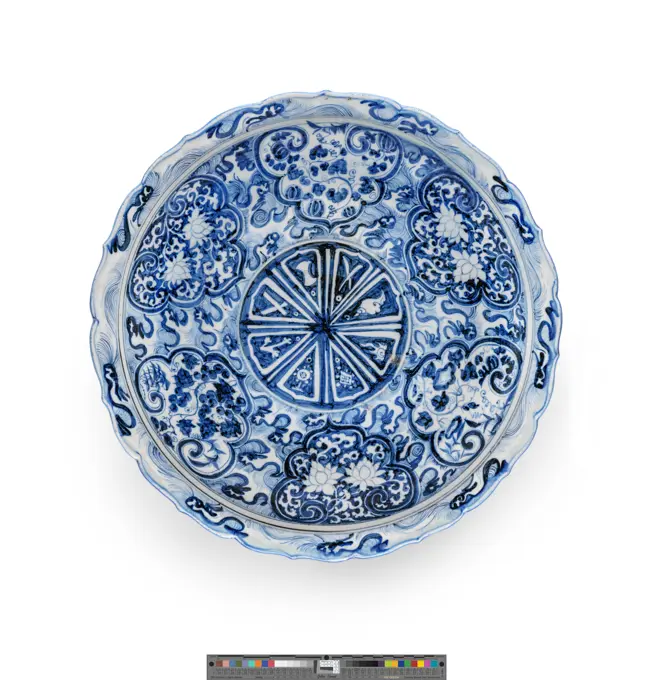
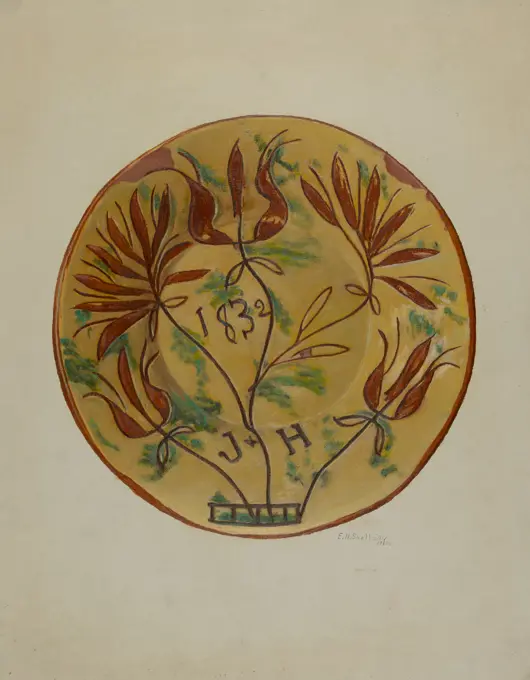
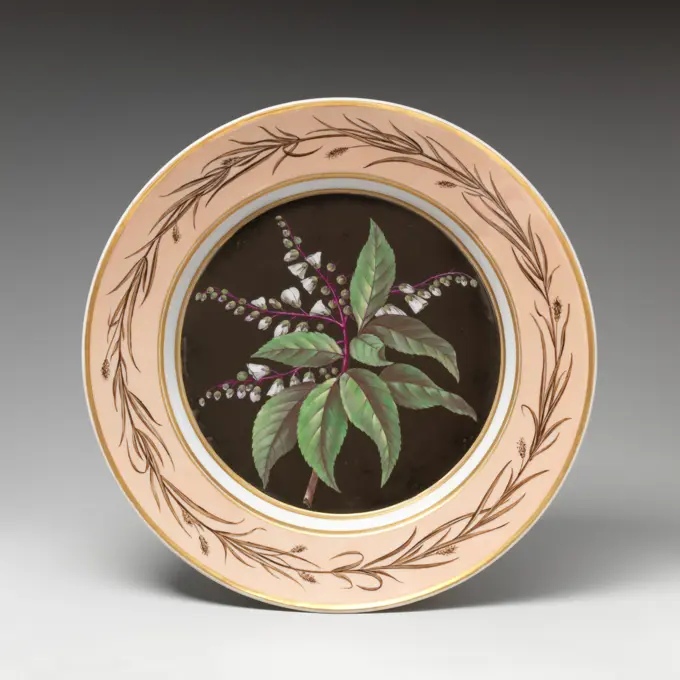
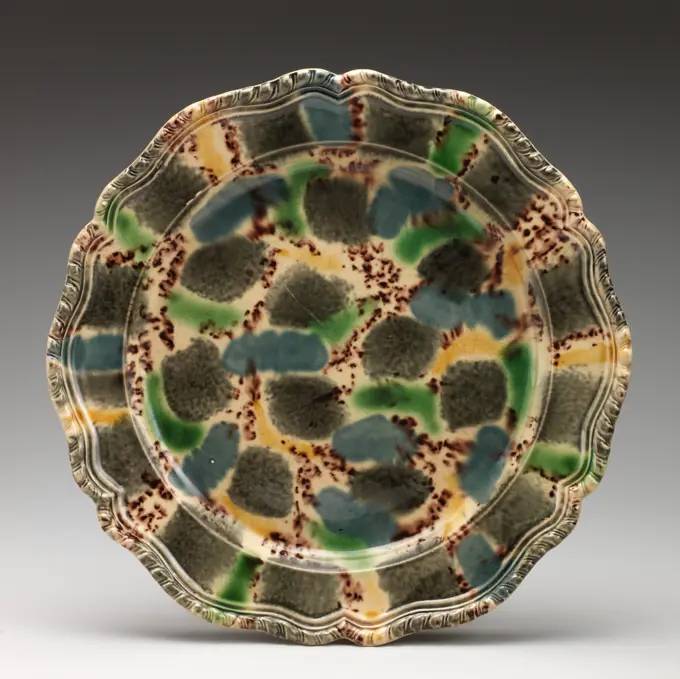
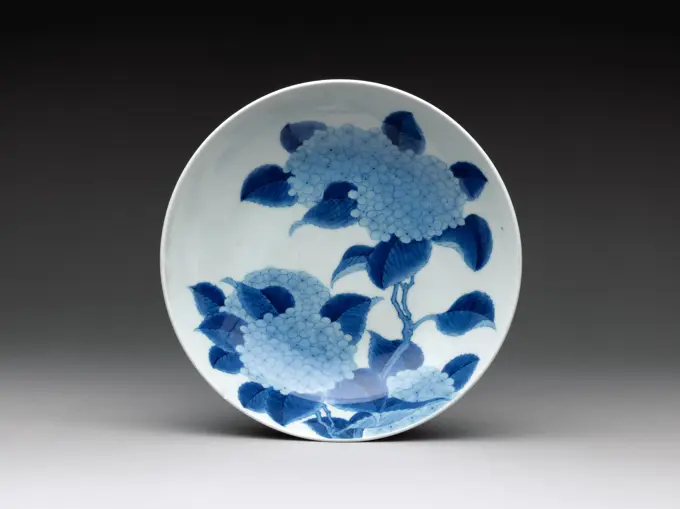
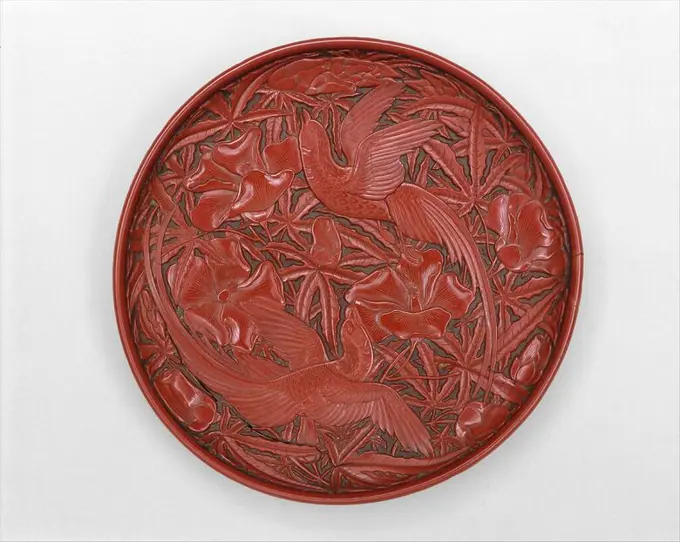
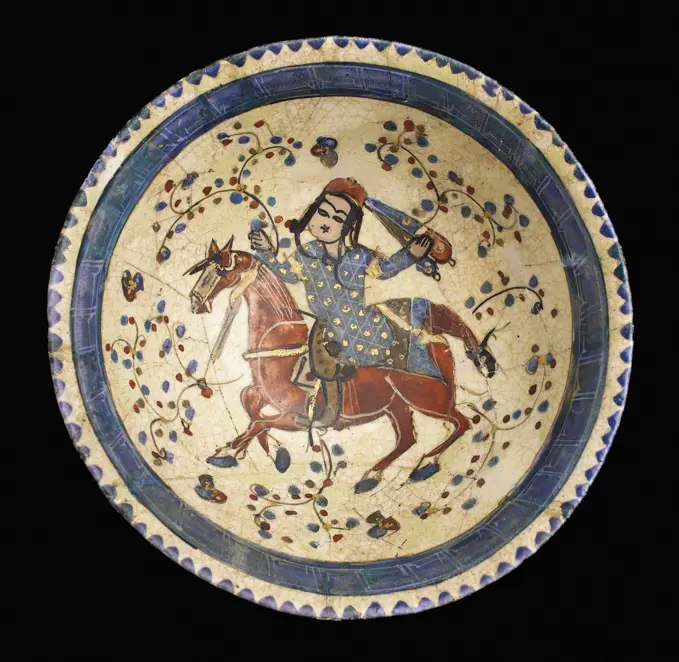
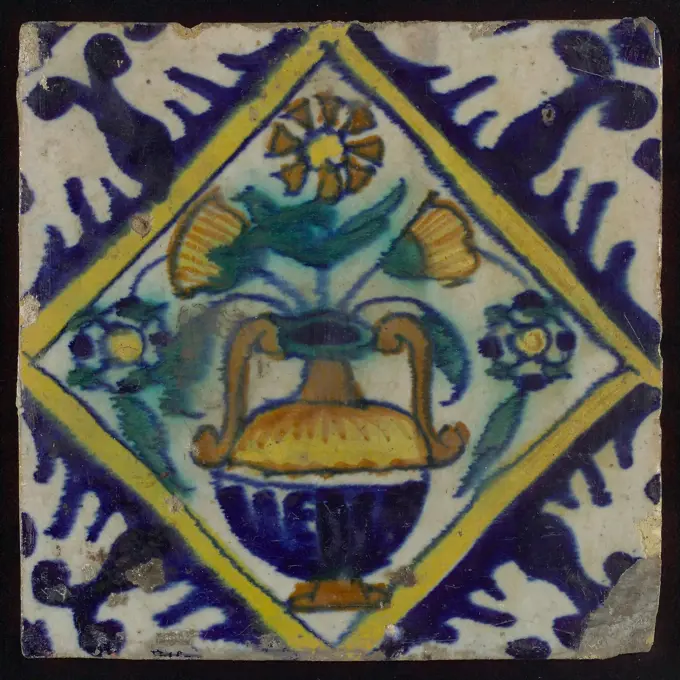
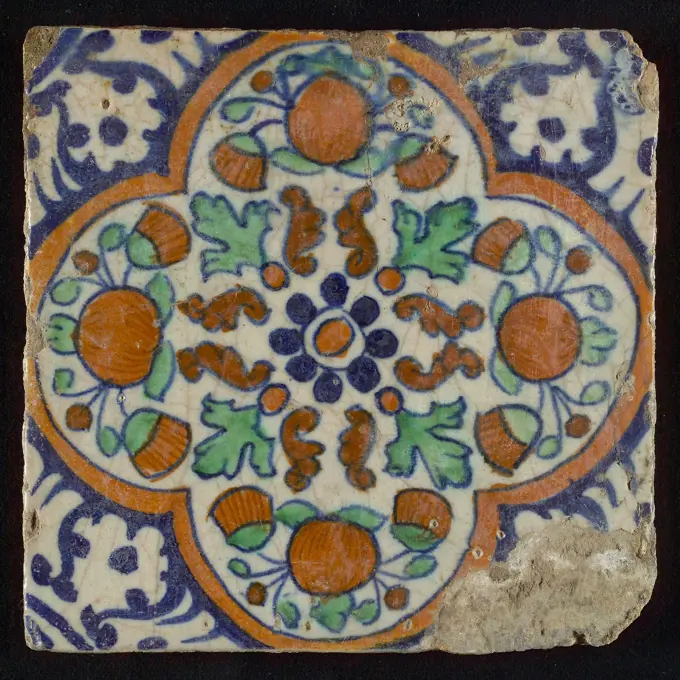
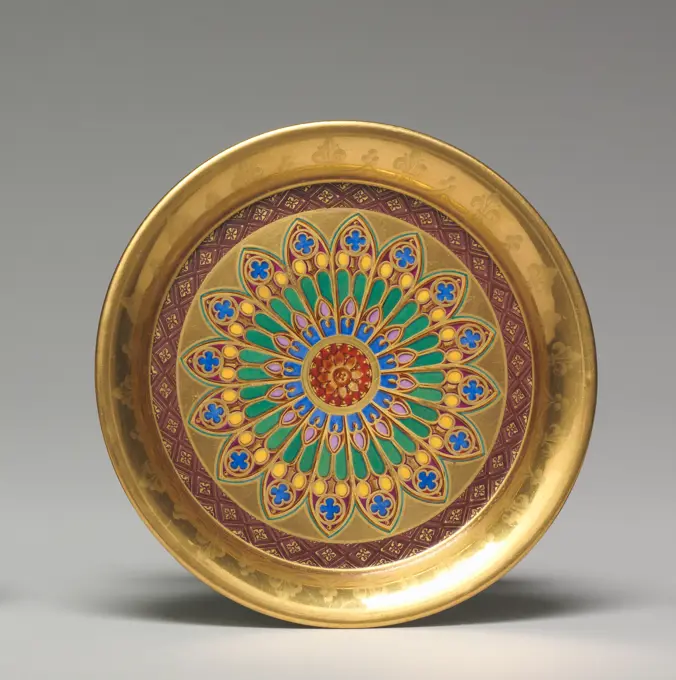
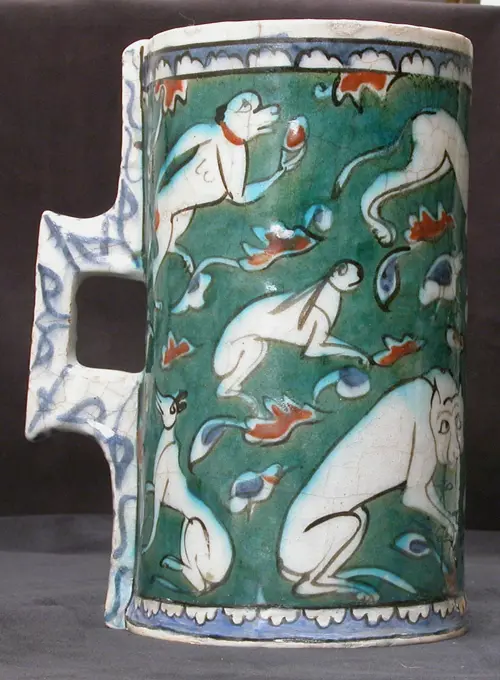
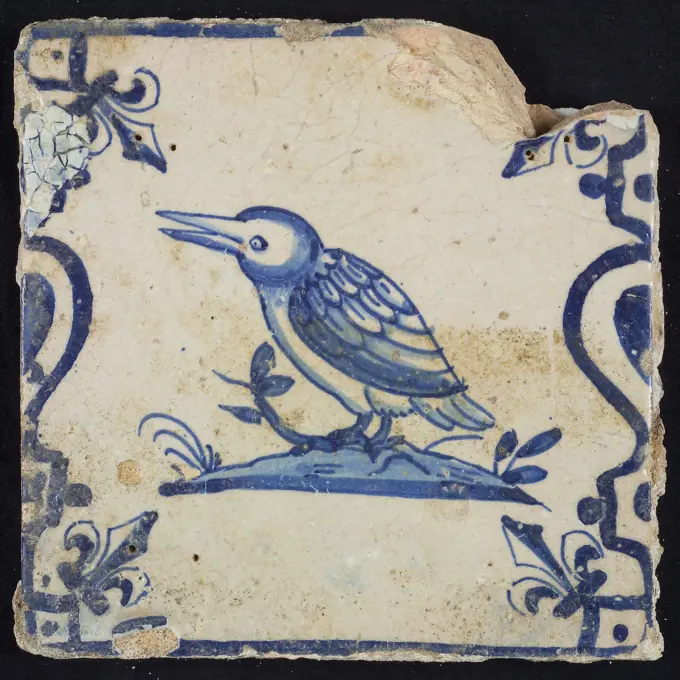
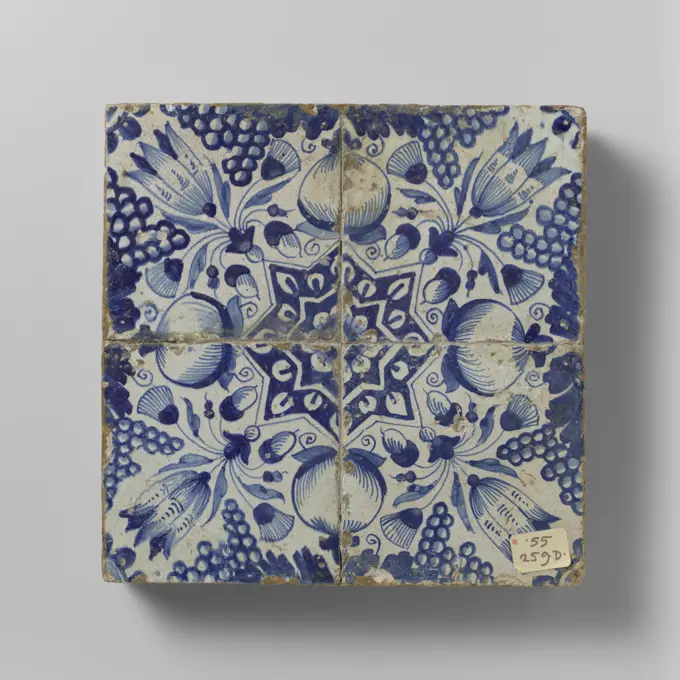
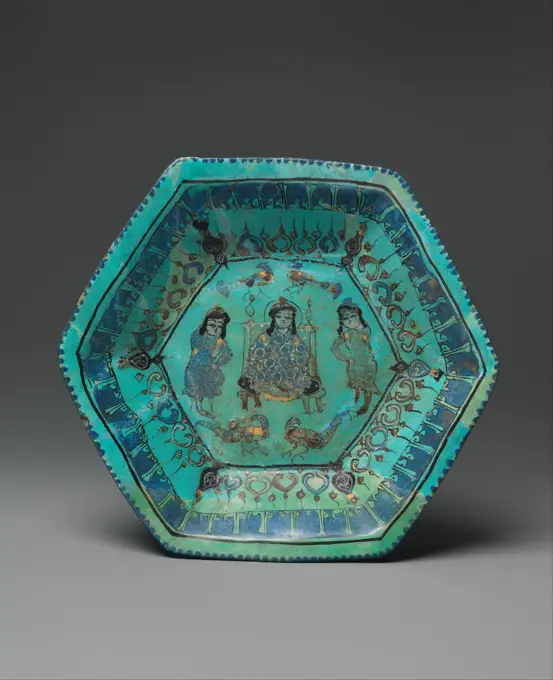
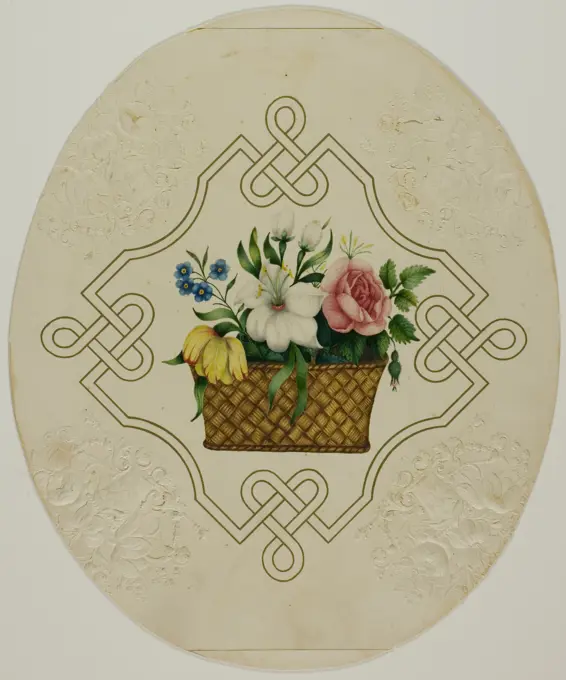
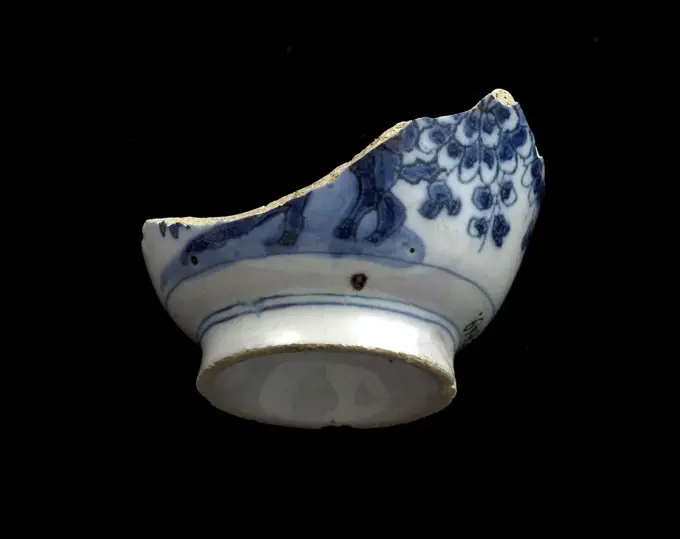
Dragoir ". Porcerelae. END KANGXI (1662-1723). Paris, Museum Cern Trayi. 101889-16 Chinese art, ere kangxi, porcelainBotanical plate with spray of fruiting Indian Bean Tree. Culture: British, Chelsea. Dimensions: Overall (confirmed): 1 9/16 × 9 1/8 × 9 1/8 in., 1 lb. (4 × 23.2 × 23.2 cm, 0.5 kg). Maker: Chelsea Porcelain Manufactory (British, 1745-1784, Red Anchor Period, ca. 1753-58). Date: ca. 1755.These botanical plates (2016.217-.226) were produced by the Chelsea factory around 1755 and are often referred to as Chelsea "Hans Sloane" wares, in reference to the royal physician, traveler, and natural historian who helped transform the Chelsea Physik Garden into a center of botanical knowledge during the British Enlightenment. Several subjects depicted on these plates were taken from botanical illustrations published by Philip Miller, curator of Chelsea Physik Garden. Although flowers and fruits could typically be found on earlier porcelain wares from Meissen, the lively naturalism of the Chelsea botanical plates reflects a broadening public interest in the natural world, and evidence the forms of gDish (ôzara). Kutani, manufactureBowl 13th century. Bowl. 13th century. Stonepaste; polychrome painted under transparent glaze. Attributed to Iran, Kashan. CeramicsDish. Until the late 17th century all porcelain ware had blue decorations, which were painted directly onto the unfired porcelain. This dish, however, also has other colours, applied with enamel: thus was the molten glass paste fused with the porcelain during firing. The blue of the dishs border was applied in powder form, giving it a dappled, somewhat uneven appearance (an effect known as ‘powder blue).Field with dries tiles. Field of 4 flour tiles (2 x 2) each with a multi-colored (blue, red-orange, yellow and green) painted three-tulip inside a field frame. In the corners, a wing blade.Field of four tiles with flower pots, anonymous, c. 1610 - c. 1625 Field of four tiles (2 x 2) each with a multicolored (blue, orange, green and yellow) flowerpot with marigolds. In the corners, a quarter rosette. Netherlands earthenware. tin glaze majolica Field of four tiles (2 x 2) each with a multicolored (blue, orange, green and yellow) flowerpot with marigolds. In the corners, a quarter rosette. Netherlands earthenware. tin glaze majolicaDish 12th century. Dish. 12th century. Stonepaste; incised, glazed. Made in Iran. CeramicsRandtegel, Anonymous, 1600 - 1630 Randtegel with a multicolored (blue, green and orange) tulip between a rosette motif and a grape voucher. Netherlands earthenware. tin glaze majolica Randtegel with a multicolored (blue, green and orange) tulip between a rosette motif and a grape voucher. Netherlands earthenware. tin glaze majolicaSquare Tray (Fang Pan) with Flower and Butterflies. China, Chinese, Ming dynasty, probably Jiajing period, 1522-1566. Furnishings; Serviceware. Red lacquer on wood core with incised and painted decorationFoliated dish with floral scrolls early 15th century China Lively scrolling lotuses and acanthus leaves are set against a turquoise blue background on the interior (and parts of the exterior) of this dish. In fifteenth-century examples, this background color is often combined with shades of red, yellow, cobalt blue, white, and dark green, which were not mixed but placed individually within each cloison. Although cloisonné was known in China in the fourteenth century, fifteenth-century pieces, such as this dish, are the earliest preserved examples. Listen to experts illuminate this artwork's story Listen Play or pause #7345. Dish with Scalloped Rim, Part 1 Play or pause #7550. Dish with Scalloped Rim, Part 2 Supported by Bloomberg Philanthropies We're sorry, the transcript for this audio track is not available at this time. We are working to make it available as soon as possible.. Foliated dish with floral scrolls. China. early 15th century. Cloisonné enamel. Ming dynasty (1368-1644). CMaiolica: Plate (tondino). Culture: Italian, possibly Cafaggiolo. Dimensions: Diameter: 10 1/4 in. (26.1cm). Date: ca. 1520. Museum: Metropolitan Museum of Art, New York, USA.Sharf of red -baking earthenware, with a painting of an orange fruit with blue twigs and green leaves, c. 1500 - c. 1899 fragment   earthenware. glazeBowl 13th century. Bowl 447165Fragment sign from V.O.C. ship De 'Witte Leeuw', Anonymous, Before 1613 plate (dishes) Fragment board from V.O.C. ship De 'Witte Leeuw' with a flat edge and a scalloped lip, decorated in under-glaze blue, 70 present. On the flat a bird on a rock near a flowering plant, surrounded by a battery strap with geometric motifs. Alternating wide and narrow fields with happiness symbols and flower branches on the wall and edge. Jingdezhen porcelain. bone china (material)   Sint-HelenaOrnament tile, diagonal ornament in quatrefoil with orange and flowers, palm corner, corner pattern rosette, wall tile tile sculpture ceramic earthenware glaze, baked 2x glazed painted Ruddy shard square Two nail holes. Multicolored: brown blue green reverse side or side in ballpoint pen Bellevue Bellevue Rotterdam Hillegersberg-Schiebroek Hillegersberg Zuid Kleiweg Originating from Huize Bellevue, which stood on the Kleiweg.Dish with Bird-and-Flower Design. Culture: Japan. Dimensions: H. 1 3/4 in. (4.4 cm); W. 7 5/8 in. (19.4 cm). Date: early 17th century. Museum: Metropolitan Museum of Art, New York, USA.Tile. Majolica tile, painted in ocher, yellow and blue. In the middle a hexagonal linear decor, in the corners of leaf shapes.Fragment sign from V.O.C. ship De 'Witte Leeuw', Anonymous, Before 1613 plate (dishes) Fragment sign from V.O.C. ship De 'Witte Leeuw', 80 present. Jingdezhen bone china (material)   Sint-HelenaDish 15th century. Dish 449499Veld van vijf randtegels met goudsbloemen en bladeren.Field of five edge tiles (1 x 5) with a multi-colored (blue, green, yellow and orange) ornament of marigolds and leaves.Bowl 10th-11th century. Bowl 451061Flower tile, flowerpot in square, corner pattern palmet, wall tile tile sculpture ceramic earthenware glaze, baked 2x glazed painted Yellow shard square two double nail holes and one in other corner Multicolored: orange brown yellow blue green on white background.Base of a Buff Ware Vessel 9th-10th century. Base of a Buff Ware Vessel 450102Cup 17th century. Cup. 17th century. Stonepaste; luster-painted on opaque white and blue glaze. Attributed to Iran. CeramicsShards of a sign from V.O.C. ship De 'Witte Leeuw', Before 1613 plate (dishes) Shards of a sign from V.O.C. ship the 'Witte Leeuw'.  porcelain   Sint-HelenaAnonymous. Plate. Earthenware. 1790. Paris, Carnavalet museum. 70955-40 Crown, Ebre, Epee, Faience, Force, Decorative Pattern, knot, Revolutionary period, union, dishes, plateCovered box with inside tray first half of the 19th century China. Covered box with inside tray 48170Plate. unknown, craftsmanScallop-shaped covered bowl with a leaf-shaped stand with dragon, anonymous, c. 1775 - c. 1799 Leaf -shaped underpot by porcelain lid bowl, covered with a monochrome turquoise, blue glaze. The dish with ingrgrode veins and a flying, four -clawy dragon in relief. Monochrome. China porcelain. glaze vitrification Leaf -shaped underpot by porcelain lid bowl, covered with a monochrome turquoise, blue glaze. The dish with ingrgrode veins and a flying, four -clawy dragon in relief. Monochrome. China porcelain. glaze vitrificationExcerpt of a dish with ross -baking shard, with white enamel at the front and back, on which are painted at the front in orange, yellow and blue stripes and leafy shapes, anonymous, 1200 - 1899  Italy earthenware  Italy earthenwareHelmet Reinforce from Armor Garniture of Maximilian II (1527-1576) ca. 1550 German, Augsburg. Helmet Reinforce from Armor Garniture of Maximilian II (1527-1576). German, Augsburg. ca. 1550. Steel, etched and gilt. Augsburg. Armor PartsEmbroidery; metallic embroidery, sequins on cotton foundation with linen backing; diam.: 9.5 cm (3 3/4 in.)Wall tileArabesques : sédrieh du soultan Mohammed-ben-Qalaoûn : (XIVe. siècle). Prisse d'Avennes, 1807-1879. Prisse d'Avennes, 1807-1879. Prints, Drawings. 1877. The Miriam and Ira D. Wallach Division of Art, Prints and Photographs: Art & Architecture Collection. Architecture, Islamic, Architecture , Egypt , Cairo, Art , Egypt , Cairo, Art, Islamic, Islamic decoration and ornament, Basins (Containers), Decorative arts, Islamic, Nsir Muhammad ibn Qalwûn, Sultn of Egypt and Syria, 1285-1341 , Associated objectsLarge plate or 'lampetschotel' of Chinese porcelain from the wreck of the Dutch East Indiaman Witte Leeuw, anonymous, before 1613  Four loose shards of a dish from V.O.C. ship the 'Witte Leeuw'. Jingdezhen bone china (material)   Sint-HelenaSmall Dish with Cherry Blossoms in Bamboo Baskets. Culture: Japan. Dimensions: H. 1 3/4 in. (4.4 cm); Diam. 5 7/8 in. (14.9 cm). Date: 1690-1720. Museum: Metropolitan Museum of Art, New York, USA.Henri Husson / Adrien-Aurélien Hébrard. Cut. Hammered and pushed copper, frog and silver applications. 1909-1914. Museum of Fine Arts of the City of Paris, Petit Palais. 76389-2 Silver application, cutting, hammered copper, frog, regrowthDish ca. 1825 Mexican. Dish 3218Chinese silk embroidery depicting a colourful decorative bowl, Baisha, Yunnan Province, ChinaPair of Qajar Ceramic Shoes ca. 1880. Pair of Qajar Ceramic Shoes. ca. 1880. Stonepaste; underglaze painted under transparent glaze. Made in Iran. CeramicsFragment faience dish with edited ear and polychrome representation, papkom bowl crockery holder earth discovery ceramics earthenware glaze tin glaze, archeology Rotterdam archaeological find in the soil Rotterdam 1940.Fragment 14th-15th century. Fragment 446373Fragment 14th century. Fragment 445203Bowl Bachmiński, Aleksander (1820 1882)Plate 1815-25 Attributed to Solomon Grimm. Plate 5984Tile, blue draft, orange, brown and green on white, central flowerpot with marigolds, corner pattern, rosette, wall tile tile sculpture ceramic earthenware glaze, baked 2x glazed painted Yellow reddish and red shard square two nail holes.This sake pourer with the Chinese theme of the Four Nobles, in which the qualities of a good person are represented by plants, are among Seif Yohei III’s designs painted in blue. Lid for a Sake Pourer with Chrysanthemum, Orchid, and Plum, c. 1887. Seifū Yohei III (Japanese, 1851-1914). Porcelain with underglaze blue;Flowerpot, in purple on white, small flowerpot inside circle, corner pattern meanders, wall tile tile sculpture ceramic earthenware glaze, baked 2x glazed paintedPatera-Crespina,; Koenigliche Porzellan Manufaktur (KPM; Berlin; 1763-1918); 1849-1870 (1849-00-00-1870-00-00);Watch ca. 1820-30 Watchmaker: Firm of Frères Wiss et Menu. Watch 195645Imitation Green-Splashed Samarra Ware 9th-10th century This bowl, with its opaque white ground, splashes of green glaze, and radial inscription, imitates a type of bowl made in Basra, Iraq, that was in turn based on Chinese prototypes. The inscription on this bowl, written with a purplish-black glaze rather than the cobalt blue used on Iraqi ceramics, identifies it as a Nishapur product.. Imitation Green-Splashed Samarra Ware 449547Terra sigillata, procedente de Cala Culip de Cadaqués. Siglo I. Museu d'Història de Catalunya.Sidewall (possibly USA); block-printed; b) Overall: 42 x 26.5 cm (16 9/16 x 10 7/16 in.) c) Overall: 40 x 13.5 cm (15 3/4 x 5 5/16 in.) d) Overall: 31 x 13 cm (12 3/16 x 5 1/8 in.); 1948-103-1-b/dBowl 10th century. Bowl 447943Squared tile, painted multi-colored with a tulip on a ground. Late squared tile with a knurled edge and four lilies in the corners. Multicolored tulip on a ground.Trencher (one of a set) late 16th-early 17th century British Banquets usually ended with candied fruits or other sweetmeats served on such decorative "spice dishes" of silver or wood. The gold effects were achieved with yellow varnish over a layer of silver-leaf. The verses were written in Black Letter script, with elaborate capital letters in Lombardic script. The verses, either amusing or moralizing, were shared with the other diners.. Trencher (one of a set). British. late 16th-early 17th century. Oak and sycamore woods, painted, silvered and yellow varnished; inscription: ink (animal or vegetable). Natural SubstancesFoliated Platter (Pan) with the Eight Buddhist Symbols (Bajixiang), Flowers, and Waves. China, Jiangxi Province, Jingdezhen, Yuan dynasty, circa 1340-1368. Furnishings; Serviceware. Molded porcelain with blue painted decoration under clear glazeWine Cup 19th century Japan. Wine Cup. Japan. 19th century. Red lacquer decorated with gold. Edo (1615-1868) or Meiji period (1868-1912). LacquerEugene Shellady, Pa German Plate, 1938 Pa. German Plateeastern ceramic plates hang on a clay wall. the wall of clay is decorated in an oriental style with a ceramic plate and wooden blocks. oriental style decoratingDish. Culture: Spanish. Dimensions: Overall: 14 in. (35.6 cm). Date: 1425-1450. Museum: Metropolitan Museum of Art, New York, USA.Fragment probably 10th-12th century. Fragment 445442Tile, flowerpot in blue on white, corner motif lily, wall tile tile sculpture ceramic earthenware glaze, baked 2x glazed paintedFragment of a pottery dish decorated with a star in circles. Fragment of a dish of pottery, at the top with tining acid, at the back with lead maze, decorated with a star in circles, in blue on white ground. Excavated in London, Middlesex Street.Belt Plaque. Russia, Siberia, 1st-2nd century A.D.. Costumes; Accessories. BronzeScherven from signs from the wreck of the East Indieschief Hollandia. Porcelain, plate, type 3; Fragm: Fragm or RIM; Fragm or Center, SIM. NG 1980-27H3202CExcerpt (foot) of white -baking earthenware, with a painting of a fruit with leaves in blue, yellow, green and orange glaze on a light balm surface, at the rear with light blue glaze, anonymous, 1200 - 1899  Italy earthenware  Italy earthenwareTile 14th-15th century. Tile 447630Excerpt deep plate from v.o.c.-ship De 'Witte Leeuw', Anonymous, Before 1613 plate (dishes) Fragment deep plate from V.O.C. ship De 'Witte Leeuw', 60 present. Jingdezhen bone china (material)   Sint-HelenaPair of butter dishes second half 17th century British, Lambeth or French, Nevers. Pair of butter dishes 199508Plate with Lily of the Valley Tree (Clethra arborea) 1806-09 Royal Porcelain Manufactory (Königliche Porzellan-Manufaktur), Berlin A fashion for botany swept Europe at the end of the eighteenth century, when botanical designs were used to decorate porcelain services. This plate design is closely related to the service that the Berlin royal porcelain manufactory (Koenigliche Porzellan Manufaktur) created for Josephine Bonaparte beginning in 1809. Like all true botanical services, this plate, which features a lily of the valley, identifies the scientific nomenclature of the plant, Clethra arborea,” on the reverse side.. Plate with Lily of the Valley Tree (Clethra arborea). After a design by Etienne Pierre Ventenat. German, Berlin. 1806-09. Hard-paste porcelain. Ceramics-PorcelainBrush Rest with Persian Inscription early 16th century China The inscription on the brush holder reads pen” on one side, and holder” on the other.. Brush Rest with Persian Inscription. China. early 16th century. Porcelain painted with cobalt blue under transparent glaze (Jingdezhen ware). Ming dynasty (1368-1644), Zhengde mark and period (1506-21). CeramicsShards of deep sign from V.O.C. ship De 'Witte Leeuw', Before 1613 plate (dishes) Shards of deep sign from V.O.C. ship the 'Witte Leeuw'. Jingdezhen bone china (material)   Sint-HelenaGG, Flower tile with tulip in serrated square, blue decor on white ground, corner filling lily, marked, wall tile tile sculpture ceramic earthenware glaze tin glaze, in shape made baked glazed painted baked Wall tile with blue decor on white fond. Flower tile with tulip in serrated square or square. Corner filling lily. Orange-red shard Scraped earthenware. Slightly slanted sides. Marked at the back. narrow strip has been cut off along the top edge in order to be able to fit the tile to the wall: Pastel In blue paint on the back: GG Rotterdam Stadscentrum Stadsdriehoek Zandstraat indigenous pottery Originating from the Zandstraat Rotterdam area.Plate last quarter 18th century Style of Whieldon type. Plate. probably British, Staffordshire. last quarter 18th century. Earthenware. Ceramics-PotteryWall Tile (Ottoman Empire (present day Syria)); lead-glazed earthenwareDish with Hydrangeas ca. 1800-1860 Japan. Dish with Hydrangeas. Japan. ca. 1800-1860. Porcelain with underglaze blue decoration (Hizen ware, Nabeshima type). Edo period (1615-1868). CeramicsDish with long-tailed birds and hollyhock. Culture: China. Dimensions: H. 1/8 in. (0.3 cm); Diam. 12 3/4 in. (32.4 cm). Date: 14th century.Several features help date this remarkable dish to the fourteenth century. Two birds circle one another playfully in a composition suited to the circular shape. The lush hollyhock blossoms, shown from multiple perspectives, have petals of different sizes that overlap to suggest depth. Long, narrow leaves fill at least three layers of carving, adding to the richness of the surface. The unworked dark background seen here is more commonly found in earlier carved lacquers. Museum: Metropolitan Museum of Art, New York, USA.Heart-Shaped Sweetmeat Dish, De Paauw (Peacock) Factory, Dutch, active 1651 - 1774, Tin-glazed earthenware, Heart-shaped dish on short foot rim with slightly flared sides; painted in underglaze blue on white with birds and flowers in center, on sides with alternating panels of flowers and pseudo-Chinese characters., Delft, Netherlands, ca. 1705-40, ceramics, Decorative Arts, dish, dishDish 18th century. Dish 444469Roulette board. Originally attached to the point at the centre of this board was a spinner. The numbers 1 to 32 probably played a role in a game of chance. Faience game boards such as this were produced in several Dutch towns and cities.Bowl. Iran, late 12th-13th century. Ceramics. Fritware, underglaze-painted and overglaze-enameled (minai)16th century plate, Museu de Mallorca, Palma, Majorca, Spain.Polychrome plate, 17th century.Tile, orange, brown, green, and blue on white, flowerpot in square, corner pattern palm, wall tile tile sculpture ceramic earthenware glaze, baked 2x glazed paintedPlate with Geese and Waves ca. 1700 Japan. Plate with Geese and Waves 49395Tile 15th-16th century Spanish. Tile. Spanish. 15th-16th century. Earthenware, glaze. Ceramics-TilesTile, blue pull, orange, brown and green on white, centrally rosette above which orange-pineapples and marigolds, four-sided frame, corner motif, wall tile tile sculpture ceramic earthenware glaze, baked 2x glazed painted Yellow and reddish shard square two nail holes. .01.21.01.Saucer, 1827. Sèvres Porcelain Factory (French, est. 1756), Pierre Huard (French). Porcelain; diameter: 15.3 cm (6 in.); overall: 1.2 cm (1/2 in.). The 19th-century decorator of this cup embellished it with motifs from different eras, including portrayals of three ancient Frankish or French kings, surrounded by later Gothic style decoration.Sharp of white -baking earthenware, with stand ring, with white glaze, with an image of an amor with spear and shield in the middle, and curls on the edge, in orange, blue and yellow, anonymous, 1600 - 1650  Northern Netherlands earthenware. glaze majolica  Northern Netherlands earthenware. glaze majolicaTankard in Imitation of Metalwork Form last quarter 16th century The shape of this piece conforms to the two major types of tankards produced in Iznik in the late sixteenth century, and the decoration of animals outlined in black in reserve against a green background is also standard. This mixture of lions, hounds, deer, jackals, hares, and birds, in poses ranging from the semiheraldic to unconcerned repose, appears on a great variety of wares and prefigures the continued taste for figural designs in the seventeenth century.. Tankard in Imitation of Metalwork Form 450359Square Tile 14th century. Square Tile 449136Animal tile, kingfisher on plot to the left between balusters in blue on white, corner pattern french lily, wall tile tile sculpture ceramics pottery glaze, baked 2x glazed painted Square. Blue on white fond kingfisher. Baluster ornament with french lilies.Shards of signs from V.O.C. ship De 'Witte Leeuw', Anonymous, Before 1613 plate (dishes) Shards of signs from V.O.C. ship De 'Witte Leeuw', bag with shards of squatishlein. Jingdezhen bone china (material)   Sint-HelenaField of four tiles with pattern of grape bunches, pomegranates, tulips and stars, anonymous, c. 1600 - c. 1625 Field of four tiles (2 x 2) with a blue pattern formed by four tiles with pomegranates, grape bunches and tulips around a star. Netherlands earthenware. tin glaze majolica Field of four tiles (2 x 2) with a blue pattern formed by four tiles with pomegranates, grape bunches and tulips around a star. Netherlands earthenware. tin glaze majolicaBowl with Enthroned Figure, Attendants, and Peacocks 12th-13th century. Bowl with Enthroned Figure, Attendants, and Peacocks. 12th-13th century. Stonepaste; glazed in opaque turquoise, in-glaze- and overglaze-painted. Attributed to Iran. CeramicsBasket of Flowers in Printed Embossed Borders 1800-1899 United States. Watercolor over traces of graphite on cream wove embossed paper . Unknown artistHexagonal Bowl With Precious Objects On a Green Ground With Cloud Motifs. Hexagonal bowl of porcelain, painted on biscuit in green, yellow, eggplant and black. The bowl is on the front and back (the bottom inside within the foot ring) covered with a cloud motif on a green ground; On this motive valuables (pearl, diamond, artemisia leaf) and lucky symbols (shell); On the edge curly. Email sur biscuit.Gerrit Kam, Bottom of faience tea bowl on stand, marked, tea bowl bowl crockery holder tea service crockery earthenware ceramics pottery glaze tin glaze, ring 3,5 hand turned baked painted glazed fried Fragment of faience bowl. Delftware. Blue decor on white background. Yellow shard. Standring. Marked on the underside: GK archeologie Rotterdam City center Stadsdriehoek Nieuwehaven indigenous earthenware serving tea teas serve Soil discovery Nieuwe Haven Rotterdam.