Antique Decorative Ceramics

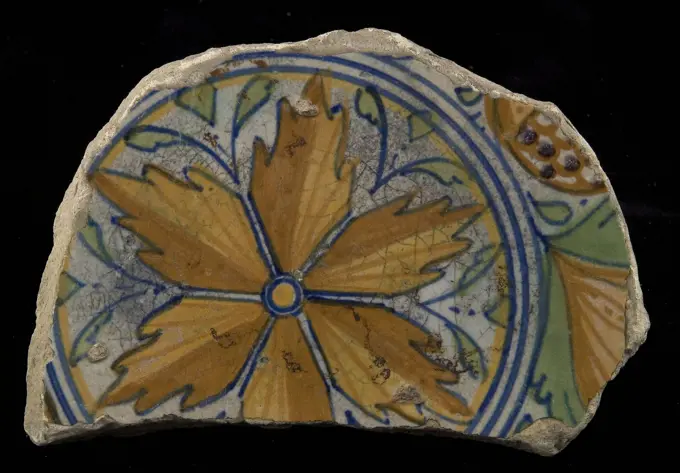
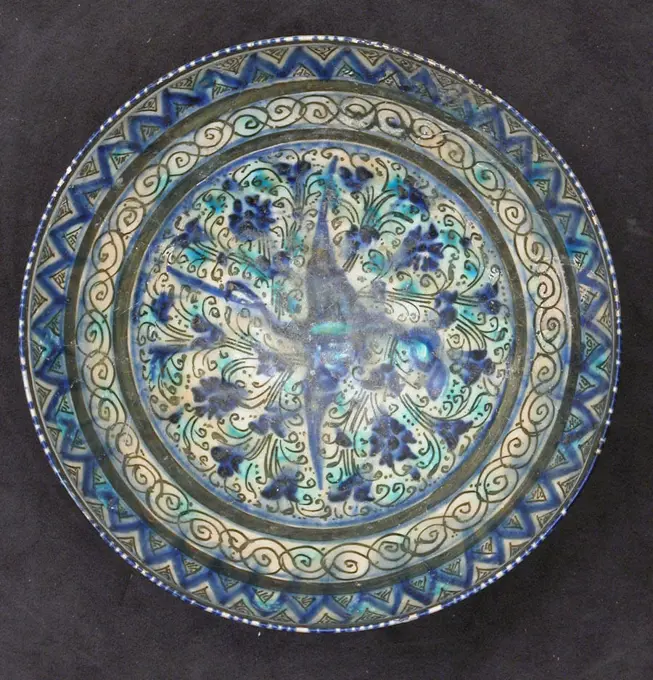
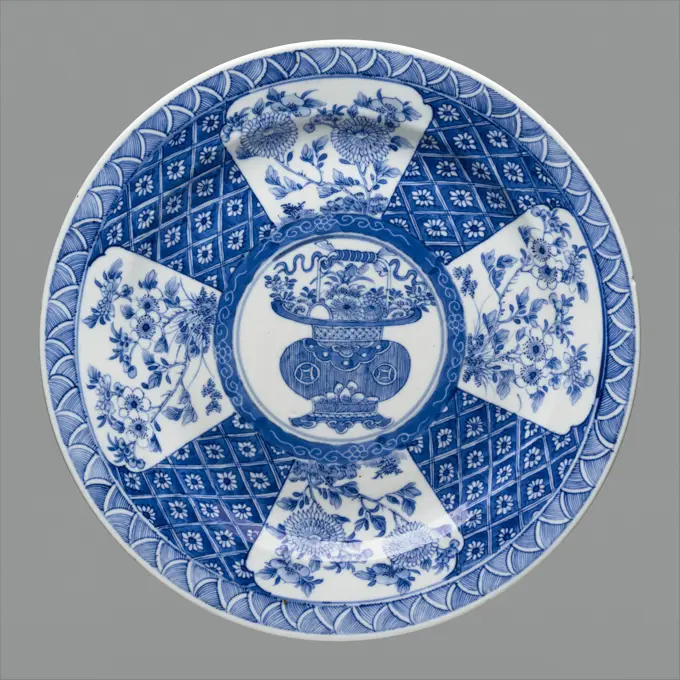
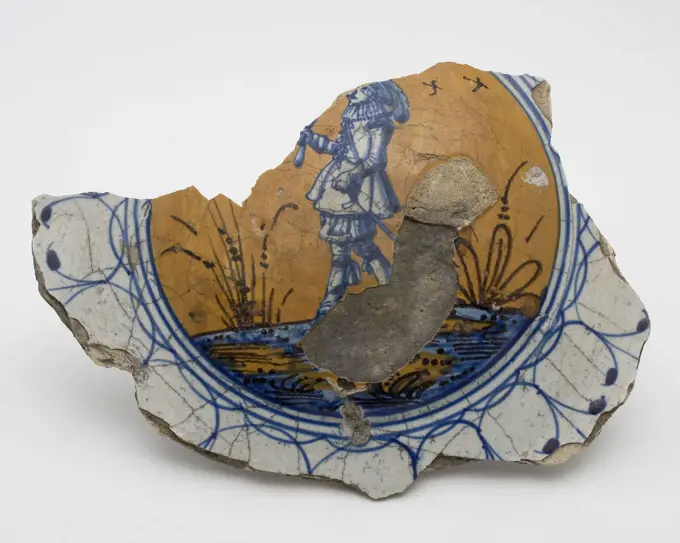
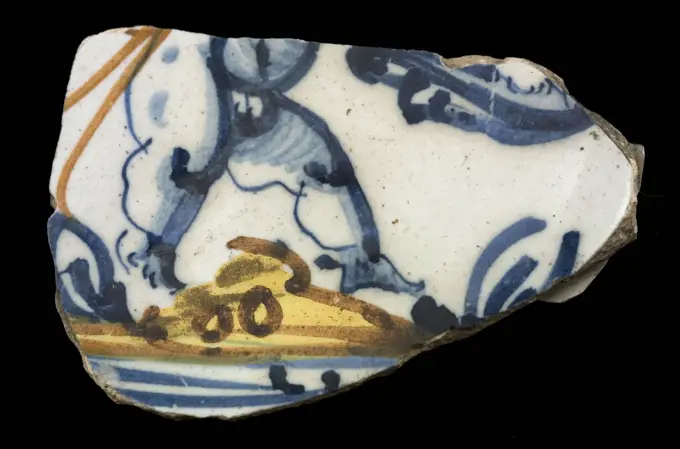
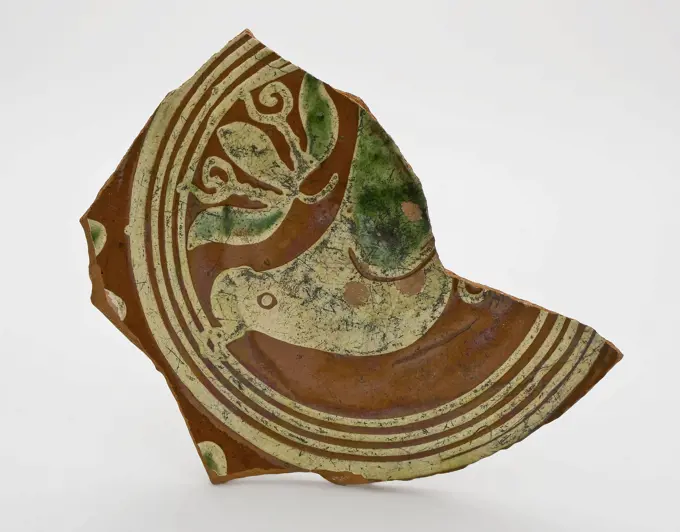
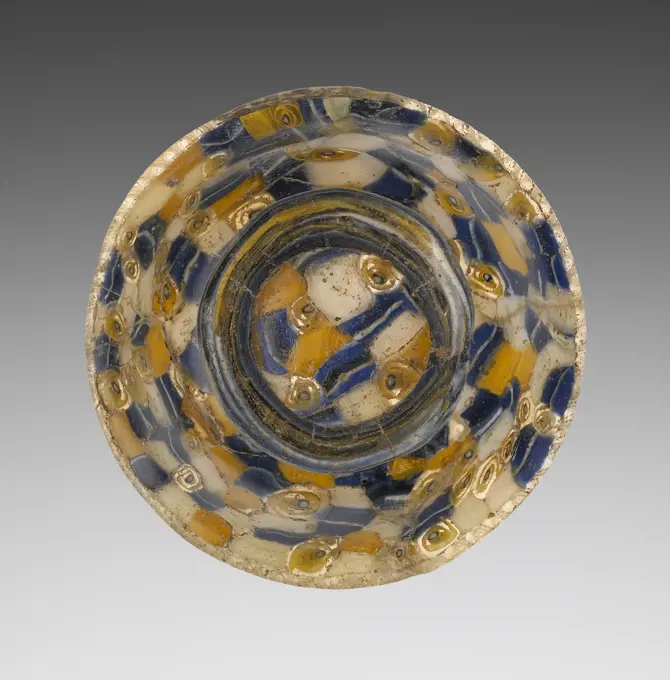
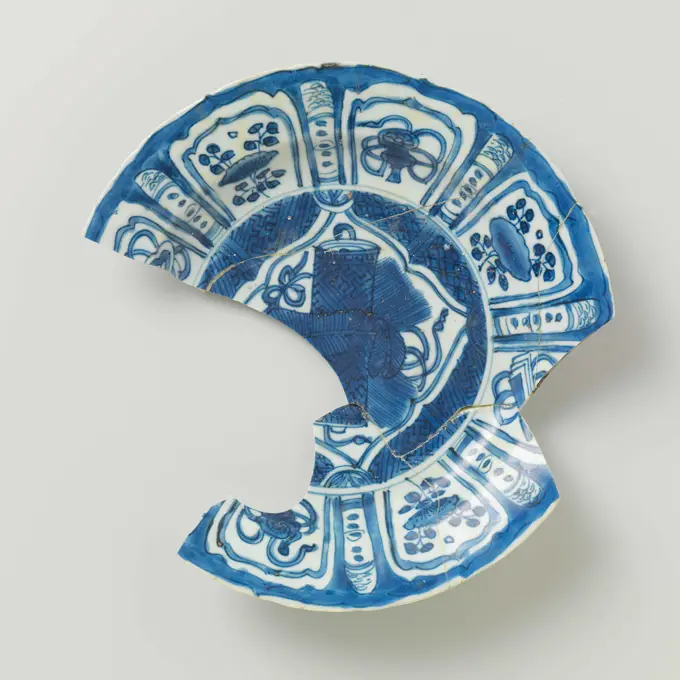
Fragments and dishes of intricately painted majolica and porcelain featuring floral and animal motifs, highlighting historical art style and craftsmanship.

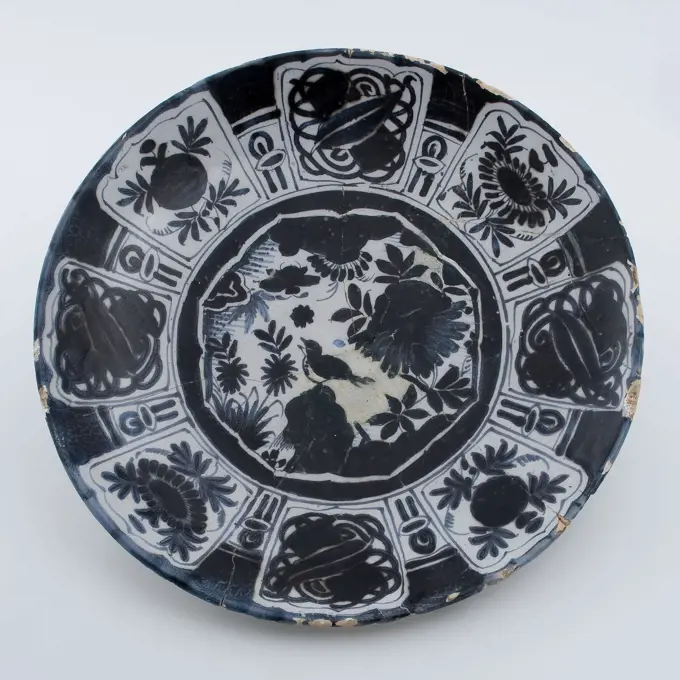
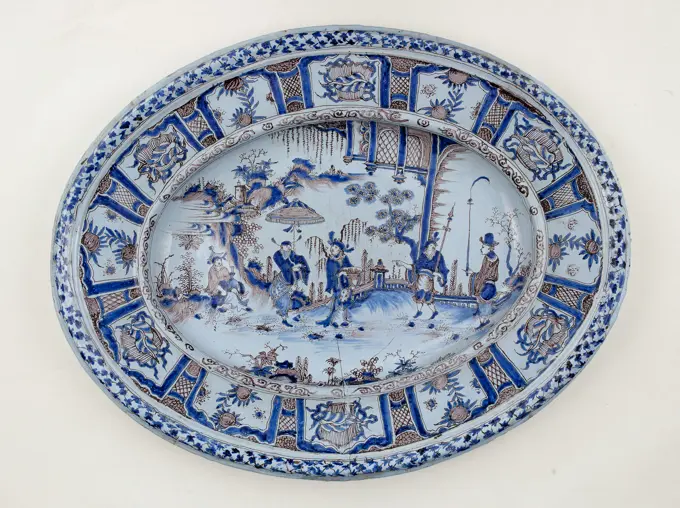
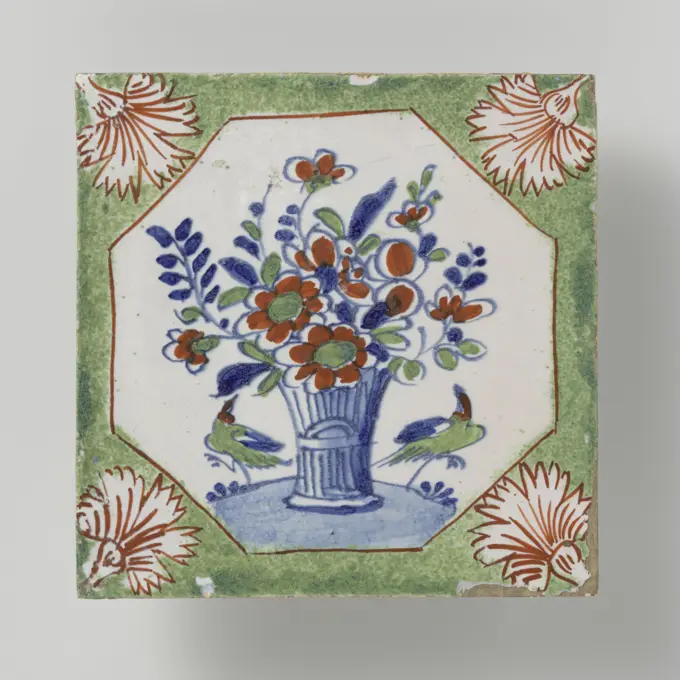
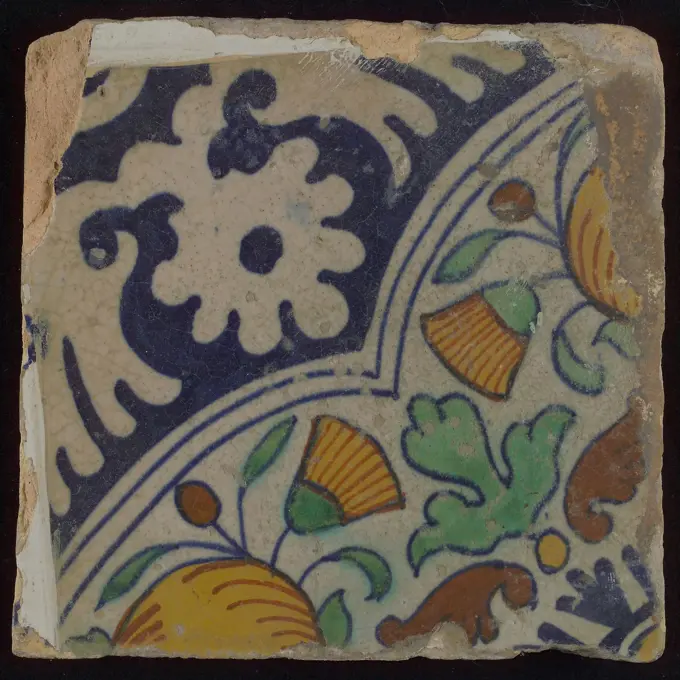
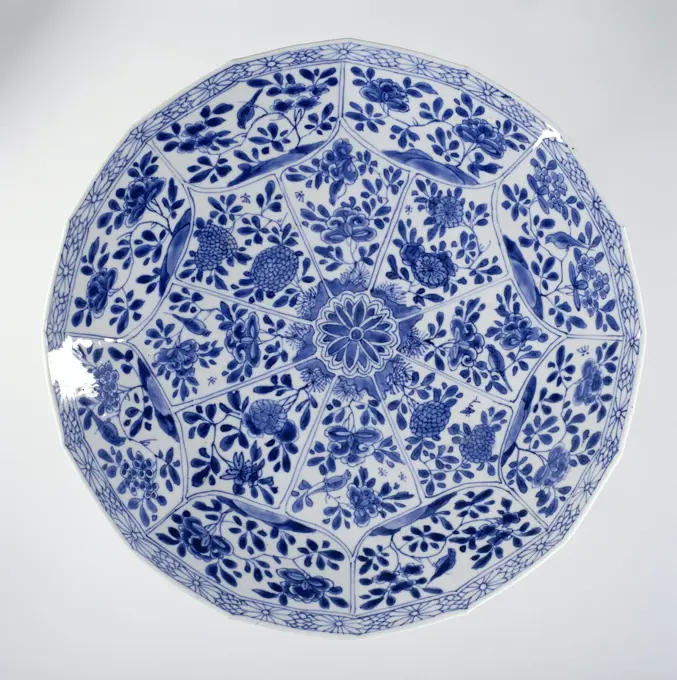
Majolica plate, blue on white, bird in Chinese garden, border in Wanli style, plate dish tableware holder earth discovery ceramics pottery glaze, At prongs fried archeology food decorate serving China
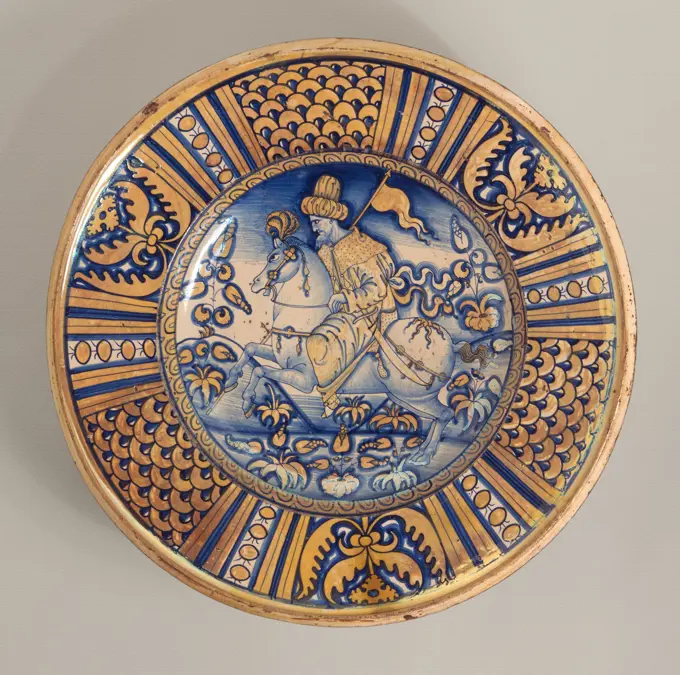
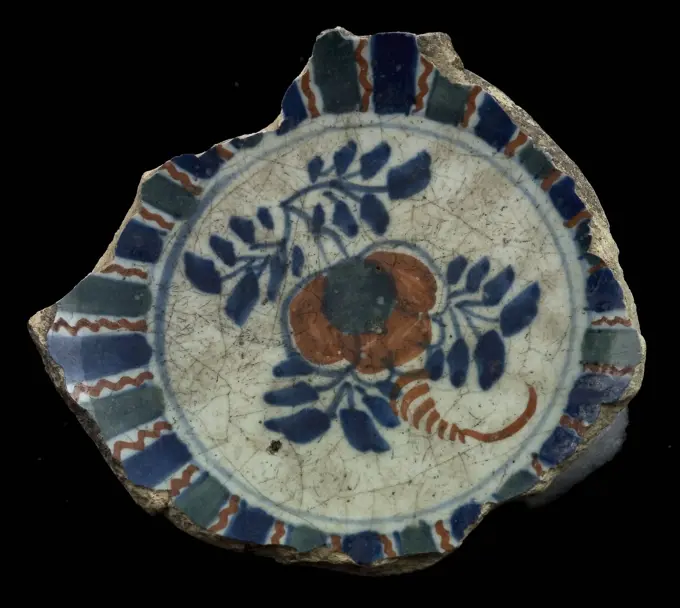
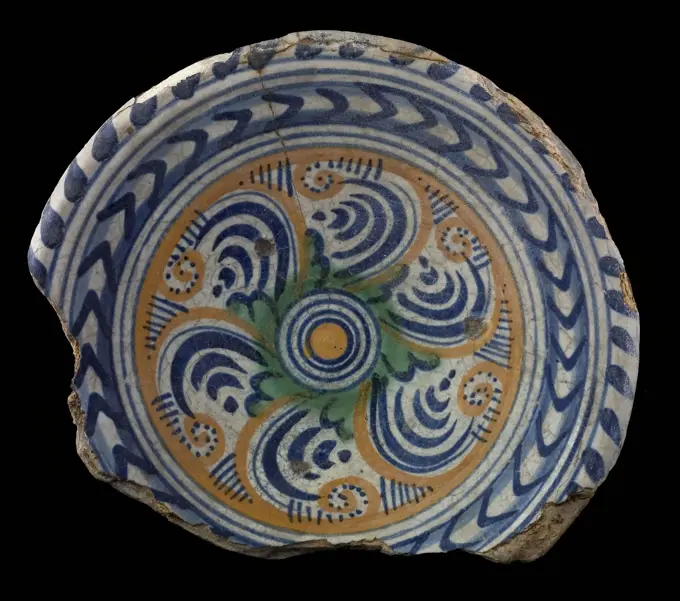
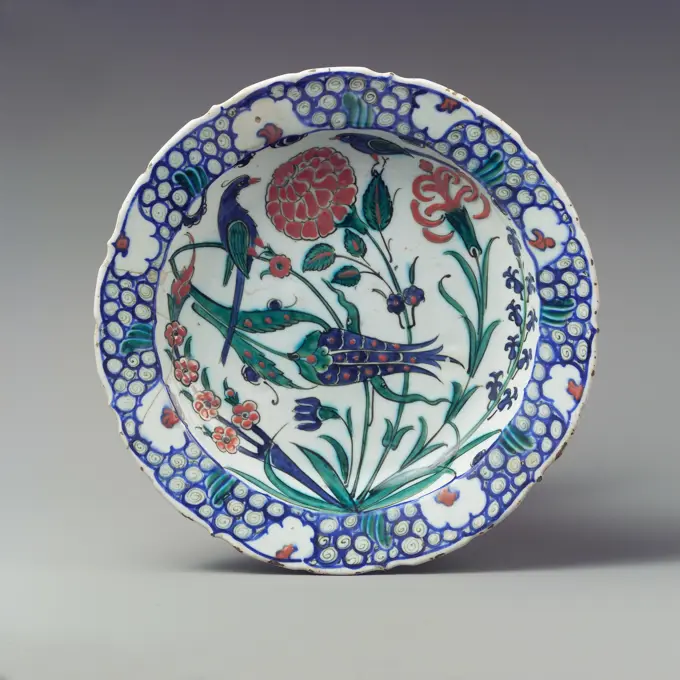
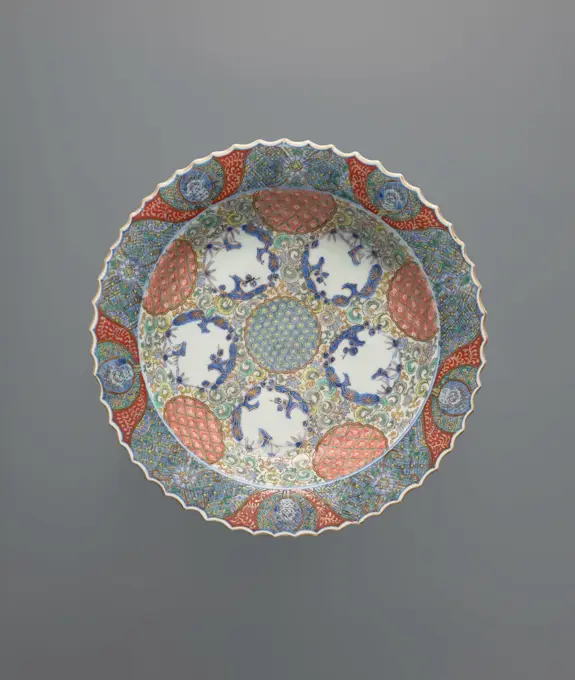
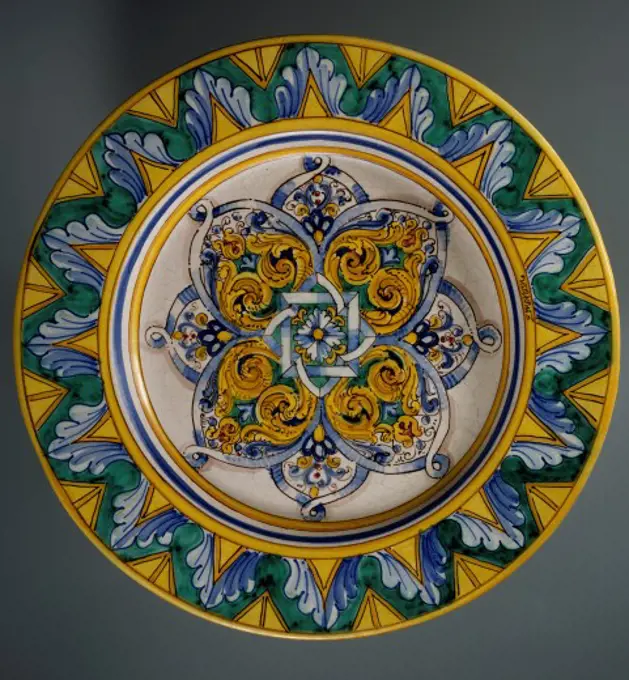
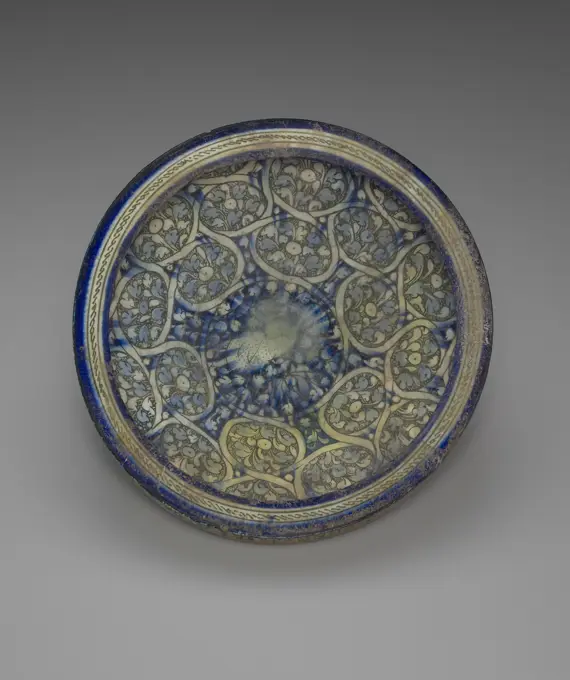
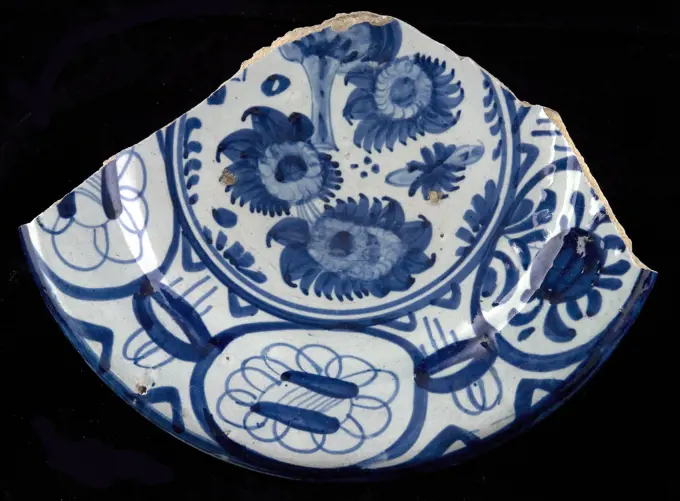
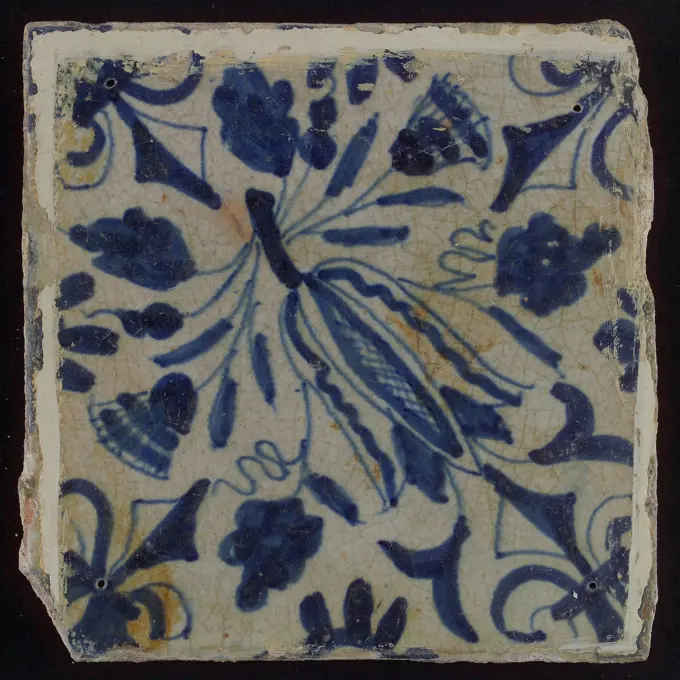
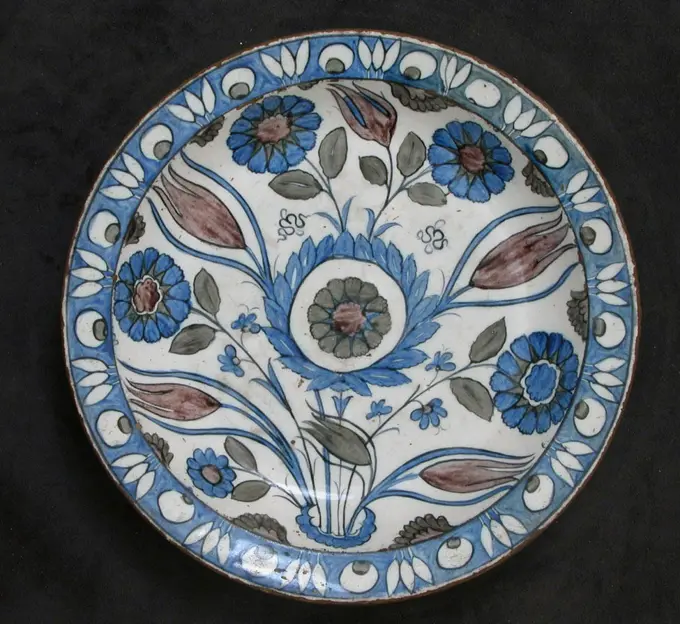
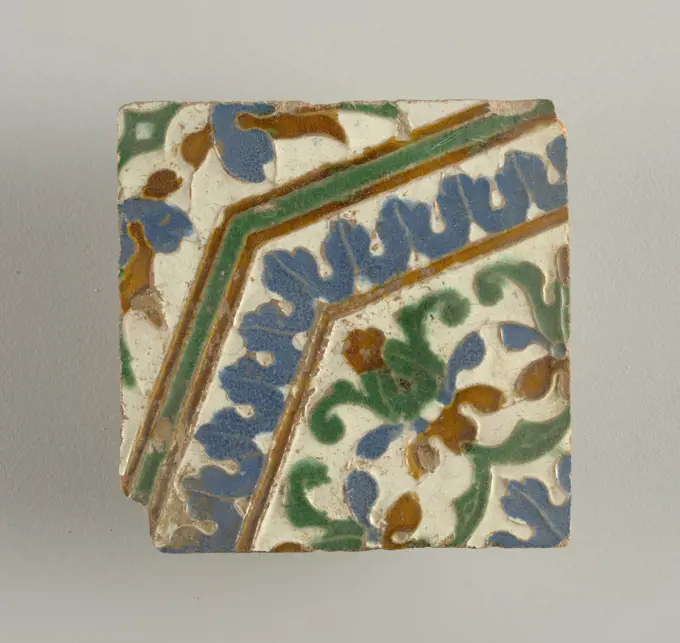
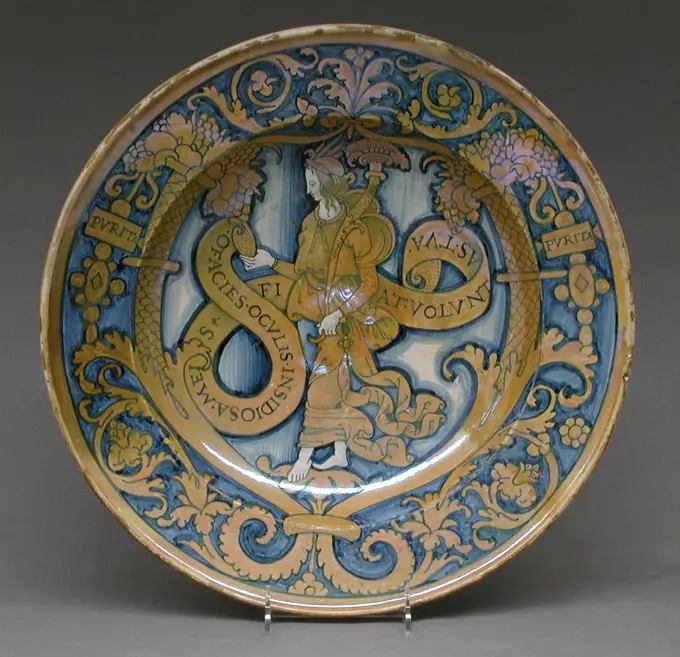
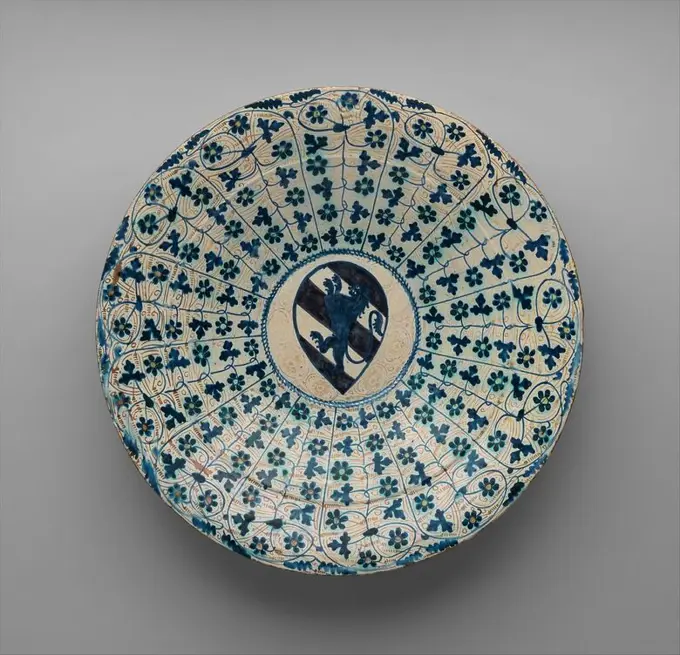
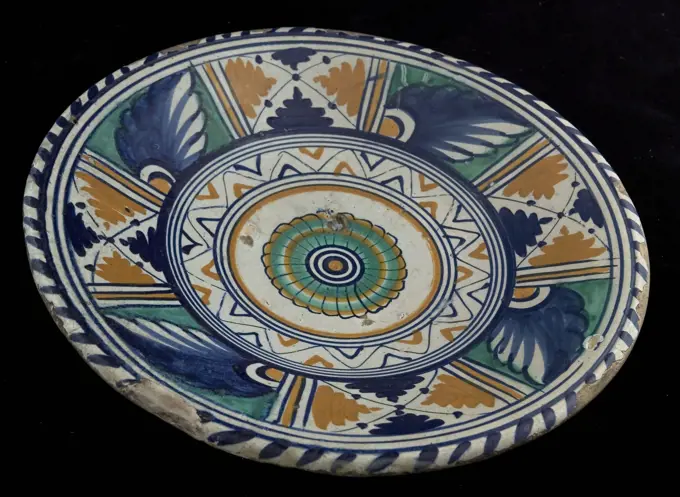
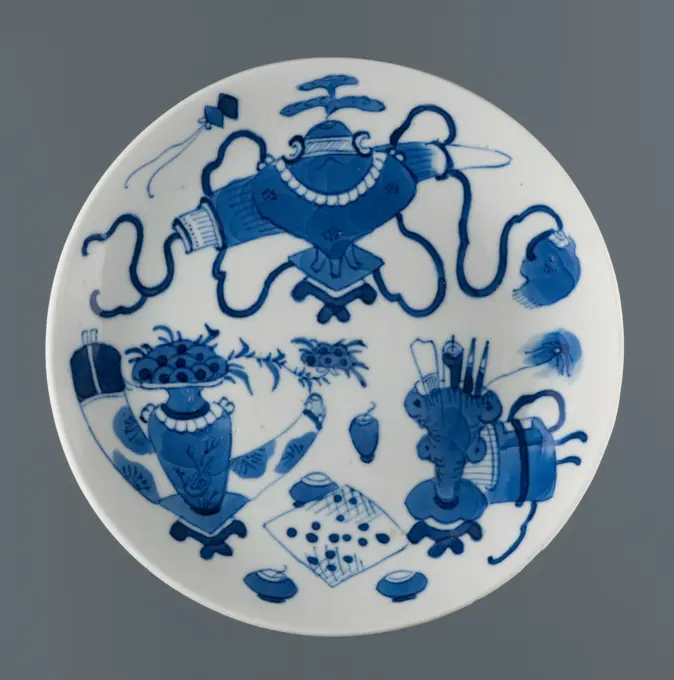
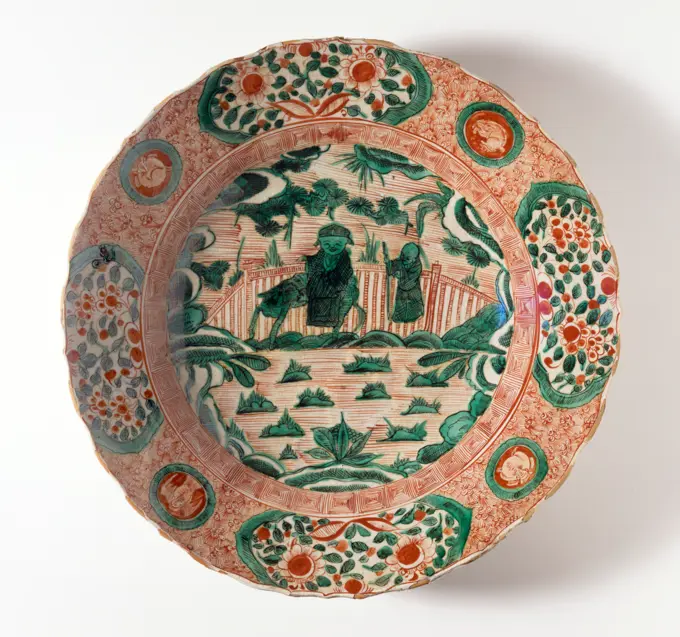
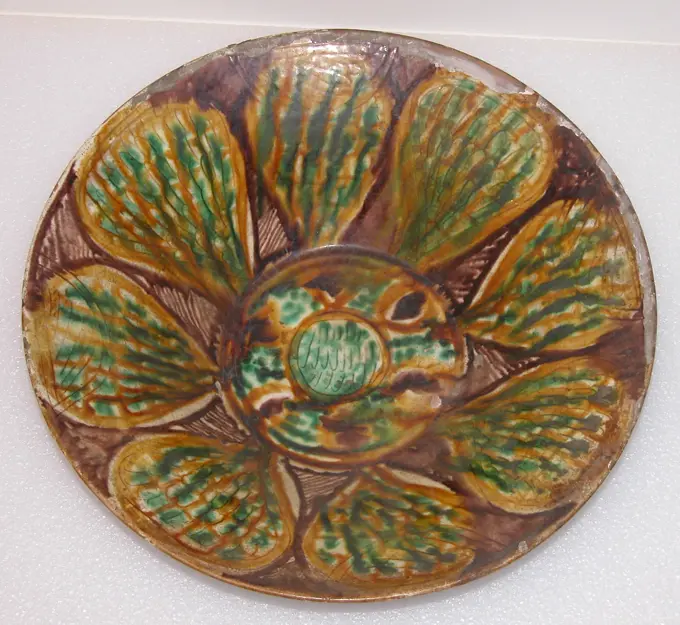
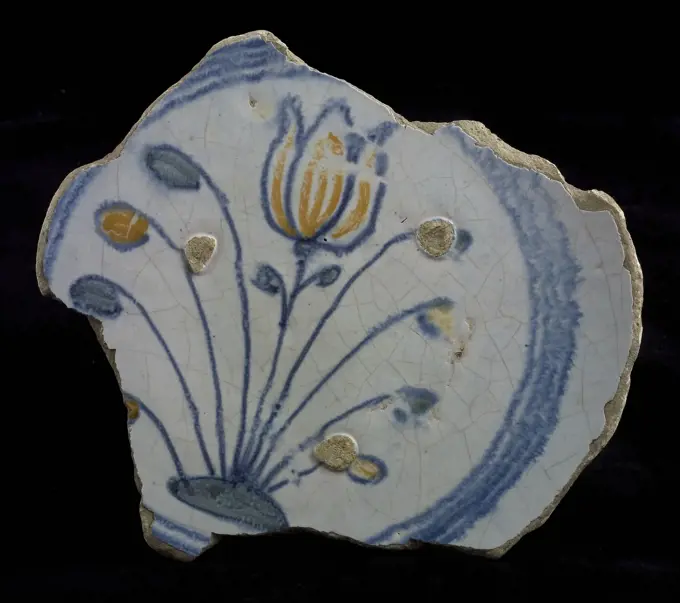
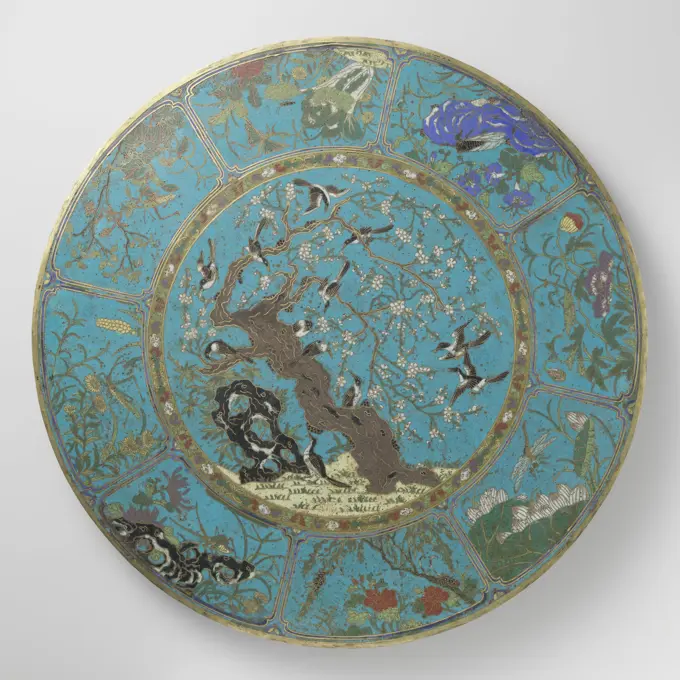
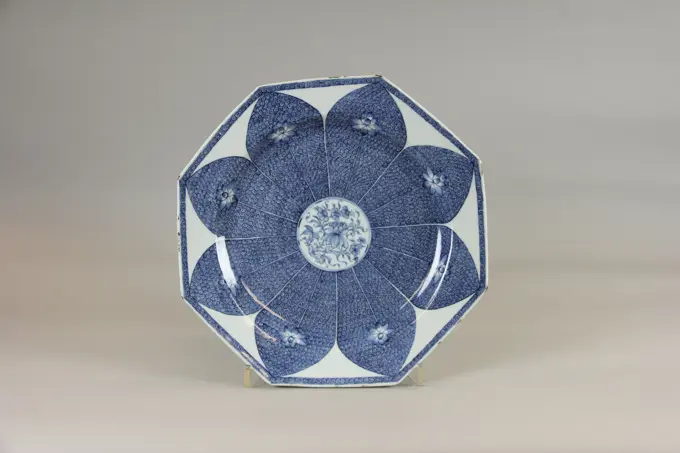
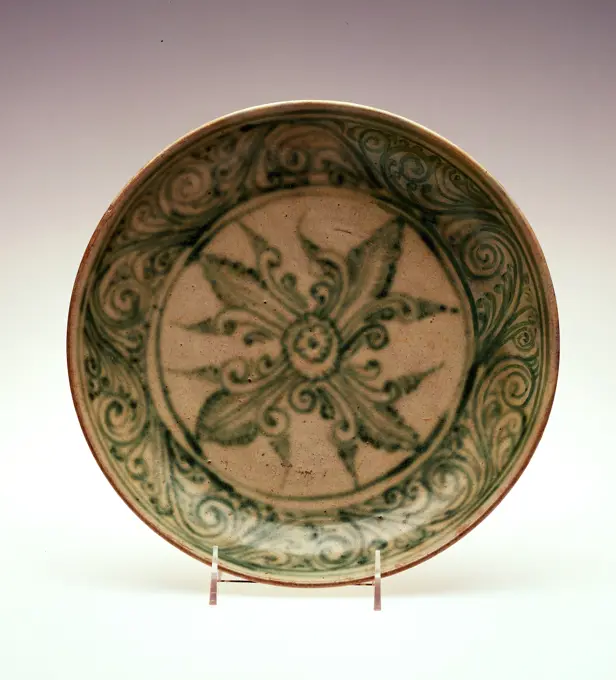
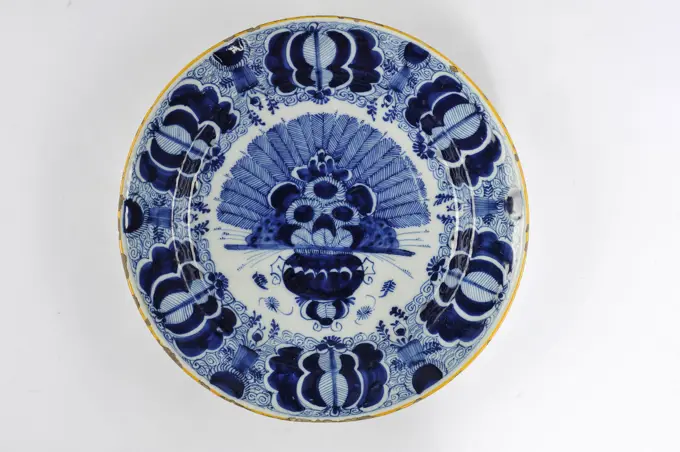
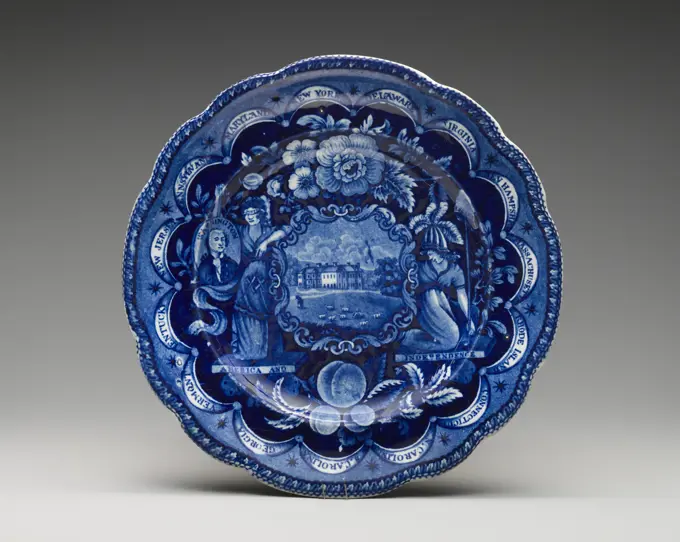
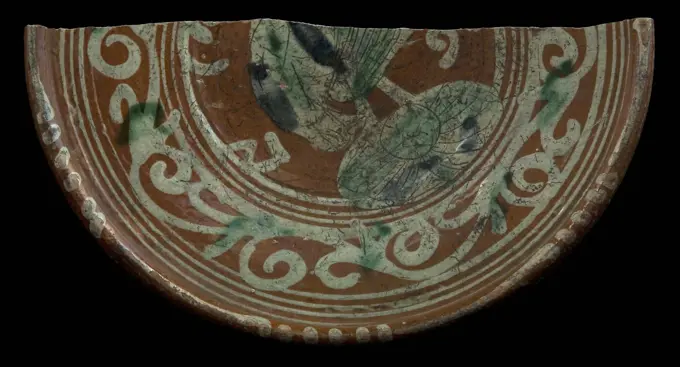
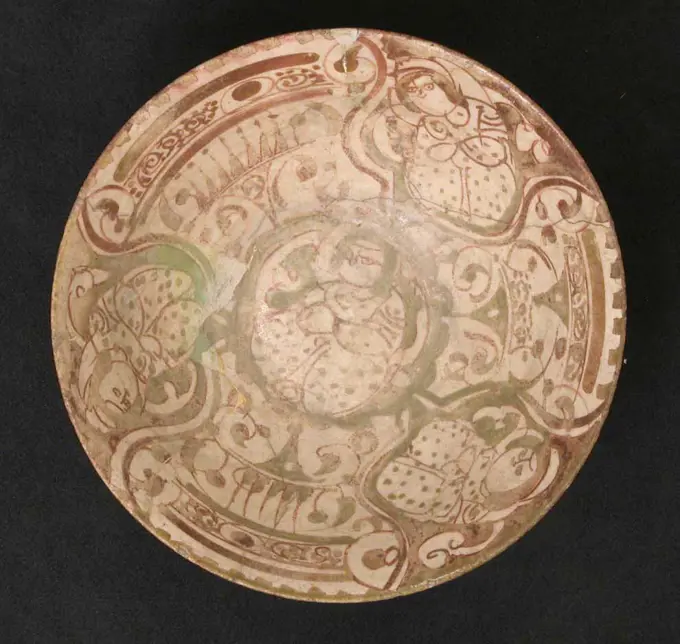
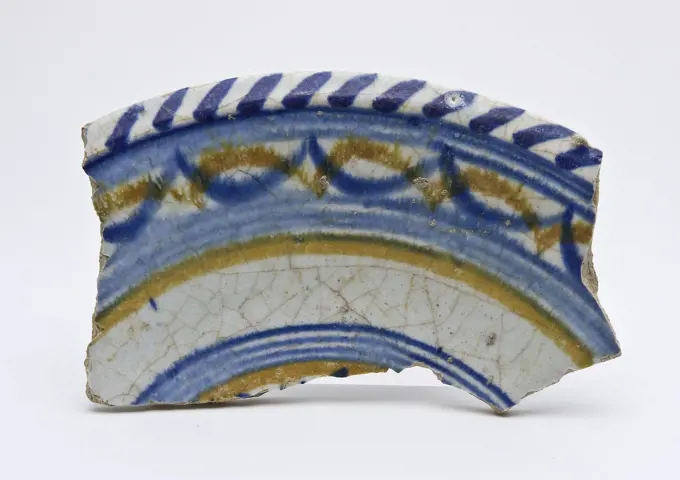
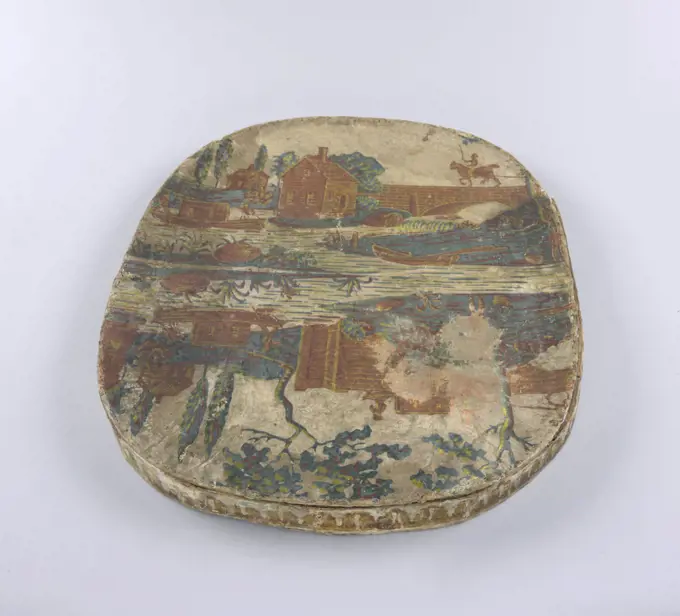
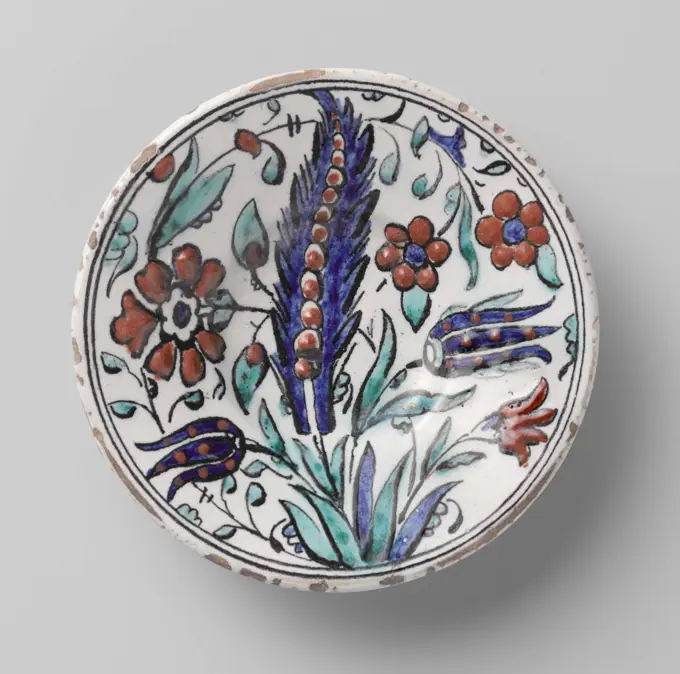
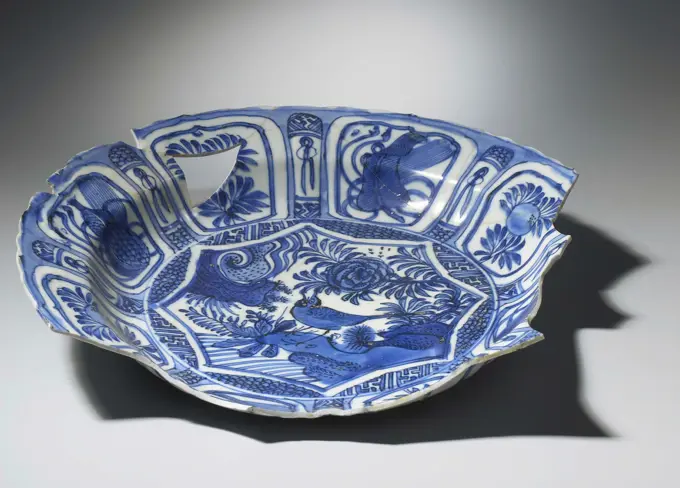
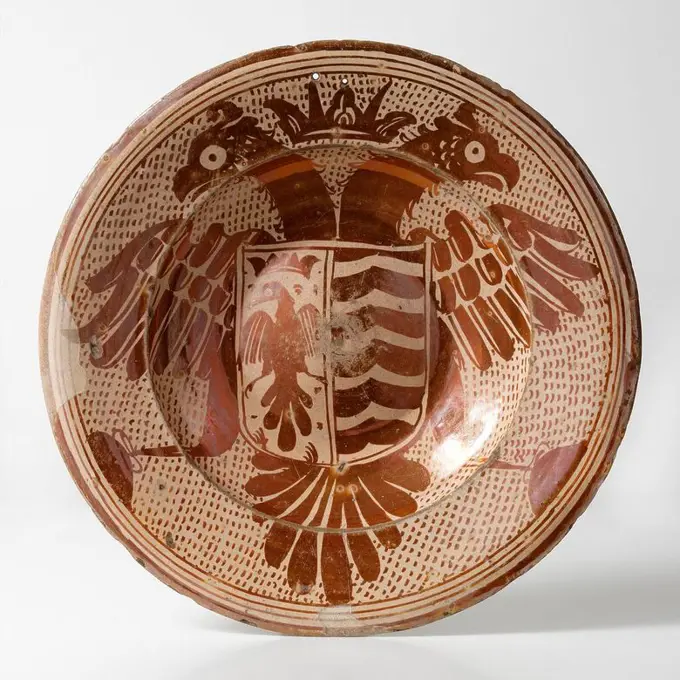
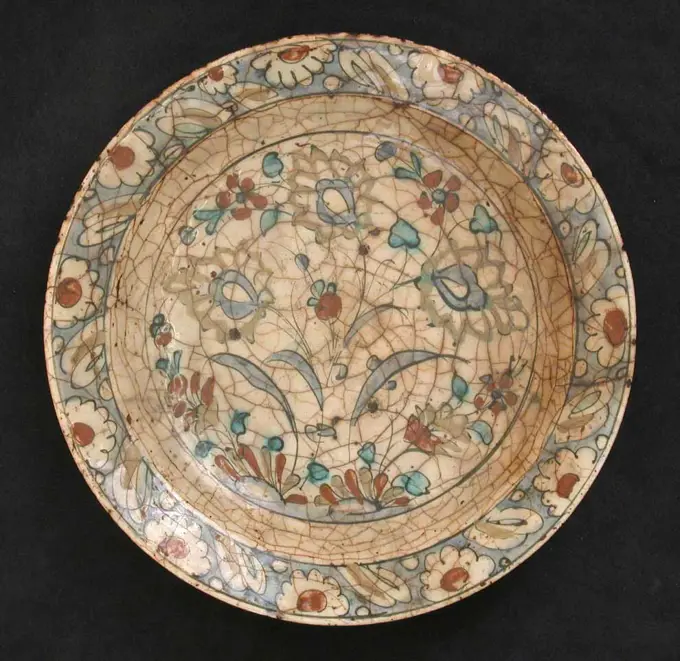
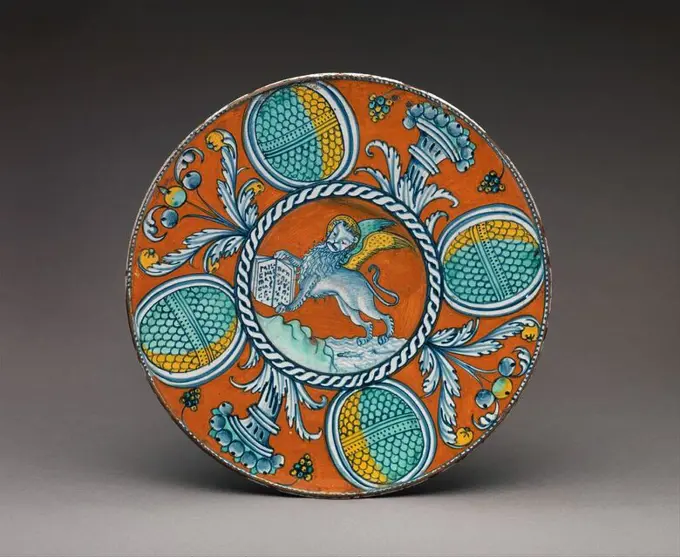
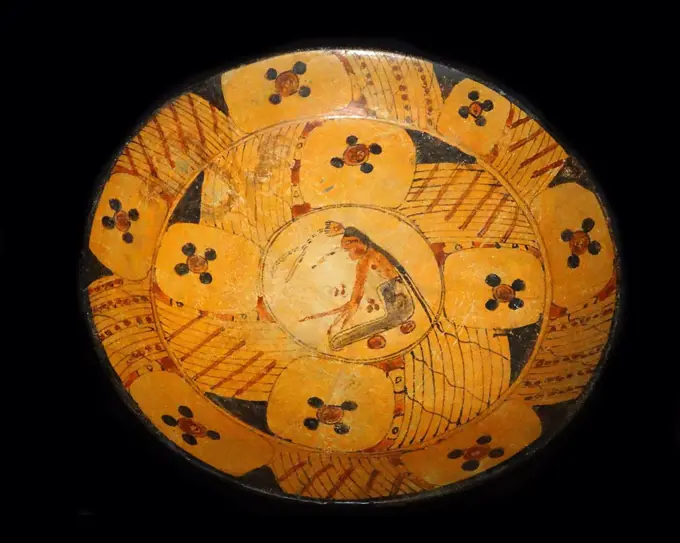
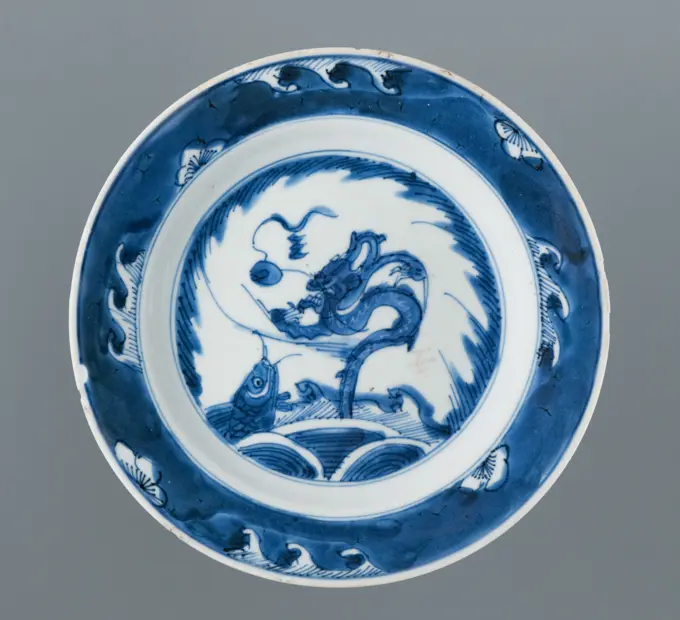
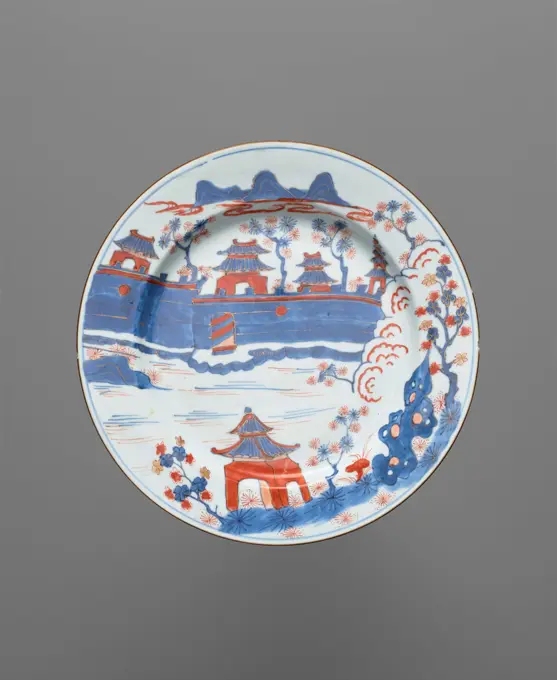
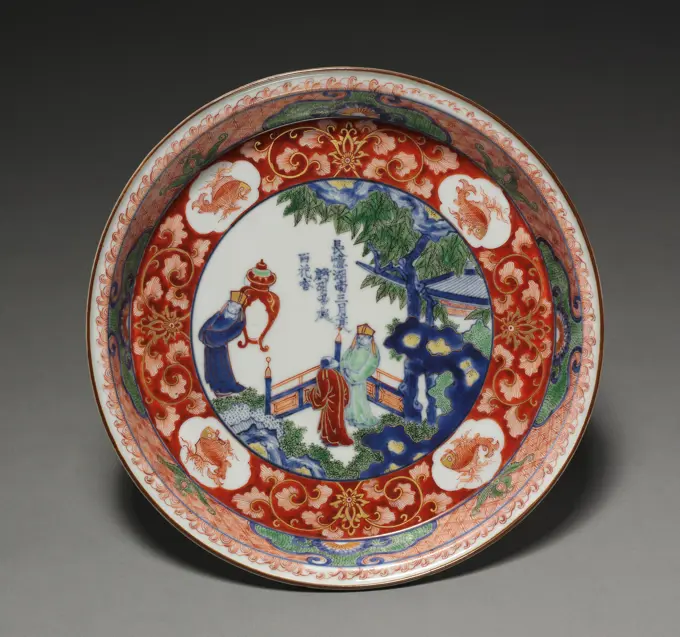
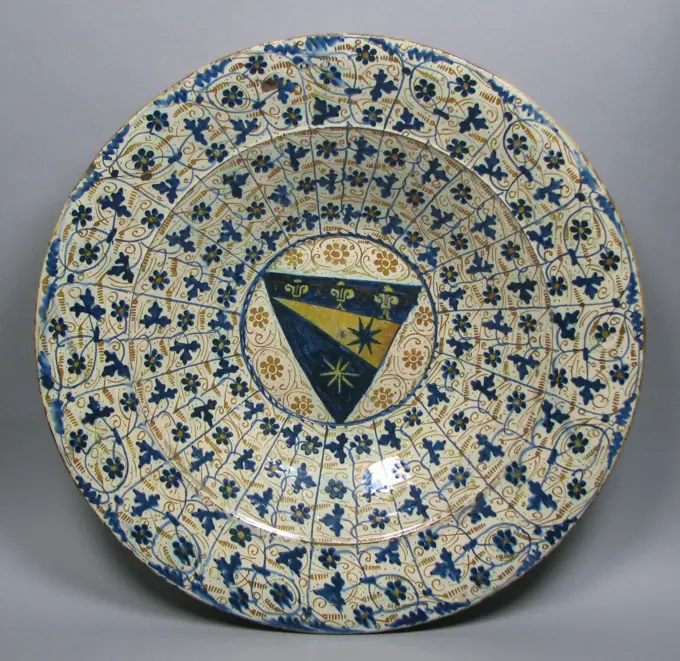
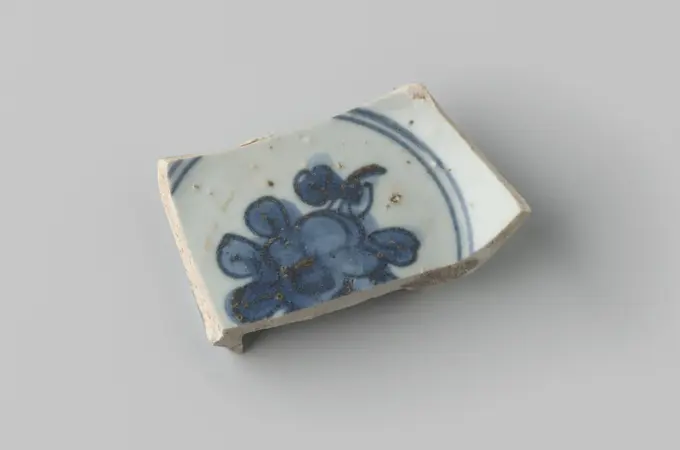
Fragment majolica dish, blue on white, bird (duck) in Chinese garden, border in Wanli style, plate dish crockery holder earth discovery ceramics pottery glaze, At prongs fried archeology food serve adorn Chinakom van faience, anonymous, c. 1655 - c. 1675 Come from blue painted faience. On the bottom on the inside, an insect (at) Is painted and on the wall sections (WAN-Li). The bowl is a soil find from Leiden and part of the wall is missing. Delft earthenware. tin glaze.   Leiden Come from blue painted faience. On the bottom on the inside, an insect (at) Is painted and on the wall sections (WAN-Li). The bowl is a soil find from Leiden and part of the wall is missing. Delft earthenware. tin glaze.   LeidenDish of multicolored painted majolica. Round dish of multicolored painted majolica. On the flat is a basket with fruit painted whaling concentric circles. Six segment arcs are painted on the edge with palmets and stylized leaves.Dish with fluted sides and flowering plants near a fence and floral scrolls, anonymous, c. 1700 - c. 1725 Porcelain saucer with ribbed wall and flat edge, painted in underlaze blue and red and gold on the glaze. On the flat a medallion with a flowerpot. A peony drink four times on the medallion; Between the tenders four scalloped cartouches with flowering plants behind a fence. The ribs are different with a flower branch in gold on the blue. The edge with a blue and a red band. Nine prenes on the underside. Imari. Japan porcelain. glaze. cobalt (mineral). gilding (material) painting / vitrification / gilding / vitrification Porcelain saucer with ribbed wall and flat edge, painted in underlaze blue and red and gold on the glaze. On the flat a medallion with a flowerpot. A peony drink four times on the medallion; Between the tenders four scalloped cartouches with flowering plants behind a fence. The ribs are different with a flower branch in gold on the blue. The edge with a blue and a rCharger with Moorish Lancer. Italy, Deruta, 16th century. Furnishings; Serviceware. Tin-glazed earthenware (maiolica)Majolica plate, blue on white, bird in Chinese garden, border in Wanli style, plate dish tableware holder earth discovery ceramics pottery glaze, At prongs fried archeology food decorate serving China. Plate of Faïence. Multicolored painted with a Chinese water landscape and Lambrequins, in Imari colors.Fragment faience bowl, polychrome, Chinese flower motif, around it outward-facing stripes, plate dish crockery holder soil find ceramic earthenware glaze tin glaze, Cookware in archeology indigenous earthenware serve serve porridgeMajolica dish, polychrome, revolving decor with six flared feathers, cable edge, plate crockery holder soil find ceramic earthenware glaze, baked underside covered with lead glaze. Polychrome. Revolving decor with plumes or feathers Layered earthenware archeology serve to decorate. Plate of Faïence. Multicolored painted with a Chinese water landscape and Lambrequins, in Imari colors.Dish Depicting Two Birds among Flowering Plants ca. 1575-90 Hidden within the tangle of carnation, tulip, and hyacinth stems on this colorful plate perch two small birds. Such flowers, sometimes in combination with birds, were pervasive decorative elements on Iznik pottery of the sixteenth and seventeenth centuries. Listen to experts illuminate this artwork's story Listen Play or pause #6655. Overview: Iznik Ceramics Supported by Bloomberg Philanthropies We're sorry, the transcript for this audio track is not available at this time. We are working to make it available as soon as possible.. Dish Depicting Two Birds among Flowering Plants. ca. 1575-90. Stonepaste; polychrome painted under transparent glaze. Made in Turkey, Iznik. CeramicsPlate. unknown, craftsmanPlate with ribbed edging decorated with Arabic star and light blue palms, crackle glazing, ceramic, 43 cm, Ceramiche Artistiche Emanion manufacture, Palermo. Italy, 20th century.Dish. unknown, craftsmanBowlFragment majolica dish, blue on white, Chinese decor, vase with sunflowers, dish tableware holder soil find ceramics pottery glaze, majolica Op princes fried Edge in wanli style archeology serve serve chinaFragment majolica dish, blue on white, Chinese garden with bird, rim in Wanli style, dish tableware holder majolica soil finds ceramics pottery glaze, At prongs fried archeology food serve decorate ChinaDish on wide stand ring with the Chinese garden in black-blue Wanli decor, dish plate crockery holder soil find ceramic earthenware glaze tin glaze, hand turned fried glazed fried Dish with curved raised edge without shoulder. Narrow and very wide stand ring Fully glazed Central representation is the Chinese garden along the edge segments in which alternately three repeating representations with floral and plant motif Simple decoration at the bottom of the edge. Decor executed in very dark blue on white background. Restoration is repainted archeology Rotterdam Stadscentrum Stadsdriehoek New Haven indigenous pottery serve garnish table serve food Soil discovery: Nieuwe Haven 2nd cesspool (square) 22-08-1980Plate with a Dutch couple and a dog in a fenced garden, anonymous, c. 1700 - c. 1724 Plate of porcelain, painted in underly glaze blue and on the glaze red, green, black and gold. On the front a representation of a walking Dutch couple with a dog in a fenced garden with a tree, rock and flowering plants; Four groups of lucky symbols on the wall and edge (including vase with flowers, coral or peacock springs, Ruyi-SCEPTER, fruit basket, roll, window, artemisia leaf); The edge with a tire with servetwork interspersed with lotus flowers in leaf -shaped compartments. The back with two flower branches. European performance in email colors. China porcelain. glaze. cobalt (mineral). gold (metal) painting / gilding / vitrification Plate of porcelain, painted in underly glaze blue and on the glaze red, green, black and gold. On the front a representation of a walking Dutch couple with a dog in a fenced garden with a tree, rock and flowering plants; Four groups of lucky symbols on the wall and eMajolica dish, blue on white, concentric circles containing rosette, cable edge, plate crockery holder soil find ceramic earthenware enamel, baked underside covered with lead glaze. Monochrome archeology decorate food serving up trndmscndtrns11065Sharf of red -baking earthenware, at the top with a painting of a flower edge in blue on a white surface, c. 1500 - c. 1899 fragment   earthenware. glazeOrnament tile, diagonally placed tulip with rosette, corner pattern french lily, wall tile tile sculpture ceramic earthenware enamel, baked 2x glazed painted Two-tone tile blue on white background Bellevue Rotterdam Hillegersberg-Schiebroek Hillegersberg Zuid Kleiweg Originating from the former Huize Bellevue Kleiweg 427 Rotterdam.Dish with Floral Design second half 16th century. Dish with Floral Design. second half 16th century. Stonepaste; polychrome painted under transparent glaze. Attributed to Turkey, Iznik. CeramicsFour tiles, Glazed moulded earthenware, Moulded in low relief, with white, blue, green and brown glazed, forming an octagonal motif, with conventionalized floral and foliate forms., Andalusia, Spain, late 16th century, tiles, Decorative Arts, Four tilesPlate ca. 1520 Italian, Deruta. Plate. Italian, Deruta. ca. 1520. Maiolica (tin-glazed earthenware), lustered. Ceramics-PotterySquare plate with a flower-shaped panel with flowering plants, anonymous, c. 1700 - c. 1724 Square dish of porcelain with squeezed corners and a round flat, painted in underlaze blue and on the glaze red and gold. On the flat a flower -shaped cartouche with plants flowering in every compartment. On the edge of flower vines. The outer edge with four flower branches (Prunus, peony). Four pronen on the bottom. Imari. Japan porcelain. glaze. cobalt (mineral). gold (metal) painting / gilding / vitrification Square dish of porcelain with squeezed corners and a round flat, painted in underlaze blue and on the glaze red and gold. On the flat a flower -shaped cartouche with plants flowering in every compartment. On the edge of flower vines. The outer edge with four flower branches (Prunus, peony). Four pronen on the bottom. Imari. Japan porcelain. glaze. cobalt (mineral). gold (metal) painting / gilding / vitrificationFragment faience plate, blue on white, Chinese leaf motifs as border decoration, plate dish crockery holder earth discovery ceramics pottery glaze tin glaze, Cookware archeology indigenous earthenware serve serving foodPlate;  XVIII-19th century (1890-00-00-1900-00-00);Osman dynasty (1299-1922), floral (ornament), Islamic art, Turkish (culture)Hexagonal Tile 15th century The design of this tile was strongly influenced by Chinese models, in both composition and color. The Egyptian taste for blue-and-white botanical designs was filtered through Iranian versions from the Ilkhanid period (1256-1353). It is known that Iranian artists moved westward at the beginning of the fifteenth century.. Hexagonal Tile 451900Dish. Culture: Spanish. Dimensions: Overall: 3 1/16 × 18 in. (7.8 × 45.7 cm). Date: 1430-1460. Museum: Metropolitan Museum of Art, New York, USA.Dish with Phoenixes late 17th century This dish is typical of the objects that were displayed in open niches in reception rooms of upper-class Syrian residences during the Ottoman period. Dish with Phoenixes 448393Plate with Vase and Flowers ca. 1700 Japan. Plate with Vase and Flowers 46093Decorative plate; Manufaktura M.P.Radziw  A in Nieborów, Szewczyk, Feliks (1863-1932); 1885 (1885-00-00-1885-00-00);Saucer-dish with a fenghuang in a Landscape and Flowering Plants. Dish of porcelain with a round wall, painted in underglaze blue. On the flat in a medallion a fenghuang in a landscape next to a flowering plant. The wall is divided into wide and narrow courses. The wide subjects with a thriving plant; The narrow compartments with dots and a flower drink. Schetically painted. Some chips and two cracks in the edge; discolored glaze; Sand on the inner edge. Bak sand at the foot ring. Old label on the underside with '4793/80, -'. Swatow (Zhangzhou) in blue and white.Majolica dish with polychrome rosette in the mirror, dish crockery holder soil find ceramic earthenware glaze tin glaze lead glaze, ring 10,2 hand turned fried glazed painted fried Dish with polychrome rosette in the mirror. Tapestry along the dish edge. Reverse glaze. Along the flag broad white band and band with an ornamental decor consisting of stacked beams in triangular shape and leaf ornaments Op baked archeology decorate home interior serving food RotterdamPlate. unknown, craftsmanBowl with Vegetal Motifs 12th century Syrian potters, like their counterparts in Iran, developed a version of blackandblue underglazepainted ceramics, capitalizing on the properties of stonepaste to provide a white background. As on the Iranian examples, the contrast between the crisp elements painted in stable black pigment and the softeredged motifs executed in less stable blue pigment creates an attractive tension.. Bowl with Vegetal Motifs 450491Foliated Dish with LandscapeBowl 10th century. Bowl 451667Anonymous. "Flat". Earthenware, siliceous land, decor painted on slip under transparent glaze. 1540-1550. Museum of Fine Arts of the City of Paris, Petit Palais. 101893-2 Decor, vegetal decor, faience, dishes, 16th 16th 16th 16th 16th 16th century, dishFragment majolica dish, polychrome, tulip and stems on soil, plate crockery holder soil find ceramic earthenware glaze, baked underside covered with lead glaze. Polychrome archeology native pottery food serve serve craft stewardFor a long time from the Supply service; Belvedere (faience manufacture; 1770-1780); 1777 (1776-00-00-1777-00-00);Fragment majolica dish, polychrome, orange grid in the middle, dish crockery holder soil find ceramic earthenware glaze, baked underside covered with clear lead glaze. Polychrome Some red veins in the pottery archeology adorn serving foodBowl. unknown, craftsmanPair of plaques, anonymous, 1600 - 1699 Round partitioned plate China copper (metal). Round partitioned plate China copper (metal).Octagonal plate with floral pattern 18th century China. Octagonal plate with floral pattern 47697Plate, 15th century, 2 3/16 x 11 3/8 x 11 3/8 in. (5.56 x 28.89 x 28.89 cm), Stoneware with green on white glaze decoration, Myanmar (Burma), 15th centuryPlatter. De Porceleyne Claeuw, Delft (wytwórnia fajansu ; 1658-1840), factoryBowl 9th-10th century. Bowl 449604Oyster plate. Culture: American. Dimensions: 8 9/16 x 6 1/2 in. (21.7 x 16.5 cm). Maker: Union Porcelain Works (1863-ca. 1922). Date: 1881. Museum: Metropolitan Museum of Art, New York, USA.Plate 1815-34 James and Ralph Clews British. Plate. British (American market). 1815-34. Earthenware, transfer-printed. Made in Staffordshire, Stoke-on-Trent, EnglandMolded Dish with an Allegory of Love; Faenza, Emilia-Romagna, Italy; about 1535; Tin-glazed earthenware; 7.3 x 27.9 cm (2 7,8 x 11 in.)Fragment Werra plate, mirror decor with bird and plant, year 1612, pale yellow and green glaze, plate crockery holder earth discovery ceramic earthenware glaze, total, Red earthenware with drawing in light yellow and green glaze year glazed: 1612 archeologyBowl 12th-13th century. Bowl. 12th-13th century. Stonepaste; luster-painted on an opaque white glaze under a transparent glaze. Attributed to Iran, Rayy. CeramicsFlower tile, flowerpot in square, corner pattern palmet, wall tile tile sculpture ceramic earthenware glaze, baked 2x glazed painted Red shard square two nail holes. Multicolored: orange-brown blue green on white fond.Anonymous, Nevers. Oval dish. Big fire earthenware, polychrome enamels, decor with manganese blue, pink yellow earth, blue enamel. 18th century. Museum of Fine Arts of the City of Paris, Petit Palais. Faience, table service, dishes, 18th 18th 18th 18th 18th 18th 18 century, dishEdge fragment polychrome majolica dish, dish plate board plate soil find ceramic earthenware glaze tin glaze lead glaze, majolica baked 2x painted glazed Border fragment of majolica dish. Bog decor over part of the flag and rope decor over the saucer edge Backside greenish tinted lead glaze. Cooked on prunes. Yellowish shard archeology Rotterdam City triangle indigenous pottery serving serve serving decorate Schielandshuis Soil discovery: Schielandshuis 1982.Squared tile, painted multi-colored with a tulip on a ground. Late squared tile with a knurled edge and four lilies in the corners. Multicolored tulip on a ground.Tile tableau with rider in armor. A loose tile belonging to the rider's tile tablet in harness.Grand Canal, Block-printed paper, pasteboard support, Pasteboard bandbox lid. Two pieced fragments of 'Grand Canal' paper, pasted bottoms together, center top. Bottom of letters visible at one edge. Mounted figure on arch-supported stone bridge, house, boats, oarsmen, in colors of brick red, blue-green, yellow, on white background. Rim: Olive green on white; top lined with small pattern flower wallpaper. Sprig of roses, morning glories on white background with pale blue fill pattern., USA, ca. 1837, Wallcoverings, Bandbox, BandboxBarber bowl, ceramic. Museum: COLECCION PRIVADA.Dish. Culture: Spanish. Dimensions: Overall: 17 5/8 in. (44.8 cm). Date: 1430-1460. Museum: Metropolitan Museum of Art, New York, USA.. Pottery plate, painted in underglaze blue, red, green and black. A stylized flowering plant on the front. Iznik style.Tray;  19th/20th century (1868-00-00-1912-00-00);Sharf of ross -baking earthenware, with foot ring, with blue glaze on the front, with a painting with stylized flower molds in brown, blue, green, yellow and white, anonymous, 1600 - 1650 on the flat  Northern Netherlands earthenware. glaze majolica  Northern Netherlands earthenware. glaze majolicaPlate, 1700s. Probably by De Porceleyne Claeuw Factory (Dutch). Delft ware (tin glazed earthenware); diameter: 35.6 cm (14 in.).Fragment majolica plate, yellow, orange, green, purple and blue on white, six stylized leaves on mirror, pomegranates in the border motif, plate dish crockery holder earth discovery ceramics earthenware glaze, archeology Rotterdam City Triangle Lombard Street Botersloot 1940 bombardment Second World War garnish serving food Soil discovery from rubble after the bombing of May 1940 Lombard Street Botersloot Rotterdam.Bowl with Flying Bird Design second half 13th-14th century A group of ceramics produced in fourteenth-century Iran has traditionally been associated with the city of Sultanabad, where many examples were found. These so-called Sultanabad wares, however, comprise many differing types - and thus far no kilns have been found at the site. Nearly hemispherical in form, this thin-walled stonepaste Sultanabad bowl stands on a low foot and is decorated with a cobalt blue bird in flight. A multi-tiered border frames the bird, and the bowls exterior is decorated with abstracted lotus petals in a design borrowed from Chinese ceramics.. Bowl with Flying Bird Design 452382Plate (tondino) 1525-30 probably workshop of Maestro Giorgio Andreoli Italian. Plate (tondino). probably workshop of Maestro Giorgio Andreoli (Italian (Gubbio), active first half of 16th century). 1525-30. Maiolica (tin-glazed earthenware). Ceramics-PotteryPlate;  19th century (1801-00-00-1900-00-00);Saucer-dish with powder blue and fish, anonymous, c. 1700 - c. 1724 Scale with a round wall of porcelain, painted with underly glaze blue and red. The front is covered with bleu poudré (powder blue) with five fish saved; The back of the wall is also covered with powder blue. Marked on the underside with the Fú symbol, one of the twelve antique ornaments, in a double circle. A chip in the edge. Old label on the bottom with 'Friends of Asian Art / R. May'. Underglaze blue with copper red. China porcelain. glaze. cobalt (mineral). copper (metal) painting / vitrification Scale with a round wall of porcelain, painted with underly glaze blue and red. The front is covered with bleu poudré (powder blue) with five fish saved; The back of the wall is also covered with powder blue. Marked on the underside with the Fú symbol, one of the twelve antique ornaments, in a double circle. A chip in the edge. Old label on the bottom with 'Friends of Asian Art / R. May'. Underglaze blue with copper red. ChMajolica dish fragment, man in rich clothing, polychrome, pancake dish, dish crockery holder soil find ceramic pottery glaze tin glaze lead glaze, majolica shaped baked painted fried Fragment of pancake dish. Fried on prunes Yellow shard scraped earthenware. Depicted is man or soldier in rich clothes on an orange and blue ground. Serious baking fault in the middle but no misbaksel: many scratches in the glaze indicate domestic use archeology Rotterdam decorate interior serve serve food Italy archaeological find in the soil Rotterdam 1941.Tile, Anonymous, 1720 - 1760 Tile with a multicolored (blue, red and green) flower vase with a bird on either side surrounded by sprinkled green. In the corners, red -saving carnations. England earthenware. tin glaze majolica Tile with a multicolored (blue, red and green) flower vase with a bird on either side surrounded by sprinkled green. In the corners, red -saving carnations. England earthenware. tin glaze majolicaOrnament tile, diagonal ornament in quatrefoil with bows in which orange apples and flowers, palm corner, corner rosette, wall tile tile sculpture ceramic earthenware glaze, baked 2x glazed painted Yellow shard square two nail holes. Multicolored: brown blue green yellow on white long distance Bellevue Rotterdam Hillegersberg-Schiebroek Hillegersberg Zuid Kleiweg Originating from Huize Bellevue, which stood on the Kleiweg.Fragment board from v.O.c.-ship the 'white lion'. Plate from v.o.c.-ship the 'white lion' with a flat edge, decorated in underglaze blue, 90%% present; parts of the wall are missing. The shard is glassy white and knows many ingrained dirt. The bottom is glazed. The foot ring is faceted There are more than 20 granules oven sand found. The lip is scalloped. In the flat a bird in a water landscape, surrounded by a blooming plant and a stylized cloud motif. The show is surrounded by a star-shaped band with geometric motifs. On the wall and edge alternately wide and narrow fields filled with lucky symbols and flowering plants. Type 1.1.3.Plate, XVII Century, Ceramic (decorated with metallic reflections and central shield inside crowned double-headed eagle, on a chopped background), of Barcelona, Diameter: 34 cm. Museum: Museo Fundación Francisco Godia, Barcelona, Cataluña, España.Fragment faience dish, polychrome putto, plate dish crockery holder earth discovery ceramics pottery glaze tin glaze, Cooked archeology Rotterdam City Triangle Delftware Soil discovery Everything excavated and found at the partial reclamation of the Delfse Vaart here for the benefit of the making the lift over the Vaart in the summer of 1928.Fragment earthenware dish decorated in sludge technology with circles and bird, dish plate crockery holder soil find ceramic earthenware clay glaze lead glaze, w 13.0 hand-turned glazed fried lemonade Pottery dish decorated in sludge technique ring ear Low dish on stand with soul Decoration consists of series of circles around the representation in the midfield. In the middle bird and stylized flower in yellow and green. Bottom of unglazed archeology Rotterdam Heliport site of indigenous earthenware import food serve table room Soil discovery: Heliport site Rotterdam June 1978.Round Box With Powder Blue, Rocks And Flowering Plants. Lid of round box of porcelain, painted in underglaze blue and on the glaze gold. Covered with bleu poudré (powder blue); On the lid a rock with flowering plants and a fence; To the edge a decorative tire with napkin. Bleu poudré with gold.Fragment of a Bowl. Syria or Turkey, 13th century. Ceramics. Fritware, underglaze-paintedCup with Blue, White, and Yellow Canes; Eastern Mediterranean; 1st century B.C; Glass; 3.8 x 10.3 cm (1 1,2 x 4 1,16 in.)Fragment board from v.O.c.-ship the 'white lion'. Fragment board from v.O.c.-ship the 'white lion', 70%% present.Plate. unknown, craftsmanSaucer-dish with panel decoration with flower sprays and birds, anonymous, c. 1680 - c. 1720 Scale of porcelain with sloping, octagonal wall, painted in underlaze blue. On the flat a stylized chrysanthemum surrounded by eight radiating courses filled with various flowering plants on a rock with birds; the wall divided into eight compartments with different flower areas on a rock and birds; The edge with a geometric motif. The rear divided into eight compartments with fruit branch and bird. Marked on the bottom with a shell in a double circle. Blue White. China porcelain. glaze. cobalt (mineral) painting / vitrification Scale of porcelain with sloping, octagonal wall, painted in underlaze blue. On the flat a stylized chrysanthemum surrounded by eight radiating courses filled with various flowering plants on a rock with birds; the wall divided into eight compartments with different flower areas on a rock and birds; The edge with a geometric motif. The rear divided into eight compartmentsBowl, 1200-1300. Fritware, Ilkhanid Dynasty (1256-1353), Persia/Iran, Rhages .Vase, one of a pair, 17th century, 8 3/4 x 5 3/8 in. (22.23 x 13.65 cm) (rim), Tin-glazed earthenware, Netherlands, 17th century, Both vases are painted with almost identical decoration: the same quaint view of a Dutch landscape, featuring a house by a river, a sailboat, and flying birds. The repetition of the scene reveals that these two vases were once part of a so-called garniture, or a grouping of either three or five vases, to be symmetrically arranged above a mantelpiece or other domestic furniture.Subdated of multicolor hard-fried pottery; Staffordshire. Oval underfaith of multicolored hard-fried pottery. The edge has been partially opened, partly decorated with male work and flower branches in relief, along the edges of seed beads. The dish is covered with manganese-brown dotted lead glaze with stains in blue, green and yellow. The bottom of the dish has dotted in manganese. The subset belongs to a basket.Dish 17th century. Dish 446941Framen of pottery decorated with blue ornaments on white ground. Fraggy of pottery, completely covered with tining and decorated with blue ornaments on white ground. Unnoticed. Dug up in London, Middlesex Street near Liverpool Street Station.Two tiles, Anonymous, 1610 - 1625 Two tiles with a multicolored (yellow, green and blue) painted flowerpot. In the corners, a quarter rosette. Netherlands earthenware. tin glaze majolica Two tiles with a multicolored (yellow, green and blue) painted flowerpot. In the corners, a quarter rosette. Netherlands earthenware. tin glaze majolicaPlate with Lion of Saint Mark. Culture: Italian, Deruta. Dimensions: Overall (confirmed): 1 1/8 × 9 5/16 in. (2.9 × 23.7 cm). Date: ca. 1500-1510.This plate was made in Umbria for the Venetian market, and is decorated with the arms of the city - the Lion of St. Mark with an open book inscribed PAX TIBI MARCE EVANGELISTA MEUS (Peace be with you, Mark, my Evangelist). Museum: Metropolitan Museum of Art, New York, USA.Mayan, ceramic polychrome plate. Yucatan, Mexico. 600-900 AD. The decoration carries themes associated with cosmic and seasonal changeSmall plate. unknown, craftsmanShards of scales from V.O.C. ship De 'Witte Leeuw', Before 1613 dish Shards Kraakporcelain from V.O.C. ship De 'Witte Leeuw'. Jingdezhen bone china (material)   Sint-HelenaPlate. unknown, craftsmanDish with Figures in a Garden, 1700s. Japan, Edo period (1615-1868). Porcelain with underglaze blue and overglaze enamel and gold decoration (Hizen ware, Imari style); diameter: 21 cm (8 1/4 in.); height: 3.2 cm (1 1/4 in.).PlateDish 1430-1460 Spanish. Dish. Spanish. 1430-1460. Tin-glazed earthenware. Made in probably Manises, Valencia, Spain. CeramicsSaucer-dish with light brown, leaf-shaped panels and lotus flowers, anonymous, c. 1700 - c. 1724 Porcelain bowl with round wall, painted in underly glaze blue and partly covered with chamois color. On the flat a medallion in the form of a stylized lotus flower, around it a decor connected by ranks with alternating leaf -shaped cartouches filled with a stylized lotus flower and a small lotus flower; the edge with flower vines; The back covered with a chamo -colored enamel. Marked on the bottom with a window in a double circle. A crack in the wall. Monochrome brown with blue and white. China porcelain. glaze. cobalt (mineral) painting / vitrification Porcelain bowl with round wall, painted in underly glaze blue and partly covered with chamois color. On the flat a medallion in the form of a stylized lotus flower, around it a decor connected by ranks with alternating leaf -shaped cartouches filled with a stylized lotus flower and a small lotus flower; the edge with flower vines; The back cFragment Come from V.O.C. ship De 'Witte Leeuw', Before 1613 bowl Soil fragment come from V.O.C. ship De 'Witte Leeuw'.  porcelain   Sint-Helena