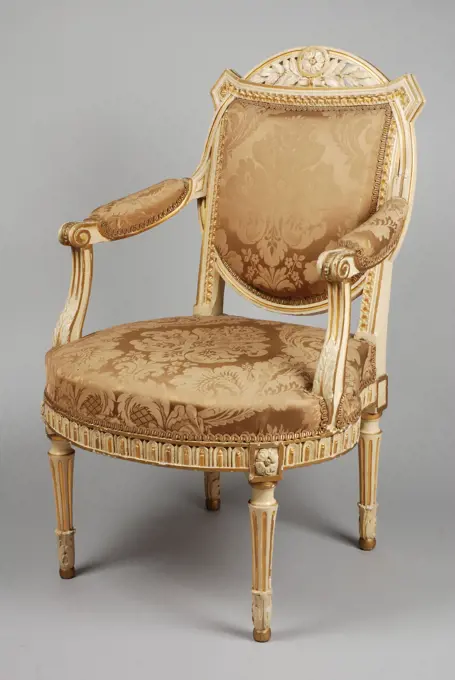
Antique Decorative Chairs

An assortment of ornate antique chairs featuring intricate woodwork, diverse materials, and upholstery, highlighting different styles and historical periods.
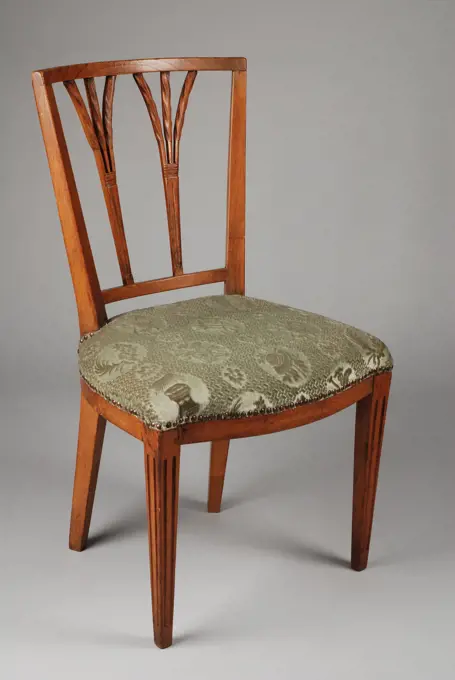
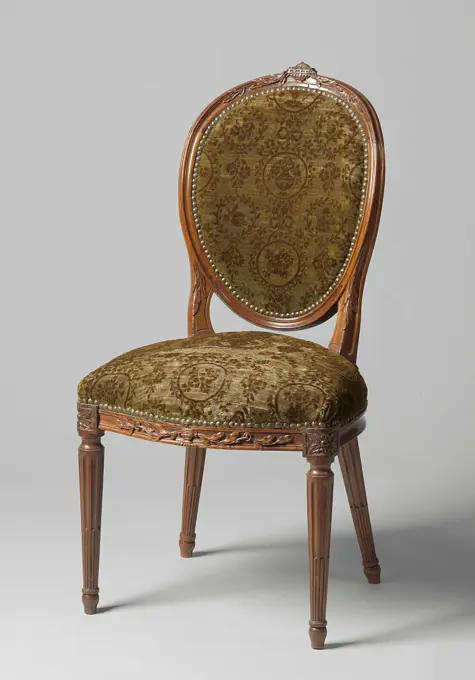
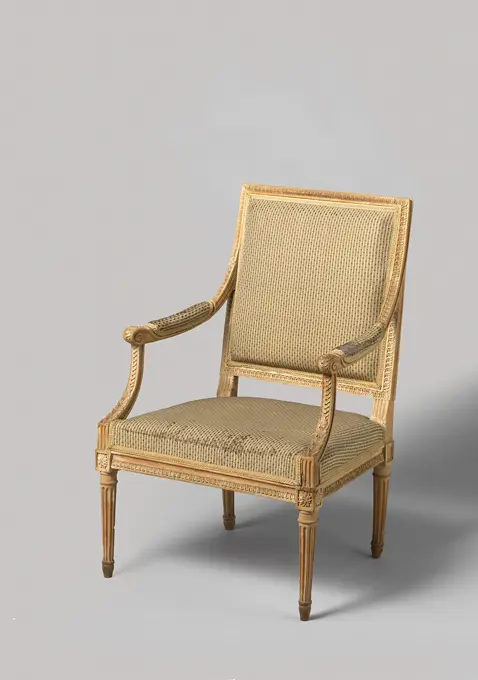
Egg-wood Louis Seize chair, chair furniture furniture interior design wood elm wood velvet, Ears of corn in the back light green velvet upholstery Louis XVI Louis XVI Louis Seize
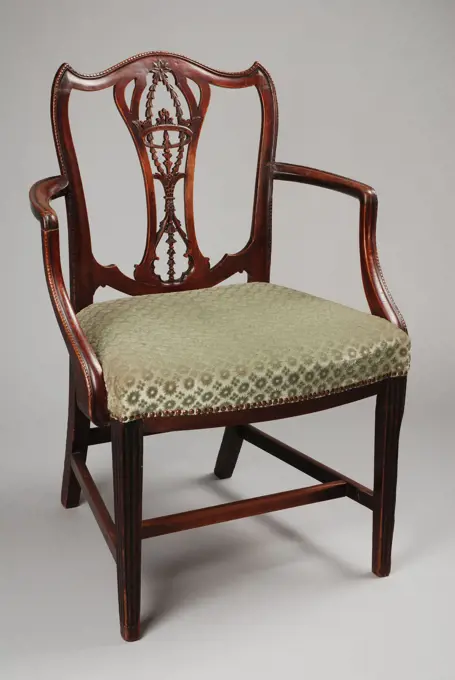
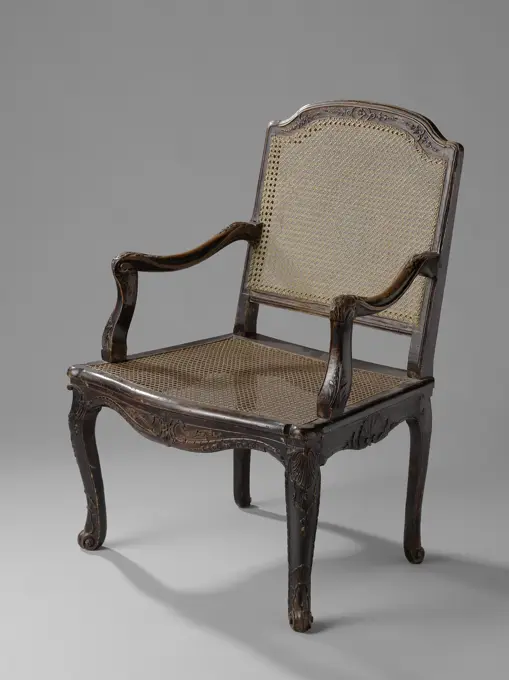
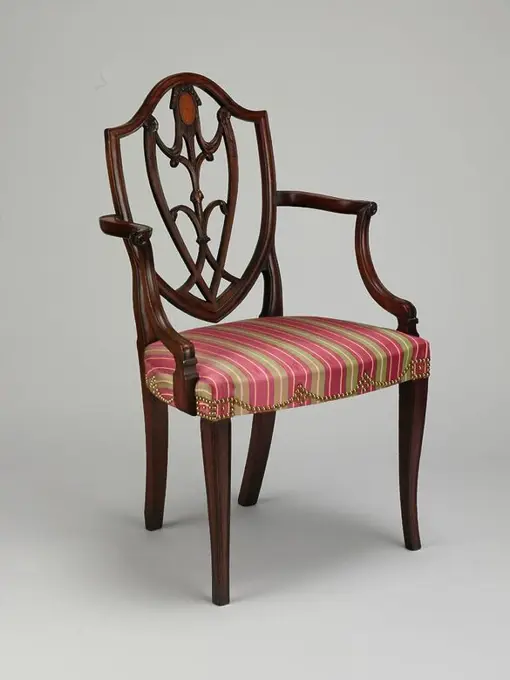
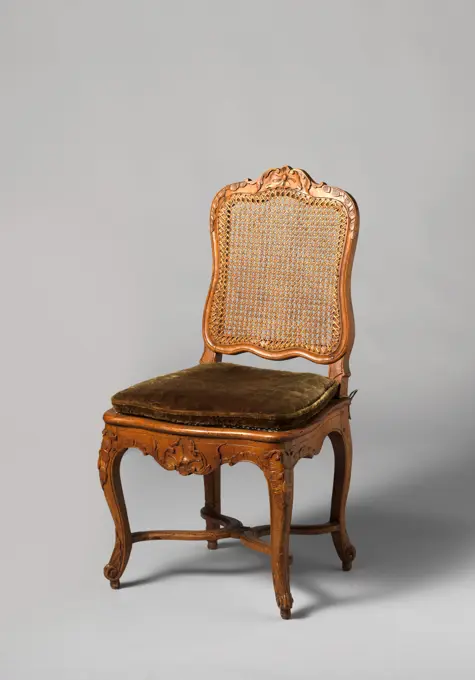
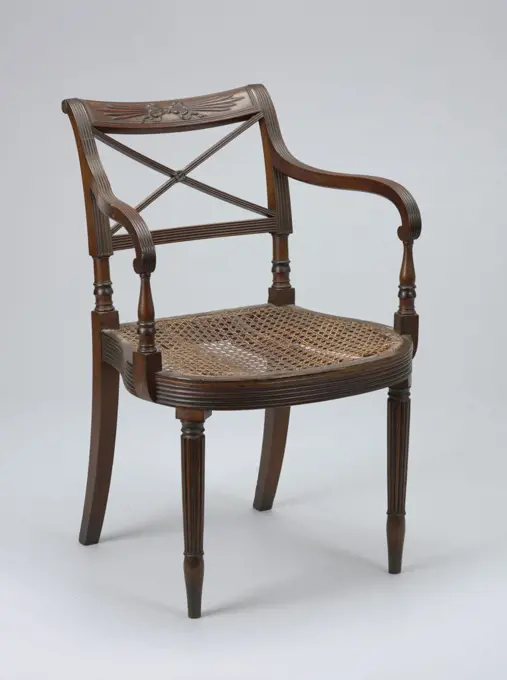
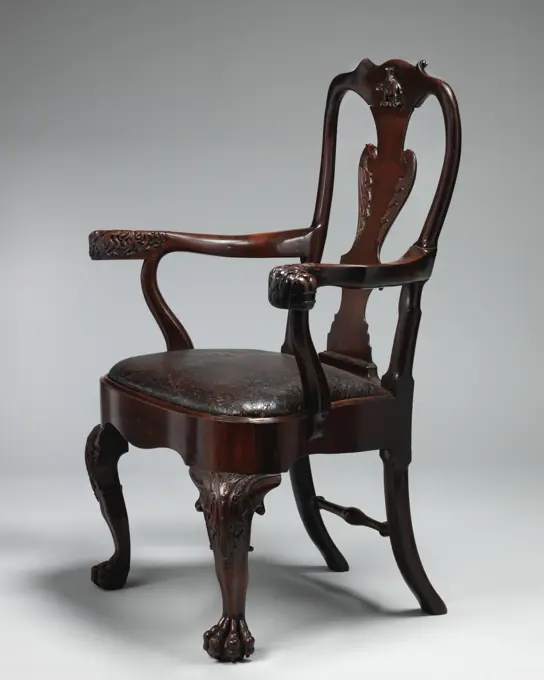
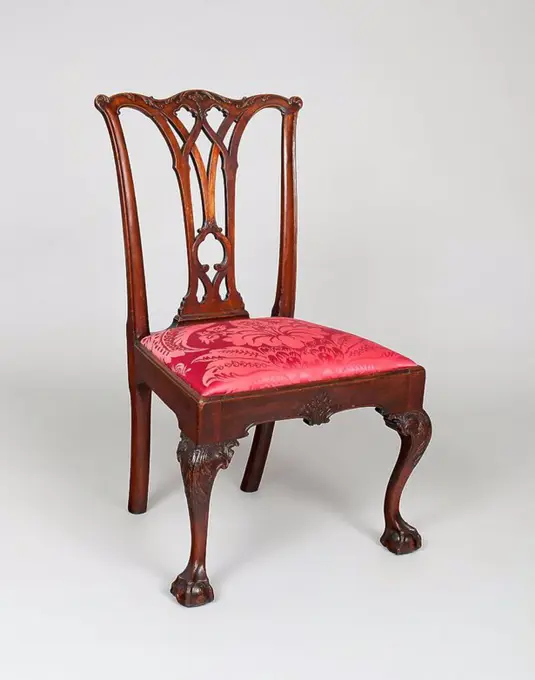
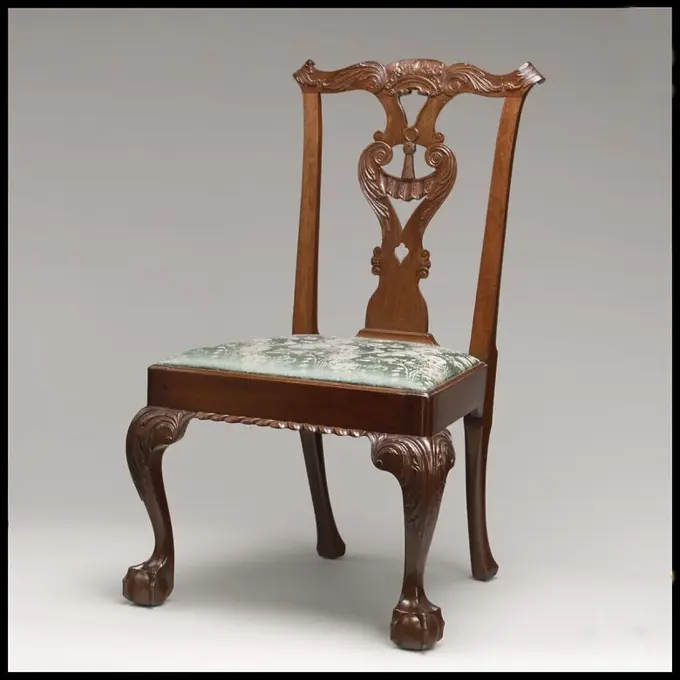
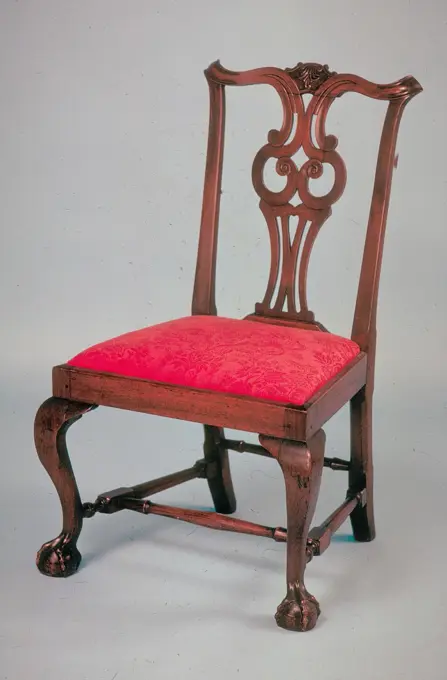
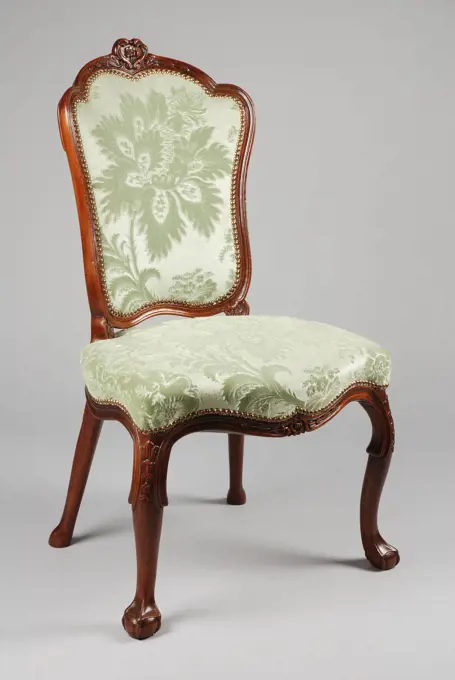
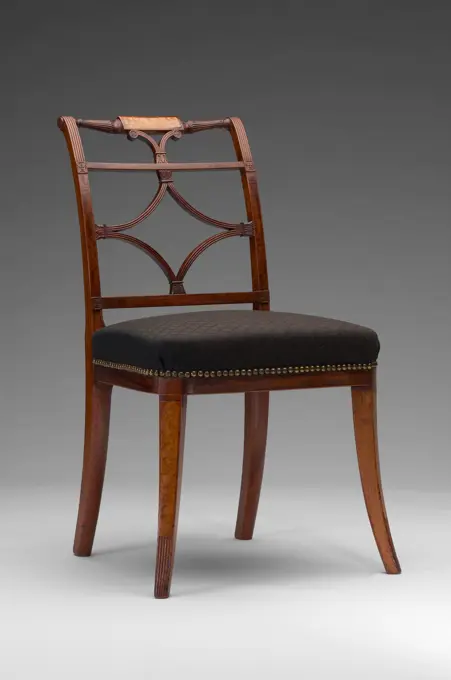
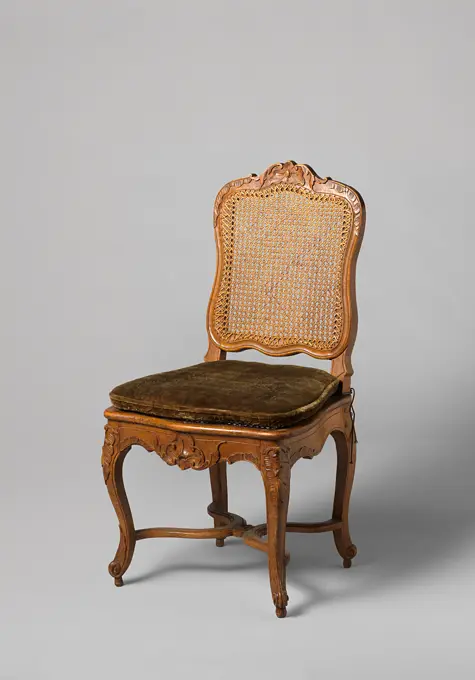
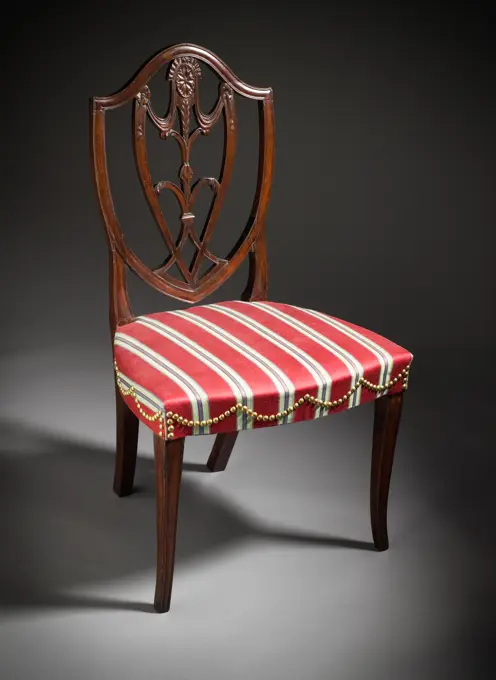
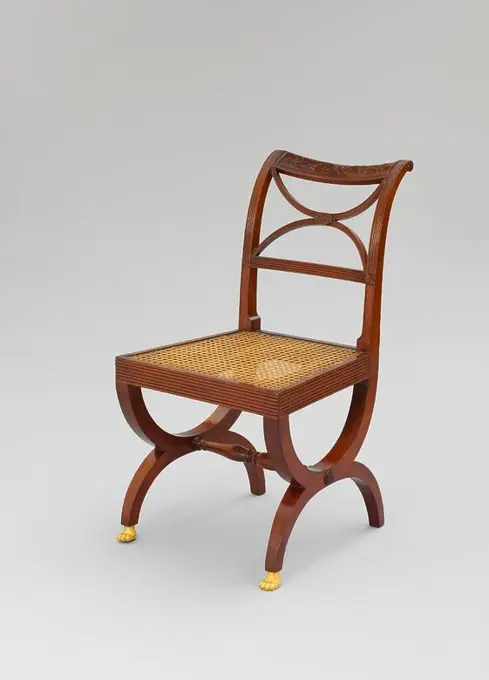
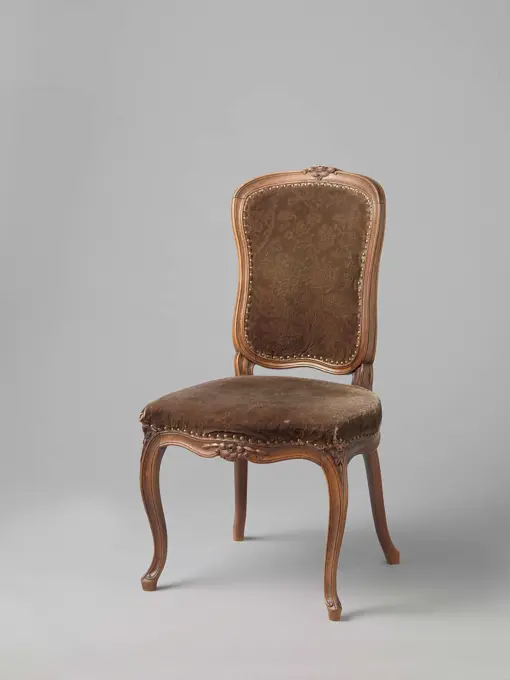
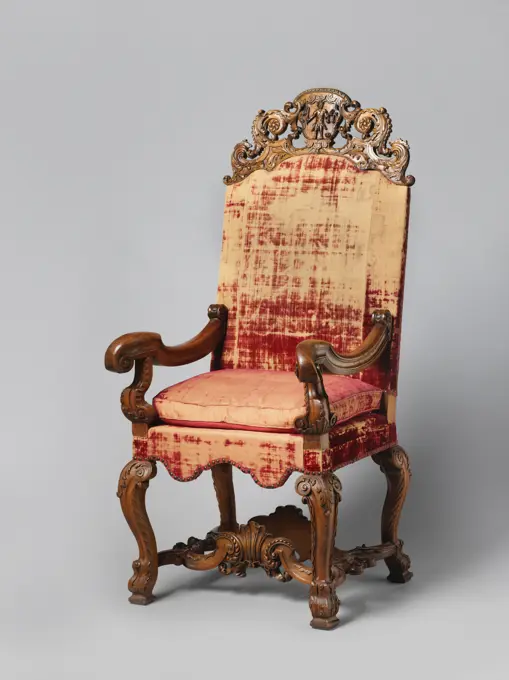
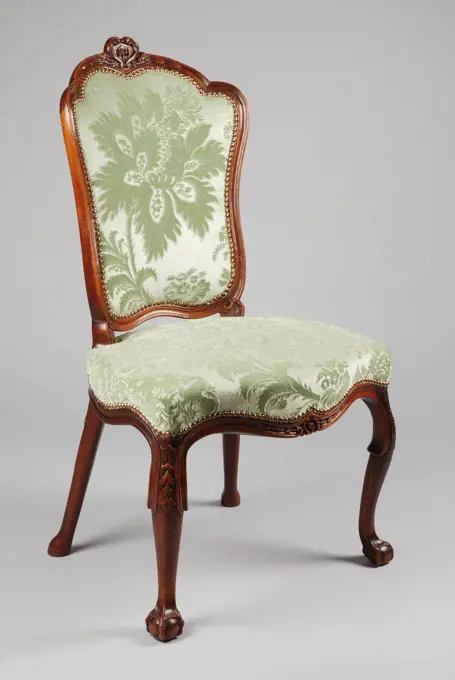
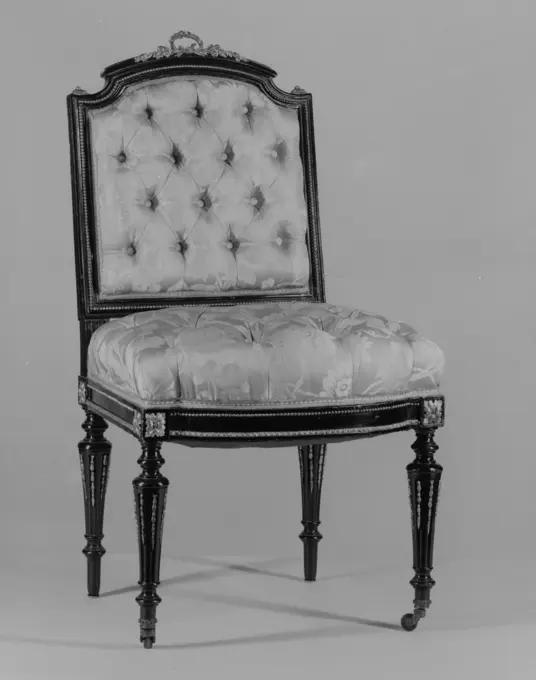
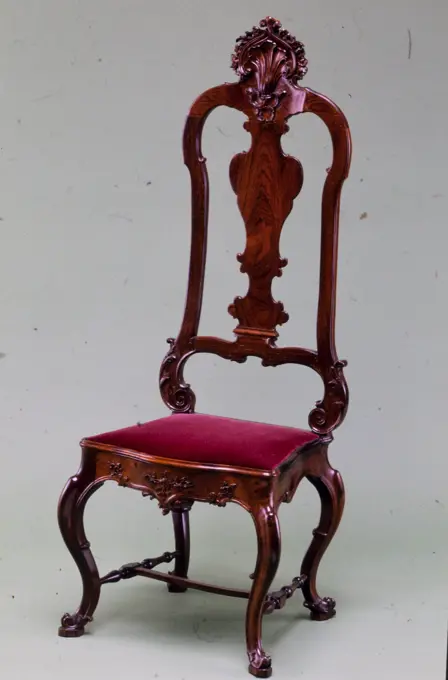
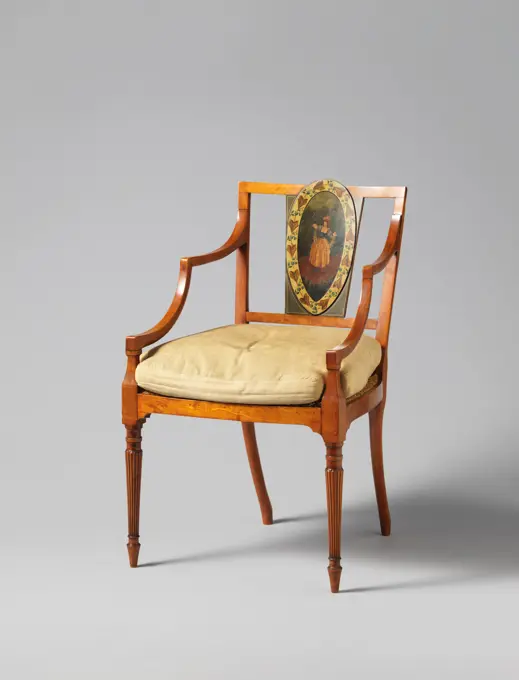
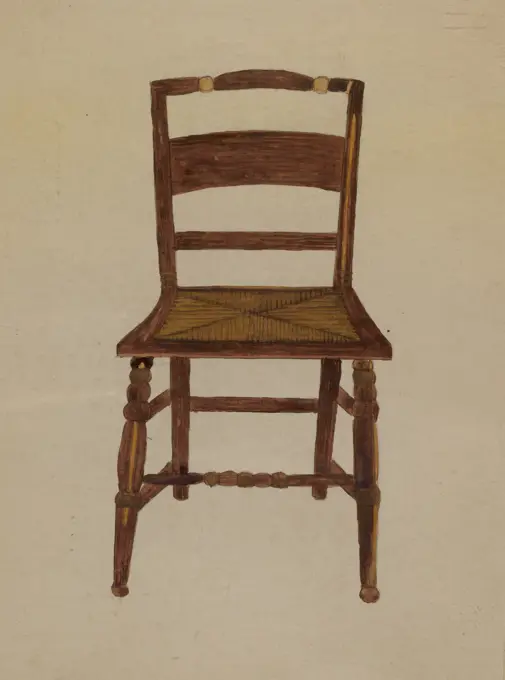
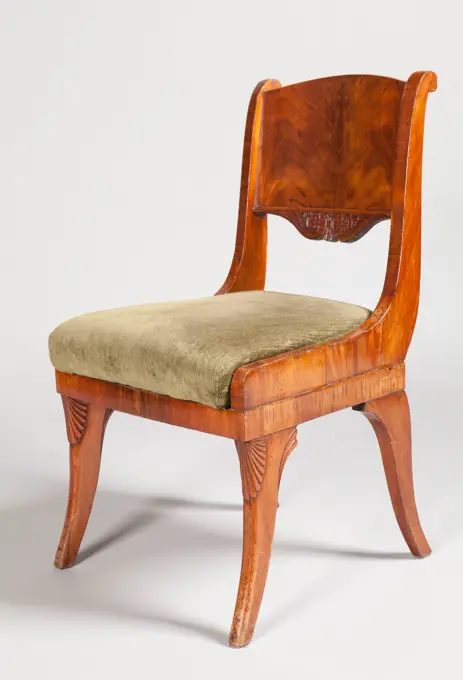
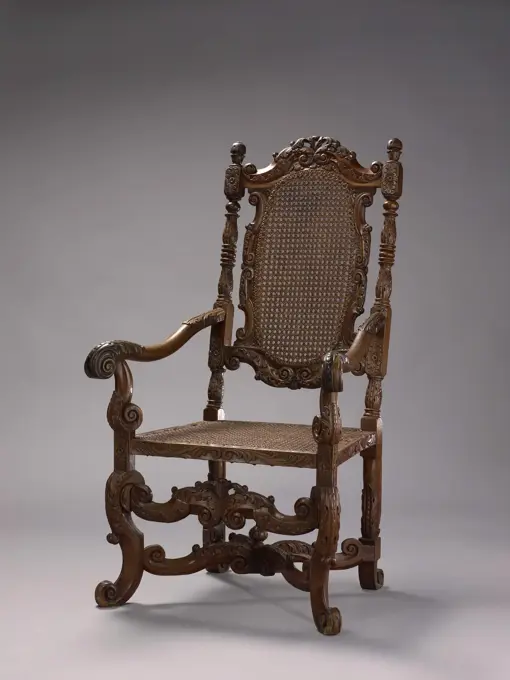
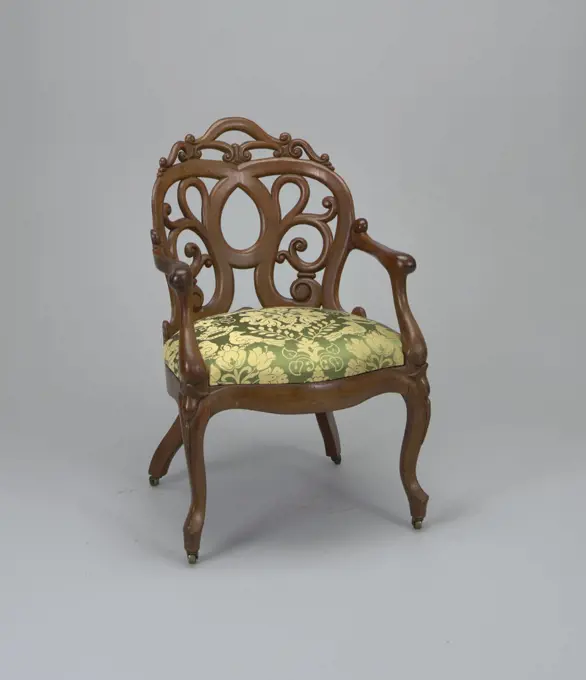
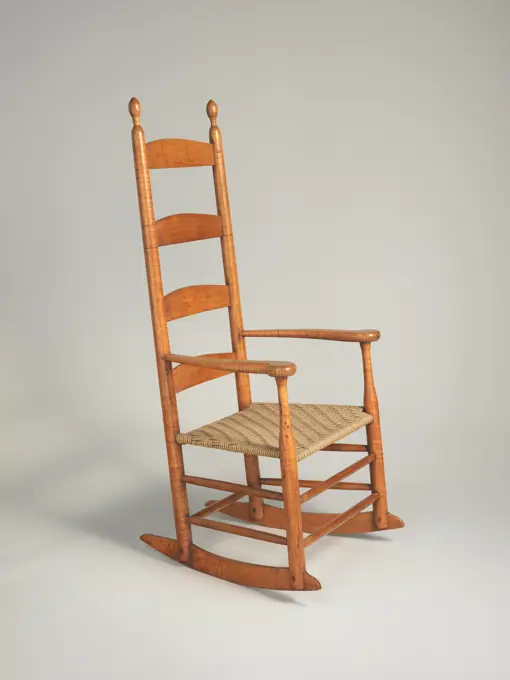
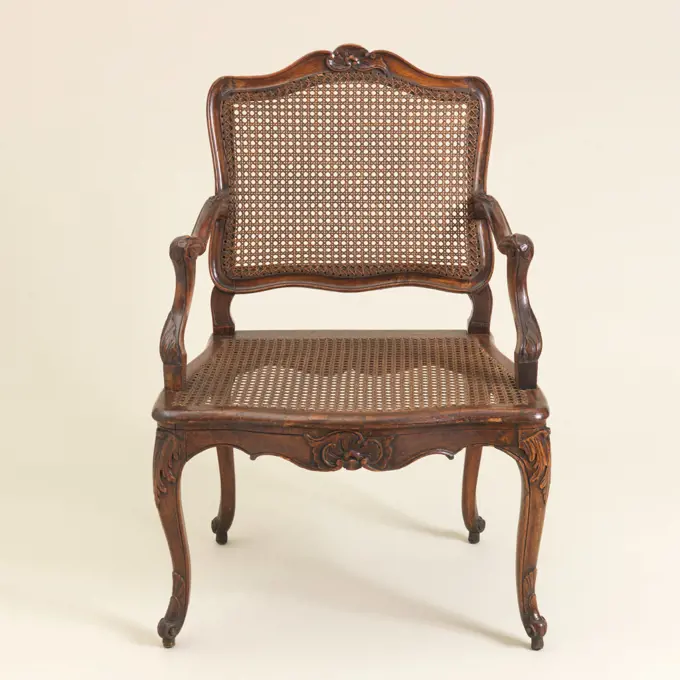
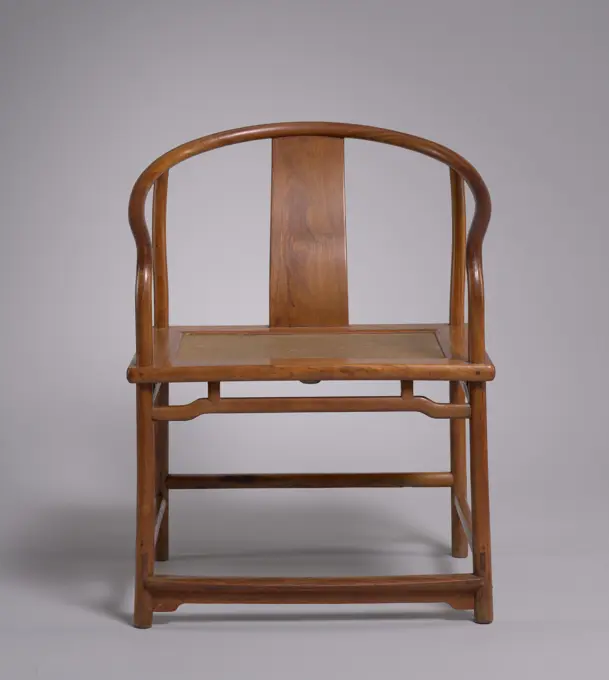
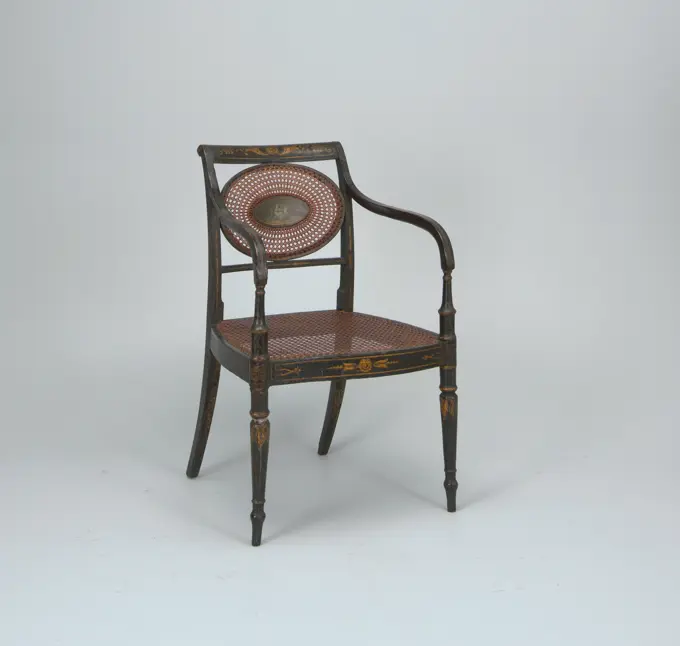
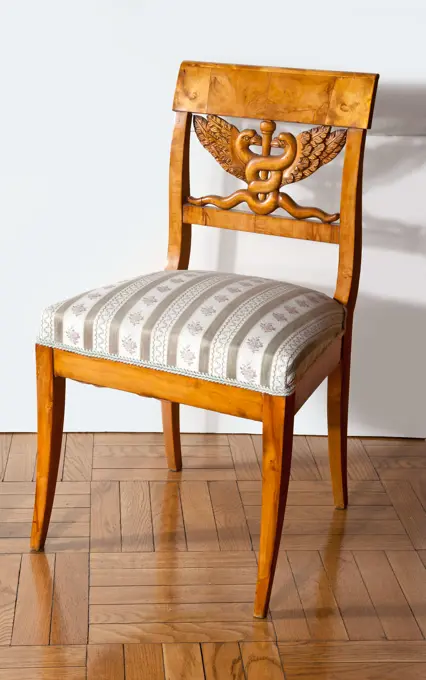
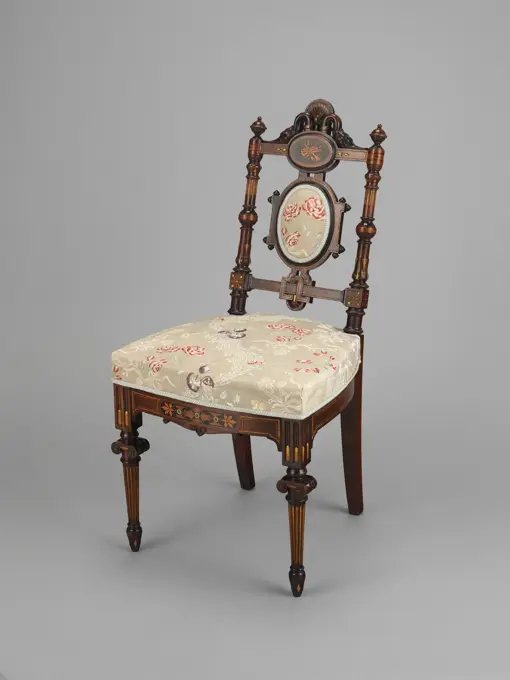
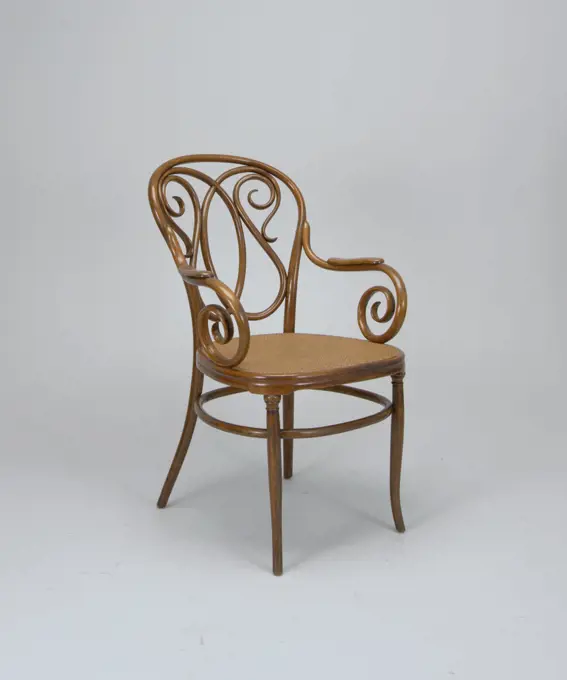
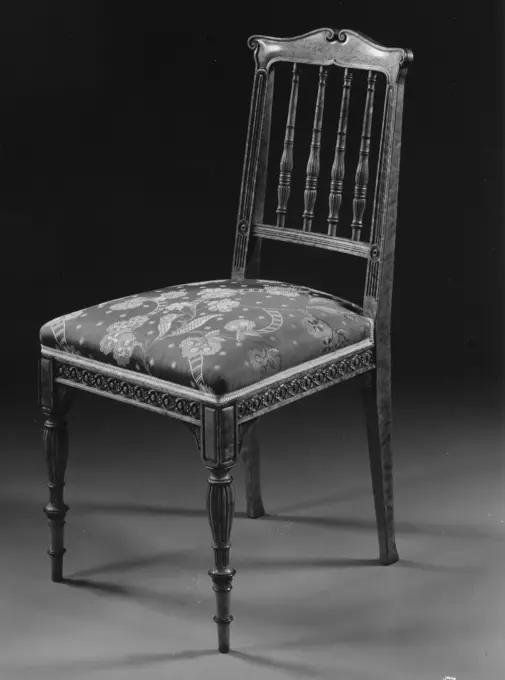
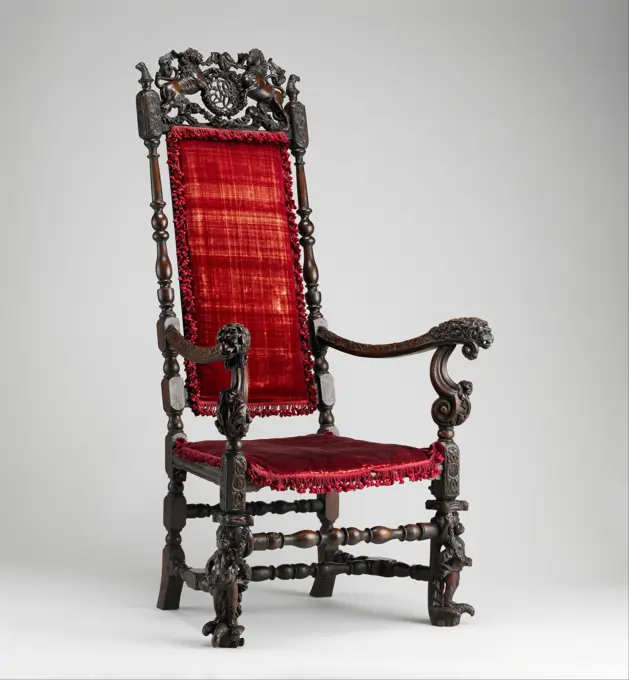
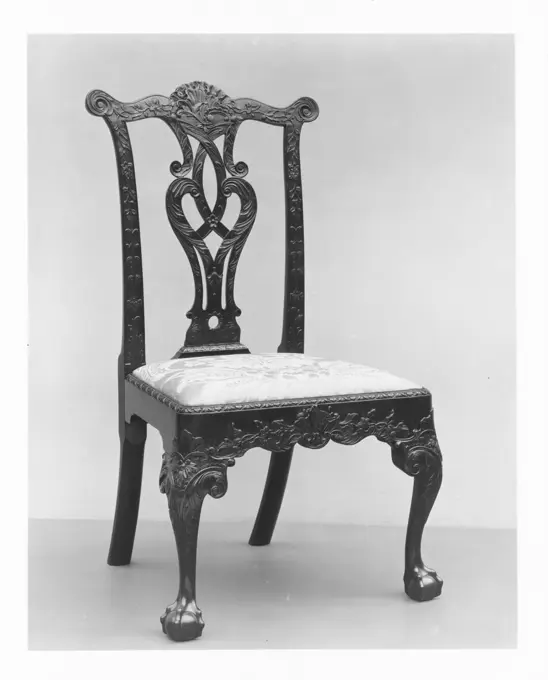
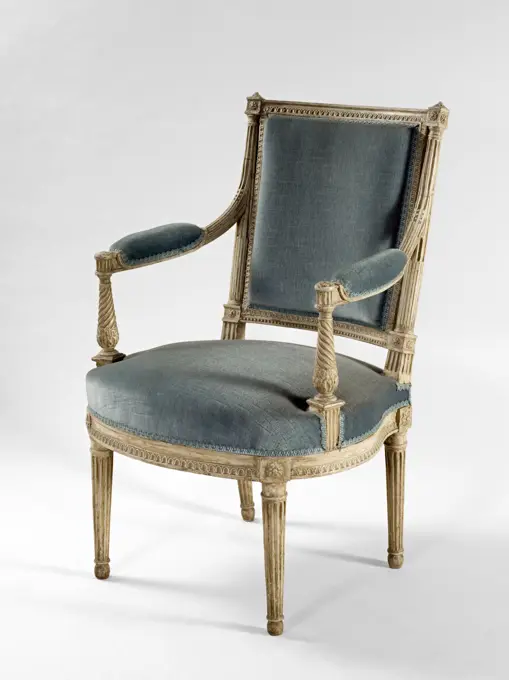
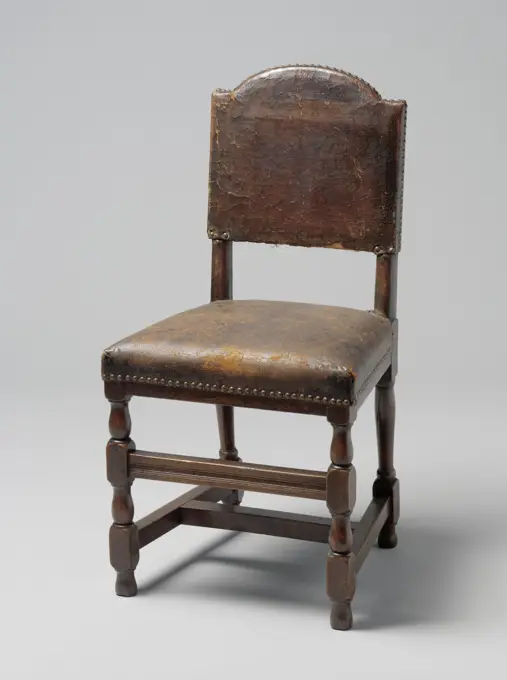
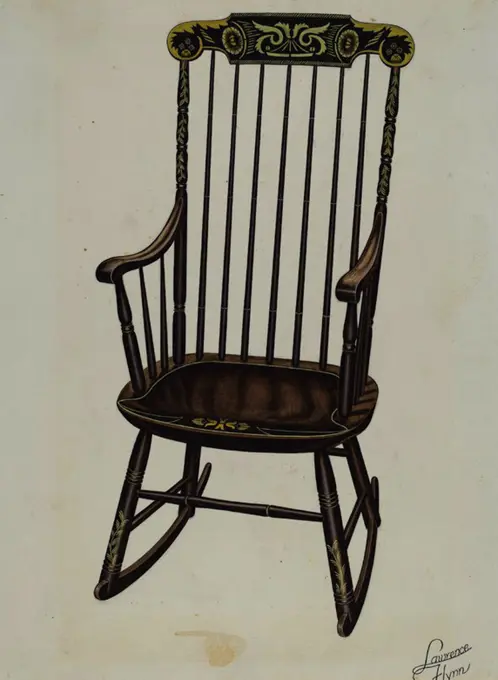
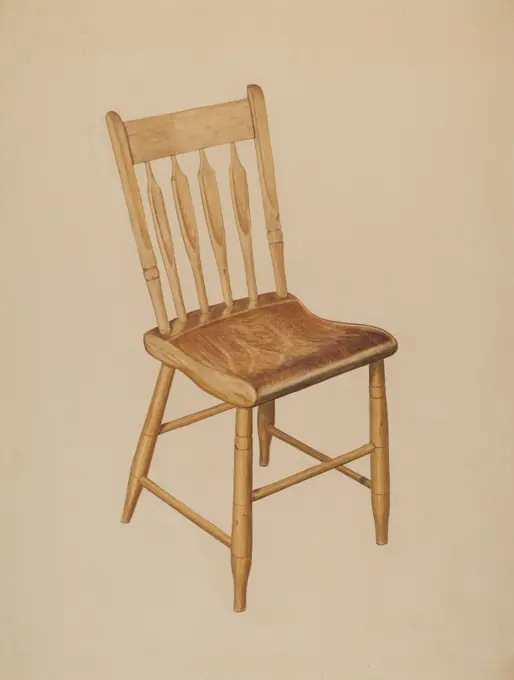
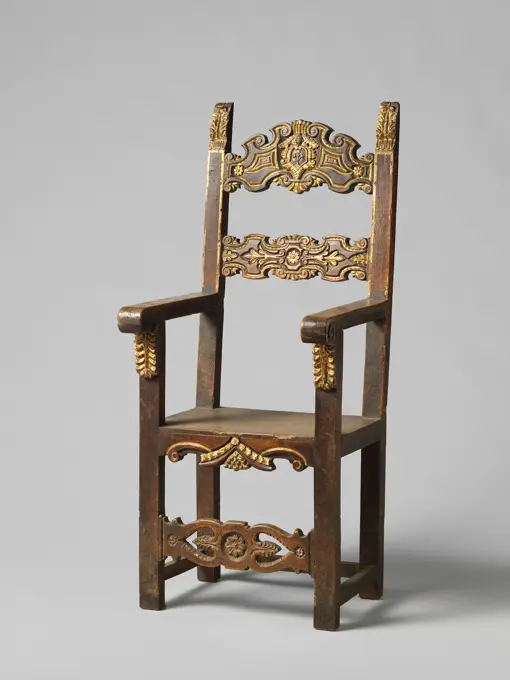
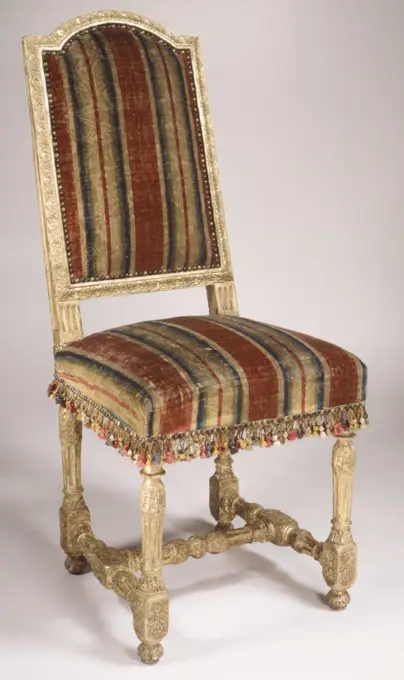
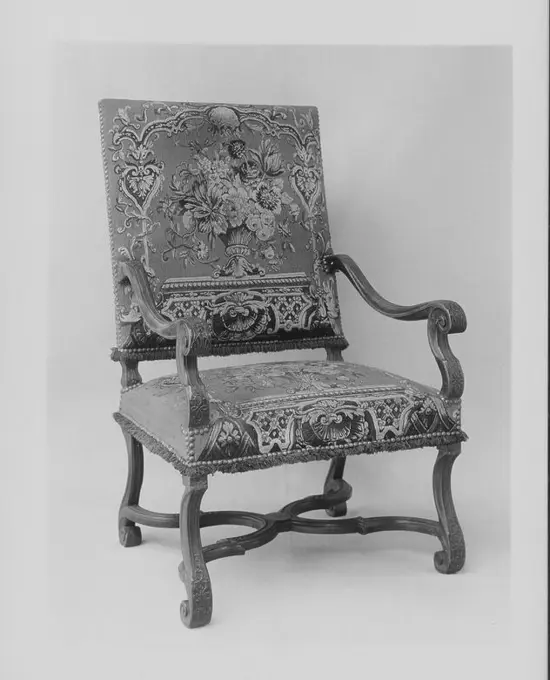
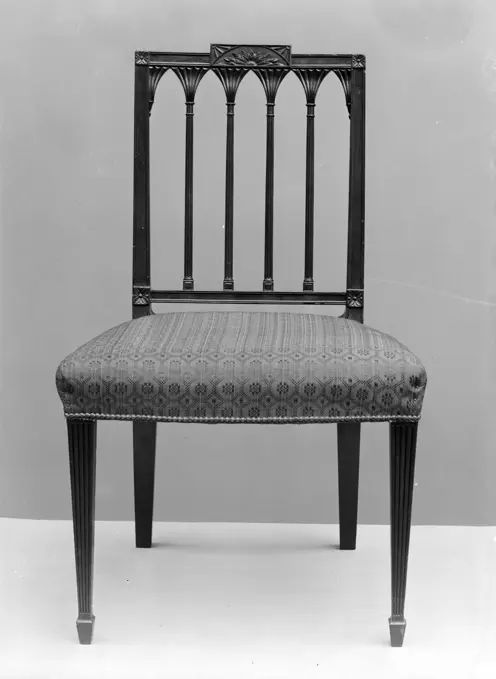
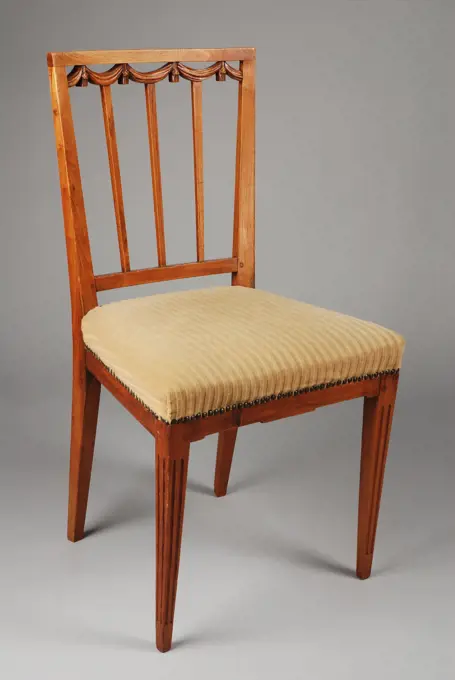
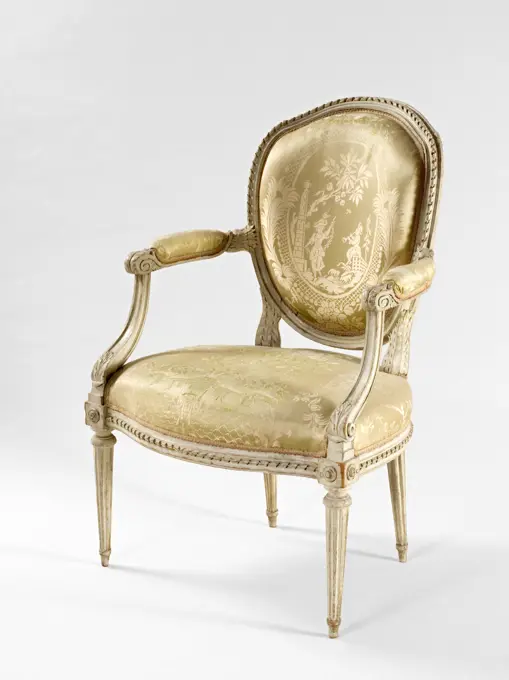
Chair. This chair was supplied by the Amsterdam upholsterer Marinus Penninck in 1739 to the new town hall of Edam, located north of Amsterdam. He delivered a total of 46 chairs and 4 armchairs. They are the earliest known chairs made in the Netherlands in the Rococo style. The chairmaker Ermans was established in Amsterdam around 1737. The back was undoubtedly made by a sculptor.Chair -Mahogany Chippendale armchair, armchair chair seating furniture furniture interior design wood mahogany beechwood velvet brass, Open worktop in which crown and garlands light green velor upholstery rejuvenated front legs with cannelures ChippendaleSide Chair. American; Northeastern Massachusetts. Date: 1755-1790. Dimensions: 91.4 × 51.8 × 40.6 cm (36 × 20 3/8 × 16 in.). Mahogany and white pine. Origin: Massachusetts, northeastern. Museum: The Chicago Art Institute, Chicago, USA.Arm chair of light brown lacquered beech wood with overhoeks placed S-shaped legs, seat and back of braided reeds, sitting rules, front legs and upper sill with leaf ornament, anonymous, c. 1730 - c. 1750 Arm chair of light brown lacquered beech wood, resting on angle-placed S-shaped legs. The trapezoidal sitting window and the back, bent from above, are made of braided reeds. The raised armrests neighborhoods outward, end in volutes and rest on the back-placed S-shaped struts. The armrests, armrest stars, scalloped seating rules, the front legs and the upper sill of the back are decorated with a sliced leaf ornament. France wood (plant material). beech (wood). Arm chair of light brown lacquered beech wood, resting on angle-placed S-shaped legs. The trapezoidal sitting window and the back, bent from above, are made of braided reeds. The raised armrests neighborhoods outward, end in volutes and rest on the back-placed S-shaped struts. The armrests, armrest stars, scalloped seating rulesIron wood chair and rattan -stretched seat (series of 4 seats), Anonymous, 1725 - 1750 Chair (series of four identical seats BK-1994-A, B, C, D) of ironwood with rattan-stretched seat. Faint backwards bent hind legs and overhoeks placed S-shaped front legs that end in Leeuklauws and are decorated at the top with shell motifs. The cross has scalloped side sports and a scalloped cross -sport. The hind legs are connected by a second transverse sport under the session. The lower edge of the seating rules on front and sides is made up of two S-Voluten with a shell motif in the middle. The high back has scalloped styles and a wide baluster -shaped center leaf that is crowned by a shell from which leaf clocks depend on leaf voltuten, and that is decorated from below with a standing leaf clock on a pedestal. Where the styles touch the center leaf, they end up with leaf motifs decorated volutes. Japan wood (plant material). ironwood. rattan Chair (series of four identical seats BK-1994-A, B, C,Egg-wood Louis Seize chair, chair furniture furniture interior design wood elm wood velvet, Ears of corn in the back light green velvet upholstery Louis XVI Louis XVI Louis SeizeArmchair. Culture: American. Dimensions: 38 1/4 x 22 3/4 x 17 3/8 in. (97.2 x 57.8 x 44.1 cm). Date: 1795-1805. Museum: Metropolitan Museum of Art, New York, USA.Chair of nut and beech wood with S-shaped overhoeks placed legs; X-shaped cross with rosette; Cut flower and leaf work, Reed back and seat, with loose pillow, anonymous, 1750 Chair of Note and Beukehout (ameblement) with s-shaped overhoeks placed legs, connected by a flung X-shaped cross with rosette. Rules and sills and legs are decorated with cut flower and leaf motifs. Back and seat of braided reeds. Loose pillow of green Shaved Trijp (Modern). See also: BK-16852-E T/M P. France wood (plant material). walnut (hardwood). beech (wood). Chair of Note and Beukehout (ameblement) with s-shaped overhoeks placed legs, connected by a flung X-shaped cross with rosette. Rules and sills and legs are decorated with cut flower and leaf motifs. Back and seat of braided reeds. Loose pillow of green Shaved Trijp (Modern). See also: BK-16852-E T/M P. France wood (plant material). walnut (hardwood). beech (wood).Chair, the back with vase -shaped center leaf, the seat with burgundy velvet, anonymous, c. 1800 - c. 1899 Chair of mahogany. The back is open with a vase -shaped center leaf. The chair has a trapezium-shaped open sitting window with a loose seat with burgundy velvet. Amsterdam (possibly) mahogany (wood). velvet (fabric weave) Chair of mahogany. The back is open with a vase -shaped center leaf. The chair has a trapezium-shaped open sitting window with a loose seat with burgundy velvet. Amsterdam (possibly) mahogany (wood). velvet (fabric weave)Chair, back with vase-shaped middle leaf, the seat with burgundy velvet. Chair of mahogany. The back is open with a vase-shaped middle leaf. The chair has a trapezoidal open seating window with a loose seat with burgundy velvet.Armchair of Jacoba of Bavaria, anonymous, c. 1560 - c. 1570 Armchair of oak. The furniture has a rectangular seat and rest on six legs. The legs are connected by rules at the bottom. The front and middle legs have the shape of Tuscan colonnets. The armrest stars have the shape of scanned Tuscan colonnets. The elongated backrest has a semicircular in voluten crowning crowning. The backrest, rules, houses and the back crown have laid work of rosewood and nuts. The back crown shows a cartouche. Northern Netherlands wood (plant material). oak (wood). walnut (hardwood). rosewood (wood) Armchair of oak. The furniture has a rectangular seat and rest on six legs. The legs are connected by rules at the bottom. The front and middle legs have the shape of Tuscan colonnets. The armrest stars have the shape of scanned Tuscan colonnets. The elongated backrest has a semicircular in voluten crowning crowning. The backrest, rules, houses and the back crown have laid work of rosewood and nuts. The back Chair of mahogany, covered with green tripe. Chair of mahogany, covered with green tripe, belonging to an amele. The hind legs deviate from the conical, fluted legs. The sitting window is round; The oval healed back window rests on C-shaped struts with acanthus leaf. The rule and the upper spray are decorated with a vase, in the middle of branches with leaves, hung on rings. See TEVENSL BK-18323-A / F and H / N.Rolland Livingstone, Chair, 1935 1942 ChairChair of mahogany, lined with green mock-velvet, Anonymous, 1775 - 1800Chair, Mahogany; caning, Rounded reede seat rail; rounded and reeded tapering legs. Top rail carved with 'thunderbolt design' representing streaks of lightning, tied with bow. Below top rail, two diagonal, crossing bars, reeded. Arm reeded on top surface; supported on urn-shaped baluster., New York, USA, ca. 1812, furniture, Decorative Arts, ChairArmchair. American; Boston, Massachusetts. Date: 1690-1725. Dimensions: 123.2 × 58.4 × 43.2 cm (48 1/2 × 23 × 17 in.). Maple with leather. Origin: Boston. Museum: The Chicago Art Institute, Chicago, USA.Anonymous, convertible armchair (main title). Wood, embroidered fabric with flowers. Petit Palais, Museum of Fine Arts of the City of Paris.Armchair ca. 1730 British. Armchair. British. ca. 1730. Mahogany. Woodwork-FurnitureArmstoel, anonymous, 1600 Armchair of walnut. The square legs run into the back in the backstyles and in front of the armrest stars. The front legs are connected by a processed flat pre -line; The hind legs through a flat, above and below sawn, rule. The front and hind legs are again connected by low-placed rules that are accolade-shaped from below. The stretched S-shaped armrests end in volutes. The leather upholstery of the back and seat is nailed with copper nails. See: BK-16879-B. Spain wood (plant material). walnut (hardwood). leather. copper (metal) Armchair of walnut. The square legs run into the back in the backstyles and in front of the armrest stars. The front legs are connected by a processed flat pre -line; The hind legs through a flat, above and below sawn, rule. The front and hind legs are again connected by low-placed rules that are accolade-shaped from below. The stretched S-shaped armrests end in volutes. The leather upholstery of the back and seat is nailed with coppeDining Room chair. Peter Bonnett Wight; American, 1838-1925. Date: 1876. Dimensions: 35 1/2 × 20 × 23 in. (overall). Oak and cane. Origin: United States. Museum: The Chicago Art Institute, Chicago, USA.Armchair. Dated: c. 1937. Dimensions: overall: 30.1 x 22.5 cm (11 7/8 x 8 7/8 in.) Original IAD Object: none given. Medium: watercolor, colored pencil, graphite and some heightening on paperboard. Museum: National Gallery of Art, Washington DC. Author: ARTHUR JOHNSON.Chair with upholstery of pressed velvet with a backdrop of a cleaved men's head in profile. Chair of mahogany, lined with green pressed velvet, in the back with a pattern of a medallion surrounded by leaf raft, awarded by a garland. In the medallion a mans head in profile. The square legs rejuvenated down; The hind legs neighborhoods. The rule is bent between straight corner pieces and, like the upper spray, is under a garland, a raised man head. The sills of the trapezoidal back are weakly arranged.Side Chair. American; Philadelphia, Pennsylvania. Date: 1755-1775. Dimensions: 96.5 × 55.9 × 40.6 cm (38 × 22 × 16 in.). Mahogany, yellow pine, white pine, and Atlantic white cedar. Origin: Philadelphia. Museum: The Chicago Art Institute, Chicago, USA.Side Chair. Culture: American. Dimensions: 38 7/8 x 24 1/4 x 22 1/4 in. (98.7 x 61.6 x 56.5 cm). Date: 1755-90. Museum: Metropolitan Museum of Art, New York, USA.Pair of SideChairsWalnut Régence chair, chair furniture interior design wood walnut velvet rattan, High braided backrest and red velvet seat twisted legs and lines of sitting under seat with inserted ornaments régence Daniel MarotChair of mahogany, covered with tripe with a continuous pattern of ovals hanging on bakes in which a flower on a striped soil. Chair of mahogany, covered with tripe with a continuous pattern of beans hanging ovals in which a flower on a striped soil. The square legs are channeled. The front seat is decorated in the middle with a laurel wreath and a pendulum. The back window is parallelogrammed and rolled. The upper shell is decorated with a straight vase and laurel garland. The coating is attached with gold-plated heads. The chair belongs to an amele (inv.no. BK-16145-A to -G).Mahogany rococo chair, chair seating furniture furniture interior design wood mahogany velvet, Seat and backrest covered with light green velvet decorated with carving flowers cogwheels Rotterdam City Triangle Hoogstraat North Oude Noorden Gerard Scholtenstraat Heilige Geesthuis Oudemannenhuis Oude mannenhuis Heiligegeesthuis rococo Object was until 1972 part of the inventory of the Heiligegeesthuis at the Gerard Scholtenstraat From 1898 to 1972 the 'Heiligegeesthuis' was located in this building.Armchair. unknown, creatorSideChair. Maker, probably by: Thomas Seymour, American, 1771-1848Maker, possibly by: John Seymour, American, 1738-1818Chair of nut and beech wood with s-shaped overhoeks places placed; X-shaped cross with rosette; Sliced flower and leafwork, back and seat of reeds, with loose cushion. Loose from note and beech wood (amublement) with s-shaped overhoeks places placed, connected by a swapped X-shaped cross with rosette. Rules and sills and legs are decorated with sliced flower and leaf motifs. Back and seat of braided reeds. Loose kisses from green shaved tripe (modern). See also: BK-16852-e up to P.Arm chair with flinged legs, covered with black, quoted velvet with a pattern of symmetrical corrupted grenade motifs and acanthus leaves, anonymous, 1675 - 1700 Arm chair of nuthout, covered with black, ciseled velvet. The furniture has hurled legs, connected by an H-shaped cross and a pre-sport. The armrests rest on flagging armrest stars, are rolled and end in a volute, which is decorated with an acanthus leaf as well as the back. The pattern of the upholstery consists of symmetrical corrupted grenade motifs and acanthus leaves. The fringe is black, worked with narrow yellow piping and decorated with tassels. Northern Netherlands wood (plant material). walnut (hardwood). velvet (fabric weave) Arm chair of nuthout, covered with black, ciseled velvet. The furniture has hurled legs, connected by an H-shaped cross and a pre-sport. The armrests rest on flagging armrest stars, are rolled and end in a volute, which is decorated with an acanthus leaf as well as the back. The pattern of the Shield-back Side Chair with Drapery and Plume-Carved SplatSide Chair (France); wood (walnut), paintLaw chair of mahogany with a yellow silk upholstery, anonymous, 1800 - 1815 Law chair of mahogany wood with a yellow silk upholstery that shows a central motif on the seat and on the back and is further printed with small rosettes. The legs rejuvenate. The front legs rest on small claw feet; The hind legs are saber -shaped. The back is bent backwards. The armrest pits end in a green painted Egyptian cup, with gilded hair. Below are a gilded bronze palmet and rosette. The straight armrests end up in flower skins at the back. Northern Netherlands (possibly)Netherlands (possibly) wood (plant material). mahogany (wood). elm (wood). silk. bronze (metal) gilding Law chair of mahogany wood with a yellow silk upholstery that shows a central motif on the seat and on the back and is further printed with small rosettes. The legs rejuvenate. The front legs rest on small claw feet; The hind legs are saber -shaped. The back is bent backwards. The armrest pits end in a green painted Egyptian cup, witSide Chair. Culture: American. Dimensions: 32 3/4 x 17 3/4 x 16 1/4 in. (83.2 x 45.1 x 41.3 cm). Maker: Attributed to Duncan Phyfe (1770-1854). Date: 1791-1818. Museum: Metropolitan Museum of Art, New York, USA.Sheffield armchair Armchair; Designed by Stephen Webb (English, active 1870 - 1885); Made by Johnston & Appleyard; England; rosewood, english walnut, ivory inlay, modern silk upholstery; 86.2 x 55.5 x 58.1 cm (33 15/16 x 21 7/8 x 22 7/8 in. ); 1968-11-1Side Chair 1825-1835 Vienna. Solid walnut with walnut veneer; modern upholstery .Windsor Armchair. J.M. Hasbrouck; American, 18th century. Date: 1752-1787. Dimensions: 36 3/8 × 22 1/4 in. Tulip, maple, oak, and ash. Origin: Kingston. Museum: The Chicago Art Institute, Chicago, USA.SidechairSide chair, carved mahogany, Germany, late 18th century, furniture, Decorative Arts, Side chairChair with overhoeks placing s-shaped legs on boxing hooves. Chair belonging to Ameublement consisting of six coated walnut chairs and one armchair, resting on overhoeks stated S-shaped legs on boxing hooves, which proceed in the seating. It was rounded at the front, sitting room wears decorations in floral pattern; As well as the upper spray of the elongated coated back window that is slightly scalloped from below and from the side. The stretched S-shaped armrests are supported by backwards stated S-shaped struts with volute and acanthus blade decoration.Chair with shell motif, anonymous, 1700 - 1750 Chair of Notenhout. The piece of furniture has a loose -up cover on the seat and a reed cover on the back. The rest on overhoeks placed, s-shaped legs; The front legs are decorated on the swelling with a shell and a clock. The back window is slightly horizontal and has stretched in the upper part in the upper part. The upper sill shows broken C-Voluten on either side of an open-up center piece with a shell motif above a panel and bells. Northern Netherlands wood (plant material). walnut (hardwood). Chair of Notenhout. The piece of furniture has a loose -up cover on the seat and a reed cover on the back. The rest on overhoeks placed, s-shaped legs; The front legs are decorated on the swelling with a shell and a clock. The back window is slightly horizontal and has stretched in the upper part in the upper part. The upper sill shows broken C-Voluten on either side of an open-up center piece with a shell motif above a panel and bells. NorthernHoward Weld, Heart and Crown Chair, c 1936 Heart and Crown ChairRaid chair from walnut and elm wood, covered with red velvet and with a loose pillow. With inserted attachment with acanthus volutes and shield with lambrequins with depicting Justitia. Right seat made of walnut with front legs and armrest struts from Iepenhout, lined with red velvet and with a loose cushion. Resting on overhoeks S-shaped legs places, decorated with acanthus leaf. The armrests have been rolled and end in a volute. The upper shell has a stunned attachment, decorated with acanthus volutes on either side of a shield with lambremen, on which Justitia is. Probably the presidential seat at the Hof van Holland, Zeeland and W. Friesland in 's-Gravenhage.Mahogany rococo chair, chair seating furniture furniture interior design wood mahogany velvet, Seat and backrest covered with light green velvet decorated with carving flowers cogwheels Rotterdam City Triangle Hoogstraat North Oude Noorden Gerard Scholtenstraat Heilige Geesthuis Oudemannenhuis Oude mannenhuis Heiligegeesthuis rococo Object was until 1972 part of the inventory of the Heiligegeesthuis at the Gerard Scholtenstraat From 1898 to 1972 the 'Heiligegeesthuis' was located in this building.Side Chair ca. 1860 Léon Marcotte French This side chair is part of a suite of Louis XVI-style furniture that John Taylor Johnston (1820-1893) purchased from the firm of Ringuet-Leprince and L. Marcotte in about 1856. This international firm had showrooms in both Paris and New York, and it is believed that at least some of the pieces of the suite were made in Paris for the New York commission. Johnston, a railroad executive and the first president of The Metropolitan Museum of Art, used the furniture in the music room of his residence at 8 Fifth Avenue. The suite (68.69.1-68.69.11, 68.165.1-68.165.6) includes two sofas, two armchairs, a table, two matching cabinets, a third large cabinet, six matching side chairs, a pair of lyre-back side chairs, and a firescreen. After Ringuet-Leprince retired in 1860, the firm became known as L. Marcotte and Company. Léon Marcotte was New York's most noted cabinetmaker and interior decorator during the 1860s.. Side Chair 1873Side chair, c. 1750-1775, 57 1/2 x 20 1/2 x 18 1/8 in. (146.05 x 52.07 x 46.04 cm), Rosewood and modern upholstery, Portugal, 18th century, This rococo chair formed part of a suite of furniture that included twelve side chairs, four armchairs, and a settee, one of which is in the Museu Nacional de Arte Antiga in Lisbon, Portugal. The chair in Lisbon retains its original tooled leather seat.Chair of Mahoniehout, covered with green Trijp, Anonymous, 1775 - 1800 Chair of Mahoniehout, covered with green trijp, belonging to an ameblement. The hind legs of the conical, scanned legs are backwards. The sitting window is round; The oval hired back window rests on C-shaped struts with acanthus leaf. The front rule and the top sill are decorated with a vase, in the midst of branches with leaves, hung on rings. See also: BK-18323-A/C and E/N. Northern NetherlandsNetherlands wood (plant material). mahogany (wood). Chair of Mahoniehout, covered with green trijp, belonging to an ameblement. The hind legs of the conical, scanned legs are backwards. The sitting window is round; The oval hired back window rests on C-shaped struts with acanthus leaf. The front rule and the top sill are decorated with a vase, in the midst of branches with leaves, hung on rings. See also: BK-18323-A/C and E/N. Northern NetherlandsNetherlands wood (plant material). mahogany (wood).Chair of partially veneered and painted Satijnhout, Anonymous, 1785 - 1800 A partially veneered and painted satin wood chair, resting on a canaled conical articulated front legs and backwards bent hind legs. The connection between the armrest pits and the faintly curved armrests is C-shaped. The back is slightly bent and decorated in the middle with a vertical connection, on which painted medallions, free to 18th-century representations. The seat is stretched with reeds and equipped with loose embroidered pillows. See also: BK-16137-B to f. Great Britain wood (plant material). satinwood (wood). rattan. textile materials A partially veneered and painted satin wood chair, resting on a canaled conical articulated front legs and backwards bent hind legs. The connection between the armrest pits and the faintly curved armrests is C-shaped. The back is slightly bent and decorated in the middle with a vertical connection, on which painted medallions, free to 18th-century representations. The sGenevieve Sherlock, Chair, 1935 1942 ChairChair. Armchair from walnut. The furniture is stretched with cane and has broken S-shaped legs decorated with a full-length and acanthus sheet. The cross is X-shaped. Detached corner styles of the high back show home and sections with acanthus leaf and end in vases. The arm struts in the form of S volutes carry the armrests, which have been rolled and end up in the outside-oriented volutes, decorated with acanthus leaf, as well as the back. The houses have rosettes and the seating rules are decorated with acanthus leaf.Armchair, Mahogany, laminated ash, oak and other woods, Armchair with shaped openwork back, curved in plan; serpentine arms join back to scrolled front of seat; cabriole front legs, curved and splayed rear legs, all fitted with castors. Seat upholstered in green and cream colored fabric., New York, New York, USA, 1860-67, furniture, Decorative Arts, ArmchairFolding bed chair (porter's chair) ca. 1760 probably Dutch. Folding bed chair (porter's chair) 189148 probably Dutch, Folding bed chair (porter's chair), ca. 1760, Mahogany and oak, Overall: 54 1/2  36 in. (138.4  91.4 cm). The Metropolitan Museum of Art, New York. Gift of T.H. Fitzhenry, 1906 (06.939)Mahonie arm chair, inlaid with ebony and mother -of -pearl, Theo Nieuwenhuis, c. 1900 Mahonie arm chair, inlaid with ebony and mother -of -pearl. Attributed to T.W. Nieuwenhuis. Netherlands mahogany (wood). horsehair. ebony (wood). mother of pearl. Mahonie arm chair, inlaid with ebony and mother -of -pearl. Attributed to T.W. Nieuwenhuis. Netherlands mahogany (wood). horsehair. ebony (wood). mother of pearl.Armchair, Wood, metal, upholstery, Open armed armchair, back and seat covered in tapestry attached via brass buttons, curvilinear legs and stretchers at base. Chair's armrails depart from halfway up chair-backs, dipping and swinging outwards., Europe, early 18th century, furniture, Decorative Arts, Armchairjoiner, Rococo chair with bird and camel in the backrest, chair furniture furniture interior design wood walnut elmwood burr walnut silk, cut stitched veneered Above the seat in the backrest sea monster; seahorse head on the left Pendant of 80485 stamped number under the seat: XIII home interior rococo shippingLadderback Chair. Dated: 1935/1942. Dimensions: overall: 35.4 x 24.1 cm (13 15/16 x 9 1/2 in.) Original IAD Object: none given. Medium: watercolor, colored pencil, graphite, and some heightening on paperboard. Museum: National Gallery of Art, Washington DC. Author: Albert Ryder.Mahogany rococo chair, chair furniture furniture interior design wood mahogany velvet brass, Bolcock legs and green velvet covering with sunflowers Rotterdam City center Stadsdriehoek Hoogstraat Heilige Geesthuis Oudemannenhuis Old man house Heiligegeesthuis rococoRosalie Side Chair; Attributed to John Henry Belter (American, b. Germany, 1804 - 1863); USA; laminated rosewood, hardwood, cotton upholstery, metalRocking Chair 1820-50 United Society of Believers in Christs Second Appearing (“Shakers”), Mount Lebanon, New York Previously reserved for the elderly and infirm, rocking chairs became ubiquitous in America after the Revolution. The Shakers produced slat-back rocking chairs both for their own use and for sale to the outside world. On this example, the oval finials, round hand grips, and shaped blades suggest it was made in the New Lebanon, New York, community.. Rocking Chair. American, Shaker. 1820-50. Maple, birchRegence style caned fauteuil, carved beech wood, Curvate rectangular back, caned, posts and rails chanelled; crested with a rocaille ornament. Curved arms, stumps carved with coarse leaf forms. Caned seat rails are serpentine, carved with shell and scroll designs. Cabriole front and rear legs, scrolled feet., France, ca. 1725, furniture, Decorative Arts, Armchair, ArmchairRoundback Armchair: Lohan Type, 1600s-1700s. China, Ming dynasty (1368-1644) or Qing dynasty (1644-1911). Rosewood (huanghuali); overall: 86 x 58.4 cm (33 7/8 x 23 in.). Following the tradition of sitting cross-legged on an elevated platform, this armchair allows the sitter to rest their feet on the stretcher between the front legs, or to pull their legs up resting their shoes on the stretcher. The existence of such chairs in pairs suggests that they were used in more formal settings reserved for important guests and family members of age and high status. Similar chairs with low, straight backs were presumably used by women or in a less formal context.Armchair (England); wood (beech), painted and gildedChair. Schinkel, Karl Friedrich (1781-1841), designer, unknown, authorChair 1869-70 Herter Brothers Cabinetmaker Gustave Herter immigrated to America in 1848, joining thousands of Germans fleeing famine, a depressed economy, and political upheaval. Gustaves younger brother, Christian, arrived in 1859, and the pair formed the esteemed furniture and decorating company, Herter Brothers, in 1864. This chair, which features fluted front legs, carved swans heads, and music-themed marquetry plaques, is in the Néo-Grec style - an eclectic combination of Greco-Roman and Egyptian motifs briefly popular immediately following the Civil War.. Chair 14984Armchair, Gebrüder Thonet, beechwood, rattan, Bentwood armchair with caned seat, two scrolling armrests, circular 'stretcher' and four tapered legs. Armrests on each side terminate in scrolls., Austria, ca. 1860, furniture, Decorative Arts, ArmchairSide Chair 1878-84 American This delicate side chair is part of a bedroom suite made for Elizabeth Love Marquand, the daughter of Henry Gurdon Marquand, second president of The Metropolitan Museum of Art (see 1986.47.1-.4). The suite was used in her family's residence at Madison Avenue and Sixty-Eighth Street, designed by Richard Morris Hunt (1827-1895) and built between 1881 and 1884. When, in 1884, Elizabeth married Harold Godwin (grandson of the poet and editor William Cullen Bryant), she brought the bedroom suite with her to "Cedarmere," Godwin's family home on Long Island, where it remained until 1984. Although the suite exhibits American woods and was likely made in New York, the delicate and highly skilled carving of the Renaissance-style motifs suggests the work of a European-born craftsman. In contrast to the taste for flat surface decoration that dominated the 1870s, richly carved furniture such as this became fashionable about 1880.. Side Chair 1920Armchair ca. 1685-89 British The carved decoration includes lion and eagle heads, a lion and a unicorn, and the cipher JMRR within a wreath between them, indicating that the chair was made during the brief reign (1685-88) of James II and his queen, Mary of Modena, possibly as a gift to a high functionary of the court or an institution in the king's favor.. Armchair 194530Side Chair 1765-90 American Lavishly endowed with ornate carving, this chair is bigger and heavier than most Philadelphia Chippendale patterns. It was likely made for John Lambert (1746-1823), acting governor of New Jersey and, later, a United States Senator.. Side Chair. American. 1765-90. Mahogany, white pine. Made in Philadelphia, Pennsylvania, United StatesCabriolet armchair. Anonymous. Beech, around 1780. Paris, Carnavalet museum. Cabriolet chair, stretch, furniture, velvetSideChair.   Maker: Lambert Hitchcock, American, 1795-1852ArmchairChair of Mahoniehout, covered with tripe with a continuous pattern of ovals hanging on bows in which a flower on striped soil, Anonymous, 1775 - 1800 Chair of Mahoniehout, covered with Trijp with a continuous pattern of ovals hanging on bows in which a flower on a striped soil. The square legs are scanned. The chair rule is decorated in the middle with a bayer wreath and a pendulum. The back window is parallelographer and walled. The upper sill is decorated with a stabbed vase and bay garland. The upholstery is attached with nails with gilded heads. The chair belongs to an ameublement (inv.no. BK-16145-A to-G). Northern Netherlands wood (plant material). mahogany (wood). Chair of Mahoniehout, covered with Trijp with a continuous pattern of ovals hanging on bows in which a flower on a striped soil. The square legs are scanned. The chair rule is decorated in the middle with a bayer wreath and a pendulum. The back window is parallelographer and walled. The upper sill is decorated with a sFurniture, Anonymous, 1675 - 1700 Eight oak seats with leather seat and back. The legs show house and suffered and are connected by an H-shaped cross. At the front is, between two houses, a wide forecution. The hind legs turn back. The back rests high on the struts and is bent from above. Northern Netherlands wood (plant material). oak (wood). elm (wood). leather Eight oak seats with leather seat and back. The legs show house and suffered and are connected by an H-shaped cross. At the front is, between two houses, a wide forecution. The hind legs turn back. The back rests high on the struts and is bent from above. Northern Netherlands wood (plant material). oak (wood). elm (wood). leatherHitchcock Rocker. Dated: c. 1936. Dimensions: overall: 30.8 x 22.7 cm (12 1/8 x 8 15/16 in.) Original IAD Object: none given. Medium: watercolor, gouache, colored pencil, pen and in k, and graphite on paper. Museum: National Gallery of Art, Washington DC. Author: Lawrence Flynn.Sydney Roberts, Kitchen Chair (plank bottom), c 1941 Kitchen Chair (plank bottom)Armchair. Armchair from walnut, partially plated. The front legs end as a struts, which are decorated at the top of leaf consoles, and supports the armrests, ending in volutes. The most outward prosposal, preside and back sports are decorated with, among other things, browse motifs, rosettes and volutes. The back styles, awarded with leaf motifs, tilting backwards. The upper sport of the back carries a coat of arms with flowers, bullets and a star. The legs are square. See also BK-16646-A, B and C.. .Armchair (fauteuil) 18th century Nicolas Heurtaut. Armchair (fauteuil) 189341 Maker: Nicolas Heurtaut, French, 17201771, Armchair (fauteuil), 18th century, Carved and painted walnut; silk needlework upholstery, 37 3/8  25 3/4  22 3/8 in. (94.9  65.4  56.8 cm). The Metropolitan Museum of Art, New York. Gift of J. Pierpont Morgan, 1906 (07.225.56)Side chair (one of a pair) ca. 1690-1700 French With its straight and tall back slightly raking back, this formal side chair with was made about 1690-1700. Its columnar legs, carved at the top with a plain collar surmounting an inverted acanthus leaf cup above a tapering fluted shaft, are connected by an H-shaped stretcher. The restrained lines and austere carved ornament attest to the diversity of styles prevalent in the later years of Louis XlVs reign. Evidence of the survival of the classical repertory in France, this ornament anticipates the neo-classical style which develops eighty years hence during the reign of Louis XVI. The chairs upholstery, covering the entire seat but leaving the uprights of the back as well as the top and lower rail visible, is of the period. It consists of wool velvet (moquette) with a stamped pattern in red, blue and beige.. Side chair (one of a pair) 236098Armchair late 17th century French. Armchair. French. late 17th century. Carved walnut, wax-polished; embroidered cover. Woodwork-FurnitureArmchair. Culture: French. Dimensions: 43-3/4 x 26-1/2 x 21-3/4 in. (111.1 x 67.3 x 55.2 cm). Date: second half 17th century. Museum: Metropolitan Museum of Art, New York, USA.Side Chair ca. 1795 Probably Slover and Taylor. Side Chair. American. ca. 1795. Mahogany, ash, cherry. Made in New York, New York, United StatesEllen Duncan, Chair (Ranch Type), c 1937 Chair (Ranch Type)Egg-wood Louis Seize chair, chair furniture furniture interior design wood elmwood velvet, Three bars in the back above garlands with tassels light green striped velvet upholstery Louis XVI Louis XVI Louis SeizeJean-Baptiste SENÉ (1748-1803). Cabriolet armchair. Beech, around 1780. Paris, Carnavalet museum. Four fluted feet support connection dice decorated with rosettes, hence the belt with a twisted ribbon pattern, which is also found on the hanger of the backrest. The leafy scrolls follow in plan the movement of the belt and rest on consoles decorated with bay leaves and debited in the same wooden pieces as the front feet. The backrest is based on two Acanthe leaves, while the golden color lampas shows a bucolic scene to the sound of a flute played by a man seated on a wall and in a setting marked by an obelisk sheltered by a tree Fruitier, a young woman dancing by showing vegetable garlands, near a few paid sheep. Cabriolet armchair, stretch, furniture, furnitureChild's High Chair. Dated: c. 1939. Dimensions: overall: 35.5 x 24.1 cm (14 x 9 1/2 in.) Original IAD Object: 30"high; 16"wide; 17 1/2"deep. See data sheet for dets.. Medium: watercolor, colored pencil, pen and ink and some heightening on paperboard. Museum: National Gallery of Art, Washington DC. Author: Samuel W. Ford.Arkchair from beech wood. Forest armchair from beech wood, covered. Above the conical scanned paws square houses with rosettes on the front and diamond heads at the rear. The second-square armrest tricks have varied basements and are decorated with a braid band and a standing acanthus sheet. The armrests with pads end in a volute and walk up in the styles of the rectangular back window. The seat rules and the back window are decorated with a scaled ornament. Signature: "I. avisse".Armchair. unknown, authorLawrence Flynn, Hitchcock Rocker, c 1936 Hitchcock RockerRolland Livingstone, Sofa, 1940 SofaWhite painted straight rococo chair, chair furniture furniture interior design wood elm paint leaf gold rattan damask, Rattan seat and back cawio legs with brace-shaped underrun extra style in back carving gilded with loose gray damask cushion rococoChair-table 1650-1700 American A convertible furniture form, the chair-table has a hinged top that can pivot up to become the back of a seat or down to serve as a table. The top in this example is a modern replacement.. Chair-table 1922Armchair (chaise à bras, pair with 1975.1.2001) 16th century, second half (woodwork), 16th or 17th century (textiles) French, Italian or Spanish. Armchair (chaise à bras, pair with 1975.1.2001). French, Italian or Spanish. 16th century, second half (woodwork), 16th or 17th century (textiles). Walnut, turned and carved; dark blue silk cut velvet with embroidery.White painted, partly gilded Louis Seize armchair, armchair seat furniture furniture interior design wood beechwood lacquer gold leaf silk damask, Oval backrest rimmed by rectangular frame brown silk damask cover with passement on seat and back crest with laurel branches and rosette Louis XVI Louis XVI Louis Seize Kralingen-Crooswijk Rubroek Rotterdam Van Rijckevorsel From the estate Rubroec (Rubroek) of the Van Rijckevorsel family.Wooden Chair. Dated: c. 1939. Dimensions: overall: 26.9 x 29.2 cm (10 9/16 x 11 1/2 in.). Medium: watercolor, colored pencil, graphite, and heightening on paper. Museum: National Gallery of Art, Washington DC. Author: Majel G. Claflin.Turned GreatChair