Antique Decorative Chairs

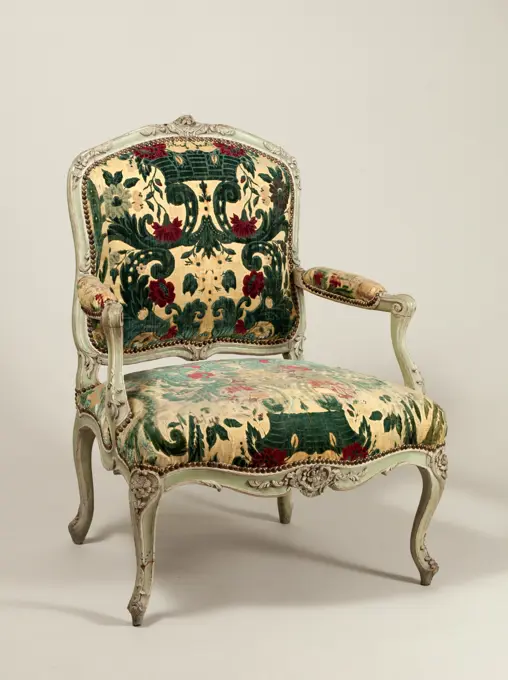
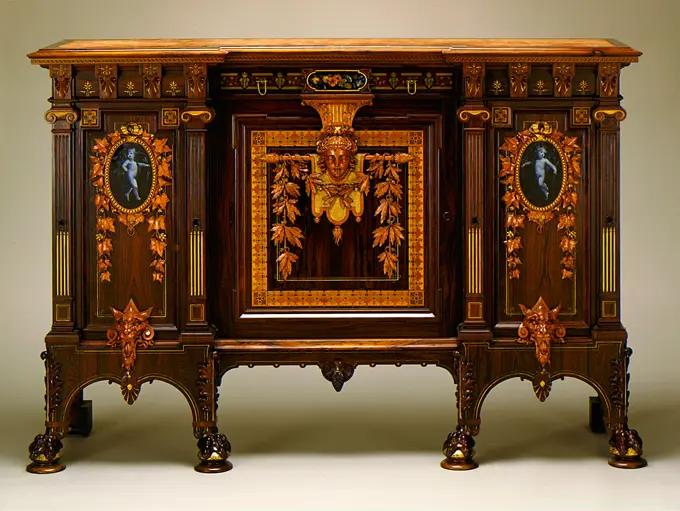
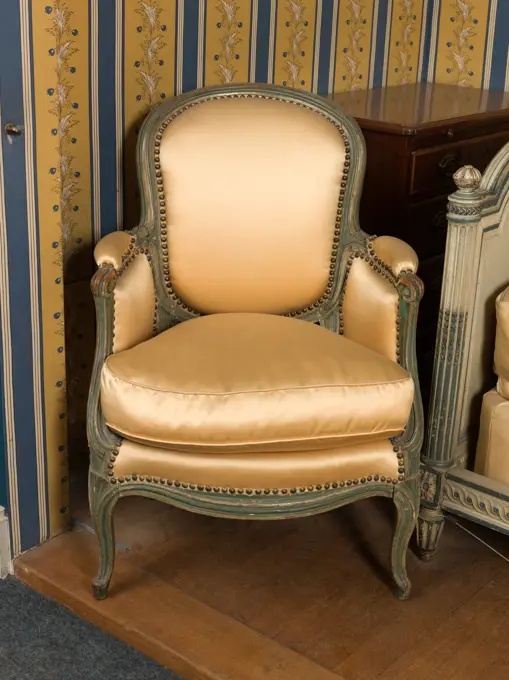
A collection of ornate antique chairs featuring intricate woodwork and varied upholstery. Styles include armchairs and miniature versions, showcasing rich fabrics and detailed craftsmanship.

Arm chair of nut and beech wood with s-shaped overhoeks placed legs; X-shaped cross with rosette; Cut flower and leaf work, Reed back and seat, with loose pillow, anonymous, 1750 Arm chair of nut and beech wood (ameblement) with s-shaped overhoeks placed legs, connected by a flung X-shaped cross with rosette. Rules and sills and legs are decorated with cut flower and leaf motifs. Back and seat of braided reeds. Loose pillow of green Shaved Triijp (Modern). See also: BK-16852-A, C, D. France wood (plant material). walnut (hardwood). beech (wood). Arm chair of nut and beech wood (ameblement) with s-shaped overhoeks placed legs, connected by a flung X-shaped cross with rosette. Rules and sills and legs are decorated with cut flower and leaf motifs. Back and seat of braided reeds. Loose pillow of green Shaved Triijp (Modern). See also: BK-16852-A, C, D. France wood (plant material). walnut (hardwood). beech (wood).
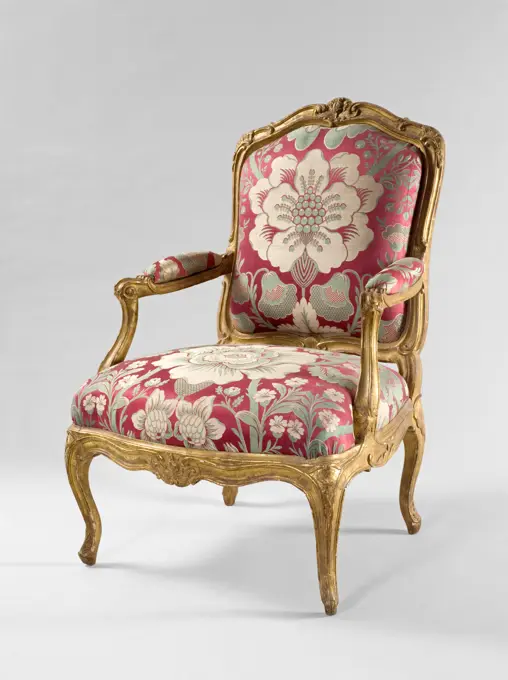
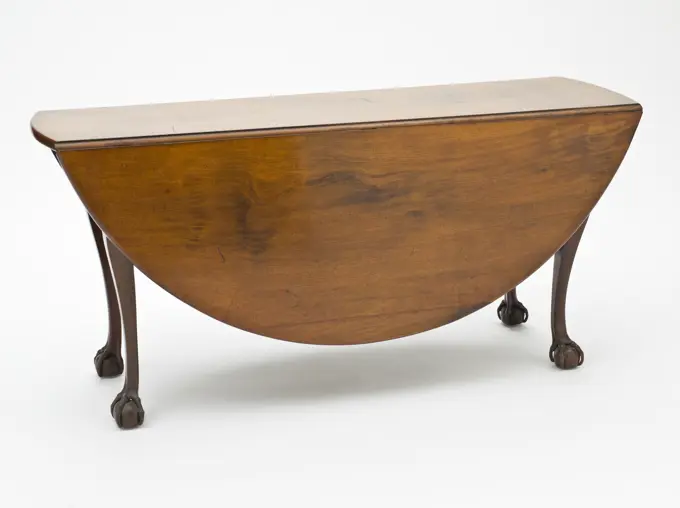
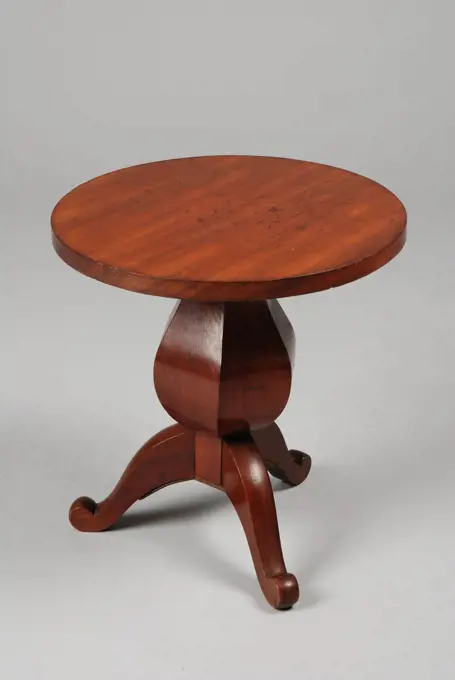
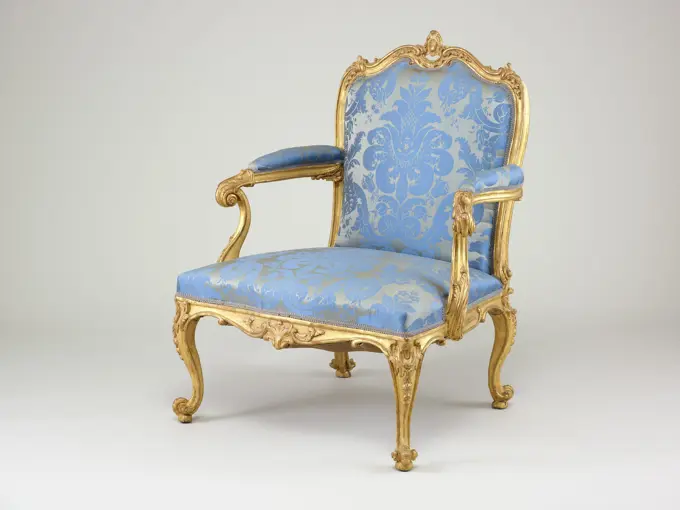
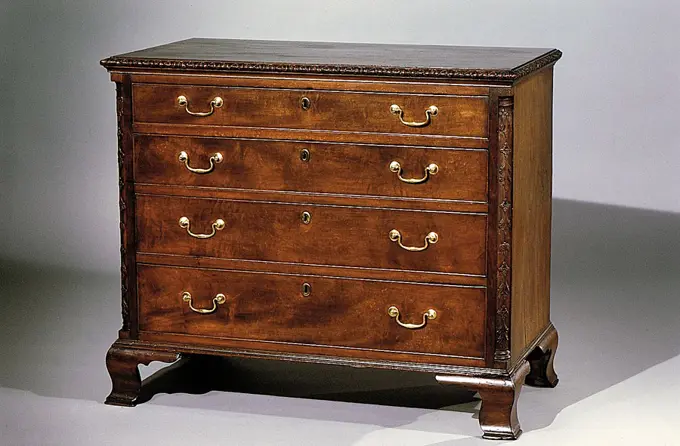
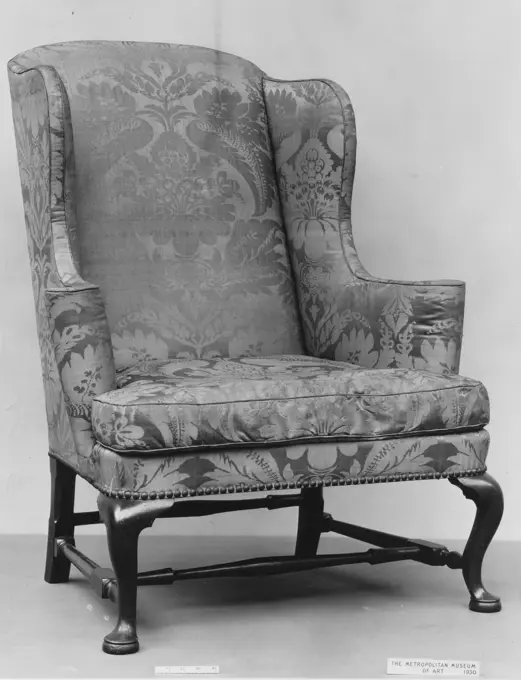
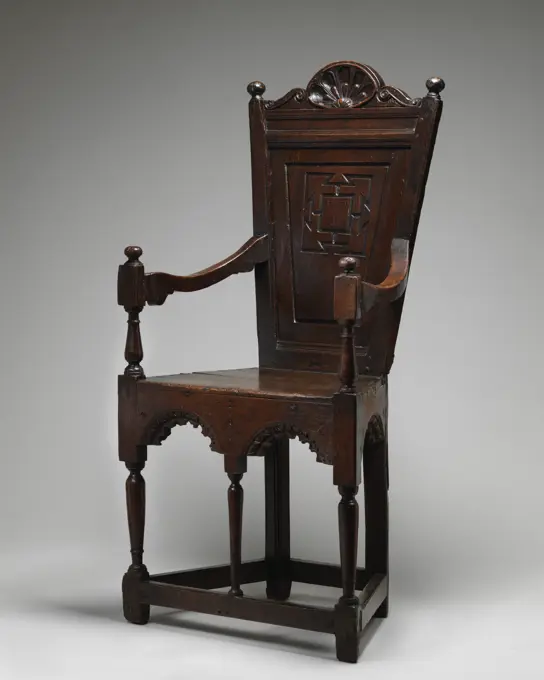
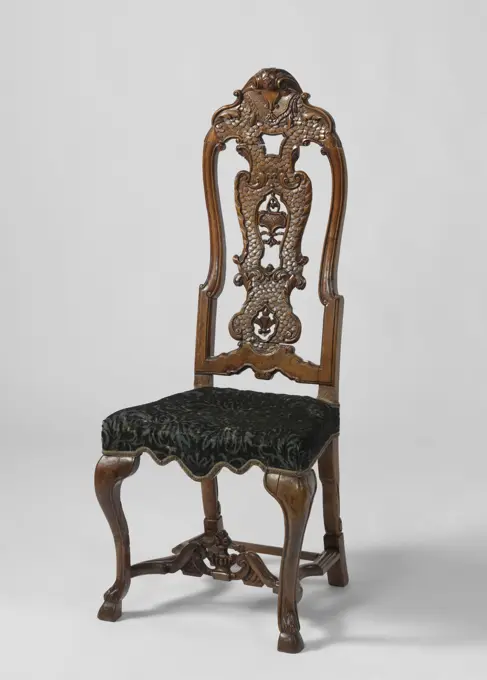
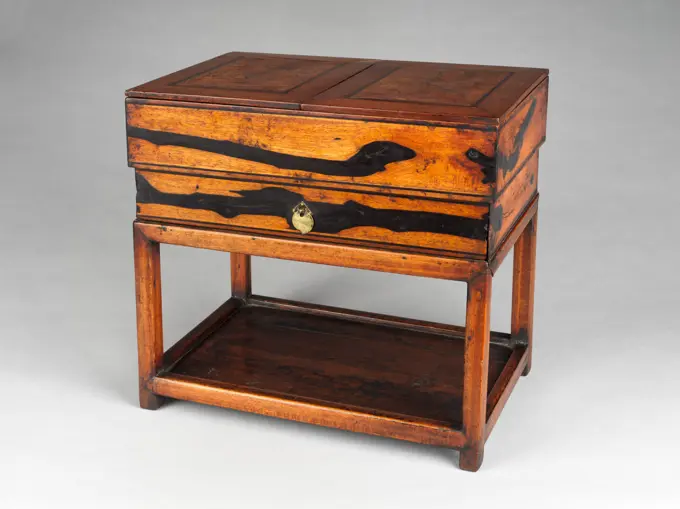
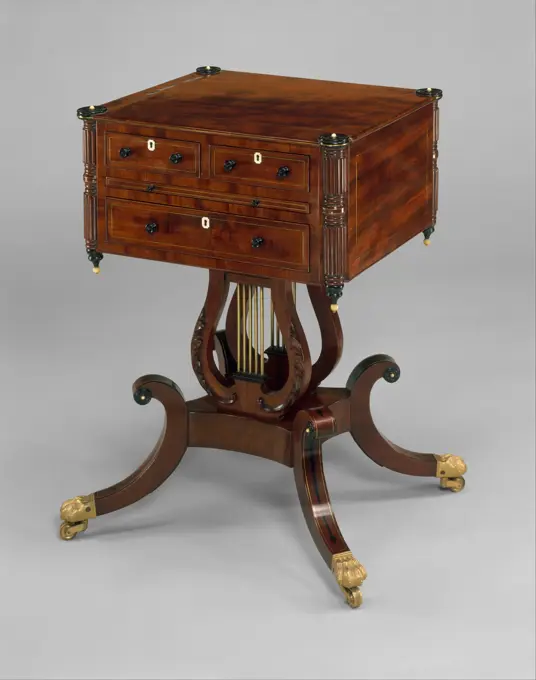
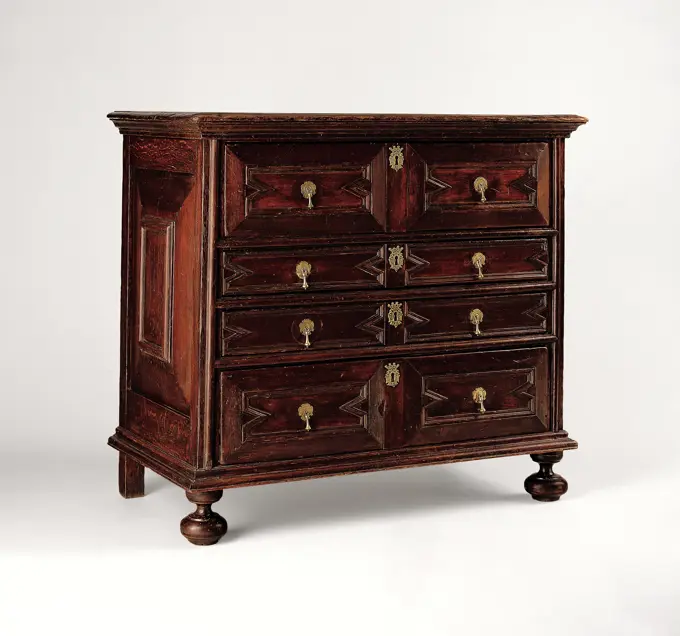
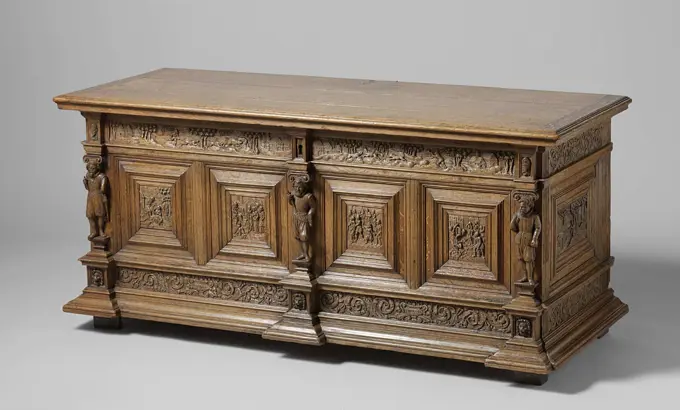
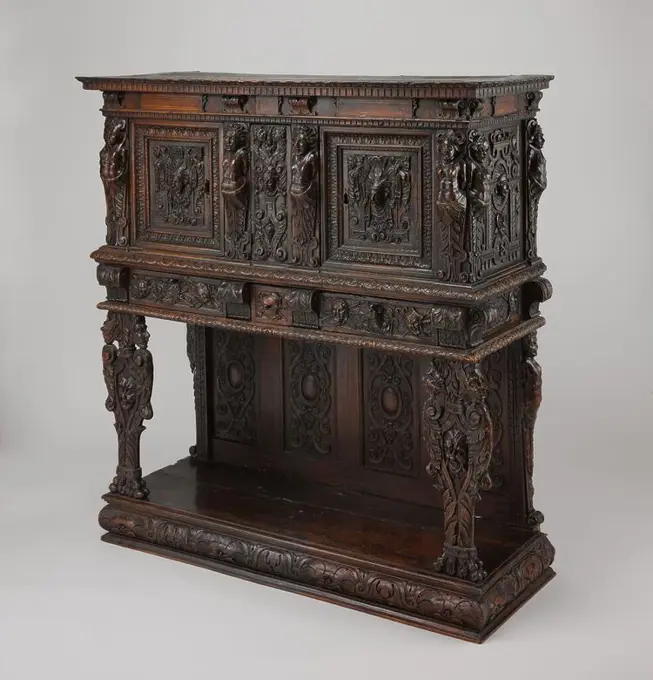
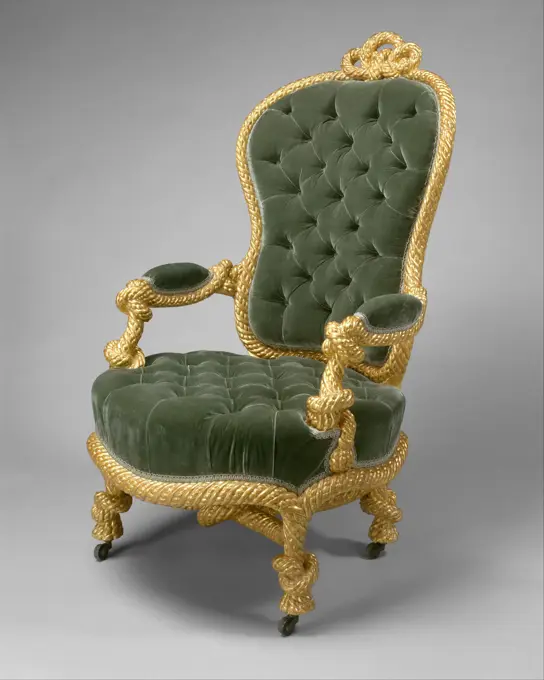
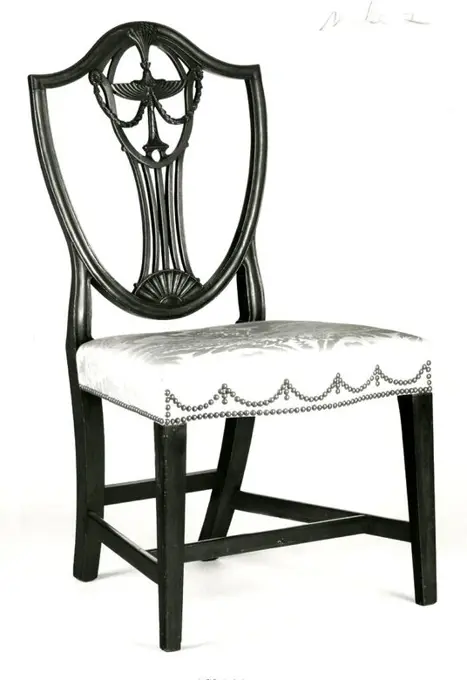
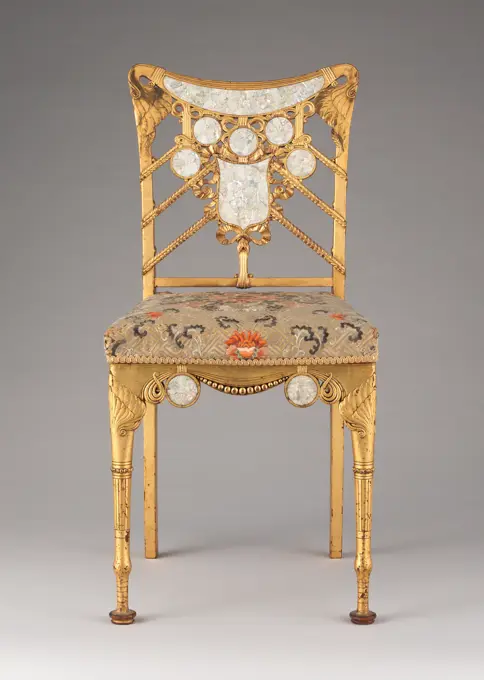
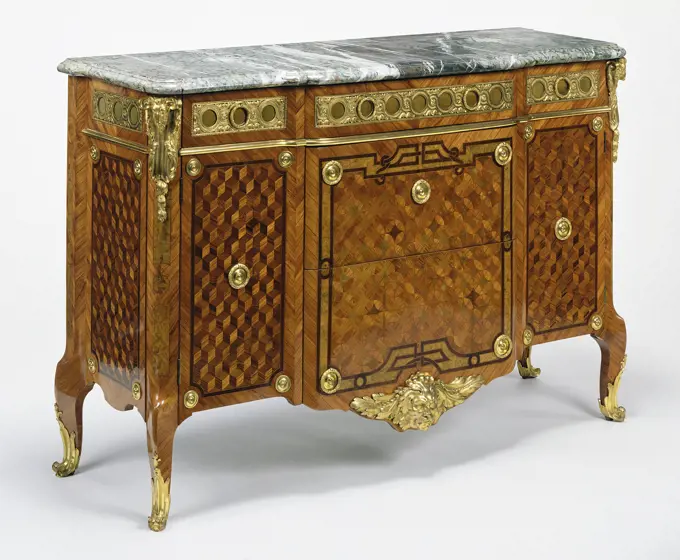
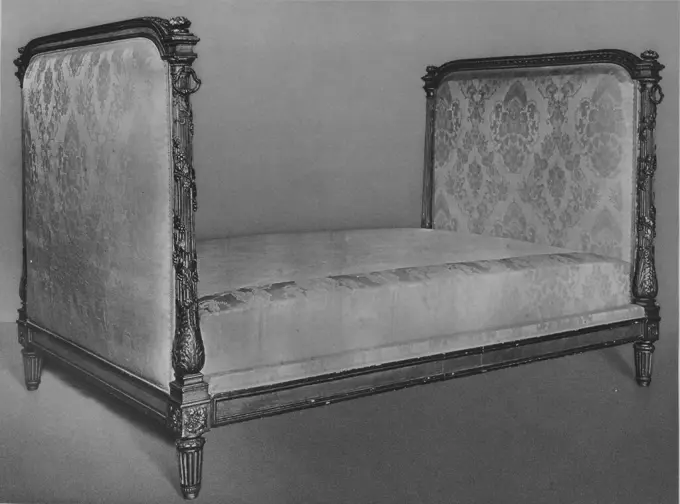
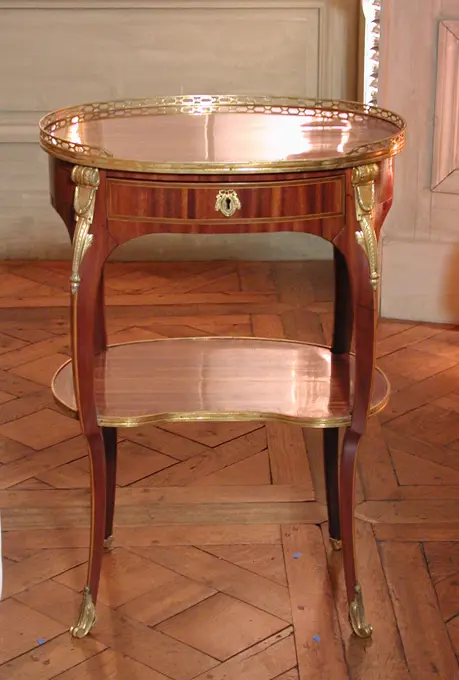
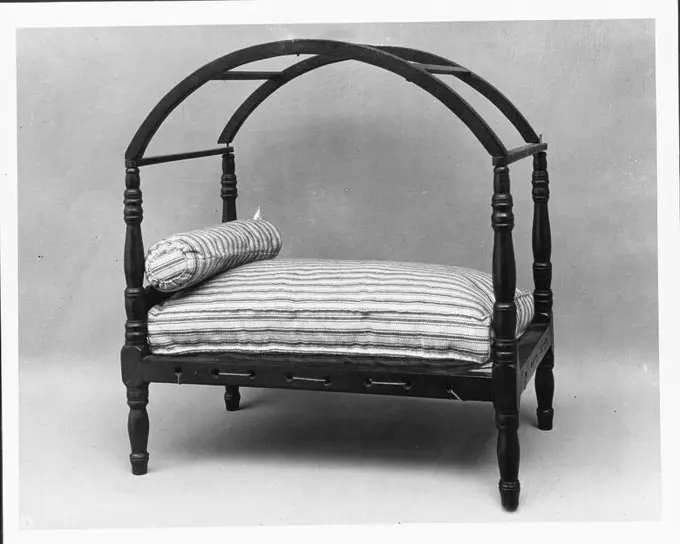
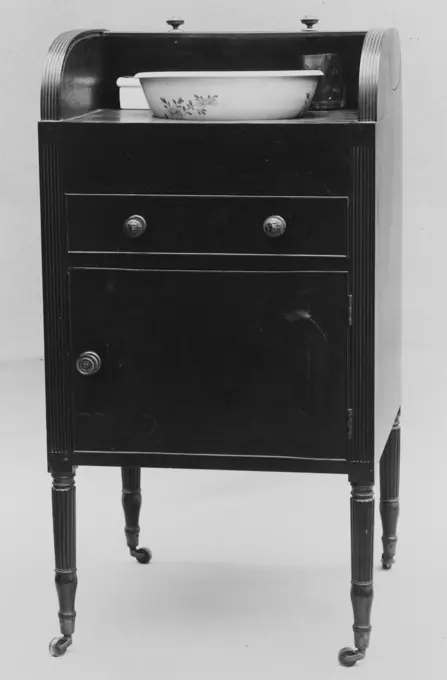
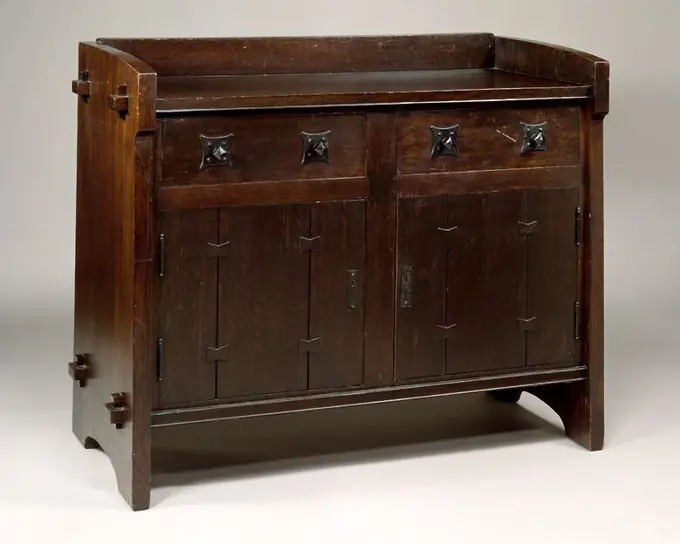
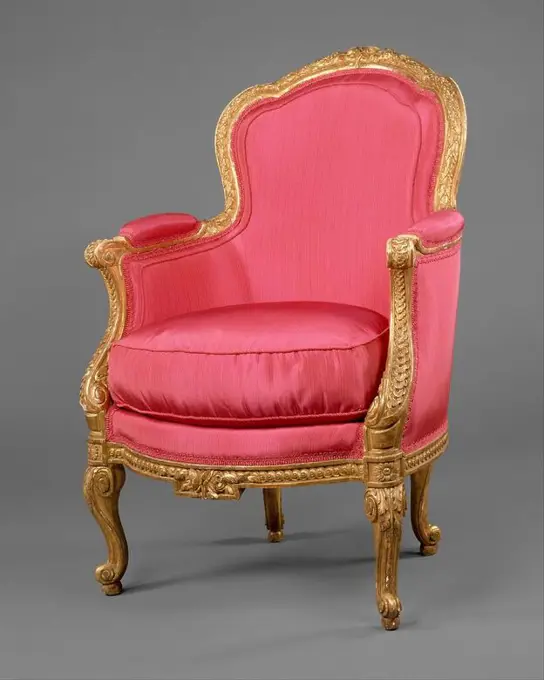
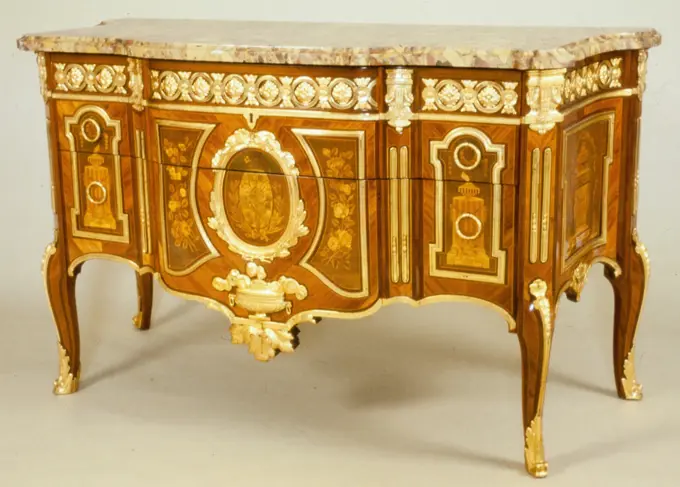
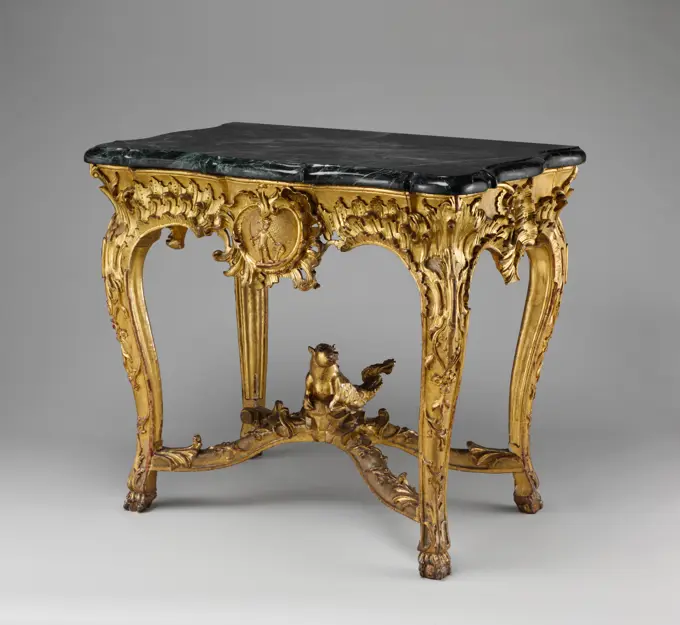
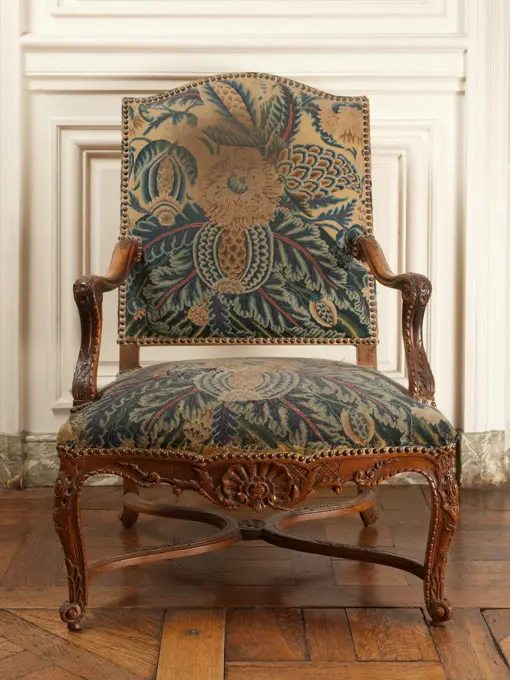
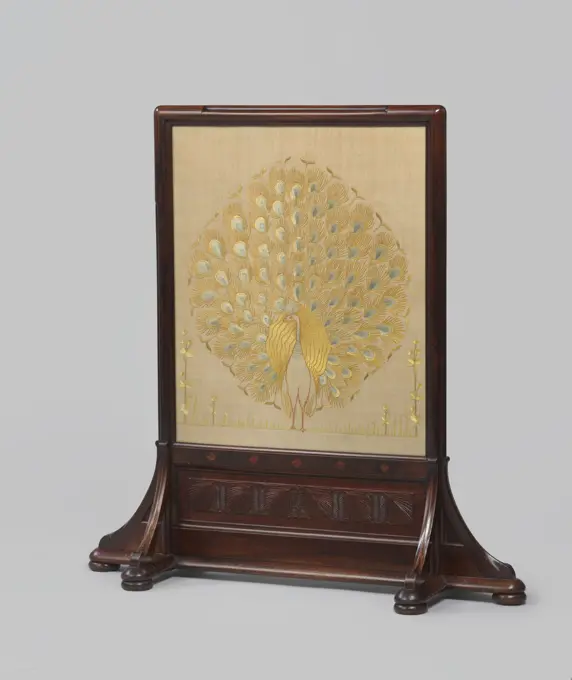
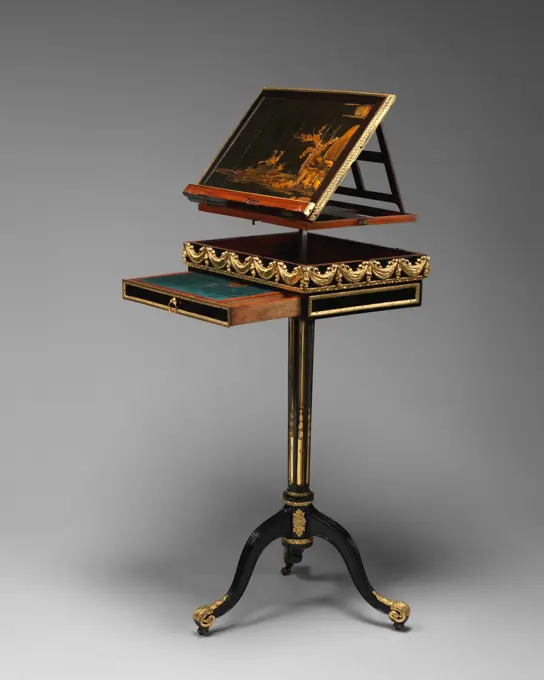
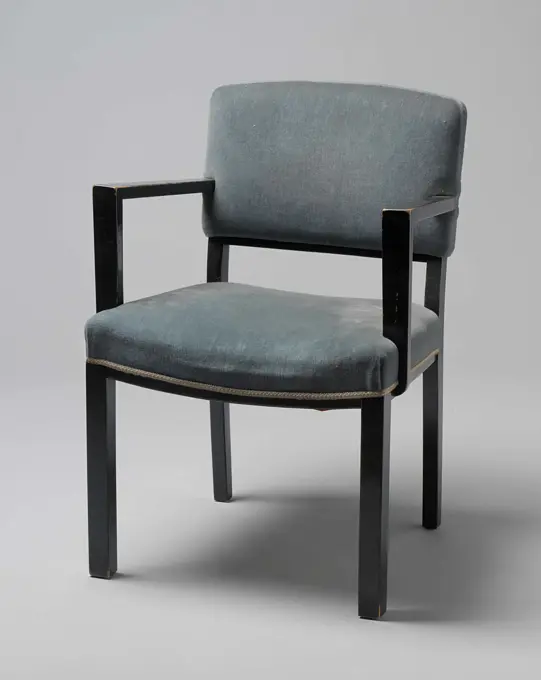
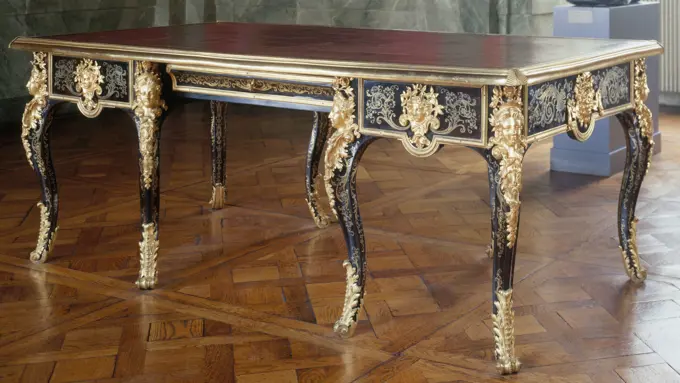
Stool ca. 1850-1640 B.C. Middle Kingdom. Stool. ca. 1850-1640 B.C.. Zizyphus wood. Middle Kingdom. From Egypt, Upper Egypt, Thebes, Asasif, Carnarvon Excavations 1907-1914. Dynasty 12-Dynasty 13Anonymous. Archair at the Queen. Beech, around 1760. Paris, Carnavalet museum. This chair takes up the characteristics of the Louis XV seat to its peak, but it could be a later copy. The slightly curved backrest is topped with an original pattern, rock -inspired inspiration, and representing a closed grenade nestled in a flower with stem and stylized leaves. The seat, adorned in the center of the belt of a similar pattern, rests on arched feet crowned with a foil. Chassis assembly is a filling technique that allows you to change the fillings according to the seasons. However, the particular typology of this chair forced the sculptor to keep the base of the relatively released support consoles in order to allow the mobility of the seat. He therefore adorned the assistant consoles and the lateral crosspieces of independent patterns a radiant sheet on the console and a cheek of acanthus on the belt. Queen's armchair, stretch, furniture, floral motif, fabricOval Drop-Leaf Dining Table with Ball-and Claw Feet. United States, Rhode Island, Newport, 1765-1785. Furnishings; Furniture. Mahogany, chestnut, pineArmchair with angular armrests and covered with blue tripe. Armchair of black varnished wood resting on four square legs. The front legs are straight and the hind legs are slightly bent and run through in the back styles. The seat is caught in four rules whose two side rules are straight and the front and rear rule bent. The stamp of the backrest is also bent. From the middle of the backrest, flat angular armrests run down on the front, not in line with the front legs, resting on flat struts that are partially attached to and partly against the seat. Both the handrail and the seat is covered with blue tripe. The seat cover is trimmed with a beige trim.Fall-Front Desk 1805-1815 Vienna. The inventive lyre shape of this secretary, surmounted by three stepped drawers and supported by griffins, identifies it as an elaborate, complex case form made in Vienna during the Napoleonic era. The upper half of the front falls forward to serve as a writing surface revealing interior compartments, drawers, and shelves. The secretary shares characteristics with the Empire style developed in France, a bolder and more severe expression of the Neoclassical interest in ancient Greek and Roman art. Though craftsmen throughout Europe studied French handbooks detailing new designs, models were not merely imitated; this example was made with materials and techniques typical of Viennese workshops. Its form has no direct source in antiquity, although the lyre shape and abundant decorative detailsógriffins, cornucopias, paw feet, and interior caryatid figuresóare familiar classical motifs. The variety of woods, selected to create contrast between light areas aMahogany Biedermeier children's or side table, table furniture interior design wood mahogany oak wood, Mahogany Biedermeier side table or child table large octagonal baluster leg of solid mahogany on three curved legs round veneered BiedermeierArmchair 1760-1770 England. With its serpentine top rail, scrolled arm rests and feet, and broad back, this chair, though made in England, is typical of mid-18th century chairs in the French Rococo style. Furniture designers in England drew inspiration from their trendsetting peers in Paris (the birthplace of the fanciful Rococo style) as well as from French craftsmen working in London. Several renowned English cabinetmakers, including Thomas Chippendale, included designs for ìFrench Chairsî in their furniture pattern books.This chair is one of a set of at least 12 reputed to have been made for Robert Clive, 1st Baron Clive (1725ñ1774), for Walcot Hall in Shropshire, England.. Gessoed and gilt beechwood, modern upholstery .Chest of Drawers 1780-90 American On this chest with its fine original finish, the molded and carved edges of the top and the pendent floral garlands carved on the corner quarter columns exhibit the fullest use of Rococo ornament as applied to Pennsylvania chests of drawers. The original circular brass pulls and oval lock escutcheons, both with beaded edges, are in the Neoclassical style, suggesting that the piece was made as late as 1790.. Chest of Drawers 2013Easy Chair 1730-90 American. Easy Chair 3477Armchair ca. 1600-1625 British, probably West Country The form of this chair, with its narrow back and outward curving arms, is based on a French model called a caquetoire.. Armchair. British, probably West Country. ca. 1600-1625. Oak. Woodwork-FurnitureArmstoel, anonymous, c. 1695 - c. 1705 Armchair of walnut. The furniture is stretched with reeds and has decorated broken S-shaped legs with a volute and acanthus leaf. The cross is X-shaped. The detached corner styles of the high back show house and sections with acanthus leaf and end in vases. The arms in the form of S-Voluten wear the armresters who are wholes and end in the outside, decorated with acanthus leaf, as well as the back. The houses have rosettes and the seating rules are decorated with Acanthus leaf. Netherlands (possibly) wood (plant material). walnut (hardwood). Armchair of walnut. The furniture is stretched with reeds and has decorated broken S-shaped legs with a volute and acanthus leaf. The cross is X-shaped. The detached corner styles of the high back show house and sections with acanthus leaf and end in vases. The arms in the form of S-Voluten wear the armresters who are wholes and end in the outside, decorated with acanthus leaf, as well as the back. The houses Chair, anonymous, c. 1715 - c. 1740 Chair of Notenhout. The furniture has a covered seat. It rests on S-shaped front legs that end in boxing farms. The cross has scalloped side sports and two transverse sports, the rear of which is, the front opened and decorated with a vase, volutes and scales. The high back is slightly horizontally rolled and has an open -up center leaf, with scalloped circumference and decorated with Acanthus. The window is profiled and has styles; The upper sill with volutes and a lambr beer motif. Netherlands (possibly) wood (plant material). walnut (hardwood). velvet (fabric weave) Chair of Notenhout. The furniture has a covered seat. It rests on S-shaped front legs that end in boxing farms. The cross has scalloped side sports and two transverse sports, the rear of which is, the front opened and decorated with a vase, volutes and scales. The high back is slightly horizontally rolled and has an open -up center leaf, with scalloped circumference and decorated with Four Armchairs. UnknownInkstone cabinet late 19th century Korea This cabinet would have held an inkstone and other accoutrements for writing. Accentuating the woods inherent qualities and minimally embellished with metallic fittings, it epitomizes literati aesthetics of modesty and austerity. Exploiting the varied tonalities of persimmon wood, the artisan formed the cabinet to highlight the dark grain across the surface. In its darkness and undulating shape, the streak resembles ink brushstrokes.. Inkstone cabinet. Korea. late 19th century. Persimmon wood. Joseon dynasty (1392-1910). WoodworkWork table 1810-15 Attributed to Lemuel Churchill Among the most elegant and sophisticated pieces of furniture produced in Boston in the early nineteenth century, this combined writing and sewing table bears the chalk inscription "Churchill"--presumably the signature of the Boston cabinetmaker Lemuel Churchill. Decoration similar to the beautifully rendered acanthus carving on the lyre is sometimes executed in gold leaf for a trompe-l'oeil effect on other Boston tables.. Work table. American. 1810-15. Mahogany, tulip poplar, ebony, ivory, brass. Made in Boston, Massachusetts, United StatesArm chair with a sliced braided rosette and covered with green tripe with red diamond motifs, Karel Petrus Cornelis de Bazel, c. 1894 - c. 1900 Arm chair of oak -wood resting on four curved legs. The legs are interconnected by means of curved rules. The front legs continue in the struts for the armrests. The hind legs continue in the backstyles. The backrest consists of a panel with a round top on the top and a line on the bottom. The open space in between is covered with green Trijp with red diamond motifs. On the panel on the top, a sliced rosette with pearl edges and inlaid with ebony is in the middle. The armrests broaden to the front. The seat is trapezoidal and is covered with the same green tripe with red diamond motifs as on the backrest. Netherlands oak (wood). ebony (wood). wool Arm chair of oak -wood resting on four curved legs. The legs are interconnected by means of curved rules. The front legs continue in the struts for the armrests. The hind legs continue in the backstylChest of Drawers ca. 1700 American. Chest of Drawers 2001Side Chair ca. 1805-10 American. Side Chair. American. ca. 1805-10. Primary: mahogany. Secondary: ash (seat rails, front blocks probably replaced); mahogany (medial braces).. Made in New York, New York, United StatesBrown wooden chairs with upholstery brown wooden chairs with upholstered copyright: xzoonar.com/dr.xnorberberxlangeex 14306574Music desktop;  1850-1870 (1850-00-00-1870-00-00);This storage chest is richly ornamented: the three carved statues on the front represent the Dutch commanders William of Orange and his sons, Maurice and Frederick Henry. All three fought for the liberation of the north Netherlandish provinces. The panels between them present scenes from the Old Testament story of Susanna, who is threatened by two elderly men.Dresser (Dressoir aux harpies). Culture: French (Ile-de-France or Burgundo-Lyonnais). Dimensions: H. 144.8 cm, W. 137.8 cm, D. 50.8 cm. Date: ca. 1570-90, and 19th century. Museum: Metropolitan Museum of Art, New York, USA.Table. unknown, creatorFolding round-back armchair, late 16th century, 41 3/16 x 30 1/8 x 30 in. (104.62 x 76.52 x 76.2 cm) (unfolded), Huang-hua-li hardwood with iron hardware, China, 16th centuryArmchair ca. 1860 Manner of A. M. E. Fournier With its deeply tufted back and seat, this innovative and amusing armchair epitomizes the desire for originality and variety combined with a concern for comfort that was charactersitic of the Second Empire. Seat furniture carved in this manner is generally associated with the Parisian upholsterer A.M.E. Fournier, who supplied at least one rope stool, now at the Musée National du Chteau de Compiègne.. Armchair 209222Side Chair. Culture: American. Dimensions: 39 1/4 x 21 1/4 x 20 3/4 in. (99.7 x 54 x 52.7 cm). Date: 1795-1805. Museum: Metropolitan Museum of Art, New York, USA.M Rosenshield von Paulin, Chest, c 1939 ChestSofa. Dated: c. 1936. Dimensions: overall: 22.8 x 29 cm (9 x 11 7/16 in.) Original IAD Object: 40"high; 84"long; 25"deep. Medium: watercolor, gouache, colored pencil, and graphite on paper. Museum: National Gallery of Art, Washington DC. Author: Florence Choate.SidechairSide Chair ca. 1882 Herter Brothers. Side Chair. American. ca. 1882. Gilded maple, inlaid with mother-of-pearl, and modern upholstery. Made in New York, New York, United States. Armchair from walnut, inlaid with quasi oriental characters from tin. The slender colonets, on which the sessions are resting at the front, are decorated with leg and copper fittings. The upholstery of the handrails and the sessions consists of parchment that with ornamental nails with large square elaborated heads on styles and rules is attached.Basin Stand. Culture: American. Dimensions: 33 3/4 x 18 x 18 in. (85.7 x 45.7 x 45.7 cm). Date: 1815-20. Museum: Metropolitan Museum of Art, New York, USA.Settee. Dated: 1941. Dimensions: overall: 36.7 x 45.2 cm (14 7/16 x 17 13/16 in.) Original IAD Object: 45 1/2"high; 64"long; 23"deep. See data sheet for details.. Medium: watercolor, colored pencil, and graphite on paperboard. Museum: National Gallery of Art, Washington DC. Author: Rolland Livingstone.Unknown, Chair (Chaise en Cabriolet) (one of pair), 18th century, wood.Table. unknown, authorSofa. Culture: American. Dimensions: 37 x 80 1/4 x 25 in. (94 x 203.8 x 63.5 cm). Maker: Attributed to the Workshop of Duncan Phyfe (1770-1854). Date: 1805-15.In its quality and condition, this scroll-back sofa is among the finest known examples of this classic New York form. The modern black horsehair and gilded tacks that cover the original period upholstery foundations replicate the look of the sofa when it first came out of the workshop. Museum: Metropolitan Museum of Art, New York, USA.Armchair for a lady, E.G.C. SCHUBAD, 1910 - 1927  Netherlands oak (wood).  Netherlands oak (wood).Commode; Jean-François Oeben (French, born Germany, 1721 - 1763 (master 1761)); Paris, France; about 1760; Oak veneered with maple, tulipwood, amaranth, and Ceylon satinwood; gilt-bronze mounts; campan mélangé vert marble top; 92 x 140.6 x 47 cm (36 1,4 x 55 3,8 x 18 1,2 in.)Bookcase ca. 1855 American. Bookcase. American. ca. 1855. Oak, pine. Made in New York, United StatesArmchair (one of a pair) 17th century Portuguese. Armchair (one of a pair) 191641Geoffrey Holt, Sideboard, Mahogany, 1937 Sideboard, MahoganySide Chair. Culture: American. Dimensions: 39 1/2 x 18 1/2 x 18 3/4 in. (100.3 x 47 x 47.6 cm). Date: 1850-60. Museum: Metropolitan Museum of Art, New York, USA.Table of white painted wood with four overhoeks places places set and carving. Table of white painted linden wood with four overhoeks places placid, made up of two c-volutes placed above each other. The legs are decorated with acanthus leaf and at the rear with pearls. At the bottom is a dog, at the top of a snake. The flat connecting rule shows a standing acanthus sheet on the front, for which a double coat of arms (each with a cow head with beam) amid two putti. At the bottom of a flower gluce, which splits itself into the legs in two.Armchair. United States, Pennsylvania, Philadelphia, 1750-1775. Furnishings; Furniture. Mahogany, pine and replaced upholsteryChest. unknown, creator. Tractor table from oak, inlaid with ebb and palm wood. The legs are vase-shaped and connected by a double y-shaped profiled cross; Decorations in ebony. The lower houses are inlaid with ebb cells and boxwoods; The upper with ebony cannelures. The long sides have been poured by crushing and exhibiting all the sides, surrounded by oak profiles, ebony panels, one inherited piping of ebb and boxwood. In the corners of open support pieces.Daybed. Culture: French, Paris. Dimensions: Overall: 55 3/4 × 59 1/4 × 88 in. (141.6 × 150.5 × 223.5 cm). Maker: attributed to Georges Jacob (French, Cheny 1739-1814 Paris). Date: ca. 1780-85. Museum: Metropolitan Museum of Art, New York, USA.Small oval writing table (one of a pair) ca. 1775 Roger Vandercruse, called Lacroix French The maker of this table and its pair, Roger Vandercruse, who was known by the French version of his name as Lacroix, had a successful career in Paris where he was part of a network of outstanding craftsmen. Three of his sisters married cabinetmakers, including Françoise Marguerite who was the wife of Jean François Oeben and after Oebens death married Jean Henri Riesener. Vandercruse stamped his work with his initials: R.V.L.C. Although he made larger pieces such as commodes and secretaries, one of his specialties was the production of meubles volants, portable items of furniture such as small tables for different usages. Letter writing was a much-practiced and fashionable activity amongst the literate in eighteenth-century Europe. Indeed, the English diarist Horace Walpole reported to a friend that “there have been known here [in Paris persons who wrote to one another four times a day”. In ordeSidechairBed Model. Dimensions: 13 1/2 x 12 1/2 x 8 in. (34.3 x 31.8 x 20.3 cm). Date: 1770-1800. Museum: Metropolitan Museum of Art, New York, USA.Bowl 1800-1900Armchair. Dated: 1939. Dimensions: overall: 40.6 x 30.6 cm (16 x 12 1/16 in.) Original IAD Object: 43"high; 26"deep; 16 1/2"wide. Medium: watercolor, colored pencil, and graphite on paperbaord. Museum: National Gallery of Art, Washington DC. Author: Isadore Goldberg.Tapered Cabinet (Yuanjiaogui). As stadtholder, William IV was also commander of the army and navy of the Dutch Republic. This ceremonial chair was commissioned for him by the Amsterdam Admiralty - the administration of the fleet. The seat may have been designed by Xaverys brother-in-law, Nicolaas Bruynestein of The Hague, but it is equally possible that he simply carried out the gilding.Sideboard Table. Culture: American. Designer: Designed by Gustav Stickley (American, Osceola, Wisconsin 1858-1942 Syracuse, New York). Dimensions: 39 1/2 x 48 x 21 1/2 in. (100.3 x 121.9 x 54.6 cm). Date: ca. 1901.In 1899, Gustav Stickley, a leading designer and proselytizer of the American Arts and Crafts movement, founded the Craftsmen Workshops (called United Crafts before 1904) to manufacture his line of furniture. Simply designed for ease of manufacture, Craftsman furniture was modestly priced to appeal to the average American. The massive tenon-and-key joints protruding from the ends of this sideboard and the bold butterfly joints on the doors are typical of early Stickley designs in which structural elements are accentuated for decorative effect. The 1901 Stickley catalogue "Chips from the Workshops of Gustave sic Stickley, Syracuse, N.Y., U.S.A." illustrated this form as "Side Board No. 901." The sideboard bears a decal with an early Stickley mark, used only in 1902 and 1903Armchair (bergère en cabriolet) (one of a pair). Culture: French. Dimensions: 34 1/2 x 23 x 22 in. (87.6 x 58.4 x 55.9cm). Maker: Claude-Louis Burgat (1717-before 1782, master 1744). Date: ca. 1760-70. Museum: Metropolitan Museum of Art, New York, USA.Cabinet, Pierre Gole (possibly), c. 1645 - c. 1650 Art cabinet, glued with ebony on pine core. Top cabinet with two doors, behind which loads with two interior doors. In the inside an architecturally built space with biblical figures of gilded wood. The open chassis is made up of Hermen and Ionian columns with horizontal tires. The doors, sides and the inner drawers are decorated with biblical representations in relief. Almost all parts of the cabinet are decorated in relief, cutting, marqueterie and with engraving in Ebony. Paris wood (plant material). pine (wood). ebony (wood). rosewood (wood). rosewood (wood). oak (wood). softwood. gilding (material). copper (metal). iron (metal). looking glasses. bone (material) engraving / gilding Art cabinet, glued with ebony on pine core. Top cabinet with two doors, behind which loads with two interior doors. In the inside an architecturally built space with biblical figures of gilded wood. The open chassis is made up of Hermen and Ionian columnRococo corridor bench, sofa furniture furniture interior design wood oak wood coniferous paint, Green painted with golden details rococoManufactureration with Bedstede, O.A. Sky, Wall shot, side shot and panels. Manufacturing of oak, consisting of a bedstead and wall shot. The bedstead has corner styles with a plinth, on the left a hermatant, on the right a hermcaryatide. The shaft rejuvenated to the bottom shows Schubsteek. The figures appear halfwayed naked, an arm on the back, with the other their drug-beaten robe loving. On the heads resting ionic capitals, which bear the main gear. This has a frieze, divided into courses, divided into courses, within which a Moresk cartouche with ebony caps to oak pillows. The consoles were treated with shell decoration as lion's heads. The frieze is closed above with a flat edge list, which is crocked over the consoles. The ogief-shaped crown table rests on small consoles. In the porch, the upper spray (bottom of the architraph) has a healed tooth list with support pieces in the corners. The side shot has styles and head frame on the outside as at the front and two panels placed Naked frame awaiting re-upholstery.Commode, c. 1775-1800, Antione (Pierre-Antoine) Foullet, French, 1710-1775, 34 3/4 x 58 1/4 x 25 1/4 in. (88.27 x 147.96 x 64.14 cm), Kingwood marquetry, marble, gilt bronze, France, 18th century, This commode, or decorative chest of drawers, is a feast for the senses. Flowers decorate the center, while the panels on either side display flaming urns on half columns. Below, rendered in gold-covered bronze, smoke billows from an incense burner. Most likely the commodes owner took the hint, complementing these visual references to smell with an actual pot pourri—a vessel containing sweet-smelling materials—on its marble top.Tea table. Tea table, trapezoidal, with three doors and an open box in the middleConsole table 1758 Franz Adam Weber German This is one of two console tables carved by Franz Anton Weber for the abundantly decorated Cabinet of Mirrors or Spiegelkabinett, the Rococo highlight of the palace of Adalbert II von Walderdorff (r.1757-59), Prince-Bishop of Fulda. The consoles pair is still preserved in situ. Such mirrored cabinets were a standard part of a stylish succession of staterooms that alluded to the absolute authority of the patron. In eighteenth-century Germany a Prince-Bishop ruled as the spiritual head of the regional Catholic Church and as an independent prince of the Holy Roman Empire. In the residence of Fulda the Cabinet of Mirrors occupied the most important space on the second floor next to the Prince-Bishops bedchamber. The central cartouche of the apron shows St.Simplitius, a patron saint of the local diocese. The extravagantly carved rocaille ornaments and the vividly characterized hippocampus on the crossed stretchers of the feet make this table exemMichel Gourdin. Realt to the queen. Beech, around 1760. Paris, Carnavalet museum. 50254-15 Archair at the Queen, Hetre, Mobilier, Floral Pattern, FurnitureStand for the tanks (Tenugui Kake);  19th century (1801-00-00-1868-00-00);Secretary. Culture: American. Dimensions: 91 3/4 x 52 3/8 x 23 1/4 in. (233 x 133 x 59.1 cm). Maker: John and Joseph W. Meeks (active ca. 1836-59). Date: 1836-50.In the mid-nineteenth century traditional furniture forms were often updated with ornament referencing popular romantic styles. This cylinder-front secretary (or desk and bookcase) is embellished with Gothic Revival motifs such as pointed-arch windows and quatrefoils. Broad expanses of figured rosewood - which replaced mahogany as the preferred wood at the time - complete the decorative statement. Museum: Metropolitan Museum of Art, New York, USA.Parlor Cabinet. Herter Brothers (United States, New York, circa 1865- circa 1905). United States, circa 1875. Furnishings; Furniture. Rosewood, maple, other exotic woods, pietre duré, marble, brass inlay, oil painted panels, velvetSidechairChest of Drawers, c. 1760-1780. America, Massachusetts, probably Boston, 18th century. Mahogany and pine; overall: 78.8 x 90 x 53 cm (31 x 35 7/16 x 20 7/8 in.).Armchair at the Queen of P thexis ". Sculpted oak; garnish: tapestry at the point. 18th century. Paris, Carnavalet museum. 72593-40 Chene sculpt, spacer, regence time, epoch 18th century, armchair, garnish, furniture, tapestry at point, furnitureDraw Table. Switzerland. Date: 1645. Dimensions: 77.5 x 221 x 79.4 cm (30 1/2 x 87 x 31 1/4 in.). Walnut and lighter wood inlays; iron mounts. Origin: Switzerland. Museum: The Chicago Art Institute, Chicago, USA.Table with four incredes (dummy title). House of Victor Hugo - Hauteville House.Anonymous. "Shepherdess". Painted beech, modern garnish. 1760. Paris, Carnavalet museum. 100081-18 FURNITUREConsole table, Anonymous, c. 1700Settee (part of a set) ca. 1754-56 Frame by Nicolas-Quinibert Foliot. Settee (part of a set) 231000Knopstoel, Michiel Maenbeeck (attributed to), c. 1662 - c. 1666 Button chair on four smooth legs with smooth lines. The backstyles are profiled. There are two smooth handrails between the backstyles. The chair has a simulated thatched seat and is marked with MT. = Michiel Maanbeeck. Amsterdam silver (metal) Button chair on four smooth legs with smooth lines. The backstyles are profiled. There are two smooth handrails between the backstyles. The chair has a simulated thatched seat and is marked with MT. = Michiel Maanbeeck. Amsterdam silver (metal)Chair with trapezoidal open space in the backrest. Oak chair resting on four legs. The front legs are beveled and rested on black-finished discs with convex sides. The hind legs run through in the back stamps and widen from below, after which they narrow up at the height of the center. The backrest is composed of three panels. These are formed in such a way that a trapezoidal shape is created on the top a trapezoidal shape on the underside. The two outer panels are connected to the black-stained central panel by means of five beads on each side. The seat is covered with striped dust in beige, red and purple.CupboardBlechtwerk chair, with geometric motifs, anonymous, c. 1800 - c. 1899 Chair made from bent, and rods of small lisdodde (Phragmites Australis) stretched on wooden pins. The backrest with geometric motifs. The legs are interconnected with cross rules. The seat is made of five halved stems attached in width. England (possibly) PIN: Wood (Plant Material) Chair made from bent, and rods of small lisdodde (Phragmites Australis) stretched on wooden pins. The backrest with geometric motifs. The legs are interconnected with cross rules. The seat is made of five halved stems attached in width. England (possibly) PIN: Wood (Plant Material)CardtablePair of SideChairs. Armchair of gold-plated Iepenhout with carving.Armchair (part of a set) early 20th century, style of 18th century Carlhian. Armchair (part of a set). French. early 20th century, style of 18th century. Carved and gilded walnut. Woodwork-FurnitureFurniture. Coated bench of gold-plated beech wood. The conical legs consist of arrows bundled by rings. Ornamental edges on the sills and on three sides of the sitting window. The canceled vase-shaped armrest struts rest on houses, visible on one side. The armrests run over with acanthus leaf in the back window; At the ends, among other things, a dog head. The channeled back styles are decorated. The upper spray shows, between the upper parts of a flame construction with flame, a cut-away bow, wreath and ribbon. BK-16656-A / b.Cupboard. In the early 17th century a new speciality - ebony joinery - was introduced in Amsterdam cabinetry. Ebony cabinetmakers produced furniture veneered in precious exotic woods such as ebony, entirely coveringthe heartwood carcass. Herman Doomer was Amsterdams most famous ebony cabinetmaker, and this cupboard is his masterpiece. Rembrandt, who admired Herman Doomers work, portrayed him and his wife in 1640.Server c 1880-1890 New York City. During the Aesthetic movement of the late 19th century, American designersí fascination with the exotic led them to explore the art of India. On a trip to that country in 1880ñ81, Lockwood de Forest became interested in traditional Indian wood carving and established his own wood and metal workshop in Ahmedabad, India, to promote the native craft revival. Back in New York, he incorporated panels and architectural elements carved in the workshop into the furniture and interiors he designed for the American upper classes. This serving table is typical of de Forestís work in its application of moldings and panels carved in India onto a Western furniture form.. Carved teakwood, ash or oak . Lockwood de ForestFire screen of mahogany and bolletriehout, covered with a silk multi-colored embroidery, Theo Nieuwenhuis, c. 1916 Fire screen of mahogany and bolletriehout, covered with a silk multi-colored embroidery on a beige silk stock behind glass and with cotton damask tissue in beige, brown and purple. The panel shows a peacock at the front and turrets and plants stylized on the back. Under the panel a bulletry wooden cushion panel, decorated at the front with Elze leaves and kittens. The framework rests on a base of rounded wood in the shape of a double Latin cross, with ends on flat round discs. designer: Northern NetherlandsAmsterdam wood (plant material). mahogany (wood). silk embroidering / damask Fire screen of mahogany and bolletriehout, covered with a silk multi-colored embroidery on a beige silk stock behind glass and with cotton damask tissue in beige, brown and purple. The panel shows a peacock at the front and turrets and plants stylized on the back. Under the panel a bulletry woodDisplay cabinet consisting of a middle part and two slanted side parts with cut floral motifs, 't inner house, c. 1905 Shoncase of mahogany consisting of a middle part and two bragged pentagonal side parts resting on slim high legs. The middle part consists of a base cabinet with two doors and above it a drawer and a recovering top cabinet with two high windows and a Frisian. The recovering side parts, which are lower than the middle part, consist of a door with a high window above and are flanked by slanted narrow parts that consist of a panel with a high window above it. At the back of the side parts is a raised rule. The styles, all protruding, the doors and Frisian contained cut floral motifs partly inlaid with dots of ivory. White curtains hang behind the windows. The cabinet contains brass batter in the form of hinges and key plates. Amsterdam mahogany (wood). oak (wood). ivory. glass. brass (alloy) Shoncase of mahogany consisting of a middle part and two bragged pentagonal side Close-up of a wooden cabinetCurule seat. Steel, brass; casting, forging, carving, polishing. Tula. Mid-18th century. The State Hermitage Museum. Saint Petersburg. Russia.Combined work, writing, and reading table and music stand ca. 1775-80 Martin Carlin This table, with its ebony veneer and Japanese lacquer panel inset in the top, further enriched with delicate gilt-bronze mounts, embodies the taste for novelty and multi-purpose furniture in late eighteenth-century France. The top of this reading, writing and music stand is hinged and can be angled to provide a slope, and the drawer includes a writing surface. Novel pieces like this presented an opportunity for their owners to show their sophistication, by using the object to display the elegance with which they adjusted the mechanisms and their mastery of the different activities for which it was intended. The main market for such luxury furniture was among rich and fashionable women, who would have used such pieces in their salons or dressing rooms. This table may have been supplied by one of the well-known mid-eighteenth-century Paris marchands merciers (dealers in luxury goods), Simon-Philippe PoirCabinet.ClothespressSide table (Console desserte) Attributed to Bernard Molitor ca. 1785 View more. Side table (Console desserte). French. ca. 1785. Mahogany and gilt bronze, marble. Woodwork-FurnitureJacobean child's wooden corner chair. 17th century EnglishAnonymous, wardrobe, 1789. Sculpted and waxed oak. Carnavalet museum, history of Paris.Armchair with angular armrests and covered with blue tripe. Armchair of black varnished wood resting on four square legs. The front legs are straight and the hind legs are slightly bent and run through in the back styles. The seat is caught in four rules whose two side rules are straight and the front and rear rule bent. The stamp of the backrest is also bent. From the middle of the backrest, flat angular armrests run down on the front, not in line with the front legs, resting on flat struts that are partially attached to and partly against the seat. Both the handrail and the seat is covered with blue tripe. The seat cover is trimmed with a beige trim.Cabinet. unknown, craftsmanPianoforte 1794-1802 Stein, Frere et Soeur The Stein family was a dynasty of keyboard makers originally from Augsburg and later Vienna. The first maker of the family was Johann Andreas Stein (1728-1792) who was credited with developing a new action, the prellmechanik, or the so-called "Viennese" action. Stein had several children that also built pianos, including his daughter Nannette and son Mattäus Stein. The brother and sister headed the Stein shop as their father's health failed, and after his death continued in this partnership. Nannette married Johann Andreas Streicher in 1794 and that same year the Stein shop was moved to Vienna. Nannette and Mattäus continued to build pianos together until 1802 when she and her husband started their own workshop using the Streicher name. Technical description: Wing-shaped case on 4 detachable carved legs, wood; compass, 5 octaves, 2 semitones, with black naturals, white sharps; hammers divided at b-c1 by wood gap spacer over which runs a pair oAndré-Charles Boulle (1642-1732). "Flat office". Paris, Carnavalet museum. 34720-6 Office, furniture, furniture, dish