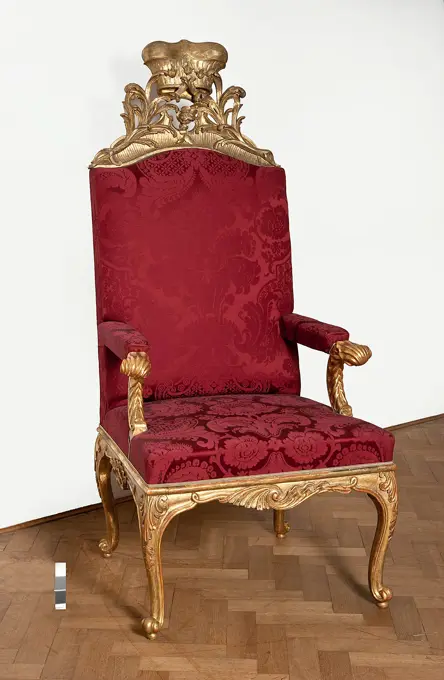
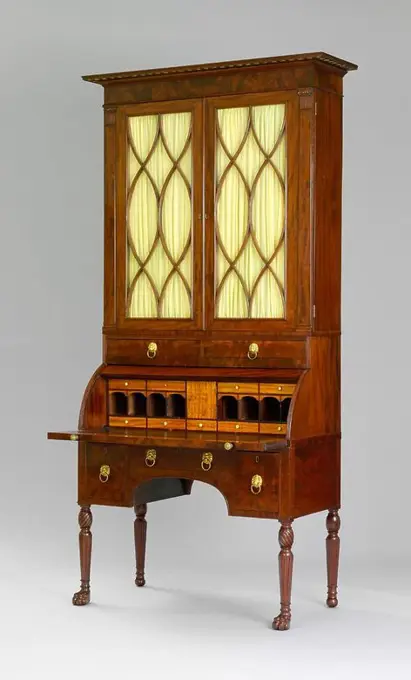
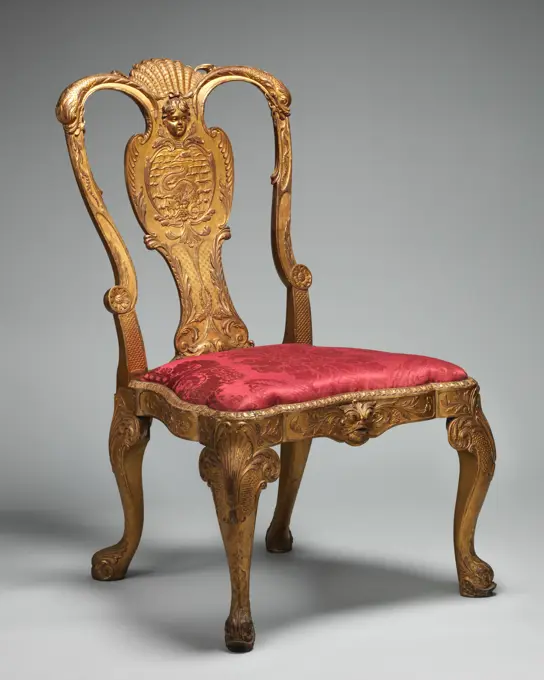
Antique Decorative Chairs

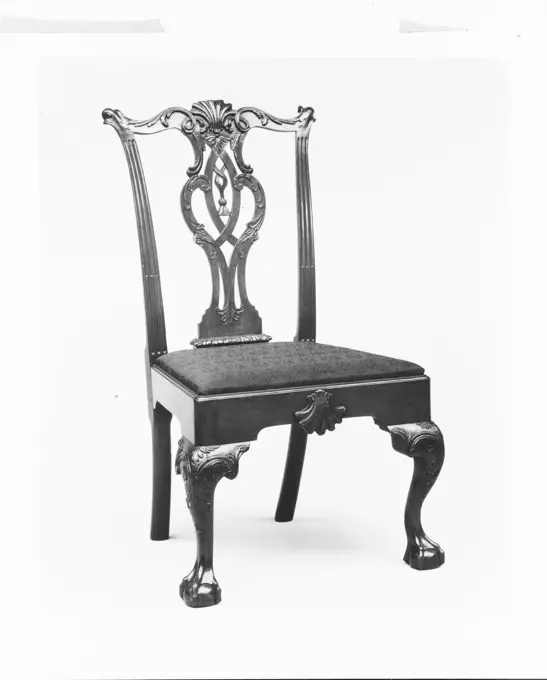
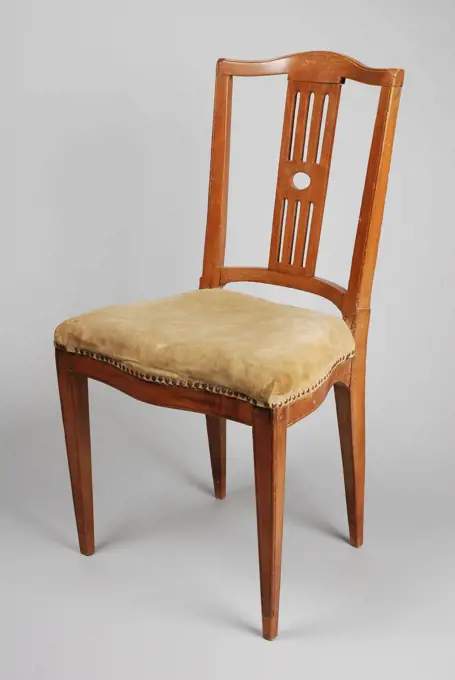
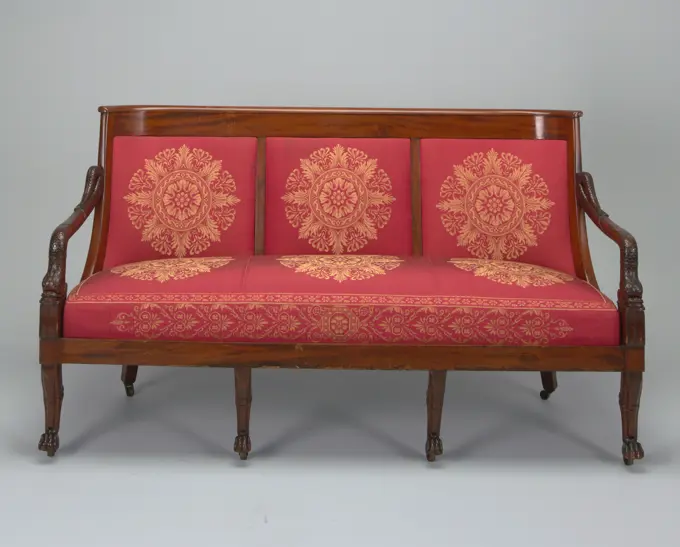
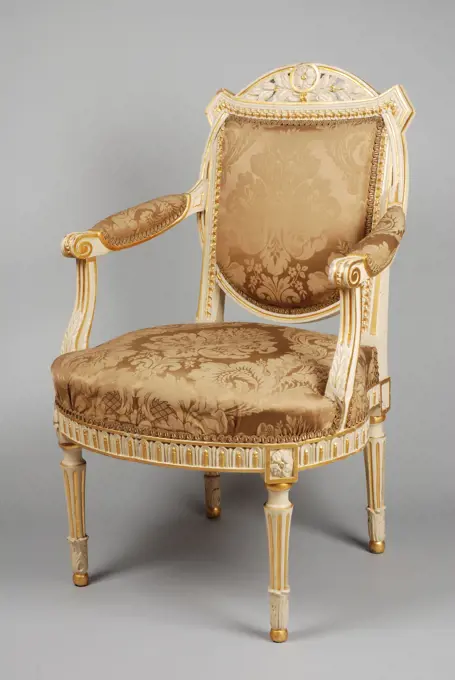
A collection of ornate antique chairs featuring intricate woodwork and varied upholstery. Styles include armchairs and miniature versions, showcasing rich fabrics and detailed craftsmanship.

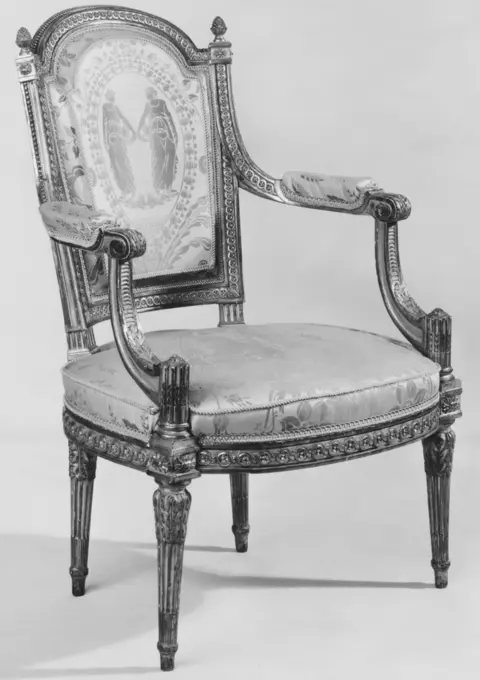
Arm chair of nut and beech wood with s-shaped overhoeks placed legs; X-shaped cross with rosette; Cut flower and leaf work, Reed back and seat, with loose pillow, anonymous, 1750 Arm chair of nut and beech wood (ameblement) with s-shaped overhoeks placed legs, connected by a flung X-shaped cross with rosette. Rules and sills and legs are decorated with cut flower and leaf motifs. Back and seat of braided reeds. Loose pillow of green Shaved Triijp (Modern). See also: BK-16852-A, C, D. France wood (plant material). walnut (hardwood). beech (wood). Arm chair of nut and beech wood (ameblement) with s-shaped overhoeks placed legs, connected by a flung X-shaped cross with rosette. Rules and sills and legs are decorated with cut flower and leaf motifs. Back and seat of braided reeds. Loose pillow of green Shaved Triijp (Modern). See also: BK-16852-A, C, D. France wood (plant material). walnut (hardwood). beech (wood).
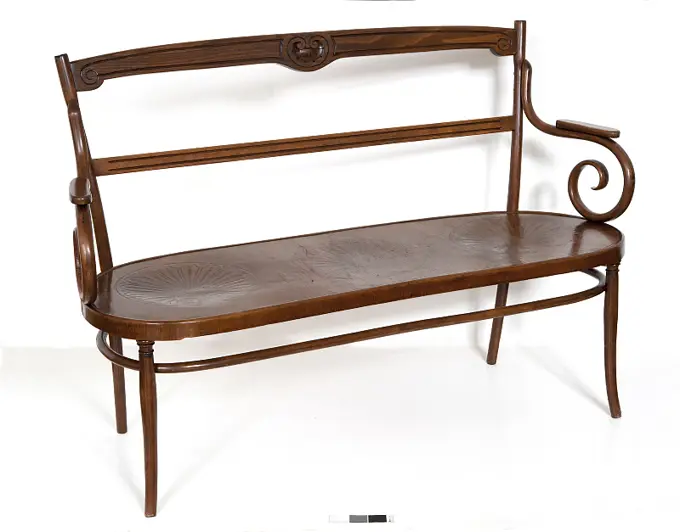
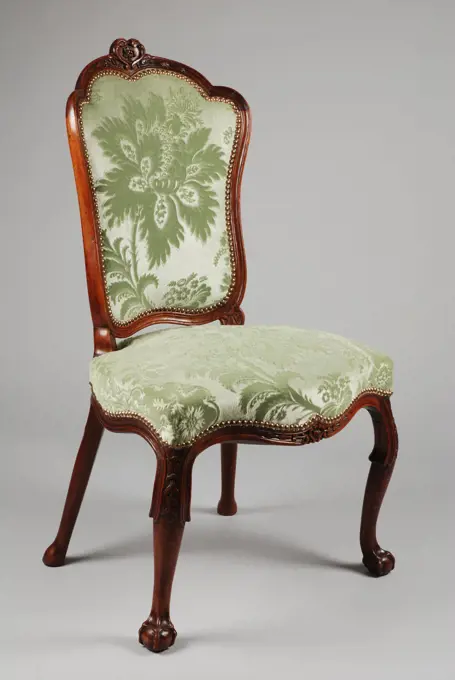
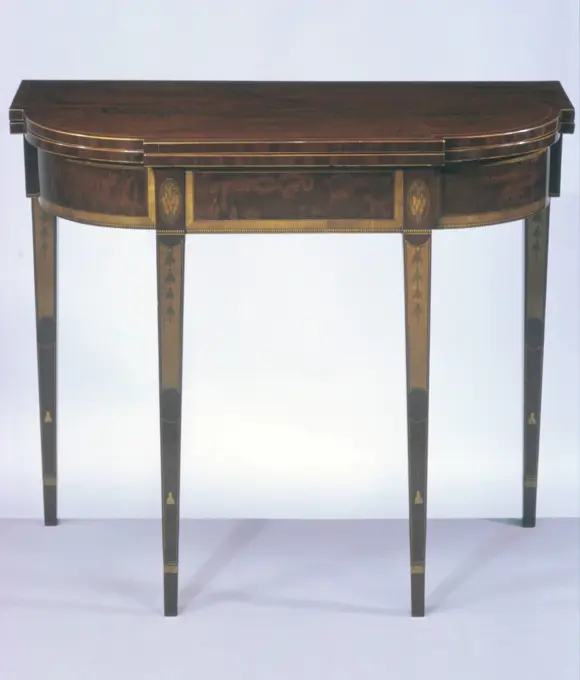
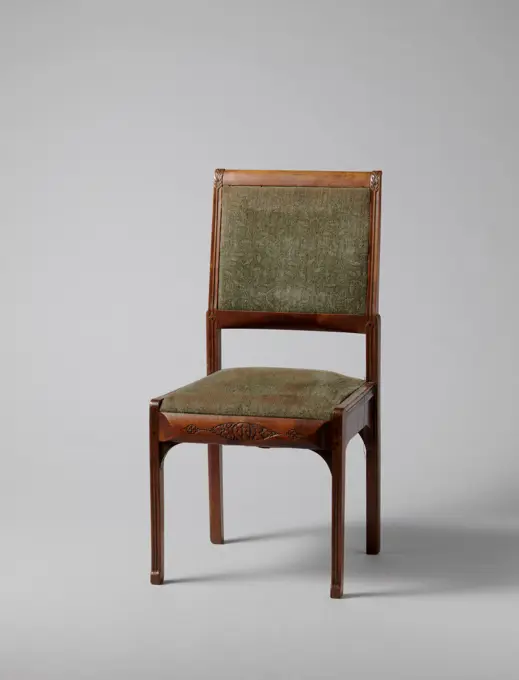
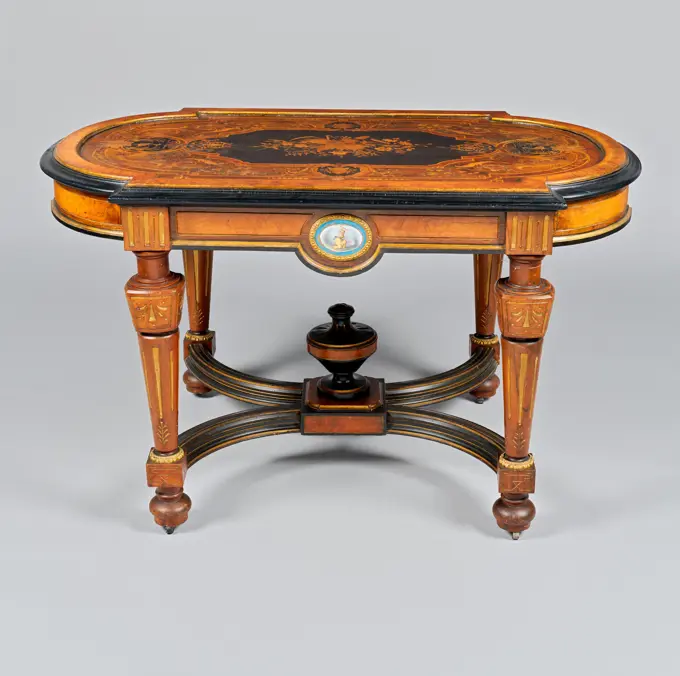
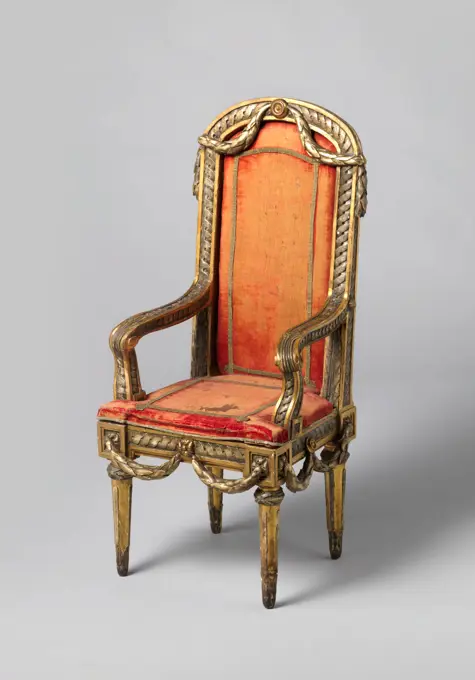
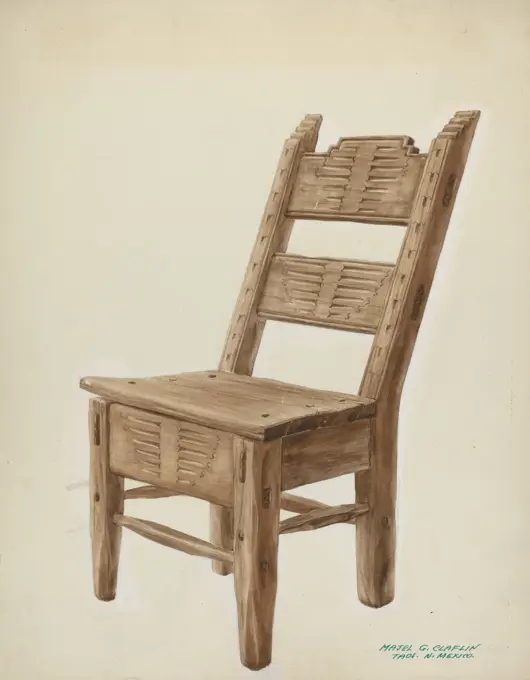
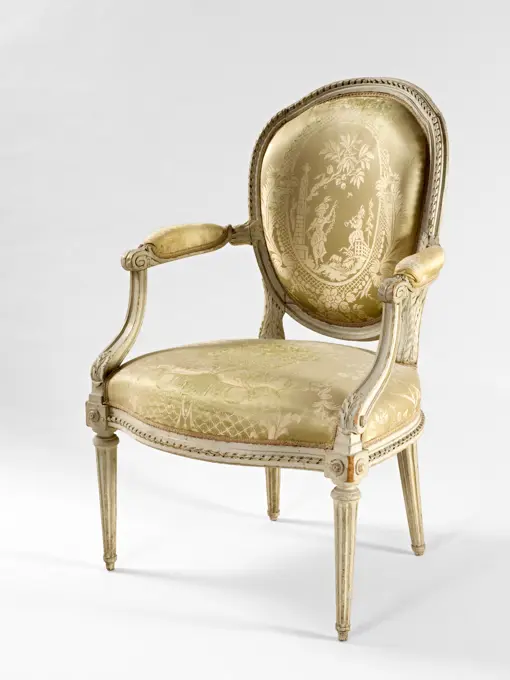
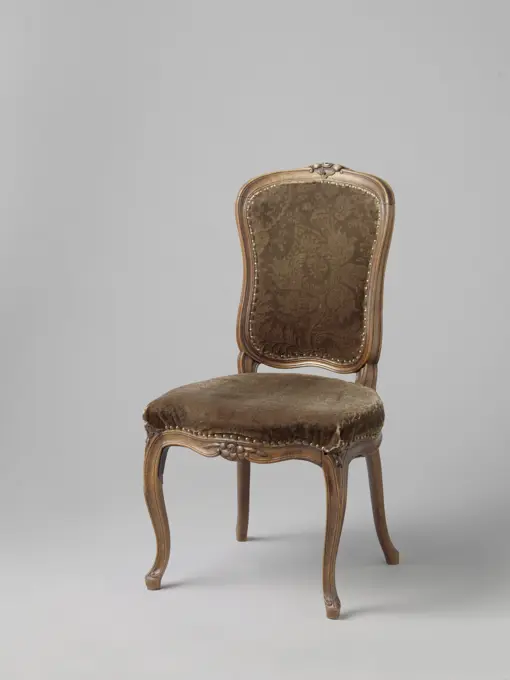
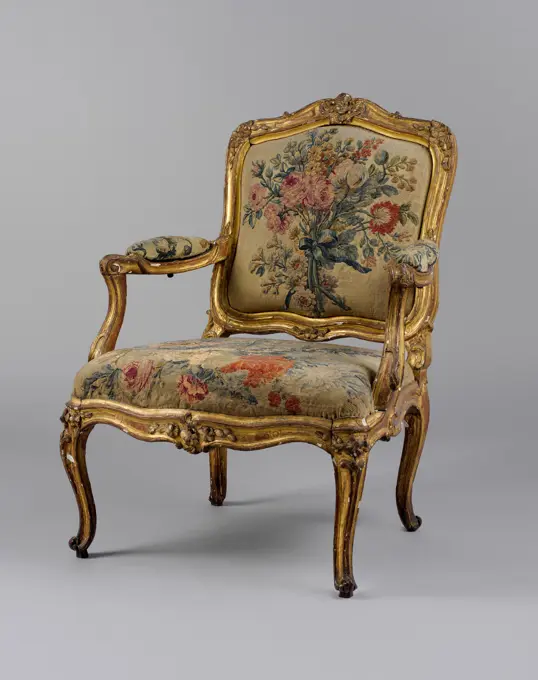
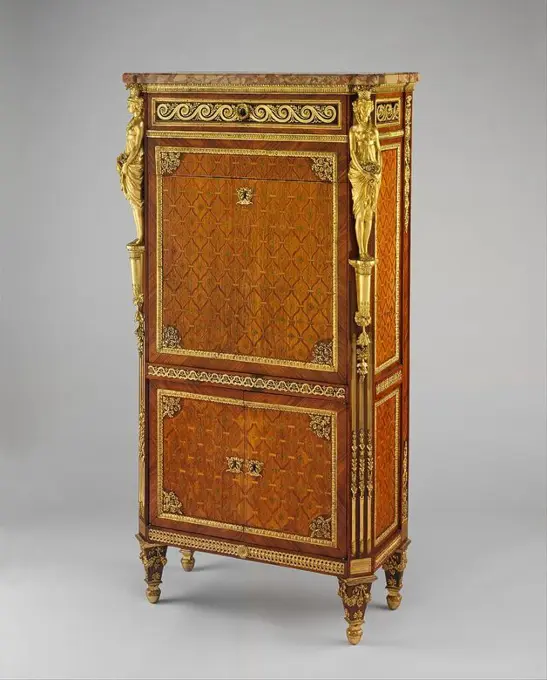
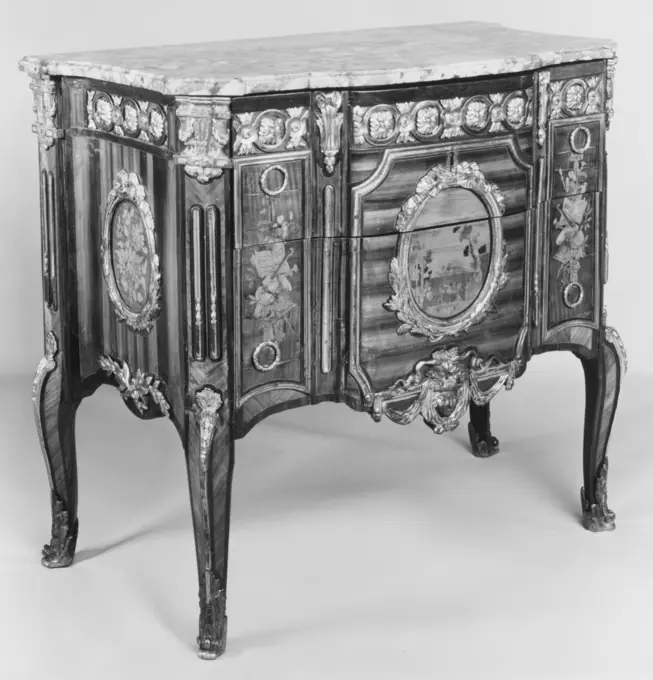
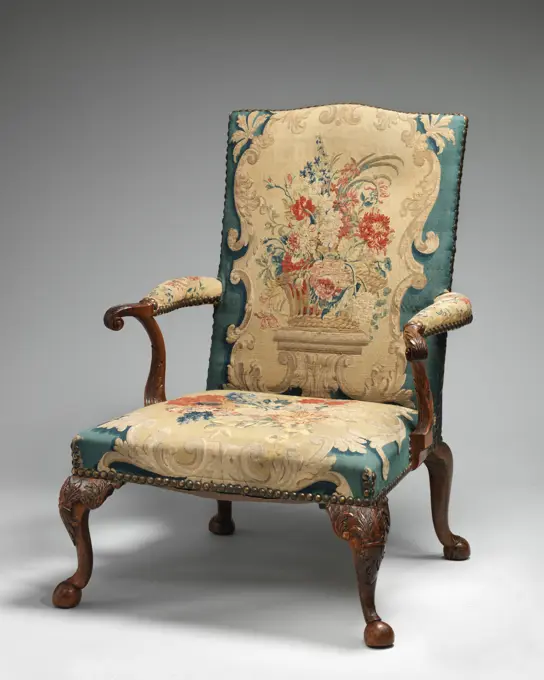
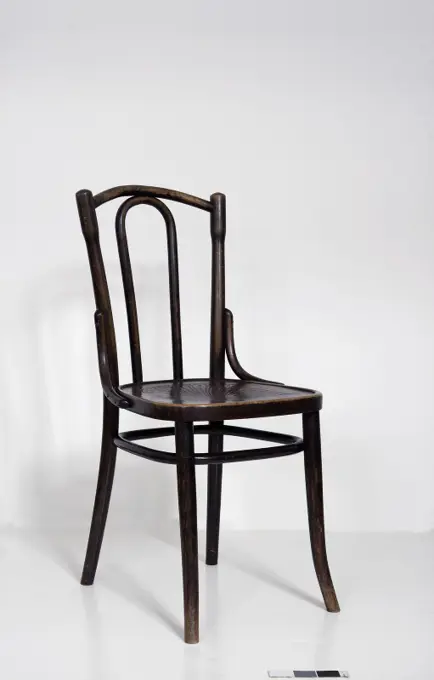
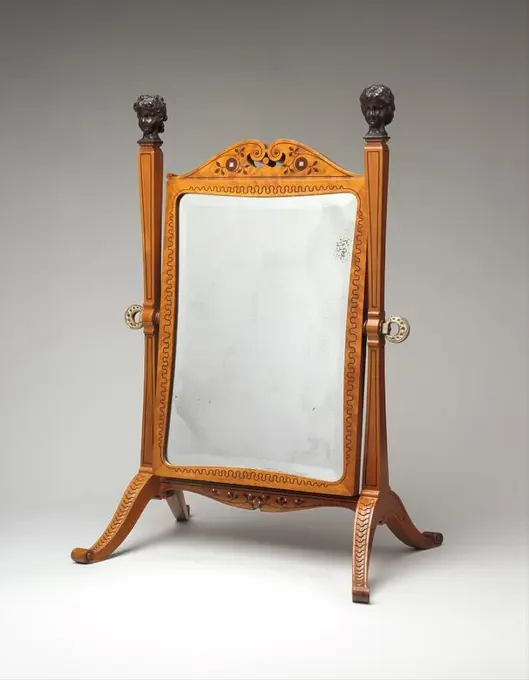
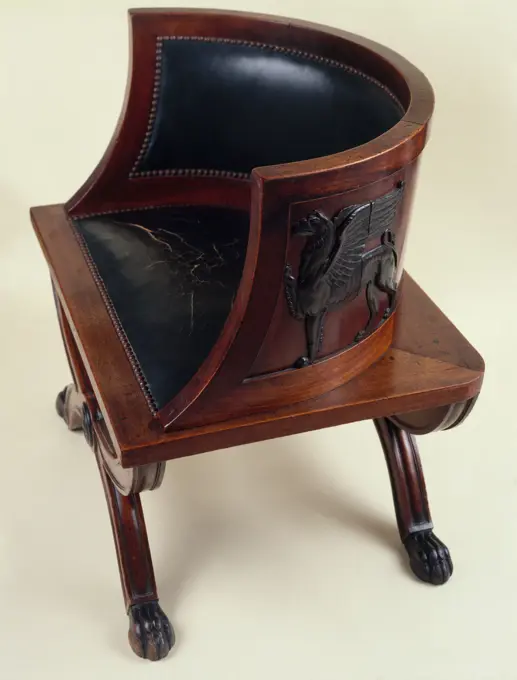
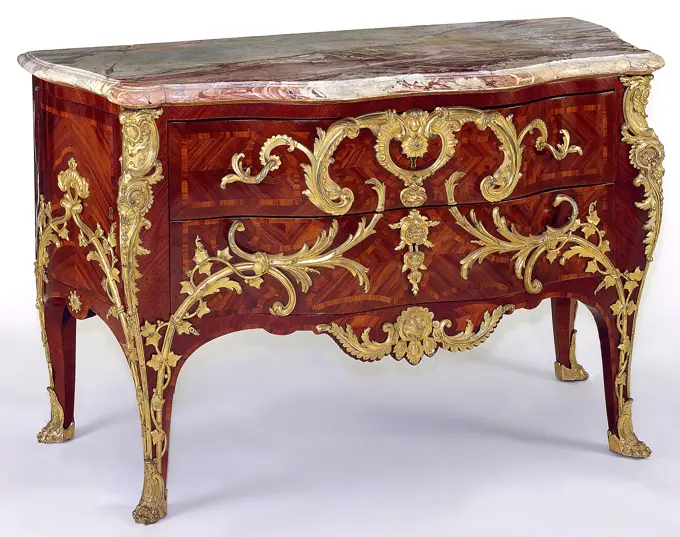
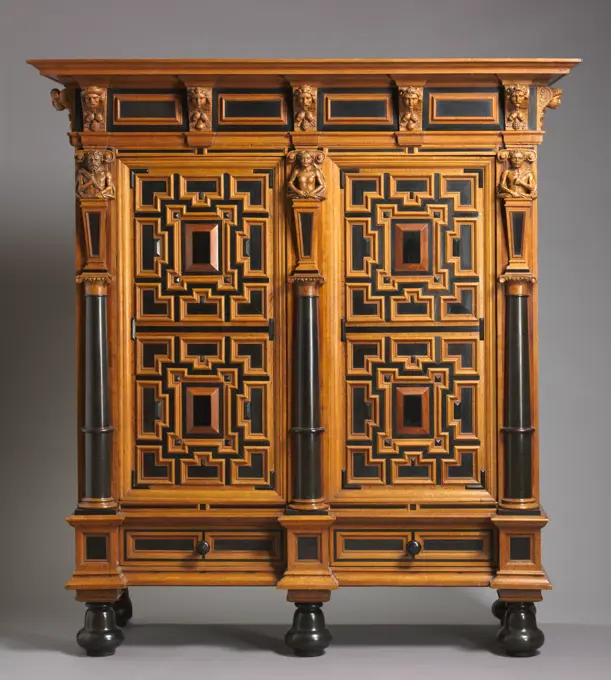
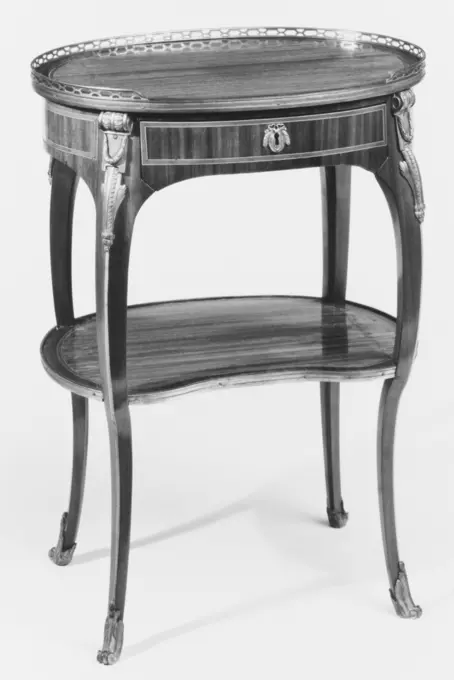
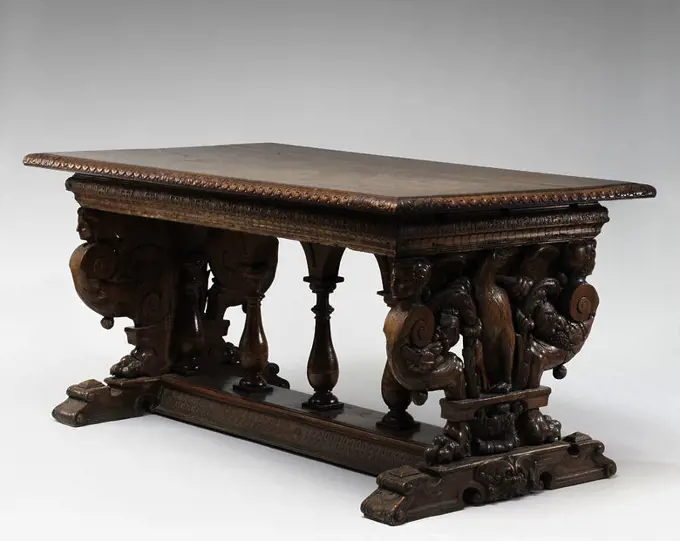
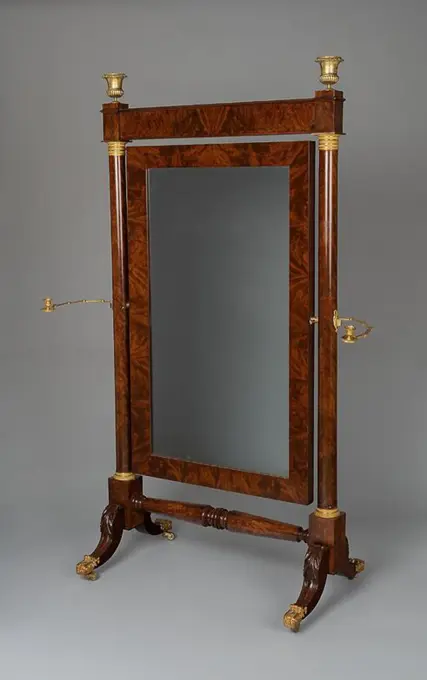
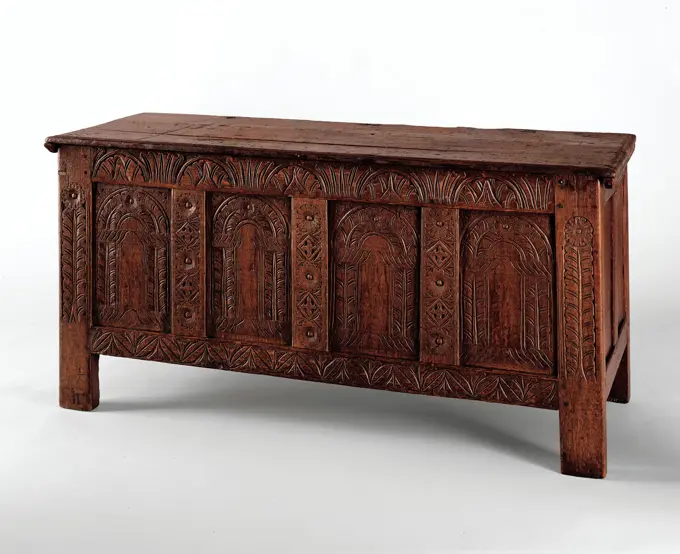
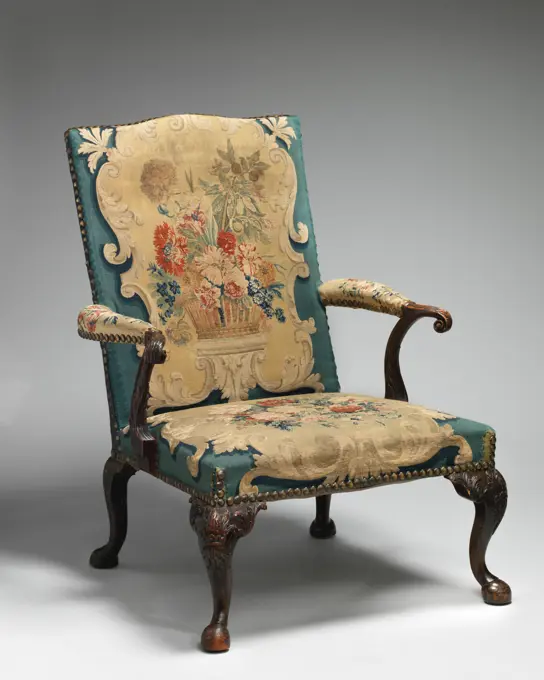
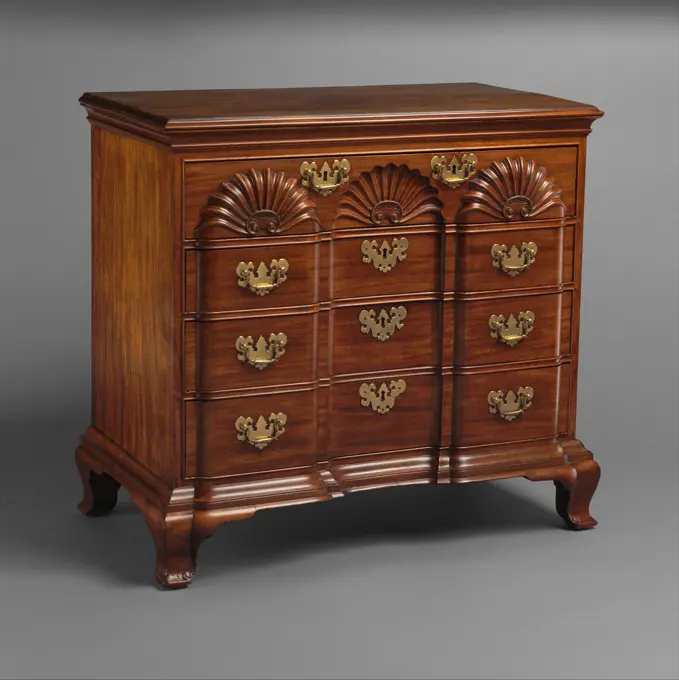
Chair. Dated: 1935/1942. Dimensions: overall: 29.2 x 22.7 cm (11 1/2 x 8 15/16 in.) Original IAD Object: none given. Medium: watercolor, gouache, colored pencil, and graphite on paper. Museum: National Gallery of Art, Washington DC. Author: Rolland Livingstone.Chair. Jacob & Josef Kohn (Wiedeń ; koncern fabryk mebli giętych ; 1849-1914), designer, Jacob & Josef Kohn (Radomsko ; fabryka mebli giętych ; 1849-1918), bentwood furniture factoryHoekbuffet, anonymous, 1750 - 1775 Corner buffet made of oak, cedar and cuba hone wood with a vertically curved front. The base cabinet with scalloped bottom line and two doors, above which one drawer with two tractors, has wide accolade -shaped corner styles. From the upper cabinet, with two doors, the right corner styles are burned from below. The boards of the interior are cut and gilded. The legs, bottom line, top and top of the corner styles, profile frames of the doors and the corrugated hood show rocaille ornaments with leaf vines; A flower basket in the crown. Seizure. Northern Netherlands wood (plant material). oak (wood). cedar (wood). mahogany (wood). copper (metal). gilding (material) gilding Corner buffet made of oak, cedar and cuba hone wood with a vertically curved front. The base cabinet with scalloped bottom line and two doors, above which one drawer with two tractors, has wide accolade -shaped corner styles. From the upper cabinet, with two doors, the right corner styLadies Writing Desk, c. 1750-75. Possibly Northern Italy, near France. Oak with straw marquetry; overall: 97.2 x 76.2 x 44.5 cm (38 1/4 x 30 x 17 1/2 in.).Card table ca. 1745-50 German, Bamberg According to the Bamberg city archives, Nicolaus Bauer (active 1758-1771) made gaming tables for Seehof Castle, the summer residence of the bishops of Würzburg and Bamberg, during the 1750s and 60s. This example, coming from Seehof, can be included in his output. The folding top exhibits marquetry motifs typical of German workshops, while carved asymmetrical shellwork elements adorn the knees.. Card table 205741Mahogany rococo chair, chair seating furniture furniture interior design wood mahogany velvet, Seat and backrest covered with light green velvet decorated with carving flowers cogwheels Rotterdam City Triangle Hoogstraat North Oude Noorden Gerard Scholtenstraat Heilige Geesthuis Oudemannenhuis Oude mannenhuis Heiligegeesthuis rococo Object was until 1972 part of the inventory of the Heiligegeesthuis at the Gerard Scholtenstraat From 1898 to 1972 the 'Heiligegeesthuis' was located in this building.Oval-back armchair ca. 1790 Swedish. Oval-back armchair. Swedish. ca. 1790. Walnut. Woodwork-FurnitureElephant Trunk Table Table; Designed by Adolf Loos (Austrian, 1870-1933); Made by Freidrich Otto Schmidt, Loetz-Witwe (Czech Republic); Austria; mahogany, glass, brass (alloy)Berlin -embroidery seat covering consisting of a seat ridge and a seat session, anonymous, c. 1830 - c. 1840 Berlin -embroidery chair covering in cross stitch, consisting of a seat ridge and a seat session. On a green stock, an oval rosary shows, between which March violets and fern leaves.  wool. silk embroidering Berlin -embroidery chair covering in cross stitch, consisting of a seat ridge and a seat session. On a green stock, an oval rosary shows, between which March violets and fern leaves.  wool. silk embroideringTaburet van Notenhout covered with Petit -Point, Anonymous, 1640 - 1660 The twisted legs end in balls clapping by claws and are sideways connected by tormented styles; In the middle a tormented cross style. On the front and back is ajour sawn out with broken volutes, flower vines and two cherubs with a crowned shield, on which an anchor and star. The Taburet is covered with Petit-Point over the upper houses, showing a midfield with two coats of arms, framed by tendrils with sitting corner figures. Northern NetherlandsNetherlands wood (plant material). walnut (hardwood). textile materials embroidering The twisted legs end in balls clapping by claws and are sideways connected by tormented styles; In the middle a tormented cross style. On the front and back is ajour sawn out with broken volutes, flower vines and two cherubs with a crowned shield, on which an anchor and star. The Taburet is covered with Petit-Point over the upper houses, showing a midfield with two coats of arms, framed byCard table ca. 1800 American This card table was acquired in 1971 to match a superb Baltimore example (32.55.4) already in the collection for display in the Baltimore Dining Room (gallery 724) in the American Wing.. Card table 1432Chair, Theo Nieuwenhuis, c. 1900  Netherlands mahogany (wood). ebony (wood). oak (wood). wool.  Netherlands mahogany (wood). ebony (wood). oak (wood). wool.yoh with a canopy;  around 1840 (1835-00-00-1845-00-00);Chair;  1640-1660 (1640-00-00-1660-00-00), the beginning of the 18th century (1701-00-00-1715-00-00);Side chair 1760-90 American This chair represents the Philadelphia scrolled-strapwork splat type at its refined best. The carved ornament has the bold high relief of the finest Philadelphia work.. Side chair 1710Chair with Swans, Anonymous, 1830 Chair from a set of ten chairs and four arm chairs of partly solid and partly glued mahogany on elm core. Loose covered seats. The square hind legs areas backwards. Nine chairs and an armchair have square, slightly rounded at the front, front legs; The rest has round articulated front legs. The stretched S-shaped backs have a sculpted intermediate rule with a palmet flanked by two swans bending back with the necks. The flat volute -shaped armrests run high in the back. Northern NetherlandsNetherlands wood (plant material). mahogany (wood). elm (wood). textile materials Chair from a set of ten chairs and four arm chairs of partly solid and partly glued mahogany on elm core. Loose covered seats. The square hind legs areas backwards. Nine chairs and an armchair have square, slightly rounded at the front, front legs; The rest has round articulated front legs. The stretched S-shaped backs have a sculpted intermediate rule with a palmet flanked by two swans Egret chair, chair furniture furniture interior design wood elm beechwood mahogany velvet, Openwork backrest with four bars green-gray velor upholstery Rotterdam police Originating from the old police station Delftse Poort.Sofa (France); wood. Chair of walnut, covered with bone leather. The furniture has columns with four rectangular muses. The rear styles are also covered with leather between seat and back. The back of the back exhibits a sprouting wooden underlay. The copper nails used to be gilt.White painted, partly gilded Louis Seize armchair, armchair chair seating furniture interior interior design wood beechwood lacquer gold leaf silk damask, Oval backrest rimmed by rectangular frame brown silk damask covering with passement on seat and back crest with laurel branches and rosette Louis XVI Louis XVI Louis Seize Kralingen-Crooswijk Rubroek Rotterdam Van Rijckevorsel From the estate Rubroec (Rubroek) of the Van Rijckevorsel family.Center Table ca. 1865-70 American. Center Table. American. ca. 1865-70. Walnut with inlays of other woods, gilding, gilt bronze mounts, and porcelain plaques.. Made in United StatesArmchair c 1856-1865 New York City. Rosewood . J. & J.W. Meeks (Manufacturer)High chair of gilded and silver -plated pine, covered with red velor, anonymous, 1775 - 1800 High chair of gilded and silver -plated pine, covered with red velvet, with silver passion deposited and resting on conical -canling legs. The sitting window has houses with rosettes on the corners, which has a double festival, held in the middle on all sides. The armrests, struts, seating rules and backstyles are decorated with braid tire and scaly motif. The back window carries, from the center of the upper arch, a festoon, hanging over the back styles that wear acanthus leaf at the bottom. France (possibly) wood (plant material). pine (wood). gilding (material). silver (metal). velvet (fabric weave) gilding High chair of gilded and silver -plated pine, covered with red velvet, with silver passion deposited and resting on conical -canling legs. The sitting window has houses with rosettes on the corners, which has a double festival, held in the middle on all sides. The armrests, struts, seatinCabinet with two doors. The upper panels wear two onion -shaped decorations between which a medallion with initials., Anonymous, 1700 - 1750 Oak two -door cabinet. The upper panels wear two onion -shaped decorations, with the tops to the center where a medallion with initials is placed. These decorations are filled with windows, on which leaf work extends as contour. Similar decorations come back in the lower panels around a medallion with window filling. The beveled corner styles and the middle needle exhibit above and below braid and leaf motifs on a deepened field within a profile list. Frisian with windows and studs. Northern Netherlands wood (plant material). oak (wood) Oak two -door cabinet. The upper panels wear two onion -shaped decorations, with the tops to the center where a medallion with initials is placed. These decorations are filled with windows, on which leaf work extends as contour. Similar decorations come back in the lower panels around a medallion with window fillin. Armchair of red stained moiety wood and beech burning on four wide legs. The front legs rest on narrow bobbins and run through in the arm struts. The front legs end in a block shape and contain a whimsical cut and sculpted ornament. The armrests are partly embedded in the block shape and end in a pet. The octagonal hind legs rest on a spherical shape and run through in the back styles. Panels were embedded in the back styles. These panels have curved side walls and contain a sculpted geometric ornament on the top. The sides of the seat are between the front and hind legs and with panels under the seat. Both the seat, backrest and armrests are lined with green wool with a winding line motif that is secured with copper nails.Arm chair of Essenhout, Anonymous, 1785 - 1800 Arm chair of ash wood, seat of matt straw. The legs are upstairs by four, connected by three sports; Everything with twisted sections. The upper front sport is flat with stabbed braid tire; The undervorsport closes back in the under-side sports. The open back window has scanned styles, a scalloped upper sill and accolade sill and a winch in the middle. The baluster -shaped struts of the armrests end through the side seats, in a point in the upper side sports. Normandy (possibly) wood (plant material). ash (wood). Arm chair of ash wood, seat of matt straw. The legs are upstairs by four, connected by three sports; Everything with twisted sections. The upper front sport is flat with stabbed braid tire; The undervorsport closes back in the under-side sports. The open back window has scanned styles, a scalloped upper sill and accolade sill and a winch in the middle. The baluster -shaped struts of the armrests end through the side seats, in a poHigh chest ofdrawersMajel G Claflin, Wooden Chair, c 1939 Wooden ChairPier Table, c. 1829-1835. Joseph Meeks and Sons (American). Mahogany; marble; overall: 91.5 x 105.4 x 57.1 cm (36 x 41 1/2 x 22 1/2 in.). Ornamental tables such as this marble-topped example were most often used in rooms on a narrow wall between two windows or just across from them on an opposite wall. Usually a gilded mirror hung above the table to create a single pier of glass, top to bottom, which reflected light around the room. This tables bold use of carved and stenciled decoration, as well as expensive white marble, indicate that it was owned by a very wealthy family.Side Chair ca. 1745 William Savery. Side Chair 14919Collectors Cabinet, anonymous, c. 1650 - c. 1675 Table cabinet, glued with rosewood and ebony on an oak core. The styles are decorated with festons. Both doors have ojief -shaped profiled pillows. On the backs there is a shell of angels -blowing angels and a festen -blown -up angels. On the cornice in the middle a cartouche and on the corners a cartouche with angelic figures. The chassis has two drawers and legs in the form of Tuscan columns. Boles turned under the legs. Netherlands wood (plant material). oak (wood). rosewood (wood). ebony (wood) Table cabinet, glued with rosewood and ebony on an oak core. The styles are decorated with festons. Both doors have ojief -shaped profiled pillows. On the backs there is a shell of angels -blowing angels and a festen -blown -up angels. On the cornice in the middle a cartouche and on the corners a cartouche with angelic figures. The chassis has two drawers and legs in the form of Tuscan columns. Boles turned under the legs. Netherlands wood (plJean-Baptiste SENÉ (1748-1803). Cabriolet armchair. Beech, around 1780. Paris, Carnavalet museum. Acanthe leaves, bay leaves, pater, twisted ribbon. Cabriolet armchair, stretch, furniture, furnitureTable glued with walnut, inlaid with various types of wood and ivory. Table glued with walnut, inlaid with various types of wood. The rectangular leaf shows a vase with flowers, framed by horns of abundance, round and S-shaped tires. This is entirely caught in a double rectangular tire list, within which the corners and on the center of the long sides scalloped fields with fine acanthus tanks. The rule also contains a tray and has corner styles, which flow fluently into the S-shaped bent, overhanging places places, which end as a heel joint (hooves).Mangel of oak, c. 1400 - c. 1950 Mangel of oak wood weighted with 2 lead plates. Children's toys.  oak (wood). lead (metal) Mangel of oak wood weighted with 2 lead plates. Children's toys.  oak (wood). lead (metal)Gothic Revival chair, c. 1860, Possibly J.W. Meeks, American, (New York City), 1797-1869, 53 1/2 x 25 1/4 x 26in. (135.9 x 64.1 x 66cm), Wood, cloth upholstery, United States, 19th centuryCabinet. unknown, creatorPair of armchairs. Georges Jacob was the leading menuisier (maker of chairs and other carved furniture) in Paris in the last quarter of the 18th century. These armchairs are executed in a light, refined interpretation of Neoclassicism. Jacob made several sets of chairs for Queen Marie Antoinette of France, which closely resemble this pair.DressingTableTableArmchair (fauteuil en cabriolet) (one of a pair) (part of a set) ca. 1785 Jean-Baptiste-Bernard Demay This pair of armchairs formerly belonged to the Marquise de Ganay just as the Neoclassical bergères à la reine by Demay also in the museums collection (1973.305.3). Made of carved and gilded beechwood, the armchairs have a slightly curved back. Two pinecone finials terminate the top rail while the decorative motifs of pearls and guilloches, acanthus scrolls, and columns are frequently found on Neoclassical furnishings created during the reign of Louis XVI. Seen together with the bergères (1973.305.3) and sofa (1973.305.1) also by the same joiner or menuisier, this pair of armchairs demonstrates how furnishings at the end of the eighteenth century were typically conceived as part of a stylistically unified ensemble.. Armchair (fauteuil en cabriolet) (one of a pair) (part of a set) 236105Table of walnut with nine columns in the form of Tuscan columns. Table of walnut with nine columns in the form of Tuscan columns, resting on a double-cross-shaped pedestal on twisted balls. The table rule is treated as a simple profiled architravel. The columns on the short sides are connected by bows on consoles. The table has two pull leaves. Midfield of the top is from Iepenhout.Armchair (Bergere). unknown, authorChest. Culture: American. Dimensions: 29 3/4 x 49 1/8 x 21 3/8 in. (75.6 x 124.8 x 54.3 cm). Maker: Possibly William Searle (died 1667); Thomas Dennis (1638-1706). Date: 1663-80.The richest and most vigorous early colonial carving is that associated with the work of William Searle (1634-1667) and Thomas Dennis (1638-1706) of Ipswich. Paired leaves, with a naturalistic, three-dimensional quality rare in American furniture of the period, dominate the panels of this chest; the panels are carved in the popular seventeenth-century design of a stalk of flowers and leaves emerging from an urn, of which only the opening is indicated here. Searle and Dennis came from Devonshire, England, where a tradition of florid carving, using many of the motifs seen on this chest, flourished in the early seventeenth century. Museum: Metropolitan Museum of Art, New York, USA.. Table glued with rosewood and ebony on oak core, resting on paws in the form of Tuscan columns with houses, connected by a double y-shaped cross. The table is on bulbs. The houses are decorated with cushions within Robbel lists. The support pieces with exudations are broken S-shaped. The following runs a list of braid mat motif and Robbel list. The quarter round rule has a drawer at the front. The leaf, with robber lists all around, is glued into a geometric pattern.Table on four legs with a square top. unknown, craftsmanChair with S -shaped legs placed overhoeks on Bokhoeven, Anonymous, 1740 - 1760 Chair belonging to ameublement consisting of six covered walnut chairs and one arm chair, resting on overhoek-placed stretched s-shaped legs on boxing farms, which turn into the sitting window. The rounded, sculpted, sitting window has decorated decorations in floral pattern; As well as the upper sill of the elongated covered back window that is slightly sculpted from below and from the side. The stretched S-shaped armrests are supported by stretched out-in-backed S-shaped struts with volute and acanthus leaf decorations. Northern Netherlands (possibly) wood (plant material). walnut (hardwood). textile materials Chair belonging to ameublement consisting of six covered walnut chairs and one arm chair, resting on overhoek-placed stretched s-shaped legs on boxing farms, which turn into the sitting window. The rounded, sculpted, sitting window has decorated decorations in floral pattern; As well as the upper siTeapoy with four oval tea caddies. Culture: British. Dimensions: Overall (teapoy): 27 3/4 × 23 × 17 in. (70.5 × 58.4 × 43.2 cm). Date: ca. 1790.The word teapoy derives from the Hindu tepai, meaning "three-legged" or "three-footed" and refers to a small table or stand on a tripod support. These were used "in drawing rooms to prevent the company rising from their seats whilst taking refreshment," according to the Regency furniture designer George Smith (act. 1804-28) in A Collection of Designs for Household Furniture and Interior Decoration (1808). However, from about 1810 on, it came to signify a chest on a stand fitted with various compartments holding removable caddies for storing tea. Here, the names of the teas are engraved in silver medallions. Museum: Metropolitan Museum of Art, New York, USA.Settee. Maker, possibly by: Duncan Phyfe, American, 1768-1854Chair of stained beech wood. The furniture is stretched with cane and has overshoeks placed, S-shaped front legs on ribbed feet and with a palm with the swelling. The hind legs show home and leiding. The resources are bent, cross sport brached. The seat rules are scalloped, the front seat with a palm with decorated. The high back has a profiled, on the top scalloped window and is shared by a wide center style in two compartments. As a crowning, a palmet between volutes.Cabinet, anonymous, c. 1685 - c. 1700 Cabinet glued with multiple woods and legs on an oak core. The baluster legs of the chassis are connected by a double y-shaped cross on bol legs, with an oval in the middle. Both the inside and outside of the furniture and the frame are decorated with flower marqueterie. The two doors show high flower vases under bows placed high on pedestals; There is a bird on each pedestal. Frames with flower and leaf vines. The rule of the chassis contains a drawer at the front. Amsterdam (possibly) wood (plant material). oak (wood). rosewood (wood). walnut (hardwood). yew (wood). birch (wood). alder (wood). maple (wood). holly (wood). bone (material). ivory. Cabinet glued with multiple woods and legs on an oak core. The baluster legs of the chassis are connected by a double y-shaped cross on bol legs, with an oval in the middle. Both the inside and outside of the furniture and the frame are decorated with flower marqueterie. The two doors show high flower vaseArmchair (fauteuil) first half 18th century Tapestry woven at Beauvais. Armchair (fauteuil) 189343 Factory: Tapestry woven at Beauvais, Armchair (fauteuil), first half 18th century, Carved and gilded beechwood; Beauvais tapestry upholstery, Overall: 36 1/4  27  21 3/4 in. (92.1  68.6  55.2 cm). The Metropolitan Museum of Art, New York. Gift of J. Pierpont Morgan, 1906 (07.225.58)Drop-front secretary (secrétaire à abattant or secrétaire en armoire). Culture: French, Paris. Dimensions: H. 63-1/2 x W. 32 x D. 15 in. (161.3 x 81.3 x 38.1 cm). Factory director: Under the direction of Jean Hauré (born 1739, active 1774-after 1796). Maker: Guillaume Benneman (active 1785, died 1811); and Michaud; Probably cast by Étienne-Jean Forestier (died 1768, master 1764); Pierre-Auguste Forestier; Chased by Pierre Philippe Thomire (French, Paris 1751-1843 Paris); and Bardin; and Tournay and others; Gilded by Galle. Modeler: Mounts modeled by Louis Simon Boizot (French, Paris 1743-1809 Paris); and Martin, possibly Gilles-François Martin (ca. 1713-1795). Date: 1786-87.This unusually well documented secretary--known as a secrétaire en armoire because the section below the drop front, or abattant, is fitted as a cupboard (armoire)--beautifully illustrates the collaborative nature of high-quality furniture production in eighteenth-century France. Because of strict guild regulationsCommode ca. 1760-70 Pierre Antoine Foullet Son of the French cabinetmaker Antoine Foullet, who was specialized in the creation of clock cases, Pierre Antoine is best-known for his output of chests of drawers (commodes) executed in a transitional style. Even though the breakfront shape and the two drawers sans traverse (without a shelf in between) decorated with a central medallion are characteristic for his work, this particular example is smaller than most of Foullets commodes. While the curving cabriole legs and serpentine outline of the chest of drawers still show lingering influence of the Rococo style, the medallions, pendent musical trophies, and gilt-bronze mounts are clearly Neoclassical in nature. Since as a cabinetmaker, Foullet was not allowed to cast and chase the bronzes for his furniture, he must have collaborated closely with a member of the metalworkers guild since the outline of the apron mounts and the laurel-leaf and bow-knotted ribbon frames of the medallions are Secretaire. unknown, creatorWicker Armchair Wicker armchair with a pillow on an isolated studio background Copyright: xZoonar.com/AndreyxSkatx 12308970antique chair in front of white backgroundArmchair ca. 1740 British The tapestry panels displaying bouquets, baskets, and vases of flowers were probably designed by the painter Tobias Stranover (1684-1756), who specialized in the depiction of birds, flowers, and still life, and were woven by William Bradshaw (act. 1728-75) in London.. Armchair. British. ca. 1740. Mahogany and tapestry. Woodwork-FurnitureChair. Levee (Europa ; fabryka mebli giętych ; 2. poł. XIX w.-początek XX w.), bentwood furniture factoryCurule Stool. Culture: American. Dimensions: 15 1/4 x 20 3/4 x 15 1/4 in. (38.7 x 52.7 x 38.7 cm). Maker: Workshop of Duncan Phyfe (1770-1854). Date: 1837-38. Museum: Metropolitan Museum of Art, New York, USA.Roundaboutchair.  Designer Wallace Nutting, American, 1861-1941Dressing glass. Culture: American. Dimensions: 23 1/4 × 15 3/4 × 10 1/2 in. (59.1 × 40 × 26.7 cm). Maker: George A. Schastey & Co. (1873-97); George A. Schastey (1839-1894). Date: 1881-82.In 1881, Arabella Worsham, then-mistress of railroad magnate Collis P. Huntington, hired George A. Schastey & Co. to decorate her townhouse at 4 West Fifty-Fourth Street in New York City. The resulting artistic interiors would have been considered the height of cosmopolitan style in the early 1880s and were emblematic of Worsham's quest to fashion her identity as a wealthy, prominent woman of taste. When Worsham married Huntington in 1884, she sold the house, fully furnished, to John D. and Laura Spelman Rockefeller, who made few subsequent changes to the decorations. Following Mr. Rockefeller's death, the house was demolished in 1938, yet some furnishings, large-scale architectural elements, and three interiors were preserved, and the rooms were donated to local museums by John D. Rockefeller Jr. TMetamorphic Library Table-steps (England); Designed by Thomas Sheraton (English, 1751 - 1806); mahogany, brass, feltClose-up of Chinese traditional chairBernard Demay. Curule seat in carved mahogany. Paris, Carnavalet museum. 36027-1 Sculpta mahogany, furniture, curule seatArthur Johnson, Side Chair, 1937 Side ChairCommode, c. 1745, attributed to Charles Cressent, French, 1685-1768, 35 3/4 x 57 x 26 1/4 in. (90.81 x 144.78 x 66.68 cm), Satinwood and purpleheart, gilt bronze mounts and marble top, France, 18th century, French furniture of the highest quality during the 1700s was adorned with gilt-bronze, called ormolu, mounts. Charles Cressent (1685-1768), a leading French cabinetmaker, was especially noted for his elaborate Rococo gilt-bronze mounts. He trained as a sculptor before turning to cabinetry, and his mounts display a strong three-dimensional organic quality. On this commode, or cabinet, the mounts are of acanthus and ivy leaves. Cressent had his furniture mounts engraved and gilded in his own workshop, allowing him to maintain quality and to stop others from copying his work.ChairArmchair with Continuous Yoke Back, One of a Pair, c. 1600, 44 1/2 x 23 1/4 x 17 1/2 in. (113.03 x 59.06 x 44.45 cm), Huang hua-li hardwood, cane, China, 16th-17th centuryDresser;  1730-1750 (1730-00-00-1750-00-00);Winnicki-Radzewicz, Aleksander (1911-2002), Dar (provenance)Chair. unknown, creatorFolding fans in a basket on a wooden deskConsole Table 1740-1750 Naples. Wood, painted and silvered; marble .. A commode was the most important piece of furniture for storage in an 18th-century French interior. The form of this commode, with its slightly bent legs and curving sides, is typical of the years 1720 to 1740. The pagoda-shaped mount on the upper middle drawer is an example of the popularity of Chinese motifs.Bench ca. 1700 Dutch, probably. Bench 454Wardrobe (Kast), c. 1625-50. Holland, 17th century. Oak with ebony and rosewood veneers; overall: 244.5 x 224.3 x 85.2 cm (96 1/4 x 88 5/16 x 33 9/16 in.).Armchair (Fauteuil) (1 of 2), c. 1785. Nicolas-Denis Delaisement (French). Boxwood ; overall: 98.2 x 69.9 x 68.3 cm (38 11/16 x 27 1/2 x 26 7/8 in.).Armchair 1679 Swiss. Armchair. Swiss. 1679. Walnut; straw seat. Woodwork-FurnitureCentertableSide Chair ca. 1825 American. Side Chair 1595Table or stand with pearl chasing dragons amid flames.Rectangular table or standard of porcelain with four legs, painted on biscuit with green, yellow, eggplant and black. On the blade two pearl roaching between flames and clouds; The legs with a wood grain pattern. Short sides of the leaf have been cut. Old label on the bottom with 'Huth 47 17/5/05'. Email sur biscuit with famille verte colors.Small oval writing table (one of a pair) ca. 1775 Roger Vandercruse, called Lacroix French The maker of this table and its pair, Roger Vandercruse, who was known by the French version of his name as Lacroix, had a successful career in Paris where he was part of a network of outstanding craftsmen. Three of his sisters married cabinetmakers, including Françoise Marguerite who was the wife of Jean François Oeben and after Oebens death married Jean Henri Riesener. Vandercruse stamped his work with his initials: R.V.L.C. Although he made larger pieces such as commodes and secretaries, one of his specialties was the production of meubles volants, portable items of furniture such as small tables for different usages. Letter writing was a much-practiced and fashionable activity amongst the literate in eighteenth-century Europe. Indeed, the English diarist Horace Walpole reported to a friend that “there have been known here [in Paris persons who wrote to one another four times a day”. In ordeWood and ivory throne of infant king, from Valley of the Kings, tomb of TutankhamenDrop-leaf Pembroke Table. Culture: American. Dimensions: Open: 27 1/4 x 36 1/2 x 33 1/8 in. (69.2 x 92.7 x 84.1 cm). Maker: John Townsend (1732-1809). Date: ca. 1795. Museum: Metropolitan Museum of Art, New York, USA.Walnut Table with Eagles on the Supports. Dated: c. 1540/1560. Dimensions: overall: 172.6 x 101.4 x 85.2 cm (67 15/16 x 39 15/16 x 33 9/16 in.). Medium: walnut. Museum: National Gallery of Art, Washington DC. Author: Florentine 16th Century.Dressing Mirror. Attributed to Duncan Phyfe; American, born Scotland, 1768-1854. Date: 1815-1825. Dimensions: 104.1 × 188.6 × 61 cm (41 × 74 1/4 × 24 in.). Mahogany veneer and tulip poplar. Origin: . Museum: The Chicago Art Institute, Chicago, USA.Card table. unknown, contractorSoftwood bed base, sofa furniture furniture interior design wood coniferous paint textile, Twisted legs and tufts in lines polychrome painted with allegorical and biblical representations with matching green cushion Left side: shepherd with sheep right side woman with staff and bird front Jesus at house on each side of the house five people with cup one of them leaves cup Erasmusstichting Rotterdam bible religion Long-term loan Erasmusstichting.Ding censor in the base;  19th century (1801-00-00-1900-00-00);LibraryTableSmall table. unknown, authorChest 1650-80 American Chests used for household storage were common in seventeenth-century homes. This lift-top chest is embellished with carved motifs that are characteristic of the decorative vocabulary of the earliest New Haven joiners, including the carved arches in the panels, the lunettes on the upper rail, the paired leaves on the lower rail, and the rosettes on the stiles.. Chest 1995Bed from the Hospital of Saint John of God in Warsaw. Fontana, Jakub (1710-1773), designer, Redler, Jan Chryzostom (fl. ca 1743-1773), woodcarverArmchair ca. 1740 British The tapestry panels displaying bouquets, baskets, and vases of flowers were probably designed by the painter Tobias Stranover (1684-1756), who specialized in the depiction of birds, flowers, and still life, and were woven by William Bradshaw (act. 1728-75) in London.. Armchair. British. ca. 1740. Mahogany and tapestry. Woodwork-FurnitureChest of drawers 1765 John Townsend American The voluptuous shells and shapely blocked drawer fronts of this bureau table, referred to as block-and-shell, became closely associated with cabinetmakers in Newport. Townsend expertly sawed and carved down thick mahogany boards to shape the drawer fronts and applied shells. The fashion for mahogany furniture in Europe and the Americas caused irreparable ecological damage to the Caribbean islands as vast forests were cleared to supply the trade and cultivate cash crops like sugar. John Townsend was perhaps the greatest master of block-and-shell furniture, the signature style of Rhode Island cabinetmakers. This chest is one of eight known case pieces that he signed or labeled. Two of the pieces, including this one, are dated 1765; the others date from around 1790, suggesting how long-lived this style was. All are remarkably alike in overall design, decorative detail, and construction.. Chest of drawers 2022Chair. unknown, creatorThrone chair. unknown, authorCylinder Desk and Bookcase. Culture: American. Dimensions: 95 3/8 x 48 1/8 x 24 in. (242.3 x 122.2 x 61 cm). Maker: Attributed to Duncan Phyfe (1770-1854). Date: 1815-20.The exacting craftsmanship, rarely seen roll-top mechanism, and first-quality woods indicate that this bookcase was certainly made by one of the finest furniture establishments in the United States. One particular feature--the spiral-fluted ellipsoids above the tapered legs--relates this cylinder desk and bookcase to a labeled Duncan Phyfe work table in the Winterthur Museum collection. The writing board is mechanically activated and moves forward as the roll-top, or cylinder, front is lifted. Museum: Metropolitan Museum of Art, New York, USA.Side chair ca. 1725-35 British. Side chair. British. ca. 1725-35. Gilded gesso on walnut. Woodwork-FurnitureEasel -Arm chair covered with tapisserie with flower bouquets, I. Gourdin, c. 1770 Arm chair, part of an ameublement, made of white with gold painted beech wood and on a loose window covered with tapisserie that shows bouquets bound by ribbons with bows together. The front legs, by-line, upper sill and styles of the back window wear stabbed leaf and floral motifs. The armrests with cushions end in volutes; The S-shaped legs placed overhoek ends in an acanthus leaf. Marked: I. Gourdin. See: BK-16655-A/B, D, E, F, G. maker: Francemaker: Parismaker: Parisdesigner: Francedesigner: France wood (plant material). beech (wood). ketting: wool. inslag: wool. inslag: silk tapestry Arm chair, part of an ameublement, made of white with gold painted beech wood and on a loose window covered with tapisserie that shows bouquets bound by ribbons with bows together. The front legs, by-line, upper sill and styles of the back window wear stabbed leaf and floral motifs. The armrests with cushions end in volutes; T