Antique Decorative Containers

A selection of vintage containers including cups, jars, and inkwells, crafted from diverse materials like pewter and clay, reflecting historical craftsmanship.

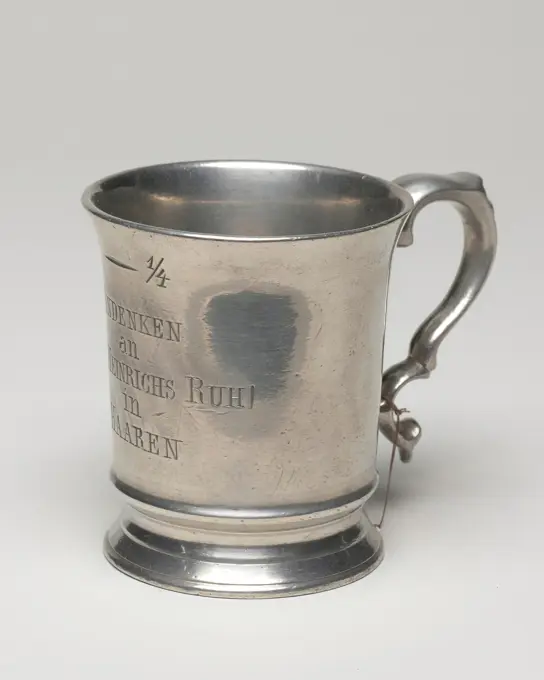
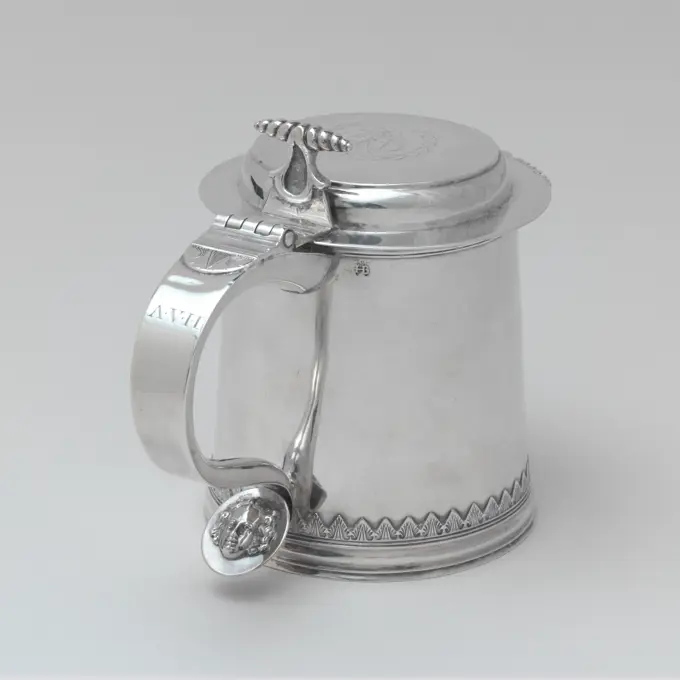
Cup, 18th century, 3 x 2 7/8 x 2 7/8 in. (7.62 x 7.3 x 7.3 cm), Pewter, United States or England, 18th century
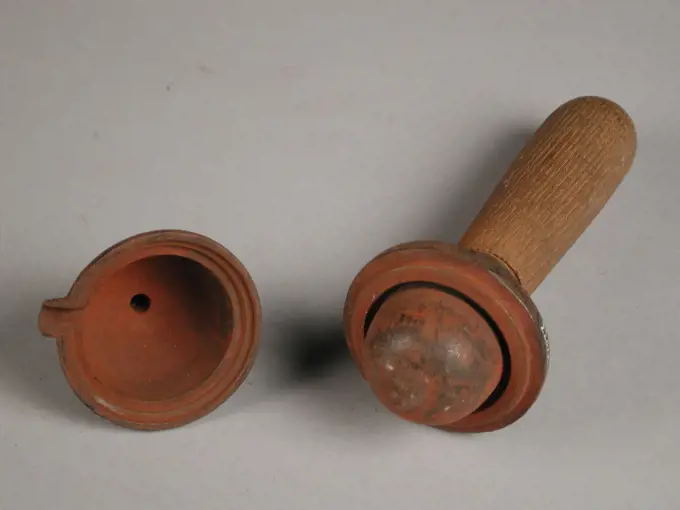
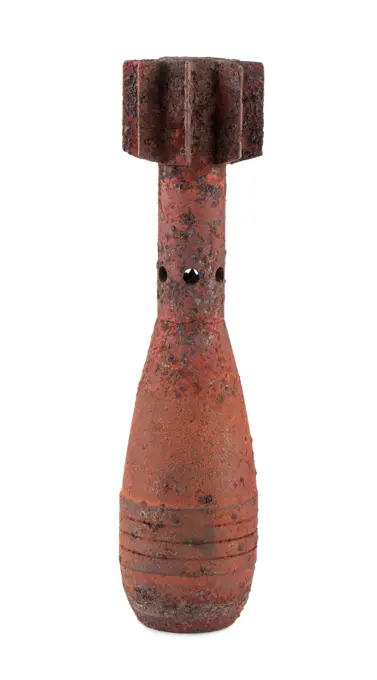
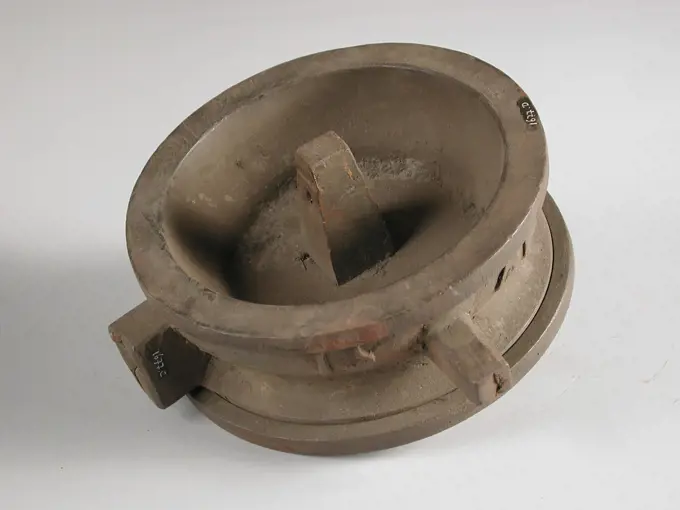
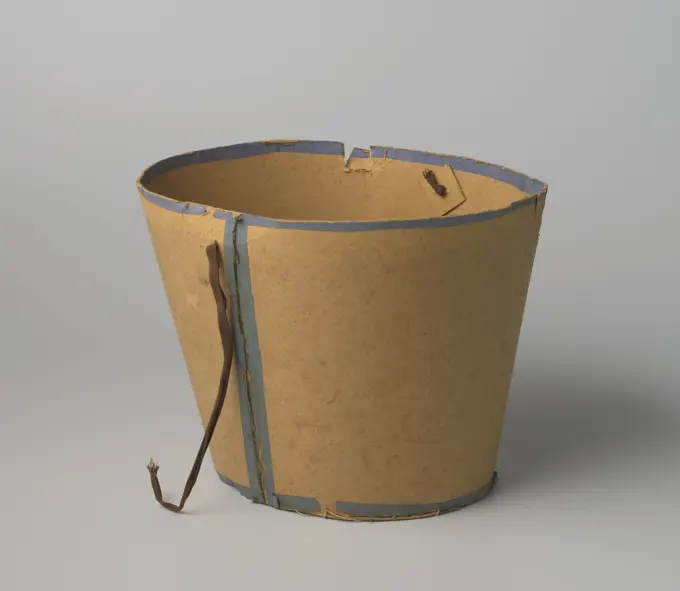
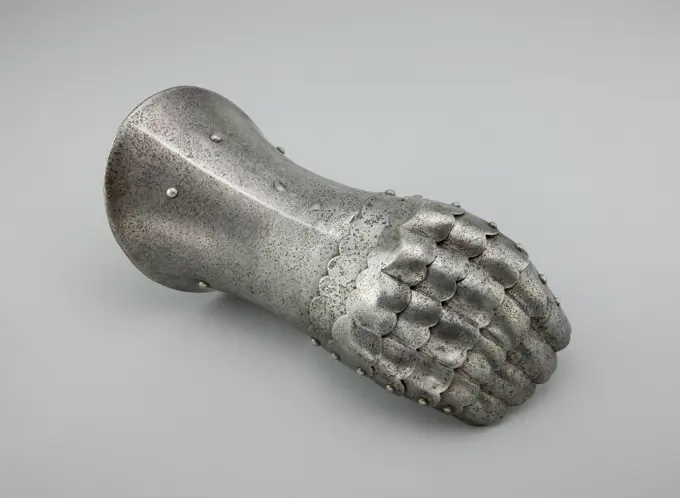
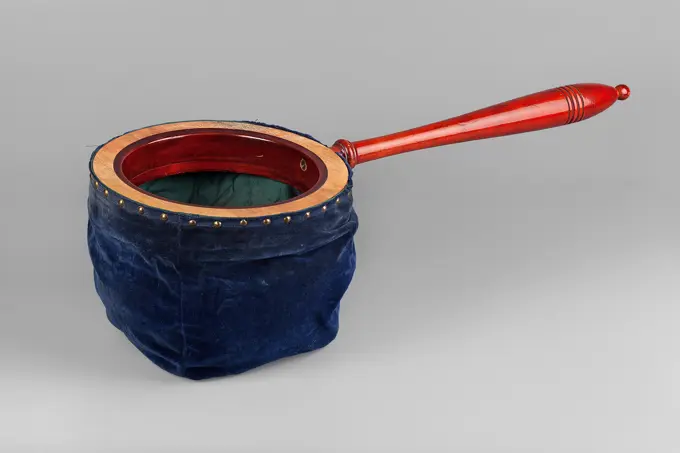
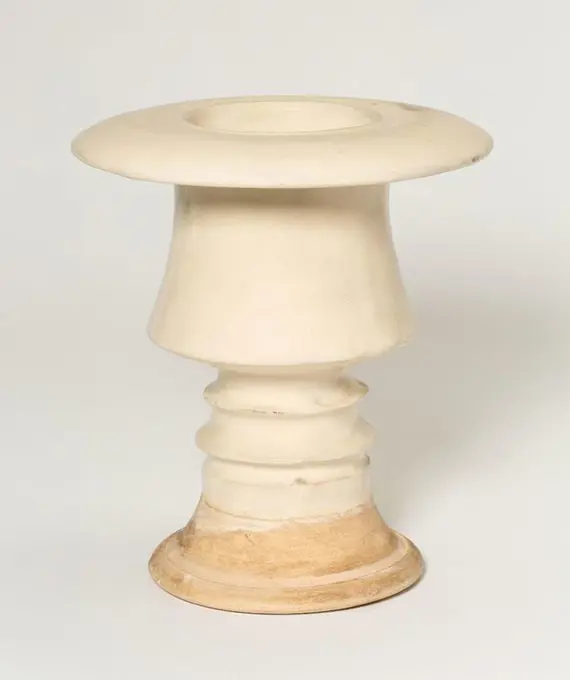
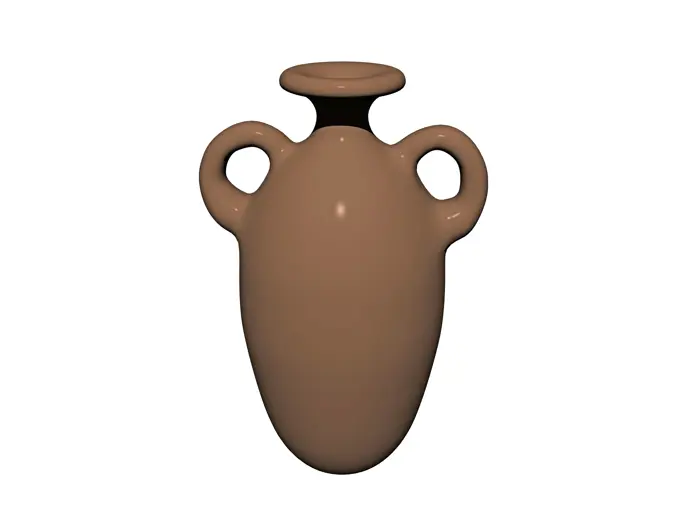
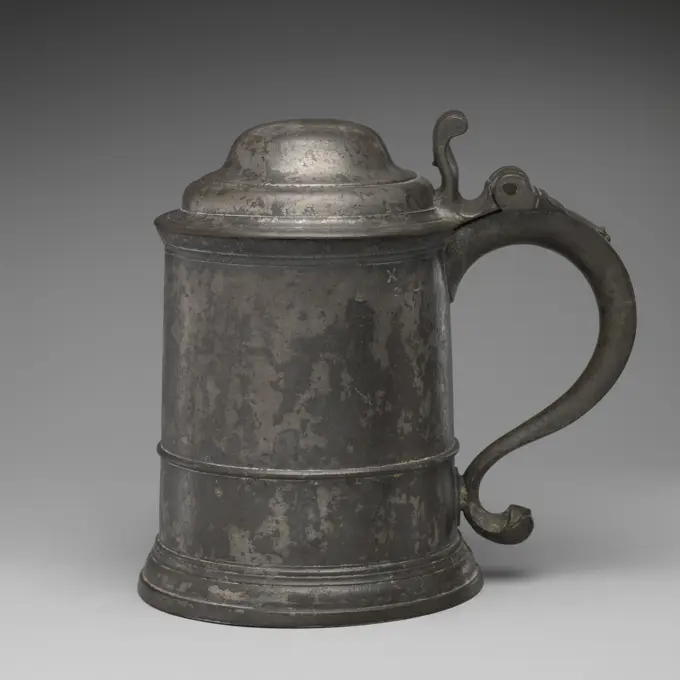
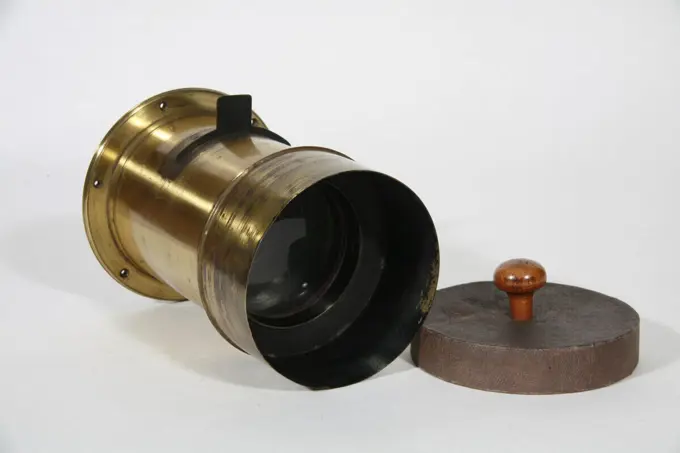
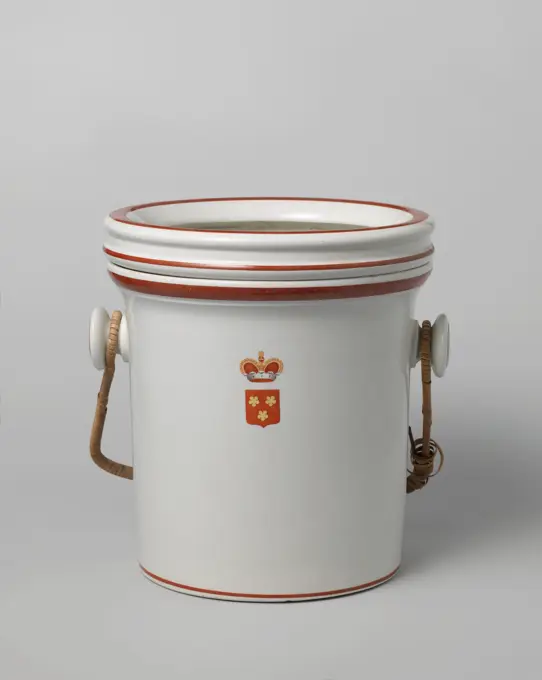
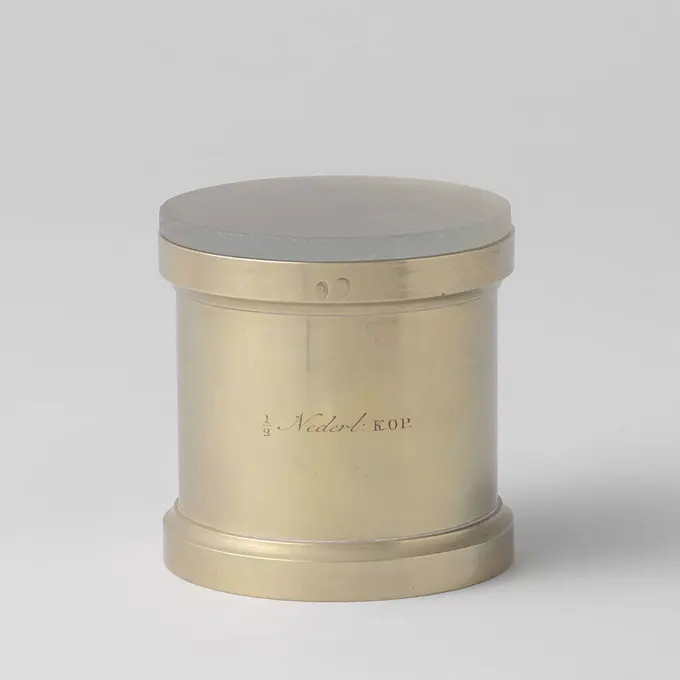
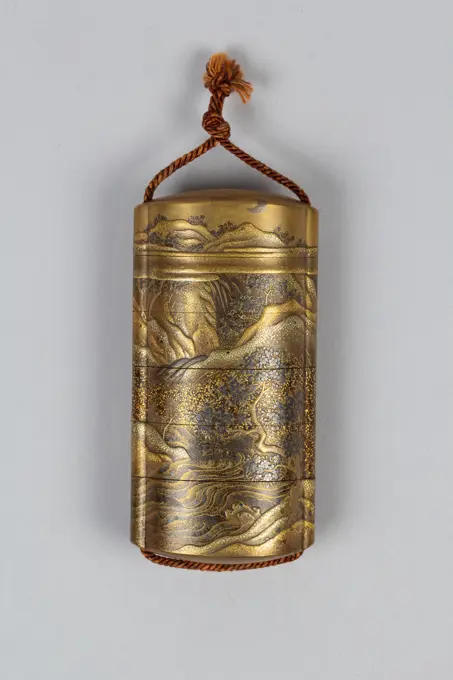
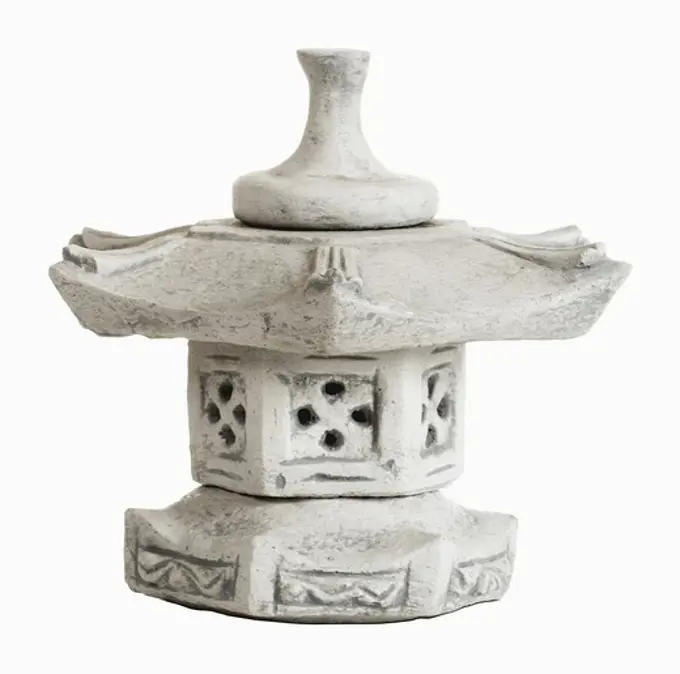
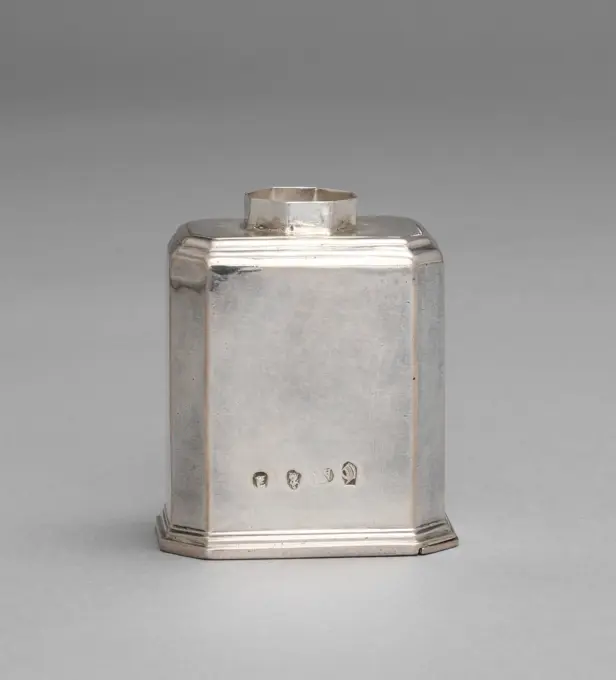
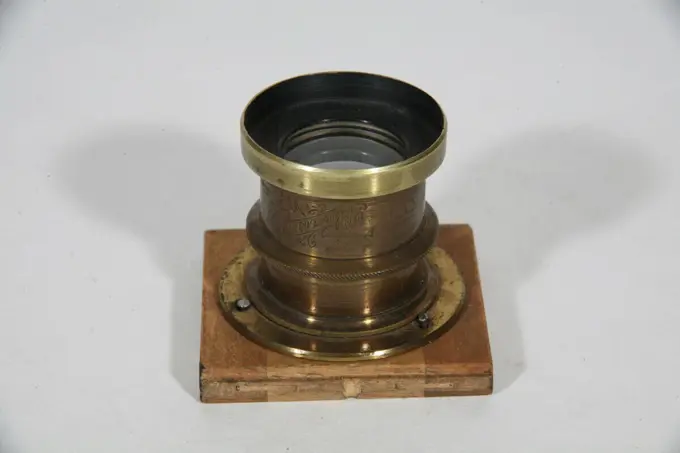
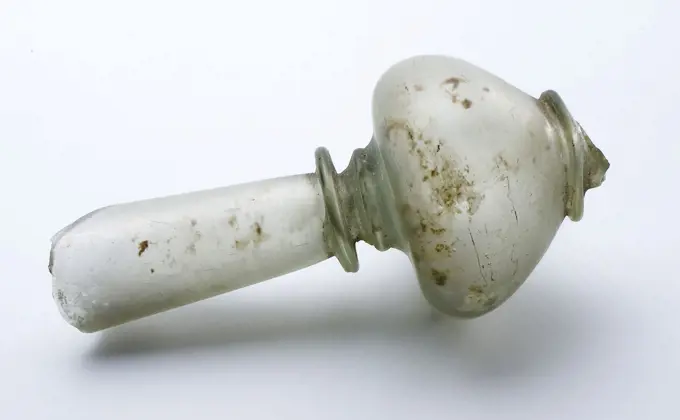
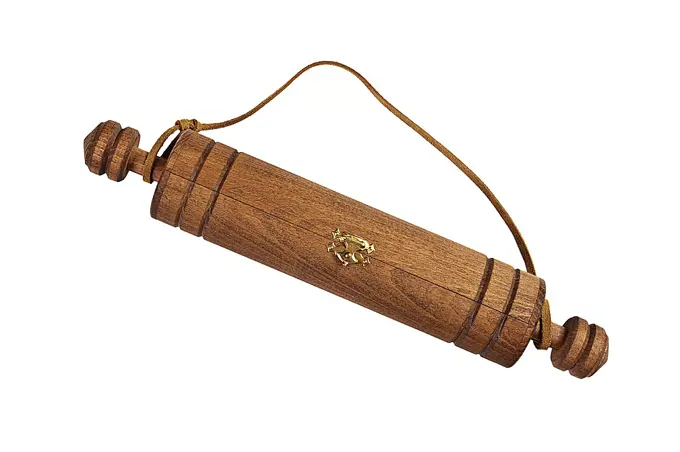
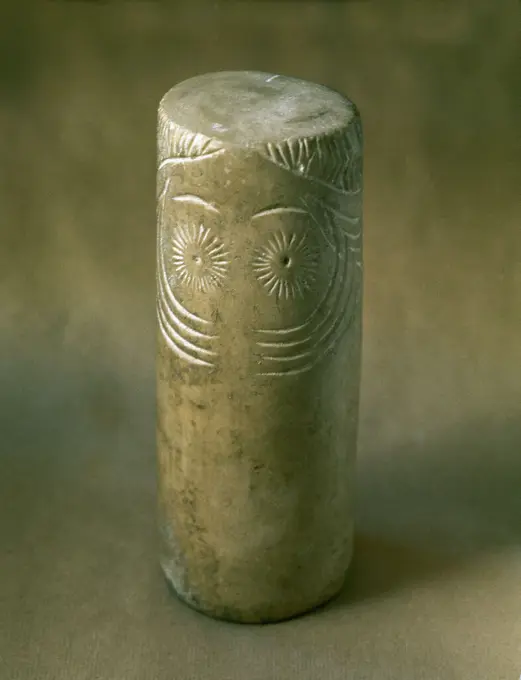
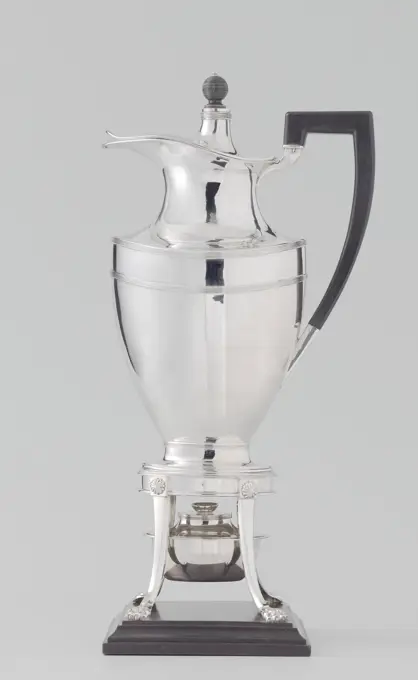
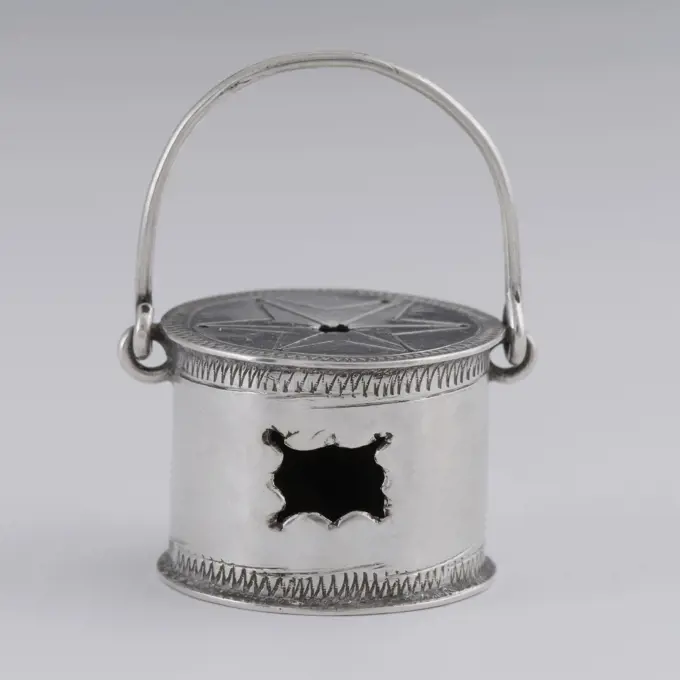
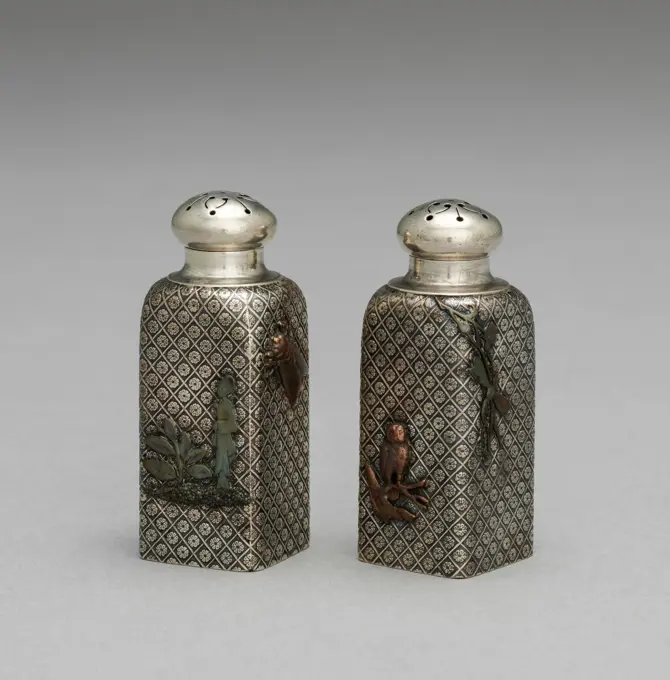
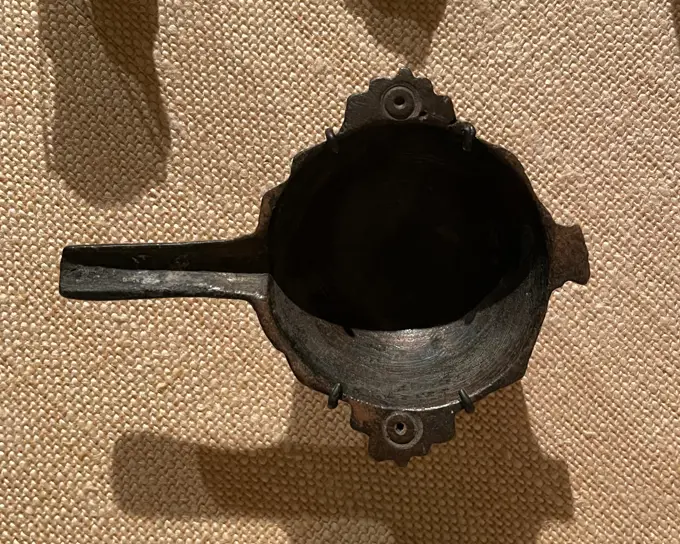
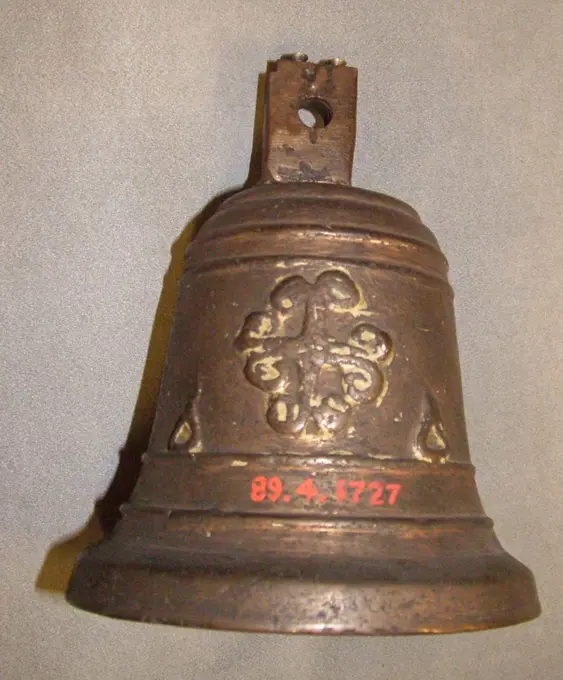
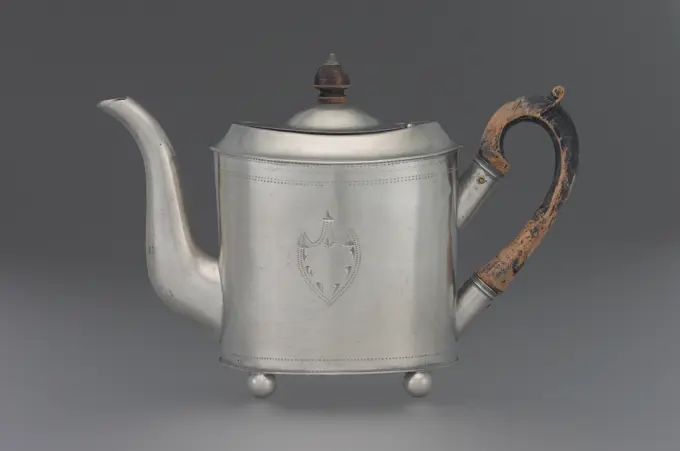
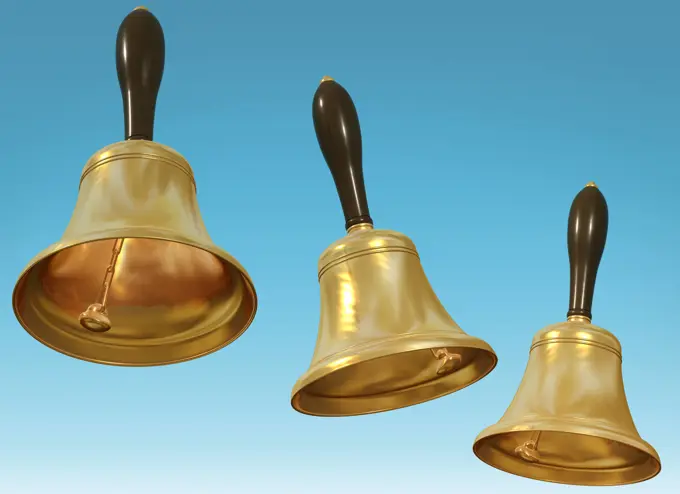
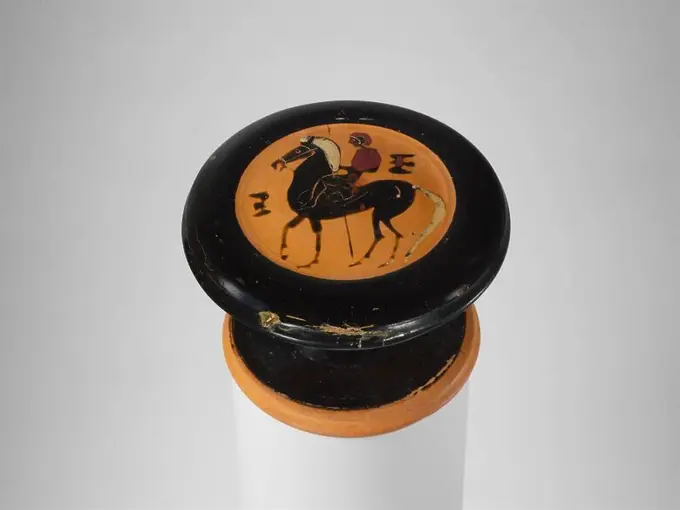
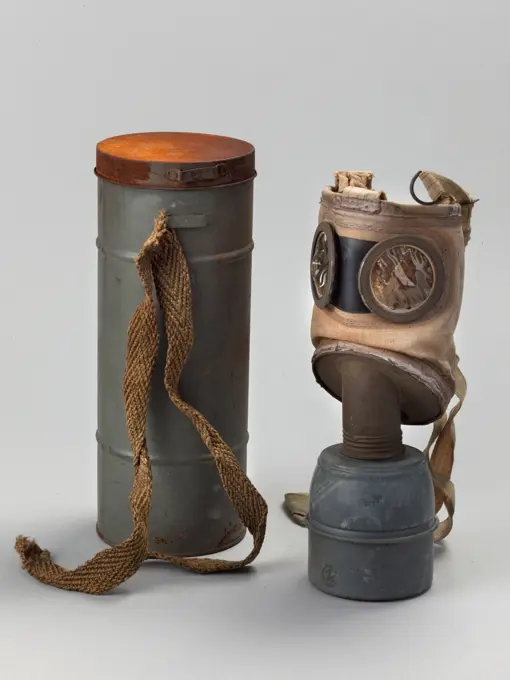
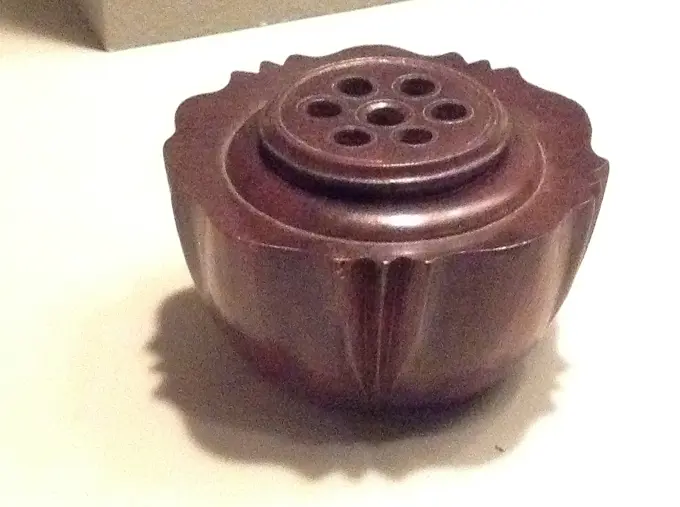
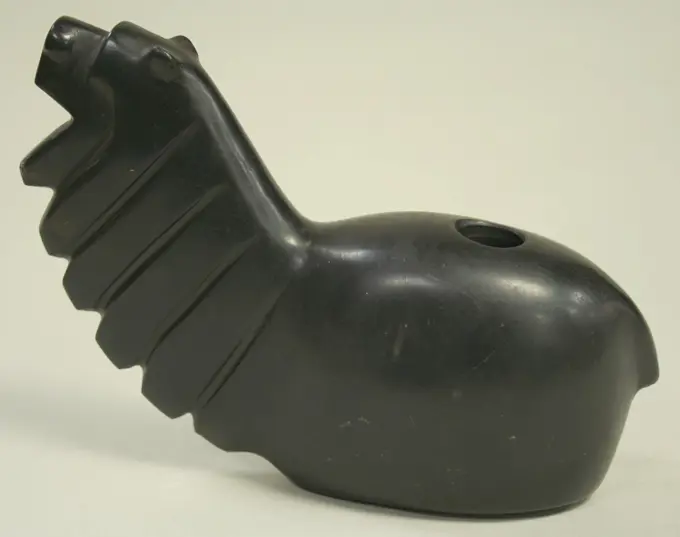
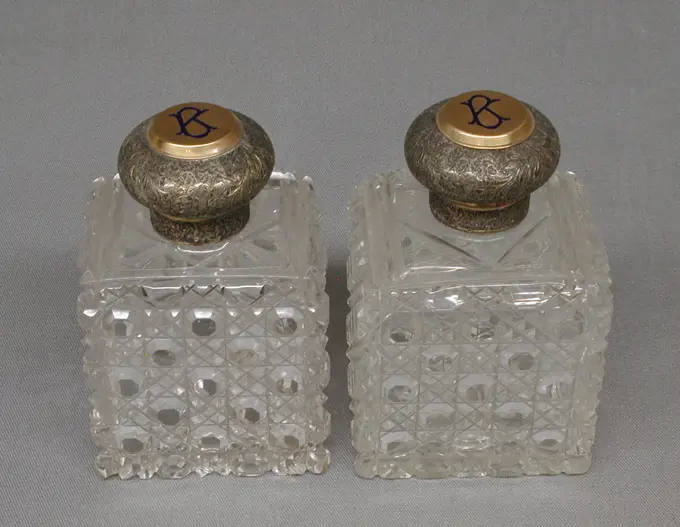
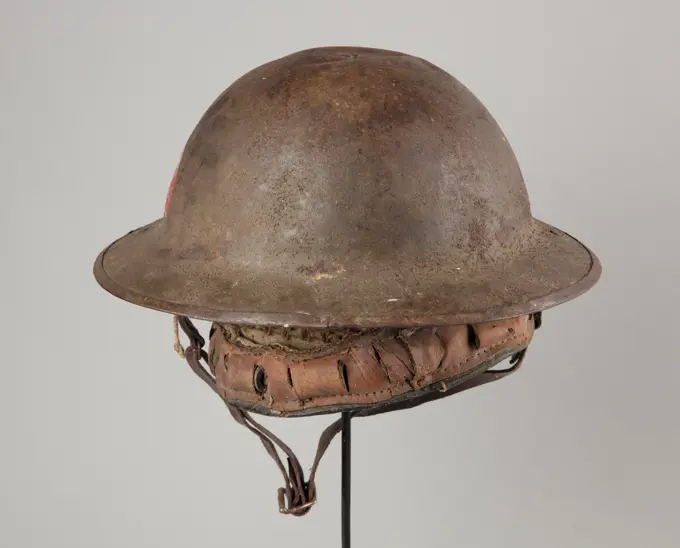
Bowl and cover, pressed glass, Of thick clear glass. The roughly rectangular curving bowl (a) molded with wide bands forming an x within diamond-patterned triangular quadrants above a squared shaft on a spreading rectangular foot, the front and back panels repeating the pattern in the bowl. The roughly rectangular curving lid (b) also repeating the band and diamond pattern, and having a T-shaped handle., ca. 1880, glasswares, Decorative Arts, Bowl and coverCaster With Lid (England); Made by Samuel Welder; silverTwo-piece bronze mold for lid, cast molding tool tools base metal bronze wood iron, cast turned Two-piece bronze mold for casting lid with knob for core, Rotterdam tin foundry tin stain tin Meeuws Druy craft Molds are from the originally 18th century Rotterdam tinnegieter J Druy. The large molds that were not signed or dated were the property of the tinker guild and were rented to the small tin caster.Powder Chest. Hexagonal pewter powder box. It has a double round lid: the inside cover has a ring on top, the outer cover turns and opens around a hinge; It closes with a bayonet closure around the edge of the opening. The coffin has a handle of rope.Bronze lampstand 6th century B.C. Cypriot Short stem decorated with two rows of lotus petals.. Bronze lampstand 244516Old rusty mortar bomb. Vertical shot. Old rusty mortar bomb isolated on white background Copyright: xZoonar.com/AndreyxEreminx 7769252Jan Timmers, Four-piece bronze mold for top of chamber pot with initials IT and 1751, mold casting tool tools kit metal_metal bronze, cast Four-piece bronze mold for casting the top of chamber pot initials: IT and 1751 (Jan Timmers) Rotterdam tin casting tin tin Meeuws Druy craft Molds are from the originally 18th century Rotterdam tinnegieter J Druy. The large molds that were not signed or dated were the property of the tinker guild and were rented to the small tin caster.Standard volume measures, 1820  Yellow -cutting mate for wet weders with matte -cut cover glass. Together with seven other content measures in gray -painted box. Netherlands brass (alloy). glass   NetherlandsCone -shaped box of brown cardboard, decorated with blue piping; The lid is missing; intended for a Sjako, Anonymous, c. 1870 Cone -shaped box of brown cardboard, decorated with blue piping; The lid is missing. Intended for a Sjako. Paris cardboard. bies: paper. lint: linen (material) Cone -shaped box of brown cardboard, decorated with blue piping; The lid is missing. Intended for a Sjako. Paris cardboard. bies: paper. lint: linen (material)Helmet 17th-18th century Korean. Helmet 33529M26 FRAG model, weapon army,standard timed fuze hand grenade on white backgroundTankard.  Maker: Jacobus van der Spiegel, American, 1668-1708Sugar bowl 1727-28 James Tait The globular shape is characteristic of Scottish silver in the early eighteenth century. The teapot (68.141.88) is engraved with the arms, crest, and motto of the Craigannet family of Stirlingshire.. Sugar bowl 207356Canister with cover Swiss 17th-18th century View more. Canister with cover. Swiss. 17th-18th century. Pewter. Metalwork-PewterMitten Gauntlet for the Right Hand Made 1800-1900 Spain. Steel and leather .Sack for the me  around 1900 (1895-00-00-1905-00-00);alms, Freemasonry, Freemasonry, FreemasonryContent of 2 l, anonymous, c. 1820  Chips contents of 2 l. No inscriptions or brands, but labels Netherlands wood (plant material)   Netherlandscopper singing bowl and wooden stick in female hand on white backgroundDecanter - Inconnu / UnknownWine Can 1785-1795 Germany. Pewter .Incense Burner. China. Date: 1000-1099. Dimensions: H. 16.1 cm (6 5/16 in.); diam. 14.3 cm (5 5/8 in.). Cizhou ware; slip-coated and glazed stoneware. Origin: China. Museum: The Chicago Art Institute, Chicago, USA.Box -Flower Vase. Ōhi Chōzaemon Kanbei Dōan (Ōhi IV) (Japan, Kanazawa, 1781-1856). Japan, 1799-1856. Ceramics. Ōhi ware; ceramic with amber glazeSteam of candlesticks Westwalewicz, Stanis AwOld aluminum kettle with wooden handle Old aluminum kettle with wooden handle isolated on white background Copyright: xZoonar.com/AndreyxEreminx 6606969Bottle and cover, Glass, silver, Smallest glass bottle with silver top, part of set., ca. 1875, containers, Decorative Arts, Bottle and coverAncient stone amphores with handles Antique Stone Amphor with HenkelnAndrew Fogelberg, Teapot, 1773/74, silver.Tankard first quarter 18th century W. B. () British. Tankard. British. first quarter 18th century. Pewter. Metalwork-PewterUnknown, Kitchen Pepper, silver.Hot milk pot 1777-78 Alexandre de Roussy, the Younger The production of miniature silver furniture and tea, coffee, and chocolate equipment was a specialty of goldsmiths known as "toy men." The miniatures were probably intended for dollhouses. From the mid-eighteenth century in England until the present, porcelain and fine earthenware miniatures have been made as well.. Hot milk pot 200143Portrait lens using the Petzval system by an anonymous producer, 22.7 cm focal length, f/4.4 aperture, with one slope and cover, glass elements, brass version.Four-piece bronze mold for mortar, possibly children's toys, mold casting tool tools equipment base metal bronze, cast turned Four-piece bronze mold for casting small mortar possible children's toys with decoration of lines loops and tassels on the center of the wall and square earpieces Rotterdam tin tinker tin tin dolls Meeuws Druy artisan Shapes come from the originally 18th century Rotterdam tinnegieter J Druy. The large molds that were not signed or dated were the property of the tinker guild and were rented to the small tin caster.Isolated oil can on whiteEmmer, part of a toilet garnish, Villeroy & Boch Ceramic Werke K.G., 1874 Bucket with insert and wicker handle, part of a toilet garnish of earthenware. Decorated with red piping and the weapon of the Duke of Arenberg with crown in red and yellow. Wallerfangen earthenware. Bucket with insert and wicker handle, part of a toilet garnish of earthenware. Decorated with red piping and the weapon of the Duke of Arenberg with crown in red and yellow. Wallerfangen earthenware.Milk can . Geelkoping Content knap for wet goods with matte cover glass. Together with seven other content moles in gray painted coffin.Case (Inr) with Design of Flowering Cherry Trees Beside Winding River (obverse); Maple Trees in Autumn (reverse) 19th century Japan. Case (Inr) with Design of Flowering Cherry Trees Beside Winding River (obverse); Maple Trees in Autumn (reverse). Japan. 19th century. Lacquer, fundame, gold, silver, red and black hiramakie, takamakie; Interior: nashiji and fundame. Edo (1615-1868) or Meiji period (1868-1912). InrPagoda on white backgroundDouble boiler withlid.  Manufacturer: Corning Glass Works, American, 1878-1990El-sect.damage in gears.Sweden, Blekinge, Blekinge, Karlskrona, Karlskrona, External War Gogs (depicted, City)ToyCaster, ca.1680-90, Silver, 2 × 13/16 in. (5.1 × 2.1 cm), A fashion for elaborate dollhouses originated in late seventeenth-century Holland and spread to England and the American colonies. These were not amusements forchildren butfor wealthy women who outfitted them with sumptuous furnishings executed in miniature.Some colonial goldsmithsspecialized in toys and jewels, whichthey imported from London or made locally. Thiscaster is from an assembled set of silver toys owned by Bethiah Shrimpton (1681-1713) ofBoston. , Probably made in England, British, 17thcentury, Toys andGamesMug, 19th century, 4 3/4 x 3 3/4 x 3 1/4 in. (12.07 x 9.53 x 8.26 cm), Pewter, Netherlands, 19th centuryOn a white background there is a towel with a wicker basket and a loaf of breadCeramic, clay cezve isolated on white backgroundTea Caddy, 1713. Thomas Ash (British). Silver; overall: 11.5 cm (4 1/2 in.); base: 5 x 7.5 cm (1 15/16 x 2 15/16 in.).old leather bag  isolated on white backgroundA inkwell from a travel deskPlanoskop lens Series I No. 5 by C. E. Riese, iris settings 7.5-72, with glass elements, brass frame, and wooden lens standard, around 1900.metal jug on old wooden table over green backgroundFragment of goblet, probably flute glass, flute glass drinking cup drinking utensil holder soil find glass, free blown and formed Fragment of stem and base of glass of flute glass in Facon de Venise style in clear colorless glass Remainder of hollow cylindrical stem to -open oval-flat knot to hollow heart-shaped balustere (dm 4.7 cm) to - closed - flat knot Small part (h 5.0 cm) of calyx on flat knot archeology drink feast tablewooden case for the scrolls and manuscripts isolated on white backgroundBOMBA DE AVIACION DE 10 kgs. CON ESPOLETA Y SOPORTE PARA SU LANZAMIENTO A MANO DESDE UN AEROPLANO DE CABINA ABIERTA. Location: MUSEO DE AERONAUTICA Y ASTRONAUTICA. MADRID. SPAIN.mortarIDOLO CILINDRICO OCULADO EN CALIZA MARMOREA PROCEDE DEL CERRO DE LAS VACAS- III MILENIO AC. Location: ARCHAEOLOGICAL MUSEUM. JEREZ DE LA FRONTERA. Cadiz. SPAIN.Coffee Pot With Stand and Burner, Company Bennewitz a Bonebacks, 1815 The vaulted foot of the ovale can (a) rest on a stepped base. The vase -shaped body runs slightly higher on the sides. The vaulted, rejuvenating neck turns on one side into the pour, on the other side in a straight section, where the hinge of the lid is attached. The vaulted lid rises high in the middle and has a ribbed, spherical ebony button, crowned by a small silver button. The ebbony ear, quadrangular in diameter, shows two right angles on the top and has silverfarts. File traces run along the top of the foot, along the top of the body, and also about 1.5 cm below, and along the outer edge and the top of the lid. The base of the jug fits in with the stand ring of the grinding (B), which is worn by four curved legs ending in lion claws and crowned by square fields with rosettes. A composite profile frame runs along the top of the ring and a single profile along the bottom. The legs are connected by a smooth ring,Protective case for pocket watch, outside brown rye leather and inside thick red velvet, closed cover without glass or opening, watch case watch case holder brass rye leather velvet textile caseRecyclable PET bottles in a steel containerShrapnel Shell. Garnet cardettes consisting of a wooden cylinder body and a wooden lid with a raised edge with gaze. Four slightes are applied in the lid and a hole in the middle. Inside the grenade, some coal granion is remaining and a short end rattan.Tankard 1720-40 Henricus Boelen. Tankard. American. 1720-40. Silver. Made in New York, New York, United StatesVessel with Stand 3rd-4th century Korea. Vessel with Stand 57514Bell, Jan Crans, 1711 The cast object consists of the actual clock and the six -armed crown, one of which is broken down, an iron clapper on an eye and a mounting piece on the crown. The last three parts are made of iron. At the top of the inscription placed between two decorative rings: Ian Crans Me Fecit AO 1711. Amsterdam bronze (metal). iron (metal) casting The cast object consists of the actual clock and the six -armed crown, one of which is broken down, an iron clapper on an eye and a mounting piece on the crown. The last three parts are made of iron. At the top of the inscription placed between two decorative rings: Ian Crans Me Fecit AO 1711. Amsterdam bronze (metal). iron (metal) castingSilversmith: Frederik Rudolf Precht, Silver round miniature stew, stew doll toy miniature model silver, cast Round stew with handle inside flint Star motif top master: FRP play adorn warm home interiorSalt and Pepper Shakers, c.1875-85. Gorham Manufacturing Company (American, founded 1831). Silver and mixed metals; overall: 7.5 x 3 x 3 cm (2 15/16 x 1 3/16 x 1 3/16 in.).Mortar 9th-10th century This object was excavated at Nishapur.Nishapur was a vital city in the early and middle Islamic periods, located along one of the main trajectories that connected Iran and West Asia Islamic lands with Central Asia and China. These itineraries are often referred to by the term Silk routes’ but were in fact crucial to the movement of constellations of materials and objects, as well as people and ideas. The diverse population of Nishapur and its surroundings, from the better-researched elite groups of merchants, land-owning aristocracy, and literates, to the less-known artisans, farmers, miners, and servants, were instrumental in adapting global cultural trends to create their own distinctive visual languages. This is seen in the material remains of everyday life in medieval Nishapur - from pots and pans to lighting devices, inkwells, textiles and trimmings, jewelry, games and toys, talismanic devices, weapons, coins, and architectural fragments.Nishapur lost its walnut inserted into nutcracker on whiteAncient broken vase or archeology pottery jug with cracks, vector antique ceramic pot. Ancient Greek or Roman pottery bowl, cracked pitcher amphora or broken terracotta ceramic with antique ornament. Ancient broken vase, archeology pottery jug cracksTree slices with barksmetal worker: Gresnich, Yellow copper miniature iron, iron tool equipment miniature toy relaxing device model wood brass, hammered filed soldered riveted Drop shaped with wooden handle foldable to fill with coal Cut to lock lid. Three accolade-shaped figures from 1868 Sibilla van Embden play ironing kitchenBucket or plate pail, mahogany, brass, bronze, Octagonal mahogany pail with straight sides. Four vertical openings cut in each side. Gilt brass band below molding at top. Semi-circular hinged bronze carrying handle, tapering towards ends., England, 1750-1800, containers, Decorative Arts, Bucket or plate pailFoot warmer - Doulton & Company Limited, 1899-1901 Doulton & Company Limited, 1899-1901Tobacco box with the portraits of Prince Willem V and Princess Wilhelmina van Pruisen, Hendrik Slingeland, 1788  Rectangular silver tobacco box with in the lid, behind glass, pickled portraits of a man and a helmeted woman with a change. The portraits are made of white silver, inlaid on a textile surface. The entire surface is engraved: an Oranjeboom with inscription between the portraits; For the portraits of flags, drums, cannon trays and bullets; sides with floral motifs; On the underside of the box: weapon trophy consisting of an Oranjeboom, six flags, 6 cannon treads and three drums with inscription. Inside lid is an Oranjeboom with two flags engraved with the letters G.D.I. Schoonhoven silver (metal) inlay (process) / engraving  NetherlandsWooden coffee mill, mocha mill workStew, round, with twenty -two holes in the top, anonymous, c. 1800 - c. 1899 Stew, round, of solid maple wood with four times nine holes around and at the top of twenty -two holes; Handen of copper wire. Holland (possibly) maple (wood). beech (wood). Stew, round, of solid maple wood with four times nine holes around and at the top of twenty -two holes; Handen of copper wire. Holland (possibly) maple (wood). beech (wood).Azeri traditional drum nagara on whiteLiberty Bell, Exchange Bank' still bank, c. 1919, 3 3/4 x 3 3/4 x 3 3/4 in. (9.53 x 9.53 x 9.53 cm), Metal, wood, United States, 20th centuryInk bottle (part of a set) 1848-49 Russian, St. Petersburg The firm of Nicholls & Plincke was founded by members of the relatively large community of English silversmiths and craftsmen working in Saint Petersburg. After 1840 it was one of the most important retailers of luxury items before Carl Fabergé overshadowed all competitors. Several contemporary Saint Petersburg newspapers praised the high-quality products of the magasin anglais Nicholls & Plincke.According to the donor's family tradition, this rare set with more than fifty items bearing the monogram CMI was "originally made for and used by Colin Macrae Ingersoll 1819-1903, when he accompanied his father, Ralph Isaacs Ingersoll 1788-1872, to the Court of Czar Alexander II of Russia, where the latter served President James Knox Polk 1795-1849 as Minister Plenipotentiary from 1846 to 1848.. The family story has always been that the set and case were made for stagecoach travel in Russia."Plain silver objects—like the ewerAn isolated photo of an old street lamppost Metal street lamp isolated on a white background. Copyright: xZoonar.com/AlexanderxStrelax 21708576Phytomorphic vessel. Depiction of the fruit known as lucuma (Pouteria Lucuma). Piece from the excavations of the Bishop Baltasar Martinez de Compaon (1785). Chimu culture. Late Intermediate Horizon (1000-1470 AD). Peru. Ceramic. Museum of the Americas. Madrid, Spain.Anti Plan lens Series VI 1A by K. Fritsch - Prokesch, 10 cm focal length, f/6 aperture, glass elements, brass frame, wooden lens standard produced in 1888.old lantern. old rusty lantern - a wonderlampBell Mexican 19th centuryFire Hydrant Red color of thai on isolated white backgroundisolated golden object isolated golden object made in 3d graphics Copyright: xZoonar.com/StanislavxRishnyakx 2952397Teapot.   Maker: Israel Trask, 1786-1867Three bells Illustration of three brass hand bells Copyright: xZoonar.com/PaulxFleetx 811764Role of cardboard on which Passement has been, c. 1900 - c. 1950 Role of cardboard on which Passement has been. Nijmegenfrance cardboard. paper printing Role of cardboard on which Passement has been. Nijmegenfrance cardboard. paper printingTerracotta standlet. Culture: Greek, Attic. Dimensions: H. 1 15/16 in. (4.9 cm)diameter 2 9/16 in. (6.5 cm). Date: ca. 520-500 B.C..HorsemanThe standlet was a short-lived shape that found particular favor during the late sixth and early fifth centuries B.C. Its function is unknown. Museum: Metropolitan Museum of Art, New York, USA.Passive defense protection mask. Metal, rubber, canvas, ink, paper, 1939-1945. General Leclerc Museum of Hauteclocque and the Liberation of Paris, Jean Moulin Museum.Wooden spice mortar, kitchen utensilBottle And Cover (England); Made by Asprey & Son Co. (United Kingdom); glass, silverStove as if covered with white tiles. Parts of copper., Anonymous, c. 1750 Oak stove, painted as if covered with white tiles; on one side and top covered with metal plates (tin-lood alloy); drawer for fire coals made of yellow copper with openwork front; Four copper bins with three separate grilles (one fog). Amsterdam oak (wood). alloy. copper (metal). brass (alloy) Oak stove, painted as if covered with white tiles; on one side and top covered with metal plates (tin-lood alloy); drawer for fire coals made of yellow copper with openwork front; Four copper bins with three separate grilles (one fog). Amsterdam oak (wood). alloy. copper (metal). brass (alloy)Old kerosene lamp on a wooden table against the wallTeapot, from a three-piece service, 1930s, H.4-3/4 x W.11-1/4 x D.4-1/4 in., Silver, ivory, Germany, 20th centuryCricket Box, 18th century, 1 15/16 x 3 x 3 in. (4.92 x 7.62 x 7.62 cm), Hongmu hardwood, China, 18th centuryOrnament Base () 11th-late 15th century Chimú or Chancay. Ornament Base () 308928Votive Container (Canopa) Inca 15th centurySquare bottle with cover 1874-75 British, London The building of railroads during the first half of the nineteenth century led to a tremendous increase in travel, which stimulated the demand for the sumptuous dressing cases retailed by Frederick Jenner and Fabian James Knewstub and other London firms. This luxury case (61.78.1-.50), with its pivoting compartments, secret storage areas, and myriad fittings "which quite exhaust the requisites for the road or the boudoir," certainly made travel as comfortable as it was cumbersome.. Square bottle with cover. British, London. 1874-75. Silver, glass. Metalwork-SilverUS helmet from World War I, pattern 1917 unknown label