Antique Decorative Containers

A selection of vintage containers including cups, jars, and inkwells, crafted from diverse materials like pewter and clay, reflecting historical craftsmanship.

Cup, 18th century, 3 x 2 7/8 x 2 7/8 in. (7.62 x 7.3 x 7.3 cm), Pewter, United States or England, 18th century
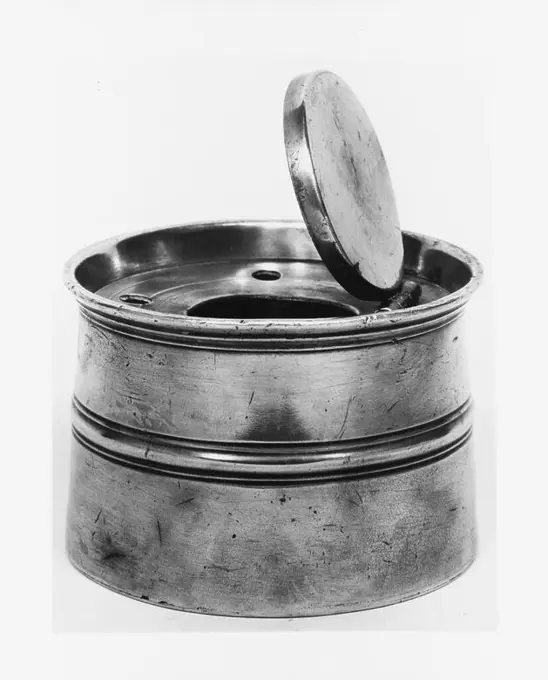
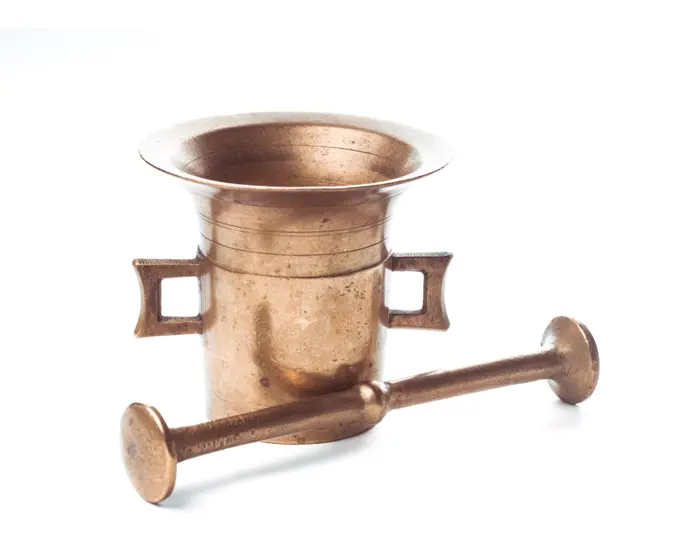
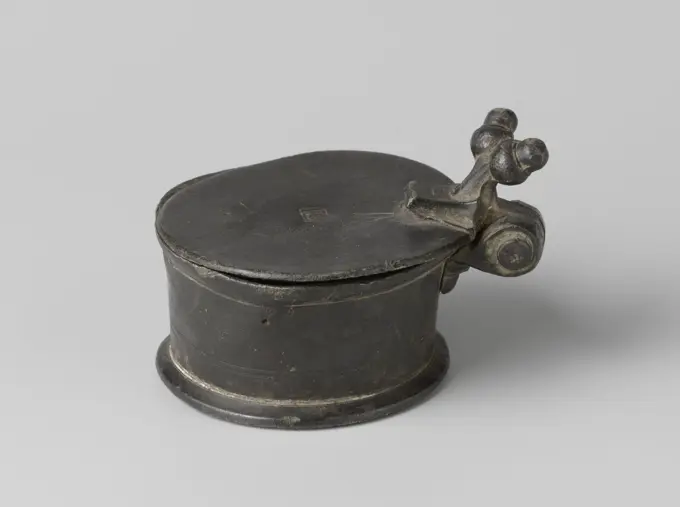
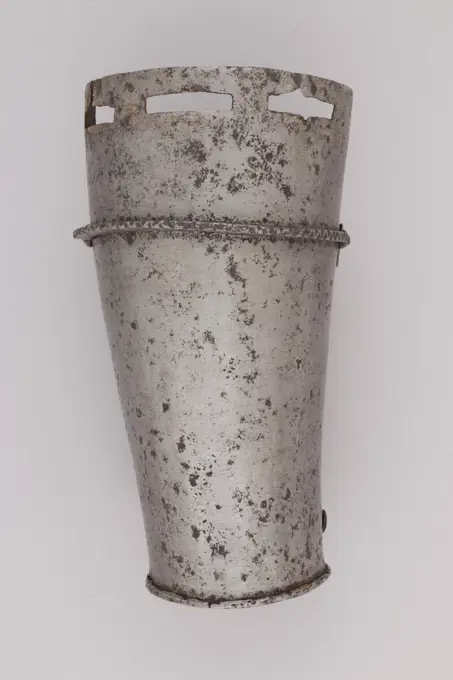
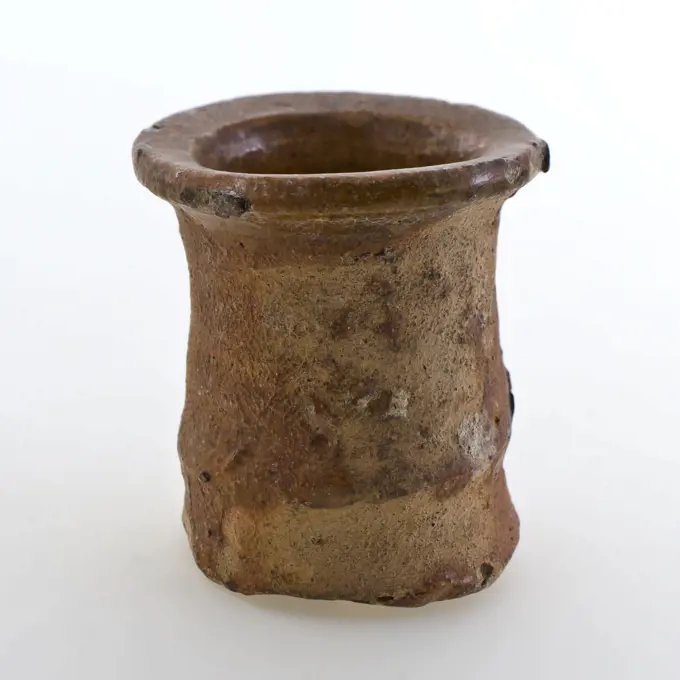
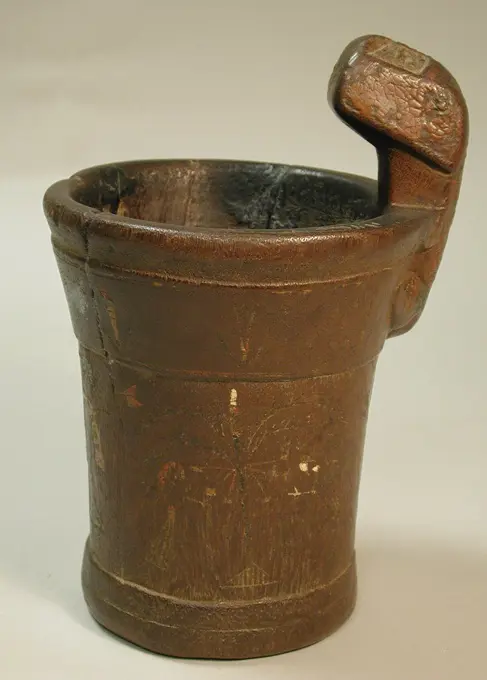
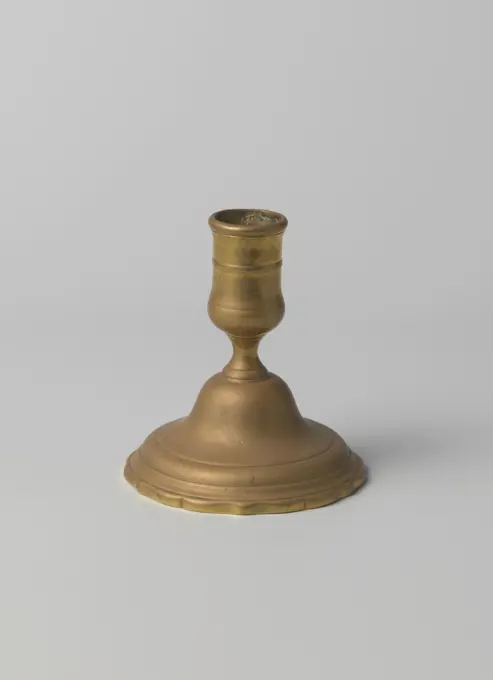
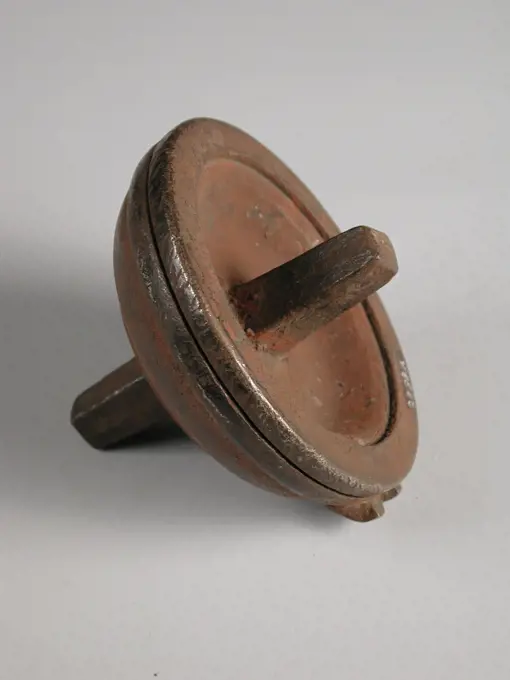
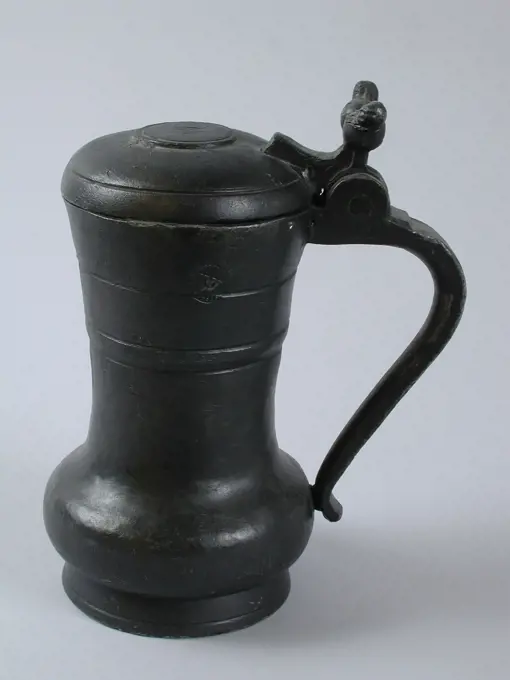
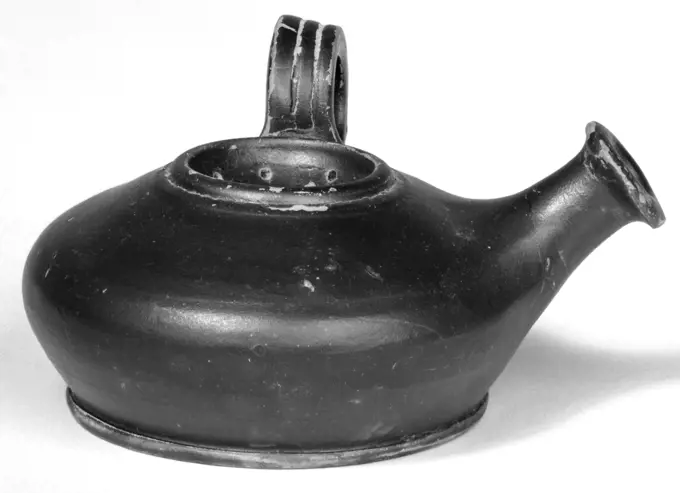
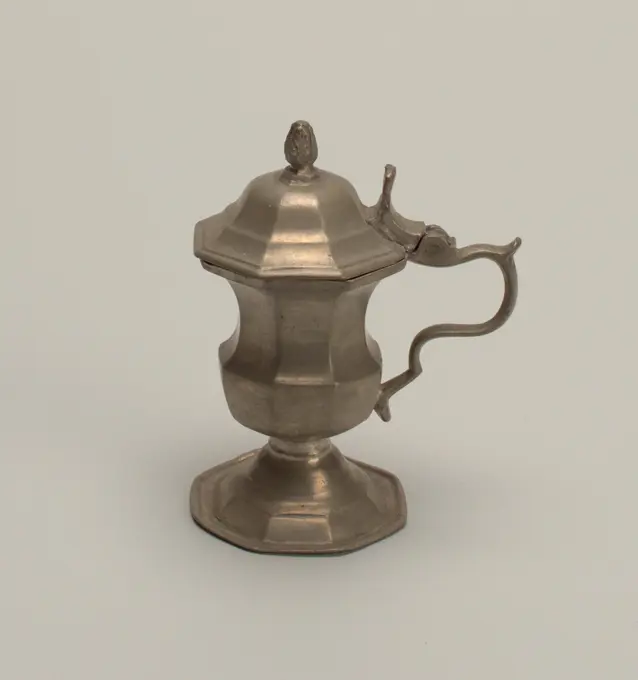
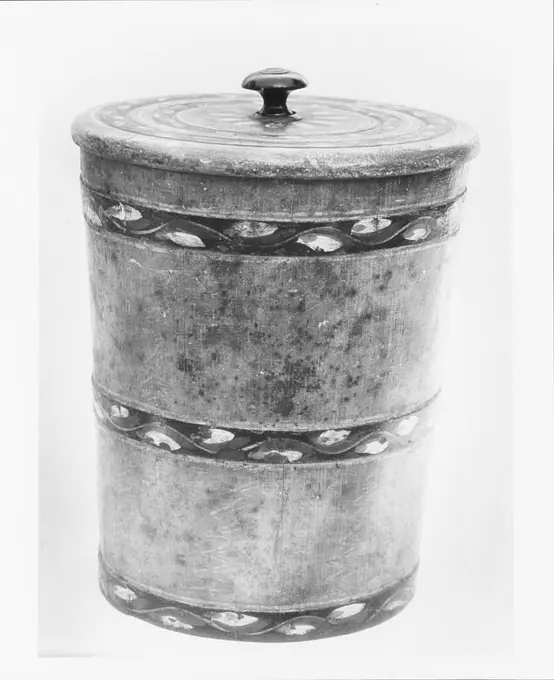
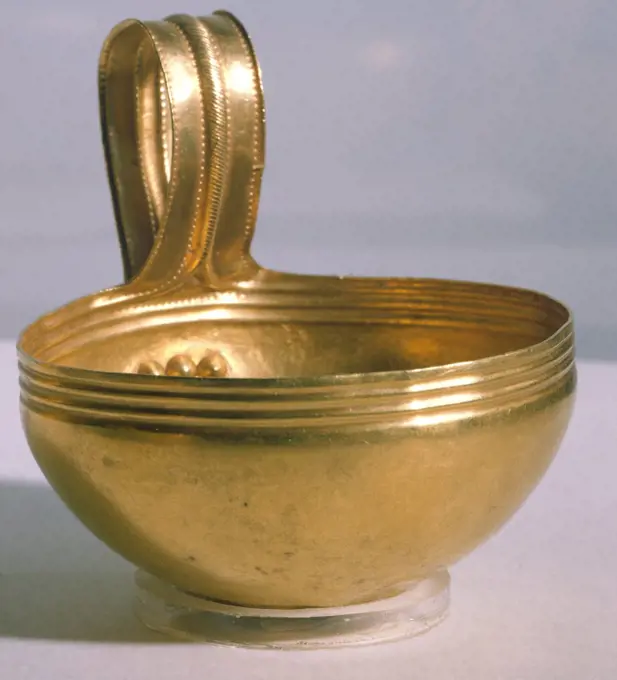
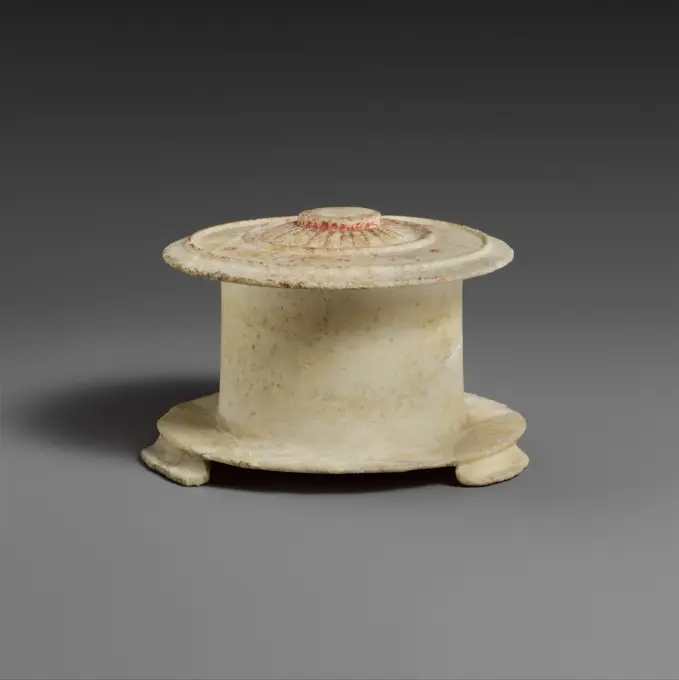
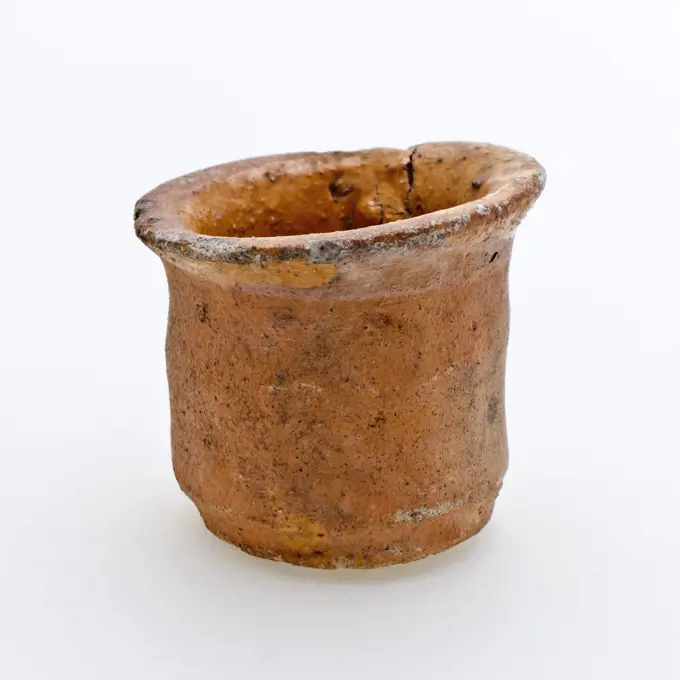
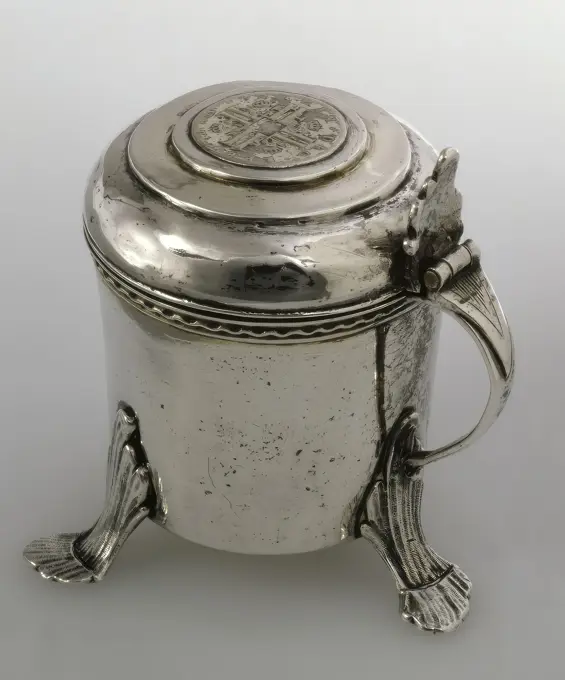
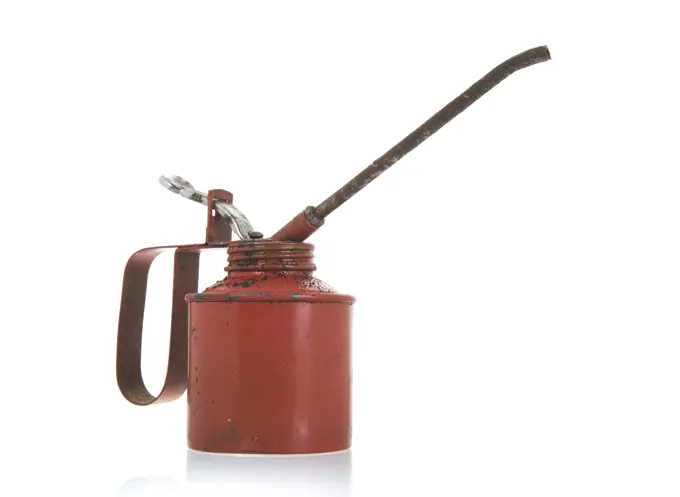
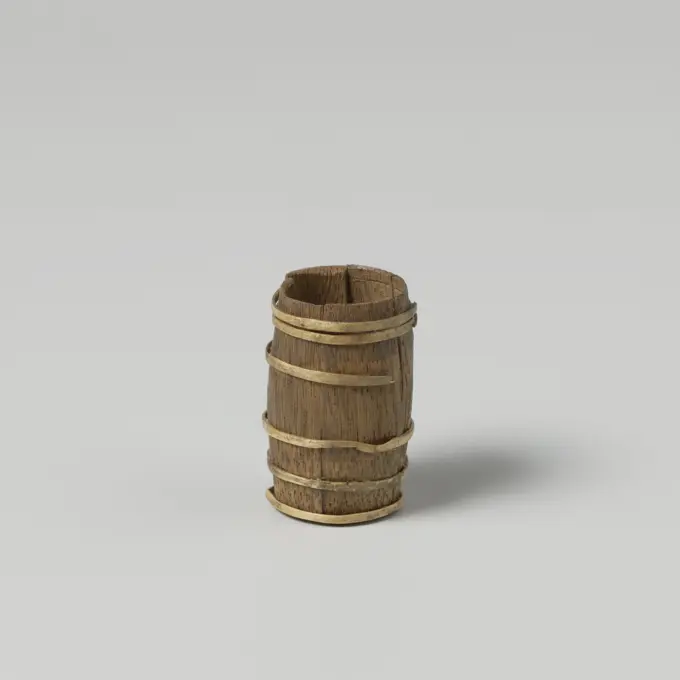
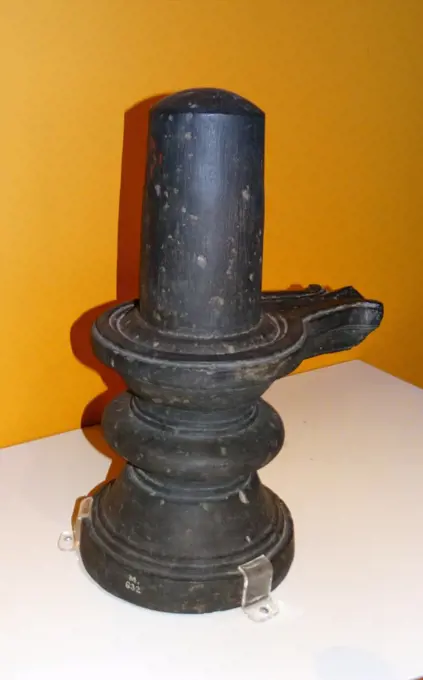
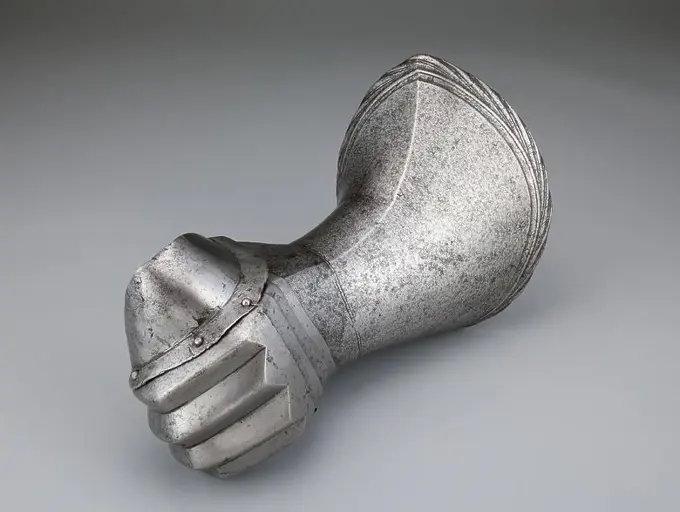
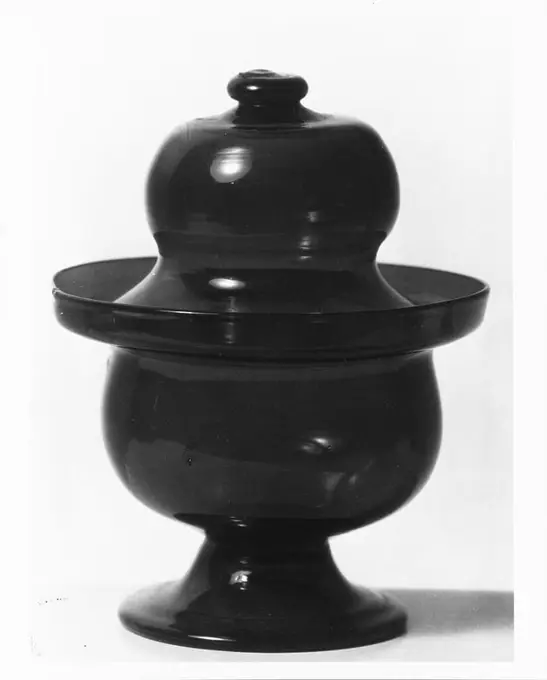
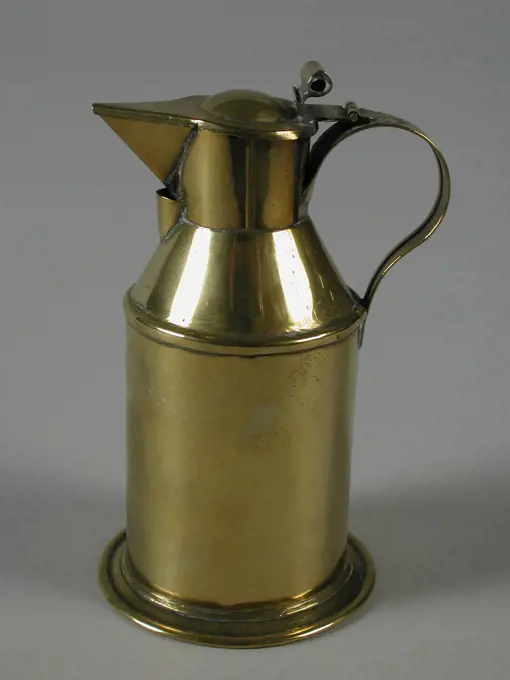
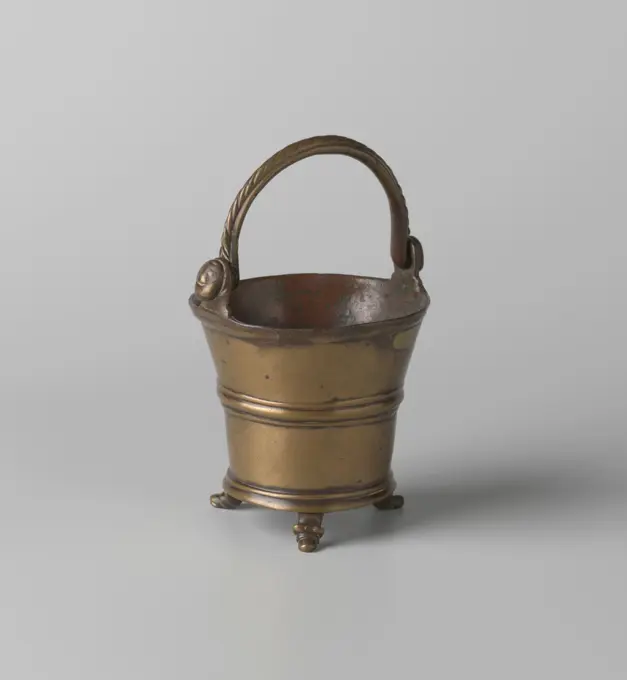
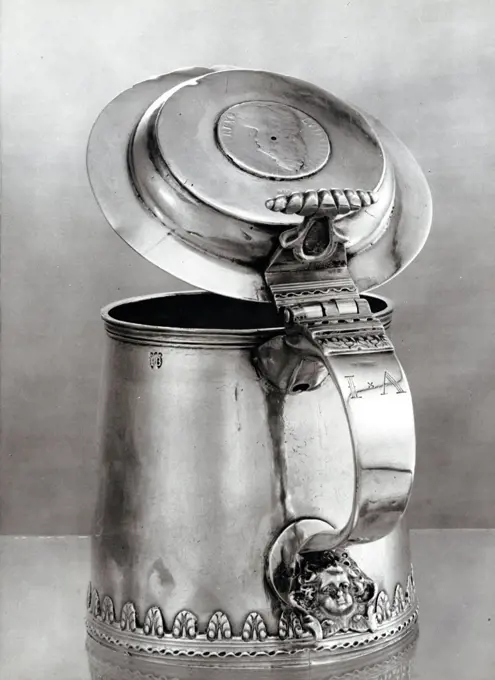
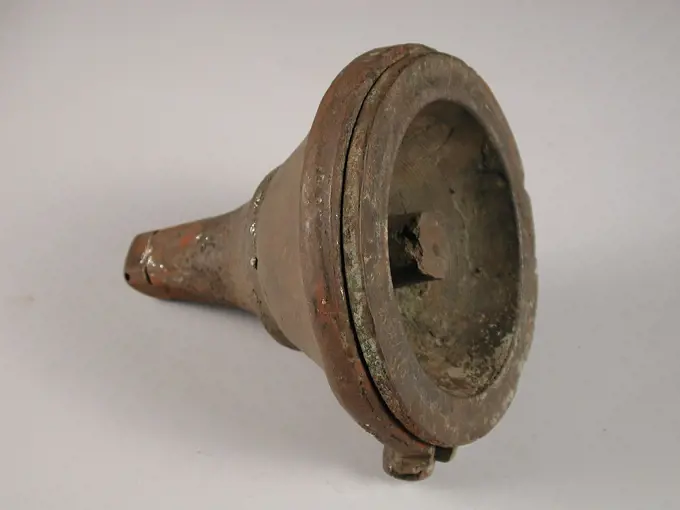
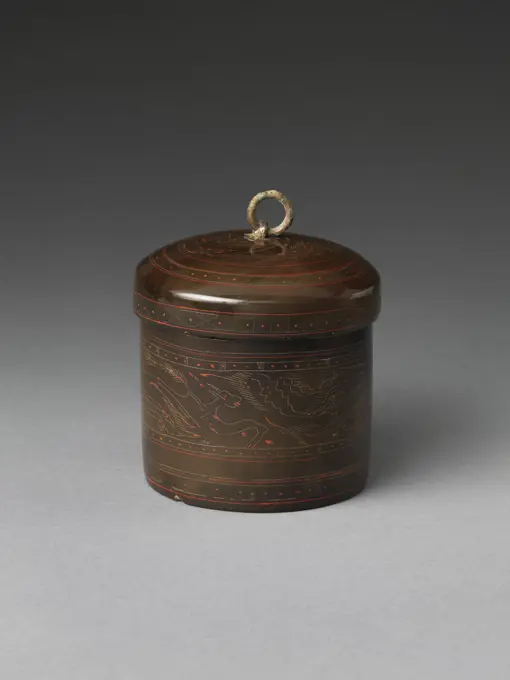
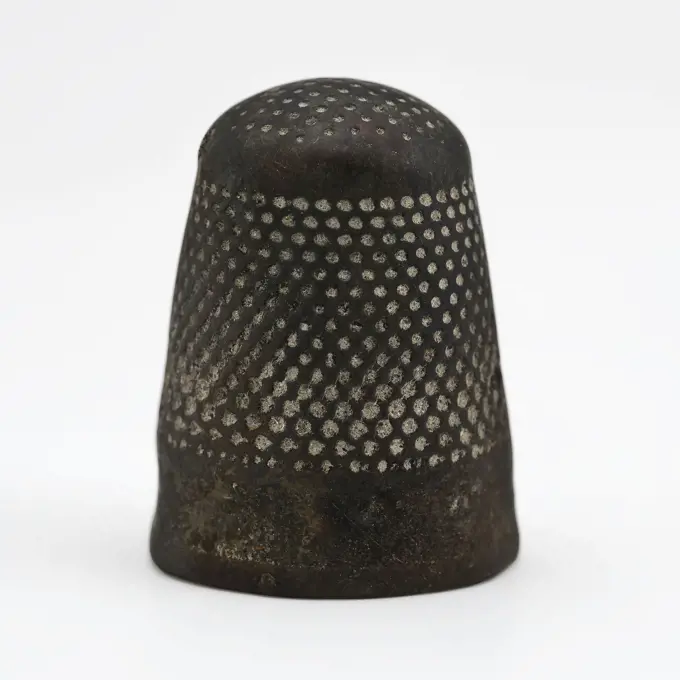
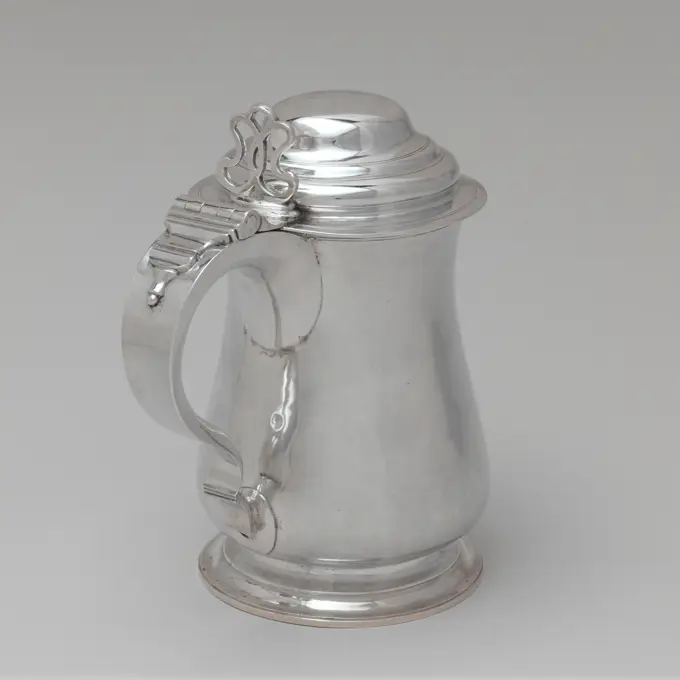
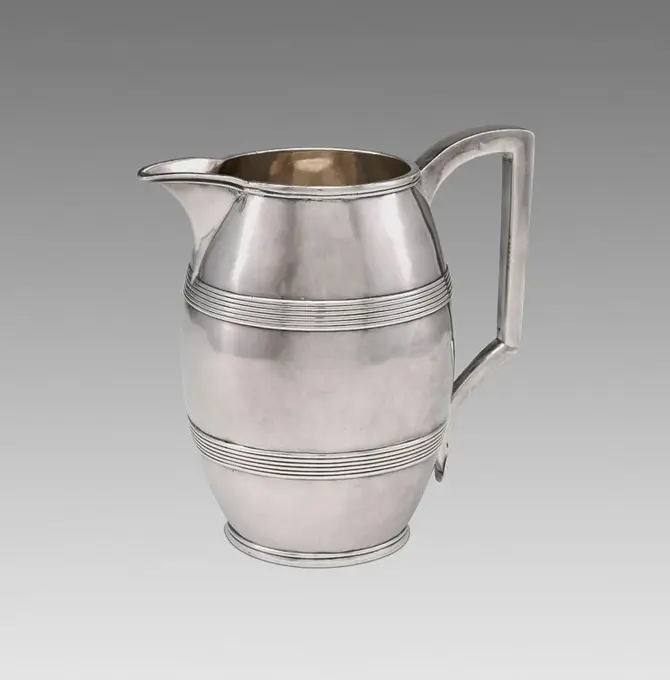
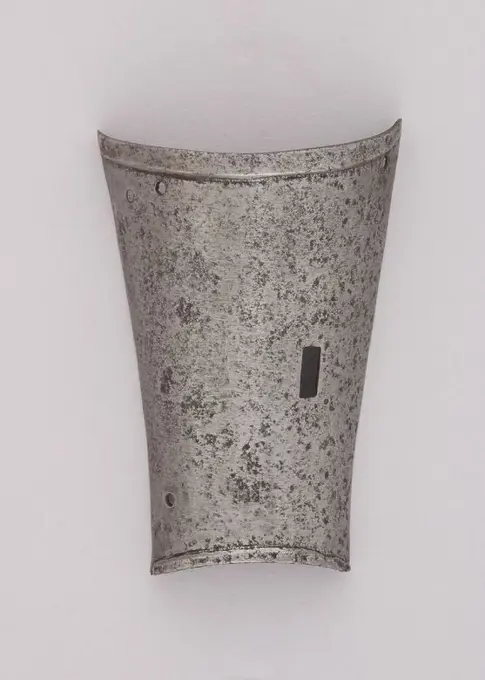
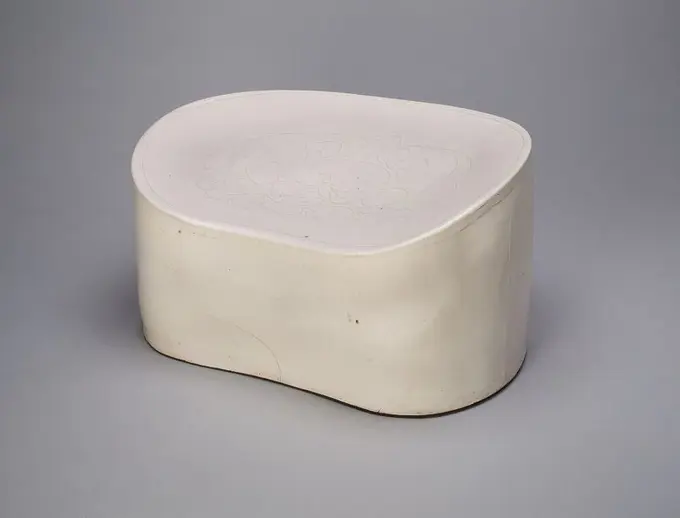
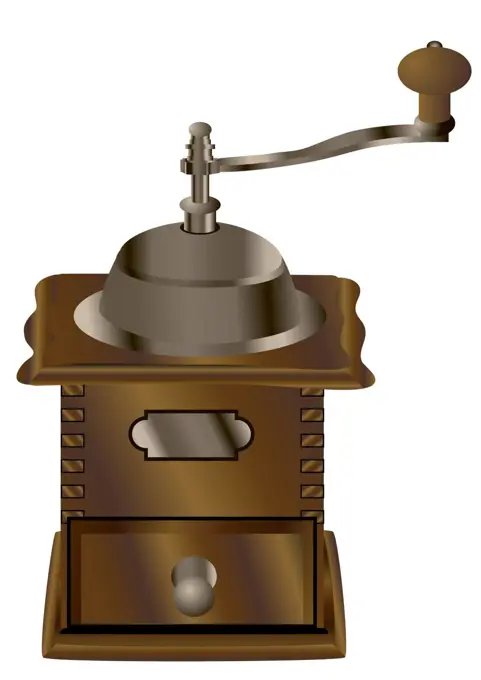
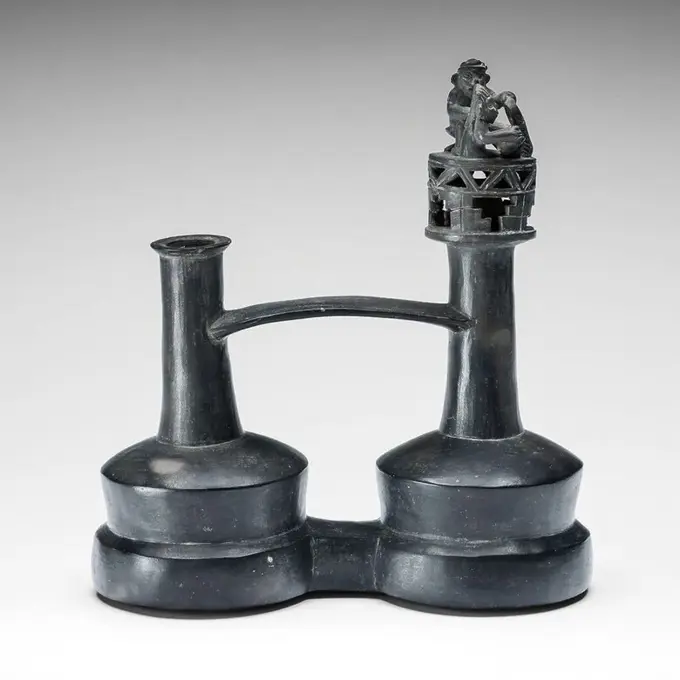
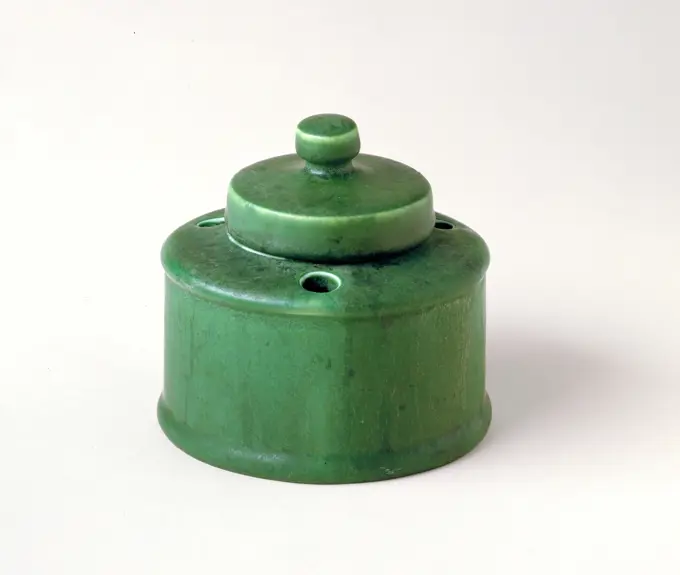
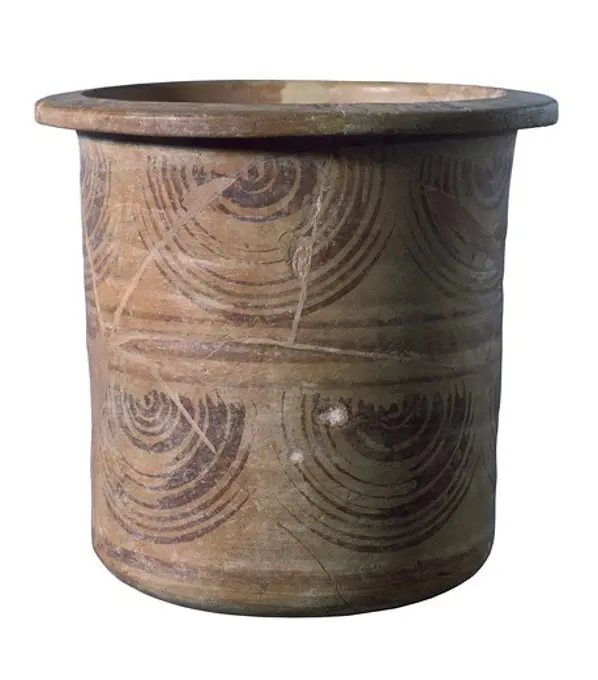
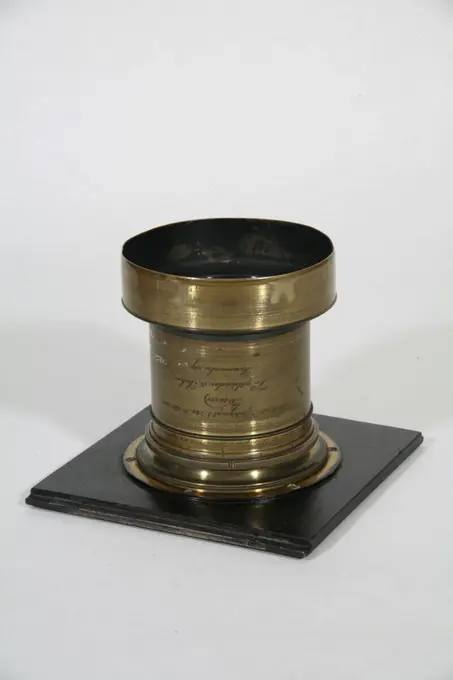
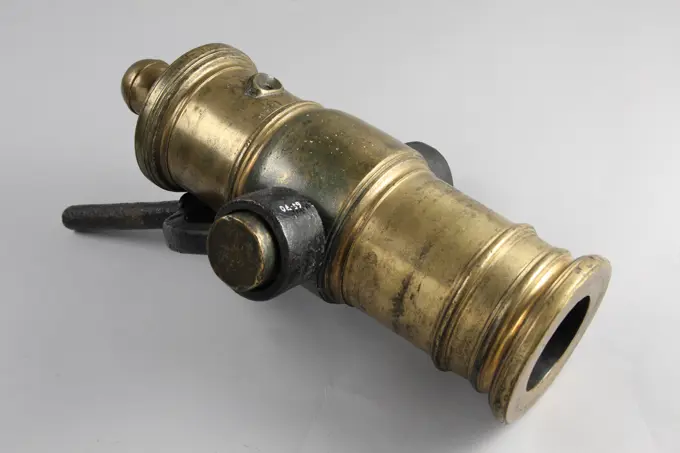
Cup, 18th century, 3 x 2 7/8 x 2 7/8 in. (7.62 x 7.3 x 7.3 cm), Pewter, United States or England, 18th centuryJar -Inkwell. Culture: American. Dimensions: H. 3 3/8 in. (8.6 cm). Maker: Thomas Danforth Boardman (1784-1873); Sherman Boardman (1787-1861). Date: 1810-50. Museum: Metropolitan Museum of Art, New York, USA.Box -M Ynek to the pepper on the Tri -headed;  Unspile (0-00-00-0-00-00);Vase 17th century. Vase 444490Retro copper mortar and pestle isolated on whiteTin salt vessel with a pilgrim sin, anonymous, c. 1400 - c. 1550 Tin salt barrel. The cylindrical body is on a stand ring and is decorated with some profiled lines. The top is closed with a flat lid. The thumb rest is formed by two acorns and turns into a one -cash hinge. The soil is closed with a pilgrim insignia, on which a castle can be seen centrally and around the names of the three kings. Amsterdam tin (metal) casting Tin salt barrel. The cylindrical body is on a stand ring and is decorated with some profiled lines. The top is closed with a flat lid. The thumb rest is formed by two acorns and turns into a one -cash hinge. The soil is closed with a pilgrim insignia, on which a castle can be seen centrally and around the names of the three kings. Amsterdam tin (metal) castingChessmanArm Defense 15th century Italian This is part of a large find of medieval armor discovered in 1840 in the ruins of the fortress of Chalcis, on the Greek island of Euboea (then a Venetian colony called Negroponte). The fortress had been captured and destroyed by the Turks in 1470. Now divided largely between the Ethnological Museum, Athens, and The Metropolitan Museum of Art, the Chalcis hoard contains many rare and unusual elements of fourteenth- and fifteenth-century armor. Of particular importance are the variety of headpieces and the many fragments of brigandines (armor for the torso constructed of small plates riveted to layers of fabric), some of which retain portions of their original velvet covering. The Chalcis armor provides a unique picture of the armament used in the Aegean, one of the easternmost military outposts of the Venetian empire.. Arm Defense 665373Biervat, made of stuff and hoops, anonymous, c. 1700 - c. 1799 Beer vessel made of loose stuff from the bark or the sapwood of an unknown type of wood, revealing by twice eight hoops of rattan. At the top of a hole with a stop, in the front of the barrel a taphole. Amsterdam (possibly) bark (plant material). rattan Beer vessel made of loose stuff from the bark or the sapwood of an unknown type of wood, revealing by twice eight hoops of rattan. At the top of a hole with a stop, in the front of the barrel a taphole. Amsterdam (possibly) bark (plant material). rattanPottery ointment jar, cylindrical model, red shard, internally glazed, ointment jar holder soil found ceramic earthenware glaze lead glaze h 4,2, hand turned glazed baked Pottery ointment jar cylindrical model red shard internal glazed Flat obliquely inwardly directed wide top edge Surface slightly spherical Expansion of the kettle just above the foot. Coarse turnings on the outside archeology health care indigenous pottery pharmacy store sell craftKero 17th-18th century Quechua Only faint traces of pigmented resin remain in the incised designs of this pair of keros. These designs show women in Andean dress holding flowers, alternating with images of a tree flanked by giant parrots.Keros of this type depart from earlier colonial design formats. The feline handles permit the vessel's waist to be exposed during the ceremony of exchange and thus allow the main scenewhich in the conventional format is restricted to a narrower upper registerto occupy a larger portion of the kero.. Kero 698427Clock candlestick, four -part with a variety of base, flat fat bowl and baluster -shaped shaft, anonymous, c. 1590 - c. 1596 candlestick Klokkandelaar, four -part with a wide variety of circular base with an egg frame, a flat fat bowl with egg frame, a baluster -shaped shaft with a disk -shaped knot and a cylindrical candle holder with two round leakage holes. The candlestick has a crowned rose as a quality brand. Netherlands tin (metal) casting  Nova Zembla. Saving HuysMilk jug. unknown, author. Round sconce on a foot with raised edge and engraved line. A ring is attached to the foot. The sconce has been marked: STK. = Amsterdam, JRL. = O (1773), MT. = Attributed to Johannes van Geffen and an ax. A damper and a candle snooper are kept at the scenger.Beaker.   Maker: Jeremiah Dummer, American, 1645-1718Pot ". Terracotta. Vietnam-Xe-Xive s. Paris, Cernuschi museum. 72361-39 Vietnamese object, pot, terracottaCandlestick from brass, anonymous, c. 1800 - c. 1900 The candle holder is cast in two parts, the foot as a whole. At the bottom of the foot, the holders are again attached with tin. The conical foot has a border served in accolade profile. The somewhat cylindrically shaped holder is decorated with silly ribs. Netherlands brass (alloy) casting The candle holder is cast in two parts, the foot as a whole. At the bottom of the foot, the holders are again attached with tin. The conical foot has a border served in accolade profile. The somewhat cylindrically shaped holder is decorated with silly ribs. Netherlands brass (alloy) castingTwo-piece bronze mold for dish, mold casting tool tools kit metal_metal bronze, cast turned Two-piece bronze mold for casting plate with stand ring top: 2834 Rotterdam tin tinker tin tin Meeuws Druy artisan Shapes are from the originally 18th century Rotterdam tin jugger J Druy. The large molds that were not signed or dated were the property of the tinker guild and were rented to the small tin caster.Measuring jug with hinging lid, thumb rest with two acorns and two-pivot hinge, Measuring jug be measuring instrument tin, cast hollow base and flattened spherical body high upwards flared collar arched lid with two-headed hinge flat curved ear with thumb rest with two acorns peg on the inside of the collar Profile edges on the body marks on the lid: weapon of Rotterdam with Y and an unreadable letter and possibly H in an oval bead (trademark) Rembrandt jug measure pourCampanian Black Guttus with Sieve Top; Campania, South Italy, Europe; 323 - 31 B.C; Terracotta; 5.5 x 8.5 cm (2 3,16 x 3 3,8 in.)Boele Rijnhout, Silver miniature bucket with handle and lid, bucket crockery holder dolls toy relaxing tool miniature model silver, cast Rectangular bucket with fixed hinged cover and handle Four ties with studs on the belly (suggestion of wooden bucket held together by iron bands with nails) hammered pattern on cover. tax stamp: dolphin cleaning play home interiorMustard Pot; pewterCandlestick of tin with disc-shaped nodus and candle pin. Candlestick of tin. The foot first runs up and then flat inside, to turn up sloping up again to the trunk. The strain is cylindrical, has a disc-shaped nodus in the middle and runs down slightly at the top. The wide fat catcher with a candle pin rests with iron.Wijnkan, Carel Begeeer, 1927 Wijnkan belonging to a four -part sacrament service. The KAN stands on a flat base plate and is made up of two stacked cylinders of different format, each of which is decorated at the top with a flat edge. The size reflects the other parts of the service; The diameter of the lower cylinder is the same as that of the sacrificial can, the diameter of the upper one on that of the cup. A triangular pour has been applied to one side, on the other hand a straight wooden ear, the turns of which are caught in silver cuffs, and whose end is decorated with a silver, folded strip. By means of a hinge, the jug is connected to the flat lid in the middle, which is crowned by a ribbed wooden button. The underside of all standing parts is decorated with three folded ribs. Voorschoten silver (metal). Wijnkan belonging to a four -part sacrament service. The KAN stands on a flat base plate and is made up of two stacked cylinders of different format, each of which is decoratedold manual  grinder isolated on white with clipping pathSugar Barrel. Culture: American. Dimensions: 10 1/4 x 7 1/2 x 7 1/2 in. (26 x 19.1 x 19.1 cm). Maker: Joseph Long Lehn (1798-1892). Date: 1825-50. Museum: Metropolitan Museum of Art, New York, USA.Gold kyathos from the treasure of Valcitran, Pleven Region, Bulgaria. Goldsmith art. Thracian Civilization, 17th-12th Centuries BC.Vijzel with inscription: Sebastiaen van Geersbege 1581, Thomas Both (attributed to), 1581 The cast round mortar extends somewhat upwards, has a high -protruding profiled edge and a flared profiled foot. On the edge in Latin Majuskels the inscription Sebastaen of Geersbege 1581 with punctuates consisting of a rosette with three large and three small leaves (three times) and a French lilies built X. The upper Frisian consists of buccania with garlands (six times), The bottom of a dancing farmer, farmer's wife, satar and a farmer with a dog (eight figures). brazier: Utrechtcaster: Southern Netherlands bronze (metal) casting The cast round mortar extends somewhat upwards, has a high -protruding profiled edge and a flared profiled foot. On the edge in Latin Majuskels the inscription Sebastaen of Geersbege 1581 with punctuates consisting of a rosette with three large and three small leaves (three times) and a French lilies built X. The upper Frisian consists of buccania with garlands (six tiMarble pyxis (box) late 5th-early 4th century B.C. Greek, Attic This pyxis is particularly important for the traces of polychromy preserved on the lid. The colors are comparable to those on contemporary terracotta vases and figures.. Marble pyxis (box) 255429Pottery ointment jar, cylindrical model, red shard, internally glazed, ointment jar pot holder soil find ceramic earthenware glaze lead glaze, hand turned glazed baked Pottery ointment jar cylindrical model red shard internal light brown glazed Flat obliquely inwardly directed wide top edge. Narrowing of the boiler above the standing surface. Stand surface coarsely finished. Slightly twisted pot is deformed and shows hole under the edge created by the incineration of stone archeology health care indigenous pottery pharmacy store sell craftContent measurement of 2 liters, anonymous, c. 1825  Spans of 2 liters. On the inside v.z.v. 1 block. Netherlands wood (plant material)   NetherlandsLime Container in the Form of a "Mloko" Drum Surmounted by a Crouching Figure 500 B.C.-A.D. 300 Indonesia (Java, Lumajang, Pasiran). Lime Container in the Form of a "Mloko" Drum Surmounted by a Crouching Figure. Indonesia (Java, Lumajang, Pasiran). 500 B.C.-A.D. 300. Bronze. Bronze and Iron Age period. MetalworkSolis, Virgile, work, Flutist, (1000 - 2000), copper engraving, graphics, image width 7.4 cm, image height 10, 6 cmGlass perfume bottle 2nd-3rd century A.D. Roman Translucent bluish green.Uneven rim folded out, over, and in, and pressed flat on top and into mouth; cylindrical neck expanding downward, tooled in around base; bell-shaped body; concave bottom.Intact; some pinprick bubbles; some pitting and patches of iridescent weathering.. Glass perfume bottle. Roman. 2nd-3rd century A.D.. Glass; blown. Mid Imperial. GlassRed Glazed Preserve Jar. Dated: c. 1938. Dimensions: overall: 28.5 x 19.8 cm (11 1/4 x 7 13/16 in.) Original IAD Object: 10 3/4" High. Medium: watercolor and colored pencil on paper. Museum: National Gallery of Art, Washington DC. Author: Alfred Parys.Johannes Specht I, Bronze bell with iron clapper, bell clock clock sound medium bronze iron wood, h 22 (excluding suspension) h (with suspension) approximately 56 molded Inside iron clapper At the top of the flank three friezes, the upper and lower with three bunches of flowers and acanthus leaf. Inscription on middle frieze In Latin majusels poured on the middle frieze: metal casting communication soundWeight eight pounds, made of iron filled with lead and a handle at the top. Weight of eight pounds made of iron filled with lead. The weight has a handle on the top.Milk can openRed vintage oiler Red vintage oiler isolated over white background Copyright: xZoonar.com/IvonnexWierinkx 16126824Lamp 1870-90 Probably Challinor, Taylor and Company. Lamp. American. 1870-90. Pressed purple marble and colorless glass. Made in Tarentum, Pennsylvania, United StatesBeaker 1801-56 Samuel Ely Hamlin. Beaker. American. 1801-56. Pewter. Made in Providence, Rhode Island, United StatesCandlestick 19th century Netherlandish or British () These candlesticks combine elements from two different types: the stem, formed by four clustered pillars, is typical of square “Huguenot” candlesticks from France, the Low Countries, and England from the second half of the seventeenth century. The circular base and dripping pan have been derived from a somewhat earlier type of candlestick, but they appear of a relatively late date (nineteenth century).. Candlestick 460488Caudle Cup, one of apair.   Maker: John Noyes, American, 1674-1749Hanging Vase 18th century Japan. Hanging Vase. Japan. 18th century. Pottery covered with glaze (Takatori ware). Edo period (1615-1868). CeramicsTon, made of stuffing with nine and six hoops, anonymous, c. 1700 - c. 1799 A ton made of loose oak stalls, wounded with nine and six hoops of unscolden willow. Amsterdam (possibly) oak (wood). A ton made of loose oak stalls, wounded with nine and six hoops of unscolden willow. Amsterdam (possibly) oak (wood).Granite Oil Lamp from Mysore, India. Dated 13th CenturyTilting Gauntlet for the Left Hand (Manifer). Spanish. Date: 1510-1540. Dimensions: L. 30.5 cm (12 in.). Steel. Origin: Spain. Museum: The Chicago Art Institute, Chicago, USA.Sugar Bowl. Culture: American. Dimensions: H. 6 1/2 in. (16.5 cm); Diam. 5 in. (12.7 cm). Date: 1820-45. Museum: Metropolitan Museum of Art, New York, USA.Pitcher 1810-20 Joseph Lownes. Pitcher 5821metal worker: Gresnich, Yellow copper miniature oil jug, oilcan miniature miniature toy relaxant model brass, ear 7,0 hammered soldered Flanged stand ring cylindrical body with conical shoulder piece overflowing in cylindrical neck Spout and cover triangular sneb shaped. Ear 1868 Sibilla van Embden packing serving kitchenMiniature knifebox with cover late 17th century George Manjoy British. Miniature knifebox with cover. British, London. late 17th century. Silver. Metalwork-Silver-Miniaturepepper grinders isolated on whiteClose-up of hands weightsTESORO -ACETRE HISPANO MUSULMAN. Location: CATEDRAL-INTERIOR. Toledo. SPAIN.Percussion instrumentÖlkanne Old dented metallic oil can Copyright: xZoonar.com/J.xSandvikx 1289778Candlestick with profiled trunk and foot, anonymous, c. 1400 - c. 1450 The object is cast in one whole. The trunk is hollow to the upper knot. The profiled Konian foot turns into a trunk with two knots, which is under hexagonal and at the top, and then in the round -deepened fat catcher. Foot and fat catcher are decorated with hole motifs. At the bottom of the inside are three cams, to confirm the pedestals. These are missing, as well as the candle pin. The fat catcher is very damaged. The holes in the edge of the foot were installed afterwards. Northern Netherlands (possibly) brass (alloy) casting The object is cast in one whole. The trunk is hollow to the upper knot. The profiled Konian foot turns into a trunk with two knots, which is under hexagonal and at the top, and then in the round -deepened fat catcher. Foot and fat catcher are decorated with hole motifs. At the bottom of the inside are three cams, to confirm the pedestals. These are missing, as well as the candle pin. The fatAntigue coffee mill on white backgroundWantwater bucket, round, anonymous, c. 1500 The object consists of two parts: the bucket (cast, turned, and insofar as it concerns the legs and the handle's stitches, recessed), the handle (cast). The round bucket, which runs a little conical upwards, stands on three legs in the form of dog heads. The wall is deposited at the top and bottom by two ribs each, the center is marked by three ribs, the middle of which is wider. In the turns, fools () Heads have been ciseled. They include the ends of the handle, which is decorated with a cord outside. The wall is torn and recovered here and there. On one side the extreme rib is missing along the edge and a piece has been used. West-Europa brass (alloy) casting The object consists of two parts: the bucket (cast, turned, and insofar as it concerns the legs and the handle's stitches, recessed), the handle (cast). The round bucket, which runs a little conical upwards, stands on three legs in the form of dog heads. The wall is deposited at the toLarge terracotta amphora with handle isolated on white background.Maker: Jacob Boelen, American, 1654-1729, Tankard, ca.1705, Silver, 6 in. (15.2 cm), Made in New York, New York, American, 18thcentury, Containers -MetalsTwo-piece bronze mold for funnel, mold casting tools tools equipment base metal bronze, cast Two-piece bronze mold for pouring funnel for in shop or pharmacy Rotterdam tin casting tin tin Meeuws Druy craft Forms come from the original 18th century Rotterdam tinnegieter J Druy. The large molds that were not signed or dated were the property of the tinker guild and were rented to the small tin caster.Drip filter coffee pot, Fa. Diemont, Jacobus Carrenhoff, 1816Circular Box with Geometric Design 25-200 China. Circular Box with Geometric Design. China. 25-200. Black lacquer with painted and incised decoration. Eastern Han dynasty (25-200). LacquerCopper thimble with satellite pits, thimble sewing kit soil found brass copper metal, die-cast stamped Copper thimble with rounded holes on the top and traversing with groove to the shaft with regular wells and bottom row of satellite wells left over from previous rotation of wheel or wheel punch and with blank board archeology seamstress tailor sewing textile machining clothing needle and thread repairSpy-glass early 19th century European. Spy-glass 117432Content measurement of 10 liters, anonymous, c. 1823  Spans contents of 10 liters (decalitre) with wooden measuring bottom edge. On the bottom of Orange paint stamp with inscription. V.z.v. brands and stamps. Netherlands wood (plant material)   NetherlandsCone -shaped size with handle, anonymous, 1799  Cone -shaped size of approximately ... liter with handle. Marked and labeled. Netherlands tin plate   NetherlandsTankard.   Maker: Elias Pelletreau, 1726-1810Kowszyn with handle;  1908-1920 (1908-00-00-1920-00-00);Partage Plus, geometric-family (ornament), secession (style), purchase (provenance)camping sooty pot isolated on white backgroundCreamer, Silver Style” pattern.  Designer Kem Weber, American, born Germany, 1889-1963 Manufacturer: Friedman Silver Company, American, 1906-1960Rex F Bush, Handmade Churn, c 1937 Handmade ChurnGoblet (England); ash or walnut treenTankard 1770 Jacob Gerritse Lansing. Tankard 8208Cup 1729-1749 Paul Lambert. Cup 2789Clock and gunpowder horn, anonymous, c. 1590 - c. 1596 weight. clockwork Weight of a roadside clock, tube -shaped with a hook made of iron at the top. Belonging to no. NM 7687, 7689 and 7688.  iron (metal). lead (metal) casting / forging  Nova Zembla. Saving HuysPitcher. Ebenezer Moulton; American, 1768-1824; Boston, Massachusetts. Date: 1806-1820. Dimensions: 21 × 9.7 cm (8 1/4 × 3 13/16 in.). Silver. Origin: Boston. Museum: The Chicago Art Institute, Chicago, USA.Inner Plate of a Forearm Defense (Vambrace). Culture: Italian. Dimensions: H. 5 5/8 in. (14.3 cm); W. 1 7/8 in. (4.8 cm); D. 3 7/8 in. (9.8 cm); Wt. 5.6 oz. (158.8 g). Date: ca. 1450-70. Museum: Metropolitan Museum of Art, New York, USA.Bean-Shaped Pillow with Stylized Peony Flower. China. Date: 1100-1199. Dimensions: 6 1/8 × 11 1/8 × 8 7/8 in. Ding ware; porcelain with underglaze incised decoration. Origin: China. Museum: The Chicago Art Institute, Chicago, USA.coffee grinderDouble Vessel with a Foot-Massage Scene. Chimú; North coast, Peru. Date: 1200-1450. Dimensions: 21.3 × 20.2 cm (8 3/8 × 7 15/16 in.). Ceramic. Origin: North Coast. Museum: The Chicago Art Institute, Chicago, USA.Inkwell with lid, 20th century, Hampshire Pottery, American (Keene, NH), American (Keene, NH), 4 x 4 1/8 x 4 1/8 in. (10.16 x 10.48 x 10.48 cm), Earthenware, United States, 20th centuryInsence Burner With Incised Geometric Pattern and Three Ruyi-Shaped Feet. Porcelain incense burner, covered with a translucent white glaze. The cylindrical burner is divided into three tires separated by horizontal ribs; The middle tire is decorated with an enrolled geometric pattern with stylized 'taotie' masks in reserve; The three short feet are in the form of a Ruyi motif. Blanc De Chine.Match Container And Cover; wood, turned, lignum vitaeCover for a Hot Water Jug, 1800. John (British) Edwards (British). Silver; average: 17.2 cm (6 3/4 in.); container: 21.3 x 20 cm (8 3/8 x 7 7/8 in.); stand: 8.4 x 10.9 cm (3 5/16 x 4 5/16 in.).Urquhart Sugar Caster,  c. 1725Skyllesproyte, early 1900 - used to flush woundsTiffin container on gray background Copyright: xVirenxDesai/DinodiaxPhotoxGießkanne - Watering can Gießkanne - Watering can Copyright: xZoonar.com/lantapixx 6001752Seltzer bottle - Sparklets Limited, 1918-1981 Sparklets Limited, 1918-1981Ewer with Pomegranate-shaped Thumb Rests 11th-12th century This bronze ewer has an undecorated globular body and a long cylindrical neck. Bands of scrolling vines bearing trefoils and spade-shaped leaves are engraved at the bottom and top of the neck. A thumb rest in the form of a pomegranate is placed at the top of a beaded handle. Although perhaps not as ornate as similarly shaped silver vessels examples like this bronze ewer relate to, such pieces had significant material value in their own right as hefty pieces of worked metal.. Ewer with Pomegranate-shaped Thumb Rests. 11th-12th century. Bronze; cast, welded, engraved, and chased. Attributed to Iran. MetalTankard.   Maker: William Will, American, 1742-1798Powder Chest. Three brass gunpowder boxes of identical rectangular base but from different height. On top, they all have two eyes, placed in opposite angles, and the closure. The closures are always of a different type. The smallest coffin has labeled a double closure 1, the outer cover to open a hinge and is closed with a large screw; The inner edge is filled with an unknown plastic. The inside cover is loose and has a ring on top. The largest coffin has labeled a single lid 2, of the same type when the outer cover of the smallest casket and the inner edge also fed with plastic. The corstrel of high-size has a double closure, labeled 3, the outer cover provided with a bayonet closure and a hinge that gives the lid the opportunity to turn; The inside cover is the same as with the smallest coffin. Combined descriptionIberian Kalathos. 4th-3rd c. BC. Iberian art. Ceramics. SPAIN. CATALONIA. BARCELONA. Barcelona. Archaeology Museum of Catalonia. Proc: SPAIN. CATALONIA. GERONA. L'Escala. Empœries.Camera lens produced by Voigtländer & Sohn in 1898, an Anastigmat with a focal length of 3.62 cm, aperture f/4.5, incorporating Cooke-liner design and Taylor's patent.Naval gun -Toy food storage jar - Inconnu / Unknown