Antique Decorative Items

Images of historical decorative items such as mirrors and candle holders, showcasing intricate craftsmanship and vintage designs.
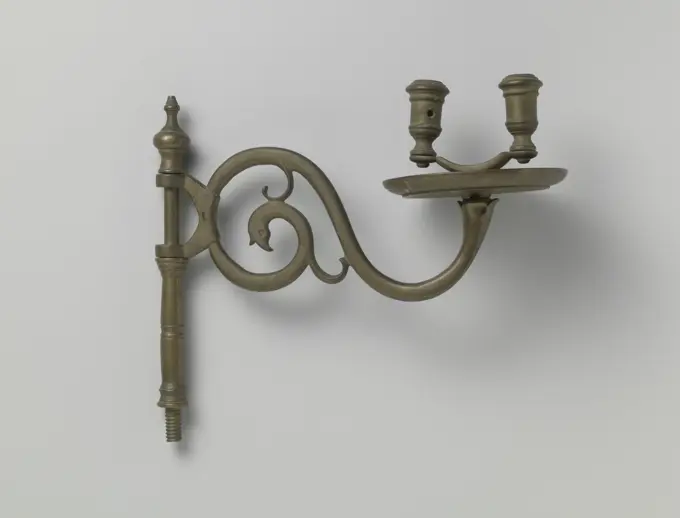
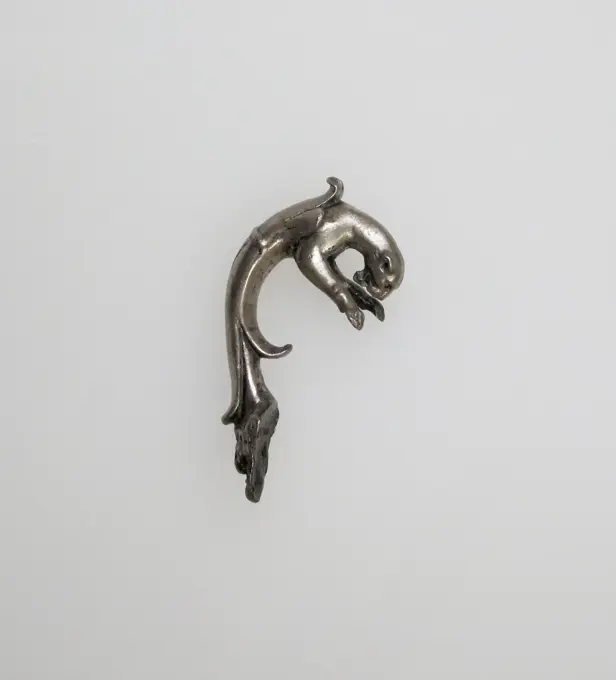
Candle holder, Anonymous, 1700 - 1725 The object is composed of the following parts: the baluster, the arm, the fat catcher, the turner, two candle holders and the button. The baluster, provided with a threaded on both ends, is profiled and has a smooth piece on which the arm is stabbed, which is secured with a button. The arm is bent twice, ending on one side in a bird or dolphin head, the other end in a thickening. Here the turner on the roughly profiled round fat catcher is screwed on the bottom. The two short profiled candle holders are screwed on the turner. The turner is torn. Netherlands brass (alloy) casting The object is composed of the following parts: the baluster, the arm, the fat catcher, the turner, two candle holders and the button. The baluster, provided with a threaded on both ends, is profiled and has a smooth piece on which the arm is stabbed, which is secured with a button. The arm is bent twice, ending on one side in a bird or dolphin head, the other end in a thick
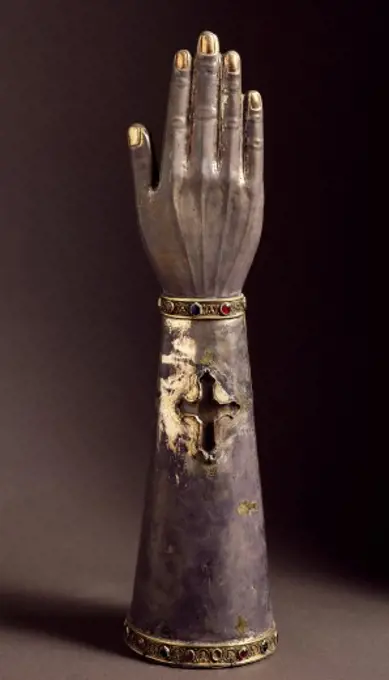
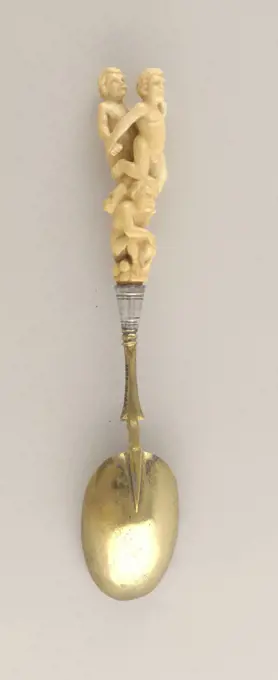
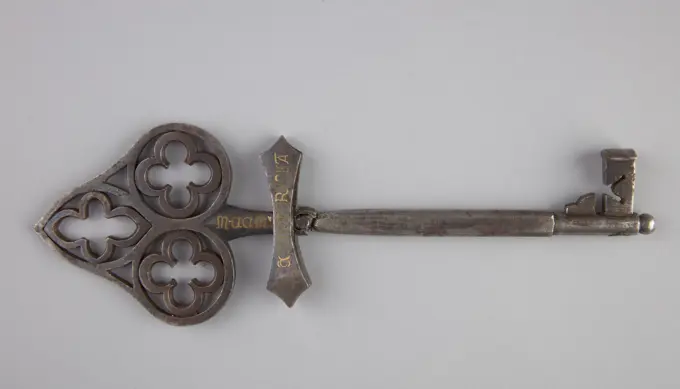
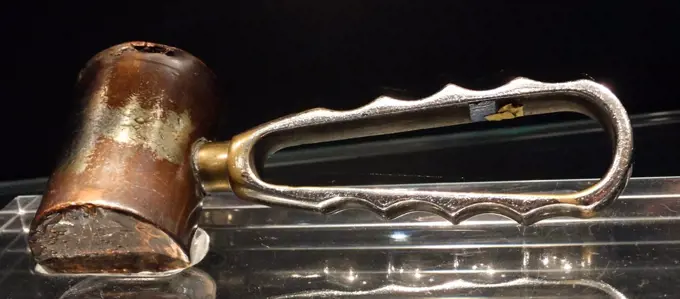
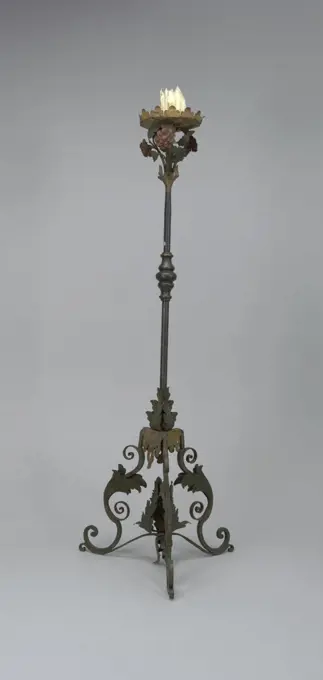
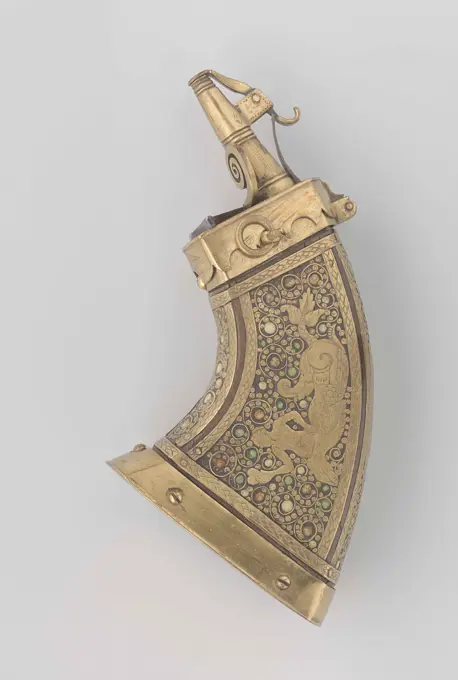
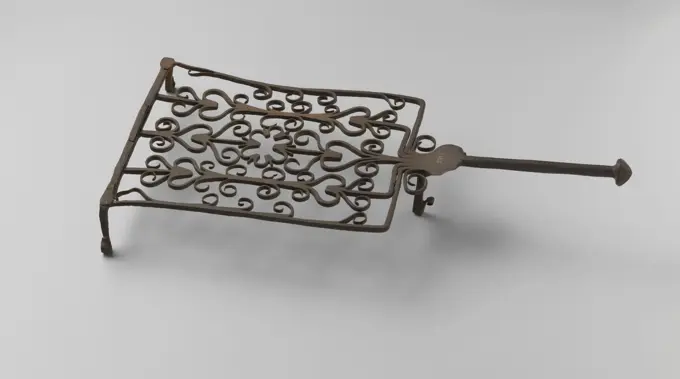
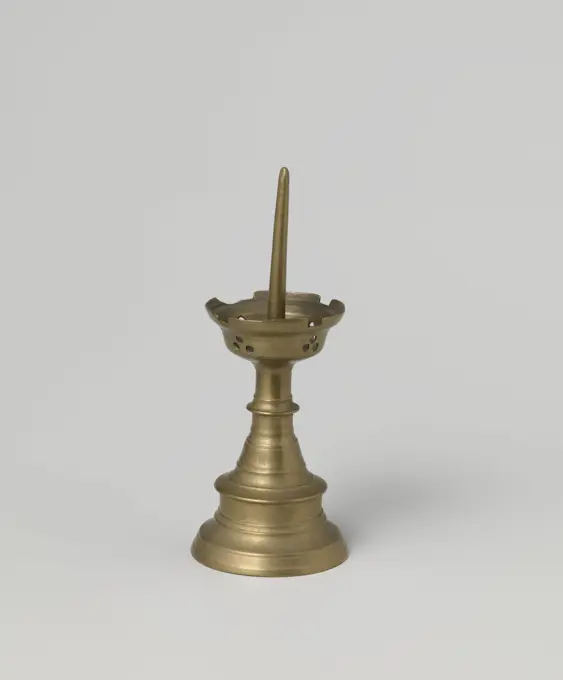
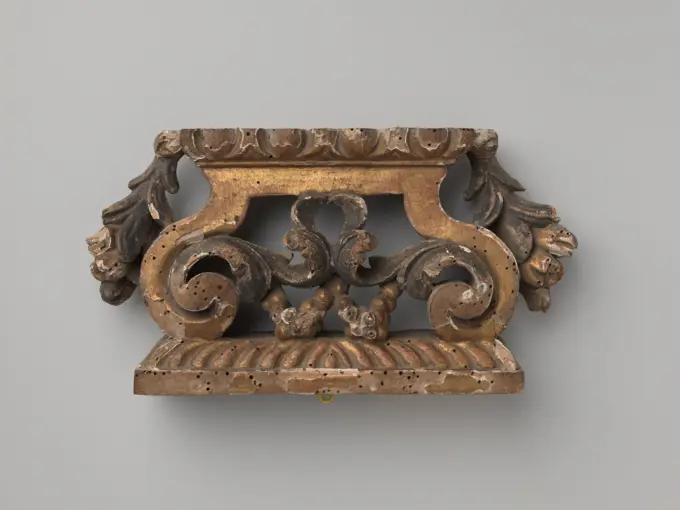
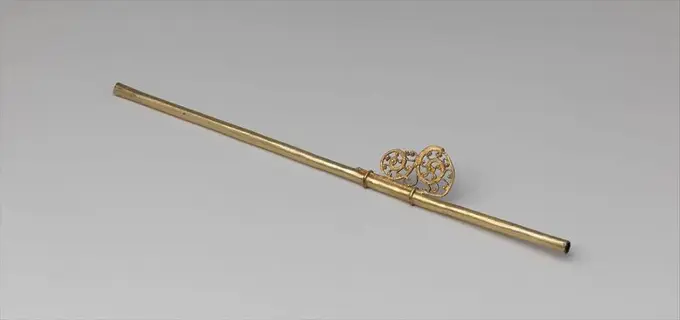
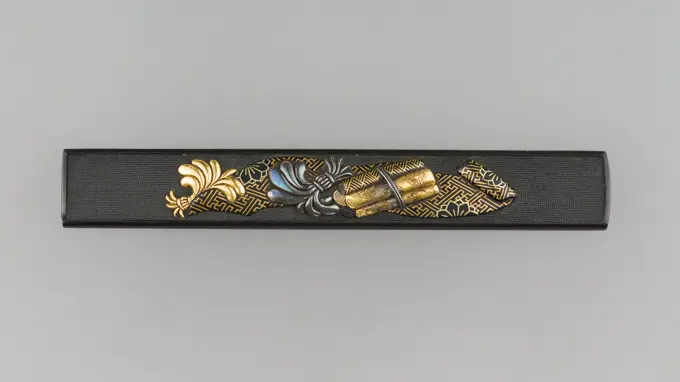
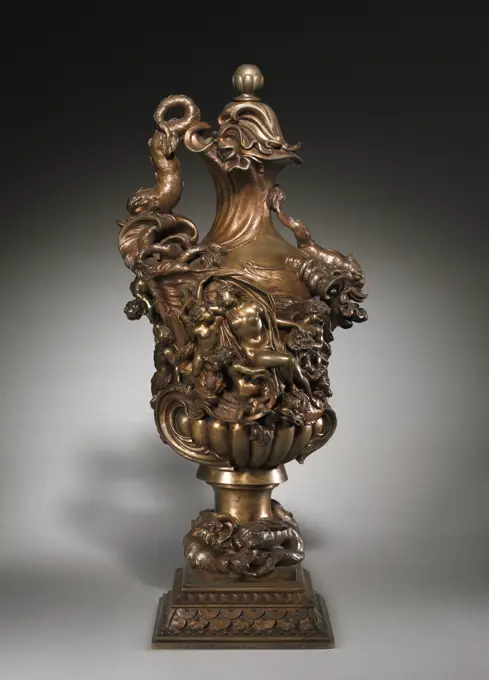
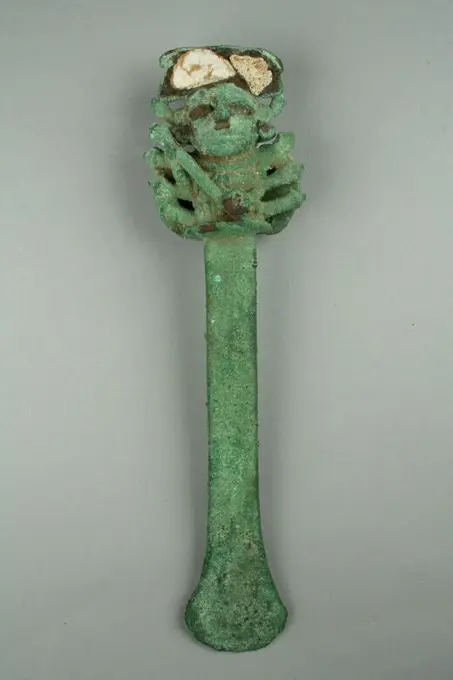
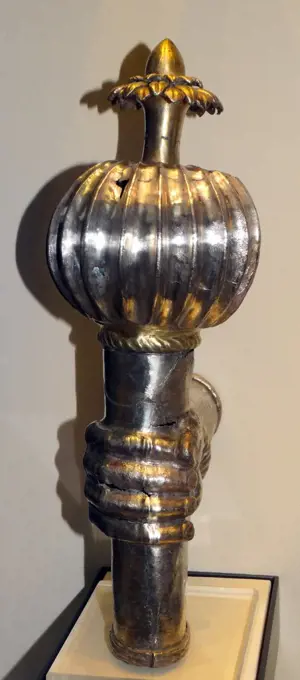
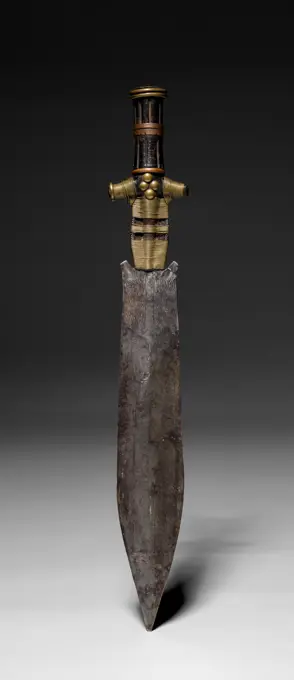
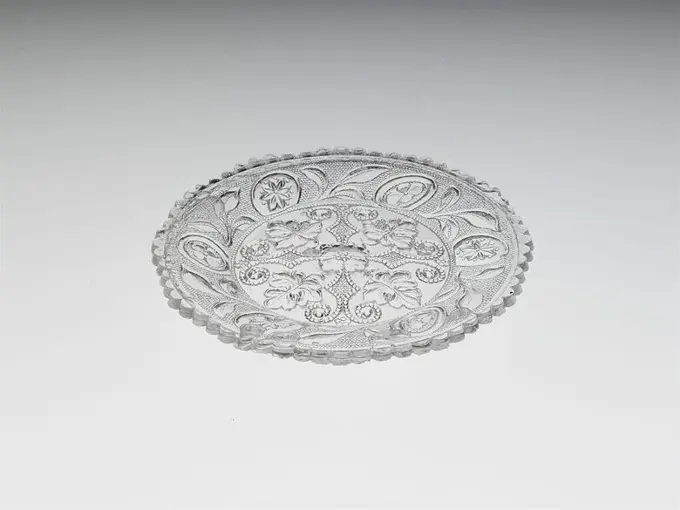
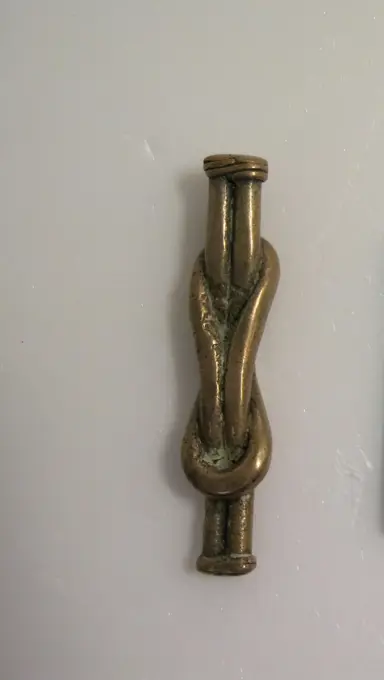
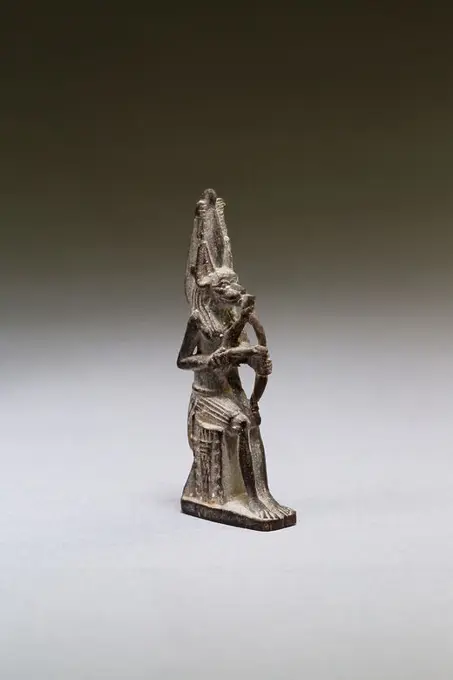
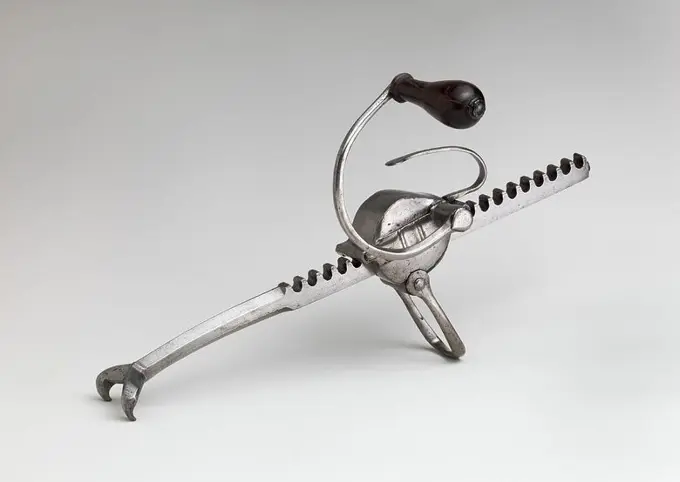
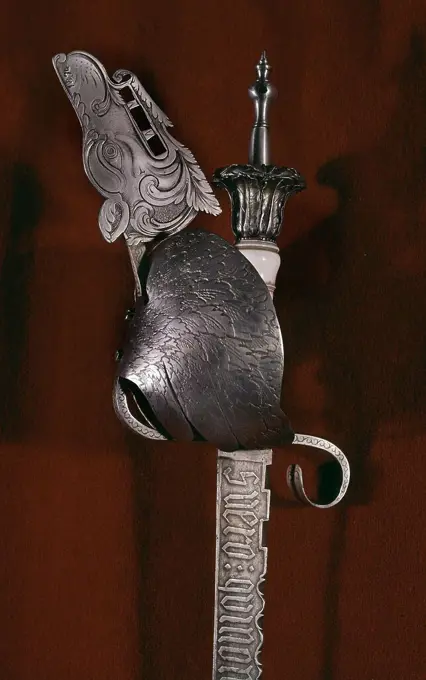
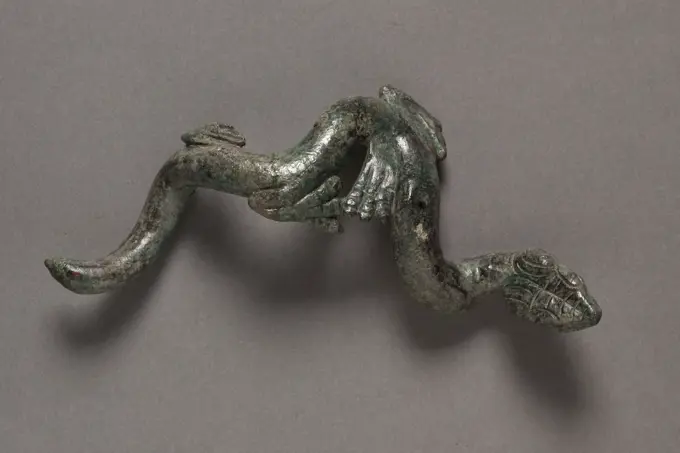
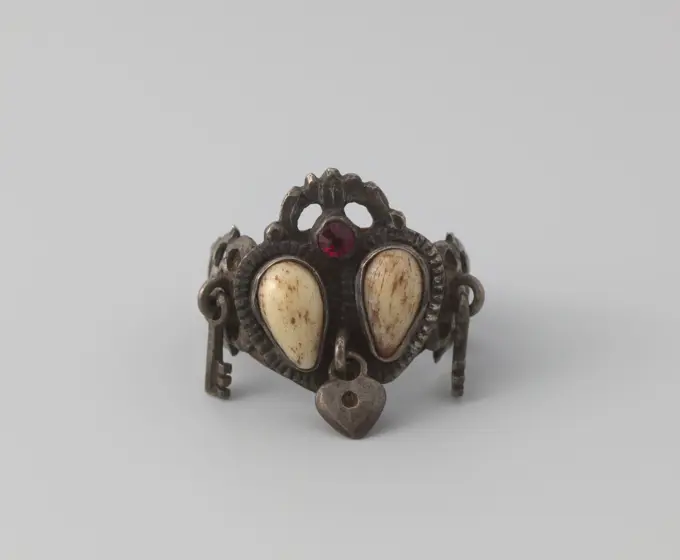
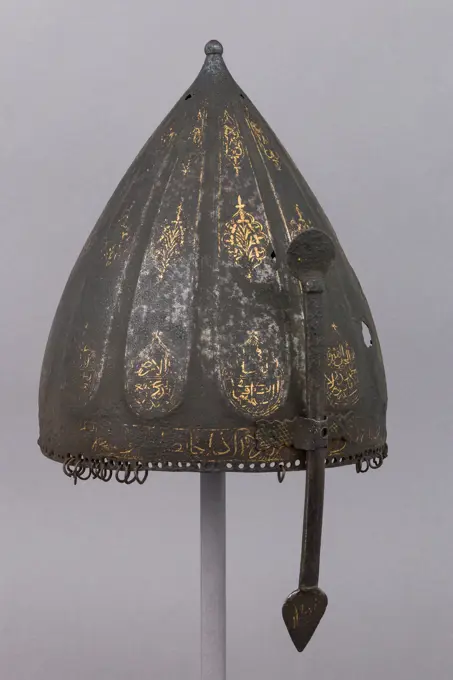
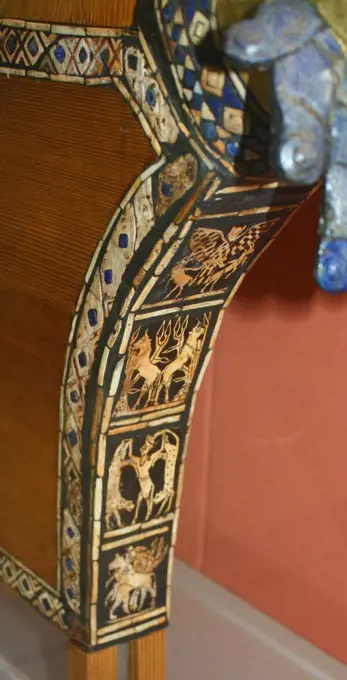
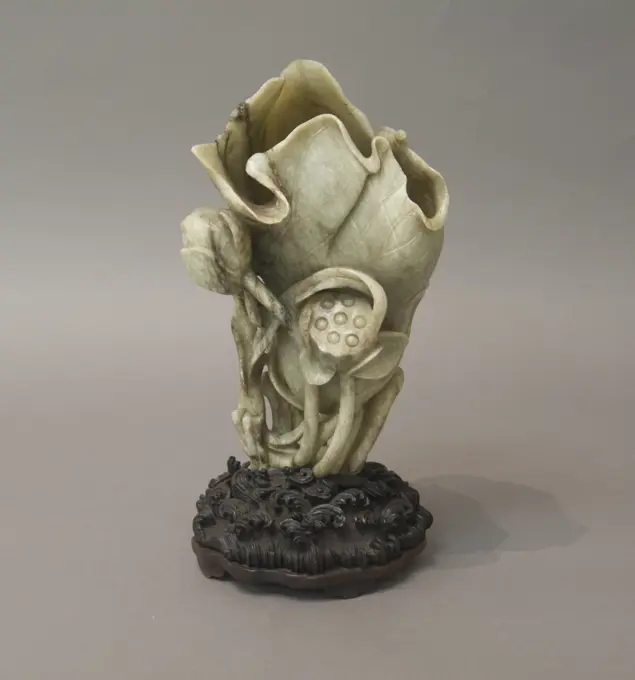
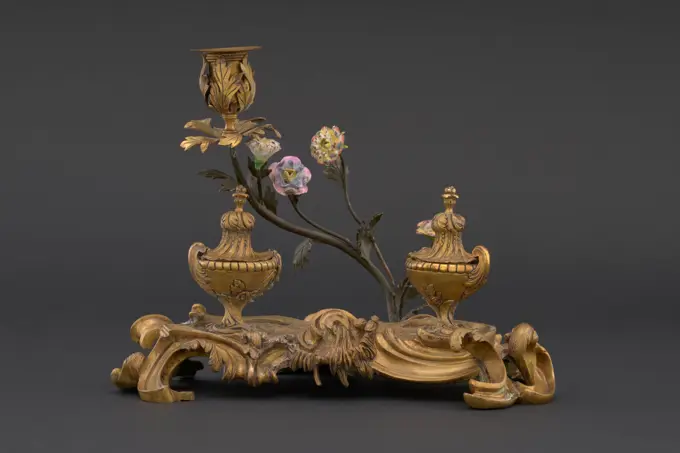
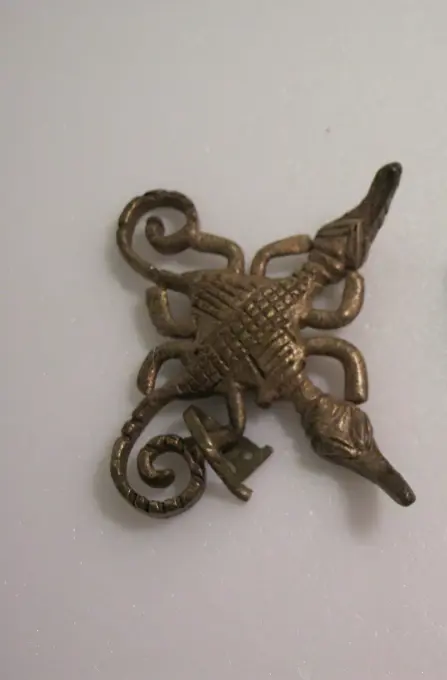
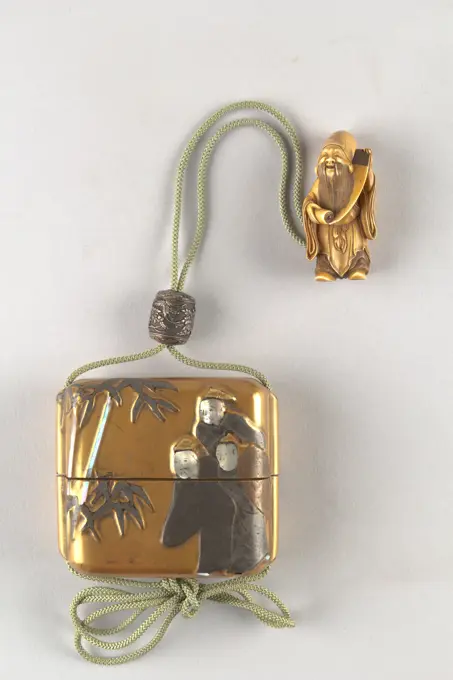
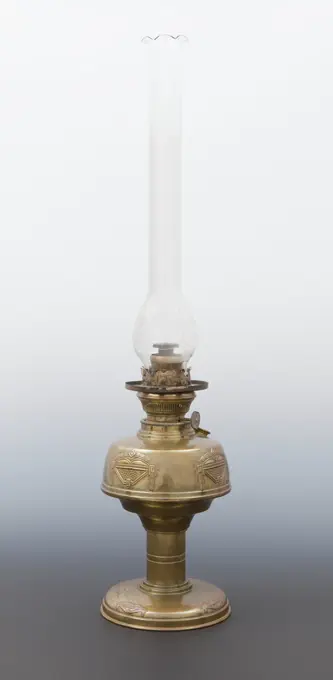
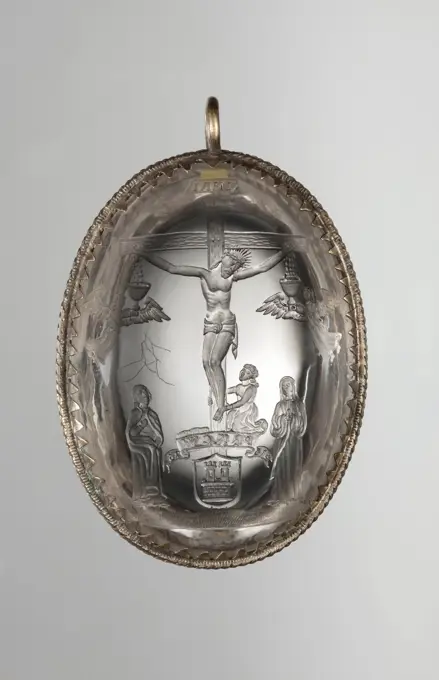
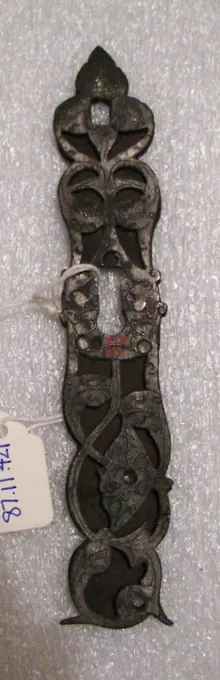
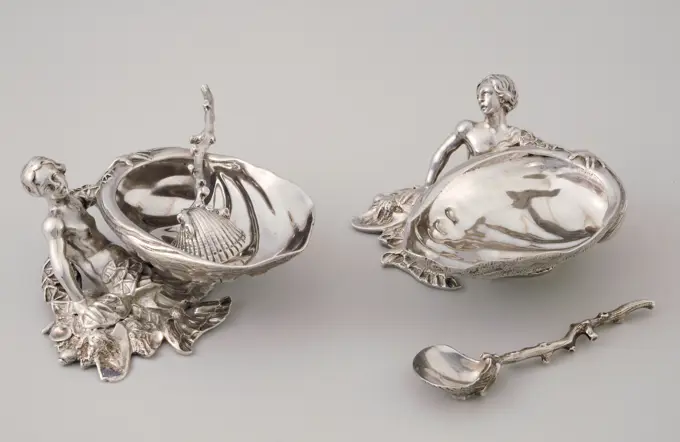
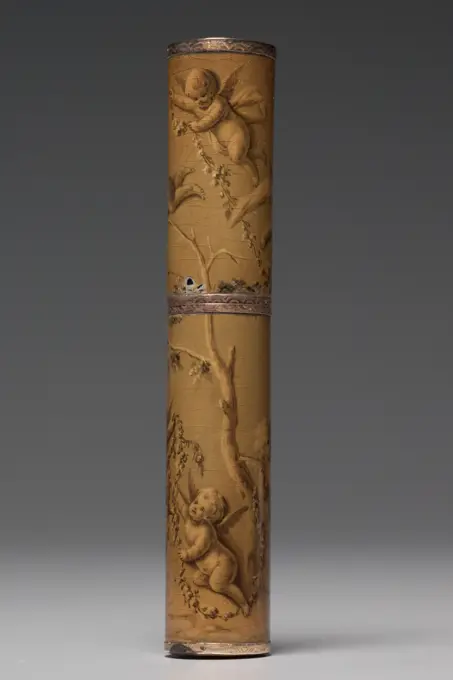
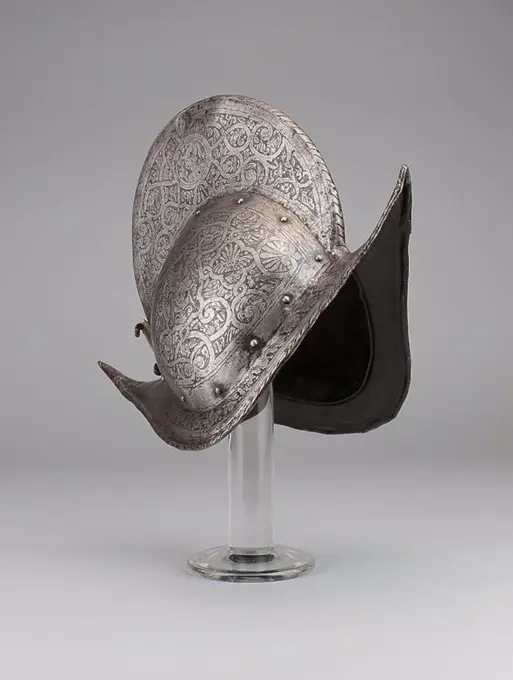
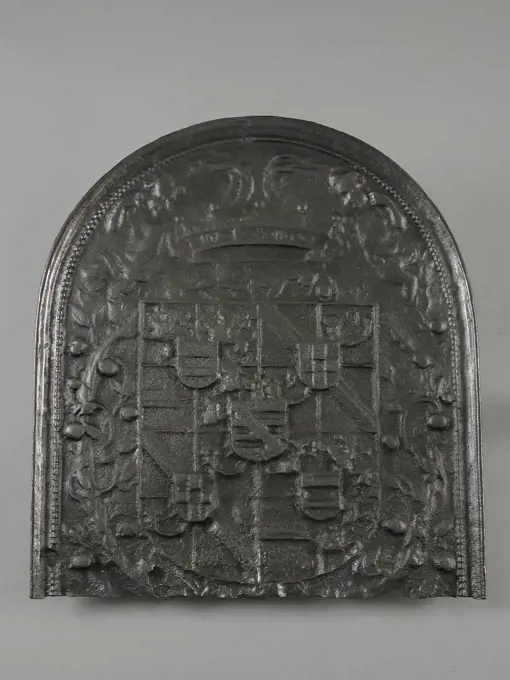
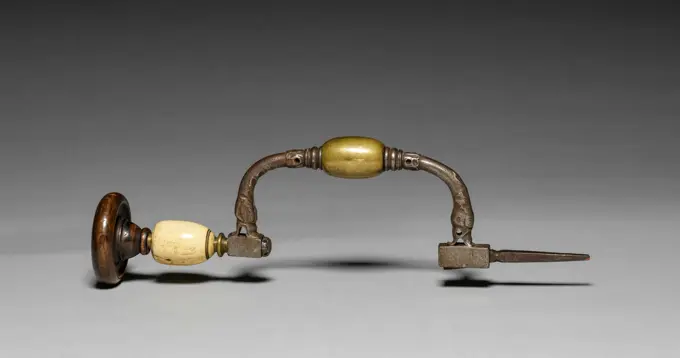
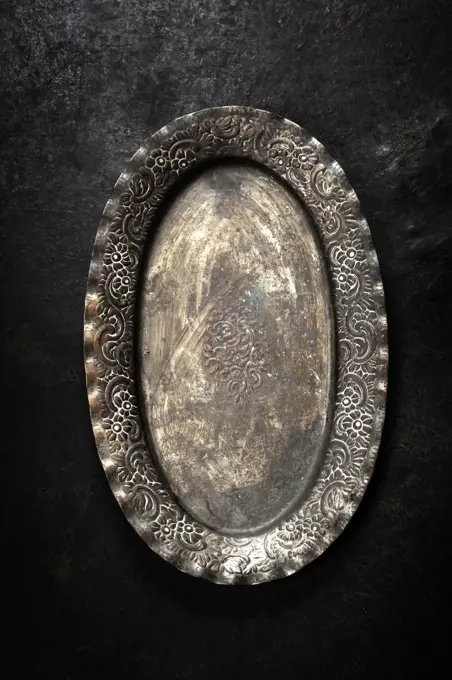
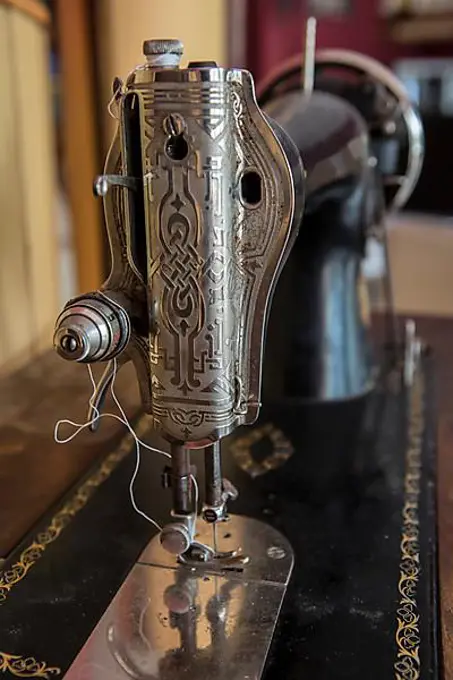
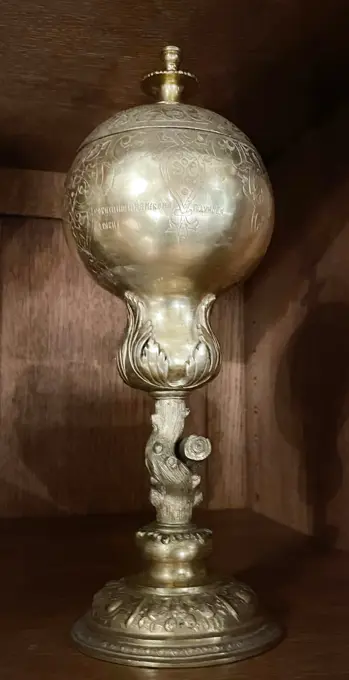
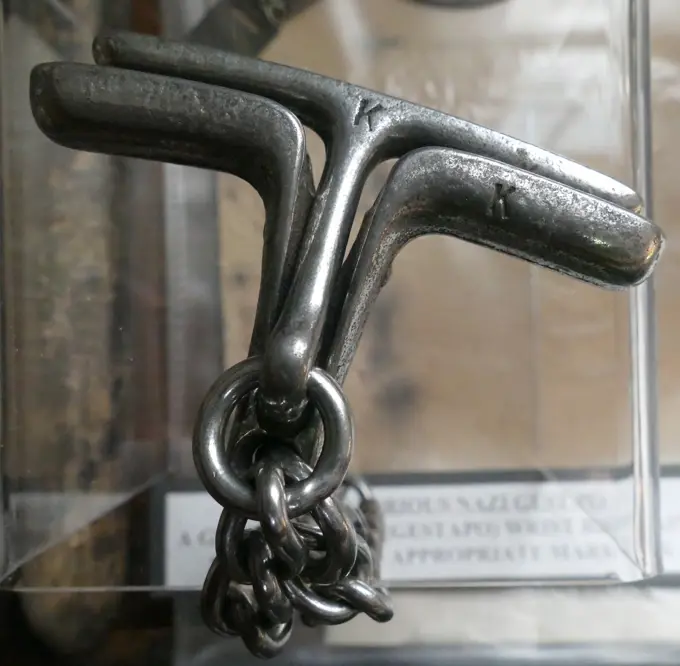
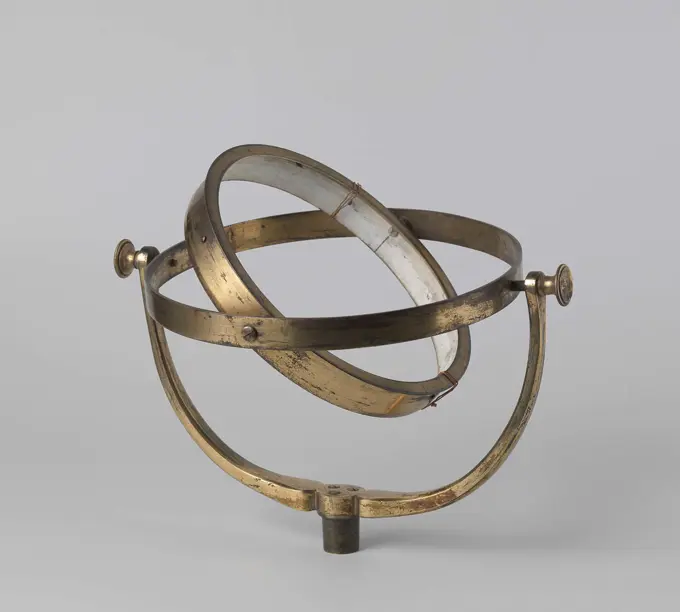
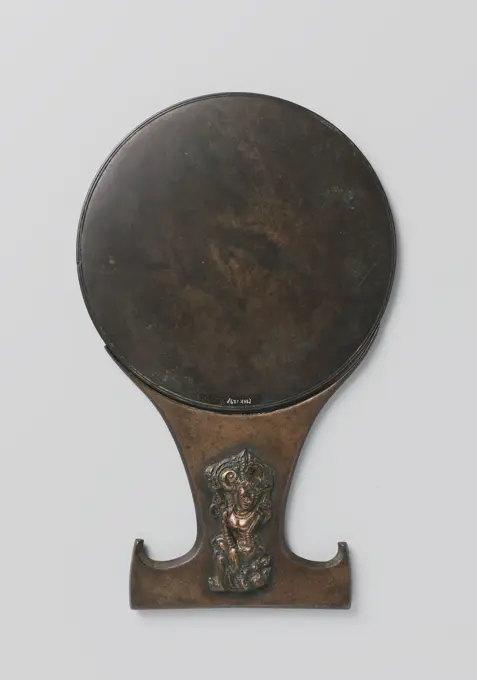
Mirrors, anonymous, 1300 - 1400 Handle of mirror, decorated with heavenly nymph sitting on rock. Indonesia bronze (metal) Handle of mirror, decorated with heavenly nymph sitting on rock. Indonesia bronze (metal)Candelabra (pair with .1384) 19th century, in late cinquecento Venetian style Italian, Venice (). Candelabra (pair with .1384) 461029Pair of wheellock pistols with spanner, Peter Meesen, 1655 - 1660  Belongs to a couple of Radslot guns. The key exists a flat diamond -shaped part with a round opening and ending as a screwdriver, and a round part with a square head that is open on both sides and the opening of which corresponds to the spindle of the wheel of the pistols. With this side, the shooter could turn the pivot for a quarter turn. Sea eye in the middle. Utrecht iron (metal)Bake in the vase shape;  19th century (1801-00-00-1900-00-00);Candle holder, Anonymous, 1700 - 1725 The object is composed of the following parts: the baluster, the arm, the fat catcher, the turner, two candle holders and the button. The baluster, provided with a threaded on both ends, is profiled and has a smooth piece on which the arm is stabbed, which is secured with a button. The arm is bent twice, ending on one side in a bird or dolphin head, the other end in a thickening. Here the turner on the roughly profiled round fat catcher is screwed on the bottom. The two short profiled candle holders are screwed on the turner. The turner is torn. Netherlands brass (alloy) casting The object is composed of the following parts: the baluster, the arm, the fat catcher, the turner, two candle holders and the button. The baluster, provided with a threaded on both ends, is profiled and has a smooth piece on which the arm is stabbed, which is secured with a button. The arm is bent twice, ending on one side in a bird or dolphin head, the other end in a thickSilver reliquary of the arm of Abbot Giovanni Bove. Treasury, Cathedral of Veroli, Lazio. Italy, 13th century.Spoon, ivory, silver, brass, Oval-shaped spoon bowl, rattail on back of bowl. Curved and facetted neck flaring on the sides. Conical silver ferrule. Ivory handle carved in deep relief. Three putti, one of them kneeling, the other two standing on his shoulders, holding each other by the hand., probably Southern Germany, late 17th century, cutlery, Decorative Arts, SpoonPrzeszo Przyszoci unknownSilver handle 1st century A.D. Roman This handle belongs to a small vessela cup or possibly a lampand is said to have been found near Rome.. Silver handle. Roman. 1st century A.D.. Silver. Early Imperial. Gold and SilverSurgical hammer used in the fitting of hip-replacement. Dated 2014Dark brown hunters jug. Lubartów (wytwórnia fajansu ; ca 1840-1850), factoryPair of Torchères, Wrought and partially gilded iron, A scrolling vegetal tripod base supports a straight stem with a baluster detail at center. At top, painted flowers and leaves support a scalloped yellow plate., Italy, late 17th/early 18th century, metalwork, Decorative Arts, Pair of TorchèresLadleHandleKruithoorn. Flat, curved pie with engraved copper fittings. At the front, in the middle of tendrils in which flowers of ivory, a female triton with a heart in the right hand. On the downside a cartouche with fruits. On the top and top decorations in which fruit motifs have been processed.Roast of iron, c. 1400 - c. 1950 An iron grid. One of the legs is missing.  iron (metal) An iron grid. One of the legs is missing.  iron (metal)Building fragment of wood with Festoen, Anonymous, c. 1400 - c. 1950 A Festoen. Completely broken.  linden A Festoen. Completely broken.  lindenKey, anonymous, c. 1700 A key. Germany A key. GermanyCandlestick with profiled foot and trunk, anonymous, c. 1500 - c. 1550 The object is composed of the following parts: the foot, the trunk and the fat catcher, which are cast in one whole, and the candle pin. The trunk is lashed with lead or tin. The profiled Konical foot turns into a trunk with one knot and then into a fat catcher, on which a very long candle pin is applied. The round deepened fat catcher has four decorations in the raised wall, consisting of a perforation in the form of a three -pass. The narrow stir -stranding edge has four tilting, one of which is damaged. Northern Netherlands (possibly) brass (alloy). vulling: lead (metal). vulling: tin (metal) casting The object is composed of the following parts: the foot, the trunk and the fat catcher, which are cast in one whole, and the candle pin. The trunk is lashed with lead or tin. The profiled Konical foot turns into a trunk with one knot and then into a fat catcher, on which a very long candle pin is applied. The round dStomacher Made 1801-1900 France. Linen, plain weave; embroidered with linen yarns in buttonhole, chain, cross, crossed back, half cross, marking cross, satin, single satin, and stem stitches; attached cord of 8-strand 4-sided braid .Anonymous, Chenêt (main title). Golden bronze, cast iron. Petit Palais, Museum of Fine Arts of the City of Paris.Pedim made of wood, anonymous, c. 1400 - c. 1950 Pedestone made of cut wood. Northern Netherlands (possibly)Netherlands (possibly) wood (plant material) cutting Pedestone made of cut wood. Northern Netherlands (possibly)Netherlands (possibly) wood (plant material) cuttingStraw. Culture: German. Dimensions: 15/16 x 1/4 x 8 1/2 in. (2.4 x 0.6 x 21.6 cm). Date: ca. 1230-50.This straw is one of an ensemble containing some of the elements needed for the celebration of the Eucharist: the paten for the bread (acc. no. 47.101.27), the chalice to hold the wine (acc. no. 47.101.26), and, exceptionally, a straw to sip the wine. Straws such as this rare example were used to prevent spilling even a drop of the consecrated wine. The representation of Saint Trudpert on the paten indicates that the ensemble was made for the monastery dedicated to him near Freiburg im Breisgau, where he was martyred. Museum: Metropolitan Museum of Art, New York, USA.Knife Handle (Kozuka) late 18th-early 19th century Japanese A kozuka is a handle of a by-knife that is part of a sword mounting. It is kept in a slot on the reverse of a katana scabbard, often with a matching kgai (hairdressing tool).. Knife Handle (Kozuka). Japanese. late 18th-early 19th century. Copper-gold alloy (shakud), gold, silver. Sword Furniture-KozukaCreampot.   Maker: Ephraim Brasher, 1744-1810Ewer with Triumph of Galatea, c. 1700. Massimiliano Soldani (Italian, 1656-1740). Bronze; overall: 81.5 x 35.5 x 26.5 cm (32 1/16 x 14 x 10 7/16 in.); base: 8.9 x 25.9 x 26.5 cm (3 1/2 x 10 3/16 x 10 7/16 in.).inkwell, Sormani, silver, 19th century, metalwork, Decorative Arts, inkwellPartisan of the Swiss Guard of Friedrich August of Saxony (reigned 1694-1733) ca. 1725 German This staff weapon was carried by the bodyguards of the Prince-Electors of Saxony.. Partisan of the Swiss Guard of Friedrich August of Saxony (reigned 1694-1733) 22201. Funeral shield of driven silver from the Korenmetersgilde in Amsterdam. Driven in the form of a cartouche with lobe ornament. On the shield a wheat meter in the different activities of his profession. On the shield hangs on chains, a banderle. Part of a series of four piecesCeremonial Knife (Tumi). Culture: Moche. Dimensions: H. 7 1/2 in. (19 cm). Date: 2nd-7th century. Museum: Metropolitan Museum of Art, New York, USA.Silver arm rest support from a Roman 4th century AD ChairMountMountKnife, 1800s. Central Africa, Democratic Republic of the Congo, 19th century. Iron, wood, copper alloy, leather or rawhide, and upholstery studs; overall: 49.8 cm (19 5/8 in.); blade: 33 cm (13 in.).Cup Plate. Dimensions: Dimensions unavailable. Date: 1825-60. Museum: Metropolitan Museum of Art, New York, USA.newel post, wood (oak), France, ca. 1750, furniture, Decorative Arts, newel postGoldweight Knot, 19th-20th century, 2 1/8 x 1/2 x 1/4 in. (5.4 x 1.27 x 0.64 cm), Brass, Ghana, 19th-20th centuryPair of Spurs 1600-1650 Germany. Iron .Seated polymorphic figure of jackal-headed archer. Dimensions: H. 4 × W. 0.6 × D. 1.4 cm (1 9/16 × 1/4 × 9/16 in.). Date: 664-30 B.C..The small, finely detailed amulets 10.130.2439-.2445 are all made of wood. Wooden amulets are often gilded, but the only remaining gilding is on the goddess's sun disk (10.130.2443).. Museum: Metropolitan Museum of Art, New York, USA.Cranequin. Culture: Western European, probably Spanish. Dimensions: L. 16 31/32 in. (43.1 cm); W. 2 9/32 in. (5.8 cm); W. 3 lb. 10 oz. (1,638 g). Date: 16th century. Museum: Metropolitan Museum of Art, New York, USA.Ornament.Ornament, consisting of four partially matching parts. Stoneware with different colors of glaze.MONTANTE DE SEVERO QUINONES - DETALLE. Location: ALCAZAR / MUSEO DEL EJERCITO-COLECCIÓN. Toledo. SPANIEN. QUIÑONES SEVERO.Apollo the Python-Slayer, c. 350 BC. Attributed to Praxiteles (Greek, c. 400BC-c. 330BC). Bronze, copper and stone inlay; overall: 14.8 x 9.4 x 3.6 cm (5 13/16 x 3 11/16 x 1 7/16 in.).Hammered Silver Miniature Crown 11th-mid-16th century Peru; north or central coast (). Hammered Silver Miniature Crown 309032Nargile fragment. unknown, craftsmanCeramic vase, Korea. Korean Civilisation, Kaya Kingdom, ca 5th century.Vase with Roggen, Maurius-Ernest Sabino, c. 1930 Light concave soil. Waving and then rejuvenating body, blown into a backdrop of rays; Details heighted in gold. Protruding edge. On the bottom, in diamondgravure, white colored, Sabino Paris. Paris glass gilding / glassblowing Light concave soil. Waving and then rejuvenating body, blown into a backdrop of rays; Details heighted in gold. Protruding edge. On the bottom, in diamondgravure, white colored, Sabino Paris. Paris glass gilding / glassblowingSilver sprinkler on foot with openwork lid, spreader vane holder silver, sawn Spreader vane with cup-shaped body on constricted octagonal foot and short stem, high arched spreading cover with profiled button, lid closes by half centimeter over outer edge foot underside (smashed) serve sprinkleWedding ring of silver, anonymous, 1600 - 1699 Wedding ring of silver. With two hearts of leg, between which a red stone from above and a silver heart from below. A loose key on both sides.  silver (metal). bone (material) Wedding ring of silver. With two hearts of leg, between which a red stone from above and a silver heart from below. A loose key on both sides.  silver (metal). bone (material)Electrotype Reproduction of a 16th Century Italian Helmet. Culture: British, Birmingham. Dimensions: H. 13 1/2 in. (34.3 cm); W. 8 in. (20.3 cm); D. 14 5/16 in. (36.4 cm); Wt. 4 lb. 5.6 oz. (1973.1 g). Date: 19th century. Museum: Metropolitan Museum of Art, New York, USA.A pair of stirrupsCandlestickHelmet 16th-17th century Turkish. Helmet 32065The Queen's Lyre. This lyre was found in the tomb of the Queen Puabi. The lapis lazuli, shell and red limestone decoration and the head of the bull are original. The wooden parts, pegs and strings and bull's horns are modern reconstruction. The bull's head is covered with gold. The eyes are lapis lazuli and shell.Komfoor of brass and wood., Anonymous, c. 1650 - c. 1675 The object has a twisted wooden handle and consists of the following cast or sloped or cut out parts: the container of twelve lobes, in which a star -shaped soil plate of red copper is screwed with a bolt and a nut and against which the three Vertical on claw legs standing, swinged in and out and round in bird heads. Netherlands Brass (Alloy). Bottom plate: copper (metal). Handle: Wood (Plant Material) casting / sawing The object has a twisted wooden handle and consists of the following cast or sloped or cut out parts: the container of twelve lobes, in which a star -shaped soil plate of red copper is screwed with a bolt and a nut and against which the three Vertical on claw legs standing, swinged in and out and round in bird heads. Netherlands Brass (Alloy). Bottom plate: copper (metal). Handle: Wood (Plant Material) casting / sawingMountArm with candle holder of candle crown of two heights with six arms each, c. 1475 - c. 1500 Candle arm belonging to a candle crown of two heights with maria figure at the top. The arm is bent twice and is decorated with two grape bunches and two vine leaves. The round fat catcher has openwork, serrated vertically placed edges at the bottom, to mask the confirmation on the arm. This is done by a round iron pin, which is screwed into the end of the arm. This is the sixth arm of the upper ring, unnumbered. The fat catcher is unnumbered. Southern Netherlands brass (alloy). kaarsenpin: iron (metal) casting / forging Candle arm belonging to a candle crown of two heights with maria figure at the top. The arm is bent twice and is decorated with two grape bunches and two vine leaves. The round fat catcher has openwork, serrated vertically placed edges at the bottom, to mask the confirmation on the arm. This is done by a round iron pin, which is screwed into the end of the arm. This is the sixthVase ca. 13th century China. Vase. China. ca. 13th century. Nephrite. JadeAbout Queen Maria Józefa from the collections of the National Museum in Warsaw - a view of the animal;  1925-1926 (1925-00-00-1926-00-00);Wineglass probably 19th century Italian, Venice (Murano). Wineglass. Italian, Venice (Murano). probably 19th century. Glass. GlassGold finger ring Egyptian. Gold finger ring 243464A pair of earringsKałarz;  after. 18th century (1750-00-00-1750-00-00);Goldweight Two Crossed Crocodiles, 19th-20th century, 3/8 x 2 1/4 x 1 5/8 in. (0.95 x 5.72 x 4.13 cm), Brass, Ghana, 19th-20th centuryDrawer Pull. Dimensions: Diam. 2 1/8 in. (5.4 cm). Date: 1810-60. Museum: Metropolitan Museum of Art, New York, USA.Sprayle with Neo-Gothic decorations, Johannes Lambertus Krymans, 1848 Silver of silver, with somewhat rectangular, openwork container. The curved stem broadens towards the end. silversmith: OssSchijndel silver (metal) Silver of silver, with somewhat rectangular, openwork container. The curved stem broadens towards the end. silversmith: OssSchijndel silver (metal)Attachment of a triangular salt barrel, crowned by the personification of De Hoop, Anonymous, 1618 Attachment belonging to triangular salt barrel of gilded silver: see further description at BK-1988-15-A. Amsterdam silver (metal). gilding (material) gilding Attachment belonging to triangular salt barrel of gilded silver: see further description at BK-1988-15-A. Amsterdam silver (metal). gilding (material) gildingCase (Inr) with Design of Seven Sages of the Bamboo Grove 18th-19th century Japan The Seven Sages were third century literati. Shunning the constraints of official life, they gathered in a bamboo grove and engaged in the Daoist-inspired practice of "pure talk." Here they relax and drink and make music.. Case (Inr) with Design of Seven Sages of the Bamboo Grove. Japan. 18th-19th century. Lacquer, fundame, raden, pewter inlay; Interior: fundame, tray. InrKerosene lamp - body HasagSculpted, square collar of Point Coupé and Reticella, Anonymous, c. 1610 - c. 1630 Square, lying collar of Point Coupé and Reticella. The collar is scooped. Italy linen (material). Square, lying collar of Point Coupé and Reticella. The collar is scooped. Italy linen (material).Tray, from a Miniature Tea Set, porcelain, gold, For the miniature tea set composed of the following pieces, 1920-19-52 to -57. Oval, with concave cutouts on two diagonal axes. High convex rim, with beading in gold: flat bottom bordered with conventional flowers, foliage and tendrils., Austria, 1830-1860, ceramics, Decorative Arts, tray, trayArcher's Ring possibly 18th century Turkish. Archer's Ring. Turkish. possibly 18th century. Silver, gold, jade, gem. Archery Equipment-Archer's RingRhinestone medallion with the scene of the Crucifixion. unknown, authorEscutcheon of lock 1560-1600 German. Escutcheon of lock 186942 German, Escutcheon of lock, 15601600, Iron, 5 1/2 x 1 in. (14.0 x 2.5 cm). The Metropolitan Museum of Art, New York. Gift of Henry G. Marquand, 1887 (87.11.421)Snake and a Frog on a LotusLeafFragment of lace. unknown, authorPaul de Lamerie, Set of Four Salts and Spoons, 1739/40, silver.Jar with design of Owl and Panthers, Corinthian Style, 7th century BC. Artist: Unknown.Jar 12th century Korea. Jar 57404Betel nut Crocker utensils in museum Copyright: xPxMistry/DinodiaxPhotoxNeedle Case (Etui à Aiguilles), 1768-1769. France, Paris, 18th century. Painted wood, gold mounts; overall: 12.5 x 3.1 cm (4 15/16 x 1 1/4 in.).Comb Morion. French. Date: 1560-1590. Dimensions: 24.1 × 40.6 × 35.6 cm (9 1/2 × 16 × 14 in.). Steel, iron, brass, and leather. Origin: France. Museum: The Chicago Art Institute, Chicago, USA.Firearm coat of arms of the stadholder, hob plate cast iron, cast Rectangular bow at the top. In the middle weapon containing five other weapons. The crown on the weapon is held by two lying putti. On the sides fruit tendrils heraldic living environment interior heating stadholder elite Nassau OranjeBrace and Bit, 1600s. Germany , 17th century. overall: 11.5 x 36.9 cm (4 1/2 x 14 1/2 in.).Pa. German Tobacco Bowl w/ Lid. Dated: c. 1936. Dimensions: overall: 51 x 34.7 cm (20 1/16 x 13 11/16 in.) Original IAD Object: 6" high; 7" in diameter. Medium: gouache and watercolor on paperboard. Museum: National Gallery of Art, Washington DC. Author: Albert Levone.Powder Horn 18th century American. Powder Horn 27628Vintage metal plate on dark backgroundMorion ca. 1575 Italian. Morion 29598Pendant, 400-700. Panama, International Style, 5th-7th century. Cast gold; overall: 2.4 x 2.3 cm (15/16 x 7/8 in.).Vase China 19th centuryClose-up view of an old sewing machineCup with cover Manufacturer Elkington & Co. British 19th century, after 16th century original This electrotype is after a sixteenth-century original in Troisata monastery at time of reproduction. View more. Cup with cover. British, Birmingham, after British, London original. 19th century, after 16th century original. Silver on base metal. Metalwork-ElectrotypeClaterr () In the shape of a pipe ();  19th century () (1801-00-00-1900-00-00);Wrist restraint carried by officers of the Kriminalpolizei during the Second World WarTwo candlesticksTable with MarbleTopLluís Masriera / Colgante con figura renacentista, c. 1916-1919. Oro amarillo calado, cincelado y punzonado, marfil, plata, diamantes, perlas, filigrana y esmalte translúcido «pliqué-à-jour». Museu Nacional d'Art de Catalunya (MNAC). Author: LLUÍS MASRIERA I ROSÉS.USA, Florida, St. Augustine, Castillo de San Marcos.Beaker.   Maker: Robert Sanderson, American, born England, 1608-1693  Maker: John Hull, American, born England, 1624-1683Glass Cooler. France, Paris; Martin-Guillaume Biennais (French, 1764-1843). Date: 1809-1819. Dimensions: 12.7 × 22.4 × 33 cm (5 × 8 13/16 × 13 in.). Silver gilt. Origin: Paris. Museum: The Chicago Art Institute, Chicago, USA.Cardanus ring. Brass holder with two concentric rings. In the inner ring, a compass could be hung that is always held horizontally because the cardanus ring compensates for the rolling movement of the ship.