Antique Decorative Objects

Collection of ornate antique items including a mirrored stand, decorative seal, and a golden box, showcasing fine craftsmanship.
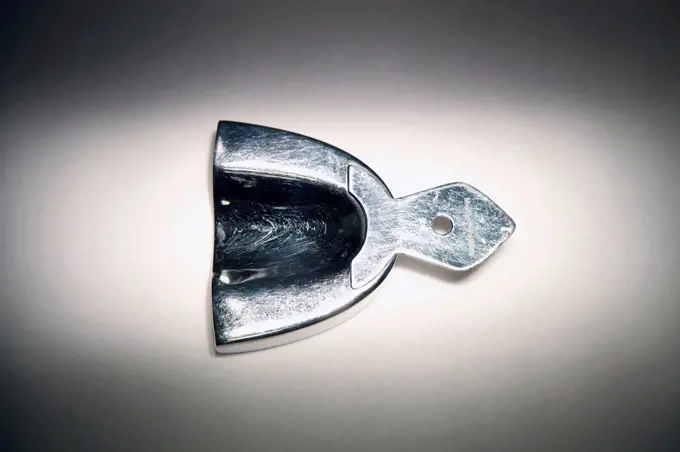
Tooth model on white background
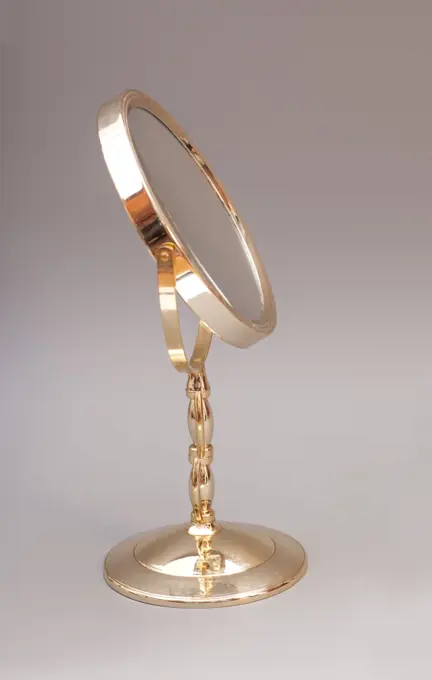
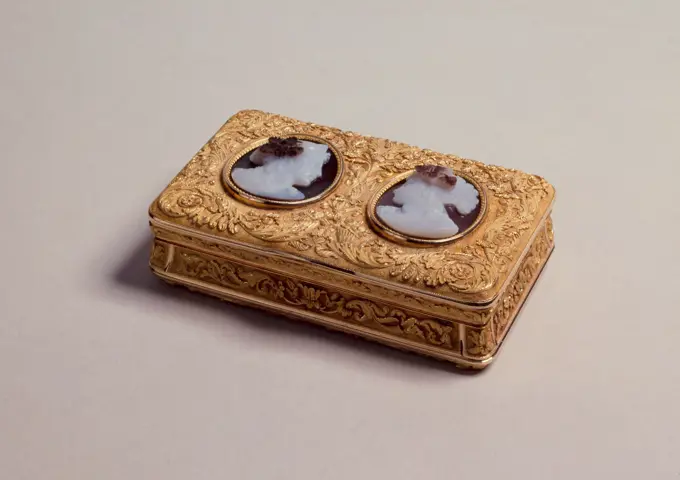
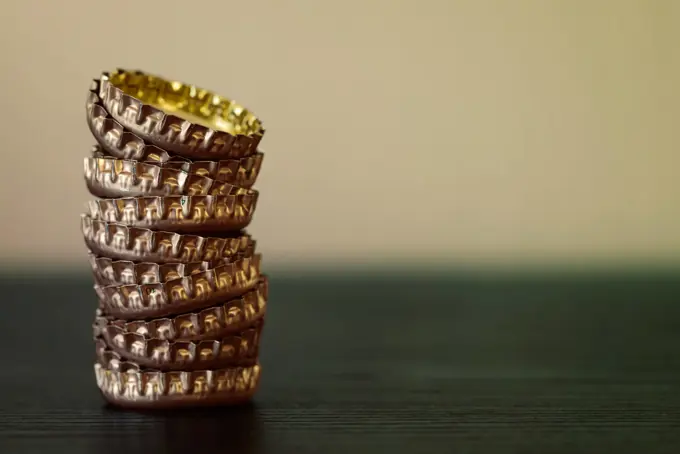
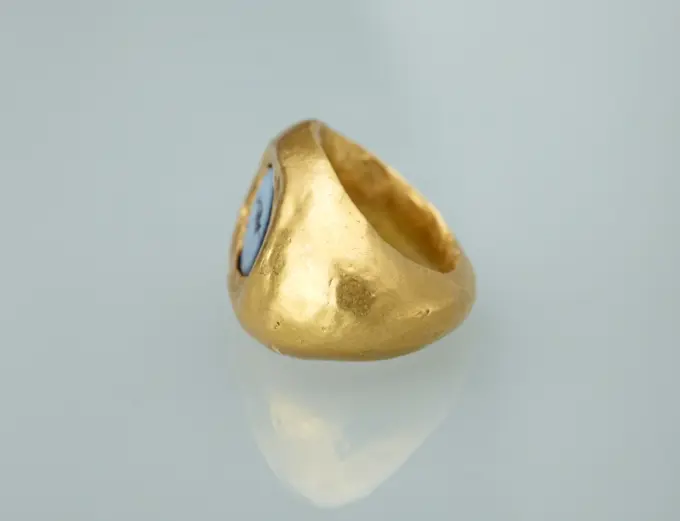
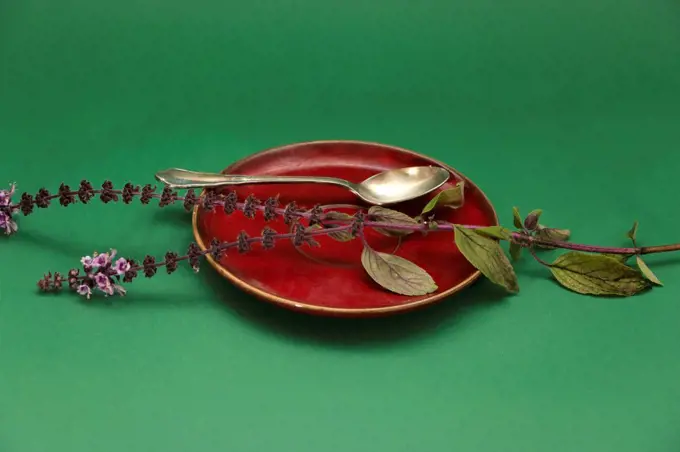
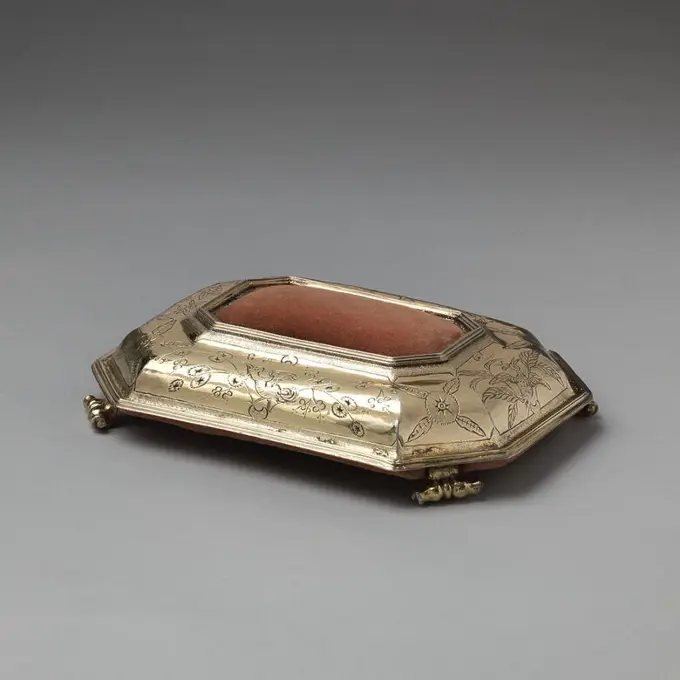
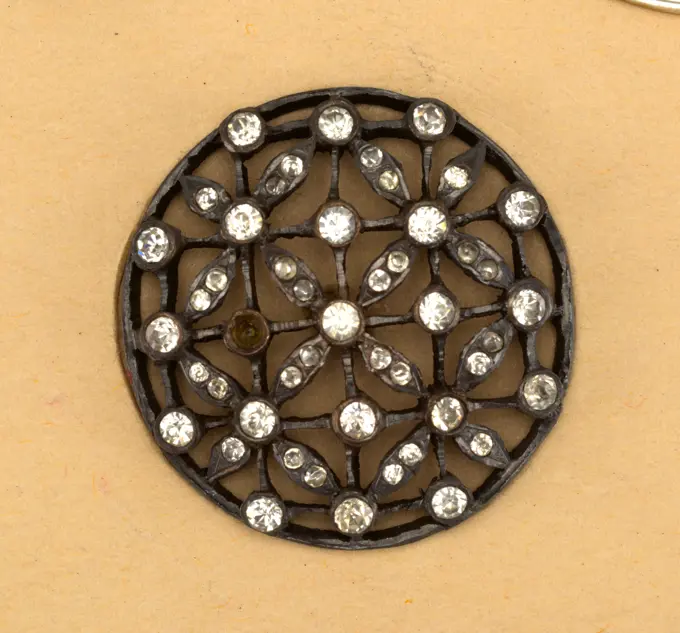
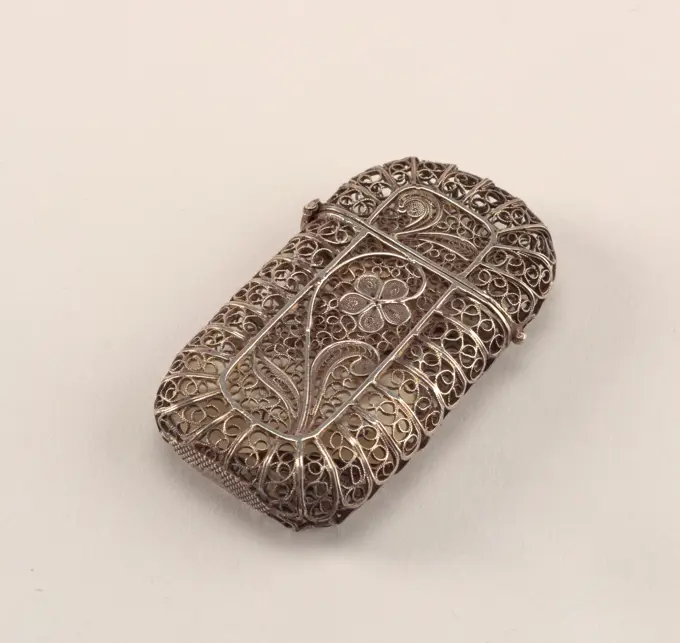
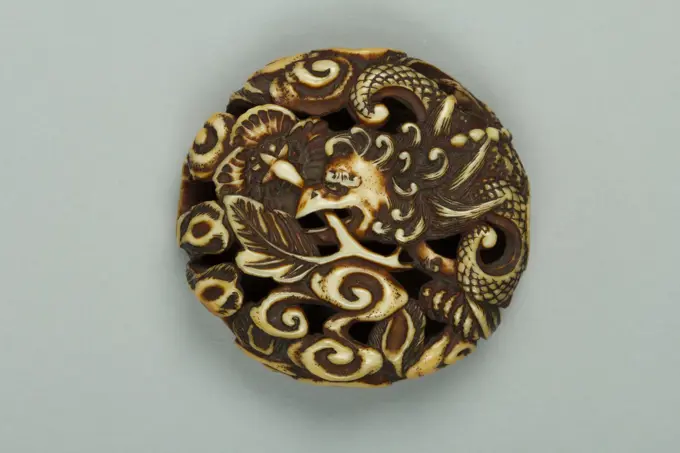
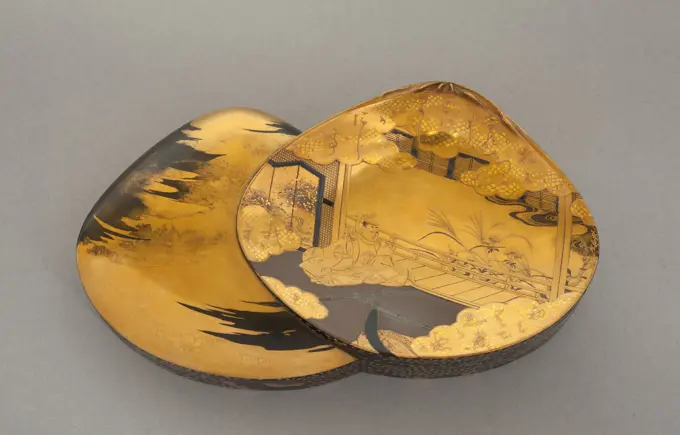
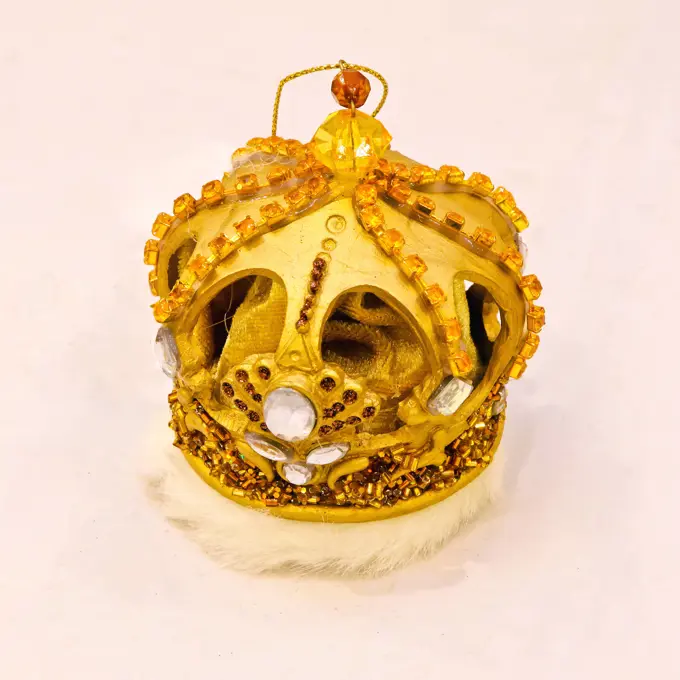
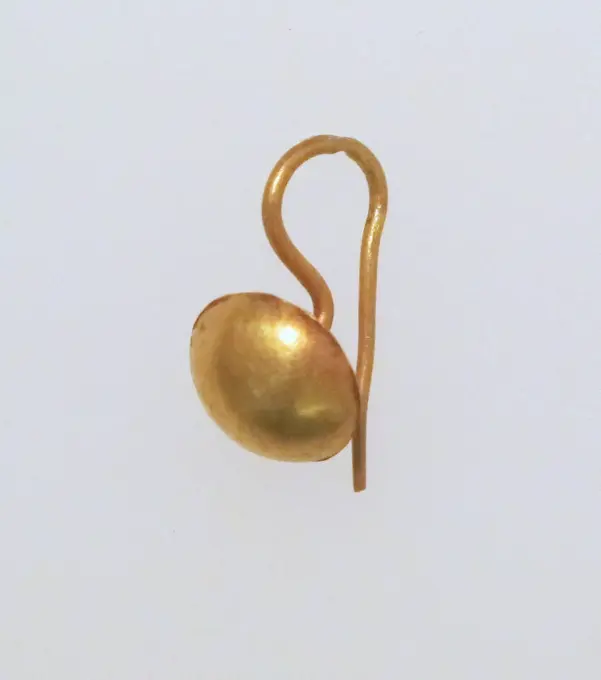
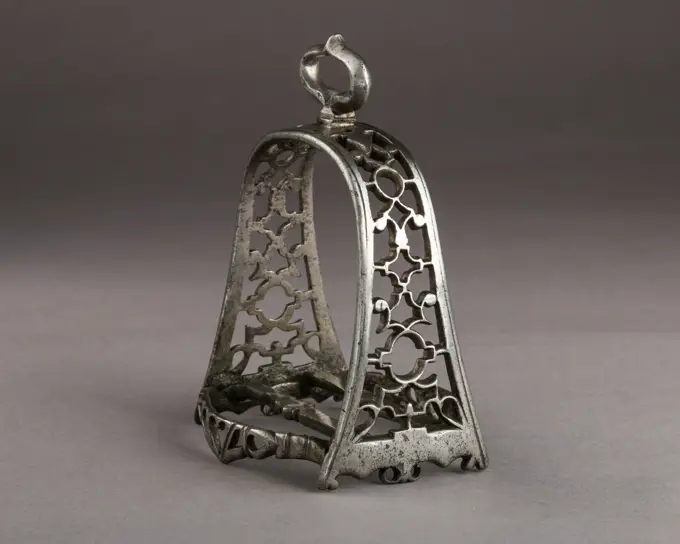
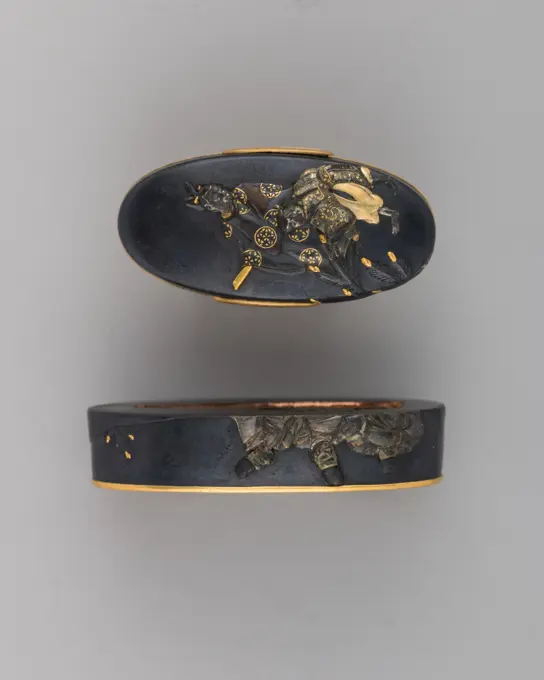
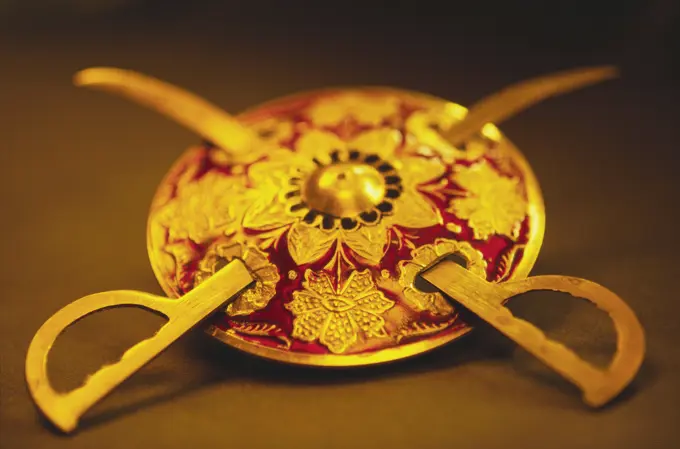
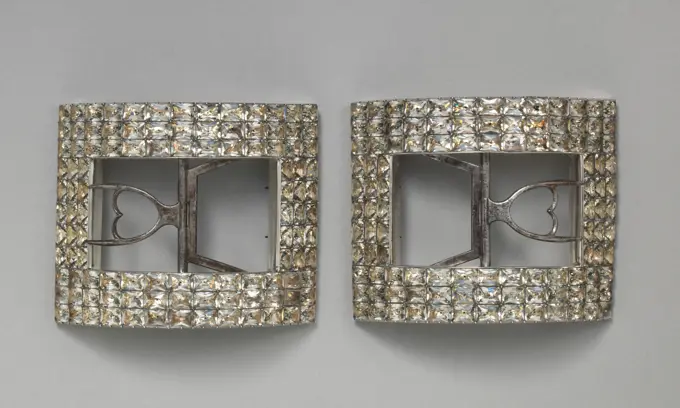
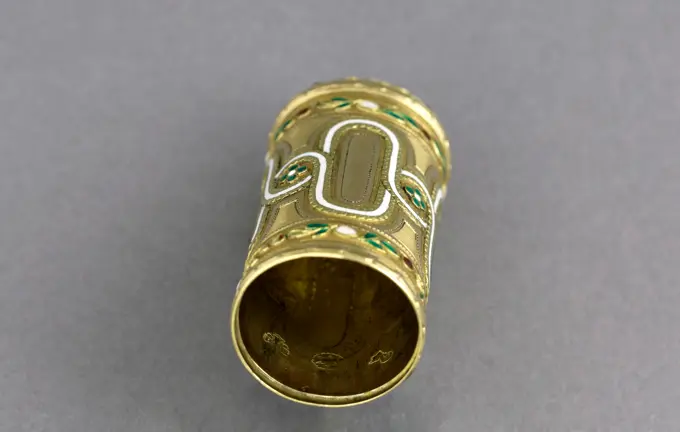
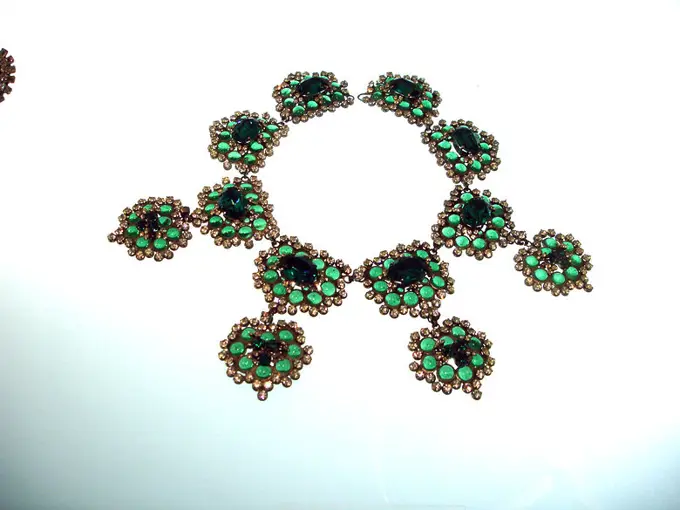
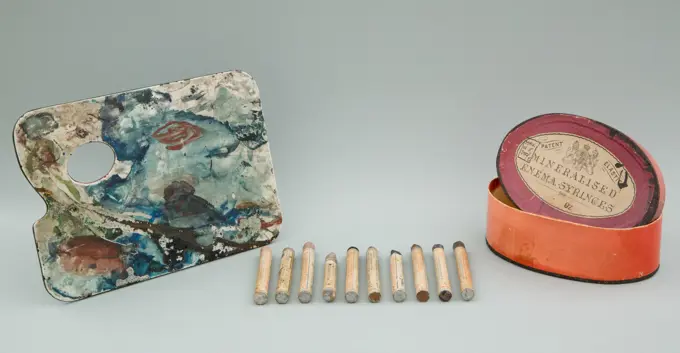
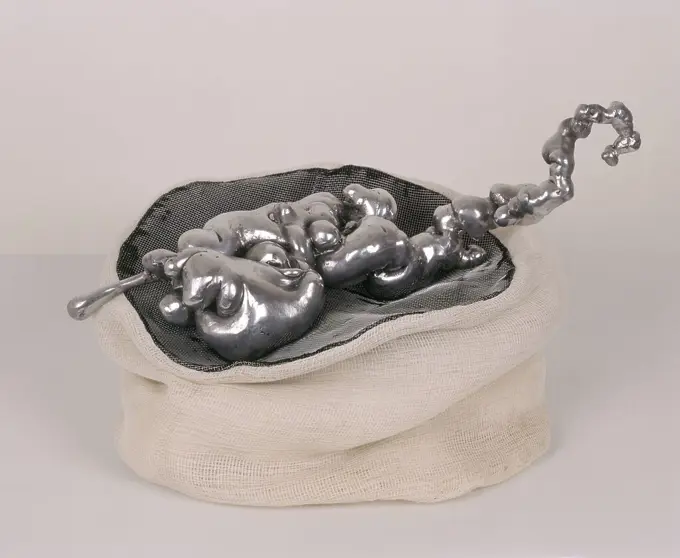
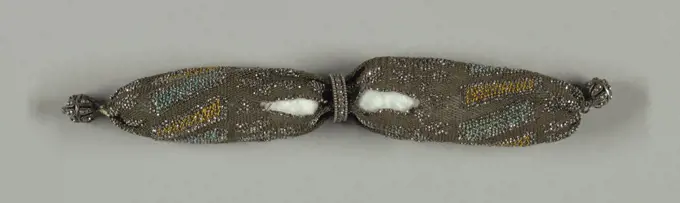
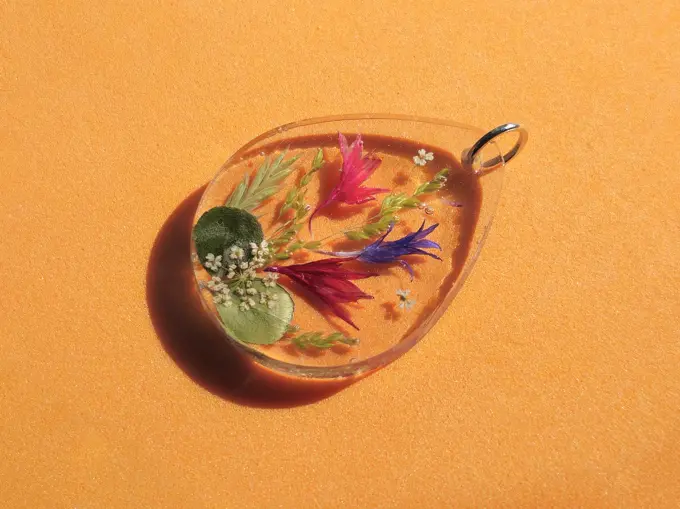
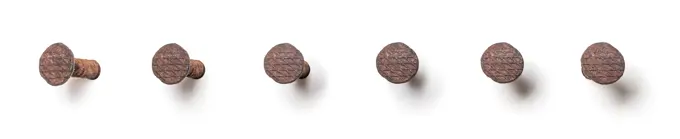
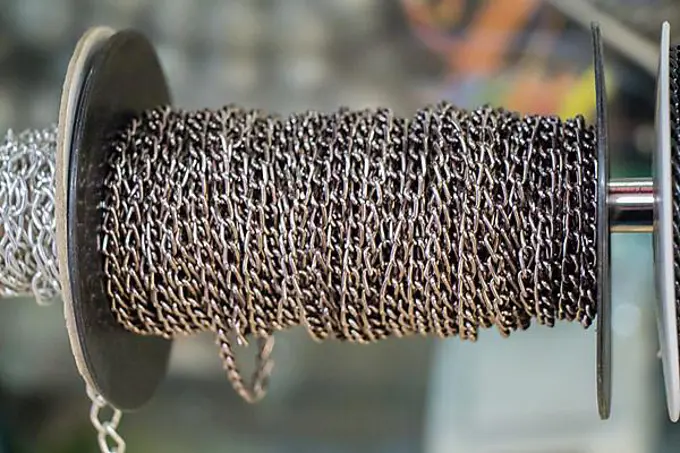
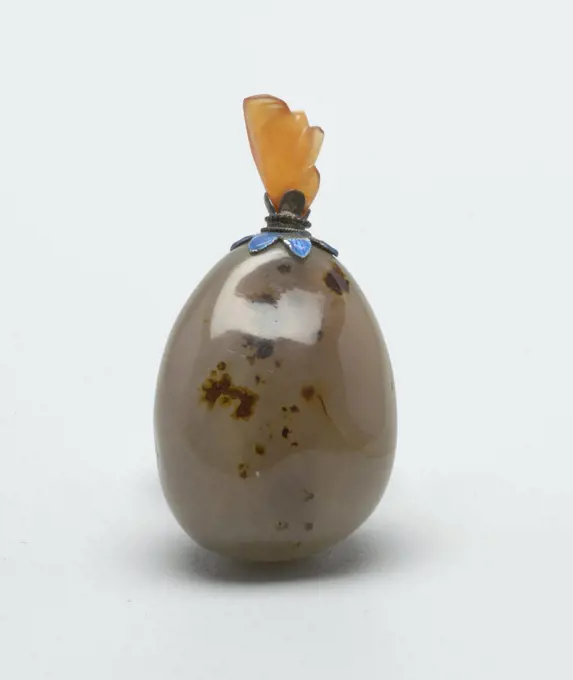
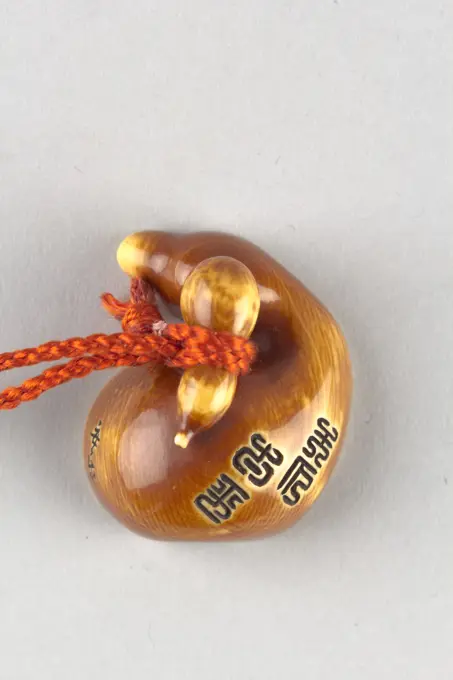
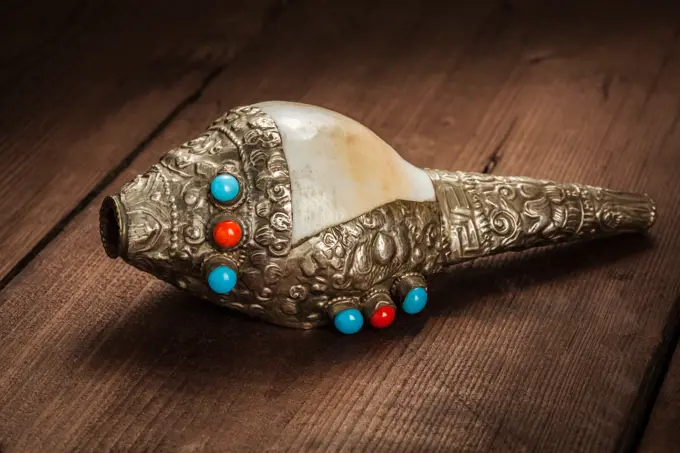
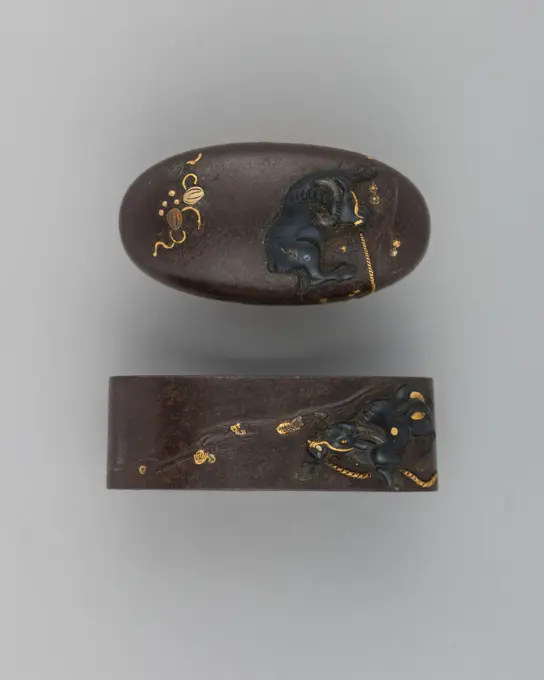
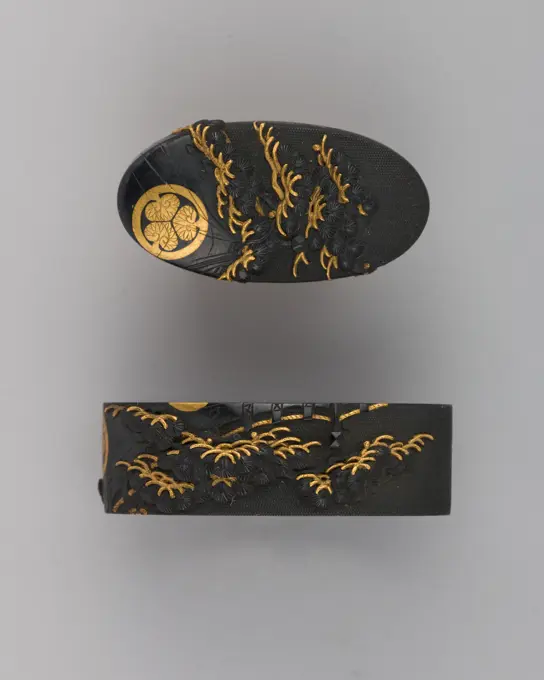
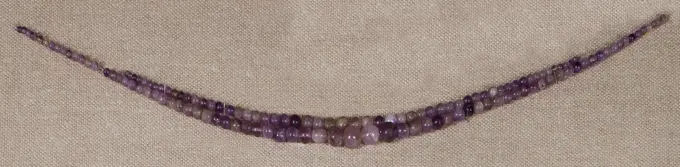
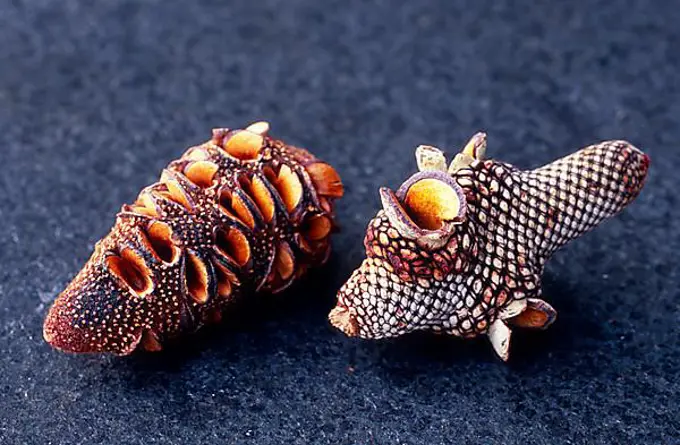
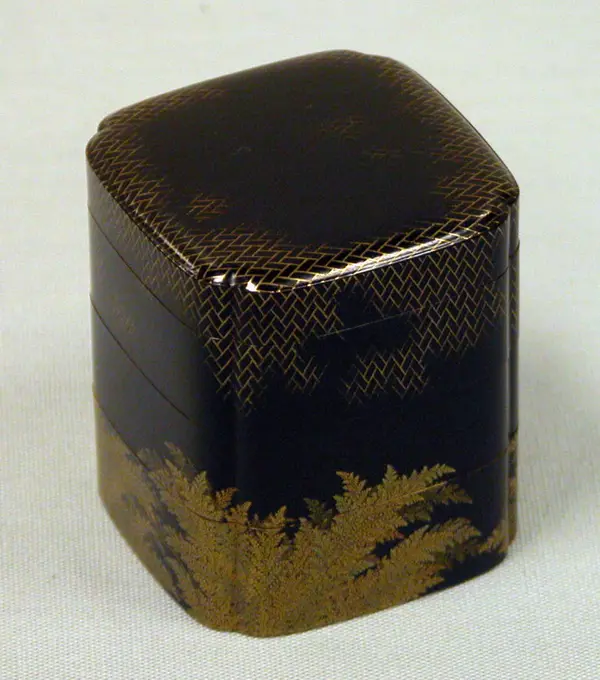
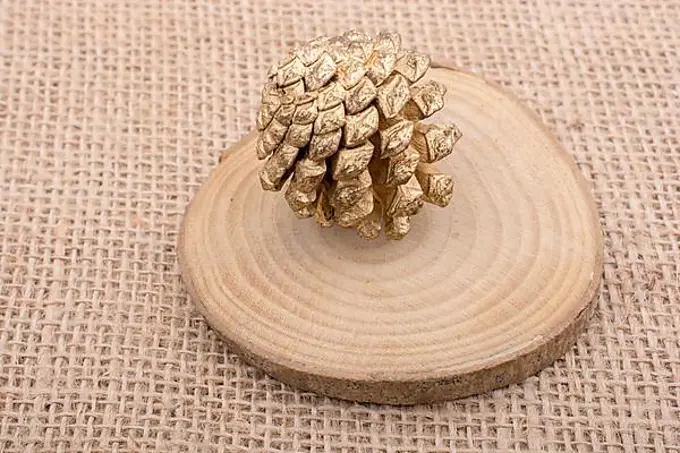
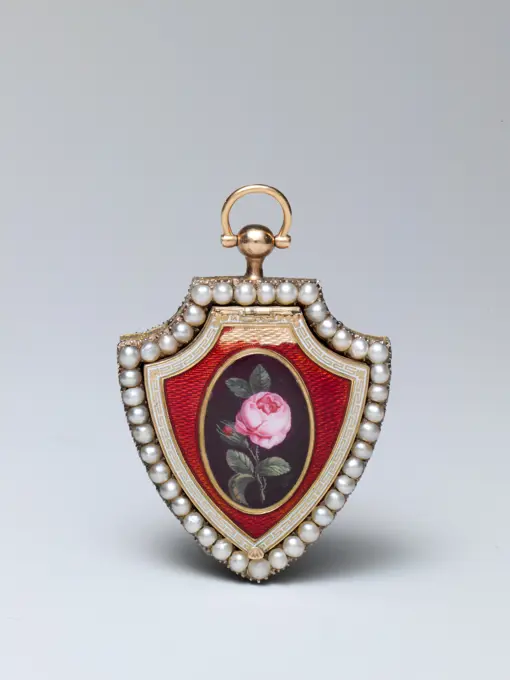
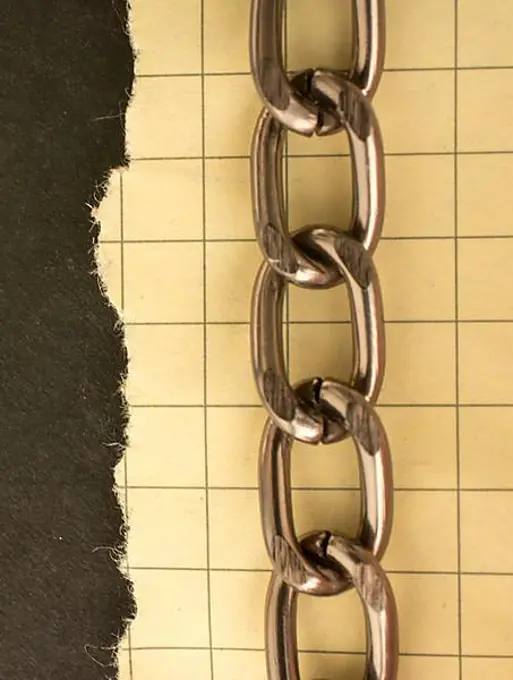
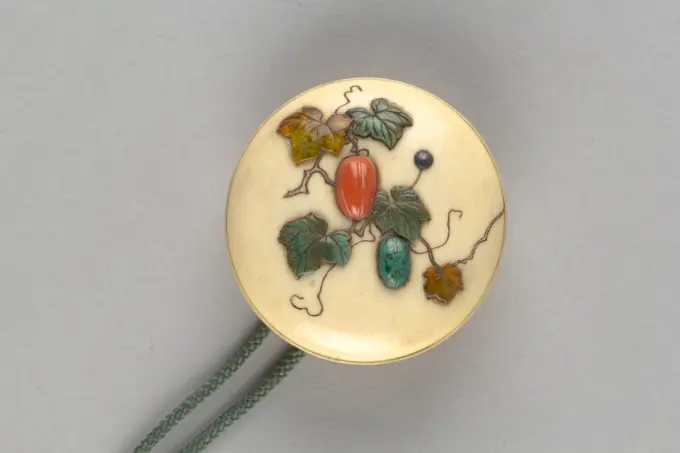
Miser's Purse (France); silk, steel; L: 21 cm (8 1/4 in.)Golden mirror isolated on gray backgroundLouis Boisot cachet. Small oval stamp stamp, the handle consisting of two entangled monstrous fish, to their tail a carrying ring. Long weapon, a tree on the helmet. The upper half of the shield consists of seven vertical jobs, on the lower half three rings around a five-pointed star. Signature: closely.Simon-Achille Leger. Snuffer. Gold and cameos on three -layer agate. Museum of Fine Arts of the City of Paris, Petit Palais. Agate, Boite, Camee, Or, TabateiereBeer, or other drinks, bottle caps Beer or other soda and soft drinks caps, on a dark wood table in a bar or a pub Copyright: xZoonar.com/AlainxdexMaximyx 14109407RingArrangement with African basilMountPin cushion (part of a toilet service). Culture: British, London. Dimensions: Overall (confirmed): H. 1 13/16 x W. 7 1/4 x D/ 5 1/4 in., 11 oz. 5 dwt. (4.6 x 18.4 x 13.3 cm, 0.35kg). Maker: D., London. Date: 1687-88.These objects are from a toilet set that also included a looking glass, a pair of candle snuffers, various small boxes and covered bowls, and two salvers. Museum: Metropolitan Museum of Art, New York, USA.Tooth model on white backgroundjewel handmade bracelet with semipreciouse stones and earrings with black  semiprecious gem jet at black backgroundButton (USA); white metal, rhinestones; 1940-23-4-bFiligree Work Matchsafe; silver; 5.6 x 3.4 x 1 cm (2 3/16 x 1 5/16 x 3/8 in. )Netsuke 19th century Japan. Netsuke. Japan. 19th century. Ivory. Edo (1615-1868) or Meiji period (1868-1912). NetsukePrzeszo Przysoci unknownIncense Box (Kōbako) with Scene from The Tale of Genji second half of 19th century Japan This incense box in the shape of two interlocking shells imitates the painted clamshells used in the shell-matching game (kai-awase). The scene here refers to Chapter 42, The Fragrant Prince” (Nioumiya). Publicly recognized as Genji’s son, Kaoru has doubts about the circumstances of his birth. A poem voiced by him is inscribed in fine gold lines within stylized clouds: Whom might I ask?Why must it bethat I do not knowthe beginningor the end?—Translation by Edward G. Seidensticker. Incense Box (Kōbako) with Scene from The Tale of Genji 53622Gold Crown Decor Gold Crown Decorative Ornament for Christmas Decoration Copyright: xZoonar.com/MarkoxBericx 14251607Coulon (1838-1900). Dandelion spindle - Top ornament. However, platinum, silver, diamonds, turtle scales. Around 1880-1889. Museum of Fine Arts of the City of Paris, Petit Palais. Fashion accessory, jewelryTwo Test Pieces, James Cromar Watt (Aberdeen, Scotland, 1862 - 1940) c. 1900Gold pin box with lid of chalcedone. The scalloped box is decorated with a flower basket in silver relief, with diamonds and rubies, Jean Saint (attributed to), 1739 The scalloped gold box, with a straight back, has a hinged lid. The wall of the box is articulated by a profile edge; Below that he is somewhat bulky, rejuvenating to the flat soil, above that he is slightly constricted. On the convex section it is engraved at the front with a flower basket. The lid is made of chalcedone, caught in a raised lip. It has an imposed decoration of a cast silver flower basket, with an atrocities and engraved details, occupied with diamonds and rubies. Amsterdam gold (metal). chalcedony. silver (metal). diamond (mineral). ruby (mineral) The scalloped gold box, with a straight back, has a hinged lid. The wall of the box is articulated by a profile edge; Below that he is somewhat bulky, rejuvenating to the flat soil, above that he is slightly constricted. On the convex section it is engraved at thEarring-hook type with disc. Earring-hook type with disc 243400detail of a red Christmas ornament in extreme close-upNecklace Copyright: xHarixMahidhar/DinodiaxPhotoxMiser's purse, Medium: silk, metal Technique: crocheted, Crocheted dark green silk ornamented with cut steel beads in lengthwise pattern of diamond bars. Two steel rings control side closing; at either end are tassels of steel beads and drops., France, early 19th century, costume & accessories, Miser's purseStirrup first half 17th century Spanish or Italian This shape of stirrup, with its flaring sides, evolved from 16th-century German types and became very popular in several other countries in the first decades of the 17th century, including the Netherlands, Northern Italy or Spain.. Stirrup. Spanish or Italian. first half 17th century. Iron alloy. Equestrian Equipment-StirrupsSword-Hilt Collar and Pommel (Fuchigashira) ca. 1615-1868 Japanese A fuchigashira is a pair of matching sword fittings comprising the fuchi (collar at the base of the grip of the sword hilt) and kashira (pommel cap at the end of a sword hilt).. Sword-Hilt Collar and Pommel (Fuchigashira). Japanese. ca. 1615-1868. Copper-gold alloy (shakud), copper-silver alloy (shibuichi), silver, gold. Sword Furniture-Fuchi-KashiraConcept, sword and shield Copyright: xVxMishra/DinodiaxPhotoxAsian Motifs Matchsafe; Made by George W. Shiebler & Co. (American, 1876 - 1910); USA; silver; 6.5 x 4.1 x 1.3 cm (2 9/16 x 1 5/8 x 1/2 in. )Glass mosaic bead 1st century A.D. Roman, Egyptian, Alexandrian Translucent deep blue ground, appearing black; decoration in opaque white and red.Spherical; vertical hole with slightly recessed edge on one side and slightly protruding edge on the other.Pattern of dots, each comprising a central spot in red surrounded by circles in white and red, arranged in irregular horizontal rows; blue ground flecked with white, appearing as random leafy sprays, stars, and stripes; some distortion of dots near edges of hole, and one area on side where the pattern overlaps.Complete, except for small chips on one side; patches of creamy weathering, and weathering inside hole.. Glass mosaic bead. Roman, Egyptian, Alexandrian. 1st century A.D.. Glass; rod-formed. Early Imperial. GlassShoe buckles late 18th century British. Shoe buckles. British. late 18th century. paste, metalTraditional decorative colorful horn with metalHigh Angle View of Cocktail Glass filled with MarblesGold wax case chiseled with channels and rosettes of green and white enamel foliage. 1769. Paris, Cognacq-Jay museum. 35594-4 White, channel, wax, detail, green email, case, foliage, gold chisel, stitch, rosetteRattle in the Form of an Official Seal late 19th-early 20th century China. Rattle in the Form of an Official Seal 41069COLLAR PROCEDENTE DE FRANCIA - 1954/59 - BISUTERIA - DISEÑO DE CHANEL. Location: PRIVATE COLLECTION.Souvenirs of Stanisław Wyspiański (1869 1907)  Palette and Pastels Dr Fr. Schoenfeld & Co, LEFRANC & CiéALACRAN I - 2000 - ALUMINIO PULIDO Y TELA METALICA 18x34x26 cm. Author: VICTORIA CIVERA REDONDO 1955/. Location: GALERIA SOLEDAD LORENZO. MADRID. SPAIN.Chair, Anonymous, c. 1700 - c. 1799Carving; wood, paintedMiser's purse, Medium: silk, steel Technique: crocheted, Crocheted brown silk; embroidered rectangles of gold and green silk are outlined with cut steel beads. Further ornamentation of the brown silk in geometric pattern of cut steel beads. One steel ring controls side opening; steel ball drops at either end., France, early 19th century, costume & accessories, Miser's purseSword-Hilt Collar and Pommel (Fuchigashira) 18th century Japanese A fuchigashira is a pair of matching sword fittings comprising the fuchi (collar at the base of the grip of the sword hilt) and kashira (pommel cap at the end of a sword hilt).. Sword-Hilt Collar and Pommel (Fuchigashira). Japanese. 18th century. Iron, gold, silver. Sword Furniture-Fuchi-KashiraEin Epoxidharz-Anhänger mit getrockneten Blumen. Ein Epoxidharz-Anhänger mit getrockneten Blumen. LicenseRF Copyright: xZoonar.com/StanislavxSablinx 23173852Roast for a charcoal iron, anonymous, c. 1690 - c. 1710 Roast for a charcoal iron, consisting of three bars in sculpted sawn edge. Amsterdam iron (metal). copper (metal) Roast for a charcoal iron, consisting of three bars in sculpted sawn edge. Amsterdam iron (metal). copper (metal)Chilean clams in a tin can. Isolated on white. Selective focusClose-up of the Star of David pendantPair of Rowel Spurs ca. 1650 German or Netherlandish These spurs, originally gilded, are entirely chased with crescents facing up and down alternately. Large pierced foliate buckles are attached on the outer side of each spur. The points of the rowel were originally longer, sharper and more slender, as revealed by the size of the rowel box, a feature observed on other contemporary examples. The points have been intentionally blunted, maybe to suit a secondary owner.. Pair of Rowel Spurs. German or Netherlandish. ca. 1650. Iron alloy, copper alloy. Equestrian Equipment-SpursPre-Columbian Jewelry Chimú culture 1100 AC-1470 AC Perú.Ink Stand (England); James S. Bell; silver, silver-gilt, glass; a/b: 4.8 x 24 x 13 cm (1 7/8 x 9 7/16 x 5 1/8 in.)Netsuke of Four Bells 18th-19th century Japan. Netsuke of Four Bells. Japan. 18th-19th century. Ivory. NetsukePair of Salt Bowls,  c. 1750Pendant with beautiful flower petal inside resinRusty nail from different perspectives on a white background Rusty nail from different perspectives on a white background Copyright: xZoonar.com/BORISxZERWANNx 16926038Rolls of decorative chains in viewSanta Fe, New Mexico, USA. Antique cowboy spursGolden color crown model with pearls on brown backgroundSnuff bottle and stopper, Quartz, coral and enameled metal stopper, China, 18th century, containers, Decorative Arts, Snuff bottle and stoppernutcracker, whole and chopped nuts on black backgroundPineconeChristmas background with glass bauble ornaments and pine conesMiser's Purse (France); silk, metal; L: 20 cm (7 7/8 in.)Honeycomb designs for the gates of the Casa Calvet, Barcelona, Spain; designed by Antoni Gaudi for a textile manufacturer which served as both a commercial property and a residence.Hand holding crabMan figurine tied to a Bullet as anti-war photographyRomantic setting for Valentines Day on rustic white wood with copy spaceNetsuke of a Small Gourd on a Halved-Gourd late 19th century Anraku Japanese. Netsuke of a Small Gourd on a Halved-Gourd. Anraku (Japanese). Japan. late 19th century. Ivory. NetsukePair of Sword-Grip Ornaments (Menuki) 18th century Japanese Menuki are a pair of ornamental sword fittings attached to either side of a sword hilt.. Pair of Sword-Grip Ornaments (Menuki). Japanese. 18th century. Gold. Sword Furniture-MenukiTibetan Buddhist Conch Shell Horn Dung-Dkar on wooden backgroundInkstand mid-19th century Japan. Inkstand. Japan. mid-19th century. Porcelain with underglaze blue; top perforated (Arita ware, Imari type). Edo period (1615-1868). CeramicsSword-Hilt Collar and Pommel (Fuchigashira) 18th century Japanese A fuchigashira is a pair of matching sword fittings comprising the fuchi (collar at the base of the grip of the sword hilt) and kashira (pommel cap at the end of a sword hilt).. Sword-Hilt Collar and Pommel (Fuchigashira). Japanese. 18th century. Iron, gold, silver, copper-gold alloy (shakud), copper. Sword Furniture-Fuchi-KashiraDocument Box (Ryōshibako) with Court Carriage and Wild Ginger Japan late 18th-early 19th century This document box is embellished with an ox carriage (Gosho-guruma) that was used by the emperor and empress, and also by aristocrats. Gosho, meaning the Imperial Palace, is an honorific that extended to aristocrats. Court carriages are sometimes also referred to as Genji-guruma, as they were often depicted in paintings associated with the literary classic, The Tale of Genji. The imagery here of the cart and wild ginger refers to the Tales ninth chapter, “Leaves of Wild Ginger” (Aoi).Sword-Hilt Collar and Pommel (Fuchigashira) ca. 1615-1868 Japanese A fuchigashira is a pair of matching sword fittings comprising the fuchi (collar at the base of the grip of the sword hilt) and kashira (pommel cap at the end of a sword hilt).. Sword-Hilt Collar and Pommel (Fuchigashira). Japanese. ca. 1615-1868. Copper-gold alloy (shakud), gold. Sword Furniture-Fuchi-KashiraTobacco box with a bathing woman, anonymous, 1724 - 1750 Silver tobacco box. A silver plate is contained in the lid, which is engraved on the top and bottom with the presentation of a nymph in a landscape with a stream of a stream, the performances are right but mirror image. The show is colored as if it is yellow copper, red copper and tin. Netherlands silver (metal). metal. copper (metal) Silver tobacco box. A silver plate is contained in the lid, which is engraved on the top and bottom with the presentation of a nymph in a landscape with a stream of a stream, the performances are right but mirror image. The show is colored as if it is yellow copper, red copper and tin. Netherlands silver (metal). metal. copper (metal)Golden color smileys arrayed on a chain in handString of beads ca. 1981-1295 B.C. Middle Kingdom-Early New Kingdom These amethyst beads were found in the surface sand, or radim, of the North Pyramid site. When they first arrived at the Museum, they were strung in two groups (15.3.544 and 15.3.545), each 26cm long, and later joined into a single string.. String of beads. ca. 1981-1295 B.C.. Amethyst. Middle Kingdom-Early New Kingdom. From Egypt, Memphite Region, Lisht North, Cemetery, debris, MMA excavations. Dynasty 12-18Terracotta fragment of a pelike (jar) third quarter of the 5th century B.C. Greek, Attic Below the glazed rim, parts of both handles; at the shoulder, an egg pattern; On the obverse, head, neck, and part of the upper torso of a draped woman to right, with her right arm extended; head, neck, and part of the upper torso of a draped woman to left; Reverse, top of head, nape of neck, and part of the upper back of a draped woman to right. Terracotta fragment of a pelike (jar). Greek, Attic. third quarter of the 5th century B.C.. Terracotta; red-figure. Classical. VasesKnife Handle (Kozuka) 19th century Hideoki Japanese A kozuka is a handle of a by-knife that is part of a sword mounting. It is kept in a slot on the reverse of a katana scabbard, often with a matching kgai (hairdressing tool).. Knife Handle (Kozuka). Japanese. 19th century. Copper-gold alloy (shakud), gold, silver. Sword Furniture-KozukaLluís Masriera / Peineta con hojas, 1902. Colección privada. Author: LLUÍS MASRIERA I ROSÉS.Banksia cone (), Australia, OceaniaBox of Three Trays with Decoration of Ferns 17th century Japan. Box of Three Trays with Decoration of Ferns 58242Pine cone of the pine tree in viewDouble pouch for 7.5 mm rifle cartridges Smidt Rubin Factory productAccessoryMusic Box ca. 1815 Swiss Gold and enamel shield-form pendant, one side with automaton farmyard scene with water wheel, the other with a rose on a red background. Both sides bordered with half pearls.. Music Box. Swiss. ca. 1815. Gold, enamel. Switzerland. IdiophoneChain and torn paper on a dark backgroundNetsuke of Squash and Vines 19th century Japan. Netsuke of Squash and Vines. Japan. 19th century. Ivory. Edo (1615-1868) or Meiji period (1868-1912). NetsukeEarring 17th-19th century Tibet, Lhasa area. Earring 39455Minimal modern product display on black and golden abstract flowers on background with podium, luxury 20s art deco style. black and gold product displayDish ca. 1760-70 Chinese, for British market. Dish 202246Sword-Hilt Collar and Pommel (Fuchigashira). Culture: Japanese. Dimensions: Fuchi (a); H. 1 3/4 in. (4.5 cm); Wt. 0.9 oz. (25.5 g); kashira (b); H. 1 1/2 in. (3.8 cm); Wt. 0.5 oz. (14.2 g). Date: late 18th-early 19th century. Museum: Metropolitan Museum of Art, New York, USA.Littlegold color crown crown in the handworkplace and tools of a Damascene craftsman in a workshop in downtwon Meknes Meknes, Morocco - 5 March, 2024: workplace and tools of a Damascene craftsman in a workshop in downtwon Meknes Copyright: xZoonar.com/NandoxLardix 21779710The Sceptre with the Cross, also known as the St Edward's Sceptre, the Sovereign's Sceptre or the Royal Sceptre, is a sceptre of the British Crown Jewels. It was originally made for the coronation of King Charles II in 1661. In 1905, it was redesigned after the discovery of the Cullinan Diamond. Now, the Sceptre with the Cross includes the second largest diamond in the world, the Cullinan I, or the Great Star of Africa, which weighs over 530 carats (106 g). Dated 17th CenturyVanity Case (Compaq), with key. American, made in New York circa 1930 by Cartier. Gold, platinum, enamel, and rubiesLuxembourg Knighthood (Order of the Eikenkroon), received by Willem Drees, Anonymous, After 1841 - Before 1951  With green leather-covered box with the decorations of the Grand Cross of the Order of the Eikenkroon (Ordre de la Couronne de Chene), Grand Duchy of Luxembourg, granted to Prime Minister W. Drees. The decorations consist of an order sign with shoulder strap and an order star. The order sign is a white Geemailled Teutoons Maltzerkruis in Gold, with an elevated medallion in the heart in which a crowned W in Gothic script (to Willem II, King of the Netherlands and Grand Duke of Luxembourg, which founded order in 1841) on a green background with diamond shape and within a golden frame. The order sign is worn on a shoulder strap that is Bremgeel with Dire green stripes, colors that stand for the green oak forests and the flowering brem bushes in Luxembourg; The part where the order sign hangs forms a roset. The order star, which is worn on the clothing, is an eight -pointed, sligSalt cellarPair of Rowel Spurs dated 1738 Inscribed by Manuel Casco Mexican or Spanish Each of these incredible spurs is adorned on the heel band and between the spikes of the rowel with delicate pierced decoration featuring lions walking among vegetal scrolls. Each terminal, featuring buttons for the straps, is shaped as a double-headed eagle, originally the German imperial emblem, a motif imported from Spain and used here only for a decorative purpose. Each neck is adorned with spirals and a figure of a dog (or a stylized lion) in the round, standing on a plaque bearing the signature of the maker, Manuel Casco, and the date. Other letters and monograms are inscribed on the dogs, maybe the marks of two of Cascos collaborators.While the pierced decoration has been influenced by the importation, via Spain, of horse equipment made in Southern Germany in the 16th and 17th century, as well as by Chinese textiles, 18th-century Mexican spurs like these examples, in addition to bits and stirrups, oftenPrinting Blocks (USA); woodMinimal modern product display on neutral beige background. Wood slice podium and green leaves. Concept scene stage showcase for new product, promotion sale, banner, presentation, cosmetic