Antique Decorative Objects

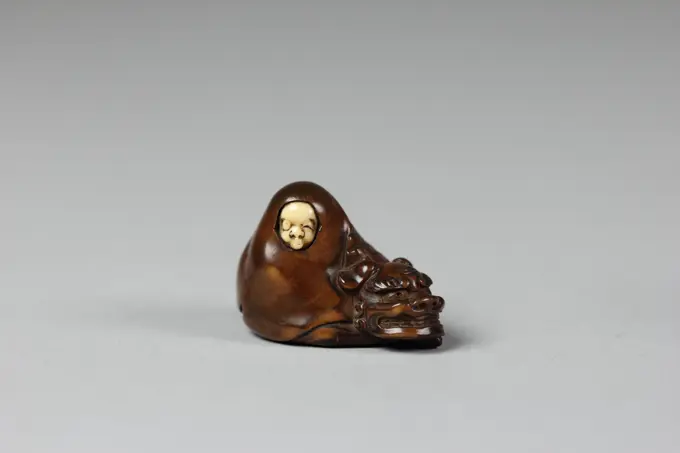
This cluster showcases vintage decorative items, including a Japanese netsuke, a silver cup, a bronze deer, and a Roman glass pendant, highlighting craftsmanship and history.
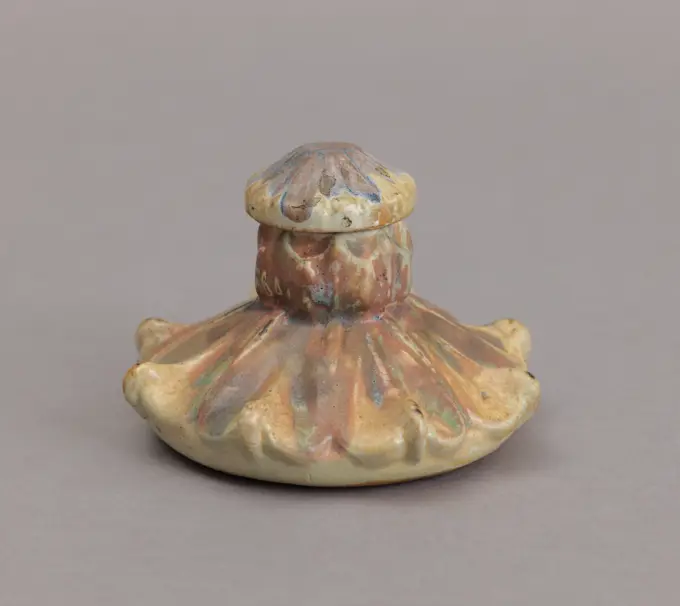
Inkwell Inkwell; Designed by Charles Greber (1853-1935); France; stoneware
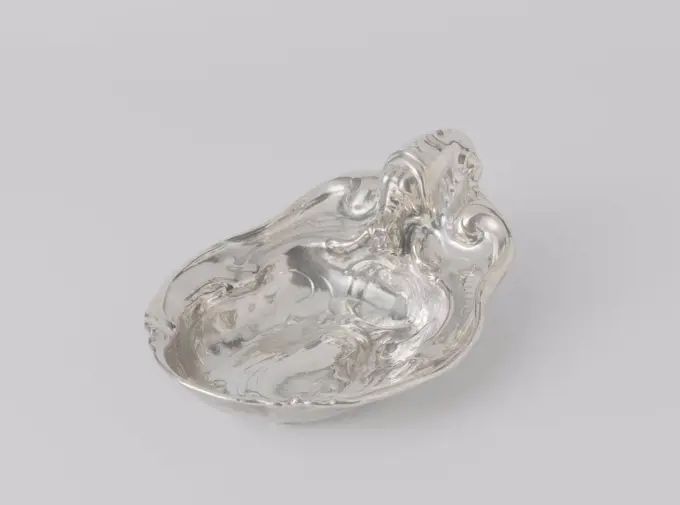
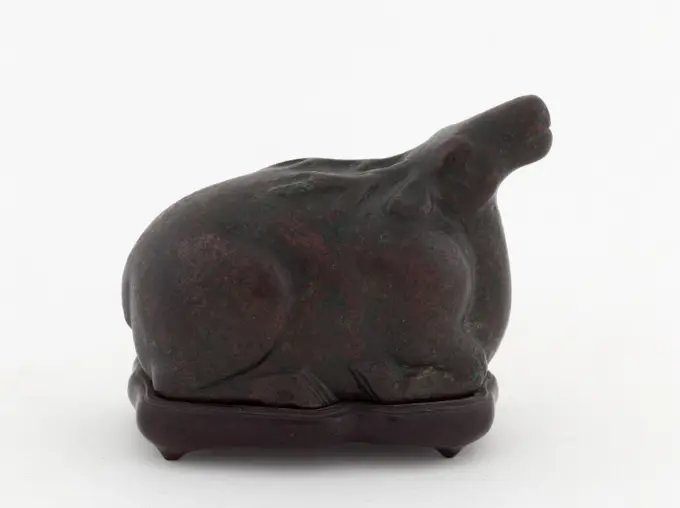
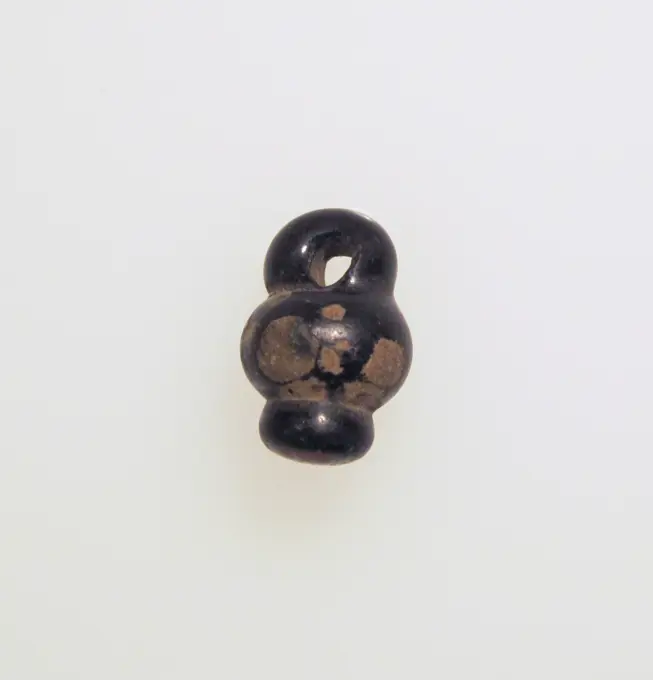
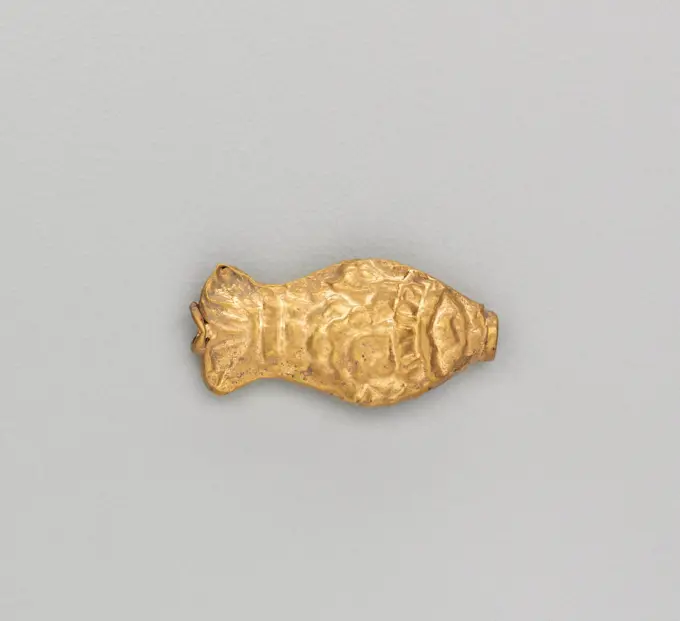
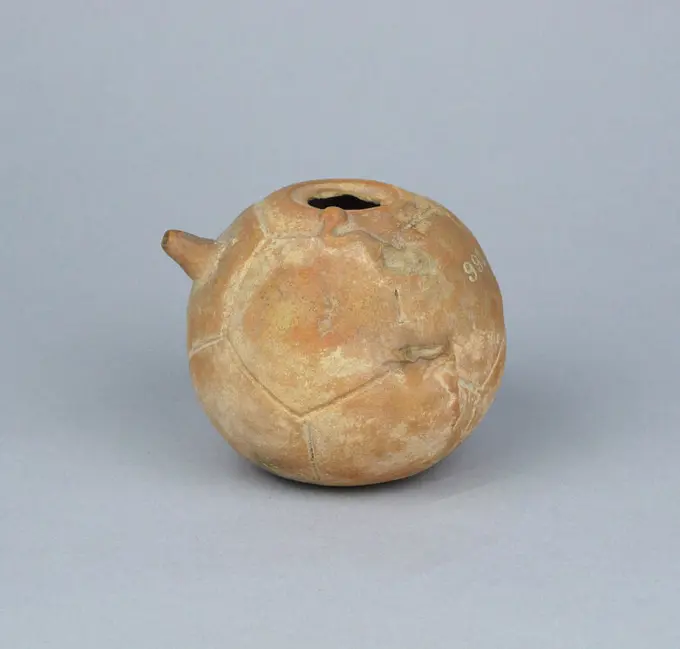
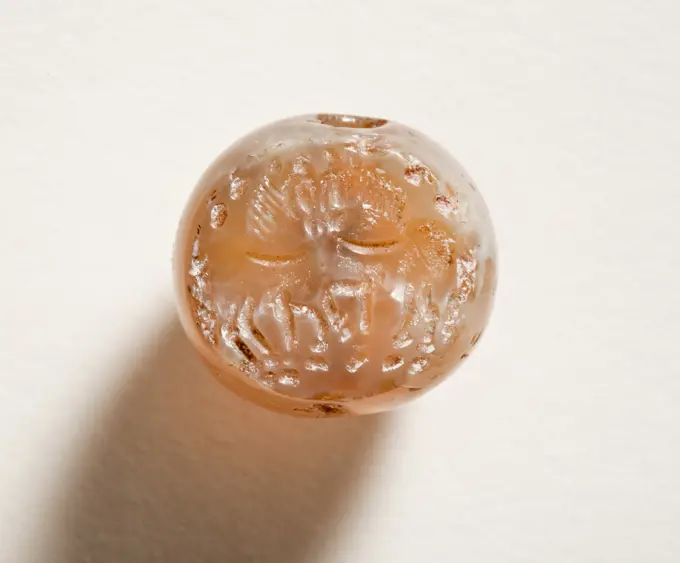
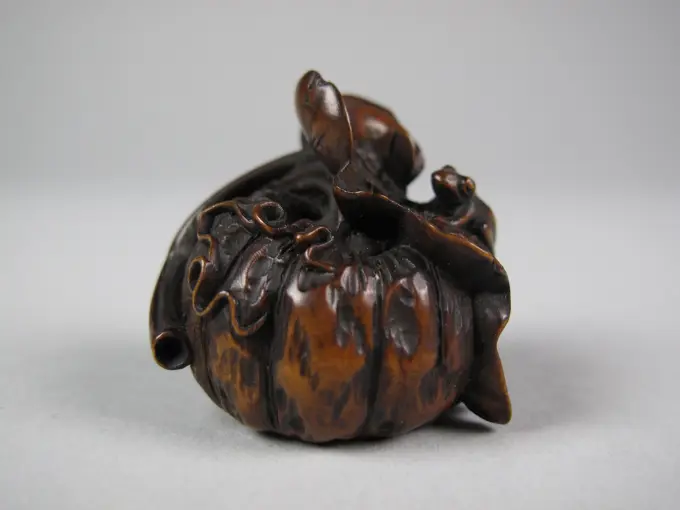
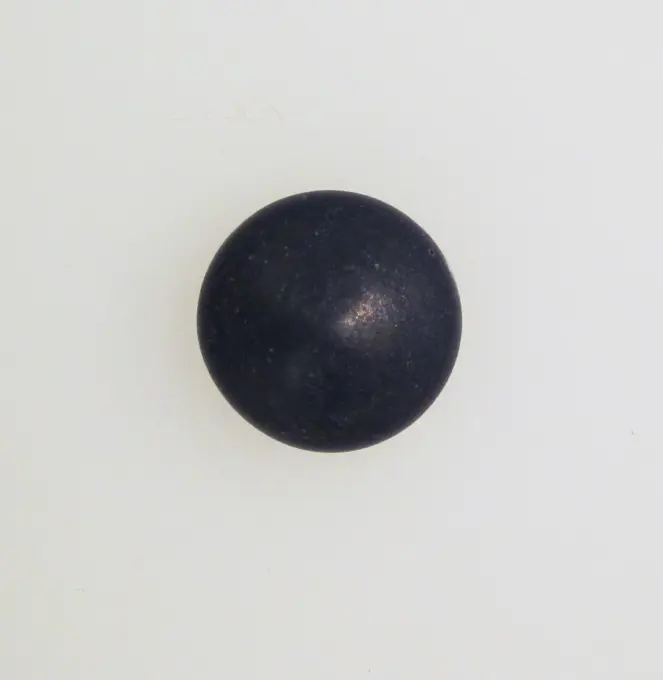
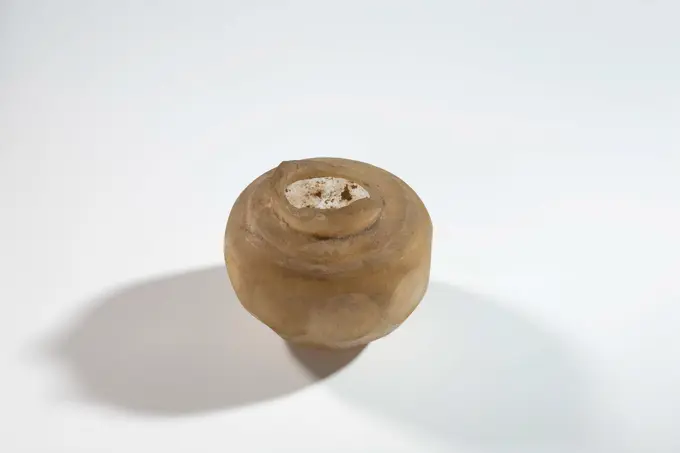
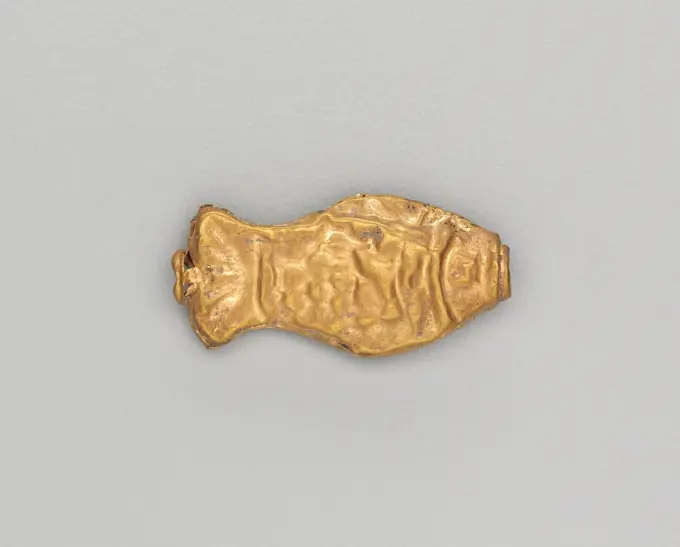
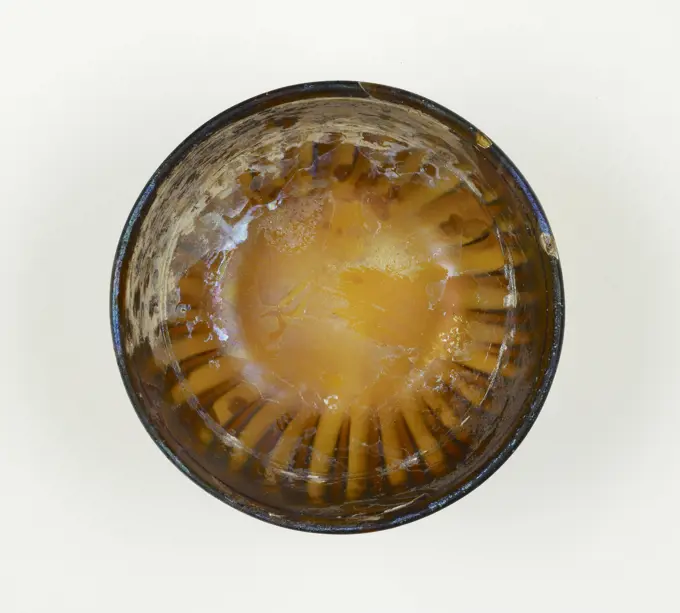
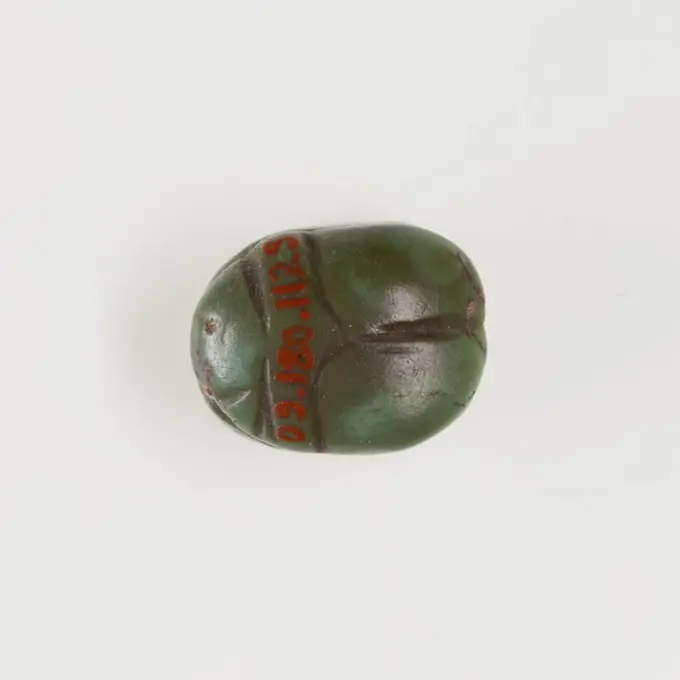
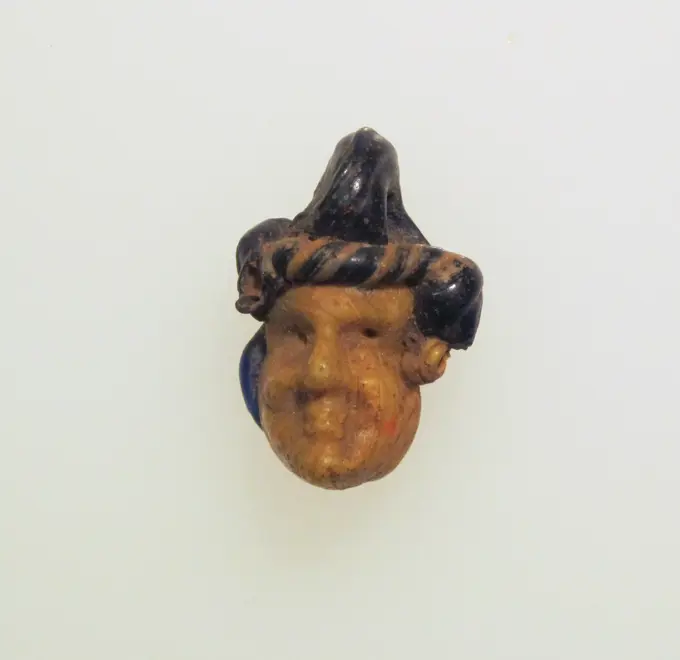
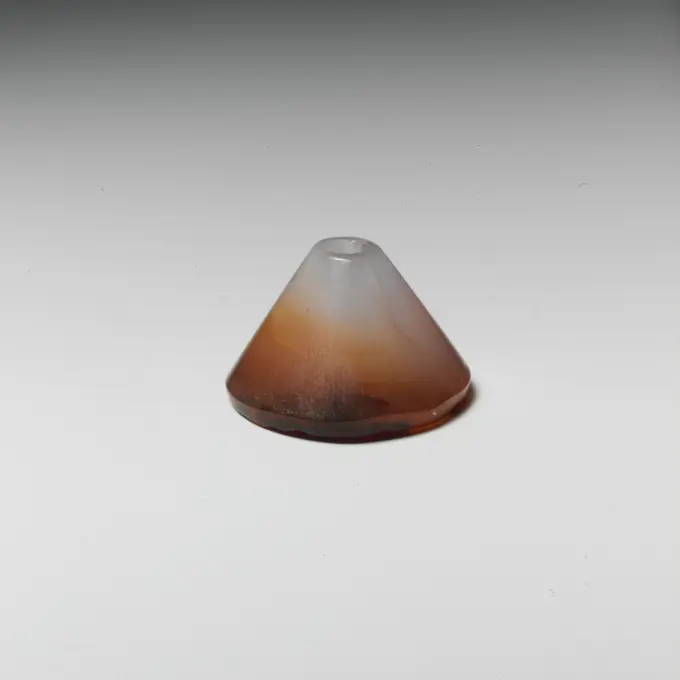
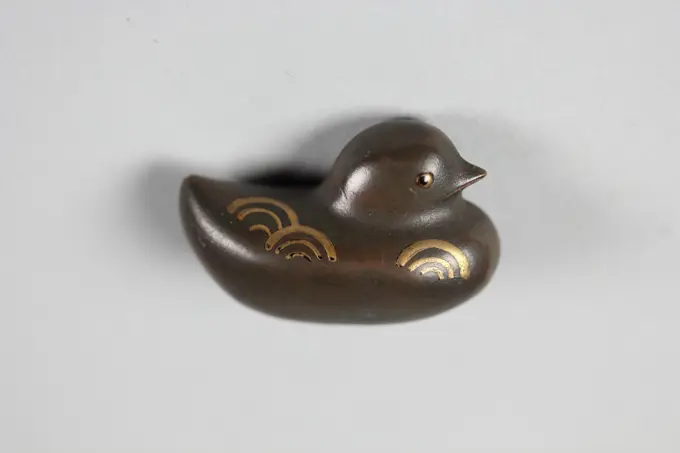
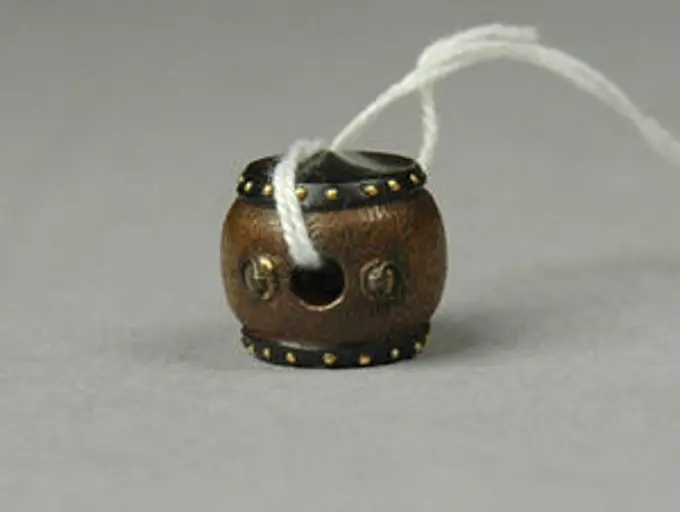
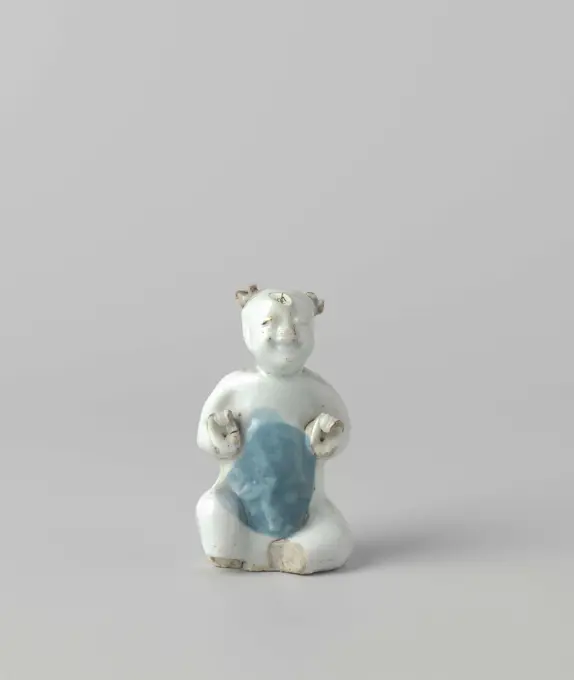
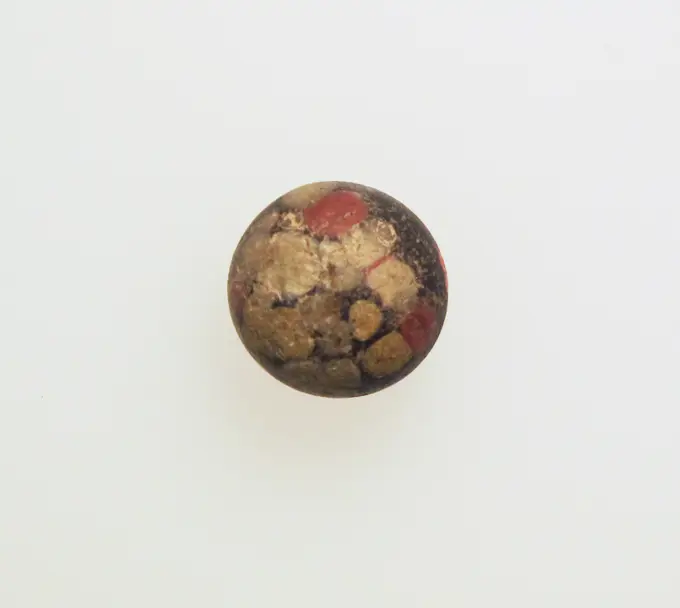
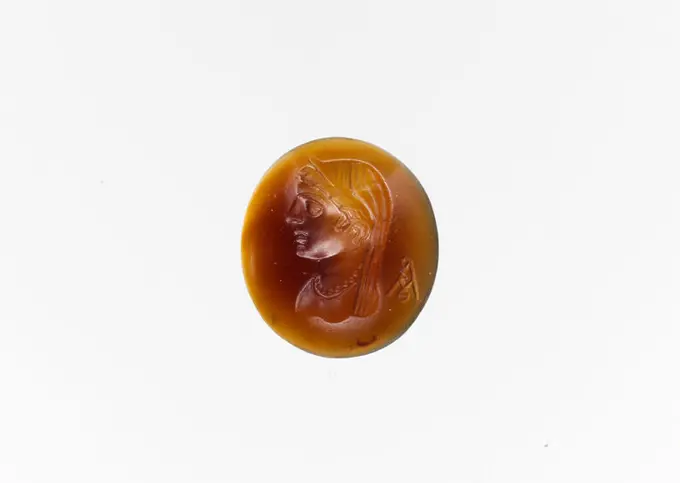
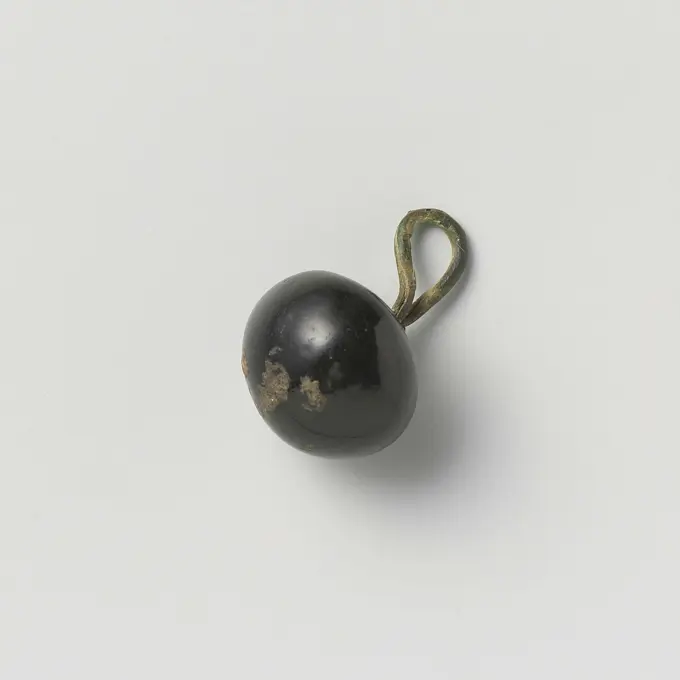
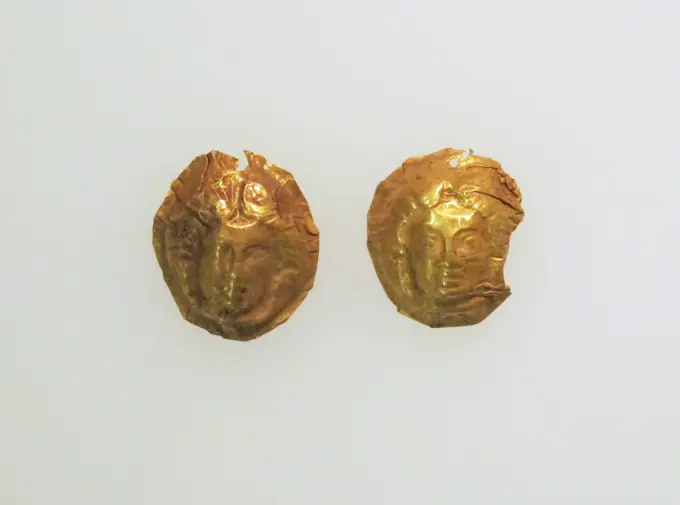
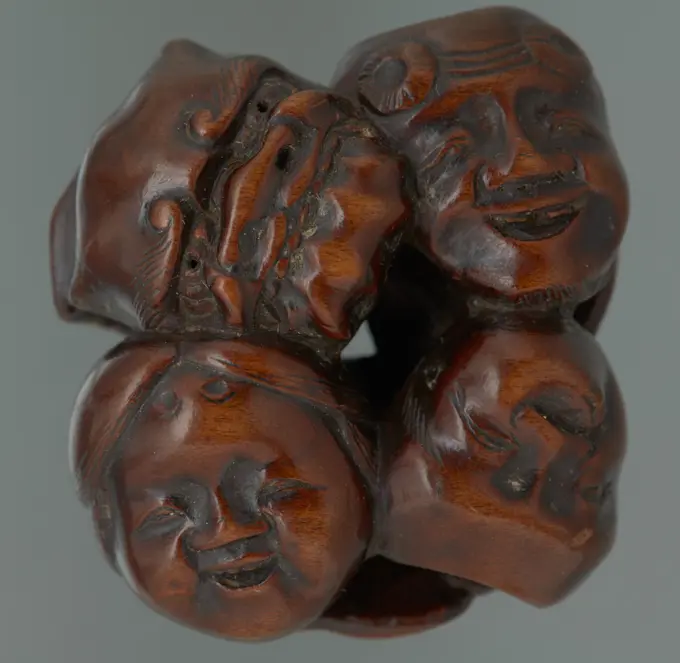
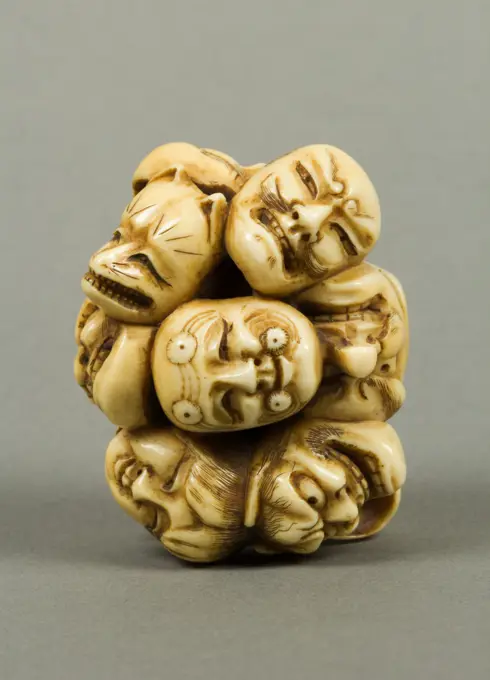
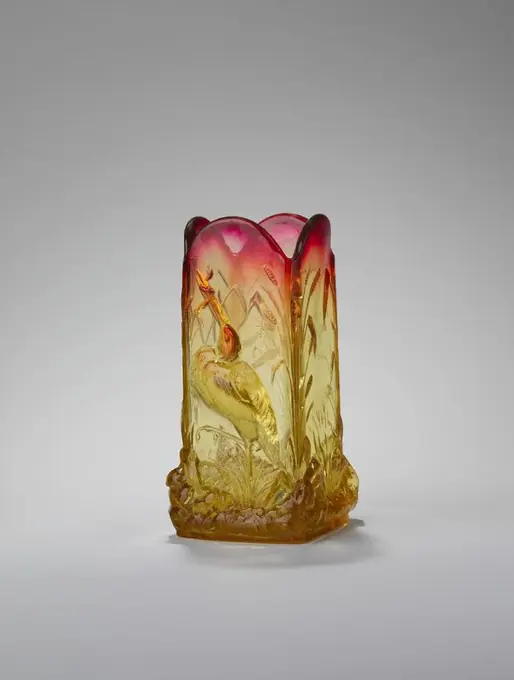
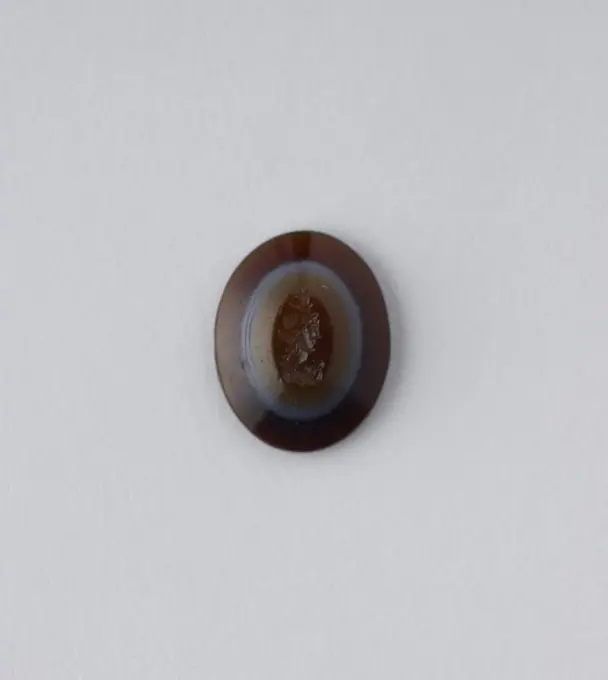
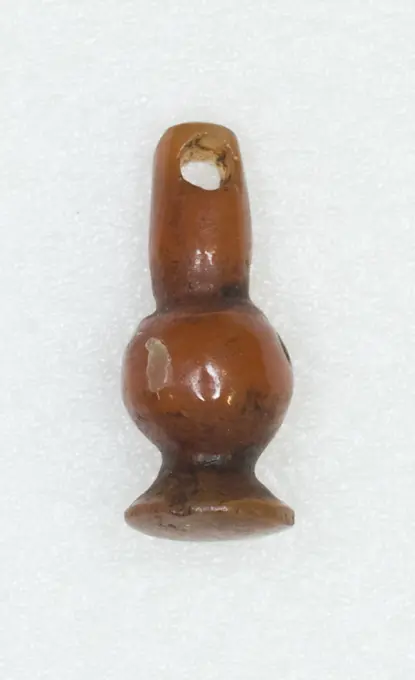
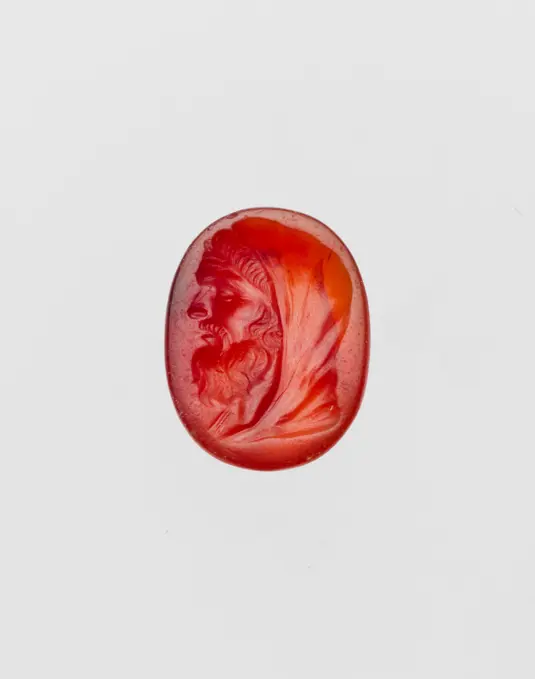
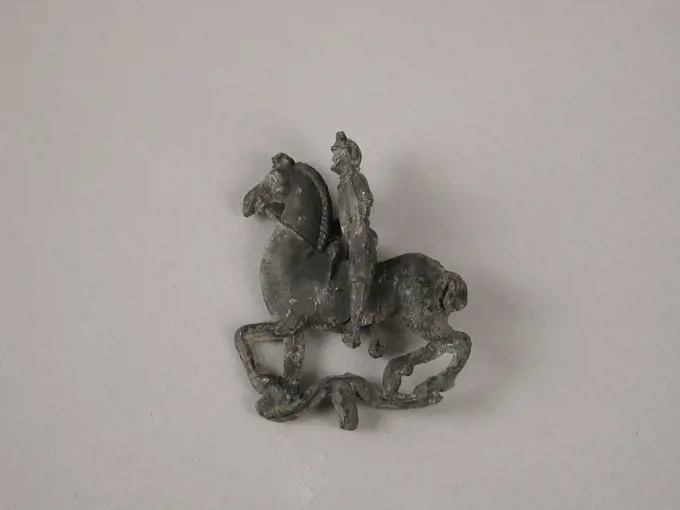
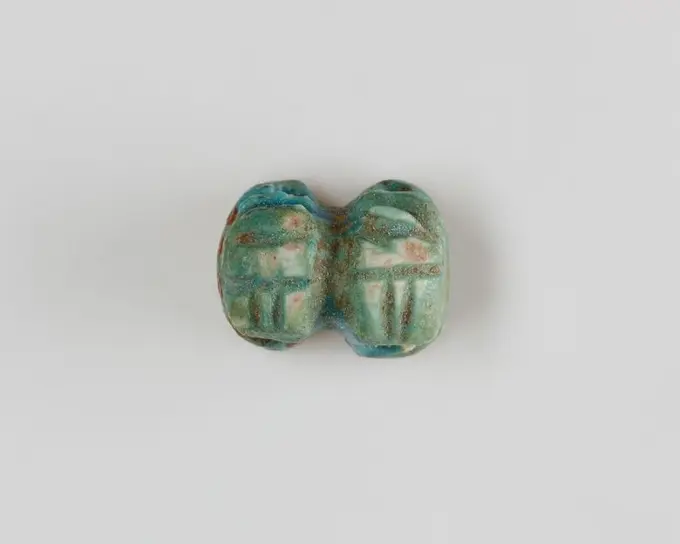
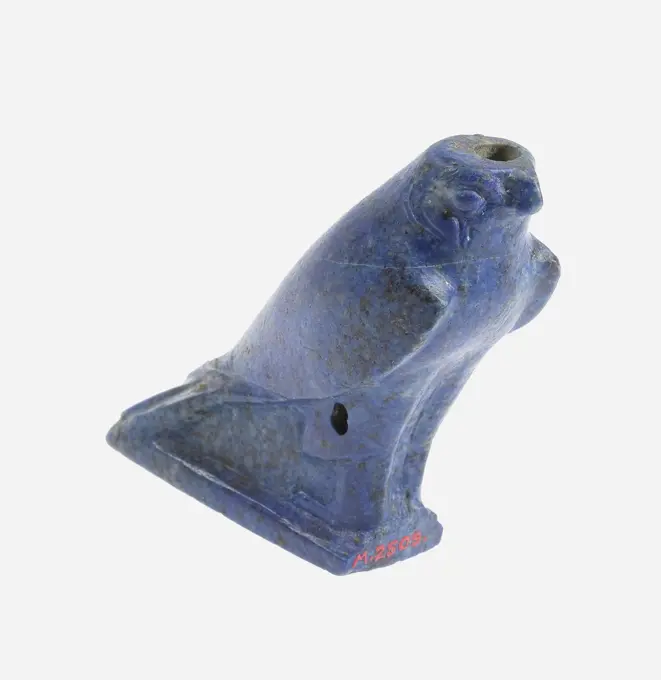
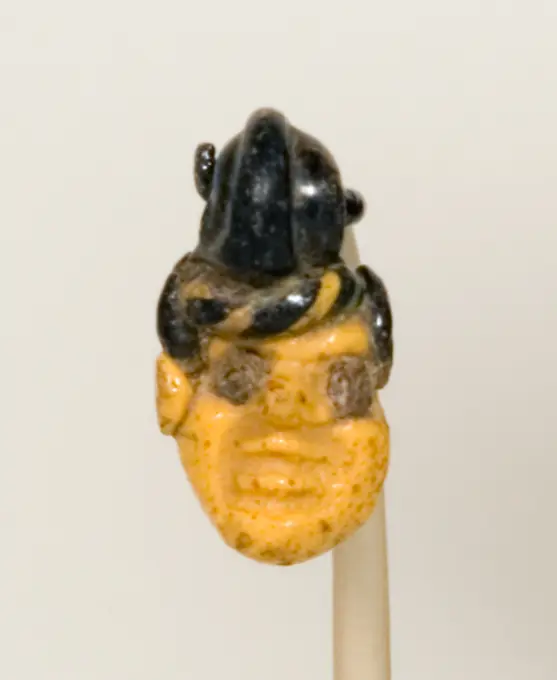
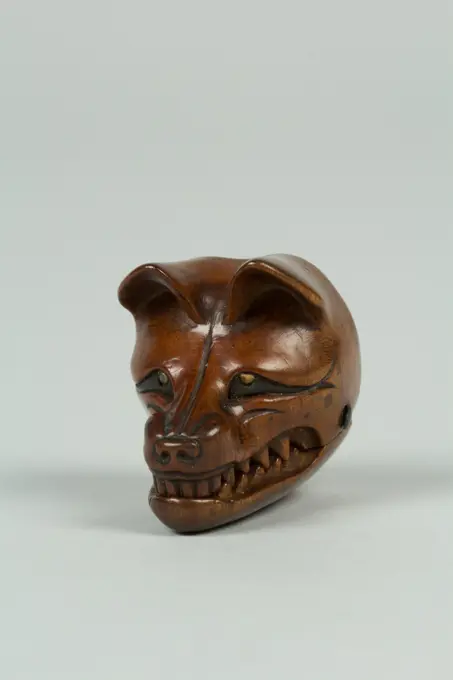
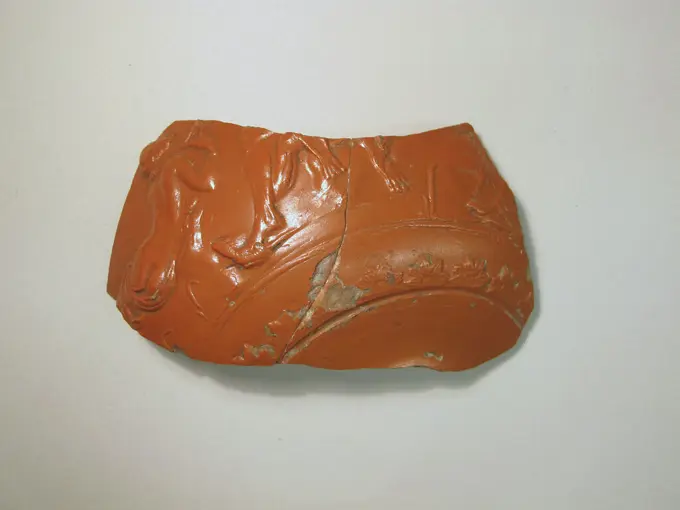
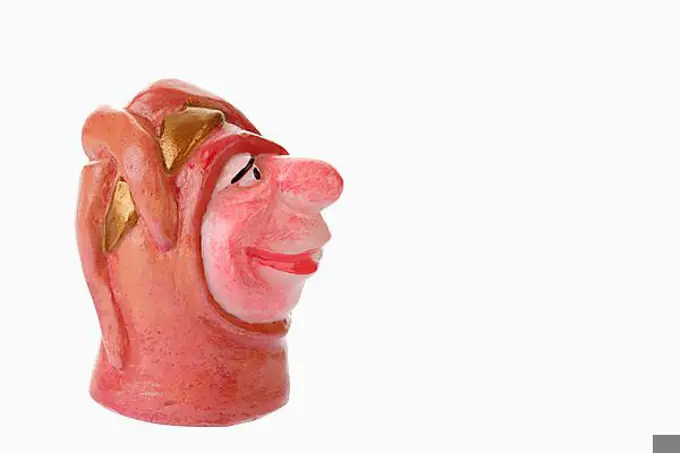
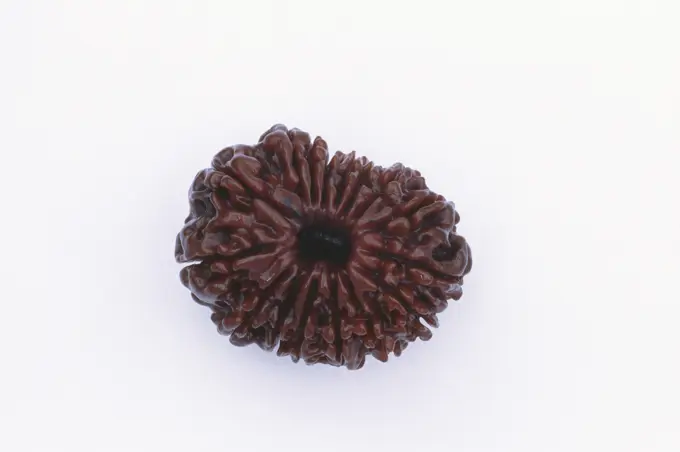
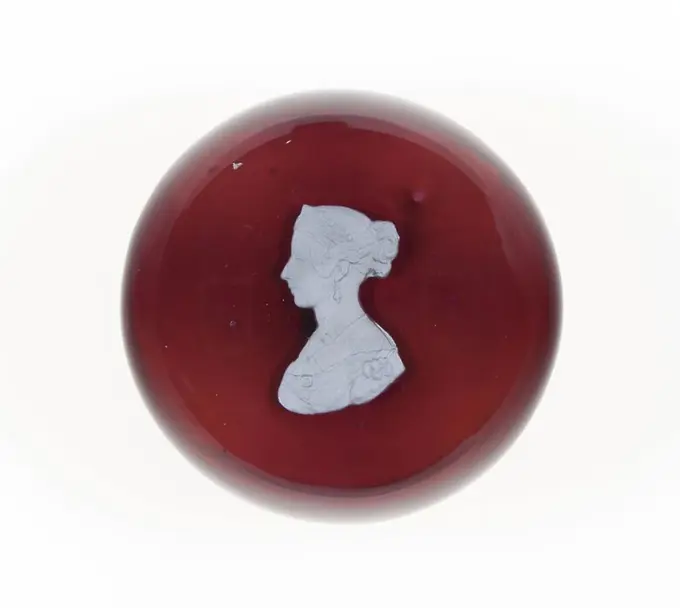
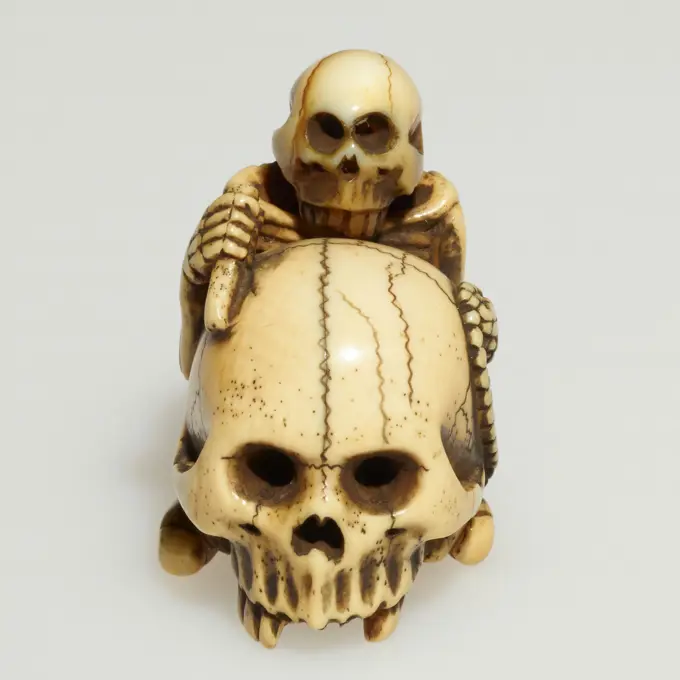
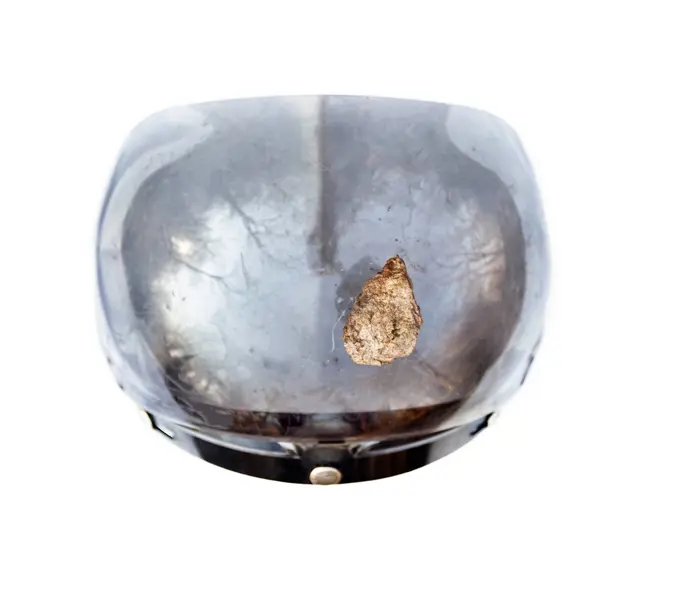
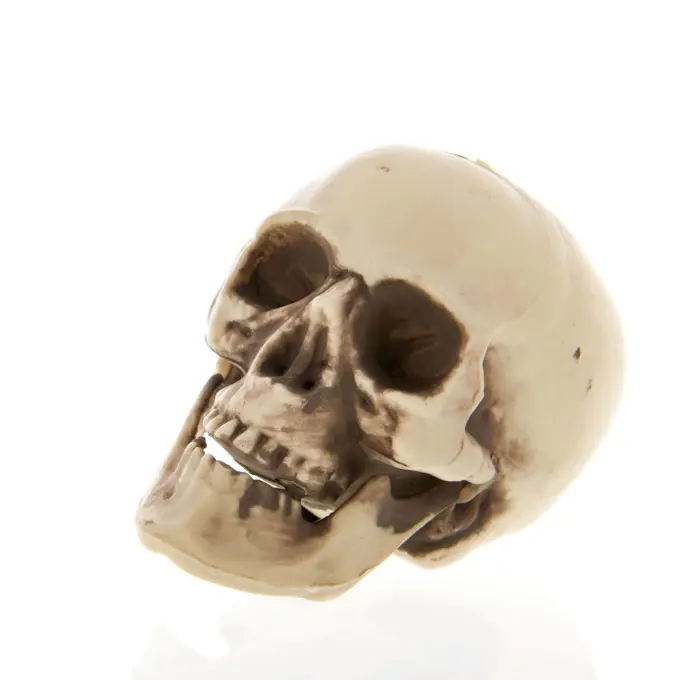
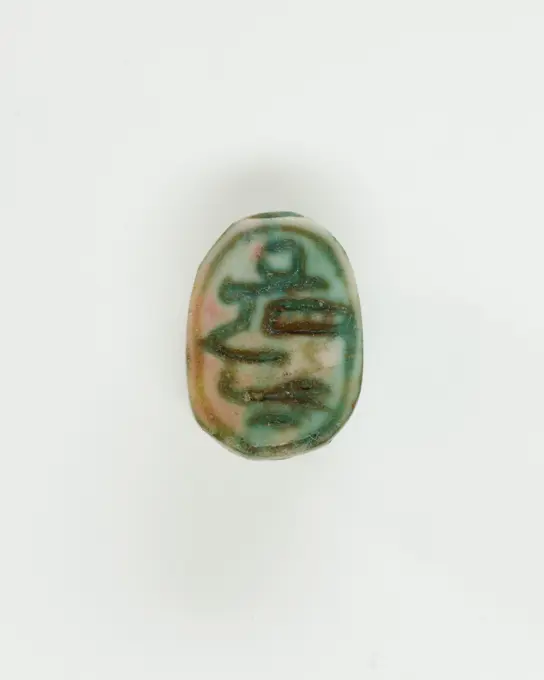
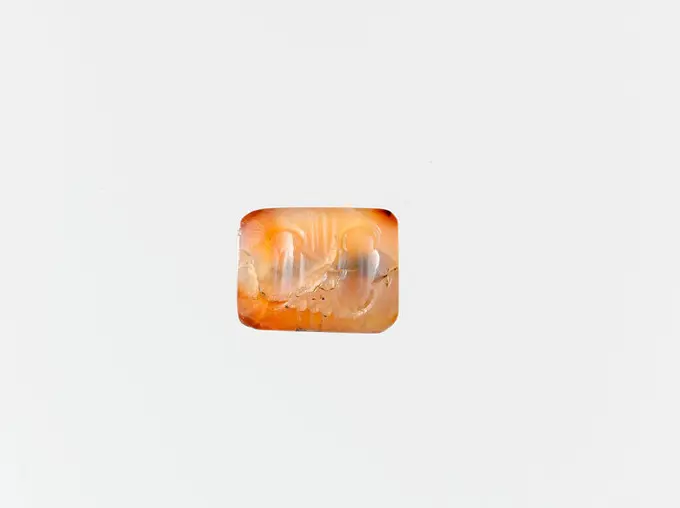
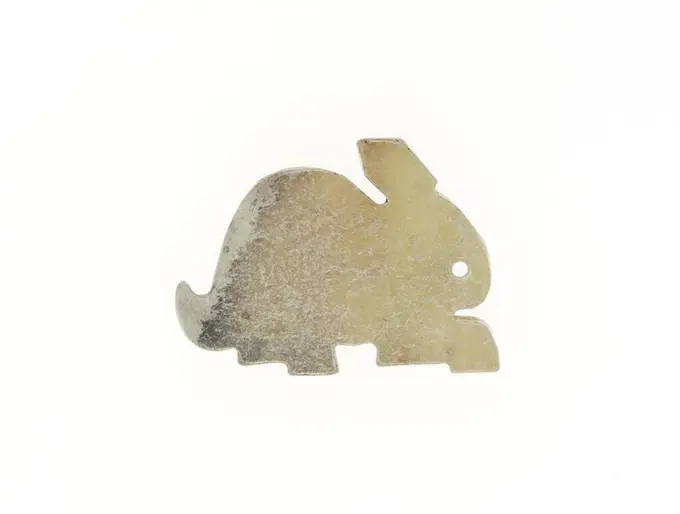
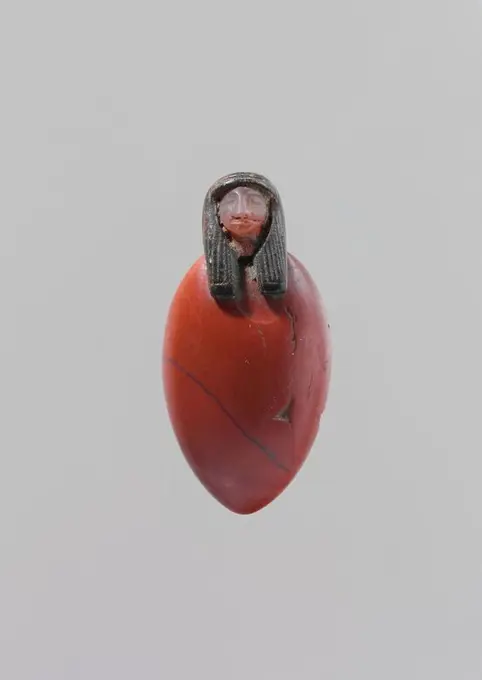
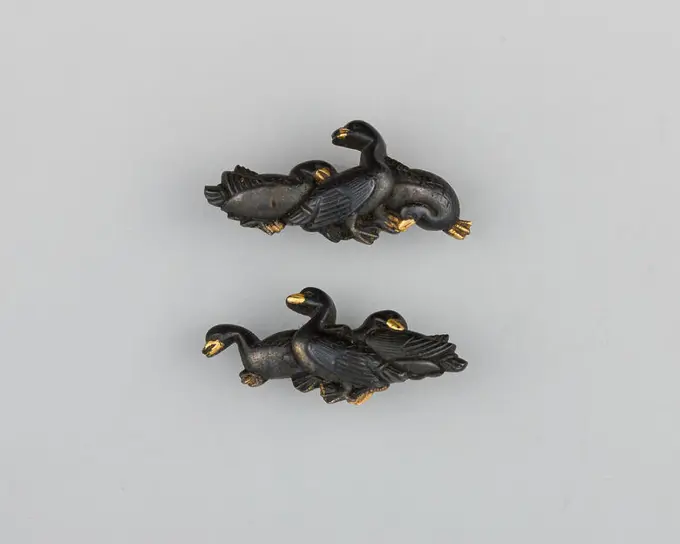
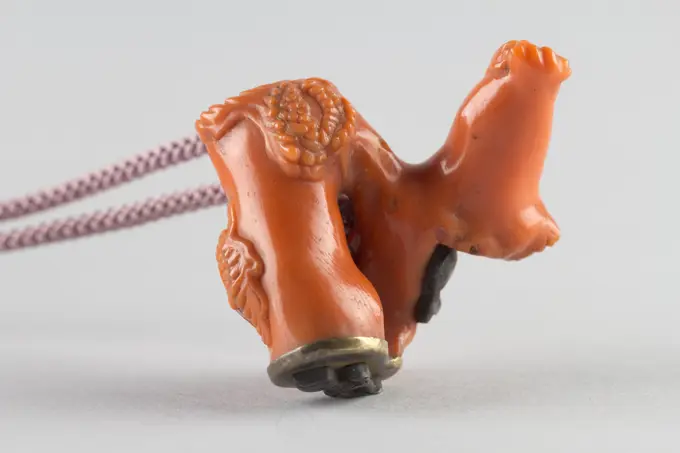
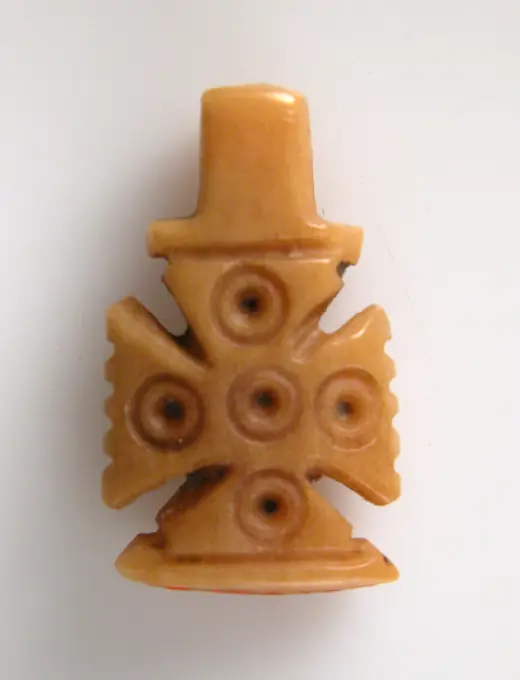
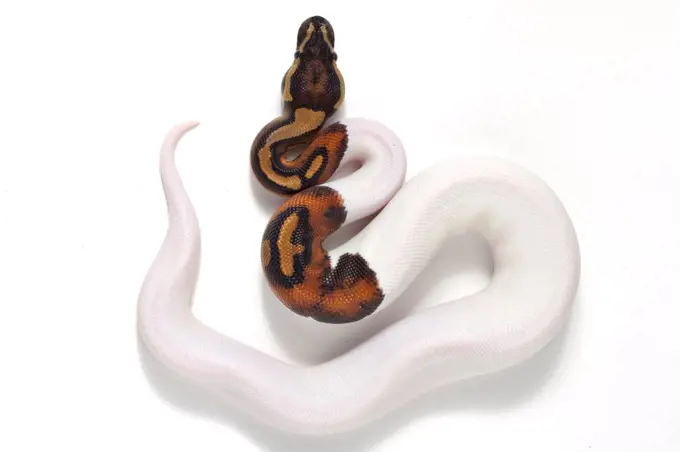
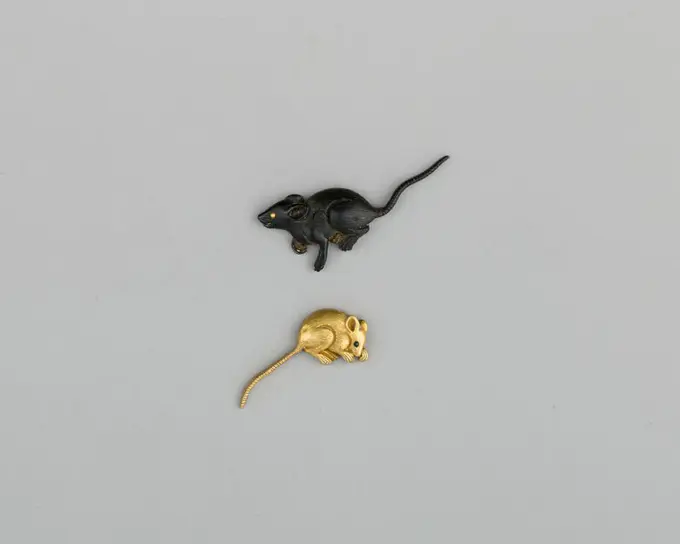
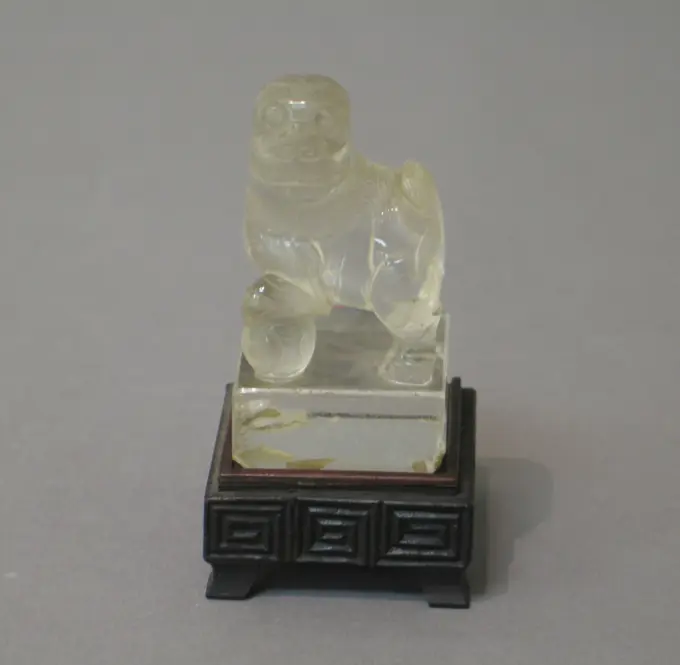
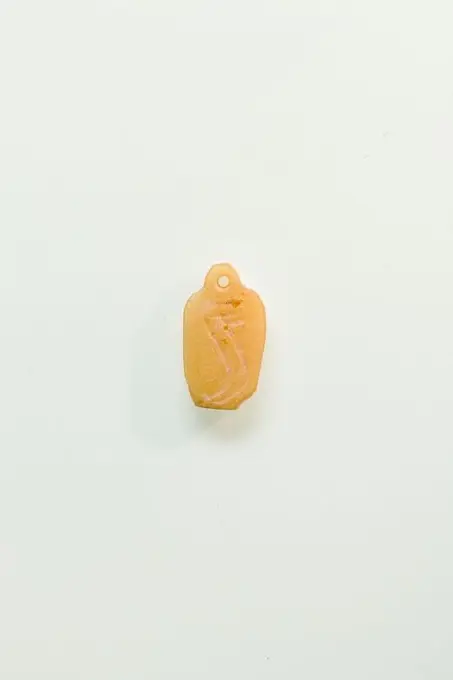
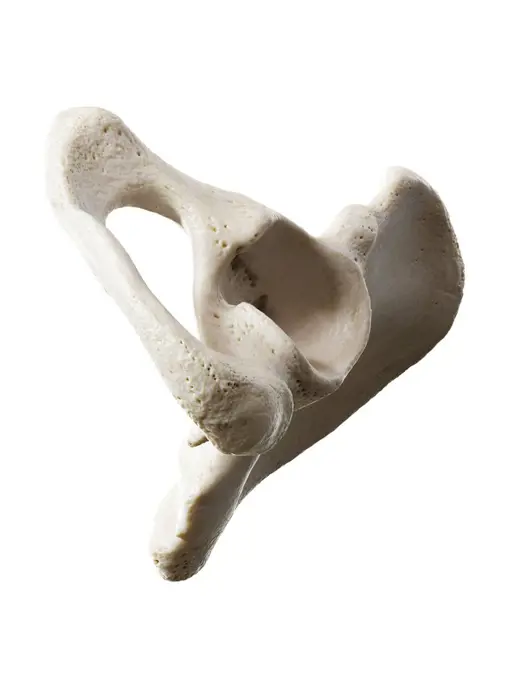
Netsuke 18th century Japan. Netsuke 59069Drinking cup, Johannes Lutma (I), 1641Cerf. Bronze. Chine. Par musée musée malée. 71127-8 Chinese art, bronze, deer, baseGlass pendant in the form of a jar 3rd-4th century A.D. Roman Uncertain color, appearing opaque black; loop and base in same color; chips in opaque red, yellow, blue, and white.Globular body; disk-shaped thick pad base, with slightly convex bottom; thick circular suspension loop applied at top.Chips applied randomly to body and marvered.Intact; dulling, pitting, and faint weathering.. Glass pendant in the form of a jar. Roman. 3rd-4th century A.D.. Glass; rod-formed and applied. Late Imperial. GlassNecklace Bead in the Form of a Fish, 185-72 BC. India, Sunga Period (185-72 BC). Gold repoussé with granulation;Inkwell Inkwell; Designed by Charles Greber (1853-1935); France; stonewareBliżej KulturyJug. Dimensions: 2 5/8in. (6.7cm).Globular spout-jug imitated from a gourd. Museum: Metropolitan Museum of Art, New York, USA.Stamp Seal. Iran, Sasanian period 224-651. Tools and Equipment; seals. ChalcedonyNetsuke of Frog on Squash 18th century Japan. Netsuke of Frog on Squash 59329Rock crystal bead with striations. Culture: Minoan. Dimensions: Diameter 1.2 cm. Date: ca. 2200-1450 B.C..With striations. Museum: Metropolitan Museum of Art, New York, USA.Pendant late 1st century BC-mid 4th century AD or later Roman Period or later. Pendant. late 1st century BC-mid 4th century AD or later. Glass. Roman Period or later. From EgyptFiel of crockery from the wreck of the East Indieschief Hollandia. Vessel Part, Finial; Baluster with spherical button, broken off underneath.Pinhead. Pinhead. Glass. GlassBottle. unknown, craftsmanDie Ptolemaic Period 332-30 BC View more. Die. 332-30 BC. White Faience. Ptolemaic Period. From EgyptNecklace Bead in the Form of a Fish, 185-72 BC. India, Sunga Period (185-72 BC). Gold repoussé with granulation;Glanssteen, anonymous, c. 1600 - c. 1825 Flattened spherical body, one side of which is inserted. Northwest Europe glass glassblowing Flattened spherical body, one side of which is inserted. Northwest Europe glass glassblowingLegs nut with internal thread, hexagonal and with letters on the surfaces, nut fastener soil find leg, sawn twisted sanded Legs nut. Hexagonal with letters on the surfaces. Internal thread counter thread. Connection piece where bolt could be screwed on the surfaces on the left and right: T S D N archeology connect extend mountRibbed Bowl; Eastern Mediterranean; end of 1st century B.C. - beginning of 1st century A.D; Glass; 5.6 x 11.1 cm (2 3,16 x 4 3,8 in.)Scarab. Dimensions: L. 1 cm (3/8 in). Dynasty: Dynasty 12-18. Date: ca. 1981-1550 B.C.. Museum: Metropolitan Museum of Art, New York, USA.Coronation of the Virgin. Culture: Italian, probably Milan. Dimensions: Overall: 1 3/8 x 3/4 in. (3.4 x 1.9 cm); visible cameo (confirmed): 18.8 x 34 mm. Date: late 16th-early 17th century.The irregular cloud of smoky brown that floats across the cream layer of this stone eventually helps the viewer to distinguish the Virgin's robe and her hands raised in intercessory prayer. Museum: Metropolitan Museum of Art, New York, USA.Glass head pendant 3rd-1st century B.C. Carthaginian or Eastern Mediterranean Translucent blue, appearing opaque black, and opaque yellow.Oval with uneven, irregular back; small hole under chin; large suspension loop on top of the head.Ear as small applied trail of yellow glass over blue hair; spiral headband across forehead; deep-set eye sockets with tiny holes as eyes, pointed nose, narrow lips, and prominent cheeks and chin.Intact, but possibly missing proper right ear; dulling and faint weathering.. Glass head pendant. Carthaginian or Eastern Mediterranean. 3rd-1st century B.C.. Glass. Hellenistic. GlassAgate spindle whorl ca. 2200-1450 B.C. Minoan Spindle whorls aided in the making of cloth for garments and bedding. They were placed in tombs, perhaps so that the deceased could continue to spin wool in the afterlife.. Agate spindle whorl 252329 Minoan, Agate spindle whorl, ca. 22001450 B.C., Agate, H. 9mm. The Metropolitan Museum of Art, New York. Bequest of Richard B. Seager, 1926 (26.31.401)Glass pendant in the form of a bird 425-200 B.C. Phoenician or Carthaginian Uncertain color, appearing opaque black; opaque pale turquoise blue trails and eye spot in translucent blue.Body shaped like a bird with head and tail, rounded edge at bottom and hollow underneath.Trails around body; trail as eye ring with spot at center.Some chips in body, especially at eyes, and suspension loop missing; slight pitting and weathering.. Glass pendant in the form of a bird. Phoenician or Carthaginian. 425-200 B.C.. Glass; rod-formed and trailed. GlassSpilled chocolate isolated on white backgroundNetsuke of Bird 19th century Japan. Netsuke of Bird. Japan. 19th century. Lacquer with gold painted decoration. Edo (1615-1868) or Meiji period (1868-1912). NetsukeOjime 19th century Japan. Ojime. Japan. 19th century. Edo period (1615-1868). OjimeFigure of A Seated Boy. Image of porcelain in the shape of a seated boy (ocean), painted in underglaze blue. The feet are missing. Blue White.Amulet Possibly Depicting a Tree Frog ca. 1550-1070 B.C. New Kingdom. Amulet Possibly Depicting a Tree Frog. ca. 1550-1070 B.C.. Faience. New Kingdom. From Egypt. Dynasty 18-20Inside cicada shell Macro shot view inside the shell of a cicafa Copyright: xZoonar.com/YannxPoirierx 11649701Fresh ginger root, close-upPijpenkop with a piece of stem from the wreck of the East Indians Hollandia, Anonymous, 1700 - in Or Before 1743  Pipe, bowl, heelmark: crowned 57; 2hsm1. Netherlands pipe clay   SecondPinhead Roman Black, opaque spherical bead, with slight knob on bottom and colored spots on top.. Pinhead. Roman. Glass. Glasssea shell isolated on whiteSnuff Bottle (stopper), 1644-1911. China, Qing dynasty (1644-1911). Glass; overall: 7.4 cm (2 15/16 in.).Carnavalet museum, medal collection Bust right by Mgr Denis affretes three-quarters face.Beads, 3. Beads, 3. Glass. Glassbeautifyl purple colorful  agat ring  around white backgroundBead Plaque of Ramesses II. Dimensions: L. 1.7 × W. 1.3 cm (11/16 × 1/2 in.). Dynasty: Dynasty 19. Reign: reign of Ramesses II. Date: ca. 1295-1070 B.C.. Museum: Metropolitan Museum of Art, New York, USA.Carnelian ring stone. Culture: Roman. Dimensions: Length: 5/8 in. (1.6 cm). Date: 1st century B.C.-3rd century A.D..Portrait bust of a woman wearing a diadem and necklace. Museum: Metropolitan Museum of Art, New York, USA.Papyrus scepter (wadj) amulet ca. 1070-945 B.C. Third Intermediate Period. Papyrus scepter (wadj) amulet 587562Snuff Bottle with Stopper (stopper), 1736-95. China, Qing dynasty (1644-1912), Qianlong reign (1735-1795). Jade; overall: 6.9 x 2.5 cm (2 11/16 x 1 in.).Knot consisting of a round bulb with copper wire eye. Knot consisting of a round bulb with copper wire eye. Textile residues are on the knot.Bead ornaments, 2 female masks. Bead ornaments, 2 female masks. Gold. Gold and SilverGlass double bead ca. 2nd-4th century A.D. Roman Mosaic glass double bead: cylindrical, blue and gray in color.. Glass double bead. Roman. ca. 2nd-4th century A.D.. Glass. Imperial. GlassSheep 1700-1799 France. Glass; lampwork (verre de Nevers), metal armature .Gold Yuanbao ingotPrzeszo Przyszo GyokkoNetsuke of Thirteen Masks 19th century Japan. Netsuke of Thirteen Masks. Japan. 19th century. Ivory. Edo (1615-1868) or Meiji period (1868-1912). NetsukeVase. Culture: American. Designer: Joseph Locke. Dimensions: 4 1/2 x 2 1/2 in. (11.4 x 6.4 cm). Manufacturer: New England Glass Company (American, East Cambridge, Massachusetts, 1818-1888). Date: 1883-87. Museum: Metropolitan Museum of Art, New York, USA.Magic gemma with the bust of IsisHeraklesFigure for a Pincushion, hard paste porcelain, vitreous enamel, gold, Half figure intended to be made into a pin cushion, representing a woman shown to the waist with flange having three holes to which a skirt may be attached. The woman wears a tight fitting bodice with long sleeves, low square neck; ribbon scarf tied around neck; large hat (dress and hat are white with gilt trimming); a rose in each hand., Germany, late 19th century, ceramics, Decorative Arts, figure, figureBead Roman. Bead. Roman. Glass. GlassMan carrying a bag over his shoulder, late 19th century, Unknown Japanese, 2 3/8 × 1/4 × 3/4 in. (6.03 × 0.64 × 1.91 cm), Ivory, Japan, 19th centuryPendant in the Shape of a Poppy 1550 BCE-1069 BCE Egypt. Carnelian . Ancient EgyptianRocky Landscape with House and Trees 19th century Japan. Rocky Landscape with House and Trees 59194Winne grono - zawieszka. unknown, craftsmanDried Pimienta Palmera on a white backgroundGlass pendant in the form of a dolphin ca. 4th century A.D. Roman Translucent cobalt blue.Large hole through circular body, drawn out to form large upright tail with applied fins on either side; other applied fins on lower edge of body and applied nose to head.Intact, except for chip on nose; pinprick bubbles; slight dulling and iridescent weathering.. Glass pendant in the form of a dolphin 249692Carnelian ring stone 1st century B.C.-3rd century A.D. Roman Bearded head wearing mantle, identified as Kronos, the father of Zeus.Copy of a Greek work of the 4th century B.C.. Carnelian ring stone 244924Tin soldier, horseman in armor on horse, pen for pedestal, Soldier toy relaxant model miniature soil find tin lead metal, cast Toy rider. Rider in armor cast separately from the horse and then with entwined feet fixed on the mount. Pen on the underside for placement in separate pedestal. Tin or lead or an alloy of both archeology Rotterdam native product horse rider child play child's play Grondvondst Rotterdam.Double Scarab. Dimensions: L. 0.6 cm (1/4 in.); W. 0.9 cm (3/8 in.); H. 0.5 cm (3/16 in.). Dynasty: Dynasty 18, early. Reign: reign of Thutmose II-Early Joint reign. Date: ca. 1492-1473 B.C..This tiny double scarab was found with twenty-three other scarabs and seal-amulets in the coffin of a young woman who was buried in Hatnefer's tomb (see 36.3.1 and 36.3 26). The base is inscribed with a pattern of incised lines. Museum: Metropolitan Museum of Art, New York, USA.Ornament, flower-shaped mount for stone bead. Ornament, flower-shaped mount for stone bead 243068Amulet, Falcon 664-332 B.C. Late Period. Amulet, Falcon. 664-332 B.C.. Lapis lazuli. Late Period. From Egypt. Dynasty 26-30Pendant in the Shape of a Head 500 BCE-201 BCE Carthage. Head pendants like this example have been found in Phoenician settlements in North Africa and the Levant. They may have been made by Phoenician glassmakers or used as trade goods by Phoenician merchants.. Glass, rod-formed technique . CarthaginianBliżej KulturyNetsuke of Fox Mask with Movable Jaw 19th century Japan. Netsuke of Fox Mask with Movable Jaw. Japan. 19th century. Wood. Edo period (1615-1868). NetsukeTerracotta bowl fragment. Culture: Roman. Dimensions: 3 3/16 × 4 7/16 × 3/8 in. (8.1 × 11.2 × 0.9 cm). Date: ca. 25-10 B.C..Man and woman. Museum: Metropolitan Museum of Art, New York, USA.Cartoon character, jokerBird on a branchPin Cushion (Scotland); woodSixteen mukhi Rudraksha botanically Elaeocarpus Ganitrus Roxb, English Utrasum Copyright: xMxAmirtham/DinodiaxPhotoxPaperweight. Clichy; France, 1837-1885. Date: 1825-1850. Dimensions: Diam. 7.6 cm (3 in.). Glass. Origin: Clichy. Museum: The Chicago Art Institute, Chicago, USA. Author: Clichy Glasshouse.Skeleton beating a large skull, 19th century, Kikutei, Japanese, 1 1/2 x 15/16 x 1 1/2in. (3.8 x 2.4 x 3.8cm), Ivory, Japan, 19th centuryDeaf pot with lid. Defot from Geelkoper, with a loose lid.Helmet pierced by a stone on white background. Helmet pierced by a stone on white background. Safety and road accidents Copyright: xZoonar.com/MaximilianxBuzunx 17513418Human skull isolated over white background Human skull from plastic isolated over white background Copyright: xZoonar.com/IvonnexWierinkx 10096151Scarab of Amenemhat III ca. 1859-1813 B.C. Middle Kingdom This scarab is inscribed with the prenomen of pharaoh Amenemhat III (Dynasty 12, ca. 1859-1813 B.C.), Nimaatre.. Scarab of Amenemhat III. ca. 1859-1813 B.C.. Green glazed steatite. Middle Kingdom. From Egypt, Memphite Region, Lisht North, Cemetery, MMA excavations. Dynasty 12Seal. Culture: Minoan, Crete. Dimensions: Other: 7/16 x 9/16 x 3/16 in. (1.1 x 1.4 x 0.6 cm). Museum: Metropolitan Museum of Art, New York, USA.Hare Pendant. China. Date: 1300 BC-900 BC. Dimensions: 1 1/8 × 3/4 × 1/16 in. Jade. Origin: China. Museum: The Chicago Art Institute, Chicago, USA.Seashell on egg against black backgroundHeart amulet with human head. Dimensions: H. 5.4 cm (2 1/8 in); w. 2.7 (1 1/16 in); d. 1,5 cm (9/16 in). Dynasty: Dynasty 18 or 21-22. Date: ca. 1550-710 B.C..This unusual looking amulet is a combination of a simplified heart and a human head. The heart, of red jasper, is depicted as a flat, oval object with slightly rounded front and back surfaces and a pointed bottom. It does not have side projections, which are known from other heart amulets that depict the organ more naturalistically. At the top is a small, carnelian human head, which was manufactured separately and attached to the heart. Details of the face, such as the nose, eyes, and mouth are carved, but mainly due to the amulet's small size and the hardness of the material, they are not well defined. A long, striated, black wig made out of chlorite conceals the junction between the two parts. The amulet is pierced twice latitudinally. The top piercing runs through the head, and a second is positioned in the lower third of thePair of Sword-Grip Ornaments (Menuki). Culture: Japanese. Dimensions: L. of each 1 1/4 in. (3.2 cm); Wt. of each 0.2 oz. (5.7 g). Date: 18th century. Museum: Metropolitan Museum of Art, New York, USA.wood ball croquet on a white backgroundNetsuke 19th century Japan. Netsuke. Japan. 19th century. Coral. Edo (1615-1868) or Meiji period (1868-1912). NetsukePendant Cross 5th-7th century This small cross would haven been strung on a necklace or string and worn around the neck. It is decorated with a pattern of incised circles. Similar patterns of concentric circles are found throughout early Byzantine art. These circles may have represented the reflective qualities of mirrors, which in the ancient and early Byzantine world were believed to deflect evil.Crosses were everywhere in the early Byzantine world. They marked religious, secular, and domestic buildings, public works, clothes and jewelry, and objects in the home. The cross was a sign of Christ's triumph over death and the hope of eternal life and was frequently ascribed apotropaic, or protective, powers by the faithful.. Pendant Cross 446233CapersEarringRoyal Python pie-bald in studio on white backgroundPair of Sword-Grip Ornaments (Menuki). Culture: Japanese. Dimensions: Menuki (a); L. 11/16 in. (1.7 cm); Wt. 0.1 oz. (2.8 g); menuki (b); L. 13/16 in. (2.1 cm); Wt. 0.1 oz. (2.8 g). Date: 18th century. Museum: Metropolitan Museum of Art, New York, USA.Pair of Sword-Grip Ornaments (Menuki) 17th century Japanese Menuki are a pair of ornamental sword fittings attached to either side of a sword hilt.. Pair of Sword-Grip Ornaments (Menuki). Japanese. 17th century. Copper-gold alloy (shakud), gold. Sword Furniture-MenukiPinrespirator isolated on a white backgroundPaperweight 18th century China. Paperweight. China. 18th century. Rock crystal. HardstoneUraeus plaque from a string of amulets. Dimensions: H. 1.1 × W. 0.6 cm (1.1 × 0.6 cm). Dynasty: Dynasty 21. Date: ca. 1070-945 B.C..Nine amulets of various materials were found threaded together in a tight group around the throat of the Lady Djedmutesankh; two of these, of green glass, disintegrated after they were discovered. This plaque is roughly incised with the figure of a rearing cobra, or uraeus, the totem of several important goddesses. One of the most dangerous snakes in Egypt, the cobra became a symbol of protection, thought to spit fire at enemies of the king. Djedmutesankh also had a gold amulet on her forehead (see 25.3.167).For the amulet group, see 25.3.169-related. Museum: Metropolitan Museum of Art, New York, USA.Baby imageTassel 17th century Italian. Tassel. Italian. 17th century. Linen. Textiles-TrimmingsHip bone, illustration