Antique Dining Tableware

Collection of antique plates, dishes, and salt vessels made of glass and silver, highlighting intricate designs and historical context.
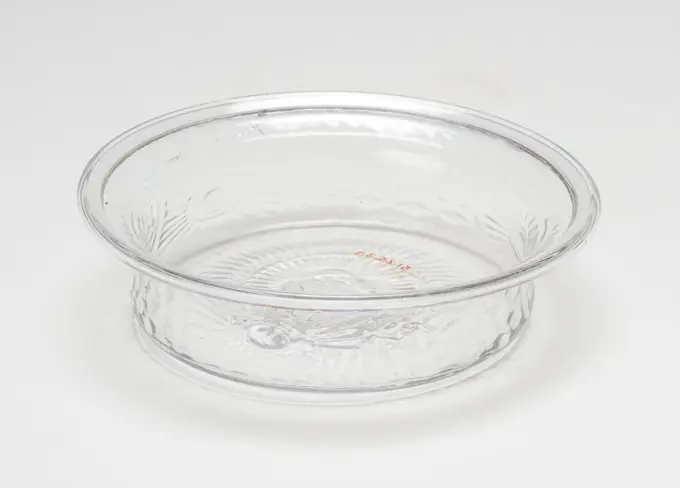
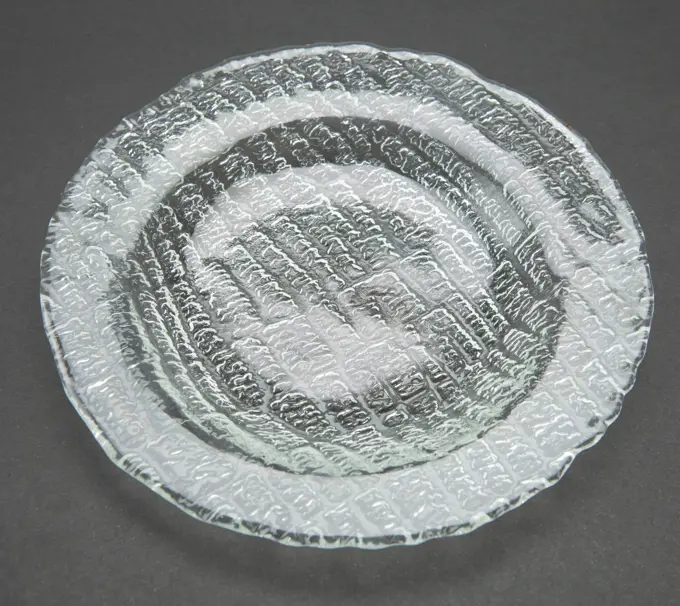
Bowl, 18th-19th century, 1 1/2 x 5 7/8 x 5 7/8 in. (3.81 x 14.92 x 14.92 cm), Glass, United States, 18th-19th century
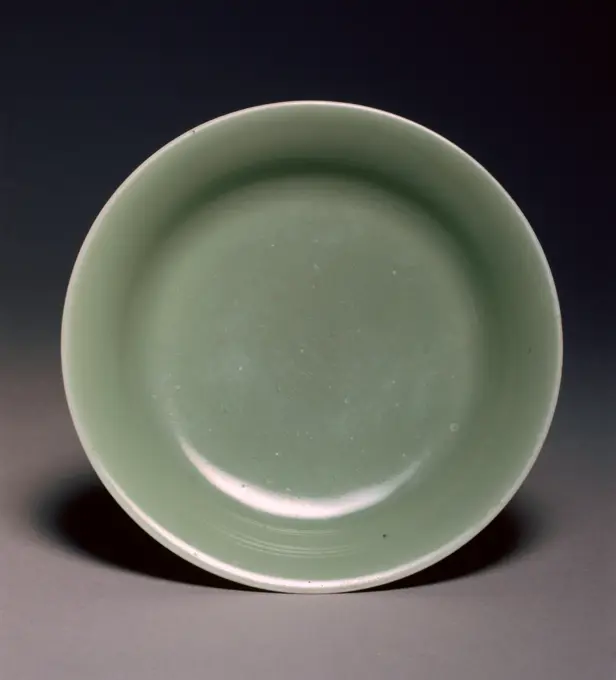
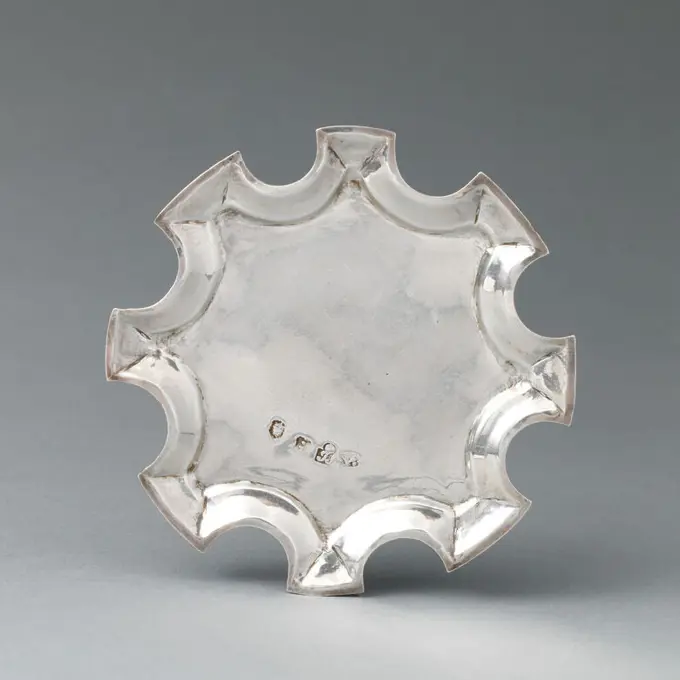
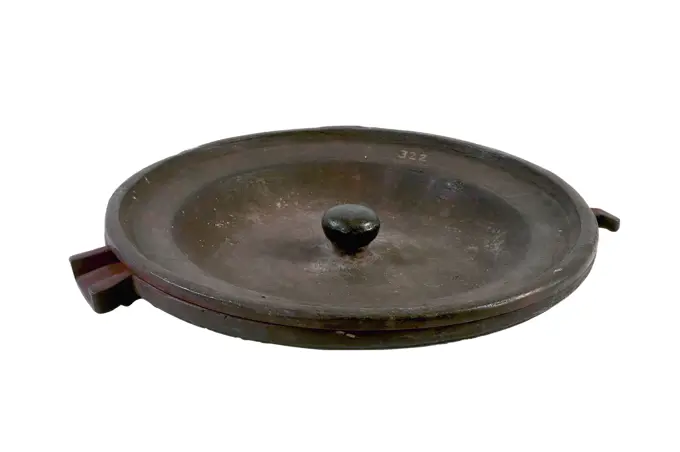
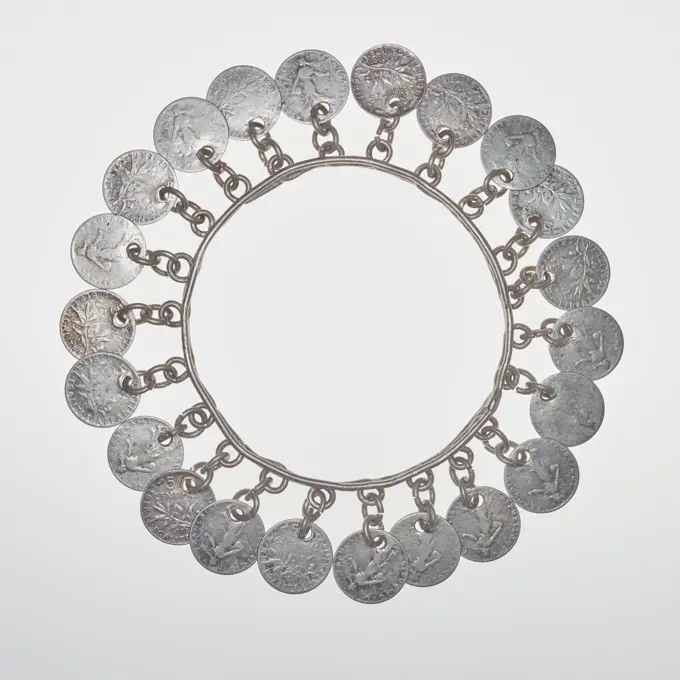
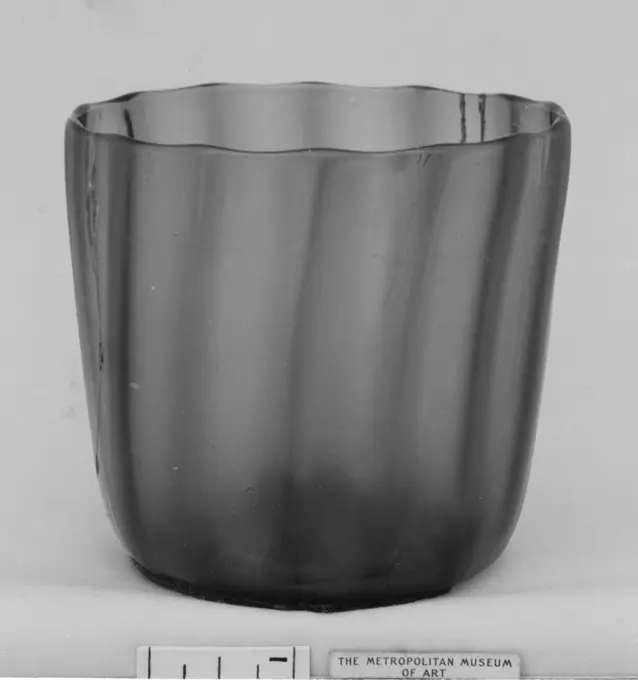
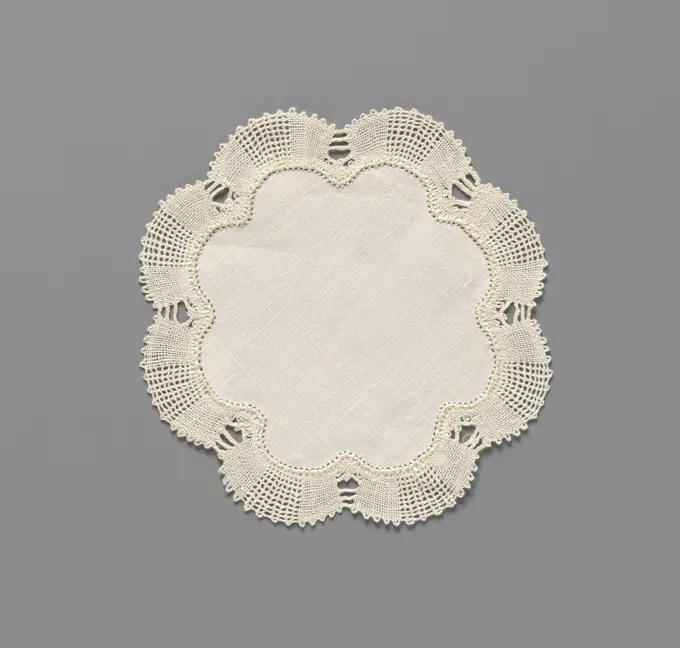
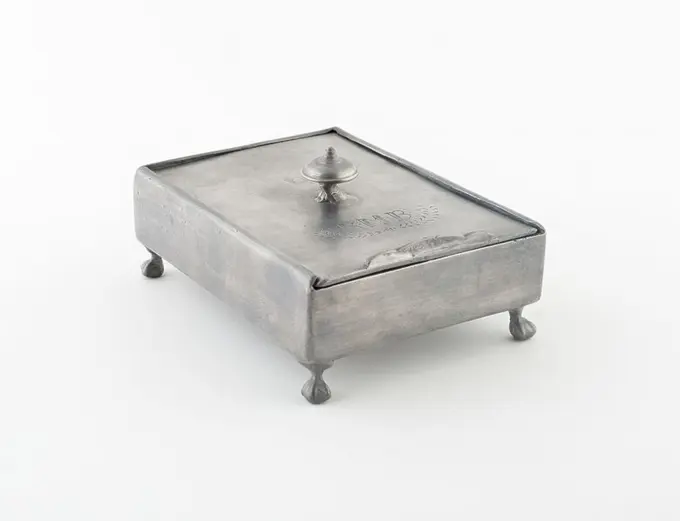
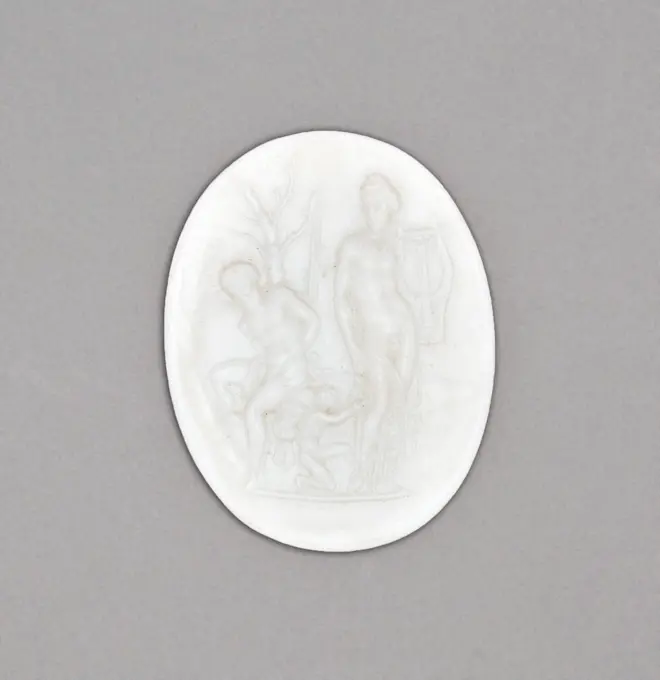
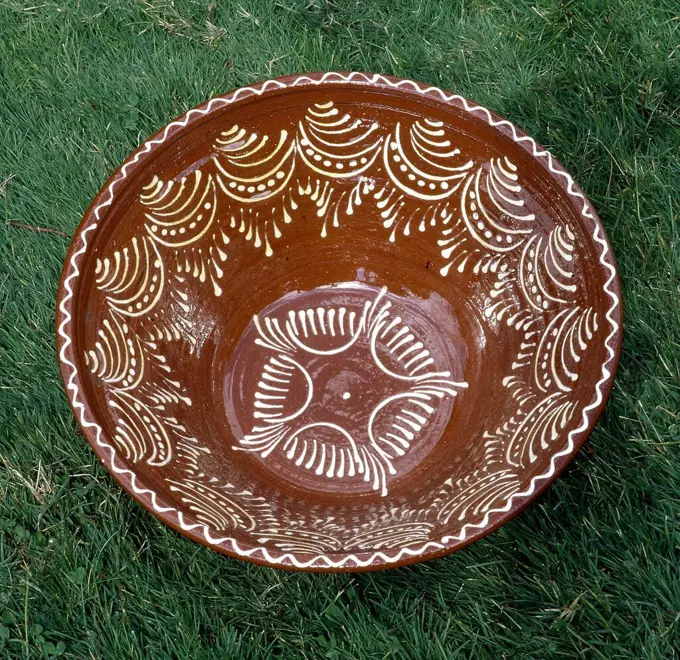
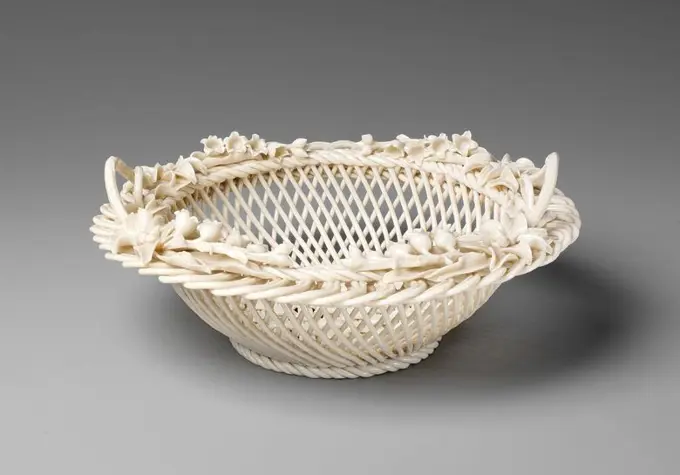
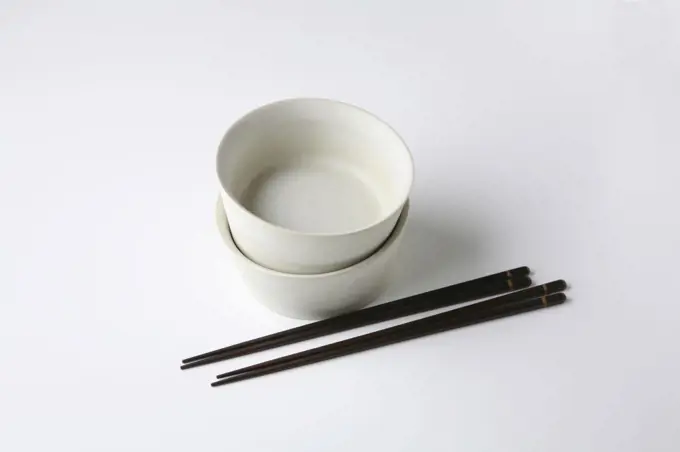
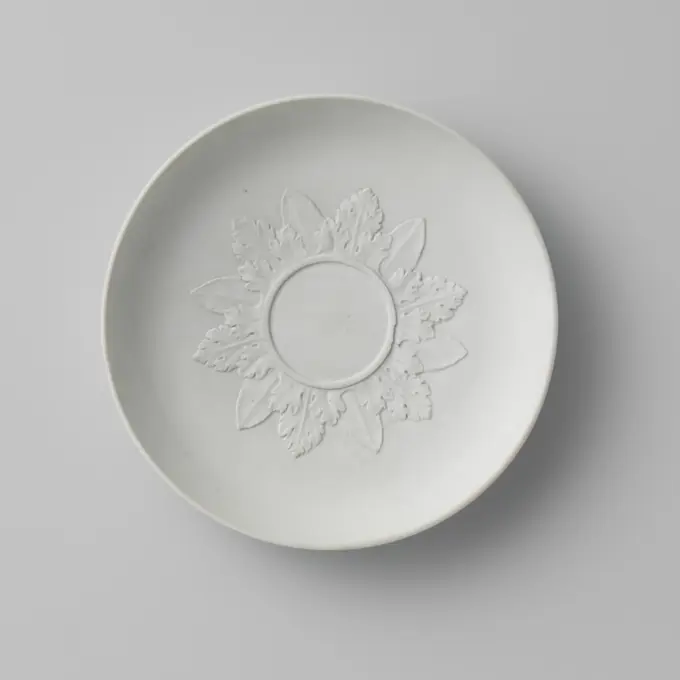
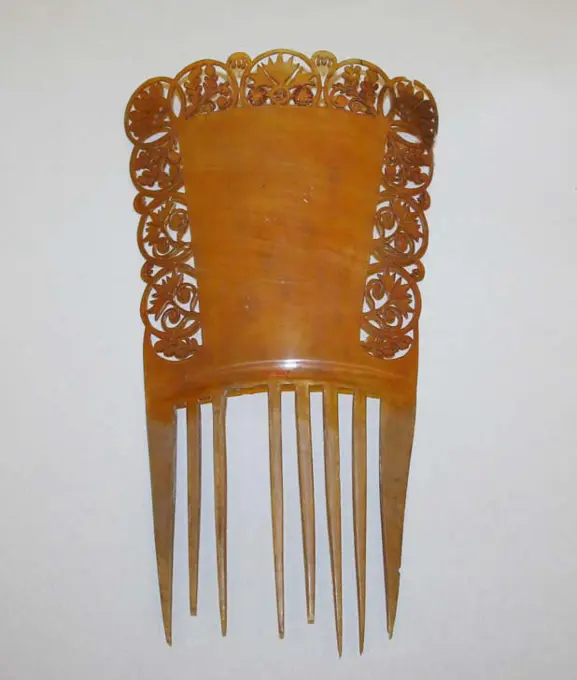
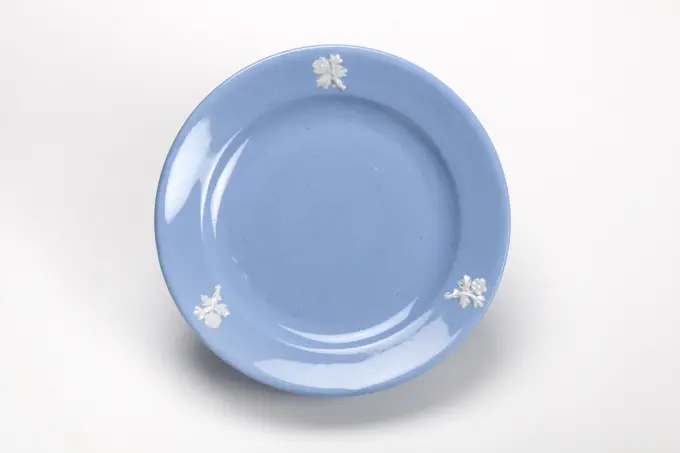
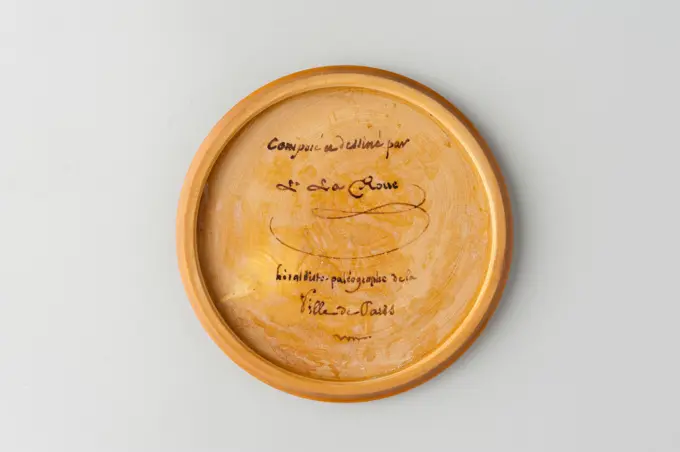
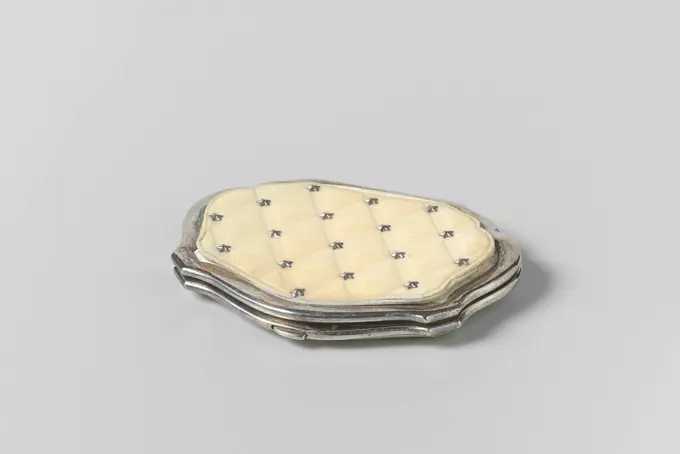
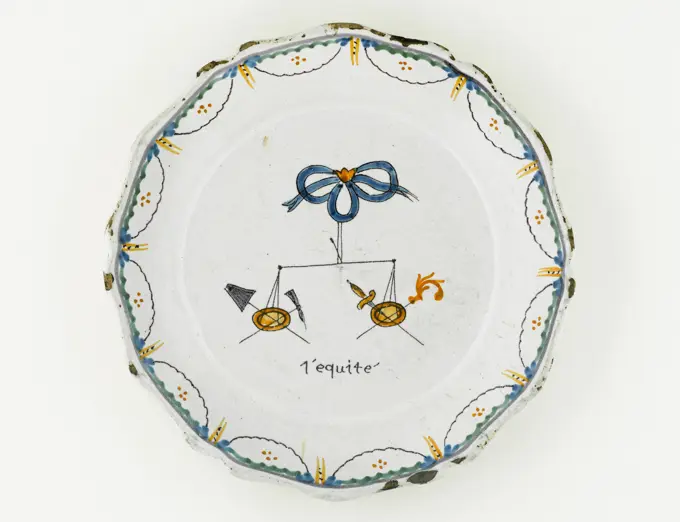
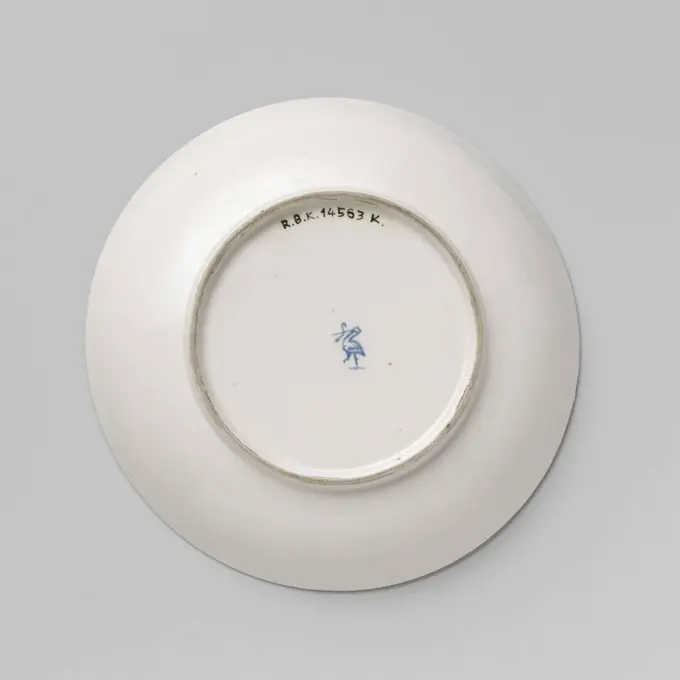
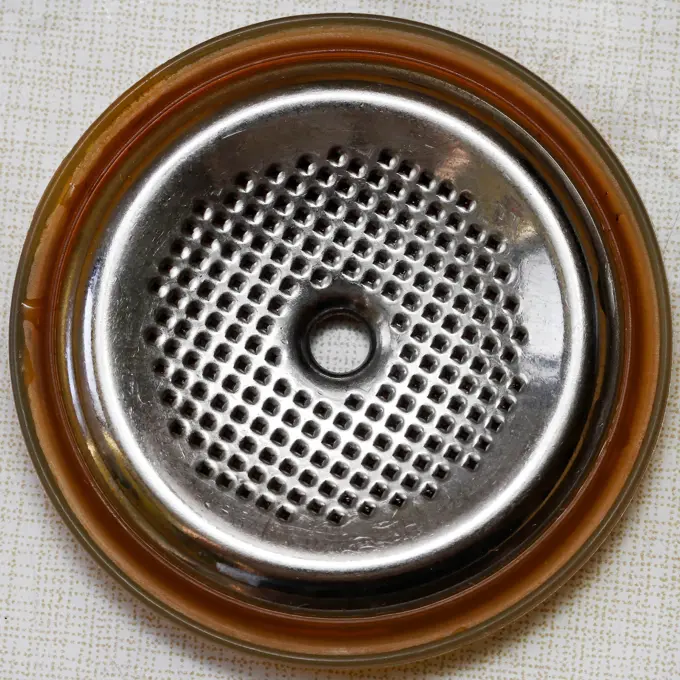
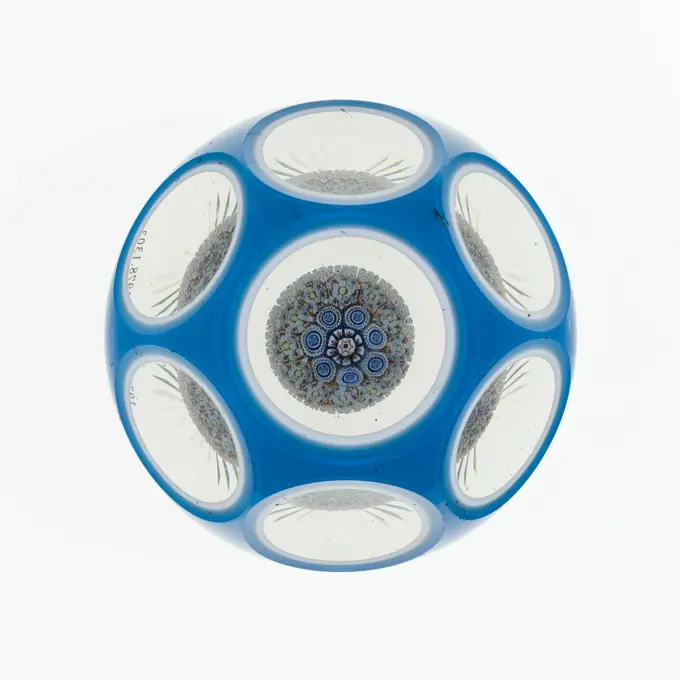
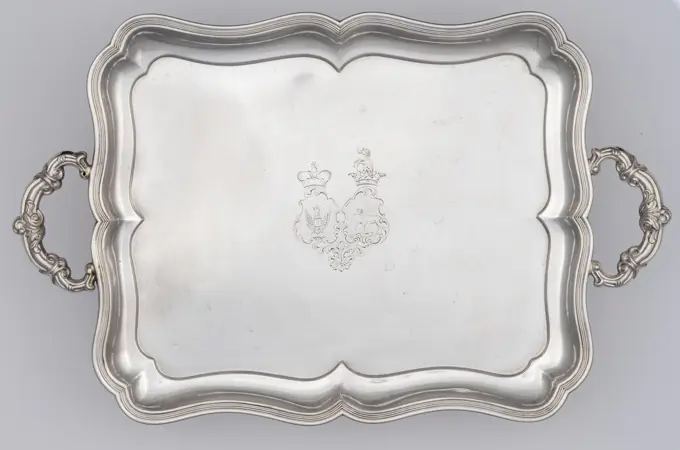
Tray; Kostrz BSKI, Walerian (FL.1852-1860), Silver Products Factory K.F. Malcza (Warsaw; Sreber label; 1828-1864), Malcz, Karol (1797-1867); 1853 (1850-00-00-1860-00-00);Plate 1807-31 Samuel Pierce. Plate. American. 1807-31. Pewter. Made in Greenfield, Massachusetts, United StatesToilet set: a box (circular)Plate, 1736-95. China, Qing Dynasty (1644-1911), Qianlong reign (1736-95). Porcelain, with celadon glaze; diameter: 16.7 cm (6 9/16 in.).Plate; Koenigliche Porzellan Manufaktur (KPM; Berlin; 1763-1918); 1803-13 (1823-00-00-1832-00-00);A plateDinner plate - Maple Thomas Furnival & Sons Thomas Furnival & SonsMiniature waiter. Culture: British, London. Dimensions: Overall: 15/16 × 3 1/8 in. (2.4 × 7.9 cm). Maker: John Le Sage (British, active 1718-43). Date: 1744. Museum: Metropolitan Museum of Art, New York, USA.Joseph Foster, Strainer, c. 1795, silver.Jan Dircksz Messchaert II, Two-piece bronze mold for large plate with initials I D M and 1696, mold casting tool tools equipment base metal bronze, Rotterdam tin tinker tin tin Meeuws Druy artisan Shapes are from the originally 18th century Rotterdam tinnegieter J Druy. The large molds that were not signed or dated were the property of the tinker guild and were rented to the small tin caster.Brush Washer. China. Date: 1662-1722. Dimensions: H. 3.5 cm (1 3/8 in.); diam. 11.7 cm (4 5/8 in.). Porcelain with copper red peachbloom glaze. Origin: China. Museum: The Chicago Art Institute, Chicago, USA.Bracelet with coin pendants, late 19th century, 1/4 × 5 1/4 × 5 1/4 in. (0.64 × 13.34 × 13.34 cm) (overall), Silver, Benin, 19th century, More than one hundred years ago, the elite of the Danhomé Kingdom in West Africa would have worn these silver ornaments to adorn themselves and show off their wealth, and also to protect themselves from harm and evil. Fashioned by jewelers from imported silver coins, the ornaments were embellished with tiny sculptures that refer to past kings, heroic wars, and the Vodun religion. The coins attached to the ornaments date from between 1873 and 1910, bridging the last decades of the independent Kingdom and the first 15 years of French colonial rule.Tumbler probably 17th century Italian, Venice (Murano) or French. Tumbler. Italian, Venice (Murano) or French. probably 17th century. Glass. GlassHochformatige Ansicht einer einzelnen blauen verformten Keramikplatte mit drei Beinen. High angle view of single blue deformed ceramic plate with three legs isolated on white background with clipping path. Copyright: xZoonar.com/VeeravongxxKomalamenax 22618655Doily of linen rosette -shaped with eight lobes and around a border bobbin, anonymous, the Molenwiekje, c. 1925 - c. 1949 Doily of natural linen with a border bobbin all around: Dutch side. Rosette -shaped model with eight semi -circular scallops or lobes. Netherlands linen (material) bobbin lace Doily of natural linen with a border bobbin all around: Dutch side. Rosette -shaped model with eight semi -circular scallops or lobes. Netherlands linen (material) bobbin laceSword Guard (Tsuba) 18th century Japanese A tsuba is a sword guard and part of a sword mounting. It is mounted between the swords blade and grip to protect the users hands.. Sword Guard (Tsuba) 25951Inkwell. Isaac Ruprecht; German, 1652-1678; Germany. Date: 1652-1678. Dimensions: 7.6 × 15.2 × 10.2 cm (3 × 6 × 4 in.). Pewter. Origin: Augsburg. Museum: The Chicago Art Institute, Chicago, USA.No maker's mark, Hand or Chamber Candlestick (altered or spurious), 1807/8, silver.Saucer with gold borders on a red ground, anonymous, c. 1800 - c. 1824 Porcelain saucer, covered on the glaze with red and gold. The wall and edge are covered with tires of red and gold, with a flower drink on the edge. Golden line closely. Empire. France (possibly) porcelain. glaze. gold (metal) painting / gilding / vitrification Porcelain saucer, covered on the glaze with red and gold. The wall and edge are covered with tires of red and gold, with a flower drink on the edge. Golden line closely. Empire. France (possibly) porcelain. glaze. gold (metal) painting / gilding / vitrificationMedallion with Apollo and Marsyas 1775-1799 Burslem. Stoneware (jasperware) . Wedgwood Manufactory (Manufacturer)Shallow Bowl, 15th century, 2 3/8 x 9 9/16 x 9 9/16 in. (6.03 x 24.29 x 24.29 cm), Kalong ware Stoneware with underglaze brown decor, Thailand, 15th centuryCup Plate. Boston and Sandwich Glass Factory (United States, Massachusetts, Sandwich, 1825-1888). United States, circa 1830. Furnishings; Serviceware. Pressed glassDishware, Khaki” collection, Decorated” pattern.  Designer Calvin Klein, American, born 1942Retailer: Swid Powell, American, 1982-2001PLATO DE BARRO ROJO VIDRIADO Y PINTADO CON COPA EN BLANCO-ARTE POPULAR. Location: ALFARERIA. SPAIN.Button, Mother-of-peal, brass, enamel, glass, France, 18th century, costume & accessories, Decorative Arts, ButtonAustria, Vienna, Naturhistorisches Museum, Decorated bronze situla from HallstattBasket. Culture: American. Dimensions: Diam. 9 in. (22.9 cm). Manufacturer: Manufactured by Willets Manufacturing Company (1879-1908). Date: 1887-93.Executed in the manner of Irish prototypes, this Willets Belleek basket, constructed of handwoven strands of clay adorned with hand-formed flowers, illustrates the maker's virtuosity. Museum: Metropolitan Museum of Art, New York, USA.Kitchen and restaurant utensils on a white background. kitchen and restaurant utensilsTray.  Artist: Arthur J. Stone, American, born England, 1847-1938Plate.   Maker: Robert Palethorp, Jr., AmericanFooted Bowl 13th century. Footed Bowl 447679TablewareDish of Stoneware, Wedgwood Jasper Ware .. round dish of stoneware. The dish has a raised edge. The flat has a circle waagloin a leaf wreath with acanthus leaves. The outside of the dish is decorated with vertical tires, alternating light blue and white. The dish is marked and belongs to a head with Invnr. BK-NM-12471-A.Round plate of hard-baked pottery; Whellow tortoise shell .. around plate of hard-baked pottery. The edge is lobed, scalloped and ribbed. The front is gray, green, yellow and brown spotted. The rear is brown and yellow spotted.Bird snare -Bumpy empty ceramic plate on a textured concrete background. Kitchen utensil itemComb 19th century probably German. Comb 99063Luncheon plate - St. Johns Stone Chinaware Company (founded 1873) St. Johns Stone Chinaware Company (founded 1873)Grahal-Manzara. Carnavalet 2013-2016 collection sites. Numismatics.. Komfoor of silver on three legs, with a copper inner bin. The container has a six-pointed openwork edge. Master's sign: Trekpotje above ID.Small exhibition of ivory, oval-shaped with vaulted silver edges and diamond-shaped relief. Small exhibition of ivory, oval-shaped with vaulted silver edges and diamond-shaped relief, with a metal star in every intersection.Fob early 19th century European. Fob 122031Anonymous. Plate. Earthenware. Paris, Carnavalet museum. 71478-17 Attribut, balance, beche, butt, emblem, switch, revolutionary time, equity, faience, knot, draw, French revolution, three orders, dishes, plateEmpty basket on an old wooden tableDish, painted with vegetables and fruit surrounded by spreader flowers. Dish, painted multi-colored with a decor of vegetables and fruit surrounded by spreader flowers. Marked with a stork in blue under the glaze. N.B. German porcelain painted in The Hague.Snuffbox mid-19th century Austrian. Snuffbox 207415Clean filter for espresso coffee maker Clean filter for espresso coffee maker Copyright: xZoonar.com/MarkoxBericx 6964328flat lay clean tableware 4Plate. unknown, authorPaperweight 1843-1860 Lunéville. This paperweight uses a traditional glass-making technique called millefiori to great effect. Italian for ìone thousand flowers,î millefiori was first developed in fifteenth-century Venice. In the nineteenth century, French glassmakers revived the technique with a cultural twist. Arranged to evoke traditional French gardens such as the Tuileries in Paris, paperweights like this example brought a little of this landscaping magic indoors.From the late 1840s to early 1860s, French manufacturers of fine glass and crystalósuch as Baccarat (Alsace), Clichy (Paris), and Saint-Louis (Lorraine)ócatered to the vast public enthusiasm for beautiful yet functional desk accessories. Paperweights, which were designed to secure loose papers against drafts, were among their most popular products.. Glass . Baccarat GlassworksSilversmith's Art, England 20th century. Sheffield plate side plate, Art Deco' style.Crown of thorns icon in flat circle isolated vector illustration for web. Crown of thorns icon circleSaucer Economic Huta Z Bkowice