Antique Figurines

A collection of intricate antique netsuke and statuettes from various cultures, showcasing craftsmanship in materials like ivory and terracotta, depicting animals and figures.

Candlestick in the form of a Putto (see also 1975.1.1374, .1375, .1377) ca. 1600 or later Italian, Venice. Candlestick in the form of a Putto (see also 1975.1.1374, .1375, .1377) 460442
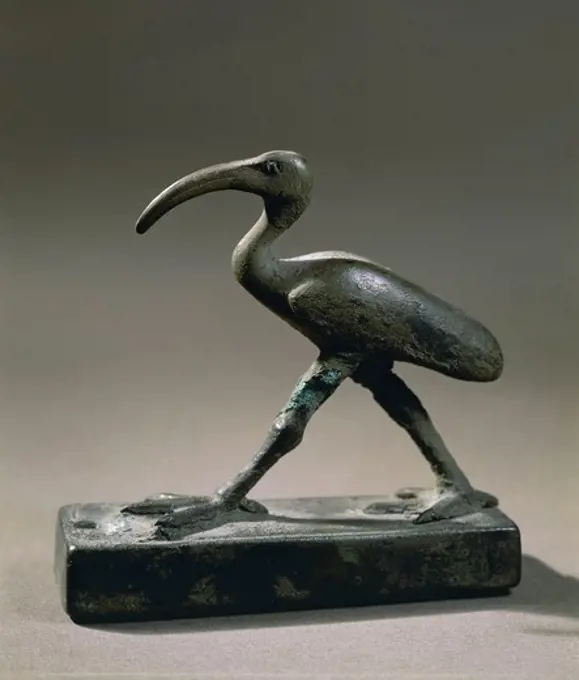
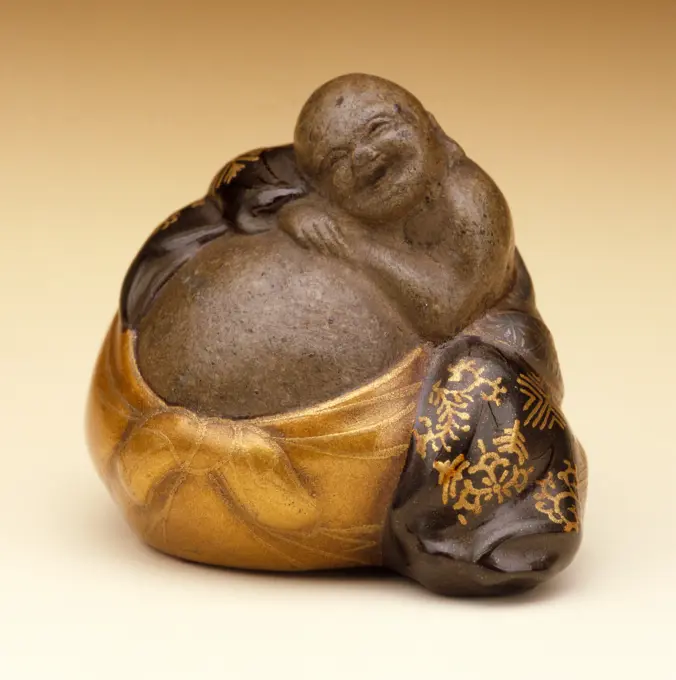
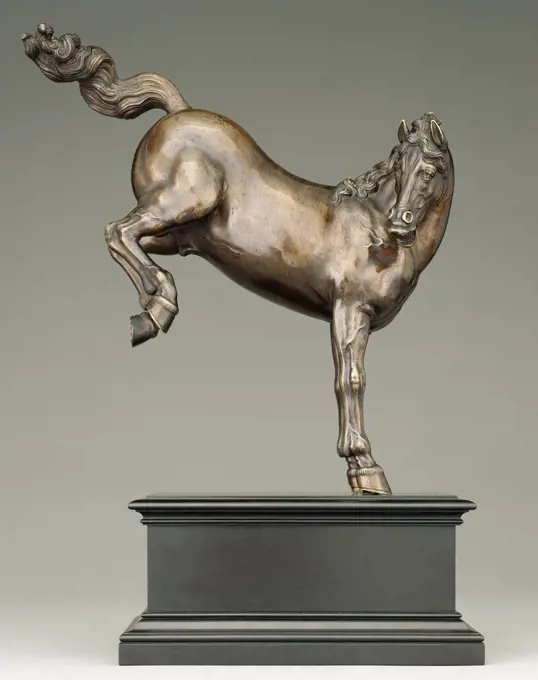
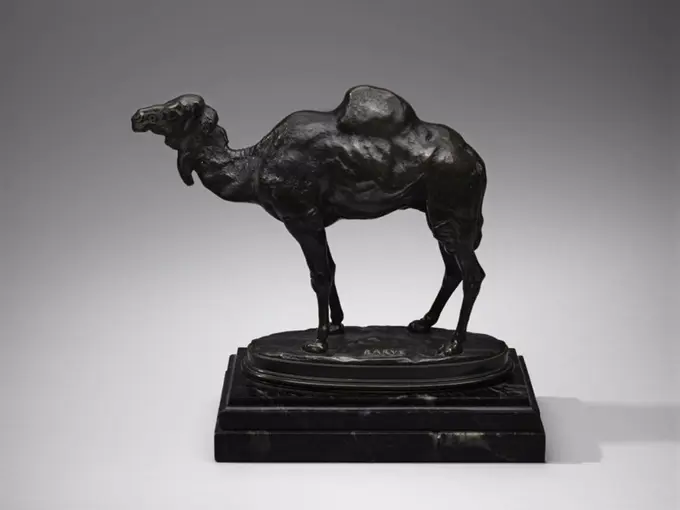
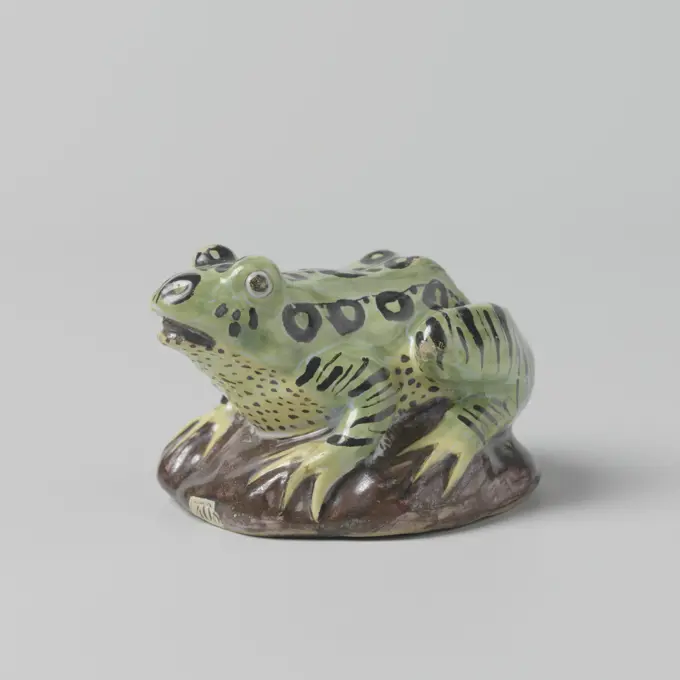
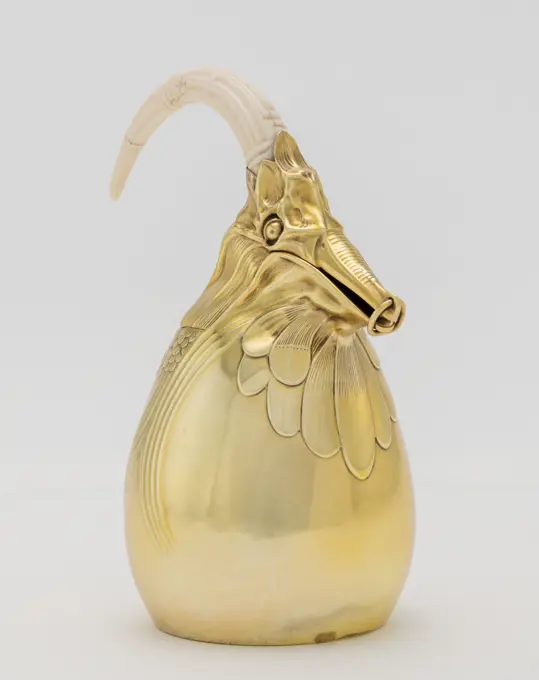
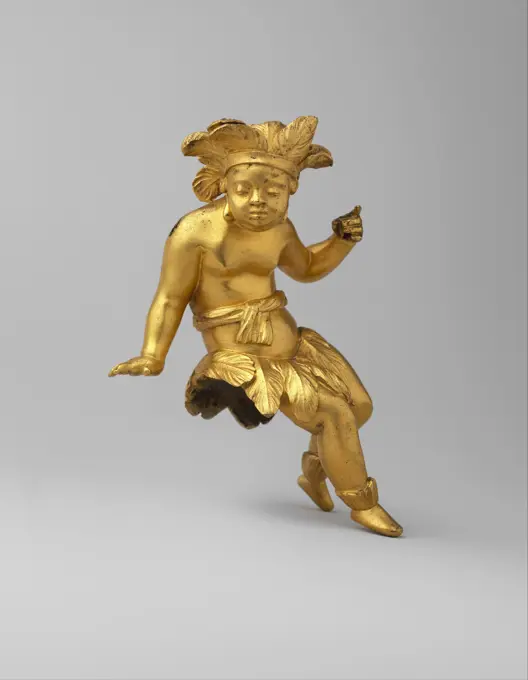
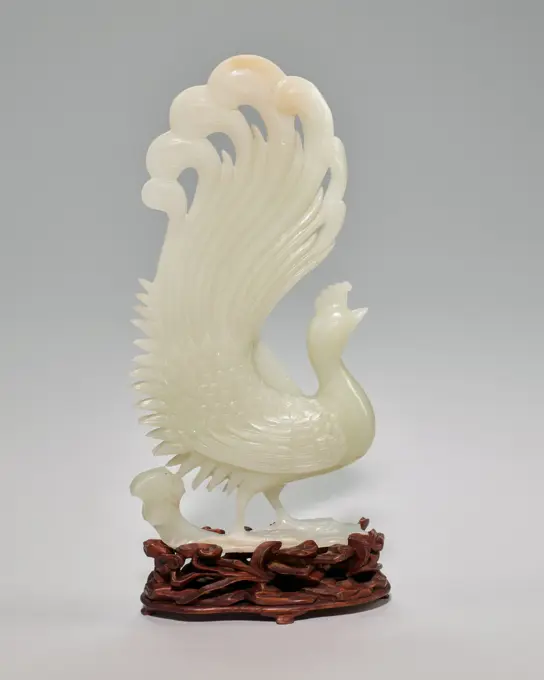
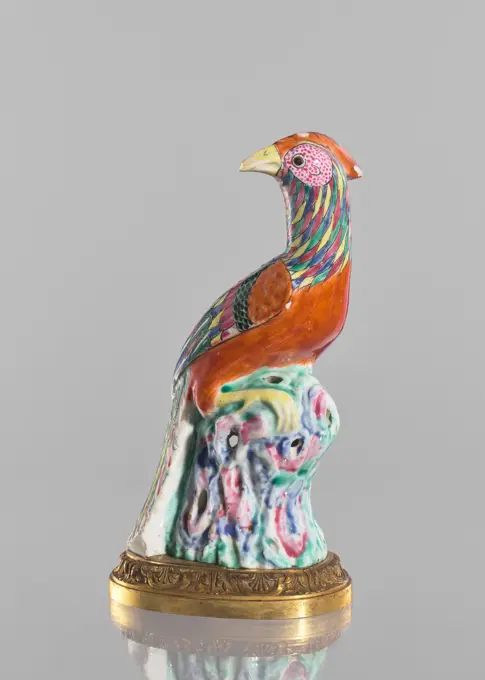
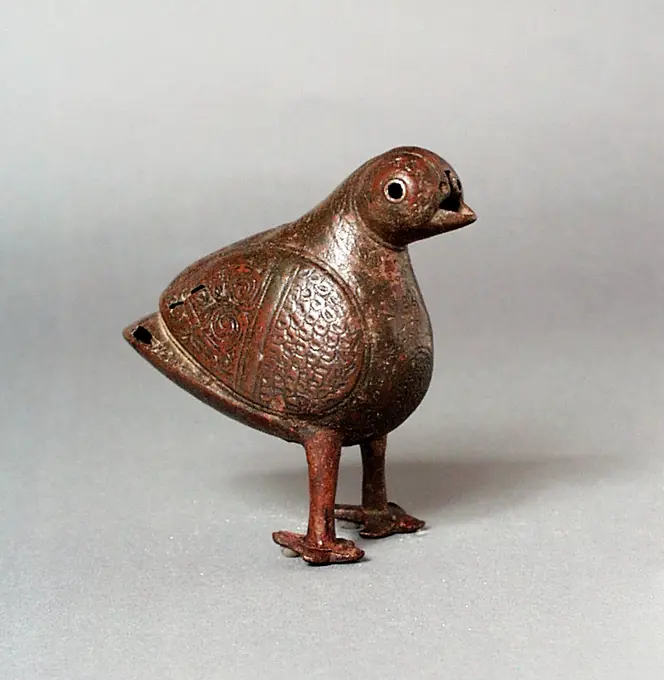
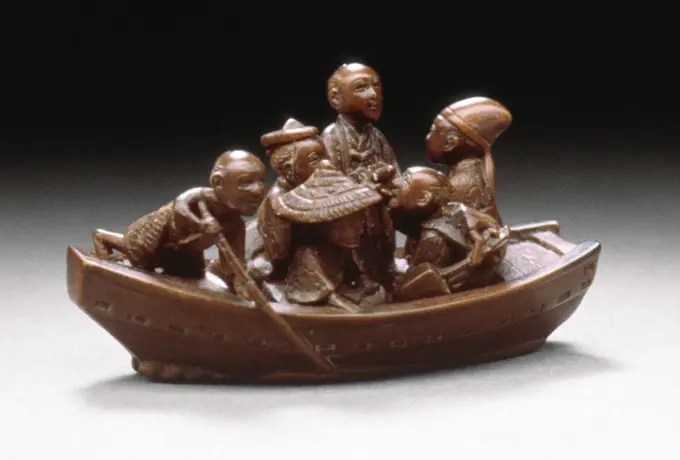
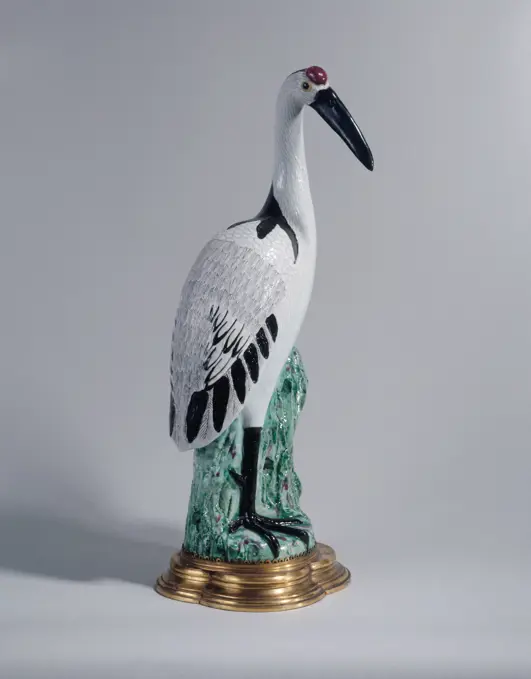
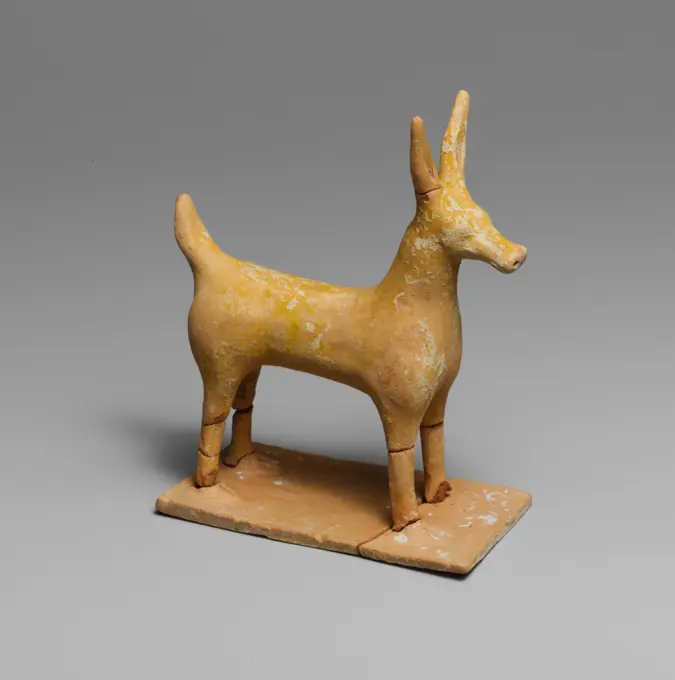
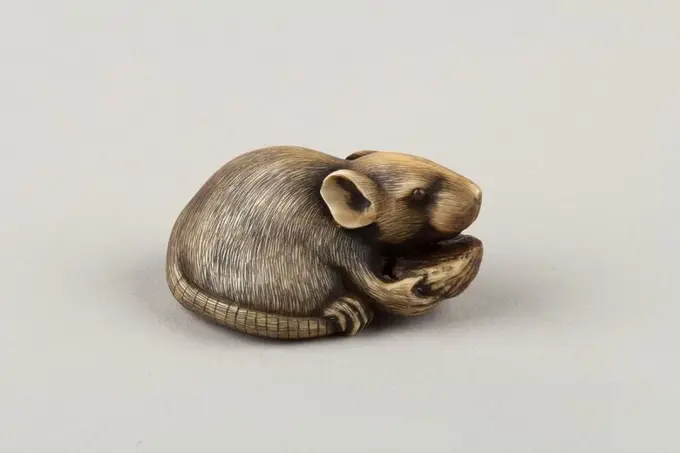
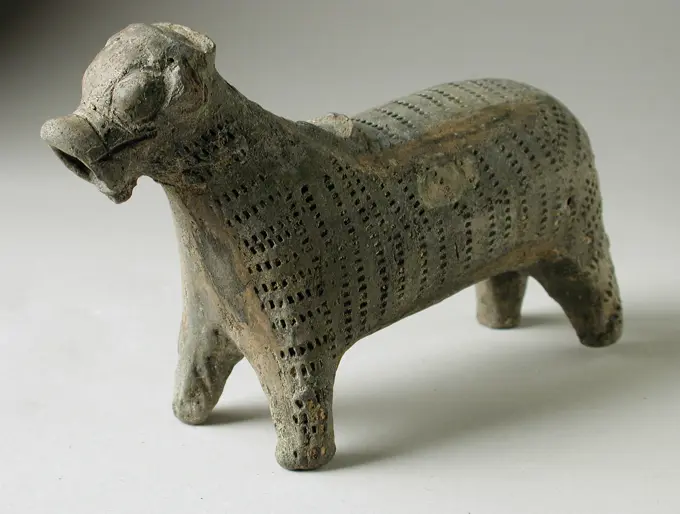
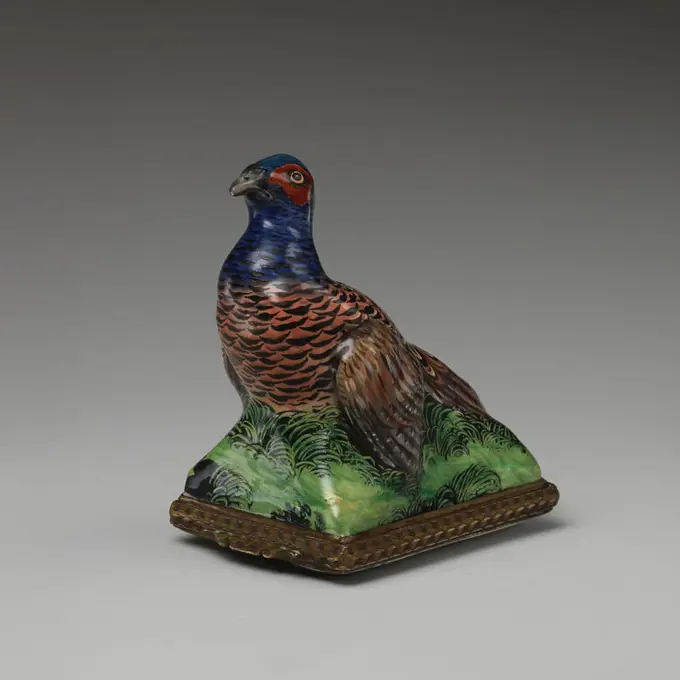
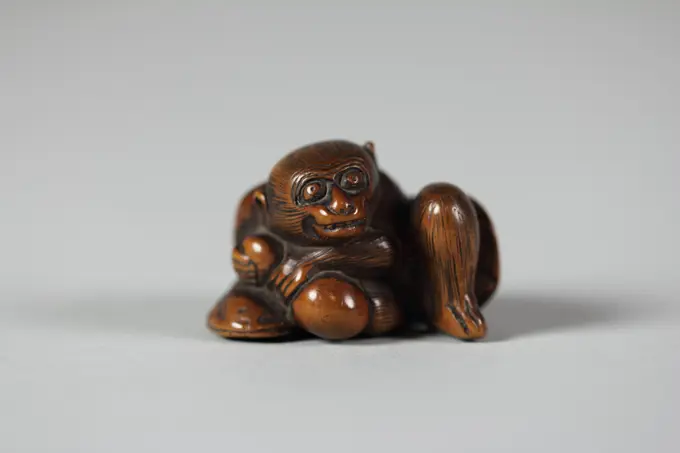
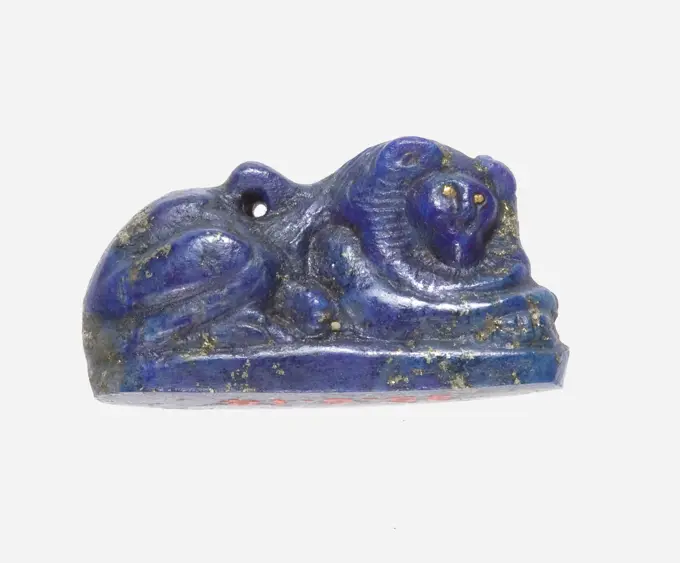
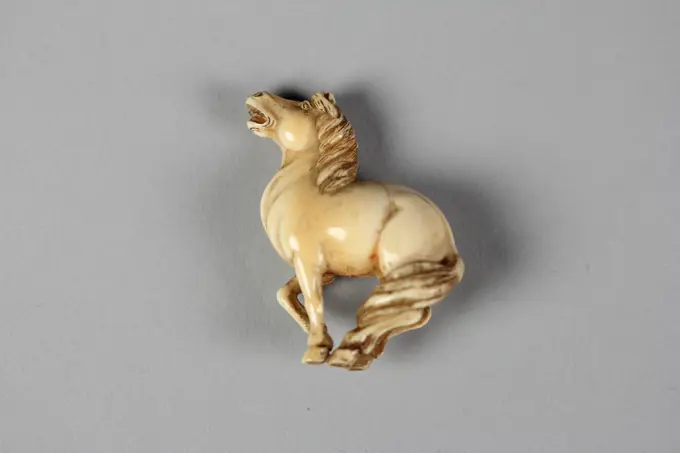
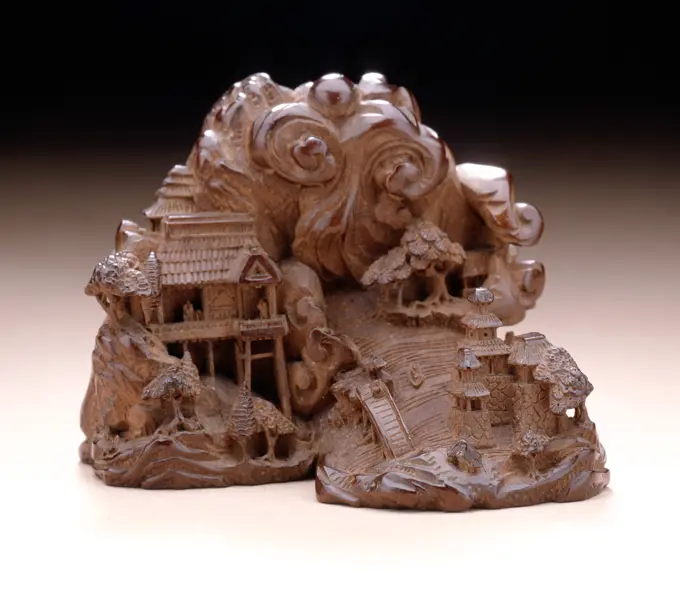
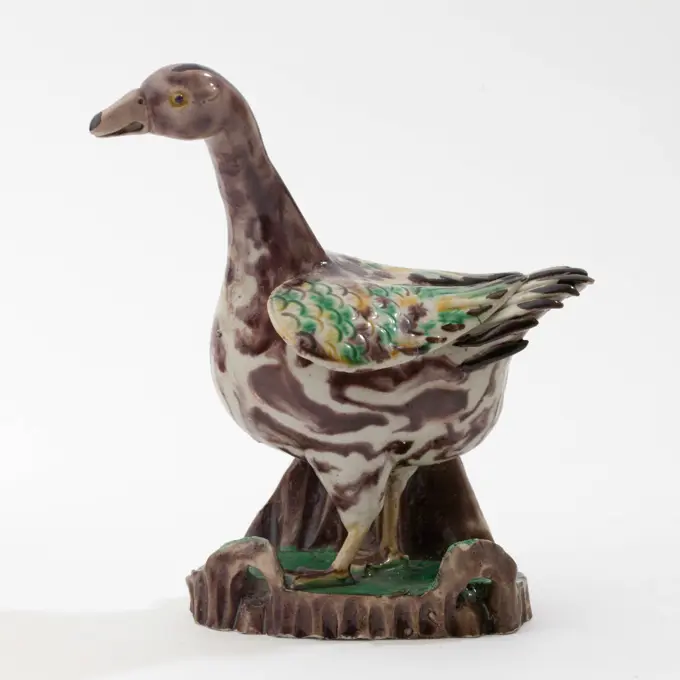
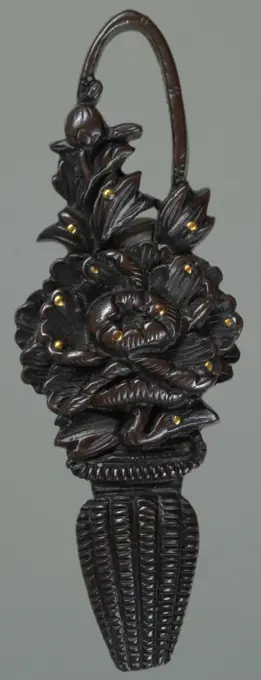
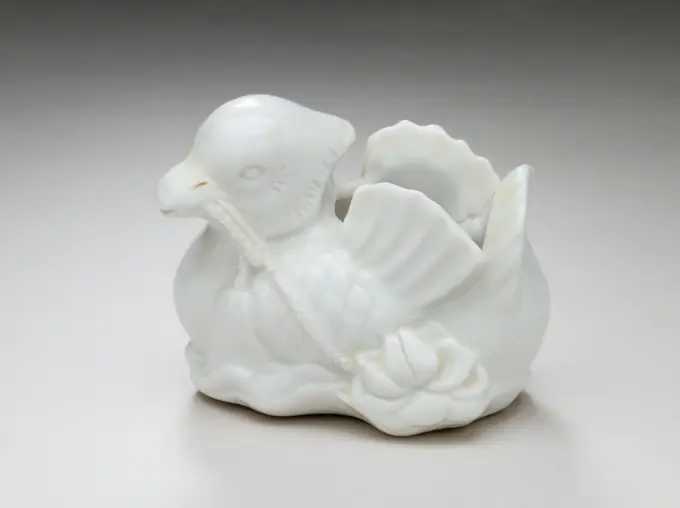
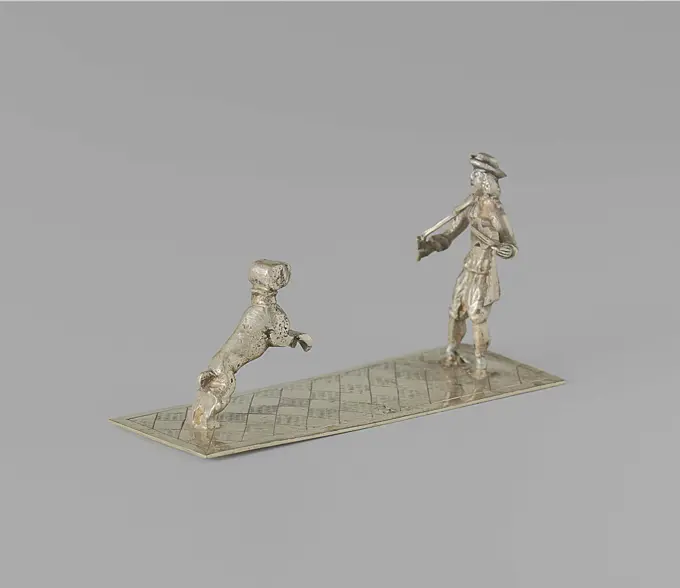
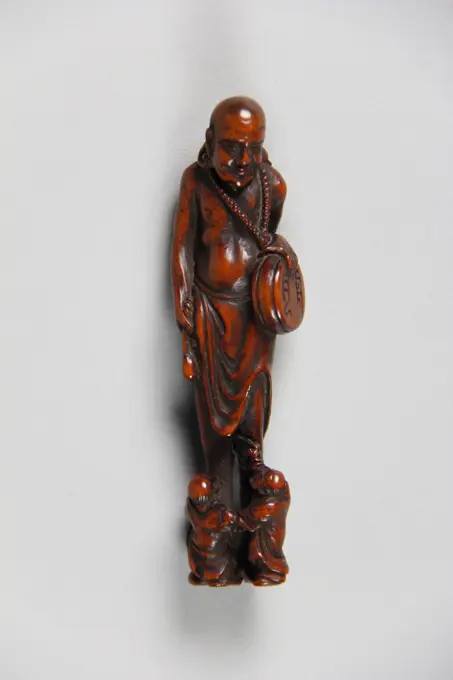
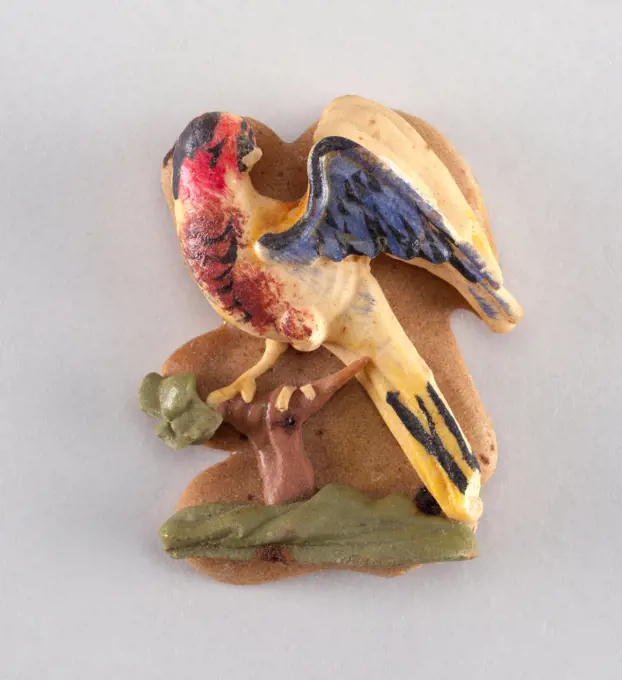
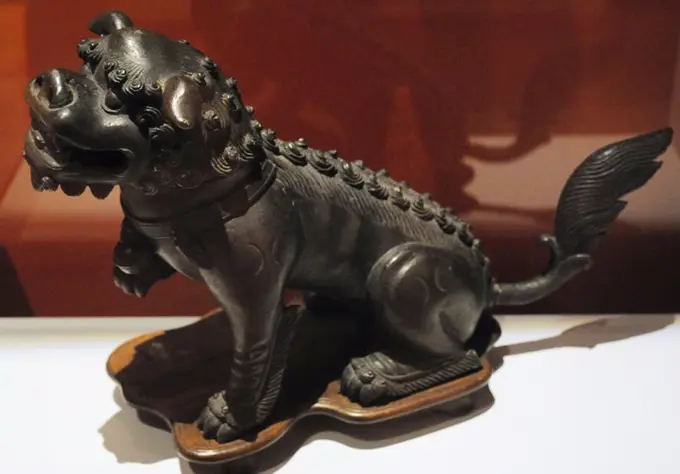
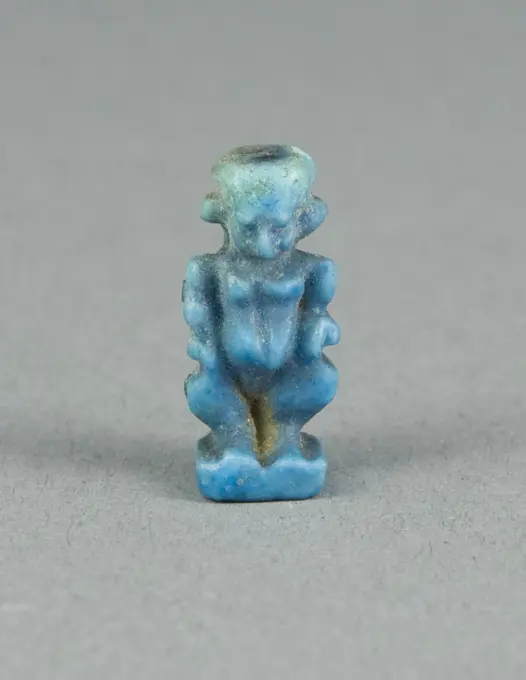
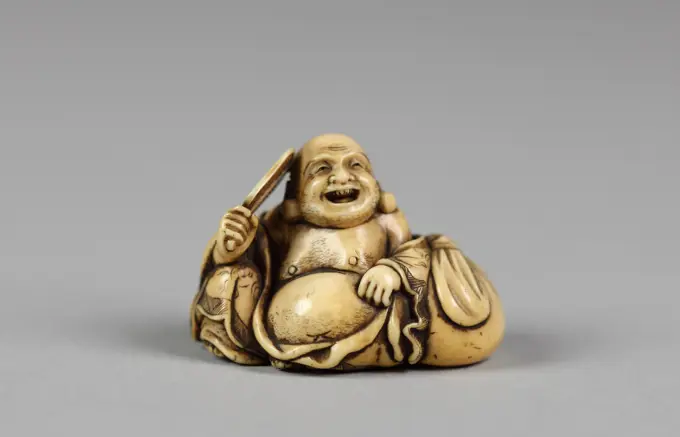
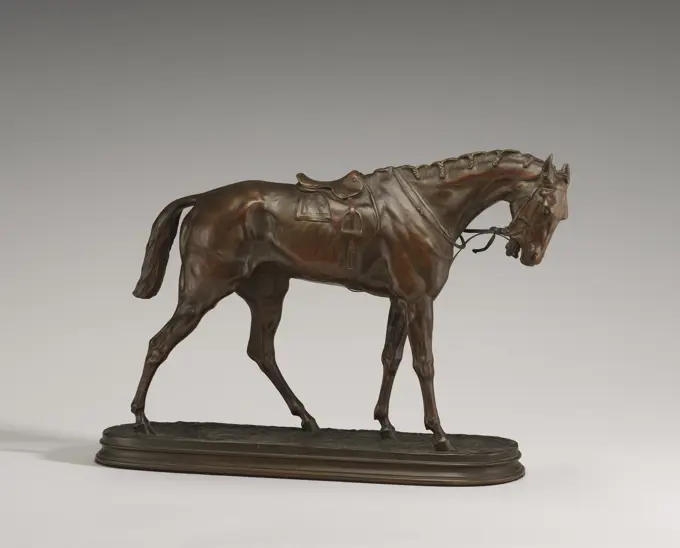
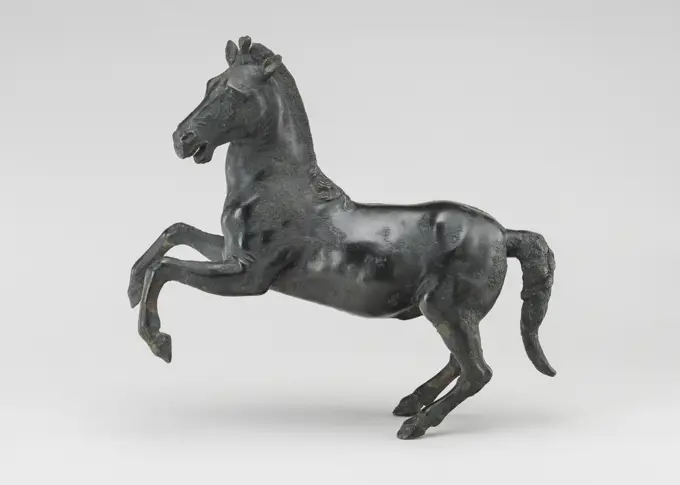
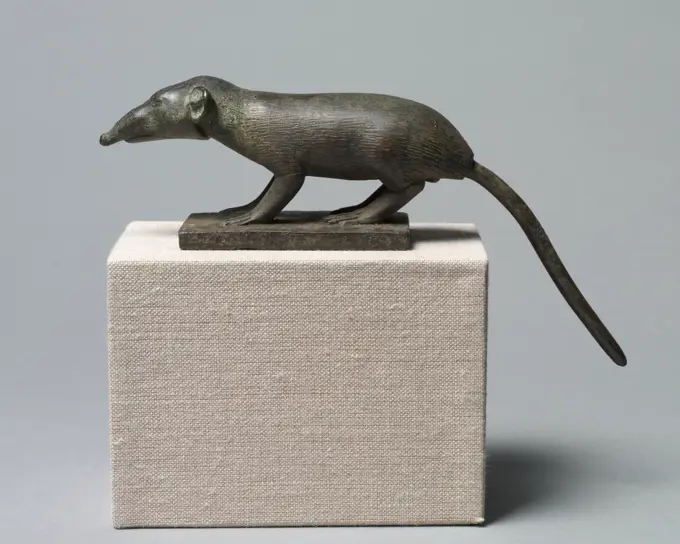
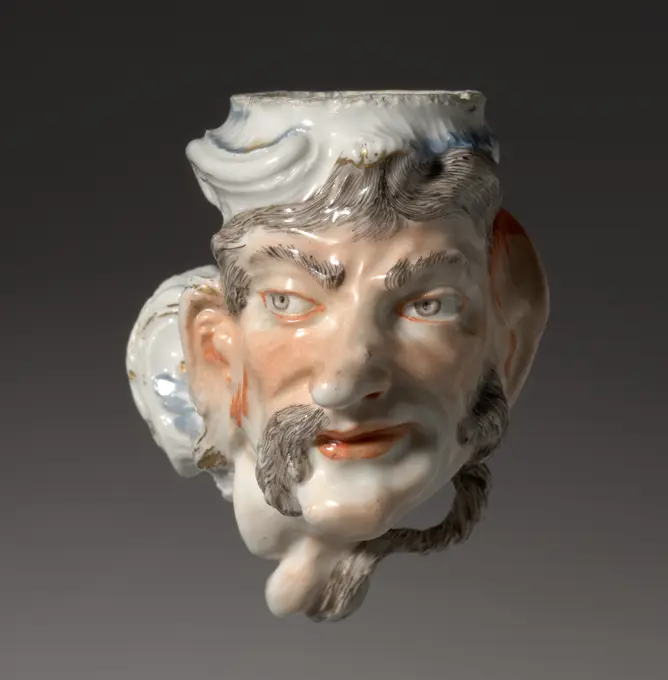
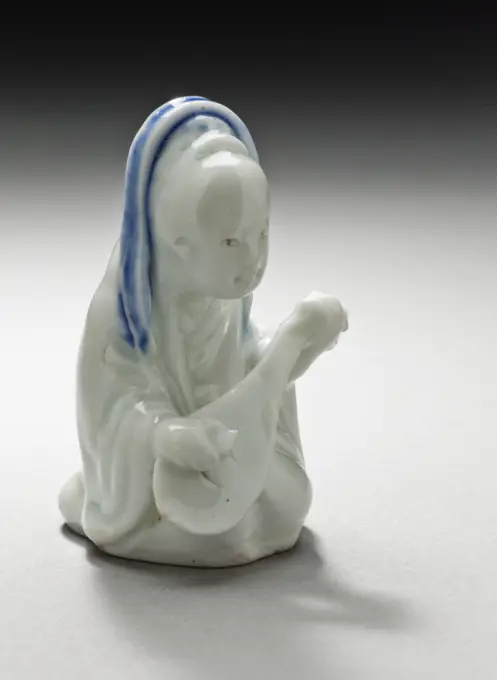
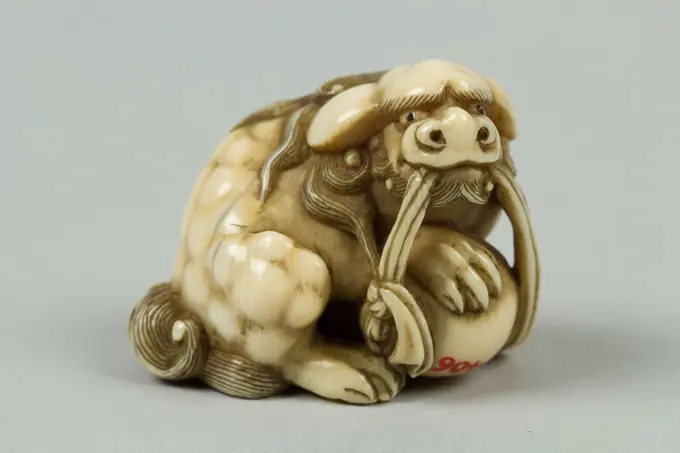
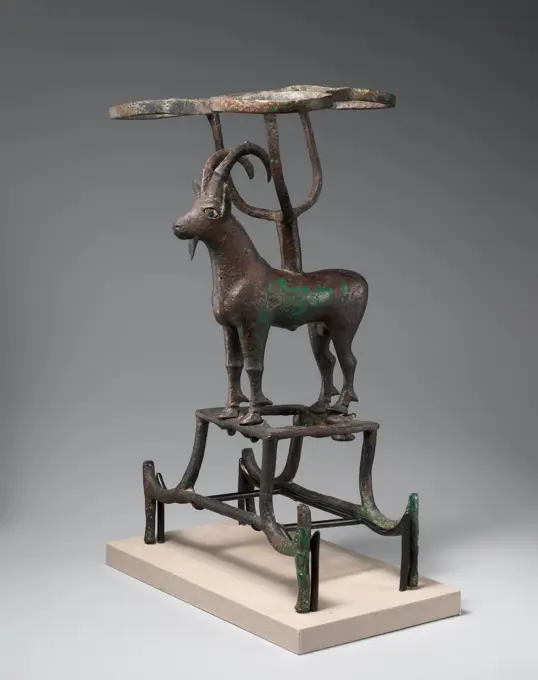
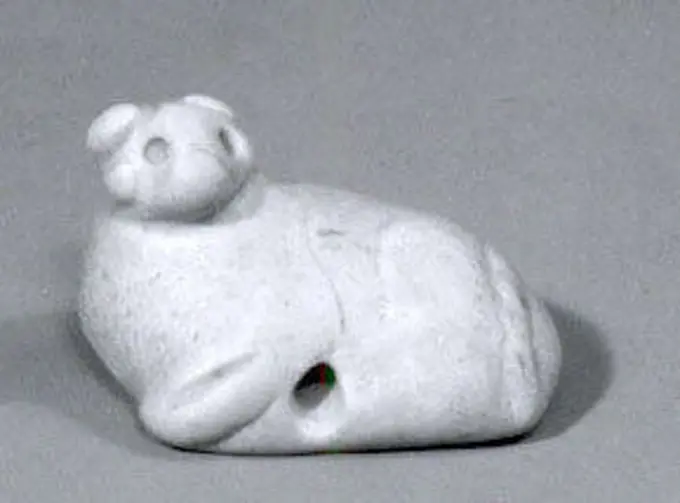
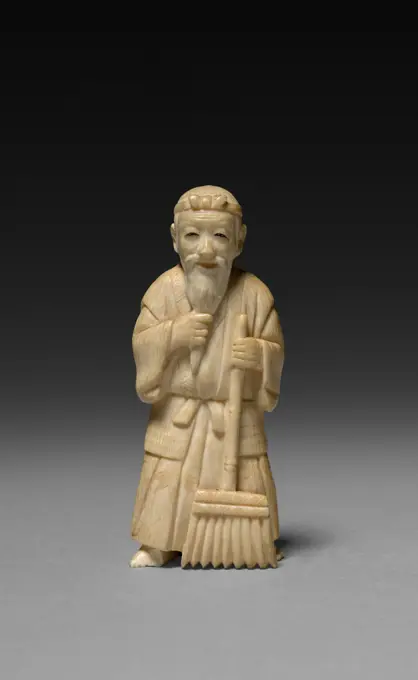
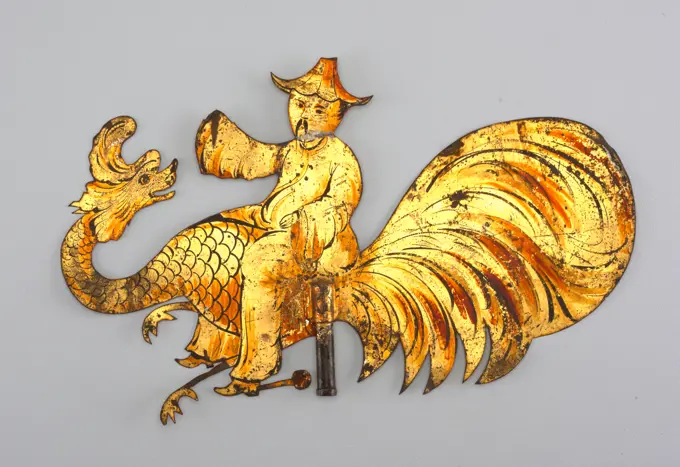
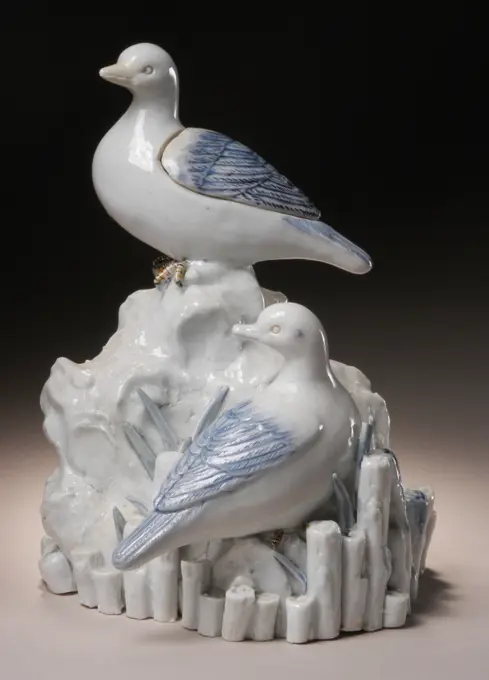
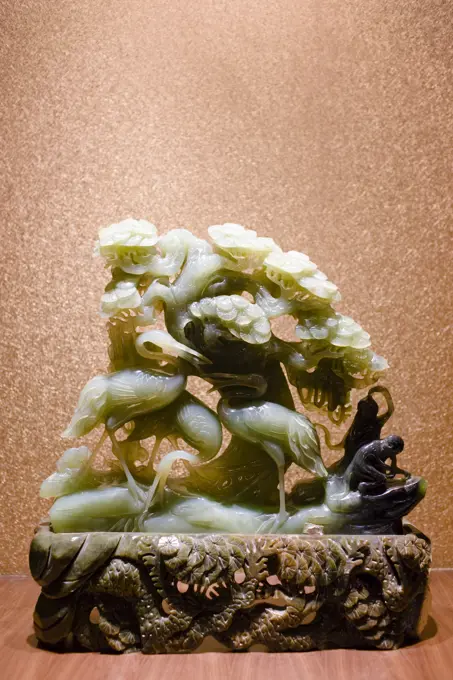
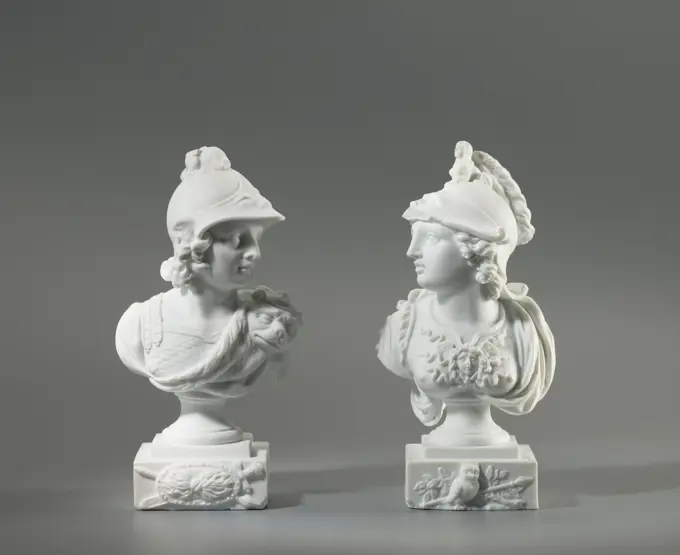
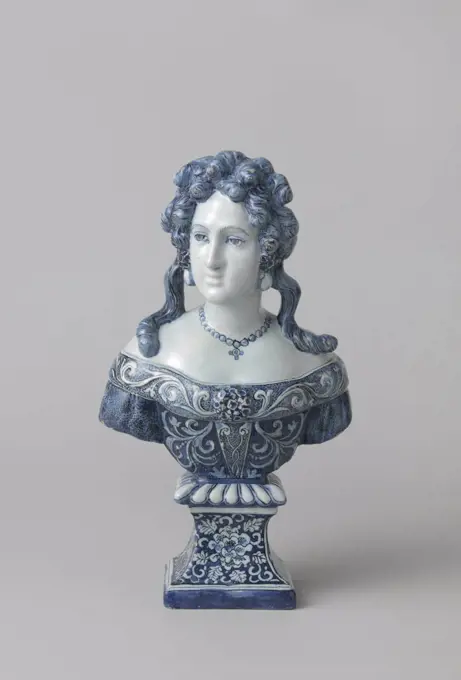
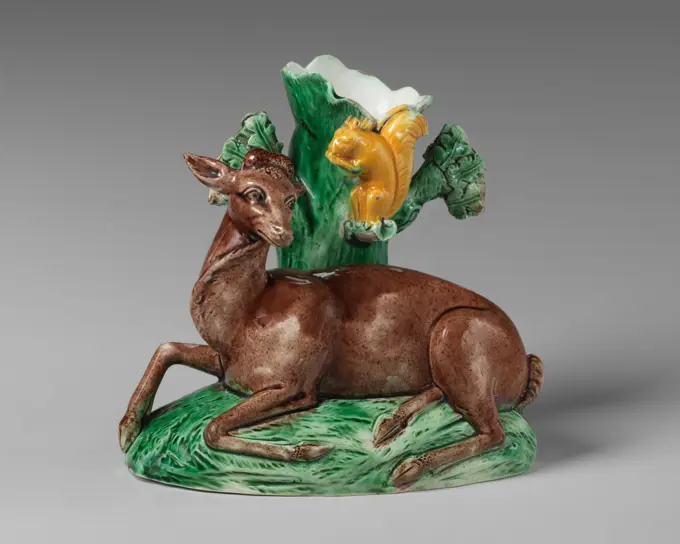
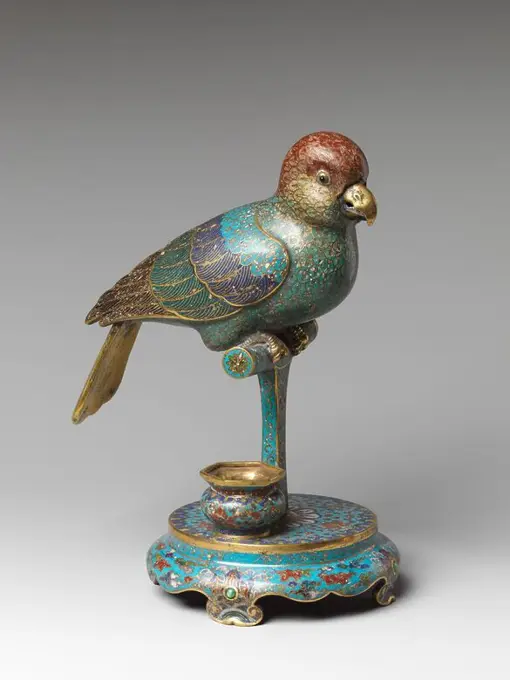
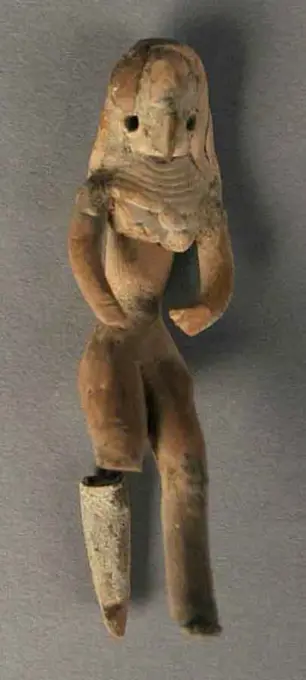
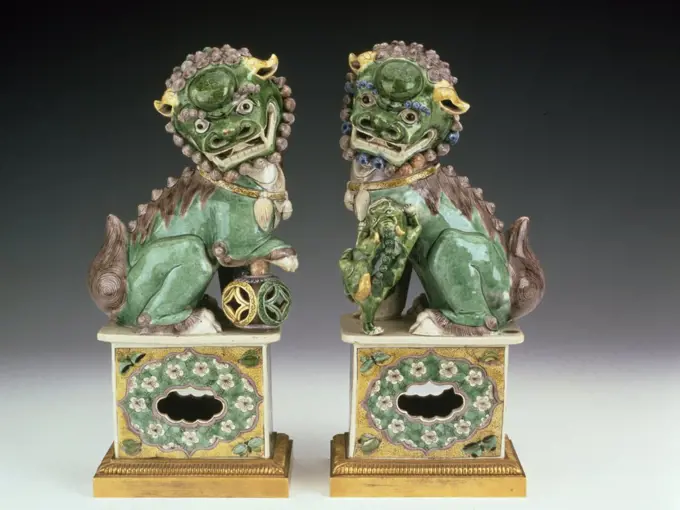
Famille Verte Buddhistic lions, statuettes, 17th century, Chinese ArtMenagerie of enamelled animals. India, Jaipuir, 19th-20th century. Polychrone enamels on gold, set with diamonds, rubies, emeralds, pearls and baroque pearls.Roof Ornament, one of a pair, 16th-17th century, 31 7/8 x 8 7/16 x 25 in. (81 x 21.4 x 63.5 cm), Glazed earthenware, China, 16th-17th centuryBronze statuette representing god Thoth as an ibis, Late PeriodA Frog. Dated: early 16th century. Dimensions: overall: 7 x 14.6 x 7.7 cm (2 3/4 x 5 3/4 x 3 1/16 in.). Medium: bronze//Medium brown patina. Museum: National Gallery of Art, Washington DC. Author: Paduan 16th Century.Figure of A Seated Boy. Image of porcelain in the shape of a seated boy (ocean), painted in underglaze blue. Glaze is missing on parts of the shoulders and the face. Blue White.A silver stag from the Turk period on display at the National Museum of Mongolia in Ulaanbaatar, Mongolia.Toy bank: Pig. Dated: c. 1939. Dimensions: overall: 29.3 x 22 cm (11 9/16 x 8 11/16 in.) Original IAD Object: 3" high; 4 1/2" long. Medium: watercolor and gouache on paper. Museum: National Gallery of Art, Washington DC. Author: Walter Hochstrasser.Hotei Dreaming on His Bag of Treasures. Attributed to Toyosuke IV (Japan, 1813-1858). Japan, early to mid-19th century. Costumes; Accessories. Stoneware with gold and brown lacquerTankard second half 17th century Dutch, Antwerp. Tankard. Dutch, Antwerp. second half 17th century. Tin-glazed earthenware. Ceramics-PotteryKicking Horse; Caspar Gras, German, about 1584/1585 - 1674; Germany, Europe; about 1630; Bronze; Object: H:  34.3 cm (H:  13 1/2 in.)Figurine of bull ca. 712-343 B.C. Late Period. Figurine of bull 558263Wooden sculpture, kneeling angel holding up the candlestick on her knee, sculpture sculpture candlestick candleholder lighting tool wood paint base metal, adorn church altarAlgerian Dromedary. Dated: model date unknown, cast after 1862. Dimensions: height: 19.1 cm (7 1/2 in.). Medium: bronze. Museum: National Gallery of Art, Washington DC. Author: Antoine-Louis Barye.Turen in the Form of A Duck. Terrine of Faïence, in the form of a duck. Painted multi-colored.Engraved Scarab with Seated Lion. Attributed to Onesimos (Greek, active about 500 B.C.)Figurka świnki. unknown, authorMulticulously painted frog from Faïence, Anonymous, c. 1750 - c. 1760 Animal figure representing a frog multicolour painted. Strasbourg (France) . Animal figure representing a frog multicolour painted. Strasbourg (France) .Coffee Pot, c. 1907. Carlo Bugatti (Italian, 1856-1940), Adrien-Aurélien Hebrard (French, 1866-1937). Gilt silver and ivory; overall: 18.5 x 15.4 x 9.9 cm (7 5/16 x 6 1/16 x 3 7/8 in.). This tea and coffee service, salver, and table, together with some now missing cups, were all designed by Carlo Bugatti as an ensemble and presented at the 1902 exposition devoted to decorative arts in Turin, Italy. The set was probably acquired from Bugatti's 1907 exhibition at the Galerie Hébrard in Paris by a wealthy South African widow, Anna Blake, who was living there at the time. Some of the animal and insect motifs suggest mythical beasts or the fossils of prehistoric animals. When Mrs. Blake returned to Cape Town, she took these and other pieces designed by Bugatti with her, and they remained in South Africa throughout her lifetime.Pair of Candelabra 1700-1725 Italy. Bronze, marble .Clock ornament second quarter 18th century French. Clock ornament 189879 French, Clock ornament, second quarter 18th century, Gilt bronze, Overall (confirmed): 4 5/8 x 3 x 1 5/8 in. (11.7 x 7.6 x 4.1 cm). The Metropolitan Museum of Art, New York. Gift of J. Pierpont Morgan, 1906 (07.225.510.128)Peacock, One of a Pair, 1644-1912, 7 1/2in. (19cm), Mutton fat jade, China, 17th-20th centuryFigurine of pheasant. unknown, craftsmanBird FinialPassengers in Ferry Boat. Keisai (Japan, active mid- to late 19th century). Japan, late 19th century. Costumes; Accessories. WoodAnonymous. "Savoyard with a groundhog". Bronze. Paris, Carnavalet museum. STATUETTEAnonymous, crane placed on a rock (of a pair of cranes placed on rocks), China, Qing dynasty, reign of Qianlong (1736-1795), 1760-1780. Chinese porcelain, decor of color enamels and black enamel, gilded bronze base. Paris, Cognacq-Jay museum. 35087-1 Asia, ceramic, crane, bird, animalBrass design fitting on antique wooden rolling horse, Jodhpur, Rajasthan, India Copyright: xSafatxAli/DinodiaxPhotoxAmulet of a Cape Hare 664 BCE-332 BCE Egypt. Faience . Ancient EgyptianFigure of a dancing man, Porseleinfabriek Ludwigsburg, c. 1763 - c. 1767 Image of porcelain, painted on the glaze in email colors and gold. The image represents a dancing man with a bagpipe on his feet. Marked on the bottom with the crowned double C and a Z. Ludwigsburg porcelain. glaze. gold (metal) painting / gilding / vitrification Image of porcelain, painted on the glaze in email colors and gold. The image represents a dancing man with a bagpipe on his feet. Marked on the bottom with the crowned double C and a Z. Ludwigsburg porcelain. glaze. gold (metal) painting / gilding / vitrificationTerracotta statuette of a deer late 6th century B.C. Greek Traces of paint can be seen on this statuette: yellow on the plinth and on the deer; red on all four feet, on the nose, and inside the ears.. Terracotta statuette of a deer 254678 Greek, Terracotta statuette of a deer, late 6th century B.C., Terracotta, H. 4 7/16 in. (11.3 cm) Base 1 7/8 x 3 7/8 in. (4.8 x 8.8 cm). The Metropolitan Museum of Art, New York. Rogers Fund, 1951 (51.11.13)Ordos Belt Plaque, one of a pair, 3rd-2nd century BCE, 3 x 4 3/4 x 5/16 in. (7.62 x 12.07 x 0.79 cm), Bronze, China, 3rd-2nd century BCENetsuke of Mouse Eating a Pit. Culture: Japan. Dimensions: H. 3/4 in. (1.9 cm); W. 1 1/2 in. (3.8 cm); D. 1 in. (2.5 cm). Date: 19th century. Museum: Metropolitan Museum of Art, New York, USA.Juglet in the Shape of a Calf. Egypt, Second Intermediate Period (1640 - 1532 BCE). Furnishings; Serviceware. CeramicAmerica (one of a pair) ca. 1745-55 Meissen Manufactory German. America (one of a pair) 236777Snuffbox. Culture: British, Bliston, South Staffordshire. Dimensions: Overall (confirmed): 3 1/4 × 2 3/4 × 1 7/8 in. (8.3 × 7 × 4.8 cm). Date: ca. 1760-61. Museum: Metropolitan Museum of Art, New York, USA.Camelid figurine 1400-1533 Inca This male camelid figurine, potentially representing a llama, has a solid head and a hollow body. While many similar camelid figurines are made of hammered sheet, X-radiography confirms that this figurine was cast by the lost wax method (see image 3) in two distinct casting stages to achieve different metallic effects. The first step was the casting of the llamas head (see image 4), neck, torso (see image 5), and tail (see image 6), as well as its legs, with a silver-copper-gold alloy. As part of this first step, the wax form of the torso was modelled around a ceramic core that now forms a hollow space within the camelids body (the space is not visible to the viewer as it has been covered over by a silver metal plug at the chest, visible in the X-ray). The second casting step was the creation of the head and upper or rear elements of the body and tail in a more gold-rich silver metal. This second casting operation was accomplished by casting directly oBird Pendant (Buzzard or Vulture), c. 300 BC - AD 600. Costa Rica, Atlantic Watershed region, 3rd century BC - AD 6th century. Jadeite; overall: 4.3 x 3 x 4.9 cm (1 11/16 x 1 3/16 x 1 15/16 in.).Netsuke of Monkey 18th century Japan. Netsuke of Monkey 59236Recumbent lion 664-30 B.C. Late Period-Ptolemaic Period This small lapis lion has gold beads inset for eyes.. Recumbent lion. 664-30 B.C.. Lapis lazuli; gold. Late Period-Ptolemaic Period. From EgyptHorse 1745-1755 Sèvres. Soft-paste porcelain . Mennecy FactoryCleric 1700-1799 France. Glass; lampwork (verre de Nevers), metal armature .Belt Buckle (Tiger and Herbivore). Mongolia or Southern Siberia, 2nd century B.C.. Costumes; Accessories. BronzeMan and Llama Vessel 4th-7th century Recuay. Man and Llama Vessel 310594Netsuke of Horse 19th century Japan. Netsuke of Horse. Japan. 19th century. Ivory. Edo (1615-1868) or Meiji period (1868-1912). NetsukeLand of the Immortals: Mount Peng Lai. Gotō Masayoshi (Japan, 1819-1848). Japan, first half of 19th century. Costumes; Accessories. WoodDuck (one of a pair) 1760-70 Chinese, for Continental European market. Duck (one of a pair). Chinese, for Continental European market. 1760-70. Hard-paste porcelain. Ceramics-Porcelain-ExportTwo cats together toys beautiful couple male and femaleCanard ". Porcelainment. Ere Kangxi (1662-1723). Parior Museum Creams. Chinese art, duck, ere kangxi, porcelain, statuetteCDK unknownBridle Ornament with Carnivores 4th century B.C. Ukraine or Bulgaria. Bridle Ornament with Carnivores 65236Seal with a unicorn handle Qilin unknownSmall Water Bowl for Calligraphy in the Form of a Mandarin Duck. Japan, 19th century. Ceramics. Hirado Mikawachi ware; porcelain with clear glazeViolin player with dog. There is a violin man on an elongated album. The man wears a hat and opposite him is a revolving dog. The image is marked with an unreadable brand and a crowned V.Netsuke of Musician 19th century Japan. Netsuke of Musician 59202Ornament, Christmas tree, Dough and sugar, A multicolored bird in relief, perched on a branch., USA, 1850-99, ornament, Decorative Arts, Ornament, Christmas treeCenser in the form of a guardian lion, ca.1830. From China. Naval Museum. Madrid. Spain.Italy, Basilicata, Heraclea, Ring with a cameo depicting Aphrodite and CupidIncense Box. Culture: Japan. Dimensions: H. 3 1/2 in. (8.9 cm). Date: 18th century. Museum: Metropolitan Museum of Art, New York, USA.Amulet of Pataikos 664 BCE-332 BCE Egypt. Faience . Ancient EgyptianSupport in the form of a mermaid and a Meerman and a dolphin on waves, belonging to the Maywijnvat of Stoneware. Support in the form of a mermaid and a Meerman and a dolphin on waves, belonging to Stoneware of Stoneware with tin tap.Netsuke of Hotei 19th century Japan. Netsuke of Hotei. Japan. 19th century. Ivory. Edo (1615-1868) or Meiji period (1868-1912). NetsukePierre Jules Mêne, A Saddled Racehorse, model c 1860s A Saddled RacehorseItalian 18th or 19th Century, after the Antique, Rearing Horse, late 18th or 19th century Rearing HorseShrew, 305-30 BC. Egypt, Greco-Roman Period, probably Ptolemaic Dynasty. Bronze, solid cast; overall: 17.3 cm (6 13/16 in.); with tang: 6.9 cm (2 11/16 in.); without tang: 4.9 cm (1 15/16 in.); base: 7 x 3.9 x 0.7 cm (2 3/4 x 1 9/16 x 1/4 in.).Pipe Head, mid-1700s. Nymphenburg Porcelain Factory (German, founded 1747), Franz Anton Bustelli (Swiss, 1723-1763). Porcelain; overall: 6.4 x 6.1 x 4.2 cm (2 1/2 x 2 3/8 x 1 5/8 in.).Key plate in the form of a man, anonymous, 1675 - 1725 Iron key plate in the shape of a man. The man with long, loose hair carries a headgear. His jacket has wide cuffs and a double row row on his lapel. Below that he wears a knee pants and shoes with a small heel. He holds a stick in his left hand. Behind his knees can be seen a sword or saber. The opening of the keyhole is applied between the thighs. West-Europa iron (metal) forging / engraving Iron key plate in the shape of a man. The man with long, loose hair carries a headgear. His jacket has wide cuffs and a double row row on his lapel. Below that he wears a knee pants and shoes with a small heel. He holds a stick in his left hand. Behind his knees can be seen a sword or saber. The opening of the keyhole is applied between the thighs. West-Europa iron (metal) forging / engravingSeal China. Seal 41006Water Dropper in the Form of Benten with Her Lute. Japan, 19th century. Ceramics. Hirado ware; porcelain with blue underglazeNetsuke of Qilin with a Ball. Culture: Japan. Dimensions: H. 1 1/8 in. (2.9 cm); W. 1 3/8 in. (3.5 cm); D. 1 in. (2.5 cm). Date: 19th century. Museum: Metropolitan Museum of Art, New York, USA.Antique porcelainVessel stand with ibex support ca. 2600-2350 B.C. Sumerian Temple rituals during the Early Dynastic period included making offerings of food, drink, and probably incense to the gods. This stand, with four rings supported by a magnificent ibex, would have supported lamps or bowls holding offerings or incense and may have been used in temple or in banquet rituals.This stand was made by a sophisticated method of metalwork known as the lost-wax technique. The desired image was sculpted in wax and surrounded with clay that hardened into a mold when baked. When the mold was fired, the wax was melted and "lost," leaving a negative space that corresponded to the wax image. Molten metal was then poured into the cavity to form a reproduction of the original wax model.. Vessel stand with ibex support. Sumerian. ca. 2600-2350 B.C.. Copper alloy, inlaid with shell and lapis lazuli. Early Dynastic III. MesopotamiaSeal amulet in the form of a recumbent bovid ca. 3500-2900 B.C.. Seal amulet in the form of a recumbent bovid. ca. 3500-2900 B.C.. Stone, cream colored. Late Uruk-Jemdet Nasr. MesopotamiaJapanese Man with Rake, early 1900s. Japan, Meiji period (1868-1912). Ivory; overall: 7.8 x 2.9 cm (3 1/16 x 1 1/8 in.).Netsuke of a Seated Monkey 19th century Masakazu Japanese. Netsuke of a Seated Monkey. Masakazu (Japanese, died 1886). Japan. 19th century. Wood. NetsukeScent Bottle: Huntswoman. Ludwigsburg Porcelain Factory; German, 1756-1824. Date: 1770-1780. Dimensions: H. 7.9 cm (3 1/8 in.). Hard-paste porcelain, polychrome enamels, and gilding. Origin: Ludwigsburg. Museum: The Chicago Art Institute, Chicago, USA.Figures of a Mongolian Man and Woman 1750-1754 England. Soft-paste porcelain . Bow Porcelain Factory (Maker)Weathervane; gilt tôle; L x W x D: 41 x 24.1 x 1.4 cm (16 1/8 x 9 1/2 x 9/16 in.)Parrot on a rock. Parrot from porcelain, painted on the biscuit in blue, red, green, eggplant and black. Hollow image, the parrot is sitting on a pedestal in the form of a cut-away rock; The red painting on the beak and legs is worn down. Email sur biscuit with famille verte colors.Aries figurine - aquamanil;  2. PO. 19th century (1851-00-00-1900-00-00);Scepter in the Shape of a Ruyi Fungus, 1700s. China, Qing dynasty (1644-1911). Carved boxwood; overall: 38.1 cm (15 in.).Masquerader 1765-70 Zurich Pottery and Porcelain Factory. Masquerader. Swiss, Zurich. 1765-70. Soft-paste porcelain. Zurich Pottery and Porcelain Factory (Swiss, founded 1763). Ceramics-PorcelainProbably Thuringia Porcelain Manufactory, Statuette, 19th century, hard-paste porcelain.Okimono with Pair of Ducks on a Rookery Encircled by Pilings. Japan, 19th century. Ceramics. Hirado Mikawachi ware, porcelain with underglaze blue and iron glazeBronze statuette of Cybele on a cart drawn by lions. Culture: Roman. Dimensions: Overall: 12 x 54 3/4in. (30.5 x 139.1cm). Date: 2nd half of 2nd century A.D..The group represents the cult image of the goddess Cybele enthroned on a cart drawn by two lions. Spouts formerly projecting from the open mouths of the lions. The original cart, harness, and throne no longer survive. The rear left wheel is a 19th century restoration. Museum: Metropolitan Museum of Art, New York, USA..Jade cranes and pine trees scene on display in the Huahui Jade Factory and Showroom, Xian, China"Tell el-Yahudiya" Vase in the Shape of a Duck ca. 1700 B.C. Middle Kingdom-Early New Kingdom. "Tell el-Yahudiya" Vase in the Shape of a Duck. ca. 1700 B.C.. Pottery, smoke blackening, white gypsum. Middle Kingdom-Early New Kingdom. From Egypt, Upper Egypt, Thebes, Deir el-Bahri, Tomb of Iuy (MMA 61), On surface near tomb, MMA excavations, 1922-23. Late Dynasty 13-early Dynasty 17Kirin (common name). Cernuschi Museum, Asia Museum of Asia in the city of Paris.Bust of Mars, a bust of minerals; Koenigliche Porcellain Fabrique, Meissen (1710-1763), Schoenheit, Johann Carl (1745-1794), Churfuerstliche Porcellain Fabrique, Meissen (1763/74-1814), Juechtzer, Christopher Gottlieb (1752-1812); approx. 1782 (1782-00-00-1800-00-00), around 1782 (1782-00-00-1800-00-00);Bust of Mary Stuart, the Greece, A, Samuel van Eenhoorn, c. 1680 - c. 1690Flower vase ca. 1780-90 Style of Ralph Wood the Elder. Flower vase. British, Staffordshire. ca. 1780-90. Lead-glazed earthenware. Ceramics-PotterySeal from the Imperial Palace, Peking China. Seal from the Imperial Palace, Peking 40985Seated Official, One of a Pair, 1368-1644, 13in. (33cm), Earthenware, China, 14th-17th centuryOne of a Pair of Parakeets. Culture: China. Dimensions: H. 8 3/4 in. (22.2 cm). Museum: Metropolitan Museum of Art, New York, USA.Chessmen (32) French, Dieppe 19th century View more. Chessmen (32). French, Dieppe. 19th century. Ivory. Chess SetsWilliam, faience hippopotamus,  Middle Kingdom of Egypt, tomb chapel of  The Steward Senbi, Meir, Upper Egypt, circa 1961-1878 B.C, Metropolitan Museum of Art, Manhattan, New York City, USA, North AmericaTassel French 19th century View more. Tassel. French. 19th century. Silk. Textiles-TrimmingsHunched Female Gigures with Necklaces ca. 2700-3000 B.C. Baluchistan. Hunched Female Gigures with Necklaces 64472Antoine-Louis Bare (1795-1875). "Panther of India No. 1". Green brown brown bronze mounted on a red marble base. Around 1860. Museum of Fine Arts of the City of Paris, Petit Palais. Statuette, 19th XIXth 19th 19th 19th 19th century, animal