Antique Figurines

A collection of intricate antique netsuke and statuettes from various cultures, showcasing craftsmanship in materials like ivory and terracotta, depicting animals and figures.

Candlestick in the form of a Putto (see also 1975.1.1374, .1375, .1377) ca. 1600 or later Italian, Venice. Candlestick in the form of a Putto (see also 1975.1.1374, .1375, .1377) 460442
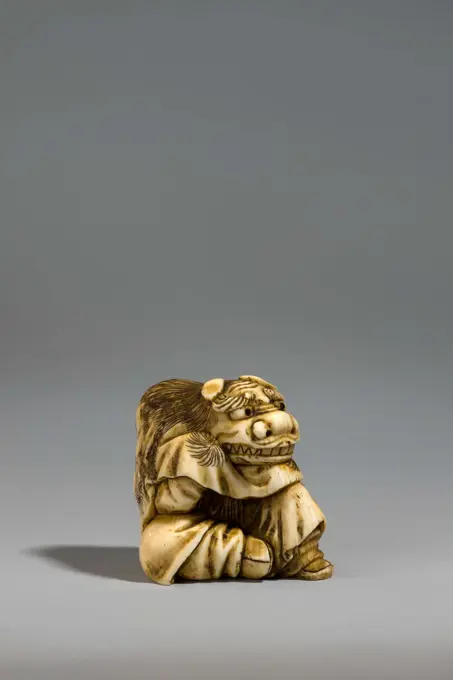
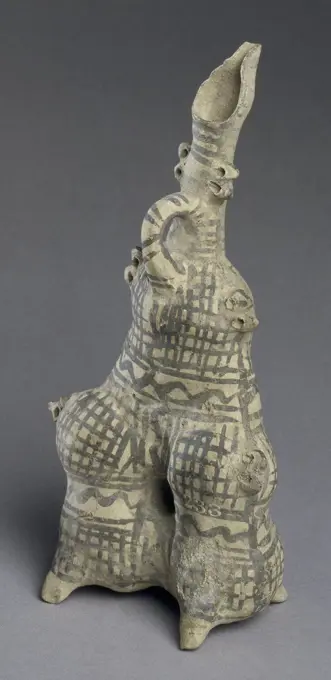
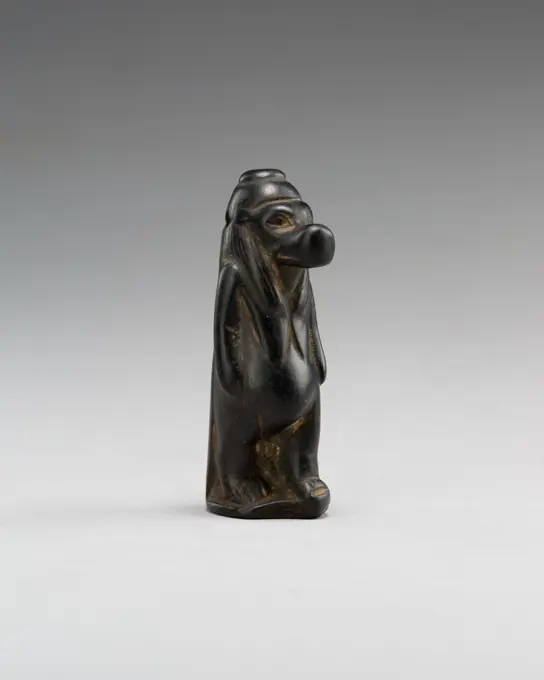
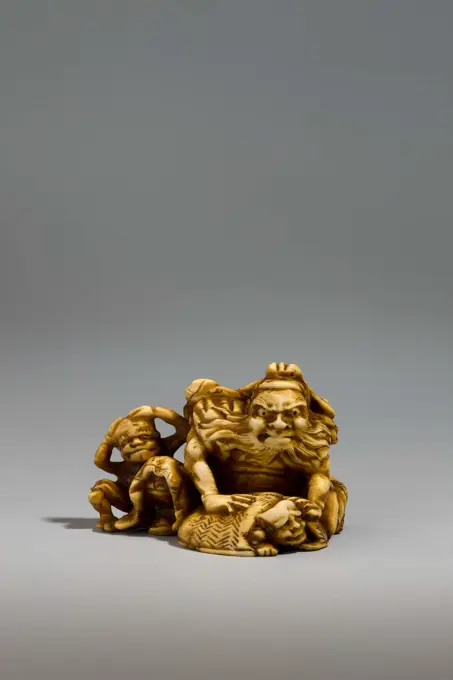
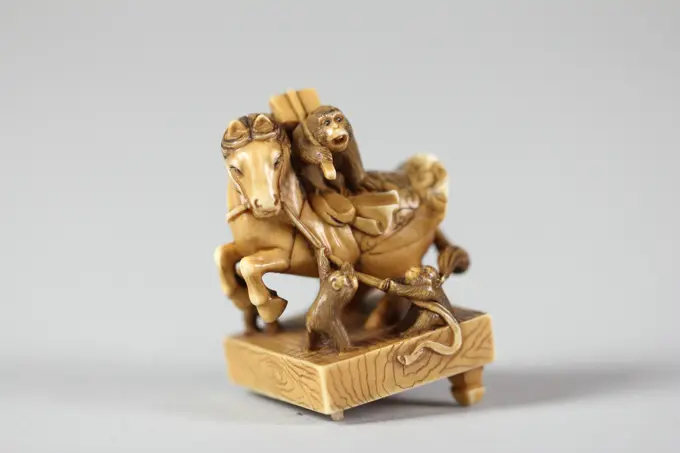
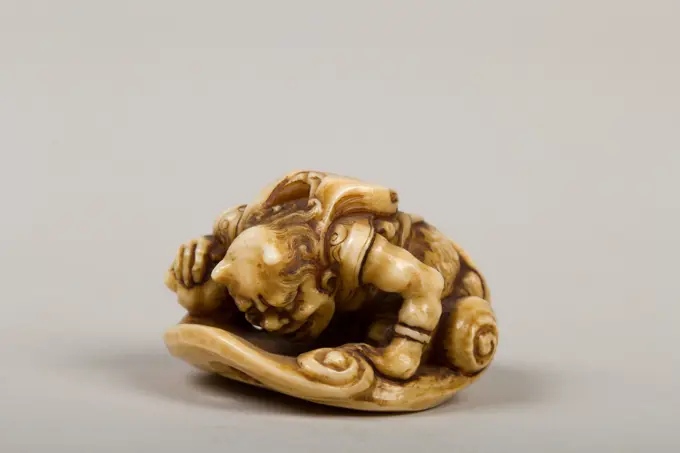
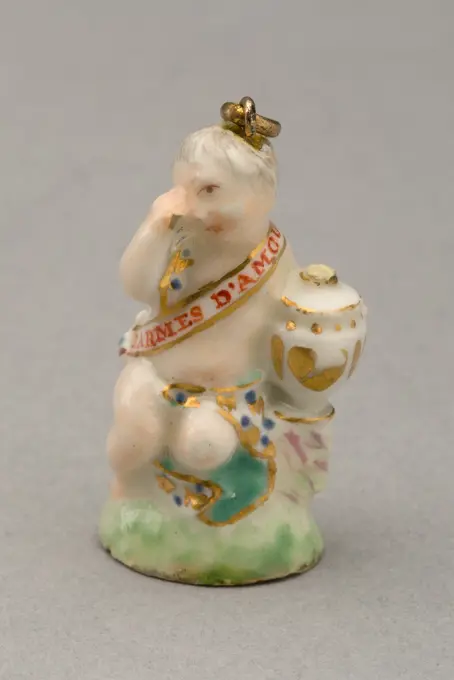
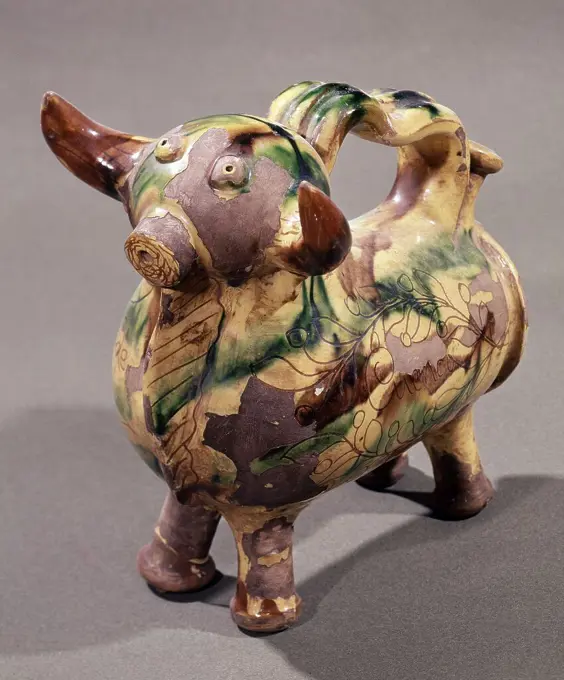
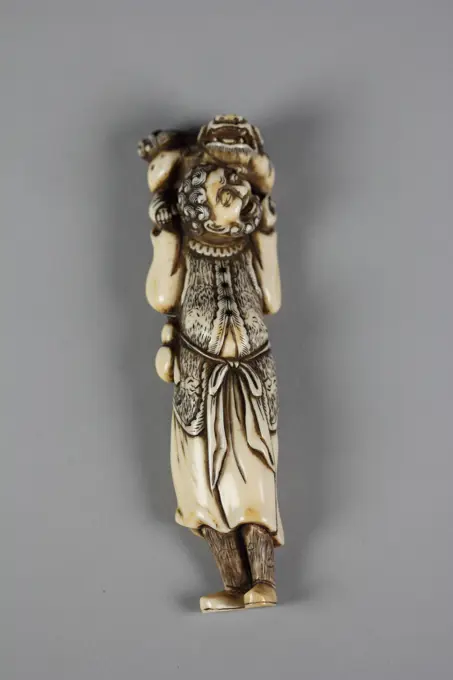
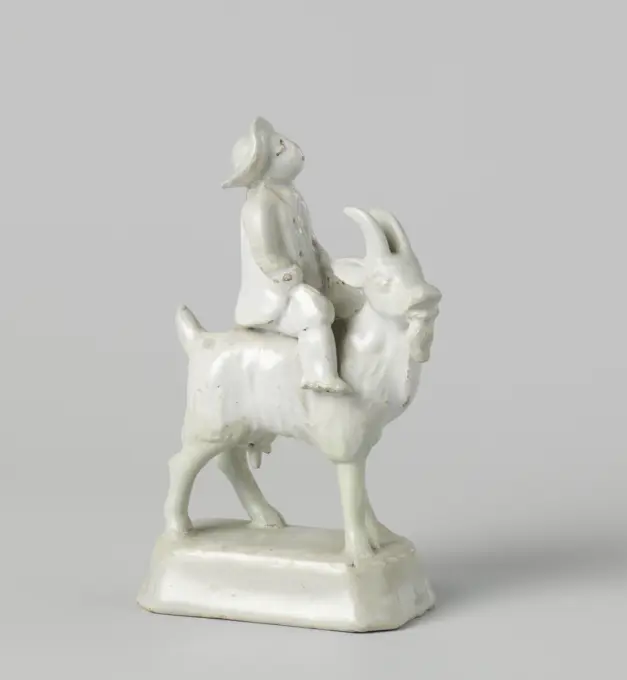
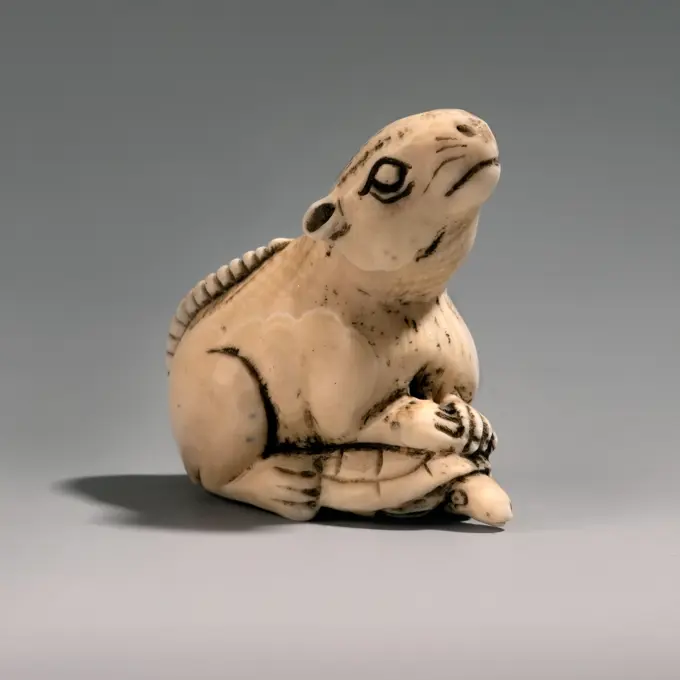
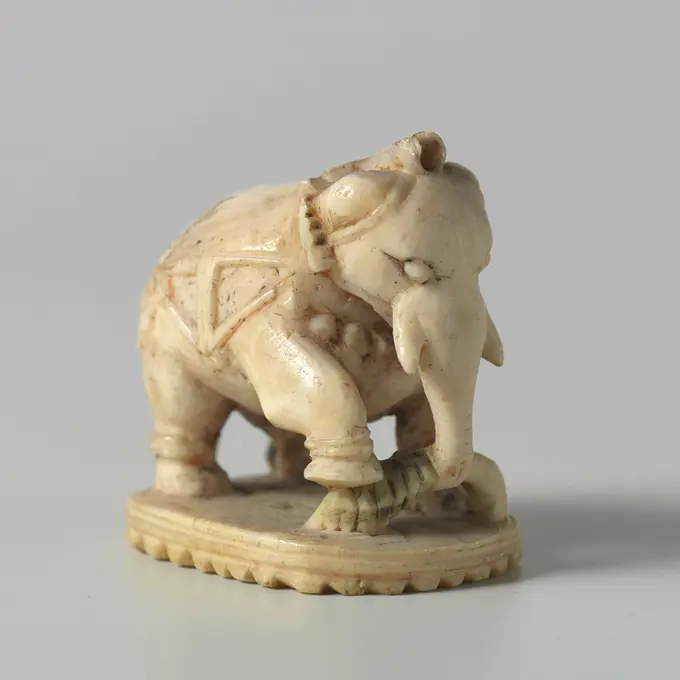
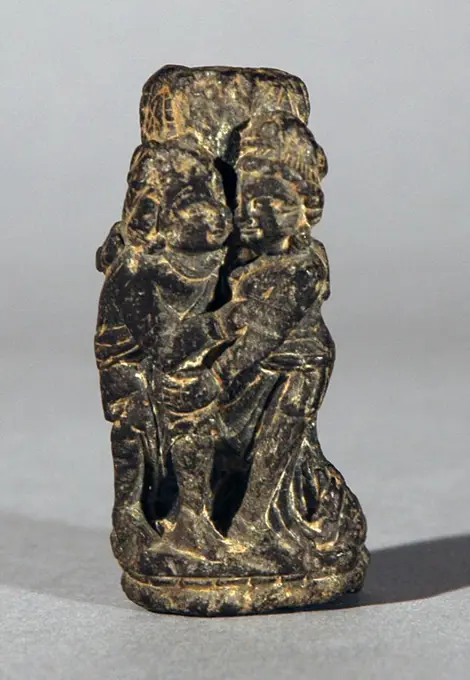
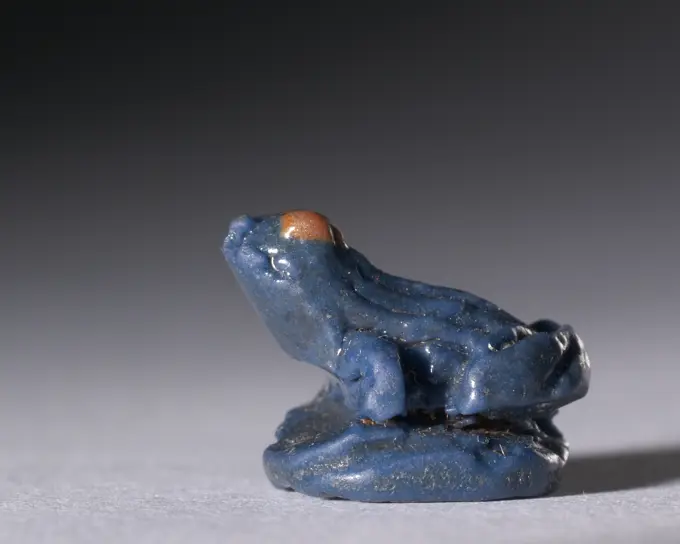
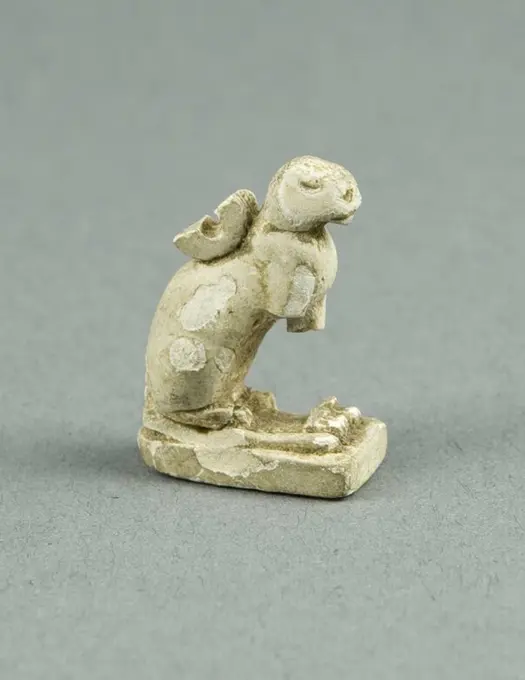
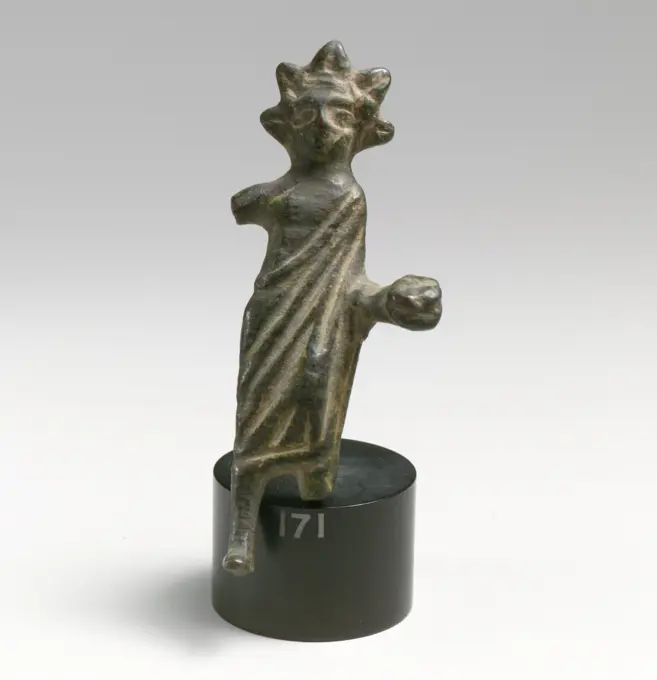
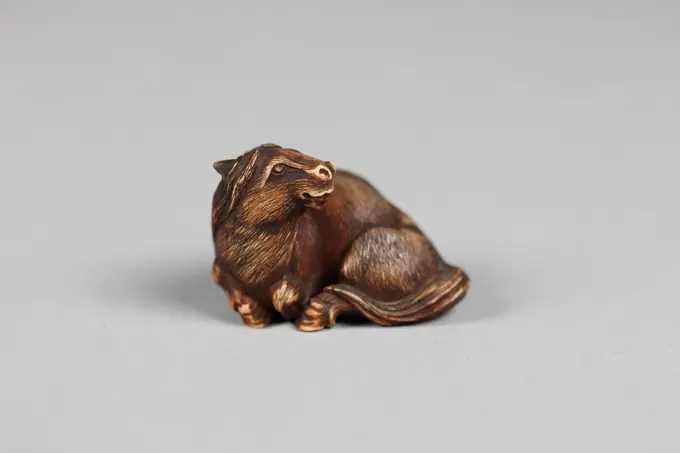
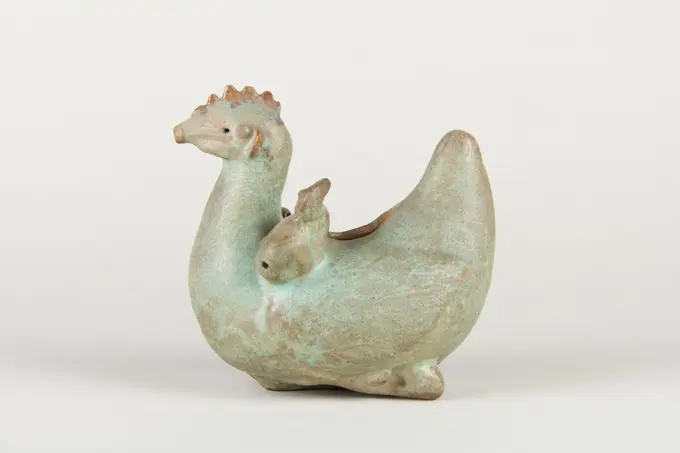
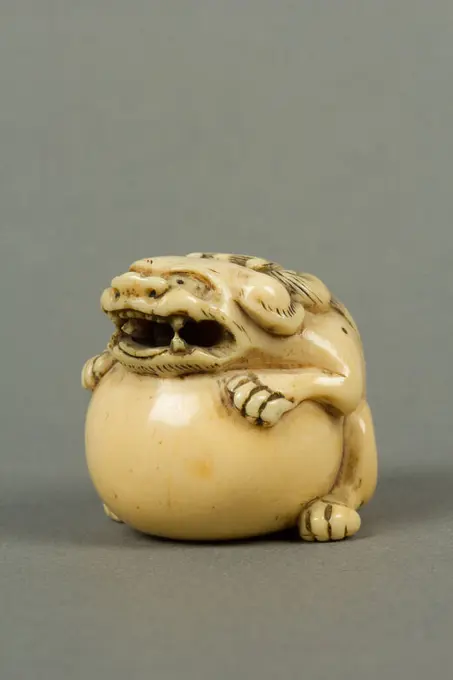
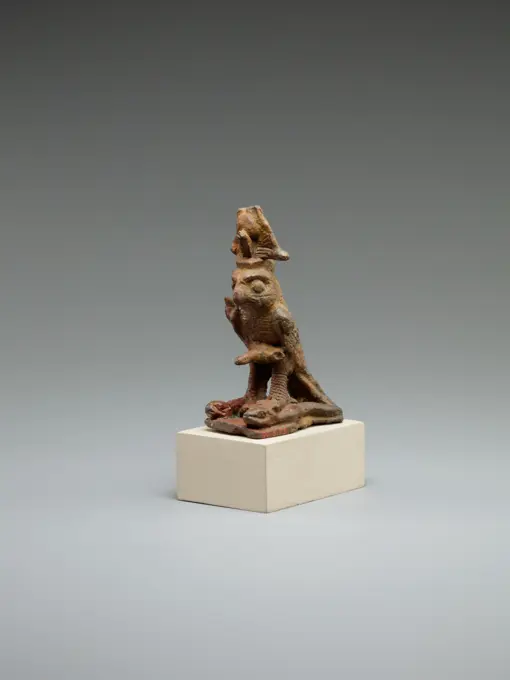
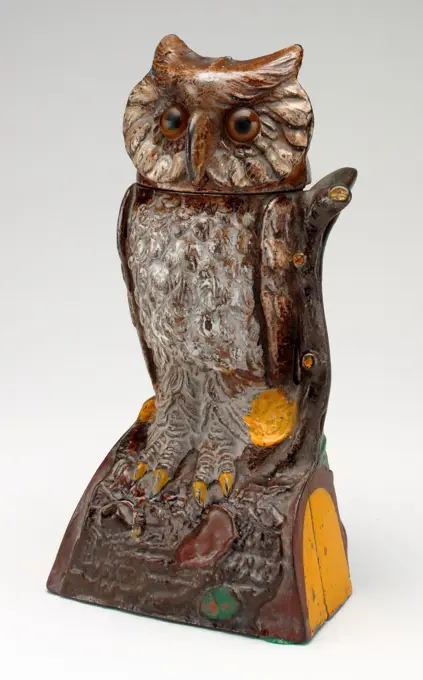
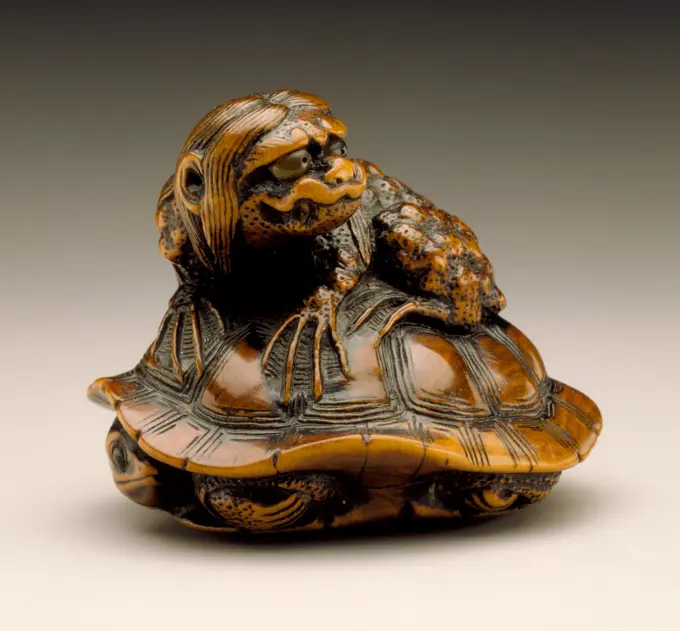
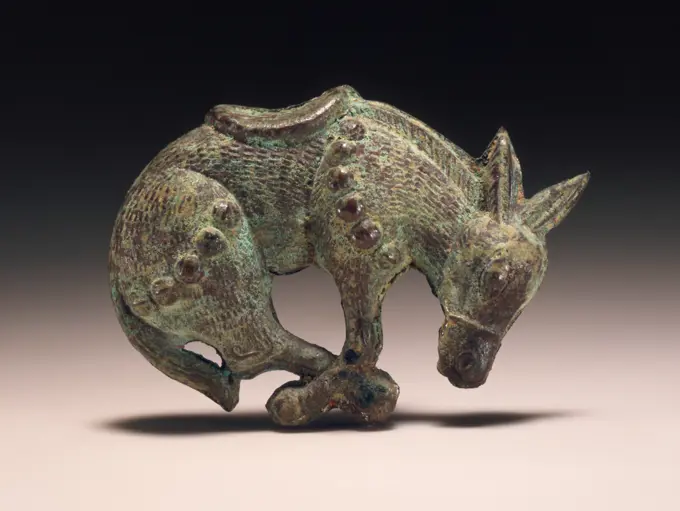
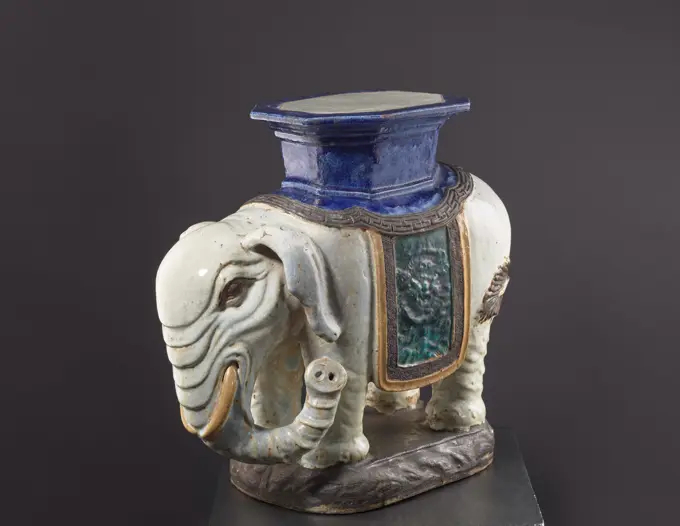
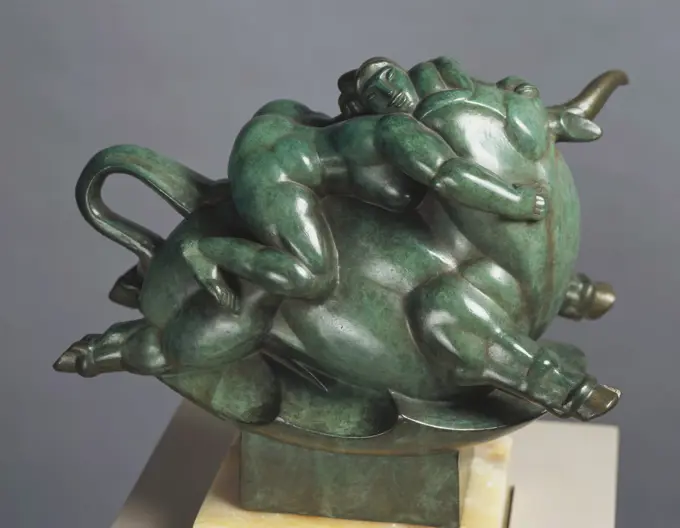
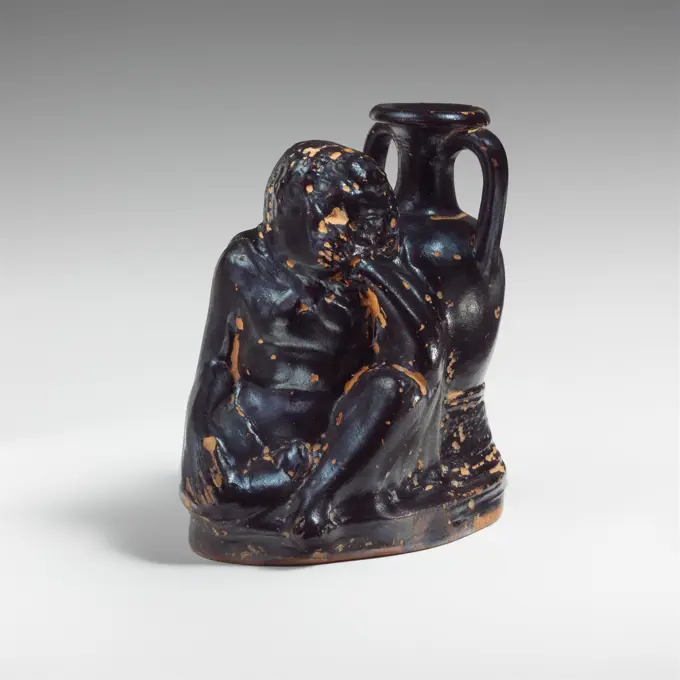
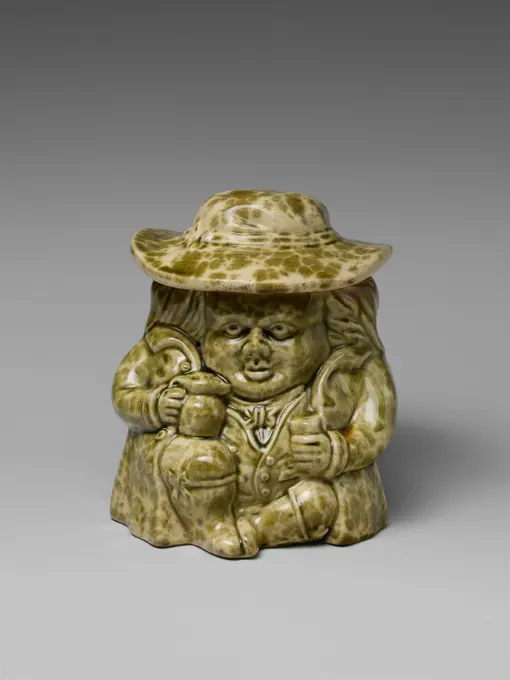
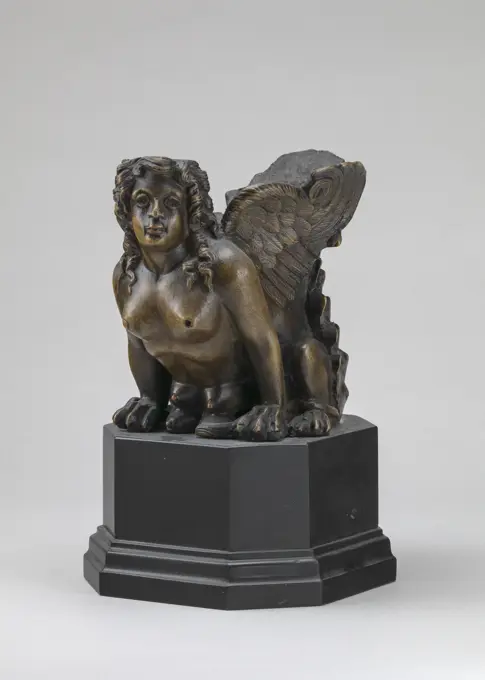
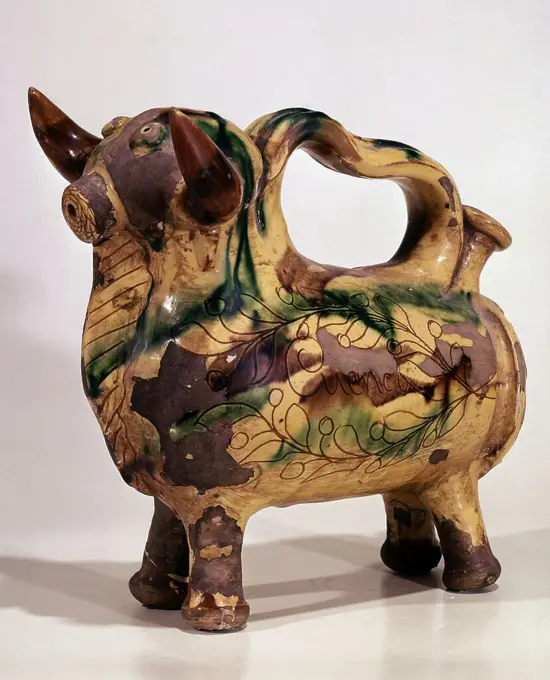
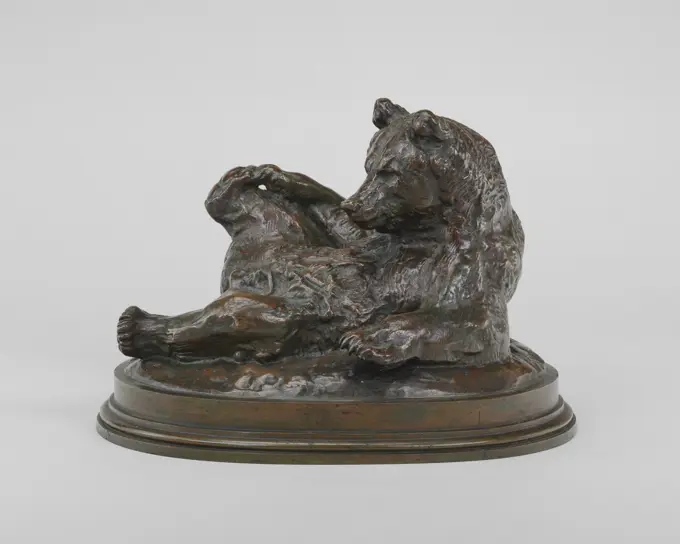
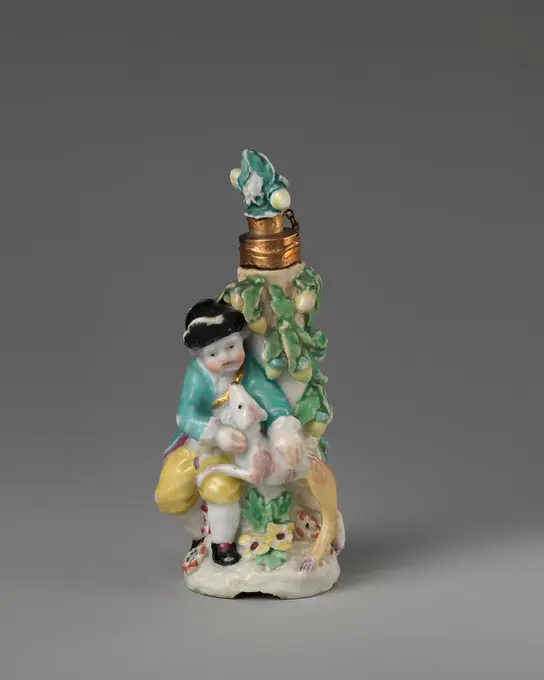
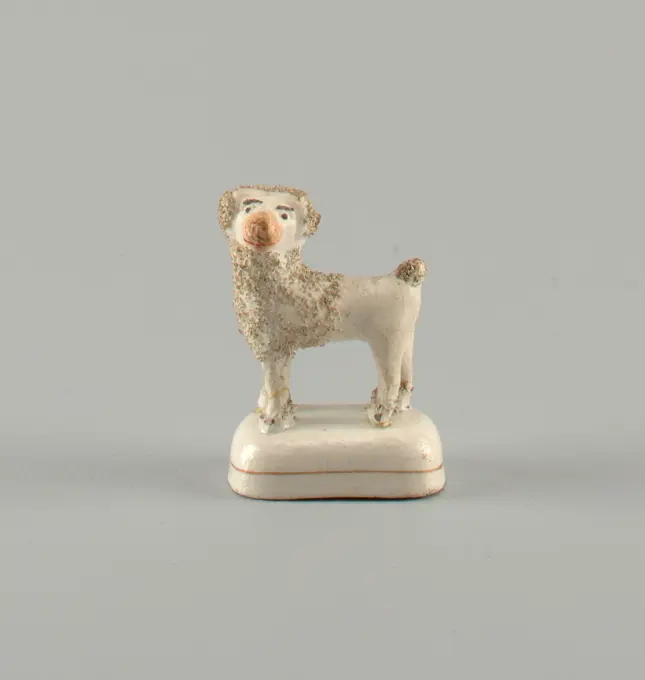
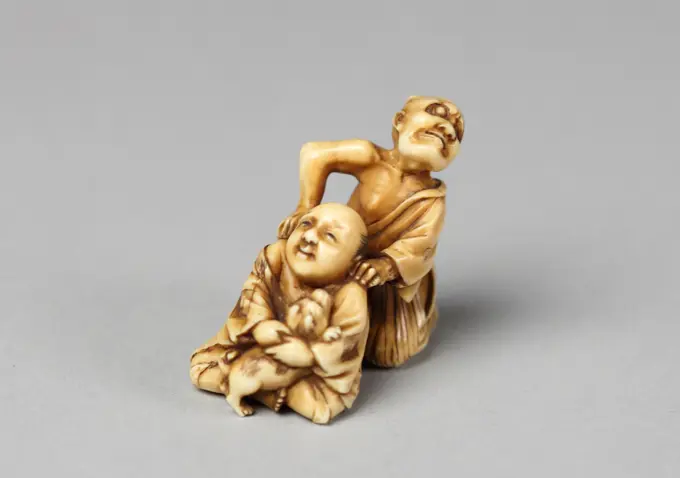
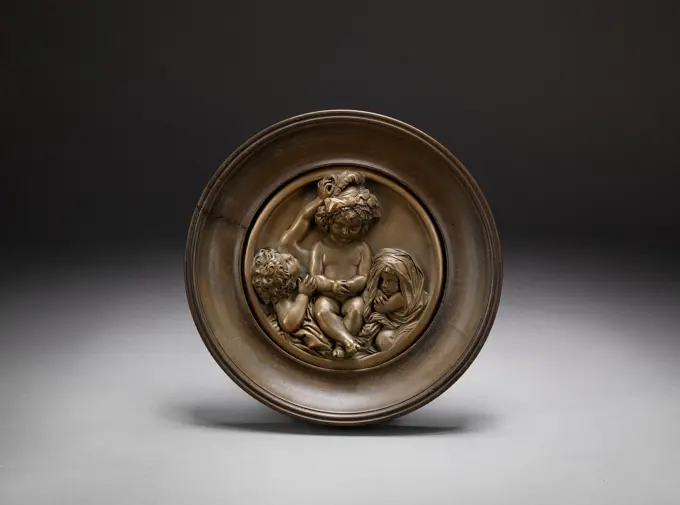
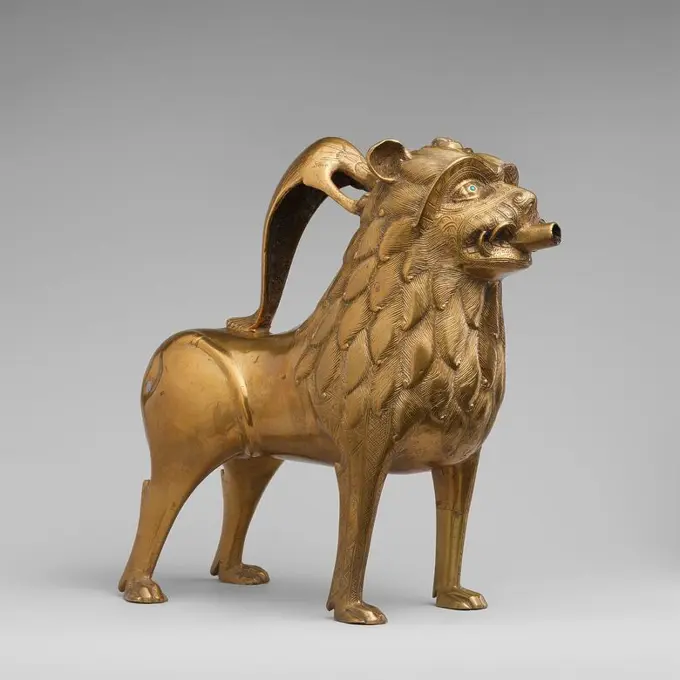
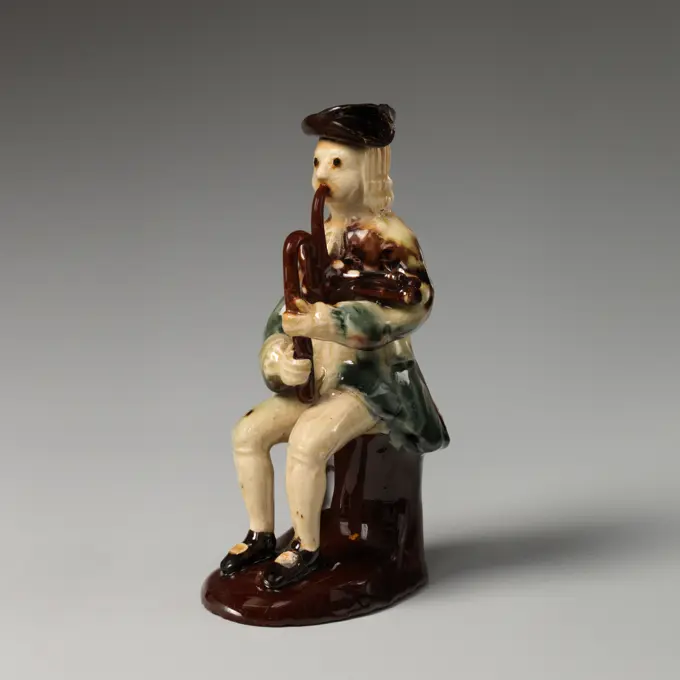
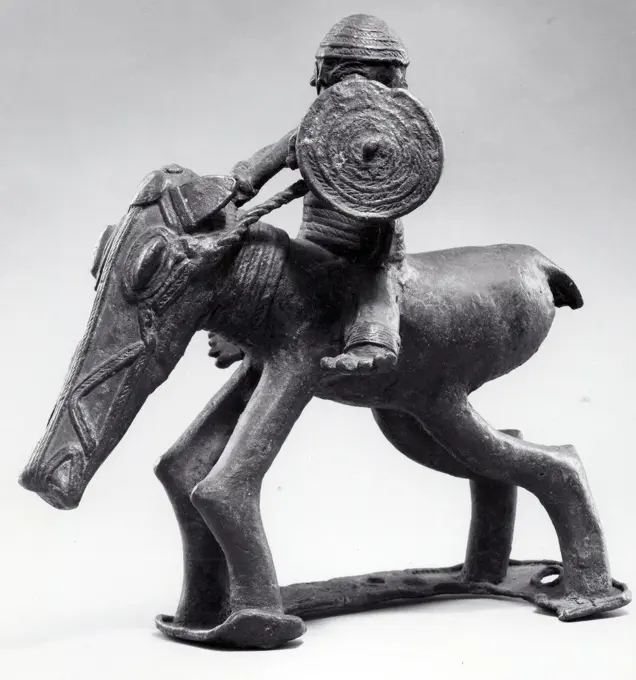
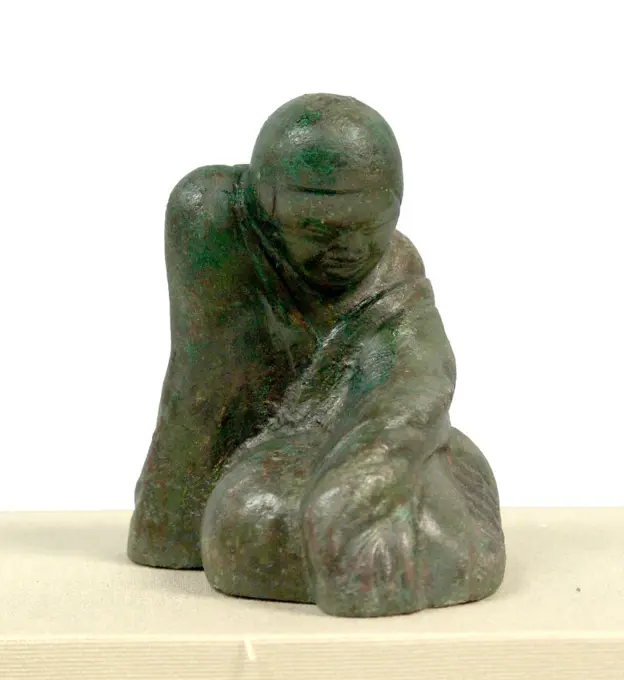
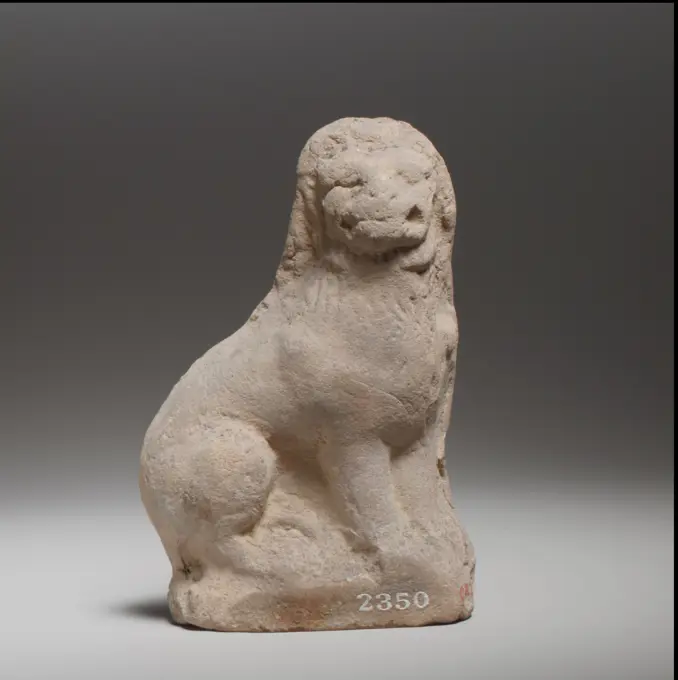
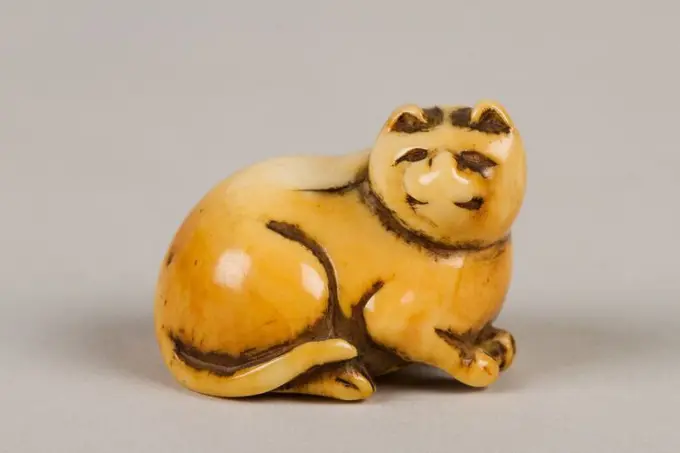
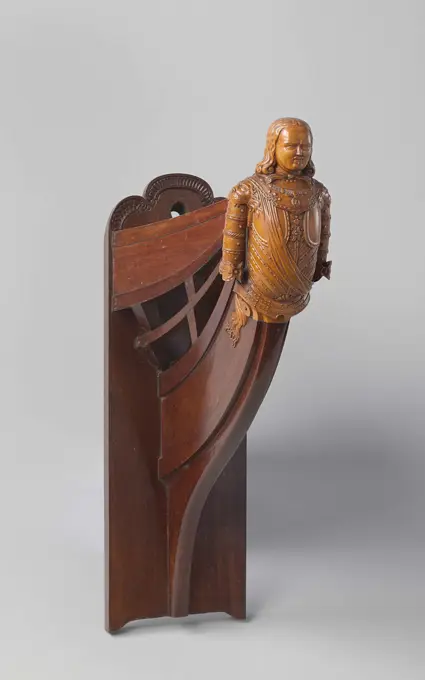
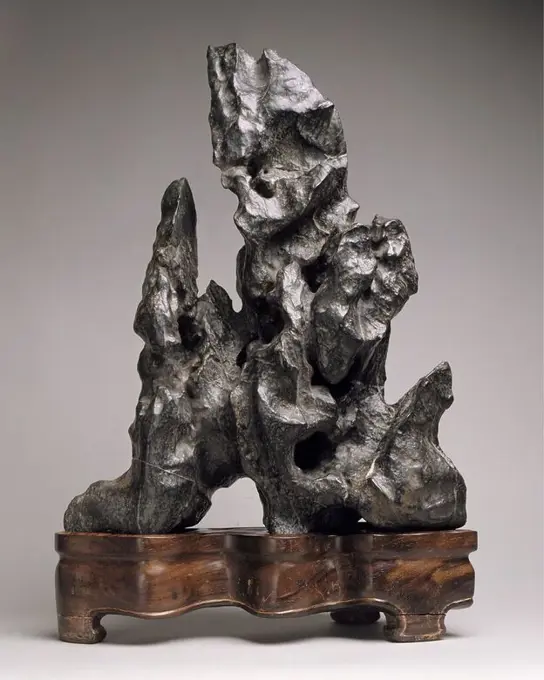
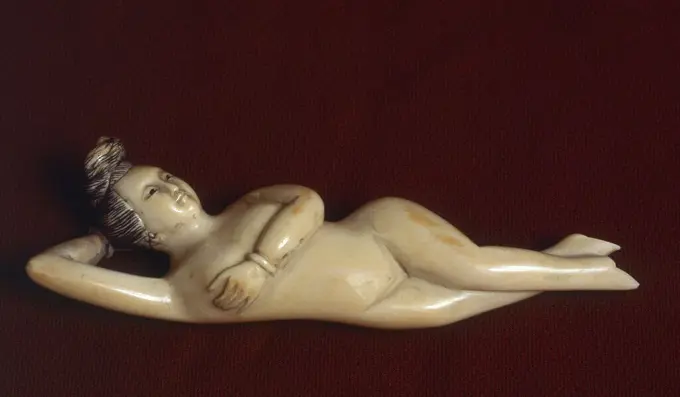
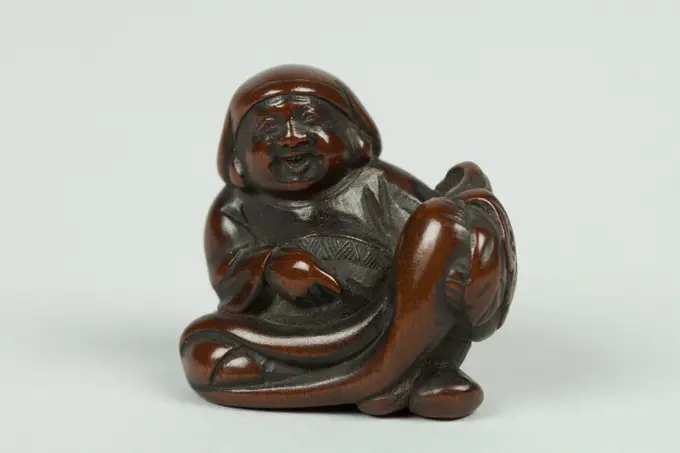
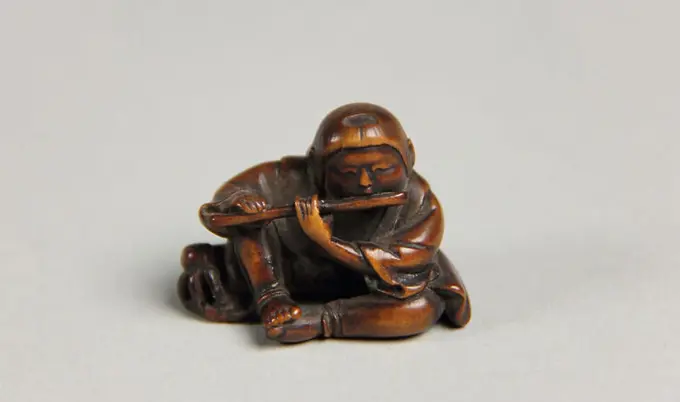
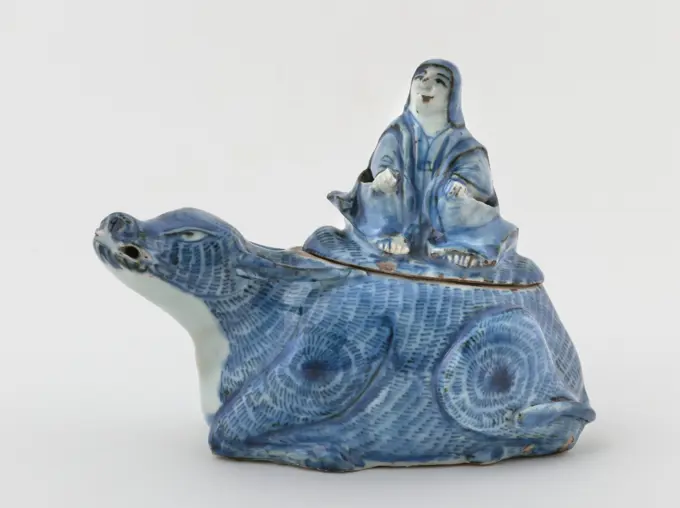
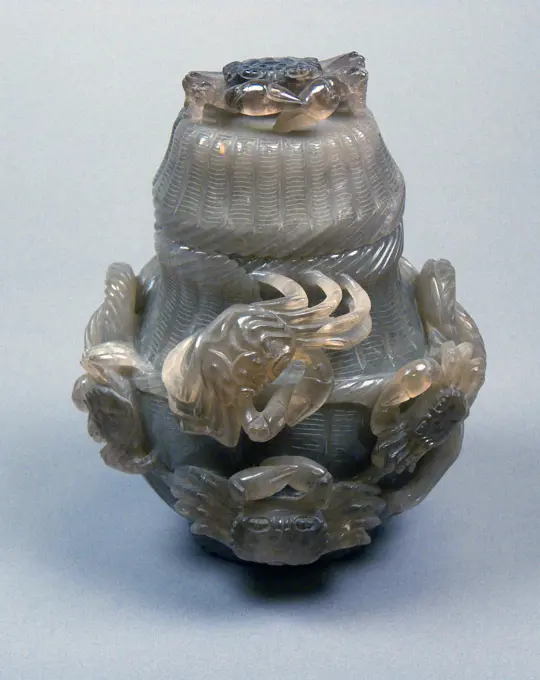
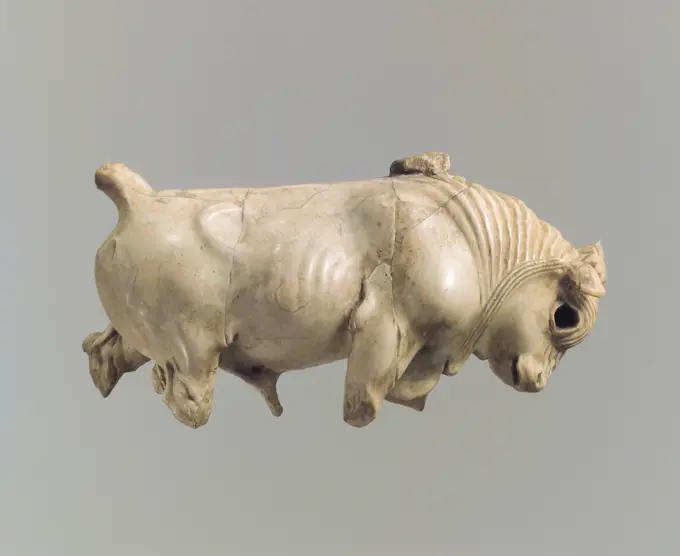
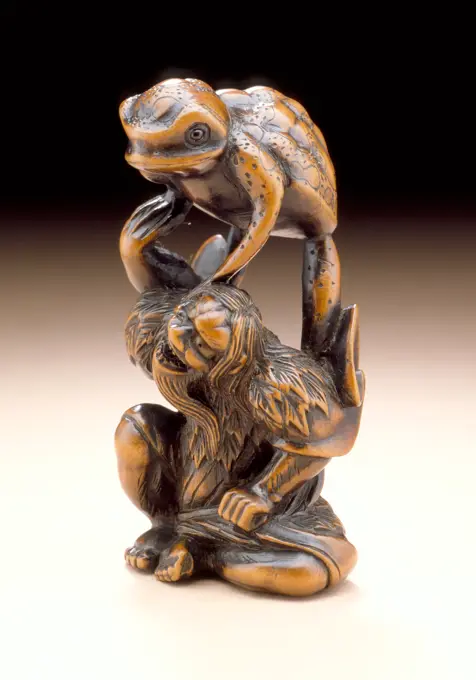
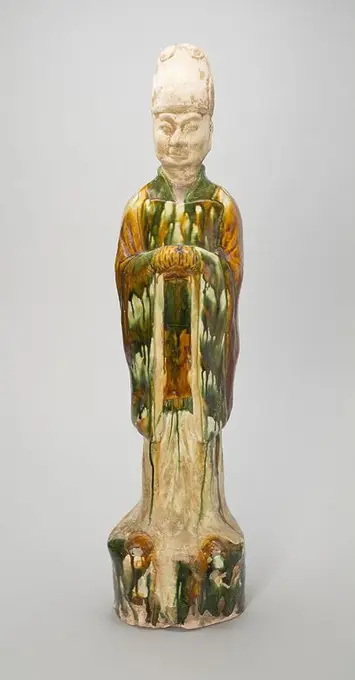
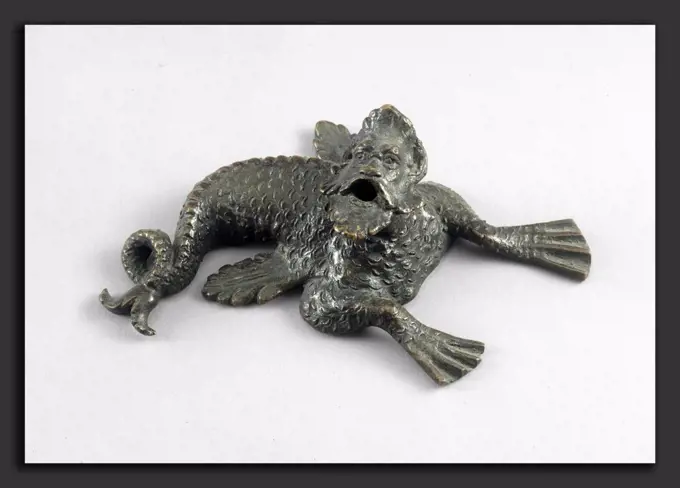
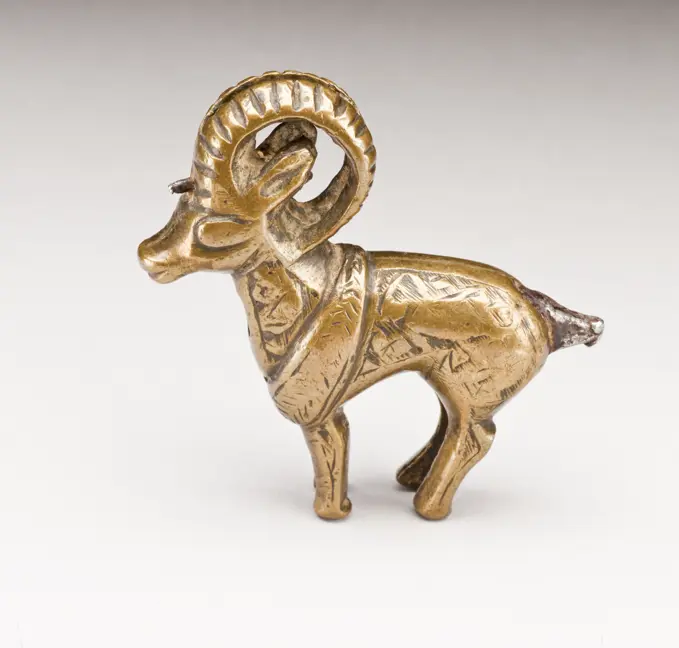
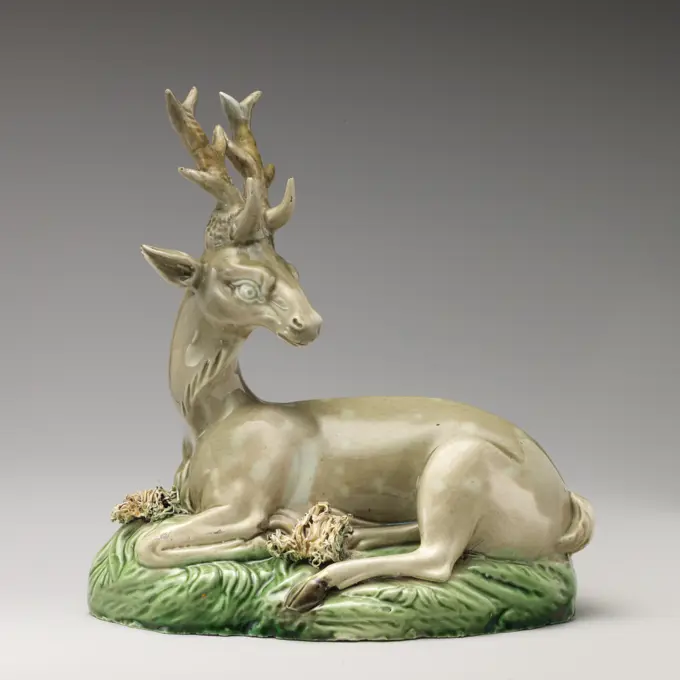
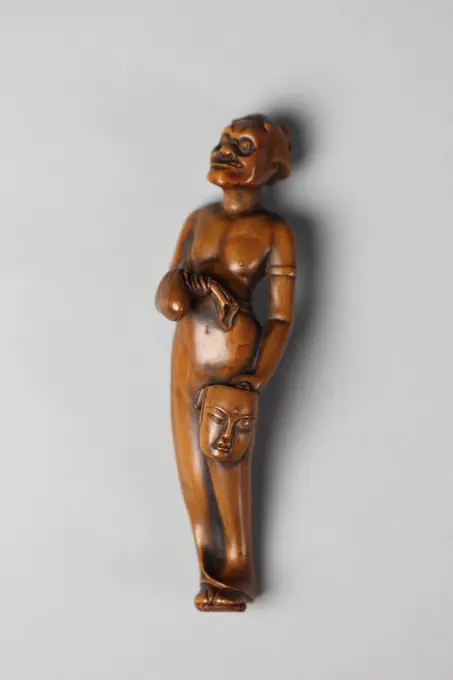
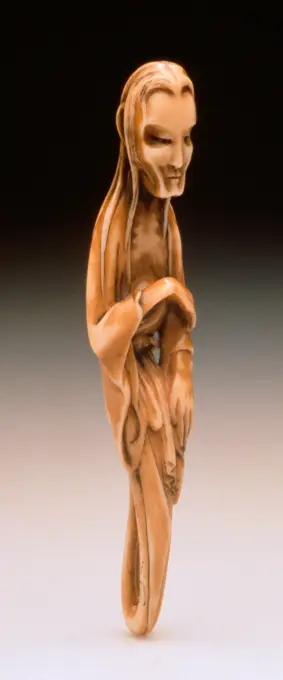
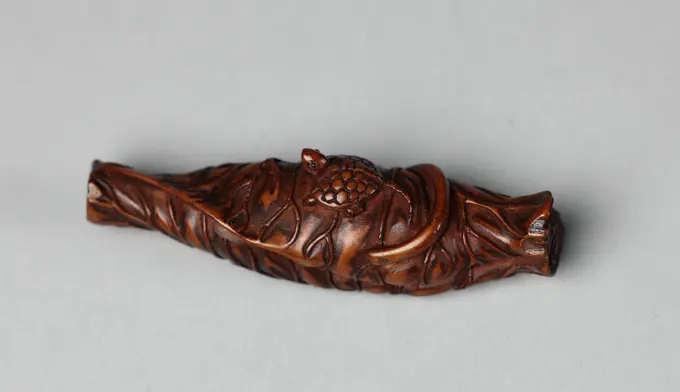
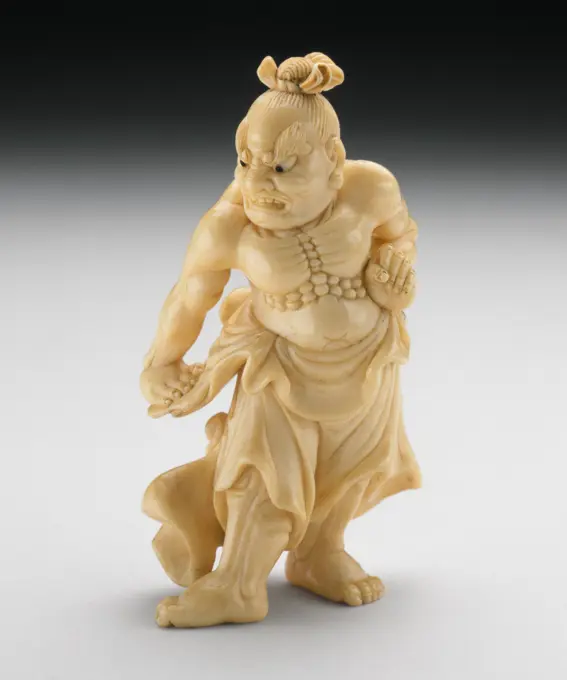
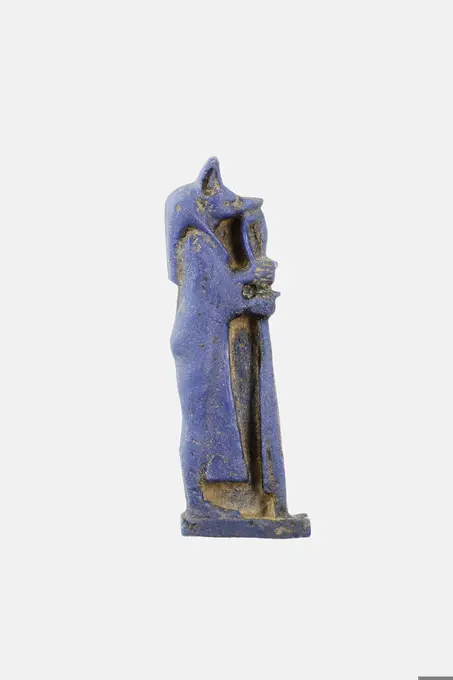
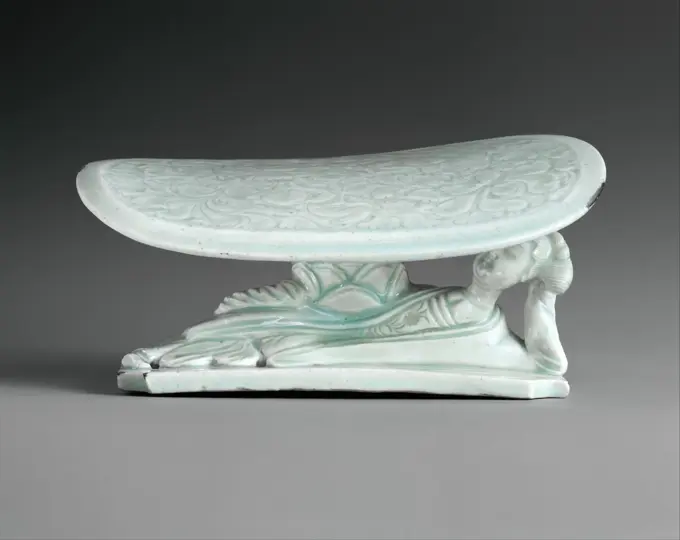
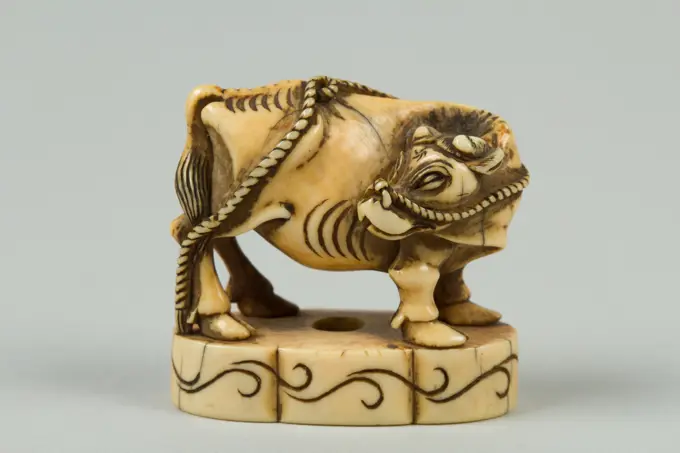
Netsuke of Ox 19th century Japan. Netsuke of Ox. Japan. 19th century. Ivory. Edo (1615-1868) or Meiji period (1868-1912). NetsukeNetsuke in the form of a dancer in the lion costume (for the Shishimai dance). unknown, sculptorWinter. Winter, presented as an old man with beard standing next to a fire. With a cornucopia with candle holder.Terracotta composite jug ca. 1800-1725 B.C. Cypriot Flask with double body, beak spout, four feet, string holes and basketry decoration.. Terracotta composite jug 240637Taweret 664-30 B.C. Late Period-Ptolemaic Period The goddess Taweret has the body of a standing pregnant hippopotamus, the limbs and paws of a lion, and the tail of a crocodile down her back, characteristics fitting her fierce protectiveness in the aid of the vulnerable. The stone of this example is quite possibly hematite which was popular for certain amulets including Taweret in the late periods. Because the stone is quite hard, the forms are very simplified - the crocodile tail is only indicated by seams at the sides along the length of her figure below her wig, her crown base (modius) is reduced to a kind of domed cap, and her paws are paraticularly undefined. A hole pierces the statuette from side to side behind her head.. Taweret 570287Candlestick in the form of a Putto (see also 1975.1.1374, .1375, .1377) ca. 1600 or later Italian, Venice. Candlestick in the form of a Putto (see also 1975.1.1374, .1375, .1377) 460442Shôki (demon-queller) and three demons; netsuke. unknown, sculptorFigurine  MA Shih Huang With a dragon unknownNetsuke of a Horse on a Pedestal with Monkeys Playing About 19th century Japan. Netsuke of a Horse on a Pedestal with Monkeys Playing About 60277Netsuke of Demon 19th century Japan. Netsuke of Demon 59867Dutchman Holding Dog. Japan, 18th century. Costumes; Accessories. Ivory with staining, sumi, inlaysSeal Made 1750-1770 Chelsea. Soft-paste porcelain, polychrome enamels and gilding; hardstone and metal mount . Chelsea Porcelain FactoryCERAMICA POPULAR DE CUENCA.Netsuke of Sennin with Karashishi 18th century Japan. Netsuke of Sennin with Karashishi. Japan. 18th century. Ivory. Edo (1615-1868) or Meiji period (1868-1912). NetsukeGoat with rider, anonymous, c. 1760 - c. 1800 Image of undecorated faience. On a rectangular pedestal with beveled corners is a goat with a man with a hat on the back. The right hindleg of the goat is placed in front of the left hind leg. Delft (possibly) earthenware. tin glaze. Image of undecorated faience. On a rectangular pedestal with beveled corners is a goat with a man with a hat on the back. The right hindleg of the goat is placed in front of the left hind leg. Delft (possibly) earthenware. tin glaze.Figurine of Elephant and Rider 1301-1500 Thailand. Stoneware with brown glaze .gift (provenance), netsuke, Japanese artNetsuke Tanuki, 19th century, Unknown Japanese, 1 5/8 x 1 3/16 x 1 1/4in. (4.1 x 3 x 3.2cm), Wood, Japan, 19th centuryElephant. Figurine of an elephant, perhaps a chess piece. The elephant stands on an oval base. He has a large branch in the slurf; He has put his right leg on the branch. The elephant carries a decorative rig and rings around the legs indicated in low relief. Remnants of red and green painting.Mirror Handle 1st century B.C.-1st century A.D. Pakistan (ancient region of Gandhara) or India. Mirror Handle 38678Goldweight Leopard, 19th-20th century, 1 13/16 x 3/4 x 2 7/8 in. (4.6 x 1.91 x 7.3 cm) (without stand), Brass, Ghana, 19th-20th centuryFrog Amulet, c. 1380-1330 BC. Egypt, New Kingdom, Late Dynasty 18. Polychrome faience; overall: 0.8 x 0.9 cm (5/16 x 3/8 in.).Bronze statuette of a sphinx ca. 1st century B.C.-2nd century A.D. Greek or Roman Lying down, with head erect and paws extended, wings spread.. Bronze statuette of a sphinx. Greek or Roman. ca. 1st century B.C.-2nd century A.D.. Bronze. Late Hellenistic or Imperial. BronzesAmulet of the Goddess Bastet. Egyptian. Date: 1070 BC-656 BC. Dimensions: 2.25 × 1.5 × .75 cm (7/8 × 9/16 × 1/4 in.). Ceramic. Origin: Egypt. Museum: The Chicago Art Institute, Chicago, USA. Author: Ancient Egyptian.Bronze statuette of a priest or offrant Etruscan 3rd-1st century BCEHorse 19th century Japan. Horse 59195Pendant. Northwestern Iran, circa 1350-800 B.C.. Jewelry and Adornments; pendants. Bronze, cast(Ebisu), 20th century, Unknown Japanese, 2 x 1 1/4 x 1 5/16in. (5.1 x 3.2 x 3.3cm), Ivory, wood, Japan, 20th centuryWater Dropper China. Water Dropper 48484Netsuke of Qilin and Ball. Culture: Japan. Dimensions: H. 1 1/8 in. (2.9 cm); W. 1 1/4 in. (3.2 cm); D. 1 1/4 in. (3.2 cm). Date: 19th century. Museum: Metropolitan Museum of Art, New York, USA.. Image of gold with email, baroque pearls and precious stones, representing a harlequin with a movable head. In his right hand he has a hat, in the left a mirror.Netsuke of an Arhat. Culture: Japan. Dimensions: H. 3 5/8 in. (9.2 cm). Date: 19th century. Museum: Metropolitan Museum of Art, New York, USA.Ithyphallic falcon treading on two snakes 343-30 B.C. Ptolemaic Period . Ithyphallic falcon treading on two snakes. 343-30 B.C.. cupreous alloy. Ptolemaic Period . From EgyptOwl, Turns Head' mechanical bank, c. 1880, James H. Bowen; Manufacturer: J. & E. Stevens Company, Cromwell, Connecticut, 1843-1950s, American, active c. 1877-1906, 7 3/4 x 3 7/8 x 3 1/16 in. (19.69 x 9.84 x 7.78 cm), Iron, pigment, glass, 19th centuryKappa, the Water Imp, Astride Turtle. Naitō Toyomasa (Japan, 1773-1856). Japan, first half of 19th century. Costumes; Accessories. WoodGane  20th century (1901-00-00-1940-00-00);Charm in the Form of a Mule. Northwest China, Han dynasty, 206 B.C.-A.D. 220. Jewelry and Adornments; pendants. Cast bronzeHanuman;  20th century (1901-00-00-1940-00-00);Stand for flower pot - figure of elephant. unknown, craftsmanEuropa by Albert Wein, bronze sculptureRecumbentHorseTerracotta askos (flask with a spout and handle) 4th century B.C. Greek, South Italian, Campanian The guttus and askos are flasks for liquids, often probably oil. In Southern Italy, they may assume complex figural forms. These examples show young black boys in unguarded moments. The vertical spout of the guttus has been turned into the neck of an amphora against which the boy leans dozing. The sack-like askos is transformed into a youth who subdues a duck.Rogers Fund, 1941 (41.162.45). Terracotta askos (flask with a spout and handle) 247433Falcon Late Period-Ptolemaic Period 664-30 B.C. View more. Falcon. 664-30 B.C.. Serpentinite. Late Period-Ptolemaic Period. From EgyptBalance standard with a counterweight, Wenzel Jamnitzer (attributed to workshop of), c. 1560 - c. 1570 Counterweight, rectangular, with beveled corners. The wall is decorated with an egg list enriched with arrow points above which band work motifs and rosettes. The flat top has a engraved decoration of flower vines, which is partially filled with green or white colored composition. There is a lizard on this. The weight is filled with lead. Nuremberg bronze (metal). silver (metal). lead (metal) engraving / gilding Counterweight, rectangular, with beveled corners. The wall is decorated with an egg list enriched with arrow points above which band work motifs and rosettes. The flat top has a engraved decoration of flower vines, which is partially filled with green or white colored composition. There is a lizard on this. The weight is filled with lead. Nuremberg bronze (metal). silver (metal). lead (metal) engraving / gildingToby snuff jar 1852-58 United States Pottery Company. Toby snuff jar 8680Probably Italian 16th 19th Century, Object with Sphinx Head (Furniture Mount), 16th 19th century Object with Sphinx Head (Furniture Mount)BOTIJO CON FORMA DE TORO-VIDRIADO Y POLICROMADO-FINAL S XIX. Location: ALFARERIA. BASIN. CUENCA. SPAIN.Bowl with cover 1599 Giuseppe de' Levi Giuseppe de'Levi was a Jewish artist who converted to Christianity. The decoration of this covered bowl, which may have served as a perfume burner, is entirely secular.. Bowl with cover. Italian, Verona. 1599. Bronze. Sculpture-BronzeAntoine Louis Barye, Seated Bear, model 1833, cast by 1873 Seated BearRubber stampBoy hunter. Culture: British, Chelsea. Dimensions: 2 3/4 × 1 1/4 in. (7 × 3.2 cm). Factory: Chelsea Porcelain Manufactory (British, 1745-1784, Gold Anchor Period, 1759-69). Date: ca. 1765. Museum: Metropolitan Museum of Art, New York, USA.Figure of a Poodle Figure; England; glazed and hand-painted earthenware; 6.7 x 4.3 x 3 cm (2 5/8 x 1 11/16 x 1 3/16 in.)Netsuke 19th century Japan. Netsuke. Japan. 19th century. Ivory. Edo (1615-1868) or Meiji period (1868-1912). NetsukeEdward William Wyon, 1811-1885, British, The Infant Academy, 1849. Copper electrotype.Shrine, Votive With Figure Of Four-armed Ganesha (India); brassAquamanile in the Form of a Lion. Culture: North German. Dimensions: Overall: 8 3/8 x 7 3/16 x 4 3/8 in. (21.2 x 18.2 x 11.1 cm), 6.091lb. (2763g)Overall PD: 10 1/2 x 4 9/16 x 10 13/16 in. (26.7 x 11.6 x 27.4 cm)Thickness PD: 2/25-3/25 in. (0.20-0.30 cm). Date: ca. 1200.Derived from the Latin words for water (aqua) and hand (manus), an aquamanile (plural: aquamanilia) is an animal- or human-shaped water vessel used in hand washing, an essential component of religious and secular rituals in the Middle Ages. Aquamanilia were the first cast vessels of medieval Europe. Usually cast in copper alloy through the lostwax process (cire perdue), the hundreds of surviving examples date from the twelfth through fifteenth century. The Metropolitan Museum of Art has one of the most important collections of aquamanilia in the world, with examples at The Cloisters and in the main building on Fifth Avenue, in both the medieval galleries and the Lehman Collection. Museum: Metropolitan Museum of Art, Corme with Wedding Ockinga and Devenema, Anonymous, 1600 Korbeel of oak. On the consolorous front piece the weapons of the Ocinga and Dekema families, above which a helmet with an angel as a helmet sign. The sides show s-shaped volutes with blossoms in the flower. Coming from the stins demolished in 1887 in Franeker. (See also inv.no. BK-16706-A to -D and BK-16706-F to -j) Northern NetherlandsNetherlands wood (plant material). oak (wood) Korbeel of oak. On the consolorous front piece the weapons of the Ocinga and Dekema families, above which a helmet with an angel as a helmet sign. The sides show s-shaped volutes with blossoms in the flower. Coming from the stins demolished in 1887 in Franeker. (See also inv.no. BK-16706-A to -D and BK-16706-F to -j) Northern NetherlandsNetherlands wood (plant material). oak (wood)Bagpiper ca. 1745 Style of Astbury-Whieldon. Bagpiper. British, Staffordshire. ca. 1745. Lead-glazed earthenware. Ceramics-PotteryFigure: Equestrian 15th-19th century Lower Niger Bronze Industry Works in metal in a wealth of bronzes in a variety of styles and types are found throughout the southern half of Nigeria, especially along the lower part of the Niger River. The numerous "Lower Niger bronzes" discovered in Benin at the end of the nineteenth century that were long considered to be of local origin are now thought to come from a number of locations and time periods; some are from the Igbo-Igala area, but most were made in centers influenced by Yoruba and Benin art. Scientific dating of the clay cores in several of these sculptures revealed that a few were made as early as the fourteenth century. Some must, therefore, be contemporary with the naturalistic bronzes of Ife and may be provincial reflections of Ife style.. Figure: Equestrian. Lower Niger Bronze Industry. 15th-19th century. Brass (cast). Nigeria, Lower Niger River region. Metal-SculptureWeight in the Shape of Liubo Game Player China A popular game in the Han dynasty, liubo involves two players who gamble by using dice, counters, gaming pieces, and a marked board. The bronze figures exhibited in this casetwo players and two spectatorswere used as weights to hold the floor mat in place. These figures, which capture a dramatic moment in a heated game, represent leisure activities in ancient China.. Weight in the Shape of Liubo Game Player 72299Perfume burner 18th century French, possibly Chantilly and Chinese. Perfume burner 205408Terracotta vase in the form of a phallus ca. 550-500 B.C. Greek Phallus vases are a rare and distinctive feature of Archaic Greek pottery. They were used to store perfumed oils, presumably of an erotic or medicinal nature. This vase is the product of an East Greek workshop, probably on Rhodes. Archaic Greek potters fashioned sculptural vases in a wide variety of shapes, including human heads, legs, and animals. This particular class reflects an element of playfulness recurrent throughout Greek art.. Terracotta vase in the form of a phallus 256912Lion figurine 1st century B.C.-1st century A.D. Cypriot The figurine is mold-made and solid. The back is flat. The lion is seated upright, facing the viewer's right, on a low, roughly rectangular base.. Lion figurine 241304Netsuke of Cat. Culture: Japan. Dimensions: H. 1 in. (2.5 cm); W. 1 1/4 in. (3.2 cm); D. 7/8 in. (2.2 cm). Date: 19th century. Museum: Metropolitan Museum of Art, New York, USA.Model of a Beakhead with Figurehead.Model of a crib of Michiel de Ruyter with back plate for a galleon. The sheek image is a male bust, the arms cut off at the elbow, and sets the Dutch seaside Michiel Adriaansz. De Ruyter for. The back plate is decorated with carving.Post Reminding the class of a man with a hand tiger - column base support;  beginning of the 20th century (1900-00-00-1920-00-00);Figure of a Shishi with Its Paw on a Pierced Ball. Image of a shishi (lion dog) of porcelain on a cutter pedestal, painted on the glaze in blue, red, pink, green, yellow, purple, black and gold. The shishi has turned its head to the left and rests with its left leg on an openwork ball with flour rosettes; On the pedestal two tires with curlwork and arrearing, in the middle flour rosettes on napkin. Family Rose.Rock in the form of a fantastic mountain. Culture: China. Dimensions: Overall (with base): H. 18 3/8 in. (46.7 cm); W. 12 7/8 in. (32.7 cm); D. 6 5/8 in. (16.8 cm). Museum: Metropolitan Museum of Art, New York, USA.Two wall-lights, anonymous, c. 1750 - c. 1760 Gilt bronze wall arm, with two arms. The trunk is formed by a bust of a Chinese man or woman, surrounded by C-shaped rocaillem motifs. The arms show C and S-shaped leaf motifs. Paris bronze (metal) gilding Gilt bronze wall arm, with two arms. The trunk is formed by a bust of a Chinese man or woman, surrounded by C-shaped rocaillem motifs. The arms show C and S-shaped leaf motifs. Paris bronze (metal) gildingMUÑECA JAPONESA EN MARFIL. Location: PRIVATE COLLECTION. MADRID. SPAIN.Netsuke 19th century Japan. Netsuke. Japan. 19th century. Wood. Edo (1615-1868) or Meiji period (1868-1912). NetsukeNetsuke of Boy Playing a Flute. Culture: Japan. Dimensions: H. 1 in. (2.5 cm); W. 1 1/4 in. (3.2 cm). Date: 19th century. Museum: Metropolitan Museum of Art, New York, USA.Incense burner. "Blue and white" porcelain. Paris, Cernuschi museum. 78840-29 Asian art, burn-brurge, old ceramic, covered, email, glacide, refinement, terracotta, terracotta emailleeBasket with crabs China. Basket with crabs. China. Gray amethyst. Qing dynasty (1644-1911). HardstoneSeated figure of Lan Caihe, one of the Eight Immortals, anonymous, c. 1700 - c. 1724 Image of porcelain on pedestal, painted on biscuit in green, yellow, eggplant and black. It depicts the sitting Lan Caihe, one of the eight immortals, in a floral robe. His attribute, the flower basket. The hexagonal pedestal is decorated at the front with servetwork with a medallion with a flower, two loose flowers and a window at the back. The flowers and handle of the flower basket have been demolished. Email sur biscuit with family distance colors. China porcelain. glaze. painting / vitrification Image of porcelain on pedestal, painted on biscuit in green, yellow, eggplant and black. It depicts the sitting Lan Caihe, one of the eight immortals, in a floral robe. His attribute, the flower basket. The hexagonal pedestal is decorated at the front with servetwork with a medallion with a flower, two loose flowers and a window at the back. The flowers and handle of the flower basket have been demolished.Furniture or cosmetic box plaque carved in the round with striding bull ca. 8th-7th century B.C. Assyrian This striding bull was found with four similar examples in a private house abutting the town wall at Nimrud, where it was probably taken as salvage from a palace complex when they were sacked during final defeat of Assyria at the end of the seventh century B.C. Carved in the round, this piece would have originally been attached to a circular base, perhaps in line with other striding bulls, and secured to an upper, circular frame by the tenon preserved on the bulls upper back. The complete element would have decorated a pyxis, a small, circular box for cosmetics, or the legs of a table or bed. The nose is detailed with cross-hatching, the eyebrows and mane are accentuated with incision, and the dewlaps and ribs are softly modeled. The horns, lower legs, and most of the tail do not survive. This plaque exhibits a combination of features typically found on Phoenician style ivories, iGold box, Hans Reimer (Possible), 1550 - 1575 Round box of gold and email, occupied with diamonds. On the Cleopatra lid from gold, email, pearls and diamonds. Southern Germany (possibly) gold (metal). pearl. diamond (mineral). Round box of gold and email, occupied with diamonds. On the Cleopatra lid from gold, email, pearls and diamonds. Southern Germany (possibly) gold (metal). pearl. diamond (mineral).Gama, the Immortal with Toad. Shūgasai Toyokazu (Japan, active early to mid-19th century). Japan, early to mid-19th century. Costumes; Accessories. Wood with inlaysStanding Official. China. Date: 618 AD-907 AD. Dimensions: 78.1 × 19.4 × 16.5 cm (30 3/4 × 7 5/8 × 6 1/2 in.). Earthenware with three color (sancai) lead glazes. Origin: China. Museum: The Chicago Art Institute, Chicago, USA.Workshop of Severo da Ravenna, A Sea Monster, second quarter 16th century, bronze; Medium brown bronzeStanding Ram. Iran, no date. Sculpture. BronzeStag (one of a pair) 18th century Ralph Wood the Younger. Stag (one of a pair). British, Burslem, Staffordshire. 18th century. Lead-glazed earthenware. Ceramics-PotteryChinese, Pair of Fu Lions, porcelain.Snuff Bottle, 19th century, 3 1/2 x 1 1/8in. (8.9 x 2.9cm), Ivory, China, 19th centuryFigurine of a Composite Animal 304 B.C.-A.D. 364 Ptolemaic or Roman Period. Figurine of a Composite Animal. 304 B.C.-A.D. 364. Marble. Ptolemaic or Roman Period. From Egypt, Alexandria Region; Probably from AlexandriaOrnamental bronze stork. Shallow depth of field.Netsuke 19th century Japan. Netsuke 59385Ghost. Nanmusai (Japan, active mid- to late 19th century). Japan, late 19th century. Costumes; Accessories. Ivory with staining, sumiLotus Leaf and Small Turtle second half 19th century Japan. Lotus Leaf and Small Turtle. Japan. second half 19th century. Wood. Meiji period (1868-1912). NetsukeS O;  19th/20th century (1890-00-00-1910-00-00);Purchase (provenance)Temple Guardian. Japan, 18th-19th century. Costumes; Accessories. Ivory with sumiAmulet of the God Thoth as a Seated Baboon 664 BCE-332 BCE Egypt. Steatite . Ancient EgyptianMount; L x W x D: 37.8 x 9.1 x 0.3 cm (14 7/8 x 3 9/16 x 1/8 in.)Three goats 19th century China. Three goats 43317Bishamonten. unknown, authorFunerary amulet depicting one of the Four Sons of Horus, Duamutef. Dimensions: H. 6.1 × W. 2.1 × D. 0.7 cm (2 3/8 × 13/16 × 1/4 in.). Date: 664-332 B.C.. Museum: Metropolitan Museum of Art, New York, USA.Pillow in Shape of Reclining Woman 12th-13th century China The making of ceramic pillows is one of the more interesting results of the dramatic increase in the use of ceramic goods in China from the ninth to the fourteenth century. Produced in many of the kiln complexes throughout China, these uncomfortable-looking pillows were widely used, and are sometimes explained as neck rests intended to protect a womans elaborate coiffure while she slept.. Pillow in Shape of Reclining Woman 42482Luohan (Arhat) 1701-1800 China. Brass alloy .Lion, Anonymous, c. 1300 - c. 1400 Standing lion. On a pedestal. Thailand bronze (metal) Standing lion. On a pedestal. Thailand bronze (metal)Bird, anonymous, c. 1600 Image of rock crystal in the form of a bird. Gold frame. On the back an oval opening with hinged lid. Italy frame: Gold (Metal). frame: Image of rock crystal in the form of a bird. Gold frame. On the back an oval opening with hinged lid. Italy frame: Gold (Metal). frame: