Antique Furniture and Decor

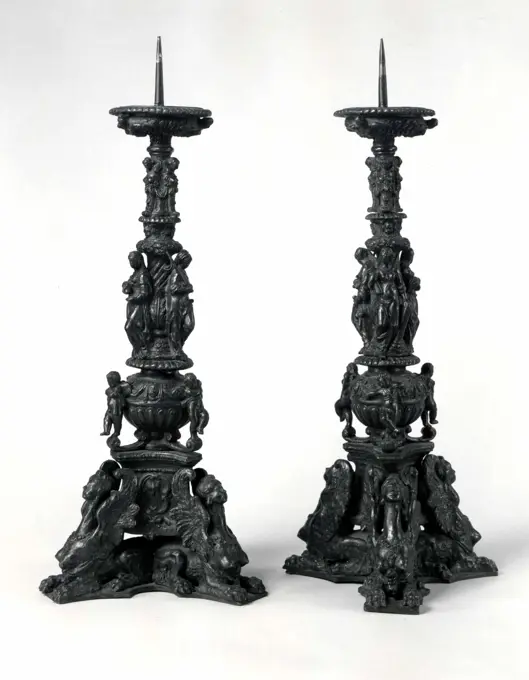
A range of ornate antique furniture pieces including candlesticks and chairs, showcasing intricate designs and historical craftsmanship.

Sgabello, chair of walnut, Anonymous, 1550 - 1600
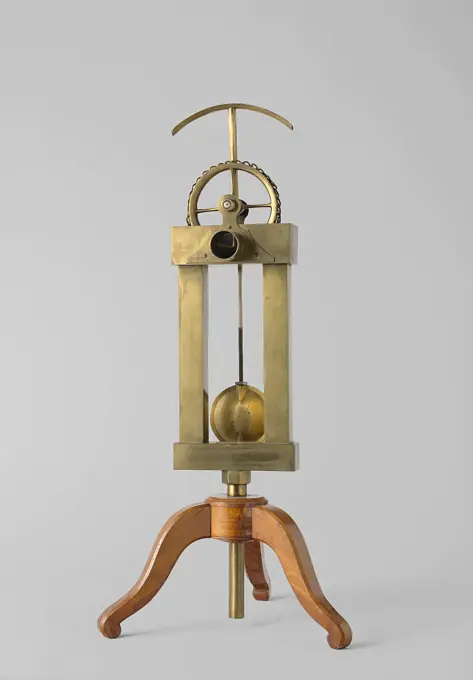
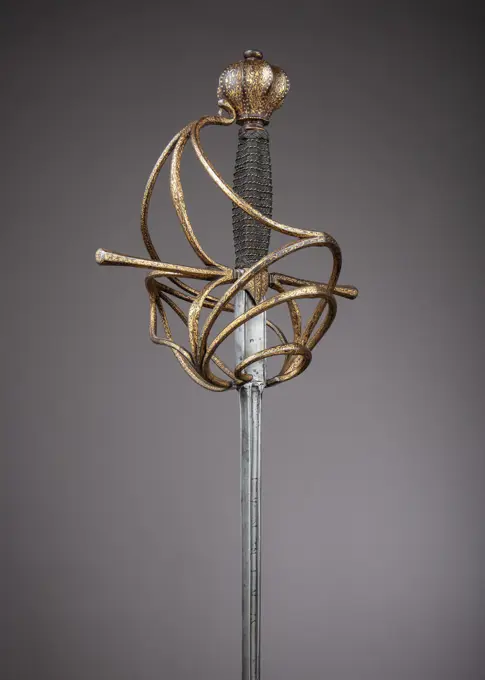
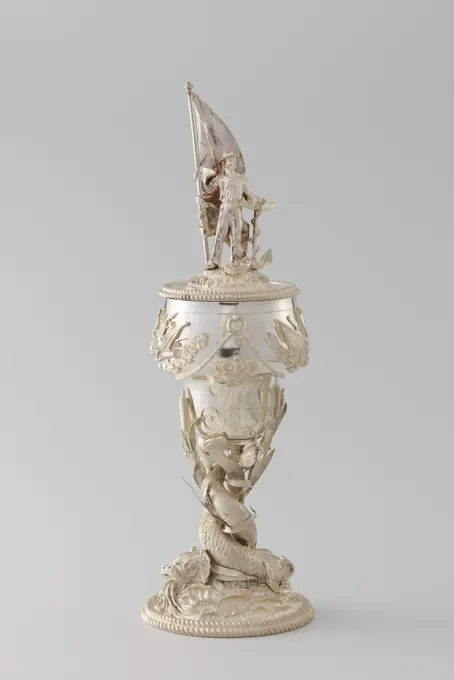
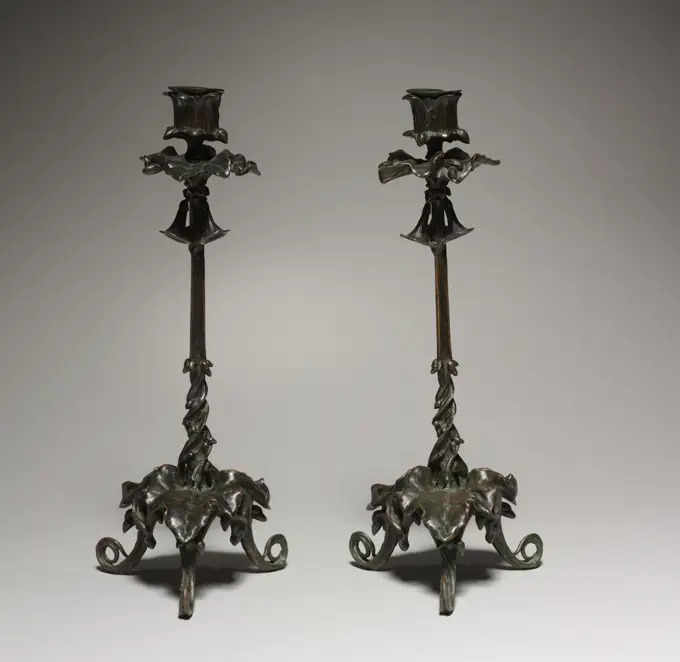
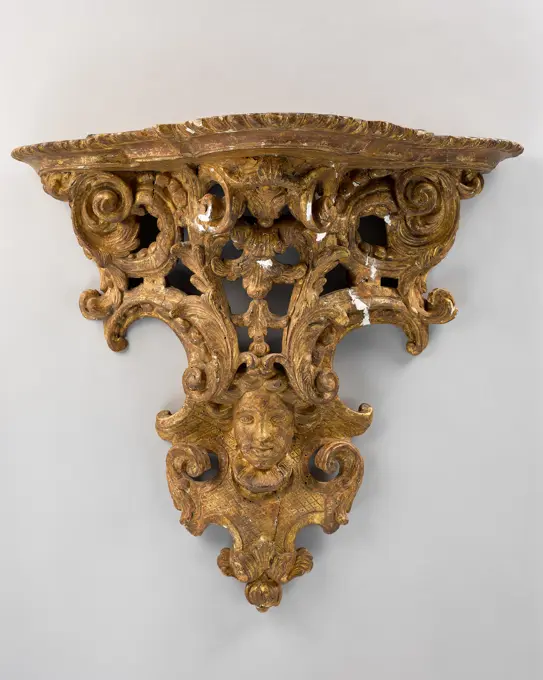
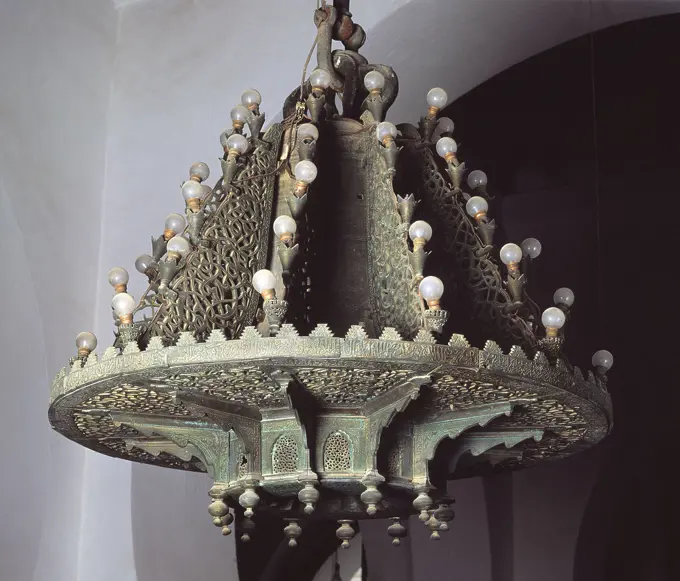
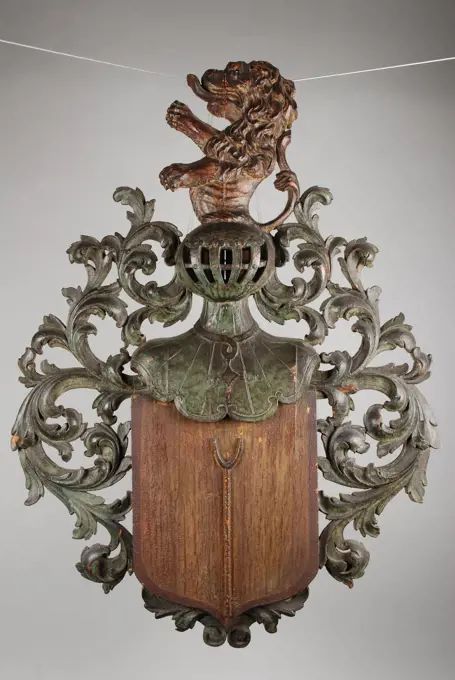
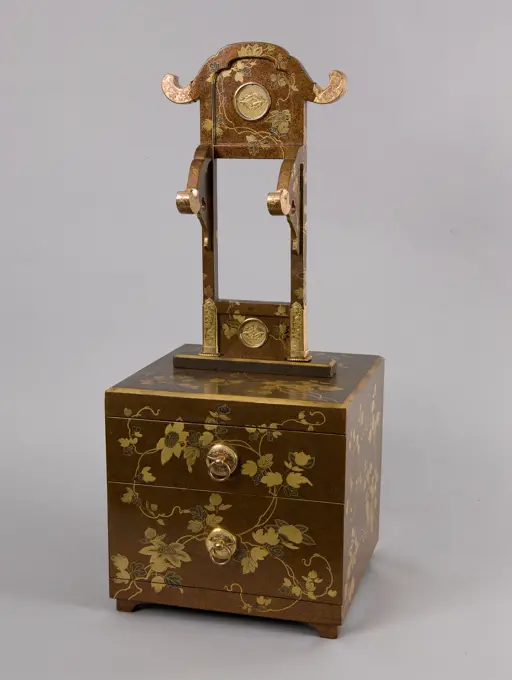
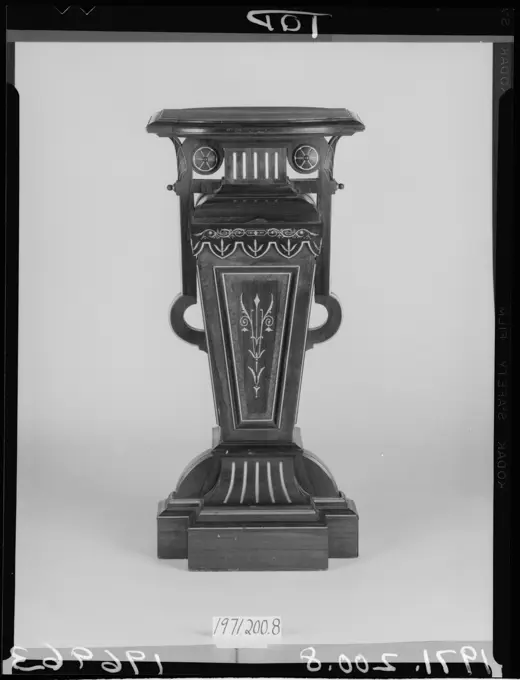
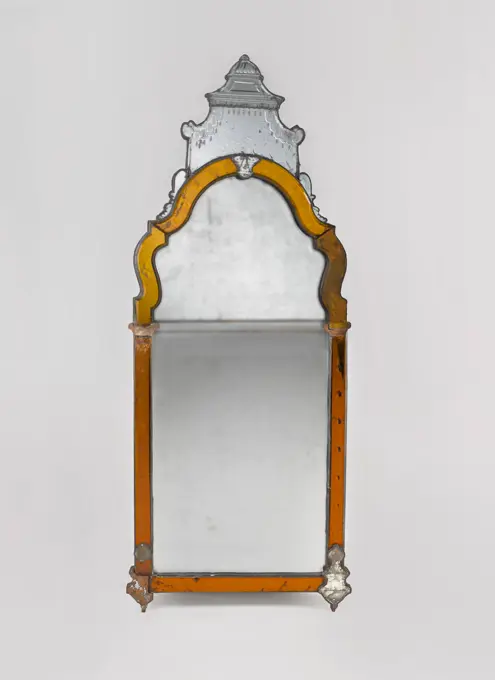
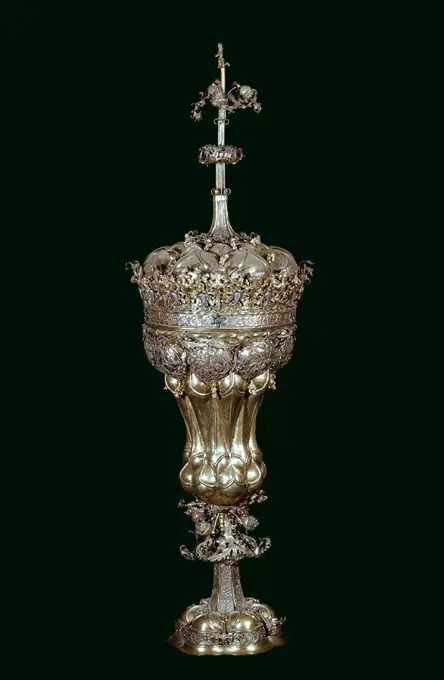
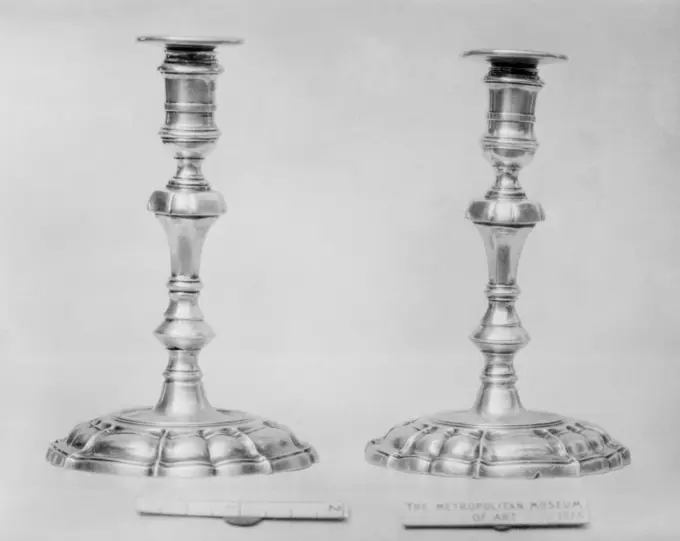
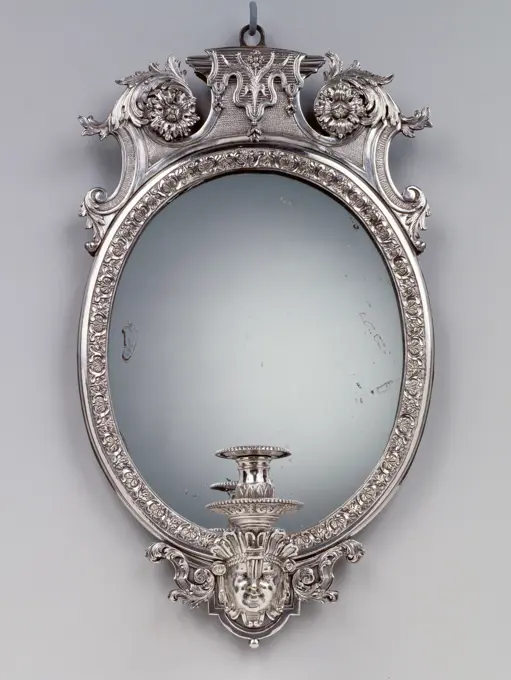
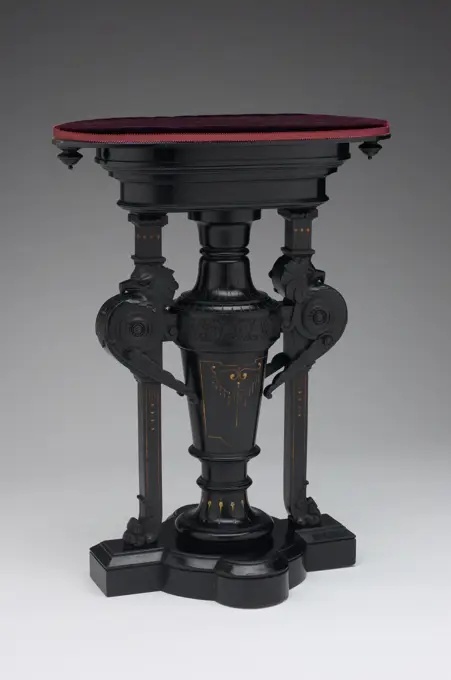
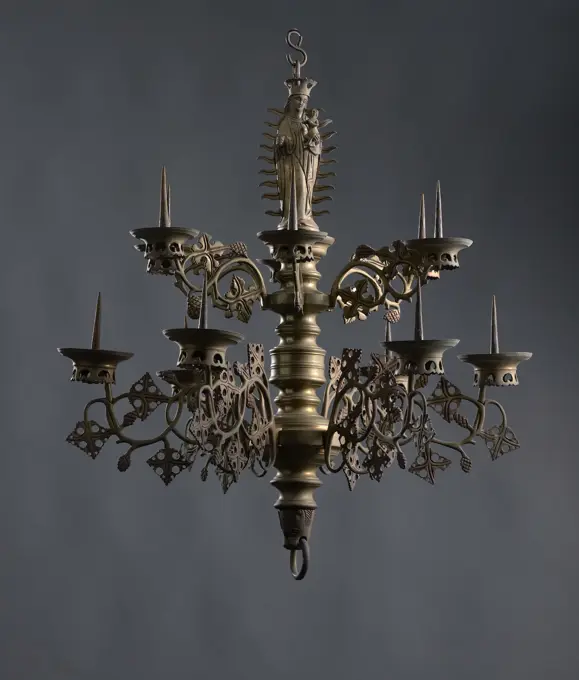
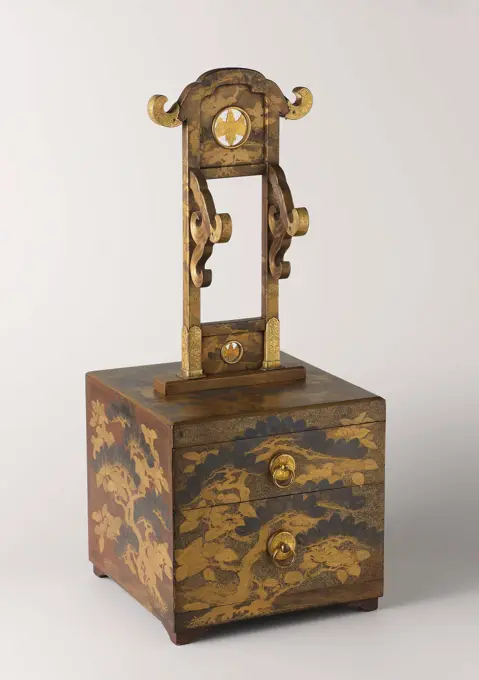
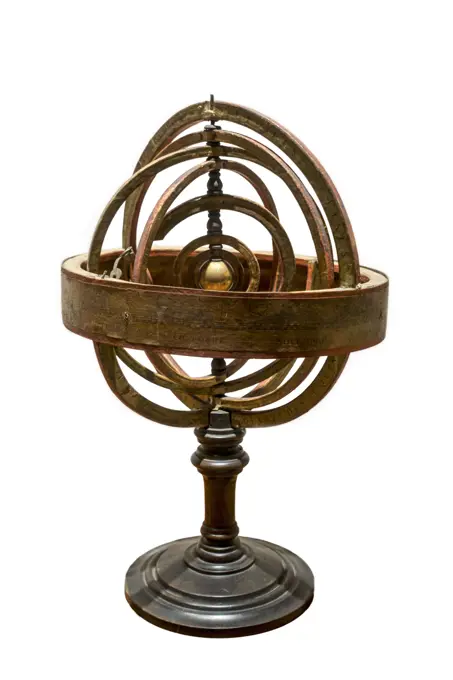
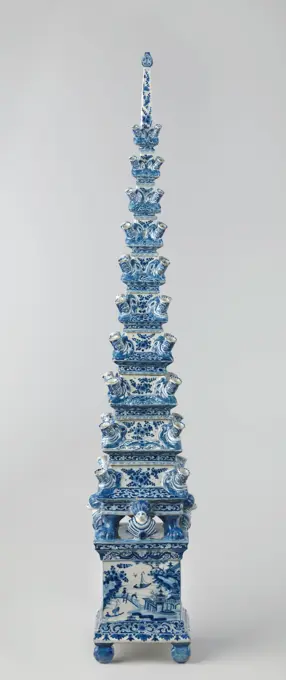
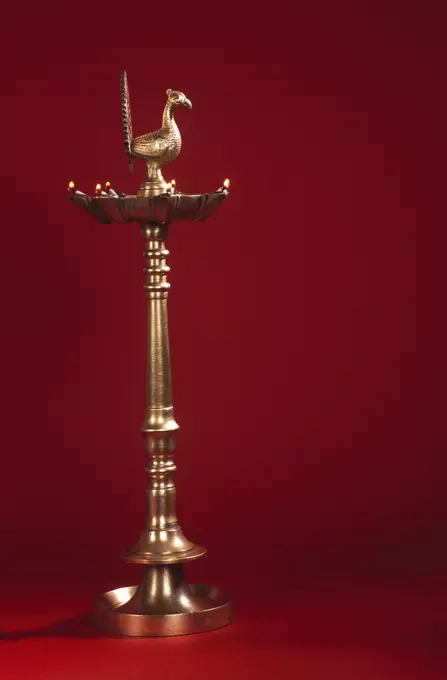
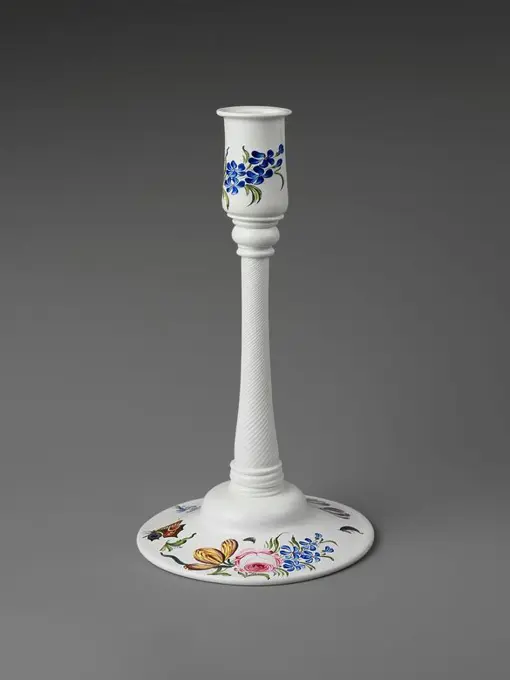
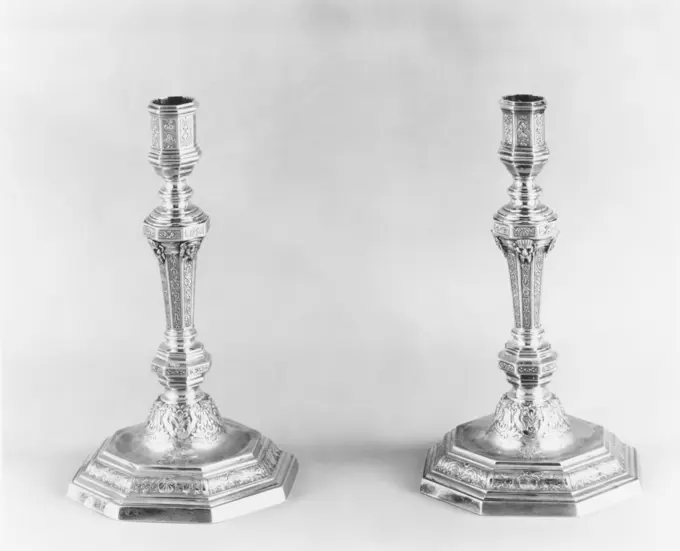
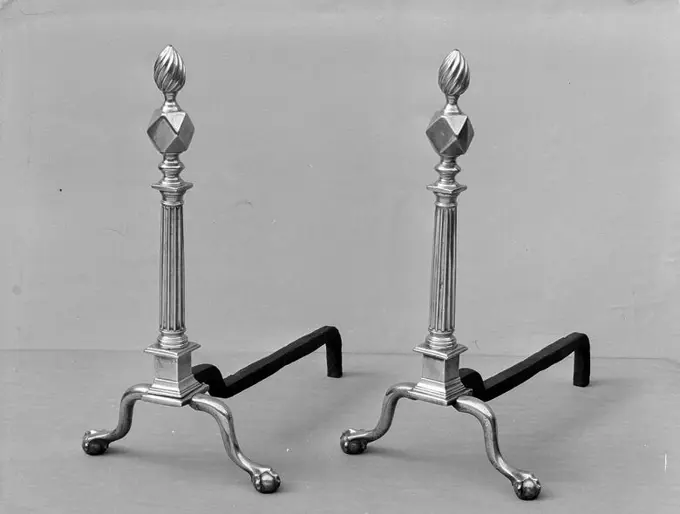
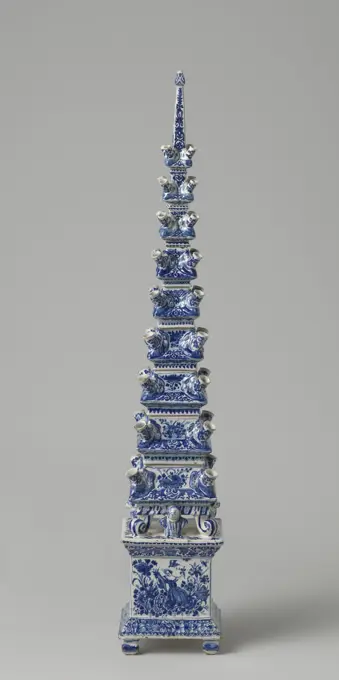
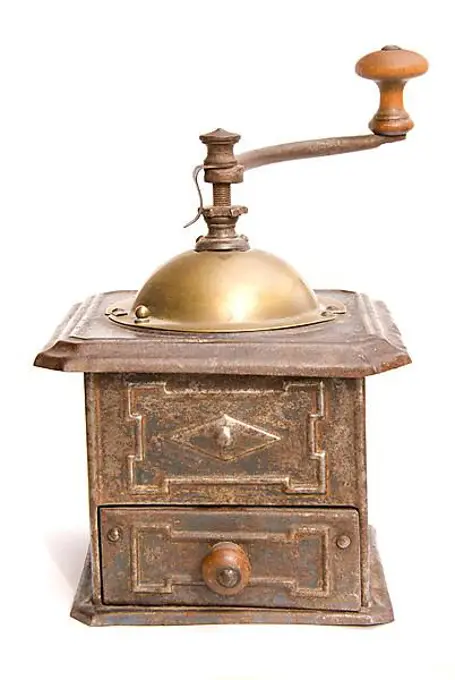
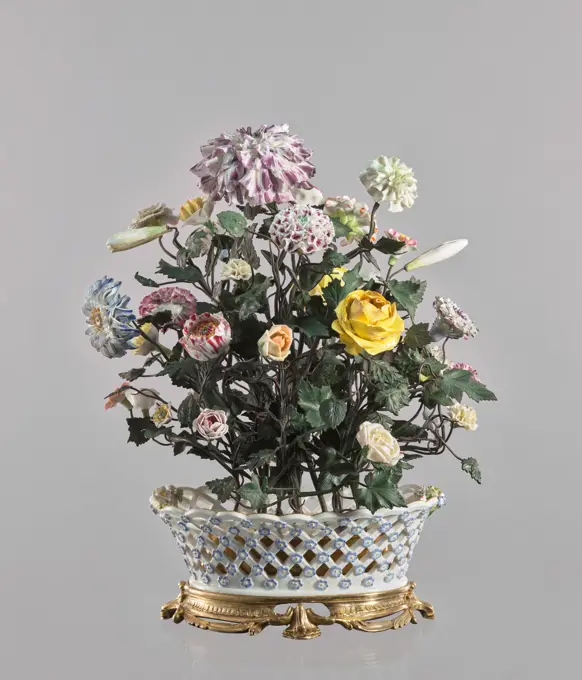
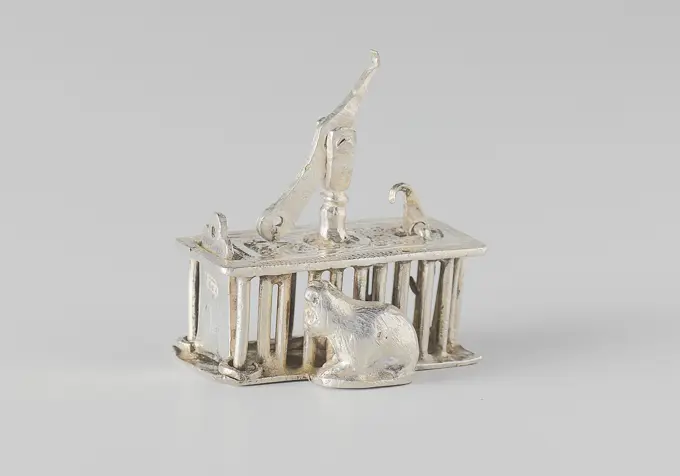
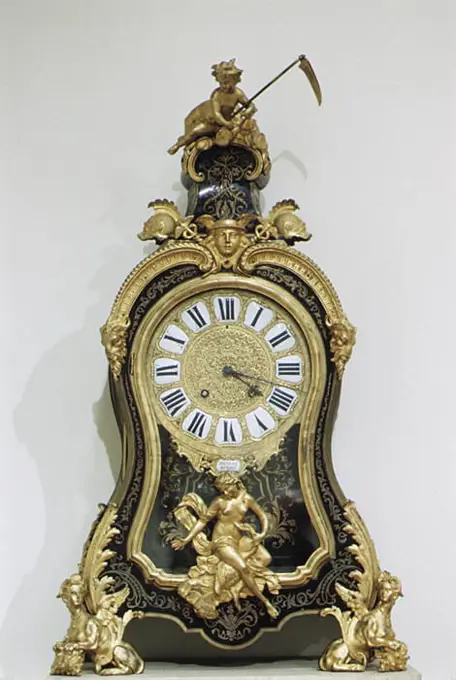
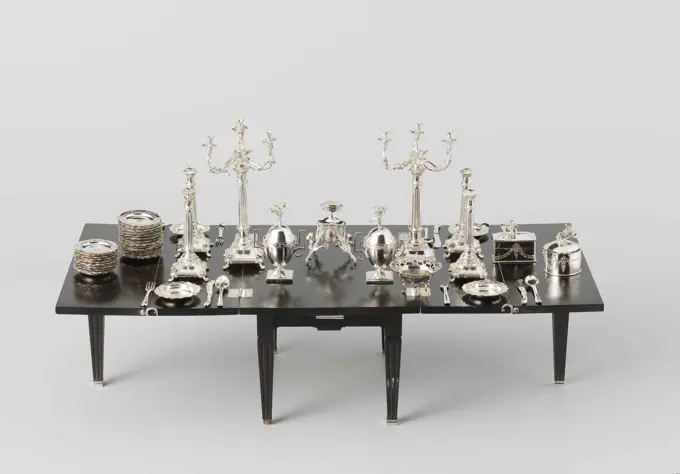
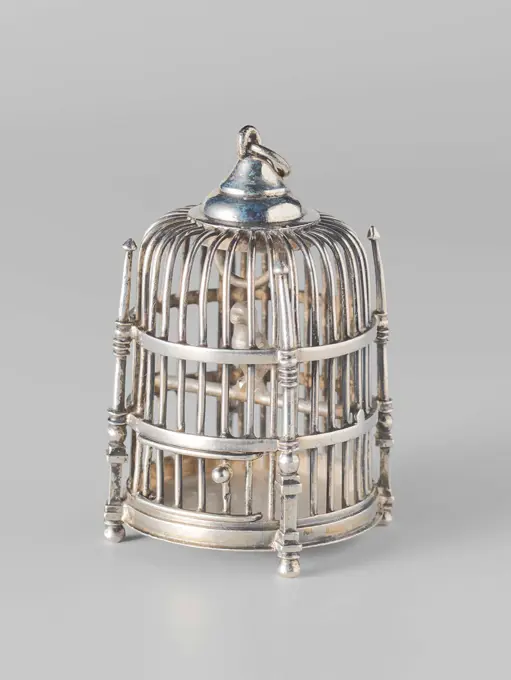
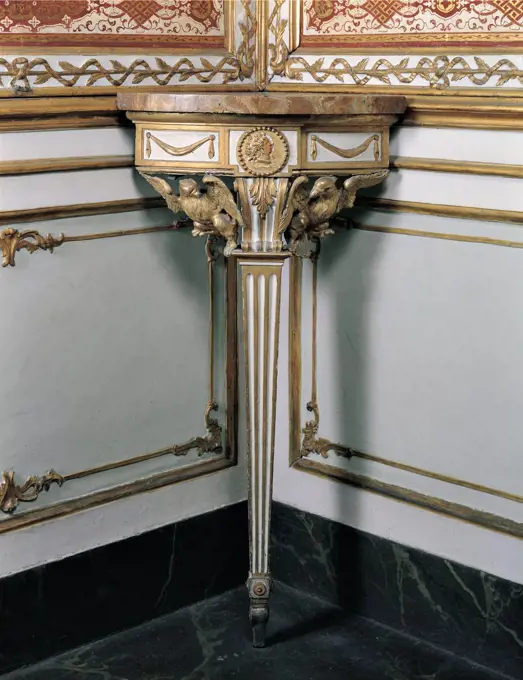
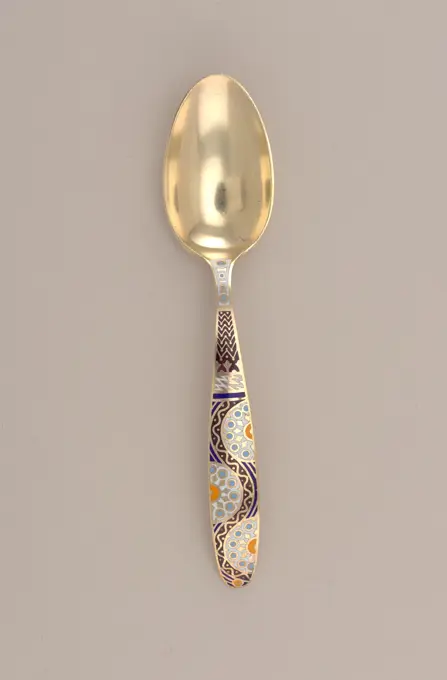
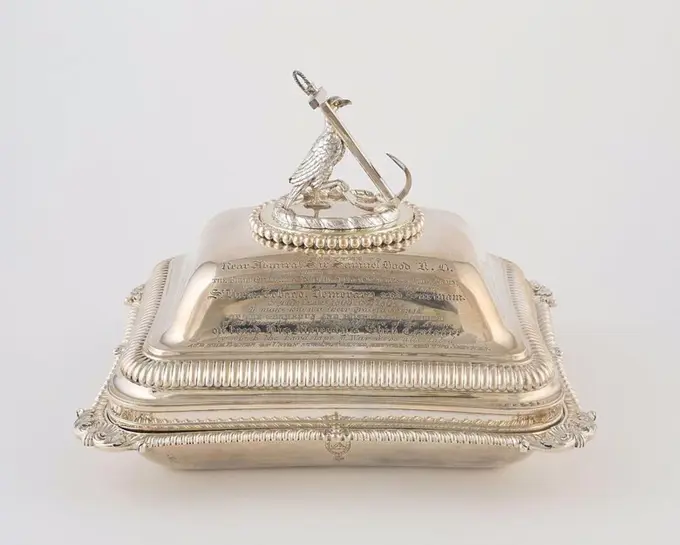
Land;  XIV century (1301-00-00-1400-00-00);Model or an oscillating pump. Model of a sling pump, on a tripod. It is a double-acting pump with two square pump tubes that are connected downstairs with a single, round pump tube. The pump pistons consist of a metal plate that is diagonally placed in the pump tube and on which two triangular, leather-coated valves; They are weighted with lead. Pump inhibitors of the same design are placed at the bottom of the square pump tubes. The pistons are connected by a chain that runs over a wheel in the pump container; Outside a sling is attached to the axis of the wheel, and above a yoke for a chain or rope; With this yoke the pendulum movement is started, so that the pistons are each pulled up and descend.Anonymous Italian Master (Italy (Florence or Umbria)). Set of Four "sgabelli" (ca. 1550). Walnut. 102 x 31.5 x 46 cm. Museum: Museo Nacional Thyssen-Bornemisza, Madrid.Rapier ca. 1620-30 hilt, Italian; blade, German, Solingen The rapier was the principal civilian sidearm throughout the sixteenth and seventeenth centuries. Designed for cut-and-thrust fencing of progressively complex techniques, the rapier is characterized by a double-edged blade with an acute point and an elaborate guard for the hand. The guards, usually of iron or steel, were subject to a variety of embellishment. They were engraved, chiseled, gilded, damascened, and encrusted in gold and silver in keeping with fashionable styles. Unless otherwise noted, the materials, attributions, and dating given here refer to the hilts. Rapier blades, invariably of steel, bear a variety of makers marks denoting their origin in the two principal centers of blademaking, Toledo in Spain and Solingen in Germany.. Rapier. hilt, Italian; blade, German, Solingen. ca. 1620-30. Steel, gold, iron, wood. Solingen. SwordsSilver Birthday Cup for Lieutenant Admiral Engelbert Lucas, J.M. Van Kempen & Son, 1865 cup Silver jar, the chalice with war and navy attributes on both sides, a crowned H and inscription. The shaft consists of two entangled water -spit fantasies and reeds, the foot has a relief like water and the edges cable. On the lid a standing sailor with flag and anchor, cables and a belt with inscription around the edges. Marked with Mastert signs from Van Kempen, annual letter F (= 1865), miner -pack and quality marks. Voorschoten silver (metal) casting / striking (metalworking) / soldering / gildingMarien Lemoyne, Pair of Candlesticks, 1719, silver.Candlesticks, 1800s. Antoine-Louis Barye (French, 1796-1875). Bronze; overall: 32.6 cm (12 13/16 in.).Anonymous, Applique console, 1701. Golden wood. Carnavalet museum, history of Paris.LAMPARA DE LA MEZQUITA-PERIODO MERINI-1333/37-ALEACION COBRE. Location: MEZQUITA QARAWIYYIN. FEZ.Holder with three legs of Zoutvat, Wijnand Warneke (attributed to), 1791 The round, cast, openwork holder rests on three curved legs that are crowned by a foam edge. The upper edge is made up of flower branches, the bottom edge of C-Voluten on which foam edges hang. At the top a smooth ring runs along the inner edge. Amsterdam silver (metal) The round, cast, openwork holder rests on three curved legs that are crowned by a foam edge. The upper edge is made up of flower branches, the bottom edge of C-Voluten on which foam edges hang. At the top a smooth ring runs along the inner edge. Amsterdam silver (metal)Pot van Inktstel, Theodorus Gerardus Bentvelt, 1824 Ton -shaped pot of colorless glass, decorated with a sharpened diamond pattern. A smooth, silver ring is mounted on the neck, on which a silver lid fits. This has a straight wall with a profile edge at the bottom and a cable edge at the top, and a slightly vaulted top. Intended for ink. The three holders are secured by means of a long pin under the bottom of the leaf. Amsterdam glass. silver (metal) Ton -shaped pot of colorless glass, decorated with a sharpened diamond pattern. A smooth, silver ring is mounted on the neck, on which a silver lid fits. This has a straight wall with a profile edge at the bottom and a cable edge at the top, and a slightly vaulted top. Intended for ink. The three holders are secured by means of a long pin under the bottom of the leaf. Amsterdam glass. silver (metal)Porringer.   Maker: William Kirby, American, 1740-1804Arm of a candle crown in two heights, Anonymous, 1630 The S-shaped arm is provided with a ridge on the trunk side with an opening to secure it with a pin in the stand rings. At the trunk the arm is decorated on the end and to the center with two stylized dolphin heads and with three pairs of curls or leaves executed in lobe style. To the outside, the arm ends in a lip, in which a hole provided with a thread is applied, to confirm the candle holder and the fat catcher. The arm is cast using the same model as the other arms of the wreath. The cylindrical candle holder has two profiled ribs, two grooved rings and profiled excellent edge. The fat catcher is deepened twice at the top towards the center. At the bottom it is profiled around the hole on the somewhat spherical middle and ribbed on the edge and with two grooved rings. The fat catcher has been cast using the same model as the other fat catchers of this wreath. The pin is equipped with a vase -shaped button. This is the second armCandlestick. Makers: Matthew Boulton & John FothergillCandlestick of brass. The candle holder has been poured into two parts, the foot as a whole. At the bottom of the base the holders are restiled with tin. The conical foot has an edge maniceled in acko-profile profile. The slightly cylindrically shaped holder is decorated with silly ribs.Kandelaar, Hendrik Boshart, 1789 - 1790 Oval candlestick of silver. The foot and fat catcher decorated with a pearl edge. Middelburg silver (metal). voet: wood (plant material). velvet (fabric weave) Oval candlestick of silver. The foot and fat catcher decorated with a pearl edge. Middelburg silver (metal). voet: wood (plant material). velvet (fabric weave)Wooden coat of arms with prong, by Cornelis Westduel, crowned with cage helmet and lion, surrounded by curling motifs, coat of arms informative form carvings sculpture footage wood paint, Wooden coat of arms with Cornelis van Westduel's crown crowned with cage helmet and lion surrounded by curling motifs Charlois heraldry craftsman dijkgraaf scout master Rotterdam weapon of the Westduel family presumably by Cornelis W Schout and Secretary of Charlois 1734-1741. Originating from the banks for craftsman's bank from the Reformed Church in Charlois.Bronze rod tripod stand. Culture: Greek. Dimensions: Overall: 29 5/8 x 17 1/2 in. (75.2 x 44.5 cm). Date: early 6th century B.C..The tripod stands on feline-paw feet. Atop the central rod of each leg is a palmette, and above this, on the upper ring, a couchant sphinx. Large horse protomes, each including the forelegs as well as the head, decorate the upper rim above each of the inverted U-shaped intermediate rods. Below each horse protome is a lotos blossom. The stand would have supported a bronze vessel.Rod tripod stands have a long history in the eastern Mediterranean region. The earliest examples occurred on Cyprus in the thirteenth century B.C., and the type continued to be produced there and elsewhere in the succeeding centuries. The Cypriot version has a wide distribution: it has been found on Cyprus, Crete, the Cyclades, mainland Greece, Sardinia, and Italy. This stand is an early example of a later, ornate type of Greek manufacturing. Cast in several pieces and then soldered Candles Hanging in Candelabra on WallVanity table unknownCaster and cover, glass, Pear-shaped body, cut with drapery swags and vertical flat flutes; circularfoot; hollowed domed lid; for holding mustard ()., Ireland, ca. 1810, glasswares, Decorative Arts, Caster and coverPair of candelabra 16th century French or Spanish. Pair of candelabra. French or Spanish. 16th century. Iron. Metalwork-IronPepper bus from oil and vinegar set consisting of two bottles and a pepper bus in a three-lawy holder .. pear-shaped thrust on foot with with removable cap. On top of the opened cap is a button. On the abdomen, an alliance weapon is engraved. The pepper bush is older than the other parts the oil and vinegar set.Candlestick, Francois Marcus Simons, 1803 Candlestick with foot. Marked and dated. The Hague silver (metal) casting Candlestick with foot. Marked and dated. The Hague silver (metal) castingLantern with four glass spheres and a glass cylinder in the middle, surrounded by a candlestick, the whole rests on a decorated bronze standard.; 12. Le Nouvel Opéra de Paris. Bronzes.; Le Nouvel Opéra de Paris with 50 photos.Molenbeker, anonymous, c. 1600 - c. 1700 Molenbeker with trumpet -shaped chalice of filigree glass a retortoli. The mill is made of silver. Low Countries glass. molen: silver (metal) glassblowing Molenbeker with trumpet -shaped chalice of filigree glass a retortoli. The mill is made of silver. Low Countries glass. molen: silver (metal) glassblowingPedestal ca. 1870 American. Pedestal. American. ca. 1870. Ebonized rosewood. Probably made in New York, United StatesEDISON, Thomas Alva (1847-1931). United States scientist and inventor. Carbon filament lamp, invented by Edison in 1879. UNITED KINGDOM. ENGLAND. London. The Science Museum.Pair of candelabra first quarter 19th century French. Pair of candelabra. French. first quarter 19th century. Bronze, partly gilt. Metalwork-Gilt BronzeMirror; Urzecze (Huta Zwierciadlana; 1737-1846); around 1740-1750 (1740-00-00-1760-00-00);Annopol (Belarus), Radziwiłł, Albrycht (1717-1762), Radziwiłł, Anna Katarzyna née Sanguszków (1676-1746), Radziwiłł, Anna Kunegunda née Chalecki (1723-1765), Radziwiłł, Hieronim Florian (1715-1760), purchase ( provenance)Galvanoplastic reproduction of a lamp foot, triangular, worn by three women's figures. Galvanoplastic reproduction of a lamp foot, triangular, worn by three women's figures. Gold plated.Gas Street Lamp. Dated: 1936. Dimensions: overall: 30.3 x 22.9 cm (11 15/16 x 9 in.). Medium: watercolor, graphite, and goauche on paperboard. Museum: National Gallery of Art, Washington DC. Author: Mina Lowry.COPA DE MATIAS CORVINO (Corvinusbecher) - 1470-1480 - PLATA REPUJADA - 81 x 19 cm. Author: WOLFGANAG ZULINGER (S XV). Location: MUSEO LAZARO GALDIANO-COLECCION. MADRID. SPAIN.Watch. Culture: British, London. Dimensions: Diameter: 2 in. (5.1 cm). Maker: Watchmaker: Thomas Taylor (British, active 1646-95). Date: ca. 1650. Museum: Metropolitan Museum of Art, New York, USA.Candlestick 1750-60. Candlestick. 1750-60. Brass. Probably made in EnglandModel of the dome of the Lutheran new or dome church in Amsterdam, Anonymous, c. 1700 - c. 1799 Wooden model of the dome of the Lutheran new or dome church on the Singel in Amsterdam. Model with loose fence. Is on chassis. Amsterdam wood (plant material). pine (wood). oak (wood). mahogany (wood). hackia   Amsterdam Wooden model of the dome of the Lutheran new or dome church on the Singel in Amsterdam. Model with loose fence. Is on chassis. Amsterdam wood (plant material). pine (wood). oak (wood). mahogany (wood). hackia   AmsterdamTaper holder (one of a pair) 1812-13 William Abdy II. Taper holder (one of a pair) 195258time concept with hourglass isolatedPair of Wall Lights. Attributed to Burchardt Precht (German, 1651 - 1738)Standard of a baptism or washing basin, anonymous, c. 1600 - c. 1625 A standard of a baptism or washing basin of forged iron, on which traces of gilding polychromy under the later painting can be recognized.  iron (metal) forging A standard of a baptism or washing basin of forged iron, on which traces of gilding polychromy under the later painting can be recognized.  iron (metal) forgingSculptureStandPair of candelabra ca. 1770-80 British. Pair of candelabra. British. ca. 1770-80. Gilt bronze, marble, ebony. Metalwork-Gilt Bronze. Candle arm belonging to a candle wreath of two heights with maria figure at the top. The arm is bent twice and is decorated with four grape fees and five winger leaves. The round fat catcher has opened, knurled vertically placed edges on the bottom, to mask the attachment to the arm. This is done by a round iron pin, which has been screwed into the end of the arm. This is the fifth arm of the lower ring, numbered with 5 vertical notches.. Square toilet box with two drawers and with a standard for a loose mirror. Decorated with pyrols and camellias in Makie on a Nashiji substrate; The inside is black. Gold-plated bronze rings on the drawers and batter with transported decorations at the ends of the standard.17th century Copernican, armillary sphere, spherical astrolabe, armilla, armil, spherical framework of rings, centred on the SunCentral wooden stick of flower pyramid of Delft pottery, anonymous, c. 1700 Central wooden stick of flower pyramid from Faience. Delft wood (plant material) Central wooden stick of flower pyramid from Faience. Delft wood (plant material)Spice container. Baur Mattäus II (*1653-+1728), goldsmith. Standard for a separate mirror of a toilet box. Decorated with pyrols and camellias in Makie on a Nashiji substrate. Gold-plated bronze batter with transported decorations at the ends of the standard.CenserCandlestick Retro golden candlestick isolated with clipping path included Copyright: xZoonar.com/Baloncicix 7070814Brass Oil Lamp, Samai Copyright: xMahendraxPatil/DinodiaxPhotoxPendant with rider on postament. Hanger of gold. Presenting a rider in antique traditional costume standing in a postament-decorated ruby and hanging on two chains. Further decorated with pearls, and email.Pair of Candelabra with a Dancer. UnknownCandlestick. Culture: British. Dimensions: H. 8 15/16 in. (22.7 cm). Maker: Possibly Michael Edkins. Date: 1760-70. Museum: Metropolitan Museum of Art, New York, USA.Pair of candlesticks 1723-25 Jacques Delavigne. Pair of candlesticks 200254Maker Unknown, Chamber Lamp, c. 1850-70, colorless lead glass and pewter.Abruzzo, L'Aquila, Castelvecchio Subequo, S. Francesco, Italy, 20th century, photo, photography, EuropeAndiron. Dimensions: 25 1/2 x 22 1/4 x 13 1/2 in. (64.8 x 56.5 x 34.3 cm). Date: 1760-80. Museum: Metropolitan Museum of Art, New York, USA.Pair of Flower Pyramids, De Metale Pot, c. 1710 - c. 1720 Flower pyramid of faience Delft . Flower pyramid of faience Delft ."Tulip" lamp. Culture: American. Dimensions: 23 1/8 in. (58.7 cm)Body diameter: 14 in. (35.6 cm). Maker: Tiffany Studios (1902-32). Date: 1907-12.Floral motifs dominate some of the most evocative nature-inspired lampshades produced by Tiffany Studios. The tulip was a popular subject, and this model displays some of the richest colorations of glass, varying from rich pink to deep red to brilliant purple. The base--an essential component of a Tiffany lamp--was produced in another division and often designed for a particular shade. This base was created by blowing opaque green glass through the bronze tracery. The bulbous stem rests atop four foliate leaves among ripples of water, further evoking the nature-inspired motif. Museum: Metropolitan Museum of Art, New York, USA.Pair of CandlesticksSpoon stalk with image apostle, anonymous, c. 1600 - c. 1625 Silver spoon stalk with a gilded apostle at the end. Germany silver (metal) gilding Silver spoon stalk with a gilded apostle at the end. Germany silver (metal) gildingClock binding; Prószków L Ski (Factory of the Fajans; 1763-1853); End of the 18th century (1790-00-00-1800-00-00);Historic metal hand-mill, Austria, EuropePorcelain bouquet - insert for the basket. Koenigliche Porcellain Fabrique, Meissen (1710-1763), factoryMouse trap, anonymous, c. 1718 - c. 1734 Elongated mouse trap with movable traps. The top has been processed and the sides consist of bars. There is a mouse in the fall and there is a cat next to the fall. The mouse trap is marked: stk. = Amsterdam and an ax. Amsterdam silver (metal) Elongated mouse trap with movable traps. The top has been processed and the sides consist of bars. There is a mouse in the fall and there is a cat next to the fall. The mouse trap is marked: stk. = Amsterdam and an ax. Amsterdam silver (metal)Crucifix 16th century Base by The Saracchi, Milan. Crucifix 198800Goblet (Germany); Johann Jacob Adam (d. 1792); silver (gilt), gold, glassStanding clock. The timepiece is missing., William Gib, 1700 Standing clock glued with carrot wood. The clock has a door with circular glass window, surrounded by a copper edge. The plinth list is profiled and rests on four black wooden bulbs. The hood rests on four columns and is arched at the top. On the dial the name of the timepiece maker: William Gib Rotterdam. The bow -shaped filling above the dial shows fruit -bearing children. Two gilt wooden statuettes are placed on the hood. The timepiece is missing. Rotterdam Standing clock glued with carrot wood. The clock has a door with circular glass window, surrounded by a copper edge. The plinth list is profiled and rests on four black wooden bulbs. The hood rests on four columns and is arched at the top. On the dial the name of the timepiece maker: William Gib Rotterdam. The bow -shaped filling above the dial shows fruit -bearing children. Two gilt wooden statuettes are placed on the hood. The timepiece is missing. RotterdamTerracotta stemmed plate 5th century B.C. Greek, Attic Reserved circle on top; black circle on underside of foot.. Terracotta stemmed plate 255207 Greek, Attic, Terracotta stemmed plate, 5th century B.C., Terracotta, H. 2 3/8 in. (6.1 cm); diameter 6 9/16 in. (16.7 cm). The Metropolitan Museum of Art, New York. Gift of Dietrich von Bothmer, 1965 (65.78)Handforged Ancient Art Nouveau Table Lamp Handforged Ancient Art Nouveau Table LampTrivetClock (pendule à console) ca. 1720-23 Movement by Louis Mÿnüel French cabinetmaker Charles Cressent broke Paris guild restrictions by making his own bronze fittings for furniture and clocks instead of going to bronze founders. Among the bronzes seized from his workshop in 1723 were figures of Leda and the Swan to be placed below the dial” and a sphinx to be used at the foot of a clock.” These decorative mounts are similar to those on this clock case, which also features a bronze Cupid holding a scythe, symbolizing Love conquering Time.. Clock (pendule à console) 202541. Round eating sign with scalloped edge. Guird builds are engraved on the edge. A flower is engraved in the middle of the board. The sign has been labeled: stk. = Amsterdam, jrl. = X (1782) and mt. = Foot 430. The plate is a copy from a set consisting of 36 identical plates (BK-NM-11177-189 up to / m. NM-11177-224).. Round eating sign with scalloped edge. Guird builds are engraved on the edge. A flower is engraved in the middle of the board. The sign has been labeled: stk. = Amsterdam, jrl. = X (1782) and mt. = Foot 430. The plate is a copy from a set consisting of 36 identical plates (BK-NM-11177-189 up to / m. NM-11177-224).Wash Stand, 14th-17th century, 5 x 4 7/16 in. (12.7 x 11.27 cm), Glazed earthenware, China, 14th-17th centuryPlate. Round eating sign with scalloped edge. Guirlandes are engraved on the edge. A flower is engraved in the middle of the board. The plate has been marked: stk. = Amsterdam, jrl. = X (1782) and mt. = Foot 430. The plate is a copy of a set consisting of 36 identical plates (BK-NM-11177-189 up to / m. NM-11177-224).bangkok thailand street lamp in the sky   palaces  temple   abstract  sunny day    Birdcage. Cylindrical bird cage with a carrying ring. Two smooth horizontal tires are attached to the cage, to which four vertical, profiled rods are attached. At the bottom, these rods form the legs of the cage and run through to the top edge of the cage. In the cage is a bird on a stick. The cage has a small door and has been marked: STK. = Amsterdam and Mt. = Willem van Serbant. See also Invnr. BK-14913-C.Corner, by di Fiore Gennaro, 1782, 18th Century, wood carved, painted and partly gilded, marble top. Italy, Campania, Caserta, Royal Palace. Whole artwork. Corner cupboard furniture furnishings fittings design shelf top marble wood white gold carving decoration ornamentation eagles winged figures animals tea-table corner walls.ClockWatch with Floral Vines, anonymous, c. 1830 - c. 1850 Watch of gold and email. The entire rear bottom is covered with tendrils and flowers. The silver dial is slightly lobed and provided with a star -shaped ornament. France (possibly) gold (metal). silver (metal). Watch of gold and email. The entire rear bottom is covered with tendrils and flowers. The silver dial is slightly lobed and provided with a star -shaped ornament. France (possibly) gold (metal). silver (metal).Spoon (USA); Manufactured by Gorham Manufacturing Company (United States); enameled and gilt silver; L x W x D: 14.9 x 3.2 x 1.6 cm (5 7/8 x 1 1/4 x 5/8 in.)Hilt from a Court Sword, c. 1790-1800. England, late 18th Century. Polished steel, pierced and inset with faceted steel beads; overall: 18.4 cm (7 1/4 in.); guard: 9.7 cm (3 13/16 in.). The entire hilt is made of polished steel, with faceted steel beads of different sizes arranged in rows and rosettes to give the impression of a "jeweled" hilt. This was an object of great luxury to be worn only with a gentleman's formal attire at court.Model of a Pagoda, Anonymous, 1700 - 1800 Model of a pagoda. The saddle -shaped basement is decorated with an Inganglift honeycomb motif. The actual miniature pagoda consists of four floors upwards gradually decreasing in size. Each of the square floors is provided with a window on all sides and is covered by a stone plate in the form of a sloping shelter. The other side of these stone plates have a decoration that imitates the chimneys that can be traced to the lower roof edge of a wooden pagoda. On the roof of the fourth floor a stone masterpiece that represents the bronze pinacle of a Chinese pagoda. It consists of a square pedestal with a double lottery thron not on it. The nine times grooved shaft on that is an imitation of the nine bronze rings of the masterpiece in the architecture of China and Japan. Finally, another lotus button. Japan (possibly) granite (rock) Model of a pagoda. The saddle -shaped basement is decorated with an Inganglift honeycomb motif. The actual miniature Mantel Clock.Entree Dish with Cover from the Hood Service. Paul Storr; English, 1771-1844; London, England. Date: 1806-1807. Dimensions: 22.2 x 28.6 x 24.3 cm (8 3/4 x 11 1/4 x 9 1/2 in.). Sterling silver. Origin: London. Museum: The Chicago Art Institute, Chicago, USA.Altar candlestick (pair with 1975.1.1383) ca. 1565 Andrea di Alessandri, called Il Bresciano. Altar candlestick (pair with 1975.1.1383). Andrea di Alessandri, called Il Bresciano (Italian, Brescia ca. 1530-ca. 1569 Venice). ca. 1565. Copper alloy with a thick black varnish patina.. Metalwork-BronzeNécessaire (one of a pair). Artist: Enamel miniature of King George IV painted by Charles Muss (1779-1824); After a portrait by Sir Thomas Lawrence (British, Bristol 1769-1830 London). Culture: British, London. Dimensions: Overall (confirmed): 9 1/8 × 4 1/2 × 2 1/2 in. (23.2 × 11.4 × 6.4 cm);Overall (case, confirmed): 11 3/4 × 5 5/8 × 3 5/8 in. (29.8 × 14.3 × 9.2 cm). Entrepreneur: John Barbot (British, recorded 1751-65). Date: ca. 1760.This richly decorated shagreen case protected an extravagant nécessaire in the shape of a miniature cabinet. Scent bottles, an ivory notebook, a patch box, and other toilet implements are stored inside. Museum: Metropolitan Museum of Art, New York, USA.stone column made in 3 D graphicsRELOJ BRACKET - SIGLO XVIII. Location: PRIVATE COLLECTION. MADRID. SPANIEN.Lamp 1868-75 Probably Atterbury and Company. Lamp 4706Chandelier With Lights, Lamps & LightingElegante, antike, blau emaillierte Boudouruhr, ca. 1784-91 Elegante, antike, blau emaillierte Boudouruhr, ca. 1784-91 LicenseRF Copyright: xZoonar.com/GallóxGusztávx 23308995Pair of Girandoles. UnknownWilliam McAuley, Tip table or Cant table, 1937 Tip-table or Cant-tableArtificial Intelligence. Joel Otterson (b.1959). Copper and wood. Executed in 1986. 175.9 x 41.9 x 33.3cm.Model of an Artificial Reef, 's Lands Werf Amsterdam, 1800 demonstration model Model of a water palissade or water rider. It is a roof -shaped framework with two rows of sharp points at the top, pointing in one direction. On the one hand it has ordinary anchors, to the other. Amsterdam wood (plant material). brass (alloy). lead (metal)Tea caddy (one of a pair) 1726/27 Augustin Courtauld British These tea caddies, used for green and black teas, are delicately engraved with the arms of a member of the Still family, descendants of Bishop John Still, who was granted arms in 1593. The three motifs on each shield are roses, and the dotted pattern on the background represents drops of water. Listen to experts illuminate this artwork's story Listen Play or pause #407. Teapots Supported by Bloomberg Philanthropies We're sorry, the transcript for this audio track is not available at this time. We are working to make it available as soon as possible.. Tea caddy (one of a pair) 205034Sand Glass or 15 seconds. The hourglass is mounted between wooden plates that are held together by brass bolts.