Antique Furniture and Decor

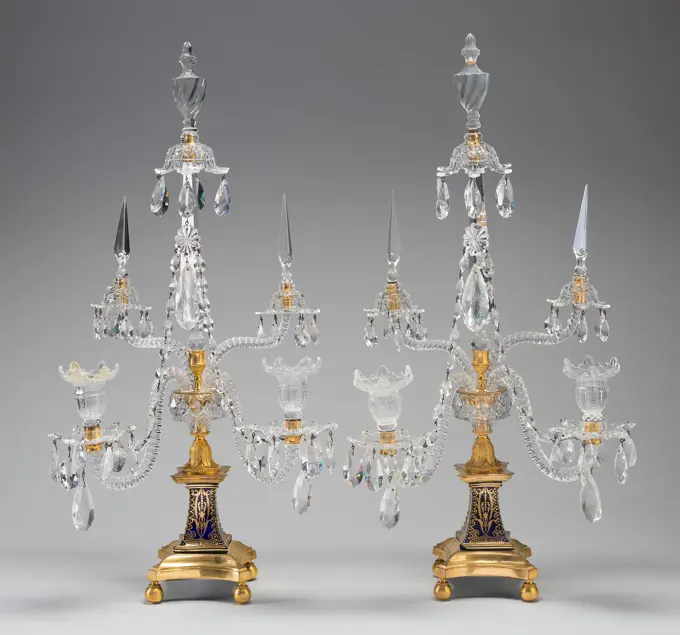
A range of ornate antique furniture pieces including candlesticks and chairs, showcasing intricate designs and historical craftsmanship.

Sgabello, chair of walnut, Anonymous, 1550 - 1600
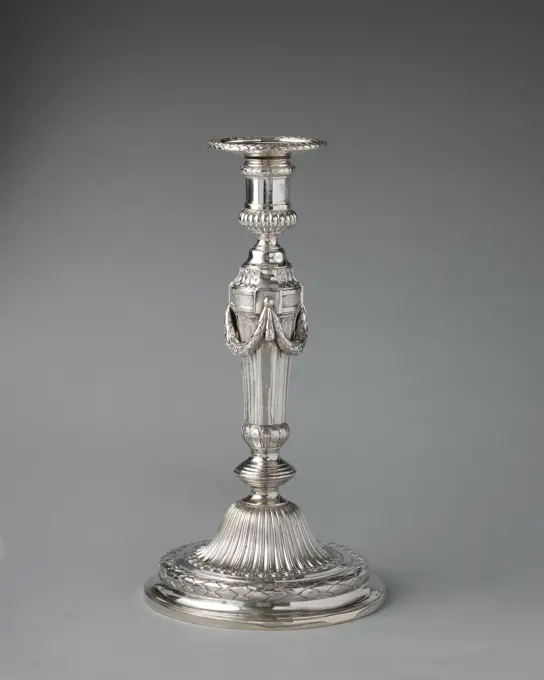
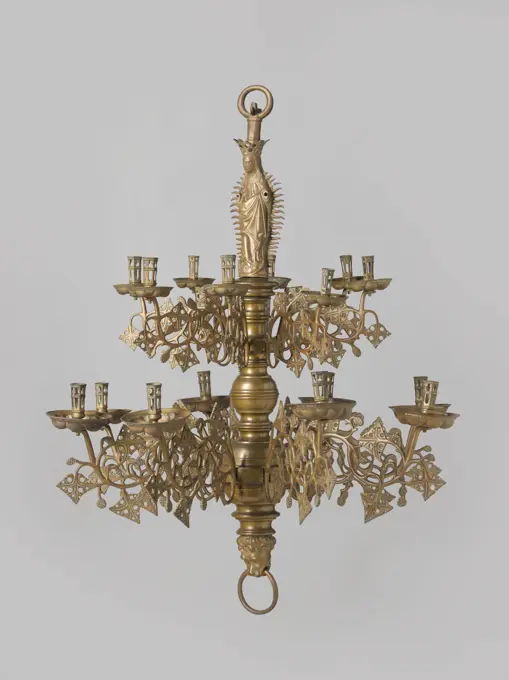
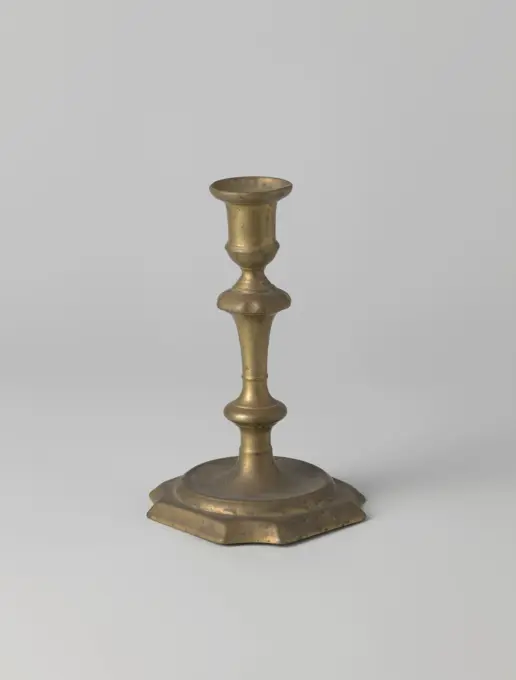
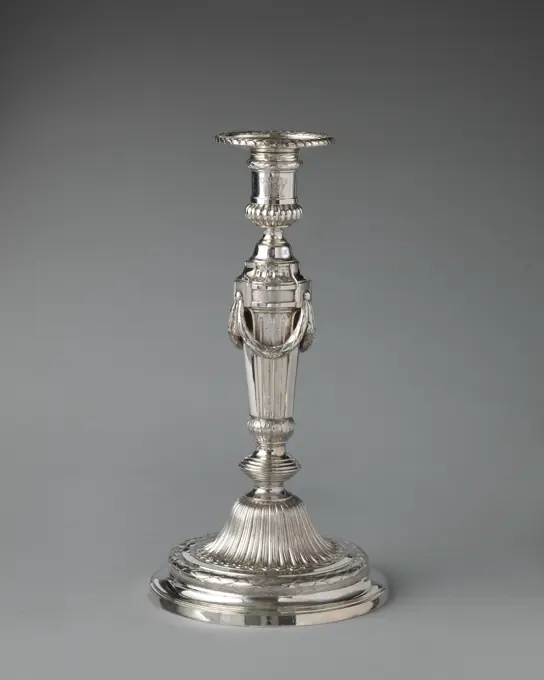
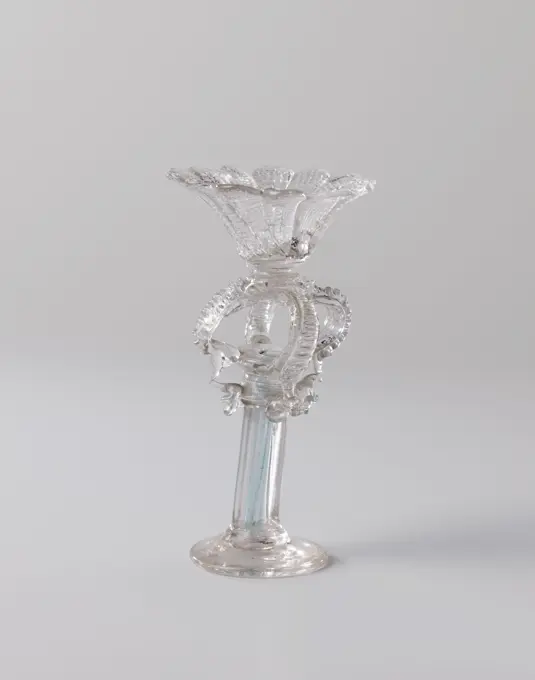
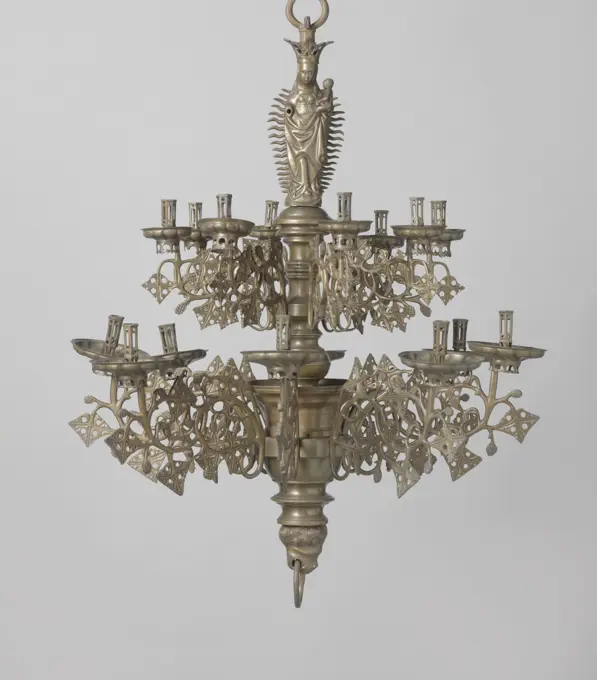
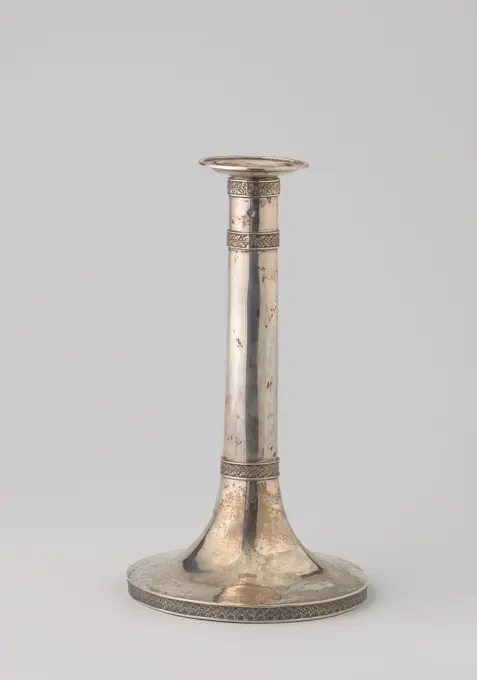
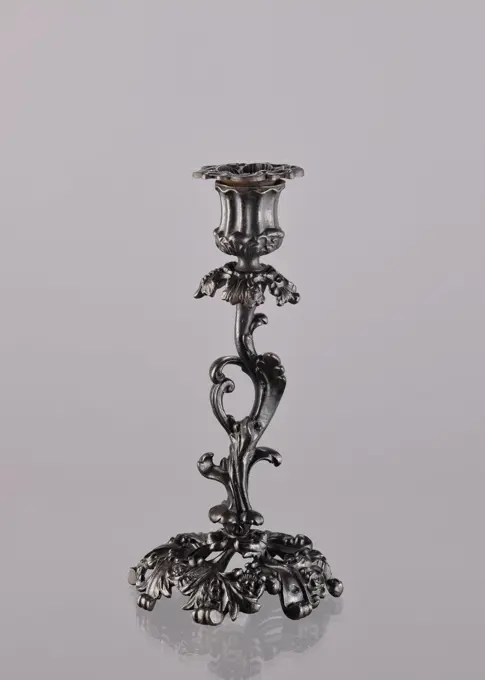
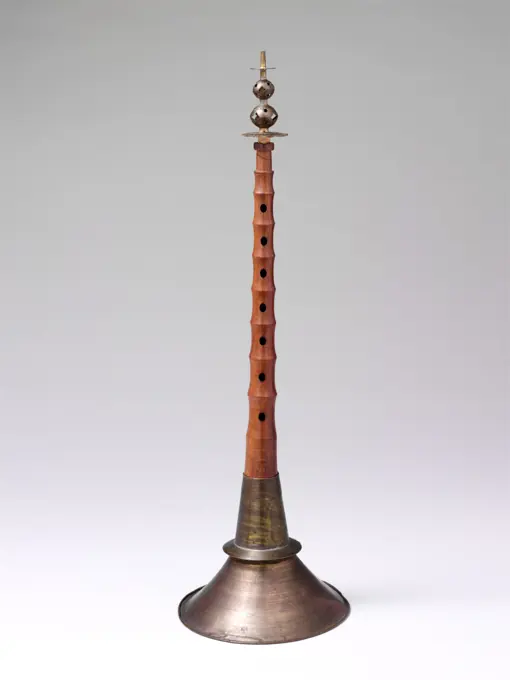
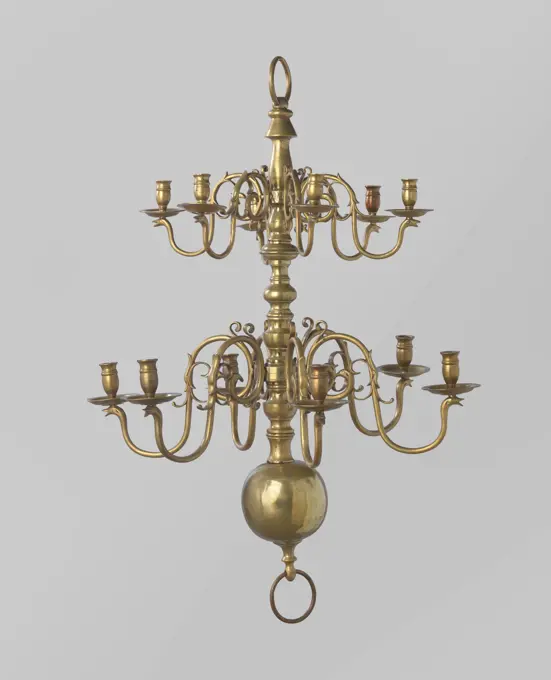
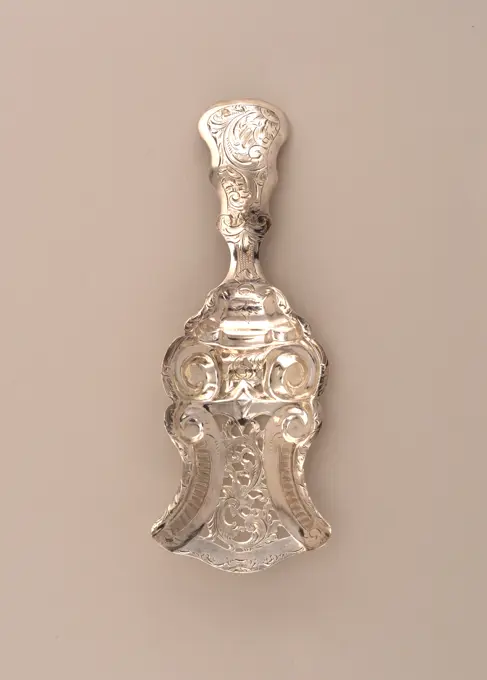
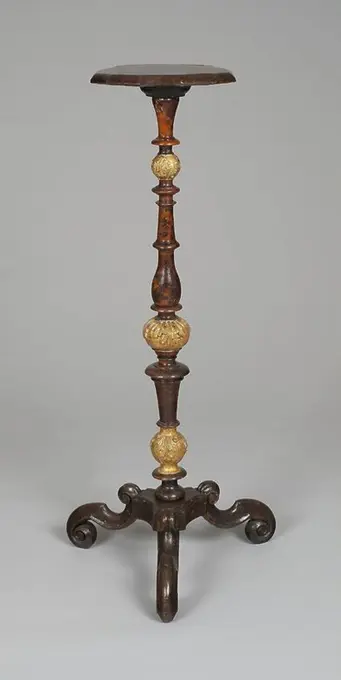
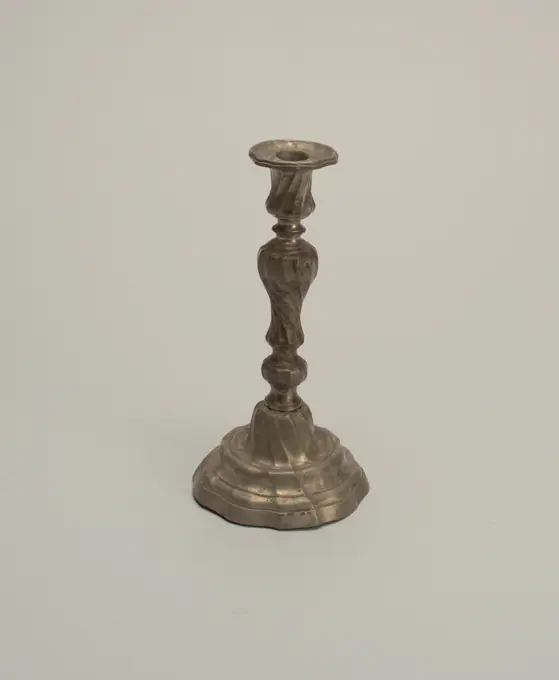
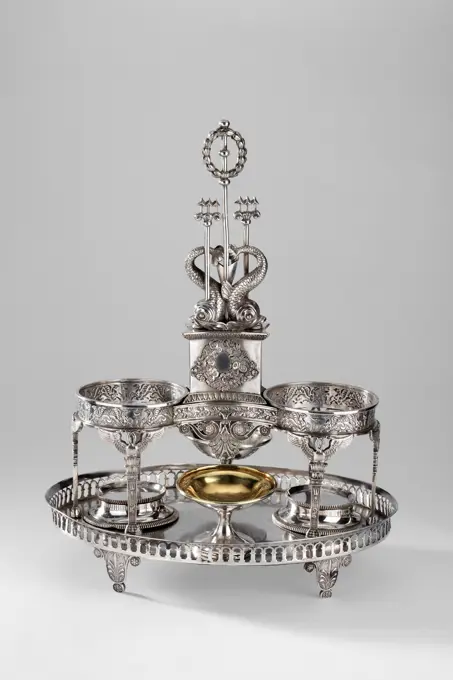
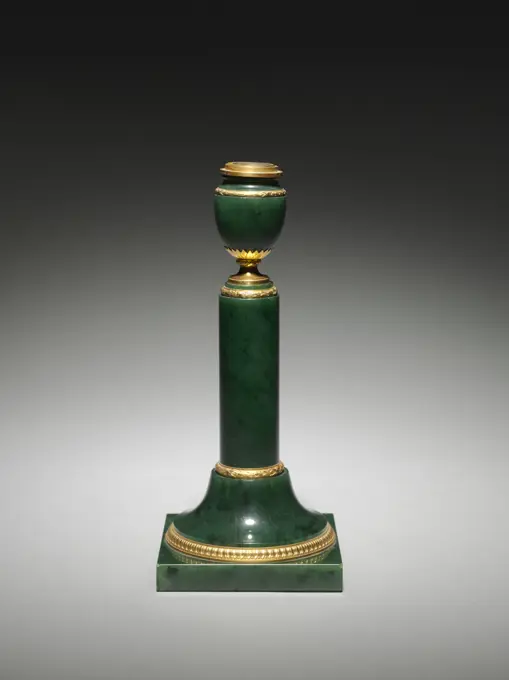
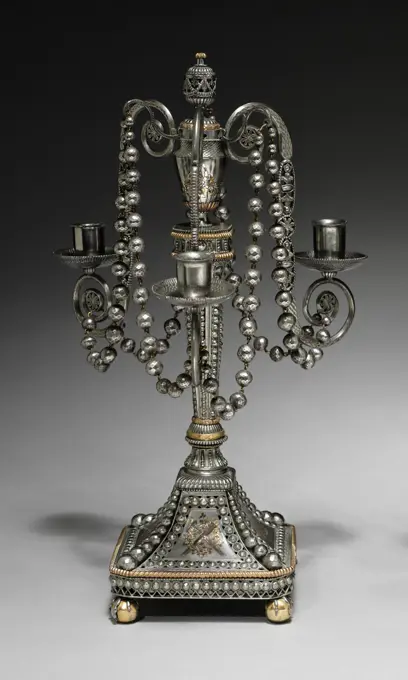
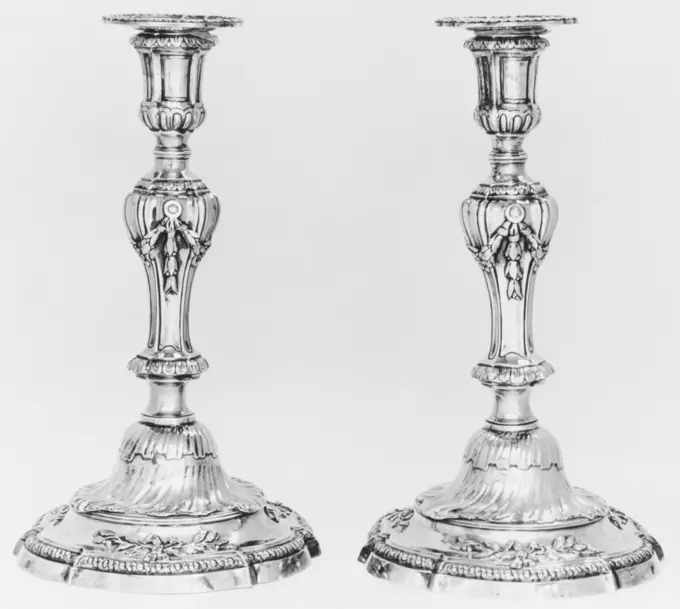
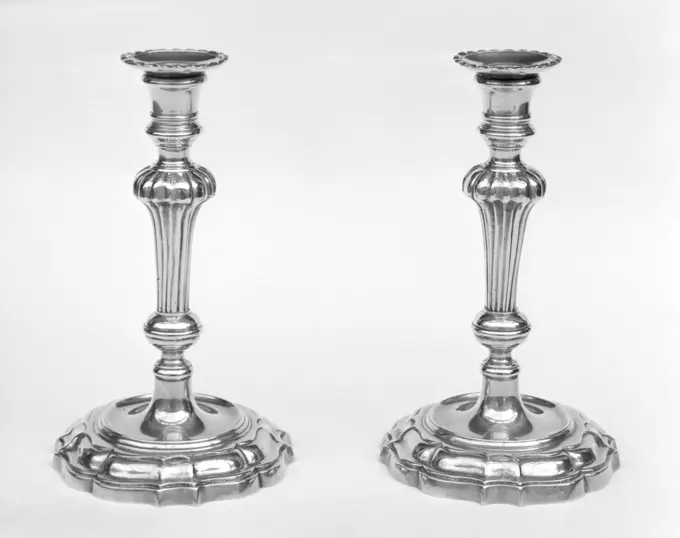
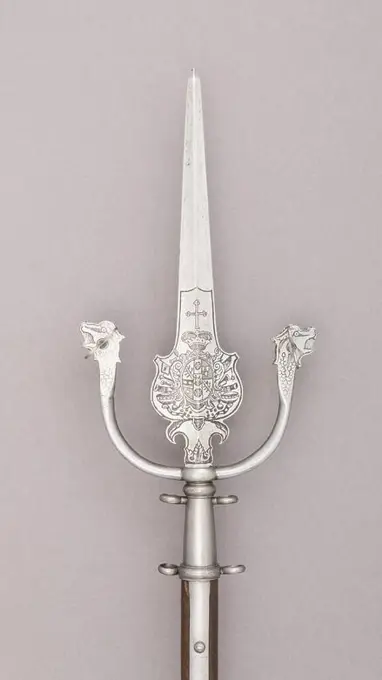
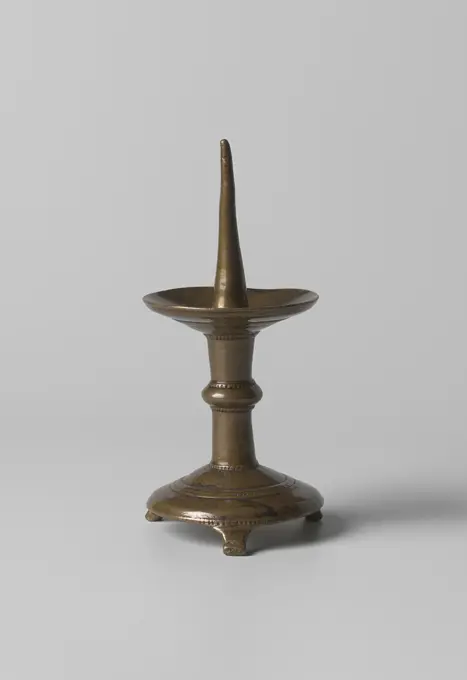
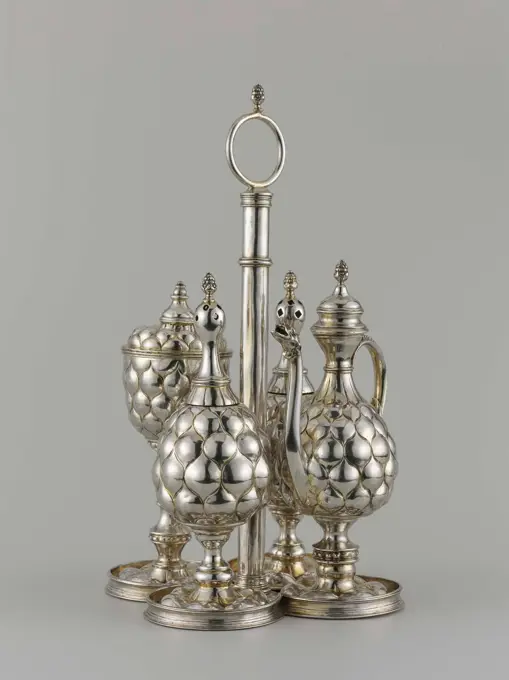
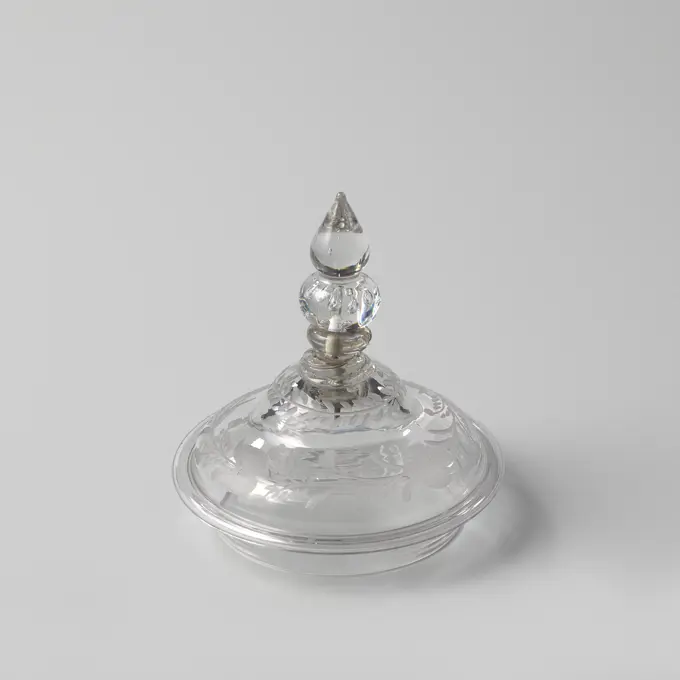
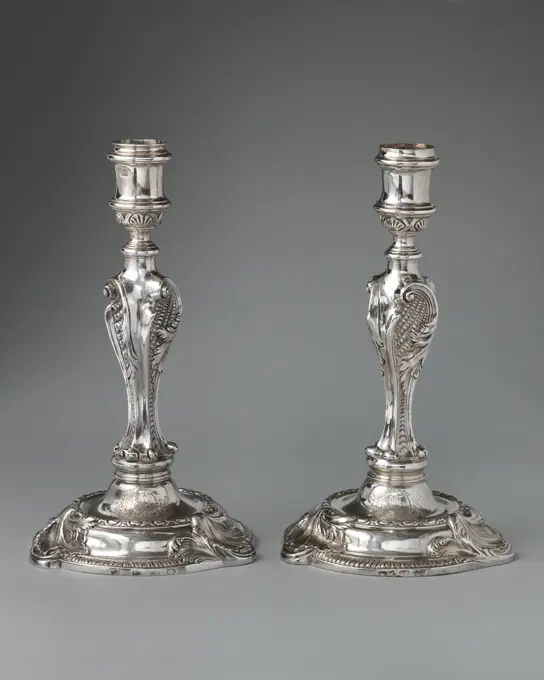
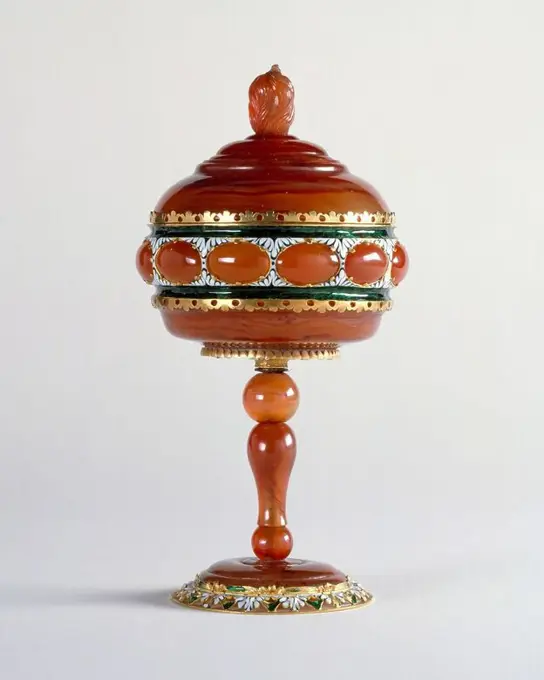
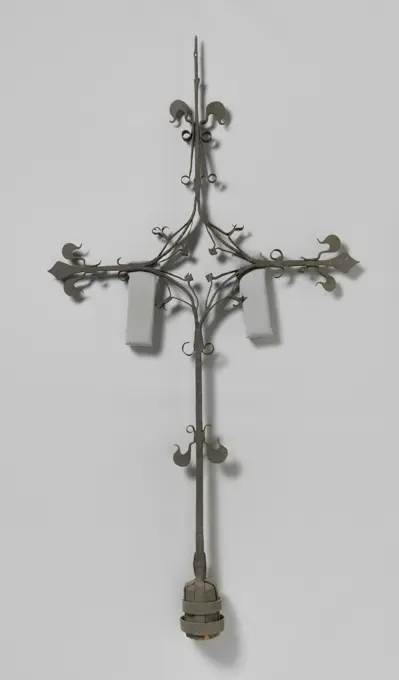
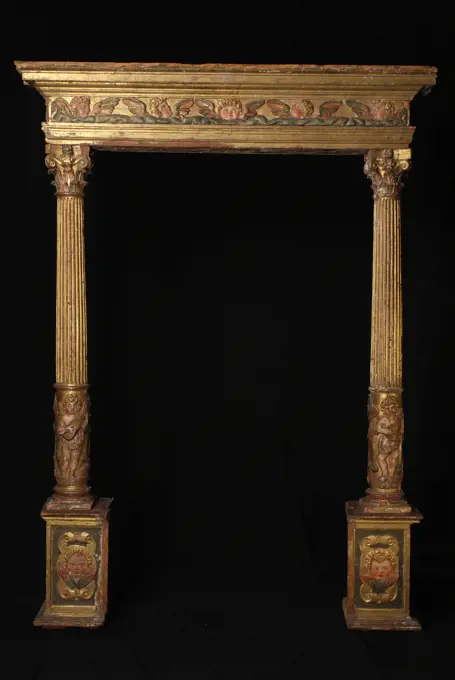
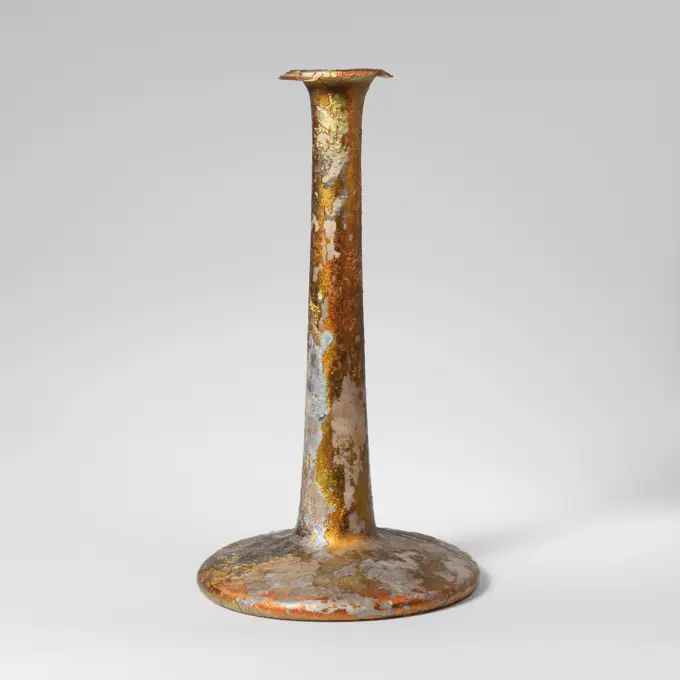
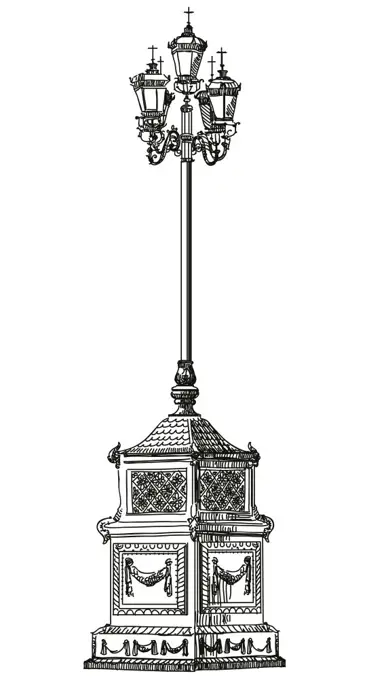
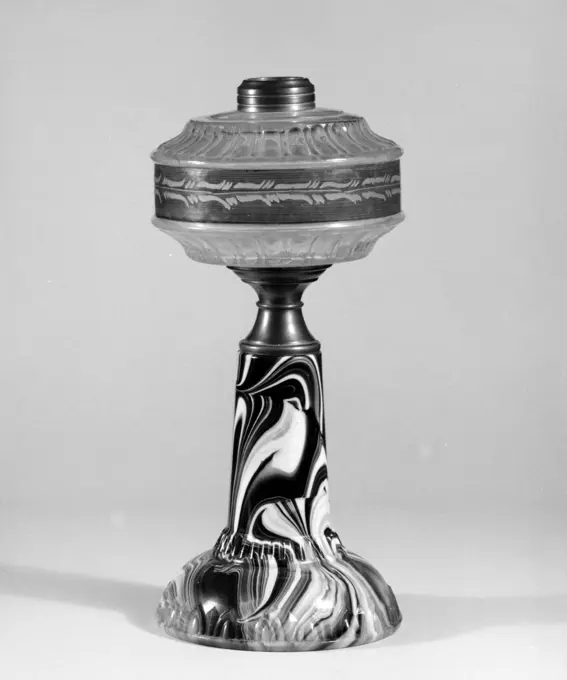
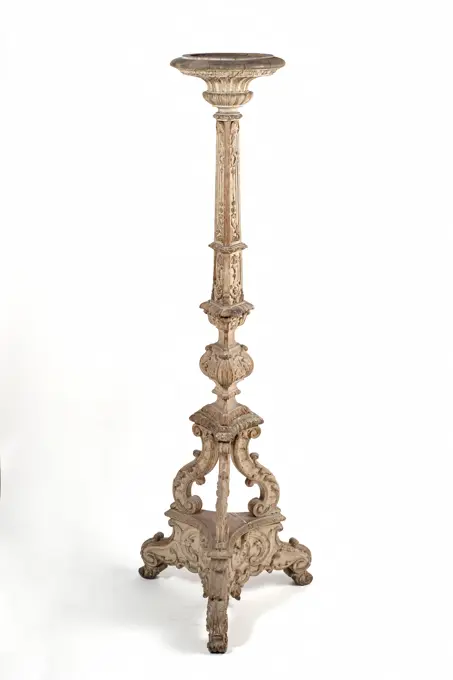
Anonymous. Tree. Carved and painted oak. 1700-1725. Paris, Carnavalet museum. Furniture, furnitureTwo-light Candelabrum; Manufactured by George Eadon & Company; silver, wood; Overall: 31.6 x 33 x 11 cm (12 7/16 x 13 x 4 5/16 in.)Candlestick with foot in lobe style, anonymous, c. 1650 - c. 1700 Foot, trunk, fat catcher and pin are cast separately. The triangular in tabstyle is made up of three S-Voluten, which are connected by three cartouches, and which carry the triangular basis for the trunk. This consists of a vase and a baluster. The profiled fat catcher has a rib in the middle of the strongly protruding edge. The candle pin decorated with grooved rings is carefully profiled at the foot and ends in a acorn at the top. The candlestick is weighted inside at the bottom to give more firmness. Low Countries brass (alloy) casting Foot, trunk, fat catcher and pin are cast separately. The triangular in tabstyle is made up of three S-Voluten, which are connected by three cartouches, and which carry the triangular basis for the trunk. This consists of a vase and a baluster. The profiled fat catcher has a rib in the middle of the strongly protruding edge. The candle pin decorated with grooved rings is carefully profiSgabello, chair of walnut, Anonymous, 1550 - 1600. Chair of walnut, resting on a, in spread position, front and rear plate, connected by a sport. The front plate is decorated with a twisted button flanked by acanthus volutes. The backboard and the wide seat rules also carry a button. The back has the shape of a reverse-like triangle with two flat panels. The upper shell ends on both sides in a circular rosette and has a shield with tree in the middle, and is further decorated with a cartouche and leaf rights in Intarsia.Candlestick (one of a set of eight) 1768/69 John Romer British. Candlestick (one of a set of eight). British, London. 1768/69. Silver. Metalwork-SilverArm with candle holder of candle crown of two heights, each with eight arms, 1525 - 1550 Candle arm belonging to a candle crown of two heights with maria figure at the top. The arm is bent twice and is decorated with four grapes bunches and five vine leaves. The round fat catcher is decorated at the bottom with six round lobes. The candle holder is six -flat, opened, placed on three vertical styles, transferring to a threaded protrusion. This is the first arm of the upper ring, numbered with 3 round points. The candle holder is unnumbered. Southern Netherlands brass (alloy) casting Candle arm belonging to a candle crown of two heights with maria figure at the top. The arm is bent twice and is decorated with four grapes bunches and five vine leaves. The round fat catcher is decorated at the bottom with six round lobes. The candle holder is six -flat, opened, placed on three vertical styles, transferring to a threaded protrusion. This is the first arm of the upper ring, numbered with 3 rArm with candle holder of candle crown of two heights, each with eight arms, 1525 - 1550 Candle arm belonging to a candle crown of two heights with maria figure at the top. The arm is bent twice and is decorated with four grapes bunches and five vine leaves. The round fat catcher is decorated at the bottom with six round lobes. The candle holder is six -flat, opened, placed on three vertical styles, transferring to a threaded protrusion. This is the eighth arm of the upper ring, unnumbered. The candle holder is unnumbered. Southern Netherlands brass (alloy) casting Candle arm belonging to a candle crown of two heights with maria figure at the top. The arm is bent twice and is decorated with four grapes bunches and five vine leaves. The round fat catcher is decorated at the bottom with six round lobes. The candle holder is six -flat, opened, placed on three vertical styles, transferring to a threaded protrusion. This is the eighth arm of the upper ring, unnumbered. The candle holder is Arm van sabbathlamp, unknown, 1700 - 1800 Arm from a Sabbath lamp. The S-shaped arm ends towards the trunk in a curl and turns outside into a flat mounting part, in which the bulb and hollow round is screwed to the base of the foot on the profiled round fat catcher. This is the first arm, numbered with 1 round point. Nuremberg brass (alloy) casting Arm from a Sabbath lamp. The S-shaped arm ends towards the trunk in a curl and turns outside into a flat mounting part, in which the bulb and hollow round is screwed to the base of the foot on the profiled round fat catcher. This is the first arm, numbered with 1 round point. Nuremberg brass (alloy) castingCandlestick with driven flowers, Peter Alberts (attributed to), 1672 Silver candlestick. The sea lobby, curved foot flows into the trunk, which is twisted above the nodus. At the foot, festons, connected by a rest of lobe ornament. The Nodus and Stam are decorated with driven flowers and tendrils. The loose fat catcher is unadorned. Zwolle silver (metal) Silver candlestick. The sea lobby, curved foot flows into the trunk, which is twisted above the nodus. At the foot, festons, connected by a rest of lobe ornament. The Nodus and Stam are decorated with driven flowers and tendrils. The loose fat catcher is unadorned. Zwolle silver (metal)Candlestick (one of a set of eight). Culture: British, London. Dimensions: Overall (confirmed): 11 1/2 x 9 1/16 in., 33 oz. 4 dwt. (29.2 x 23 cm, 1033g). Maker: Andrew Fogelberg (British, active by 1767-d. before 1815). Date: 1774/75.An early development of the neoclassical style, le goût grecque (Greek taste) was highly fashionable at the end of the 1760s. While in Paris, the Duke of Bedford acquired a set of boldly architectural candlesticks by the French goldsmith Robert-Joseph Auguste. The design was later borrowed by several English makers, among them Andrew Fogelberg, who made these examples for James Dutton, 1st Baron Sherborne. Museum: Metropolitan Museum of Art, New York, USA.. Salt barrel, in the form of a fountain. The vaulted, profiled base with raised center carries, above a double insulation, the reverse uniform member on which the wide pelvis with beat outer edge is located. A garden vase is placed on an increase in the middle of the basin with a dancing men's figure as a crowning. Foot and pelvis are surrounded by a ribbed edge and finely driven tendrils ornament on granulated soil. To enter the interpretation over the foot and the vase shape godrink edges.Candlestick from brass, anonymous, c. 1725 - c. 1750 The candlestick is composed of two parts: the foot and the trunk with the candle holder. The trunk with the holder are cast in two vertical halves, of which the casting seams can still be seen on both sides. The flat square base has hollow round beveled corners and has a slightly raised round edge towards the middle. This part can serve as a fat catcher. The trunk has a knot and a baluster widening upwards, which repeats the profile of the foot in diameter. The Cylindrian candle holder has an excellent raised edge. England brass (alloy) casting The candlestick is composed of two parts: the foot and the trunk with the candle holder. The trunk with the holder are cast in two vertical halves, of which the casting seams can still be seen on both sides. The flat square base has hollow round beveled corners and has a slightly raised round edge towards the middle. This part can serve as a fat catcher. The trunk has a knot and a baluster widCandlestick (one of a set of eight) 1774/75 Andrew Fogelberg British An early development of the neoclassical style, le goût grecque (Greek taste) was highly fashionable at the end of the 1760s. While in Paris, the Duke of Bedford acquired a set of boldly architectural candlesticks by the French goldsmith Robert-Joseph Auguste. The design was later borrowed by several English makers, among them Andrew Fogelberg, who made these examples for James Dutton, 1st Baron Sherborne.. Candlestick (one of a set of eight). British, London. 1774/75. Silver. Metalwork-SilverCandlestickScale on high foot, in the form of a flower, anonymous, c. 1700 Light conical foot. Straight trunk with a light blue thread. Four ribbed loops wear the flower -shaped chalice. France glass glassblowing Light conical foot. Straight trunk with a light blue thread. Four ribbed loops wear the flower -shaped chalice. France glass glassblowingArm with candle holder of candle crown of two heights with eight arms each, c. 1525 - c. 1550 Candle arm belonging to a candle crown of two heights with maria figure at the top. The arm is bent twice and is decorated with nine grape bunches and five vine leaves. The round fat catcher is decorated with fish bladder motifs at the bottom and has an excellent edge of cross flowers towards the middle, which masks the placement on the arm. The candle holder is six -flat, opened, placed on three vertical styles, transferring to a threaded protrusion. This is the second arm of the bottom ring, numbered with 4 round points. The candle holder is numbered 4 diagonal notches. Southern Netherlands brass (alloy) casting  Barneveld Candle arm belonging to a candle crown of two heights with maria figure at the top. The arm is bent twice and is decorated with nine grape bunches and five vine leaves. The round fat catcher is decorated with fish bladder motifs at the bottom and has an excellent edge of cArm with candle holder of candle crown of two heights with eight arms each, c. 1525 - c. 1550 Candle arm belonging to a candle crown of two heights with maria figure at the top. The arm is bent twice and is decorated with nine grape bunches and five vine leaves. The round fat catcher is decorated with fish bladder motifs at the bottom and has an excellent edge of cross flowers towards the middle, which masks the placement on the arm. The candle holder is six -flat, opened, placed on three vertical styles, transferring to a threaded protrusion. This is the second arm of the bottom ring, numbered with 2 round points. The candle holder is unnumbered. Southern Netherlands brass (alloy) casting  Barneveld Candle arm belonging to a candle crown of two heights with maria figure at the top. The arm is bent twice and is decorated with nine grape bunches and five vine leaves. The round fat catcher is decorated with fish bladder motifs at the bottom and has an excellent edge of cross flowers towaCandlestick (A and B) of silver with cylindrical trunk on high, round base. Decorated with edges with oak magazine, anonymous, c. 1400 - c. 1950 Silver candlestick. The round, high foot turns into the cylindrical trunk. Decorated with edges with oak magazine. Brands: Rad, 13 in Rectangle, LM in rectangle, crowned V.  silver (metal) Silver candlestick. The round, high foot turns into the cylindrical trunk. Decorated with edges with oak magazine. Brands: Rad, 13 in Rectangle, LM in rectangle, crowned V.  silver (metal)Torchère van Gilded Lindenhout, Anonymous, c. 1600 - c. 1699 Torchère from Gilded Lindenhout. On three rays -placed claw legs is the three -hand base, which is decorated on the corners with kinked volutes and on each of the areas with a medallion. On this is a triangular cover plate with faint concave sides, on which the shaft exists, which consists of the following sections; A cup -shaped part with a serrated edge, a reverse pomegranate, a disk, an acanthus button, from which a tutited canneted column shaft, which ends in four rings of different diameters, while the third and fourth are decorated with pearl edge. Above the round deck disc, in which a square pen. Italy wood (plant material). linden. gilding (material) gilding Torchère from Gilded Lindenhout. On three rays -placed claw legs is the three -hand base, which is decorated on the corners with kinked volutes and on each of the areas with a medallion. On this is a triangular cover plate with faint concave sides, on which the shLand;  Ok. PO. 19th century (1846-00-00-1855-00-00);Arm with candle holder of candle crown of two heights, c. 1525 - c. 1575 Candle arm belonging to a candle crown of two heights with naked woman at the top. The arm has a sphere and hollow-rounded nodus in the middle and thickens a little on both sides. At the trunk she ends in a spiral curl. She flows out in the screw end of iron. On it is the round fat catcher with a rim at the bottom. The round in each other's extended openwork candle holder has a holy -round base that is screwed onto the arm. This is the first arm of the bottom ring, numbered with 4 diamond -shaped points. The candle holder is unnumbered. Northern Germany (Possible) brass (alloy) casting Candle arm belonging to a candle crown of two heights with naked woman at the top. The arm has a sphere and hollow-rounded nodus in the middle and thickens a little on both sides. At the trunk she ends in a spiral curl. She flows out in the screw end of iron. On it is the round fat catcher with a rim at the bottom. The round in eachArm with candle holder of candle crown of two heights, c. 1525 - c. 1575 Candle arm belonging to a candle crown of two heights with naked woman at the top. The arm has a sphere and hollow-rounded nodus in the middle and thickens a little on both sides. At the trunk she ends in a spiral curl. She flows out in the screw end of iron. On it is the round fat catcher with a rim at the bottom. The round in each other's extended openwork candle holder has a holy -round base that is screwed onto the arm. This is the first arm of the bottom ring, numbered with 5 diamond -shaped points. The candle holder is unnumbered. Northern Germany (Possible) brass (alloy) casting Candle arm belonging to a candle crown of two heights with naked woman at the top. The arm has a sphere and hollow-rounded nodus in the middle and thickens a little on both sides. At the trunk she ends in a spiral curl. She flows out in the screw end of iron. On it is the round fat catcher with a rim at the bottom. The round in eachKandelaar.The vaulted base is rectangular in diameter, with rounded corners. He flows into the baluster-shaped strain. This is strongly nominated under the candle holder at the top. The parts are all resurrected and decorated with leaves and C volutes. The loose square fat catcher is made up of partially curling sheet motifs. Under the foot of both candlesticks, engraved: V 204.Suona ( ) 19th century Chinese Double-reed instruments first appeared during the late Han dynasty, having originated in the Middle East. The term suona derives from zurna, the Arabic name for the instrument. It is depicted, along with many other instruments, in images created from the third to the fifth century in the Buddhist cave temples at Kizil. The penetrating sound of the suona, ideal for processions and military functions, was easily appropriated for popular music. Several varieties are found in China, including a smaller version called a haidi. The player, whose mouth completely covers the small reeds, uses circular breathing (inhaling through the nose) to maintain a constant tone.. Suona ( ). Chinese. 19th century. Rosewood, brass.. Beijing, China. Aerophone-Reed Vibrated-double reed. A confidante of the Russian empress commissioned this 140-piece service, several items of which are displayed here. Silversmith Odiot, the painter Prudhon and the architect Cavelier proudly presented the new models at the 1819 French national exhibition of decorative art.Notable are the kneeling angels supporting the soup tureen, which are characteristic of the late Empire style.Candle crown, anonymous, c. 1700 - c. 1800 Crown with two rows of six arms mounted above each other to a profiled trunk. The trunk runs at the bottom in a large sphere with an engraved flower band. The top of the trunk has a bearing eye, so that a chain hangs. An arm of the crown has been broken down. The crown is marked: Mt. = C. van der Aa and a written letter J. Netherlands Silversmith: Schoonhoven silver (metal) Crown with two rows of six arms mounted above each other to a profiled trunk. The trunk runs at the bottom in a large sphere with an engraved flower band. The top of the trunk has a bearing eye, so that a chain hangs. An arm of the crown has been broken down. The crown is marked: Mt. = C. van der Aa and a written letter J. Netherlands Silversmith: Schoonhoven silver (metal)Arm of a candle crown in two heights, Anonymous, 1890 - 1910 The arm has an S-shape, ending out in a snake head and on the other end in bird heads. The arm is decorated with curls there. Screws have been applied in the protrusion on the candle holder, the arm or at the end of the connecting rod. In the middle the arm also has a stylized animal head. This is the fifth arm of the lower position ring, numbered with the number 5. Netherlands brass (alloy) casting The arm has an S-shape, ending out in a snake head and on the other end in bird heads. The arm is decorated with curls there. Screws have been applied in the protrusion on the candle holder, the arm or at the end of the connecting rod. In the middle the arm also has a stylized animal head. This is the fifth arm of the lower position ring, numbered with the number 5. Netherlands brass (alloy) castingFed Spot of partially gilded nuthout, Anonymous, 1550 - 1600 Pedimis of partially gilded walnut. The flat-sawn front and backs are placed in spread stand and are connected by an articulated sport at the bottom. The front shows a stabbed mascaron in the midst of lion claws ending in lion claws; Above it a clock cord, also amidst voluten. The back building has a similar decoration on the inside, indicated by deepened gilded contours. The pedestal has been cut and profiled. See: BK-16869-A. Italy wood (plant material). walnut (hardwood). gilding (material) gilding Pedimis of partially gilded walnut. The flat-sawn front and backs are placed in spread stand and are connected by an articulated sport at the bottom. The front shows a stabbed mascaron in the midst of lion claws ending in lion claws; Above it a clock cord, also amidst voluten. The back building has a similar decoration on the inside, indicated by deepened gilded contours. The pedestal has been cut and profiled. See: BK-16869-A. John Scofield, Pair of Candelabra, 1785/86, silver.Candlestick;  1. PO. 19th century (1850-00-00-1850-00-00);Sifting Spoon (Netherlands); Manufactured by J.M. van Kempen and Son, Voorschoten (Netherlands); stamped bright-cut sheet silver; L x W x D: 17.4 x 6.4 x 2.2 cm (6 7/8 x 2 1/2 x 7/8 in.)Three-Arm Candelabrum, one of a pair, 1784, Matthew Boulton Plate Co., Sheffield, England, 1759-1842, 26 x 14 1/4 x 14 1/4in. (66 x 36.2 x 36.2cm), Sheffield plate, England, 18th centuryCandlestand. London. Date: 1680-1690. Dimensions: H.: 113 cm (44 1/2 in.). Painted, japanned, and gilt wood. Origin: London. Museum: The Chicago Art Institute, Chicago, USA.Antoine Louis Barye, Three Light Candelabra Antique Style with Chains, model nd, cast c 1845 1874 Three Light Candelabra Antique Style with ChainsCandlestick And Socket. Large arm of candle wreath.Spice set. Westwalewicz, Stanisław (fl. 1821-1842), goldsmithArm with candle holder of candle crown of three heights, c. 1675 - c. 1725 Candle belonging to a brass candle crown of three heights. The S-shaped arm has a curl and turns outside into the flat thickening with a screw hole. The candle holder is secured with the fat catcher. The fat catcher is ribbed at the bottom of the opening and also has twice two grooved rings. The cylindrical candle holder, who has a profiled excellent edge, two grooved rings and a thickening, turns into a baluster with the end of threads at the bottom and a button in which the center hole can be seen. This is the first arm of the upper position ring, numbered with 1 round point. The pin, to attach the arm to the stand ring, has a round button on top. Southern Netherlands (possibly) brass (alloy) casting Candle belonging to a brass candle crown of three heights. The S-shaped arm has a curl and turns outside into the flat thickening with a screw hole. The candle holder is secured with the fat catcher. The fat catchPair of candlesticks late 15th-early 16th century Italian. Pair of candlesticks. Italian. late 15th-early 16th century. Iron. Metalwork-IronReliquary. Culture: Italian. Dimensions: Overall: 15 9/16 x 6 5/16 in. (39.5 x 16 cm). Date: 16th century. Museum: Metropolitan Museum of Art, New York, USA.Electric Lamp in the Form of a Candlestick, after 1896. Firm of Peter Carl Fabergé (Russian, 1846-1920), Karl Gustav Hjalmar Armfelt (Finnish). Jade with silver gilt mounts; overall: 20.9 x 9.3 cm (8 1/4 x 3 11/16 in.).Candlestick probably first half 17th century Spanish. Candlestick 198948Paschal Candlestick, c. 1525-1550. Northern Italy, possibly Padua, 16th century. Bronze; overall: 123.2 x 41 x 44 cm (48 1/2 x 16 1/8 x 17 5/16 in.).Candelabra (1 of 2), c. 1790-1795. Russia, Tula, Neo-classical, 18th century. Cut and polished steel with gold and silvered decoration; overall: 40.7 x 24.8 cm (16 x 9 3/4 in.).Oil Lamp (samai) with a Peacock and an Elephant Base. India, Maharashtra, 18th century. Furnishings; Lighting. Copper alloyAntique silver amphora on a white background Copper crown with five lights, Theo Nieuwenhuis, c. 1916 The object consists of a ceiling piece, five tubes for the cords of the five lighting points, a decorative upper hood with sawn-out rank ornament, the hood with cut off torament for the middle lighting (against which a frosted glass ball is placed), four out of two halves built in front of bulbs for The lighting points around it. Mat glass parts are included in these bulbs in the upper halves. The bulbs for the four lighting points are also equipped with sawn -out lodswinkers and bird motifs. Pieces of green glass are mounted in the ring, which encloses the middle lighting. The middle lighting is trimmed with a volant of frosted beads and shielded at the bottom with a natural beige battery cloth, in which the ornament of the lamp is freely repeated. Amsterdam copper (metal). glass. textile materials sawing The object consists of a ceiling piece, five tubes for the cords of the five lighting points, a decorative upper hood with saPair of candlesticks 1775 Jacques-Pierre Marteau. Pair of candlesticks 200080Pair of candlesticks 18th century probably French. Pair of candlesticks 199864SugarBowl.  Maker: John Burt Lyng, American, active 1764-85Candlestick, Cornelis Knuysting (possibly), 1789 - 1791 Silver candlestick, in Louis XIV style. The channeled trunk runs out wider upwards and is closed by a rosette list on which three garlands hang. Rotterdam silver (metal) Silver candlestick, in Louis XIV style. The channeled trunk runs out wider upwards and is closed by a rosette list on which three garlands hang. Rotterdam silver (metal)Galvanoplastic reproduction of a lid to a cup, fa. Elkington & Co., after 1865 - Before 1881 GalvanoPlastic reproduction of a lid Corning with a cup (BK-NM-5317-1). On the lid three panels Biblical scenes in low relief. Gilded. London copper (metal). silver (metal) gilding GalvanoPlastic reproduction of a lid Corning with a cup (BK-NM-5317-1). On the lid three panels Biblical scenes in low relief. Gilded. London copper (metal). silver (metal) gildingPowerful fork for fish; Werner and S-ka (Warsaw; Wytwórnia Z Otnią; 1864-1939), Werner, Teodor August (1836-1902); 1896 (1896-00-00-1896-00-00);Linstock with Arms of Franz Lothar, Count von Schönborn, Archbishop of Mainz and Elector (1695-1729). Culture: German. Dimensions: L. 78 5/8 in. (199.7 cm); L. of head 13 1/8 in. (33.3 cm); W. 6 1/16 in. (40.8 cm); Wt. 2 lbs. 5 oz. (1050 g). Date: late 17th century. Museum: Metropolitan Museum of Art, New York, USA.Candle holder. The object, which is poured into a whole, has a flattening konent, resting on three legs, a trunk with a button, a fat catcher and a large candle pin. The profiles on the trunk and around the foot are accentuated with a point stroke. The stylized claws at the end of the legs are missing.Spreader with diamond holes in the lid, belonging to a spice detection. Spreader, belonging to a spice service. The spreader rests on a six-spectant foot on which a flattened nodus and a diabolo-shaped spacer are stacked. Above the body reproduces the shape of a pine cone - in a slimmer version than of the oil can - decorated with drip-shaped bulges. The high screw-on lid narrows upwards after which it widened into a rotten spherical top. This part is equipped with diamond holes. The lid is decorated at the bottom with vertical grooves that are bounded by a profiled edge. The top is awarded by a button in the shape of a pine cone.Vase. Dated: c. 1937. Dimensions: overall: 29 x 20.8 cm (11 7/16 x 8 3/16 in.). Medium: watercolor, pen and ink, and graphite on paperboard. Museum: National Gallery of Art, Washington DC. Author: Janet Riza.Wall Light. Unknown maker, FrenchGoldsmith's art, 19th century. Edwardian diamond lavalliere.Pair of andirons 18th century British. Pair of andirons. British. 18th century. Brass, iron. Metalwork-BrassTorchère of gold-plated linden wood. The base is formed by three nozzles placed broken volutes, decorated with acanthus leaf and debecks by Lambrequins. Torchère of gold-plated linden wood. The foot consists of three nozzles placed broken vultuts, decorated with standing acanthus leaf and covered by three lambrequins. In the middle portion of the three-sided, openwork shaft, which ivasses upwards, a bellow is hanging; On the sides thereof there are three with acanthus leaf decorated consoles with marker list, which supports it upwardly rejuvenating upper of the shaft. The round, chalical light holder is flat covered. BK-14302-b.Table with hexagonal leaf and substructure, on S-shaped legs, decorated with flower and leaf motifs. Dish of iron wood. The hexagonal leaf is trimmed with a pearl edge and rests on a hexagonal substructure of six lying broken panels with flower and leaf motifs. The whole stands on five elongated S-shaped legs, also decorated with flower and leaf motifs. The knees of the legs and space in between are filled with sculpture of branches with blossoms and fencing. The legs are interconnected by five as spokes of a wheel placed rules with a rosette in the middle.Lid of a jar. Vaulted lid, awarded with articulated lid knob, consisting of two discs, a flat button, a spherical knob with two rows of air bubbles and a pear-shaped end. Flower and leaf ornaments engraved on the lid.Pair of candlesticks 1745-46 Thomas Gilpin The arms engraved on the bases are those of Aubrey impaling Parsons.. Pair of candlesticks. British, London. 1745-46. Silver. Metalwork-SilverTwo Candelabra 1780-1800 England. Clear and blue glass, gilding and bronze mounts .Two garden vases with the Four Seasons, Jacob Cressant, 1714 On one of the reliefs Ceres, who moved a sickle in the right arm and has a sickle in the left hand. She sees left to two children, whose front, a girl, holds a branch with fruits in the raised hand and a bird on a stick in the other, where the boy grabs. To the right of Ceres a kneeling girl with a pear in one hand and a rake in the other. The children wear a sash over the shoulder. Ridays: Bachus sits to the right and sees left to a boy, which holds him a chalice and for whom he has beaten his right arm. With the left hand he takes a bunch of grapes from a basket that is offered to him by a girl. She sees around to another boy, which wears a dead hare and bird on a stick over the shoulder. Behind him lies a greezewind. Bacchus is wearing a wreath of vines on the head, the cloak shot and left arm the right boy has a sash. Utrecht marble (rock) On one of the reliefs Ceres, who moved a sickle in the right arm and has a sickle iCandle holder. .Candlestick. Culture: European. Dimensions: Overall: 16 5/8, with pricket 20 5/8 x Diam. of base 7 3/8 in. (42.2 x 18.7 cm). Date: 15th-16th century.Medieval man took advantage of the light of day as much as possible, but, in the early dark of winter, he had to have recourse to other forms of light, most frequently that of the fireplace. In the fourteenth and fifteenth centuries, the smoky torches of resinous wood, which formerly had been used to provide additional light in the rooms of castles, were generally restricted to use at outdoor events. Candles mounted in wall brackets, chandeliers, or candlesticks, and in some cases, oil lamps, were used to light interiors. Common candles made of tallow had wicks that needed constant trimming and burned with an unpleasant smell. The better quality candles, made of beeswax and used with pricket candlesticks, were so expensive that only the wealthy could afford them. Although in the late Middle Ages large pricket candlesticks were more commonStandCandle holder. The object, which is poured into one whole, has a flat-konic foot, resting on three stylized claws, a trunk with a knot, a fat catcher and a large candle pin. The profiles on the trunk and around the foot are accentuated with a point stroke. The candle pin shows traces of a thread.Sugar bowl and cover, silver, Birmingham, England, ca. 1760, metalwork, Decorative Arts, Sugar bowl and coverTwo candlesticks. Adam Loofs was silversmith and silver steward to Stadtholder William III. After having worked for King Louis XIV in Paris, he moved to The Hague in 1680. These candlesticks may have been made for William III. They are based directly on the silver furnishings and other objects at Versailles.Cup with cover. Culture: French. Dimensions: Height: 4 7/8 in. (12.4 cm). Date: ca. 1650-60.The flame finial and band of cabochon-cup gems of carnelian, a reddish variety of chalcedony, set in bands of black and white and translucent green-enameled gold, identify this exquisite object as one of the French royal treasures listed in an inventory made during the reign of King Louis XIV (1643-1715). Daniel Alcouffe has recognized that the majority of the objects made of polished hardstone formerly in the collection of King Louis XIV and now in the Louvre, Paris, were, in fact, purchased by the king from the estate of his first minister, Cardinal Mazarin, at the time of the cardinal's death in 1661.1 The published inventory of the cardinal's possessions, made in 1653 and describing in detail his extraordinary collection of painting and sculpture, as well as household furniture, plate, and goldsmiths' work, makes no mention, however, of this object. While it is not possible at present to Buste van biscuit, voorstellende Napoleon Bonaparte.Column of veneered mahogany, standing on a large square base, above which a profiled base ring of massive mahogany; The shaft has gold-plated scilated wide bronze rings at the top and bottom end and above a convex quarter round copper closure a square solid mahogany abaleus.. Woodwood chair, with front and rear plate placed in spread position. The front plate shows two dolphins in low relief, resting with their heads on the ground and together at the neck. Their tails end in volutes and they flank a rollerwork cartouche with coat of arms. The back shows a rollerwork cartouche with coat of arms, on which an animal claw, flanked by S volutes. To have groning a leaf edge, S volutes and a reverse palm with.Scale on foot, tin. Scale on foot, tin. The profiled foot and trunk carry an unforded, flat dish. The flat mirror passes through a further concave soil in a wide, flat edge.Tower cross whose intersection is forged into a window with four sheets. The arms end in Lelies, c. 1400 - c. 1950 A forged iron cross. In the middle a window with four sheets, the ends of the arms with lilies.  iron (metal) A forged iron cross. In the middle a window with four sheets, the ends of the arms with lilies.  iron (metal)Lantern of brass with green glass, anonymous, 1625 - 1675 The object made mainly of copper plate and composite of many parts consists of a ten -sided lantern with a dome in three sections, a cast and gilt button with ring, and twice ten windows of green glass. The lantern is fully provided with stamp shapes punched ornament. The bottom has a decoration in DIRE concentric fields. In the middle JHS, around it stylized symmetrical rankwork with leaves, rosettes and bunches. Vervoglens an edge with six round and slightly convex surfaces interspersed by symmetrical slender work and a rosette or flower. The edges on the top and top of the ten raised sides have masks surrounded by symmetrical rankwork with stylized flowers at the location of the styles. The raised styles have a decoration of five to left -oriented men's heads, four of which have been repeated, interspersed with rosettes. The latter are also applied to the cross style in the middle. On the first section of the dome, the decoraPair of candelabra 1771-72 John Carter II. Pair of candelabra 200575Wooden gate, consisting of basements, pilasters and cornice, decorated with gilded carving, gate building component spruce wood paint gold leaf, Gate constructed from hollow spruce base elements massive pilasters with cannelures and corinthian capitals connected with double frame between which embossed with putti On lower part of pilasters putti with stringed instruments On the side of the basements is former connection with now disappeared construction to see interior musicGlass perfume bottle 2nd-3rd century A.D. Roman Candlestick unguentarium.Colorless with greenish tinge.Flaring, downturned rim; cylindrical neck, flaring downward; sides of wide, flat body expanding sharply outward; pushed-in bottom with central shallow kick. Intact, except for part of rim; some bubbles; deep pitting and brilliant iridescent weathering.. Glass perfume bottle 239590Door lock;  approx. 1750 (1745-00-00-1755-00-00);The bell-shaped base, the baluster-shaped strain and the candle holder are all the tested (the candle holder in the opposite direction) and they are made up of alternating lobes and ribbed portions. The foot has a controlled lower edge. Foot and trunk are decorated with flower branches, seed beads and c-volutes, the candle holder with foam motifs. The strain is closed on top and bottom by a nosed, octagonal, outward curly portion. The loose fat catcher is made up of curly leaves. Engraved on the outer edge of the foot: HDR. A wooden plate is applied in the foot, which follows the irregular contour.Ancient lantern near Cathedral of Christ the Savior in Moscow vector isolated hand drawing illustrationCaster. Culture: American. Dimensions: 4 5/16 x 2 3/4 in. (11 x 7 cm). Maker: Goodnow & Jenks (1893-ca. 1905). Retailer: Bigelow, Kennard & Co. (1830-1922). Date: ca. 1900. Museum: Metropolitan Museum of Art, New York, USA.Beaker, anonymous, c. 1620 Glass cup with a frame of gilded silver and wire email. The cylindrical cup has a concave conical foot on a cylindrical edge, worn by three legs. The foot is connected to the concave conical mouth edge by means of three vertical tires. The legs have the shape of sitting lions. The edge under the foot is decorated with openwork flower vines; The foot with flower vessels in wire email between two ribbed edges. Three shields have been included with spells in the Lower German: 1: Drinke. AND. Niman. Bringe. ; 2: Geluck. Es. Min. Ic. ALLOWED. SHEET. ; 3: Sine. Ic. MUST. Ut. The top edge of the foot is fell with French lilies. The three tires between the foot and mouth edge are decorated with golden flower vines against a black enamelled stock. The smooth mouth edge is trimmed at the bottom with a ribbed edge and hanging French lilies. The glass is decorated with matt grinding work with flower branches and insects. Silversmith: Eastern Europe silver (metal). glass Tea service and stand, Johannes Engelbrecht, c. 1725 - c. 1730 Scaffolding for a tea set of gilded silver. The circumference of the plateau is composed of straight and round corners, the plinth consists of two heavy profile with Louis XIV ornament lodging underneath. The whole rests on four volute legs, above which mascarons. Rand and support are decorated with tire work on a granulated soil. The round and oval holders for the service rest on legs and are decorated with chabraques and mascarons. With six teaspoons. Maker: Augsburgmaker: Augsburgmaker: Meissen silver (metal). porcelain gilding / granulation Scaffolding for a tea set of gilded silver. The circumference of the plateau is composed of straight and round corners, the plinth consists of two heavy profile with Louis XIV ornament lodging underneath. The whole rests on four volute legs, above which mascarons. Rand and support are decorated with tire work on a granulated soil. The round and oval holders for the service rest on leStand with Floral Arch, Meissen Porcelain Manufactory, German, active from 1710 to the present, hard paste porcelain, vitreous enamel, gold, Stand on scrolling foot. Floral archway on a rocaille flourish., Germany, ca. 1745, ceramics, Decorative Arts, stand, standBronze tripod ca. 525-500 B.C. Etruscan The city of Vulci was famous in antiquity for its production of luxury bronzes. One popular type of item was the tripod, an elaborate stand to support either a cauldron or a brazier. Tripods were produced at Vulci for about seventy years, from about 540 to 470 B.C. This example is elaborately decorated with lion's-paw feet surmounting frogs, wild beasts attacking their prey on the arches above elegant palmette motifs, and a pair of mythical subjects at the top of each of the vertical rods. These depict the divine twins Castur and Pultuce (Greek: Kastor and Polydeukes), Hercle (Greek: Herakles) and his protectress, the goddess Menrva (Greek: Athena), and two satyrs. The three subjects do not have any obvious connections to one another. Stylistically, the execution of these small figures is similar to that of the related depictions of the divine twins on the pair of bronze volute handles (64.11.4a, b) in a nearby case.. Bronze tripod 255068 EtruscHearing iron with a decoration consisting of a shield, a conical baluster and a sphere, anonymous, c. 1600 - c. 1699 The object consists of three combined wrought -iron parts (the stan to impose the wood, the foot, the vertical rod) and of five parts mounted on it (a shield cut from plate, the profiled square base, the profiled partially shaped baluster , the sphere placed on a profiled base, the vase -shaped button). The iron vertical rod is clank on the button. Spain brass (alloy). iron (metal) forging / casting / cutting The object consists of three combined wrought -iron parts (the stan to impose the wood, the foot, the vertical rod) and of five parts mounted on it (a shield cut from plate, the profiled square base, the profiled partially shaped baluster , the sphere placed on a profiled base, the vase -shaped button). The iron vertical rod is clank on the button. Spain brass (alloy). iron (metal) forging / casting / cuttingPolycandelon with Crosses 500-700 Byzantine Round flat hanging lamps, or polycandela, were lit by oil-filled glass vessels hung from the round holes in their designs. Paul the Silentiary in 563 described the effect of huge hanging lamps that lit the great church of Hagia Sophia in Constantinople: Thus is everything clothed in beauty…no words are sufficient to describe the illumination in the evening: you might say that some nocturnal sun filled the majestic church with light.”. Polycandelon with Crosses 473292Pair of candlestands ca. 1675 British. Pair of candlestands. British. ca. 1675. Walnut, assorted woods. Woodwork-FurnitureWhale Oil Lamp 1830-40. Whale Oil Lamp 5429Vase;  19th century (1801-00-00-1900-00-00);Arm with candle holder of candle crown of two heights with six arms each, c. 1475 - c. 1500 Candle arm belonging to a candle crown of two heights with maria figure at the top. The arm is bent twice and is decorated with four grapes bunches and five vine leaves. The round fat catcher has openwork, serrated vertically placed edges at the bottom, to mask the confirmation on the arm. This is done by a round iron pin, which is screwed into the end of the arm. This is the fifth arm of the bottom ring, numbered with 5 vertical notches. The fat catcher is numbered with V-shaped notch. Southern Netherlands brass (alloy). kaarsenpin: iron (metal) casting / forging Candle arm belonging to a candle crown of two heights with maria figure at the top. The arm is bent twice and is decorated with four grapes bunches and five vine leaves. The round fat catcher has openwork, serrated vertically placed edges at the bottom, to mask the confirmation on the arm. This is done by a round iron pin, which is scrDynarek of a circle on the trioge;  2 after. XVII-18th century (1700-00-00-1800-00-00);Candlestick. Dimensions: H. 8 3/8 in. (21.3 cm). Date: 1725-40. Museum: Metropolitan Museum of Art, New York, USA.. The design of these candlesticks, with a cubic knob with rosettes in the middle of the stem, is derived from Parisian models. Similar candlesticks were made in various European centres, but the quality of these Amsterdam examples comes very close to that of the silver produced in Paris.Lamp Probably Challinor, Taylor and Company American 1870-90 View more. Lamp. American. 1870-90. Pressed purple marble and colorless glass. Made in Tarentum, Pennsylvania, United States