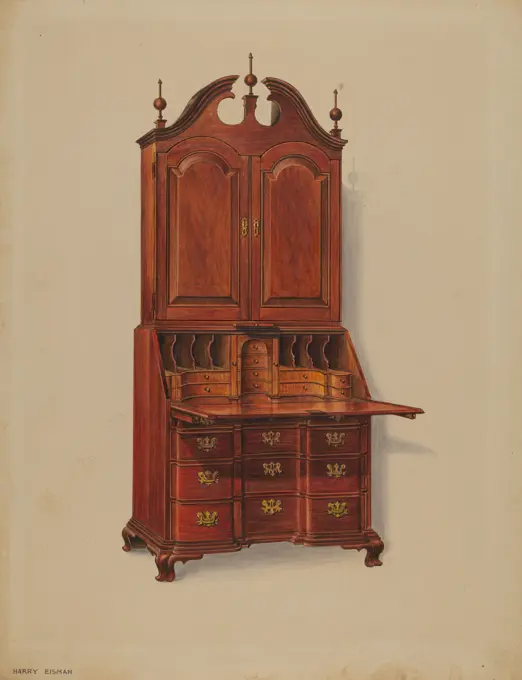
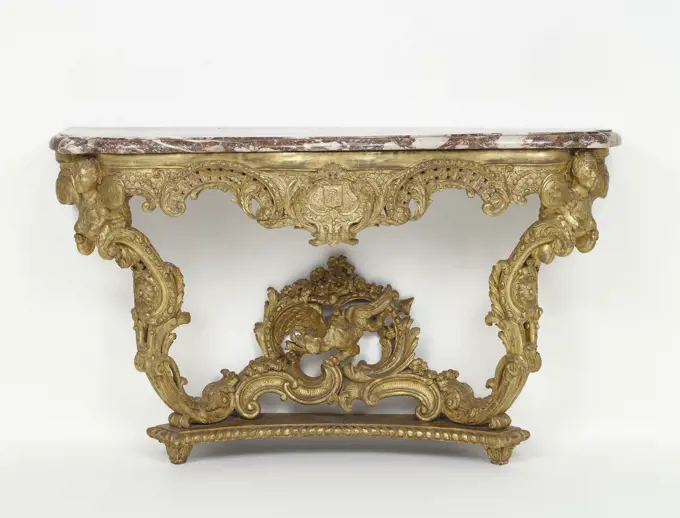
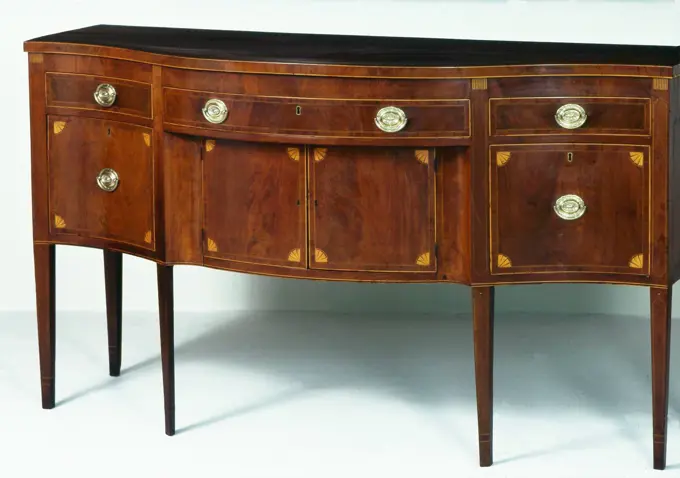
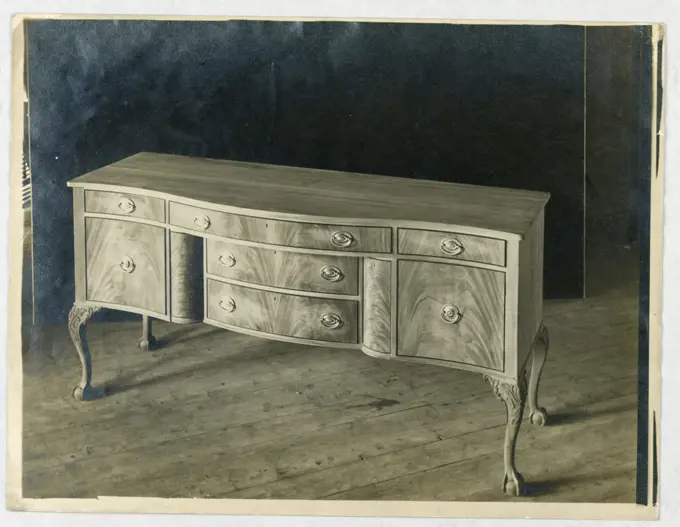
Antique Furniture Designs

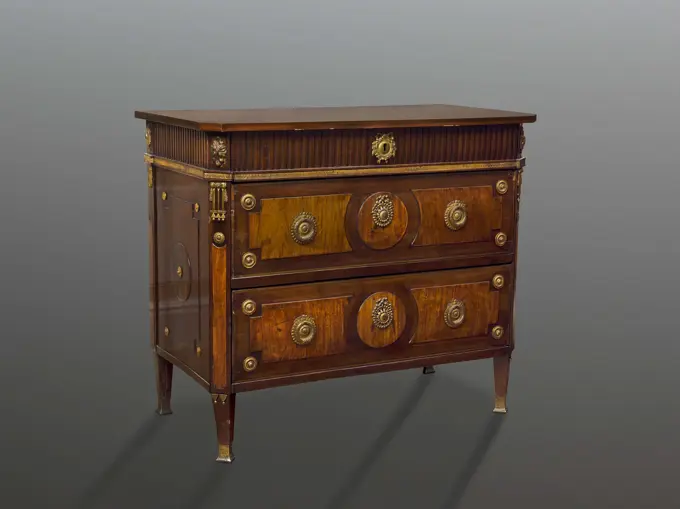
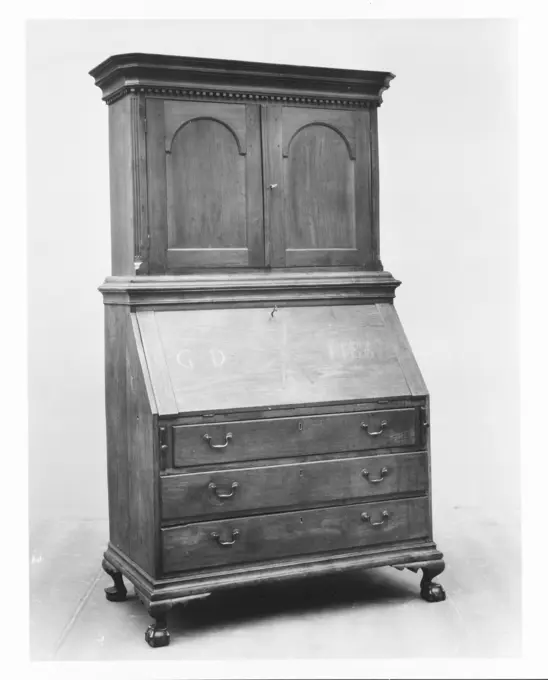
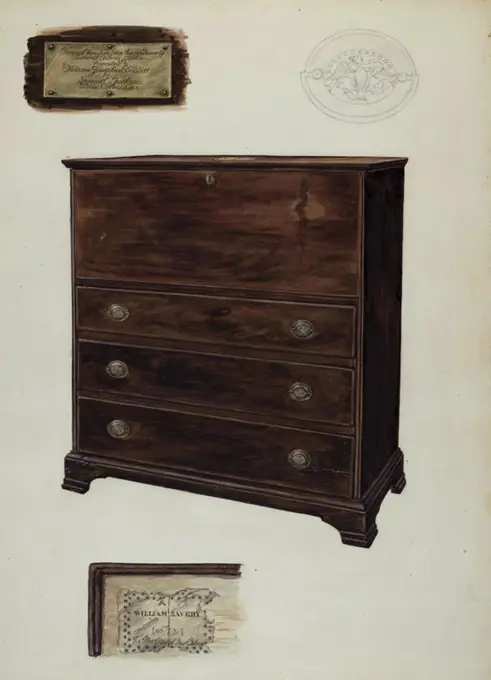
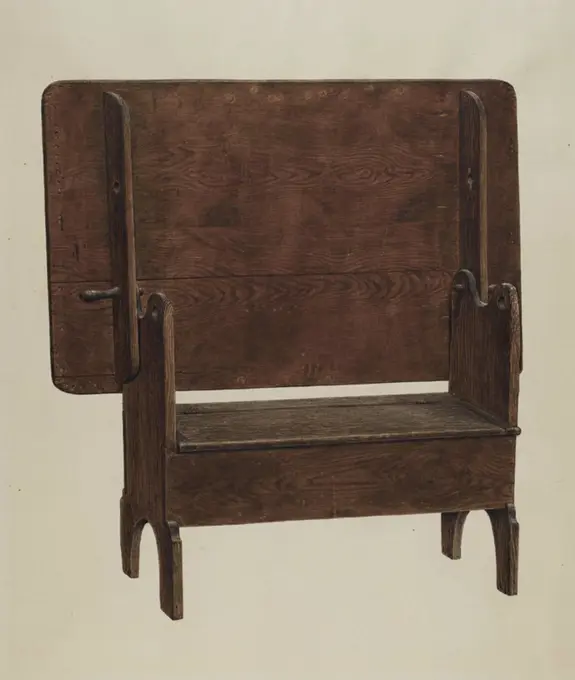
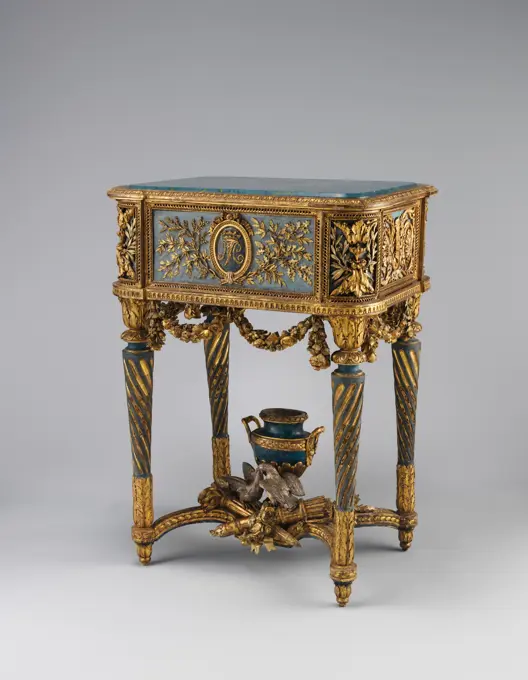
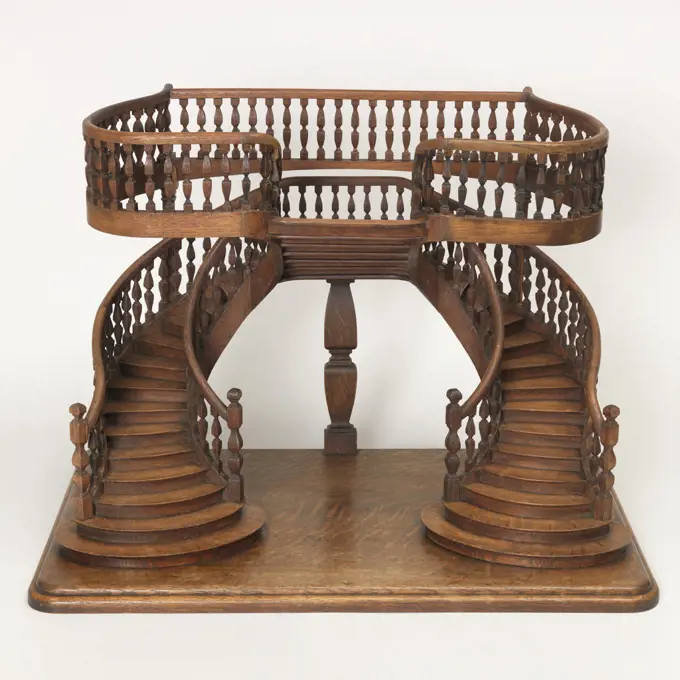
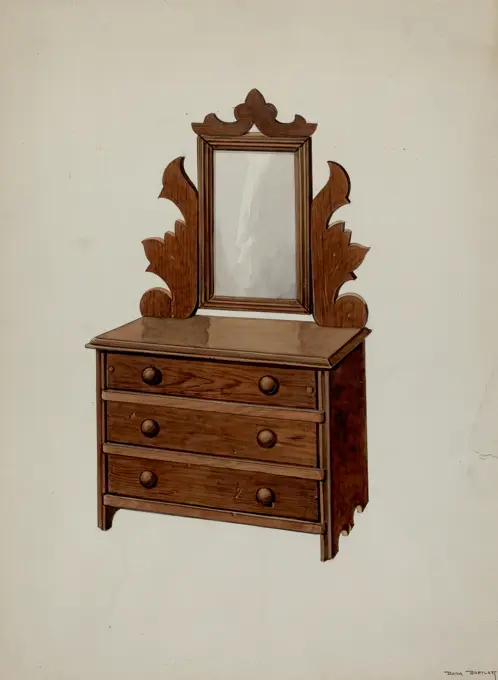
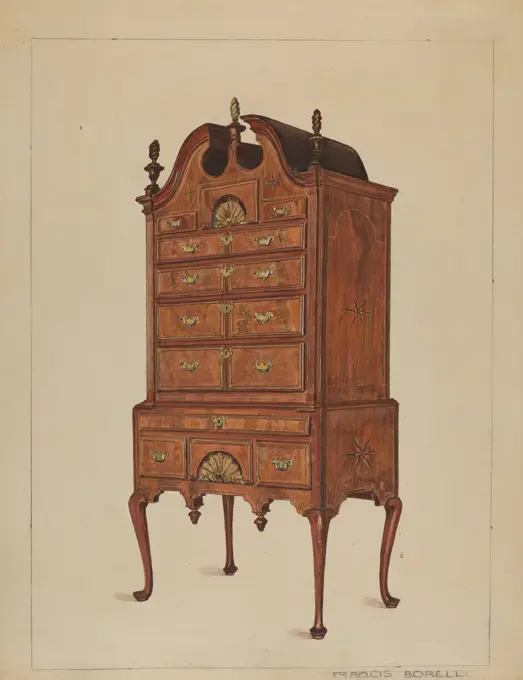
Images showcasing elegant antique furniture pieces, including tables and dressers, highlighting craftsmanship and historical value.

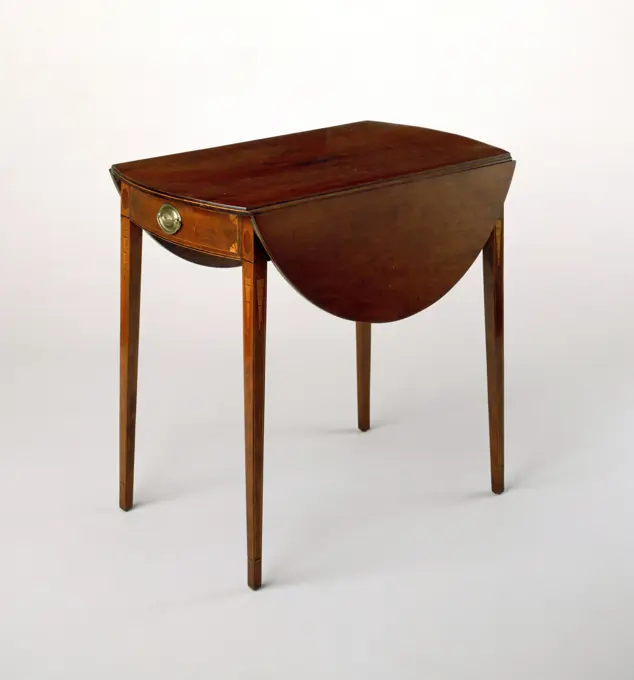
Elliptical front dressing table, c. 1810, 71 1/4 x 42 1/2 x 21 1/4in. (181 x 108 x 54cm), Mahogany, rosewood, brass, glass, United States, 19th century
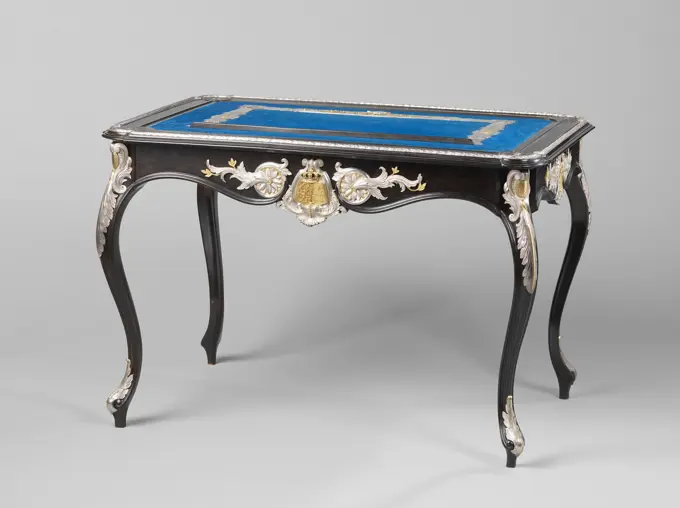
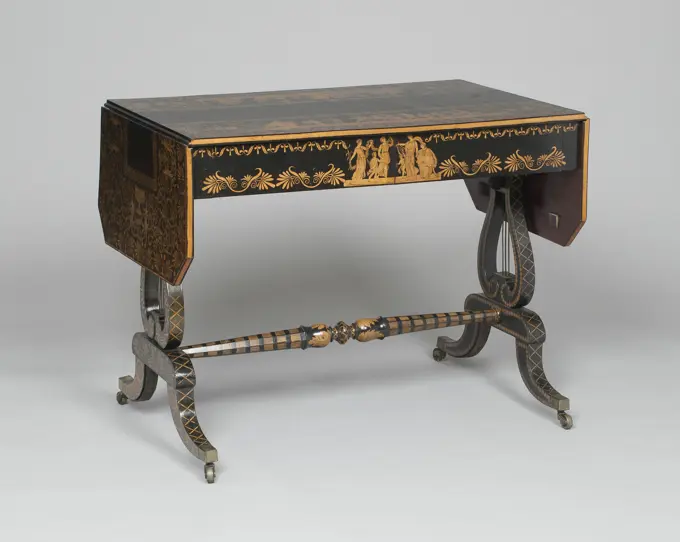
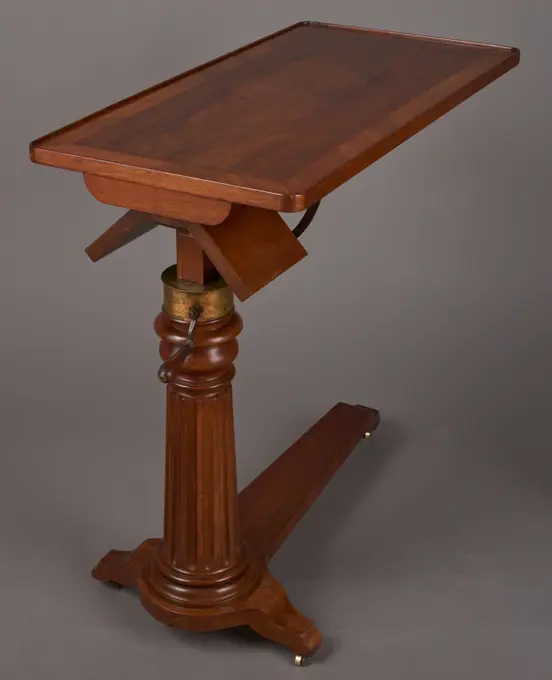
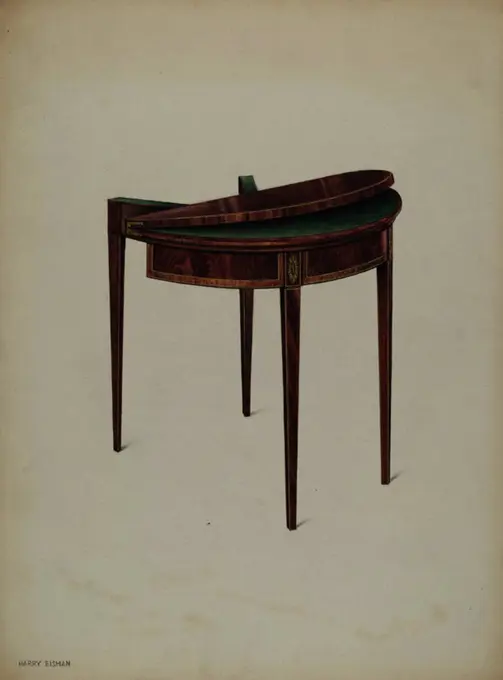
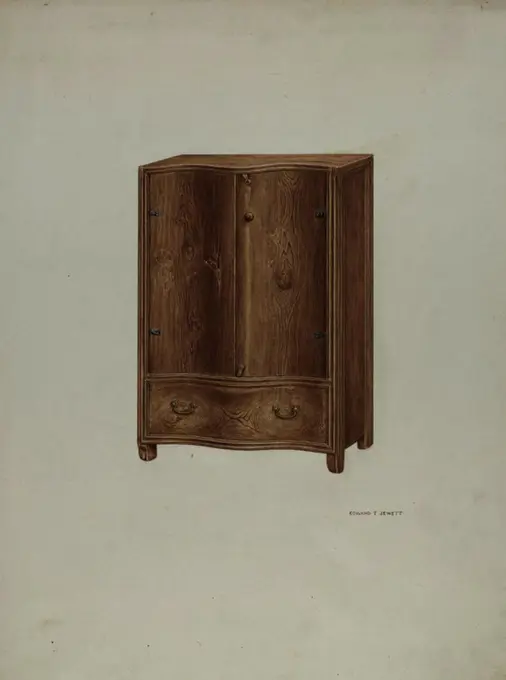
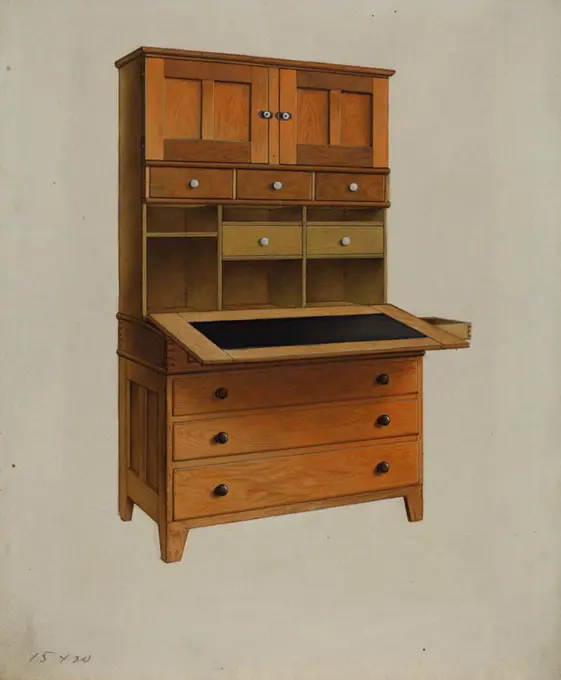
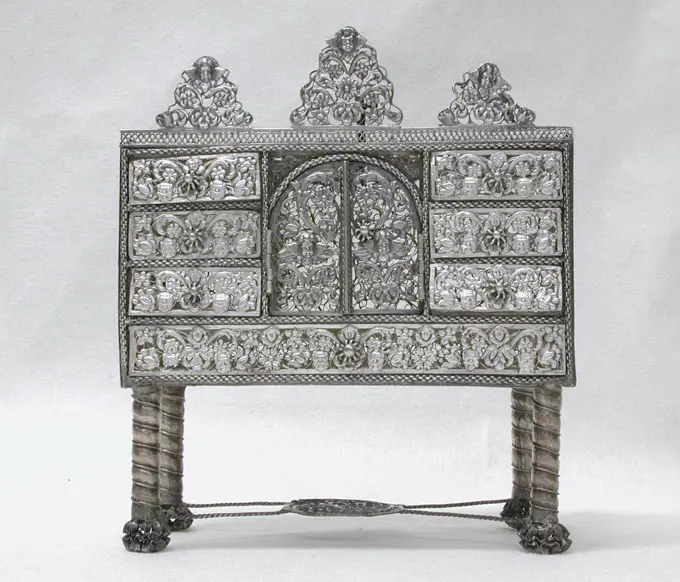
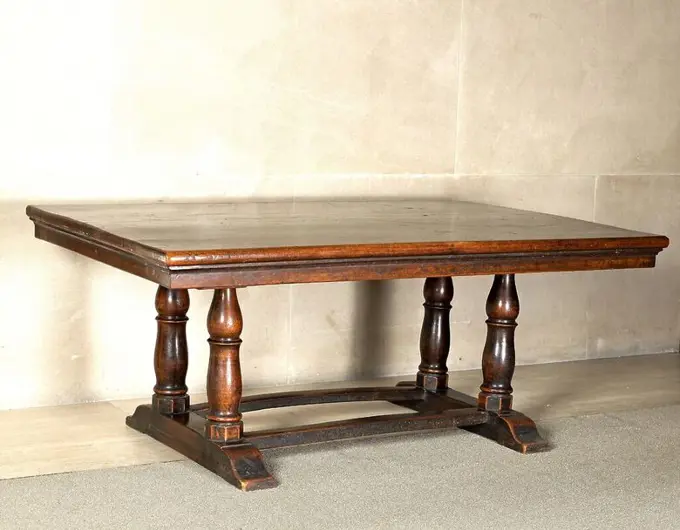
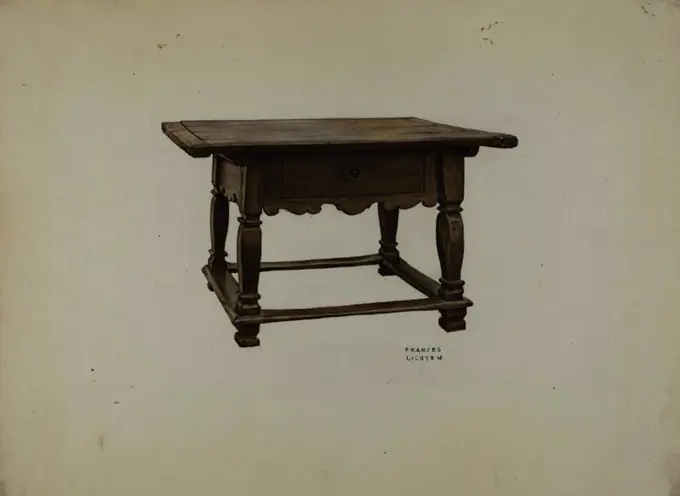
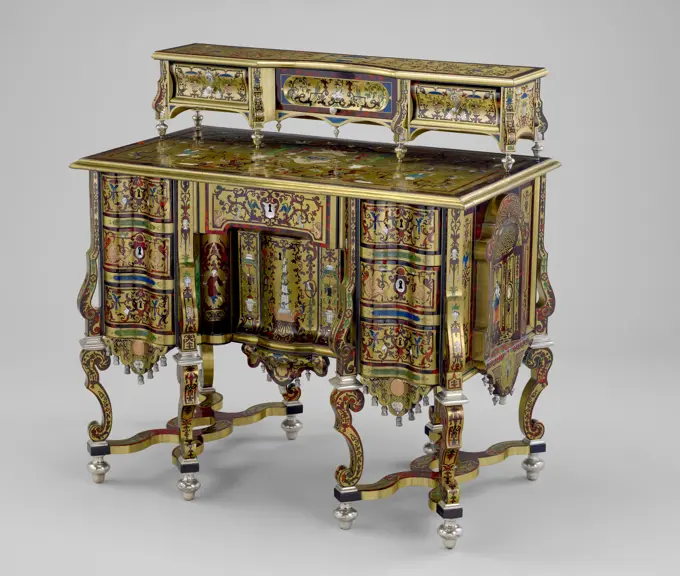
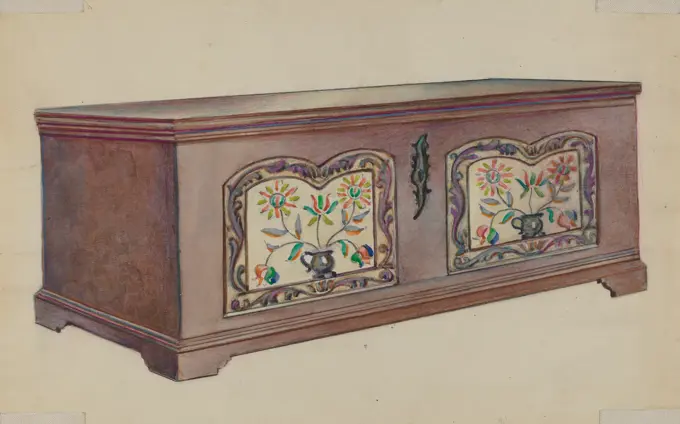
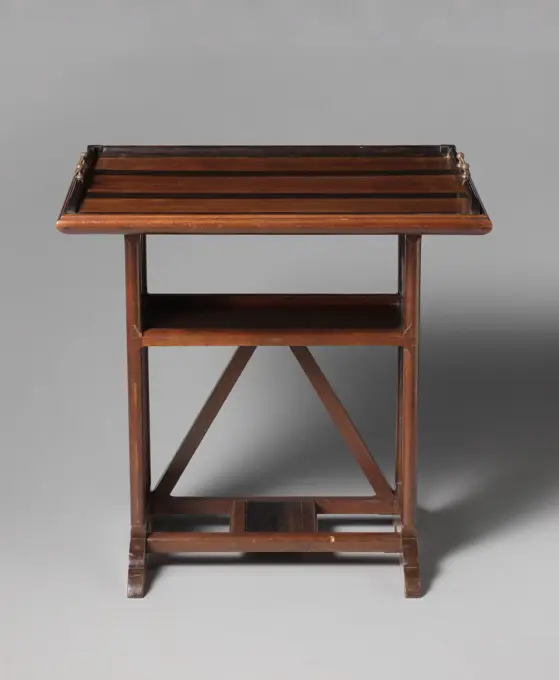
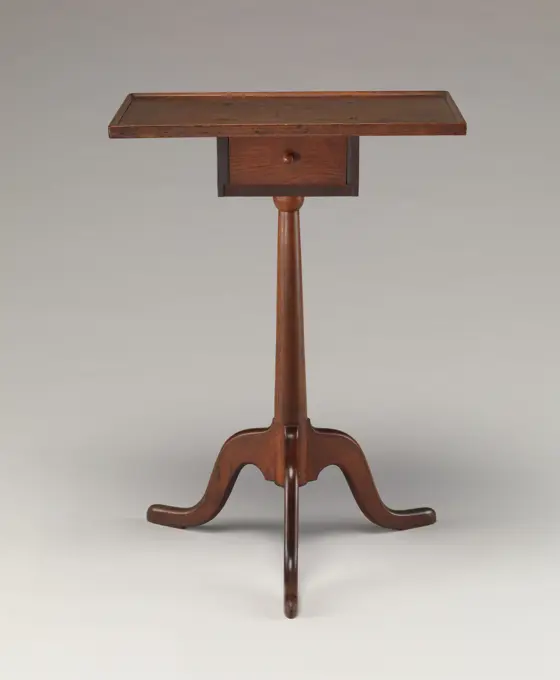
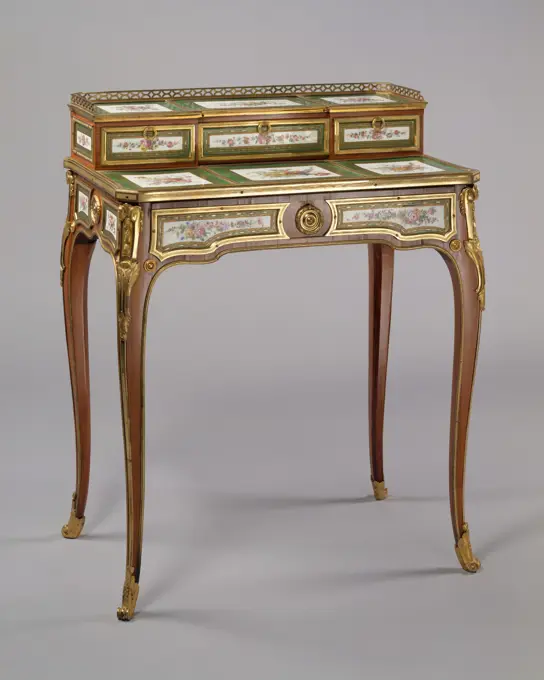
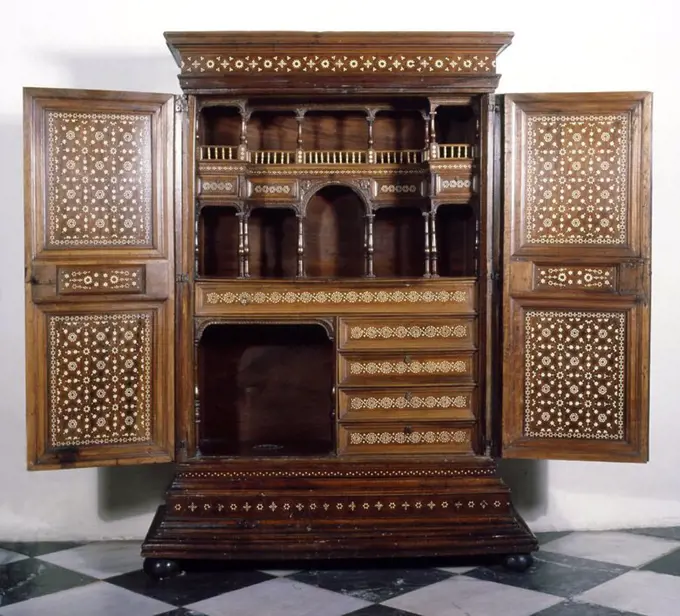
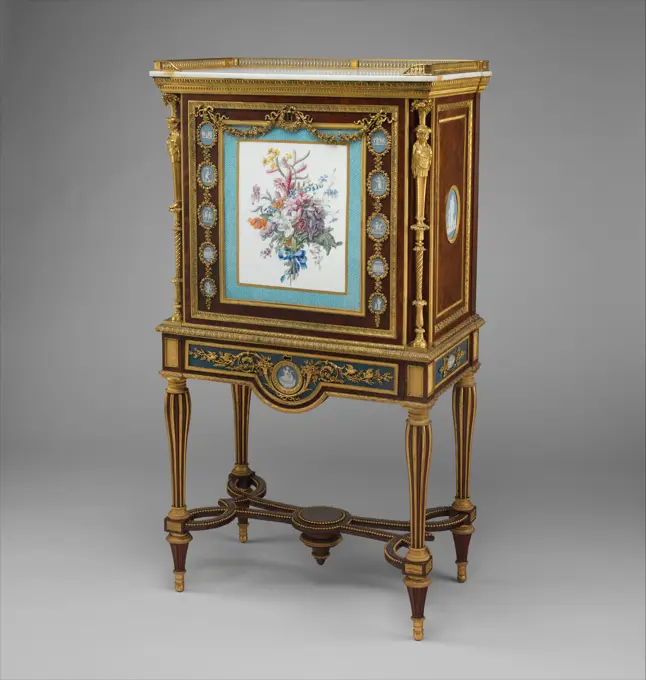
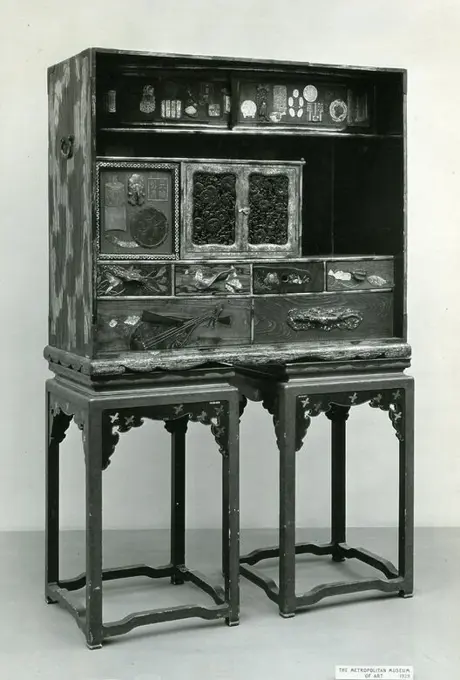
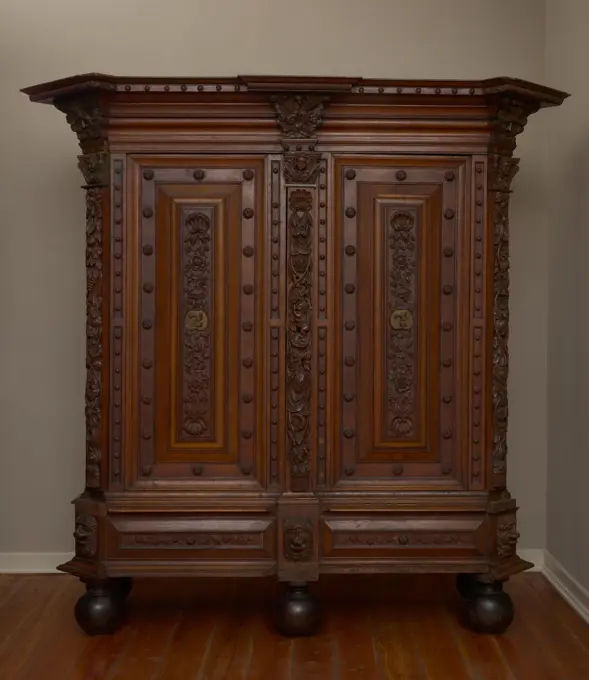
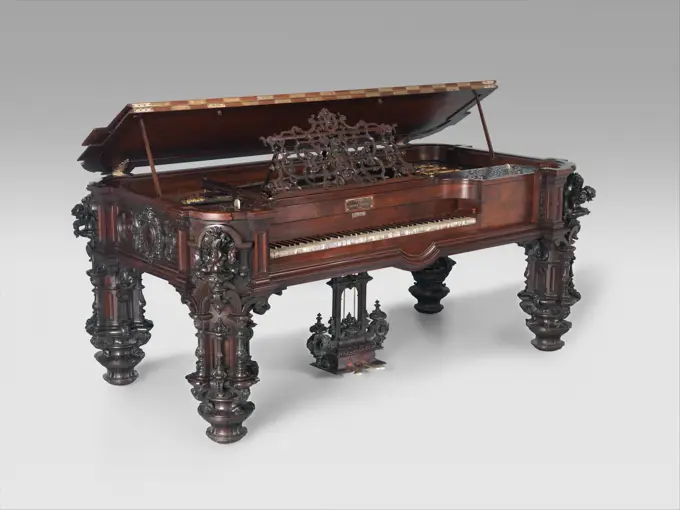
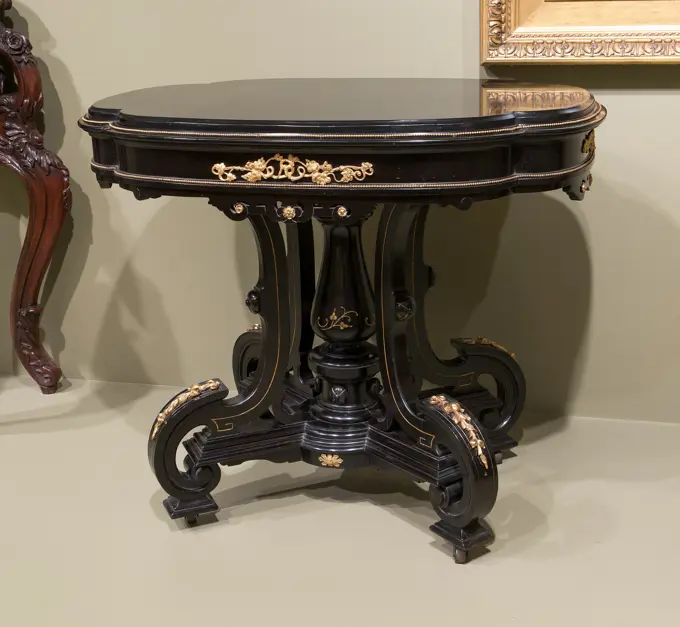
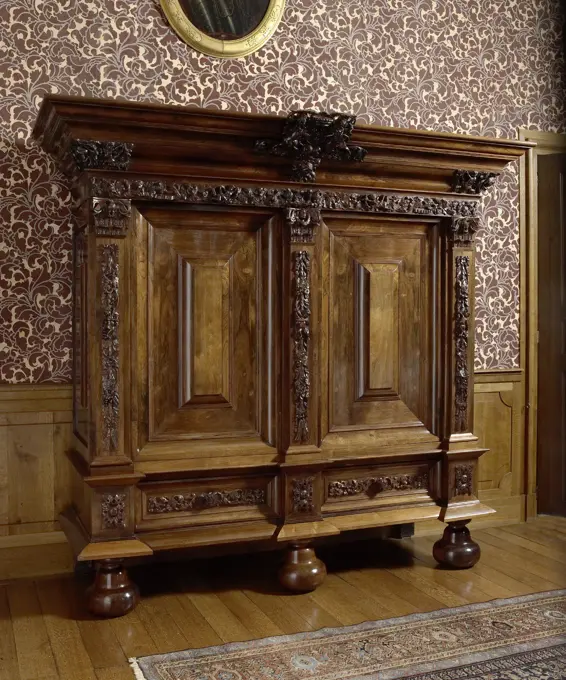
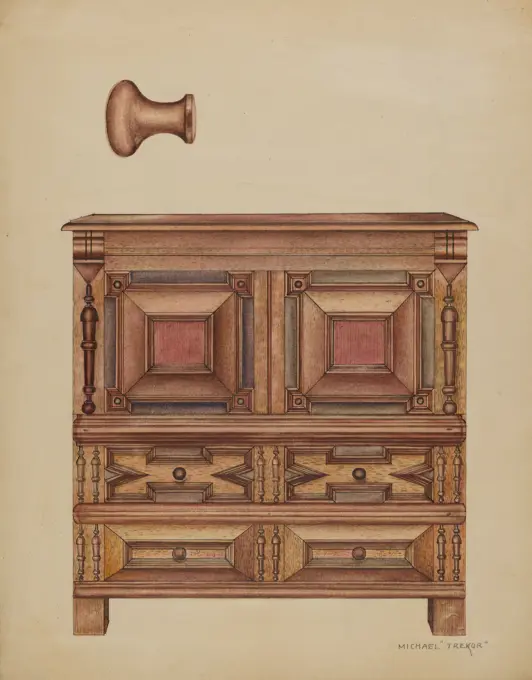
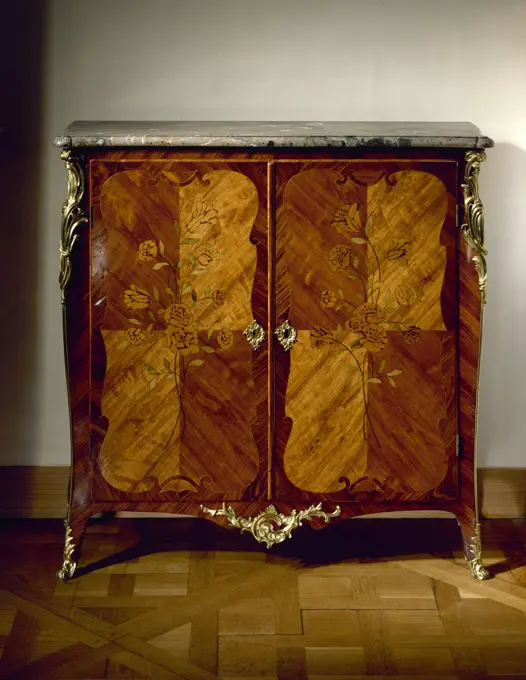
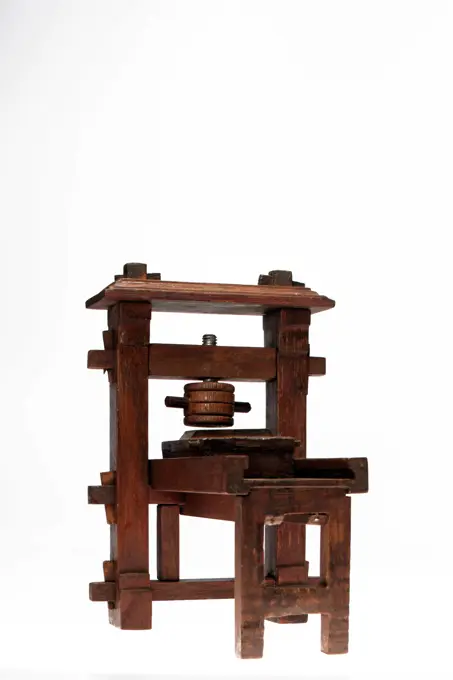
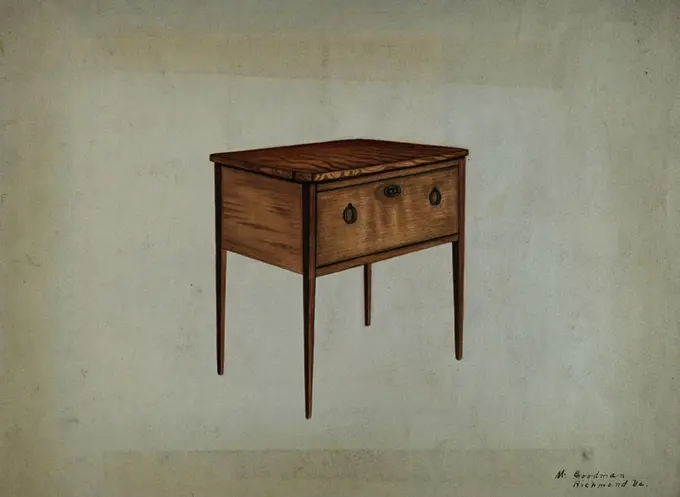
Table with Deep Drawer. Dated: 1935/1942. Dimensions: overall: 28.5 x 37.6 cm (11 1/4 x 14 13/16 in.) Original IAD Object: 28"high; 20"x26"top. Medium: watercolor, colored pencil, and graphite on paper. Museum: National Gallery of Art, Washington DC. Author: Mattie P. Goodman.Maker, attributed to: Samuel and William Fiske, American, Cardtable, Mahogany, mahogany veneer; eastern white pine (frame rails, glue blocks, drawer runners), soft maple (hinged rail), 28 3/8 × 35 5/8 × 17 3/8 in. (72.1 × 90.5 × 44.1cm), Made in Salem, Massachusetts, American, 18thcentury, FurnitureLarge Japanese platform, landscape decor ". Japan. Wood lacquered. Paris, Cernuschi museum. 100763-11 Asian art, Extreme-East art, Japanese artWriting table, also known as a binding table, donated to Willem III with desk. Writing table, also known as a binding table, with desk of oak with ebony. The table is decorated with silver and gold-plated bronze and covered with blue velvet. The legs are stained black.Earthenware dish mounted on a carved wood foot (dummy title). Wood and earthenware. House of Victor Hugo - Hauteville House.Sofa Table 1805-1815 England. Mahogany, holly, ebonized holly, and penwork .Bedside table. unknown, creatorMap/Print Case, late 1800s. America, probably New York City, 19th century. Mahogany and maple with bronze hardware; overall: 102.2 x 130.8 x 54.6 cm (40 1/4 x 51 1/2 x 21 1/2 in.). This unusual piece of furniture was perhaps intended to house musical manuscripts, since lyres are included in the decoration of its hinges. It was probably made in the 1880s, when classicism was exerting itself in American architecture and the related art of furniture design.Oval table. Culture: American. Dimensions: 27 x 31 1/2 x 26 1/2 in. (68.6 x 80 x 67.3 cm). Date: 1735-60.The dynamic composition of this table results from its splayed legs, scalloped skirt, and well-defined "Spanish" feet. The oval was the preferred shape for tabletops in the early eighteenth century; by midcentury, circular tops had become more popular. Small portable tables had many domestic uses, including the serving of tea. Museum: Metropolitan Museum of Art, New York, USA.Work Table 1875-1885 France. The innovative marquetry technique displayed on this work table, was patented in 1877 by Rosalie Duvinage, also called Veuve (Widow) Duvinage. She was the owner of Maison Giroux, a Paris firm that had produced a wide assortment of luxury goods for generations. In this mosaic technique, pieces of ivory were held fast within a matrix of engraved metal strips and different woods were inlaid to create complex patterns. Here the ivory ground is separated by a network of engraved brass and pewter that forms the branches and leaves of a flowering peony bush, within which rests a large pheasant. Different wood inlays reveal the contour and shading of both plant and bird.The decoration of this table was inspired by the flood of imports coming from Asia, especially from China and Japan, to Europe in the second half of the 19th century. Images of flowers and animals that were originally Chinese were adapted by Japanese craftsmen for furniture and finally translated onCard Table. Dated: c. 1937. Dimensions: overall: 30.3 x 22.7 cm (11 15/16 x 8 15/16 in.) Original IAD Object: 20"high; 36"diameter at fold; depth of folded top 18". Medium: watercolor, colored pencil, and graphite on paperboard. Museum: National Gallery of Art, Washington DC. Author: Harry Eisman.Chest of drawers. unknown, contractorDesk and Bookcase 1786 American. Desk and Bookcase 3148Chest. Dated: c. 1939. Dimensions: overall: 47.2 x 34.8 cm (18 9/16 x 13 11/16 in.) Original IAD Object: 46" high; 42" long; 17 1/2" wide. Medium: watercolor, colored pencil, gouache, and graphite on paperboard. Museum: National Gallery of Art, Washington DC. Author: Lillian Causey.Settle-table. Dated: c. 1940. Dimensions: overall: 38.9 x 33.2 cm (15 5/16 x 13 1/16 in.) Original IAD Object: 74 cm. high; 121 cm long; 74.5 cm deep. Medium: watercolor, colored pencil, and graphite on paper. Museum: National Gallery of Art, Washington DC. Author: Harry Eisman.Box Stove. Dated: c. 1942. Dimensions: overall: 25.1 x 22.7 cm (9 7/8 x 8 15/16 in.) Original IAD Object: 20 7/8" high; 25 1/4" deep; 10 3/4" wide. Medium: black and white photograph. Museum: National Gallery of Art, Washington DC. Author: Charles Von Urban.Cupboard. Dated: 1938. Dimensions: overall: 35.6 x 26.7 cm (14 x 10 1/2 in.) Original IAD Object: 4'high; 2'8"wide; 20"deep. Medium: watercolor, colored pencil, pen and ink, and graphite on paper. Museum: National Gallery of Art, Washington DC. Author: Edward Jewett.Shaker Secretary Desk. Dated: c. 1937. Dimensions: overall: 27.3 x 22.3 cm (10 3/4 x 8 3/4 in.) Original IAD Object: 70" high; 40" wide. Medium: watercolor, graphite, and colored pencil on paper. Museum: National Gallery of Art, Washington DC. Author: John W. Kelleher.Miniature cabinet (part of a set) 1675-1700 Southern German. Miniature cabinet (part of a set) 196816Table with rectangular leaves, on four S-shaped, overhoeks placed legs, anonymous, c. 1750 Rectangular mahogany wood with rounded corners. The overhoeks placed legs are faint s-shaped bent, with cutting decorations at the top. Amsterdam (possibly) mahogany (wood) cutting Rectangular mahogany wood with rounded corners. The overhoeks placed legs are faint s-shaped bent, with cutting decorations at the top. Amsterdam (possibly) mahogany (wood) cuttingOblong Table. Culture: Italian. Dimensions: H. 74.3 cm, W. 184.1 cm, D. 115.6 cm. Date: late 19th or early 20th century. Museum: Metropolitan Museum of Art, New York, USA.Desk andbookcasePa. German Table. Dated: c. 1937. Dimensions: overall: 27.5 x 37.3 cm (10 13/16 x 14 11/16 in.). Medium: watercolor and graphite on paperboard. Museum: National Gallery of Art, Washington DC. Author: Frances Lichten.Sheraton Sideboard. Dated: c. 1939. Dimensions: overall: 24.6 x 35.5 cm (9 11/16 x 14 in.) Original IAD Object: 36"high; 72"wide. See data sheet for dets.. Medium: watercolor, colored pencil, gouache, and graphite on paperboard. Museum: National Gallery of Art, Washington DC. Author: Amos C. Brinton.Winslow Rich, Shaker Chest of Drawers, 1937 Shaker Chest of DrawersCabinet, four-door with two drawers between the upper and underneath. Silk decorated with ajour work, anonymous, 1800 - 1900 Oak cupboard with iron batter. Above two doors, below two doors, two drawers in between, the silk ajour worked.  wood (plant material). oak (wood). iron (metal) Oak cupboard with iron batter. Above two doors, below two doors, two drawers in between, the silk ajour worked.  wood (plant material). oak (wood). iron (metal)Altar coffer 17th-18th century China This coffer originally served as an ancestral altar. The undivided compartment beneath the three drawers provided storage space for hanging scrolls and other long objects related to ancestral worship.. Altar coffer 42736Clock Case (England); Manufactured by John Scott; carved woodSide table (one of a pair). Culture: British. Designer: After a design by Matthias Lock (British, London ca. 1710-ca. 1765 London). Dimensions: Overall: 33 1/2 × 73 1/2 × 35 1/4 in. (85.1 × 186.7 × 89.5 cm). Date: ca. 1740.This monumental pair of side tables (see also 2007.196.1) displays many similarities to an unfinished drawing by the designer and carver Matthias Lock (ca. 1710-1765) in the Victoria and Albert Museum, London. Although Lock is best known for his designs in an English version of the French Rococo style, this drawing is in the bold manner associated with the English Palladian movement. Propagated in early eighteenth-century England by the architect and designer William Kent and his patron Lord Burlington, this architectural style also affected furniture design. Characteristic are the large shell motifs, classical masks, lion's paws, curling acanthus leaves, and running Vitruvian scroll on these tables. Particularly beautiful is the varied surface treatment of the wateDesk (bureau "Mazarin"). UnknownSoap Dish 1800-1900 View more. Soap Dish. 1800-1900. Porcelain. Made in ChinaFanchon Larzelere, Pa German Dower Chest, c 1936 Pa. German Dower ChestCupboard ca. 1460 French. Cupboard. French. ca. 1460. Oak. Woodwork-Furniture. This is one of the most richly ornamented Dutch cupboards from the 17th century. The turned columns are solid ebony. The cushion mouldings’, or rectangular protrusions resembling well-stuffed feather pillows on the outside of the doors, provide space for a set of small drawers on the inside. The interior of the cupboard is veneered with decorative patterns ofebony, rosewood, and amaranth.Tea table with removable tray and with side walls open in a bean pattern, Theo Nieuwenhuis, c. 1900 Tea table of oak and mahogany wood resting on four rounded, flat legs that rest on sliding caps. The legs are interconnected by means of an H-shaped cross with a double cross line within which a panel is applied. The space between the two side styles is filled with two panels above each other that are open in a bean pattern. Two pods are inlaid on both panels with a lighter type of wood. A intermediate leaf has been installed at the height of the center. The intermediate leaf is connected to the rule between the two legs by means of two schuinge -plateed struts. The top is at the bottom by means of consoles connected to the legs. The top consists of an open framework with raised edges. Within this a removable tray with raised edges on three sides. A handle of copper is attached to the edges on the sides. Amsterdam ebony (wood). mahogany (wood) Tea table of oak and mahogany wood resting oCabinet. This cabinet was probably made for a Dutchman on the east coast of India, the so-called Coromandel Coast. Its shape is decidedly Dutch, while the decoration is Indian. VOC officials moving on to their next post sometimes took along their expensive furniture. As a result, these ebony cabinets with large carved floral motifs also became extremely popular in Batavia.Norma Lockwood, Chest of Drawers, c 1939 Chest of DrawersStand (piètement) for a model of La Samaritaine 1773 Jean-Baptiste Vinceneux The hydraulic pump constructed on one of the piers of the Pont-Neuf was among the mechanical miracles of early seventeenth-century Paris. It supplied water from the river Seine to the fountains of the Louvre and Tuileries palaces. Between 1712 and 1719 the pump house was rebuilt by the well-known architect Robert de Cotte (1656-1735). Fitted with a carillon on its steep roof, the facade was adorned with a large clock and a sculptural group in lead representing Jesus and the Samarian woman at Jacobs Well. This group gave the new building its name: La Samaritaine.In 1772 Charles-Philippe, comte dArtois (1757-1836), ordered two maquettes of La Samaritaine, each with a removable roof, a clock on one side, a barometer on the other, and various luxury objects inside, such as a gold cadinet or casket to contain a set of cutlery and spices. Some thirty artists collaborated on this extraordinary commission, includingBedside Table. Dated: 1940. Dimensions: overall: 38 x 25.4 cm (14 15/16 x 10 in.) Original IAD Object: top: 48.5 cm in diam.; 71 cm high. Medium: watercolor, colored pencil, and graphite on paperboard. Museum: National Gallery of Art, Washington DC. Author: Isidore Sovensky.Staircase Model, oak, Double-revolution staircase model with curved double staircase with baluster railings, joining on a central landing from which a reverse single staircase rises at right angles, leading to a balcony; this staircase model is similar to one described as being 'in Renaissance style for a store', in plate 17 of a folio by E. Delbrel, published in Paris in the 1880's., France, mid-late 19th century, models and prototypes, Decorative Arts, Staircase ModelFurniture, H.F. Jansen & Zonen, c. 1905 Cupboard of egg, mahogany and rosewood with copper fittings. The base cabinet has a wide middle door with two panels and two narrower side doors. The back -up high upper cabinet has two doors with rod distribution above two drawers. The doors show floral motifs in tree shape, the drawers leaf work. Rod work on corner styles and rules. The upper corner styles end up in an owl and from behind in a volute. At the height of the drawers, the side walls are decorated with devil head and wings and flowers. Amsterdam wood (plant material). mahogany (wood). oak (wood). rosewood (wood). copper (metal) Cupboard of egg, mahogany and rosewood with copper fittings. The base cabinet has a wide middle door with two panels and two narrower side doors. The back -up high upper cabinet has two doors with rod distribution above two drawers. The doors show floral motifs in tree shape, the drawers leaf work. Rod work on corner styles and rules. The upper corner styles Doll Furniture - Table. Dated: c. 1937. Dimensions: overall: 22.9 x 28 cm (9 x 11 in.) Original IAD Object: 5 1/2" wide; 2 3/4" high. Medium: watercolor and graphite on paper. Museum: National Gallery of Art, Washington DC. Author: Ellen Duncan.Dana Bartlett, Doll's Dresser, c 1937 Doll's DresserSlant topdesk.   Maker: Jacob Margolis, American, born Russia, probably 1875Francis Borelli, Highboy, 1936 HighboyCandle Stand 1800-1830 United Society of Believers in Christs Second Appearing (“Shakers”), Mount Lebanon, New York. Candle Stand 1174Winter - Summer Table, early 17th century, 32 1/2 x 26 5/8 x 26 5/8in. (82.6 x 67.6 x 67.6cm), Huanghuali wood, China, 17th centuryTable inlaid with marquetry., 1905. Artist: Shirley Slocombe.Irving I Smith, Secretary, 1937 Secretary. Table of mahogany resting on four shouting legs. Both halfway and at the top are the four legs interconnected by means of an X-shaped cross. On the cross halfway through the legs a relaxing under the bottom. On the cross at the top of it, an octagonal table top with a wide profiled edge. The center portion of the table top is inlaid with a cross-shaped motif with studs in ebony. The rules shaping the X-shaped cross under the table top have completed ends that extend optically in the legs. The heads of the screws and pins are visible on the rounded ends.Francis Law Durand, Chest of Drawers, c 1937 Chest of DrawersTable, 1752 - 1800 table. part Wooden table, presumably belonging to the model of a line ship of 60 to 68 pieces in the pipeline. Netherlands wood (plant material)Desk (bonheur du jour) ca. 1770 Martin Carlin French This type of elegant ladys writing desk was called a bonheur-du-jour, literally “happiness of the day” which may refer to the joys of letter writing. Eleven of these desks are known of which The Met has four in its collection: see also 58.75.48; 58.75.49; and 1982.60.54. They are all either signed by the ébéniste Martin Carlin, as in this case, or are attributed to him. Carlin specialized in the production of small, precious pieces of furniture, working mainly for the marchand-mercier (dealer in luxury goods) Simon-Philippe Poitier Poitier, and for his partner and successor Dominique Daguerre, who provided him with designs, porcelain plaques, lacquer panels and gilded bronzes for mounting.Supported on slender cabriole legs, the desk has three drawers in the upper section. The single drawer in the lower section, its keyhole is concealed behind the hinged circular wreath and patera pull, contains on the right, a loose container for wrWalnut inlaid writing table, 1910.Artist: Edwin FoleyTable with inserted heart -shaped motifs, art dealership E.J. van Wisselingh, c. 1900 - c. 1905 Table of Essenhout, inlaid with heart -shaped motifs in ivory. The nails that connect the pen and hole connections are also of ivory. Amsterdam ash (wood). ivory. cherry (wood) Table of Essenhout, inlaid with heart -shaped motifs in ivory. The nails that connect the pen and hole connections are also of ivory. Amsterdam ash (wood). ivory. cherry (wood)Secrétaire. Attributed to Jean-François Leleu (French, 1729 - 1807, master 1764)ARMARIO DE NOGAL CON CAJONES Y COMPARTIMENTOS (EN EL MUSEO DE SANTA CRUZ).Footstool belonging to Stadhoudersstoel with weapon Province of Groningen, Anonymous, 1766 - 1767 Footstool covered with red velvet and resting on four overhoeks placed legs. At the bottom, accolade -shaped scalloped rules and a rectangular window, which is sculpted on the long sides and bends on the short sides. The upholstery has a wreath embroidered in silver wire. Corning with a stadholder's seat (inv.no. BK-NM-1137). The Hague wood (plant material). elm (wood). walnut (hardwood). velvet (fabric weave). silver thread Footstool covered with red velvet and resting on four overhoeks placed legs. At the bottom, accolade -shaped scalloped rules and a rectangular window, which is sculpted on the long sides and bends on the short sides. The upholstery has a wreath embroidered in silver wire. Corning with a stadholder's seat (inv.no. BK-NM-1137). The Hague wood (plant material). elm (wood). walnut (hardwood). velvet (fabric weave). silver threadChest of Drawers withDoors. Maker, attributed to: Harry Eduard Snohr, American, born Denmark, 1896-1968Retailer: Lord & Taylor, American, founded 1826Console Table. France. Date: 1725-1735. Dimensions: 83.8 × 71.1 × 35.6 cm (33 × 28 × 14 in.). Carved and gilded wood; marble top. Origin: France. Museum: The Chicago Art Institute, Chicago, USA.Virginal, 1640 Virginal with the spell Musica Laborum Dulce Levamen on the inside of the lid and covered around the keyboard with paper with ornaments with dolphins. Loose on chassis. Antwerp poplar (wood). spruce (wood). oak (wood). bone (material). iron (metal). brass (alloy). paper Virginal with the spell Musica Laborum Dulce Levamen on the inside of the lid and covered around the keyboard with paper with ornaments with dolphins. Loose on chassis. Antwerp poplar (wood). spruce (wood). oak (wood). bone (material). iron (metal). brass (alloy). paperFrank Budash, Spice Box, c 1940 Spice BoxRefectory Table. Dated: 1938. Dimensions: overall: 33.9 x 50.4 cm (13 3/8 x 19 13/16 in.) Original IAD Object: See data sheet. (unintelligible). Medium: watercolor, colored pencil, and graphite on paperboard. Museum: National Gallery of Art, Washington DC. Author: Austin L. Davison.Small rectangular table. Culture: French, Paris. Dimensions: Overall: 27 1/4 × 19 3/8 × 13 in. (69.2 × 49.2 × 33 cm). Maker: Léonard Boudin (French, 1735-ca. 1804, master 1761). Date: ca. 1765. Museum: Metropolitan Museum of Art, New York, USA.Drop-front desk (secrétaire à abattant or secrétaire en cabinet) ca. 1787 Attributed to Adam Weisweiler French This may have been the last piece that Dominique Daguerre (d. 1796), a dealer in luxury goods, delivered to Marie-Antoinette (1755-1793) at the chteau de Versailles. A porcelain-mounted secretary was, in fact, among the treasured possessions the queen entrusted to Daguerre for safekeeping in October 1789, shortly after a mob invaded the palace and the royal family was forced to return to the chteau des Tuileries in Paris. Bouillat, one of the best flower painters at Sèvres, may well have painted the beautiful ribbon-tied bouquet on the central plaque. The blue pointillé border was probably the work of Madame Taillandier who, with her husband Vincent, specialized in this decoration. The factory's paper label, printed with the interlaced L's and inscribed with the price (336 lives), is pasted on the back of the rectangular plaque. Listen to experts illuminate this artwork's stFrank Eiseman, Footstool, c 1939 FootstoolDrop-front secretary (Secrétaire en armoire) 1783 Jean Henri Riesener French Jean-Henri Riesener created this splendid secretary and commode for Marie-Antoinette in 1783. They were commissioned for the queens Grand Cabinet Intérieur at Versailles, where she kept the collection of Japanese lacquer boxes she had inherited from her mother, Empress Maria Theresa (1717 - 1780) of Austria. So that their surface decoration would harmonize with that of the boxes, choice fragments of seventeenth-century Japanese lacquer were reused as veneer for these pieces of royal furniture. The shiny black and gold lacquer and lustrous ebony form a striking background for the exceptionally beautiful gilt-bronze mounts (see detail page 102). Consisting of swags and interlaced garlands of naturalistic flowers, these jewel-like mounts incorporate the queens initials in the frieze as well as handles shaped like rippling ribbons. Enclosed behind the fall front of the secretary, several secret drawers are hiddeBox  guildPlay table, virtuous square, the leaf covered with green sheet. Choice table from mahogany; Almost square leaf, covered with green woolen sheet; Tapered legs with cannelure on the outside.Biscuit Tin; Manufactured by Huntley, Boorne, & Stevens; Produced by Huntley & Palmers, Ltd. (United Kingdom); offset lithograph on tinCabinet. Artist: Ogawa Haritsu (Ritsuo) (Japanese, 1663-1747). Culture: Japan. Dimensions: Cabinet and stools: H. 66 3/4 in. (169.5 cm); W. 41 1/4 in. (104.8 cm); D. 19 1/2 in. (49.5 cm)Cabinet: H. 36 1/4 in. (92.1 cm); W. 41 1/4 in. (104.8 cm); D. 9 1/2 in. (49.5 cm)Each stool: H. 30 1/2 in. (77.5 cm); W. 18 1/2 in. (47 cm); D. 8 1/2 in. (47 cm). Date: 1663-1747. Museum: Metropolitan Museum of Art, New York, USA.Ferdinand Cartier, Piano Forte, c 1936 Piano ForteHoward Weld, Shaker Secretary, c 1936 Shaker SecretaryTable on four broken S-shaped legs. Table resting on four broken S-shaped legs, connected by a cross, formed by four volutes and crowned in the middle by a sliced vase. Under the blade, the table is partially decorated with seedill motifs in the middle of cut-away carving. MarbleFootstool (gundeng), c. 1600, 6 5/8 x 23 9/16 x 12 5/8 in. (16.83 x 59.85 x 32.07 cm), Huang-hua-li hardwood, China, 16th-17th centuryWardrobe;  XIXW. (1801-00-00-1900-00-00);Square Piano 1853 Robert Nunns This costly showpiece of Renaissance and Rococo Revival eclecticism, an obvious status symbol perhaps intended for display at New York's Crystal Palace exposition, elevated the reputation of the English immigrants Robert Nunns and John Clark, partners in New York since 1833; they had exhibited an equally ornate piano in London in 1851. Built on the scale of a billiard table, this massive rosewood instrument stands on elephantine legs surmounted by lush carved bouquets. Slips of mother-of-pearl, tortoiseshell, and abalone embellish the seven-octave keyboard. Within, a lacquered iron frame reinforces the case. The felt-covered hammers could have been made by machines invented by Rudolph Kreter, who assigned his patent to Nunns & Clark in 1853. At that time, some eighty employees, including members of the Steinway family, were producing about three hundred instruments annually at Nunns & Clark's factory in Setauket, Long Island.Technical Description: RectangCenter Table 1869 New York City. Ebonized cherry, marble, and ormolu . Edward W. HutchingsPa. German Dower Chest. Dated: c. 1938. Dimensions: overall: 30.6 x 38.2 cm (12 1/16 x 15 1/16 in.) Original IAD Object: 25" high; 52" wide; 23 1/2" deep. Medium: watercolor, graphite, and pen and ink on paperboard. Museum: National Gallery of Art, Washington DC. Author: Bernard Krieger.Dining Table. Dated: 1936. Dimensions: overall: 23 x 29.6 cm (9 1/16 x 11 5/8 in.) Original IAD Object: none given. Medium: watercolor, colored pencil, pen and ink and graphite on paperboard. Museum: National Gallery of Art, Washington DC. Author: M. Rosenshield-von-Paulin.Cupboard with Het Wapen Alberda, Anonymous, 1689 Cupboard, so -called cushion cabinet, glued with rosewood on an oak core. Corinthian pilasters, decorated with festons and putti, form the styles. On the capitals an eagle, a cherub in the middle. The doors wear thick pillows. The pedestal has two drawers, decorated with stabbed leaf vines and cherub. The Frisian is decorated with leaf vines, two eagles, putti with festons and a ribbon with "anno 1689". On the ornamental piece the coat of arms of the Alberda family, for Mello Alberda (1642-1698). Netherlands wood (plant material). oak (wood). rosewood (wood)   Out -of -house Cupboard, so -called cushion cabinet, glued with rosewood on an oak core. Corinthian pilasters, decorated with festons and putti, form the styles. On the capitals an eagle, a cherub in the middle. The doors wear thick pillows. The pedestal has two drawers, decorated with stabbed leaf vines and cherub. The Frisian is decorated with leaf vines, two eagles, putti with fHoward Weld, Shaker Drop leaf Table, c 1936 Shaker Drop-leaf TableAntique French Renaissance style walnut cabinetKneehole writing table ca. 1755 British. Kneehole writing table 203837Harry Eisman, Block front Desk, c 1937 Block-front DeskConsole Table; Paris, France; about 1715 - 1720; Gessoed and gilded white oak and European walnut; lumachella pavonazza marble top; 87.3 x 152.1 x 59.1 cm (34 3,8 x 59 7,8 x 23 1,4 in.)SideboardPainted and inlaid satinwood sideboard and mahogany bracket clock, 1911-1912.Artist: Edwin FoleyFurniture around the turn of the century 1900, sideboard made of painted and inlaid satinwood, console clock made of mahogany (1911), Painted and inlaid satinwood sideboard, Mahogany bracket clock (1911) .Design for Sideboard with Four Legs and Tri-Partite Front, A.N. Davenport Co., Black and white photographic process on white paper, Oblong sideboard with 4 cabriole legs with animal paw feet, serpentine tri-partite front, and 2 drawers in recessed center section, flanked by 2 doors and topped by 3 conforming drawers., 1900-05, furniture, catalogue illustration, catalogue illustrationDower Chest. Culture: American. Dimensions: 27 1/4 x 51 x 22 in. (69.2 x 129.5 x 55.9 cm). Date: 1800. Museum: Metropolitan Museum of Art, New York, USA.Serving TableMichael Trekur, Chest (with two drawers), 1936 Chest (with two drawers)Pembroke Table, c. 1790, 29 1/2 x 40 1/2 in. (74.9 x 102.87 cm), Cherry, inlays, brass fittings, United States, 18th centuryJean-François Lapié. Low cabinet or support furniture, oak, wood marquetry dyed and engraved with flowery branches, marble on top, golden bronzes (overview in the room, without bottom), around 1760. Paris, Cognacq museum -Jay. Low cabinet, dyed wood, flowery branch, bronze gilded, oak, decor, marble top, flower, serious, marquetry, support furniture, furniture, louis xvi style, 18th centuryModel of first printing mashing Gothenburg Germany with white background Copyright: xAnilxDave/DinodiaxPhotoxSide Chair. Dated: c. 1936. Dimensions: overall: 28.5 x 22.8 cm (11 1/4 x 9 in.) Original IAD Object: 45" high, 18" long, 14" wide.. Medium: watercolor, gouache, colored pencil, pen and ink, and graphite on paperboard. Museum: National Gallery of Art, Washington DC. Author: Lawrence Phillips.Cabinet-floor clock. unknown, creatorAngelo Bulone, Zoar Cupboard, c 1939 Zoar Cupboard