Antique Furniture Designs

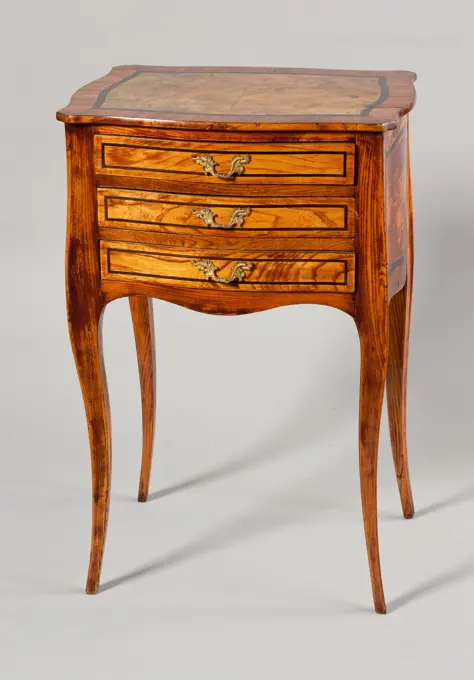
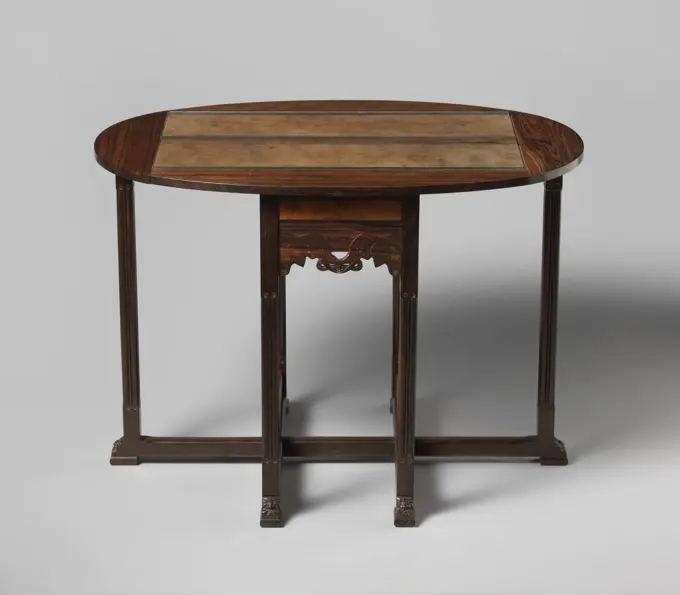
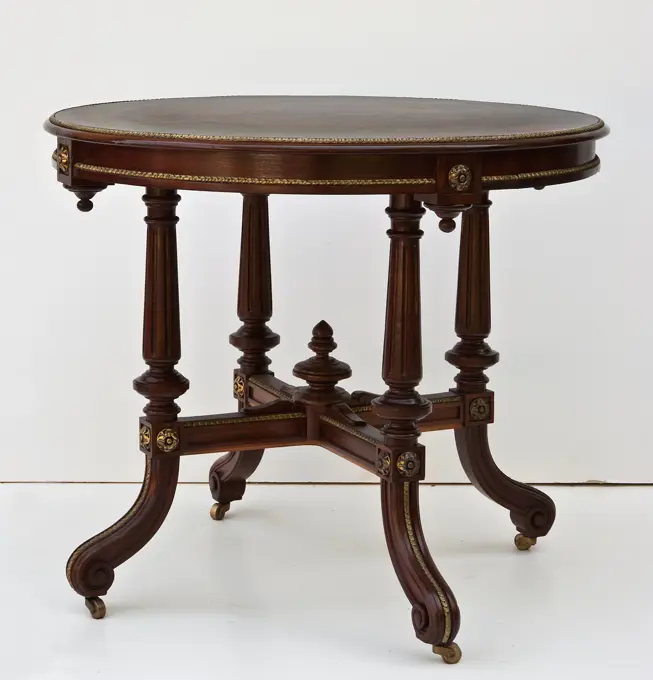
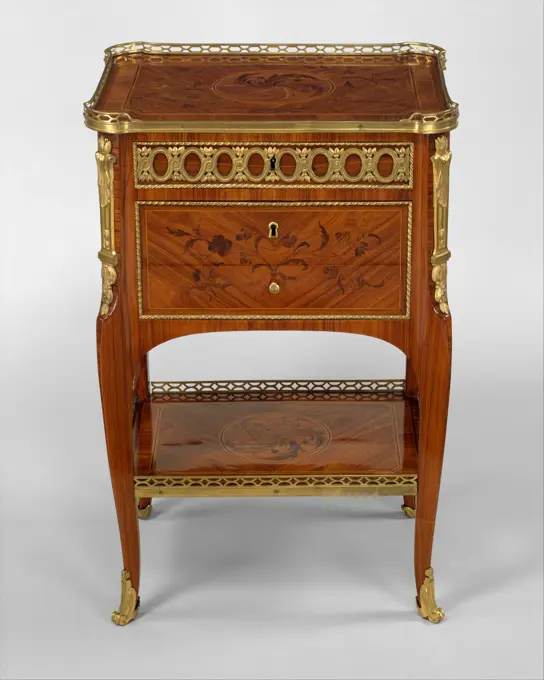
Images showcasing elegant antique furniture pieces, including tables and dressers, highlighting craftsmanship and historical value.

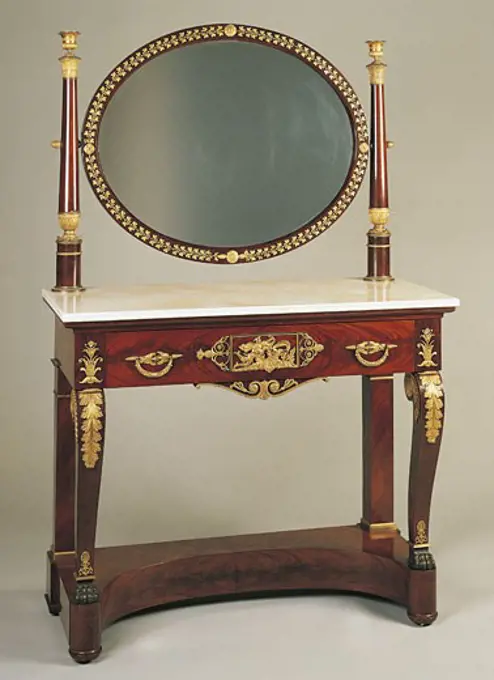
Elliptical front dressing table, c. 1810, 71 1/4 x 42 1/2 x 21 1/4in. (181 x 108 x 54cm), Mahogany, rosewood, brass, glass, United States, 19th century
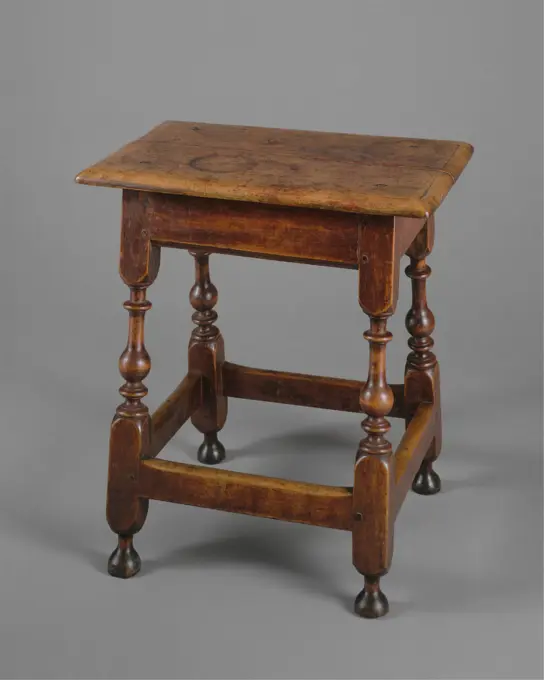
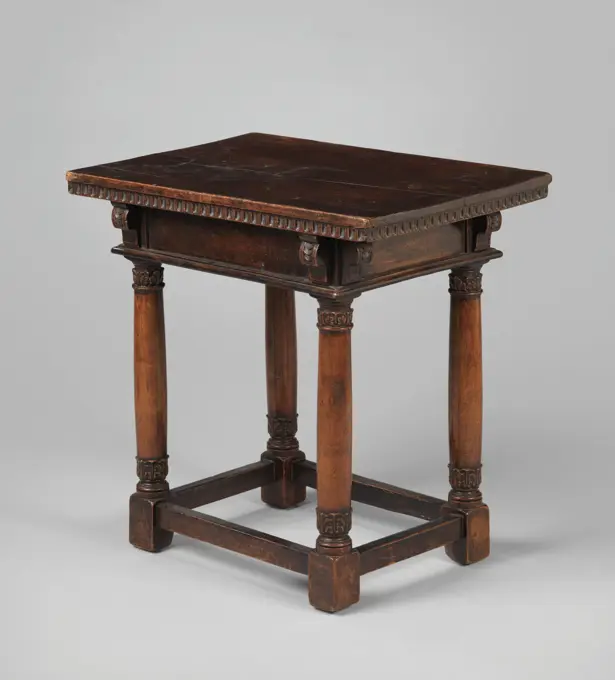
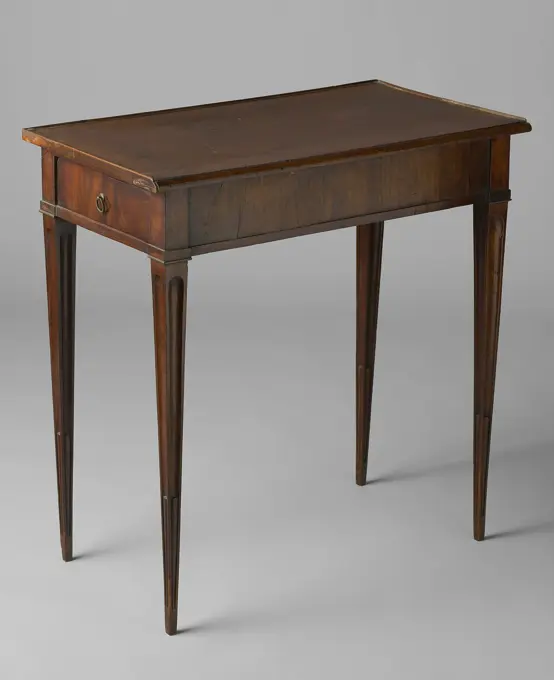
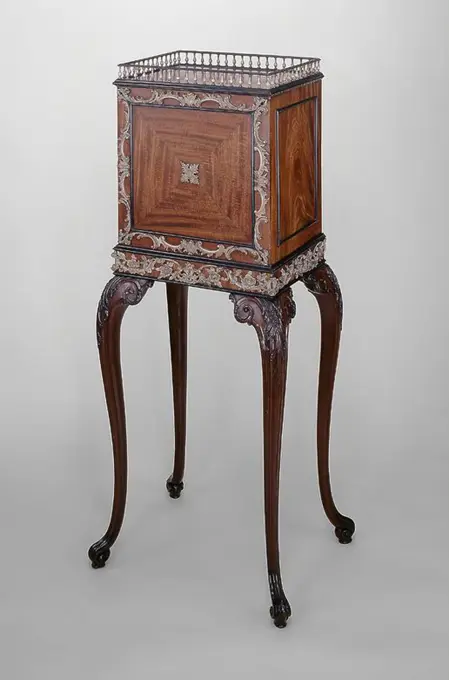
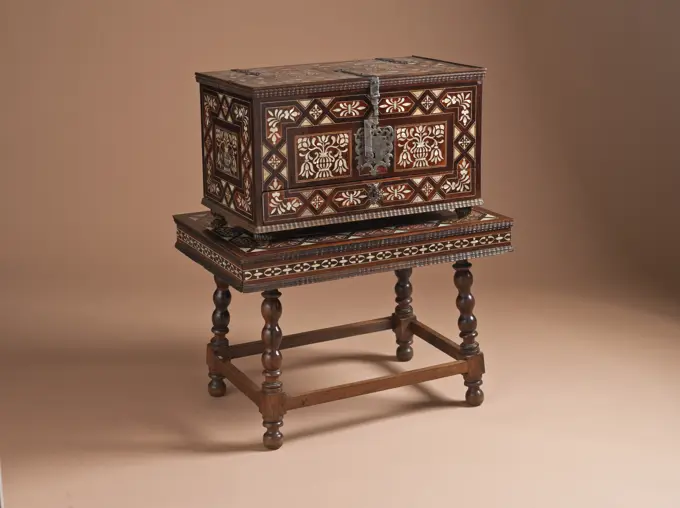
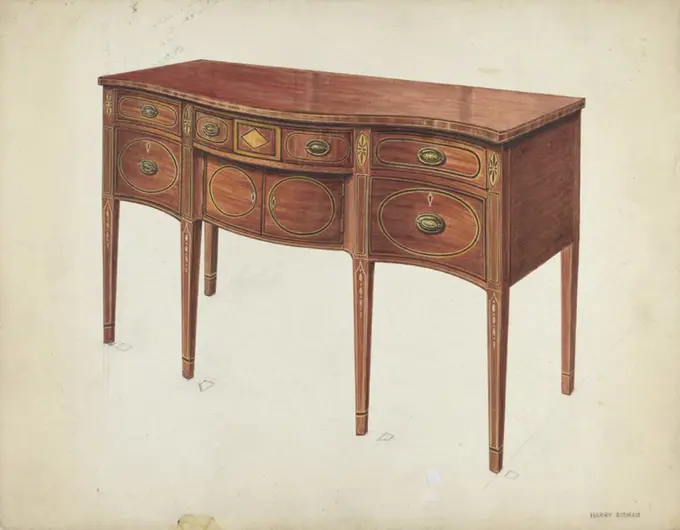
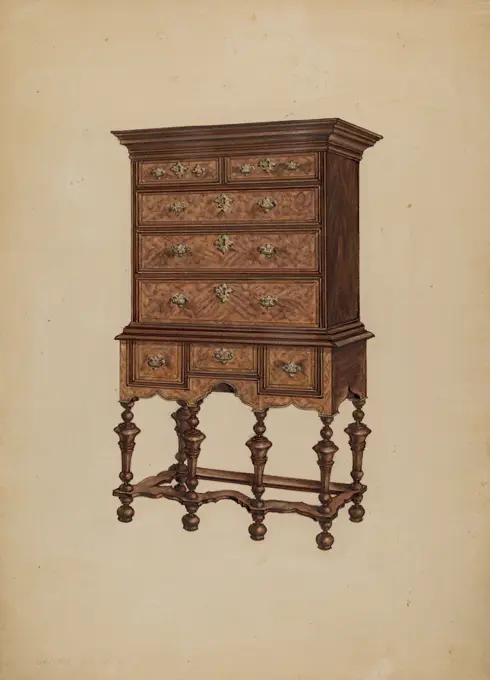
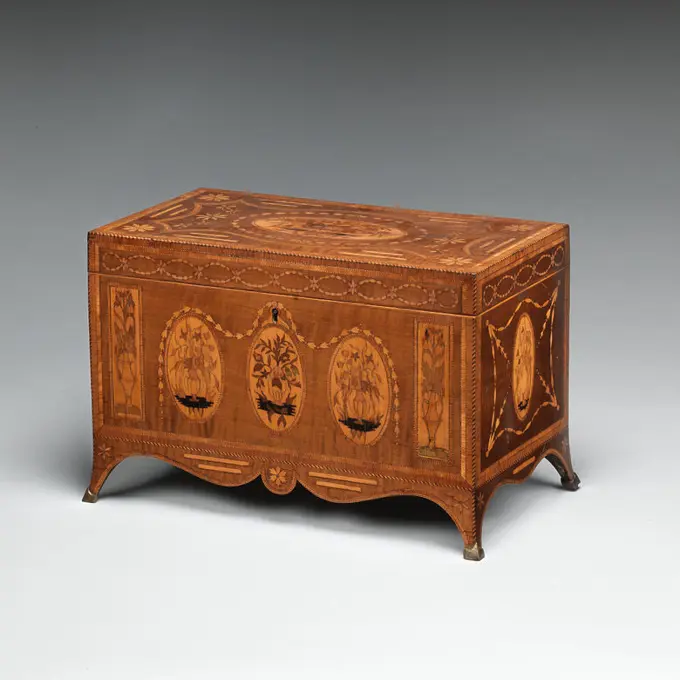
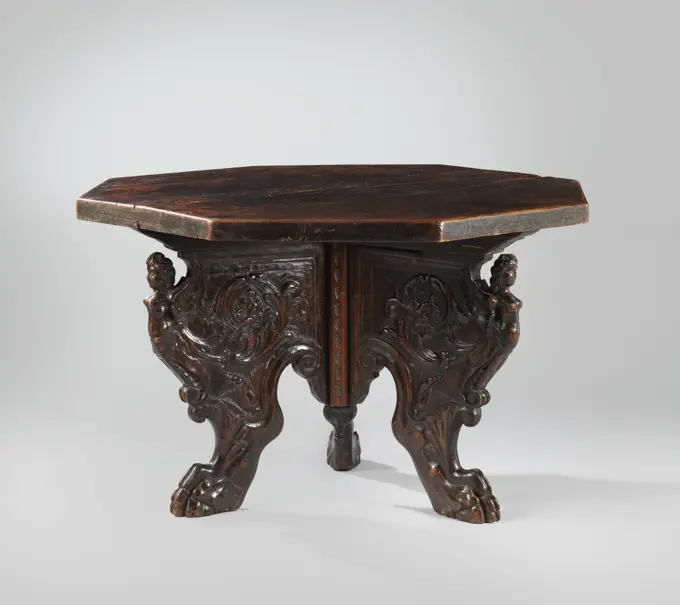
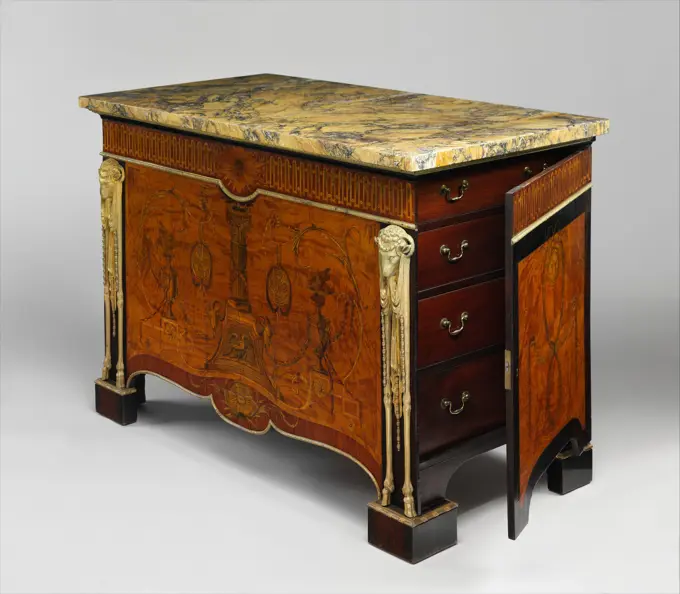
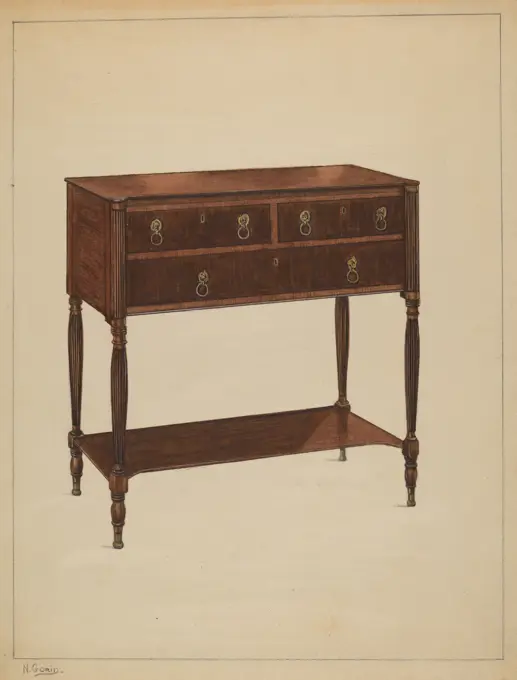
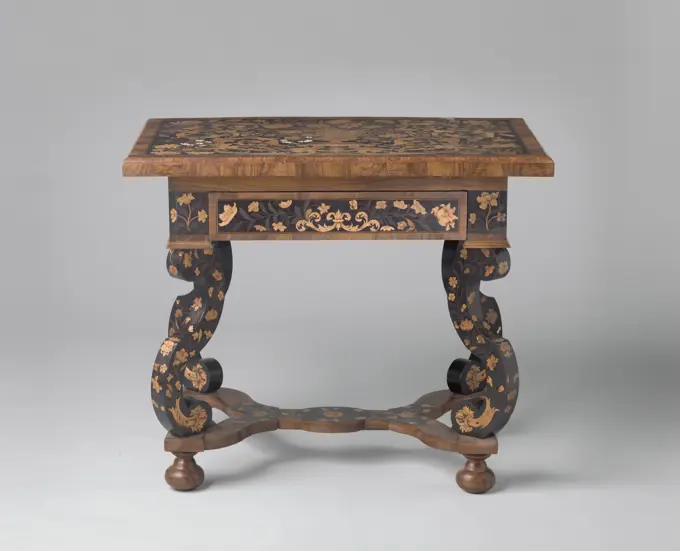
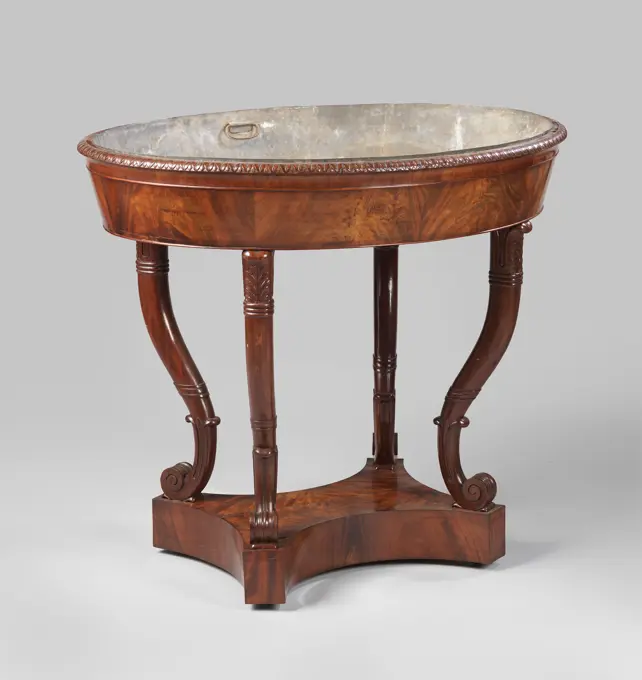
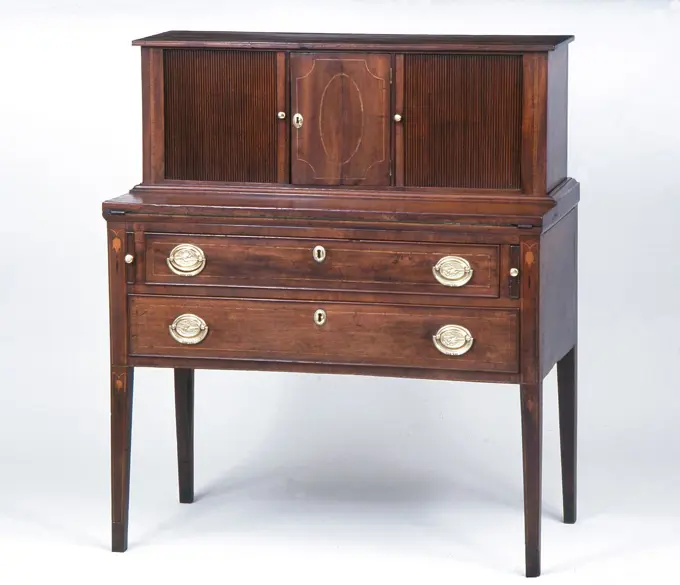
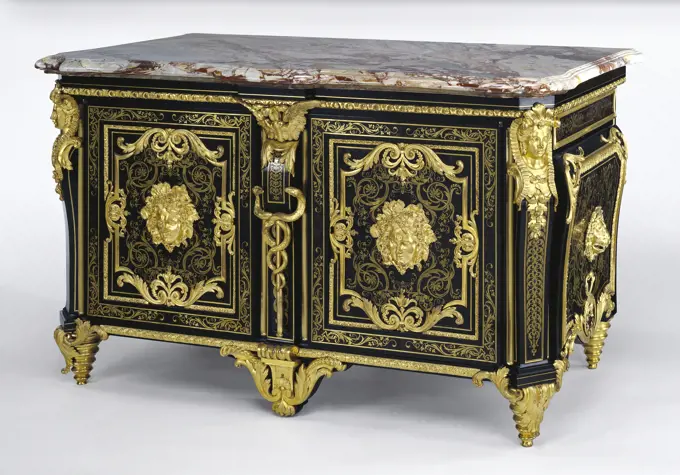
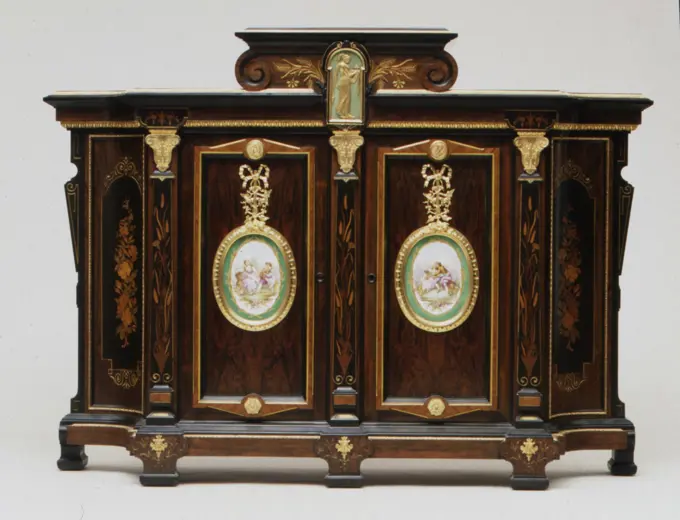
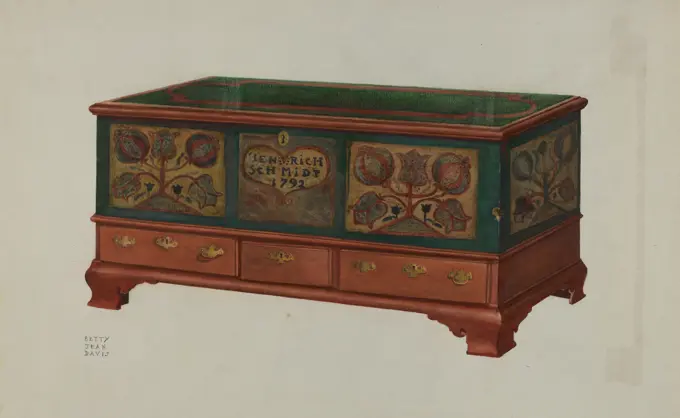
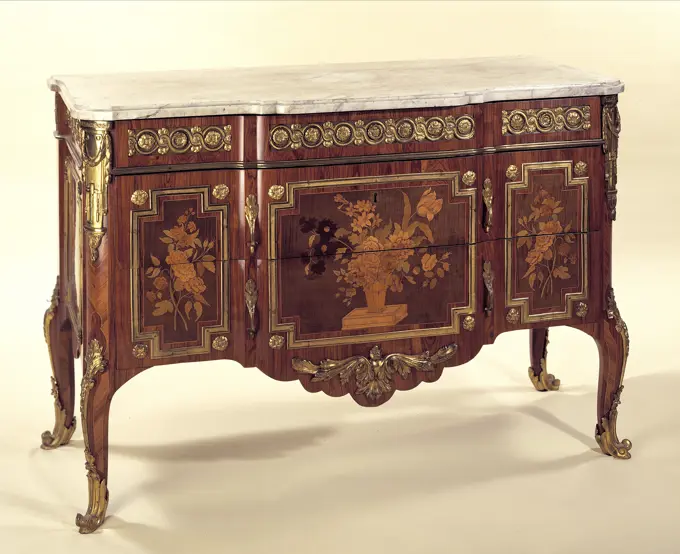
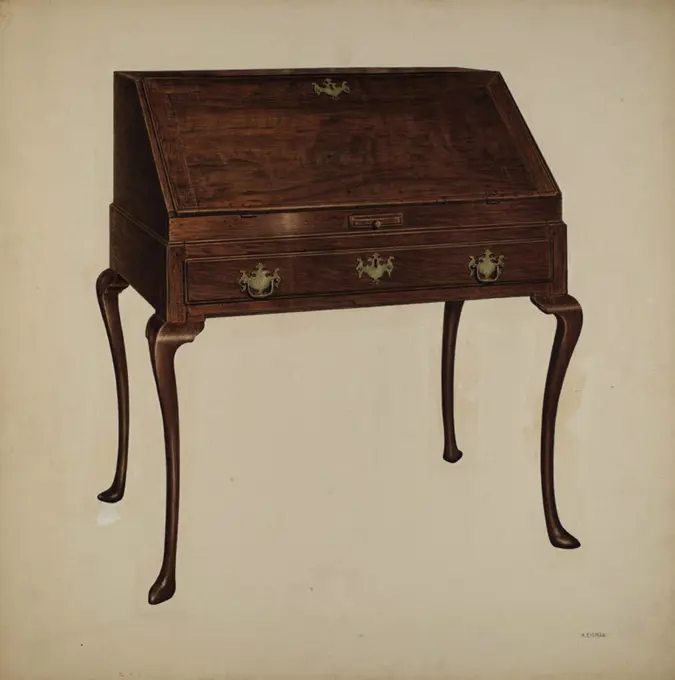
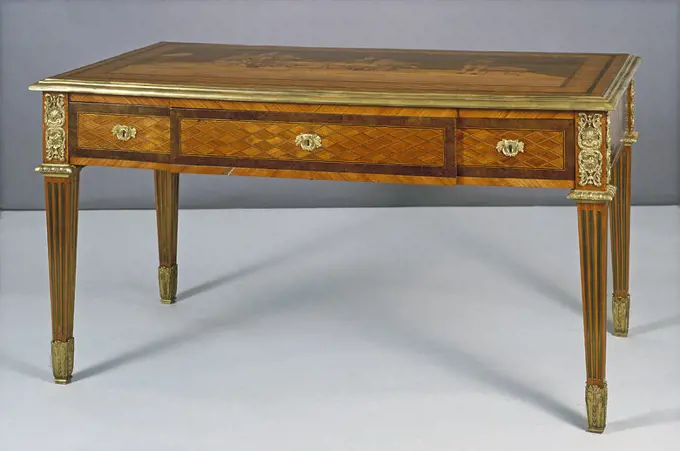
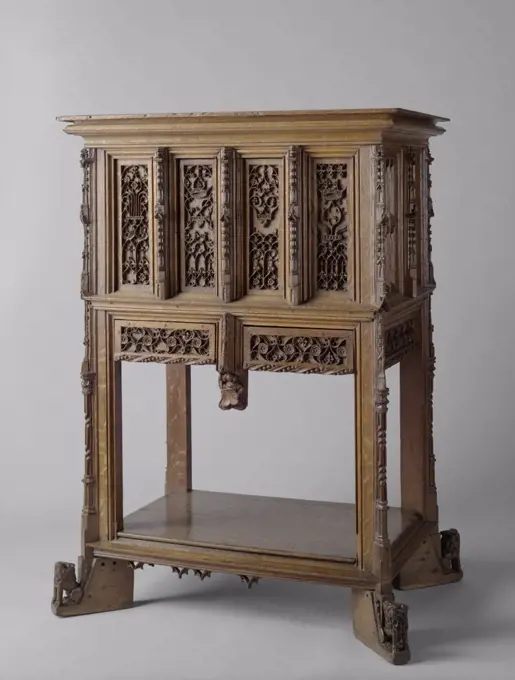
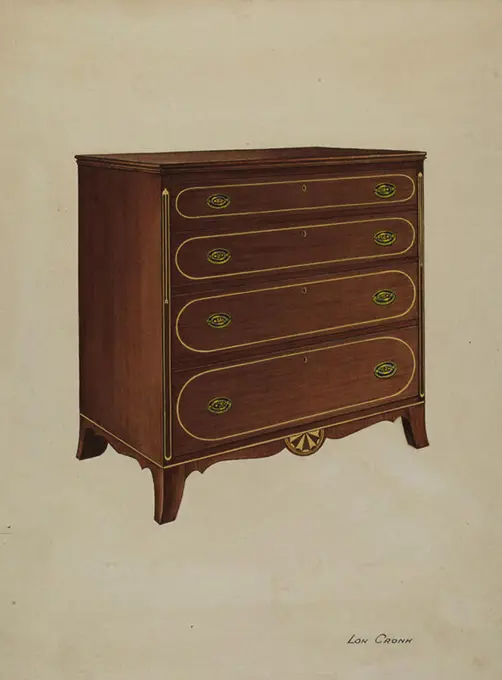
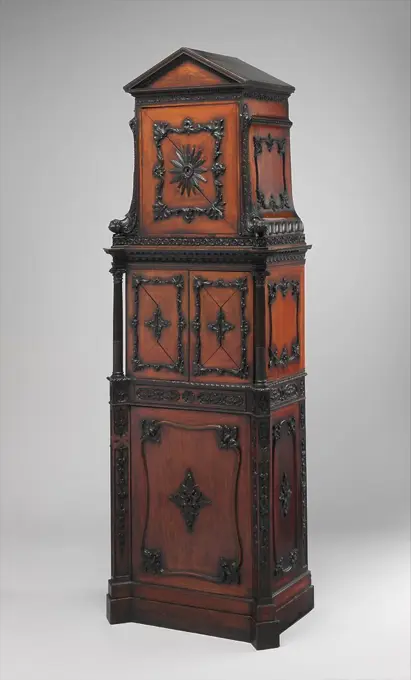
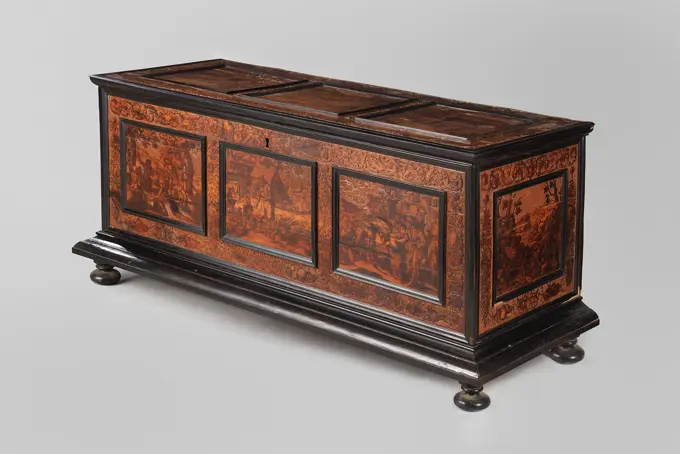
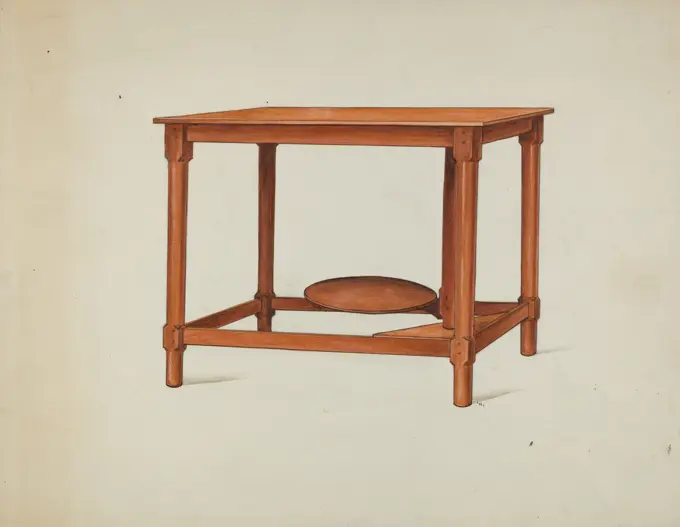
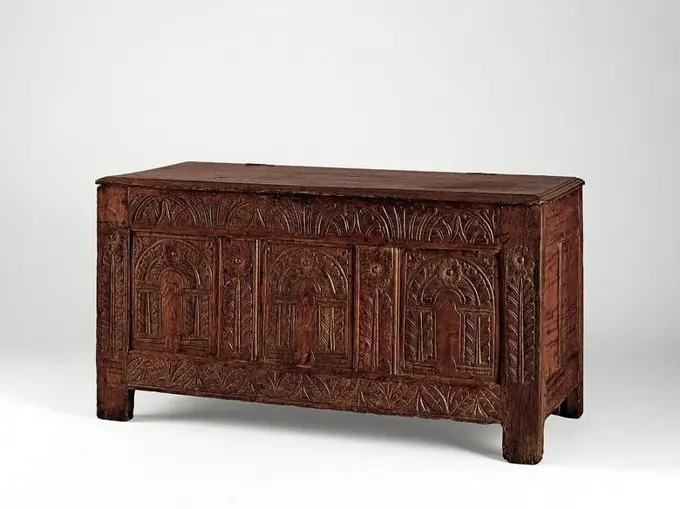
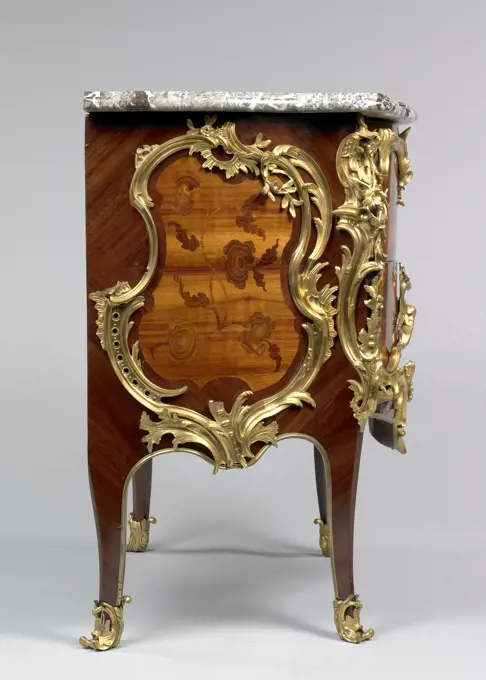
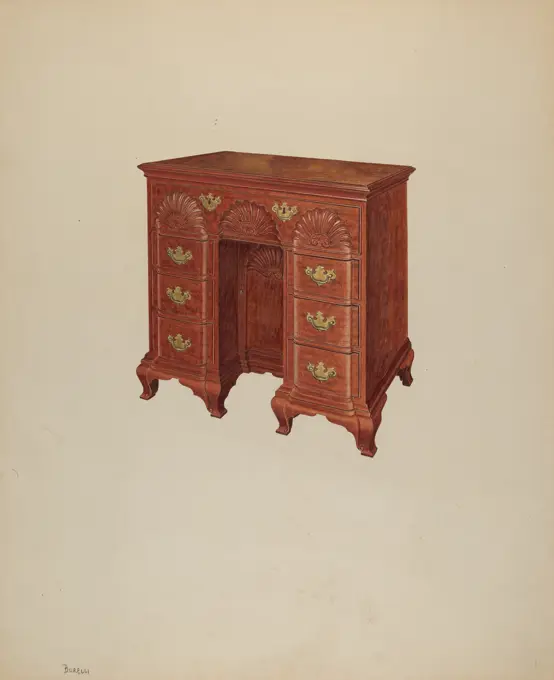
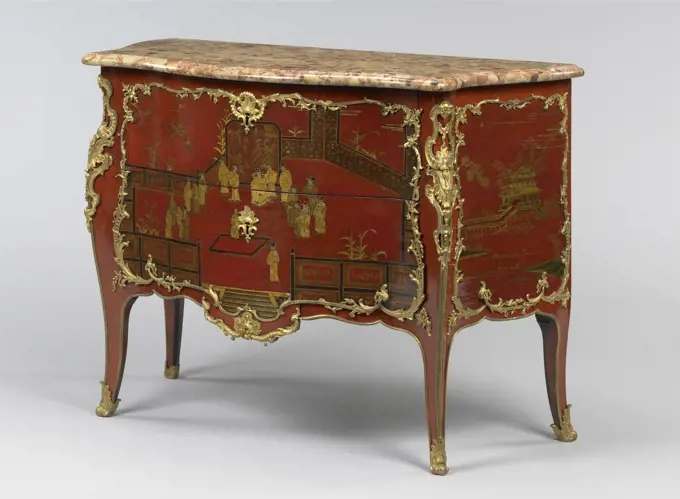
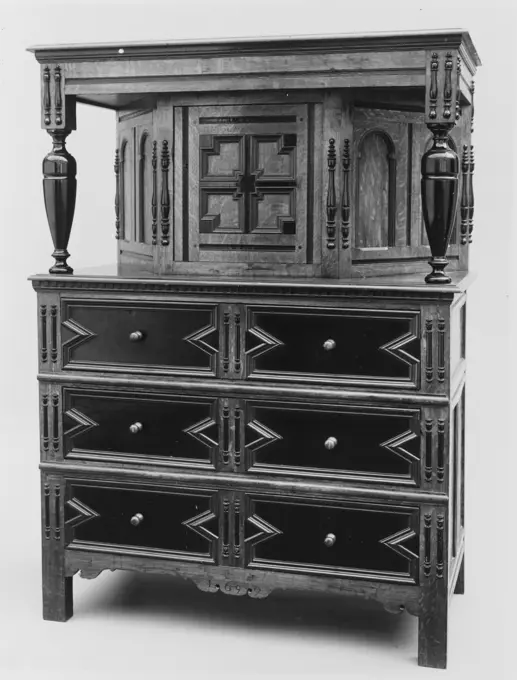
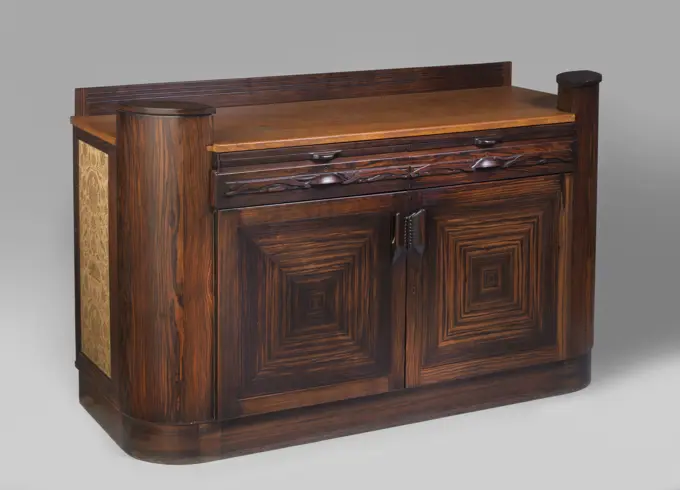
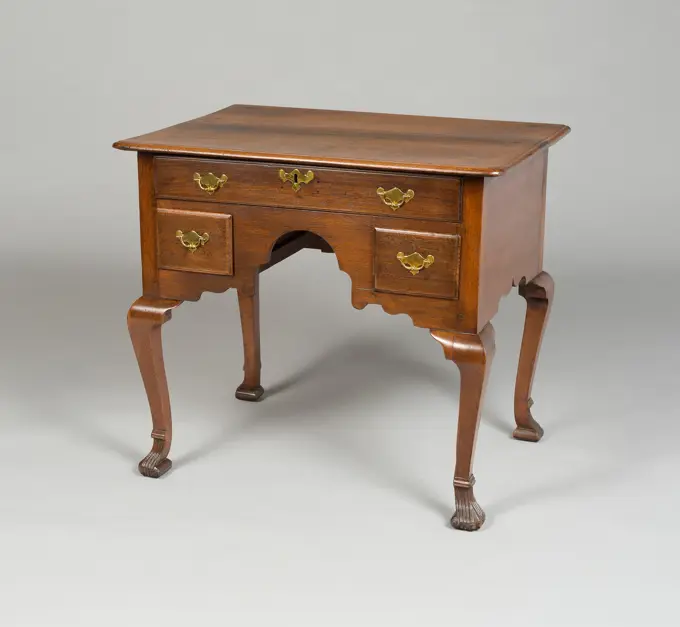
Dressing Table c 1729-1760 Philadelphia. Walnut and white pine . Artist unknownCard table ca. 1735 British. Card table. British. ca. 1735. Walnut and burr-walnut veneer. Woodwork-FurnitureKneeler. unknown, authorCardTableTable withDrawerFurniture, Anonymous, c. 1599 - c. 1699 Oak "Zeeland" cupboard with five doors, three upstairs and two below, that corner panels wear around a diamond head. The central and corner styles of the base cabinet on bolpoten show partly sculpted, partly scanned pilasters and houses with a diamond head between four studs. The bottom rules bear volutes, toothlist and braid. On the upper cabinet four Hermen with decorated shafts under ionic capitals. Diamond heads and studs on the middle rule and Frisian; Frisian with braid. Sides with framework. Northern Netherlands wood (plant material). oak (wood) Oak "Zeeland" cupboard with five doors, three upstairs and two below, that corner panels wear around a diamond head. The central and corner styles of the base cabinet on bolpoten show partly sculpted, partly scanned pilasters and houses with a diamond head between four studs. The bottom rules bear volutes, toothlist and braid. On the upper cabinet four Hermen with decorated shafts under ionic capitElliptical front dressing table, c. 1810, 71 1/4 x 42 1/2 x 21 1/4in. (181 x 108 x 54cm), Mahogany, rosewood, brass, glass, United States, 19th centuryWall or console table made of mahogany with mirror in the back wall. Wall table glued with mahogany on an oak core. Two lying volutes have been placed on the rounded corners of the declining basement, on which two large broken volutes that are partly supported by the table; All decorated with acanthus leaf. The rear wall contains a mirror. The bottom of the table rule, which contains a tray at the front, is deposited with a pearl edge. Deck table with an edge with wounded growers; A tensile leaf is located on the short sides. White and gray damaged marble leaf.Rococo wall table, side table table furniture interior design wood oak walnut burr walnut brass, Cab sewer legs with carving on the knees wide and narrow drawer legs walnut leaf front and lines with rootnuts veneered brass batter rococoDrawerTable, oval, with six legs, standing on undercuts, ending in carved masks. Table, oval, with six legs, standing on undercuts, ending in carved masks. Loose scanner glass. Note: Table belongs to BK-1974-50 buffet cabinet and chair BK-1974-52.Cupboard on chassis, anonymous, c. 1675 - c. 1700 Cabinet of Indonesian wood, resting on a chassis in walnut and with lock plate, hinges and corner pieces made of sparked copper. Copper handles with small copper plates are applied to the sides. There are several drawers behind the two front doors, with copper tractors. The chassis has flung legs, connected by a flat-shaped cross, and rests on the panded bulbs. The cover list is profiled. Indonesia (possibly) wood (plant material). teak (wood). walnut (hardwood). elm (wood). brass (alloy) Cabinet of Indonesian wood, resting on a chassis in walnut and with lock plate, hinges and corner pieces made of sparked copper. Copper handles with small copper plates are applied to the sides. There are several drawers behind the two front doors, with copper tractors. The chassis has flung legs, connected by a flat-shaped cross, and rests on the panded bulbs. The cover list is profiled. Indonesia (possibly) wood (plant material). teak (wood). walnut Gate Leg Table c 1710-1730 Boston. Walnut and pine . Artist unknownDressing table. Culture: American. Dimensions: 27 3/4 x 33 3/4 x 20 3/4 in. (70.5 x 85.7 x 52.7 cm). Date: 1710-30.The legs and feet of this table have a distinctive pattern found only in Philadelphia furniture in the William and Mary style. Notably they closely match those on a high chest and dressing table at the Philadelphia Museum of Art that Caspar Wistar ordered in 1726 from Philadelphia cabinetmaker John Head (d. 1754). Museum: Metropolitan Museum of Art, New York, USA.Hundred;  around 1900 (1890-00-00-1910-00-00);eclecticism (style), kanelles, rosette (ornament), arrows, vegetable wrap, linesWriting table ca. 1760-70 Roger Vandercruse, called Lacroix French The writing drawer contains a slide covered with modern tooled green leather and fitted with three gilt-metal containers for pens, sand, and an inkwell. The two lower drawers are treated as though they were a single panel, veneered with continuous floral marquetry and framed by a gilt-bronze molding of entwined-rope design chased with beading. The overall shape of this table and the style of floral marquetry with endcut kingwood suggests a date early in Lacroixs career when he was still working under the influence of Oeben. The marquetry and cabriole legs in combination with fully neoclassical mounts denote a transitional table. The mounts and marquetry are found on other pieces by Lacroix, particularly the central ornamental motif of the foliated wheel inlaid on both top and lower shelf, a motif that he often repeated. It was used on small transitional tables;[1 on a group of neoclassical bonheurs du jour;[2 and on Joint stool 1700-1725 American Joint stools provided basic everyday seating in seventeenth- and early-eighteenth-century households. The vitality of the baluster turnings on this stool make it an outstanding example of the William and Mary style. Its high seat made it convenient for a sitter to rest his or her feet on the stretcher of the table it was pulled up to for dining.. Joint stool 4549Table on four colompen with leafwork decorations connected by rules. In the pre -line a drawer with tractor., Anonymous, 1500 - 1599 Nutenhout table, resting on four colompen -connected colompen. The columns are decorated with leaf work under and up. In the front line a drawer with tractor, flanked by two consoles. A list of half -grunts is applied under the leaf. Italy wood (plant material). walnut (hardwood) Nutenhout table, resting on four colompen -connected colompen. The columns are decorated with leaf work under and up. In the front line a drawer with tractor, flanked by two consoles. A list of half -grunts is applied under the leaf. Italy wood (plant material). walnut (hardwood)Chest of drawers 1760-1800 American. Chest of drawers 20600John Dana, Chest, c 1938 ChestMahogany tea and pipe table, table furniture interior design wood mahogany oak brass, Mahogany tea and pipe table top in two parts by folding up storage space on the other side wide shallow drawer underneath two pull-out tablets between the legs leaf.. Table of mahogany at square, downwardly rejuvenating legs with semi-filled cannelures. Under the leaf, which has a booty edge on the back and sides and is protected at the front downwards, a tray with copper drawing ring is located on the left. The legs have a copper list under the houses.Chest 1650-1700 American. Chest 2042Chest withdrawerCabinet on Stand. England, London; Attributed to William Vile (English, 1700/05-1767). Date: 1755-1765. Dimensions: 120.65 × 48.3 × 38 cm (47.5 × 19 × 15 in.). Mahogany, ebony, boxwood. Origin: England. Museum: The Chicago Art Institute, Chicago, USA.Commode on four Bolpoten, with four drawers, Anonymous, 1700 - 1725 Commode on four bol legs, glued with root nut wood on an oak core. The front shot in the middle has four drawers with copper key plates and handles. Calculated from bottom to top, each drawer is lower than the previous one. The bent corners have doors with copper lock plates, behind which five drawers with copper buttons; The final holes are in the flooded front corner styles. A walnut tire in the magazine follows the contour of the scalloped leaf with a profile list. Northern Netherlands wood (plant material). oak (wood). brass (alloy) Commode on four bol legs, glued with root nut wood on an oak core. The front shot in the middle has four drawers with copper key plates and handles. Calculated from bottom to top, each drawer is lower than the previous one. The bent corners have doors with copper lock plates, behind which five drawers with copper buttons; The final holes are in the flooded front corner styles. A walnut High chest of drawers. Culture: American. Dimensions: 65 x 37 1/2 x 22 in. (165.1 x 95.3 x 55.9 cm). Date: 1715-35.Contrasting light and dark wood banding creates a lively surface treatment on this high chest of drawers. Few chests with this type of herringbone-banded drawer border are known, and the exact place where this high chest was made has yet to be firmly decided, though one of its secondary woods, chestnut, suggests manufacture in eastern Connecticut or Rhode Island rather than New York, where some scholars have suggested. Museum: Metropolitan Museum of Art, New York, USA.Kneehole writing table. Culture: British. Dimensions: 35 × 38 1/2 × 24 1/2 in. (88.9 × 97.8 × 62.2 cm). Date: ca. 1760. Museum: Metropolitan Museum of Art, New York, USA.. Ball leg of walnut, with black-stained parts and decorations in ebony. The ringed balkees are connected by an H-shaped cross with inserted piping. The houses are glued with ebony mirrors. The rules are supported by volutes glued with Ajour Salved Ebony Volutes. Above the houses on the rules are three ebony drops and three flat buttons in the middle; At the corners stand with acanthus leaf decorated consoles, between which skirting boards. Tray.Chest (Caja). Unidentified artist. Peru, possibly Lima, 18th century. Furnishings; Furniture. Wood, tortoiseshell, ivory, inlaid mother-of-pearlSmall chest of drawers. unknown, creatorDesk-on-FrameCONSOLKA COMPANY;  around 1750 (1740-00-00-1760-00-00);Roszkowska, Teresa (1904-1992), Roszkowska, Teresa (1904-1992)-collection, gift (provenance)Chest-On-Chest. Dated: c. 1939. Dimensions: overall: 55.8 x 40.5 cm (21 15/16 x 15 15/16 in.) Original IAD Object: none given. Medium: watercolor, colored pencil, pen and ink and graphite on paperborad. Museum: National Gallery of Art, Washington DC. Author: Lawrence Phillips.Dressing Table. Thomas Scott; English, active 1783-96; London, England. Date: 1785-1795. Dimensions: 83.8 x 105.4 x 74.3 cm (33 x 41 1/2 x 29 1/4 in.). Mahogany, satinwood and rosewood veneers, gilt metal and mirror glass. Origin: London. Museum: The Chicago Art Institute, Chicago, USA.Secretary, commode and table, 1834  Paris oak (wood). rosewood (wood). mahogany (wood). satinwood (wood). purpleheart (wood). brass (alloy). copper (metal). ivory. marble (rock)  Paris oak (wood). rosewood (wood). mahogany (wood). satinwood (wood). purpleheart (wood). brass (alloy). copper (metal). ivory. marble (rock)Chest of drawers. unknown, creatorCard Table. England. Date: 1715-1725. Dimensions: 71.1 × 82.6 × 82.6 cm (28 × 32 1/2 × 32 1/2 in.) (open). Walnut, gilding, metal hinges; needlework embroidery. Origin: England. Museum: The Chicago Art Institute, Chicago, USA.Worktable.   Maker: A. Taylor, AmericanArmoire. UnknownOval Table with FallingLeavesSideboard. Dated: c. 1953. Dimensions: overall: 23 x 29.5 cm (9 1/16 x 11 5/8 in.). Medium: watercolor, pen and ink, and graphite on paperboard. Museum: National Gallery of Art, Washington DC. Author: Harry Eisman.Incense Stand (Xiang Ji) with Nine Dragons. China, Chinese, Inscribed "Made in the dingwei year of the Wanli period 1607," Ming dynasty. Furnishings; Accessories. Red lacquer on wood core with engraved gold (qiangjin), and incised and lacquer-filled (tianqi) decoration. After Oeben died, his widow continued his workshop: guild regulations allowed her to keep using her dead husbands name stamp. The workshop was headed by Riesener, who married Oebens widow in 1767 and became a master cabinetmaker a year later; he then began to use his own stamp. The underside of this table bears both stamps, indicating that Riesener at least completed it.Isadore Goldberg, Highboy, c 1937 HighboyArthur Mathews, Chest of Drawers, 1935 1942 Chest of Drawers"Casa en Mesita" or Chest on Stand. Dated: c. 1939. Dimensions: overall: 29.6 x 37 cm (11 5/8 x 14 9/16 in.). Medium: watercolor, colored pencil, graphite, and heightening on paperboard. Museum: National Gallery of Art, Washington DC. Author: Majel G. Claflin.Dresser;  1820-1840 (1820-00-00-1840-00-00);. Table decorated with marquetery of pink, rosewood, olive and other types of wood on oak core, with gold-plated bronze fittings. The overhoeks places set bear fittings with rocaille motifs. The front is inwards, the back must be bent outwardly; Both with Rocaille motif. The scalloped sides have a sliding drawer with key plate; Under the leaf, on which a gallery on three side, is a flat tray. The rules bear floral authoria. Her and der deposits through bronze edges.Tea chest with tea caddies. Culture: British. Dimensions: Overall (tea chest only): 8 1/4 × 12 3/4 × 7 1/2 in. (21 × 32.4 × 19.1 cm). Date: ca. 1790. Museum: Metropolitan Museum of Art, New York, USA.Octagonal table, anonymous, 1500 - 1600 Poplar wood bead table with an octagonal, unadorned and unprospective leaf, standing on three cheek legs, ending in claws. The cheek legs show a winged female figure on the knee, whose lower body ends in a volute. From under her wings, a sliced flank volute appears in a relief, in which various myths. The claws end up in an acanthus leaf on the outside and a volute on the inside, between which a flower. Italy poplar (wood). walnut (hardwood) Poplar wood bead table with an octagonal, unadorned and unprospective leaf, standing on three cheek legs, ending in claws. The cheek legs show a winged female figure on the knee, whose lower body ends in a volute. From under her wings, a sliced flank volute appears in a relief, in which various myths. The claws end up in an acanthus leaf on the outside and a volute on the inside, between which a flower. Italy poplar (wood). walnut (hardwood)Cabinet from the basics; unknown, arrow, Antoni Jan (1844-1934), artistic excavation of Peszkowski; XVII/18th century (1680-00-00-1720-00-00), 19th/20th century (1890-00-00-1910-00-00);Pembroke Table 1765-90 American This is an excellent example, with all the extras, of the Philadelphia Pembroke, or breakfast, table. In a Philadelphia cabinetmakers 1772 price list, a mahogany “Breakfast Table plain” cost “2-15-0” (2 pounds, 15 shillings, no pence); with a drawer, “Brasses & Brackets,” and “a plain Stretcher,” the price was “3-10-0.” “Add for Scalloping the Top 4s[hillings” and the result would be this table, costing 3 pounds, 14 shillings.. Pembroke Table. American. 1765-90. Mahogany, oak, white pine, tulip poplar. Made in Philadelphia, Pennsylvania, United StatesCommode ca. 1770-80 Attributed to John Mayhew British The gilt-bronze rams have been attributed to Matthew Boulton, the one English manufacturer of decorative hardware to escape the anonymity of his colleagues, who lacked guild records to perpetuate their names. Boulton, with his partner John Fothergill, was responsible for an assembly-line production, 1768-1782, covering categories from buttons to vases, on a scale so comprehensive that Josiah Wedgwood deemed him "the most complete manufacturer in England of metal.". Commode 203852TableNicholas Gorid, Side Board, 1936 Side BoardBlanket chest. American; New England. Date: 1650-1700. Dimensions: 92.1 x 129.2 x 55.9 cm (36 1/4 x 50 7/8 x 22 in.). Oak, pine, and maple. Origin: New England. Museum: The Chicago Art Institute, Chicago, USA.Dressing Table 1730-50 American. Dressing Table. American. 1730-50. Walnut, white pine, burl walnut veneers, mahogany. Made in New England, United StatesCard table. unknown, authorSideboard, Mahogany. Dated: 1937. Dimensions: overall: 24.8 x 35.5 cm (9 3/4 x 14 in.) Original IAD Object: 50 3/4"high; 72 1/2"wide; 23 1/2"deep. Medium: watercolor, colored pencil, pen and ink, and graphite on paper. Museum: National Gallery of Art, Washington DC. Author: Geoffrey Holt.Lowboy. Dated: c. 1939. Dimensions: overall: 40.7 x 45.7 cm (16 x 18 in.) Original IAD Object: 29"high; Top: 29"x41". Medium: watercolor, colored pencil, and graphite on paperboard. Museum: National Gallery of Art, Washington DC. Author: Frank Wenger.Table, anonymous, c. 1685 - c. 1700 Table completely glued with floral motifs, executed in rosewood, satin, olijve, amboina, maple and other woods and legs on an oak core. The furniture rests on four S-shaped legs, which are connected by a double Y-shaped cross with an oval centerpiece, which rests on Bolpoten. The corner styles wear a profiled base. A drawer at the front. The leaf shows a flower vase on a pedestal, resting on two dolphins. Leaf and flower vines come from their mules. Northern Netherlands wood (plant material). oak (wood). maple (wood). olive (wood). ebony (wood). bone (material). veneer Table completely glued with floral motifs, executed in rosewood, satin, olijve, amboina, maple and other woods and legs on an oak core. The furniture rests on four S-shaped legs, which are connected by a double Y-shaped cross with an oval centerpiece, which rests on Bolpoten. The corner styles wear a profiled base. A drawer at the front. The leaf shows a flower vase on a pedestal, restClose-up of a wooden cabinetJardinière of oak and mahogany, on rectangular basement. Jardinière van Oakhout and Cuba mahogany, partially massive, partially veneered. The furniture has a layer of rectangular basement with concave sides and beveled corners. Four across places are placed on top of this, on the bottom in a palmet clay and crowned by a palm line, the front sheet of which wears a standing acanthus sheet. The oval bin has a facing wall, crowned by a light-waving edge, decorated with leaf list.SideboardDesk. Dated: c. 1939. Dimensions: overall: 50.8 x 58.2 cm (20 x 22 15/16 in.) Original IAD Object: 43"high; 42"long. Medium: watercolor, colored pencil, and graphite on paperboard. Museum: National Gallery of Art, Washington DC. Author: Isidore Sovensky.TambourdeskMedal Cabinet; Attributed to André-Charles Boulle (French, 1642 - 1732, master before 1666); Paris, France; about 1710 - 1715; Oak and fir veneered with ebony, amaranth, kingwood, brass, and tortoise shell, gilt-bronze mounts; sarrancolin des Pyrénées marble top; 82.6 x 140.3 x 72.4 cm (32 1,2 x 55 1,4 x 28 1,2 in.)Cabinet. This type of block-shaped cabinet on a stand became fashionable towards the end of the 17th century. While diverse items could be kept in them, they were mostly used for linen. Due to the absence of carved ornamentation, all attention is drawn to the decoration of the flat front and sides, which consists of thin discs of olive wood assembled into floral-like patterns.Cabinet ca. 1866 Alexander Roux French Until the mid-1870s, furniture styles in America were largely influenced by European, particularly French, taste. Style was disseminated by European design books and fashion periodicals; the great international exhibitions, beginning with the London Crystal Palace in 1851; and immigrant craftsmen who adapted their skills and artistic traditions to the American market. Alexander Roux, a French-born cabinetmaker active in New York from 1836 to 1881, was an ever tasteful proponent of the latest fashion, working in the 1840s in the Gothic Revival style, in the 1850s in the Elizabethan, Renaissance, and Rococo styles, and in the 1860s, as here, in the Néo-grec style. Néo-grec was an inventive combination of motifs from antiquity, the Renaissance, and the late-eighteenth-century Louis XVI style introduced in France and popularized by Empress Eugénie, wife of Napoleon III, during the Second Empire (1852-1870). The form of this cabinet is derived from theBetty Jean Davis, Pa German Chest, c 1938 Pa. German ChestWriting table. unknown, authorPembroketableCommode. Culture: British. Dimensions: Overall: 33 1/2 × 39 × 22 3/4 in. (85.1 × 99.1 × 57.8 cm). Date: ca. 1770-80. Museum: Metropolitan Museum of Art, New York, USA.Close-up of a dressing table, FranceRoger Vandercruze-Lacroix (dit RVLC). "Large oak chest of drawers with two vertical drawers and handles, marquetry decorated with flowers, white marble top, golden bronzes (front view from the front on a light background)". Wood, marble, around 1770. Paris, Cognacq-Jay museum. 25924-1 Bronze Dore, Chene, Decor Fleur, Decoration, Louis XV time, Fleur, Large Commode, White marble, Marquetry, furniture, vertical handle, drawer, furnitureDesk. Dated: 1940. Dimensions: overall: 50.8 x 50.7 cm (20 x 19 15/16 in.) Original IAD Object: none given. Medium: watercolor, colored pencil, pen and ink, and graphite on paperboard. Museum: National Gallery of Art, Washington DC. Author: Harry Eisman.Writing Table with Mechanical Fittings (table mécanique or schreibtisch). Dated: partly c. 1779, partly 19th century. Dimensions: overall: 76.7 x 143 x 75.5 cm (30 3/16 x 56 5/16 x 29 3/4 in.). Medium: oak carcass; pictorial marquetry principally of sycamore, rosewood, applewood with some traces of coloring, and boxwood; table veneered principally with tulipwood, amboyna, ebony, and boxwood; interior fittings of Cuban mahogany; gilded bronze and brass mounts; steel mechanical fitments. Museum: National Gallery of Art, Washington DC. Author: In part by David Roentgen and / or his workshop; in part by an unknown craftsmen, probably French or German 19th Century.Cabinet of a militia company, Anonymous, c. 1520 - c. 1530Sideboard.  Designer Gustav Stickley, American, 1858-1942 Manufacturer: Craftsman Workshops, 1904-1918  Maker: Eagle Lock Co.Card table. Culture: German, Bamberg. Dimensions: closed: 29 1/2 × 37 1/2 × 18 1/2 in. (74.9 × 95.3 × 47 cm). Date: ca. 1745-50.According to the Bamberg city archives, Nicolaus Bauer (active 1758-1771) made gaming tables for Seehof Castle, the summer residence of the bishops of Würzburg and Bamberg, during the 1750s and 60s. This example, coming from Seehof, can be included in his output. The folding top exhibits marquetry motifs typical of German workshops, while carved asymmetrical shellwork elements adorn the knees. Museum: Metropolitan Museum of Art, New York, USA.Butternut Wood Chest of Drawers. Dated: c. 1938. Dimensions: overall: 30.5 x 24.8 cm (12 x 9 3/4 in.) Original IAD Object: 37"high; 28"wide; 19"deep. Medium: watercolor, colored pencil, pen and ink, and some heightening on paperboard. Museum: National Gallery of Art, Washington DC. Author: Lon Cronk.Dower Chest American 1700-1800High chair. High chair in miniature on four wheels of green-gray painted oak, on which decorations in Louis-XV style are placed in white. The high three-sided back has a cut-out population. The seat and play plank are removable.Rex F Bush, Drop leaf Table, c 1936 Drop-leaf TableTable;  4. W. 19th century (1876-00-00-1900-00-00);Brandt, Józef (painter - 1841-1915) - collection, gift (provenance)Medal cabinet. Culture: British. Dimensions: Overall: 79 × 27 × 17 1/4 in. (200.7 × 68.6 × 43.8 cm). Maker: Attributed to William Vile (British, Somerset 1715-1767 London); Attributed to John Cobb (British, ca. 1715-1778 London). Date: 1760-61.This medal cabinet, with 135 shallow drawers that can accommodate more than six thousand coins and medals, is one of two cabinets that probably formed the end sections of a larger piece of furniture, called His Majesty's Grand Medal Case. (Its mate is in the Victoria and Albert Museum, London.) The pair appears to have been commissioned by the future George III; the door of the top section is carved with the star of the Order of the Garter, to which the Prince of Wales had been elected in 1750. Originally the cabinets rested on open stands. William Vile made alterations to both cabinets, the most extensive of which was the filling in of the space between the legs. Museum: Metropolitan Museum of Art, New York, USA.Coffin of dogwood wood. Coffin of dogwood, resting on the front on black wooden ball legs and glued with ebony on oak core. On the front, side and tops, fields are located within ebony lists with representations, with pen and thick ink, from the Old Testament, around Festoten, Flowers and Acanthus Ranks, combined with yacht scenes. Allegorical figures are grouped around the keyhole. As a background in the performances deepened soil with inside.Cabinet.   Maker: Alexander Roux, American, born France, 1813-1886Ray Holden, Shaker Wash Stand, c 1936 Shaker Wash StandPLANTAFEL, E.G.C. Schubad, 1910 - 1927  Netherlands oak (wood). rosewood (wood). plywood  Netherlands oak (wood). rosewood (wood). plywoodChest. Culture: American. Dimensions: 24 1/2 x 47 1/2 x 20 1/4 in. (62.2 x 120.7 x 51.4 cm). Date: 1640-80. Museum: Metropolitan Museum of Art, New York, USA.Frank Wenger, Gate Leg Table, c 1940 Gate Leg TableCommode; Bernard II van Risenburgh (French, after 1696 - about 1766, master before 1730); Paris, France; about 1750; Oak and spruce veneered with bloodwood, kingwood, and amaranth; drawers of walnut; gilt bronze mounts; campan rouge marble tops; 87.3 × 101.7 × 56 cm (34 3,8 × 40 1,16 × 22 1,16 in.)Francis Borelli, Dressing Table, 1938 Dressing TableCommode; Bernard II van Risenburgh (French, after 1696 - about 1766, master before 1730); Paris, France; about 1740; Oak set with panels of red Chinese lacquer and painted with vernis Martin; gilt-bronze mounts; breche d'Alep top; 83.8 x 114.3 x 54.9 cm (33 x 45 x 21 5,8 in.)Hugo, Victor (1802-02-26-1885-05-22). Sculpted oak furniture arranged by Victor Hugo (title awarded). 1857. Wood. House of Victor Hugo - Hauteville House.Whatnot Old wooden whatnot on an isolated studio background Copyright: xZoonar.com/AndreyxSkatx 8602086Cupboard ca. 1699 American. Cupboard. American. ca. 1699. Oak, maple, chestnut, tulip poplar. Probably made in Salem, Massachusetts, United StatesBuffet of oak and coromandel wood with carved stylized leopards, Anonymous, 1920 - 1929 Buffet of oak and coromandel wood, with two doors, two drawers, two extension tops and a low uprising. The fronts of the drawers are decorated with leopards carved in relief. Netherlands oak (wood). textile materials. Buffet of oak and coromandel wood, with two doors, two drawers, two extension tops and a low uprising. The fronts of the drawers are decorated with leopards carved in relief. Netherlands oak (wood). textile materials.