Antique Furniture Pieces

Collection of detailed antique furniture, including chests of drawers and tables, showcasing historical craftsmanship and intricate design.

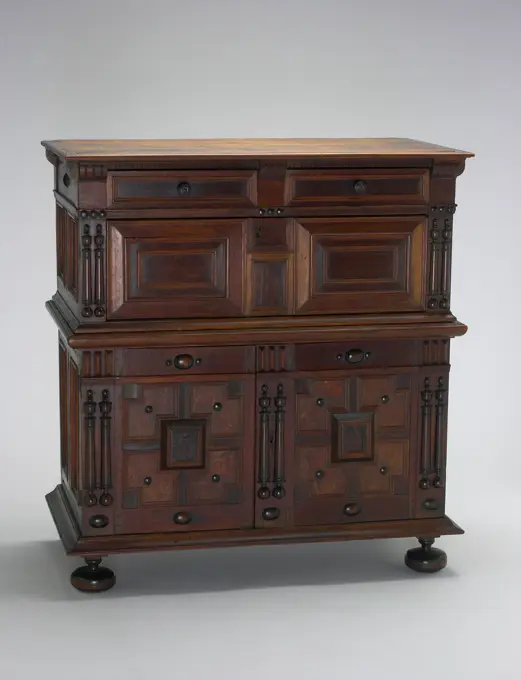
Sterkabinet, anonymous, 1680 - 1710 Cupboard, glued with Note, Ebbe, satin, acacia, rosewood and other woods and legs on an oak core. Both doors show a symmetrical decoration of oval fields and geometric figures on a land of acaciahouten "oyster pieces". The Frisian and the chassis are also glued with these "oyster pieces". The side walls wear a geometric pattern on a walnut soil. The cross base with flared legs was added in 1958. Northern Netherlands wood (plant material). oak (wood). walnut (hardwood). ebony (wood). satinwood (wood). acacia (wood). rosewood (wood). bone (material) Cupboard, glued with Note, Ebbe, satin, acacia, rosewood and other woods and legs on an oak core. Both doors show a symmetrical decoration of oval fields and geometric figures on a land of acaciahouten "oyster pieces". The Frisian and the chassis are also glued with these "oyster pieces". The side walls wear a geometric pattern on a walnut soil. The cross base with flared legs was added in 1958. Northern Ne
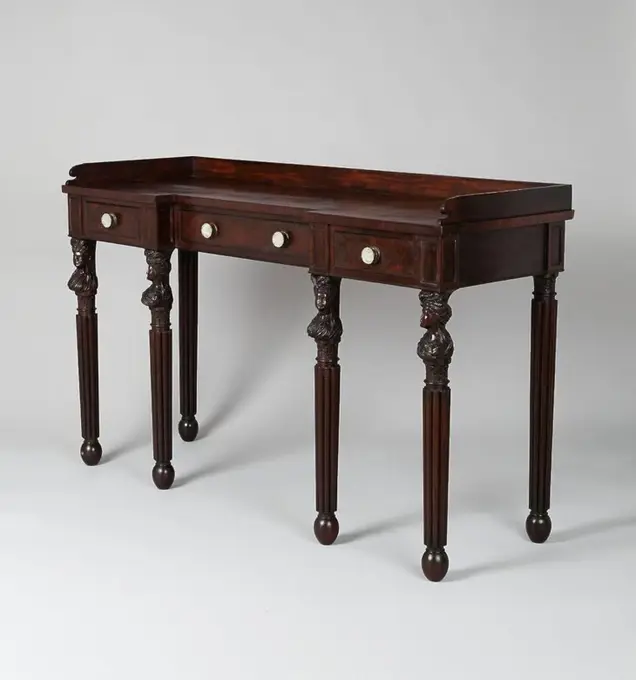
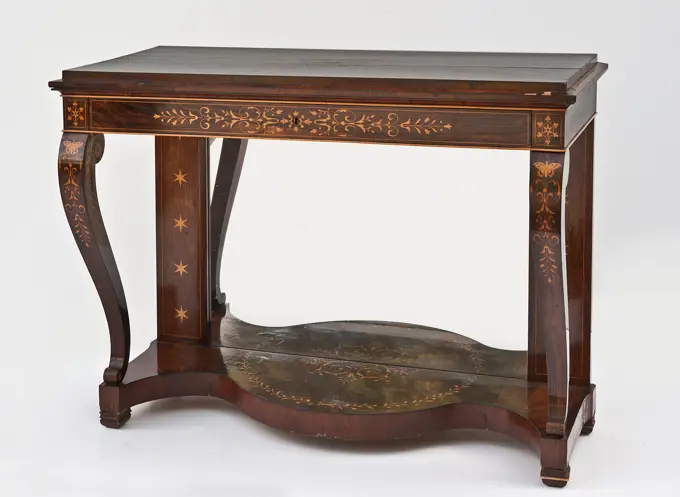
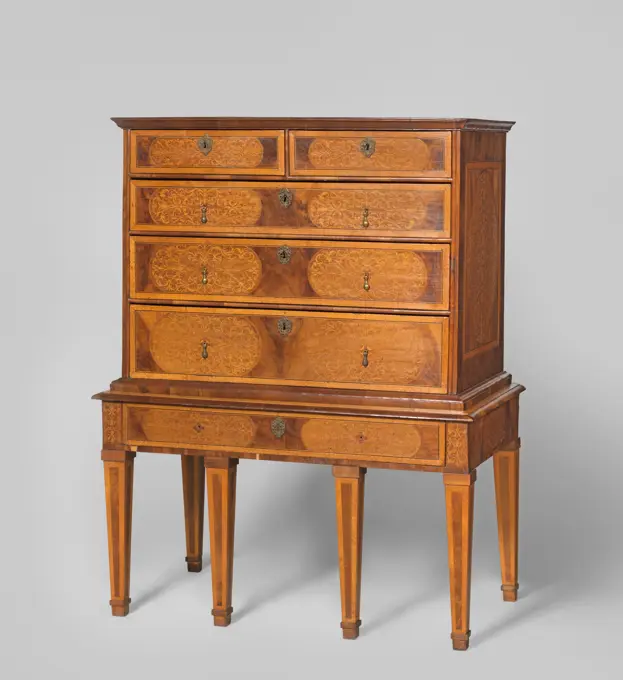
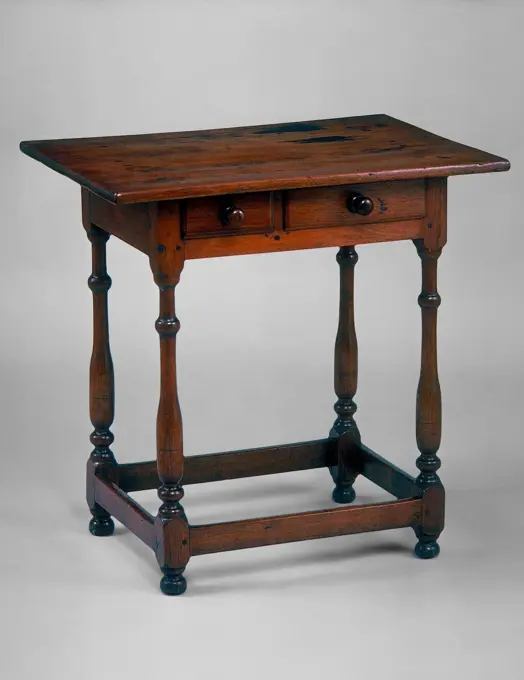
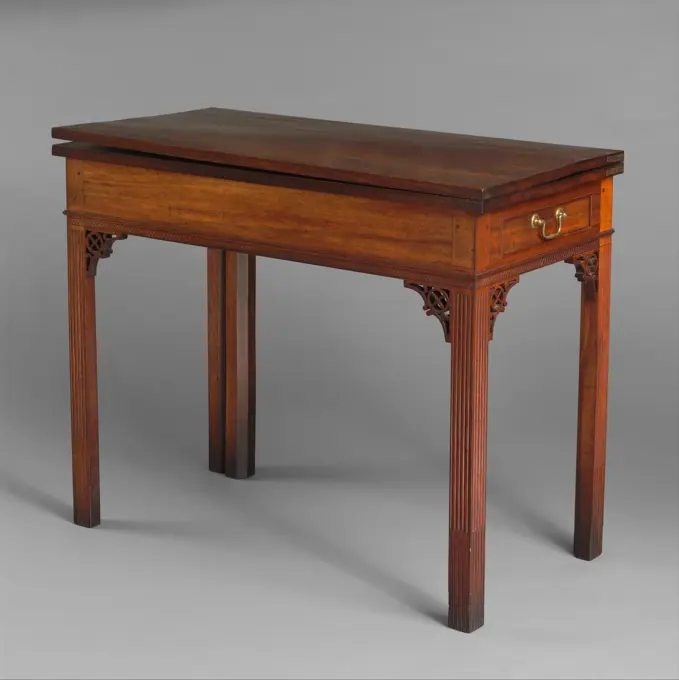
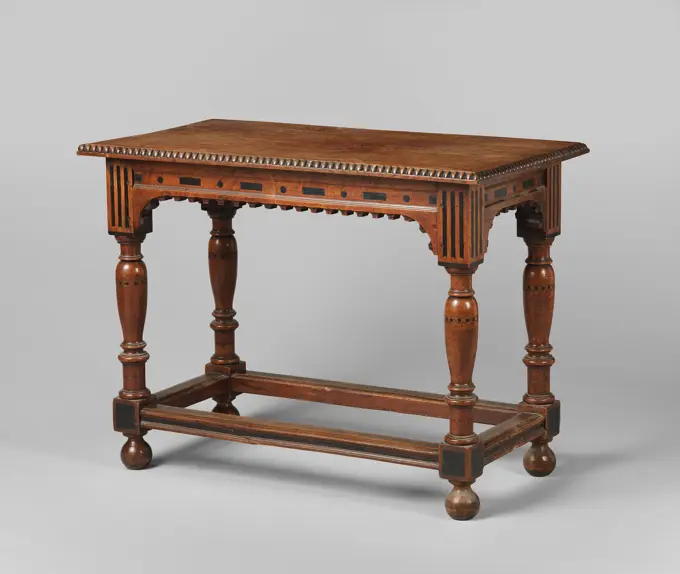
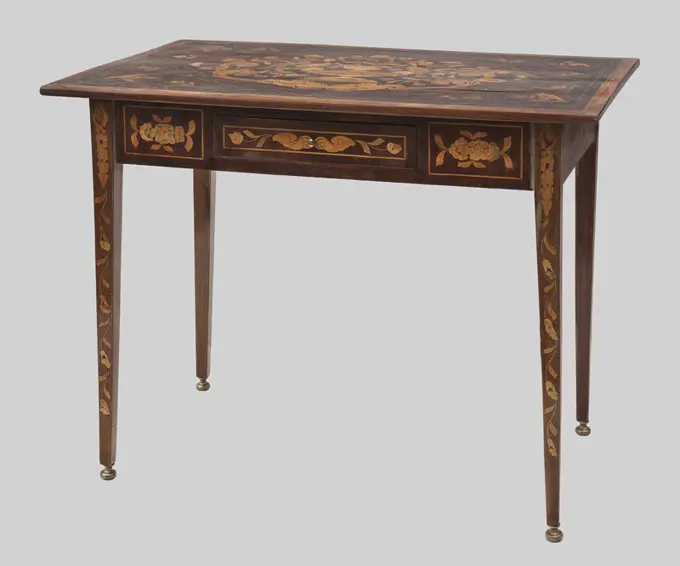
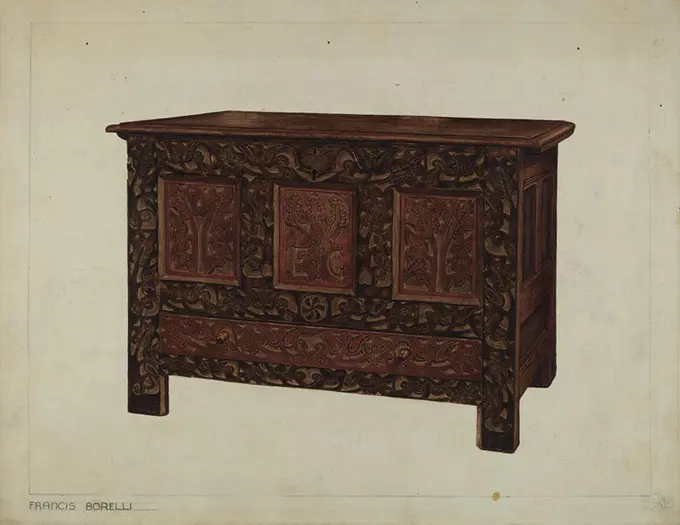
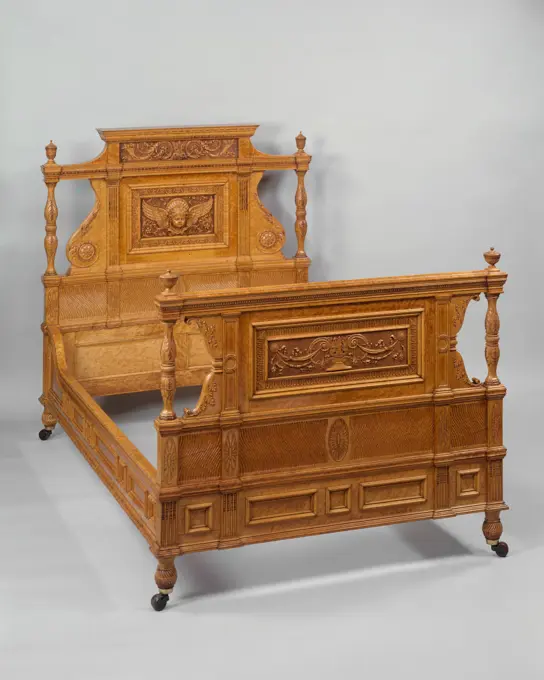
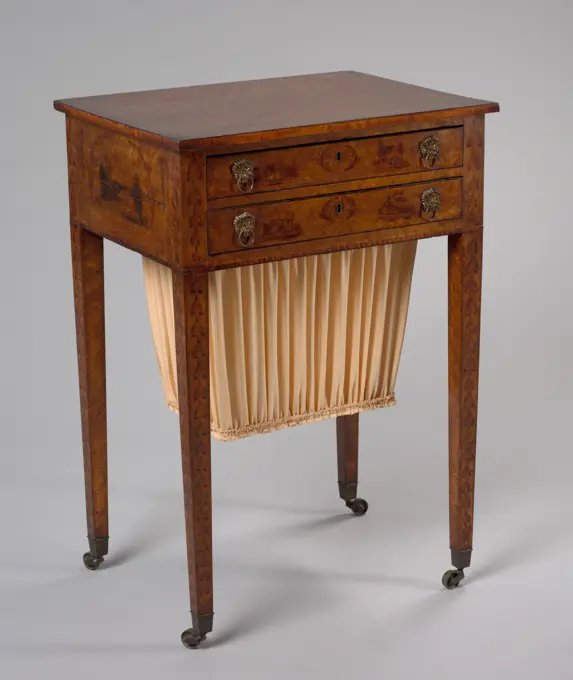
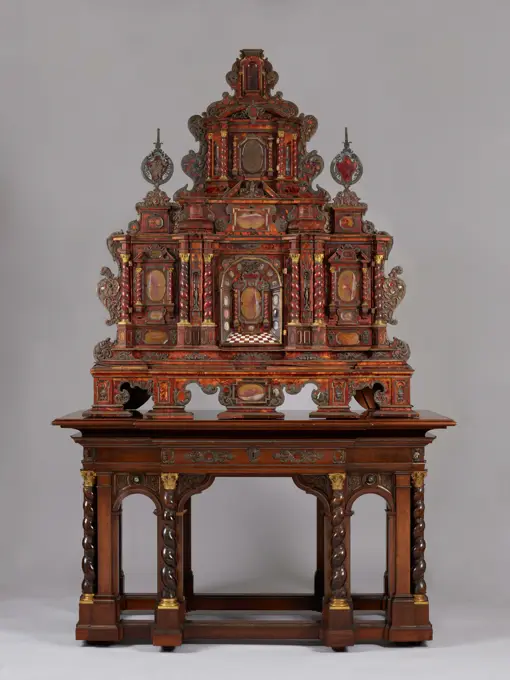
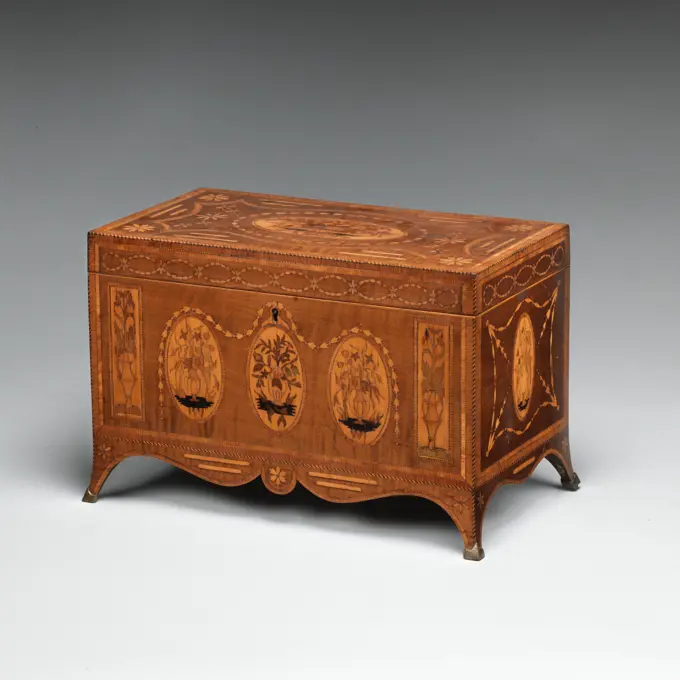
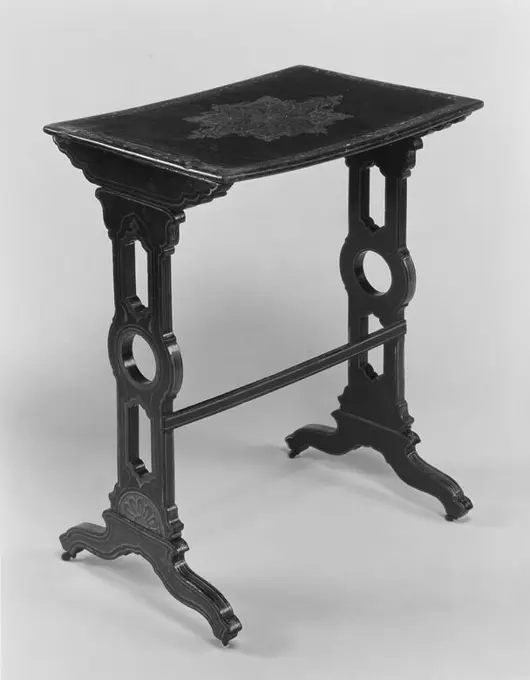
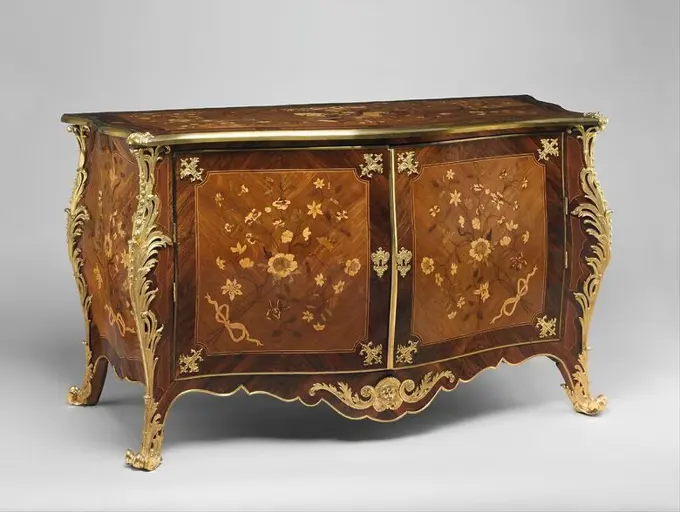
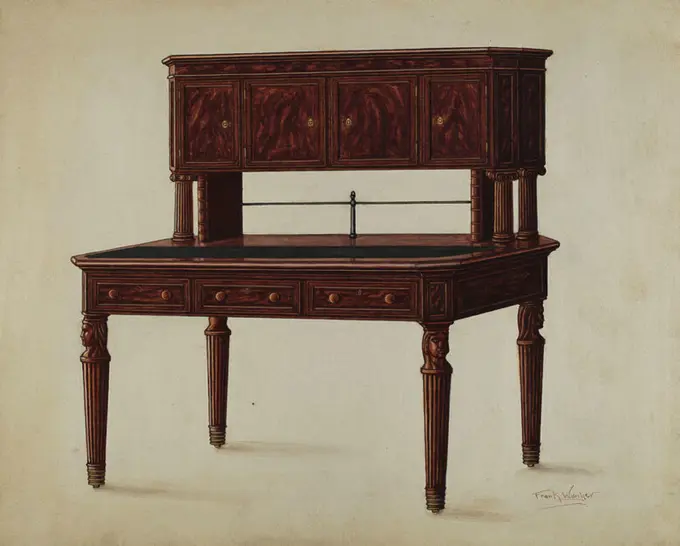
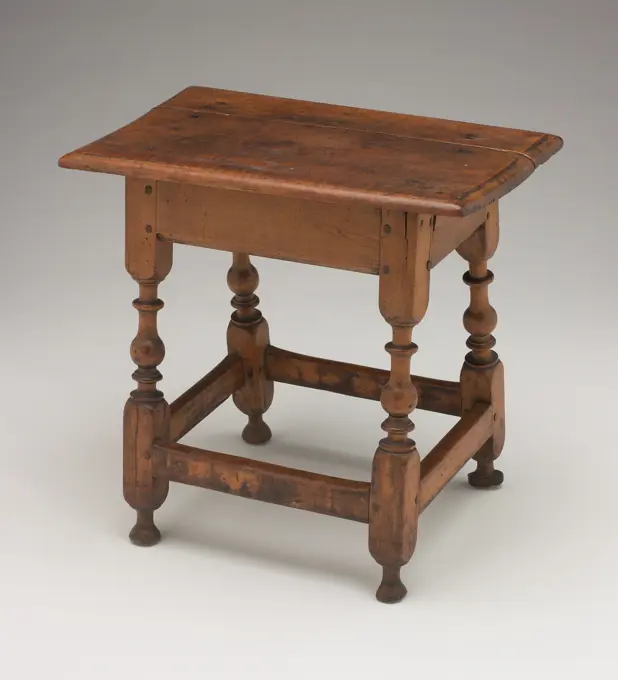
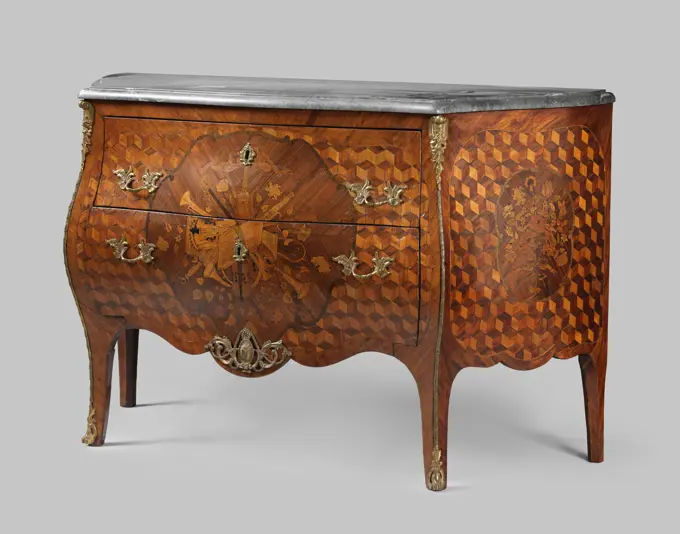
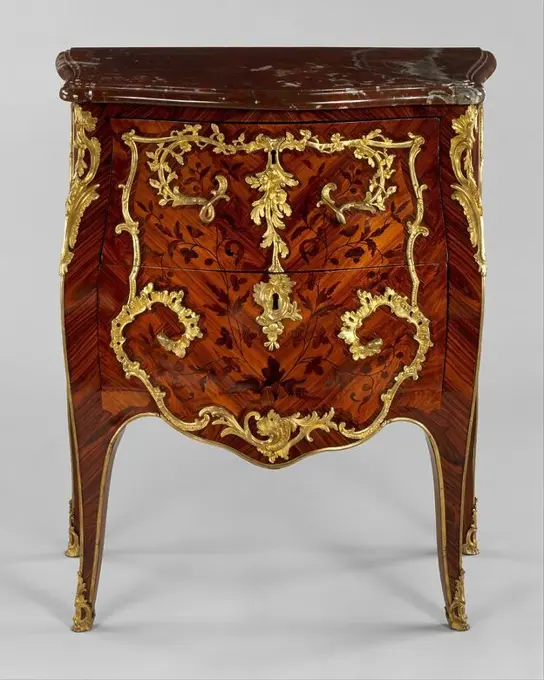
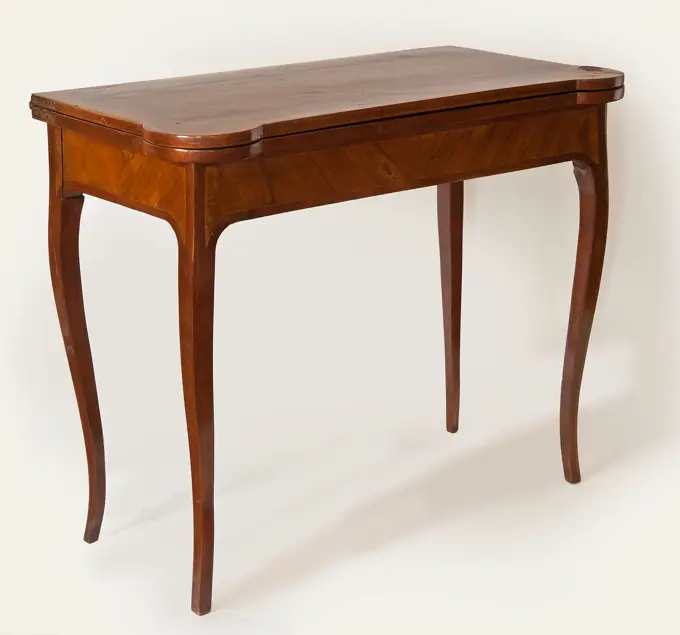
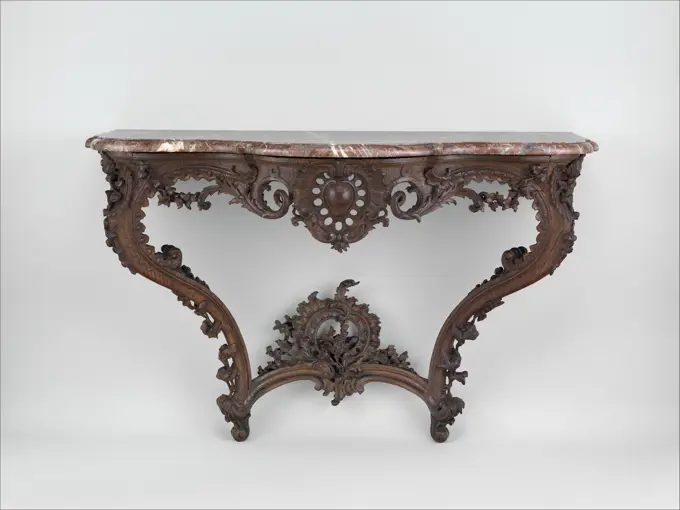
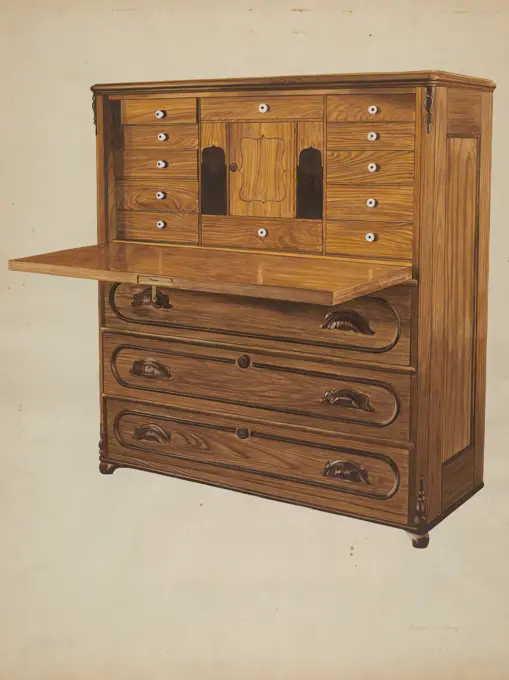
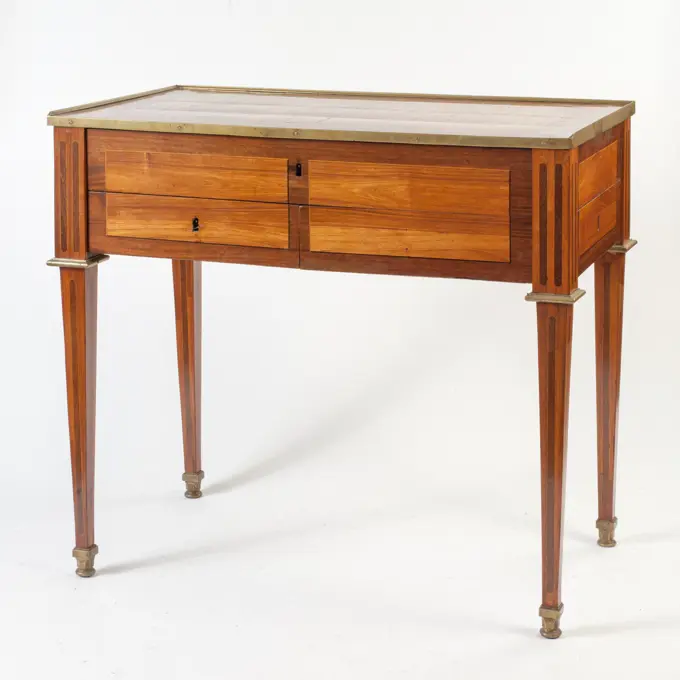
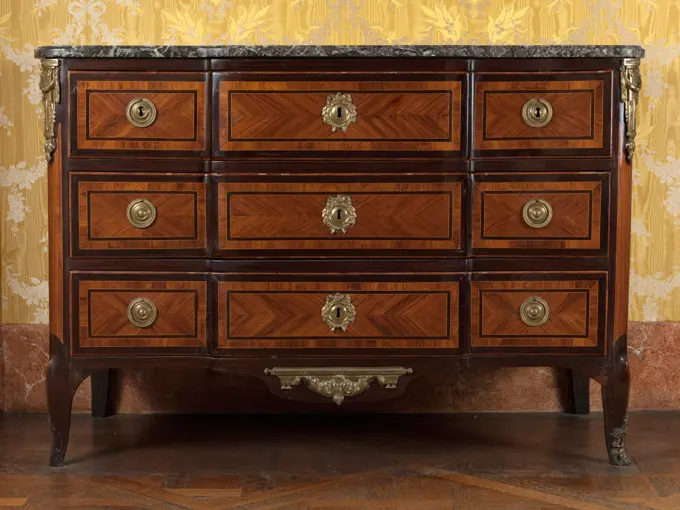
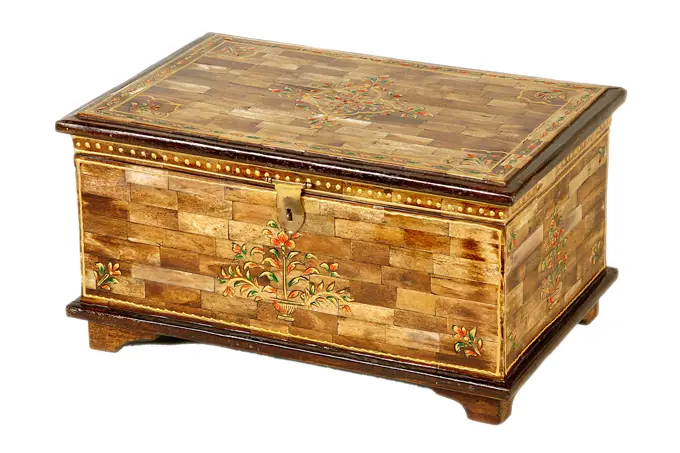
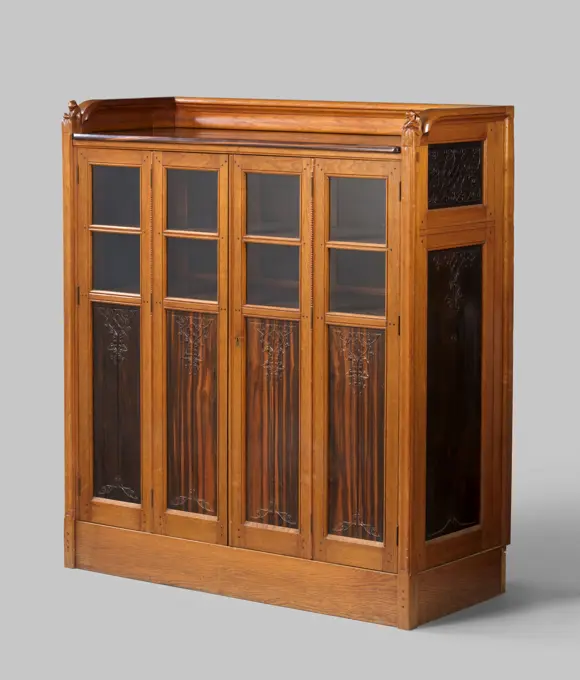
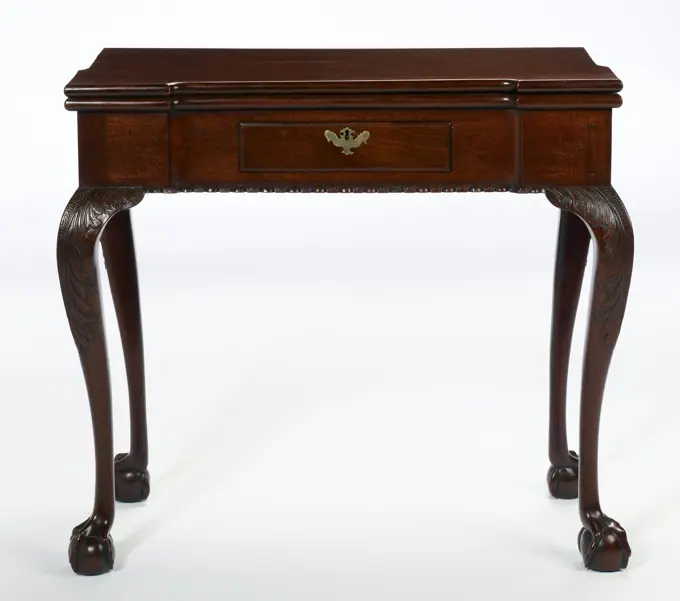
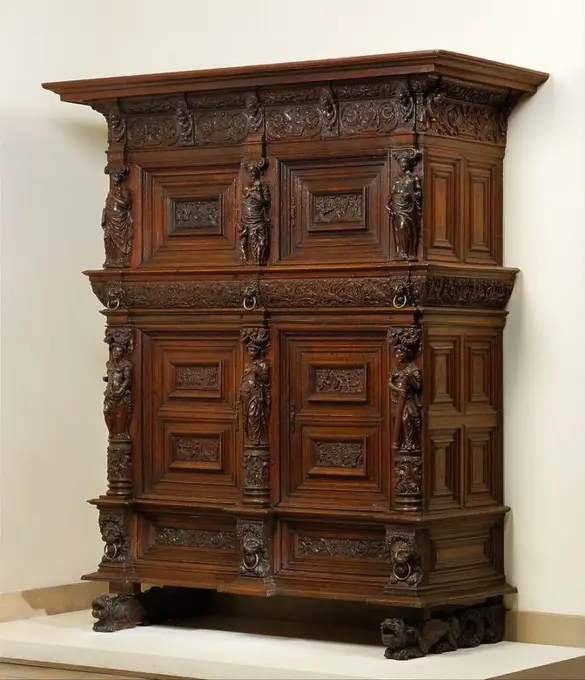
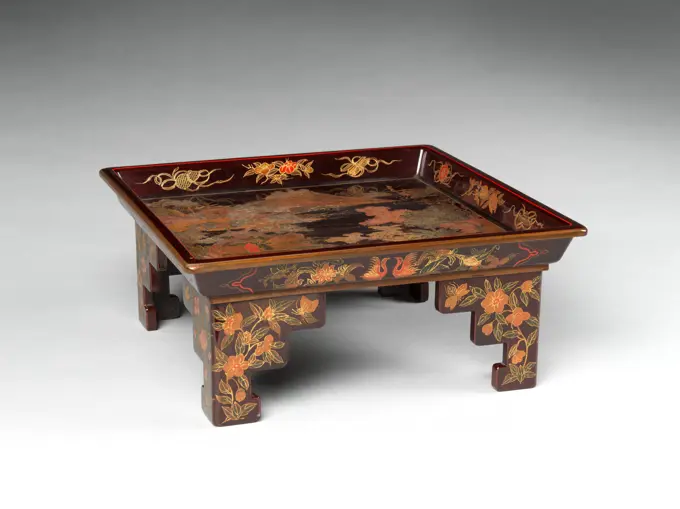
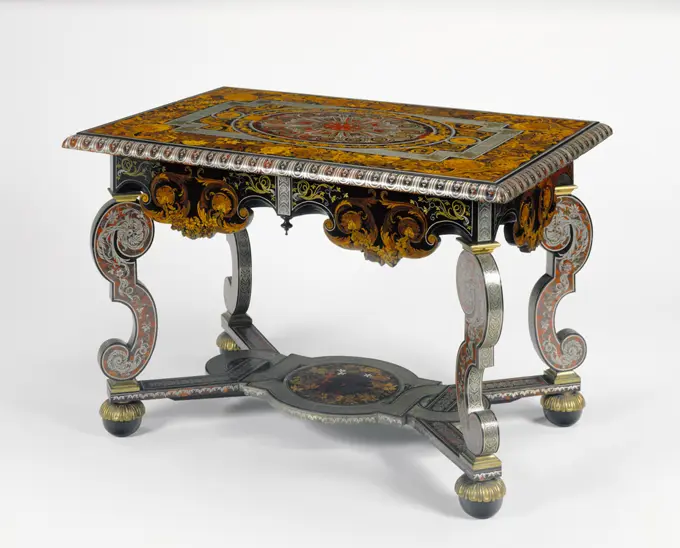
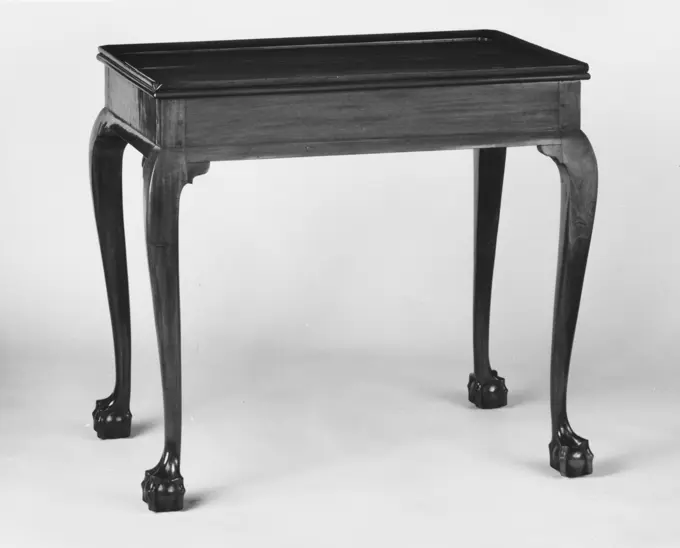
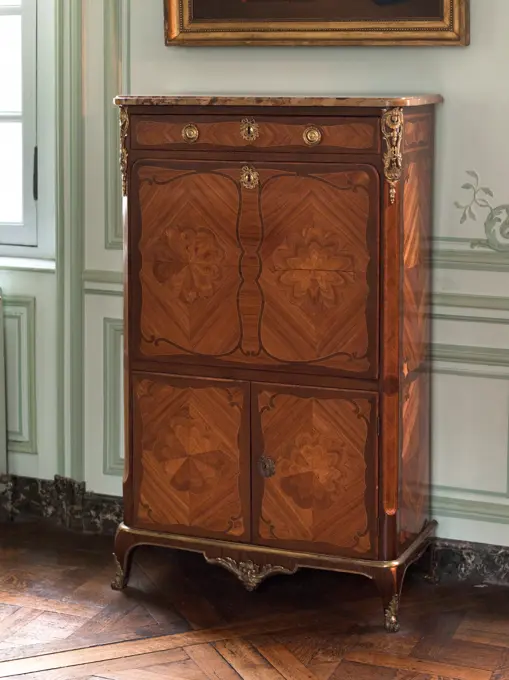
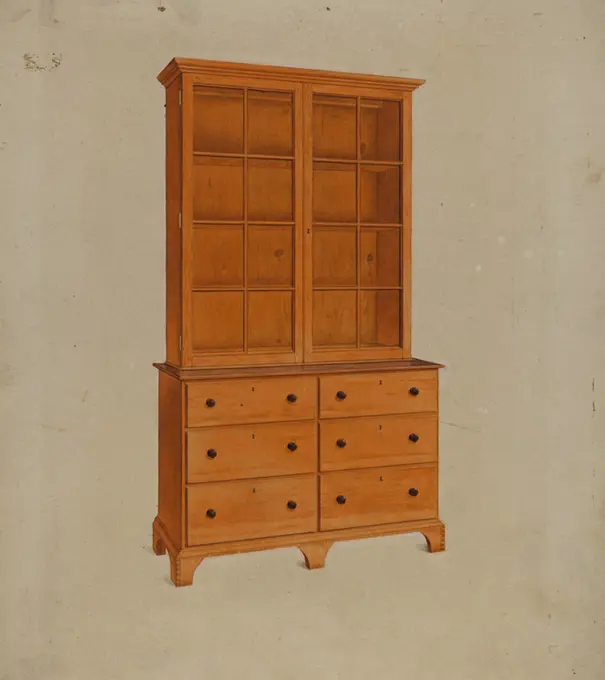
Chest of Drawers withDoorsTaboeret with Riet's seat, on guy legs with H -shaped cross, anonymous, 1650 - 1700 Taboeret made of walnut, stretched with reeds and resting on paved legs with H-shaped cross and four sports; The houses are smooth. Northern Netherlands wood (plant material). walnut (hardwood). Taboeret made of walnut, stretched with reeds and resting on paved legs with H-shaped cross and four sports; The houses are smooth. Northern Netherlands wood (plant material). walnut (hardwood).Sterkabinet, anonymous, 1680 - 1710 Cupboard, glued with Note, Ebbe, satin, acacia, rosewood and other woods and legs on an oak core. Both doors show a symmetrical decoration of oval fields and geometric figures on a land of acaciahouten "oyster pieces". The Frisian and the chassis are also glued with these "oyster pieces". The side walls wear a geometric pattern on a walnut soil. The cross base with flared legs was added in 1958. Northern Netherlands wood (plant material). oak (wood). walnut (hardwood). ebony (wood). satinwood (wood). acacia (wood). rosewood (wood). bone (material) Cupboard, glued with Note, Ebbe, satin, acacia, rosewood and other woods and legs on an oak core. Both doors show a symmetrical decoration of oval fields and geometric figures on a land of acaciahouten "oyster pieces". The Frisian and the chassis are also glued with these "oyster pieces". The side walls wear a geometric pattern on a walnut soil. The cross base with flared legs was added in 1958. Northern NeSideboard. Attributed to Edward Priestley; American, 1778-1837; Baltimore, Maryland. Date: 1815-1825. Dimensions: 114.3 × 186.7 × 64.8 cm (45 × 73 1/2 × 25 1/2 in.). Mahogany. Origin: Baltimore. Museum: The Chicago Art Institute, Chicago, USA.Console;  1830-1840 (1830-00-00-1840-00-00);Empire (style), star (ornament), butterflies, plant decorationChoir chair early 16th century (partly, and later) Italian, Tuscany (Florence). Choir chair 460621Ladenkast, anonymous, 1700 Chest of drawers decorated with marquetery of nut and maple wood on pine core and resting on a chassis on six square conical legs. At the front there are three drawers over the whole and two over the half width, decorated with curved fields with leaf vines, framed by edges of bay leaf. The side walls are decorated in a similar way. Various marqueterie fields have been applied to the wrapper. The chassis, with drawer, is completely decorated with marqueterie. Copper lock plates and tractors. Great Britain wood (plant material). pine (wood). walnut (hardwood). maple (wood). oak (wood). copper (metal) Chest of drawers decorated with marquetery of nut and maple wood on pine core and resting on a chassis on six square conical legs. At the front there are three drawers over the whole and two over the half width, decorated with curved fields with leaf vines, framed by edges of bay leaf. The side walls are decorated in a similar way. Various marqueterie fields have bFurniture, Anonymous, 1600 - 1699 Oak table with low-extended table rule, slim vases and a double y-shaped cross. The corner styles of the window are scanned and the panels in the window are fitted with flat cushions. Northern NetherlandsNetherlands wood (plant material). oak (wood) Oak table with low-extended table rule, slim vases and a double y-shaped cross. The corner styles of the window are scanned and the panels in the window are fitted with flat cushions. Northern NetherlandsNetherlands wood (plant material). oak (wood)Collector's Cabinet, Anonymous, c. 1675 - c. 1685Buffet with two doors with shell -shaped arch filling, anonymous, c. 1620 Oak buffet cabinet with two doors that show shell -shaped arch fillings and Cornishwork around a Leeuwekop. Hermkariaatides are applied to bracket consoles on the center style and the corner styles placed, decorated with rolling and a women's head and ending in an animal claw at the bottom. The straight plinth list with rolling work and the quarter -round Frisian with alternated bladder buns show in the middle and on the corners of chatter, at the bottom with animal masks and at the top with lion heads with ring. Southern Netherlands wood (plant material). oak (wood) Oak buffet cabinet with two doors that show shell -shaped arch fillings and Cornishwork around a Leeuwekop. Hermkariaatides are applied to bracket consoles on the center style and the corner styles placed, decorated with rolling and a women's head and ending in an animal claw at the bottom. The straight plinth list with rolling work and the quarter -Table withdrawersCard table ca. 1786 John Townsend American This deceptively plain table is one of the masterpieces of John Townsend's late oeuvre. It is fashioned from the densest of Cuban or San Domingo mahoganies and retains its original oiled finish. Both the visible stop-fluting and cross-hatching and the interior construction are executed with machinelike precision. The table descended in the Champlin family of Newport, together with a 1765 block-and-shell chest (27.57.1) and a 1789 block-and-shell tall clock (27.57.2).. Card table 1447Close-up of a wooden side tableDesk 1735-1745 Northern Italy. Wood, walnut and pine, bronze mounts .Table, two drawer stand, c. 1820, 27 7/8 x 21 5/8 x 19 1/4 in. (70.8 x 54.93 x 48.9 cm), Mahogany, brass, United States, 19th centuryTable with vase-shaped legs connected by underline rules. Nut wood table on legs with vase-shaped sections and houses and connected by undercutrines. The upper rule has a hold tooth list, which flows with round support pieces. The rules are departure and as well as the houses and the swellings of legs decorated with cannelures and ties of ebony. The leaf has a bead list.Table. unknown, authorSecretary's desk. unknown, creatorChest. Dated: c. 1937. Dimensions: overall: 29.1 x 36.9 cm (11 7/16 x 14 1/2 in.) Original IAD Object: 2'9"high; 3'10 3/4"wide; 20"deep. Medium: watercolor, colored pencil, graphite, and some heightening on paperboard. Museum: National Gallery of Art, Washington DC. Author: Francis Borelli.CardTableChest of Drawers. American; New York. Date: 1878-1884. Dimensions: 152.4 × 111.8 × 55.9 cm (60 × 44 × 22 in.). Bird's-eye maple, tulip poplar, and cherry. Origin: New York. Museum: The Chicago Art Institute, Chicago, USA.Secretary Cabinet. John Kirkhoffer (Irish, active 1730s); Ireland. Date: 1732. Dimensions: Height (overall): 217.2 cm (85 1/2 in.); Upper stage: 113 × 91.4 × 33 cm (44 1/2 × 36 × 13 in.); Lower stage: 104.1 × 125.7 × 55.9 cm (41 × 49 1/2 × 22 in.). Walnut, holly, mirror glass, and brass. Origin: Ireland. Museum: The Chicago Art Institute, Chicago, USA.Hundred;  XVI/XVII century (1580-00-00-1620-00-00);CardTableEtienne Doirat (1670-1732). Drossement, between 1730 and 1745. Organic, wood, marquetry, rosewood, violet wood, golden bronzes, marble (drunk). Museum of Fine Arts of the City of Paris, Petit Palais. 37061-1 Bronze dore, marble, marquetry, furniture, wood, chest of drawers, furnitureRoger van der Cruse dit Lacroix (1728-1799). Table-Tricorer. Ebène, holly, rosewood, around 1785. Paris, Carnavalet museum. This table is decorated with a diamond marquetry with ebony nets alternating with the holly. It is found both on the tray and on the crotch tablet. These colored essences (it is difficult to distinguish holly natural and green holler) come to create a subtle effect of relief in trompe l'oeil, especially on the outer face of the feet, at the level of the connection of the tablet, where the pattern ring is underlined by a fine play of shadows. This knitting table is like the furniture that is always neat and with the fine marquetry which make the reputation of R.V.L.C. It was only in the 19th century that this type of table was described as "knitters". This type of furniture was also used to put a work as to empty your pockets or take a snack. It could take an infinite variety of shapes (circular, oval or rectangular) or have several crotch tablets. Its distinctive Wall table with bottom leaf, on floor plan of Half Achthoek, decorated with profiled moldings and braid tire work. The four front styles in the form of columns with capitals and basements, anonymous, 1500 Oak wall table on a floor plan of half an octagon. The magazine rests on profiled frames on six styles, connected by a leaf connected with also profiled frames. The rear styles are flat with simple profiling, the four others have been treated as columns and basements on the bottom leaf. The shafts of the two pre -styles have stabbed all around, checked braid tire work. The top is modern, the bottom leaf was installed later. Northern Netherlands (possibly)Netherlands (possibly) wood (plant material). oak (wood) Oak wall table on a floor plan of half an octagon. The magazine rests on profiled frames on six styles, connected by a leaf connected with also profiled frames. The rear styles are flat with simple profiling, the four others have been treated as columns and basements on the bottCabinet; Unknown, Gojon, Jean (CA 1510-Ca 1565); around 1550 (1540-00-00-1560-00-00);Szwarc, Szymon (1884-197.) - collection, acanthus (ornament), architectural elements, dolphins, nymphs (mitol.), Renaissance (style), vegetable, purchase (provenance), fantastic animalsBedstead from the Henry Gurdon Marquand House, New York City 1881-84 American This piece is part of a bedroom suite made for Elizabeth Love Marquand, the daughter of Henry Gurdon Marquand, second president of The Metropolitan Museum of Art (see 1986.47.2-.3). The suite was used in her family's residence at Madison Avenue and Sixty-Eighth Street, designed by Richard Morris Hunt (1827-1895) and built between 1881 and 1884. When, in 1884, Elizabeth married Harold Godwin (grandson of the poet and editor William Cullen Bryant), she brought the bedroom suite with her to "Cedarmere," Godwin's family home on Long Island, where it remained until 1984. Although the suite was made of American woods, probably in New York, the delicate and highly skilled carving of the Renaissance-style motifs suggests the work of a foreign-born craftsman. In contrast to the taste for flat surface decoration that dominated the 1870s, richly carved furniture such as this became fashionable about 1880.. Bedstead fromTable, oval, glued with different types of wood, decorated on conical legs with three triangles including a trim. Leaf with central oval motif with musical instruments. Oval table glued with maple, mahogany and satin wood on an oak core. The furniture rests on four conical legs that are decorated at the top of three triangles, including a trim. The rule exhibits four compartments, above which a tooth list. The leaf carries a central oval motif with musical instruments; Midfield is closed with two piping with herringbone motif. This motif also applied all around on the leaf edge. At the front is a drawer with enamel plaques and copper tractors.ChestLowboy. Dated: 1940. Dimensions: overall: 45.4 x 58.5 cm (17 7/8 x 23 1/16 in.) Original IAD Object: 31 3/4"high; 33 3/4"wide; 21"deep. Medium: watercolor, colored pencil, and graphite on paperboard. Museum: National Gallery of Art, Washington DC. Author: Ferdinand Cartier.Chest of drawers, c. 1825, 43 1/2 x 47 x 23 1/4 in. (110.49 x 119.38 x 59.06 cm), Bird's eye and tiger maple, pine, tulip, United States, 19th century, Chests of drawers with bowed fronts flanked by caryatid figures or columns, such as this one, are often attributed to the Philadelphia area, where a significant number are known to have been owned and made. The form reflects a strong influence from the French Empire, or Neoclassical style. This example differs from most in that it is made of maple with rosewood details, more commonly found on Biedermeier style furniture made at this time in and around Germany. Another unusal element of this chest is the survival of the painted decoration on its columns, sides, and drawer fronts, as well as its original rosewood drawer knobs.Work Table, 1800-1825. America, Massachusetts, Boston, 19th century. Maple, brass hardware; overall: 69.9 x 51.5 x 40 cm (27 1/2 x 20 1/4 x 15 3/4 in.). Needlework typically occupied several hours of a well-to-do woman's day. Worktables are compact, lightweight, and therefore portable. Casters permitted one to move the table around a room and to reposition it easily for sewing or writing. The top drawer of this example was designed to hold writing equipment and contains a writing tablet that could be placed at a convenient slant. The second drawer is divided into compartment for sewing equipment. Needlework was stored in a bag below, accessible by pulling its frame out of one of the table's shorter sides.Octagonal table. Latvel of poplar wood with an octagonal, unforeseen and unplooked leaf, standing on three cheek slots, ending in claws. The cheekpies show a winged female figure on the knee, whose lower body finishes in a volute. From under her wings an embossed ranking is emerging, in which different fables. The claws end up in an acanthus sheet on the outside and a volute on the inside, between which a flower.Bernard van Risenburgh II, Work and Writing Table (table en chiffonnière), c 1750 1760 Bernard van Risenburgh II (French, active c. 1730 - 1765/1766), Work and Writing Table (table en chiffonnière), c. 1750/1760, veneered partly on oak and partly on pine with tulipwood, purplewood, crosscut kingwood, and casuarina; gilded bronze mounts, Widener Collection 1942.9.420Map cabinet. unknown, authorCabinet with a base. Strzałecki, Antoni Jan (1844-1934), designer, Zakład Artystyczny Peszkowskiego, furniture factory, unknown, creatorEiken cabinet, glued with root nuts, anonymous, 1750 Oak cabinet glued with root nut wood. The base cabinet has vaulted surfaces and three drawers across the width, above which a desk between two narrow drawers. The corner styles and decorated claw legs are placed overhoeks. The panel on the two upper doors has a profile frame with rocaillem motifs, which rises at the top to the middle. Round corner styles and flooded panels on the sides. The hood consists of S and C-shaped decorated volutes and a rocailleschelp as a crest. Place for cupboard set. Northern Netherlands oak (wood). bronze (metal). gilding (material) gilding Oak cabinet glued with root nut wood. The base cabinet has vaulted surfaces and three drawers across the width, above which a desk between two narrow drawers. The corner styles and decorated claw legs are placed overhoeks. The panel on the two upper doors has a profile frame with rocaillem motifs, which rises at the top to the middle. Round corner styles and flooded pCradle 1640-90 American This joined cradle exhibits a well-balanced arrangement of horizontal panels with mortise-and-tenon joints. It was probably fitted with mattresses of feathers or chopped wool, and specially made blankets and bed rugs.. Cradle 2579Tea chest with tea caddies ca. 1790 British. Tea chest with tea caddies. British. ca. 1790. Cedar and oak veneered with maple, harewood, tulipwood, kingwood, satinwood, amaranth, holly, and stained holly; foil lining. Woodwork-FurnitureNesting Table. Culture: American. Dimensions: 27 x 14 1/2 x 20 1/4 in. (68.6 x 36.8 x 51.4 cm). Date: 1860-70. Museum: Metropolitan Museum of Art, New York, USA.Commode and two cupboards, anonymous, 1770 - 1790 Estate cupboard, glued with different woods and equipped with gold-plated copper batter and a gray-white-veined marble leaf. The hull stands on a separate base with square legs resting on metal feet. The central panel on the door has a marquetera string of a vase with palm branches tied together on either side. On the sides of the cupboard are simple, hanging trophes of a arrow sleeve and a torch. The plank in the cupboard has a swing in the middle. Netherlands oak (wood). rosewood (wood). rosewood (wood). purpleheart (wood). locust. maple (wood). copper (metal). gilding (material). stain (coating) gilding Estate cupboard, glued with different woods and equipped with gold-plated copper batter and a gray-white-veined marble leaf. The hull stands on a separate base with square legs resting on metal feet. The central panel on the door has a marquetera string of a vase with palm branches tied together on either side. On the sides of the cupDressing table. Culture: American. Dimensions: 29 3/4 x 33 3/4 x 21 1/8 in. (75.6 x 85.7 x 53.7 cm). Date: 1730-60.Japanning, the use of paint and gilded gesso to imitate the glossy finish on Asian lacquerwork, was a popular method of furniture decoration in colonial Boston. This group of japanned furniture (40.37.1,.2,.4) descended in the Pickman family of Salem, Massachusetts, and is an extraordinary survival. The painted decoration on the high chest, dressing table, and looking glass is all by the same hand. Museum: Metropolitan Museum of Art, New York, USA.Round table of nuthout, anonymous, 1550 - 1600 Round table of nuthout, on pedestal with four drawers, on which four scanned square Ionian columns are placed. Two naked Caryatids and two naked atlants have been placed between cropping in the pedestal and rule, seated on a column shaft on which accenting C-Voluten. Fruit bunches on the heads and at the rear of the columns. Under- and upper frieze are wearing stabbed decorations all around, among other things with animal and human heads on rolling cartouches. Floor glued in cross motif. France (possibly) wood (plant material). walnut (hardwood) Round table of nuthout, on pedestal with four drawers, on which four scanned square Ionian columns are placed. Two naked Caryatids and two naked atlants have been placed between cropping in the pedestal and rule, seated on a column shaft on which accenting C-Voluten. Fruit bunches on the heads and at the rear of the columns. Under- and upper frieze are wearing stabbed decorations all around, among Commode. Culture: British. Dimensions: Overall: 35 × 59 3/4 × 27 1/8 in. (88.9 × 151.8 × 68.9 cm). Maker: Peter Langlois (French, active 1759-81, worked in England 1760-70). Date: 1764.This commode was supplied to the sixth Earl of Coventry for a bedroom at Croome Court, Worcestershire, in 1764. The bill, dated July 20, 1764, gives the price of the commode as fifty-five pounds and specifies that iut was intended for storing clothing. Trained in Paris, Langlois was a leading cabinetmaker in London in the 1750s and 1760s. He specialized in commodes in the French manner, decorated with floral marquetry and gilt-bronze mounts. Museum: Metropolitan Museum of Art, New York, USA.Secretary Cabinet 1770-1780 Neuwied. David Roentgen was a German craftsman and entrepreneur who made furniture for some of the grandest patrons in Europe, including Catherine the Great of Russia, Frederick the Great of Prussia, and Marie Antoinette of France. A brilliant artist in marquetry, Roentgen employed twenty varieties of wood in this desk, including American black walnut, which European craftsmen first began using at just this time.The deskís form is inspired by a design for a desk and bookcase in the English furniture maker Thomas Chippendaleís book The Gentleman and Cabinet Makers Director, published in 1754. Roentgen adapted Chippendaleís design, changing the top to a broken scrolled pediment more in keeping with the German Rococo style. The marquetry designs conjure exotic figures standing on what look like dilapidated stage sets. The depiction of these half-ruined structures became occasions for marquetry cutters to display their virtuosity. Details of birds and trees add Venetian furniture suit  tableDesk. Dated: 1936. Dimensions: overall: 23 x 28.8 cm (9 1/16 x 11 5/16 in.) Original IAD Object: none given. Medium: watercolor, colored pencil, gouache, and graphite on paperboard. Museum: National Gallery of Art, Washington DC. Author: Frank Wenger.. Chiffonnière (chest of drawers) of oak, glued with mahogany, batter of copper, leaf of white marble. The rectangular furniture has sieves above each other large drawers with deepened fields, surrounded by copper profiles, and rectangular copper tractors. It has round, channeled styles on the front corners and fluted pilasters on the rear corners. Resting on toll-shaped legs. Under the top drawer it is articulated by a rotten profile. The corner styles are provided above this profile with copper plates with a decoration of horizontal lines and geometric motifs; The pilasters are not canceled at this height. The sides exhibit three deepened fields eachJointStoolChoice of commode, decorated with music trophies and flower work with bow. Oak dresser with blue gray damaged marble top, glued with multiple wood types. The front overhoeks placed corner styles with profile list run over in the legs. The abstracted front contains two drawers with gold-plated bronze tractors; Scalloped undercuts and scalloped leaves that follow the trapezoidal land plan. The front and sides show a music trophy and flower work with bow within a scalloped field. The furniture bears gold-plated copper batter with leaf motifs; At the bottom also with rosette.Isidore Sovensky, Sideboard, 1940 SideboardCommode. Culture: French, Paris. Dimensions: 32 1/4 x 28 1/4 x 16 3/4 in. (81.9 x 71.8 x 42.5cm). Maker: Roger Vandercruse, called Lacroix (French, 1727-1799). Date: ca. 1755-60.This small two-drawer sommode, made about 1755-60, appears to be an early work of Roger Vandercruse Lacroix. The two drawers are treated as a single decorative unit with continuous floral marquetry of endcut kingwood framed by scrolled and foliated mounts. Few pieces of furniture by Lacroix in the Louis XV style are known, and the present example belongs to no established group of his furniture. The mounts were used in varing combinations on commodes by a number of contemporary cabinetmakers--e.g., Charles Chevallier le jeune (maître before 1738-1771), Pierre Macret (1727-1796), Nicolas Petit (1732-1791), Adrien Faizelot Delorme (maître 1748, retired 1783), and Matthieu Criaerd (1689-1776)--and were probably commercially available in Paris in the 1750s.Bill Rieder, 1984. Museum: Metropolitan Museum of Art, Table.Cupboard 1670-1700 American Said to have been owned by Governor Robert Treat (ca. 1622-1710) of Milford, this cupboard represents the school of joinery that produced the most sophisticated case pieces in seventeenthcentury Connecticut. It has a prominent paneled door and sides with central cruciform and is decorated with applied bosses and half spindles. The applied decoration was made of several different woods, which originally gave the piece a livelier, varicolored surface.. Cupboard 2972Display cabinet (Vitrine). unknown, creatorCard table. unknown, contractorConsole table 1735-40 French Supported on one or two legs, console tables need to be attached to the wall for stability and are considered to be part of the interior decoration of a room. They were made by a special group of joiners, menuisiers en btiments (litt. building carpenters) responsible for the fixed elements in the interior such as paneling, pier glasses and console tables. Unlike other members of the guild, these craftsmen were not required to stamp their output and for that reason it is rarely known who created such works. The serpentine outline of the tables apron incorporates an openwork cartouche with a heart-shaped boss in the center surrounded by an asymmetrical rocaille frame and flanked by scrolling acanthus leaves and floral garlands. The doubly curved legs are decorated with floral trails and connected at the feet by an upward curving stretcher embellished in the center with an openwork asymmetrical cartouche of rocaille forms, scrolling acanthus leaves and floraEinar Heiberg, Desk, c 1938 DeskCardtable. Maker, attributed to: Holmes Weaver, American, 1769-1848, active 1796-1848Rectangular mahogany table, table furniture interior design mahogany wood, Rounded corners and four fluted tapered legs.Cajonera con armario, siglo XVIII. Colección privada.Bookcase. Culture: American. Dimensions: 95 1/2 x 60 x 21 1/2 in. (242.6 x 152.4 x 54.6 cm). Date: ca. 1855. Museum: Metropolitan Museum of Art, New York, USA.Desk c 1890 New York. Imported into the United States as early as the 1860s, East Asian bamboo furniture inspired the manufacture of Western forms such as this faux-bamboo desk and matching chair (2003.11), which clearly reference Chinese and Japanese materials, motifs, and styles. Bamboo wares reached the height of their popularity after the 1876 Philadelphia Centennial Exposition, where Japanís display of bamboo furniture garnered much public attention. As the Aesthetic movement intensified the demand for Asian-inspired decorative arts and interiors, American manufacturers began using local materials to produce faux-bamboo furniture in an attempt to compete with foreign imports. Firms such as R. J. Horner and Company advertised suites of faux-bamboo furniture such as this one as most appropriate for the dining rooms and bedrooms of country houses.. Maple and bird's-eye maple . R. J. Horner and Company (Manufacturer)Shaker Table. Dated: c. 1938. Dimensions: overall: 28 x 22.8 cm (11 x 9 in.) Original IAD Object: 25 1/2" high; 32 1/4" wide; 17 3/4" deep. Medium: watercolor and graphite on paperboard. Museum: National Gallery of Art, Washington DC. Author: Alfred H. Smith.Dressing Table 1740-60 American. Dressing Table. American. 1740-60. Mahogany, white pine. Made in Massachusetts, United StatesClaude-Charles Saunier. Table to write. Rosewood veneer, boxwood nets, amaranth and ebony, brass, gilded bronze. 1780. Paris, Carnavalet museum. Amaranth, bronze dore, ebene, boxwood, brass, marker, furniture, rosewood plating, writing table, 18th 18th 18th 18th 18th 18th century, furnitureEtienne Levasseur. Convenient. Oak, conifer, amaranth, around 1770. Paris, Carnavalet museum. 50574-3 Amaranth, oak, conifre, furniture, dresser, furnitureAntique wooden box with flower design, Jodhpur, Rajasthan, India Copyright: xSafatxAli/DinodiaxPhotoxAnonymous, hairdresser of Madame Hugo (attributed title), 1700. Lacquered and painted wooden furniture, with drawers and flavoring with mirror. House of Victor Hugo - Hauteville House.Corner Chair 1880-81 Sypher & Co.. Corner Chair 14832Bookcase, two -door, Theo Nieuwenhuis, 1910 - 1920 Bookcase with two double doors, from oak and coromandel. The bottom panels of the doors and the panels of the sides are decorated with finely cut vegetative motifs. Glass in the top of the doors. Netherlands oak (wood). glass. brass (alloy) Bookcase with two double doors, from oak and coromandel. The bottom panels of the doors and the panels of the sides are decorated with finely cut vegetative motifs. Glass in the top of the doors. Netherlands oak (wood). glass. brass (alloy)Secretary, 1830-1850, 94 1/2 x 42 1/2 x 21 3/4 in. (240.03 x 107.95 x 55.25 cm), Mahogany and poplar with gilded stenciling, United States, 19th centuryDresser. Dated: 1937. Dimensions: overall: 26.7 x 35.6 cm (10 1/2 x 14 in.) Original IAD Object: 40" x 24 1/2" x 48" (height). Medium: watercolor, colored pencil, graphite and some heightening on paper. Museum: National Gallery of Art, Washington DC. Author: Dana Bartlett.CYLIDER-TOP DESK, Jean François Leleu, c. 1775 - C. 1785 Cylinder agency decorated with marquetery of multiple woods and gilded bronze. The legs that are rejuvenating are under bobbins and above festons. The rules, side cranks and the cylinder blade are decorated in lists with network marqueterie. There are two drawers with key plates and rosettes on all corners. The side cheeks with the semicircular cylinder leaf are on the table top. The white marble leaves wear a gallery on three sides. All ornaments and lists are made of gilded bronze. Paris wood (plant material). mahogany (wood). oak (wood). ebony (wood). boxwood. bronze (metal). marble (rock). leather gilding Cylinder agency decorated with marquetery of multiple woods and gilded bronze. The legs that are rejuvenating are under bobbins and above festons. The rules, side cranks and the cylinder blade are decorated in lists with network marqueterie. There are two drawers with key plates and rosettes on all corners. The side cheeks wSecretary Cabinet. Germany, Neuwied; David Roentgen (German, 1743-1807). Date: 1770-1780. Dimensions: Top: 150.5 × 139.1 × 36.8 cm (59 1/4 × 54 3/4 × 14 1/2 in.); Bottom: 106.4 × 137.8 × 61.3 cm (41 7/8 × 54 1/4 × 24 1/8 in.). Walnut veneered with various woods and gilt-bronze mounts. Origin: Neuwied. Museum: The Chicago Art Institute, Chicago, USA.Folding card table, c. 1750, 26 3/4 x 30 x 30in. (67.9 x 76.2 x 76.2cm), Mahogany, United States, 18th centuryCoffin. .DeskCupboard (Beeldenkast). Culture: Dutch. Dimensions: Overall: 96 x 83 x 35in. (243.8 x 210.8 x 88.9cm);Field measurement: 95 3/4 x 73 (at mid section - cornice wider) x 32 1/2 (at base - cornice wider). Date: 1622. Museum: Metropolitan Museum of Art, New York, USA.Cabinet mid-17th century, with later additions French. Cabinet 192054Wall table with diagonally outstanding legs, with carving., Anonymous, c. 1655 - c. 1675 Table of nuthout with four overhoeks placed S-shaped legs decorated with lobe ornament and festons. The flat connection rule on the front shows a double coat of arms with a helmet sign; The rules on the sides mascarons with lobe ornament. Marbled wooden leaf inside profiled frames (this leaf is missing). Netherlands wood (plant material). walnut (hardwood). textile materials. velvet (fabric weave) Table of nuthout with four overhoeks placed S-shaped legs decorated with lobe ornament and festons. The flat connection rule on the front shows a double coat of arms with a helmet sign; The rules on the sides mascarons with lobe ornament. Marbled wooden leaf inside profiled frames (this leaf is missing). Netherlands wood (plant material). walnut (hardwood). textile materials. velvet (fabric weave)Arthur Johnson, Lowboy, c 1939 LowboyBase cabinet, decorated with hermatlants and saterkop, anonymous, c. 1620 - c. 1630 Eakhout base cabinet. The corner styles of the front wear hermatlants, the middle style a hermkaratide, all on decorated bracket consoles and ionic capitals. Two drawers with lion masks in the hood between bladder. The doors have cornis decorations with Saterkop. Originally there was a top box on this furniture. Zeeland wood (plant material). oak (wood). copper (metal). iron (metal) Eakhout base cabinet. The corner styles of the front wear hermatlants, the middle style a hermkaratide, all on decorated bracket consoles and ionic capitals. Two drawers with lion masks in the hood between bladder. The doors have cornis decorations with Saterkop. Originally there was a top box on this furniture. Zeeland wood (plant material). oak (wood). copper (metal). iron (metal)Table with Design of Pines at the Shore 19th century Japan. Table with Design of Pines at the Shore. Japan. 19th century. Gold maki-e on black lacquer with metal mounts. Edo period (1615-1868). LacquerFood stand with decoration of figures in a landscape 18th-19th century Japan (Ryky Islands). Food stand with decoration of figures in a landscape. Japan (Ryky Islands). 18th-19th century. Lacquer with gold and litharge painting. LacquerTable. Attributed to André-Charles Boulle (French, 1642 - 1732, master before 1666)Secrétaire.Tea Table 1750-90 American. Tea Table. American. 1750-90. Mahogany, white pine. Made in New York, United StatesChest of Drawers. Dated: c. 1939. Dimensions: overall: 54.8 x 45.7 cm (21 9/16 x 18 in.) Original IAD Object: 48 3/4"high; 46"wide. Medium: watercolor, colored pencil, pen and ink, and graphite on paperboard. Museum: National Gallery of Art, Washington DC. Author: Isidore Sovensky.François Reizell (died in 1788). Secretary to down. Placing: amaranth and pink wood wood; chiseled and gilded bronze; copper; Marble: Brèche d'Alepp, 1750. Paris, Carnavalet museum. 77642-22 Shouting, amaranth, aleppo breach, bronze chisel, gilding, gilding, marble, marble, furniture, decorative pattern, plating, secretary, lock, drawer, wood, furniture, plateBorders (USA); machine-printed; 75.5 x 45 cm (29 3/4 x 17 11/16 in.)Highboy. Dated: c. 1937. Dimensions: overall: 35.4 x 24.9 cm (13 15/16 x 9 13/16 in.) Original IAD Object: 67"high; 38 1/2"wide; 22"deep. Medium: watercolor, colored pencil, pen and ink, and graphite on paperboard. Museum: National Gallery of Art, Washington DC. Author: Isadore Goldberg.Esther Williams and Claude Marshall, Sewing Table, c 1939 Sewing Table. This console table is the only piece of furniture known with certainty to have been designed by Piranesi. With its bizarre legs shaped like imaginary winged animals, this table is an example of Piranesis idiosyncratic, highly personal contribution to the development of a new classicizing style. It was made, along with a second matching table, for the Italian cardinal Giovanni Battista Rezzonico.Table. Dated: 1941. Dimensions: overall: 40.5 x 46.7 cm (15 15/16 x 18 3/8 in.) Original IAD Object: 29 1/2"high; 32 1/4"long; 18 1/4"deep. Medium: watercolor, colored pencil, and graphite on paperboard. Museum: National Gallery of Art, Washington DC. Author: Isadore Goldberg.Dower Chest. Culture: American. Dimensions: 24 1/2 x 52 1/2 x 23 1/4 in. (62.2 x 133.4 x 59.1 cm). Date: ca. 1780. Museum: Metropolitan Museum of Art, New York, USA.Shaker Cabinet. Dated: 1937. Dimensions: overall: 29.9 x 24.8 cm (11 3/4 x 9 3/4 in.) Original IAD Object: 88" high; 50 1/2" wide. Medium: watercolor and graphite on paperboard. Museum: National Gallery of Art, Washington DC. Author: John W. Kelleher.Window chair. unknown, author