Antique Furniture Pieces

Elegant antique furniture including sideboards and cupboards, showcasing intricate carvings and historical craftsmanship.

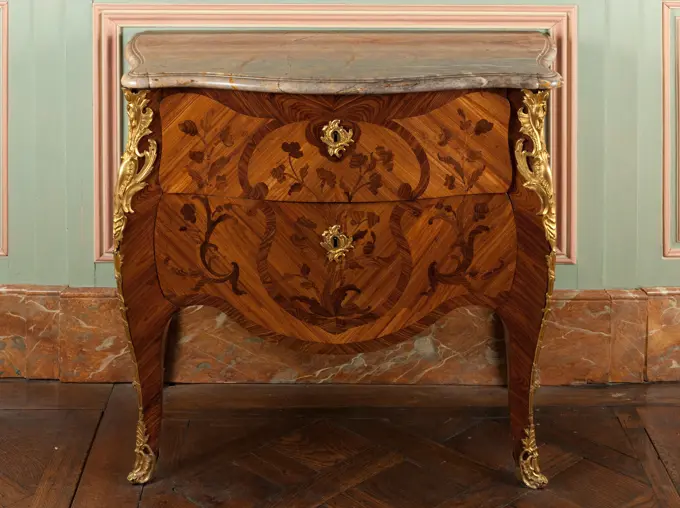
Table of Indonesian wood, anonymous, c. 1720 - c. 1740 Table of Indonesian wood, resting on angle-placed S-shaped legs, which end in sphere-containing claws and are decorated above the swelling with a stabbed shell motif. The legs are connected by an X-shaped cross, formed by S-shaped sports with a flower basket at the intersection. The rules are sculpted on the underside and have stabbed shell motifs flanked by volutes, as middle pieces. The far -cross leaf is of a different type of wood; Probably not originally. Indonesia wood (plant material). teak (wood) Table of Indonesian wood, resting on angle-placed S-shaped legs, which end in sphere-containing claws and are decorated above the swelling with a stabbed shell motif. The legs are connected by an X-shaped cross, formed by S-shaped sports with a flower basket at the intersection. The rules are sculpted on the underside and have stabbed shell motifs flanked by volutes, as middle pieces. The far -cross leaf is of a different type of w
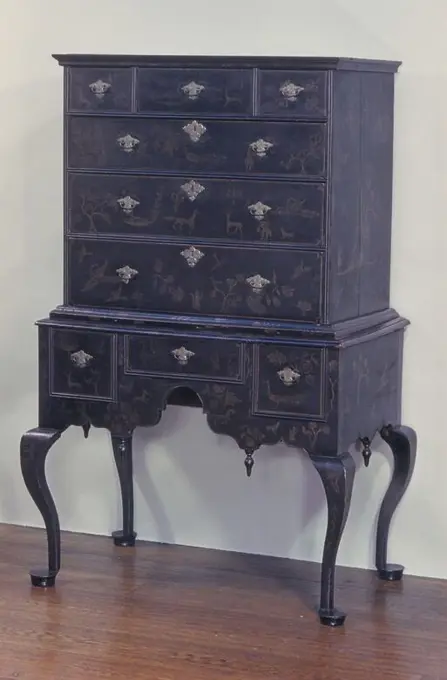
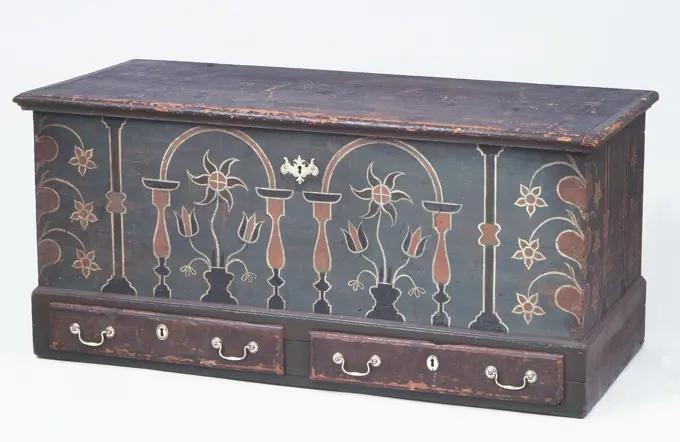
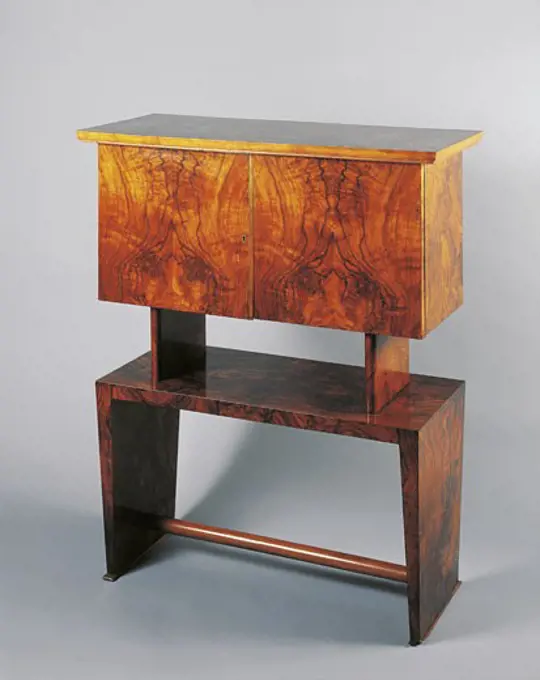
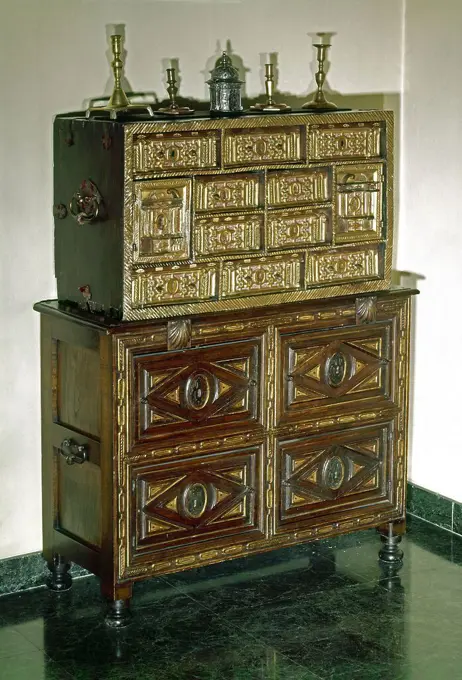
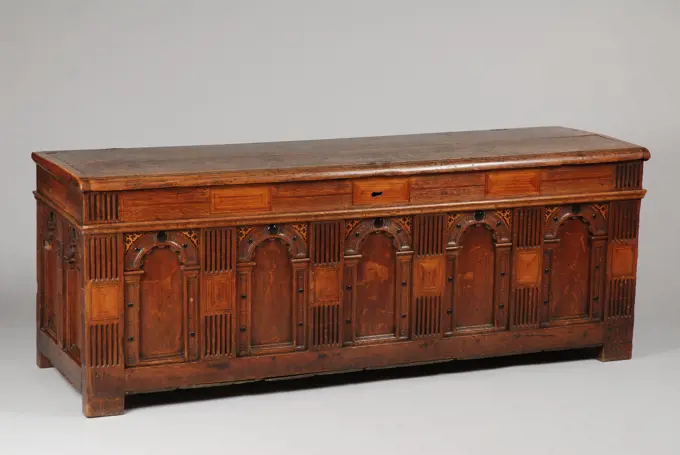
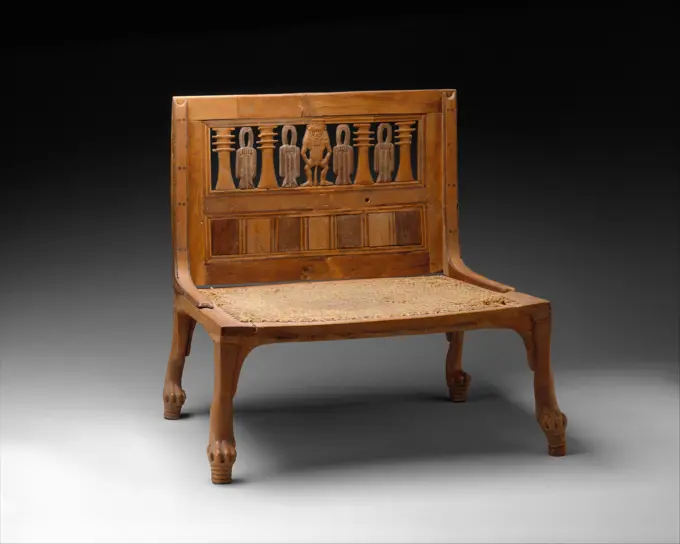
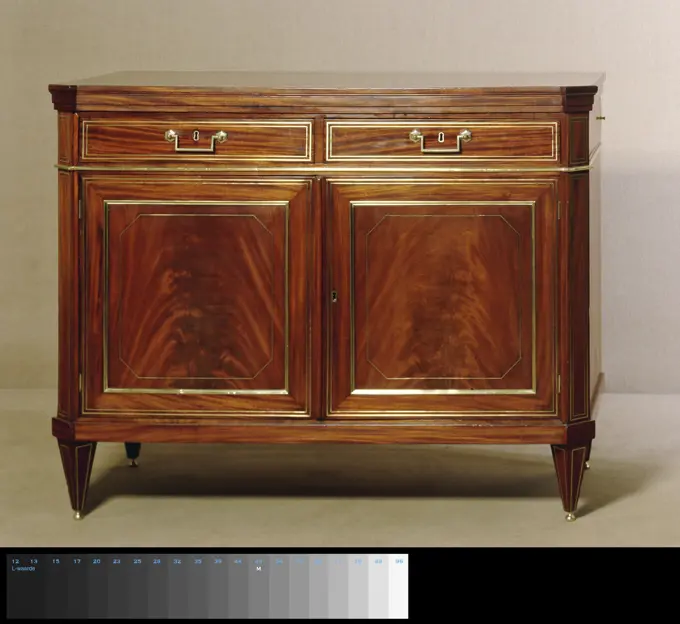
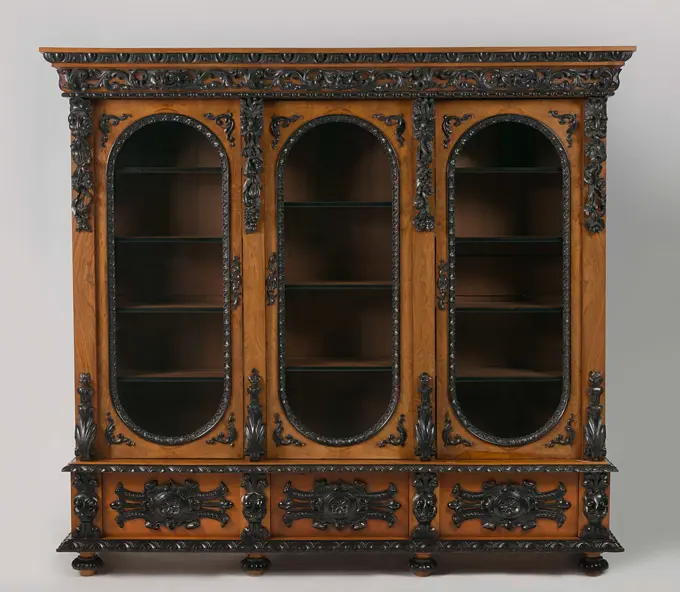
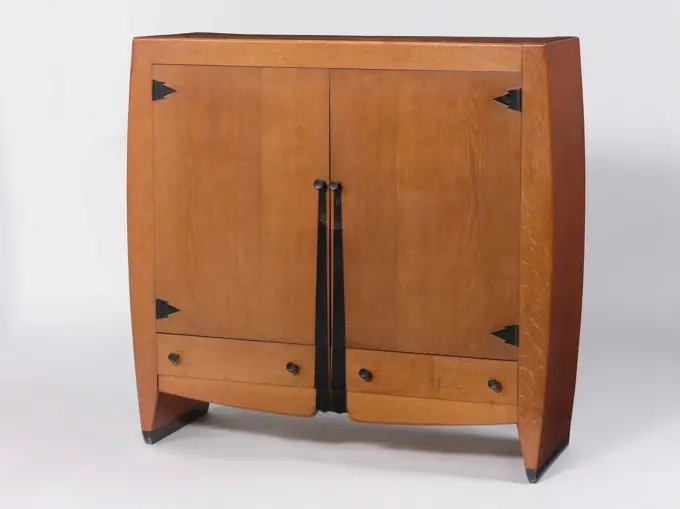
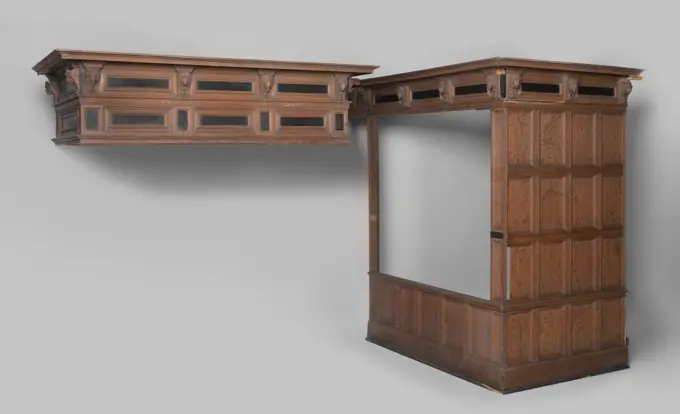
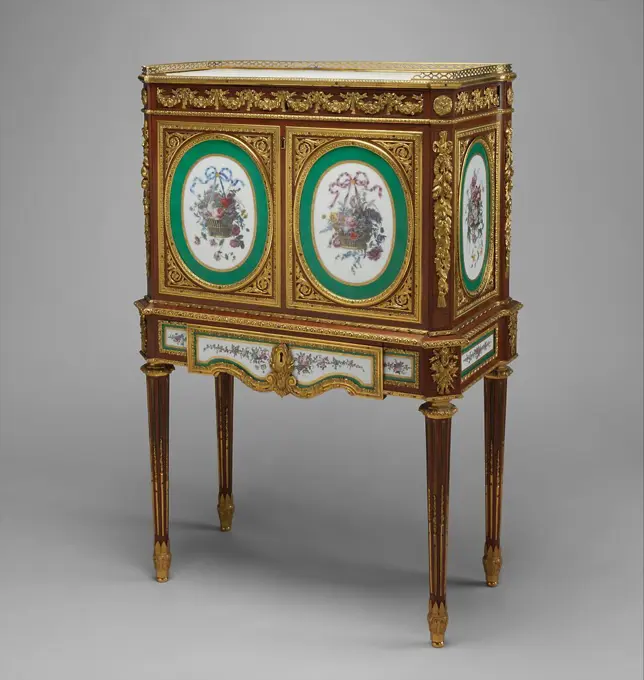
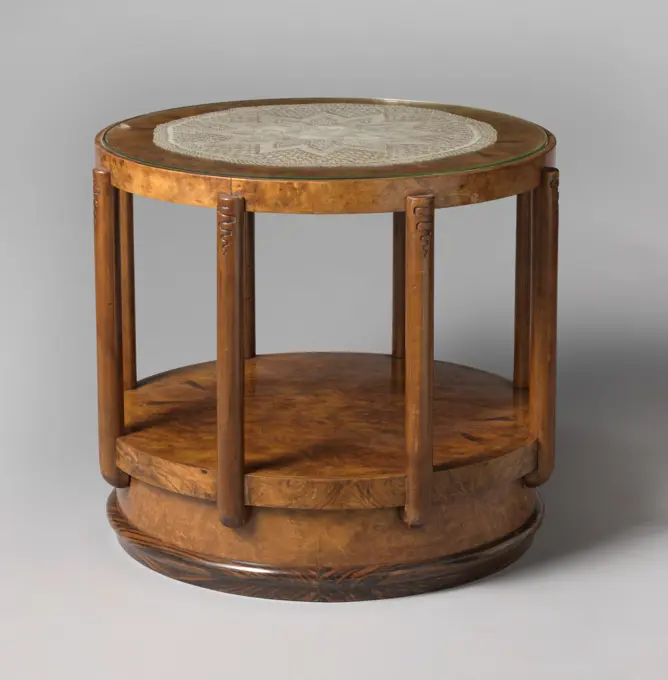
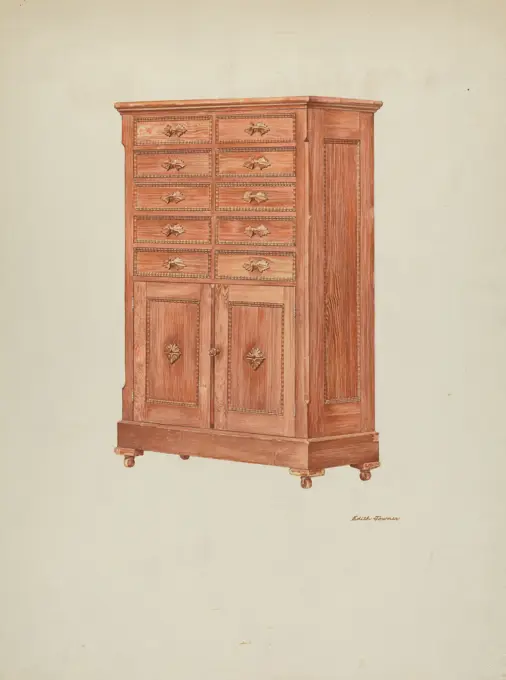
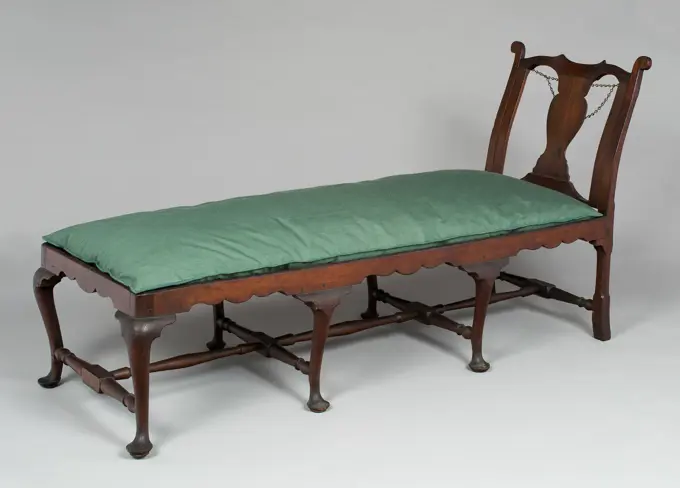
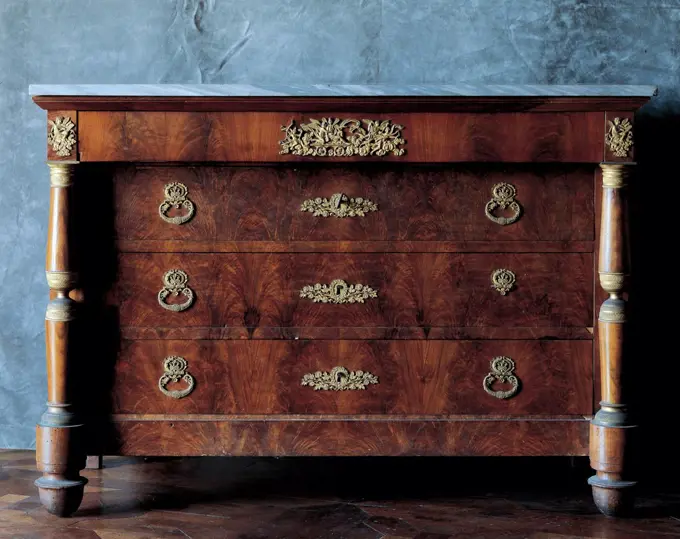
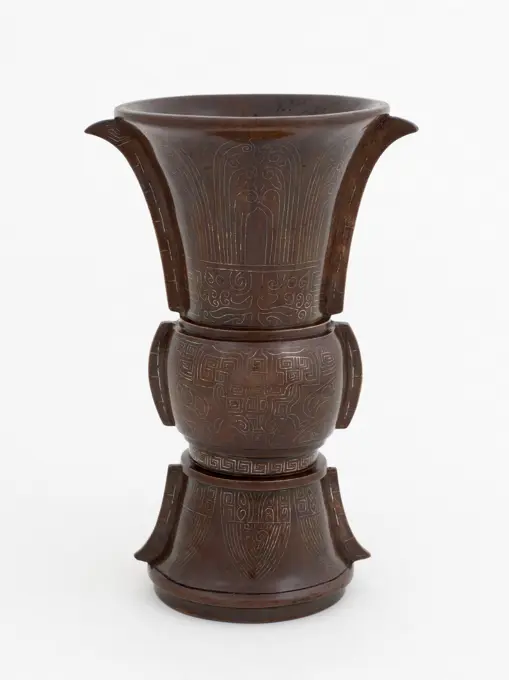
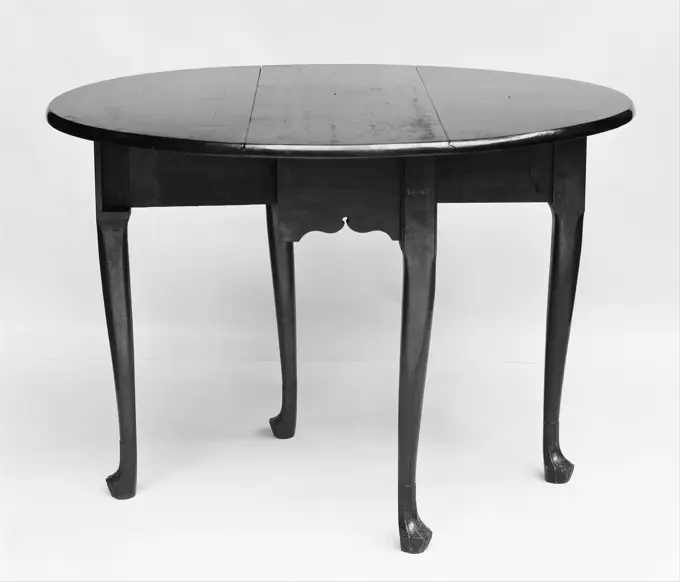
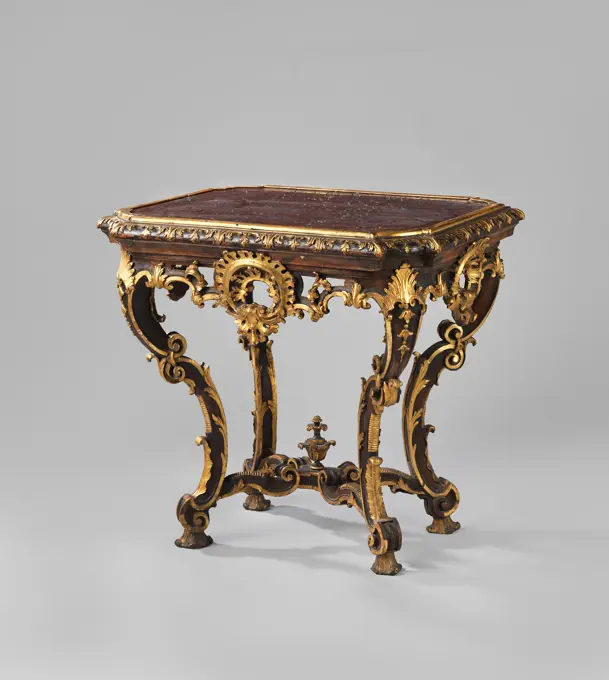
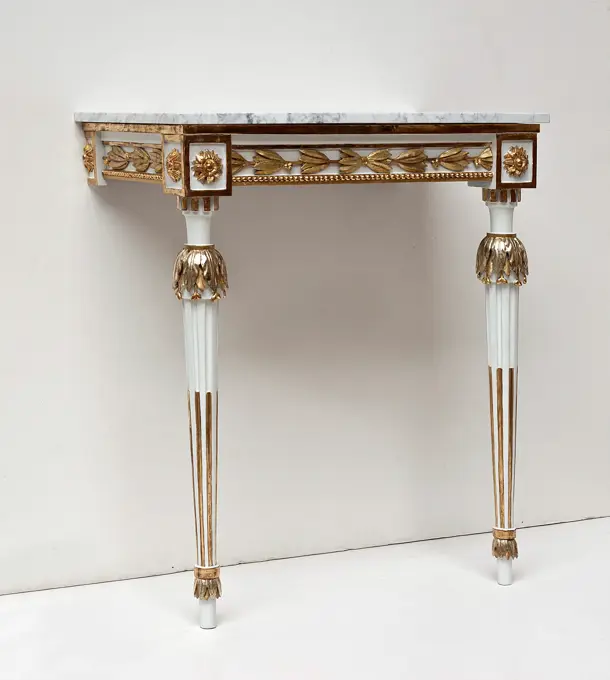
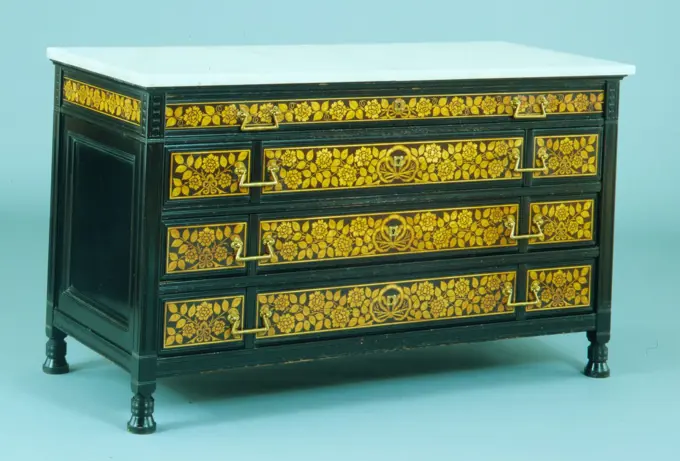
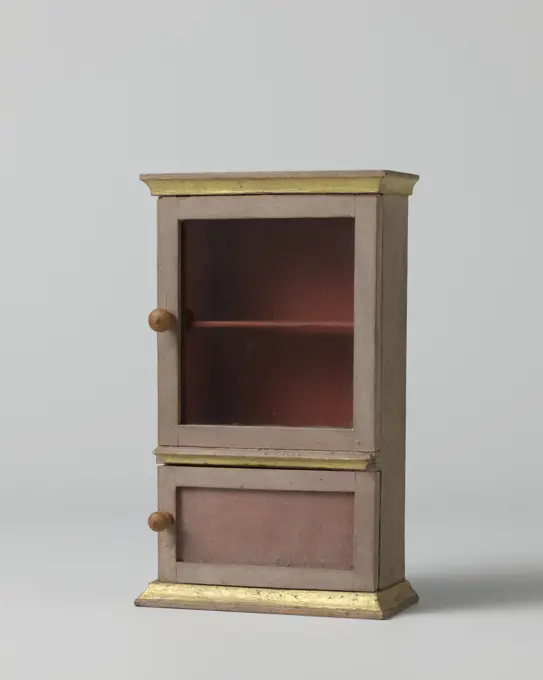
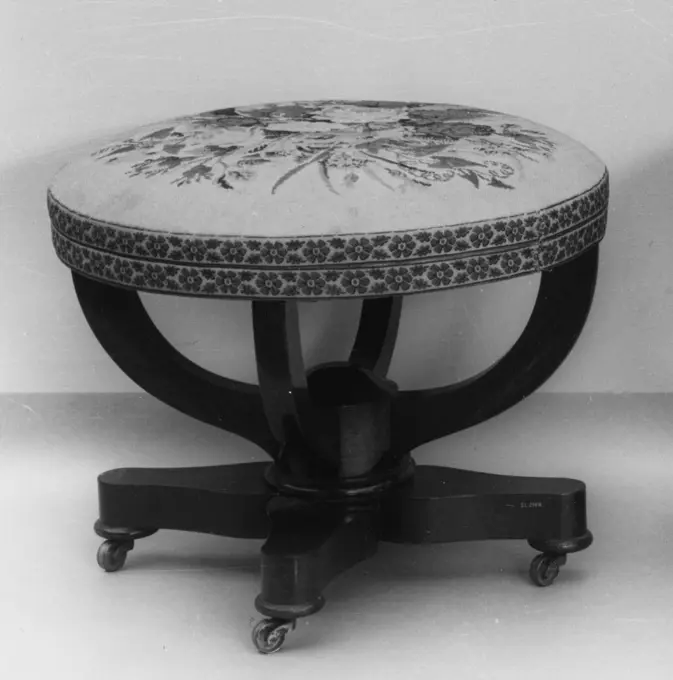
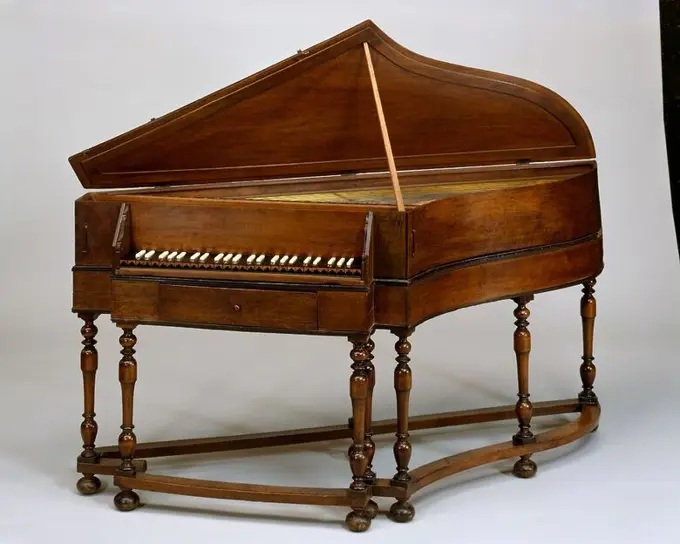
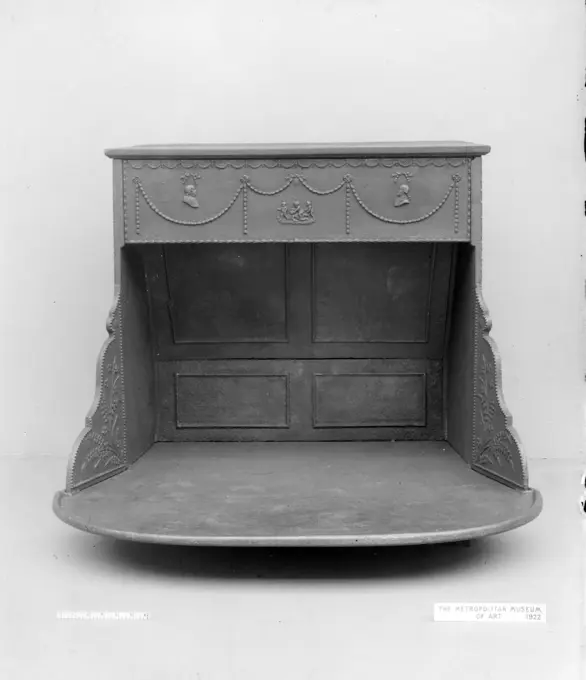
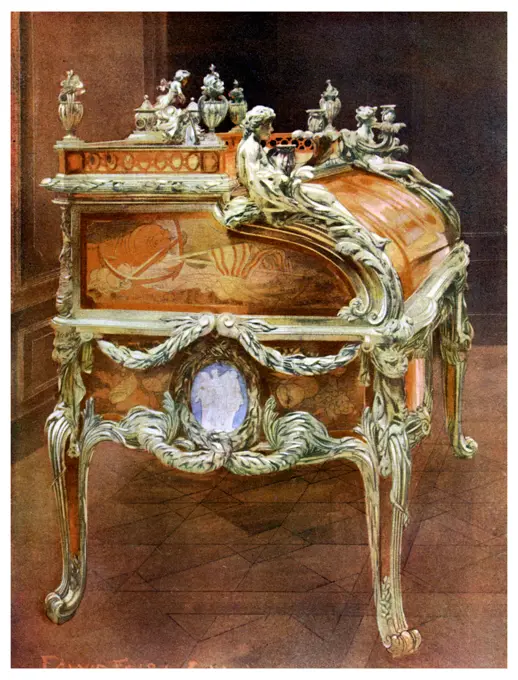
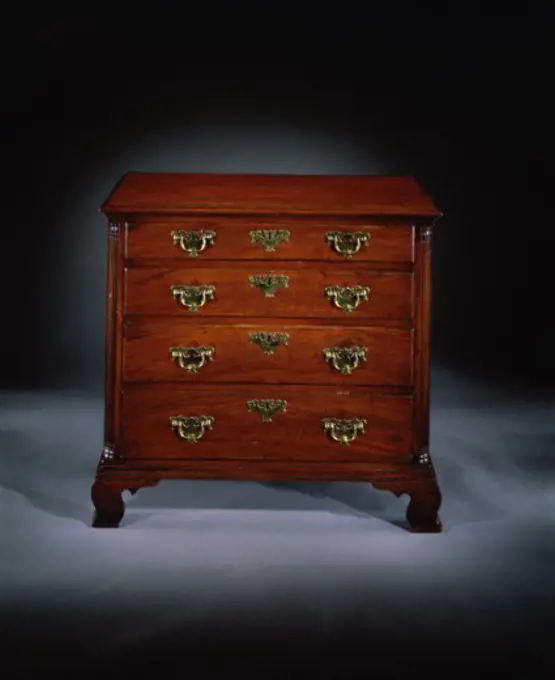
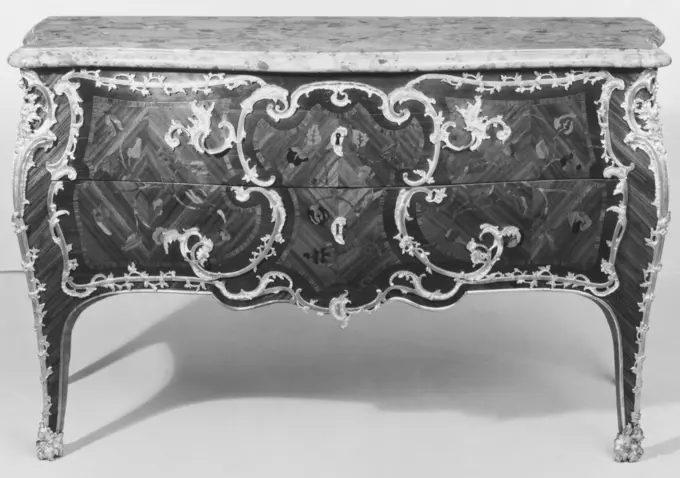
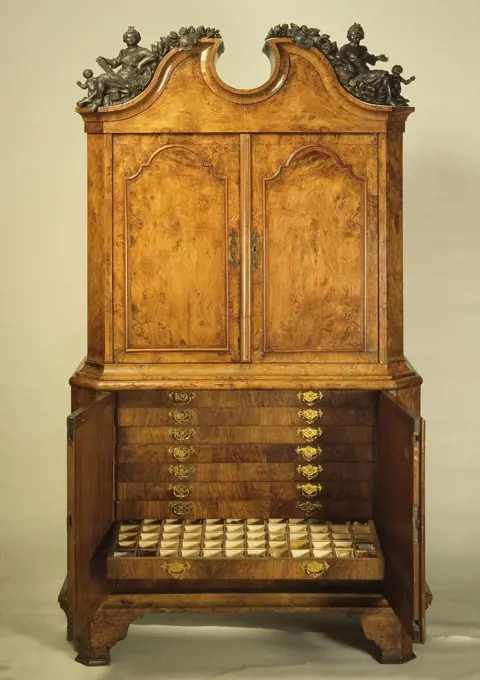
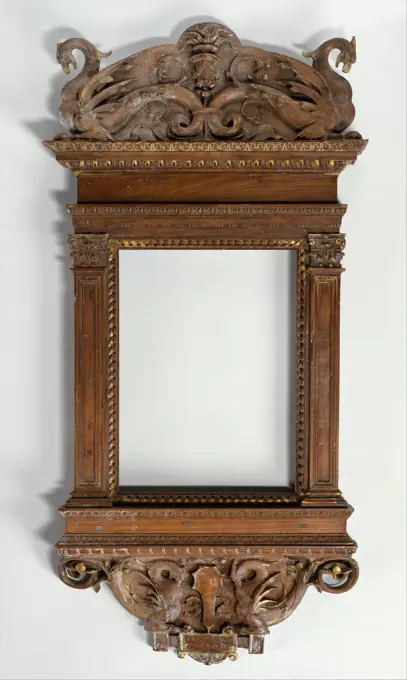
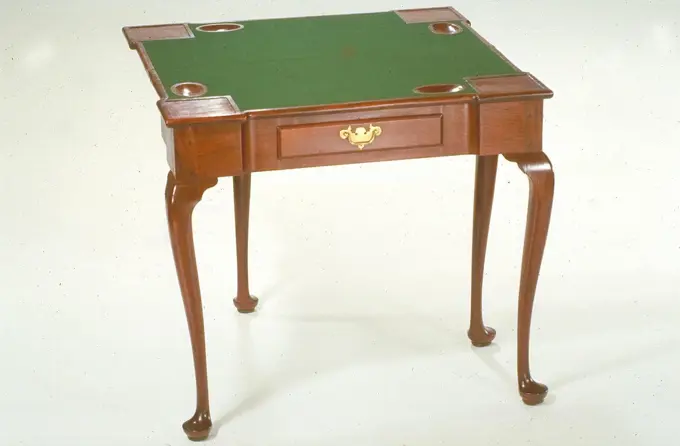
Nicolas-Simon Courtois, French carpenter (born in 1724). Convenient. Rosewood marquetry, rosewood, chiseled and golden bronze, sarrancolin marble. Paris, Carnavalet museum. 77641-23 Rosewood, bronze, chisel, gilding, gilding, marble of sarrancolin, marquetry, furniture, flower motif, rosewood, chest of drawers, furniture, plateWriting cabinet. When the cabinets sloped, hinged lid is open, it serves as a writing desk. Sixteen drawers are concealed behind the doors; another sixteen line the sides of the upper section. They may have been meant to hold a collection of art or naturalia (curiosities of nature). Large portfolios and papers could be stored in the drawers of the lower section.High chest of drawers. Culture: American. Dimensions: 62 x 39 7/8 x 24 1/4 in. (157.5 x 101.3 x 61.6 cm). Date: 1730-40.This high chest is part of a small group of case pieces from the Windsor area bearing dates in the 1730s. The exaggerated knees and flat feet parody the elegance of the cabriole legs on chests from urban Massachusetts, while the playful painted birds and beasts are a provincial interpretation of the work of Boston japanners. Museum: Metropolitan Museum of Art, New York, USA.Table with hexagonal leaf resting on three panels open in a claw fern, Carel Adolph Lion Cachet, c. 1898 - c. 1906 Table of oak with hexagonal leaf resting on three bragged panels that also serve as legs. The panels are triangular that rests on the floor with their pointed corners and whose straight corners touch each other just below the leaf. The panels are partly open in a stylized claw fern. On the corners where the panels at the top touch each other, profiled panels are attached to black dots. The table top of Coromandelhout is hexagonal and rests by means of a star -shaped control on the underside on the panels. Amsterdam oak (wood). Table of oak with hexagonal leaf resting on three bragged panels that also serve as legs. The panels are triangular that rests on the floor with their pointed corners and whose straight corners touch each other just below the leaf. The panels are partly open in a stylized claw fern. On the corners where the panels at the top touch each other, profileChest withDrawersClose-up of a Brier and walnut cabinet, ItalyBARGUEÑO Y TAQUILLON MORISCO. Location: MUSEE D'ARTS DECORATIFS. MADRID. SPAIN.Oak box, coffin cupboard furniture furniture interior design oak wood moor oak rosewood plywood ebony wood, chest with corks and inlays of rosewood ebony ornamentation renaissanceLon Cronk, Butternut Wood Chest of Drawers, c 1938 Butternut Wood Chest of DrawersChest, 1550-1599. France, Normandy, 16th century. Oak; overall: 96.5 x 165.1 x 71.8 cm (38 x 65 x 28 1/4 in.).Pair of tables. Culture: British. Dimensions: Overall (.1): 27 1/4 × 17 3/4 × 14 7/16 in. (69.2 × 45.1 × 36.7 cm);Overall (.2): 27 1/8 × 17 7/8 × 14 7/16 in. (68.9 × 45.4 × 36.7 cm). Maker: Possibly James Stuart. Date: 18th century. Museum: Metropolitan Museum of Art, New York, USA.Hatnefer's Chair ca. 1492-1473 B.C. New Kingdom Hatnefer (36.3.1) was the mother of Senenmut (36.3.252), one of Hatshepsut's best known officials. Her undisturbed tomb was discovered by the Museum's Egyptian Expedition in 1936 on the hillside below Senenmut's tomb chapel (TT 71). This chair was found in front of the tomb's entrance and was given to the Museum in the division of finds by the Egyptian government.Hatnefer's chair is a fine example of Egyptian woodworking. The various elements were assembled with mortise-and-tenon joinery, and pegs were used to hold the tenons in place. Pegs also fasten the braces to the back and seat. The joins were reinforced with resinous glue. The decoration on the back of the chair includes a row of protective symbols. In the center is the god Bes, a deity who protected the home. On either side of the god are the tit-amulet which is closely associated with the goddess Isis, and the djed-pillar, which symbolizes stability and endurance. The seat, made Bedside table isolated on white backgroundbookcase, walnut, ebonized cherry, marquetry of various woods, incised gilding, plate glass, cast brass hardware, Tripartite bookcase with glass doors, the central section raised higher than the side two, all with matching sunflower-based inlaid motifs on a dark ground around the borders., New York, New York, ca. 1875, furniture, Decorative Arts, bookcaseNutenhouten Cassone, Anonymous, 1485 - 1500 Cassone van Notenhout decorated with Intarsia on a profiled plinth. The front shows three square fields with intarsion panels, separated by Corinthian pilasters with a candeletry motif. On the left panel a hilly landscape with rider, on the center panel a building and armed sentry and on the right panel a building with a hilly landscape; Frames with clocks and quadries or braid tire in perspective. The sides show intarsia fields with two rabbits and forged iron handles. Italy wood (plant material). walnut (hardwood). maple (wood). iron (metal) Cassone van Notenhout decorated with Intarsia on a profiled plinth. The front shows three square fields with intarsion panels, separated by Corinthian pilasters with a candeletry motif. On the left panel a hilly landscape with rider, on the center panel a building and armed sentry and on the right panel a building with a hilly landscape; Frames with clocks and quadries or braid tire in perspective. The Buffet of oak, veneered with mahogany and inlaid with copper pie, Carel Breytspraak, 1805 Buffet of oak, veneered with mahogany and inlaid with copper piping. Amsterdam mahogany (wood). brass (alloy). oak (wood) Buffet of oak, veneered with mahogany and inlaid with copper piping. Amsterdam mahogany (wood). brass (alloy). oak (wood)house wooden India Copyright: xVirenxDesai/DinodiaxPhotoxTable with protected around leaf on baluster-shaped strain with three S-shaped legs that end in a fist form. Small table with a padding around leaf. The baluster-shaped tribe is worn by three nozzles grouped S-shaped legs. The legs finish at the bottom of a fist form and at the top of the leafwork forms the transition to the trunk. Rocks of red paint are visible on the legs.Threeurs bookcase of oak. Threeurs bookcase of oak, glued with presumably walnut, with carving in black-stained wood.Table ca. 1775-80 Italian, Rome Arriving from Dresden in Rome in 1755, the historian of classical art Johann Joachim Winckelmann (1717-1768) stepped into a different, intensely stimulating world. The sophisticated international community settled there was experiencing a rapidly growing fascination with the ancient Mediterranean civilizations. As librarian to the collector Cardinal Alessandro Albani (1692-1779), Winckelmann spent nine productive years in the intense study of Etruscan, Greek, classical Roman, and Egyptian works. He found them "in the galleries, vaults, and gardens of Roman palaces, at Naples, and at the new excavations of Herculaneum."1 During ancient Roman times, Egyptian monuments, such as obelisks and statues, and precious materials, such as alabaster, that formerly decorated the palaces of the pharaohs and temples on the banks of the Nile (for example, two panels on the Farnese table; see acc. no. 58.57a-d) were brought as spoils to Rome and were used to embellish . Linen cupboard from oak and pine with curved side walls. The part that is located between these side walls and does not reach the ground consists of two doors with two drawers under which a curved line depends on the underside of each tray and has a wide list on the top. The doors contain key plates that extend from the middle in a pointed V shape to the bottom and hinges with a toothed side. Both on the drawers and the doors there are buttons of black-tinted without.Chest. unknown, contractorCandlestandTea Table. Culture: American. Dimensions: 27 1/8 x 35 x 23 in. (68.9 x 88.9 x 58.4 cm). Date: 1765-75. Museum: Metropolitan Museum of Art, New York, USA.Bed table of oak, decorated with ebony. With accompanying chimney..eded of oak, decorated with ebony, consisting of one end of the end, an advance, a head frame and flat corner pilques. The final shot and advance are made up of a window of profiled sills and styles, in which flat panels. Associated with a chimney (inv.no. BK-NM-8679-a).casket, wood, rose wood, ivory, and brass, possibly Netherlands, late 17th century, Decorative Arts, casketShowcase table. unknown, creatorWine cooler ca. 1770-80 British. Wine cooler. British. ca. 1770-80. Mahogany. Woodwork-FurnitureCommode. Technical analysis indicates that while some elements of this commodeís carcass and the majority of the gilt-bronze mounts are original to the 1700s, much of it has been significantly altered. The current appearance of the commode must be the result of one or more restoration campaigns with the piece being completely re-veneered in the late 1800s or at some point during the 1900s.. Underneath carcass near the front, in pencil: ìfond derriËreî; across the back of the carcass, in chalk: ìE1649îCommode. UnknownFireplace with batik on which an ornamental fish pattern of zander, the inner house, c. 1900 - c. 1902 Hearing screen consisting of a frame of oak with a batik inside. The frame, which rests on four high triangular legs, is rectangular, with the styles protruding. The rules and styles are interconnected by pen and hole connections. The heads of two tollails from Ebony can be seen per connection. The batik is protected at the front by a glass plate and at the rear by fine brass gauze. The batik has an ornamental fish pattern of zander in blue (indigo) and brown (cachou). Amsterdam oak (wood). ebony (wood). silk. glass Hearing screen consisting of a frame of oak with a batik inside. The frame, which rests on four high triangular legs, is rectangular, with the styles protruding. The rules and styles are interconnected by pen and hole connections. The heads of two tollails from Ebony can be seen per connection. The batik is protected at the front by a glass plate and at the rear by fine brHandwood tableDrop-front desk (secrétaire à abattant or secrétaire en cabinet). Culture: French, Paris and Sèvres. Decorator: Oval front plaques decorated by Nicolas Bulidon (French, active 1763-92); Oval side plaques decorated by Marie-Claude Sophie Xhrouuet (active 1775-88); Six plaques decorated by Guillaume Noël (French, active 1755-1807); Two plaques decorated by Jacques-François Micaud (French, active 1757-1810). Dimensions: Overall: 47 × 31 3/4 × 16 3/8 in. (119.4 × 80.6 × 41.6 cm). Factory: Porcelain plaques by Sèvres Manufactory (French, 1740-present). Maker: Martin Carlin (French, near Freiburg im Breisgau ca. 1730-1785 Paris). Date: ca. 1773.Madame du Barry appears to have had an insatiable taste for furniture embellished with porcelain plaques. Between 1768 and 1774 she acquired ten such pieces from Simon-Philippe Poirier. On December 30, 1773, the dealer sold his frequent client a secretary with French porcelain on a green ground lavishly decorated with giltbronze mounts, a description Furniture, Anonymous, 1600 - 1699 Oak box with sculpted ornaments. Northern Netherlands wood (plant material). oak (wood). ebony (wood). pine (wood) Oak box with sculpted ornaments. Northern Netherlands wood (plant material). oak (wood). ebony (wood). pine (wood)Table with fallingleavesThankPair of candlestands. Culture: British. Dimensions: Overall (each): 44 3/8 × 12 1/4 × 21 1/4 in. (112.7 × 31.1 × 54 cm). Date: ca. 1735. Museum: Metropolitan Museum of Art, New York, USA.Table, round, design Jan de Meijer. Table, round, design Jan de Meijer. On the table is a separate glass plate with a white, in star shape, crocheted dress.Anonymous, support furniture (main title). Organic, marked wood, glass, marble, gilded bronze. Petit Palais, Museum of Fine Arts of the City of Paris.Edith Towner, Highboy (Chest of Drawers), c 1940 Highboy (Chest of Drawers)PembrokeTables. Retailer: Jacob Margolis, American, born Russia, probably 1875Couch c 1730-1760 Massachusetts. Walnut . Artist unknownBalinese - Type Of People. November 6, 1950.Chest, by Turin Work, 1820 - 1830, 19th Century, legno impiallacciato di noce, applicazioni di metallo dorato, pi. Italy, Piemonte, Aglie, Turin, Castle. Whole artwork. Chest drawers furniture furnishings interior: fittings design metal ornaments.Vase zun. Bronze. Chine. Par musée musée malée. 70002-10 Asian art, Chinese art, Extreme-East art, fermented drink, bronze, religious ceremony, cup, dishes, vase to drinkCouch Bed, 17th century, 32 1/8 x 81 3/4 x 50 7/8 in. (81.6 x 207.65 x 129.22 cm), T'ieh-li and chi-ch'ih-mu hardwoods, China, 17th century, This large waisted couch is constructed primarily from t'ieh-li-mu, a hardwood with a coarse, fibrous structure that is extremely dense and strong. Less expensive than huang-hua-li but, equal in strength, it was a good timber to meet the structural demands imposed by the long spans of the standard couch bed frame. Perhaps because he was working with a wood that lacked the innate beauty of huang-hua-li, the cabinetmaker has created visual interest by decorating the three solid board rails with dragon roundels carved in high relief.Furniture decorated by Majorelle, vintage engraved illustration. Industrial encyclopedia E.-O. Lami - 1875.Virginal, 1643   wood (plant material)   wood (plant material)Drop-leaf Dining Table 1740-90 American. Drop-leaf Dining Table 3175Table on four broken S-shaped legs. Table resting on four broken S-shaped legs, connected by a cross, formed by four volutes and crowned in the middle by a sliced vase. Under the blade, the table is partially decorated with seedill motifs in the middle of cut-away carving.Chest of Drawers for Vestments 15th century French (). Chest of Drawers for Vestments. French (). 15th century. Oak. Woodwork-FurnitureConsole table. unknown, authorChest of Drawers ca. 1880 Herter Brothers. Chest of Drawers 2021Table probably 15th century French. Table. French. probably 15th century. Walnut. Woodwork-FurnitureCupboard consisting of an upper and lower case, with glass upper door, anonymous, c. 1750 - c. 1800 High cupboard, made of gray/red/pink painted oak, consisting of a upper cabinet with a shelf, and one door with a glass window and a base cabinet with a closed door and a shelf. Amsterdam (possibly) oak (wood). deurknop: boxwood. walnut (hardwood) High cupboard, made of gray/red/pink painted oak, consisting of a upper cabinet with a shelf, and one door with a glass window and a base cabinet with a closed door and a shelf. Amsterdam (possibly) oak (wood). deurknop: boxwood. walnut (hardwood)Stool ca. 1840 American. Stool 7913Cradle -Chest of drawers. unknown, creatorSmall table. unknown, authorLandscape. Bronze. Paris, Cernuschi museum. Asian antique, Japanese antiquity, metal. Low wardrobe of walnut with interior of poplar wood, resting on a profiled basis. The corner and middle styles carry pilasters that narrow down to the bottom. Above there are two consoles in the main frame, which form the front plates of narrow loading, which flanks two wider drawers, with bronze lion mask and drawing ring. The doors have a gnawed panel, with a lion mask with bronze towing ring in the middle, and decorated in the corners with rosettes.Bentside Spinet. Culture: French. Dimensions: Spine: 161.5 cm (63-5/8 in.); Widest point perpendicular to spine: 56 cm (22-1/8 in.); Depth: 19.3 cm (7-5/8 in.; Total height on stand: 85 cm (33-1/2 in.). Date: ca. 1700. Museum: Metropolitan Museum of Art, New York, USA.Secretary Cabinet 1730-1740 England. Giles Grendey was a cabinetmaker and timber merchant with workshops near St. Paulís, London. Unusually for an English cabinetmaker of his time, he had a broad international clientele a fire that struck his premises in August 1731 destroyed over £1000 worth of furniture (approximately $37,000 in todayís currency) described as ìpackíd for Exportation against the next morning.î In fact, Grendeyís most famous commission came from a Spanish client, the Duke of Infantado, for whose castle at Lazcano in northern Spain he supplied a suite of over seventy-seven pieces of furniture in the late 1730s. This cabinet is decorated in a style similar to the Infantado suite, in red and gold japanning, the English name for imitation lacquer.The cabinet combines some classical elements, like the broken pediment and flame-like finials at the top, with chinoiserie (Chinese-inspired) figures and scenes done in gold and silver. On the interior doors, a lady holding a branBuffet cupboard of oak and mahogany, Anonymous, 1910 Buffet cupboard of mahogany and oak. The cabinet has a protruding middle party with sloping sides and narrow side lanks with niches. The ten legs continue in the styles that rosettes and leaf motifs show. The cabinet consists of three layers; At the bottom there are five drawers with tractors and in the middle three doors with floral carving. The intermediate part has an open buffetnis with a mirror; The upper part has three doors with windows rods in the middle. Frisian shows floral motifs. Northern NetherlandsNetherlands wood (plant material). oak (wood). mahogany (wood). glass. brass (alloy). textile materials. looking glasses cutting Buffet cupboard of mahogany and oak. The cabinet has a protruding middle party with sloping sides and narrow side lanks with niches. The ten legs continue in the styles that rosettes and leaf motifs show. The cabinet consists of three layers; At the bottom there are five drawers with tractors and in Table. unknown, joinerTriple-back settee (part of a set) ca. 1790-1800 Italian, Sicily This settee is from a large set of seat furniture, which included at least four settees and twenty side chairs. It was formerly thought to have been commissioned for the Villa Palagonia at Bagheria near Palermo, but the provenance remains undocumented, and the initials in the cipher at the center of the back, "PPL," are as yet unidentified. The reverse-painted glass panels in imitation of agate, lapis, and marble are a distinctive feature often used on late-eighteenth-century Neoclassical Sicilian furniture.. Triple-back settee (part of a set) 208073Worktable. Culture: American. Dimensions: 30 1/2 x 21 x 16 1/4 in. (77.5 x 53.3 x 41.3 cm). Date: 1800-1810.The worktable was one of the few gender-specific pieces of domestic furniture. A woman would have stored sewing supplies in the upholstered bag and written letters on the hinged writing surface stored in the drawer above. Museum: Metropolitan Museum of Art, New York, USA.A Connecticut-type Hadley Chest. Dated: c. 1937. Dimensions: overall: 27.9 x 35.6 cm (11 x 14 in.) Original IAD Object: 45 1/2"log; 19 1/4"wide; 39 1/2"high. Medium: watercolor, colored pencil, and some heightening on paperboard. Museum: National Gallery of Art, Washington DC. Author: Martin Partyka.Washstand. Designer: Charles Rennie Mackintosh (British, Glasgow, Scotland 1868-1928 London). Dimensions: 63 1/4 x 51 1/4 x 20 3/8 in. (160.7 x 130.2 x 51.8 cm). Date: 1904.While a young architectural apprentice, Charles Rennie Mackintosh, the son of a Glasgow policeman, attended evening classes at the Glasgow School of Art, where he met Herbert MacNair, Frances Macdonald, and her sister Margaret Macdonald (who would later become Mackintosh's wife). Together they formed "The Four," producing watercolors, poster designs, and small decorative objects that were published in "The Studio." In 1889 Mackintosh was hired as a draftsman at the architectural firm of Honeyman and Keppie, where he would remain until 1914. It was there that he developed a unique design idiom based on the forms and materials of traditional Scottish architecture. Mackintosh undertook all aspects of a design commission, providing every element, from an architectural setting to small decorative objects and textiles. HWardrobe case Retro wardrobe case isolated with clipping path included Copyright: xZoonar.com/Baloncicix 7292424Koorbank, anonymous, c. 1500 Choorbank van Notenhout with three seats. The profiled sides of the cheeks turn into processed columns. The two middle columns are crowned by angel figures; The two outer by griffins. The folding miseroordes are decorated with an angelic head (middle) and with dragon heads (the outside). Entirely on a deck. Northern France wood (plant material). walnut (hardwood) Choorbank van Notenhout with three seats. The profiled sides of the cheeks turn into processed columns. The two middle columns are crowned by angel figures; The two outer by griffins. The folding miseroordes are decorated with an angelic head (middle) and with dragon heads (the outside). Entirely on a deck. Northern France wood (plant material). walnut (hardwood)Tray on the feet (kakeban);  19th century (1800-00-00-1900-00-00);Franklin Stove ca. 1795. Franklin Stove. ca. 1795. Cast ironFurniture around the turn of the century 1900, Desk and toilet (1911), Escritoire a toilette (1911) .Old chair Arabic style chair isolated with clipping path included Copyright: xZoonar.com/Baloncicix 7168142Souvenir of Stanisław Wyspiański (1869 1907)  Sharing TableDark drawers Close up shot of dark wood drawers Copyright: xZoonar.com/Baloncicix 14240808Desk of Louis XV, the Louvre, Paris, 1911-1912.Artist: Edwin FoleyCalmmoon with six portraits of unknown people, Anonymous, 1895 - 1905 frame   wood (plant material). paper. baryta paper. paint (coating). metal. textile materials albumen print / brush adult woman. girl (child between toddler and youth). historical persons - BB - womanChippendale Chest ca. 1770 Antique Furniture Commode (one of a pair) ca. 1755 Jacques Dubois French A descendant of a family of French ébénistes, Jacques Dubois, may have been trained in the workshop of his half-brother, Nöel Gérard, a successful Parisian ébéniste and dealer during the 1720s and 1730s. Dubois did not become a master cabinetmaker until he was forty-eight years old, relatively late in his career. The inventory drawn up following his death in 1764 reveals a sizable workshop set up with twelve workbenches and the presence of a large range of luxury furniture decorated with Asian lacquer or floral marquetry, as well as a large stock of gilt-bronze mounts. Executed in the Rococo style, this pair of commodes has a serpentine bombé front and slightly splayed serpentine sides. The front is treated as a single unit - without a horizontal division between the two drawers (sans traverse) - and is veneered with quartered tulipwood inlaid with trailing sprays of stylized flowers and leaves. A purplewood border foreshadows the Table. unknown, creatorSimplicity cabinet Rotterdam surgeon's guild, with two separate figures on the hood: Hygiaea and Flora, simplicity cabinet furniture furniture interior interior design wood oak wood walnut burr walnut bronze, approx 150 kg Simplicity cabinet Rotterdam surgeon's guild four-door cabinet consisting of top and bottom cabinet in bottom drawers containing raw materials simplicia for medicines . Oak core veneered with walnut and burr walnut On the hood two removable female figures Hygiaea (Goddess of health) and Flora (goddess of flowers and spring) In the middle stood until the beginning of the 20th century (in 1938 no longer) figurine of Asclepios (god of medicine) Rotterdam health care disease surgeon cosmas- and damian guild surgeon guild guild spice pharmacy anatomy chamber Bag carrier home New Market education test exam régenceTabernacle frame ca. 1530 possibly del Tasso A tabernacle frame is characterized by architectonic structural and decorative members, most often based on classical precedents. This type of frame grew increasingly popular during the fifteenth century, and more elaborate and inventive forms developed during the sixteenth century, after which it largely went out of fashion. An inscription warning against vanity, "Not beauty but truth is to be admired," appears in the cartouche below two griffins at the bottom edge of this finely carved frame that originally housed a mirror. Like most sixteenth-century Florentine mirrors, it originally included a sliding shutter to cover the glass: the slot through which the shutter passed in the right pilaster of the frame, has been filled with a modern wood repair.During this period, walnut, a costly wood with a hard dense grain suitable for carving sharp detail, was primarily reserved for luxury objects. The manner in which the griffins on this frame werCardTable.  Artist: Eliphalet Briggs, American, 1765-1827Desk;  2. PO. 19th century (1851-00-00-1900-00-00);Console table; Zug, Szymon Bogumi (1733-1807); End of the 18th century (1791-00-00-1800-00-00);Rabbit hutch with straw Rabbit hutch with straw isolated over white background Copyright: xZoonar.com/IvonnexWierinkx 15574160Frame Industry school in. Józef. Mirror with a gold plated and carved wooden table. The upper rule is decorated in the middle with an oval medallion, in which a revolved, acclaimed men's head in relief as arms of the family 't Hooft. This is crowned by a bow with terews, until the sides depending, leaf reflections. There is a double garland from olive leaves at the bottom line. The list is decorated on the outside with leaf volutes and flower vines.Close-up of wooden dresserLantern. Dated: c. 1940. Dimensions: overall: 35.4 x 24.1 cm (13 15/16 x 9 1/2 in.). Medium: watercolor, gouache, and graphite on paperboard. Museum: National Gallery of Art, Washington DC. Author: George H. Alexander.Medal cabinet. unknown, authorVintage radioARMARIO CATALAN S XVI. Location: MUSEE D'ARTS DECORATIFS. MADRID. SPAIN.Washstand with washbowl and jug, Art Nouveau, Art Nouveau Museum, Riga, Latvia, EuropeCardtableOffice furniture on credence table ebony sixteenth century (Hammer Museum in Stockholm, vintage engraved illustration. Industrial encyclopedia E.-O. Lami - 1875.Square piano. unknown, creatorAndiron 1770-1800. Andiron 89