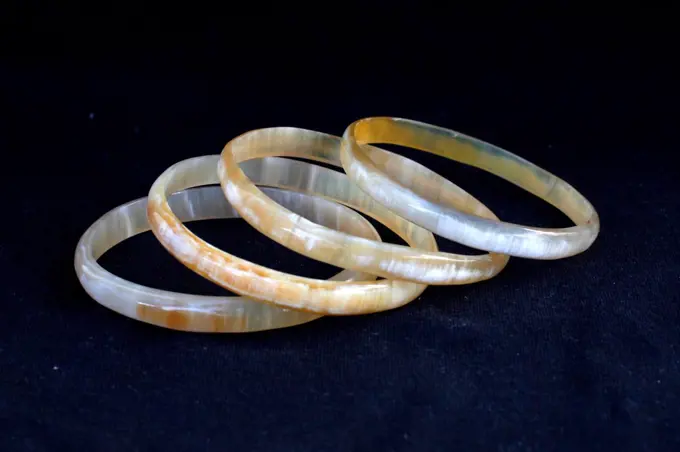
Antique Gemstones and Artifacts

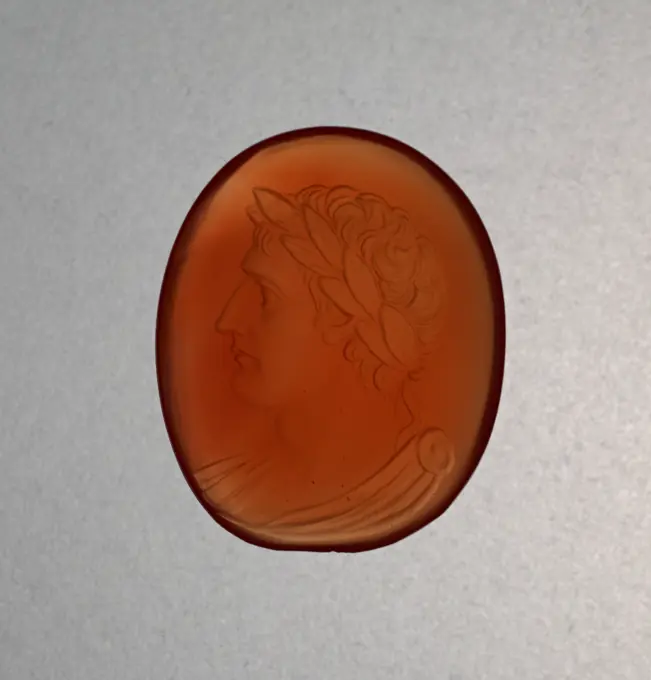
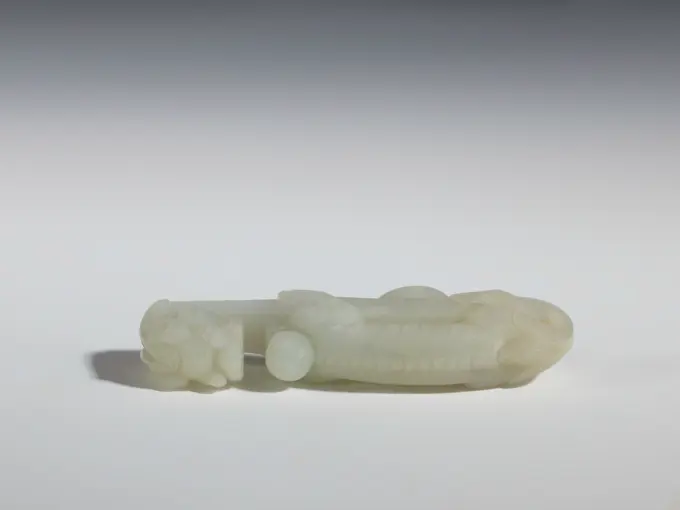
A collection of polished stones and artifacts including a cameo head of Jupiter, natural minerals, vase fragments, and ancient amulets, each with unique textures and colors.
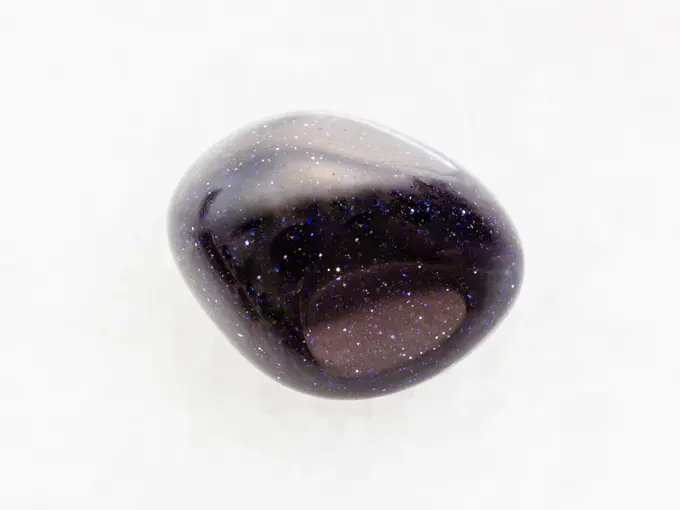
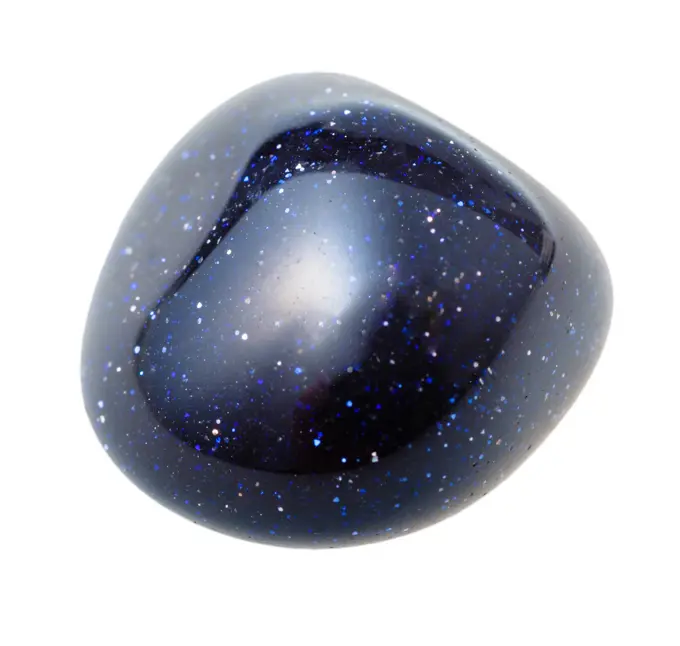
tumbled blue goldstone gemstone on white marble macro shooting of mineral rock specimen - tumbled blue goldstone gemstone on white marble background Copyright: xZoonar.com/ValeryxVoennyyx 11947559
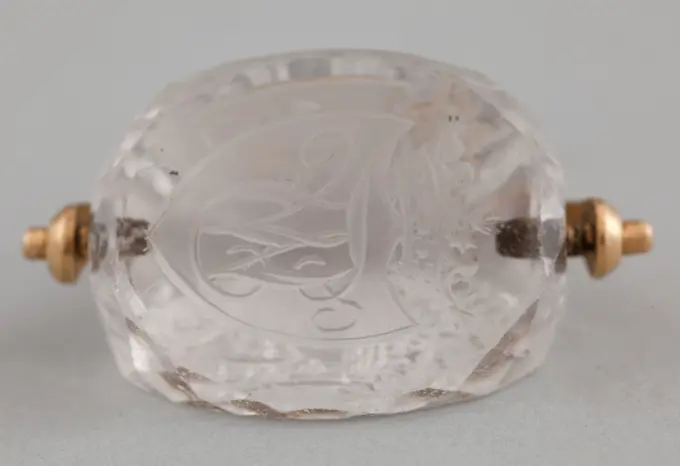
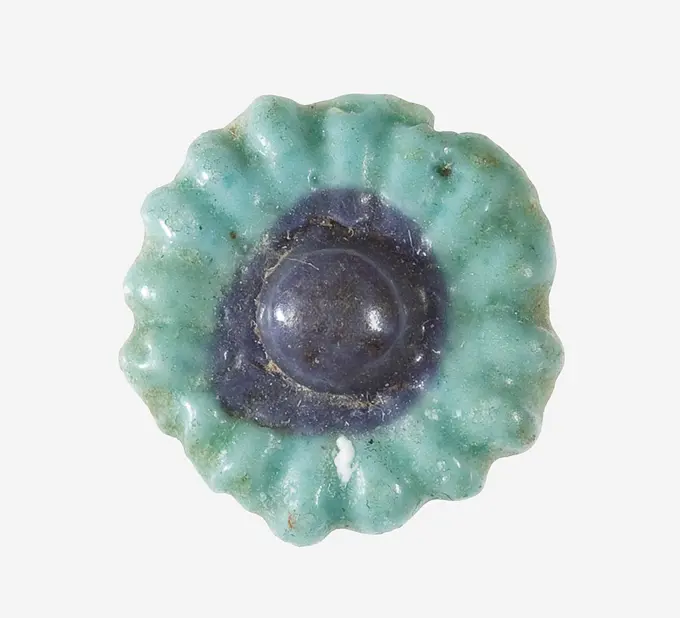
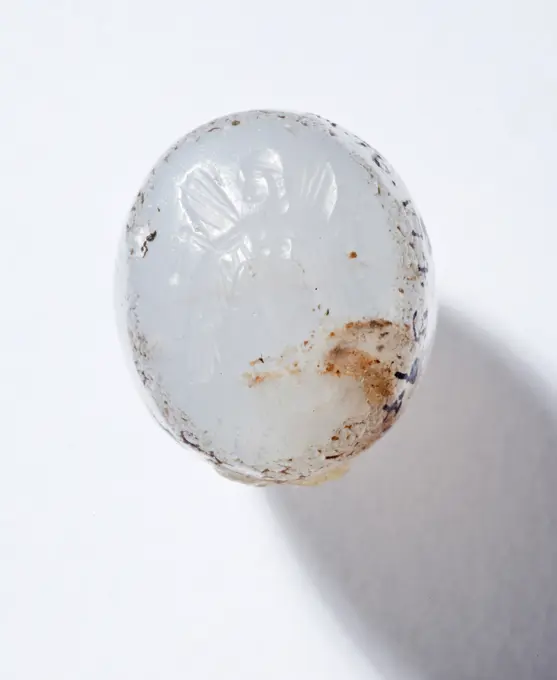
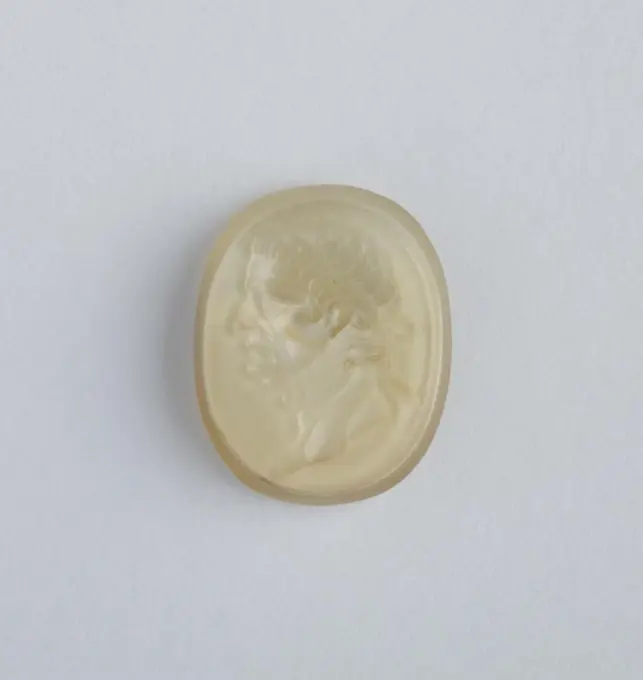
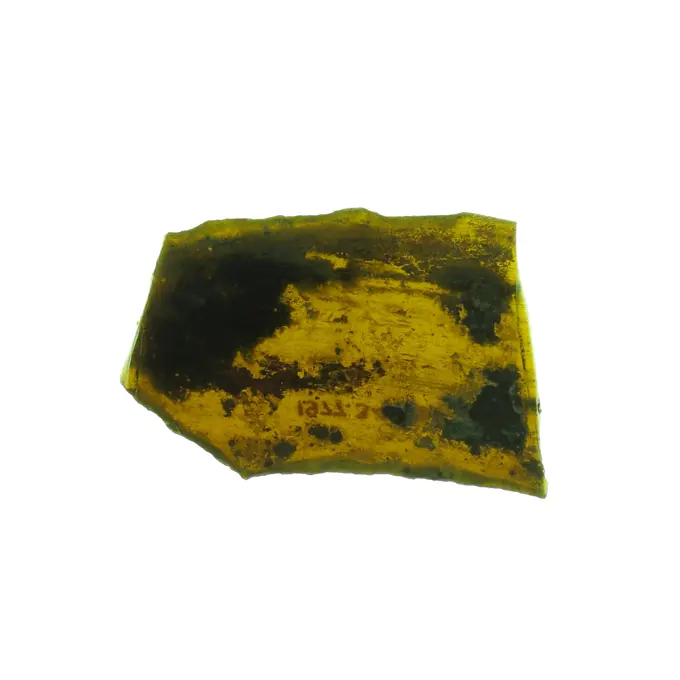
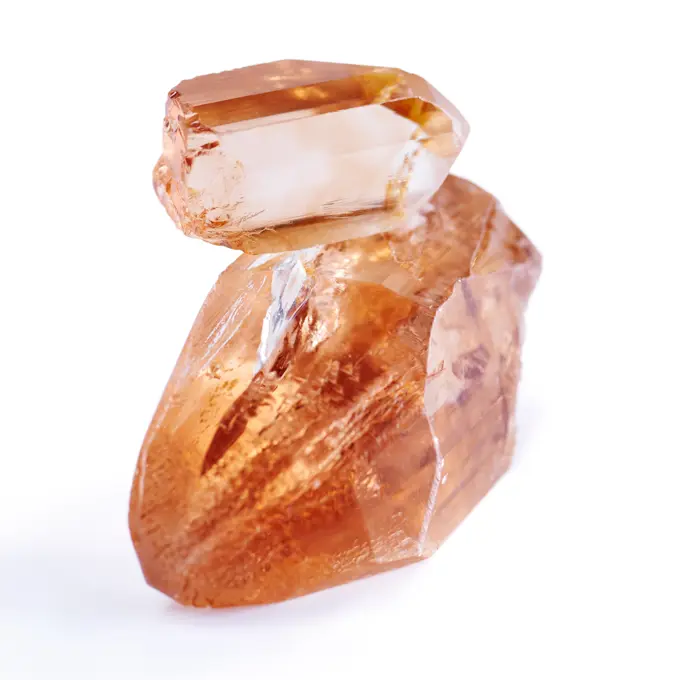
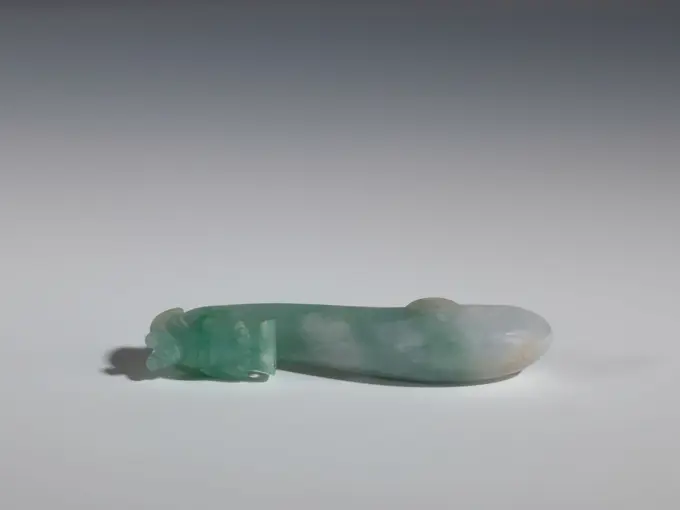
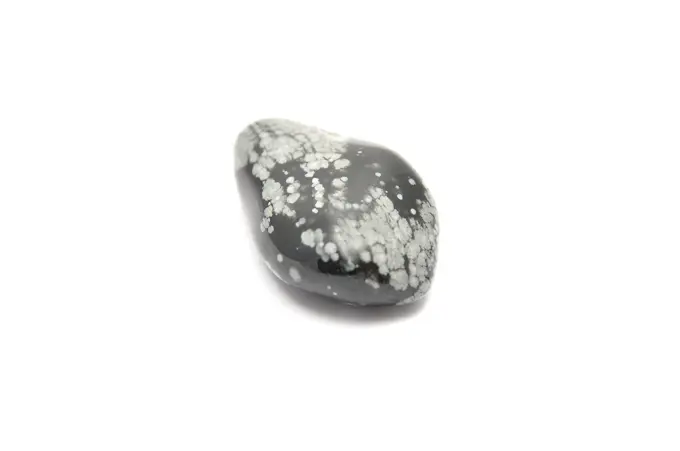
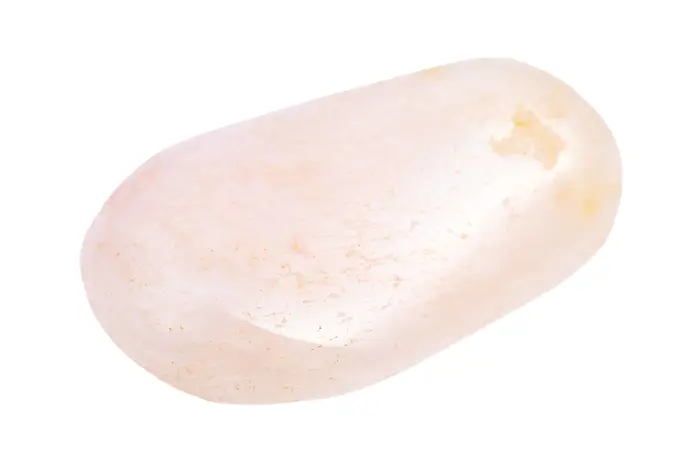
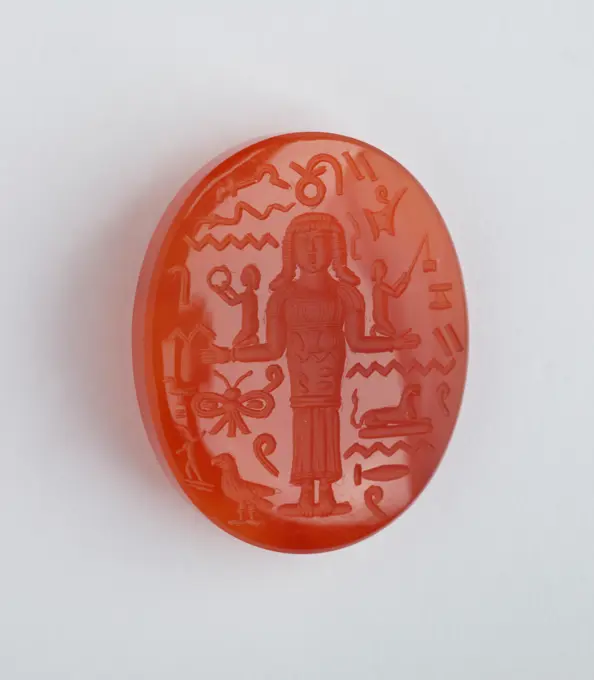
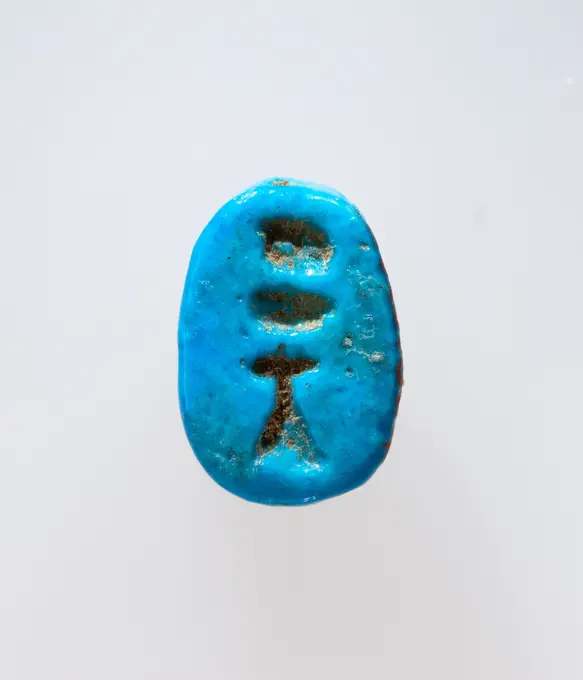
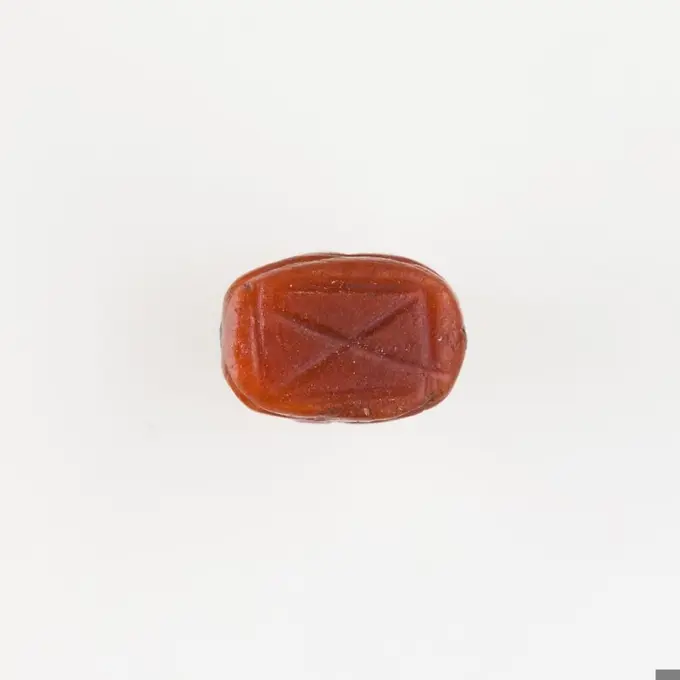
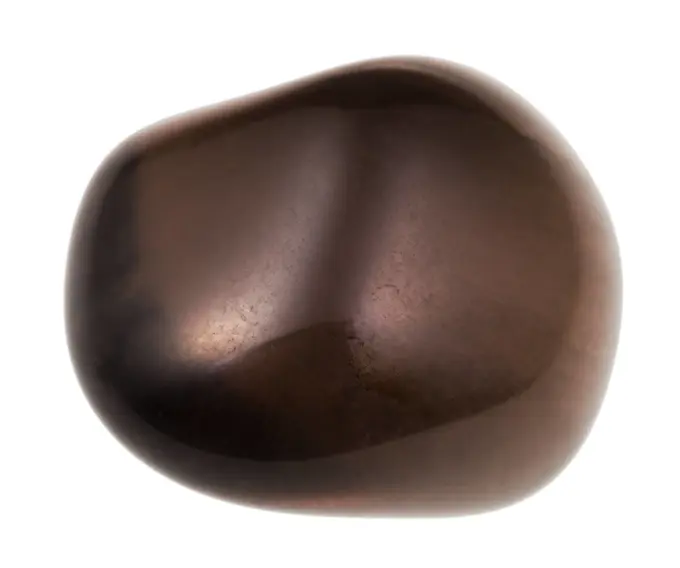
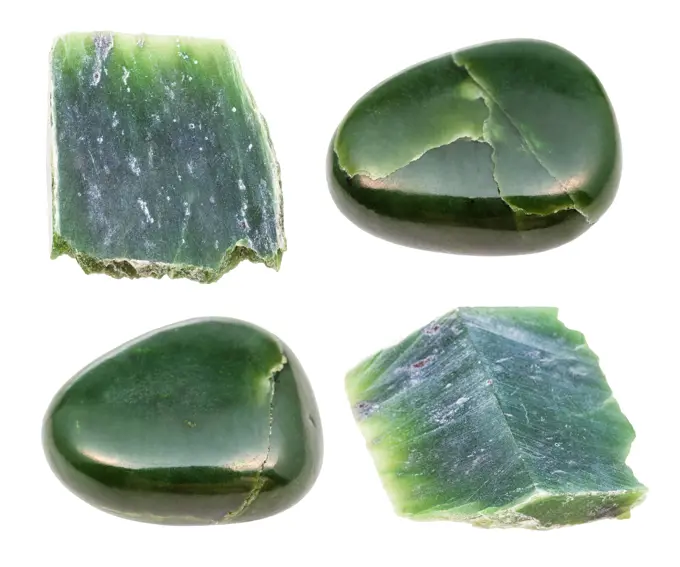
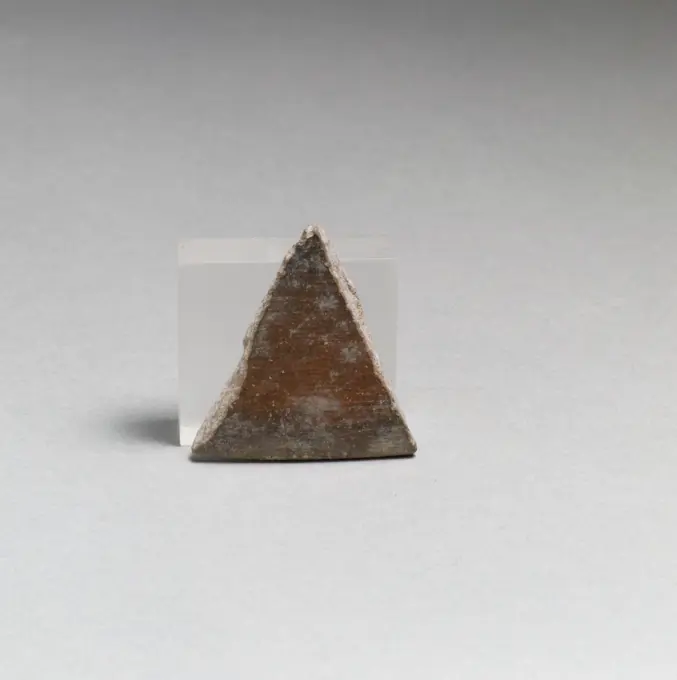
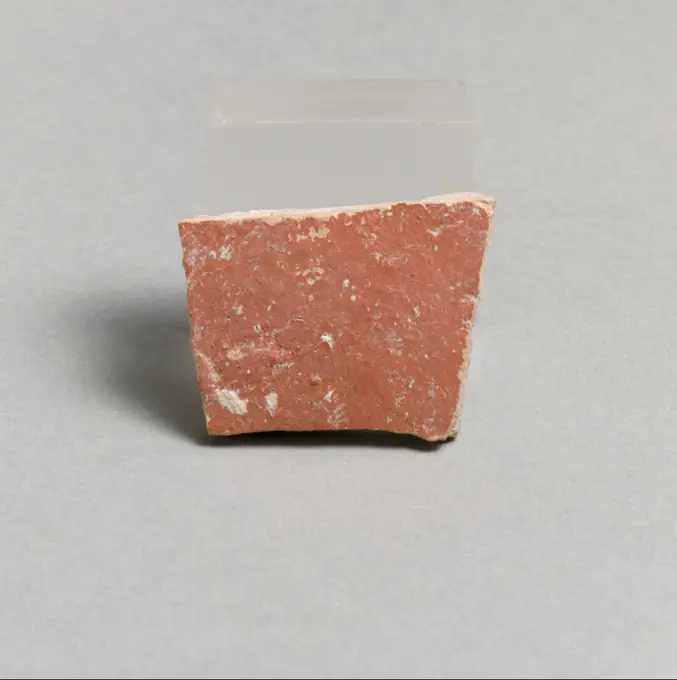
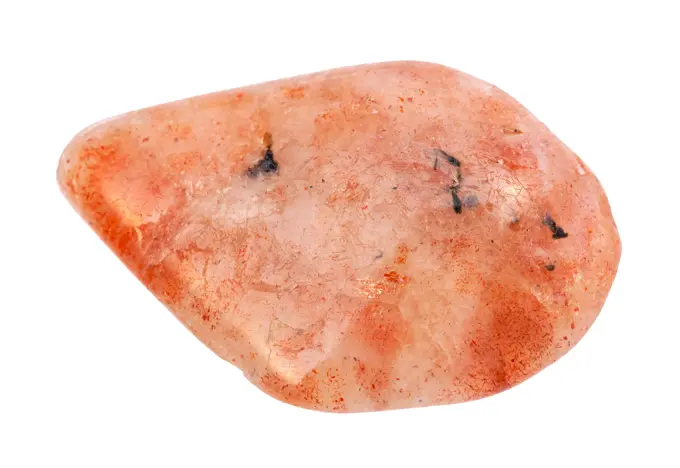
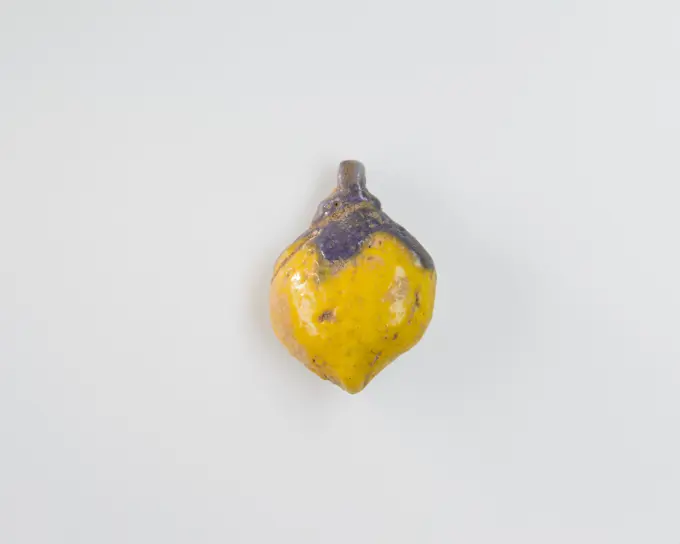
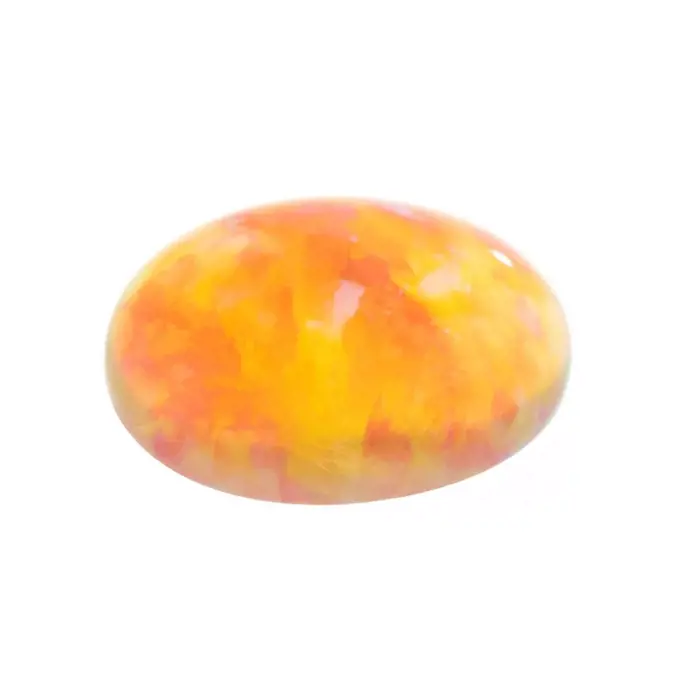
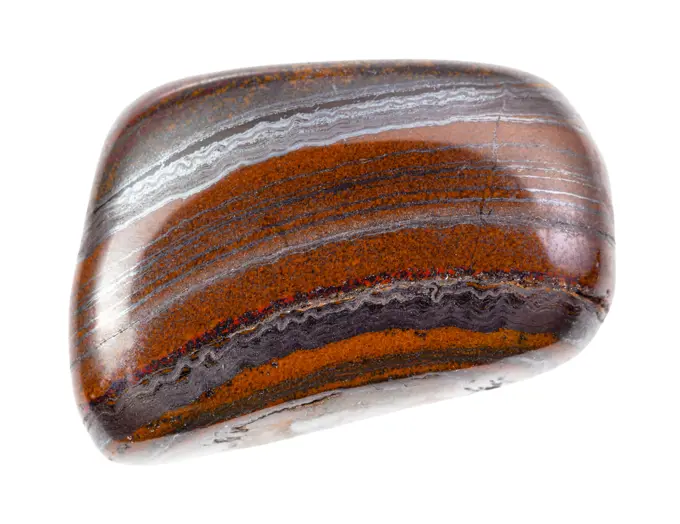
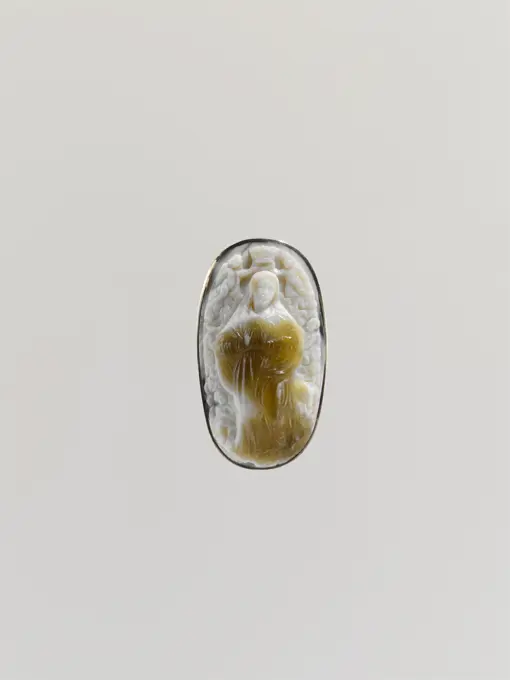
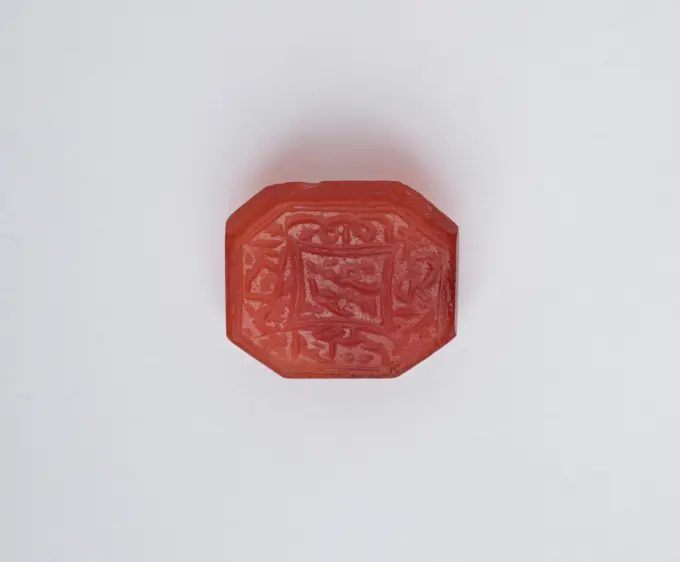
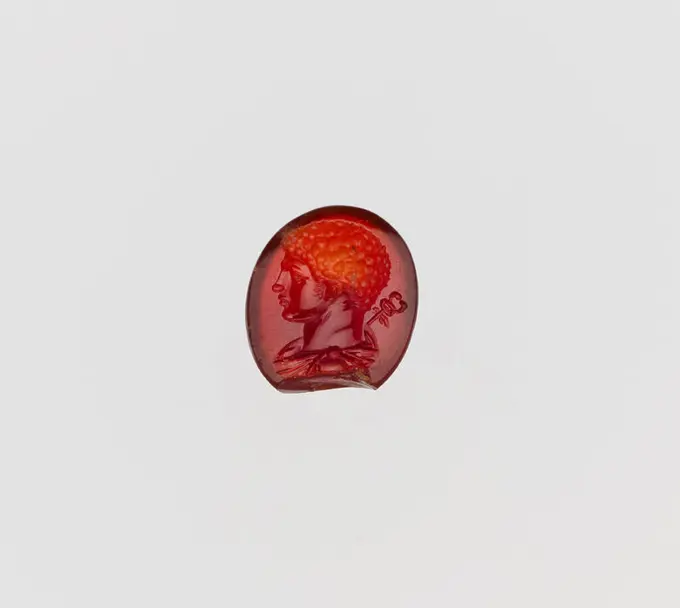
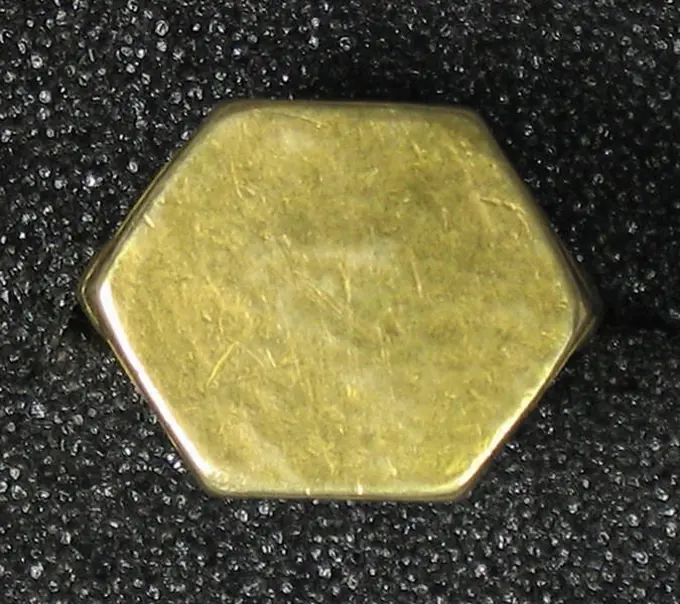
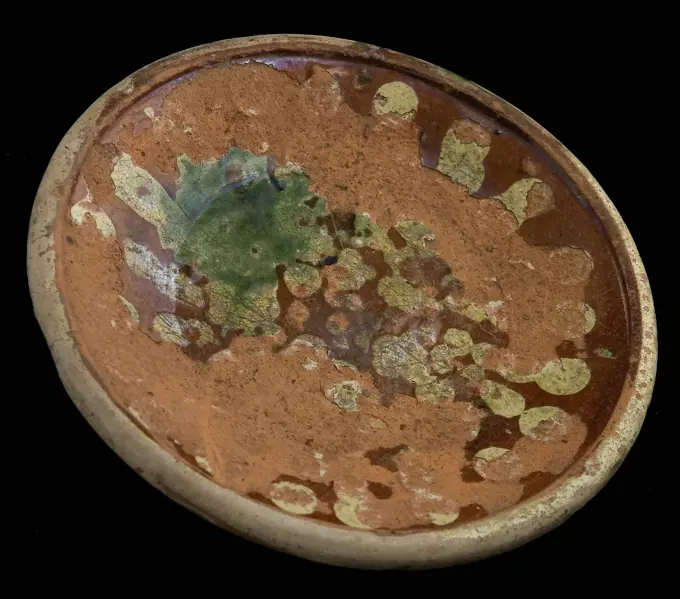
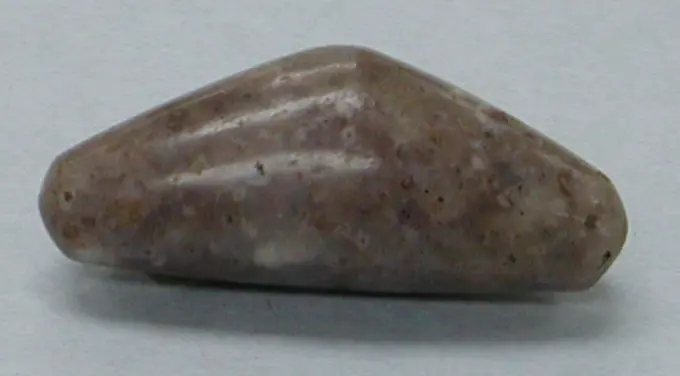
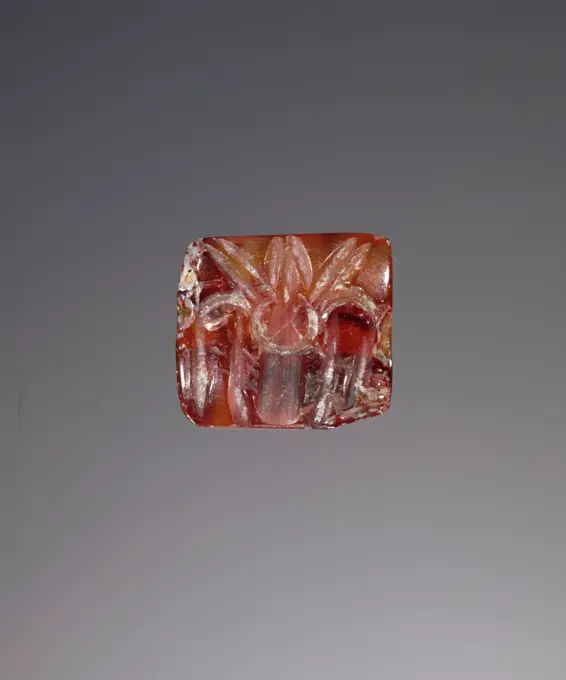
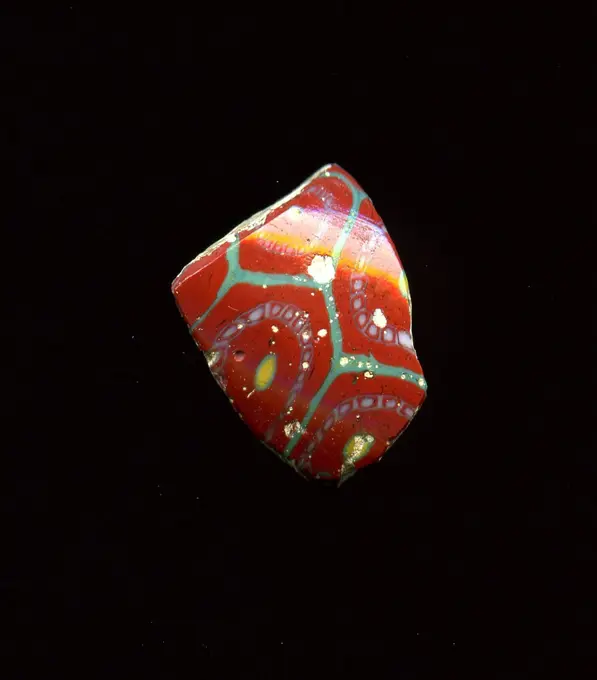
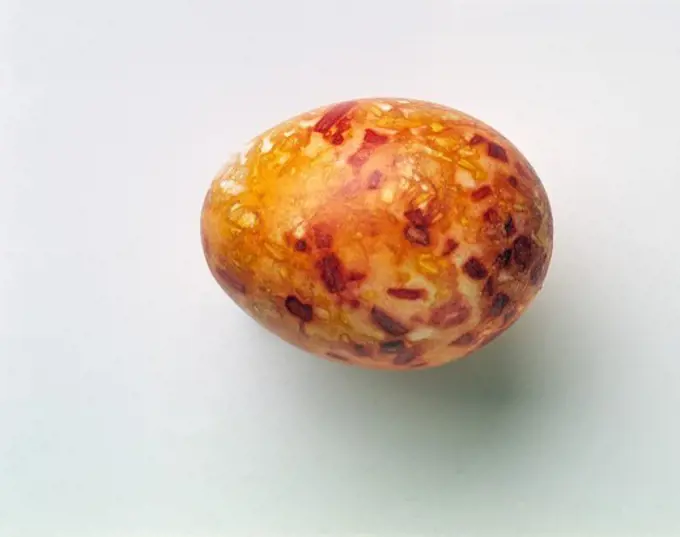
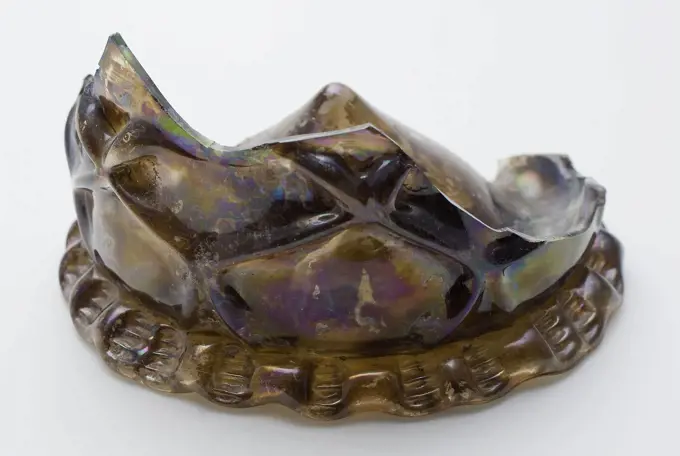
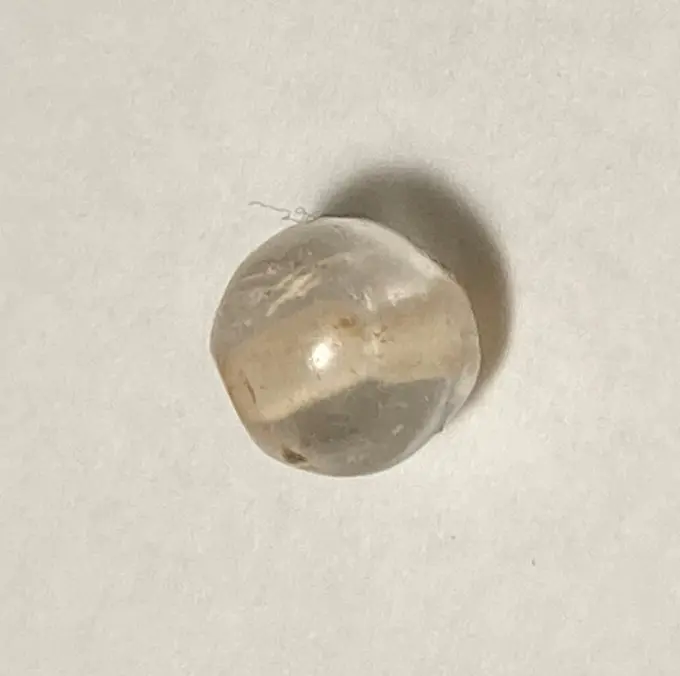
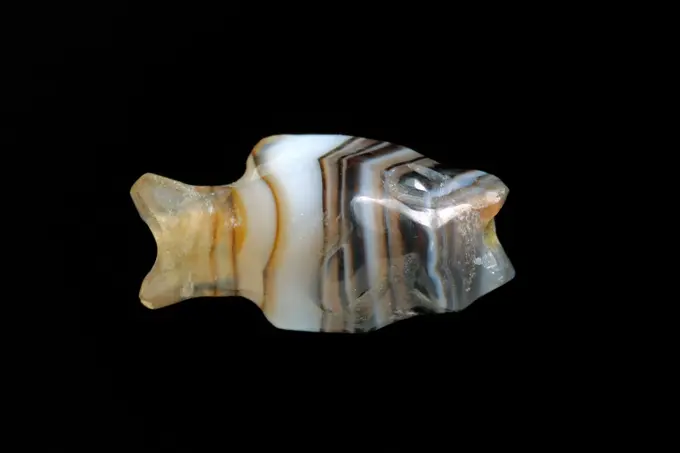
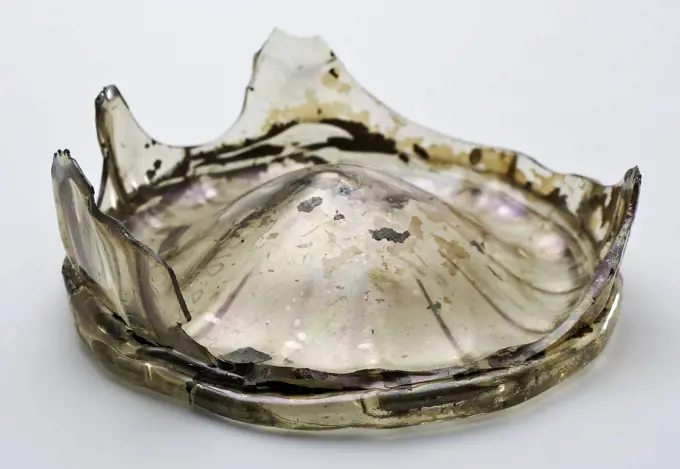
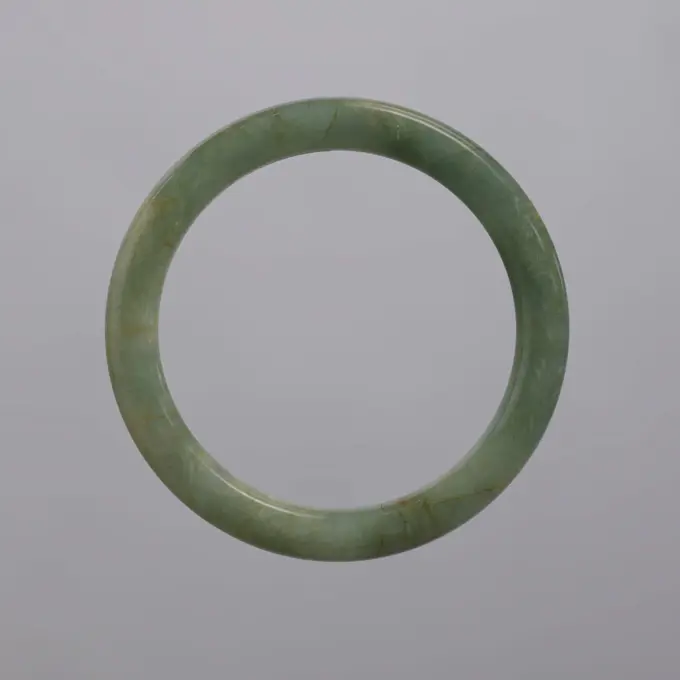
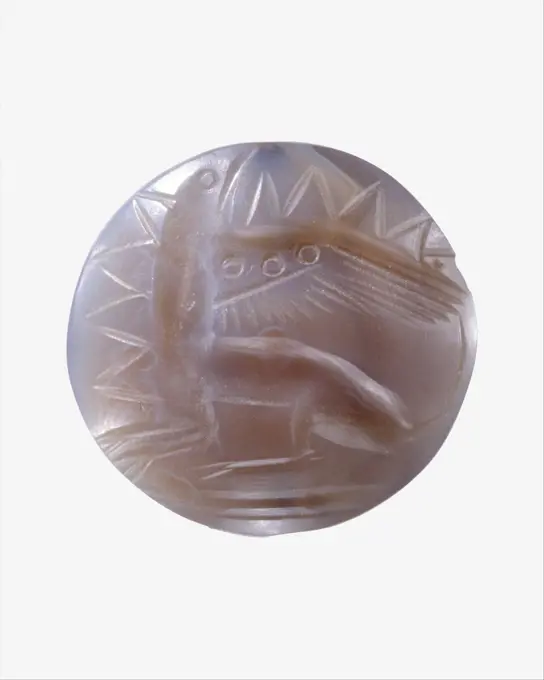
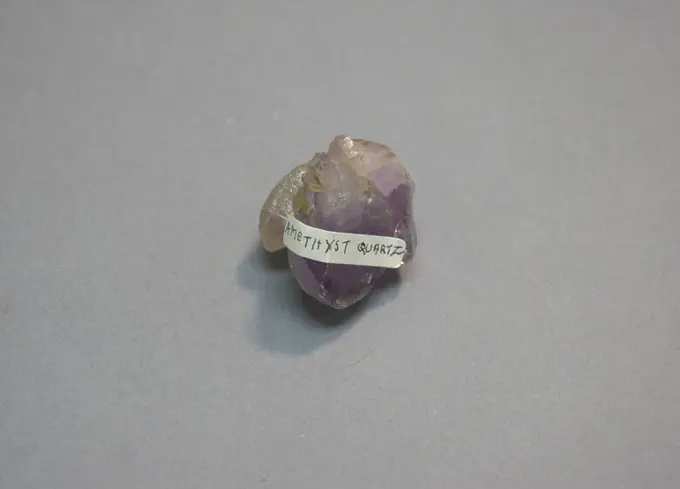
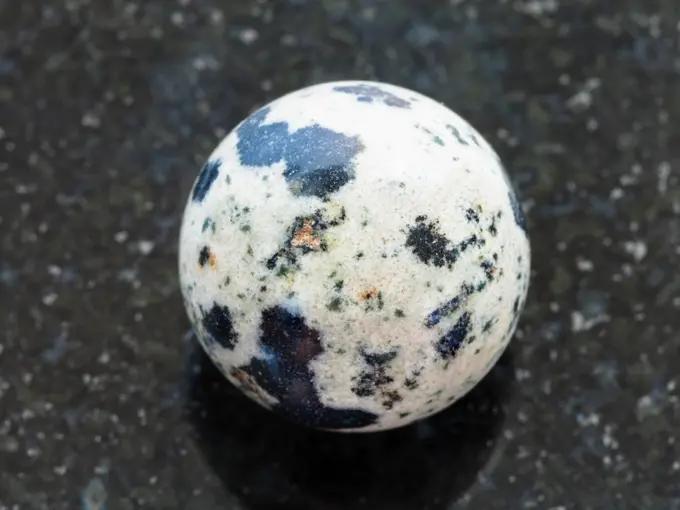
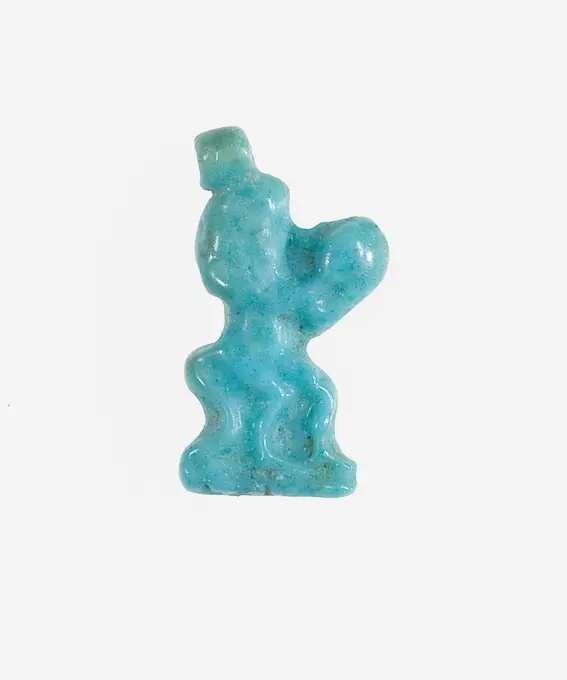
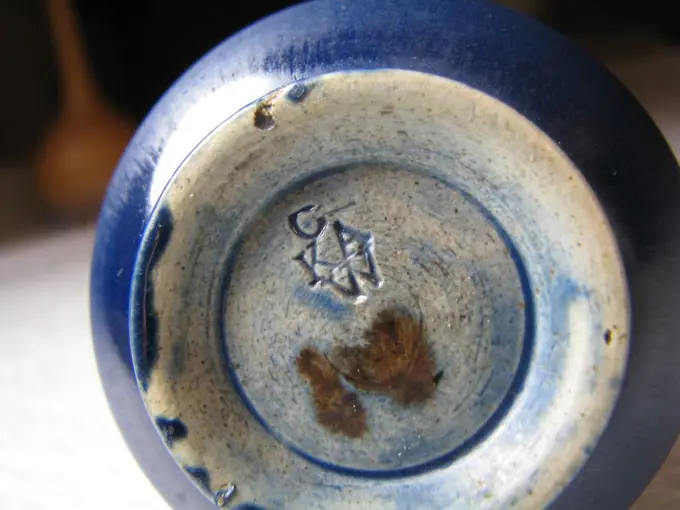
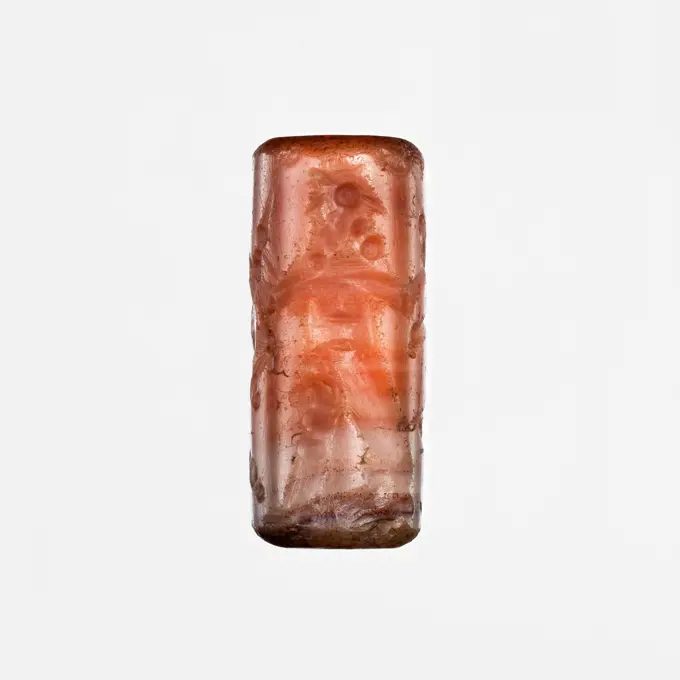
Zapinka do pasa. unknown, craftsmanSealDaisy Pendant ca. 1390-1353 B.C. New Kingdom. Daisy Pendant. ca. 1390-1353 B.C.. Faience. New Kingdom. From Egypt, Upper Egypt, Thebes, Malqata, Palace of Amenhotep III, MMA excavations, 1910-11. Dynasty 18Foliate and lacy point in cut stone. Neolithic period. North Africa. 4,5 cm.Stamp Seal. Assyria or Mesopotamia, Neo-Assyrian (style), late 8th-7th century B.C.. Tools and Equipment; seals. Bluish chalcedonyA warrior from the trophyTortoiseshell limpet (Acmaea testudinalis) underside view, Rye, New Hampshire, USA, January. meetyourneighbours.net projectBliżej KulturyFragment 14th century. Fragment 445522Floral plaque. Dimensions: H. 3 × W. 3.8 cm (1 3/16 × 1 1/2 in.). Date: 100 BC-100 AD. Museum: Metropolitan Museum of Art, New York, USA.Portrait of the emperorSnuff Bottle 18th-19th century China. Snuff Bottle. China. 18th-19th century. Agate, mottled. Qing dynasty (1644-1911). Snuff BottlesScarab. UnknownGlass Fragment 12th-14th century French. Glass Fragment. French. 12th-14th century. Pot-metal glass, vitreous paint. Glass-StainedRing Inscribed with the Throne Name of Amenhotep III ca. 1390-1353 B.C. New Kingdom The hieroglyphs inscribed on the ring bezel identify the king by his throne name Nebmaatre and state that he was chosen by the god Re.. Ring Inscribed with the Throne Name of Amenhotep III. ca. 1390-1353 B.C.. Faience. New Kingdom. From Egypt, Upper Egypt, Thebes, Malqata, Palace of Amenhotep III, MMA excavations, 1910-11. Dynasty 18Gem, crystal and orange stone in studio with isolated white background for natural resource, shine and sparkle for luxury. Rock, jewel and reflection in closeup for citrine, glow and mineralZapinka do pasa. unknown, craftsmanStamp seal (octagonal pyramid) with animal contest 6th - 4th century B.C. Achaemenid. Stamp seal (octagonal pyramid) with animal contest 327692Cocoa Beanblue goldstone artificial Aventurine gemstone mineral gem stone - specimen of blue goldstone purple goldstone from glittering glass artificial, synthetic Aventurine gemstone isolated on white background close up Copyright: xZoonar.com/ValeryxVoennyyx 8555192cabochon of charoite gemstone isolated on white macro shooting of natural mineral stone - cabochon of charoite gemstone isolated on white background Copyright: xZoonar.com/ValeryxVoennyyx 9191589polished Stromatolite rock isolated on white closeup of sample of natural mineral from geological collection - polished Stromatolite rock isolated on white background Copyright: xZoonar.com/ValeryxVoennyyx 14986582Schneeflockenobsidian Schneeflockenobsidian Copyright: xZoonar.com/lantapixx 1040975tumbled Petalite castorite gemstone isolated closeup of sample of natural mineral from geological collection - tumbled pink Petalite castorite gemstone isolated on white background Copyright: xZoonar.com/ValeryxVoennyyx 14989690Figure of a woman with hieroglyphsBead 8th-10th century This object was excavated at Nishapur.Nishapur was a vital city in the early and middle Islamic periods, located along one of the main trajectories that connected Iran and West Asia Islamic lands with Central Asia and China. These itineraries are often referred to by the term Silk routes’ but were in fact crucial to the movement of constellations of materials and objects, as well as people and ideas. The diverse population of Nishapur and its surroundings, from the better-researched elite groups of merchants, land-owning aristocracy, and literates, to the less-known artisans, farmers, miners, and servants, were instrumental in adapting global cultural trends to create their own distinctive visual languages. This is seen in the material remains of everyday life in medieval Nishapur - from pots and pans to lighting devices, inkwells, textiles and trimmings, jewelry, games and toys, talismanic devices, weapons, coins, and architectural fragments.Nishapur lost its poScarab ca. 1479-1458 B.C. New Kingdom. Scarab. ca. 1479-1458 B.C.. Faience. New Kingdom. From Egypt, Upper Egypt, Thebes, Deir el-Bahri, Hatshepsut Hole, Hathor Shrine, MMA excavations, 1922-23. Dynasty 18Bead in the Shape of a Frog, c. 6th-8th century, 3/16 x 9/16 x 7/16 in. (0.5 x 1.4 x 1.1 cm), Stone, Myanmar (Burma), 5th-9th centuryScarab with geometric pattern. Dimensions: l. 0.9 cm (3/8 in). Dynasty: Dynasty 12-18. Date: ca. 1981-1550 B.C.. Museum: Metropolitan Museum of Art, New York, USA.Bead in the Shape of a Frog, c. 6th-8th century, 3/8 x 11/16 x 7/16 in. (1 x 1.7 x 1.1 cm), Stone, Myanmar (Burma), 5th-9th centurypolished stone Apache tears - obsidian macro shooting of geological collection mineral - polished stone Apache tears transparent volcanic glass obsidian isolated on white background Copyright: xZoonar.com/ValeryxVoennyyx 10453990Signet Matrix. - Seal Matrix. Possibly made in Birmingham. Presented by Francis Buckley, 1934.. A 'signet' or 'seal matrix' is a small stamp used for impressing the mark of its owner in wax onto documents.This is one of a collection of twenty-seven acquired by the museum in 1934. The majority of examples are made of moulded translucent glass. This particular one seems to be a blue paste. The inscription suggests it may have been intended as a love token, as it reads: 'JE VIS EN ESPOIR' ('I live in hope') .tumbled turquoise gemstone on white marble macro shooting of natural mineral rock specimen - tumbled turquoise gemstone on white marble background Copyright: xZoonar.com/ValeryxVoennyyx 11947554set of Nephrite gemstones isolated on white set of Nephrite gemstones isolated on white background Copyright: xZoonar.com/ValeryxVoennyyx 15151347bead from Howlite gemstone on dark background macro shooting of natural mineral rock specimen - bead from Howlite gemstone on dark granite background Copyright: xZoonar.com/ValeryxVoennyyx 11380659Shoulder Fragment of a Vase with Festoon Pattern. Dimensions: H. 5 cm (1 15/16 in), w. 6 cm (2 3/8 in). Dynasty: Dynasty 18. Reign: reign of Amenhotep III. Date: ca. 1390-1353 B.C.. Museum: Metropolitan Museum of Art, New York, USA.Vase fragment ca. 4000-3000 B.C. Neolithic, Gonia. Vase fragment 253270 Neolithic, Gonia, Vase fragment, ca. 40003000 B.C., Terracotta, length 1 7/16in. (3.6cm). The Metropolitan Museum of Art, New York. Anonymous Gift, 1930 (30.119.65)Dairy product, makhan maska butter in half open container on white background India Copyright: xNirmalaxMishra/DinodiaxPhotoxtumbled flint stone on dark background macro shooting of natural mineral rock specimen - tumbled flint stone on dark granite background Copyright: xZoonar.com/ValeryxVoennyyx 11380467Vase fragment ca. 3000-2200 B.C.. Vase fragment 251315 Vase fragment, ca. 30002200 B.C., Terracotta, 1 9/16 x 1 1/16in. (4 x 2.7cm). The Metropolitan Museum of Art, New York. Gift of Gisela M. A. Richter, 1923 (23.121.15)Two sides of the Moon.polished Sunstone heliolite gemstone isolated closeup of sample of natural mineral from geological collection - polished Sunstone heliolite gemstone isolated on white background Copyright: xZoonar.com/ValeryxVoennyyx 14986352Bead 8th-13th century This object was excavated at Nishapur.Nishapur was a vital city in the early and middle Islamic periods, located along one of the main trajectories that connected Iran and West Asia Islamic lands with Central Asia and China. These itineraries are often referred to by the term Silk routes’ but were in fact crucial to the movement of constellations of materials and objects, as well as people and ideas. The diverse population of Nishapur and its surroundings, from the better-researched elite groups of merchants, land-owning aristocracy, and literates, to the less-known artisans, farmers, miners, and servants, were instrumental in adapting global cultural trends to create their own distinctive visual languages. This is seen in the material remains of everyday life in medieval Nishapur - from pots and pans to lighting devices, inkwells, textiles and trimmings, jewelry, games and toys, talismanic devices, weapons, coins, and architectural fragments.Nishapur lost its popolished Amethyst gem on dark background macro shooting of natural mineral rock specimen - polished Amethyst gem on dark granite background Copyright: xZoonar.com/ValeryxVoennyyx 11380620Snuff bottle with eight Buddhist treasures early 19th century China In the mid-eighteenth century, Chinese potters developed sophisticated skills in imitating other materials in ceramic. This snuff bottle is an example that successfully mimics carved red lacquer in porcelain.. Snuff bottle with eight Buddhist treasures 41077Bead in the Form of a Mandrake Fruit ca. 1390-1353 B.C. New Kingdom This faience bead represents a mandrake fruit, its bright yellow flesh capped by dark blue sepals. In ancient Egypt, this fruit was considered erotic, although parts of the plant seem to have been used for medicinal purposes.Collars composed of multiple rows of floral elements were popular during late Dynasty 18 and this decorative element probably came from such a necklace.. Bead in the Form of a Mandrake Fruit. ca. 1390-1353 B.C.. Faience. New Kingdom. From Egypt, Upper Egypt, Thebes, Malqata, Palace of Amenhotep III, MMA excavations, 1910-11. Dynasty 18Opalcloseup of sample of natural mineral from geological collection - polished Jaspillite rock isolated on white background. polished Jaspillite rock isolated on whiteCoronation of the Virgin late 16th-early 17th century Italian, probably Milan The irregular cloud of smoky brown that floats across the cream layer of this stone eventually helps the viewer to distinguish the Virgins robe and her hands raised in intercessory prayer.. Coronation of the Virgin 198334SealPrinting Block (USA); wood, copper, brass; 1941-87-1-mGems Gems Copyright: xZoonar.com/GalynaxAndrushkox 4666274tumbled Greywacke sandstone on white marble macro shooting of natural mineral rock specimen - tumbled Greywacke sandstone on white marble background Copyright: xZoonar.com/ValeryxVoennyyx 11947586Colorful fantasy space handmade planet isolated on whiteKiwano or horned melon isolated on white background with copy space for your text. Cucumber theme.. Kiwano or horned melon isolated on white background with copy space for your text.polished rhodonite mineral isolated on white close up of sample of natural stone from geological collection - polished rhodonite mineral isolated on white background from Urals Copyright: xZoonar.com/ValeryxVoennyyx 21467445Carnelian ring stone. Culture: Roman. Dimensions: Length: 1/2 in. (1.3 cm). Date: 1st century B.C.-3rd century A.D..Bust of Hermes wearing chlamys. Museum: Metropolitan Museum of Art, New York, USA.Ring with Hexagonal Bezel 8th-12th century Indonesia (Central Java). Ring with Hexagonal Bezel 64311VictoriaEarthenware plate with white sludge-dot decoration and partly green glaze, plate dish crockery holder soil find ceramic earthenware glaze lead glaze clay, hand-turned glazed fried loin layer Layer plate on stand. Red shard glazed on the top Round saucer slightly thickened. Decorated in sludge technique decoration consists of white dots on the flag and mirror partly provided with green glaze archeology Rotterdam City Triangle Cool indigenous pottery food decorate serving table Coolsingel Soil discovery Coolsingel.Stone Pulidor before 16th century Mexican. Stone Pulidor 316346Empty wooden plate on gray cement table background, banner with copy space, Blank wood tray for food display montage, template, mock up, top view, flat layLEMON MAGNESITE STONE OR CITRON CHRYSOPRASE AGAINST BLACK BACKGROUNDCylindrical or cushion-shaped engraved seal. UnknownFragment of a vessel. A low curvature of the glass fragment allows the assignment to a vessel, possibly a shell. The red shear coat turquoise lines. In each honeycomb, a floral ornament in Millefiori technology can be seen. Each blossom consists of a yellow core with turquoise contour, which attracts with a slight distance with a double white circle line, whose space is filled with white dots, which are separated by white strokes. For the production, different colored glasses into tubes and rods were formed. These were compressed and heated, causing a long bar. The glass sliced now had different amorphous or floral patterns. Thereafter, several of these platelets were folded together, heated again and pressed into the vascular shape. Burry for the elaborate manufacturing process and its fragility was one of the luxury articles of antiquity.A painted eggPortrait of the emperorGlass monochrome dish fragment 1st half of 1st century A.D. Roman Fragment of dish.Opaque red.Flat interior, slanting downward towards center; exterior side slightly curving upward outside solid foot ring, which slants outward.Polished interior; one area of green weathering on interior; green weathering on exterior and broken edges.. Glass monochrome dish fragment. Roman. 1st half of 1st century A.D.. Glass; cast. Early Imperial, Julio-Claudian. GlassBuckle, 1900s. China, 20th century. Agate; overall: 4.7 cm (1 7/8 in.).Shards of pots from the wreck of the East Indians Hollandia, Anonymous, 1700 - in Or Before 1743 pot Stoneware, Rhenish, Westerwald, pot: fragm of handle; fragm of body sim. NG 1980-27H2624r. Westerwald stoneware   SecondFragment of foot, bottom and part of wall of network beaker, goblet drinking glass drinking utensils tableware holder soil find glass, hand-blown in mold blown glass application Fragment of part of foot part of bottom and part of wall of network beaker in clear colorless glass Around widely applied convex foot edge on regular distances are squeezed which creates wavy effect. pontil mark under high rise (4.0 cm) bottom Vertical vertical edge imposed vertical wires that are squeezed at regular intervals to form diamond-shaped network pattern archeology Rotterdam railroad tunnel medicine drug Soil discovery: rail tunnel Rotterdam.Bead 8th-13th century This object was excavated at Nishapur.Nishapur was a vital city in the early and middle Islamic periods, located along one of the main trajectories that connected Iran and West Asia Islamic lands with Central Asia and China. These itineraries are often referred to by the term Silk routes’ but were in fact crucial to the movement of constellations of materials and objects, as well as people and ideas. The diverse population of Nishapur and its surroundings, from the better-researched elite groups of merchants, land-owning aristocracy, and literates, to the less-known artisans, farmers, miners, and servants, were instrumental in adapting global cultural trends to create their own distinctive visual languages. This is seen in the material remains of everyday life in medieval Nishapur - from pots and pans to lighting devices, inkwells, textiles and trimmings, jewelry, games and toys, talismanic devices, weapons, coins, and architectural fragments.Nishapur lost its poGambling Dice, before 1917. California, Tulare, Unassigned. Hollow shell, resin, glass beads, mica/seashell fragment; overall: 1.5 x 2 cm (9/16 x 13/16 in.).True date palm, palm family, against white backgroundscrew on white backgroundBead in the Shape of a Fish, c. 6th-8th century, 5/16 x 5/8 x 5/16 in. (0.8 x 1.6 x 0.8 cm), Stone, Myanmar (Burma), 5th-9th centuryFragment of bottom, base and part wall of cup (with diamond pattern) In clear colorless glass, mug drinking glass drinking utensils tableware holder soil find glass, hand-blown mold blown Fragment of bottom foot edge and part wall of cup in clear colorless glass. Pattern blown into the mold and then blown out freely. Pattern lines continue under the bottom of the Pontil mark under the raised bottom. On foot continuous imposed glass thread as stand ring foot edge. Unclear pattern to be recognized on the wall: diamond pattern archeology Rotterdam rail tunnel drink Soil discovery: rail tunnel Rotterdam.Bracelet;  19th century (1801-00-00-1900-00-00);ball from green and blue chrysocolla gemstone macro shooting of natural mineral stone - ball from green and blue chrysocolla gemstone isolated on white background Copyright: xZoonar.com/ValeryxVoennyyx 9078477Agate Lentoid ca. 1450-1400 B.C. Minoan Griffin. Agate Lentoid. Minoan. ca. 1450-1400 B.C.. Agate. Late Minoan II. GemsSample of Amethyst Quartz. Culture: China. Dimensions: H. 1 1/8 in. (2.9 cm); W. 1 1/8 in. (2.9 cm); L. 1 3/8 in. (3.5 cm). Date: 20th century. Museum: Metropolitan Museum of Art, New York, USA.bead from Dalmatian Jasper gemstone on dark macro shooting of natural mineral rock specimen - bead from Dalmatian Jasper gemstone on dark granite background Copyright: xZoonar.com/ValeryxVoennyyx 11380626polished tiger-eye gem stone on dark background macro shooting of natural mineral rock specimen - polished tiger-eye gem stone on dark granite background Copyright: xZoonar.com/ValeryxVoennyyx 11380747Bliżej KulturyFIGURA GEOMETRICA ESFERA.Button or Bead 9th-10th century The dot-in-circle motif recalls designs presumed to be of magical significance, most likely an abstract eye to ward off the evil-eye, which serves an apotropaic function. Easily reproduced with a tool and visible in many cultures and times, this symbol may have lost its meaning, and become simply a decorative pattern, or may have one that we have not yet discovered.. Button or Bead 449226Amulet of Bes with tambourine ca. 1390-1353 B.C. New Kingdom. Amulet of Bes with tambourine. ca. 1390-1353 B.C.. Faience. New Kingdom. From Egypt, Upper Egypt, Thebes, Malqata, South Village, MMA excavations, 1911-12. Dynasty 18Vase ca. 1882-89 Chelsea Keramic Art Works Steeped in ceramics from birth, Hugh C. Robertson pursued his craft with fierce devotion and a passion for experimentation. From a family of trained English ceramists, he honed his skills in New Jersey before settling in Massachusetts as one of the founders of Chelsea Keramic Art Works and later, Dedham Pottery. Robertsons lifelong explorations in glazes, particularly their color and texture, make him one of the key figures of American art pottery at the turn of the twentieth century.Glazes, an important aspect of the ceramists profession, gradually assumed a dominant role in Hugh Robertsons career and even more so in a series of long-neck vases in the Ellison Collection. He often relied on transparent glazes in a limited range of colors — tertiary olive greens, blue greens, and blues — in a palette popular among Aesthetic and Arts and Crafts movement artists such as James McNeill Whistler and Arthur Wesley Dow. Robertsons orchestration ofBake  cylindrical; unknown newlyasrian workshop; VIII-VII century BC ; New Easyrian period (-800-00-00--601-00-00);Assyria, Czartoryska, Maria Ludwika (1883-1958), Czartoryska, Maria Ludwika (1883-1958)-collection, Działyńska, Izabela (1830-1899), Działyńska, Izabela Elżbieta née Czartoryski (1830-1899)-collection, North Mesopotamia, northern Kozły, New Shamer period (approx. 1000 - approx. 600 BCE), cylindrical seal, message (provenance), rhombuses, fantastic creatures, Assyrian art, winged bull (iconogr.)Glass Fragment 13th-14th century European. Glass Fragment. European. 13th-14th century. Pot metal glass. Glass-StainedPaperweight, 19th century, 1 1/2 x 2 1/4 x 2 1/4in. (3.8 x 5.7 x 5.7cm), Glass, France, 19th centuryPendant: Petals of Cornflower New Kingdom ca. 1390-1352 B.C. View more. Pendant: Petals of Cornflower. ca. 1390-1352 B.C.. Faience. New Kingdom. From Egypt, Upper Egypt, Thebes, Malqata, Palace of Amenhotep III, MMA excavations, 1910-11. Dynasty 18Bliżej Kultury This, AntonioTripod Vase: Ting (cover), 1644-1911. China, Qing dynasty (1644-1911). Jade; overall: 16 cm (6 5/16 in.).Bliżej Kulturyrough pyrite cube on dark background macro shooting of natural mineral rock specimen - rough pyrite cube on dark granite background from Spain Copyright: xZoonar.com/ValeryxVoennyyx 11380546Ring Inscribed Amenhotep Ruler of Thebes ca. 1390-1353 B.C. New Kingdom. Ring Inscribed Amenhotep Ruler of Thebes. ca. 1390-1353 B.C.. Faience. New Kingdom. From Egypt, Upper Egypt, Thebes, Malqata, Palace of Amenhotep III, MMA excavations, 1910-11. Dynasty 18Pfirsiche Pfirsiche ,model released, Symbolfoto ,property released Copyright: xZoonar.com/HelmaxSponax 110364 ,model released, Symbolfoto ,property releasedSet of natural mineral gemstones of a certain typeZebu horn bracelets made in Madagascar