Antique Glass and Ceramics

A collection of fragments and decorative items from ancient cultures, including glass beads and porcelain, showcasing rich histories and craftsmanship.
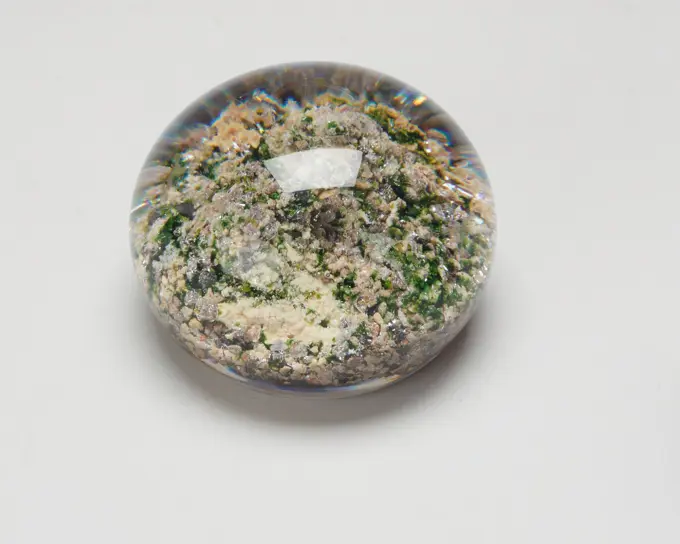
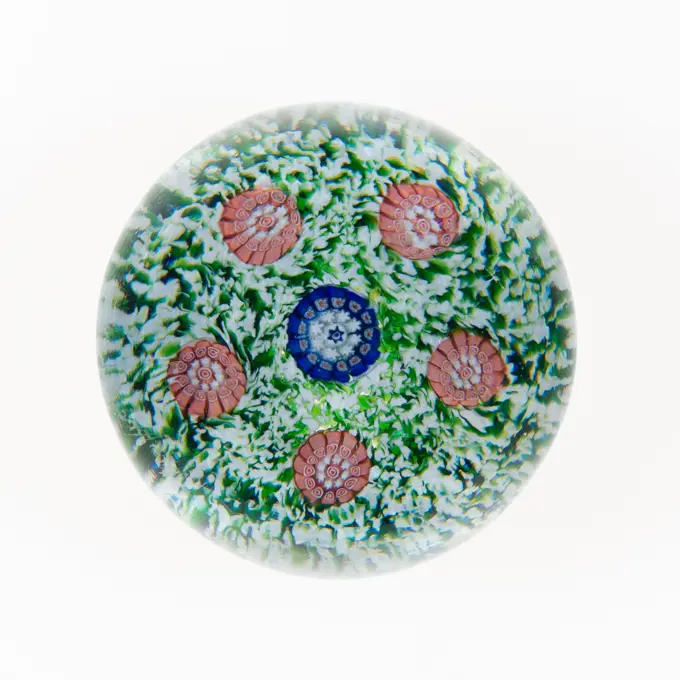
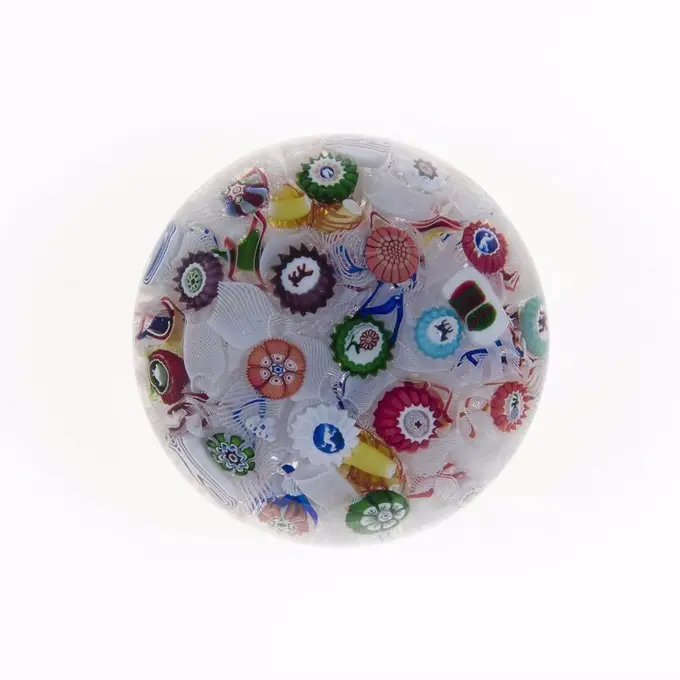
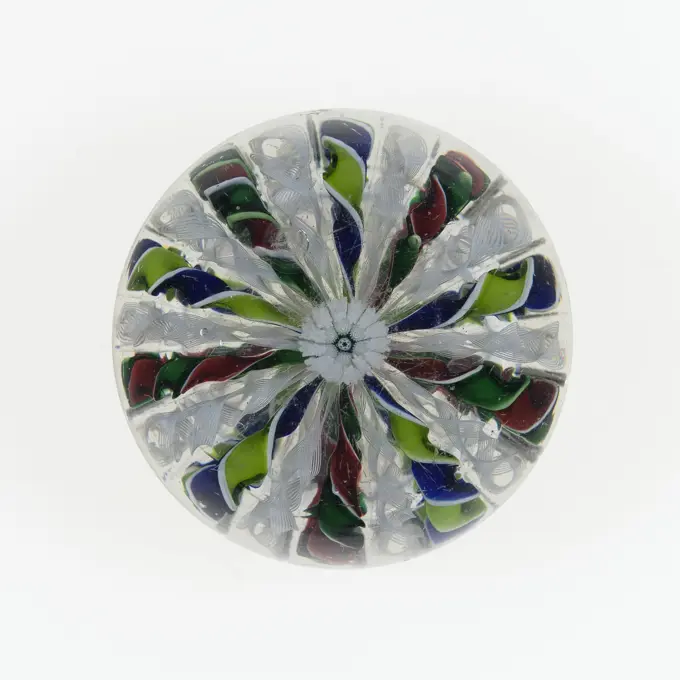
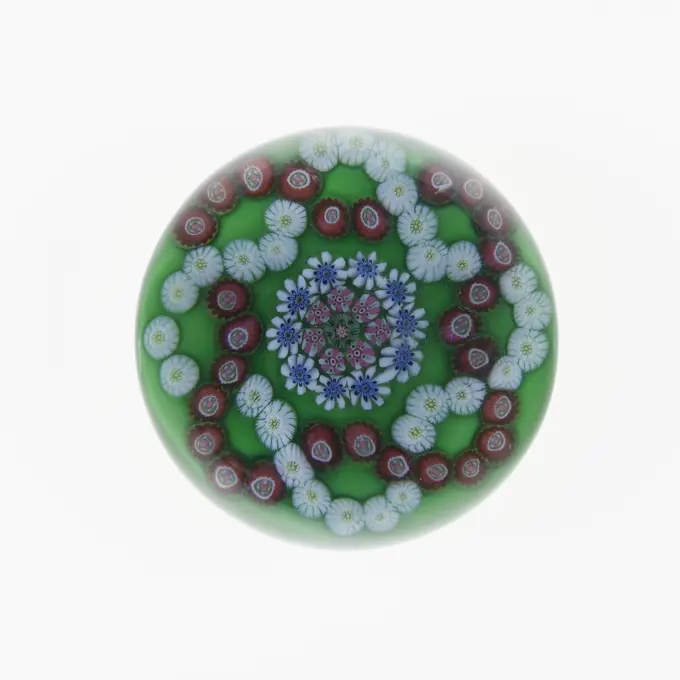
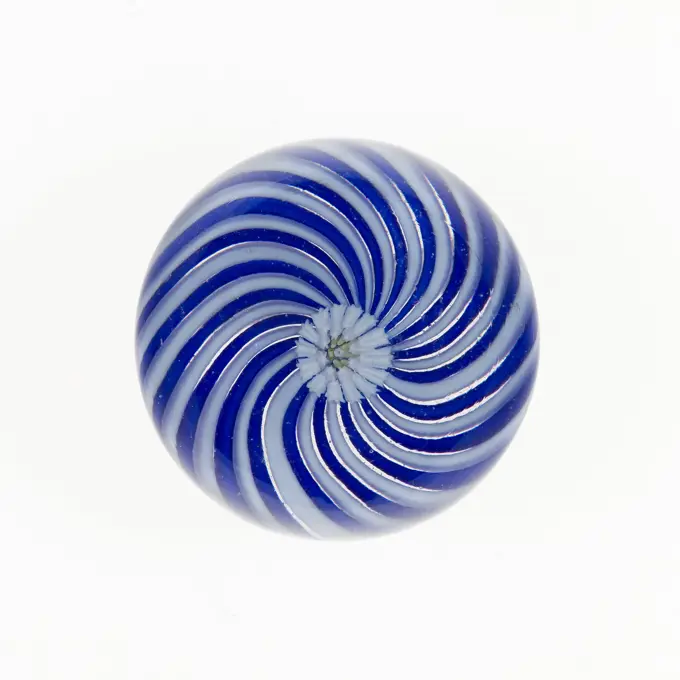
Paperweight, 19th century, Baccarat Glass Works, 2 1/8 x 2 3/4 x 2 3/4 in. (5.4 x 6.99 x 6.99 cm), Glass, France, 19th century
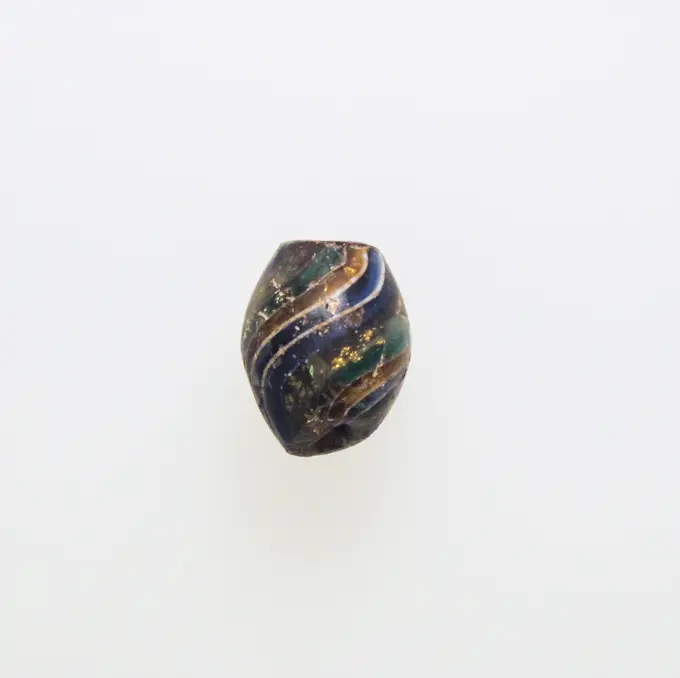
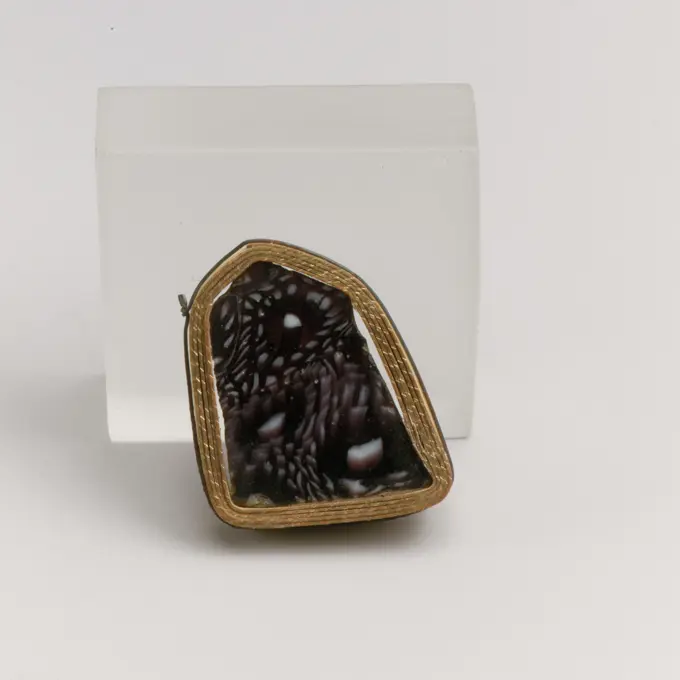
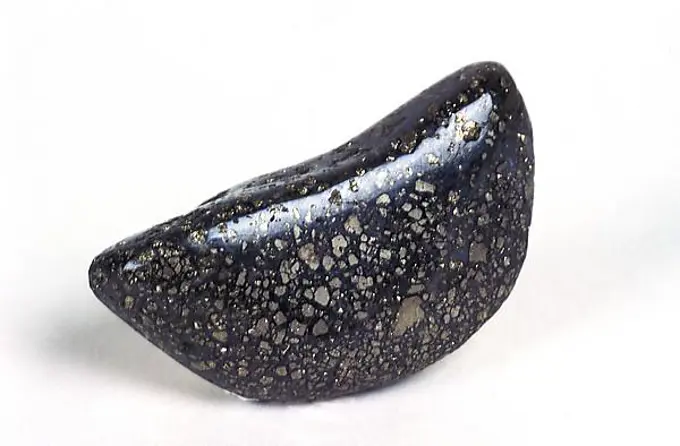
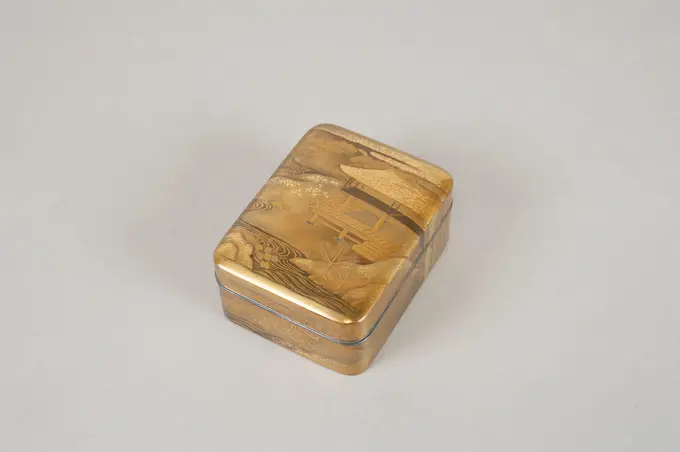
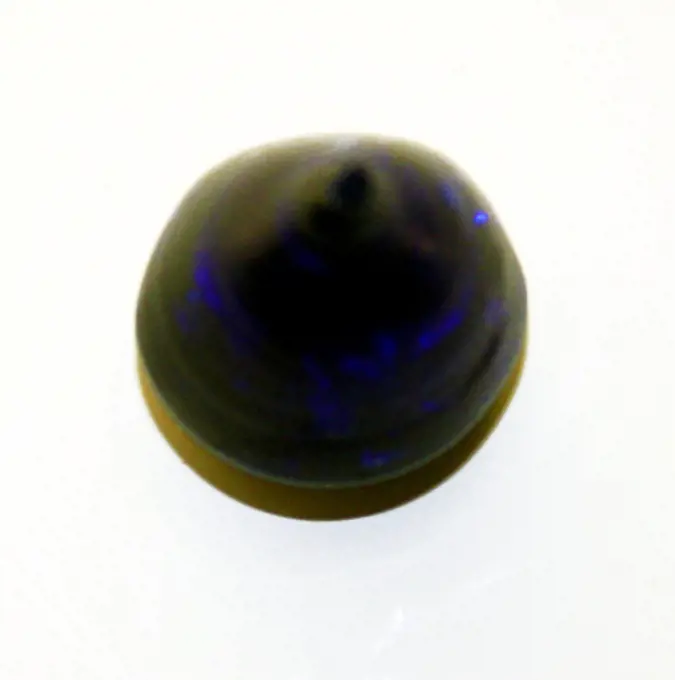
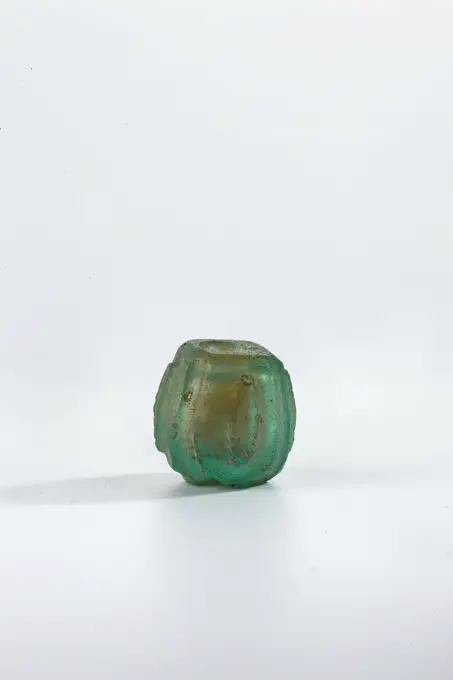
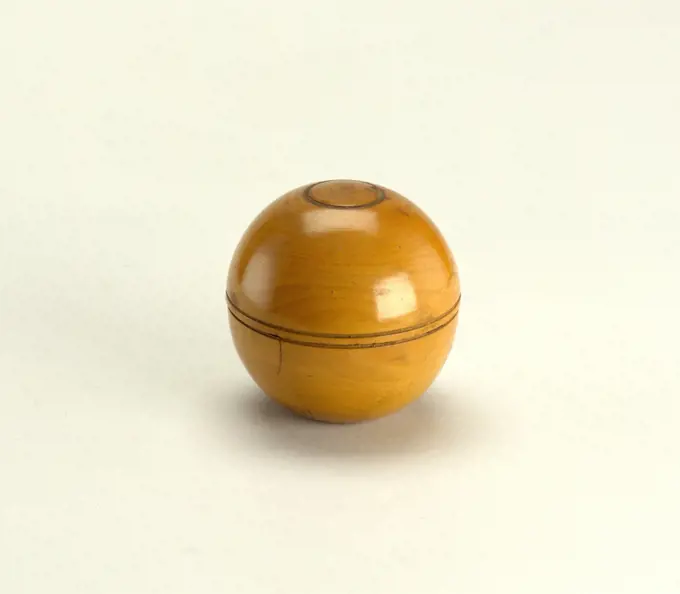
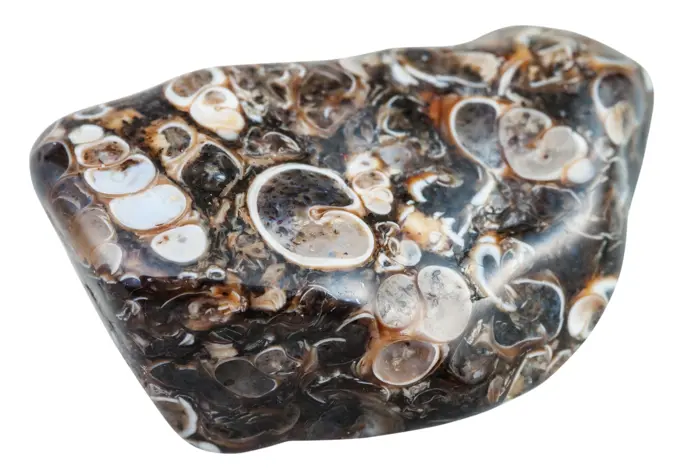
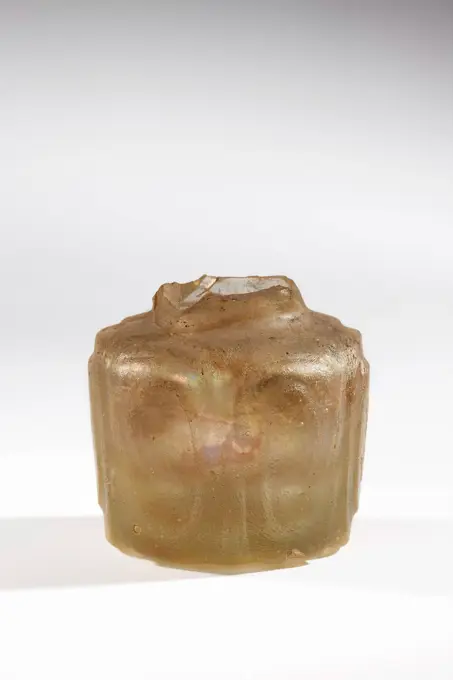
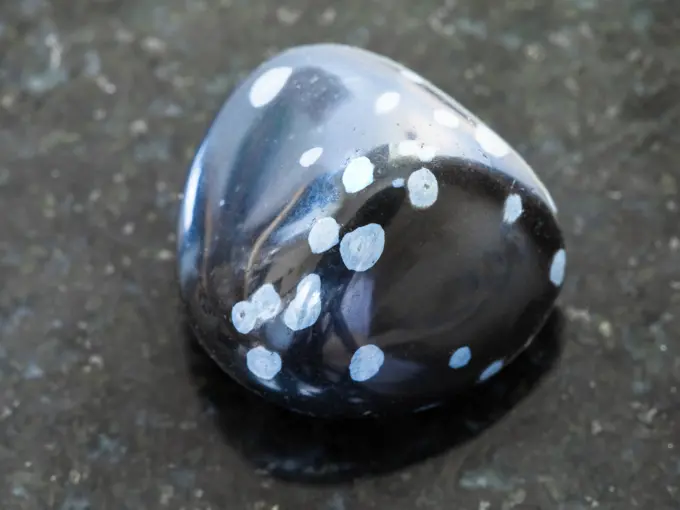
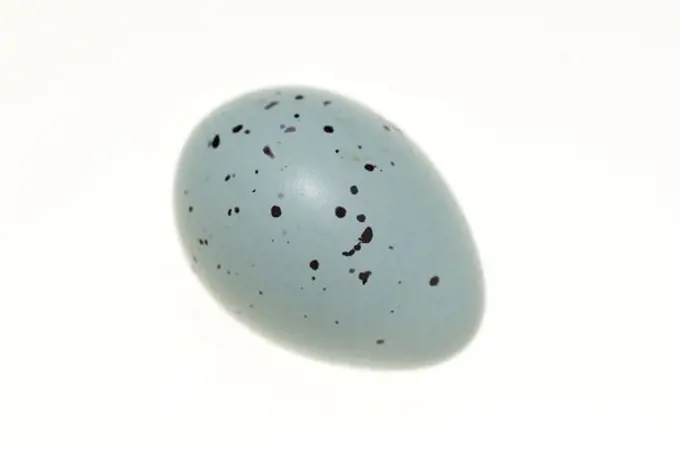
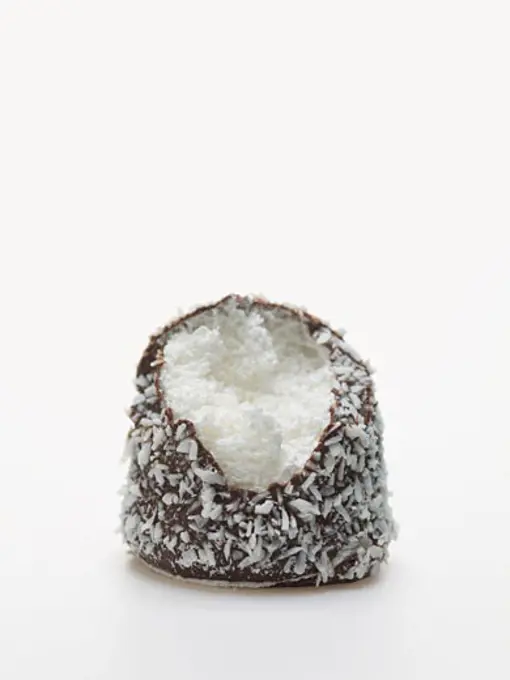
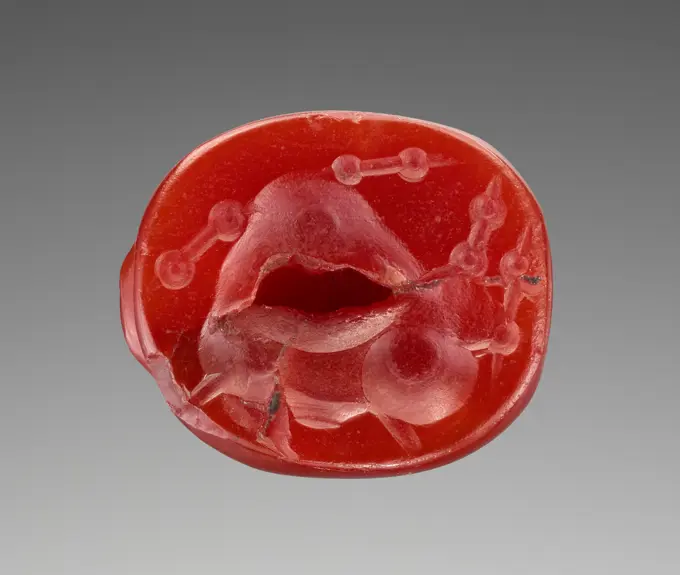
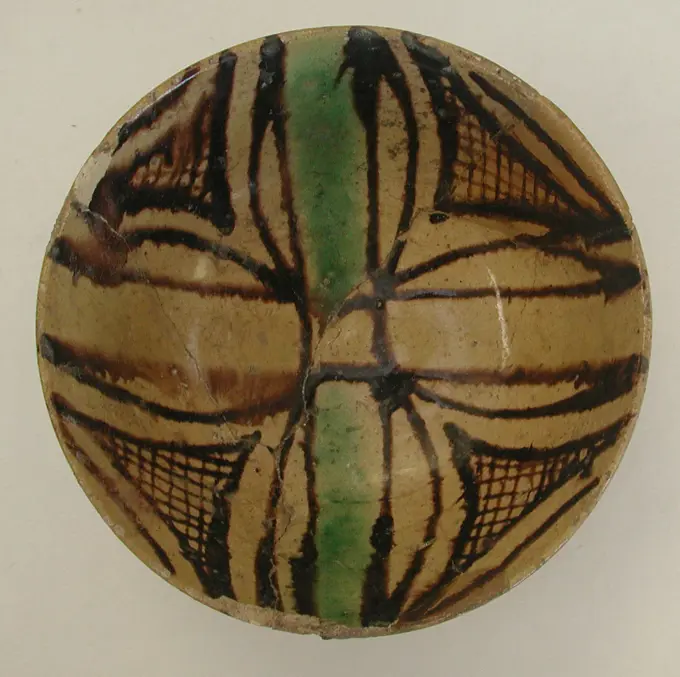
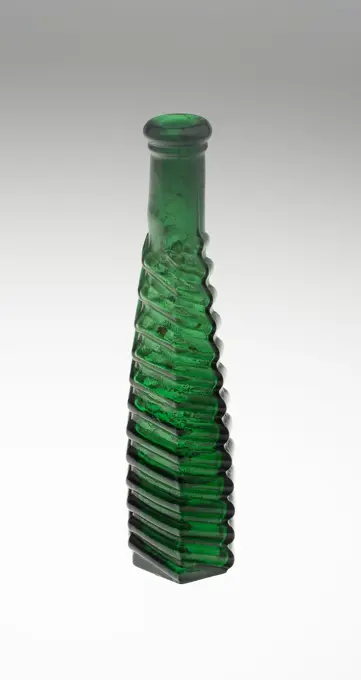
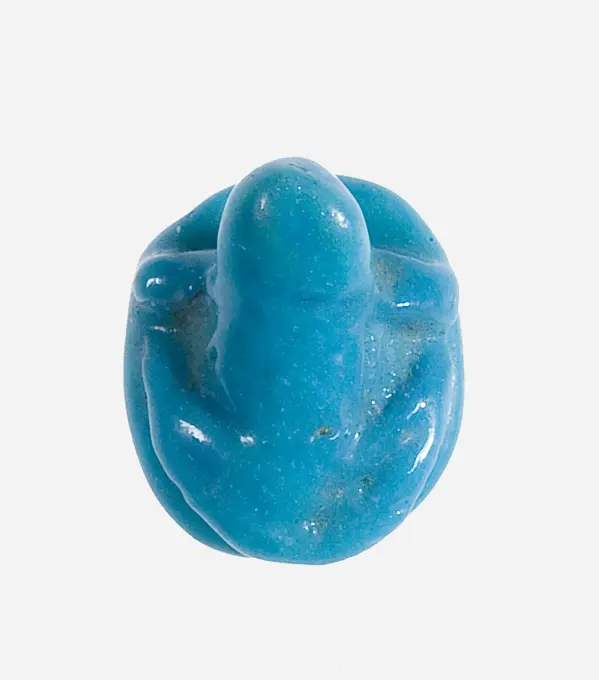
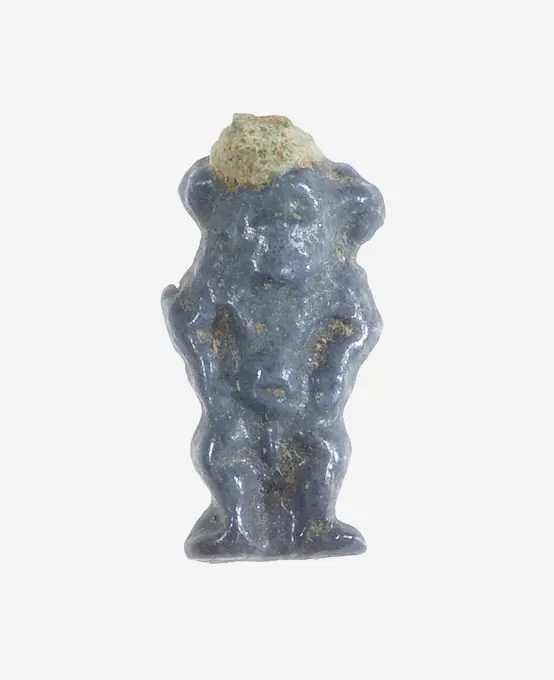
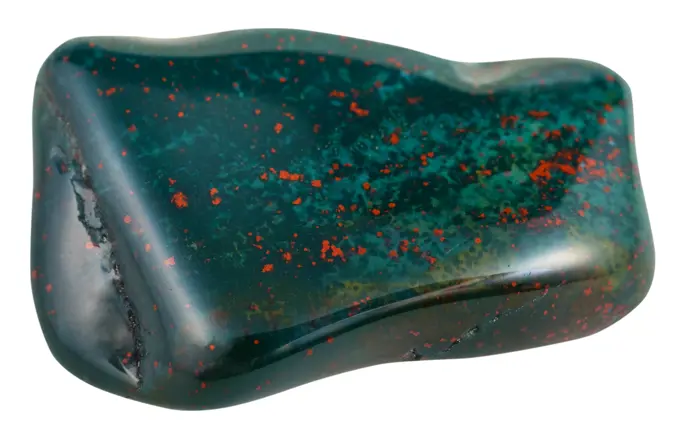
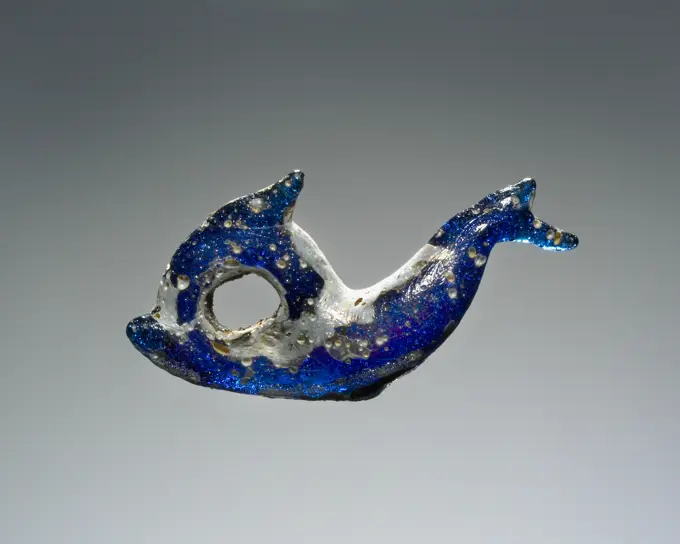
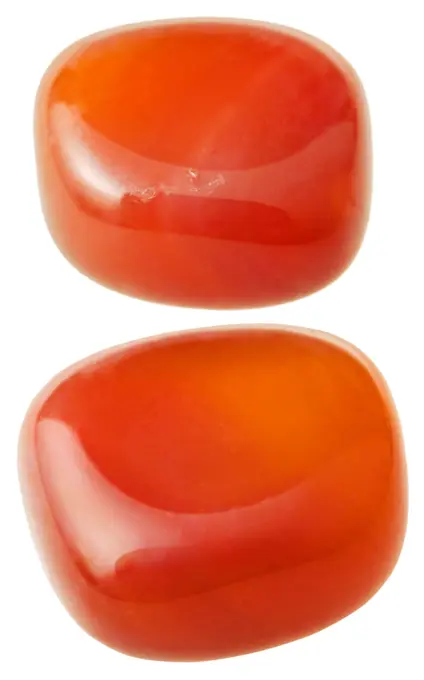
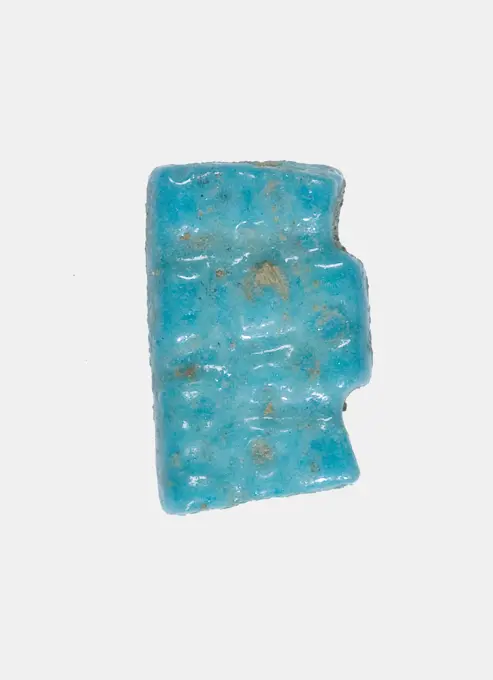
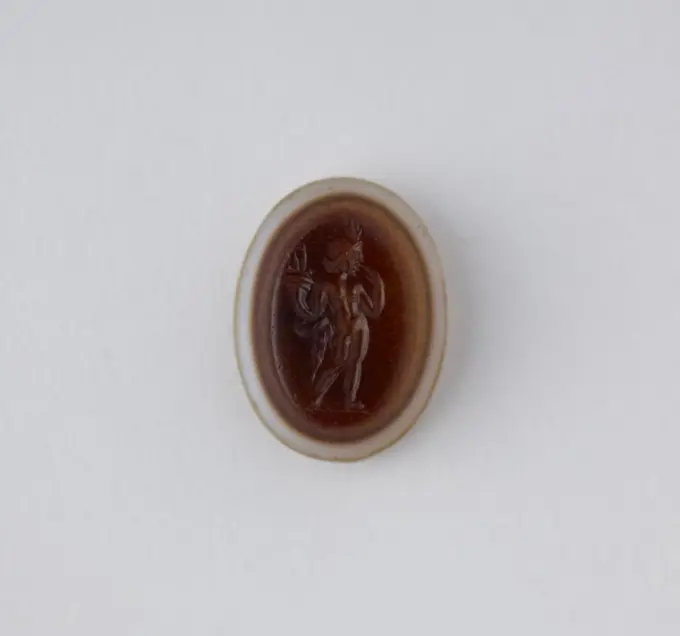
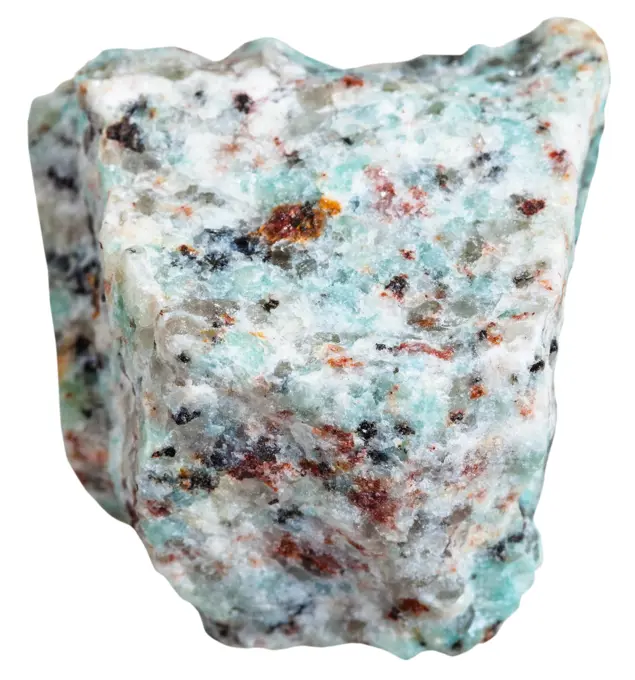
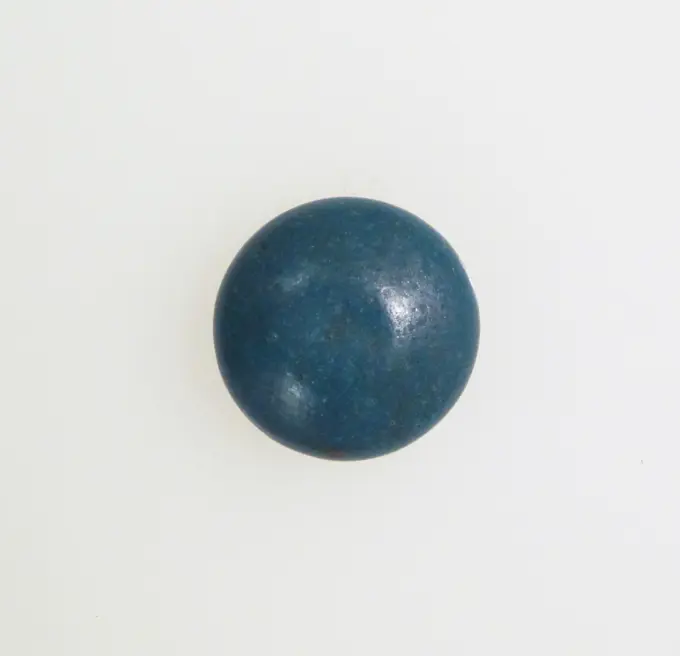
Pinhead 1st century B.C.-5th century A.D. Roman. Pinhead. Roman. 1st century B.C.-5th century A.D.. Glass. Glassspecimen of snowflake obsidian gemstone natural mineral gem stone - specimen of snowflake obsidian gemstone isolated on white background close up Copyright: xZoonar.com/ValeryxVoennyyx 8548349Porcelain Scherf from the wreck of the East Indians Hollandia, Anonymous, 1700 - in Or Before 1743  Porcelain, fragm of body, interior blank, exterior decorated, with join of handle. Netherlands porcelain   SecondA blue glass basket used for decorationGlass gold-band mosaic bead 1st century B.C.-1st century A.D. Roman, Egypt, Alexandria Translucent dark-colored ground, possibly blue () appearing black; mosaic bands in translucent turquoise green, cobalt blue, honey yellow, opaque white, and colorless with gold leaf. Biconical with convex-curving side, pierced vertically; ground layer thick at one end forming a narrow collar; mosaic overlay extending to edge of hole at the other.Mosaic pattern in differently-colored parallel strips: turquoise partially layered with white, colorless enclosing gold-leaf, blue with central white stripe, yellow flanked with white; repeated three times in a spiral. Complete, except for chipping at one end and some surface cracks; slight weathering, iridescence, pitting, and dulling.. Glass gold-band mosaic bead. Roman, Egypt, Alexandria. 1st century B.C.-1st century A.D.. Glass. Early Imperial. GlassGlass mosaic bowl fragment late 1st century B.C.-early 1st century A.D. Roman Rim fragment.Translucent deep purple and opaque white.Vertical, squared-off rim; shallow convex curving side, tapering downward.Mosaic pattern formed from polygonal sections of a single cane in a purple ground with two concentric circles of white dots and a central white rod; on interior, projecting band below rim, slanting out and downward, cut back below horizontally.Polished exterior; pitting of surface bubbles on exterior; dulling, pitting, and creamy weathering on interior, rim, and edges.. Glass mosaic bowl fragment 257314Agate pyrite stone against white backgroundPaperweight, 19th century, Baccarat Glass Works, 2 1/8 x 2 3/4 x 2 3/4 in. (5.4 x 6.99 x 6.99 cm), Glass, France, 19th centuryIncense Container 19th century Japan Designs of pine trees and an open veranda with two "bearded baskets" evoke an episode from Chapter 23 of the Tale of Genji, "The First Warbler" (Hatsune), in which Genji pays a New Year's Day visit to his daughter by Lady Akashi.. Incense Container 53830Glass mosaic fragment late 1st century B.C.-early 1st century A.D. Roman Body fragment.Translucent purple, deep turquoise blue partially layered with opaque yellow and appearing green, opaque white and yellow.Shallow convex curving side.Short-strip mosaic pattern formed from lengths of canes set at angles to each other, comprising stripes and squares in blue, green, white and purples, with yellow splashes.Polished exterior; pitting of surface bubbles on exterior; dulling, deep pitting of surface bubbles, and patches of creamy weathering on interior and edges.Edges appear to have been ground down and rounded, making the fragment into a ttriangularshape, perhaps in antiquity.. Glass mosaic fragment 257196Glass mosaic dish fragment 2nd-mid-1st century B.C. Greek, Eastern Mediterranean Rim fragment. Translucent cobalt blue and opaque white.Outsplayed rim and broad concave curving neck.Composite mosaic pattern formed from polygonal sections of a single cane in a blue ground with a white spiral; a blue network cane wound with a white thread is attached as a rim.Polished interior; pitting of surface bubbles on interior; dulling, pitting, and creamy iridescent weathering on exterior and jagged edges.. Glass mosaic dish fragment. Greek, Eastern Mediterranean. 2nd-mid-1st century B.C.. Glass; cast. Late Hellenistic. GlassRing Bead Third Intermediate Period-Late Period ca. 1070-343 B.C. View more. Ring Bead. ca. 1070-343 B.C.. Faience. Third Intermediate Period-Late Period. From Egypt, Upper Egypt, Thebes, Deir el-Bahri, Middle Terrace, Late Dynastic intrusive burials, MMA excavations. Dynasty 21-30Archer's thumb ring 18th century China. Archer's thumb ring 44142Synthetic corundum cut as gems.Small bottle. unknown, craftsmancontainer, turned wood, pear, early 19th century, Decorative Arts, containerPaperweight, 19th century, Clichy Glass Works, 1 7/8 x 2 3/4 x 2 3/4 in. (4.76 x 6.99 x 6.99 cm), Glass, France, 19th centurypolished turritella agate jasper gemstone macro shooting of natural mineral stone - polished turritella agate jasper from Madagascar gemstone isolated on white background Copyright: xZoonar.com/ValeryxVoennyyx 9078416Paperweight 1801-1900 Clichy. This paperweight uses a traditional glass-making technique called millefiori to great effect. Italian for ìone thousand flowers,î millefiori was first developed in fifteenth-century Venice. In the nineteenth century, French glassmakers revived the technique with a cultural twist. Arranged to evoke traditional French gardens such as the Tuileries in Paris, paperweights like this example brought a little of this landscaping magic indoors.From the late 1840s to early 1860s, French manufacturers of fine glass and crystalósuch as Baccarat (Alsace), Clichy (Paris), and Saint-Louis (Lorraine)ócatered to the vast public enthusiasm for beautiful yet functional desk accessories. Paperweights, which were designed to secure loose papers against drafts, were among their most popular products.. Glass . Clichy GlasshouseTiger’s eye stone, isolated on a white background.Paperweight 1801-1900 Münzthal. This paperweight uses a traditional glass-making technique called millefiori to great effect. Italian for ìone thousand flowers,î millefiori was first developed in fifteenth-century Venice. In the nineteenth century, French glassmakers revived the technique with a cultural twist. Arranged to evoke traditional French gardens such as the Tuileries in Paris, paperweights like this example brought a little of this landscaping magic indoors.From the late 1840s to early 1860s, French manufacturers of fine glass and crystalósuch as Baccarat (Alsace), Clichy (Paris), and Saint-Louis (Lorraine)ócatered to the vast public enthusiasm for beautiful yet functional desk accessories. Paperweights, which were designed to secure loose papers against drafts, were among their most popular products.. Glass . Compagnie de Saint Louisrolled Turquenite gem stone isolated on white closeup of sample of natural mineral from geological collection - rolled Turquenite gem stone isolated on white background Copyright: xZoonar.com/ValeryxVoennyyx 14990530polished Obsidian volcanic glass gemstone closeup of sample of natural mineral from geological collection - polished Obsidian volcanic glass gemstone isolated on white background Copyright: xZoonar.com/ValeryxVoennyyx 14989959Picture frame -Ein Tropfen eines transparenten Kosmetikgels auf hellblauem Hintergrund. A drop of transparent cosmetic gel on a light blue background Copyright: xZoonar.com/IrinaxKvyatkovskayax 22748640polished black Onyx gemstone on white marble macro shooting of natural mineral rock specimen - polished black Onyx gemstone on white marble background Copyright: xZoonar.com/ValeryxVoennyyx 11947560isolated shell An illustration of a colorful isolated shell Copyright: xZoonar.com/magannx 1156567Umbel Pendant ca. 1390-1353 B.C. New Kingdom. Umbel Pendant. ca. 1390-1353 B.C.. Faience. New Kingdom. From Egypt, Upper Egypt, Thebes, Malqata, Palace of Amenhotep III, MMA excavations, 1910-11. Dynasty 18Bottle. unknown, craftsmanPaperweight 1840-1865 France. Glass . Compagnie de Saint LouisPaperweight. Baccarat; France, founded 1764. Date: 1847. Dimensions: Diam. 7.6 cm (3 in.). Glass. Origin: Lunéville. Museum: The Chicago Art Institute, Chicago, USA. Author: Baccarat Glassworks.tumbled snowflake obsidian gemstone on dark macro shooting of natural mineral rock specimen - tumbled snowflake obsidian gemstone on dark granite background Copyright: xZoonar.com/ValeryxVoennyyx 11380419tumbled Pyrite fool s gold stone isolated closeup of sample of natural mineral from geological collection - tumbled Pyrite iron pyrite, fool s gold stone isolated on white background Copyright: xZoonar.com/ValeryxVoennyyx 14989849Miniature Jar (cover), 19th-early 20th century. China, Qing dynasty (1644-1911). Jade; overall: 6.1 cm (2 3/8 in.).Studio shot of quail eggblue murano glass ashtray with lighted cigarette isolated on white backgroundScarab ca. 1981-1295 B.C. Middle Kingdom-Early New Kingdom. Scarab. ca. 1981-1295 B.C.. Blue glazed steatite. Middle Kingdom-Early New Kingdom. From Egypt, Memphite Region, Lisht North, Cemetery, MMA excavations. Dynasty 12-18closeup of sample of natural mineral from geological collection - polished Malachite gem isolated on white background. polished Malachite gem isolated on whitebead from Howlite gemstone on white marble macro shooting of natural mineral rock specimen - bead from Howlite gemstone on white marble background Copyright: xZoonar.com/ValeryxVoennyyx 11947696Chocolate teacake covered in grated coconut, a bite takenScarab. Unknownbeads from pink green Zoisite gemstone close up beads from pink and green Zoisite gemstone close up isolated on white background Copyright: xZoonar.com/ValeryxVoennyyx 8877167Seal matrixDish late 8th-early 9th century. Dish 449411Bottle 1835-1855 Bohemia. Glass .Paperweight 1840-1865 France. This paperweight uses a traditional glass-making technique called millefiori to great effect. Italian for ìone thousand flowers,î millefiori was first developed in fifteenth-century Venice. In the nineteenth century, French glassmakers revived the technique with a cultural twist. Arranged to evoke traditional French gardens such as the Tuileries in Paris, paperweights like this example brought a little of this landscaping magic indoors.From the late 1840s to early 1860s, French manufacturers of fine glass and crystalósuch as Baccarat (Alsace), Clichy (Paris), and Saint-Louis (Lorraine)ócatered to the vast public enthusiasm for beautiful yet functional desk accessories. Paperweights, which were designed to secure loose papers against drafts, were among their most popular products.. Glass . Compagnie de Saint LouisFrog Seal Amulet with a Sa Hieroglyph on the Base ca. 1390-1353 B.C. New Kingdom. Frog Seal Amulet with a Sa Hieroglyph on the Base. ca. 1390-1353 B.C.. Faience. New Kingdom. From Egypt, Upper Egypt, Thebes, Malqata, South Village, MMA excavations, 1911-12. Dynasty 18Seashell isolated on a white background. The inhabitants of the sea. Shell with place for text. An article about vacation and vacation at sea. Seashell isolated on a white background. The inhabitants of the sea. Shell with place for text. An article about vacation and vacation at sea. Spa treatments Copyright: xZoonar.com/xx 15381073Toy serving plate - Inconnu / UnknownVinaigrette. Marked IE; Possibly Birmingham, England. Date: 1835-1845. Dimensions: 3.5 × 2.9 cm (1 3/8 × 1 1/8 in.). Silver, silver gilt, and agate. Origin: Birmingham. Museum: The Chicago Art Institute, Chicago, USA.The usual sow bug (wood louse) beautiful in ultra close-up, in white background. All stages of folding into a ball, The inhabitants of the forest floorpolished red jasper gem stone on dark macro shooting of natural mineral rock specimen - polished red jasper gem stone on dark granite background Copyright: xZoonar.com/ValeryxVoennyyx 11380530Paperweight 1841-1860 Clichy. Glass . Clichy GlasshouseBes Amulet ca. 1390-1353 B.C. New Kingdom. Bes Amulet. ca. 1390-1353 B.C.. Faience. New Kingdom. From Egypt, Upper Egypt, Thebes, Malqata, Palace of Amenhotep III, MMA excavations, 1911-12. Dynasty 18Ball ca. 1550-1295 B.C. New Kingdom. Ball. ca. 1550-1295 B.C.. Leather, chaff. New Kingdom. From Egypt; Probably from Upper Egypt, Thebes. Dynasty 18Case, shagreen, miniature locket case, probably England, ca. 1800, Decorative Arts, CaseBottle belly. unknown, craftsmanblackberry  isolated on white backgroundTwo balls of the laminate stone, isolated on a white backgroundColored onyx pendant isolated on white background, close uppolished heliotrope bloodstone isolated on white macro shooting of natural mineral stone - polished heliotrope bloodstone, green jasper or chalcedony with red inclusions of hematite gemstone isolated on white background Copyright: xZoonar.com/ValeryxVoennyyx 9078462Dolphin Amulet. UnknownPaperweight, 19th century, Saint Louis Glass Works, 2 x 3 x 3 in. (5.08 x 7.62 x 7.62 cm), Glass, France, 19th centuryPlate (England); lead-glazed earthenware; diam.: 24.4 cm (9 5/8 in.); 1924-33-11Mosaic glass fragment. The small glass fragment shows several flowers in millefiori technology. To a core of a yellow circle with black framing are grouped several petals with white interior and red boundary lines. In Roman times, it used colored, ornamented glass for vessels, mosaics, wall decorations and furniture ornaments. For the production, different colored glasses were molded into tubes and rods . These were compressed and heated, causing a long bar. The glass sliced now had a wide variety of amorphous or floral patterns.green beads isolated on white backgroundtwo carnelian cornelian, sard gemstones natural mineral gem stone - two carnelian cornelian, sard gemstones isolated on white background close up Copyright: xZoonar.com/ValeryxVoennyyx 8555528Paperweight 1840-1865 France. Technological improvements to optical scientific instruments in the mid-nineteenth century spurred a veritable obsession across Europe with identifying and classifying the natural world. Amateur botanists were eager to collect and preserve floral specimens, which they intently researched and catalogued. In response to this broad appeal, French glassmakers made paperweights that portrayed the very botanical subjects that were so enthusiastically sought. Many weights represented specimens with horticultural correctness, but others were entirely fanciful creations. Paperweights like this example speak to the periodís fascination with taxonomic systems.From the late 1840s to early 1860s, French manufacturers of fine glass and crystalósuch as Baccarat (Alsace), Clichy (Paris), and Saint-Louis (Lorraine)ócatered to the vast public enthusiasm for beautiful yet functional desk accessories. Paperweights, which were designed to secure loose papers against drafts, weClose up black rocks with white markingsPaperweight 1840-1860 Saint-Louis. Glass . Compagnie de Saint LouisAmulet ca. 1802-1450 B.C. Late Middle Kingdom-Early New Kingdom. Amulet. ca. 1802-1450 B.C.. Faience. Late Middle Kingdom-Early New Kingdom. From Egypt, Memphite Region, Lisht North, Cemetery south of pyramid, House A1, so-called "faience factory", MMA excavations, 1920-22. Dynasty 13-18, earlyball from cracked Cacholong gemstone on white macro shooting of natural mineral rock specimen - ball from cracked Cacholong milky white opal, Kalmuck agate, pearl opal gemstone on white marble background Copyright: xZoonar.com/ValeryxVoennyyx 11947698Close up of sea snail shell on white backgroundGlamorous blue female bagMagic gemma with the show of HarpokratesPaperweight 1801-1900 Clichy. This paperweight uses a traditional glass-making technique called millefiori to great effect. Italian for ìone thousand flowers,î millefiori was first developed in fifteenth-century Venice. In the nineteenth century, French glassmakers revived the technique with a cultural twist. Arranged to evoke traditional French gardens such as the Tuileries in Paris, paperweights like this example brought a little of this landscaping magic indoors.From the late 1840s to early 1860s, French manufacturers of fine glass and crystalósuch as Baccarat (Alsace), Clichy (Paris), and Saint-Louis (Lorraine)ócatered to the vast public enthusiasm for beautiful yet functional desk accessories. Paperweights, which were designed to secure loose papers against drafts, were among their most popular products.. Glass . Clichy GlasshouseIncised Carnelian Intaglio of aPegasusMiniature boxPendant before 16th century Mexican. Pendant 317395Anklet ca. 1802-1700 B.C. Middle Kingdom. Anklet. ca. 1802-1700 B.C.. Black, white and green faience. Middle Kingdom. From Egypt, Memphite Region, Lisht North, Tomb 954, Burial 954E, MMA excavations, 1921-22. Dynasty 13 to 1700 B.C.FireplaceTile. Maker, attributed to: John D. Carter Glass Works, American, 1885-1890Close up of a cut away section from a Nautilus shell.Bowl Fragment 100 BCE-100 CE Roman Empire. In ancient Rome, there was a high demand for colorful glass that could dazzle banquet guests alongside the expensive silver and gold serving wares meant to impress. Fragments like this one would have once been a part of larger mosaic dishes. The mosaic pattern was made by sagging molten glass into bowl-shaped molds, a technique used on many of these fragments is similar to millefiori, ìthousand flowersî in Italian, a modern glass-making method in which tiny rods of colored glass are bundled together, wrapped in a sheet of glass, fused, and then thinly sliced to reveal swirls of a flower-like patterns. They were arranged side by side, sometimes together with bits of colored glass, and fused together with heat.. Glass, mosaic glass technique . Ancient RomanBall bead ca. 1635-1458 B.C. Second Intermediate Period-Early New Kingdom. Ball bead 546895Quail Box and Cover, one of a pair, late 18th-early 19th century, 2 1/2 x 4 1/2 x 2 1/8 in. (6.4 x 11.4 x 5.4 cm), White jadeite, China, 18th-19th centuryIncised Carnelian Intaglio of aPegasus, 2nd-mid 1st Century B.C., Carnelian, Pegasus: 1.36 × 0.36 × 1.56 cm (9/16 × 1/8 × 5/8 in.), Yale-French Excavations atDura-Europos, Excavated in Dura-Europos, Syria, Syrian,Dura-Europos, Greco-Roman orParthian, JewelryGlass Fragment 14th century () European. Glass Fragment. European. 14th century (). Pot metal glass. Glass-StainedPaperweight 1840-1865 France. Glass . Clichy GlasshousePaperweight 1840-1865 France. Glass . Clichy GlasshouseAventurin auf Filz Aventurin auf Filz Copyright: xZoonar.com/lantapixx 1094390Bliżej KulturyVinaigrette. Possibly England. Date: 1775-1785. Dimensions: 3.2 × 2 cm (1 1/4 × 3/4 in.). Bone and silver gilt. Origin: England. Museum: The Chicago Art Institute, Chicago, USA.Doll coffee bowl - Inconnu / UnknownDoll teaspoon - Inconnu / UnknownDoll teaspoon - Inconnu / UnknownCarved Intaglio Gemstone with standing figure ofHermesCast pendant bead. UnknownGlass Fragments 4th-7th century Coptic. Glass Fragments 478749Hair comb of brown-yellow flamed tortoise, comb with 15 long curved teeth, broad and high fan-shaped leaves with radial engraving, hair comb ornamental comb hair decoration hair accessory turtle, woman hairdressing sticking upamazonitic granite stone isolated on white macro shooting of Igneous rock specimens - amazonitic granite stone isolated on white background Copyright: xZoonar.com/ValeryxVoennyyx 9620077