Antique Glass Chalices

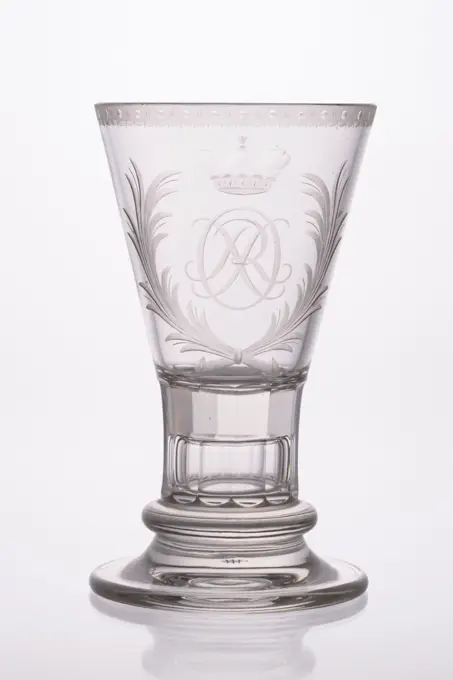
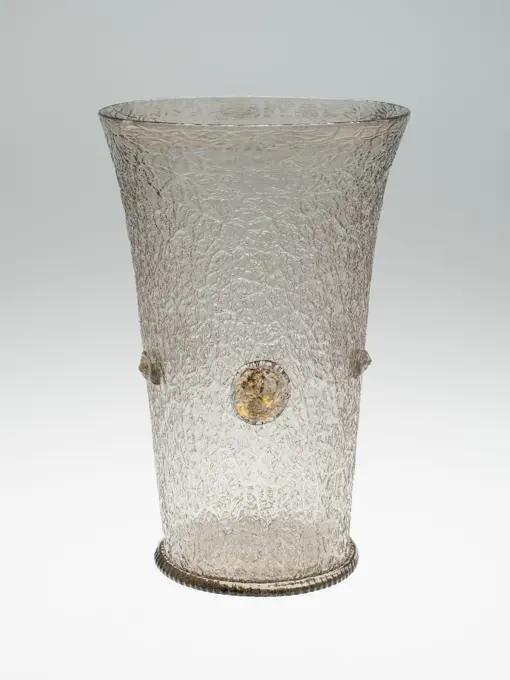
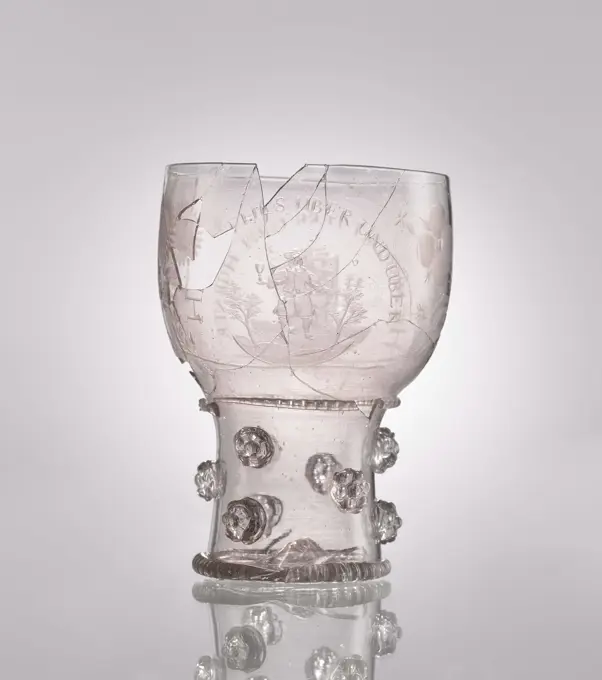
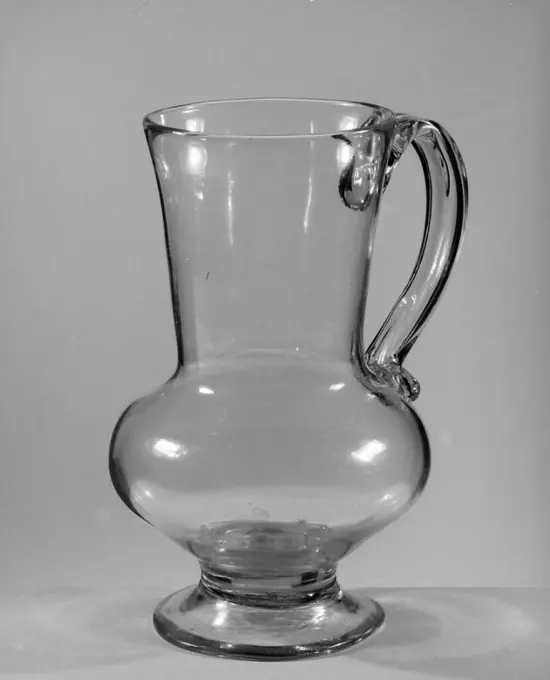
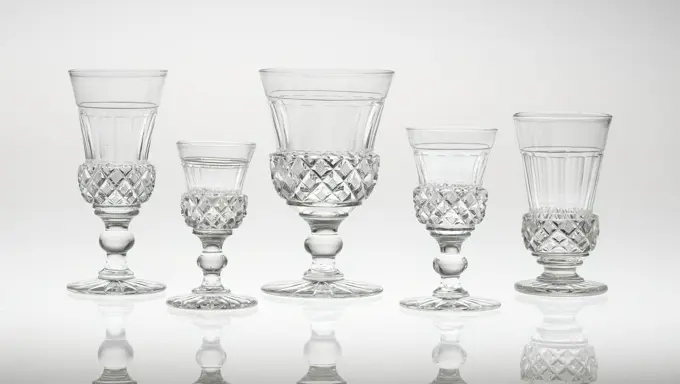
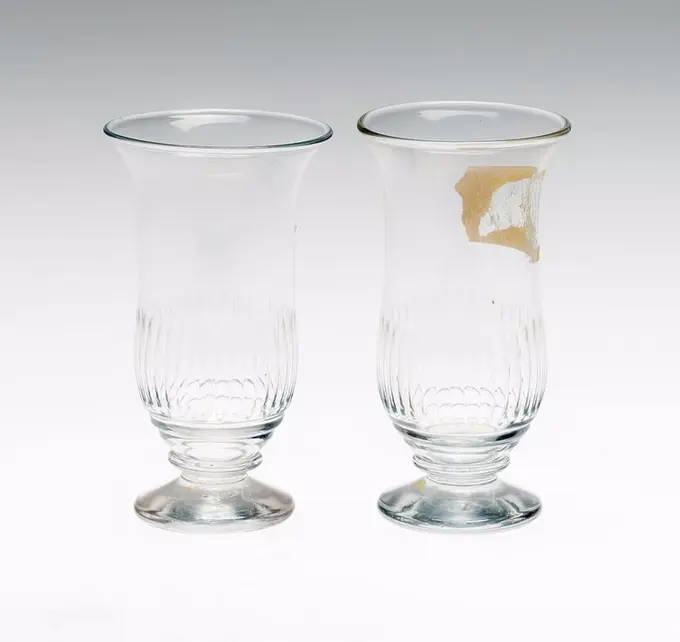
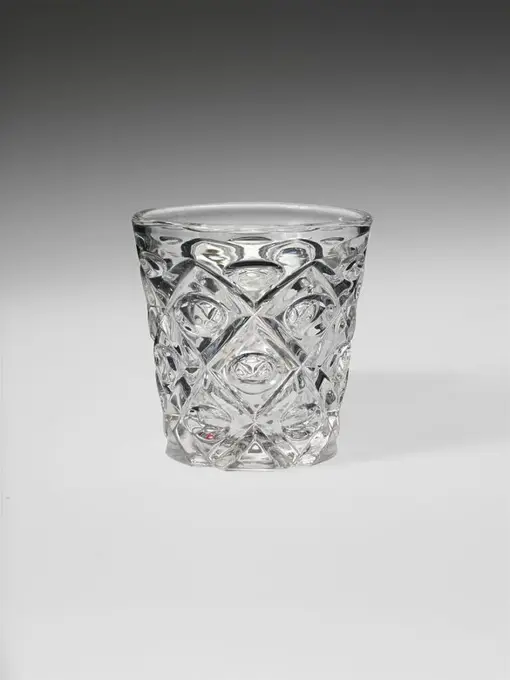
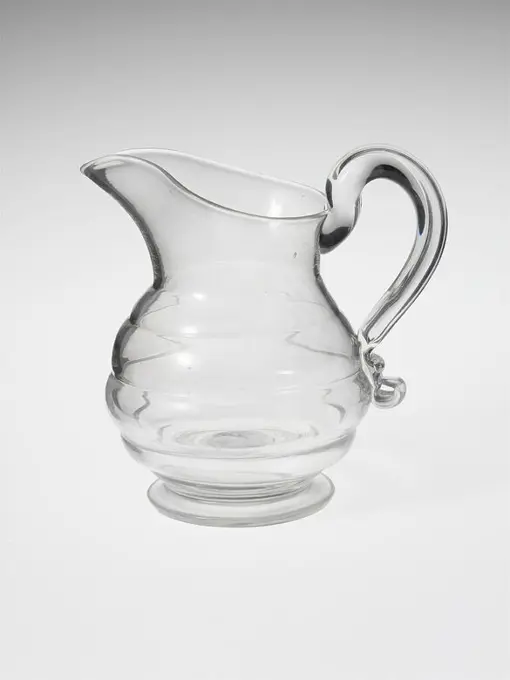
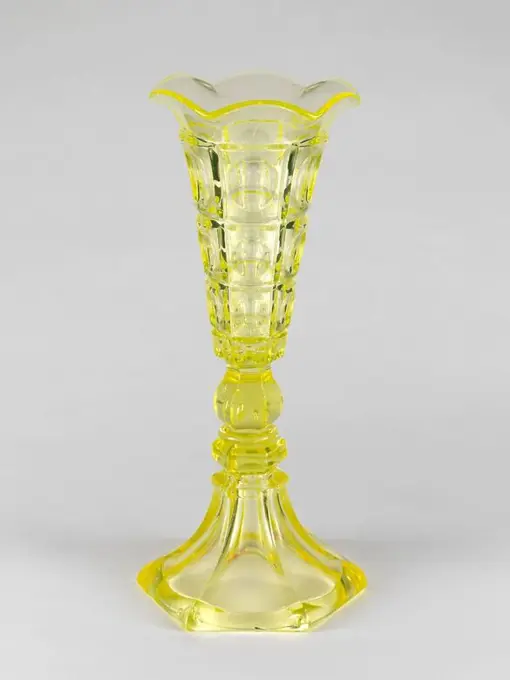
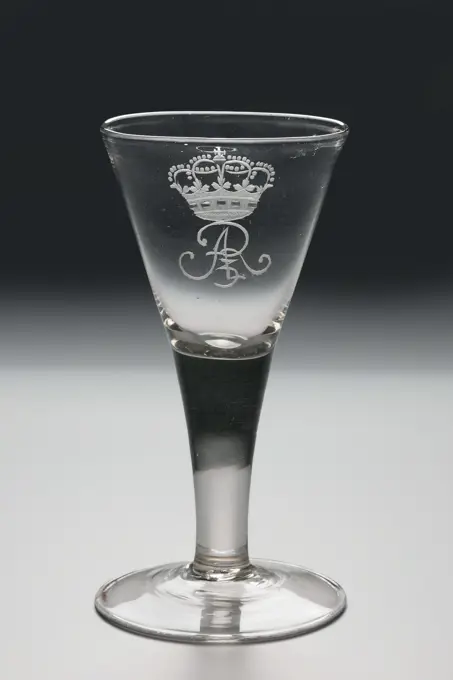
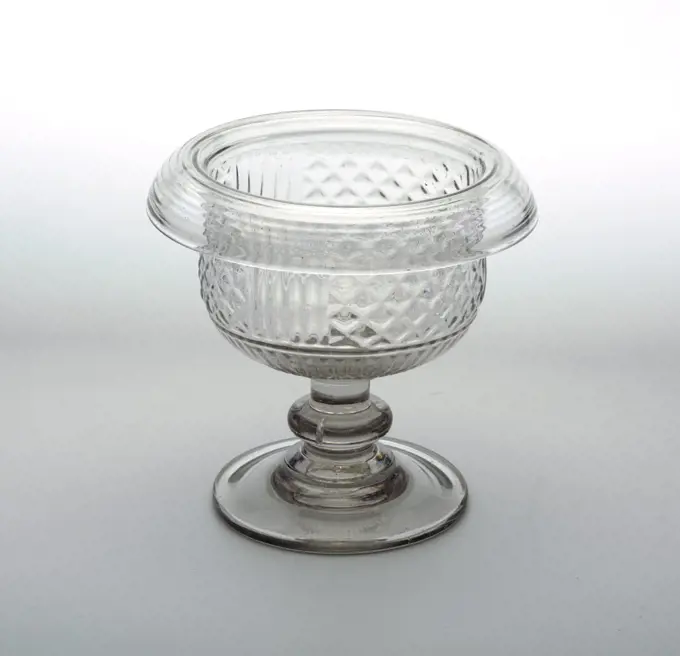
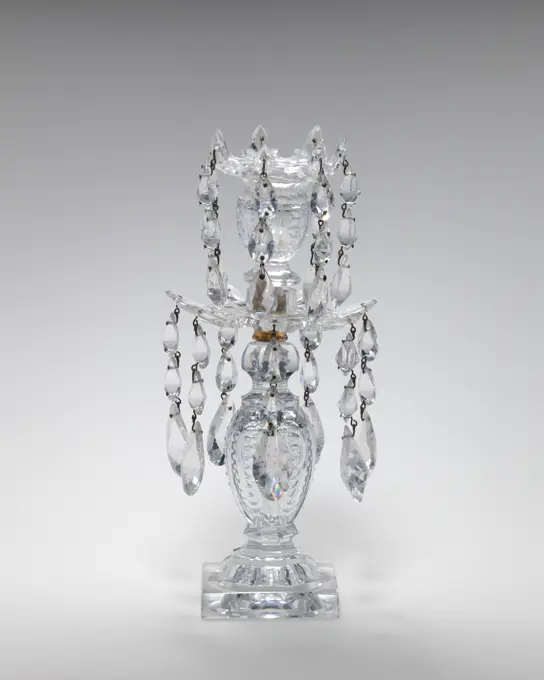
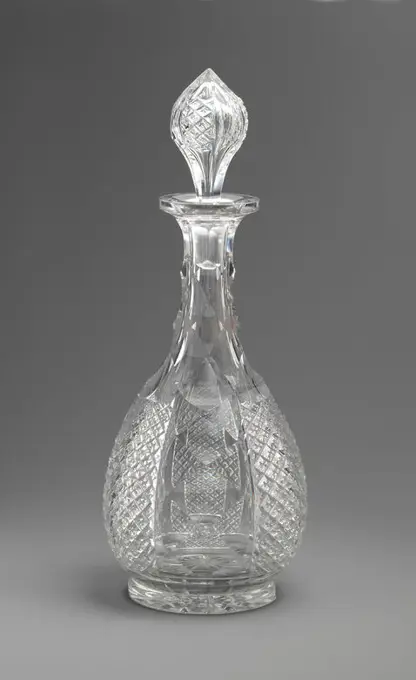
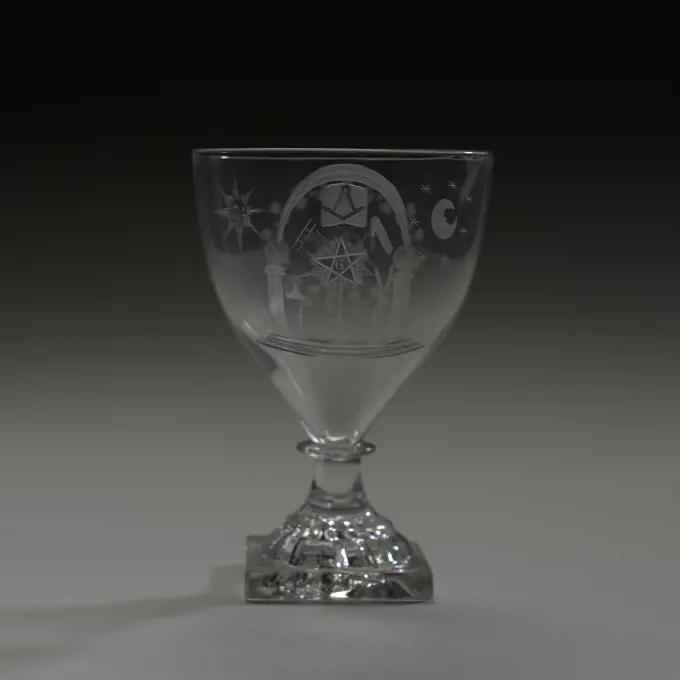
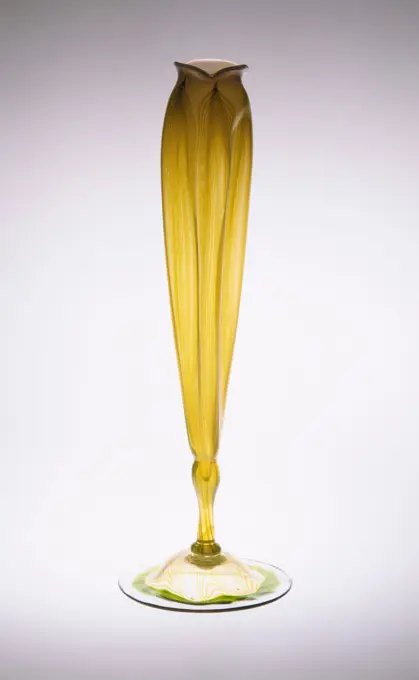
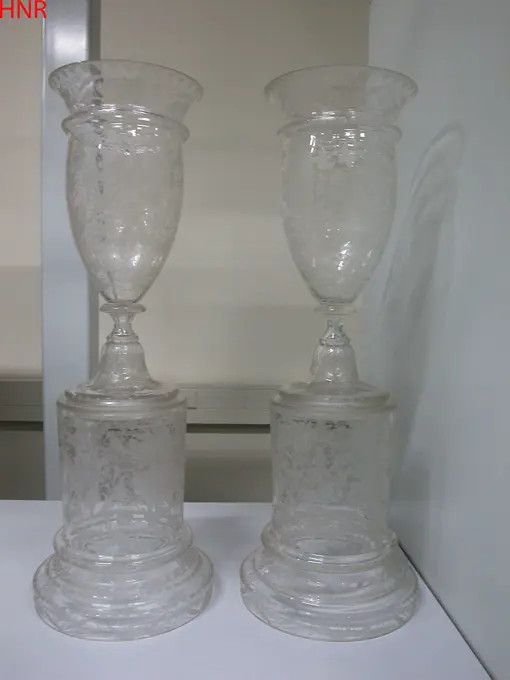
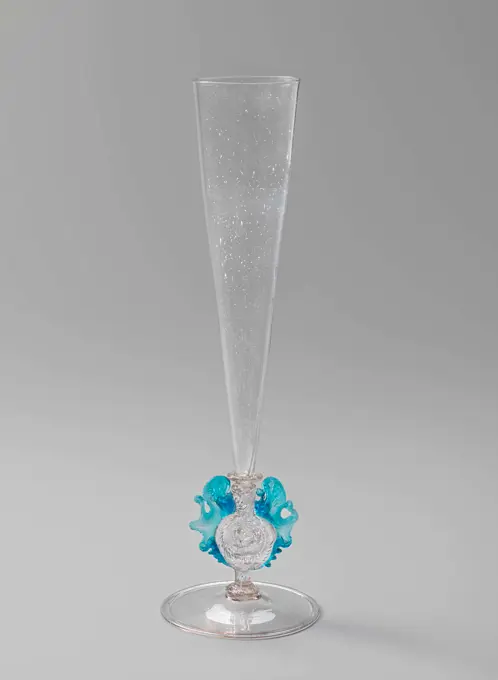
Varied antique chalices from the 17th and 18th centuries, showcasing intricate engravings, conical shapes, and elegant bases.
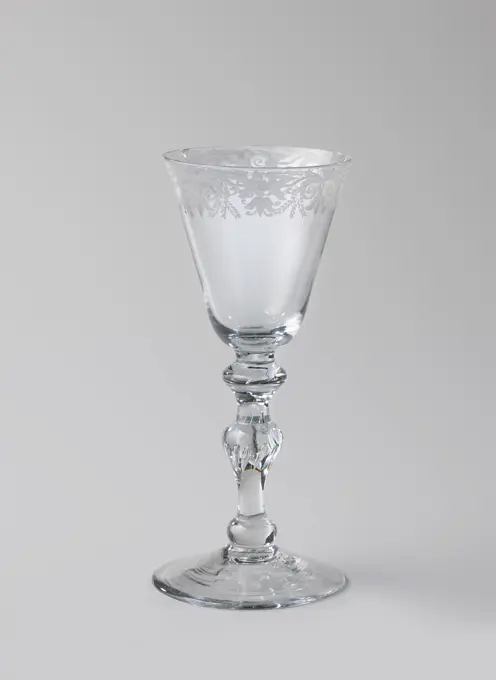
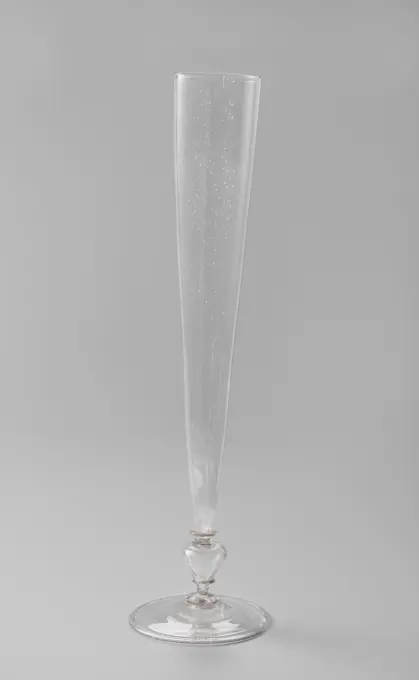
Kelkglas met ornamentrand, anonymous, c. 1750 - c. 1775  Conical foot. Balus -shaped trunk with three knots with a few air bubbles. Funnel -shaped chalice with rounded bottom. On the chalice, along the mouth edge, a symmetrical ornament edge with band work, leaf shelves, clocks and two lovebirds. glassblower: Low CountriesNorthern Netherlands glass glassblowing
Kelkglas met ornamentrand, anonymous, c. 1750 - c. 1775 Conical foot. Balus -shaped trunk with three knots with a few air bubbles. Funnel -shaped chalice with rounded bottom. On the chalice, along the mouth edge, a symmetrical ornament edge with band work, leaf shelves, clocks and two lovebirds. glassblower: Low CountriesNorthern Netherlands glass glassblowing
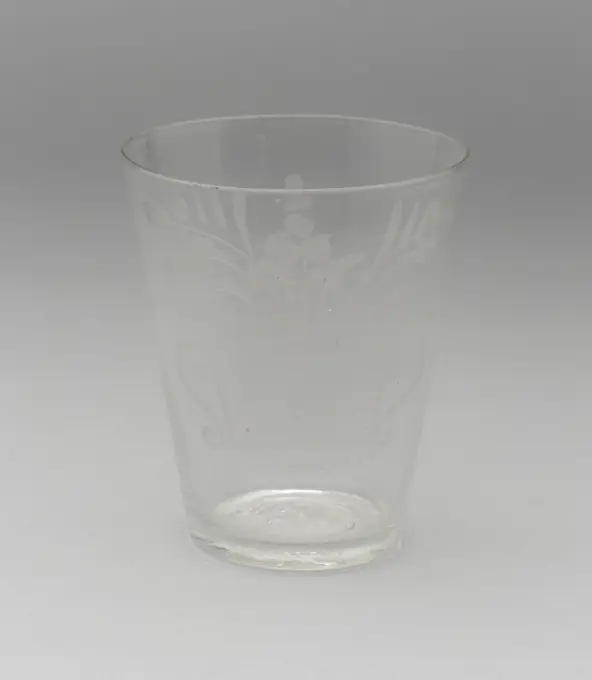
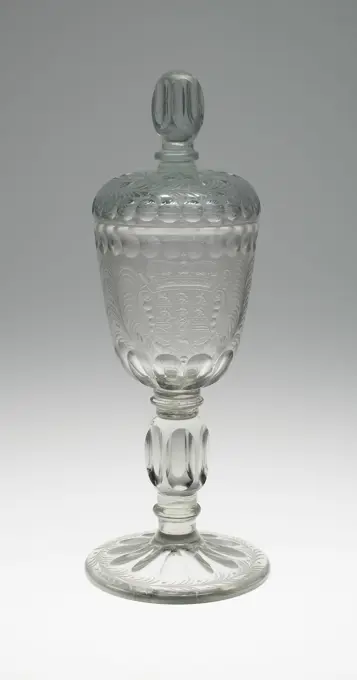
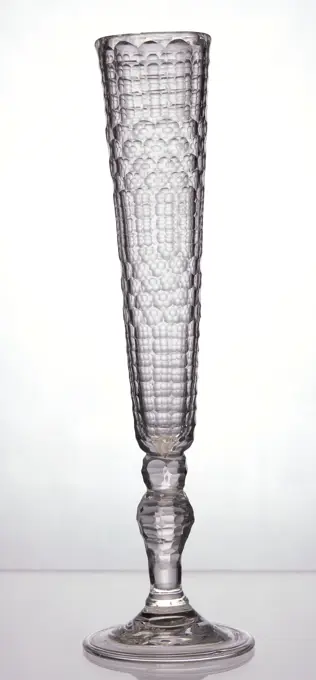
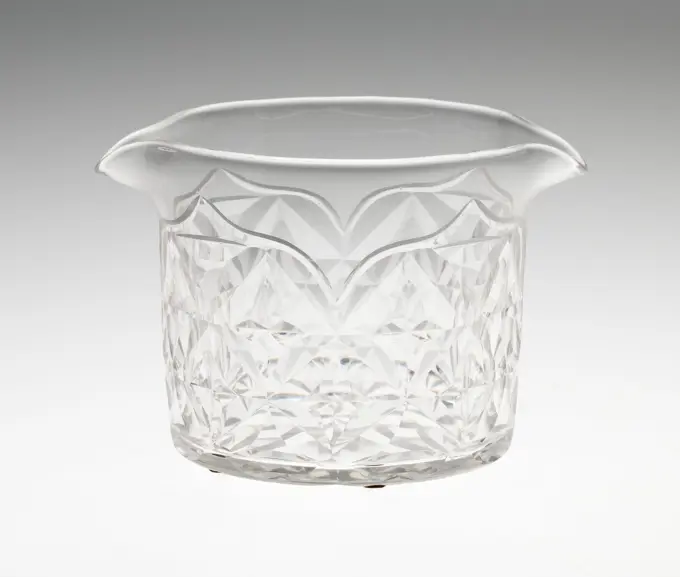
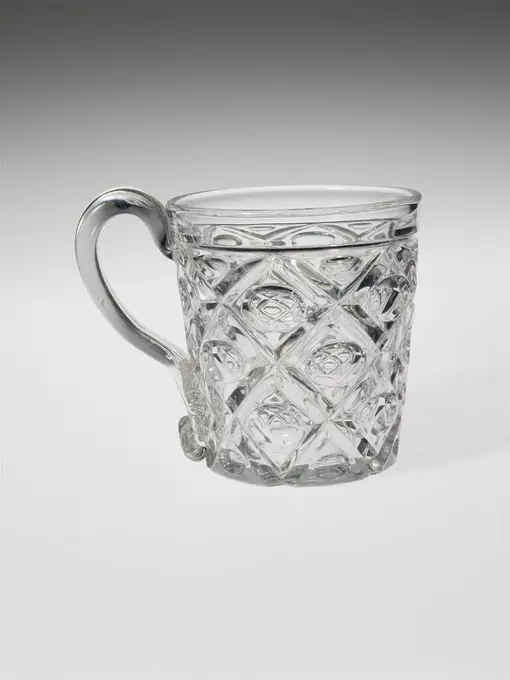
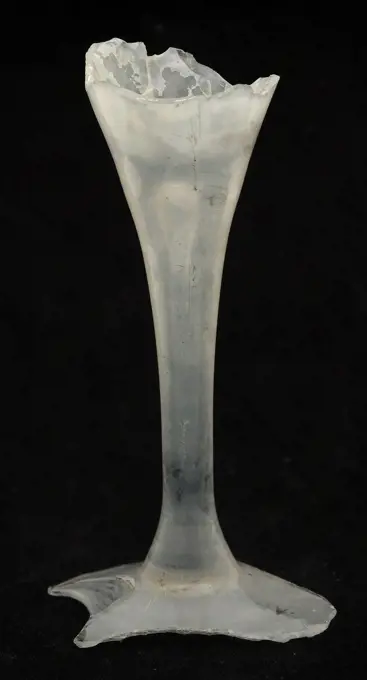
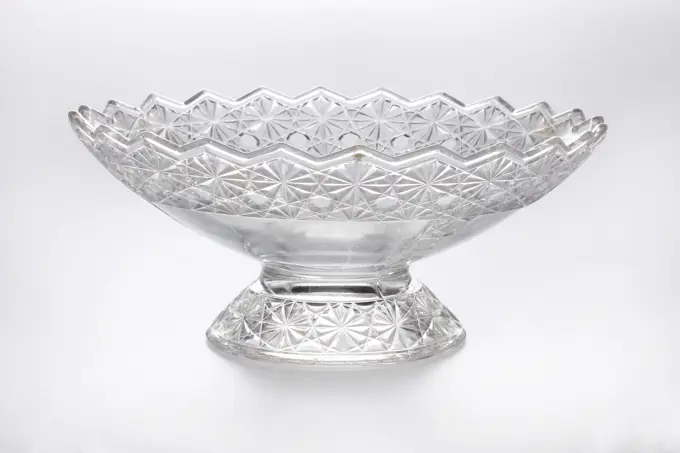
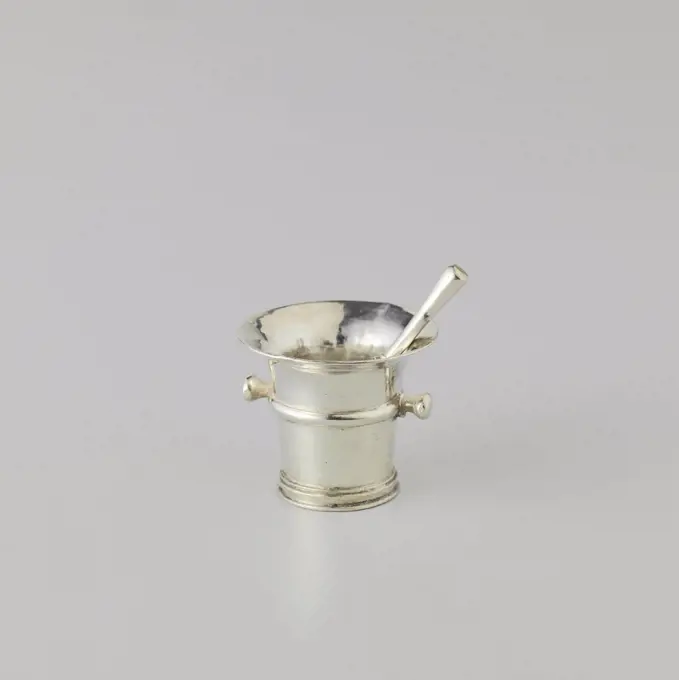
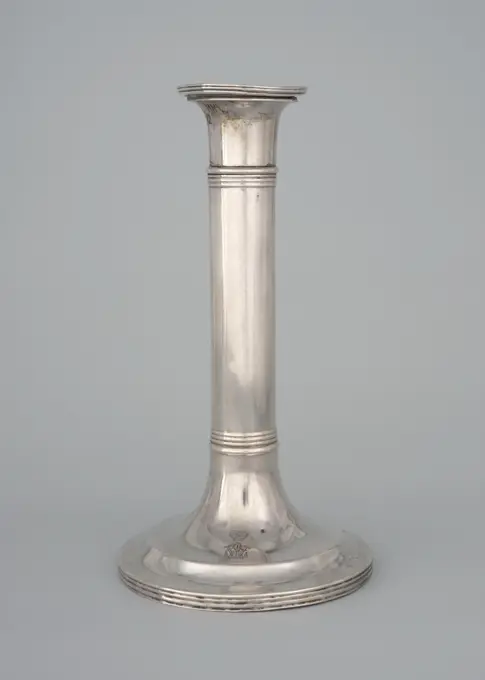
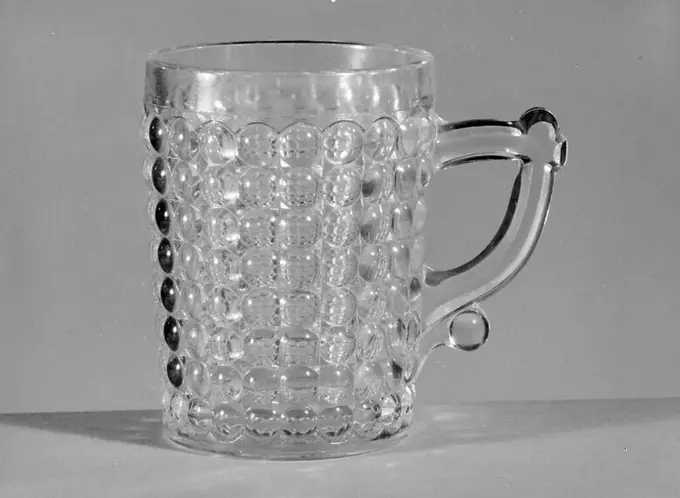
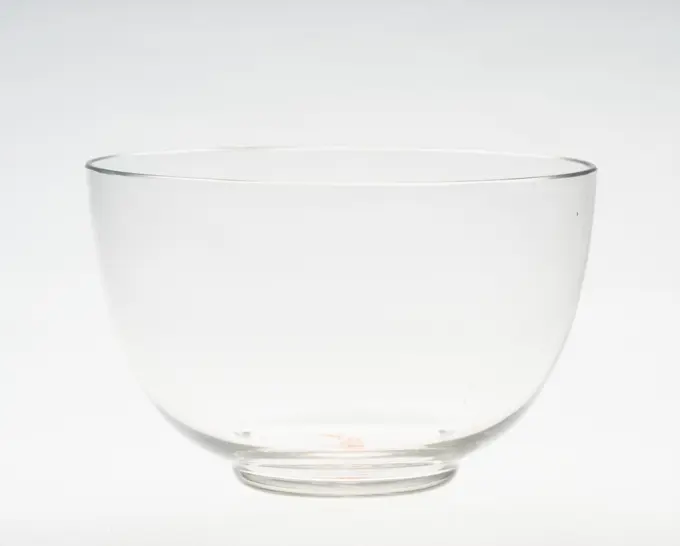
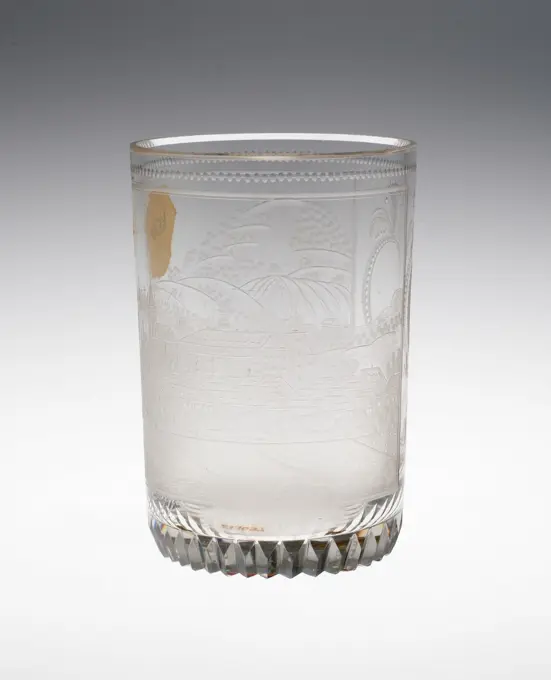
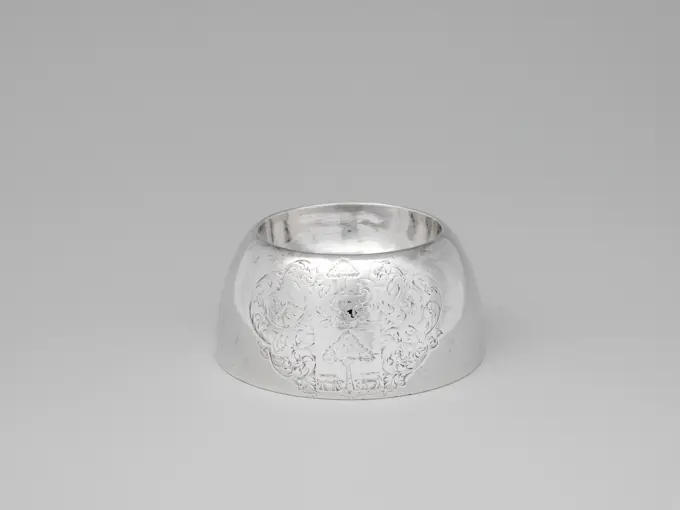
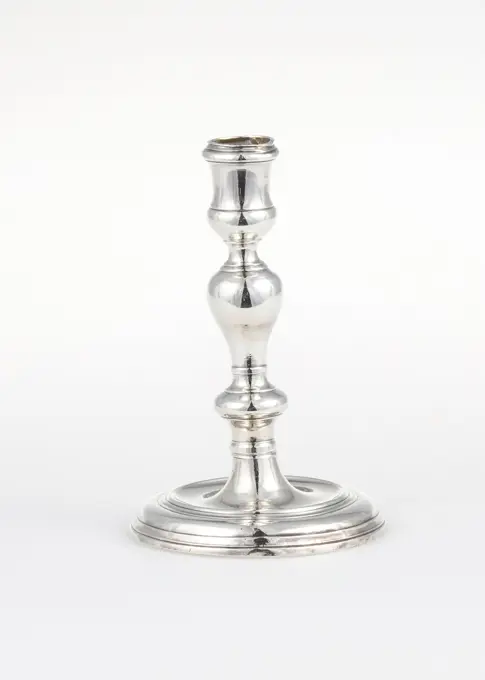
Puzzle glass, Glass, Tapered cylindrical bowl on baluster stem with circular foot. The bowl engraved around the rim with a band of flower heads interwined with leafy fronds., England or Netherlands, ca. 1750, glasswares, Decorative Arts, Puzzle glassGlass; Lobmeyr, J. & L. (Vienna; 1823-); 1920-39 (1920-00-00-1939-00-00);Wine Glass 1870-90 Adams and Company. Wine Glass 9931Façon de Venise Beaker 1580-1600 Antwerp. Colorless glass with gilding .Bowl late 18th-early 19th century British or Irish. Bowl. British or Irish. late 18th-early 19th century. Glass. GlassRömer. Norymberga, glass engraver, Schwanhardt, Georg st. (1601-1667), glass engraverMug. Culture: American. Dimensions: 7 1/4 x 5 1/2 in. (18.4 x 14 cm). Date: 1770-1800. Museum: Metropolitan Museum of Art, New York, USA.Riot bowl, round, with filet edges, Egidius Adelaar, 1820 The round bowl has a vaulted foot that rests with a straight lower edge on a right -wing base. The bowl has a vaulted wall. Filet edges have been installed along the lower edge of the foot and inside along the top edge of the bowl. Amsterdam silver (metal) The round bowl has a vaulted foot that rests with a straight lower edge on a right -wing base. The bowl has a vaulted wall. Filet edges have been installed along the lower edge of the foot and inside along the top edge of the bowl. Amsterdam silver (metal)Wine glass, one of a set of ten, c. 1920, 8 1/4 x 3 1/4 in. (20.96 x 8.26 cm), Aventurine glass, Italy, 20th centuryTumbler c 1764-1774 Manheim. Glass . American Flint Glass Manufactory (Manufacturer)Goblet with Cover 1600-1699 Potsdam. Glass .Przeszo Przyszoci GlücksburgTumbler. American Flint Glass Manufactory; American, 1764-1774; Manheim, Pennsylvania. Date: 1764-1774. Dimensions: 9.8 × 5.1 (diam. top) × 8.6 (diam. base) cm (3 7/8 × 2 × 3 3/8 in.). Glass. Origin: United States. Museum: The Chicago Art Institute, Chicago, USA.Jug (Ireland); glass; 19.8 x 16 x 11 cm (7 13/16 x 6 5/16 x 4 5/16 in.); Bequest of Walter Phelps Warren; 1986-61-128Goblet ca. 1815 Anthony Rasch. Goblet 4132salt, glass, Round bowl with a pouring lip, cut with vertical pillar flutes alternating with small diamonds, 2 prismatic bands below, a short round foot, ground pontil mark bottom., Waterford, Ireland, ca. 1810-20, glasswares, Decorative Arts, saltNo. 126 Goblet; Designed by Ludwig Lobmeyr (Austrian, 1829 - 1917); Manufactured by J. & L. Lobmeyr GmbH (Austria); Austria; mouth-blown crystal, hand-painted goldCup with cartouches with amors, anonymous, c. 1725 - c. 1750 Clear cup, Kleruloos glass. The polygun chalice in turn shows an amor within a cartouche around the other facet. Bohemia crystal (lead glass) grinding / glassblowing Clear cup, Kleruloos glass. The polygun chalice in turn shows an amor within a cartouche around the other facet. Bohemia crystal (lead glass) grinding / glassblowingBowl (England); glass; 11 x 14.4 cm (4 5/16 x 5 11/16 in.)Wine Glass Rinser (verrière) 1810-1830 France. Glass .Bottle. This bottle was part of the collection of glass that King William III presented to the Koninklijk Oudheidkundig Genootschap (Royal Antiquarian Society) in 1859.Standing cup with cover ca. 1720 Engraved by G. E. Kunckel. Standing cup with cover 195819Sweetmeat glass, from a set of four, c. 1830, 4 1/8 x 2 3/8 x 2 3/8 in. (10.48 x 6.03 x 6.03 cm), Cut glass, France (), 19th centuryWine glass, from a set of four, c. 1830, 5 1/4 x 2 1/2 x 2 1/2 in. (13.34 x 6.35 x 6.35 cm), Cut glass, France (), 19th centuryWine glass, from a set of four, c. 1830, 5 1/4 x 2 1/2 x 2 1/2 in. (13.34 x 6.35 x 6.35 cm), Cut glass, France (), 19th centuryChalice withcover.  Designer Charles Robert Ashbee, British, 1863-1942  Maker: Guild of Handicraft, BritishA plate;  around 1840 (1835-00-00-1845-00-00);Goblet. Czechy, creatorGlass;  1920-39 (1920-00-00-1939-00-00);Two Flip Glasses. England. Date: 1775-1800. Dimensions: 10.8 × 6.4 cm (4 1/4 × 2 1/2 in.). Glass; blown, molded and cut. Origin: England. Museum: The Chicago Art Institute, Chicago, USA.Tumbler. Culture: American. Dimensions: H. 3 1/16 in. (7.8 cm); Diam. 2 15/16 in. (7.5 cm). Date: 1850-60.With the development of new formulas and techniques, glass-pressing technology had improved markedly by the late 1840s. By this time, pressed tablewares were being produced in large matching sets and innumerable forms. During the mid-1850s, colorless glass and simple geometric patterns dominated. Catering to the demand for moderately-priced dining wares, the glass industry in the United States expanded widely, and numerous factories supplied less expensive pressed glassware to the growing market. At the Exhibition of the Industry of All Nations at New York's Crystal Palace in 1853, for example, the New England Glass Company exhibited 130 pieces of one design, "consisting of bowls, tumblers, champagnes, wines, and jelly glasses." This object belongs to one such service. Although the glass manufactory is not known, the glassware is very typical of the large services that were very pPitcher. Culture: American. Dimensions: 3 5/8 x 4 1/2 in. (9.2 x 11.4 cm). Date: 1800-1830. Museum: Metropolitan Museum of Art, New York, USA.Vase. Culture: American. Dimensions: H. 11 1/2 in. (29.2 cm). Maker: Boston & Sandwich Glass Company (American, 1825-1888, Sandwich, Massachusetts). Date: 1835-45.Catering to the demand for elaborate but moderately priced dining wares, glasshouses produced large table services all in one pattern. At the Exhibition of the Industry of All Nations at New York's Crystal Palace in 1853, for example, the New England Glass Company exhibited 130 pieces of one design, "consisting of bowls, tumblers, champagnes, wines, and jelly glasses.". Museum: Metropolitan Museum of Art, New York, USA.Nappy - Beaded Grape Patternempty wine glass isolated on white backgroundWine glass. unknown, glass worksBowl, Glass, Circular bowl with wide turned over rim on tall knopped stem with flat, circular foot. Body has panels of diamond and fluted pattern. Underside of rim also with movided ring pattern., Ireland, ca. 1800-20, glasswares, Decorative Arts, BowlBeaker. Culture: French. Dimensions: Rock crystal beaker only: 5 5/16 × 4 1/8 in. (13.5 × 10.4 cm)Other (foot only): 3 7/8 × 3 11/16 in. (9.8 × 9.3 cm). Date: 1375-1400. Museum: Metropolitan Museum of Art, New York, USA.Joseph Richardson Jr., Sugar Basket and Cover, part of Four-Piece Tea Service, c. 1795-1800, silver.Quart Decanter 1830-70 American. Quart Decanter. American. 1830-70. Pressed glass. Made in United StatesThree glasses Economic Huta KrosnoNappy - Nova Scotia Crown (Canadian Pillar) PatternMug. Culture: American. Dimensions: H. 3 1/4 in. (8.3 cm). Date: 1850-70.With the development of new formulas and techniques, glass-pressing technology had improved markedly by the late 1840s. By this time, pressed tablewares were being produced in large matching sets and innumerable forms. During the mid-1850s, colorless glass and simple geometric patterns dominated. Catering to the demand for moderately-priced dining wares, the glass industry in the United States expanded widely, and numerous factories supplied less expensive pressed glassware to the growing market. At the Exhibition of the Industry of All Nations at New York's Crystal Palace in 1853, for example, the New England Glass Company exhibited 130 pieces of one design, "consisting of bowls, tumblers, champagnes, wines, and jelly glasses." This object belongs to one such service. Although the glass manufactory is not known, the glassware is very typical of the large services that were very popular with America's middle clasLid of a jar, anonymous, c. 1775 - c. 1795 Cover with pointed button and fine leaf work. glassblower: Low CountriesNorthern Netherlands glass glassblowing Cover with pointed button and fine leaf work. glassblower: Low CountriesNorthern Netherlands glass glassblowingFragments of three drinking glasses smooth round stem, conical and hexagonal stem, round base, glass soil find glass , blown free and molded into mold blows Fragments of three drinking glasses in clear colorless glass: archeology Gerdesiaweg underground pit Rotterdam Kralingen-Crooswijk Rubroek Soil discovery possible metroport Gerdesiaweg 1978.probably Boston and Sandwich Glass Works, Decanter and Stopper, c. 1820-40, colorless lead glass.Decanter -Lidded goblet. Engraved on the front of this goblet is a monogram consisting of the letters RSCVG; it is not known what they stand for. This monogram is entirely symmetrical: this is called a mirror monogram.Cup-flet; Crystal glassworks (Naliboki; 1722-1862); 3 18th century (1751-00-00-1775-00-00);Roemer with two rows of braam buds. Small grumbers with inserted bottom on concave, spun base from a wire. The commercial chalice as a whole blown up with the trunk that is busy with two rows of braam buds. The transition from the chalice to the trunk indicated by a ribbed wire.Kroes on three Bolpoten, decorated with driven representation of three allegorical children's figures in oval medallions between which fruit bunches., Jacob Pfaff (attributed to), 1675 - 1700 Kroes van Zilver on three Bolpoten, partially gilded. Decorated with driven representation of three allegorical children's figures in oval medallions, between which fruit bunches. Master sign: IP including a star, in shield. Nuremberg silver (metal). gilding (material) gilding Kroes van Zilver on three Bolpoten, partially gilded. Decorated with driven representation of three allegorical children's figures in oval medallions, between which fruit bunches. Master sign: IP including a star, in shield. Nuremberg silver (metal). gilding (material) gildingFlute glass, anonymous, c. 1600 - c. 1699 Flute glass on a flat base with turned around. The trunk made up of a hollow baluster and a disc. High conical chalice. Netherlands glass glassblowing Flute glass on a flat base with turned around. The trunk made up of a hollow baluster and a disc. High conical chalice. Netherlands glass glassblowingFlute 1850-1890 France. Glass .Decanter 1800-1850 Irish. Decanter. Irish. 1800-1850. Glass. GlassGlass in the form of a riding boot, anonymous, c. 1700 - c. 1800 Sole trimmed with a smooth thread. High, set heel. Flat nose, high shaft, ending in a very wide high roof. On the instep a bow, on the heel a Radspoor. Germany glass glassblowing Sole trimmed with a smooth thread. High, set heel. Flat nose, high shaft, ending in a very wide high roof. On the instep a bow, on the heel a Radspoor. Germany glass glassblowingCompote - Daisy with Depressed Button pattern McKee Glass Company, 1908-1951 McKee Glass Company, 1908-1951Metal cups and vase brass, Martin Gerlach jun, Photographer, Josef Hoffmann -, artistCandlestick (one of a pair) ca. 1785 British or Irish. Candlestick (one of a pair). British or Irish. ca. 1785. Glass. GlassMaker Unknown, Pair of Lamps, c. 1835-50, colorless glass, brass, and tin.Art Nouveau flower vase. Orivit AG (Kolonia ; wytwórnia złotnicza ; 1894-1905 ; 1906-1914), manufacturerVIDRIOS DEL HORNO DE STA LUCIA. Location: MUSEO ARQUEOLOGICO-COLECCION. MURCIA. SPANIEN.Beaker 17th century Northern European (probably Germany). Beaker 461271Decanter. Culture: American. Dimensions: H with stopper: 12 1/4 in. (31.1 cm), without stopper: 9 1/4 in. (23.5 cm). Maker: Brooklyn Flint Glass Company (American, Brooklyn, New York, 1824-1868). Date: ca. 1855.This decanter is from the same larger luxury glass table service as a compote and three drinking vessels in the collection (69.257, 2015.459.2-.4). The decanter bears an engraved gothic-style "H" in a carved shield on one of the alternating clear vertical panels. The service descended in the family of Johns Hopkins (1795-1873), prominent businessman, entrepreneur, abolitionist, and philanthropist of Baltimore, Maryland. Hopkins may have purchased the service for use in his country estate, Clifton, outside of Baltimore, which he extensively renovated into an Italianate mansion in 1858. It is known that he enjoyed entertaining there, welcoming family, friends and dignitaries, including the Prince of Wales (later King Edward VII). The glass is exceptionally well-cut and designed,Chalice glass engraved with masonic symbols and initials BH, wine glass drinking glass drinking utensils tableware holder lead glass glass, free blown and formed in form blown pressed radgraving polished Goblet wineglass in clear colorless lead glass. Flat (buffed) thick square hollow bell shaped base on the bottom in the shape of lemon squeezer On short solid trunk with sharp knot on the bottom rounded and widening ovoid chalice On front of the calyx radgraving: BH inside circular loofak On back masonic symbols: 3 candlesticks sky arch leaning on two pillars sun moon stars Jacob's ladder passer and snag on book five-pointed star (within which G) level two palmettes and ruler. BH G (rad engraving chalice) freemasonry J. Anthony . Hendriks drinkBeaker. Huta szkła, glass worksVase 1893-96 Designed by Louis Comfort Tiffany American This object forms part of a group of over forty given to the Museum in 1896 by Louisine and Henry Osborne Havemeyer (96.17.9-.56). The gift was the first American glass to enter the Museum's collection. Most likely prompted by Louis Comfort Tiffany, the Havemeyers presented their collection of Tiffany Favrile glass to the Museum only three years after Tiffany started making decorative blown-glass vessels. The shapes, colors, and finishes of Tiffany's vases and plaques were inspired by the natural world and ancient glass. Tiffany's vases in the shapes of flowers are among his most fanciful creations. Some of the earliest were tall attenuated vases reminiscent of buds, like this example. They vary in their coloration from a pale green and white to darker, more opaque greens and reds.. Vase 9408Mortar and Pestle, attributed to Frederik van Strant (I), after 1706 - before 1727Candlestick; Mayerhofer, Stephan (1772-1852); around 1825 (1820-00-00-1840-00-00);Mass amphu with cork;  20th century (1901-00-00-1945-00-00);Mug. Culture: American. Dimensions: H. 3 1/2 in. (8.9 cm); Diam. 2 9/16 in. (6.5 cm). Maker: Probably Adams and Company. Date: 1870-80. Museum: Metropolitan Museum of Art, New York, USA.Czarka;  1. PO. 20th century (1901-00-00-1950-00-00);Nappy - Beaded Grape Patternempty glass jar for spice isolated on whiteTaperstick. Culture: Irish. Dimensions: Height: 6 1/4 in. (15.9 cm). Date: ca. 1770. Museum: Metropolitan Museum of Art, New York, USA.Glass Factory: Massanetz KarlBasket, c. 1780, Zachariah Brigden, American, 1734 - 1787, 2 x 7 1/2in. (5.1 x 19cm), Silver, United States, 18th centuryBeaker 1805-1825 Bohemia. Glass .Cake Plate 1870-90 Adams and Company. Cake Plate. American. 1870-90. Pressed yellow glass. Made in Pittsburgh, Pennsylvania, United StatesAnonymous / 'Bowl from the Travel Toiletry Case Belonging to Ferdinand VII, King of Spain'. First third of the XIX century. Vidrio al plomo. Museum: Museo del Prado, Madrid, España.Glass;  1920-39 (1920-00-00-1939-00-00);Tumbler. Culture: American. Dimensions: H. 4 in. (10.2 cm). Maker: Probably Hobbs, Brockunier and Company (1863-1891). Date: after 1886. Museum: Metropolitan Museum of Art, New York, USA.Bowl, 18th-19th century, 2 1/4 x 5 x 5 in. (5.72 x 12.7 x 12.7 cm), Glass, United States, 18th-19th centuryFlip Glass, 18th-19th century, 3 3/4 x 3 1/8 in. (9.5 x 7.94 cm), Glass, United States, 18th-19th centuryTrencher Salt 1690-1710 Bartholomew Le Roux By about 1700, as mores changed and salt became more easily obtainable, small individual saltcellars set one to each trencher, or plate, supplanted the large standing salt of medieval origin. This trencher salt and its mate are among the earliest American examples known. They are exceptional not only for their exquisite design and workmanship but also because they have survived as a pair. Their form is a simple and beautifully proportioned composition, which balances the concave hemisphere of the well with the convex curve of the sides. Embracing the front of each salt is a cartouche containing the de Peyster family coat of arms and crest and engraved with characteristically luxuriant, New York early-Baroque acanthus foliage. The maker, Bartholomew Le Roux I, left Holland (where he probably trained) for London in 1685 and not long thereafter moved to New York. He was the first of three generations of New York silversmiths.(See 1997.488.5, .6 Candlestick, one of as set of four, 1722-1723, Joseph W. Bellassyse, ent. 1716, 5 7/8 in. (14.92 cm), Silver, England, 18th centuryVase on base, with a menagerie between leaf and flower drinks. Large vase on hollow base, with a profiled base and a cylindrical body. Bell-shaped base, which passes through a short strain into an egg-shaped chalice with a bent edge. The base and vase decorated with a menagerie between leaf and floral drinks.Tumbler, 18th-19th century, 3 5/8 x 3 x 3in. (9.2 x 7.6 x 7.6cm), Glass, United States, 18th-19th centuryWine Glass; blown glassGoblet with cover 18th century European. Goblet with cover. European. 18th century. Glass. GlassWine Glass; blown glassWine rinser, Cut and engraved glass, Basin shaped with vertical impressions along lower half, engraved asterisks near upper rim, with two spouts., England, 18th century, glasswares, Decorative Arts, Wine rinserempty wine glass on a white background empty wine glass on a white background Copyright: xZoonar.com/BorisxZerwannx 7002226Three empty wine glassesFlute glass with blue wings. Flute glass on flat foot with beaten edge. The trunk formed by a ribbed, grinded rolled tube, on which a blue wing is terew. Funnel shaped chalice on top of a flat disk.Silver and three legs on wooden leaves, anonymous, c. 1791 Silver's grower on three legs with copper inner tray on wooden leaves. Round, deep container, top bent with pearl edge. The claw paws have a shield -shaped start, around which a pearl edge. Brand Amersfoort or Gouda Climbing Lion, Master sign D.S. Amersfoort (Possible) silver (metal). copper (metal). wood (plant material) Silver's grower on three legs with copper inner tray on wooden leaves. Round, deep container, top bent with pearl edge. The claw paws have a shield -shaped start, around which a pearl edge. Brand Amersfoort or Gouda Climbing Lion, Master sign D.S. Amersfoort (Possible) silver (metal). copper (metal). wood (plant material)Wine Glass 1765-70 British. Wine Glass. British. 1765-70. Non-lead glass. Made in EnglandRummer ca. 1800 British, probably. Rummer 6910Wine Glass; blown glassprobably Boston and Sandwich Glass Works, Tumbler, c. 1820-40, colorless lead glass.Double loft. The curved lid of the small jar has matte grinding and air bubbles in the button.