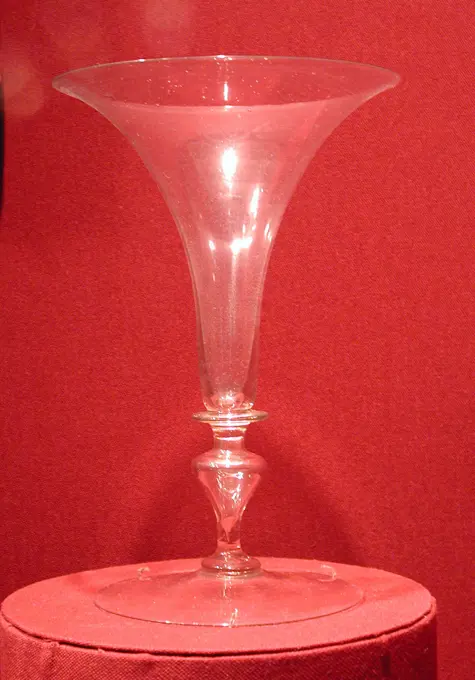
Antique Glass Chalices

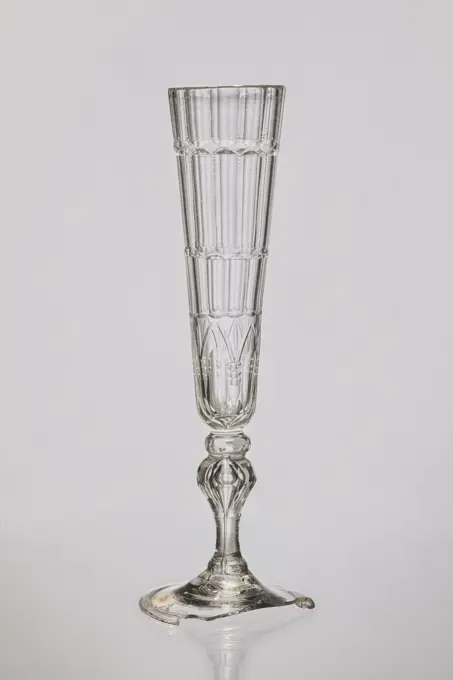
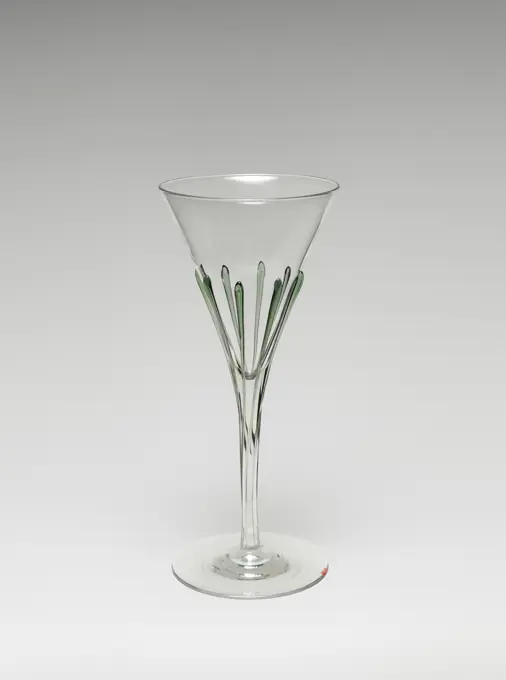
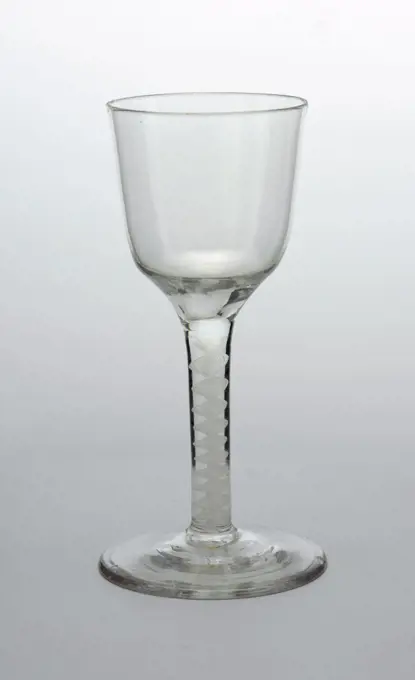
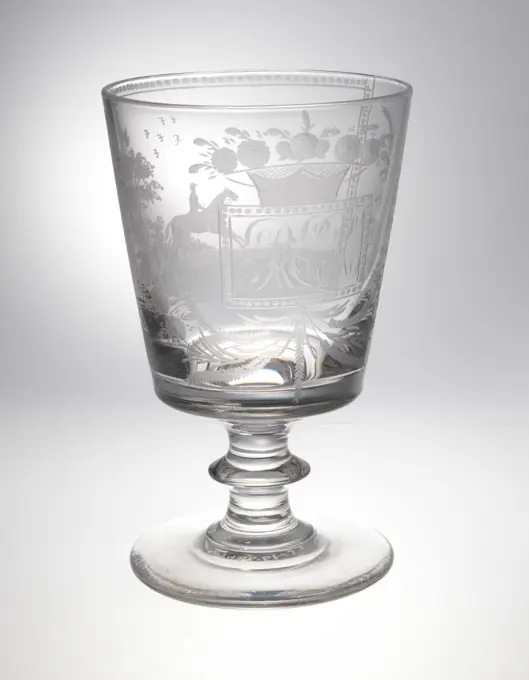
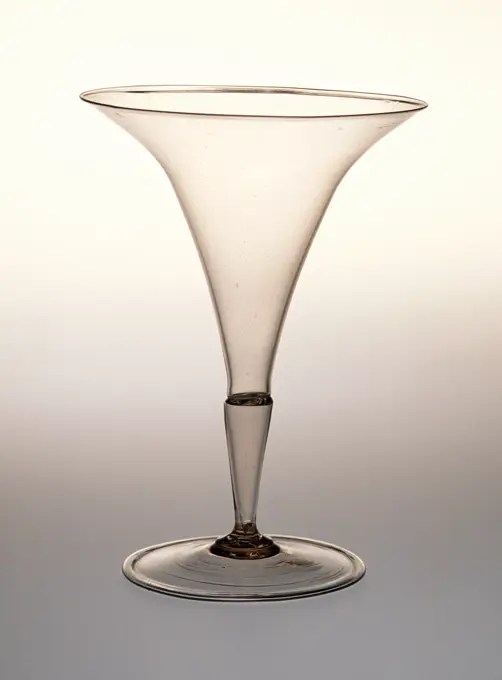
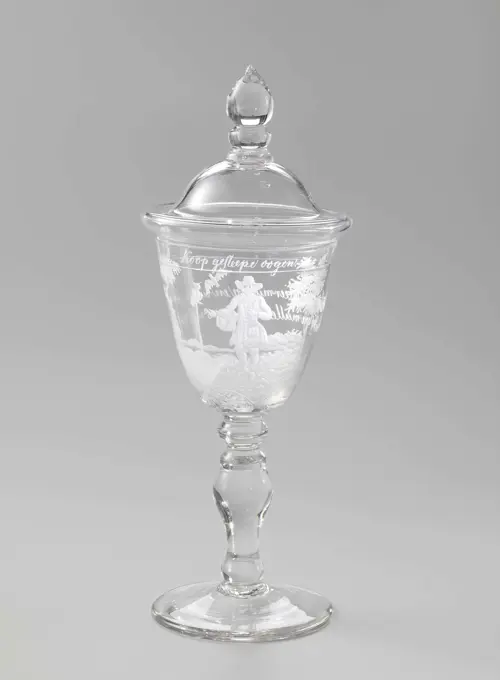
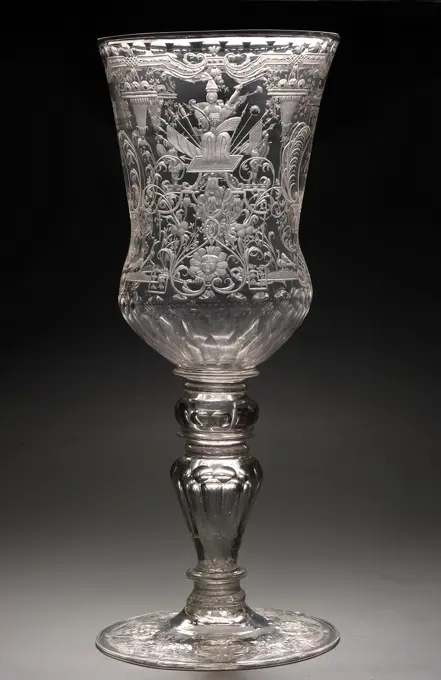
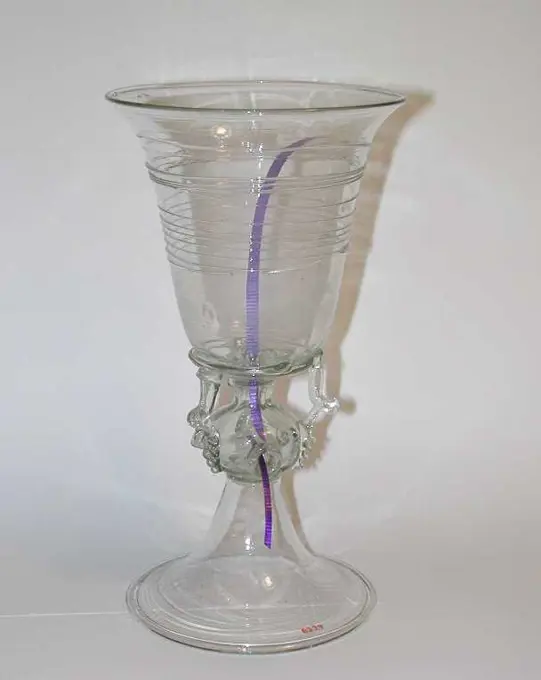
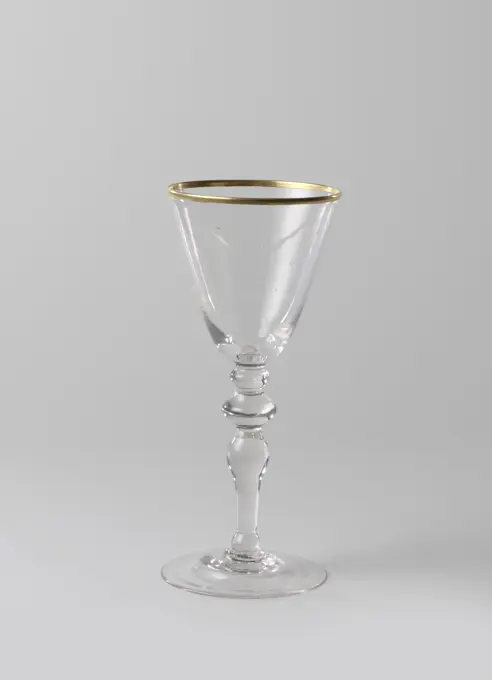
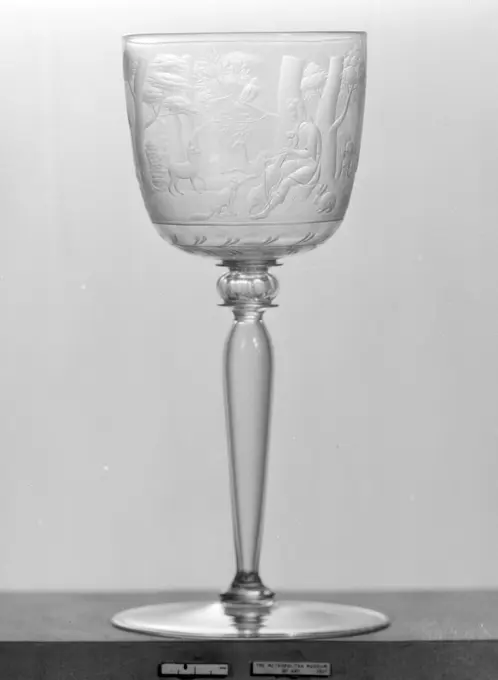
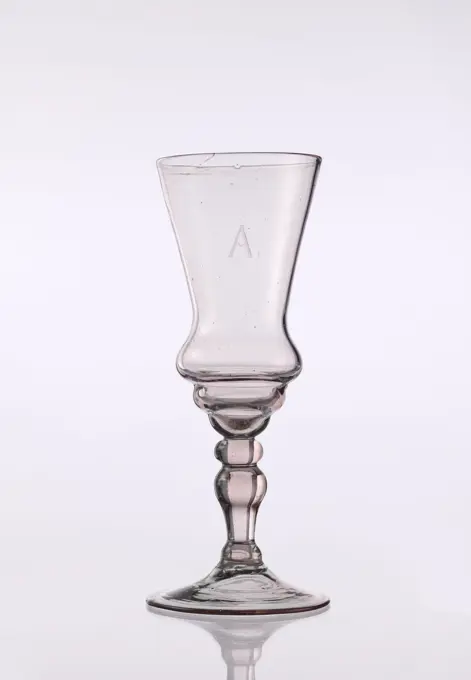
Varied antique chalices from the 17th and 18th centuries, showcasing intricate engravings, conical shapes, and elegant bases.
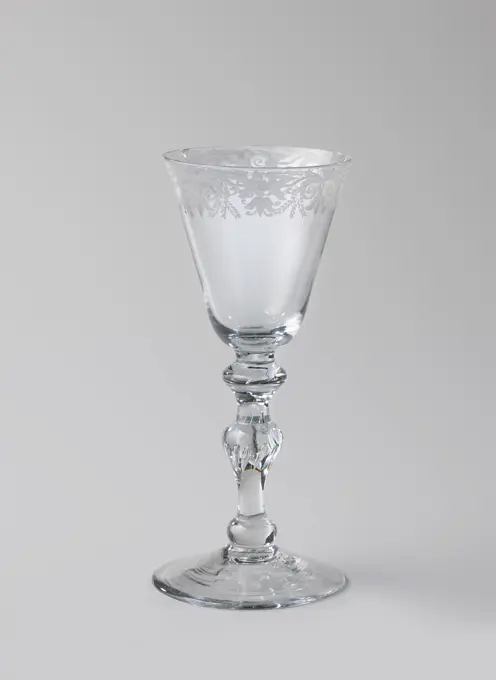
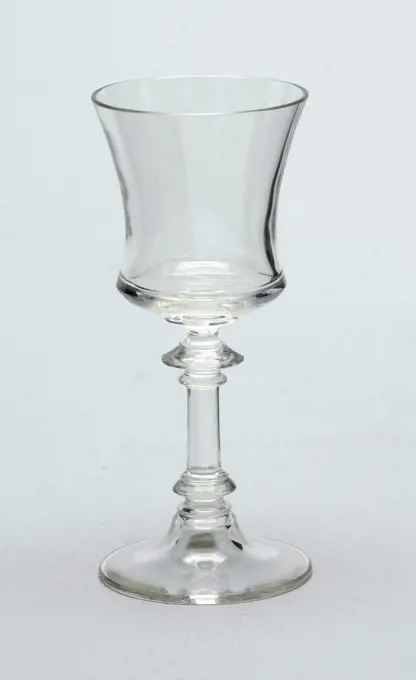
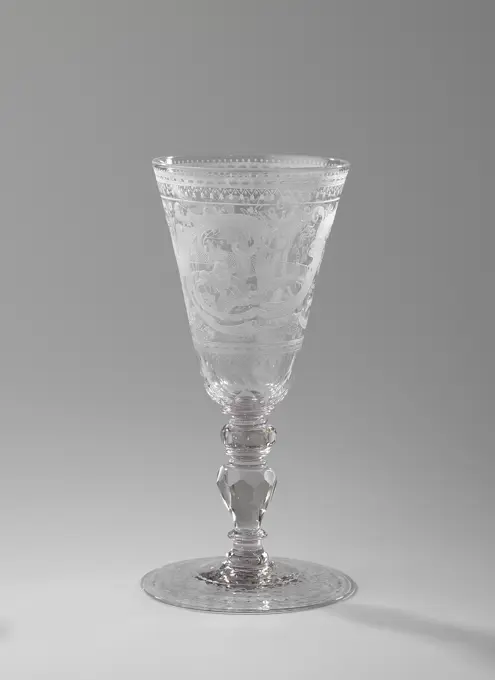
Kelkglas met ornamentrand, anonymous, c. 1750 - c. 1775  Conical foot. Balus -shaped trunk with three knots with a few air bubbles. Funnel -shaped chalice with rounded bottom. On the chalice, along the mouth edge, a symmetrical ornament edge with band work, leaf shelves, clocks and two lovebirds. glassblower: Low CountriesNorthern Netherlands glass glassblowing
Kelkglas met ornamentrand, anonymous, c. 1750 - c. 1775 Conical foot. Balus -shaped trunk with three knots with a few air bubbles. Funnel -shaped chalice with rounded bottom. On the chalice, along the mouth edge, a symmetrical ornament edge with band work, leaf shelves, clocks and two lovebirds. glassblower: Low CountriesNorthern Netherlands glass glassblowing
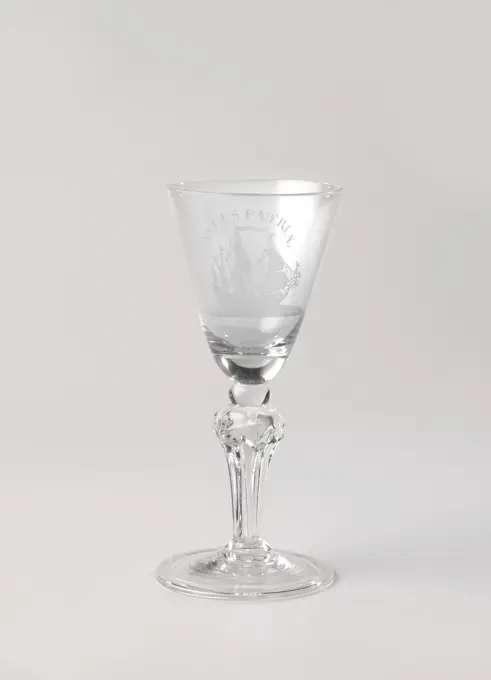
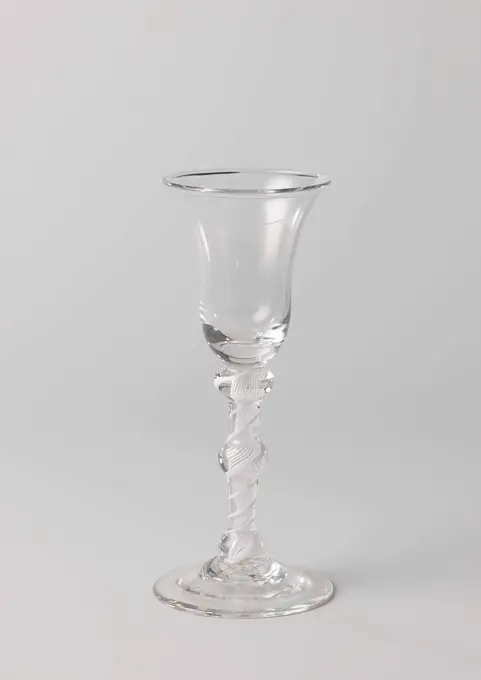
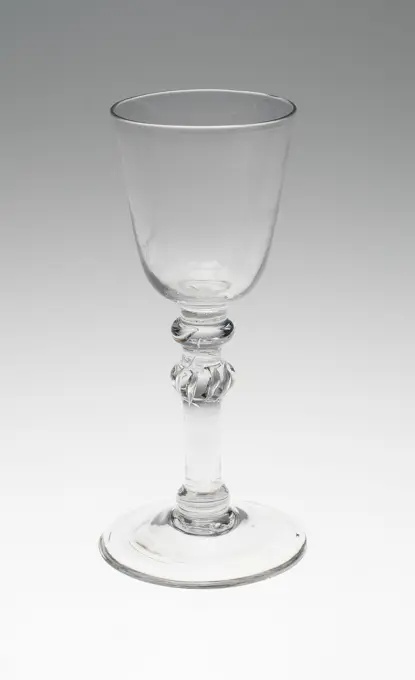
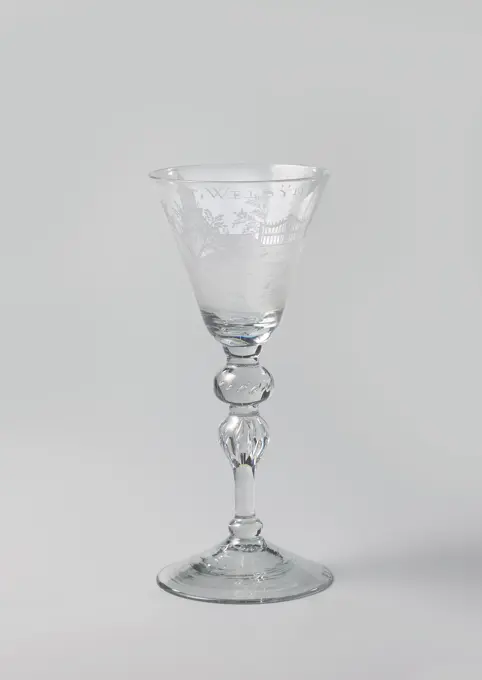
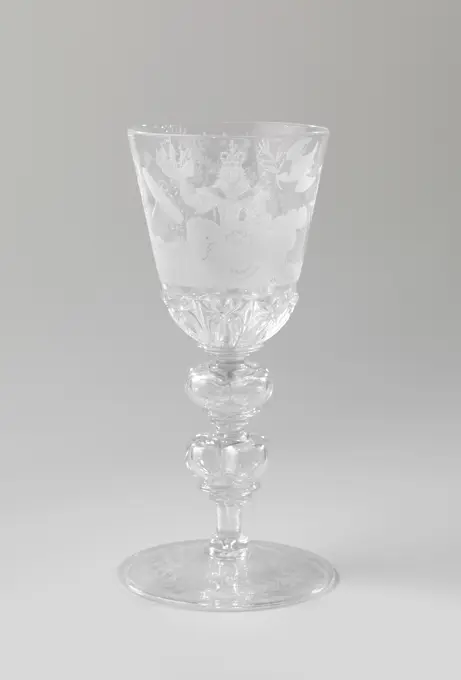
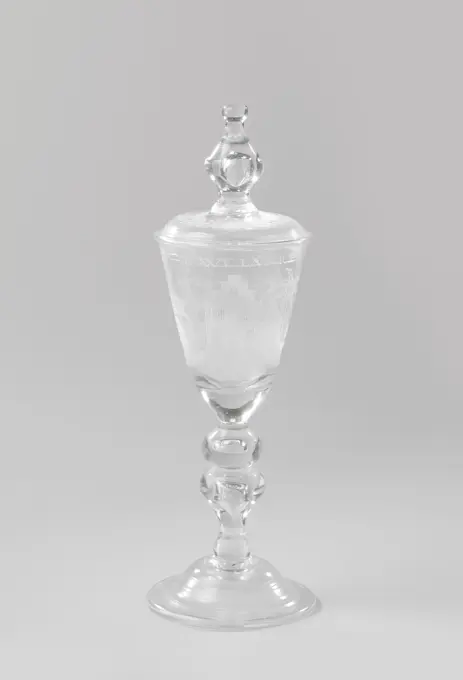
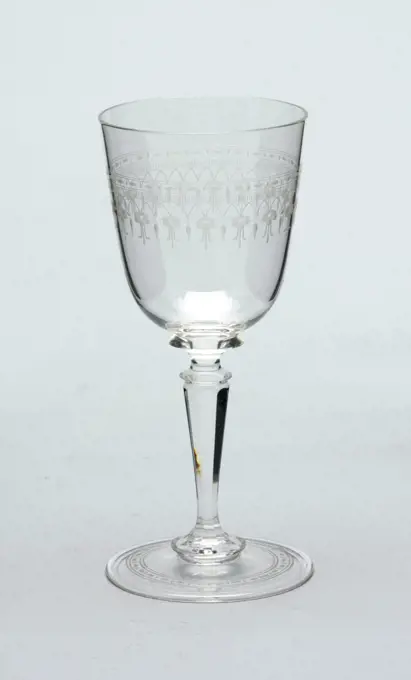
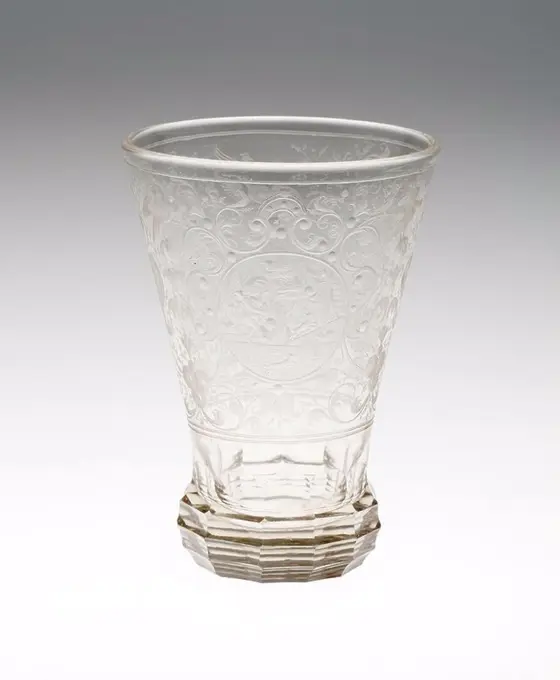
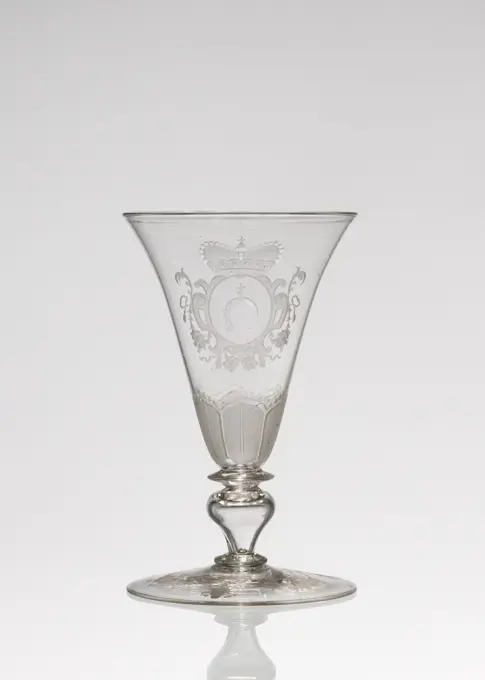
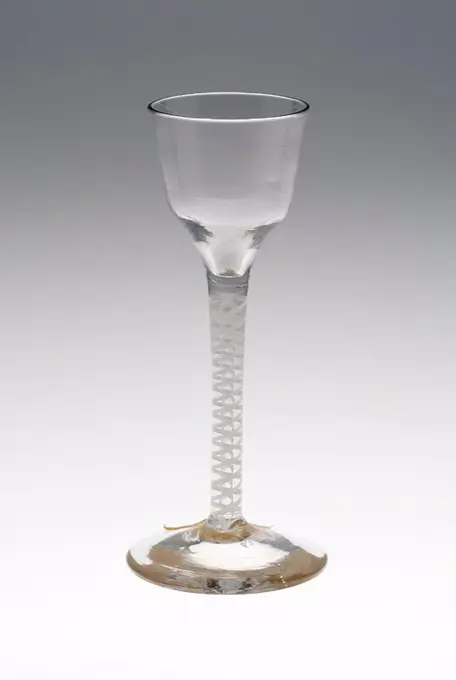
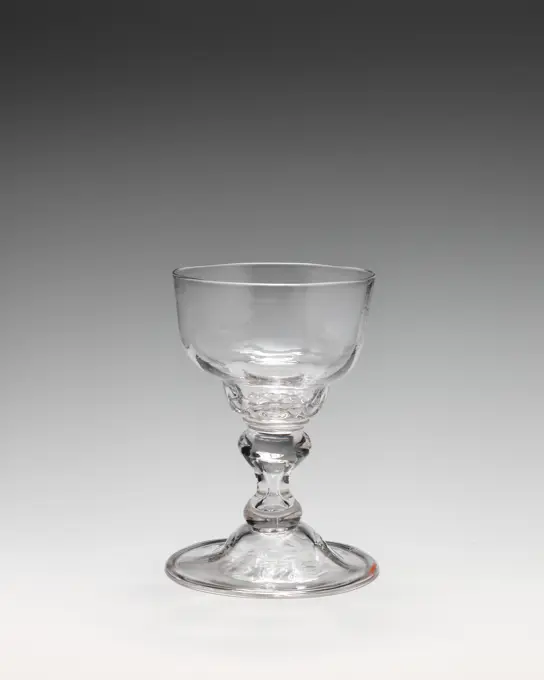
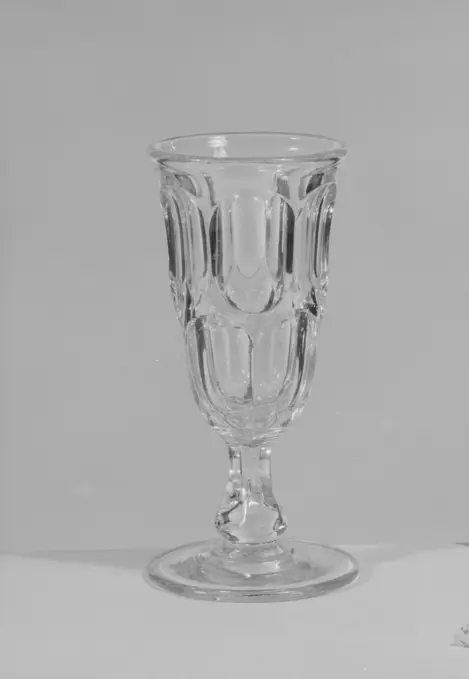
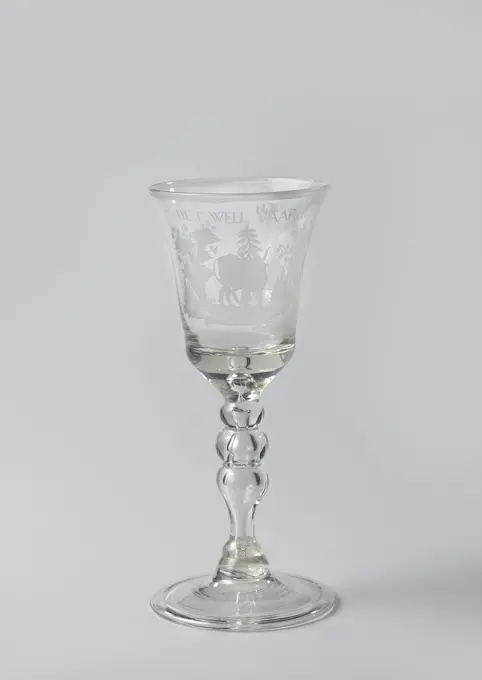
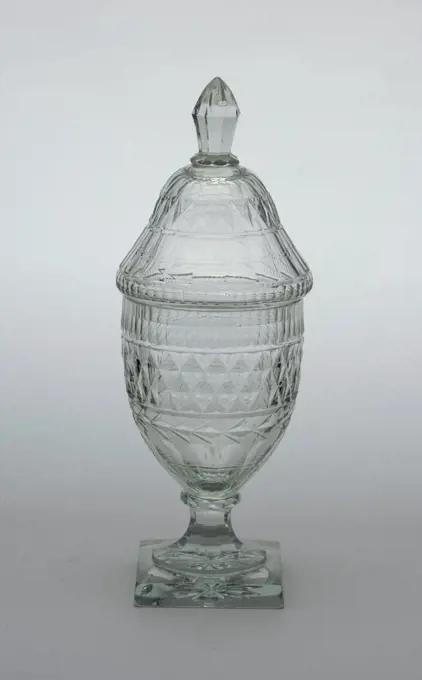
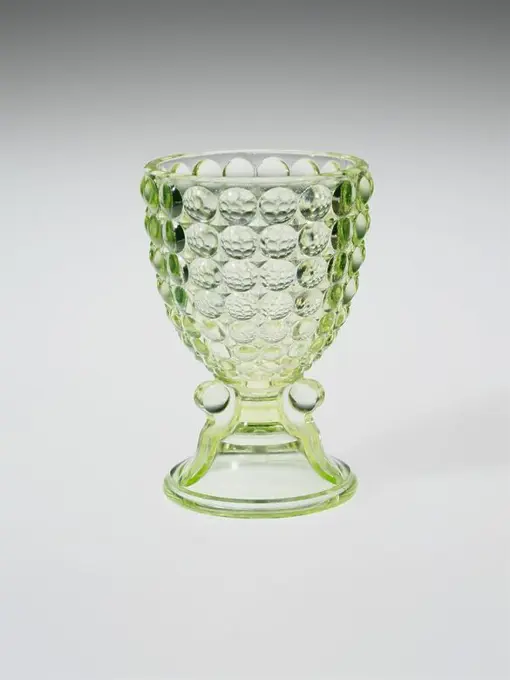
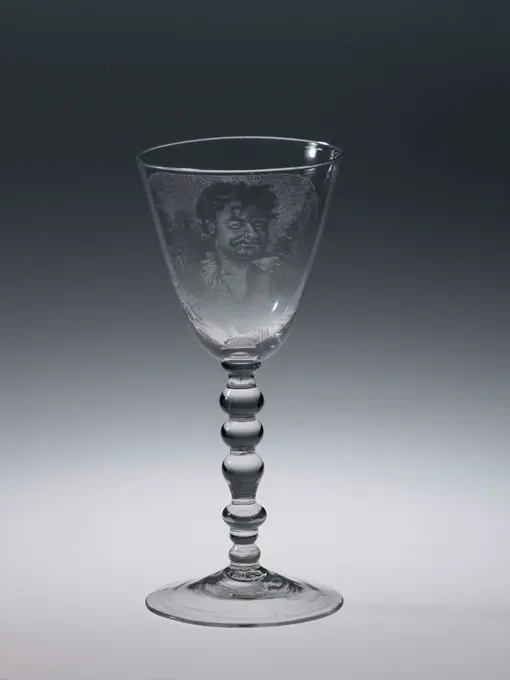
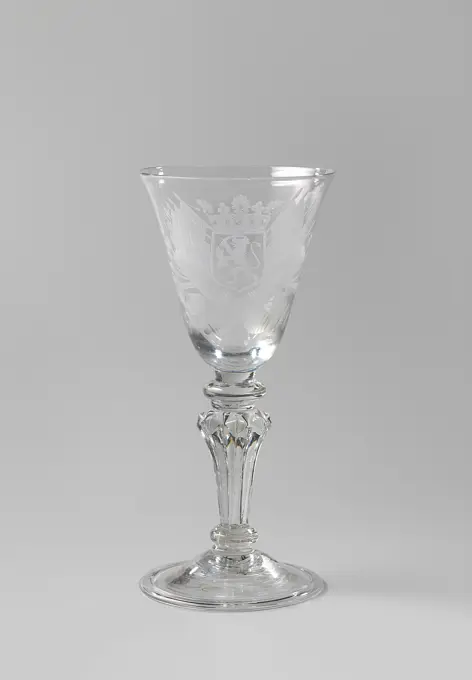
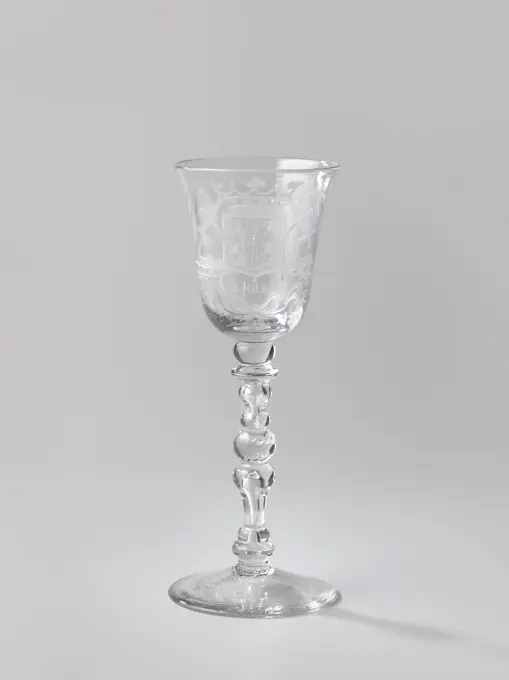
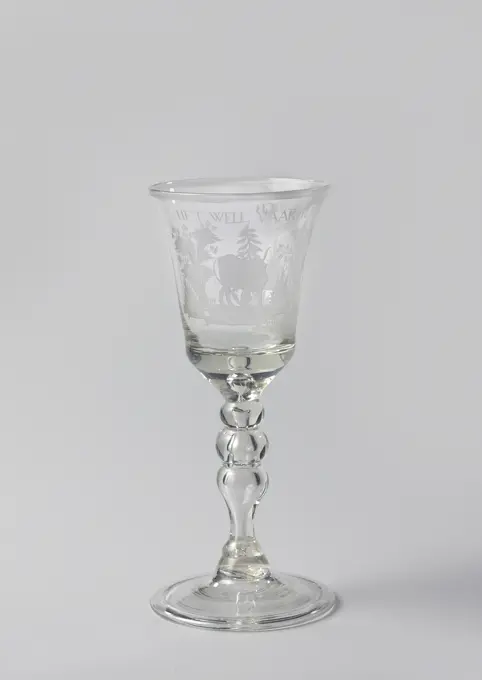
Chalice glass with the weapon of Tholen, Anonymous, c. 1725 - c. 1750  Chalice glass with conical foot. The baluster -shaped trunk with five knots, air bubbles and a double tire of air bubbles. Bell -shaped chalice. On the chalice, on two symmetrical leaves held together by a flower chalice, the crowned weapon of the island of Tholen flanked by two climbing lions. The name of the island is engraved under the weapon. glassblower: Low CountriesNorthern Netherlands glass glassblowing  TholenKelkglas met ornamentrand, anonymous, c. 1750 - c. 1775  Conical foot. Balus -shaped trunk with three knots with a few air bubbles. Funnel -shaped chalice with rounded bottom. On the chalice, along the mouth edge, a symmetrical ornament edge with band work, leaf shelves, clocks and two lovebirds. glassblower: Low CountriesNorthern Netherlands glass glassblowingChalice glass with a sailing ship and the inscription: Salus Patriæ, Anonymous, c. 1725 - c. 1750 Flat base with turned around. Hexagonal stam with a knot. Conical chalice with rounded soil. On the chalice a sailing ship above which: Salus Patriæ glassblower: EnglandNorthern Netherlands glass glassblowing Flat base with turned around. Hexagonal stam with a knot. Conical chalice with rounded soil. On the chalice a sailing ship above which: Salus Patriæ glassblower: EnglandNorthern Netherlands glass glassblowingSlinger glass with bell-shaped chalice. Slinger glass with conical foot and a ballustroid tribe. In the trunk opask white garland around white network spiral. Bell-shaped chalice.Cup with the coat of arms of the city of Amsterdam. Cup with conical foot. Baluster-shaped strain with three knots. On the clock-shaped chalice The crowned weapon of the city of Amsterdam, flanked by two lions. On the down side a radiant sun.Chalip glass with a three -mast and the inscription: Defiance to y = committee 'is the Wish of Arnoldus Kimyser at Dordrecht, Anonymous, c. 1750 - c. 1775 Konical foot with pontil brand. Straight trunk with a white double spiral. Klock -shaped chalice, on which a sailing three -mast is engraved. On the downside is the inscription 'Defiance to y = committee' is the wish of Arnoldus Kimyser at Dordrecht '. glassblower: EnglandNorthern Netherlands glass glassblowing Konical foot with pontil brand. Straight trunk with a white double spiral. Klock -shaped chalice, on which a sailing three -mast is engraved. On the downside is the inscription 'Defiance to y = committee' is the wish of Arnoldus Kimyser at Dordrecht '. glassblower: EnglandNorthern Netherlands glass glassblowingWine Glass 1790-1800 England. Glass; blown and stipple engraved .Chalip glass with a church, a meadow with cattle and the inscription: T.Welsyn Vant.land, Anonymous, c. 1750 - c. 1775 Chalice glass with baluster tribe and two knots with air vesicles. On the chalice engraved face on a church and a meadow with cattle above which: t.welsyn vant.land. glassblower: Low CountriesNorthern Netherlands glass glassblowing Chalice glass with baluster tribe and two knots with air vesicles. On the chalice engraved face on a church and a meadow with cattle above which: t.welsyn vant.land. glassblower: Low CountriesNorthern Netherlands glass glassblowingJar with a crowned virgin, anonymous, c. 1680 - c. 1700 Bokaal with lid, hollow, baluster tribe with two four -lobe knots. On the lid, Groot Schip, the Generality Season between two anchors and a crowned woman on the clouds with a ship in one hand and in the other the Rijksappel. Pigeon with olive branch. Foot and lid with praise. The glass is sick. glassblower: Low CountriesNorthern Netherlands glass glassblowing Bokaal with lid, hollow, baluster tribe with two four -lobe knots. On the lid, Groot Schip, the Generality Season between two anchors and a crowned woman on the clouds with a ship in one hand and in the other the Rijksappel. Pigeon with olive branch. Foot and lid with praise. The glass is sick. glassblower: Low CountriesNorthern Netherlands glass glassblowingCock lid, anonymous, c. 1725 - c. 1750 The lid has a baluster -shaped button and is decorated with engraved leaf vines. glassblower: GermanyNorthern Netherlands glass glassblowing The lid has a baluster -shaped button and is decorated with engraved leaf vines. glassblower: GermanyNorthern Netherlands glass glassblowingNo. 168, Ludwig Lobmeyr, Austrian, 1829 - 1917, J. & L. Lobmeyr GmbH, Vienna, Austria, founded ca. 1935, Mouth-blown crystal, facet-cut and polished, Mouth-blown crystal, partly facet-cut and polished, with a dainty floral engraved border, 1871, glasswares, Decorative Arts, Sherry glass, Sherry glassGlassBeaker. Bohemia, Czech Republic. Date: 1720-1730. Dimensions: 12.7 × 9.1 cm (5 × 3 9/16 in.). Glass. Origin: Bohemia. Museum: The Chicago Art Institute, Chicago, USA.Jar with a forest landscape with deer, anonymous, c. 1850 Large jar with eight -lobed foot and baluster -shaped, facet -cut trunk. High octagonal funnel -shaped chalice on which a forest landscape with a herd of deer is engraved. Under the show an akanthus edge. Bohemia glass glassblowing Large jar with eight -lobed foot and baluster -shaped, facet -cut trunk. High octagonal funnel -shaped chalice on which a forest landscape with a herd of deer is engraved. Under the show an akanthus edge. Bohemia glass glassblowingSlinger glass with bell-shaped chalice. Slinger glass with flat foot and straight trunk. In the trunk opask white garlands around winding, white network spiral. Bell-shaped chalice.No. 103, Theophil Hansen, Dutch, 1813 - 1891, J. & L. Lobmeyr GmbH, Vienna, Austria, founded ca. 1935, Mouth-blown crystal, cut and polished ornaments, Mouth-blown crystal sherry glass, cut and polished in the 'Greek' style., 1866, glasswares, Decorative Arts, Sherry glass, Sherry glassWine glass. unknown, glass worksWine glass with a scene of the flax trade, anonymous, c. 1775 - c. 1800 Conical foot. Broadening, facet -cut trunk, transferring to a curved chalice. On the chalice, in a landscape with trees, the flax trade is presented by a Zeeland farmer with a bundle of flax in the left hand. To the right next to the MAN tools for processing flax and a bale linen. Above the show The text: D'Vlas-trade .. Signed right below the show: L. Adams // Fecit. glassblower: EnglandNorthern Netherlands glass grinding / glassblowing Conical foot. Broadening, facet -cut trunk, transferring to a curved chalice. On the chalice, in a landscape with trees, the flax trade is presented by a Zeeland farmer with a bundle of flax in the left hand. To the right next to the MAN tools for processing flax and a bale linen. Above the show The text: D'Vlas-trade .. Signed right below the show: L. Adams // Fecit. glassblower: EnglandNorthern Netherlands glass grinding / glassblowingGoblet 1735-1745 Nuremberg. Glass .Wineglass 1780-1800 British. Wineglass. British. 1780-1800. Glass. GlassRoemer 1700-1725 Netherlands. Glass .Wine glass with a view of the port of Willemstad, the principal slave market in Curaçao, Simon Jacob Sang, 1756  Vaulted foot. Double baluster stem with air bubbles in spiral windings. Conical chalice with rounded soil. On the chalice in Radgravure an island, completely filled with houses, o. Walls with guns, R.B. A big flag, l. A ship half behind the island, otherwise two more ships at sea. Inscription; edge of the chalice b.: t 'prosperity of Curacao. Signed; m.: under the engraving: Jacob, Sang, FC: dated; M.: Under the engraving: 1756. Netherlands glass glassblowing island. sailing-ship, sailing-boat Curacao. WillemstadFlute 1845-1855 England. Glass .Diamond Point Goblet; USA; pressed glass; Overall: 16.7 x 9.3 cm diameter (6 9/16 x 3 11/16 in.)Commemorative Goblet 1920-1929 Czech Republic. Glass .Cup;  1920-39 (1920-00-00-1939-00-00);Jar with lid, with a three -mast and the inscription: the sailing of the Oostyndyese Kompanie, c. 1725 - c. 1750 Conical foot with turned around. Balus -shaped trunk with three knots and air bubbles. Funnel -shaped chalice with rounded bottom. On the chalice a three -mast on a matted soil, flanked by leaf branches. On the downside the monogram of the United Oostindische Compagnie, VOC, under the inscription: the sailing of the Oostyndyese Kompanie. The glass legated with lid. However, the lid is not original. glassblower: GermanyNorthern Netherlands glass glassblowing Conical foot with turned around. Balus -shaped trunk with three knots and air bubbles. Funnel -shaped chalice with rounded bottom. On the chalice a three -mast on a matted soil, flanked by leaf branches. On the downside the monogram of the United Oostindische Compagnie, VOC, under the inscription: the sailing of the Oostyndyese Kompanie. The glass legated with lid. However, the lid is not original. glassblower: GermanyNorCompote - Banded Star pattern Johnson, King & Company Johnson, King & CompanyWine Glass 1735-1745 Schleswig. Glass; engraved and gilt decorationGlass; Dresden (Huta Szk A; 1699-Post 1756); 2. W. 18th century (1725-00-00-1750-00-00);Wine Glass. England. Date: 1755-1765. Dimensions: H. 15.2 cm (6 in.). Glass. Origin: England. Museum: The Chicago Art Institute, Chicago, USA.Sweetmeat glass (one of a pair) ca. 1710 British. Sweetmeat glass (one of a pair). British. ca. 1710. Glass. GlassParfait Glass 1830-70 American With the development of new formulas and techniques, glass-pressing technology had improved markedly by the late 1840s. By this time, pressed tablewares were being produced in large matching sets and innumerable forms. During the mid-1850s, colorless glass and simple geometric patterns dominated. Catering to the demand for moderately-priced dining wares, the glass industry in the United States expanded widely, and numerous factories supplied less expensive pressed glassware to the growing market. At the Exhibition of the Industry of All Nations at New Yorks Crystal Palace in 1853, for example, the New England Glass Company exhibited 130 pieces of one design, "consisting of bowls, tumblers, champagnes, wines, and jelly glasses." This object belongs to one such service. Although the glass manufactory is not known, the glassware is very typical of the large services that were very popular with Americas middle class in the nineteenth century.. Parfait GlassJar with war trophies, c. 1725 - c. 1750 Vaulted foot with turned edge and a band cut oval. Facet cut stam with three knots and an extended tear. Klock -shaped chalice with facet cut, solid bottom with air bubbles. On the chalice two drums under a breast kuras for war trophies. Between the trophies, on the left, a banner with the lion of the province of Holland, and on the right a banner with the coat of arms of the city of Amsterdam. Along the mouth edge the inscription: the prosperity of the ED. Manhafte bourgeoisie of Amsterdam. Glassblower: Saksennorthern Netherlands glass grinding / glassblowing Vaulted foot with turned edge and a band cut oval. Facet cut stam with three knots and an extended tear. Klock -shaped chalice with facet cut, solid bottom with air bubbles. On the chalice two drums under a breast kuras for war trophies. Between the trophies, on the left, a banner with the lion of the province of Holland, and on the right a banner with the coat of arms of the city of AmsteGoblet. England. Date: 1775-1799. Dimensions: 15.2 × 8.4 cm (6 × 3 5/16 in.). Glass. Origin: England. Museum: The Chicago Art Institute, Chicago, USA.Bokaal with two cows and the inscription: the Well Vaaren van de Zeevangh, Anonymous, c. 1725 - c. 1750 Flat base with turned around. Baluster tribe with three knots and an elongated bubble. Bell -shaped chalice with rounded bottom. On the chalice two cows between trees above: the Well sailing of the Zeevangh. Zeevangh was probably the name of a farm. glassblower: GermanyNorthern Netherlands glass glassblowing Flat base with turned around. Baluster tribe with three knots and an elongated bubble. Bell -shaped chalice with rounded bottom. On the chalice two cows between trees above: the Well sailing of the Zeevangh. Zeevangh was probably the name of a farm. glassblower: GermanyNorthern Netherlands glass glassblowingCup with two cows and the inscription: the well sailing of the Zeevangh. Flat foot with beaten edge. Baluster trunk with three buttons and an elongated air bubble. Bell-shaped chalice with rounded bottom. On the chalice two cows between trees above: the well sailing of the Zeevangh. Zeevangh was probably the name of a farm.Chalice glass with funnel -shaped chalice, anonymous, c. 1775 - c. 1800 Chalice glass with flat foot. Light streaming trunk with a tear -shaped bubble. Funnel -shaped chalice. England glass glassblowing Chalice glass with flat foot. Light streaming trunk with a tear -shaped bubble. Funnel -shaped chalice. England glass glassblowingBokaal, with representations of putti with burning hearts. Bagic, from clear, colorless glass, with engraved prints of Putti. At the front a representation of a putto above an altar on which two burning hearts lie. Above the inscription: ich hab ge nung an einen. On the back a putto in a landscape with five burning hearts in his right hand. Above the inscription: Nimt Welches du Wilst.Kelkglas with funnel-shaped chalice. Kelkglas with vaulted foot with beaten edge. Baluster-shaped strain. Funnel-shaped chalice with rounded bottomCup;  1920-39 (1920-00-00-1939-00-00);Jar and lid, Glass, Tall urn-shaped body; tapered, fluted stem; square base with star cutting on bottom; tall domed cover with faceted finial; body cut with row of narrow flutes, band of diamonds, a garland circlet, wide flutes down to base; cover cut with conforming pattern; glass greenish and bubly, heavy., Waterford, Ireland, ca. 1800, glasswares, Decorative Arts, Jar and lidEgg Cup. Culture: American. Dimensions: H. 4 1/4 in. (10.8 cm); Diam. 2 3/4 in. (7 cm). Maker: Adams and Company. Date: 1870-80. Museum: Metropolitan Museum of Art, New York, USA.. Conical foot. Baluster-shaped strain with five knots. Conical, rugged on the bottom. On the chalice, in a rectangular field with rounded upper corners, a portrait, half a smiling man with a stuffed birch team in his left hand. Signed on the downside. F. Greenwood FIEC. 1743.Flute; Non -like Lona Huta; 3. W. 18th century (1750-00-00-1775-00-00);Wineglass 18th century British. Wineglass. British. 18th century. Glass. GlassTear wine glass ca. 1899 Attributed to Harry Powell British This object is a very fine example of the series of "tear" vessels designed by Harry Powell (grandson of the wine-merchant, James Powell, who had purchased the Whitefriars Glassworks in 1834) at the very end of the nineteenth century. This group of Powells designs shows him moving beyond his wavy-rimmed, organic, art nouveau responses to Façon-de-Venise glass. Instead, the inspiration for this group of crisp tableware, simply decorated with elongated vertical sea-green applied trails, or tears, was the great fifteenth-century Netherlandish painted masterpiece by Hugo van der Goes, the Portinari Triptych (Florence, Galleria degli Uffizi); in one of his design notebooks, logging "Glasses with Histories" and made around 1912 onwards (preserved in the Museum of London, acc. 3252), Powell sketched the vase in the paintings foreground, identifying it as "flower pictures by Hugo vander Goes in Uffizi Galery". The page of this notebSelklass with bell -shaped, achThangel Kelk, Anonymous, c. 1550 - c. 1649 Light conical foot. The trunk formed from a ribbed, twisted tube, bent in the shape of a serpent with blue mouth and a flat wing of colorless glass. Klock -shaped chalice in an octagon. Venice glass glassblowing Light conical foot. The trunk formed from a ribbed, twisted tube, bent in the shape of a serpent with blue mouth and a flat wing of colorless glass. Klock -shaped chalice in an octagon. Venice glass glassblowingFiring glass, Free-blown glass, Flared form of thick, clear glass with flat foot. Large tear forms the base., USA, 1800-1825, glasswares, Decorative Arts, Firing glassGoblet, Glass, blown with opaque white twist stem, Goblet of clear glass with ogee-shaped bowl, opaque white lace-twist straight stem and plain foot., England, 1760-80, glasswares, Decorative Arts, goblet, gobletChalip glass with the inscription: the good negotiation, anonymous, c. 1725 - c. 1750 Vaulted foot with turned around. Baluster tribe with two knots and an elongated bubble. Bell -shaped chalice with rounded, massive bottom, in which an bubble is stabbed. On the chalice the engraved inscription: the good negotiation between two tenders. Glassblower: Central Germanynorthern Netherlands glass glassblowing  Zierikzee Vaulted foot with turned around. Baluster tribe with two knots and an elongated bubble. Bell -shaped chalice with rounded, massive bottom, in which an bubble is stabbed. On the chalice the engraved inscription: the good negotiation between two tenders. Glassblower: Central Germanynorthern Netherlands glass glassblowing  ZierikzeeGoblet, 1850-70. Lead glass. Designer: Philip Webb. Manufacturer: James Powell & SonsGoblet with Hunting Scene Goblet; England; glassJar with a band with asymmetrical leaf work, between which a bear and a deer show, anonymous, c. 1725 - c. 1750 Conical foot. Facetted baluster tribe with two knots and five writing. Conical chalice with faceted, rounded soil. On the chalice an engraved band with asymmetrical leaf work, between which a bear and a deer yacht. Glassblower: Saksengermany glass glassblowing Conical foot. Facetted baluster tribe with two knots and five writing. Conical chalice with faceted, rounded soil. On the chalice an engraved band with asymmetrical leaf work, between which a bear and a deer yacht. Glassblower: Saksengermany glass glassblowingPrzeszo Przyszoci Huta Uarzecko NalibockieWine Glass. Culture: American. Dimensions: H. 4 1/16 in. (10.3 cm). Date: 1830-70.With the development of new formulas and techniques, glass-pressing technology had improved markedly by the late 1840s. By this time, pressed tablewares were being produced in large matching sets and innumerable forms. During the mid-1850s, colorless glass and simple geometric patterns dominated. Catering to the demand for moderately-priced dining wares, the glass industry in the United States expanded widely, and numerous factories supplied less expensive pressed glassware to the growing market. At the Exhibition of the Industry of All Nations at New York's Crystal Palace in 1853, for example, the New England Glass Company exhibited 130 pieces of one design, "consisting of bowls, tumblers, champagnes, wines, and jelly glasses." This object belongs to one such service. Although the glass manufactory is not known, the glassware is very typical of the large services that were very popular with America's miCordial glass first half 18th century British. Cordial glass. British. first half 18th century. Glass. GlassCup; Glucksburg (Huta Szk A; 1700-Post 1756); Ok. PO. 18th century (1740-00-00-1760-00-00);Flip Glass 1830-70 American With the development of new formulas and techniques, glass-pressing technology had improved markedly by the late 1840s. By this time, pressed tablewares were being produced in large matching sets and innumerable forms. During the mid-1850s, colorless glass and simple geometric patterns dominated. Catering to the demand for moderately-priced dining wares, the glass industry in the United States expanded widely, and numerous factories supplied less expensive pressed glassware to the growing market. At the Exhibition of the Industry of All Nations at New Yorks Crystal Palace in 1853, for example, the New England Glass Company exhibited 130 pieces of one design, "consisting of bowls, tumblers, champagnes, wines, and jelly glasses." This object belongs to one such service. Although the glass manufactory is not known, the glassware is very typical of the large services that were very popular with Americas middle class in the nineteenth century.. Flip Glass 3754Drinking Glass. Italy, Venice, circa 1550-1650. Furnishings; Serviceware. GlassGoblet with Cover 1700-1799 Rhineland. Glass .. Vaulted foot. Baluster trunk with three buttons. Conical chalice with a rounded basis. A glasses seller on a country road in a landscape with trees. He wears glasses on the nose, glasses in the right hand and a march on the shoulder. On the left is an owl on a pole and flies a bat through the air. Above the performance the inscription: buy sled eyes. On the other side of the chalice the inscription: glasses for bats and owls and all those for silly action pits. Vaulted lid with two buttons, the upper pear-shaped.Glass; Lobmeyr, J. & L. (Vienna; 1823-); 1920-39 (1920-00-00-1939-00-00);Cordial Glass 1865-70 New England Glass Company. Cordial Glass 2263Kelkglas with the weapon of the Seven United Provinces. Vaulted foot with beaten edge. Octagonal in shape blown stem. Conical chalice with rounded soil. On the chalice The crowned weapon of the Republic of the Seven United Provinces on war trophies.Goblet. Attributed to Redford Glass Company; American, 1831-51; Redford, New York. Date: 1831-1851. Dimensions: 15.6 × 7 cm (6 1/8 × 2 3/4 in.). Blown glass. Origin: New York City. Museum: The Chicago Art Institute, Chicago, USA."Old Abe/Frosted Eagle" pattern covered compote on pedestal. Attributed to Crystal Glass Company; Bridgeport, Ohio. Date: 1880-1890. Dimensions: 28.6 × 17.8 cm (11 1/4 × 7 in.). Glass. Origin: United States. Museum: The Chicago Art Institute, Chicago, USA.Pair ofLampsGlass; Lobmeyr, J. & L. (Vienna; 1823-); around 1900 (1895-00-00-1905-00-00);Toast goblet. Huta Kryształowa (huta szkła; 1717/1718- ca 1794), glass worksCup; Non -like Lona Huta; Ok. PO. 18th century (1740-00-00-1760-00-00);Wine Goblet ca. 1867 Boston & Sandwich Glass Company. Wine Goblet 9934Pitcher 1850-60 American With the development of new formulas and techniques, glass-pressing technology had improved markedly by the late 1840s. By this time, pressed tablewares were being produced in large matching sets and innumerable forms. During the mid-1850s, colorless glass and simple geometric patterns dominated. Catering to the demand for moderately-priced dining wares, the glass industry in the United States expanded widely, and numerous factories supplied less expensive pressed glassware to the growing market. At the Exhibition of the Industry of All Nations at New Yorks Crystal Palace in 1853, for example, the New England Glass Company exhibited 130 pieces of one design, "consisting of bowls, tumblers, champagnes, wines, and jelly glasses." This object belongs to one such service. Although the glass manufactory is not known, the glassware is very typical of the large services that were very popular with Americas middle class in the nineteenth century.. Pitcher. American. Wine glass with David and Jonathan, anonymous, c. 1750 - c. 1775 Vaulted foot. Baluster tribe with buttons and two rows of air bubbles. Conical chalice with rounded soil. On the Kelk David and Jonathan and above it the inscription: "friendship.en.liefde". glassblower: Low CountriesNorthern Netherlands glass glassblowing Vaulted foot. Baluster tribe with buttons and two rows of air bubbles. Conical chalice with rounded soil. On the Kelk David and Jonathan and above it the inscription: "friendship.en.liefde". glassblower: Low CountriesNorthern Netherlands glass glassblowingGoblet. England. Date: 1735-1745. Dimensions: 17 × 10.2 cm (6 11/16 × 4 in.). Glass. Origin: England. Museum: The Chicago Art Institute, Chicago, USA.Glass; Lobmeyr, J. & L. (Vienna; 1823-); 1920-39 (1920-00-00-1939-00-00);Saltcellar. Culture: American or British. Dimensions: H. 3 in. (7.6 cm). Date: 1780-1825. Museum: Metropolitan Museum of Art, New York, USA.Wineglass 1730-50 probably Bohemian. Wineglass. probably Bohemian. 1730-50. Glass. Glassgoblet, glass, Small, inverted pear-shaped bowl with flat bottom, short stem with flattened globular knop and broad, circular foot. Wheel engraved on upper part of bowl with alternating sprays and stars in groups of 4. Below, one ring and row of small hatch marks encircle bowl., Ireland, ca. 1810-25, glasswares, Decorative Arts, gobletChalice glass with trumpet -shaped chalice, anonymous, c. 1750 Chalk glass on conical foot. Balustrian trunk with inserted bubble, transfer in a trumpet -shaped chalice. England (possibly) glass glassblowing Chalk glass on conical foot. Balustrian trunk with inserted bubble, transfer in a trumpet -shaped chalice. England (possibly) glass glassblowingCordial Glass 1865-70 New England Glass Company. Cordial Glass. American. 1865-70. Pressed glass. Made in East Cambridge, Massachusetts, United StatesEgg Cup 1870-80 Adams and Company. Egg Cup 3518Siphon glass 17th century Spanish, possibly Catalonia or Dutch In the bottom of the glass are the remains of a "surprise" siphon apparatus. This interior element caused an unexpected stream of liquid to escape through a hole in just one of the rings that adorn the hollow sphere set between the bowl and the foot.. Siphon glass 186300Covered SugarBowlIce-Glass Beaker. UnknownChalice glass with gilded piping along the mouth edge, anonymous, c. 1700 - c. 1800 Vaulted foot. Balustro de Stam with two nodes. Funnel -shaped chalice rounded at the bottom. A gilded piping along the top edge. Germany (possibly) glass glassblowing / gilding Vaulted foot. Balustro de Stam with two nodes. Funnel -shaped chalice rounded at the bottom. A gilded piping along the top edge. Germany (possibly) glass glassblowing / gildingRoemer with three rows of Braamnoppen, Anonymous, c. 1650 - c. 1700 Large Roemer with inserted bottom, on Concave, spun from a wire. Bolle Kelk, blown as a whole with the hollow trunk, which is set with three rows of brambles. The transition from the chalice to the trunk indicated by a ribbed thread. Low Countries glass glassblowing Large Roemer with inserted bottom, on Concave, spun from a wire. Bolle Kelk, blown as a whole with the hollow trunk, which is set with three rows of brambles. The transition from the chalice to the trunk indicated by a ribbed thread. Low Countries glass glassblowingCup, anonymous, c. 1550 - c. 1600 Cup with lightly inserted soil, ribbed position ring. Cup -shaped, waving body Low Countries glass glassblowing Cup with lightly inserted soil, ribbed position ring. Cup -shaped, waving body Low Countries glass glassblowingTumbler 1775-1820. Tumbler 9027Standing cup (Pokal) late 17th century German, probably Nuremberg. Standing cup (Pokal). German, probably Nuremberg. late 17th century. Glass. GlassChampagne Glass 1830-40 American. Champagne Glass 1943Cup; Naliboki (glassworks; 1722-1862), Urzecze (Huta Zwierciadlana; 1737-1846); 3. Exercise of the 18th century (1750-00-00-1775-00-00);Rusiecki-Ursyn, Stanisław (1862-1944)-collection, gift (provenance), monogramsWine Glass Glass; Manufactured by Val St. Lambert; glassGlass; Lobmeyr, J. & L. (Vienna; 1823-); 1920-39 (1920-00-00-1939-00-00);Wineglass. Culture: Italian, Venice (Murano). Dimensions: Overall: 5 5/8 × 3 5/8 in. (14.3 × 9.2 cm). Date: 17th century.During the Renaissance, Venetian glassmakers, working on the island of Murano, were celebrated across Europe for their fine and sparkling work. Called "cristallo" emulating the clarity of rock crystal, in the hands of the most skilled glassblowers the medium could be delightfully manipulated, variously stretched paper-thin flat, or playfully twisted, or blown into molds with spectacular patterns. Museum: Metropolitan Museum of Art, New York, USA.Wineglass ca. 1600-1630 Italian, Venice (Murano) During the Renaissance, Venetian glassmakers, working on the island of Murano, were celebrated across Europe for their fine and sparkling work. Called cristallo” emulating the clarity of rock crystal, in the hands of the most skilled glassblowers the medium could be delightfully manipulated, variously stretched paper-thin flat, or playfully twisted, or blown into molds with spectacular patterns.. Wineglass 186069Standing cup probably first half 18th century German, Brandenburg or Zechlin glass with Silesian engraving. Standing cup. German, Brandenburg or Zechlin glass with Silesian engraving. probably first half 18th century. Glass. GlassCompote - Nova Scotia Crown Pattern.Maker Unknown, Tumbler, probably 1920s, colorless non-lead glass.Crystal Vase Crystal vase on a glass studio background Copyright: xZoonar.com/AndreyxSkatx 12331555