Antique Glassware

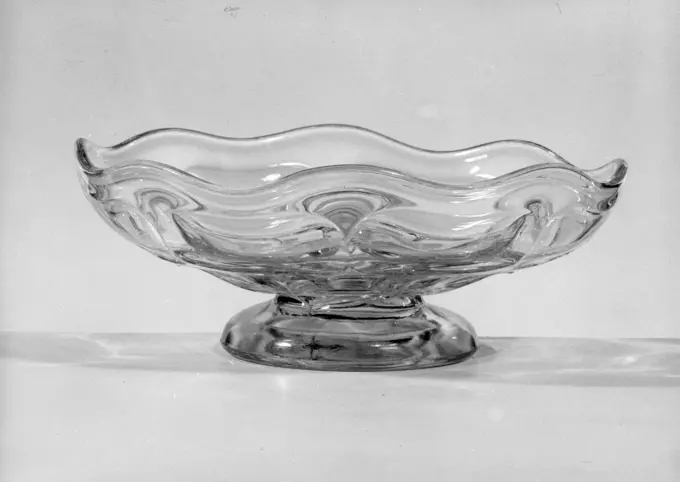
A collection of historical glass containers and decorative pieces with intricate designs, showcasing craftsmanship from various cultures.
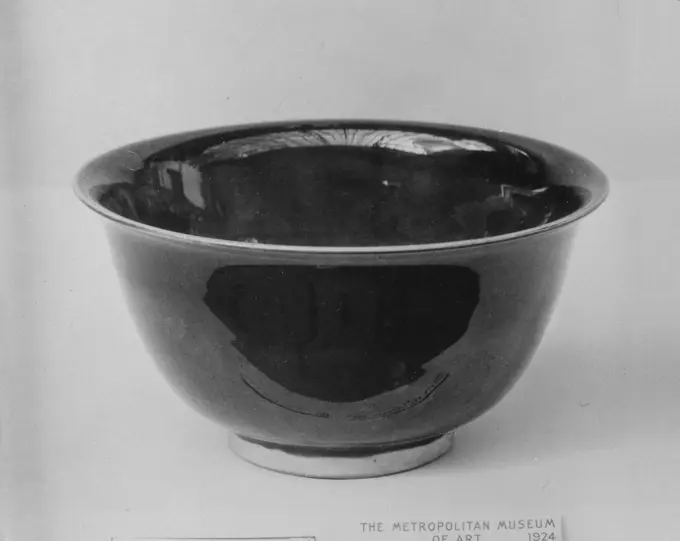
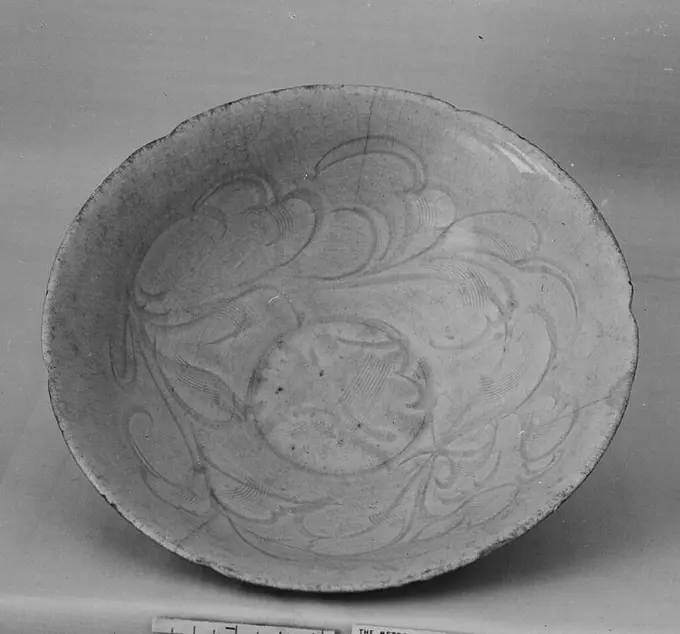
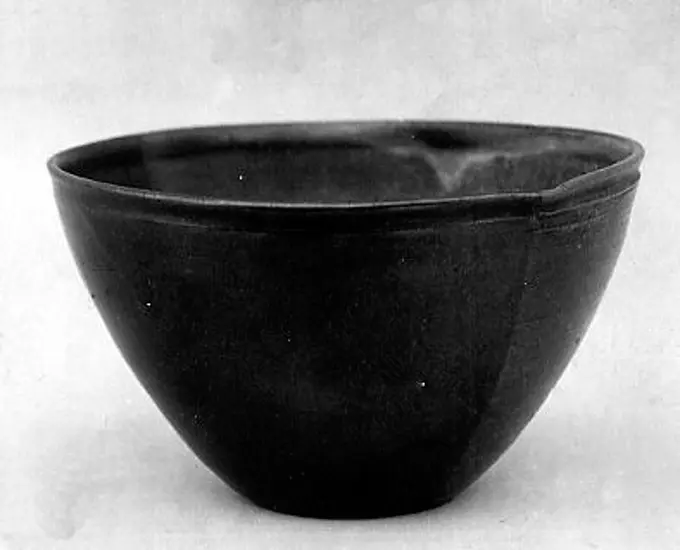
Bowl 1830 Eiraku Hozen. Bowl. Eiraku Hozen (Japanese, 1795-1854). Japan. 1830. Faience() covered with rich green glaze, craquelé (Kyoto ware). Edo period (1615-1868). Ceramics
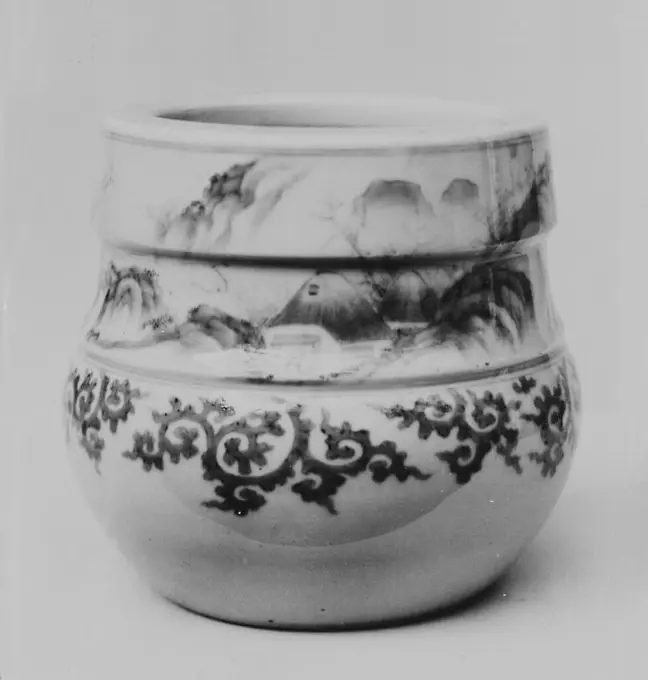
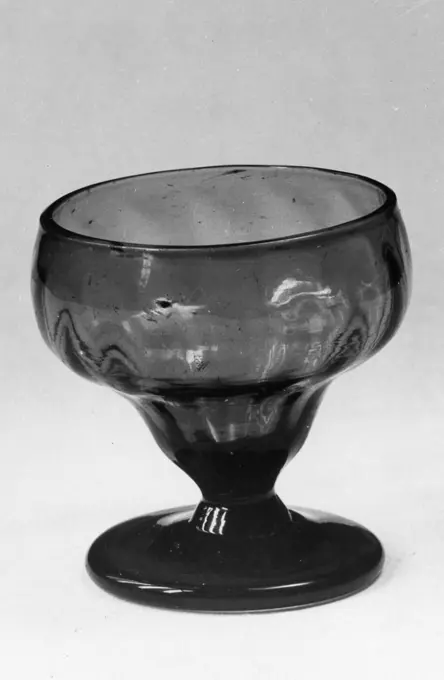
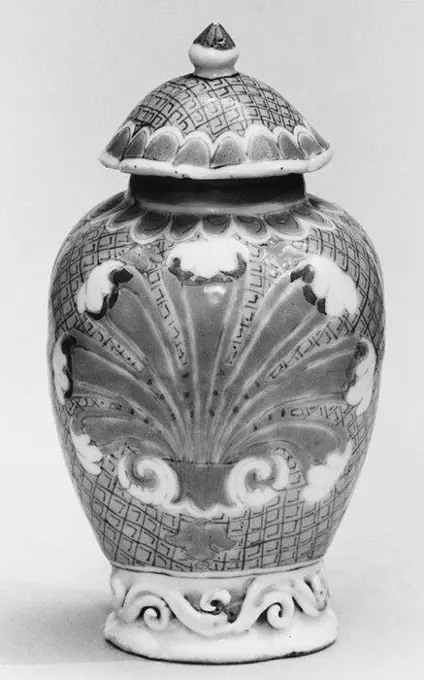
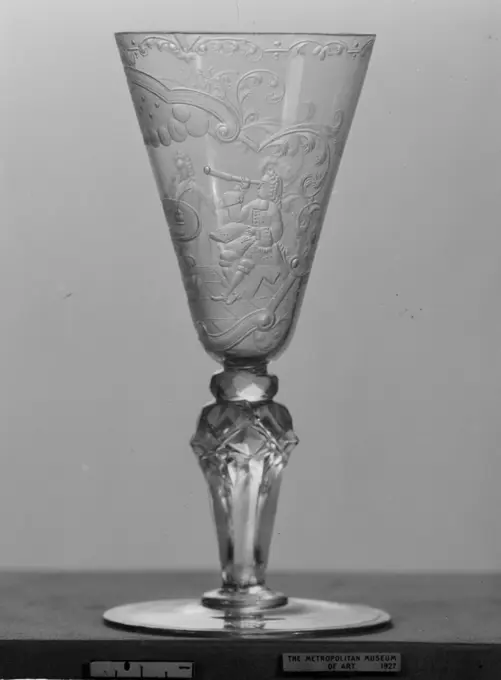
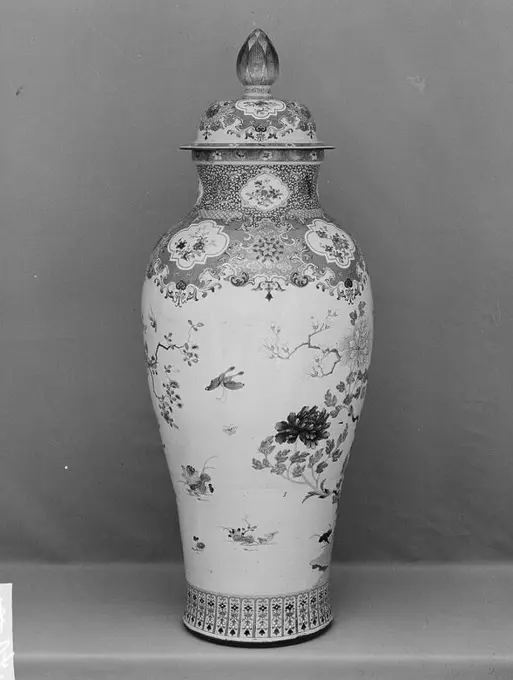
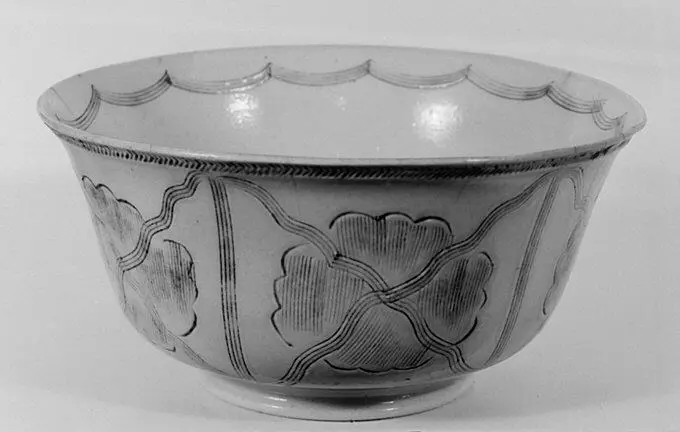
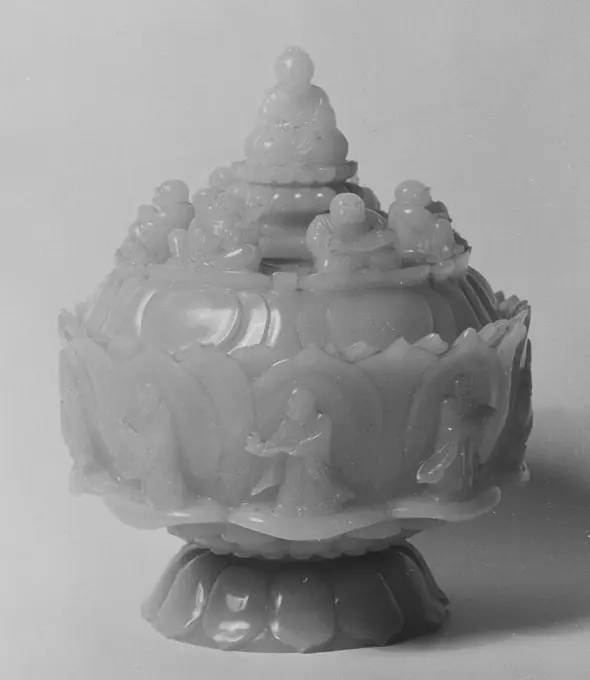
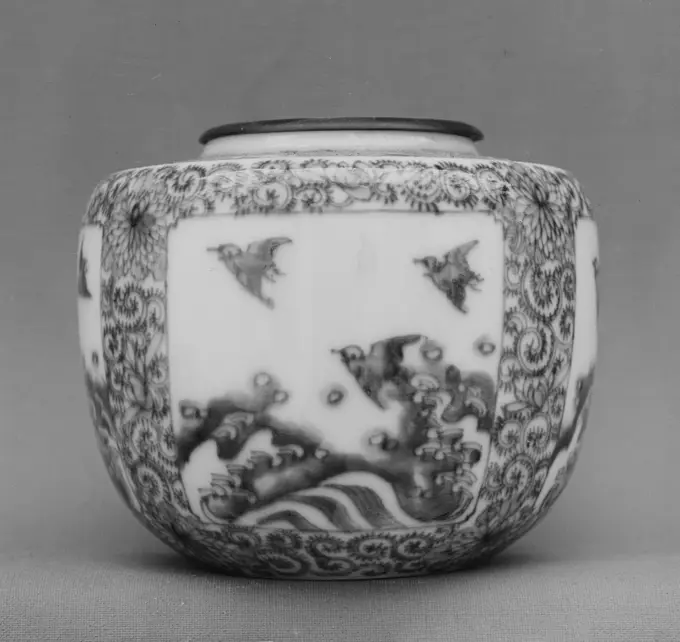
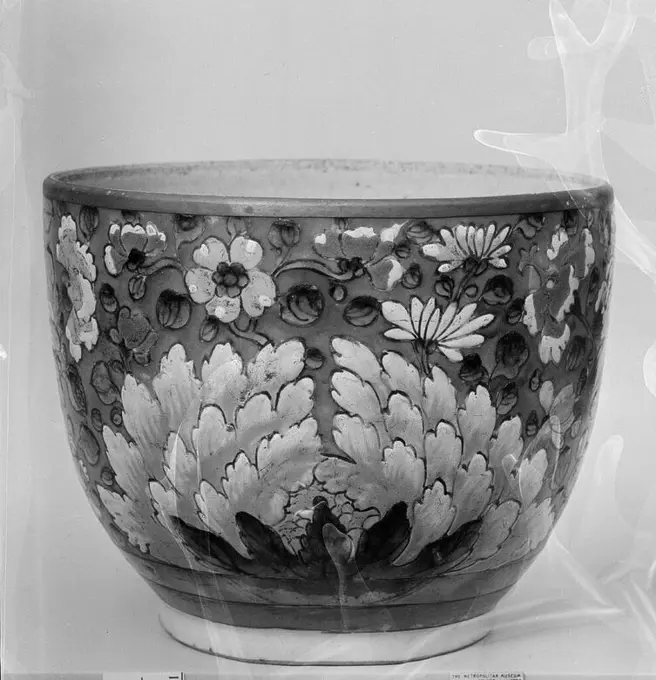
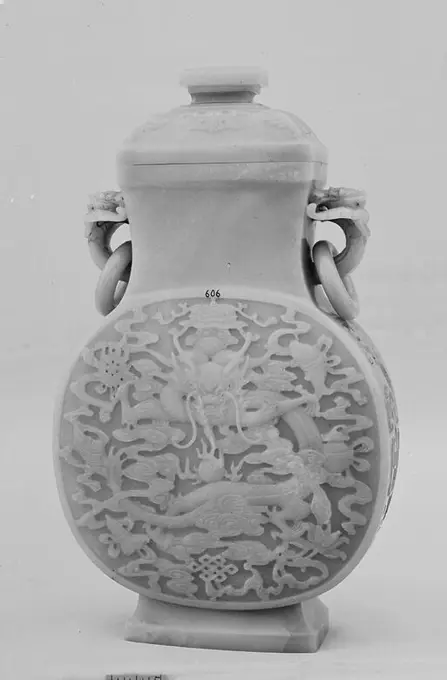
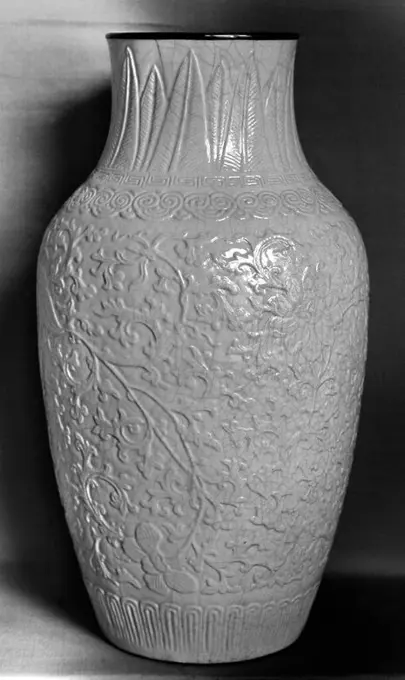
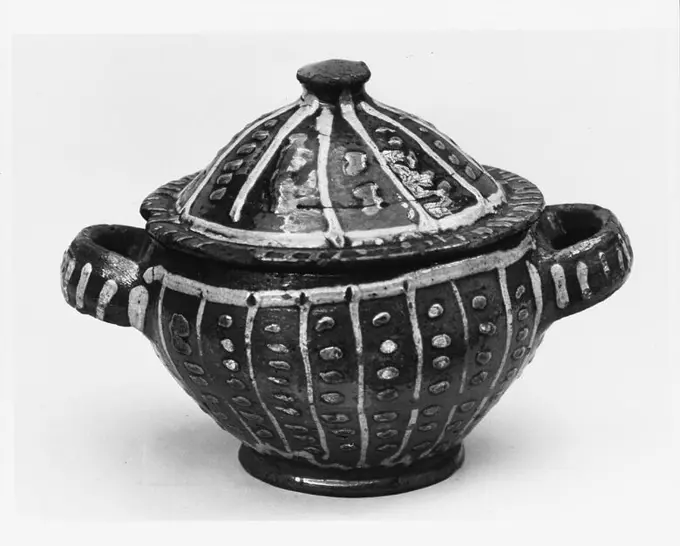
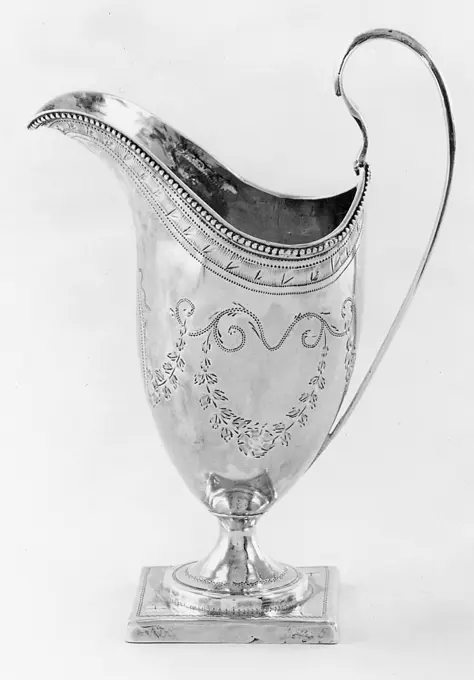
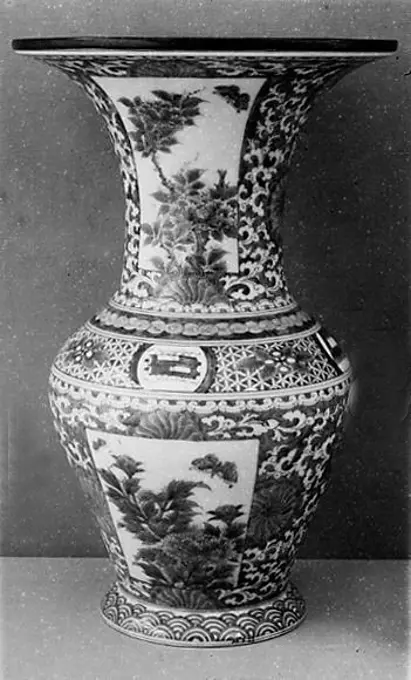
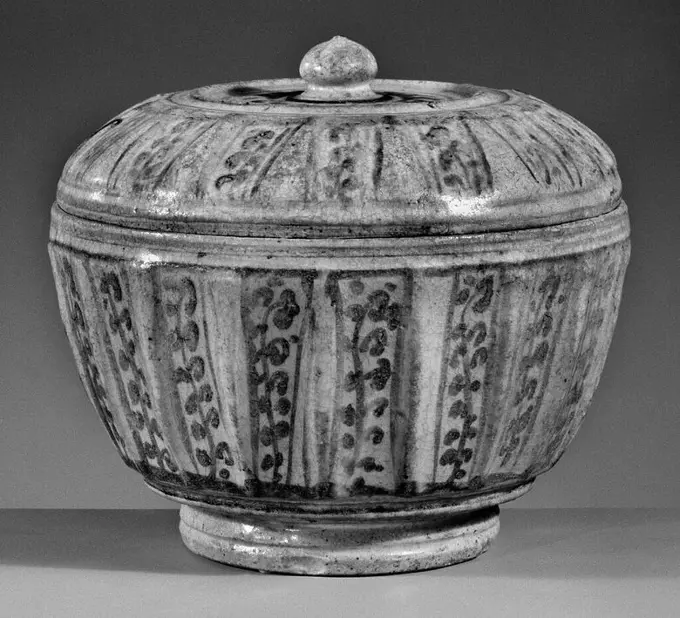
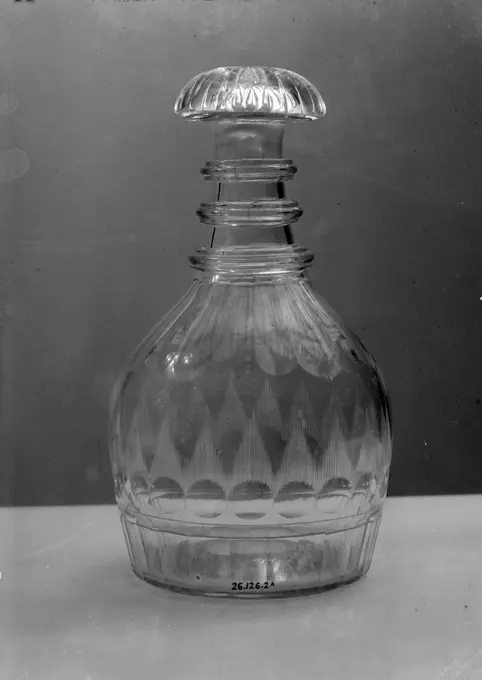
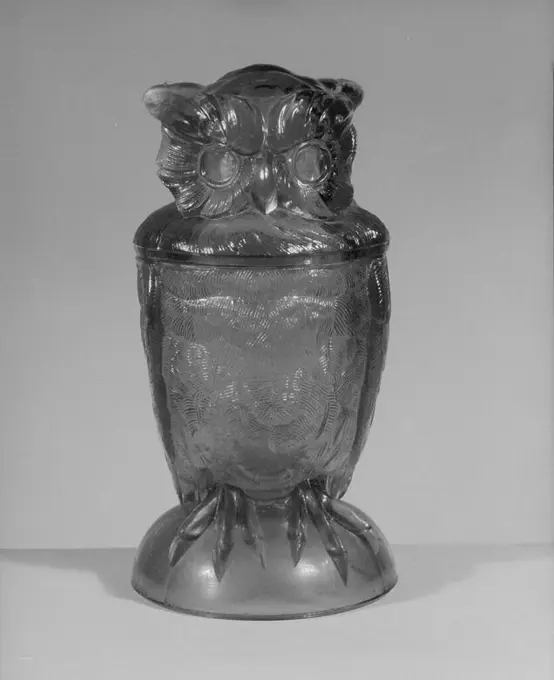
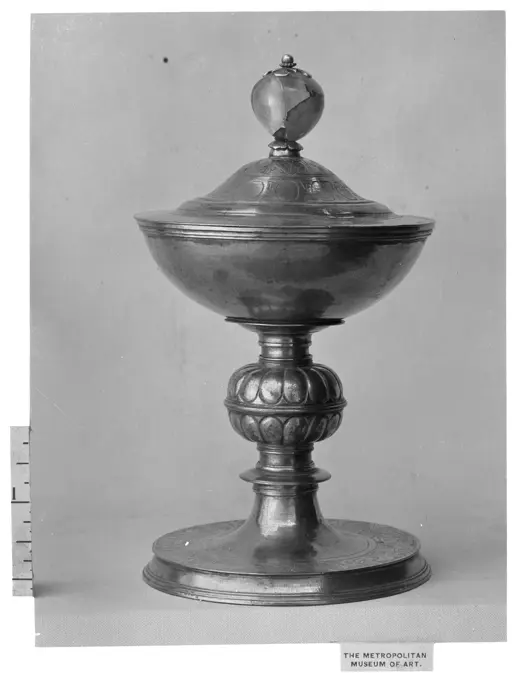
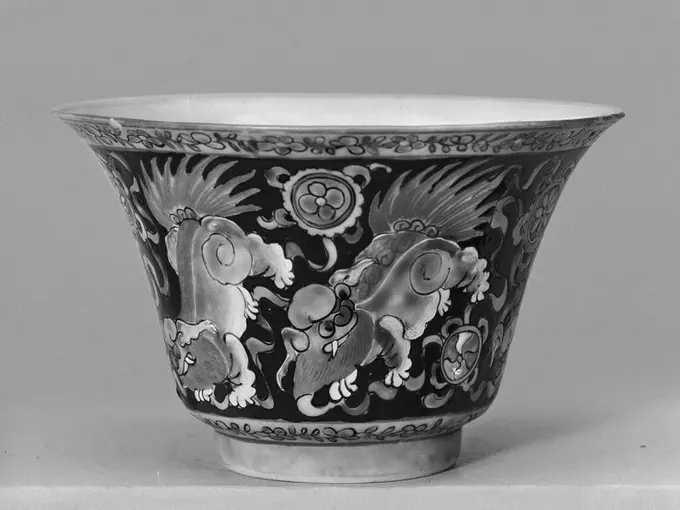
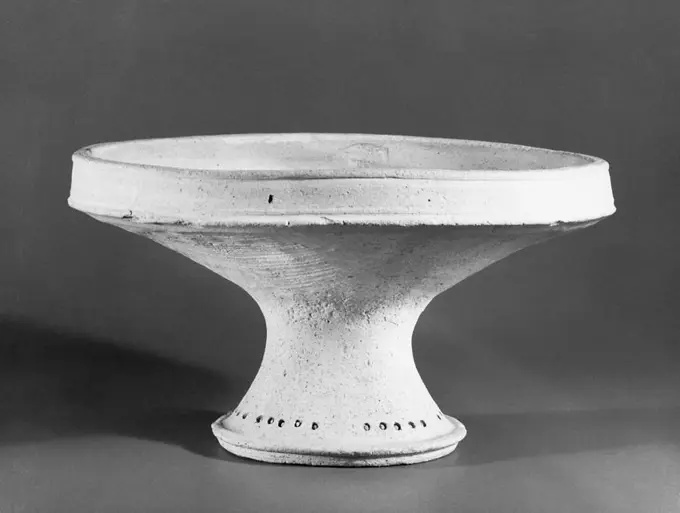
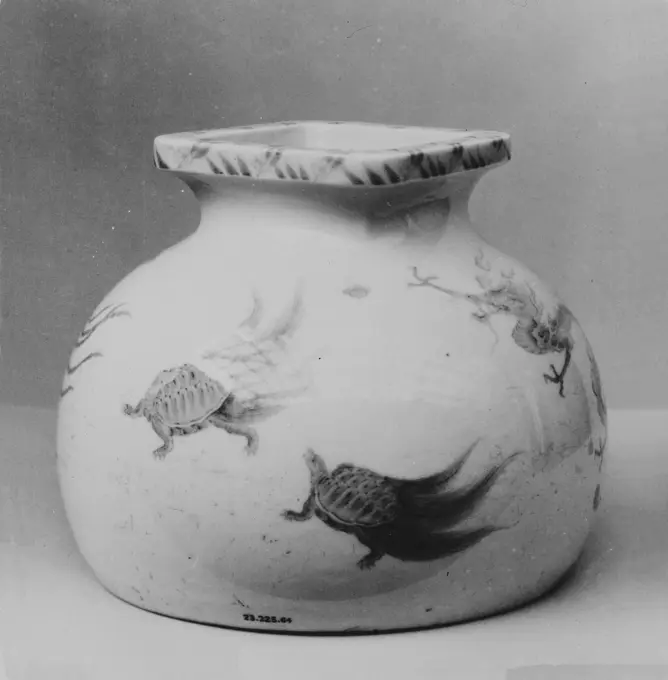
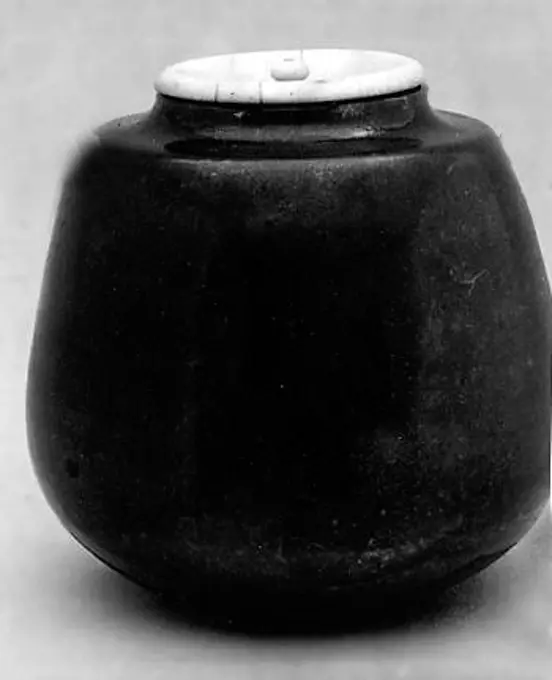
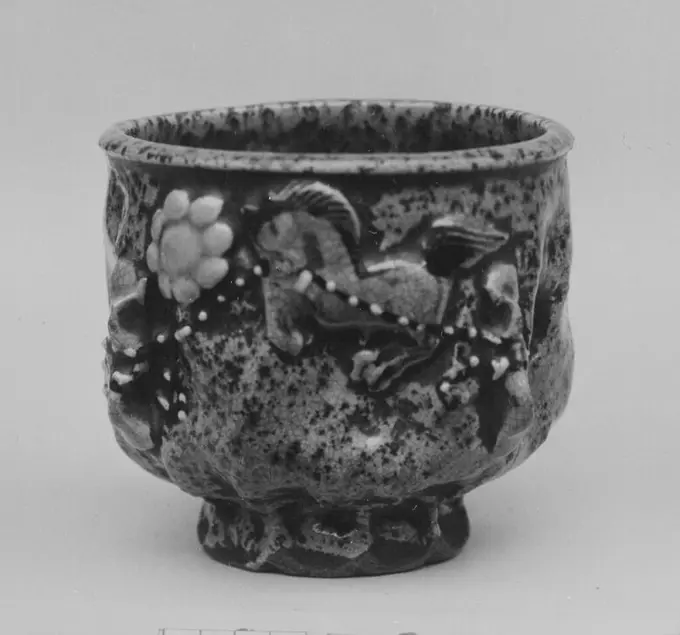
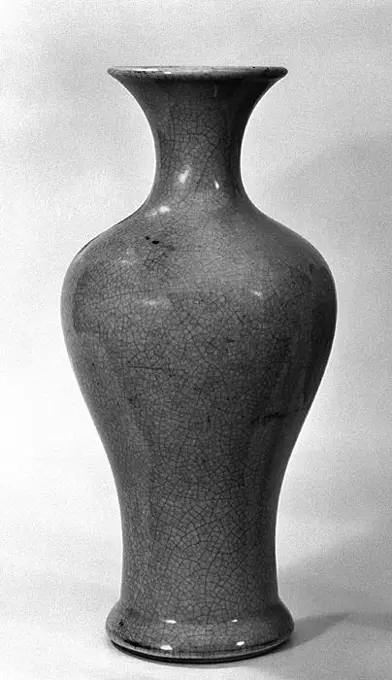
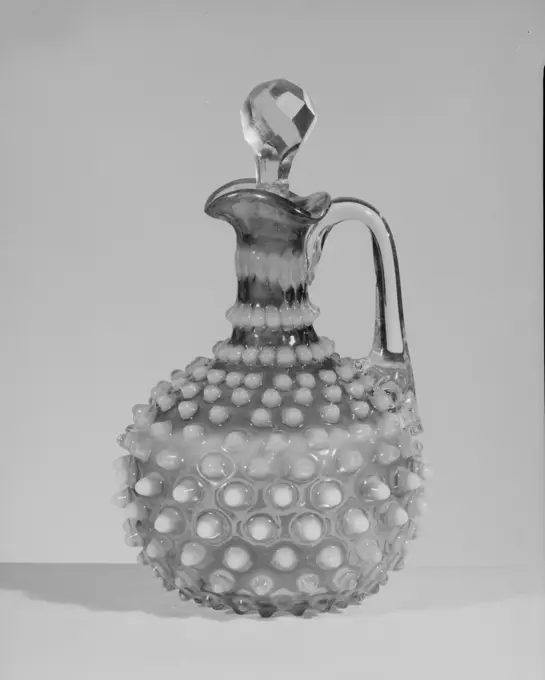
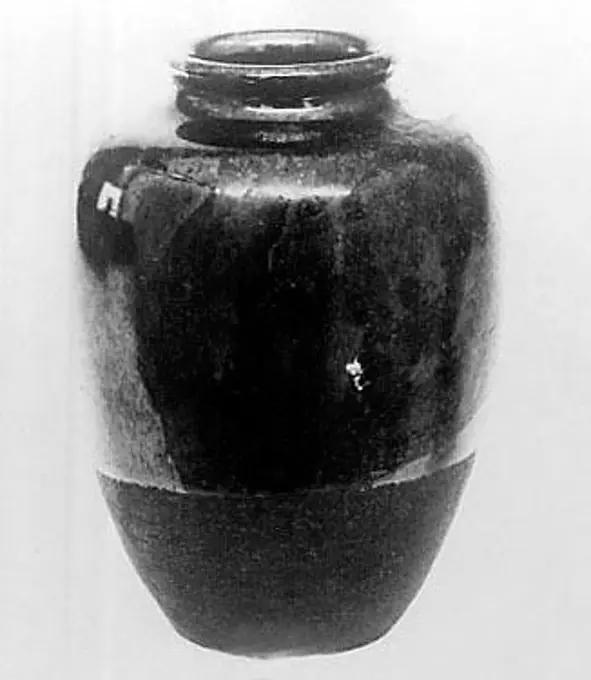
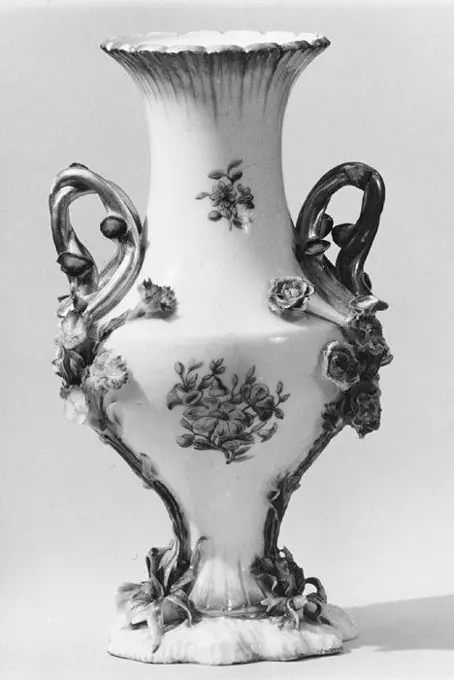
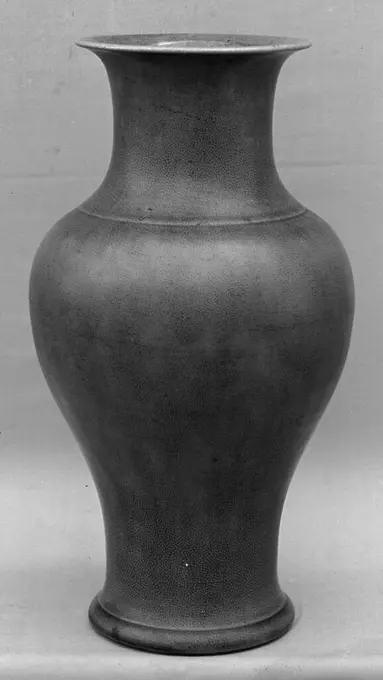
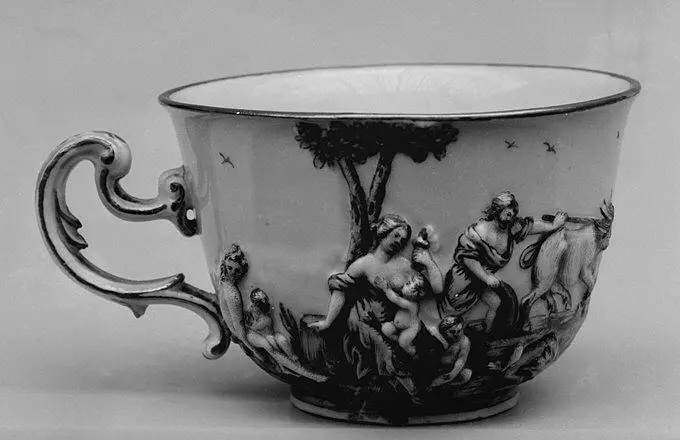
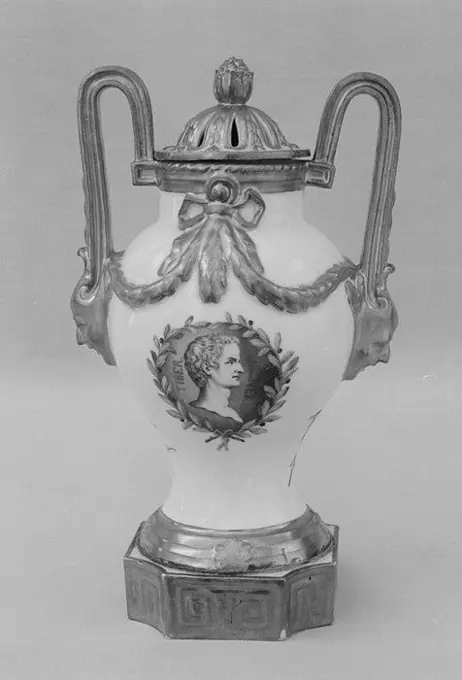
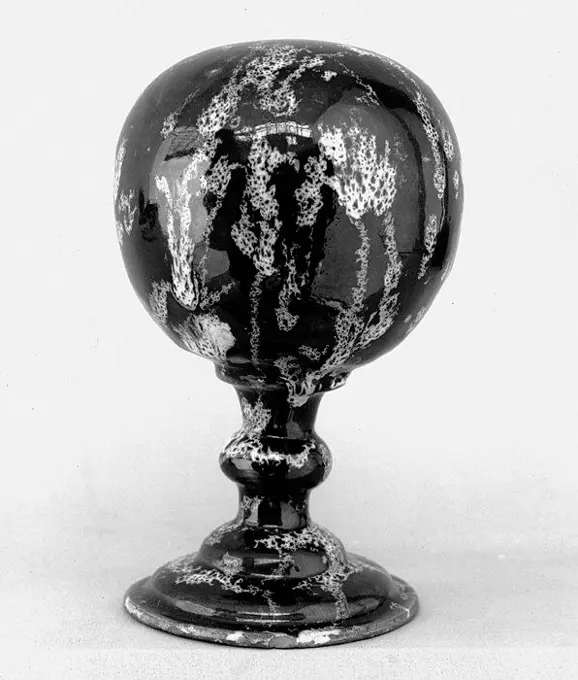
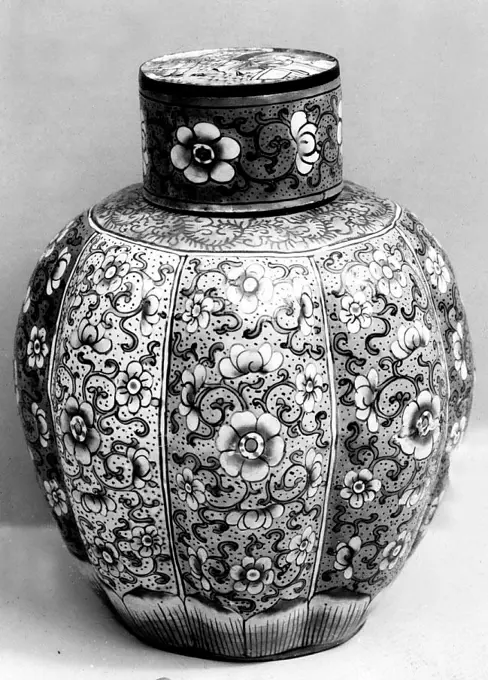
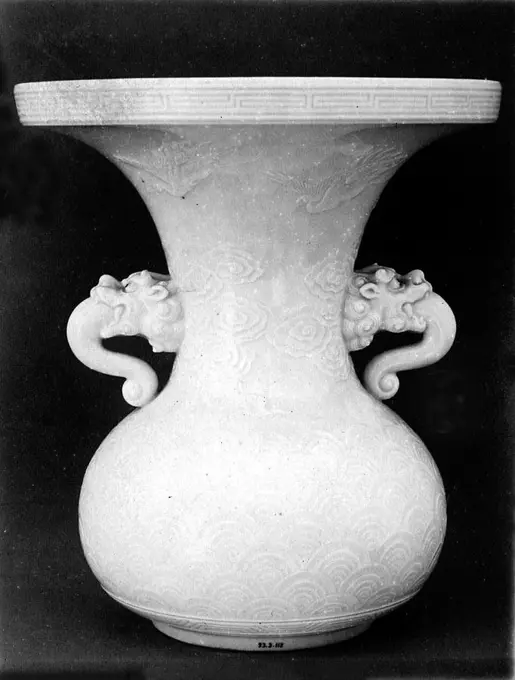
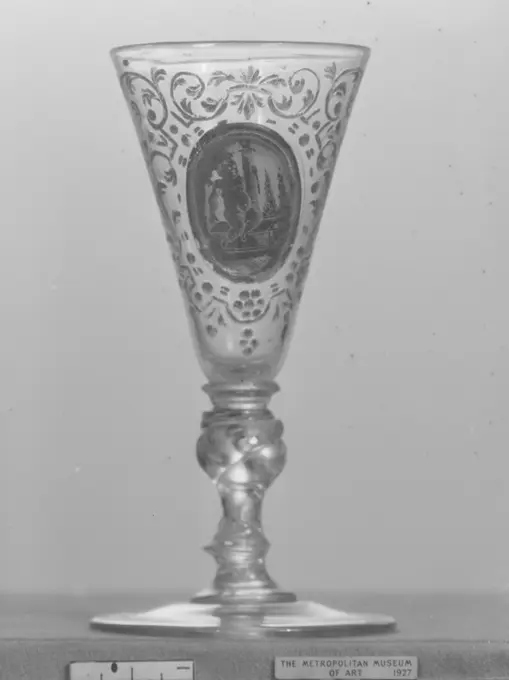
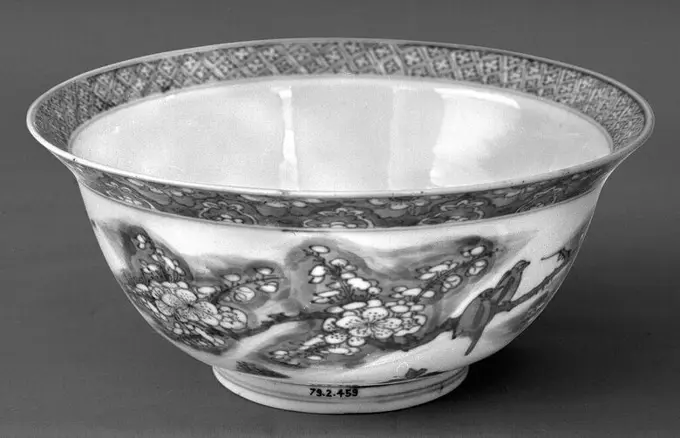
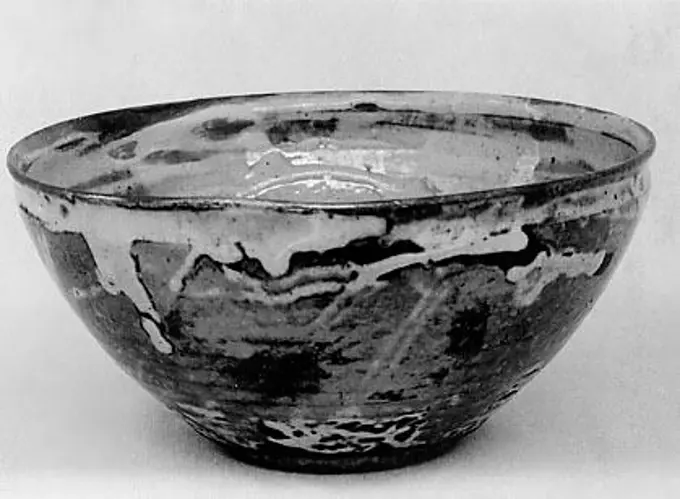
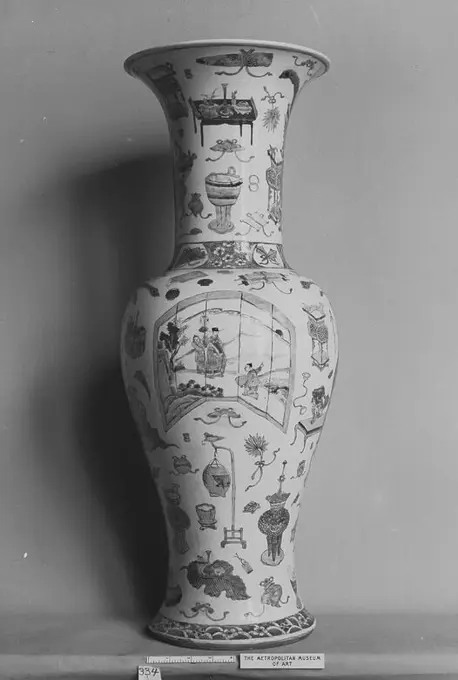
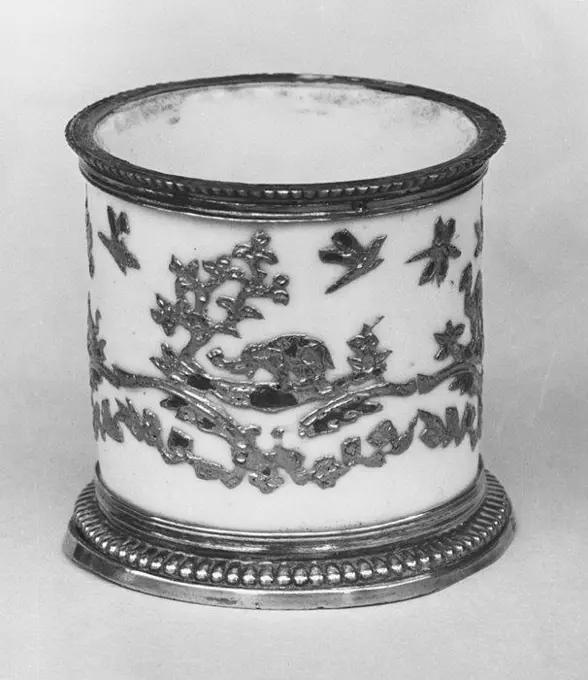
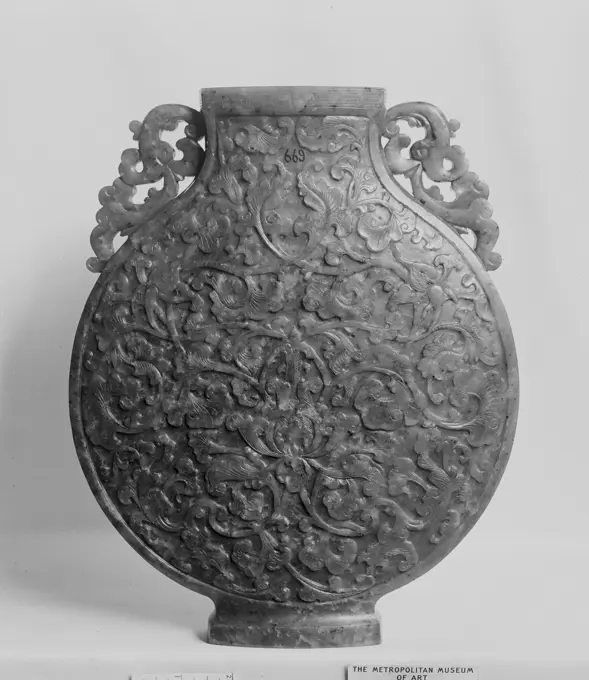
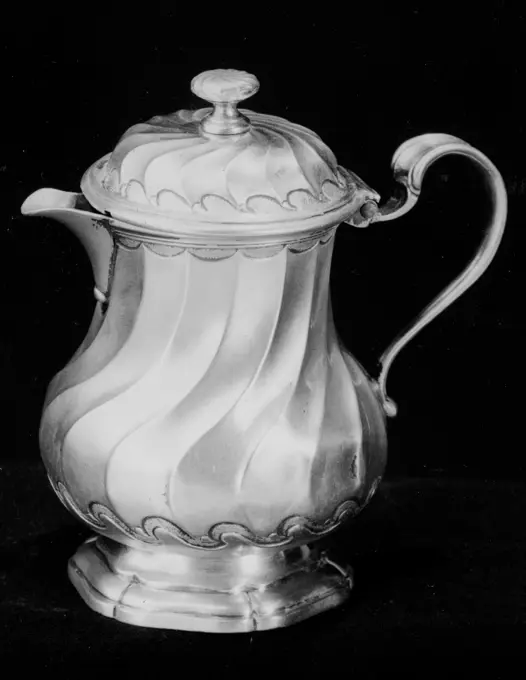
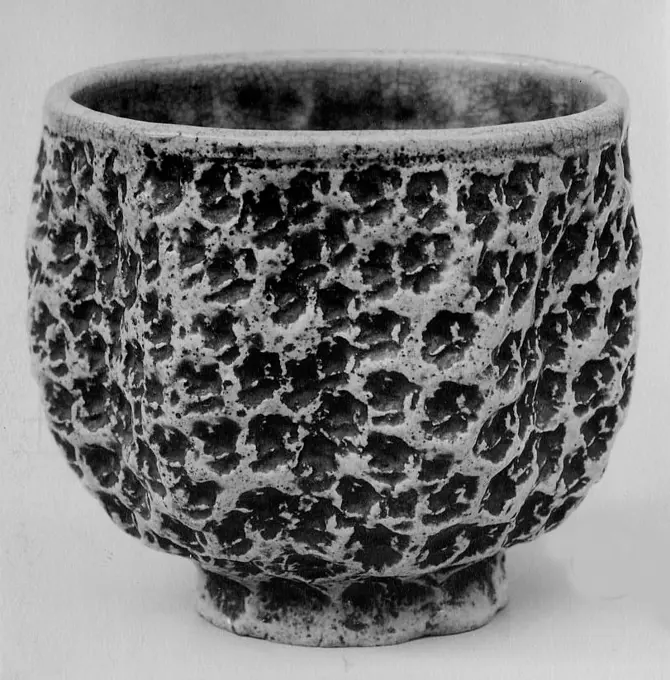
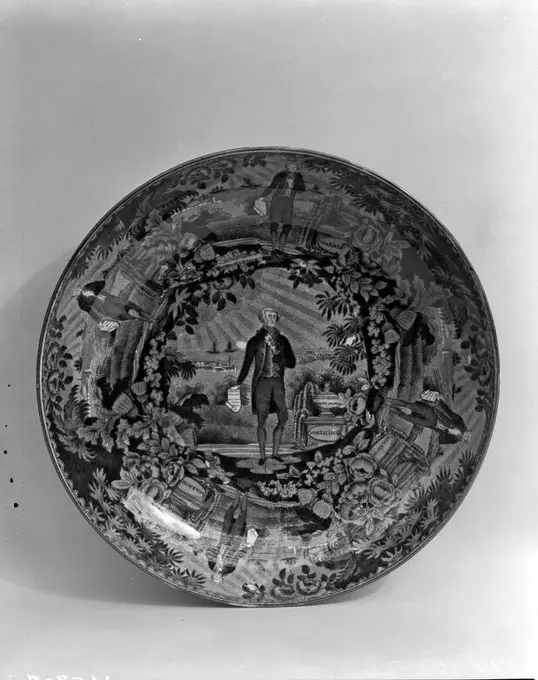
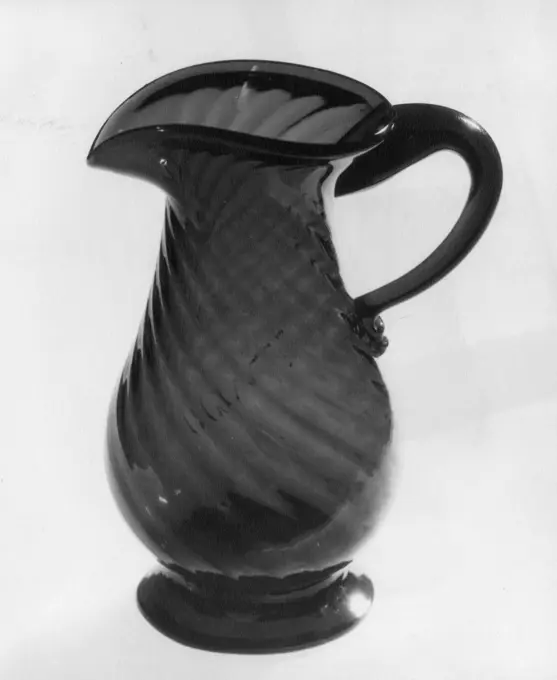
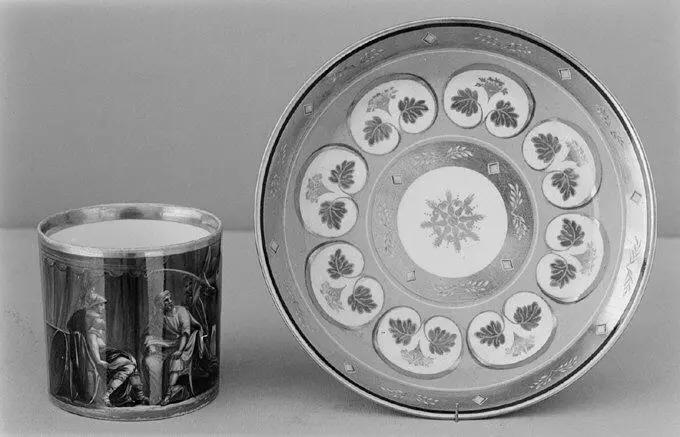
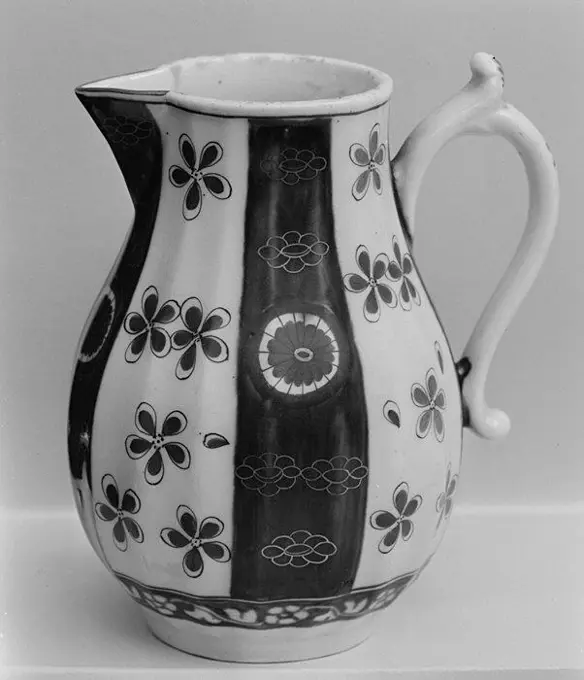
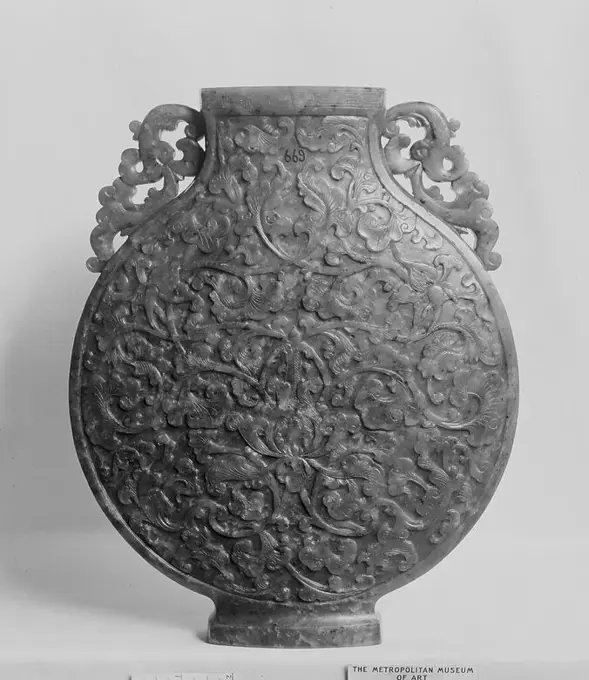
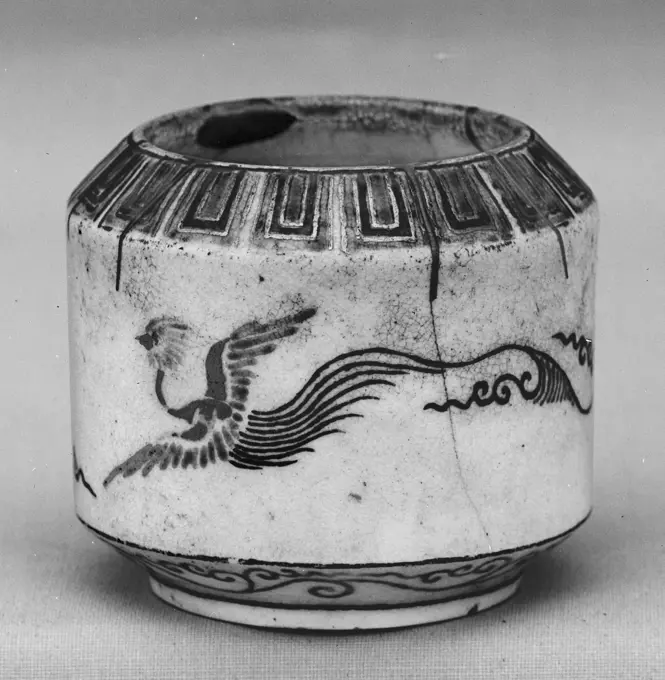
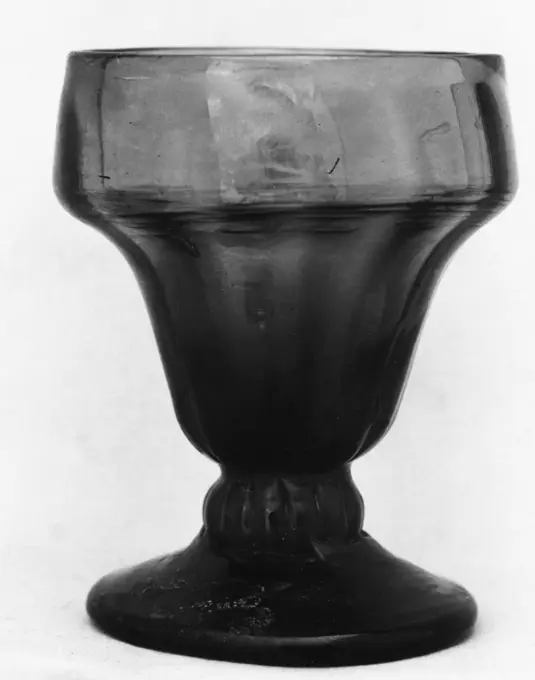
Saltcellar 1780-1825 American or British. Saltcellar 6977Jar. Culture: Japan. Dimensions: H. 6 1/2 in. (16.5 cm); Diam. 6 7/8 in. (17.5 cm). Date: 1840. Museum: Metropolitan Museum of Art, New York, USA.SaltHanging Light 1780-1825 American or British. Hanging Light. American or British. 1780-1825. Blown pattern-molded blue glass. Possibly made in England; Possibly made in United StatesSweetmeat glass with cover ca. 1730 German, Silesia. Sweetmeat glass with cover. German, Silesia. ca. 1730. Glass. GlassTea caddy with cover (part of a service) ca. 1740 After a design by Cornelis Pronk Dutch. Tea caddy with cover (part of a service) 202536Bowl 1830 Eiraku Hozen. Bowl. Eiraku Hozen (Japanese, 1795-1854). Japan. 1830. Faience() covered with rich green glaze, craquelé (Kyoto ware). Edo period (1615-1868). CeramicsWineglass ca. 1730 German, Thuringia. Wineglass. German, Thuringia. ca. 1730. Glass. GlassVase ca. 1755 British, Staffordshire. Vase 197558Pair of beaker vases ca. 1730 Meissen Manufactory German. Pair of beaker vases 203139Vase. Culture: China. Dimensions: H. 6 1/2 in. (16.5 cm). Museum: Metropolitan Museum of Art, New York, USA.Vase China. Vase. China. Porcelain. Qing dynasty (1644-1911), Kangxi period (1662-1722). CeramicsVase. Culture: China. Dimensions: H. 9 1/2 in. (24.1 cm). Date: late 18th-first half of the 19th century. Museum: Metropolitan Museum of Art, New York, USA.Bottle 19th century China. Bottle. China. 19th century. Stoneware with milky blue glaze (Shiwan ware). Qing dynasty (1644-1911). CeramicsVase. Culture: Japan. Dimensions: H. 10 1/8 in. (25.7 cm); Diam. 6 3/4 in. (17.1 cm); Diam. of rim 3 in. (7.6 cm); Diam. of foot 4 in. (10.2 cm). Date: 1830. Museum: Metropolitan Museum of Art, New York, USA.Bowl 1750 Japan. Bowl 47039Bowl 18th century Italian, Venice (Murano). Bowl. Italian, Venice (Murano). 18th century. Glass. GlassLarge pot.Chalice ca. 1813-56 Israel Trask. Chalice. American. ca. 1813-56. Pewter. Made in Beverly, Massachusetts, United StatesBowl. Culture: Japan. Dimensions: H. 3 1/2 in. (8.9 cm); Diam. 9 in. (22.9 cm). Date: 1780. Museum: Metropolitan Museum of Art, New York, USA.Bottle China. Bottle. China. Porcelain. Qing dynasty (1644-1911), Qianlong period (1736-95). CeramicsLarge Vase with Cover and Design of Peacocks. Culture: China. Dimensions: H. 52 1/4 in. (132.7 cm); Diam. 20 1/4 in. (51.4 cm); Diam. of base 13 1/2 in. (34.3 cm). Museum: Metropolitan Museum of Art, New York, USA.Bottle late 17th century German, Westerwald. Bottle 194588Bowl ca. 1750-70 British, Staffordshire. Bowl. British, Staffordshire. ca. 1750-70. Salt-glazed stoneware. Ceramics-PotteryCup and Cover. Culture: Japan. Dimensions: H. 3 3/4 in. (9.5 cm); Diam. 4 5/8 in. (11.7 cm). Date: 18th century. Museum: Metropolitan Museum of Art, New York, USA.Foliated dish with lotus design 19th century China. Foliated dish with lotus design 46287Covered bowl. Culture: China. Dimensions: H. 6 5/16 in. (16 cm). Museum: Metropolitan Museum of Art, New York, USA.Jar with Cover 1820 Japan. Jar with Cover. Japan. 1820. White porcelain decorated with blue under the glaze. Edo period (1615-1868). CeramicsCup. Culture: China. Dimensions: H. 6 in. (15.2 cm); Diam. 7 3/8 in. (18.7 cm). Date: late 18th-19th century. Museum: Metropolitan Museum of Art, New York, USA.Vase 1820 Japan. Vase. Japan. 1820. Stoneware (Kairakuen ware). Edo period (1615-1868). CeramicsCovered Jar with Dragons. Culture: China. Dimensions: H. 12 7/16 in. (31.6 cm); W. 7 5/16 in. (18.5 cm); D. 3.1/16 in. (7.8 cm). Date: 18th century. Museum: Metropolitan Museum of Art, New York, USA.Vase. Culture: China. Dimensions: H. 13 1/2 in. (34.3 cm). Museum: Metropolitan Museum of Art, New York, USA.Dish 13th century China. Dish 42441Covered Sugar Bowl. Culture: American. Dimensions: H. 3 5/8 in. (9.2 cm); Diam. 5 1/8 in. (13 cm). Date: ca. 1800. Museum: Metropolitan Museum of Art, New York, USA.Creamer (part of a service) late 18th-early 19th century Chinese, for American market. Creamer (part of a service). Chinese, for American market. late 18th-early 19th century. Hard-paste porcelain. Ceramics-Porcelain-ExportBottle vase with floral scrolls early 18th century China. Bottle vase with floral scrolls. China. early 18th century. Soft-paste porcelain painted in underglaze cobalt blue (Jingdezhen ware). Qing dynasty (1644-1911), Kangxi period (1662-1722). CeramicsVase China. Vase. China. Porcelain with blue glaze. Qing dynasty (1644-1911), Yongzheng period (1723-35). CeramicsMaker's mark probably I.B, Cream Jug, 1796/97, silver.Jar China. Jar. China. Porcelain decorated in underglaze blue, with crackled glaze. Qing dynasty (1644-1911), Qianlong period (1736-95). CeramicsVase 1830 Japan. Vase. Japan. 1830. White porcelain decorated with blue under the glaze (Hirado ware). Edo period (1615-1868). CeramicsVessel in the Shape of a Lotus Bud. Culture: Thailand. Dimensions: H. 5 1/2 in. (14 cm); Diam. 6 1/4 in. (15.9 cm). Date: ca. 15th century. Museum: Metropolitan Museum of Art, New York, USA.Creamer 1820-30 French, Sarreguemines. Creamer 238826Decanter 1815-40 American. Decanter. American. 1815-40. Blown lead glass. Probably made in Pittsburgh, Pennsylvania, United StatesCovered Owl Jar. Culture: American. Dimensions: H. 6 3/4 in. (17.1 cm). Maker: Atterbury and Company (ca. 1867-1893). Date: 1880-90. Museum: Metropolitan Museum of Art, New York, USA.Ciborium 17th century Italian. Ciborium. Italian. 17th century. Gilt copper, emerald. Metalwork-CopperVase China. Vase. China. Porcelain. Qing dynasty (1644-1911), Qianlong period (1736-95). CeramicsDish with Fish Design 15th-16th century Thailand (Si Satchanalai). Dish with Fish Design 37459Cup. Culture: China. Dimensions: H. 2 1/4 in. (5.7 cm); Diam. 4 1/8 in. (10.5 cm). Date: late 18th-19th century. Museum: Metropolitan Museum of Art, New York, USA.Stand ca. 1770-80 Worcester factory. Stand 187755 Factory: Worcester, Stand, ca. 177080, Soft-paste porcelain, Width: 9 in. (22.9 cm). The Metropolitan Museum of Art, New York. Gift of Henry G. Marquand, 1894 (94.4.128)Tureen with cover ca. 1750 Höchst Manufactory. Tureen with cover. German, Höchst. ca. 1750. Tin-glazed earthenware. Ceramics-PotteryBowl with narrative scene late 17th-early 18th century China. Bowl with narrative scene 48441Hand Bell ca. late 13th-14th century Indonesia (Java). Hand Bell. Indonesia (Java). ca. late 13th-14th century. Bronze. Eastern Javanese period. MetalworkStem-foot Bowl 300 B.C.-100 A.D. Japan. Stem-foot Bowl 47159Bowl. Culture: China. Dimensions: H. 2 1/2 in. (6.4 cm); Diam. 7 1/2 in. (19.1 cm); Diam. of rim 7 1/2 in. (19.1 cm); Diam. of foot 2 1/4 in. (5.7 cm). Museum: Metropolitan Museum of Art, New York, USA.Vase 1760 Japan. Vase. Japan. 1760. White porcelain decorated with blue under the glaze (Hirado ware). Edo period (1615-1868). CeramicsTea Jar 18th century Japan. Tea Jar 62634Cup. Culture: Japan. Dimensions: H. 3 1/8 in. (7.9 cm); Diam. 3 3/4 in. (9.5 cm). Date: 1840. Museum: Metropolitan Museum of Art, New York, USA.Dish ca. 1710-25 Chinese, for Dutch market One of a set of plates and dishes painted with the arms of the United Provinces, of cities in the Low Countries, and of England and France. This series is itself one of three; for an example of another, see 60.10. A fourth pattern, found only on barber's basins, has also been recorded.. Dish 195166Standing cup with cover 1744 German, Potsdam with Berlin cutting. Standing cup with cover. German, Potsdam with Berlin cutting. 1744. Glass. GlassVase late 18th century China. Vase. China. late 18th century. Porcelain with crackled glaze (Jingdezhen ware). Qing dynasty (1644-1911). CeramicsHobnail Cruet after 1886 Probably Hobbs, Brockunier and Company. Hobnail Cruet. American. after 1886. Pressed cranberry, opalescent and colorless glass. Made in Wheeling, West Virginia, United StatesCup 19th century China. Cup 52967Tea Jar 18th century Japan. Tea Jar. Japan. 18th century. Clay covered with a speckled glaze (Satsuma ware). Edo period (1615-1868). CeramicsVase (vase Duplessis) (one of a group of three) ca. 1752 Vincennes Manufactory French. Vase (vase Duplessis) (one of a group of three) 231854Vase. Culture: China. Dimensions: H. 13 1/2 in. (34.3 cm). Museum: Metropolitan Museum of Art, New York, USA.Cope ca. 1725 Italian. Cope 227565Small Teabowl 18th century Japan. Small Teabowl. Japan. 18th century. Clay covered with thin glaze (Bizen ware, Imbe style). Edo period (1615-1868). CeramicsTea cup (part of a service) ca. 1760 Doccia Porcelain Manufactory Italian. Tea cup (part of a service) 196906Vase (part of a garniture) ca. 1780-90 Fürstenberg Porcelain Manufactory. Vase (part of a garniture) 187857 Factory: Frstenberg Porcelain Manufactory, German, founded 1747, Vase (part of a garniture), ca. 178090, Hard-paste porcelain, Height: 9 1/2 in. (24.1 cm). The Metropolitan Museum of Art, New York. Gift of Henry G. Marquand, 1894 (94.4.352a, b)Worcester Porcelain Manufactory, Teapot Stand, c. 1770, soft-paste porcelain.Wig rest ca. 1720 French, Rouen Faience, or tin-glazed and enameled earthenware, first emerged in France during the sixteenth century, reaching widespread usage among elite patrons during the seventeenth and early eighteenth centuries, prior to the establishment of soft-paste porcelain factories. Although characterized as more provincial in style than porcelain, French faience was used at the court of Louis XIV as part of elaborate meals and displays, with large-scale vessels incorporated into the Baroque garden designs of Versailles. Earlier examples of French faience attest to the strong influence of maiolica artists from Italy. Later works demonstrate the ways in which cities such as Nevers, Rouen, Lyon, Moustiers, and Marseille developed innovative vessel shapes and decorative motifs prized among collectors throughout Europe. While faience can be created from a wide mixture of clays, it is foremost distinguished by the milky opaque white color achieved by the addition of tin oxide Covered Tea Caddy 18th-19th century China. Covered Tea Caddy. China. 18th-19th century. Painted enamel. Qing dynasty (1644-1911). EnamelsPan 18th century Japan. Pan 47393Vase 1780 Japan. Vase. Japan. 1780. White porcelain, elaborately carved (Hirado ware). Edo period (1615-1868). CeramicsCup and saucer ca. 1760-65 Le Nove Porcelain Manufactory. Cup and saucer 210052Wineglass ca. 1730 Bohemian. Wineglass. Bohemian. ca. 1730. Glass, verre églomisé and Zwischengold glass. GlassBowl. Culture: China. Dimensions: H. 2 7/8 in. (7.3 cm); Diam. 6 1/4 in. (15.9 cm). Date: late 17th-early 18th century. Museum: Metropolitan Museum of Art, New York, USA.Covered jar with plum blossoms late 17th-early 18th century China. Covered jar with plum blossoms 49248Teabowl 19th century Japan. Teabowl 62612Plate Japan 1750Vase ca. 1770 Chinese, for European market. Vase 200670Vase with "Hundred Antiques" Decoration. Culture: China. Dimensions: H. 29 in. (73.7 cm). Date: late 17th-early 18th century. Museum: Metropolitan Museum of Art, New York, USA.Footed Bowl 1830-70 American. Footed Bowl. American. 1830-70. Pressed glass. Made in United StatesPomade jar ca. 1725-30 Mounts probably by Paul Le Riche French. Pomade jar 199343Bowl with two bail handles Flemish, Antwerp 19th centuryBottle vase with flowers first half 19th century China. Bottle vase with flowers 46433Vase. Culture: American. Designer: Designed by Louis Comfort Tiffany (American, New York 1848-1933 New York). Dimensions: H. 9 7/8 in. (25.1 cm). Maker: Tiffany Studios (1902-32). Manufacturer: Tiffany Glass and Decorating Company (American, 1892-1902) or. Date: 1893-1925. Museum: Metropolitan Museum of Art, New York, USA.Pilgrim's bottle China. Pilgrim's bottle. China. Nephrite. Qing dynasty (1644-1911), Qianlong period (1736-95). JadeJacques-Malquis Le Quin, Jug and Cover, 1746, silver.Teabowl ca. 1860 Amano Kaneshige Japanese. Teabowl. Amano Kaneshige (Japanese). Japan. ca. 1860. Clay; glaze over deep indentations (Soma ware). Edo period (1615-1868). CeramicsDish. Culture: British (American market). Dimensions: Diam. 8 3/8 in. (21.3 cm). Maker: Enoch Wood & Sons (British, active Burslem, 1818-46). Date: ca. 1818-ca. 1846. Museum: Metropolitan Museum of Art, New York, USA.Tea Jar 17th century Japan. Tea Jar. Japan. 17th century. Pottery decorated with glaze (Satsuma ware). Momoyama (1573-1615) or Edo period (1615-1868). CeramicsCreamPitcherCup and saucer 1803-26 Imperial Porcelain Manufactory. Cup and saucer 188682 Factory: Imperial Porcelain Manufactory , Vienna, 17441864, Cup and saucer, 180326, Hard-paste porcelain, Height (Cup): 2 5/8 in. (6.7 cm); Diameter (Saucer): 5 3/8 in. (13.7 cm). The Metropolitan Museum of Art, New York. Gift of Alfred Duane Pell, 1902 (02.6.155, .156)Cream jug (part of a service) ca. 1765-75 Worcester factory Eighteenth- and nineteenth-century porcelain tea sets usually comprised a teapot and stand, milk jug, sugar bowl, tea caddy, spoon tray, slop basin, six or twelve tea bowls with or without handles, and six or twelve saucers, a coffee pot and six or twelve coffee cups and a dish for cake. The Worcester factory made tea bowls with a handle if the decoration was European and without a handle for Oriental designs.. Cream jug (part of a service) 198463Pilgrim's bottle. Culture: China. Dimensions: H. 10 7/8 in. (27.7 cm); W. 9 13/16 in. (24.9 cm); D. 2 1/2 in. (6.4 cm). Museum: Metropolitan Museum of Art, New York, USA.Miniature Vase. Culture: China. Dimensions: H. 3 1/8 in. (7.9 cm). Museum: Metropolitan Museum of Art, New York, USA.Flask 17th-18th century French or Spanish. Flask. French or Spanish. 17th-18th century. Glass. GlassCovered Bowl China late 16th-early 17th century View more. Covered Bowl. China. late 16th-early 17th century. Porcelain painted in underglaze blue with biscuit relief decoration. Ming dynasty (1368-1644). CeramicsIncense Burner early 19th century Japan. Incense Burner. Japan. early 19th century. Pottery crackled glaze decorated in enamels and gold (Satsuma ware). Edo period (1615-1868). Ceramics