Antique Glassware

Collection of antique glassware and ceramics including lamps, bowls, and jars from various periods and regions, showcasing intricate designs and craftsmanship.

Dish 1760 Japan. Dish 62939
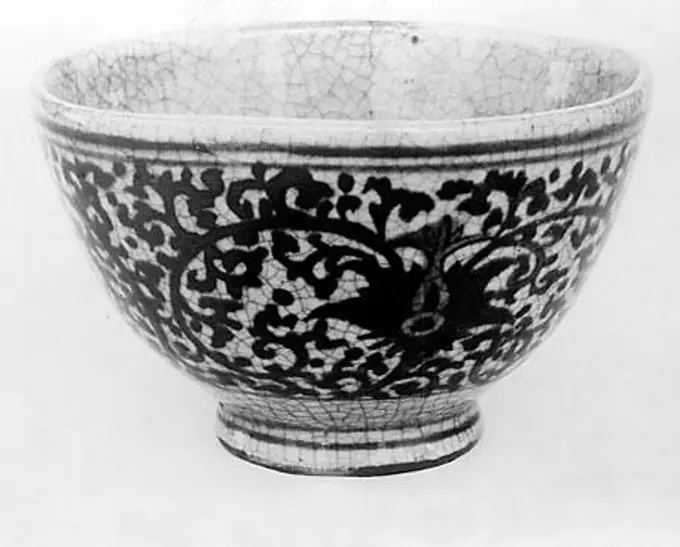
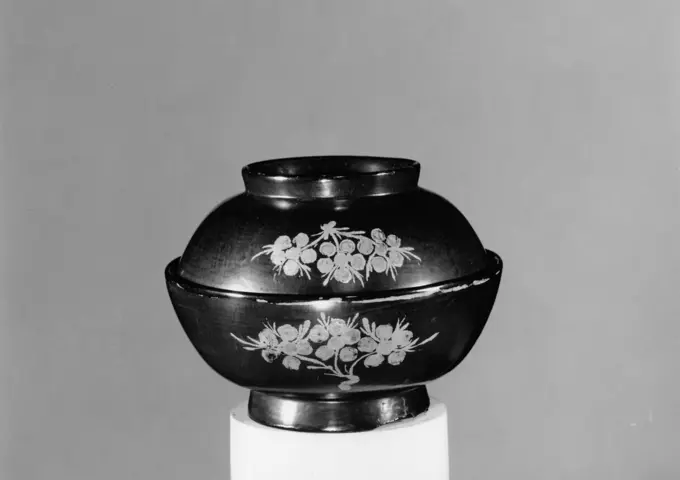
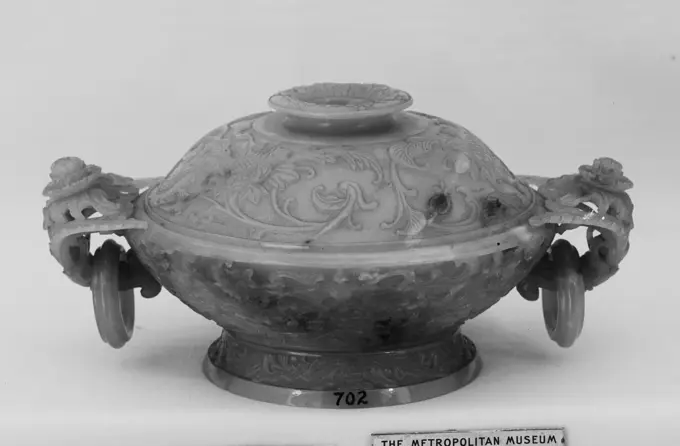
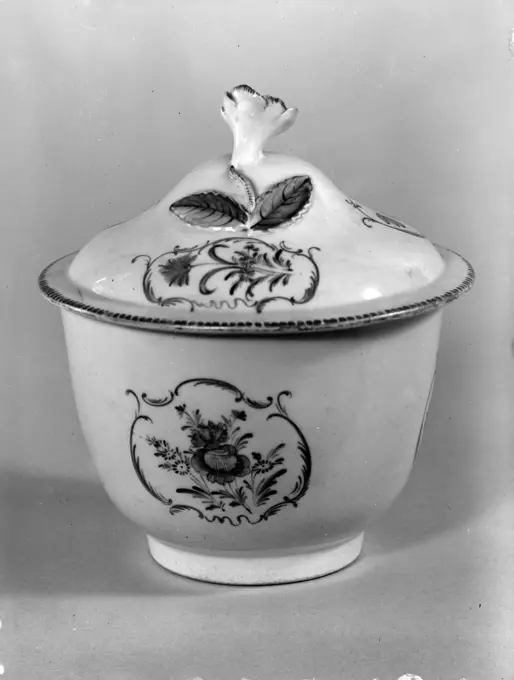
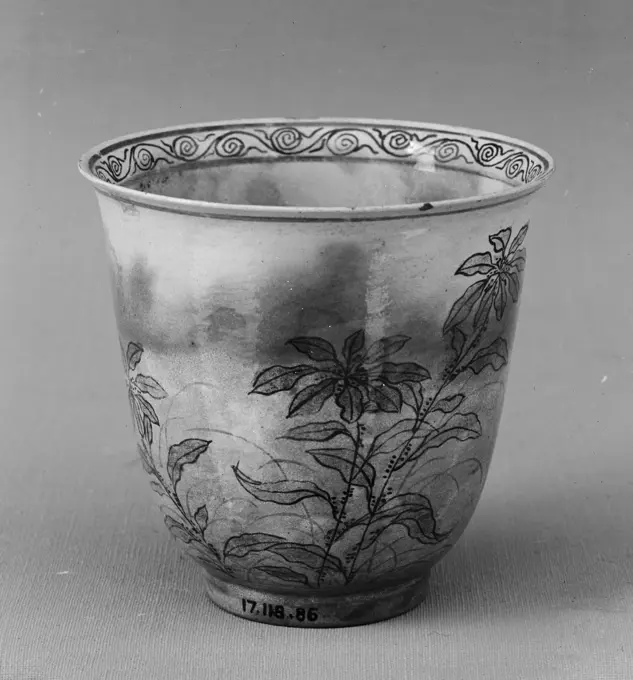
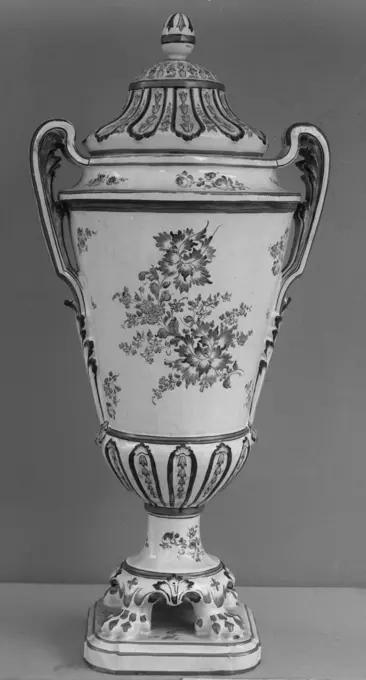
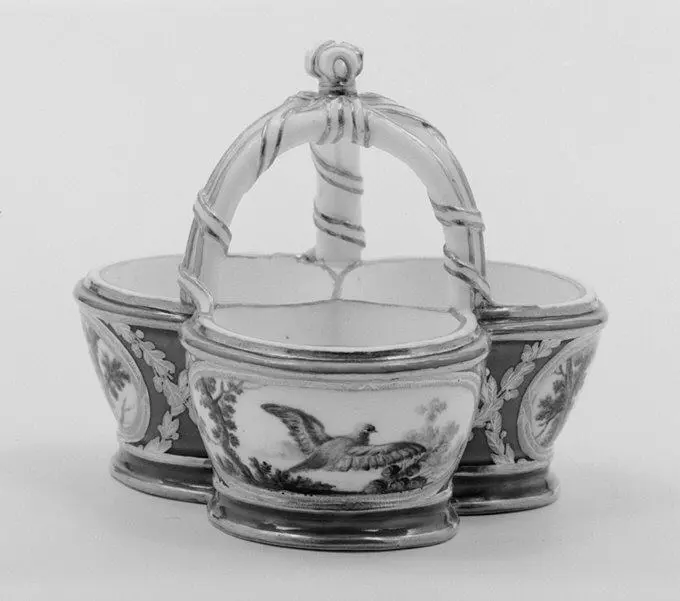
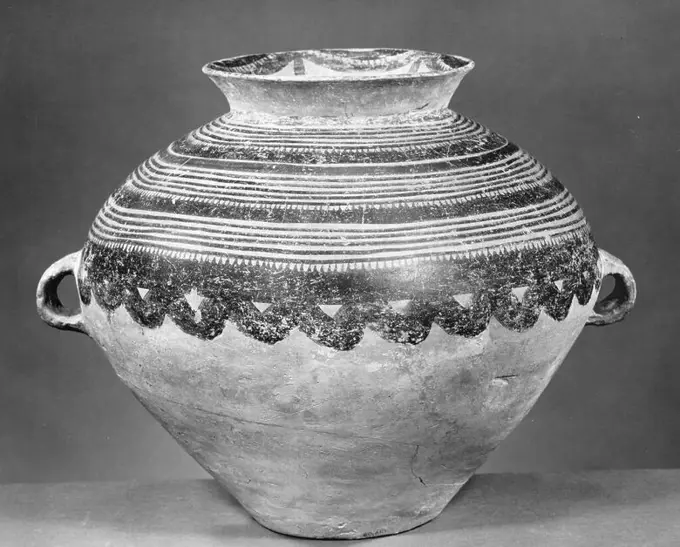
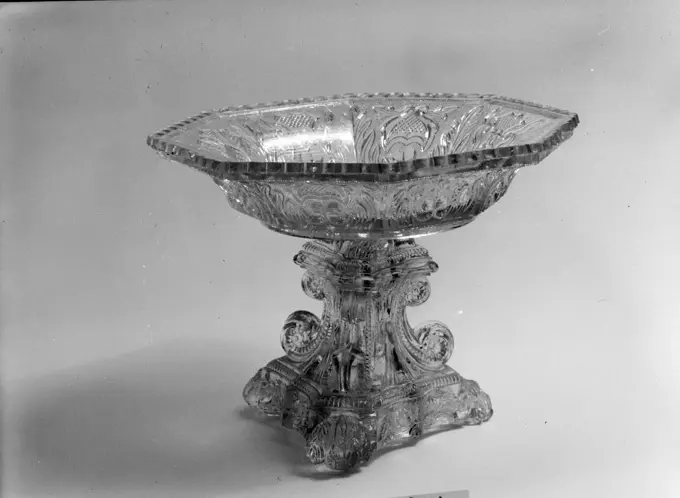
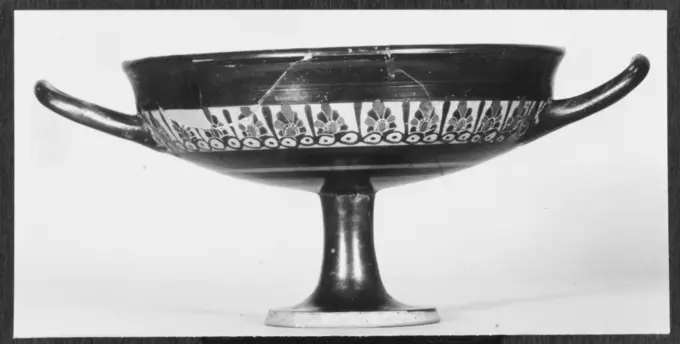
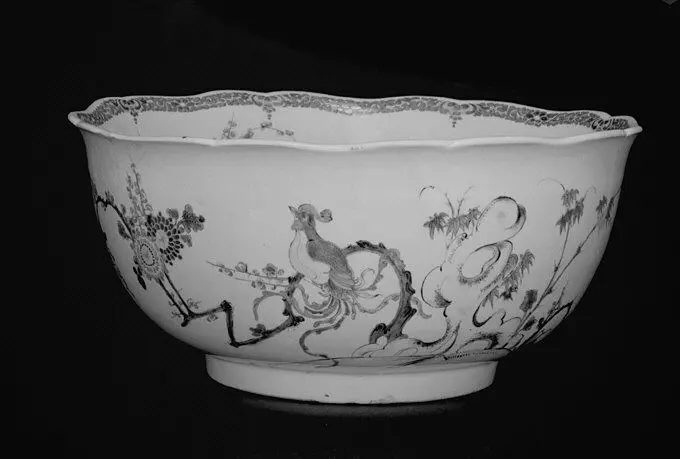
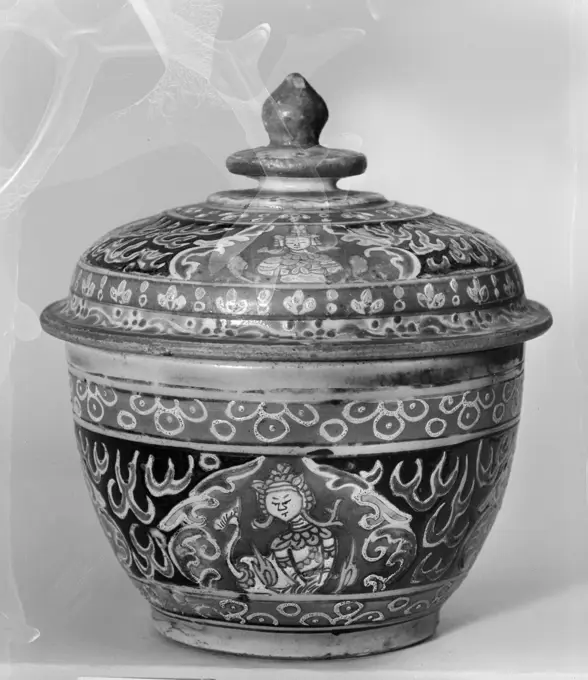
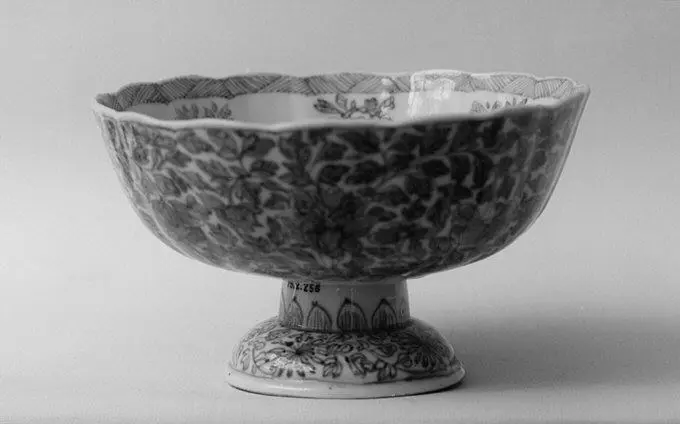
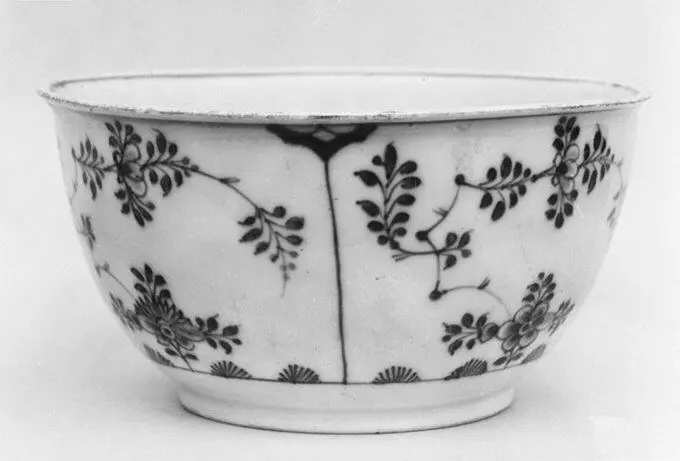
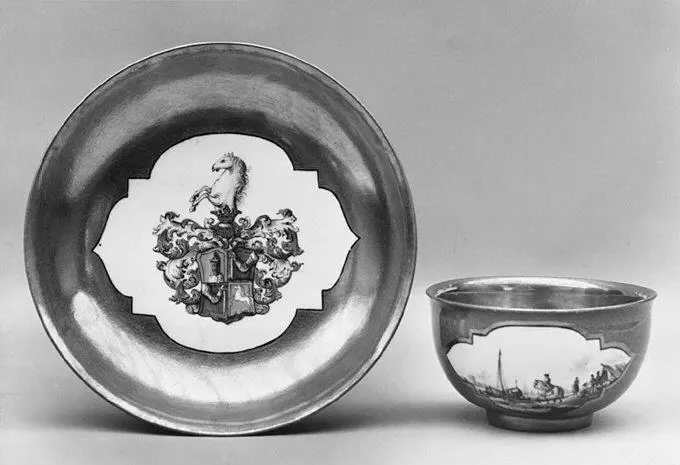
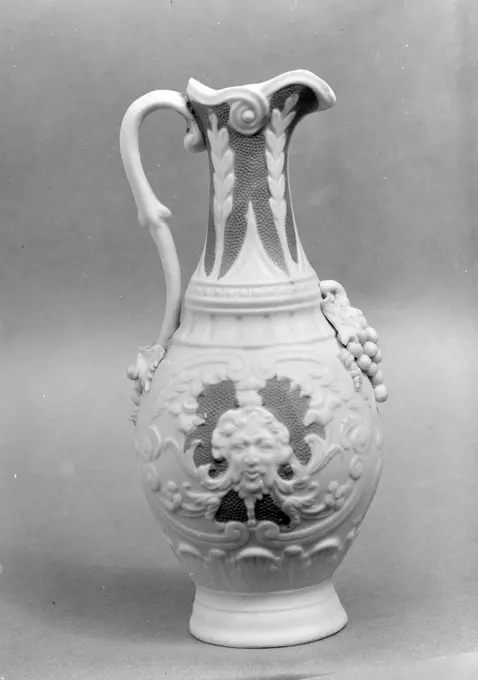
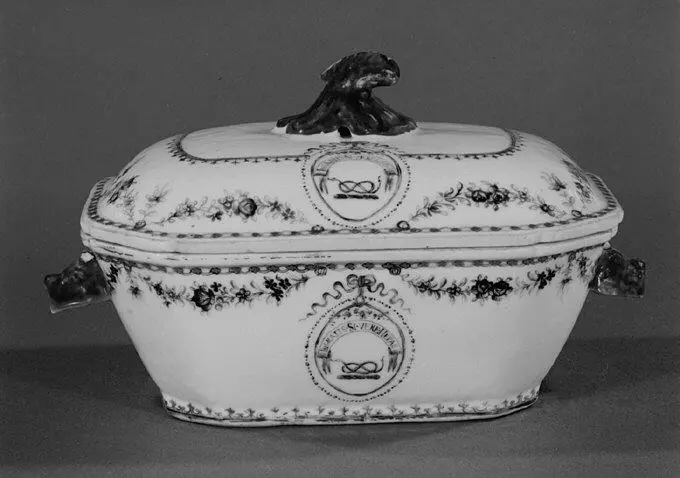
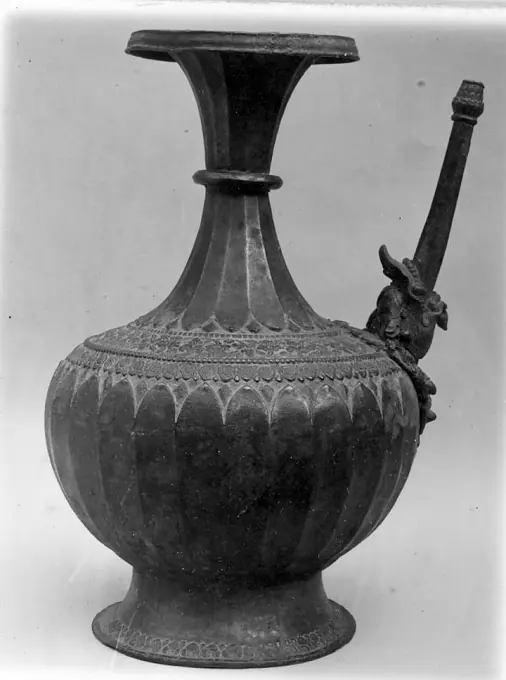
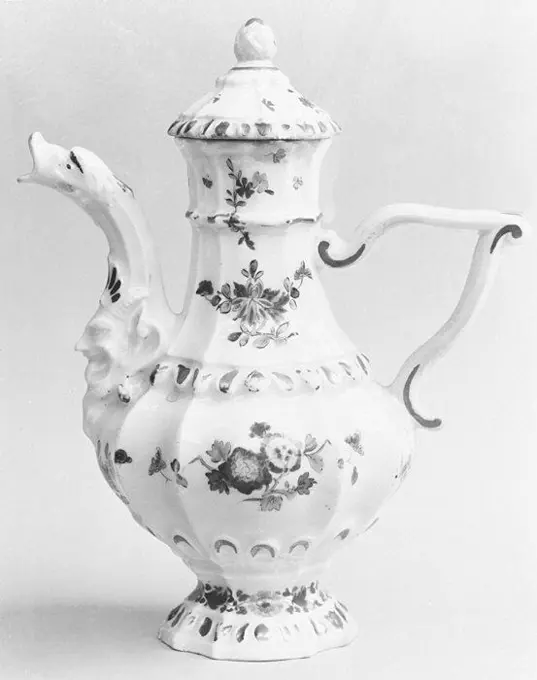
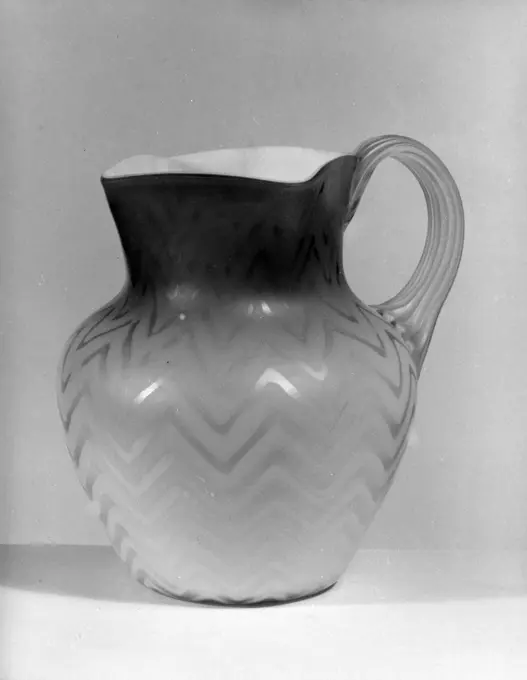
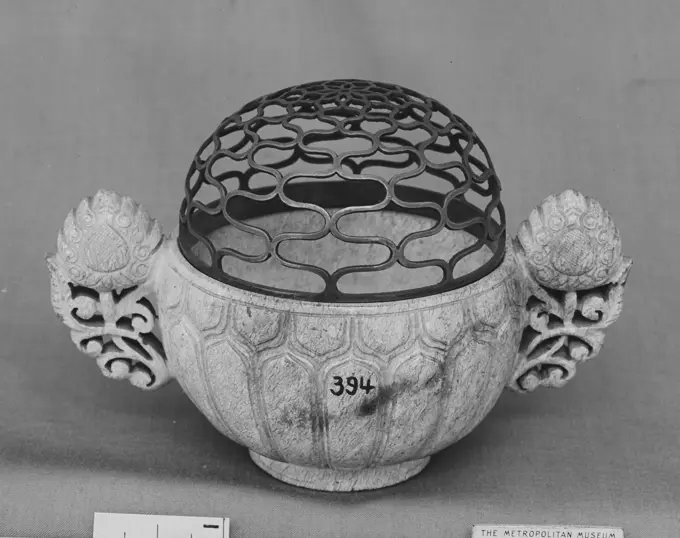
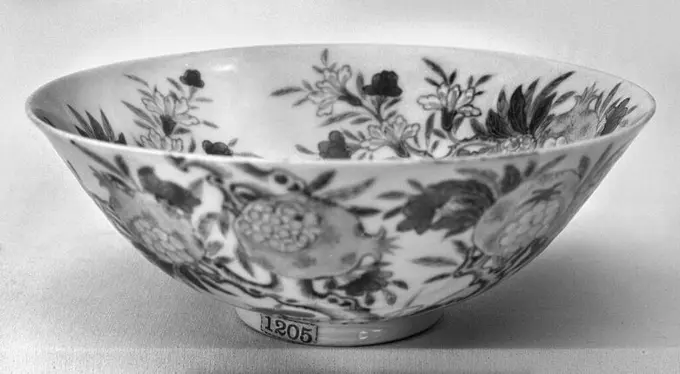
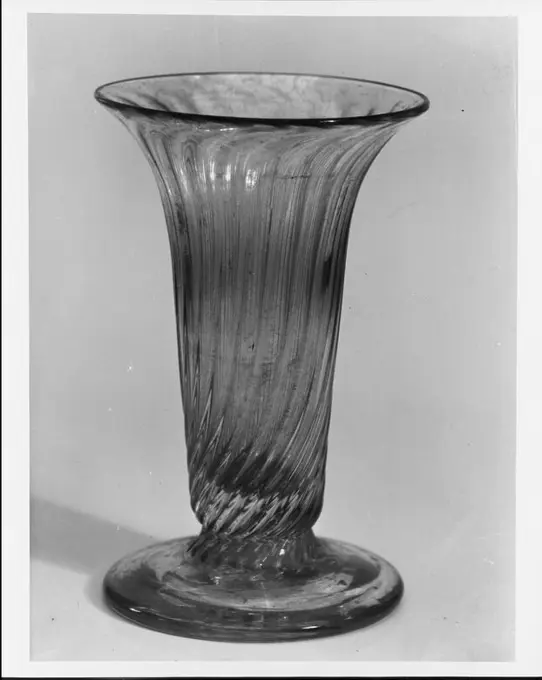
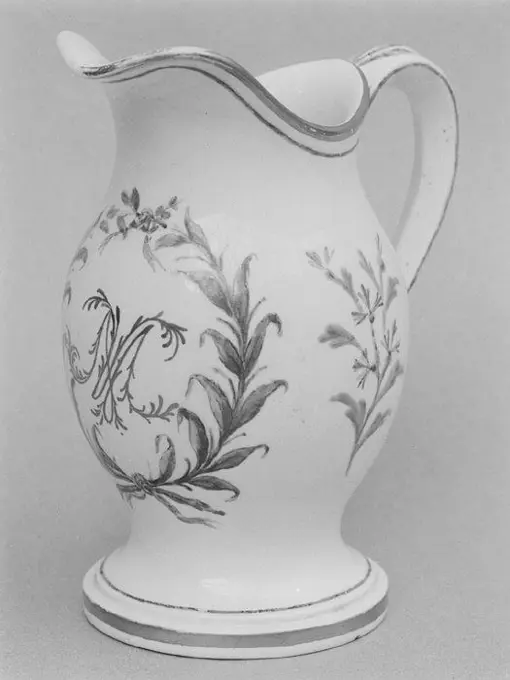
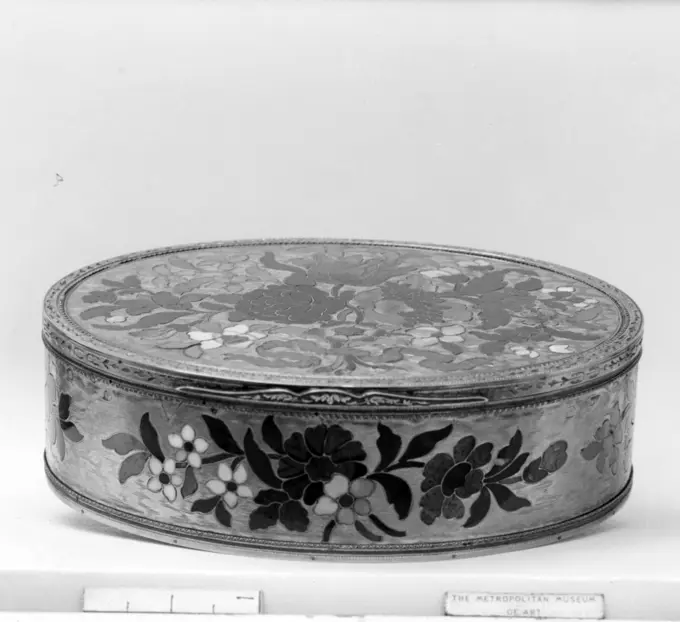
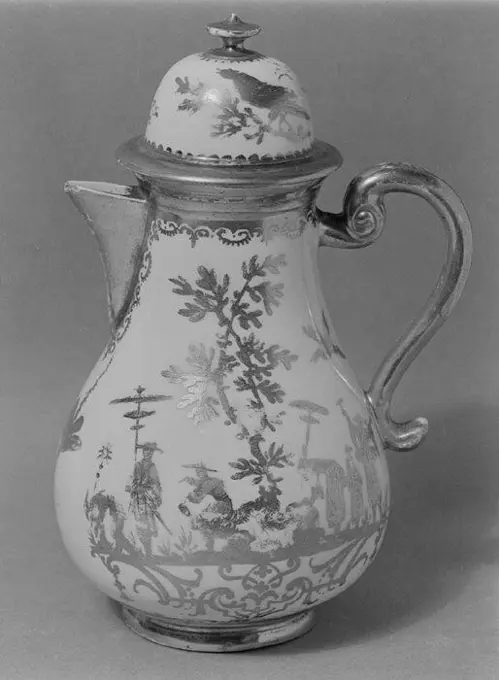
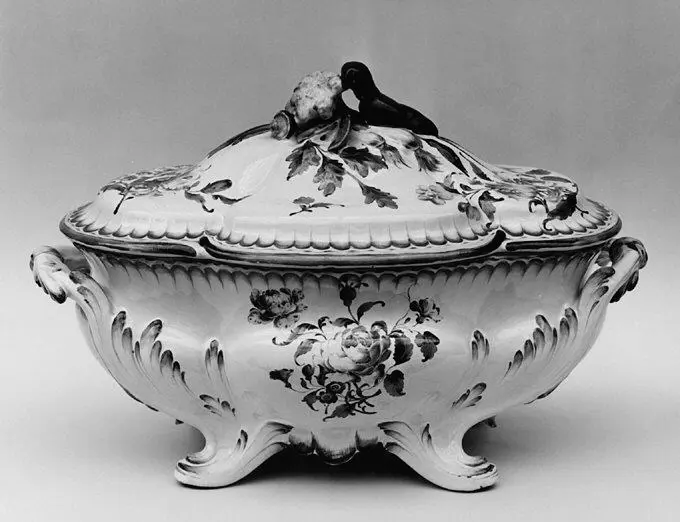
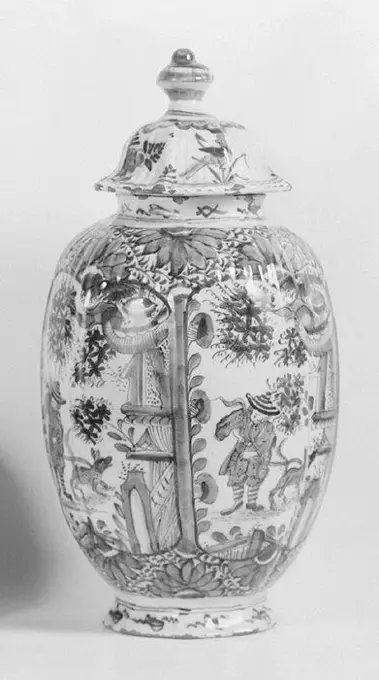
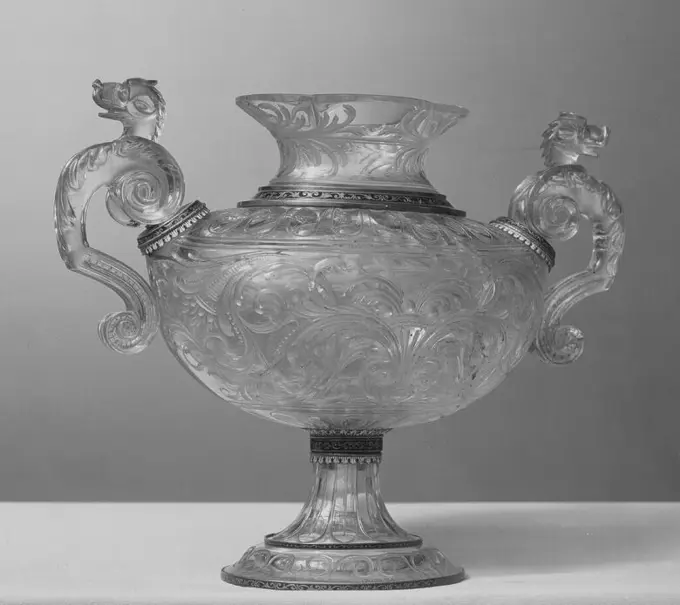
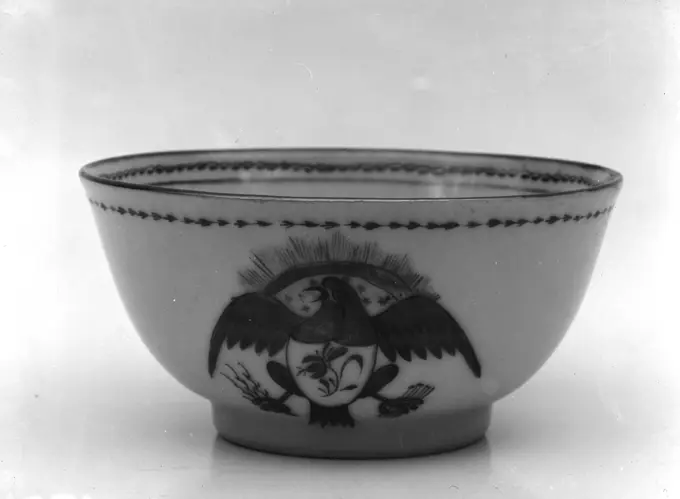
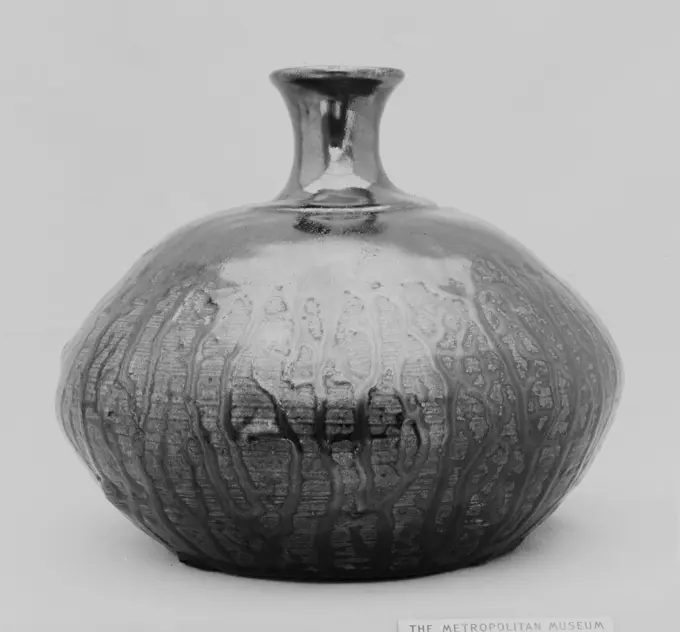
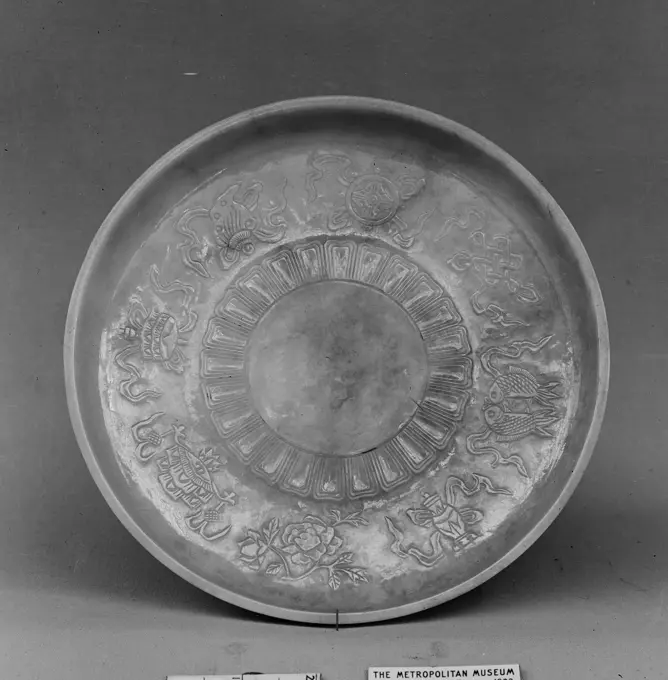
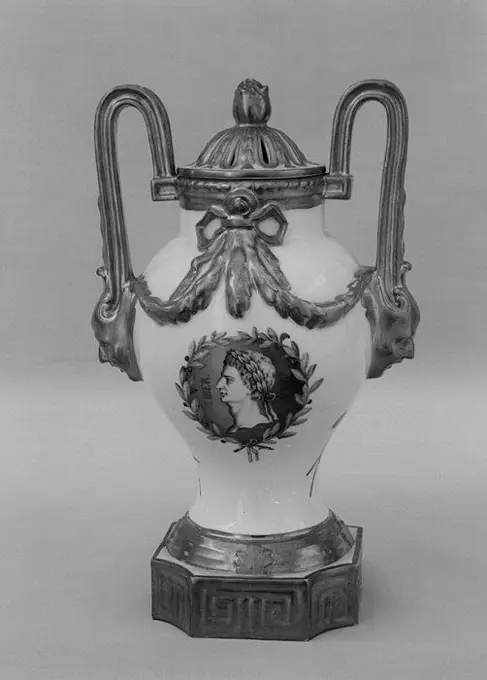
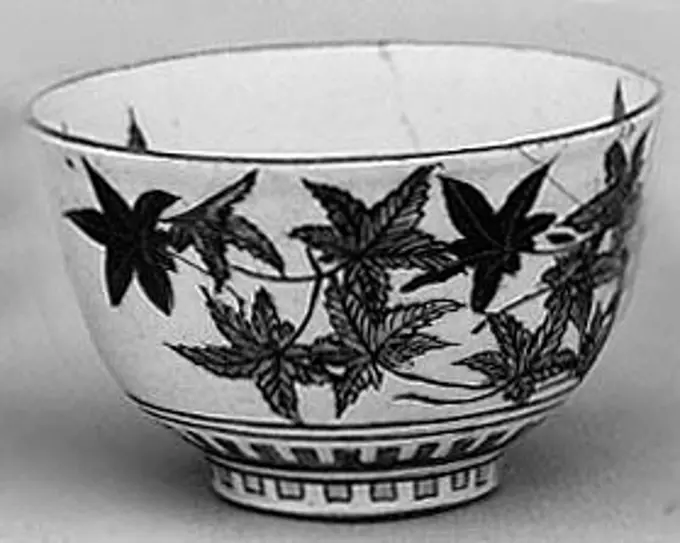
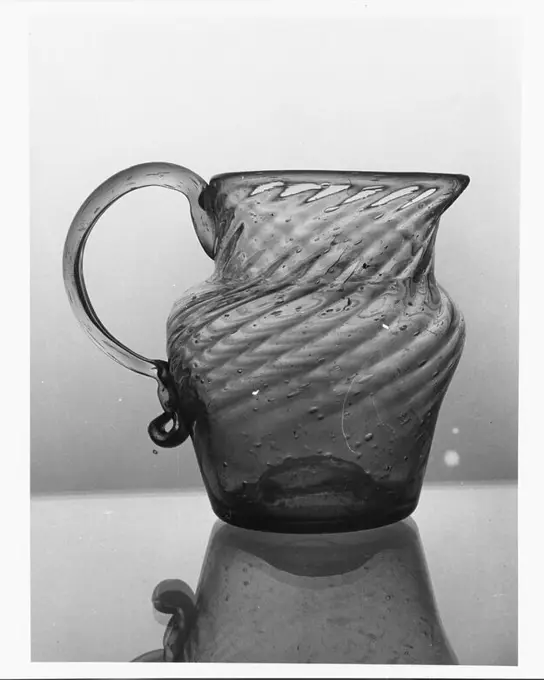
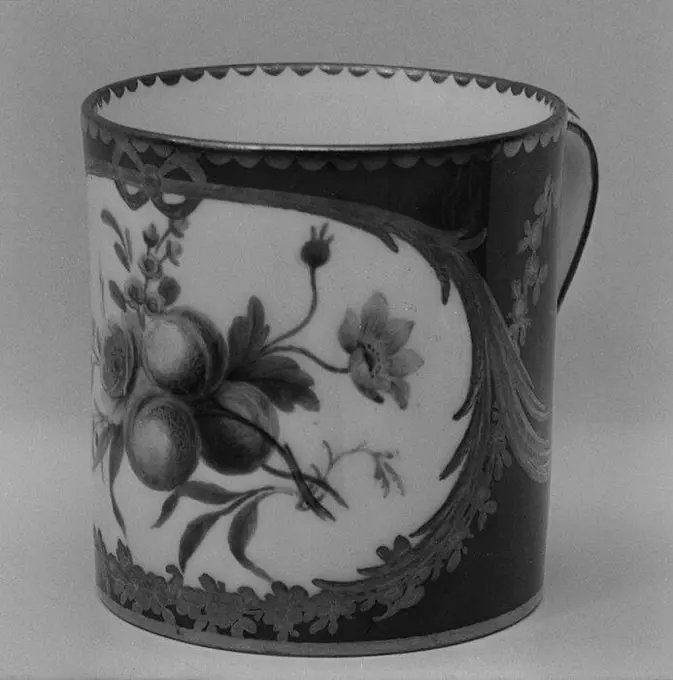
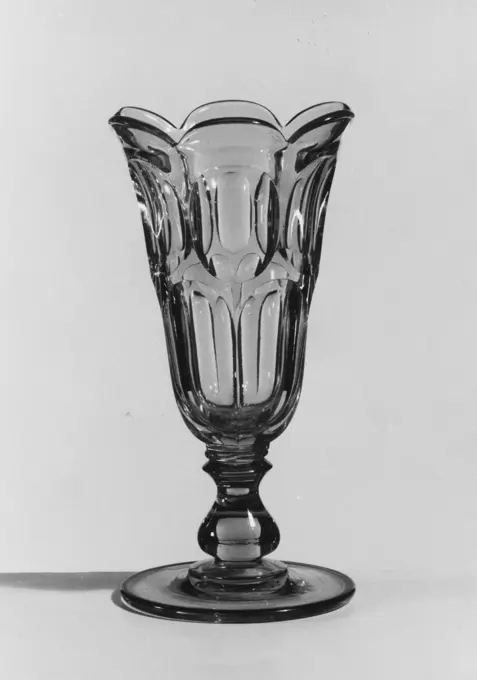
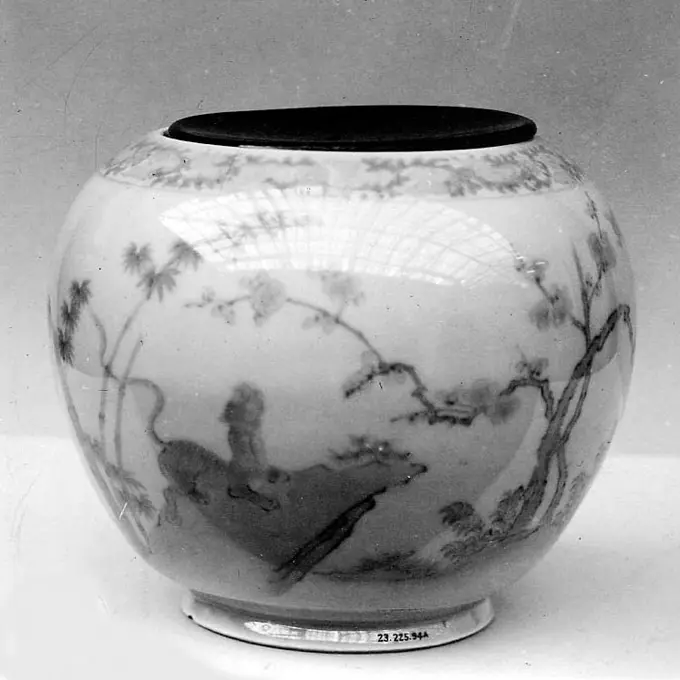
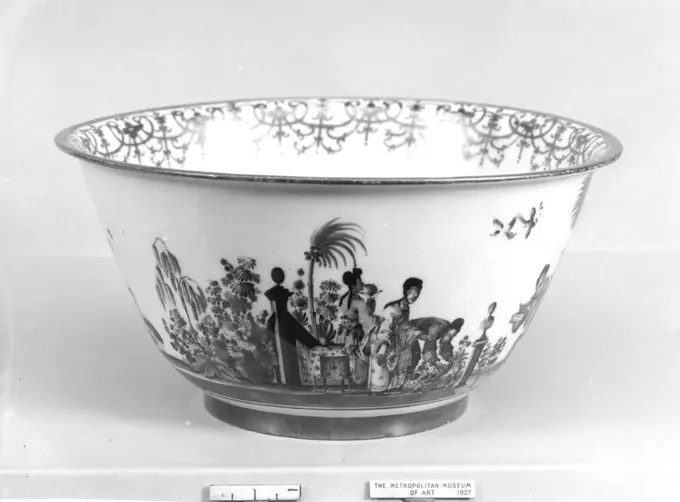
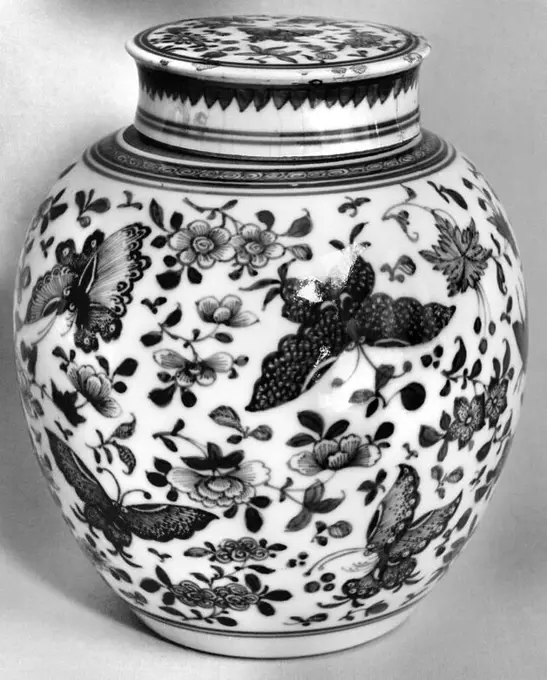
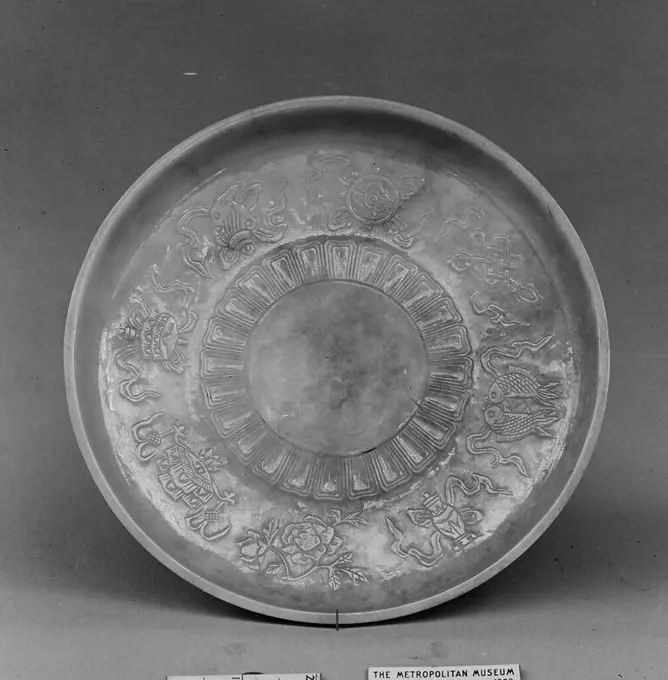
KeroseneLamp. Manufacturer (burner): Scovill Manufacturing Company, American, incorporated 1850Covered SugarBowlBowl 18th century Japan. Bowl 62599Dish 1760 Japan. Dish 62939Covered jar with dragons 18th century China. Covered jar with dragons. China. 18th century. Porcelain painted in underglaze cobalt blue and overglaze polychrome enamels (Jingdezhen ware). Qing dynasty (1644-1911). CeramicsSaucer ca. 1715 Meissen Manufactory German. Saucer 205940Bowl 1750 Japan. Bowl. Japan. 1750. White porcelain decorated with blue under the glaze, polychrome enamels (Arita ware). Edo period (1615-1868). CeramicsLidded Bowl 18th century Japan. Lidded Bowl 58365Vessel with Lid ca. 15th century Thailand. Vessel with Lid. Thailand. ca. 15th century. Earthenware. CeramicsBowl ca. 1720-25, decorated ca. 1744-48 Meissen Manufactory German. Bowl 200933Incense burner with cover China. Incense burner with cover. China. Nephrite, white with greenish tint and cloudings and veinings of lighter color and different shades of brown. Qing dynasty (1644-1911), Jiaqing period (1796-1820). JadeBowl. Culture: China. Dimensions: H. 2 1/2 in. (6.4 cm); Diam. 4 3/4 in. (12.1 cm). Date: late 18th-19th century. Museum: Metropolitan Museum of Art, New York, USA.Sugar bowl with cover ca. 1770-80 Worcester factory. Sugar bowl with cover. British, Worcester. ca. 1770-80. Soft-paste porcelain. Worcester factory (British, 1751-2008). Ceramics-PorcelainCovered Cup China. Covered Cup. China. Porcelain. Qing dynasty (1644-1911), Qianlong period (1736-95). CeramicsPotpourri vase with cover (one of a pair) German 19th centuryCup ca. 1620 Japan. Cup. Japan. ca. 1620. Clay thinly potted and decorated in enamels (old Awata ware). Edo period (1615-1868). CeramicsBowl 1760 Japan. Bowl 52478Punch Bowl 1800-1805 Chinese. Punch Bowl. Chinese. 1800-1805. Porcelain. Made in ChinaBowl 1880-90. Bowl. 1880-90. Pressed purple marble glass. Made in EnglandBowl 19th century China. Bowl. China. 19th century. Porcelain with bronze imitating glaze and gilt (Jingdezhen ware). Qing dynasty (1644-1911). CeramicsVase with cover 19th century French Faience, or tin-glazed and enameled earthenware, first emerged in France during the sixteenth century, reaching widespread usage among elite patrons during the seventeenth and early eighteenth centuries, prior to the establishment of soft-paste porcelain factories. Although characterized as more provincial in style than porcelain, French faience was used at the court of Louis XIV as part of elaborate meals and displays, with large-scale vessels incorporated into the Baroque garden designs of Versailles. Earlier examples of French faience attest to the strong influence of maiolica artists from Italy. Later works demonstrate the ways in which cities such as Nevers, Rouen, Lyon, Moustiers, and Marseille developed innovative vessel shapes and decorative motifs prized among collectors throughout Europe. While faience can be created from a wide mixture of clays, it is foremost distinguished by the milky opaque white color achieved by the addition of tin oxCup late 17th-early 18th century China. Cup 50696Triple salt 1770 Sèvres Manufactory French. Triple salt 206472Bowl (one of a pair) China. Bowl (one of a pair) 40875Cup (part of a coffee service) early 19th century Nymphenburg Porcelain Manufactory. Cup (part of a coffee service) 186241Jar (Guan). Culture: China. Dimensions: H. 12 7/8 in. (32.7 cm); W. at handles: 17 3/8 in. (44.2 cm). Date: Banshan phase (ca. 2650-2350 B.C.). Museum: Metropolitan Museum of Art, New York, USA.Compote ca. 1835 American. Compote. American. ca. 1835. Lacy pressed glass. Made in New England, United StatesKylix, band-cup 3rd quarter of 6th century B.C. Greek, Attic Kylix with band of palmettes.. Kylix, band-cup. Greek, Attic. 3rd quarter of 6th century B.C.. Terracotta; black-figure. Archaic. VasesBowl ca. 1755 Bow Porcelain Factory British. Bowl 203565Covered bowl with Thai mythical figures 19th century China. Covered bowl with Thai mythical figures. China. 19th century. Porcelain painted in overglaze polychrome enamels (Bencharong ware for Thai market). Qing dynasty (1644-1911). CeramicsBowl ca. 1700-1720 Chinese, for Dutch market. Bowl 185908Bowl ca. 1760-70 Meissen Manufactory German. Bowl 199210Cup ca. 1740 Meissen Manufactory German. Cup 188734 Factory: Meissen Manufactory, German, 1710present, Saucer, ca. 1740, Hard-paste porcelain, Diameter: 5 1/4 in. (13.3 cm). The Metropolitan Museum of Art, New York. Gift of Alfred Duane Pell, 1902 (02.6.234)Footed Vessel 15th century Indonesia. Footed Vessel. Indonesia. 15th century. Bronze. MetalworkJar with Cover China. Jar with Cover 53930Ewer 1830-70 American Named in reference to the ancient marble quarry on the Greek island of Parros, parian has higher proportion of feldspar than conventional porcelain, resulting in a vitrified biscuit body that resembles white statuary marble. Stylish and affordable, parian statuary and hollowware were extremely popular household ornaments in the mid-nineteenth century. This vessel was likely made by the United States Pottery Company, which exhibited parian to great acclaim at the 1853 Crystal Palace Exhibition in New York.. Ewer. American. 1830-70. Parian porcelain. Probably made in Bennington, Vermont, United StatesSnuff Bottle China. Snuff Bottle 41767Vase with lid 18th century Japan. Vase with lid. Japan. 18th century. Porcelain decorated with enamels (Arita ware, Imari type). Edo period (1615-1868). CeramicsSauceboat with cover ca. 1770-80 Chinese, for British market. Sauceboat with cover 202477Sacrificial Vessel for Water Oblations 19th century Nepal (Kathmandu Valley). Sacrificial Vessel for Water Oblations 39452Oil pot ca. 1735-40 Meissen Manufactory German. Oil pot 199182Pitcher after 1885 British, probably. Pitcher. British, probably. after 1885. Blown satin glass. Possibly made in EnglandIncense burner with cover China. Incense burner with cover. China. Nephrite, ashy grey. Ming dynasty (1368-1644). JadeBowl. Culture: China. Dimensions: H. 2 3/4 in. (7 cm); Diam. 7 in. (17.8 cm). Museum: Metropolitan Museum of Art, New York, USA.Bowl. Culture: Japan. Dimensions: Diam. 5 in. (12.7 cm). Date: 19th century. Museum: Metropolitan Museum of Art, New York, USA.Incense Burner of Archaistic Design China. Incense Burner of Archaistic Design. China. Jade. Qing dynasty (1644-1911), Qianlong period (1736-95). JadeJelly Glass. Culture: American or British. Dimensions: H. 3 13/16 in. (9.7 cm). Date: 1785-1825. Museum: Metropolitan Museum of Art, New York, USA.Jug late 18th century Real Fabrica de Buen Retiro. Jug. Spanish, Madrid (Buen Retiro). late 18th century. Soft-paste porcelain. Real Fabrica de Buen Retiro (Spanish). Ceramics-PorcelainSnuffbox 1770-80 Johann Neuber of Schwartzenberg German In eighteenth-century Europe, Paris led the production of high-quality luxury goods. Parisian goldsmiths made a wide range of small, personal articles such as snuffboxes; étuis to hold sealing wax, tweezers, or utensils for sewing; souvenirs, which contained thin ivory tablets for note taking; and shuttles for knotting lace. Gold snuffboxes and boxes decorated with portrait miniatures were prized and frequently given as royal gifts, often to ambassadors or members of the court in lieu of cash payments for their services. Coveted and admired, these boxes were produced from a variety of materials. The best were skillfully made of gold and embellished with diamonds, enameled decoration, lacquer, and other luxurious materials. By the middle of the century, the taking of snuff had become an entrenched social ritual, and the snuffbox, too, had become an important social prop. Snuffboxes were considered highly fashionable accessories, wiPunch Bowl 1730-50 British. Punch Bowl. British. 1730-50. Tin-enameled earthenware. Made in Bristol, Bristol, EnglandBowl with bamboo, pine tree, and blossoming plums late 18th century China. Bowl with bamboo, pine tree, and blossoming plums. China. late 18th century. Porcelain painted in underglaze cobalt blue and overglazed polychrome enamels (Jingdezhen ware). Qing dynasty (1644-1911), Qianlong period (1736-95). CeramicsBasket 1641-42 British, London. Basket. British, London. 1641-42. Silver. Metalwork-SilverCorinthian Pyxis; Greece (Corinth); about 575 B.C; Terracotta; 9.5 cm (3 3,4 in.)Coffeepot ca. 1720-25, decorated ca. 1725-30 Meissen Manufactory German. Coffeepot 199142Tureen with cover ca. 1760 Niderviller Faience, or tin-glazed and enameled earthenware, first emerged in France during the sixteenth century, reaching widespread usage among elite patrons during the seventeenth and early eighteenth centuries, prior to the establishment of soft-paste porcelain factories. Although characterized as more provincial in style than porcelain, French faience was used at the court of Louis XIV as part of elaborate meals and displays, with large-scale vessels incorporated into the Baroque garden designs of Versailles. Earlier examples of French faience attest to the strong influence of maiolica artists from Italy. Later works demonstrate the ways in which cities such as Nevers, Rouen, Lyon, Moustiers, and Marseille developed innovative vessel shapes and decorative motifs prized among collectors throughout Europe. While faience can be created from a wide mixture of clays, it is foremost distinguished by the milky opaque white color achieved by the addition of tinTea caddy ca. 1713-20 Meissen Manufactory German Many of the earliest porcelain works made at Meissen employed forms and motifs that had been used in its red-stoneware production. In several instances, the same molds were used for the porcelain examples as had been used for the stoneware (42.205.17, .23a, b). In other cases, the use of stoneware models for porcelain may have been driven by the relatively limited repertoire of forms and decorative vocabulary employed by the factory in the early years of porcelain production. This beaker vase was thrown on the wheel rather than made from a mold, and its form and applied ornament follow closely a stoneware model, of which several examples exist.5 On both the stoneware and porcelain examples, the ornament consists of applied decorative bands composed of bellflowers below the rim and stylized acanthus above the foot, with a female mask applied just above the waist. The mask on the Museum’s vase differs from that on the stoneware examples,Goblet late 16th century Flemish, Liège. Goblet. Flemish, Liège. late 16th century. Glass. GlassJar with cover (part of a garniture) 18th century Dutch, Delft. Jar with cover (part of a garniture) 187749 Dutch, Delft, Jar with cover (part of a garniture), 18th century, Tin-glazed earthenware, Height (with cover): 13 in. (33 cm). The Metropolitan Museum of Art, New York. Gift of Henry G. Marquand, 1894 (94.4.119a, b)Jar 19th century Japan. Jar 62638Mug 1690-1700 Chinese, Dehua, for European market The mug is copied from an English stoneware model with silver mounts, dated 1682, in the Victoria and Albert Museum.. Mug 205260Vase. Culture: Italian, Milan with French, Paris mounts. Dimensions: Overall: 7 × 8 1/2 in. (17.8 × 21.6 cm). Maker: Mounts by Morell of Paris. Date: late 16th or early 17th century, with later additions. Museum: Metropolitan Museum of Art, New York, USA.Covered bowl with floral pattern 19th century China. Covered bowl with floral pattern. China. 19th century. Porcelain painted in overglaze polychrome enamels (Bencharong ware for Thai market). Qing dynasty (1644-1911). CeramicsCup and Saucer 1800-1815 Chinese. Cup and Saucer. Chinese. 1800-1815. Porcelain. Made in ChinaWine Bottle 18th century Japan. Wine Bottle. Japan. 18th century. Clay covered with a thin glaze and a congealed overglaze (Shidoro ware, Satsuma type). Edo period (1615-1868). CeramicsPlate ca. 1750-56 Tournai. Plate 189030 Factory: Tournai, Belgian, established ca. 1750, Plate, ca. 175056, Soft-paste porcelain, Diameter: 8 3/4 in. (22.2 cm). The Metropolitan Museum of Art, New York. Rogers Fund, 1906 (06.391)Saucer 1725-30 Vienna. Saucer 206066Saucer (one of nine) (part of a service) 1787 Sèvres Manufactory French. Saucer (one of nine) (part of a service) 197946Dish China. Dish. China. Jadeite. Qing dynasty (1644-1911), Qianlong period (1736-95). JadeSnuffbox ca. 1765-70 Imperial Porcelain Manufactory. Snuffbox. Austrian, Vienna. ca. 1765-70. Hard-paste porcelain with gold mounts. Ceramics-PorcelainMaker's mark illegible, Two-Handled Cup, 1655/56, silver.Vase. Culture: Japan. Dimensions: H. 9 3/4 in. (24.8 cm). Date: 14th century. Museum: Metropolitan Museum of Art, New York, USA.Snuffbox with scenes from the life of Achilles 18th century German or Austrian. Snuffbox with scenes from the life of Achilles 193908Salt 1830-40 American. Salt. American. 1830-40. Lacy pressed blue glass. Made in New England, United StatesJar. Culture: China. Dimensions: H. 8 in. (20.3 cm); Diam. 9 in. (22.9 cm). Museum: Metropolitan Museum of Art, New York, USA.Wineglass with cover 1700-1750 Dutch or German. Wineglass with cover. Dutch or German. 1700-1750. Glass. GlassVase (part of a garniture) ca. 1780-90 Fürstenberg Porcelain Manufactory. Vase (part of a garniture) 187860 Factory: Frstenberg Porcelain Manufactory, German, founded 1747, Vase (part of a garniture), ca. 178090, Hard-paste porcelain, Height: 9 1/2 in. (24.1 cm). The Metropolitan Museum of Art, New York. Gift of Henry G. Marquand, 1894 (94.4.355a, b)Cup with flowers late 18th century China. Cup with flowers. China. late 18th century. Porcelain painted in overglaze polychrome enamels (Jingdezhen ware). Qing dynasty (1644-1911). CeramicsSamuel Kirk and Son, Caddy Spoon, c. 1850, silver.Saltcellar 1831-35 Providence Flint Glass Works. Saltcellar. American. 1831-35. Lacy pressed glass. Made in Providence, Rhode Island, United StatesDish (one of a pair) ca. 1770 Worcester factory. Dish (one of a pair) 199049Cup 1800-1850 Japan. Cup. Japan. 1800-1850. Pottery covered with crackled glaze; decorated in colors and gold (Satsuma ware). Edo period (1615-1868). CeramicsCup and Saucer 1770-1800 Chinese, for American market. Cup and Saucer. Chinese, for American market. 1770-1800. Porcelain. Made in ChinaBowl 1750 Japan. Bowl. Japan. 1750. White porcelain decorated with blue under the glaze (Arita ware, Imari type). Edo period (1615-1868). CeramicsPitcher. Culture: American. Dimensions: H. 4 1/4 in. (10.8 cm); Diam. 4 7/8 in. (12.4 cm). Date: 1800-1830. Museum: Metropolitan Museum of Art, New York, USA.Cup (gobelet litron) (one of nine) (part of a service) 1786 Sèvres Manufactory French. Cup (gobelet litron) (one of nine) (part of a service) 197845Tankard dated 1675 Johannes Vogel German stoneware tankards were brought to America in large numbers on Dutch fur-trading ships. Shards of these popular vessels have been uncovered at seventeenth century sites in New York and New England.. Tankard 201757Vase with Dragon. Culture: China. Dimensions: H. 8 in. (20.3 cm). Date: 1678-1712. Museum: Metropolitan Museum of Art, New York, USA.Celery Vase 1840-50 American With the development of new formulas and techniques, glass-pressing technology had improved markedly by the late 1840s. By this time, pressed tablewares were being produced in large matching sets and innumerable forms. During the mid-1850s, colorless glass and simple geometric patterns dominated. Catering to the demand for moderately-priced dining wares, the glass industry in the United States expanded widely, and numerous factories supplied less expensive pressed glassware to the growing market. At the Exhibition of the Industry of All Nations at New Yorks Crystal Palace in 1853, for example, the New England Glass Company exhibited 130 pieces of one design, "consisting of bowls, tumblers, champagnes, wines, and jelly glasses." This object belongs to one such service. Although the glass manufactory is not known, the glassware is very typical of the large services that were very popular with Americas middle class in the nineteenth century.. Celery Vase 14Jar with cover 1820 Japan. Jar with cover 52491Vase with Foliated Rim 17th century China. Vase with Foliated Rim 42099Bottle For Sweets. Culture: Japan. Dimensions: H. 4 in. (10.2 cm). Date: 18th century. Museum: Metropolitan Museum of Art, New York, USA.Bowl ca. 1724 Meissen Manufactory German. Bowl. German, Meissen. ca. 1724. Hard-paste porcelain. Ceramics-PorcelainSugar bowl with cover ca. 1735 Meissen Manufactory German. Sugar bowl with cover 199176Beaker 1730-40 German, Silesia. Beaker. German, Silesia. 1730-40. Glass. GlassJar with Cover. Culture: China. Dimensions: H. 6 1/2 in. (16.5 cm). Museum: Metropolitan Museum of Art, New York, USA.Dish. Culture: China. Dimensions: Diam. 8 7/8 in. (22.5 cm). Museum: Metropolitan Museum of Art, New York, USA.Snuff Bottle China. Snuff Bottle 41686Dish with cover (part of a service) ca. 1800-1805 Chinese, for Portuguese market. Dish with cover (part of a service) 201105Clove Boiler 18th century Japan. Clove Boiler. Japan. 18th century. Pottery decorated with colors (Kyoto ware). Edo period (1615-1868). CeramicsBottle. Culture: American. Dimensions: H. 4 1/4 in. (10.8 cm). Date: 1800-1820. Museum: Metropolitan Museum of Art, New York, USA.