Antique Glassware

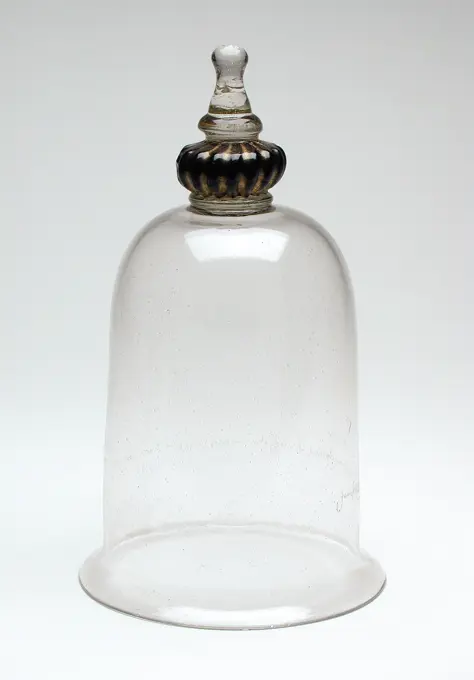
Collection of antique vessels, including a nursing bottle and historical glass cups. The pieces exhibit varying styles and craftsmanship from different cultures.
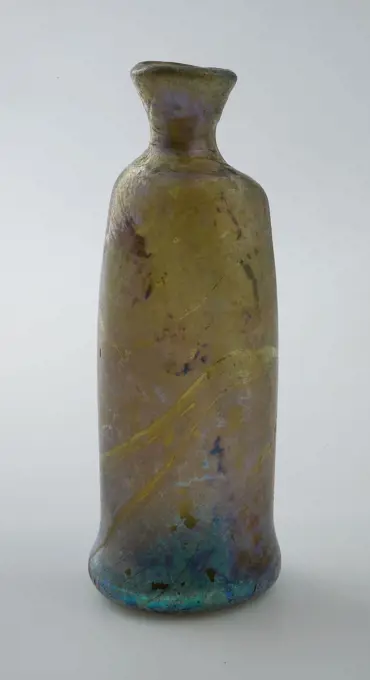
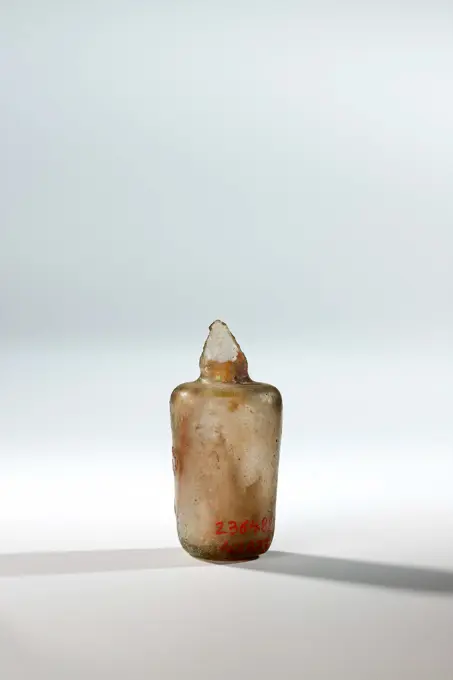
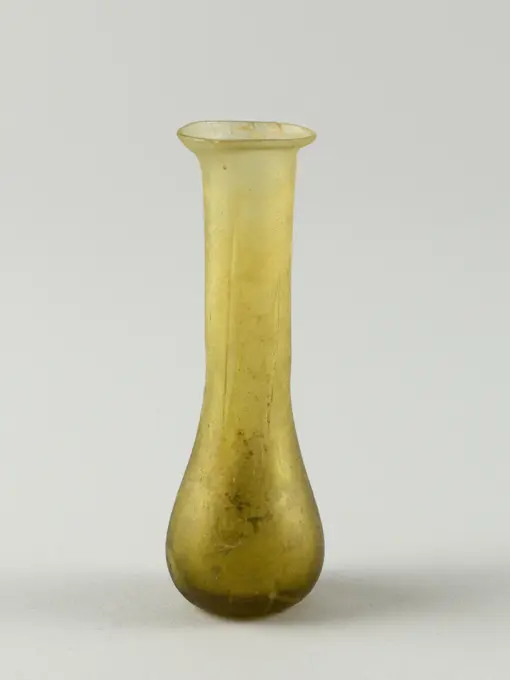
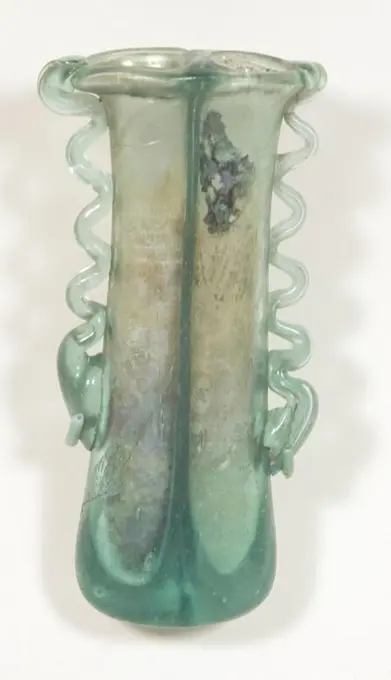
Small cylindrical bottle with round shoulder and narrow neck, bulging foot, bottle holder bottomfound glass, free blown Small cylindrical bottle with round shoulder and narrow neck. Stuffed soul with pontilmerk Side wall is stretched out above the foot the bottle is slightly collapsed for cooling archaeological packaging transporting store
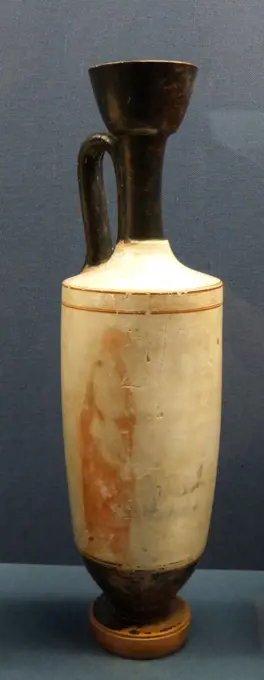
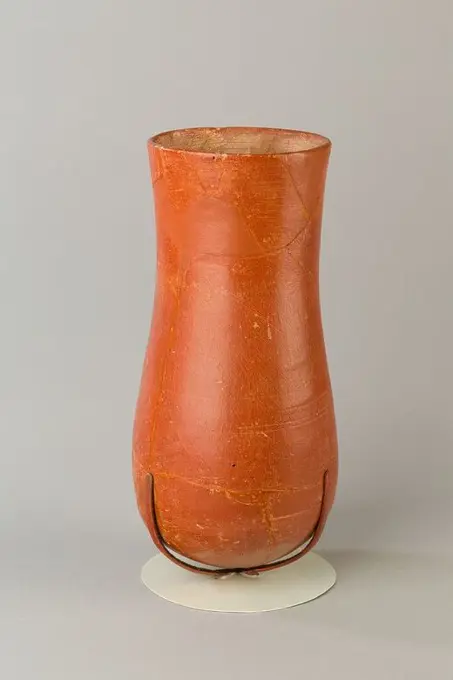
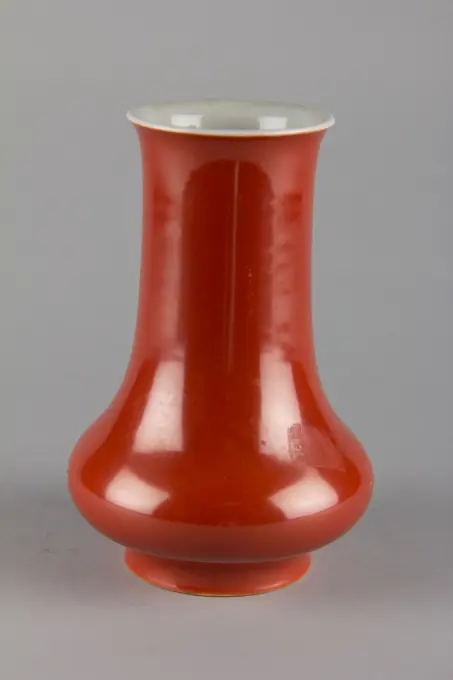
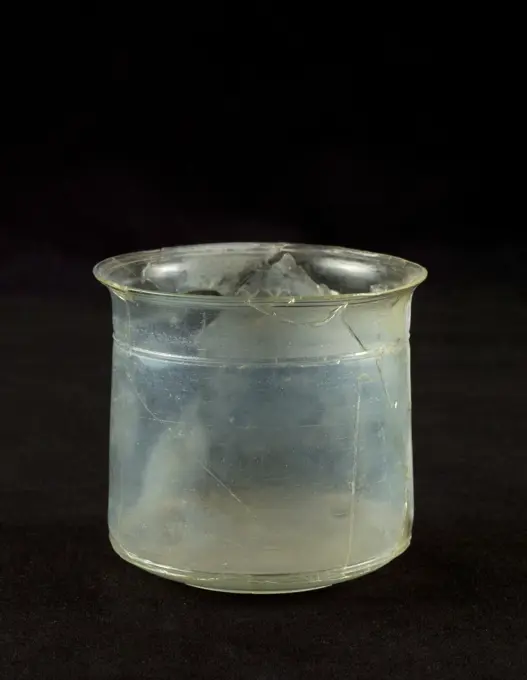
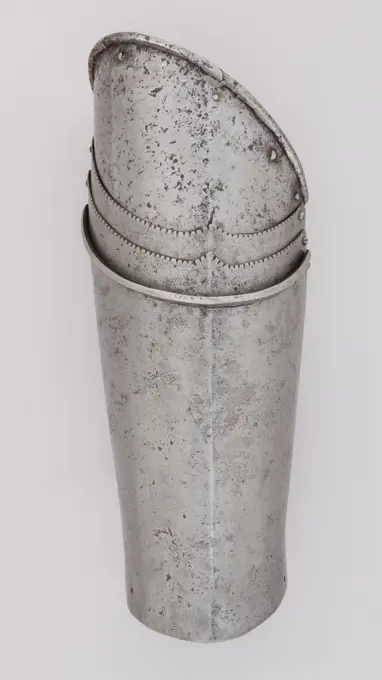
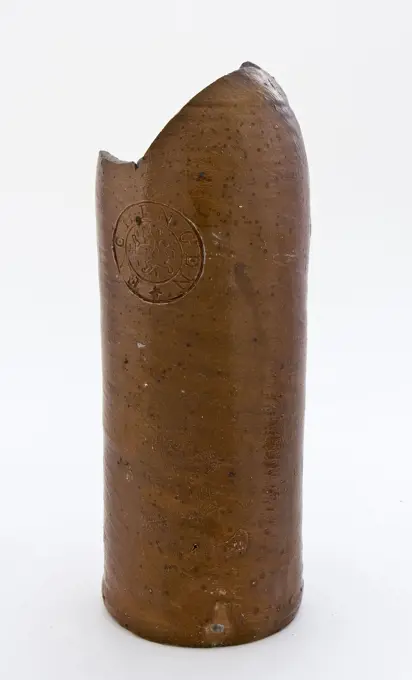
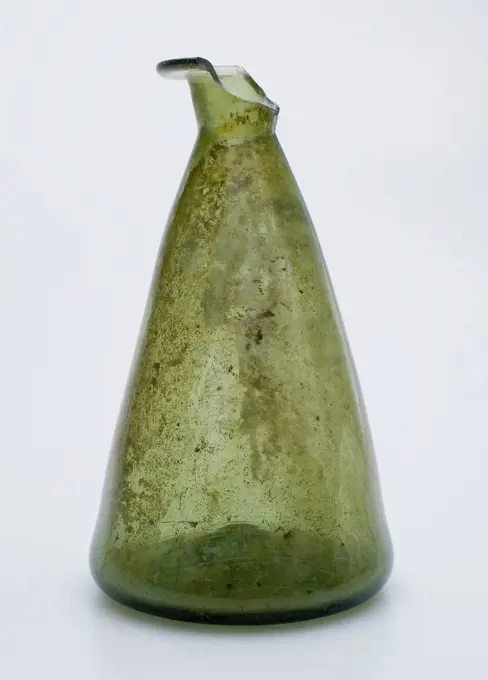
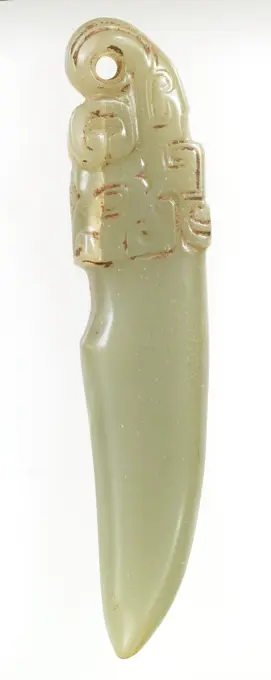
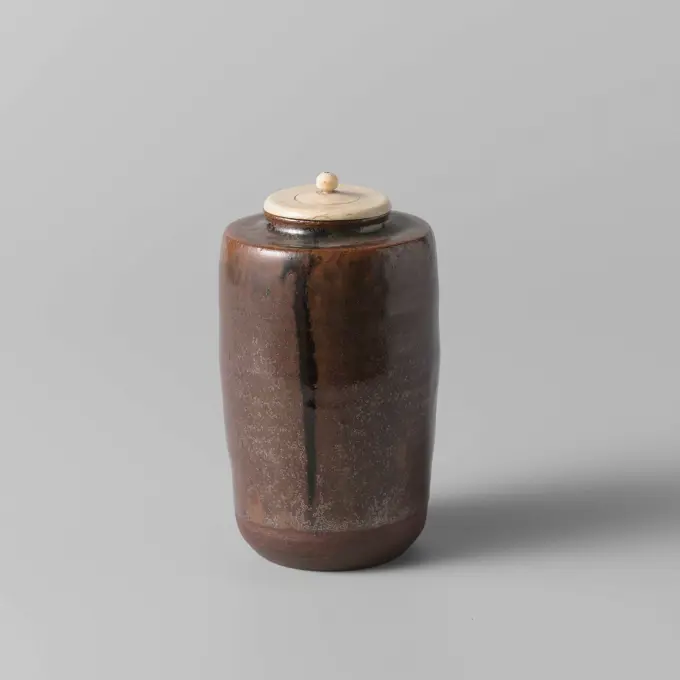
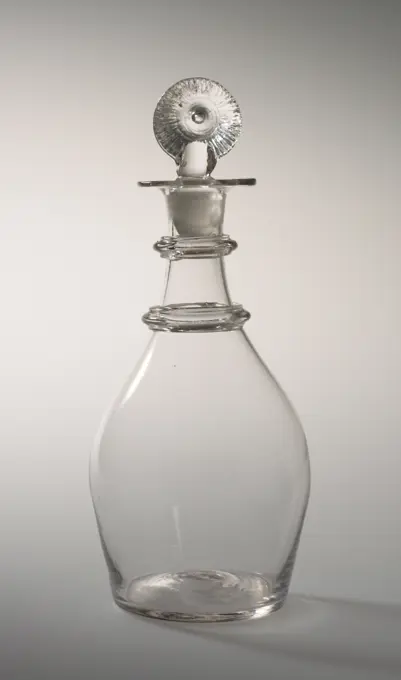
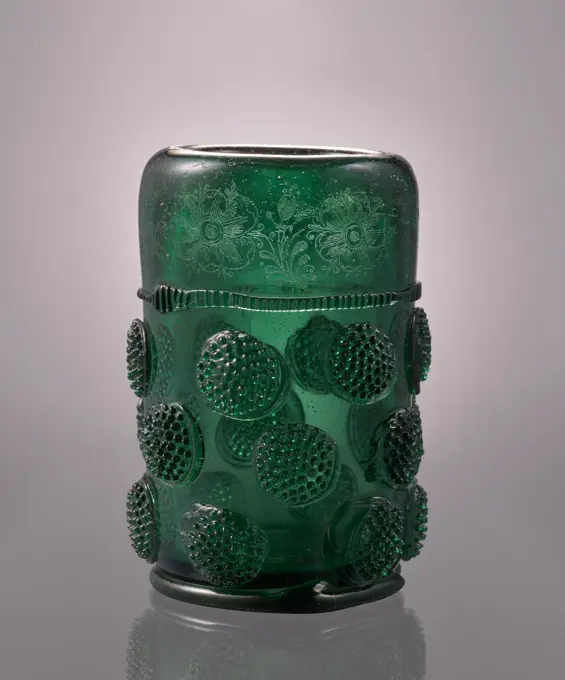
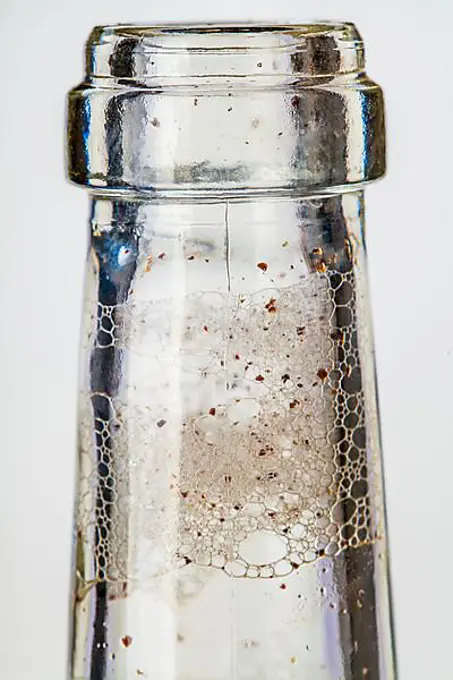
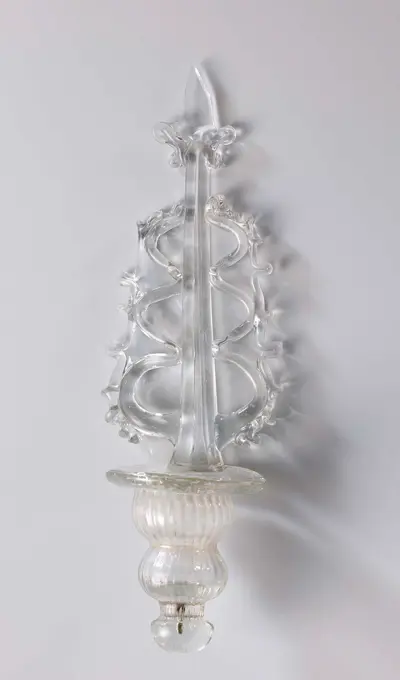
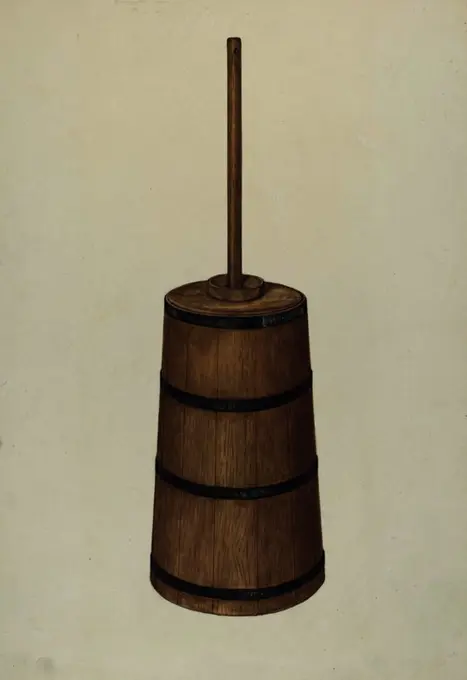
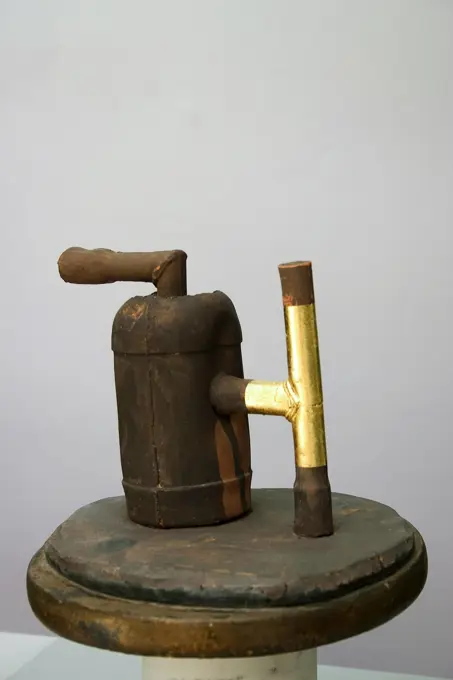
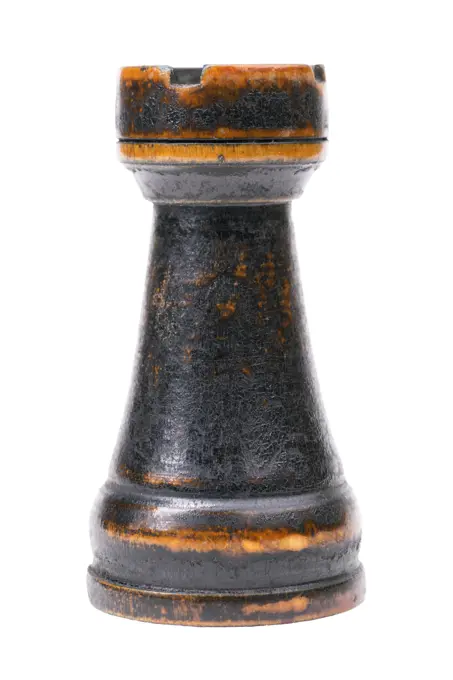
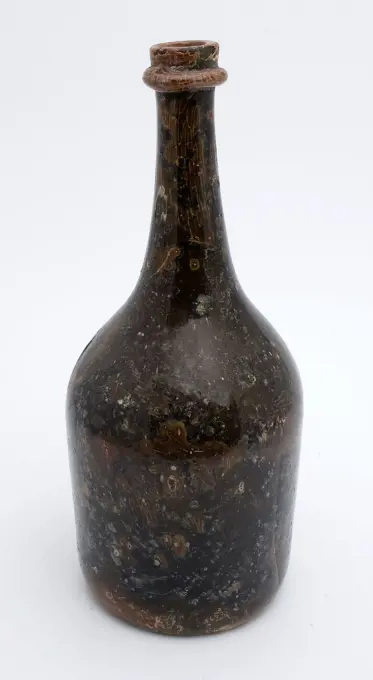
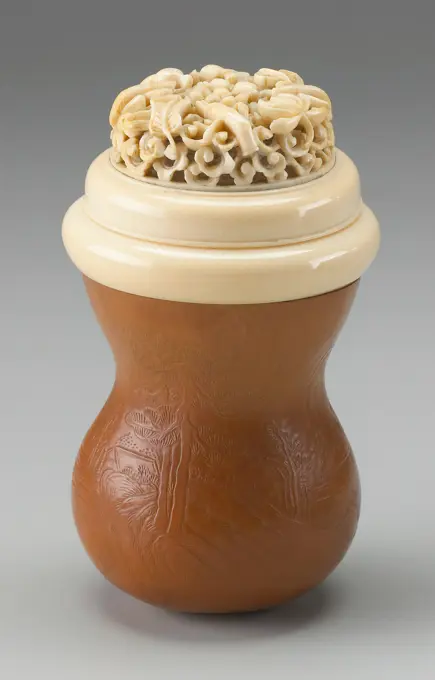
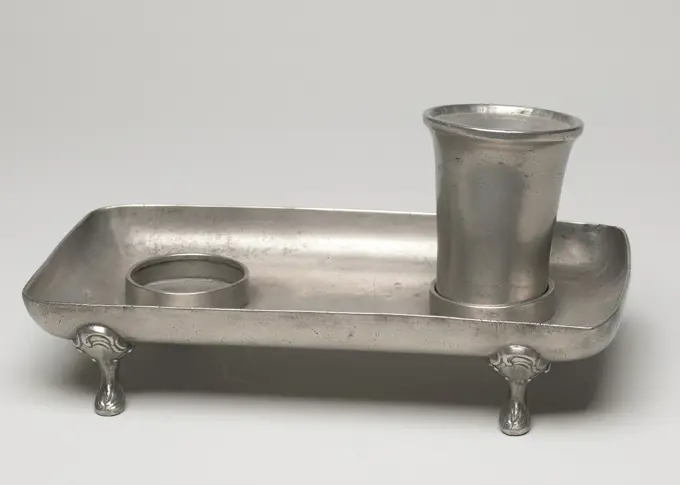
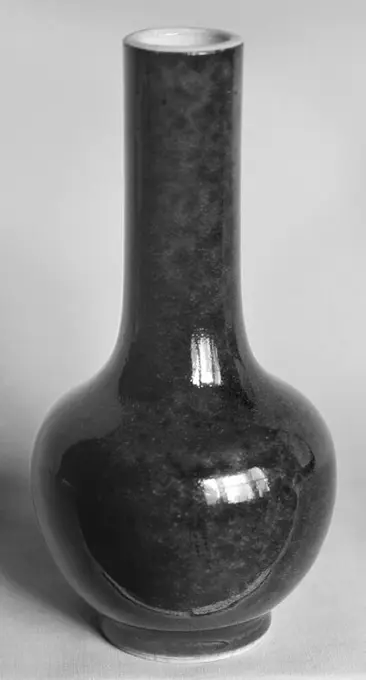
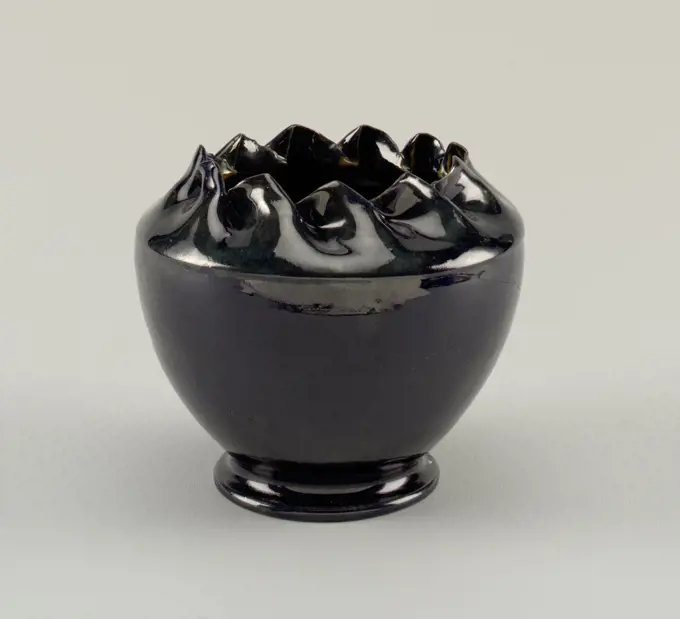
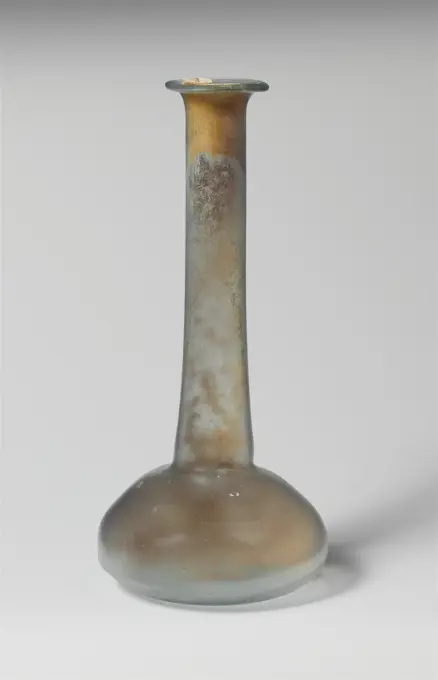
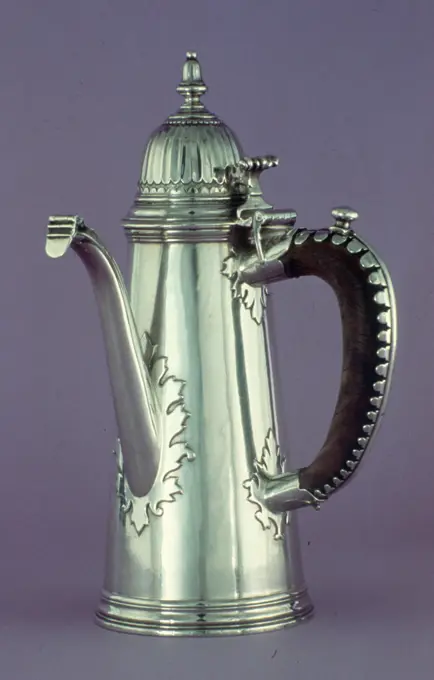
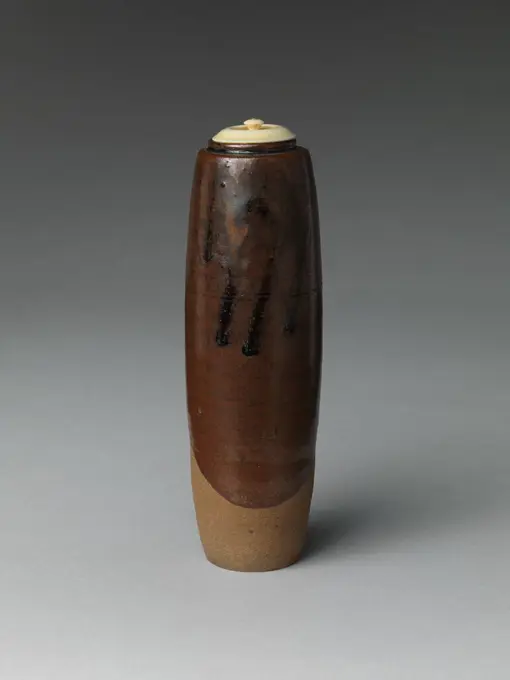
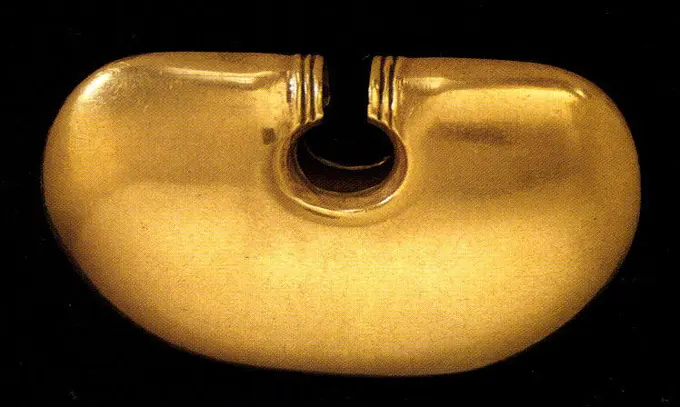
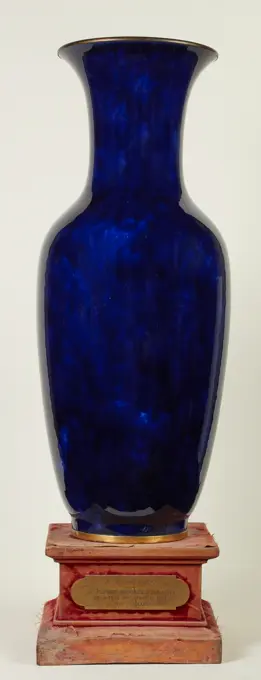
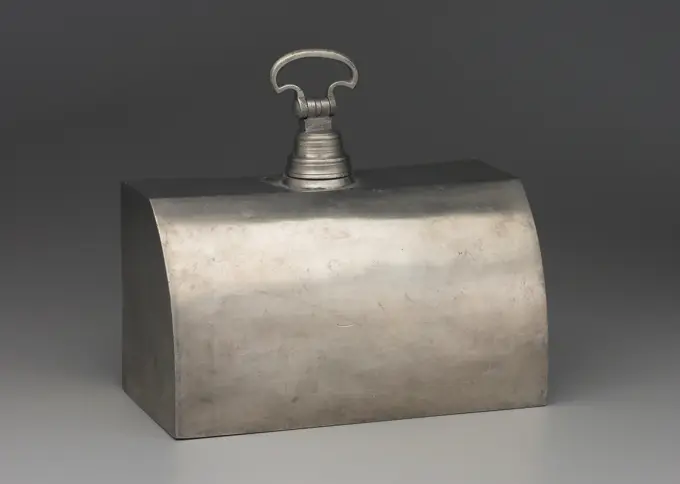
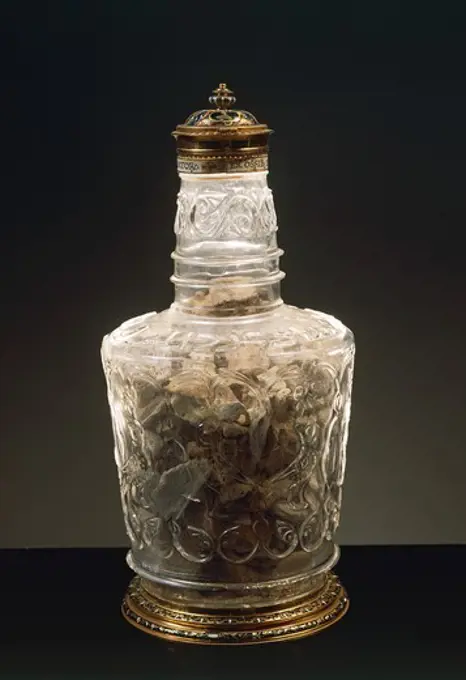
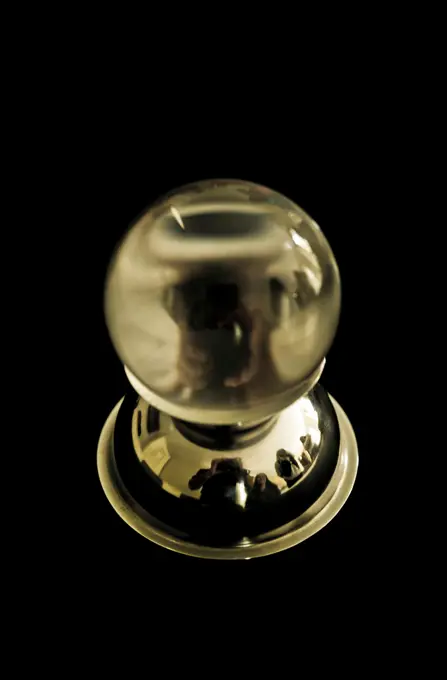
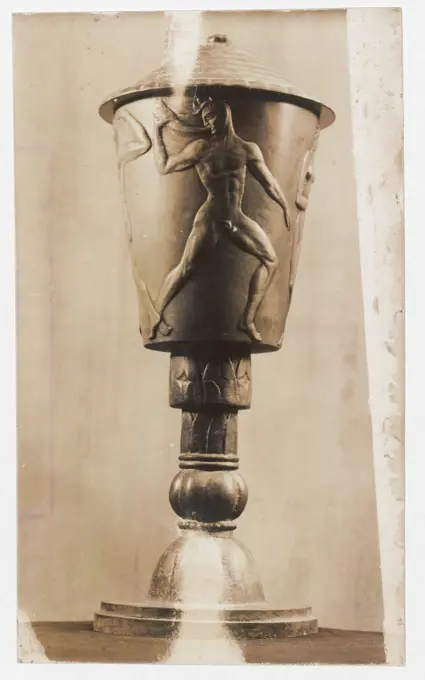
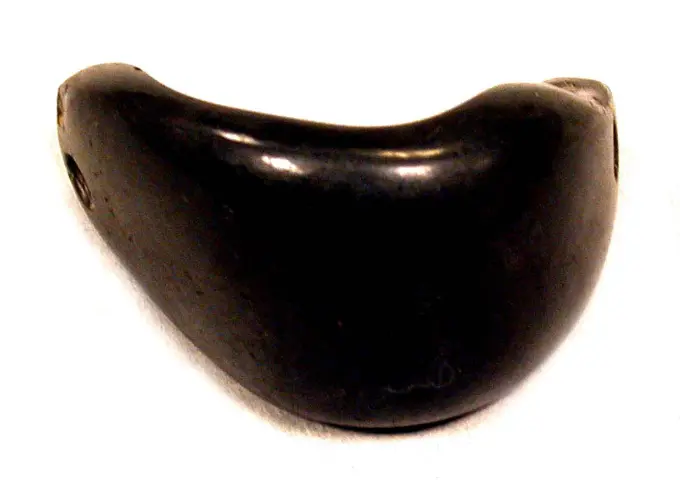
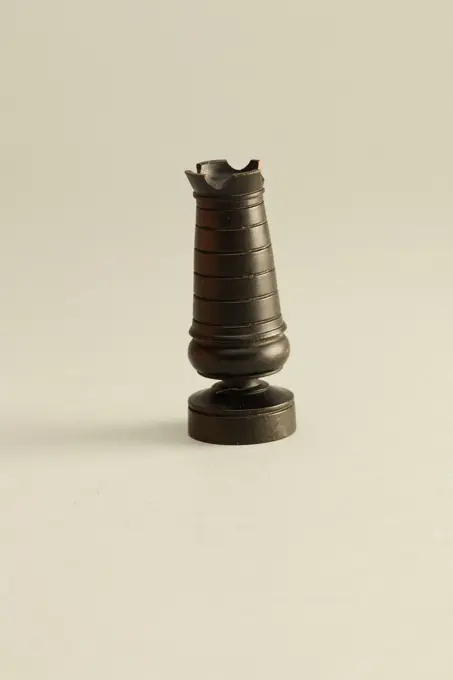
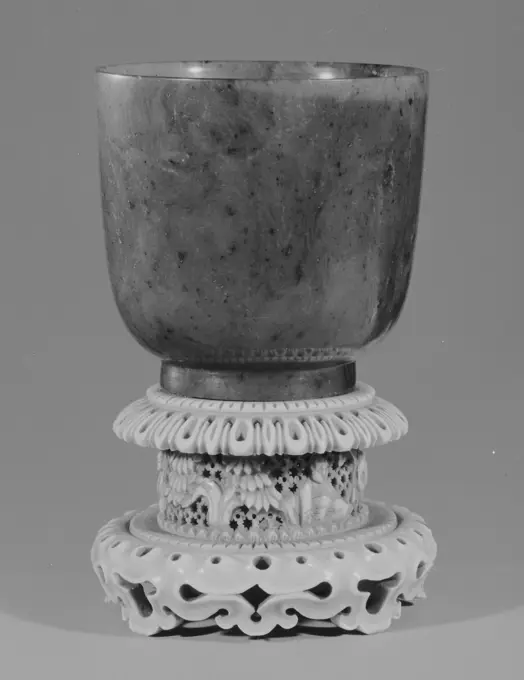
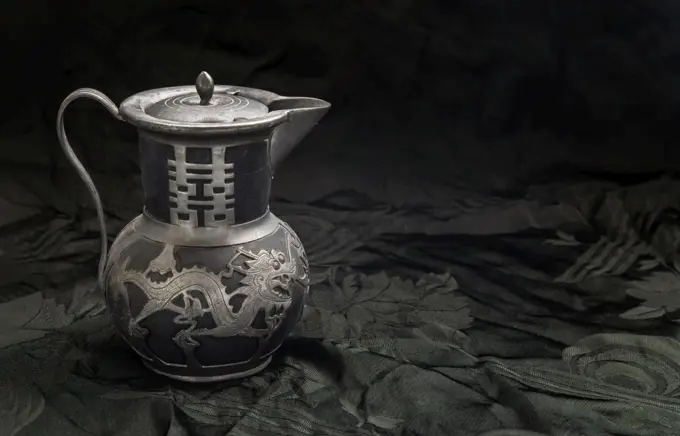
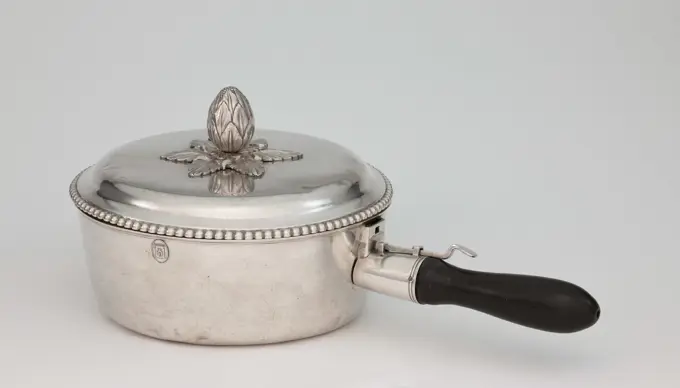
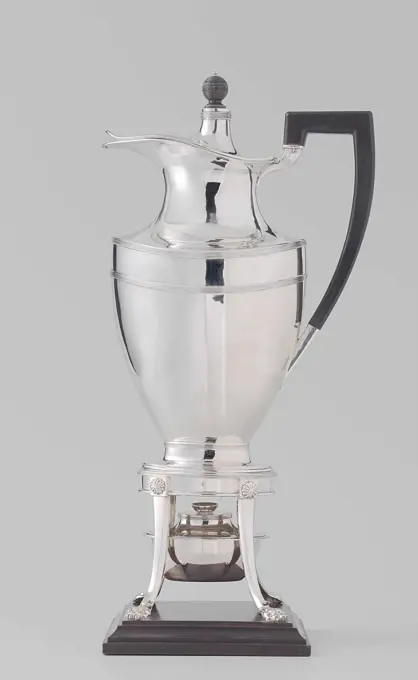
NursingBottle.   Maker: Frederick Bassett, American, 1740-1800White-ground Lakythos with depiction of himation-clad male figures beside a grave stele topped by a palmette. 440-410 BCCup from Tutankhamun's Embalming Cache. Dimensions: H. 21.6 cm (8 1/2 in.); Diam. 10.5 cm (4 1/8 in.); Diam. of mouth 9 cm (3 9/16 in.). Dynasty: Dynasty 18. Reign: reign of Tutankhamun. Date: ca. 1336-1327 B.C.. Museum: Metropolitan Museum of Art, New York, USA.Bell Beaker late 6th-early 7th century Frankish. Bell Beaker 465073 Frankish, Bell Beaker, late 6thearly 7th century, Glass, Overall: 4 15/16 x 2 3/8 in. (12.5 x 6 cm). The Metropolitan Museum of Art, New York. Gift of J. Pierpont Morgan, 1917 (17.191.355)Vase 18th century China. Vase 46720Bowl. Gallo-Roman. Glass. Paris, Carnavalet museum. Bowl, Gallo-Roman, Gallo-Roman, glass, archeological vestigeAntique glass 1898, Middle EastSmall cylindrical bottle with round shoulder and narrow neck, bulging foot, bottle holder bottomfound glass, free blown Small cylindrical bottle with round shoulder and narrow neck. Stuffed soul with pontilmerk Side wall is stretched out above the foot the bottle is slightly collapsed for cooling archaeological packaging transporting storePair of Thigh Defenses (Cuisses) ca. 1450 Italian This is part of a large find of medieval armor discovered in 1840 in the ruins of the fortress of Chalcis, on the Greek island of Euboea (then a Venetian colony called Negroponte). The fortress had been captured and destroyed by the Turks in 1470. Now divided largely between the Ethnological Museum, Athens, and The Metropolitan Museum of Art, the Chalcis hoard contains many rare and unusual elements of fourteenth- and fifteenth-century armor. Of particular importance are the variety of headpieces and the many fragments of brigandines (armor for the torso constructed of small plates riveted to layers of fabric), some of which retain portions of their original velvet covering. The Chalcis armor provides a unique picture of the armament used in the Aegean, one of the easternmost military outposts of the Venetian empire.. Pair of Thigh Defenses (Cuisses) 27694Weidemann BeerBottle. Retailer: Weidemann Brewery Company, ca. 1900Stoneware mineral pitcher, cylindrical with round shoulder, sausage ear and short neck, mineral water pitcher jar product packaging container soil find ceramic stoneware glaze salt glaze approx., hand turned glazed baked Stoneware mineral pitchers cylindrical with round shoulder short neck and sausage ear. Stand area with traces of deduction and soul. Glazed. Marked under the ear and marked on the front with medallion Medallion in the medallion: FACHINGEN in the midfield left clawing lion archeology Rotterdam Kralingen-Crooswijk Struisenburg Oostmaaslaan Boslaan Buizengat advertising indigenous pottery import drinking water drinking medicine packaging Soil discovery: Buizengat Oostmaaslaan Boslaan Rotterdam an old landfill of urban waste.Bone cupFragment of hourglass glass, hourglass timepiece measuring instrument bottomfound glass, free blown and formed Fragment of bottom body neck and edge of one part of hourglass glass in clear light green glass. Pontil mark under slightly raised soil. Conically rejuvenated body to short (1.5 cm) slightly flared neck and wide (dm 3.0 cm calculated) horizontal edge of which more than half is missing archeology Rotterdam Kralingen-Crooswijk Struisenburg Buizengat time measurements Soil discovery: Buizengat when laying diver 1959.Blue-Painted Jar from Malqata. Dimensions: H. 40 cm (15 3/4 in), Diam. 12 cm (4 3/4 in). Dynasty: Dynasty 18. Reign: reign of Amenhotep III. Date: ca. 1390-1353 B.C.. Museum: Metropolitan Museum of Art, New York, USA.Bottle vase 18th century China. Bottle vase. China. 18th century. Porcelain with dark brown glaze (Jingdezhen ware). Qing dynasty (1644-1911). CeramicsMedicine Bottle, medicine bottle bottle holder soil find glass, free blown and shaped Small (medicine) Bottle in clear light green glass. Pontil mark under raised bottom. Cylindrical body dented on one side with straight shoulders short neck and dilated irregular lip, archeology health care packaging pharmacyBottle. unknown, craftsmanBottle 9th-10th century. Bottle 449661Close-up of a glass bottle, Combs-la-Ville, Seine-et-Marne, Ile-de-France, FranceAnonymous / 'Case for the water jug with a lid and spout in the form of a bird's head'. XVII century. Leather, Wood, Metal, Cloth. Museum: Museo del Prado, Madrid, España.Mi Bow Tip, 1766-1122 BCE, 3 1/2 x 3/4 x 3/8 in. (8.89 x 1.91 x 0.95 cm), Translucent grey-green jade, China, 18th-12th century BCEFlakon with a stopperSmall jugLantern. Dated: c. 1939. Dimensions: overall: 43.7 x 33.1 cm (17 3/16 x 13 1/16 in.) Original IAD Object: 10" high; 4 1/8" in diameter. Medium: watercolor, graphite, and goauche on paperboard. Museum: National Gallery of Art, Washington DC. Author: Albert Allen.. Dust tea bus or chair of stoneware with an ivory lid, partially covered with a golden brown glaze. The lower part of the bus is unglazed. Old label on the bottom with 'W638'. Seto.Covered Roemer 1730-1745 Germany. Glass with gilding .Celery Vase 1883-88 Probably New England Glass Company. Celery Vase 1510Maker Unknown, Decanter, c. 1810-35, colorless glass.Balsamaire. Gallo-Roman. Glass. Paris, Carnavalet museum. Balsamaire, Gallo-Roman time, perfume bottle, Gallo-Roman, glass, archeological vestigeJean Carriès (1855-1894). Gourd in the shape of a gray background and greenish flows, ceramic in enameled sandstone, between 1875 and 1894. Museum of Fine Arts of the city of Paris, Petit Palais. 24072-5 Calabasse, ceramic, lounging green, gray background, shape, gourd, gres emailleCylinder Seal. Mesopotamia, Agade period, about 2334-2154 B.C.. Tools and Equipment; seals. Black serpentineCaster; Made by Langlands & Robertson; silverFlash; indefinite author, indefinite steelworks; XVII/18th century (1690-00-00-1710-00-00);Zieliński Jerzy, genre scenes, purchase (provenance)Cuspidor. Dated: 1940. Dimensions: overall: 37.9 x 30.3 cm (14 15/16 x 11 15/16 in.). Medium: watercolor, graphite, and colored pencil on paperboard. Museum: National Gallery of Art, Washington DC. Author: Giacinto Capelli.Unguentarium ca. 1st century A.D. Nabataean. Unguentarium 325899Glass perfume bottle Roman 1st century CE Translucent honey brown.Unworked, cracked-off vertical rim; cylindrical neck, with tooled indent around base; narrow, sloping shoulder, with rounded edge and vertical band below; carinated body, with side to long, upper body tapering downward and lower side curving in sharply; concave bottom.Broken and repaired, with one hole in lower body; some pinprick bubbles; dulling, pitting, iridescence, and patches of thick creamy yellow weathering on exterior. View more. Glass perfume bottle. Roman. 1st century CE. Glass; blown. Early Imperial. GlassLid;  19th century (1801-00-00-1900-00-00);Glass - brewbecher; Non -like Lona Huta; 1663 (1663-00-00-1663-00-00);Fragment of pottery ointment jar, cylindrical model on foot with necking, white glazed, ointment jar pot soil find pottery earthenware glaze tin glaze, hand turned baked glazed High shape with smooth transition at the constriction at the shoulder Deep constriction at the foot gives standing foot model. Gray-white interior and exterior glazed. Cream-colored shard. Stand archaeology health care indigenous pottery packing pharmacy store sell medicine drug craftSturbecher. Netherlands, 1584. Furnishings; Serviceware. Free-blown and engraved glassVase with polychrome decoration of purple and rose flowers on a stem, N.V. Plateelbakkerij Zuid-Holland, c. 1915 Vase of earthenware, on a round base, with funnel -shaped body with flat shoulder and small cylindrical neck. Polychrome painted in green, yellow, pink and purple with three times a purple and a pink flower on a stem against a partly green, partly dark blue stock. Gouda earthenware vitrification Vase of earthenware, on a round base, with funnel -shaped body with flat shoulder and small cylindrical neck. Polychrome painted in green, yellow, pink and purple with three times a purple and a pink flower on a stem against a partly green, partly dark blue stock. Gouda earthenware vitrificationCovered Goblet. Germany, Potsdam, circa 1720. Furnishings; Serviceware. Free-blown, cut and engraved glassDetail of a clear glass bottle neck with brown foam bubblesHatSaltWoodwater bin. Blown in the form, vertically ribbed and two-inched body, ending in a wide edge. The back formed by a double wire with three loops; It is completely trimmed with a serrated thread and awarded a smooth triangle on two volutes.Handmade Churn. Dated: c. 1937. Dimensions: overall: 44.9 x 31 cm (17 11/16 x 12 3/16 in.) Original IAD Object: top: 10" in diameter; bottom: 14" in diameter; 22" high; dash: 39 3/4" long. Medium: watercolor, graphite, and pen and ink on paperboard. Museum: National Gallery of Art, Washington DC. Author: Rex F. Bush.Goldsmith's art, Italy, 17th century. Odoardo Vallet (1542-1622), rock crystal vase with gold mount, ornamented with enamels, rubies and emeralds, 1618-1619, height 38 cm.Snuff Bottle, 17th-19th century, 2 7/8 x 1 1/4in. (7.3 x 3.2cm), Glass, China, 17th-19th centuryTerracotta sculpture of the legendry artist  Himmat Shah  Indian Art  Master piece  Clay  for editorial use only  Jaipur  Rajasthan  India Copyright: xRavixShekhar/DinodiaxPhotoxrook chess piece vintage wooden rook chess piece isolated on white Copyright: xZoonar.com/YuryxZapx 1053977427stHat ca. 1855 John N. Genin. Hat. American. ca. 1855. a) linen, silk, leather, paper; b,c) leather; d-f) paperCylindrical bottle, bottle holder soil find model glass, free blown and shaped Small cylindrical bottle in clear green glass. Pontil mark under pointed bottom with hole, chip from base. Slightly widened body to convex shoulders and rejuvenated (4.0 - 1.6 cm) neck with imposed all-round convex glass thread and flattened lip archeology packagingAlto recorder, foot. .Cricket Container, 4 1/2 x 2 5/8 x 2 5/8 in. (11.43 x 6.67 x 6.67 cm) (overall), Gourd, ivory, ChinaFishing motif, Silver, brass, copper, Oblong, curved sides and corners; one side featuring incised and inlaid decoration of trout leaping out of water, situated horizontally on box body, its back a dark, oxidized color, its underside brass, fins and eyes copper, stalk-like vegetation on right, some vegetation on left, fishing line with fly attached suspended in air on upper left; reverse features fisherman, situated vertically on box, with fishing rod line caught in seat of his pants, he wears dark, oxidized jacket and shoes, brass colored hat and shirt, copper colored pants, grassy bank brass color, with brass tipped cattails on right and left. Lid hinged on side. Striker on bottom., patented 1871, containers, Decorative Arts, Matchsafe, MatchsafeNursingBottleTHIMATERIO DE CERAMICA. IBERICO. (DEPOSITO: MUSEO ARQUEOLOGICO NACIONAL).Clock and gunpowder horn. This clock was originally intended as merchandise for sale or as a gift. It was hung up in the Save House’ as the only means of providing a sense of time during the long, polar nights. On 3 December 1596, it froze. Barentsz and Van Heemskerck shoved a parting letter into the gunpowder horn when they left. Three centuries later, the horn was rediscovered with the letter still inside. The letter cannot be exhibited due to its fragility.Inkstand, c. 1745-1750, 2 x 10 x 5 3/8in. (5.1 x 25.4 x 13.7cm), Pewter, England, 18th centuryBottle. .Alcoholic beverage bottle -TorsoBottle. Culture: China. Dimensions: H. 7 in. (17.8 cm). Museum: Metropolitan Museum of Art, New York, USA.ARTE GRIEGO-MAGNA GRECIA. LEKHYTHOS aribalesco, con decoración floral que circundan una cabeza de mujer vista de perfil. Tiene 160 mm de altura y 60 mm de diámetro. Procede de Egnatia, Magna Grecia (Italia). Museo del Perfume. Barcelona. Cataluña.Vase, Glazed earthenware, Thrown thin-walled body, flat base with spreading circular foot. Curved profile body with angled shoulder turned inward and deeply ruffled at lip. Glazed exterior with deep blue, shading to green-blue at shoulder and lip. Interior glazed deep yellow-green., Biloxi, Mississippi, USA, 1895-1900, ceramics, Decorative Arts, VasePrzeszo Przyszoci unknownteapot with loose green teaLampshade -Photo tandard, 1880 - 1900 frame   metal. cardboard. glassCelt 10th-15th century Taíno The most numerous category of polished stone sculpture emerging from the Taíno world of the ancestral Caribbean islands are ceremonial axes and blades, which take many forms and may have been an important medium of exchange. Axes feature abstract zoomorphic forms in stone, or consisted of wooden handles with stone blades hafted to them. Stone axe handle-shaped figures may have been ceremonial scepters. Ceremonial blades made of different types of greenstone, both local and imported, have been recovered in large numbers. These axes, known as petaloid celts for their resemblance to flower petals, could have served as dedicatory offerings, which have a long history on the Caribbean mainland in Mesoamerica.. Celt. Taíno. 10th-15th century. Stone. Dominican Republic, Caribbean. Stone-ImplementsBeaker ca. 1820-30 Bohemian. Beaker 207926Glass perfume bottle 2nd-3rd century A.D. Roman Tall candlestick unguentarium.Translucent pale blue green.Fine tubular rim folded out, over, and in; flaring mouth; tall cylindrical neck, expanding downwards with tooled indent around base; squat bulbous body, expanding downwards, with slightly angular sides; shallow concave bottom.Faint horizontal wheel-abraded band on body.Intact; pinprick and elongated bubbles; dulling and faint iridescence on exterior; patches of soil encrustation and iridescent weathering on interior.. Glass perfume bottle 244593Anthony Nelme, Coffeepot, 1701/2, silver and wood.Copper cachet on which Royal Weapon and Circulation: Convoyen and Licenses. Round copper stamp with black wooden handle. On the stamp surface a crowned weapon, classified in four quarters and a lion in the middle, the inscription: above the crown along the edge: convoys and licensing.Tea Caddy (Seitaka). Artist: Nonomura Ninsei (Japanese, active ca. 1646-94). Culture: Japan. Dimensions: H. (with lid) 6 in. (15.2 cm); Diam. 1 7/8 in. (4.8 cm); Diam. of rim 1 1/8 in. (2.9 cm); Diam. of base 1 1/4 in. (3.2 cm). Date: ca. 1650.This small, thin jar was used in the tea ceremony to hold powdered green tea known as matcha. It was made by Nonomura Ninsei, one of the most famous Japanese potters. He is known for being the first potter to sign his name to his work. Ninsei worked at a kiln he established outside Ninnaji temple, near Kyoto. His style, which is typically ornate and refined, set a standard that would define the appearance of Kyoto ceramics from that point on. This tea caddy is different from his usual work, in that there are no designs painted on the surface and the colors are subdued. However, even a less showy piece such as this one reveals the sophistication of Ninsei's eye. Museum: Metropolitan Museum of Art, New York, USA.Bottle, Gourd 2nd century B.C.-A.D. 1st century Topará. Bottle, Gourd 310221Gold Nose Ornament 5th-10th century Quimbaya. Gold Nose Ornament 318980Cricket Container, 6 5/8 x 2 15/16 x 2 15/16 in. (16.83 x 7.46 x 7.46 cm) (overall), Gourd, ivory, tortoise shell, ChinaManufacture of Sèvres, Vase de Sèvre Bleu offered to Victor Hugo by the members of the Festival Initiative Committee of February 26, 1881. Porcelain. House of Victor Hugo - Hauteville House.FootWarmer.  Maker: Henry Will, American, ca. 1735-1802Kohl Container. Byzantine; Eastern Mediterranean. Date: 401 AD-600 AD. Dimensions: 10.8 × 5.6 × 2.7 cm (4 1/4 × 2 1/4 × 1 1/16 in.). Glass, blown technique. Origin: Levant. Museum: The Chicago Art Institute, Chicago, USA.Chewed up eraser and pencil.Ring probably 19th century Chinese This collection of largely ethnographic jewelry includes examples from cultures in South America, North America, Europe, Asia, and Africa and dates from the Pre-Columbian period to the twentieth century. Owned by renowned art collector and fashion enthusiast Muriel Kallis Newman, the collection represents her knowledge and appreciation of a wide range of jewelry design and making traditions. Numerous items in her collection are composite artifacts made from various cultures and time periods reappropriated as modern jewelry creations by or for Muriel. It is important to note that Newman wore many of the pieces in the collection, interpreting them to suit and express her own singular, often avant-garde style.. Ring 141640Goldsmith's art.  Rock crystal Fatimid bottle, 10th century. Enamelled gold mount with Medicean coat of arms and emblem of Cosimo I. Height cm. 29.Cameo-glass bottle from Iran. Dated 9th CenturyBottle. Culture: China. Dimensions: H. 16 7/8 in. (42.9 cm). Museum: Metropolitan Museum of Art, New York, USA.crystal ballAward cup designed by Olga Niewska (1929), cast at the workshop of the Łopieński Brothers in Warsaw - award of the President of the Republic of Poland for the year 1930. Brzozowski, Stanisław (1883-1968), photographerFinger Grip before 16th century Mexican. Finger Grip 317423ChessmanPorringer.   Maker: Francis Bassett, Jr., American, 1729-1800Close-up of a jar with glass cork on tiled floor against blurred wall. 01/22/2013Cup late 19th century China. Cup. China. late 19th century. Jade, ivory stand. JadeOne chinese traditional teapot with dragon pattern - chinese characther double Translation meaning is Double Happiness. Antique metal teapot, Usually it use For Chinese tea ceremony during wedding day. Best gift for wedding. Copy space, Selective focus.Fragment ca. 1150-ca. 1250 European or Middle Eastern. Fragment 696633Hod and trowel. Lime box with scalloped walls, brass on the inside and a hook on the back. The trowel has no distinctive characteristics.Copper tinder box, tondeldoos lighter equipment copper h 8,3, Cylindrical copper tinder box with lids with annular grooves and serrated edge noBottle vase with dragon 18th century China. Bottle vase with dragon 46932Vegetable saucepan. Zielenkiewicz, Antoni (fl. ante 1785-ca 1790), creatorCoffee pot with stand and burner..