Antique Glassware and Decorative Items

Images of elegant antique glassware and candlesticks, showcasing intricate designs and historical craftsmanship in decorative objects.

Stop from the oil and vinegar set consisting of two glass bottles and a pepper bus in a holder, Jan Hendrik Middelhuysen (attributed to), 1783 Stop decorated with various grinding work. Amsterdam glass Stop decorated with various grinding work. Amsterdam glass
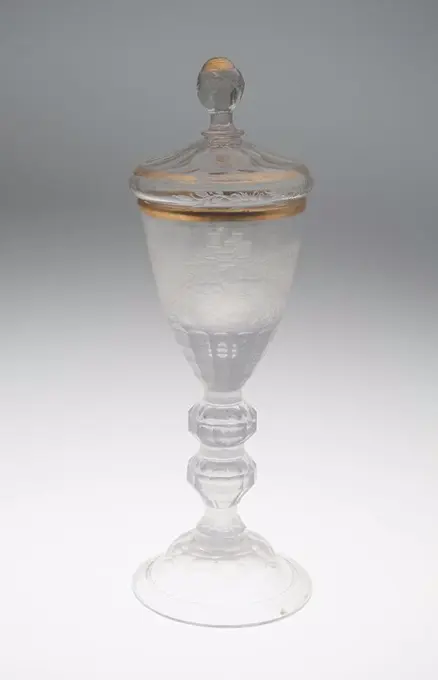
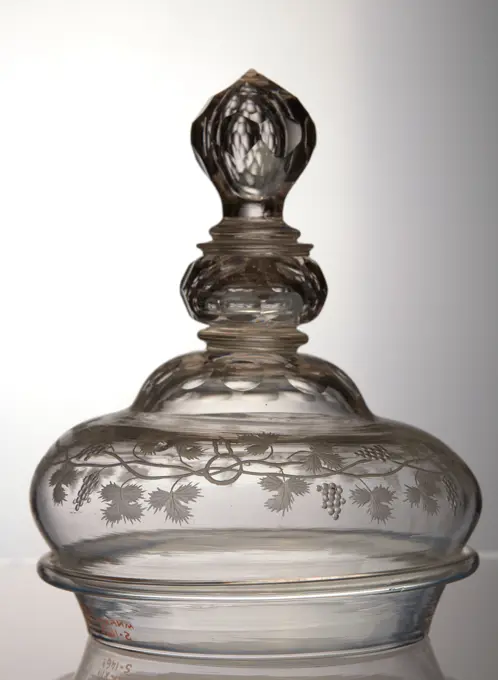
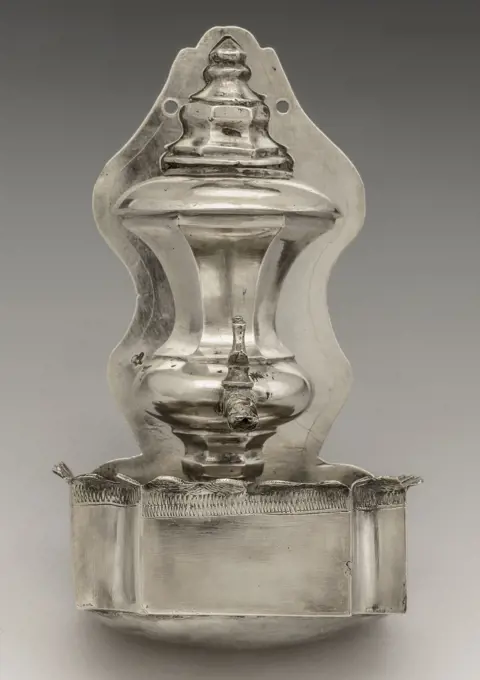
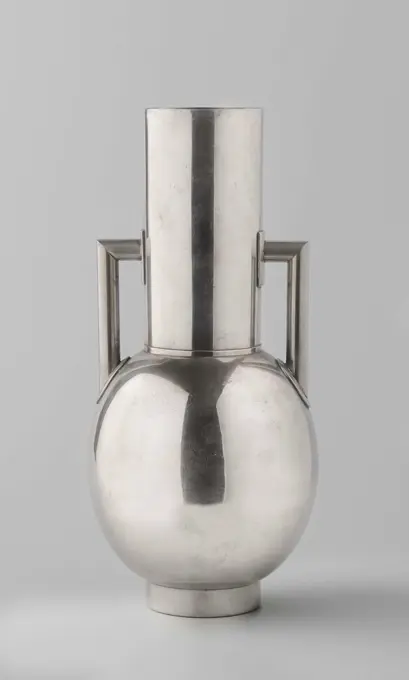
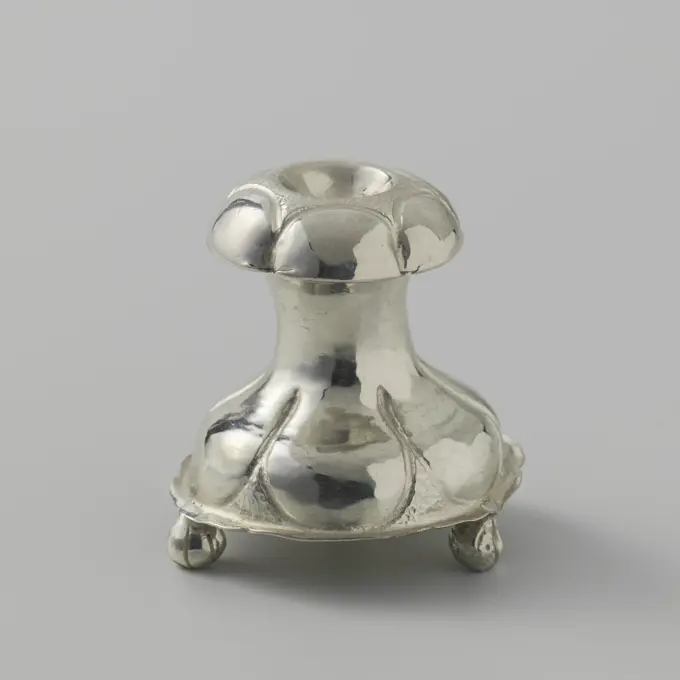
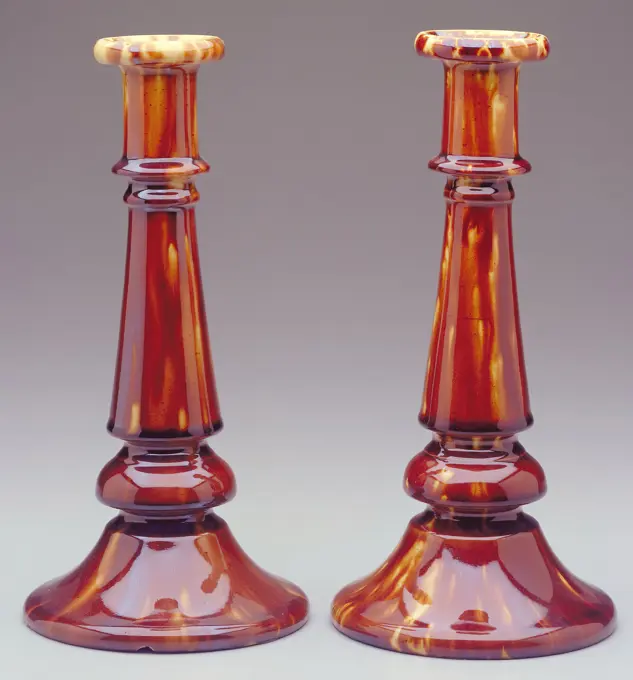
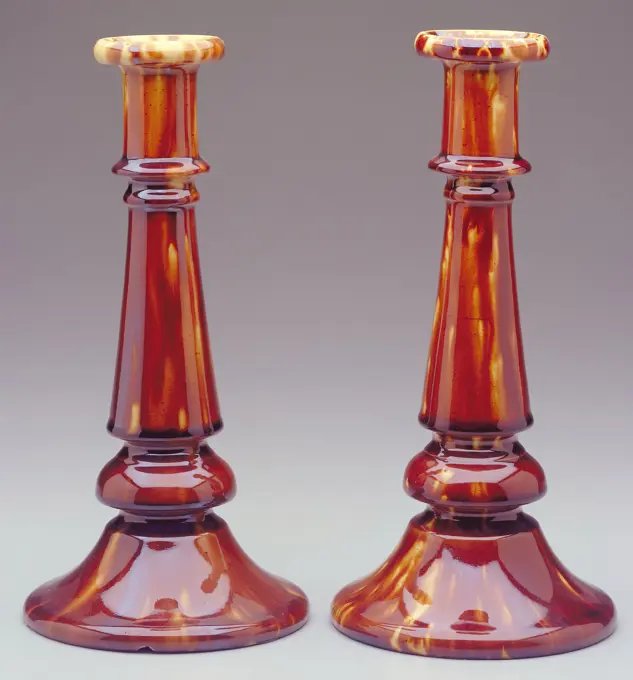
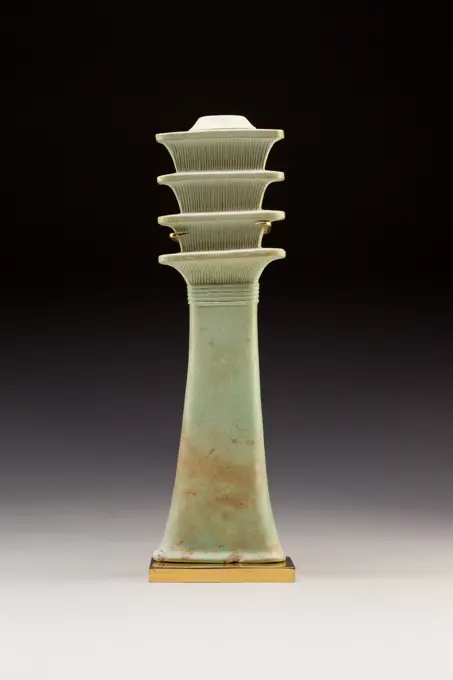
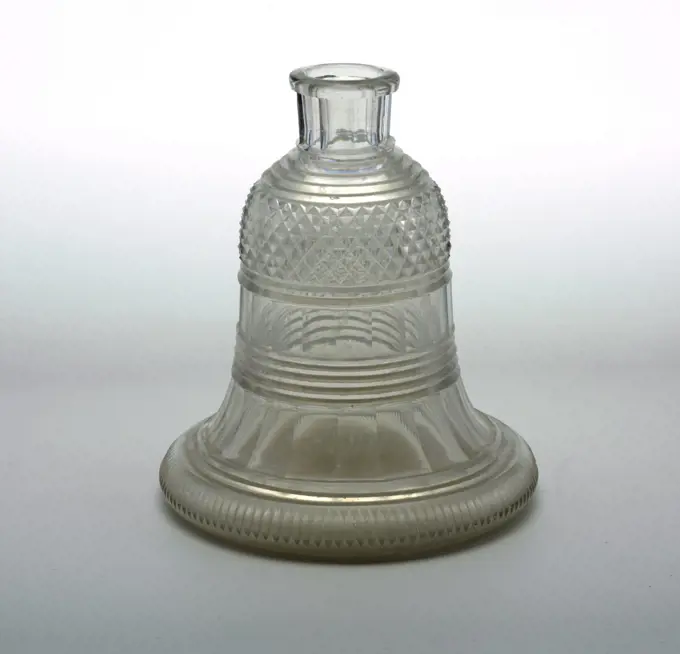
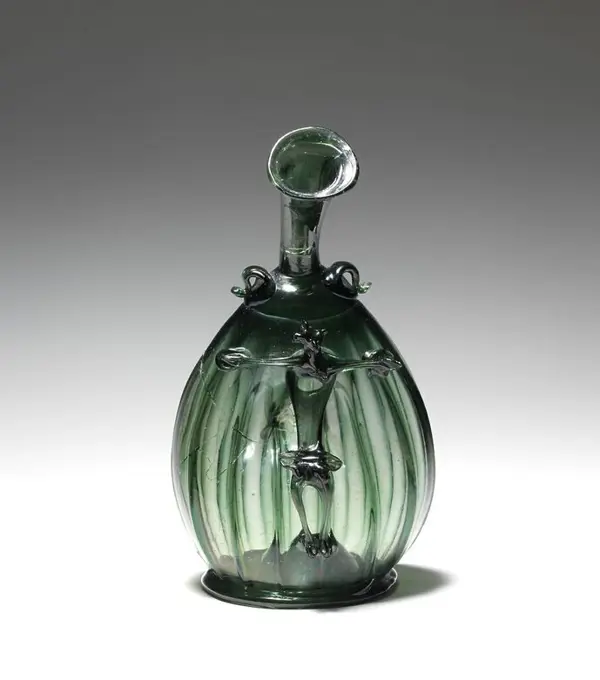
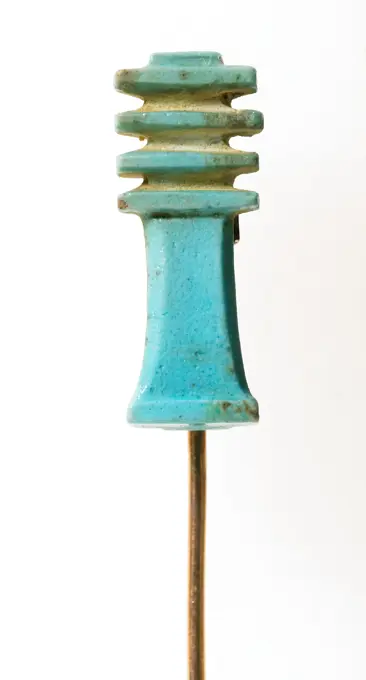
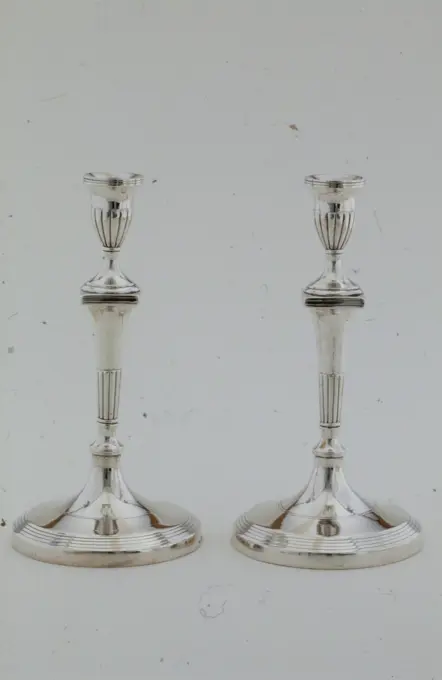
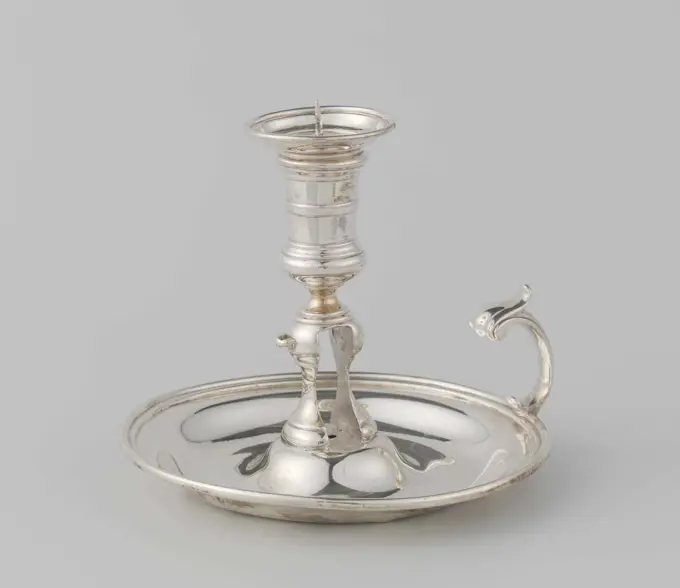
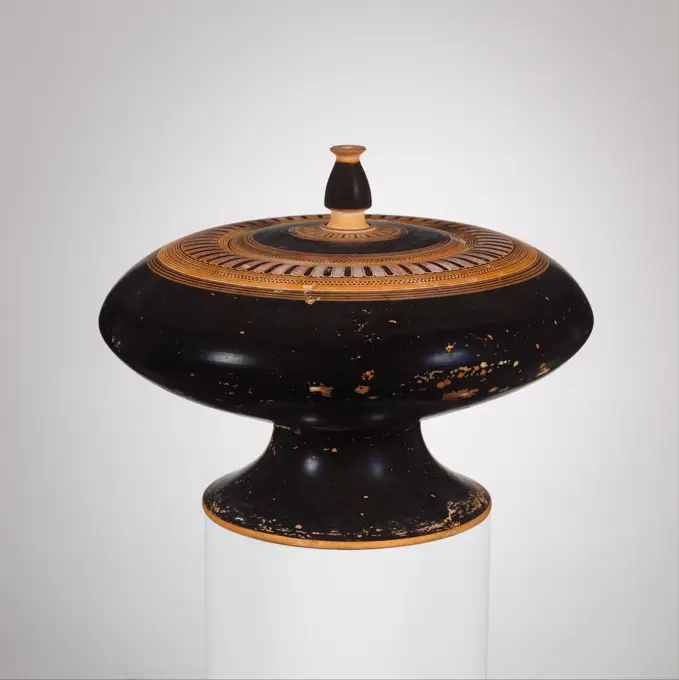
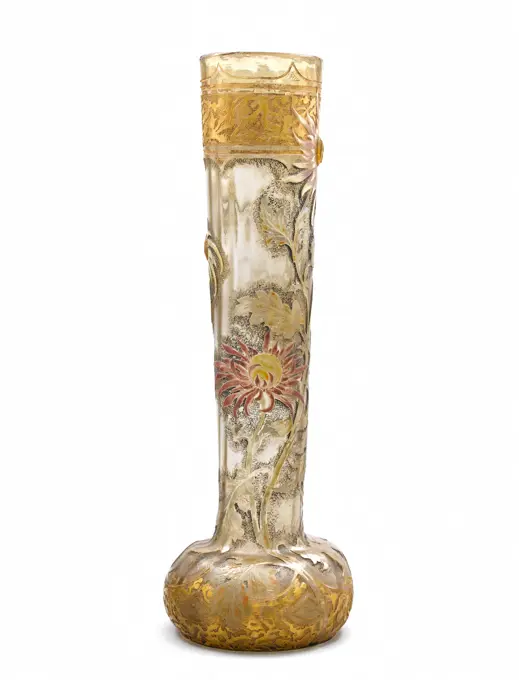
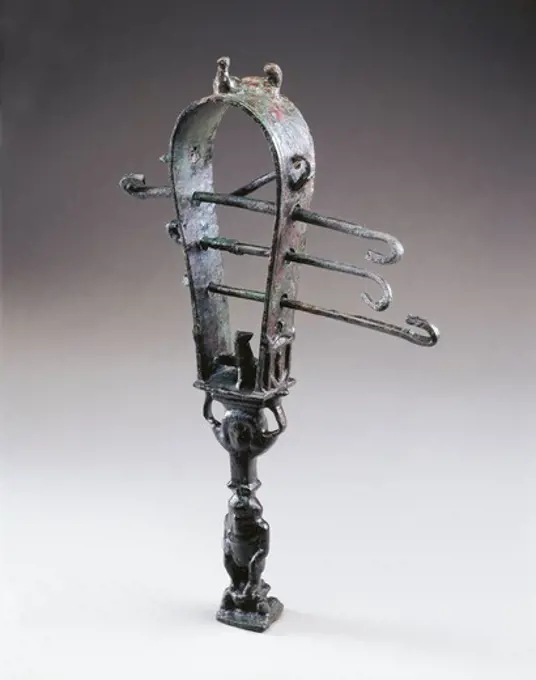
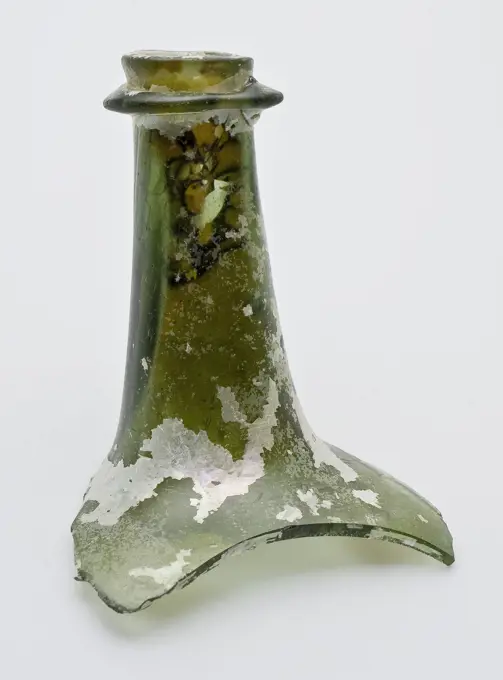
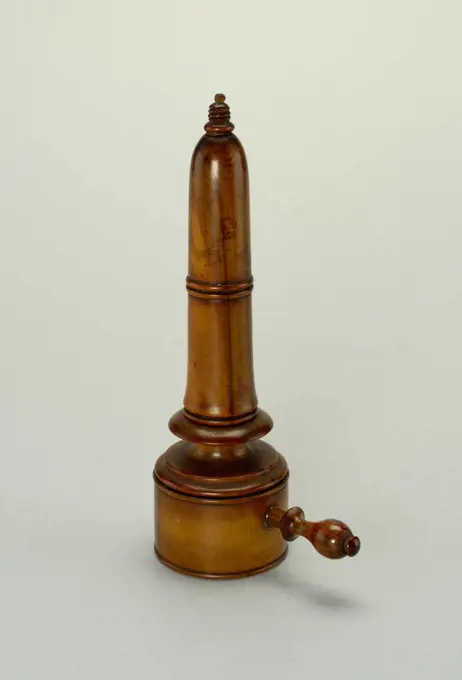
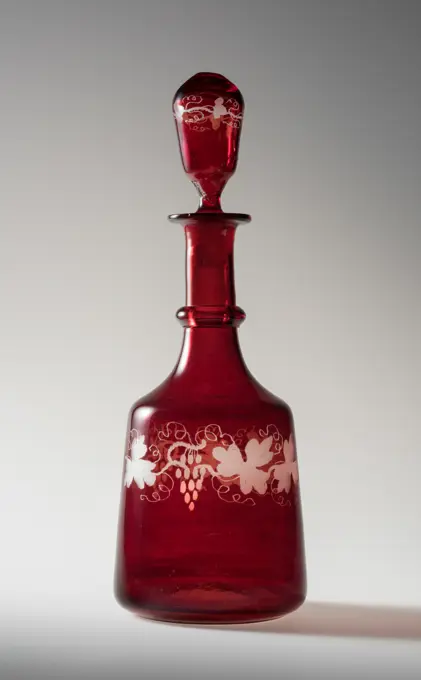
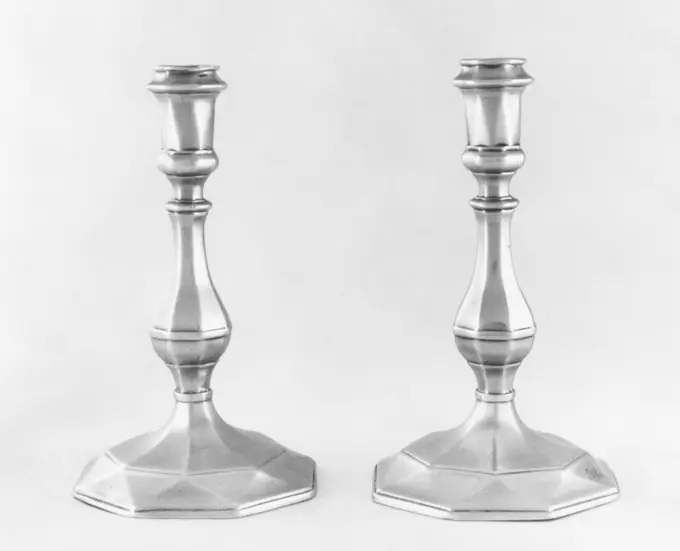
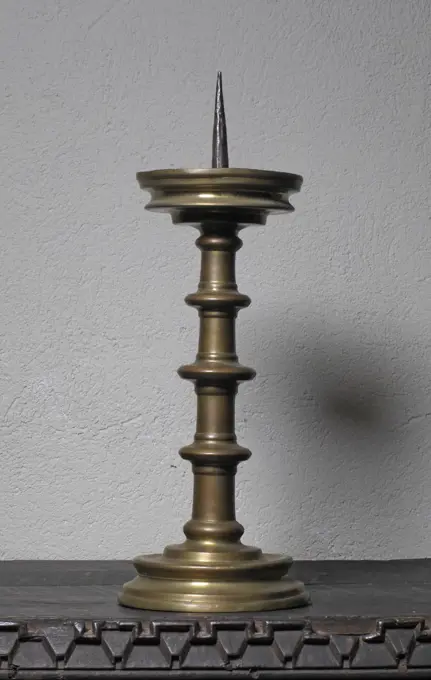
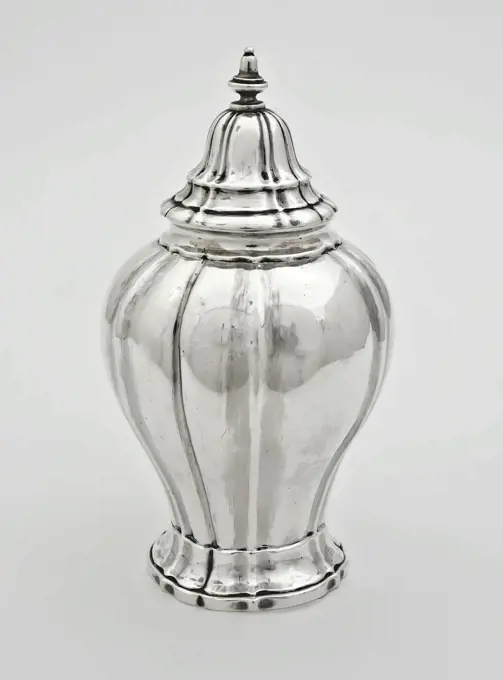
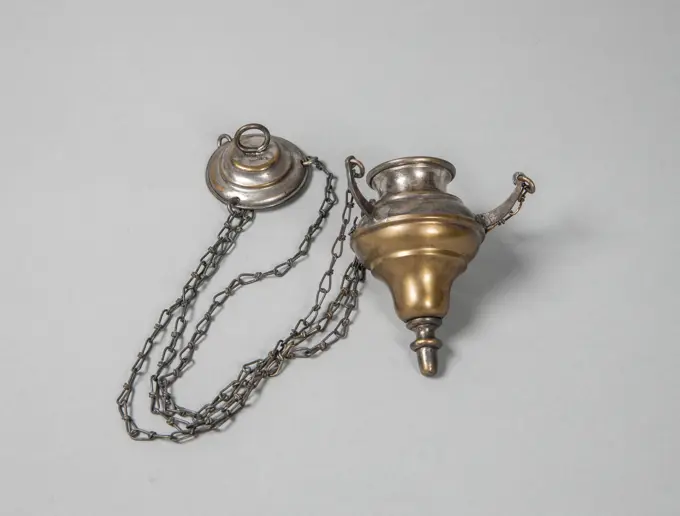
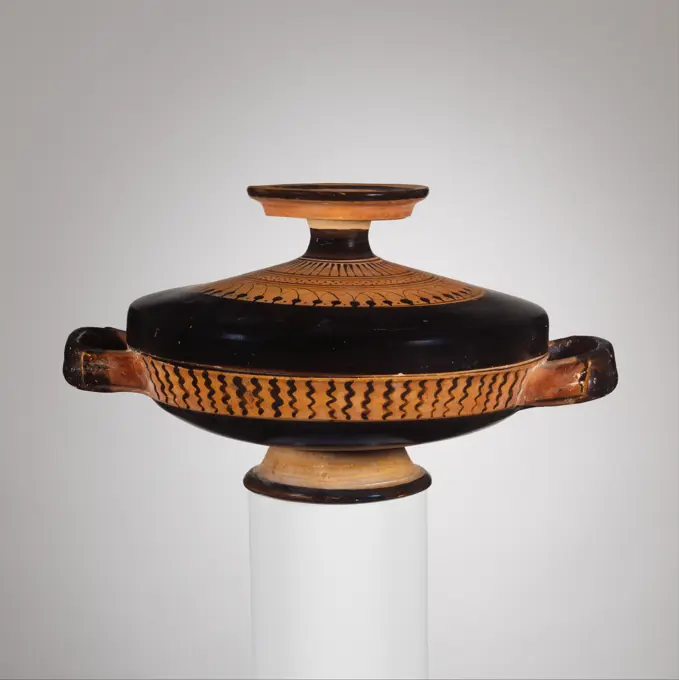
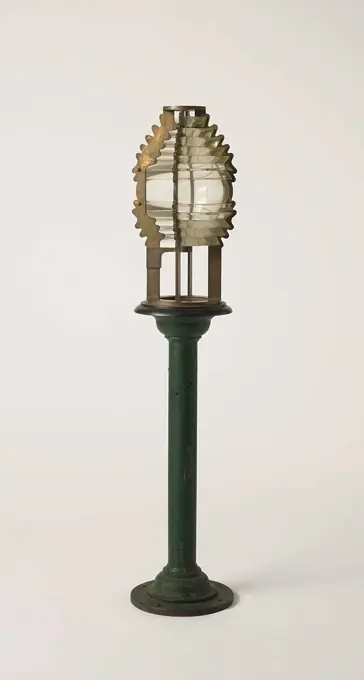
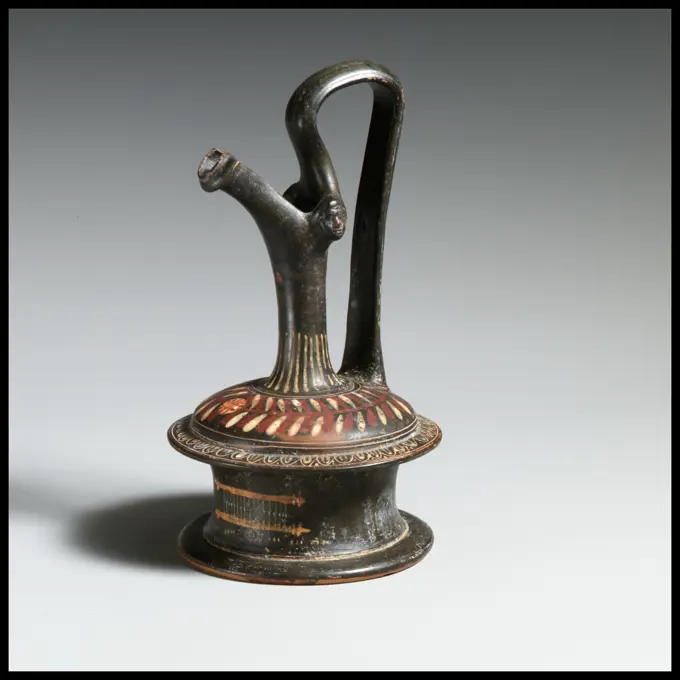
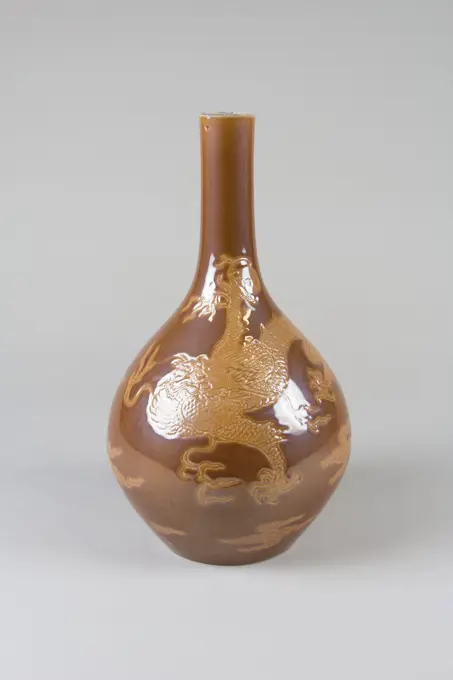
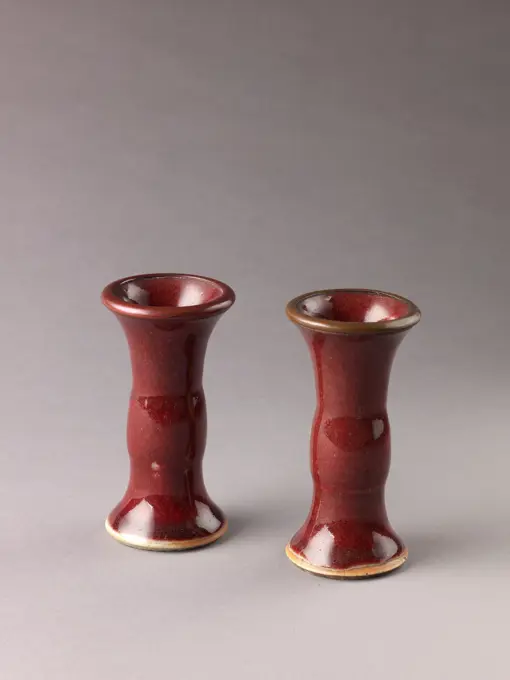
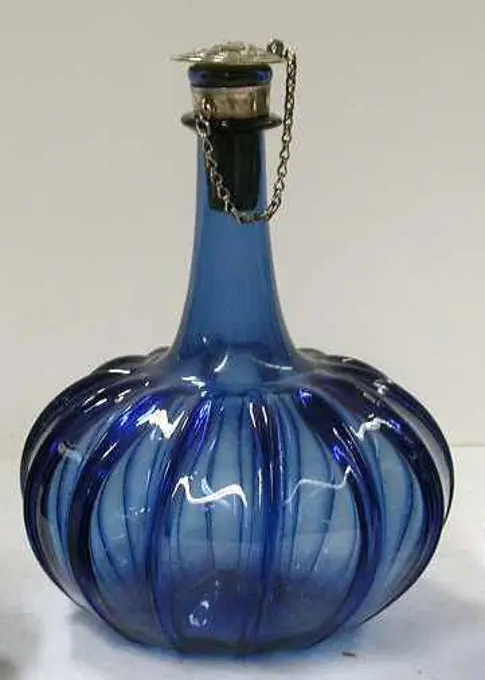
Candlestick with round, shared in sixties that gradually turns into the trunk with a disc -shaped nodus., Papus et Dautun, 1725 - 1750 Pair of candlesticks with round, shared in sixtblads that gradually turns into the trunk with a disk -shaped nodus. Marked. Lausanne silver (metal) Pair of candlesticks with round, shared in sixtblads that gradually turns into the trunk with a disk -shaped nodus. Marked. Lausanne silver (metal)Vase on the base;  1662-1722 (1662-00-00-1722-00-00);WIne Glass and Cover. Germany, Lauenstein. Date: 1751-1761. Dimensions: 30.8 x 9.2 cm (12 1/8 x 3 5/8 in.). Glass. Origin: Lauenstein. Museum: The Chicago Art Institute, Chicago, USA.Stop from the oil and vinegar set consisting of two glass bottles and a pepper bus in a holder, Jan Hendrik Middelhuysen (attributed to), 1783 Stop decorated with various grinding work. Amsterdam glass Stop decorated with various grinding work. Amsterdam glassPrzeszo Przyszoci unknownCandlestick; Silver Products Factory K.F. Malcza (Warsaw; Sreber label; 1828-1864), Malcz, Karol (1797-1867); 1852 (1859-00-00-1859-00-00);MATE DE PLATA CINCELADA PROCEDENTE DE URUGUAY - SIGLO XIX. Location: MUSEO DE AMERICA-COLECCION. MADRID. SPAIN.Spoon (France); silver; L x W x D: 18.8 x 3.1 x 2.2 cm (7 3/8 x 1 1/4 x 7/8 in.)Silversmith: Frederik van Strant II, Silver miniature fountain, fountain dolls toy relaxant miniature model silver, Wall fountain consisting of flat piece that has to be attached to wall to which collector with rounded rim and fountain with tap city-mark: three crosses under crown (twice) decorate house interior dollhouse Bishop RotterdamVase of tin with spherical body and with long and wide cylindrical neck with two rectangular ears .. Vase of tin. The foot is from bottom and walk vertically. Above a spherical body with a high, cylindrical neck on it. Halfway through the neck two handles are applied to a rectangular disk on either side. These round handles run horizontally, after which they run vertically through a right angle bend to an oval disk on the convex body.Candlestick;  1. PO. 19th century (1830-00-00-1850-00-00);Jar and Cover, 1859-75. Lead glass. Designer: Philip Webb. Manufacturer: James Powell & Sons .Vase Vase; Manufactured by Brantjes & Co.; Netherlands; earthenware; 28 x 10.4 cm (11 x 4 1/8 in.)Carafe with spherical body with diamond pattern, anonymous, c. 1650 - c. 1700 Insented soul, printed spherical body of two layers of glass, the outer in a diamond pattern. High, slender neck, c. Two cm below the edge of a drip ring, which hide under a silver strap. The convex silver stop, attached to the tire with a chain, is crowned by Bacchus, who handles his glass. Northwest Europe glass. silver (metal) glassblowing Insented soul, printed spherical body of two layers of glass, the outer in a diamond pattern. High, slender neck, c. Two cm below the edge of a drip ring, which hide under a silver strap. The convex silver stop, attached to the tire with a chain, is crowned by Bacchus, who handles his glass. Northwest Europe glass. silver (metal) glassblowingGozon (Way Lidia) MieleówZoutvat, anonymous, c. 1650 - c. 1675 Diabolo-shaped salt barrel on three bol legs. The salt vessel is decorated with roughed parts between smooth blowing. The salt barrel is marked: Mt. = Foot 158. Netherlands silver (metal) Diabolo-shaped salt barrel on three bol legs. The salt vessel is decorated with roughed parts between smooth blowing. The salt barrel is marked: Mt. = Foot 158. Netherlands silver (metal)Decanter And Stopper (Ireland); glass; 21.7 x 12 cm (8 9/16 x 4 3/4 in.); Bequest of Walter Phelps Warren; 1986-61-141-a,bChessmanCandlestick. Culture: Spanish. Dimensions: Overall: 9 1/16 x 7 5/8 in. (23 x 19.4 cm). Date: 15th century. Museum: Metropolitan Museum of Art, New York, USA.Candlestick, one of a pair, 19th century, 9 1/2 x 4 3/4 x 4 3/4 in. (24.1 x 12.1 x 12.1 cm), Glazed earthenware, United States, 19th centuryCandlestick, one of a pair, 19th century, 9 1/2 x 4 3/4 x 4 3/4 in. (24.1 x 12.1 x 12.1 cm), Glazed earthenware, United States, 19th centuryFacet -cut glass bottle with lid and frame of gilded silver, anonymous, c. 1850 - c. 1900 Glass bottle with lid and frame of gilded silver and with a glass of glass cut in ten facets. Frame marked. France glass. silver (metal). gilding (material) gilding Glass bottle with lid and frame of gilded silver and with a glass of glass cut in ten facets. Frame marked. France glass. silver (metal). gilding (material) gildingDjed Pillar Amulet ca. 664-332 B.C. Late Period The djed-pillar is a stylized representation of an early fetish that probably consisted of plant material. From the beginning of ancient Egyptian history, it was used as a symbol signifying permanence. Later it was associated with the god Osiris and identified as his backbone. The djed-pillar here was probably used as a funerary amulet to ensure permanence and to closely connect the deceased to Osiris, who was revived after death.. Djed Pillar Amulet. ca. 664-332 B.C.. Faience. Late Period. From EgyptVase China. Vase. China. Porcelain. Qing dynasty (1644-1911), Yongzheng period (1723-35). CeramicsCandlestick with trunk with three knots, anonymous, c. 1400 - c. 1525 The object is composed of two parts: the foot and the trunk with candle holder. They were cast and then turned. The foot is flattened to the center and has a raised edge, so that it can also serve as a fat catcher. The trunk, which is decorated with three knots, one of which is slightly smaller, turns at the top to a cylinder -shaped holder with two rectangular openings. Stam with holder date from the beginning of the sixteenth century and are not originally belonging to the foot, which dates from the fifteenth century. Some parts are damaged. The trunk is soldered at the bottom of the foot. Northern Netherlands (possibly) brass (alloy) casting / soldering The object is composed of two parts: the foot and the trunk with candle holder. They were cast and then turned. The foot is flattened to the center and has a raised edge, so that it can also serve as a fat catcher. The trunk, which is decorated with three knots, onCaster 1760-1775 Zachariah Brigden. Caster 16311Bottle of oil and vinegar set consisting of two glass bottles and a pepper bus in a holder. Bottle decorated with various grinding. The narrow neck ends in a wide spout. The straight ear runs from the top of the neck to the belly of the bottle. The ear had broken down OOWS and is attached to the bottle with silver frames.hookah, glass, Inverted urn shape with short faceted neck with squared rim at lip, pris- matic cutting on shoulder, band of diamonds, wide fluting and prismatic bands to wide flaring base cut with narrow flutes at rim, bottom cut wit star., Ireland, ca. 1820, glasswares, Decorative Arts, hookahCollar or disk candlestick of brass. The candlestick is composed of two cast and rotated parts: the foot with the lower part of the strain and the fat catcher or collar with the upper part of the trunk and the candle holder. The lower piece consists of a round, vaulted and profiled foot and a baluster-shaped strain. The upper part consists of a fat catcher profiled on top and bottom, a profiled strain that is baluster-shaped at the bottom and becomes cylindrical at the top. The inside of the strain is filled with iron and lead and has completely at the top of the iron candle pin in the middle, which is probably arranged later.Pilgrim Flask with the Corpus Christi. Culture: German. Dimensions: 7 1/2 × 4 5/16 × 3 7/16 in. (19.1 × 10.9 × 8.7 cm)Mouth (ID): 11/16 in. (1.7 cm). Date: 1490-1510.This vessel resembles a pilgrim's bottle, with loops on its shoulders for attachment to a cord or strap. Exceptionally, however, a hollow, free-blown image of Jesus crucified (Corpus Christi) is attached to the flask. His body could thus be filled with wine or any other liquid poured into the bottle. The function of this unusual glass is not known. Could it have been used in church celebrations of the Feast of Corpus Christi. Museum: Metropolitan Museum of Art, New York, USA.Stop of bottle belonging to oil and vinegar consisting of four bottles in a rushed holder, Fa. Diemont, 1801 With stop of sharpened glass. Amsterdam glass With stop of sharpened glass. Amsterdam glassDjed, 1085-300 BCE, 1/2 x 3 x 1/2 in. (1.3 x 7.6 x 1.3 cm), brass, faience, Egypt, 11th-3rd century BCEVase with green and silver -colored threads and a silver -colored irization on a blue stock, white Johan Lötz, 1899 Small vase with curved foot, conical body and protruding edge. On the body combed, raised, soft green and silver -colored threads, silver -colored irization. Marked on the underside, on the sharpened edge, in radgravure Loetz Austria. Monastery milledeigner: Munich glass glassblowing / iridescence Small vase with curved foot, conical body and protruding edge. On the body combed, raised, soft green and silver -colored threads, silver -colored irization. Marked on the underside, on the sharpened edge, in radgravure Loetz Austria. Monastery milledeigner: Munich glass glassblowing / iridescenceCandlestick, one of a pair, 18th century, 9 x 4 x 4 1/2 in. (22.86 x 10.16 x 11.43 cm), Silver, Poland, 18th centurymeasuring device, wood, yew, early 19th century, appliances & tools, Decorative Arts, measuring devicePear-shaped vase with chilong dragon and stand. Pear-shaped vase of porcelain, covered with a translucent white glass zeuur. The body of the vase extends strongly, the neck with a thickening under the edge; On the neck a winding Chilong (corneless dragon). The standard with three curved legs and a raised edge where the foot ring of the vase fits into. Blanc De Chine.Flask, Meissener porcelain manufactory, c. 1715 Flacon of Böttger-porcelain, in the form of a field bottle on an oval, struck base with godrons in relief. Along the bottom of the body a grunt band in relief. On both sides, a women's head in relief between a shield motif (above) and an acanthus leaf (below), all in relief. Along the profiled mouth edge a frieze of hanging leafrosses in relief. The stop is missing. The shell motifs above the women's heads are damaged. Float porcelain Flacon of Böttger-porcelain, in the form of a field bottle on an oval, struck base with godrons in relief. Along the bottom of the body a grunt band in relief. On both sides, a women's head in relief between a shield motif (above) and an acanthus leaf (below), all in relief. Along the profiled mouth edge a frieze of hanging leafrosses in relief. The stop is missing. The shell motifs above the women's heads are damaged. Float porcelainBirdcage Fountain. United States, 1815-1840. Furnishings; Accessories. Blown glassVase (USA); Made by Louis Comfort Tiffany (American, 1848-1933); favrile glassAbruzzo L'Aquila Sulmona Museo Civico3. Hutzel, Max 1960-1990 Museo Civico Treasures: these objects (Tesoro del Pio Istituto della SS. Annunziata and Tesoro della Cattedrale) are now housed in the security vault of a bank, not in the Museo Civico, as noted in Hutzel's photo campaign notes of August 1984. Views of the treasures include: a silver processional cross (14th century); gold, silver and enamel chalice (13th century), gold and silver crosier with sculpted figures depicting the Annunciation (13th century), a silver and gold reliquary with glass (13th century), a silver diadem (13th century), and a box-like silver and gold reliquary (15th century). German-born photographer and scholar Max Hutzel (1911-1988) photographed in Italy from the early 1960s until his death. The result of this project, referred to by Hutzel as Foto Arte Minore, is thorough documentation of art historical development in Italy up to the 18th century, including objects of the Etruscans and the Romans, as welLid of a jar, anonymous, c. 1750 - c. 1775 Vaulted lid with faceted, pear -shaped button on two discs. A engraved flower and leaf garland on the lid. Bohemia glass glassblowing Vaulted lid with faceted, pear -shaped button on two discs. A engraved flower and leaf garland on the lid. Bohemia glass glassblowingLamp. England. Date: 1815-1825. Dimensions: 21 × 9.5 cm (8 1/4 × 3 3/4 in.). Glass; clear, baluster stem, spherical font, with S-scroll handle and metal wick holder. Origin: England. Museum: The Chicago Art Institute, Chicago, USA.. Sconce consisting of a bacon-shaped sheet with a short strain and cylindrical candle holder. A loose bowl-shaped fat catcher fits in the candle holder. Signature and dated. This includes a DOMPER INV. Nr. (BK-15629-B) and a snout shaver. Nr. (BK-15629-C).Anthony Nelme, Set of Four Candlesticks, 1714/15, silver.Terracotta plemochoe (vase for perfume) late 6th century B.C. Assigned to Kothons Type A The deeply incurving rim prevents liquid from spilling when the vase is carried. Containers of this type frequently appear in representations of women bathing, receiving gifts, or bringing offerings to a grave.. Terracotta plemochoe (vase for perfume) 247926Miniature cruet stand 1720-23 David Clayton British Listen to experts illuminate this artwork's story Listen Play or pause #413. Retail Value. High and Low Supported by Bloomberg Philanthropies We're sorry, the transcript for this audio track is not available at this time. We are working to make it available as soon as possible.. Miniature cruet stand. David Clayton (British, active 1689). British, London. 1720-23. Silver, glass. Metalwork-Silver-MiniatureCover of a jar with a button in the shape of a crown, anonymous, c. 1775 - c. 1800 Lid of a cup, vaulted, with a high button in the shape of a crown, formed from four ribbed loops and ending in a ribbed button with a volute on either side England glass glassblowing Lid of a cup, vaulted, with a high button in the shape of a crown, formed from four ribbed loops and ending in a ribbed button with a volute on either side England glass glassblowingSquat, round-bodied bottle vase with a red, anonymous, c. 1800 - c. 1899 Bottle -shaped vase of porcelain with a flat -shaped body, covered with a red enamel. White glazed within the foot edge. Monochrome. China porcelain. glaze vitrification Bottle -shaped vase of porcelain with a flat -shaped body, covered with a red enamel. White glazed within the foot edge. Monochrome. China porcelain. glaze vitrificationLong-case Clock (régulateur). Case stamped by Balthazar Lieutaud (French, master 1749, died 1780) about 1755-1760 The clock case is of one piece with three distinct sections: a slightly tapered base above a low plinth; a tall violin-shaped body with a corresponding window for viewing the pendulum, the entire front of which opens on two hinges at the proper right; and a bulbous hood with a circular lens over the dial that can be slid forward to gain access to the clock mechanism without having to move the case away from the wall. The case is veneered with tulipwood banded with amaranth; the latter shadowing the edges of the richly articulated foliate gilt-bronze mounts. Each section is embellished with a prominent mount: a large sunflower rosette at the center of the base; a Bacchic mask with grapes, vine leaves, and sheaves of corn in the hair, crowned by a palmette headdress, over the pendulum window; and, a fully modeled figure of Time holding a scythe and hourglass crowning the hoodCup with cover China. Cup with cover 43873Sprinkler probably 18th-19th century Like most Qajar-period glass vessels, this sprinkler is monochromatic with an elegant profile and minimal surface ornamentation. Characterized by a bulbous body and very high, narrow neck this form was one of the most common in late-medieval Persian glass. The small tapered mouth was used to sprinkle fragrant water infused with rose petals and other perfumes. A trail has been applied along the neck in a spiral, and applied goffered bands adorn the four delicate handles of the vessel. The elegant silhouette emphasizes its lightness and fragility.. Sprinkler 443143Silversmith's Art, England 20th century. Bell-shaped Bell Shaker. Registered by Asprey, 1937. Closed.Vase; glassFluitglas, anonymous, c. 1600 - c. 1700 Flute glass on a flat base with turned around. The trunk made up of a hollow baluster with a disk. Funnel -shaped chalice. Low Countries glass glassblowing Flute glass on a flat base with turned around. The trunk made up of a hollow baluster with a disk. Funnel -shaped chalice. Low Countries glass glassblowingOld vintage Russian Soviet rusty iron isolated on a white background. Old vintage Russian Soviet rusty iron isolated on a white background. Copyright: xZoonar.com/SergeyxxKozoderovx 15959936Candlestick, 1600s. China, Ming dynasty (1368-1644). Glazed porcelain with metal rims; overall: 32.4 cm (12 3/4 in.).Mallet-shaped vase 18th century China. Mallet-shaped vase 47642Émile Gallé (1846-1904). Vase. Glass. Museum of Fine Arts of the City of Paris, Petit Palais. 55062-19 Art Nouveau, Decor serious, flower, floral, yellow, transparency, vase, glass, glasswareBronze sistrum with handle shaped as Egyptian deity Bes, surmounted by female face and cat figure, from PompeiGulabpash (Rosewater Sprinkler), late 17th century, 9 3/4 x 3 1/2 in. (24.77 x 8.89 cm), Zinc alloy; cast, engraved, inlaid with silver, India, 17th century, In India and Iran, people cherished rosewater for its sweet fragrance and cooling properties, using it to scent their homes and bodies. This rosewater sprinkler has a bulbous body and long tapering spout.Candlestick (England); gilt bronzeLampHearing iron with a decoration consisting of a shield, a conical baluster and a sphere, anonymous, c. 1600 - c. 1699 The object consists of three combined wrought -iron parts (the stan to impose the wood, the foot, the vertical rod) and of five parts mounted on it (a shield cut from plate, the profiled square base, the profiled partially shaped baluster , the sphere placed on a profiled base, the vase -shaped button). The iron vertical rod is clank on the button. Spain brass (alloy). iron (metal) forging / casting / cutting The object consists of three combined wrought -iron parts (the stan to impose the wood, the foot, the vertical rod) and of five parts mounted on it (a shield cut from plate, the profiled square base, the profiled partially shaped baluster , the sphere placed on a profiled base, the vase -shaped button). The iron vertical rod is clank on the button. Spain brass (alloy). iron (metal) forging / casting / cuttingMiniature double gourd-shaped vase with flower sprays, anonymous, c. 1675 - c. 1724 Miniature gourd -shaped vase with a slightly spreading neck, painted in underlaze blue. On the abdomen a flower branch (aster) and loose twigs. Blue White. China porcelain. glaze. cobalt (mineral) painting / vitrification Miniature gourd -shaped vase with a slightly spreading neck, painted in underlaze blue. On the abdomen a flower branch (aster) and loose twigs. Blue White. China porcelain. glaze. cobalt (mineral) painting / vitrificationFragment of part of shoulders, neck and mouth of stock bottle (wine bottle), bottle bottle wine bottle storage bottle bottle holder soil find glass, free blown and shaped glass application Fragment of part of shoulders of neck and mouth of stock bottle wine bottle (cat head) in clear green glass Round drooping shoulders short (6.5 cm) rejuvenated (3.6 - 1.9 cm) neck. At the neck at 0.5 cm from the mouth, there is an imposed circumferential sharp glass thread (binding edge) through which the neck is dented in two places. Tensile stress traces on the neck. Mouth slightly dilated (2.3 cm) and flattened archeology Rotterdam City Center Stadsdriehoek Oudehaven archaeological find in the soil Oude Haven 1979 - 1980.Bottle with the inscription: words do not apply, anonymous, c. 1675 - In or Before 1692 Soul inserted. Smooth stand ring. Flattened, spherical body, long slender neck with imposed ring around the neck. Calligilized inscription on the body: words do not apply. glassblower: Low CountriesLeiden glass glassblowing Soul inserted. Smooth stand ring. Flattened, spherical body, long slender neck with imposed ring around the neck. Calligilized inscription on the body: words do not apply. glassblower: Low CountriesLeiden glass glassblowingTea Jar 1650 Japan. Tea Jar. Japan. 1650. Paste covered with a glaze; left-handed itogiri (Takatori ware). Edo period (1615-1868). CeramicsToddy lifter (syphon), Cut glass, Tall neck with rounded knop and lip, 2 triple prism-cut rings; body has facet cutting from shoulders to neck, the rest plain, tapering sides, hole top and bottom., Ireland or England, 18th-19th century, glasswares, Decorative Arts, Toddy lifter (syphon)Candleholder and cover, pear wood, turned, England, 1800, Decorative Arts, Candleholder and coverMaker Unknown, Decanter and Stopper, c. 1850-75, colorless and red-stained glass.Joke wineglass first half 18th century French. Joke wineglass 186391possibly New England Glass Works, Peg Lamp, c. 1848-65, green and colorless glass, brass.Pair of candlesticks 1714-15 Probably by Thomas Merry I. Pair of candlesticks 205212fountain, mother-of-pearl, Chinoiserie, Italy, ca. 1800, miniatures, Decorative Arts, Miniature, Miniature... Pinto Collection - Purchased from Edward H Pinto, 1965.1965T3183. Match container, 1850-1900. This highly decorative match holder was made in England from African Blackwood around 1850-1900. Ornamental turnery was a popular pastime in the late Victorian period and many small trinkets were produced mainly from hard woods such as blackwood and ebony. They were turned on an ornamental turning lathe. This differed from the traditional treadle lathe as it was the tools which rotated rather than the work. This meant that it was much easier to add decorative flourishes to work and often tended to lead to overly fussy and complicated designs... Purchased from Edward H Pinto, 1965.. .Powder with a lidCorkscrew, cork and bottle on a white backgroundCandlestick 15th-16th century European Medieval man took advantage of the light of day as much as possible, but, in the early dark of winter, he had to have recourse to other forms of light, most frequently that of the fireplace. In the fourteenth and fifteenth centuries, the smoky torches of resinous wood, which formerly had been used to provide additional light in the rooms of castles, were generally restricted to use at outdoor events. Candles mounted in wall brackets, chandeliers, or candlesticks, and in some cases, oil lamps, were used to light interiors. Common candles made of tallow had wicks that needed constant trimming and burned with an unpleasant smell. The better quality candles, made of beeswax and used with pricket candlesticks, were so expensive that only the wealthy could afford them. Although in the late Middle Ages large pricket candlesticks were more commonly found in the church, were are some representations of them in use of the dinner table or for other domestic G. Peters, Silver incense ship, incense ceremonial holder holder silver, religion church Roman CatholicismSmall candlestick of brass. Foot, trunk and fat catcher are poured into one whole. The trunk has one knot. The candle pin was inserted in the fat catcher. Three dragons have rinded at the foot, serving paws. Foot, trunk and fat catcher are finely grooved rings.retro teapot isolated on white backgroundSilver tea caddy with lid, tea caddy holder silver, driven cast Baluster-shaped body ending in spread out foot, bell-shaped lid with small molded bell-shaped knob (). Body and lid lobed through vertical grooves and ridges (three wide lobes each interspersed by two narrow) constrictions on foot and lid bottom bottom (debossed) store kitchenOlive Lamps after Stanisław Wyspiański Factory: Jarra MarcinGlass Bottle. Dated: c. 1939. Dimensions: overall: 35.5 x 22.8 cm (14 x 9 in.). Medium: watercolor, graphite, and colored pencil on paper. Museum: National Gallery of Art, Washington DC. Author: Maud M. Holme.Terracotta lekanis with lid (dish) late 5th century B.C. Greek, Attic Decorated with band of wavy lines between handles.. Terracotta lekanis with lid (dish) 247262Liberty Bell' still bank, 20th century, 3 3/16 x 4 1/8 x 4 1/8 in. (8.1 x 10.48 x 10.48 cm), Glass, United States, 20th centuryToy Pump. Dated: 1935/1942. Dimensions: overall: 35.7 x 28.1 cm (14 1/16 x 11 1/16 in.) Original IAD Object: 4 1/2" high. Medium: watercolor, gouache, and graphite on paper. Museum: National Gallery of Art, Washington DC. Author: Arsen Maralian.Lens of a Lighthouse Light. Lighthouse lens on a green painted standard. The optics consists of three sides provided with Fresnel lenses, one side is open. A suspension point is arranged in the middle of the optics for the light source.Epichysis. Culture: Greek, South Italian, Apulian. Dimensions: 5 13/16in. (14.8cm). Date: ca. 350-325 B.C.. Museum: Metropolitan Museum of Art, New York, USA.Glass;  19th/20th century (1890-00-00-1910-00-00);Candlestick of earthenware with geometric decoration, Eelke Snel, c. 1930 Tandler of earthenware, on a wide round foot, rejuvenating upwards, with a nodus at the top and close to the foot. Decorated with green -blue and orange piping. The nodi decorated with a geometric decoration in blue -green, yellow and orange. Velsen earthenware Tandler of earthenware, on a wide round foot, rejuvenating upwards, with a nodus at the top and close to the foot. Decorated with green -blue and orange piping. The nodi decorated with a geometric decoration in blue -green, yellow and orange. Velsen earthenwareTerracotta oinochoe: epichysis (jug) late 4th-early 3rd century B.C. Greek, South Italian, Apulian, Gnathian The motif on the body is commonly known as a xylophone. It is associated with Tarentum and first appeared on Apulian vases, whence it spread with other Apulian influences to Campanian and Paestan pottery.. Terracotta oinochoe: epichysis (jug) 255284Bud Vase Vase; Made by Emile Gallé (French, 1846-1904); France; mold-blown and acid-cut cameo glassVase China. Vase 47530Burner, belonging to Komfoor. A low, round container is applied in the middle of the beam of the gapofore, in which the printed spherical burner fits.Small vase probably 19th century Chinese This vase forms a pair with another in the Robert Lehman Collection (1975.1.1689), which rather clumsily follows the archaic bronze zun shape. The pieces are covered with a deep red glaze that shades to white at the bottom. Both mouths have been cut, and they are bound with metal rims.. Small vase 461339Candlestick -Bottle with silver mounts 1664 Silver mounts by Adriaen van Hoecke. Bottle with silver mounts 195825Windmill glass. The glass is ornamented with the coats of arms of Prince Maurice and of the town of Bergen op Zoom. Maurice considered himself to be the Marquis of Bergen op Zoom after he was granted the town and its surroundings as a fief from the States-General in 1585.Silversmith's Art, Italy 20th century. Moulded silver vase with curved tubes-shaped base.