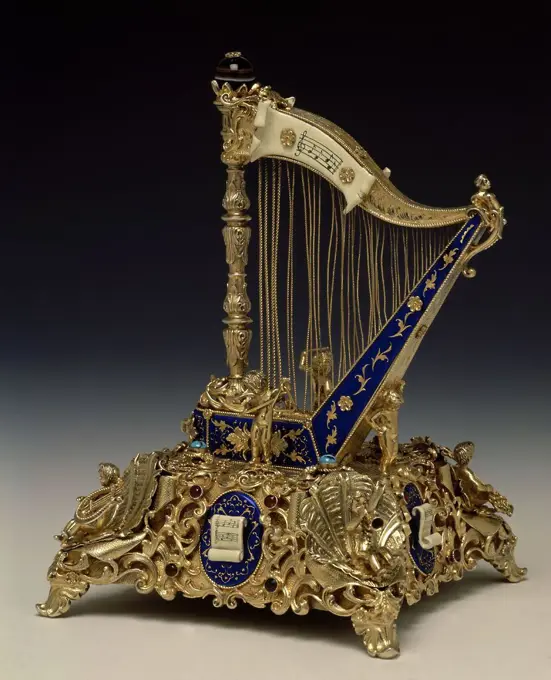
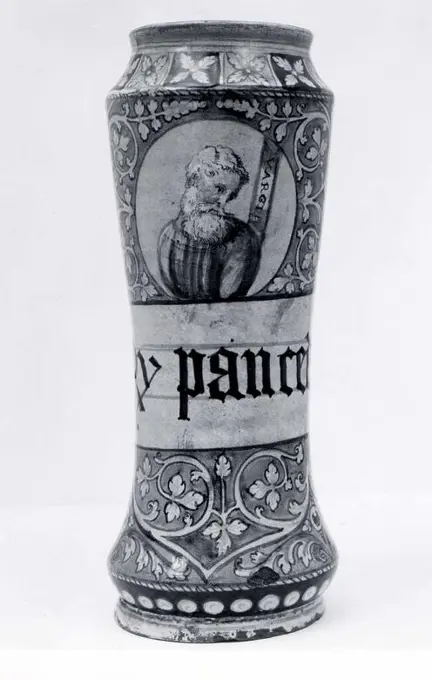
Antique Glassware and Silver Decor

A collection of ornate glass and silver objects, featuring detailed hunting scenes, intricate faceting, and elegant designs, showcasing craftsmanship from Bohemia, c. 1725-1875.

Silver handbell with pine cone as bud, handbell sound silver, mold poured bell-shaped bell with claw baluster shaped fluted stem pine cone as button inside bell (smashed) communication sound meal fake
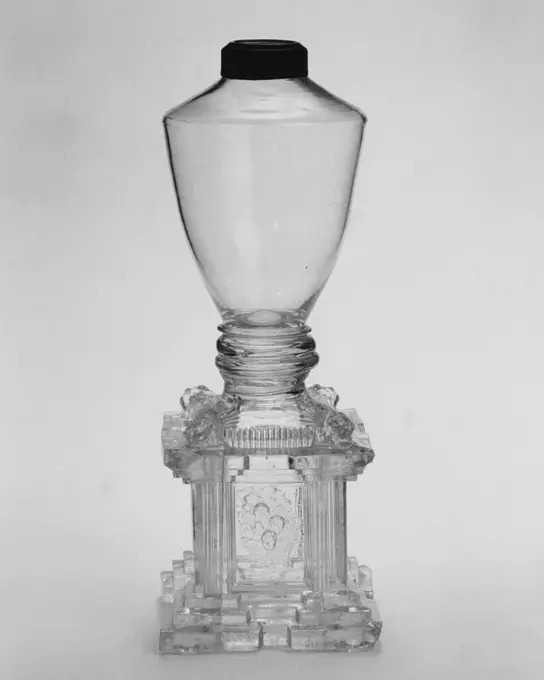
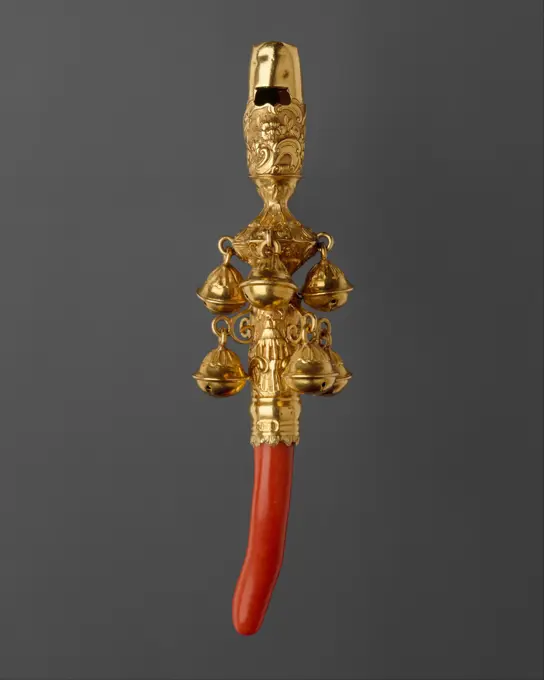
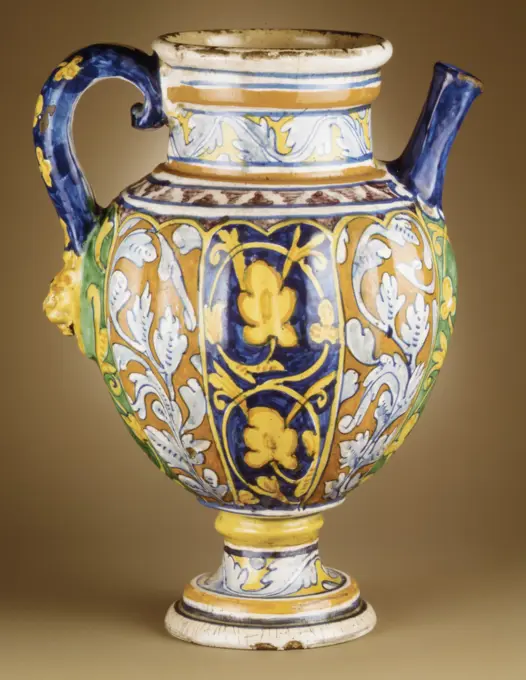
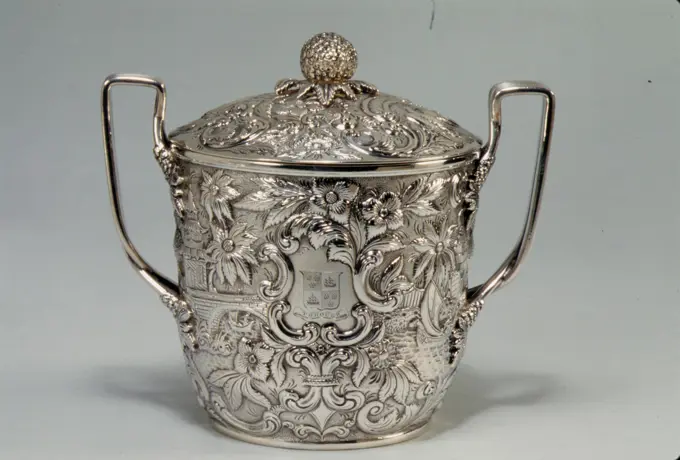
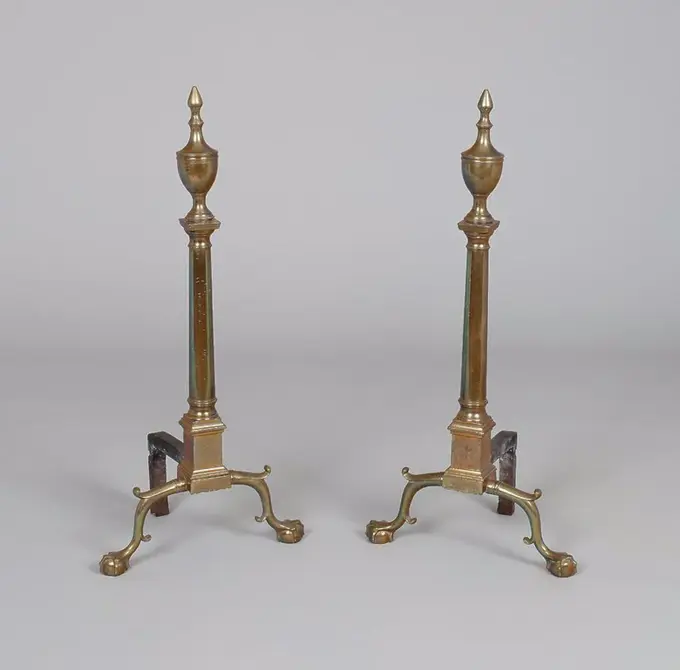
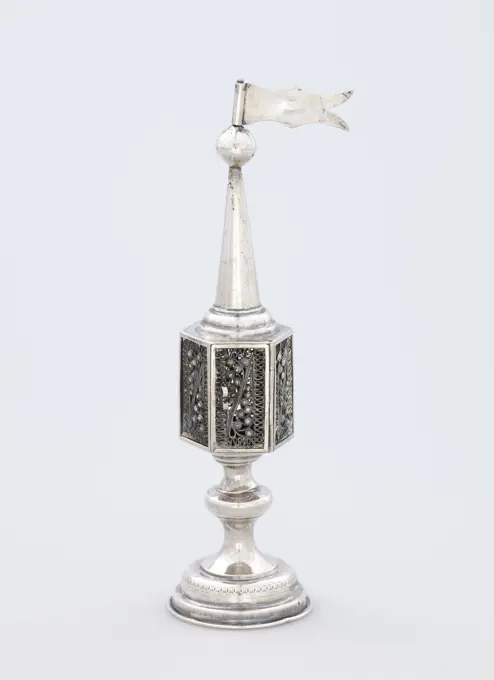
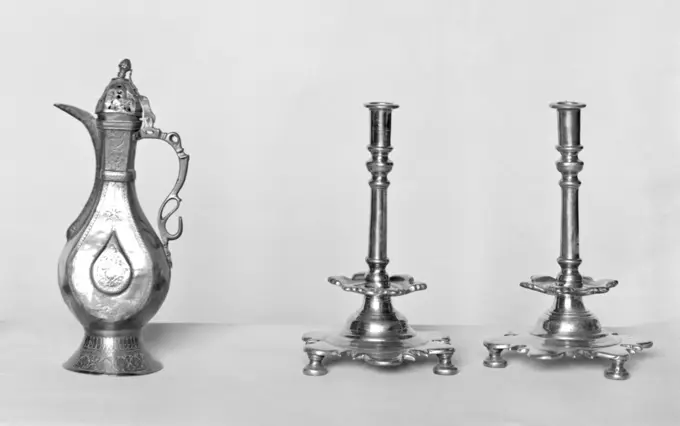
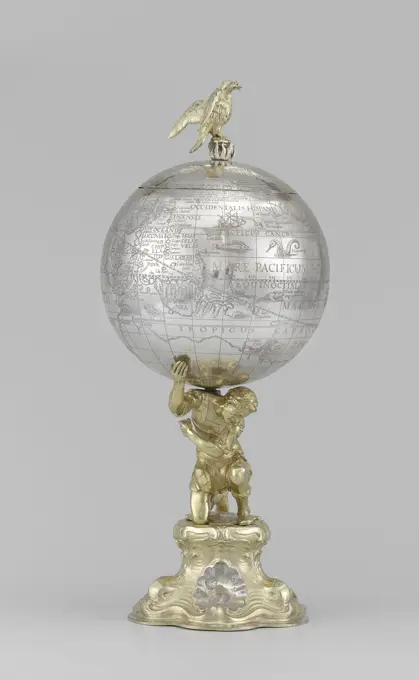
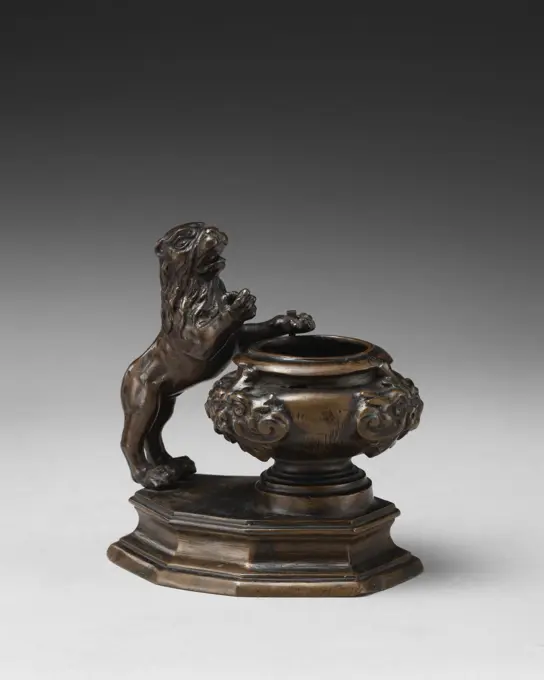
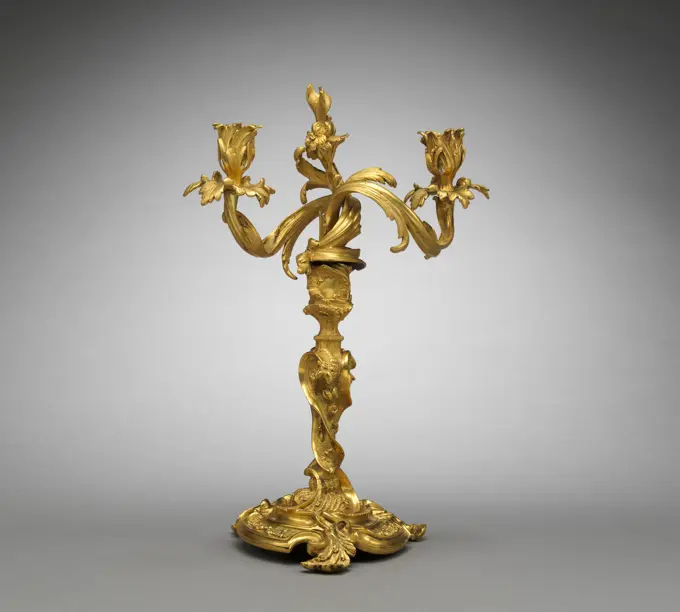
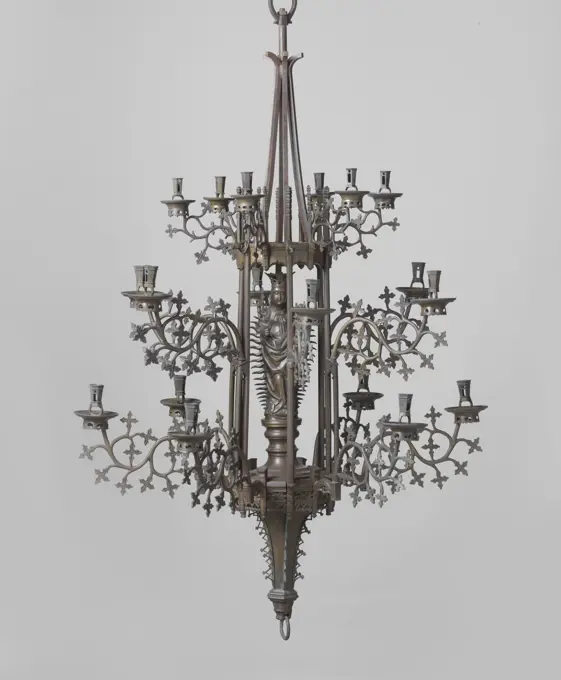
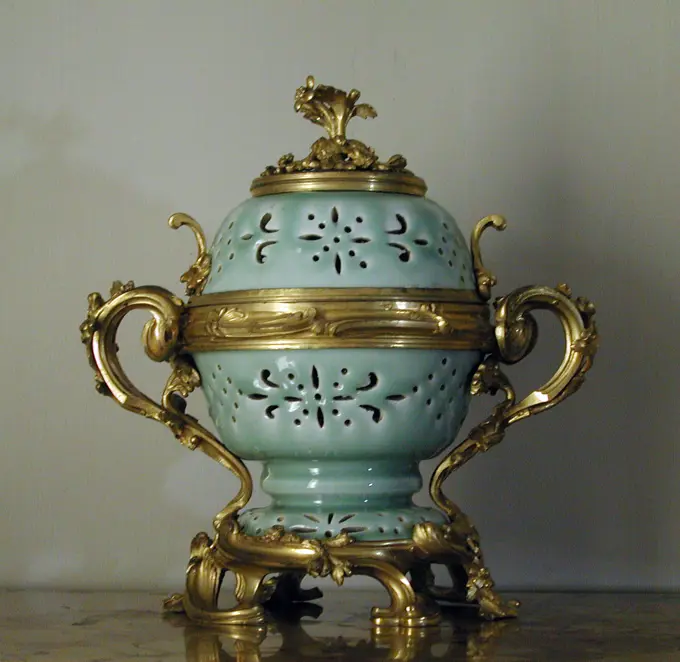
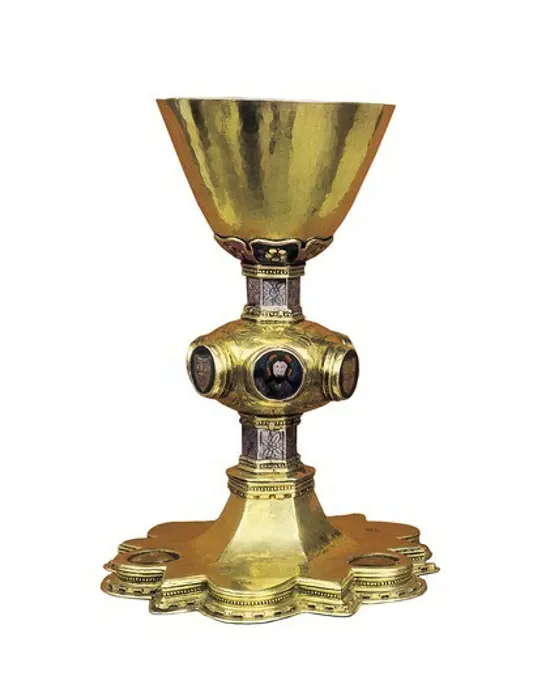
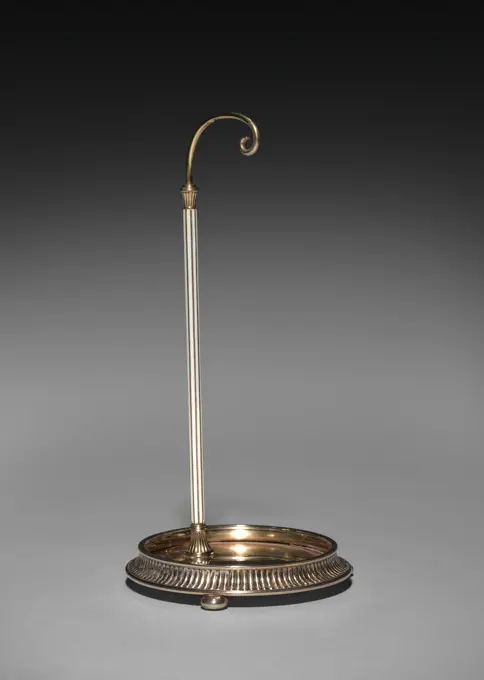
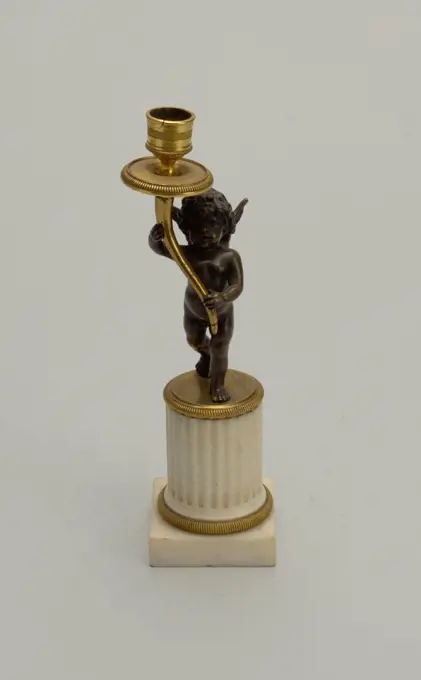
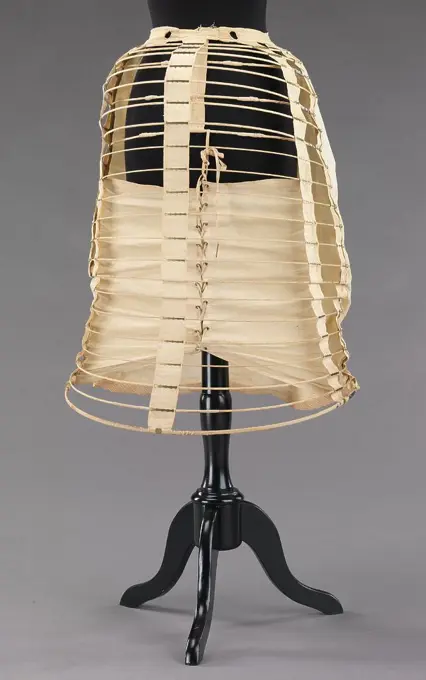
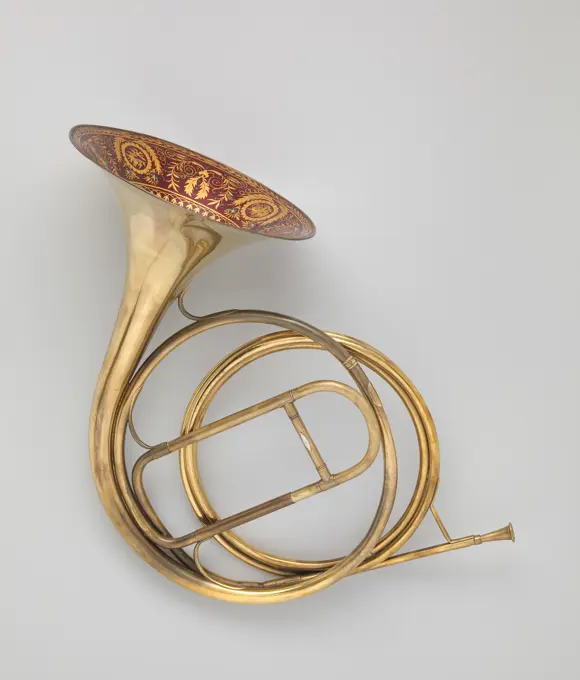
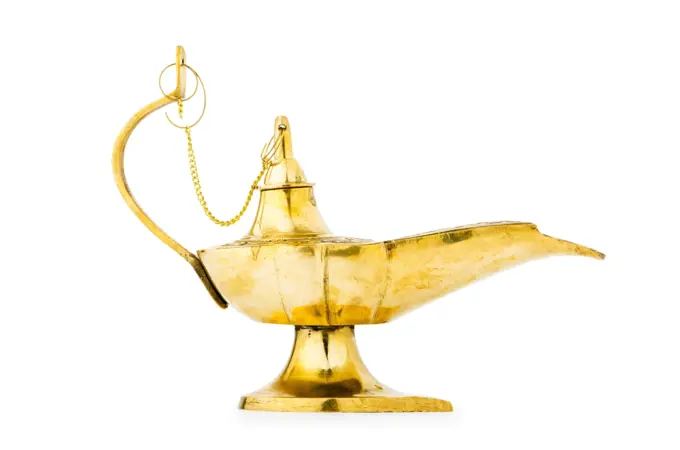
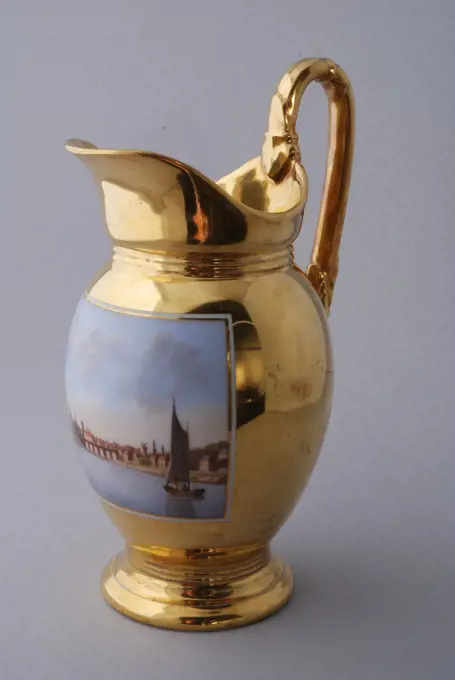
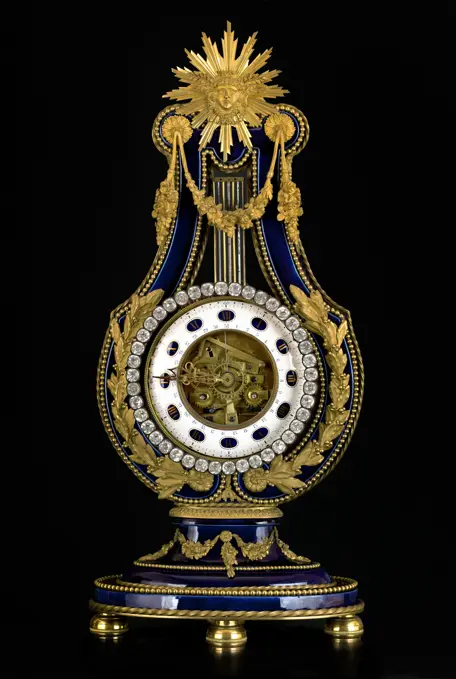
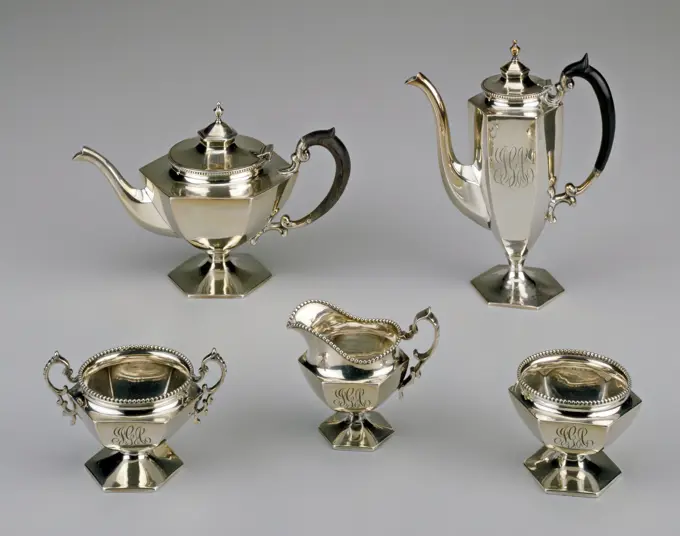
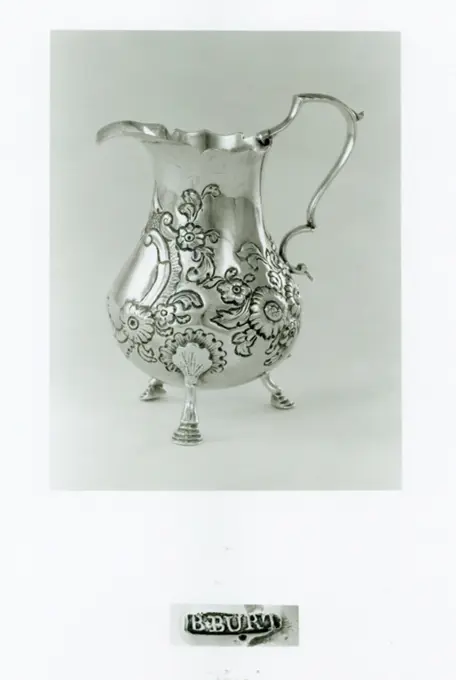
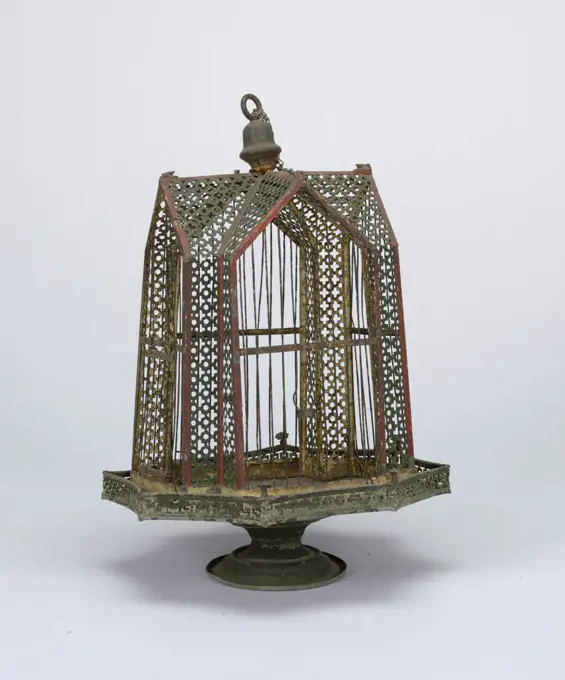
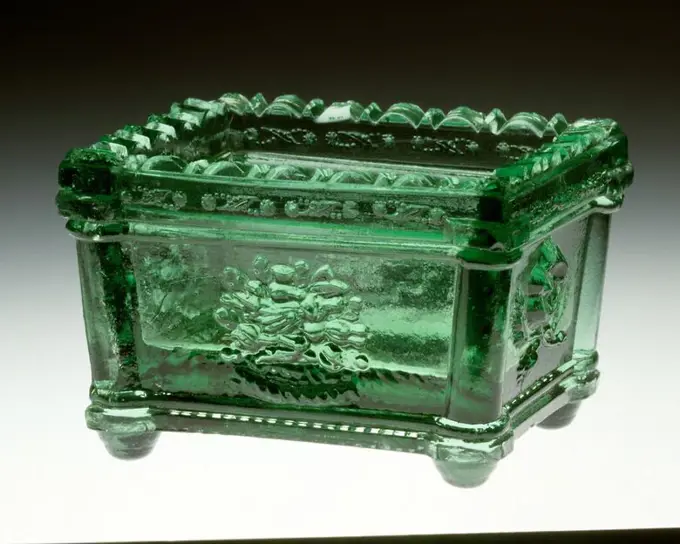
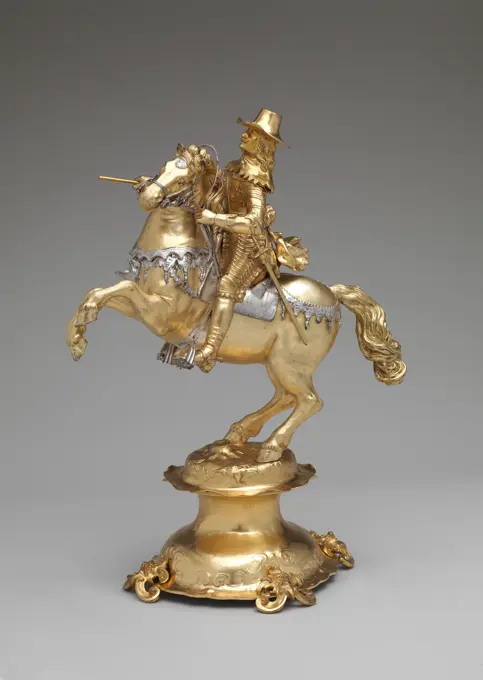
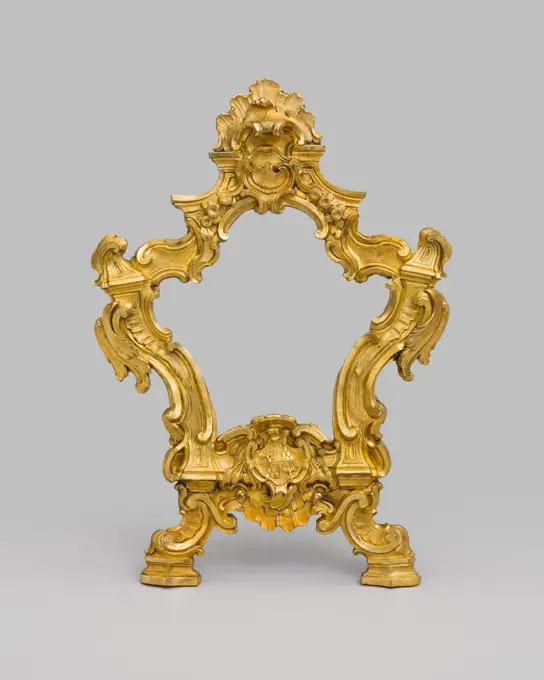
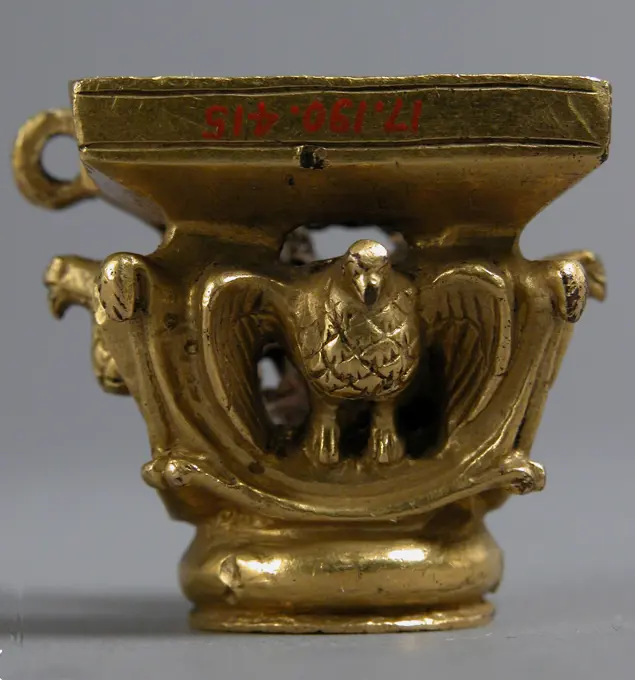
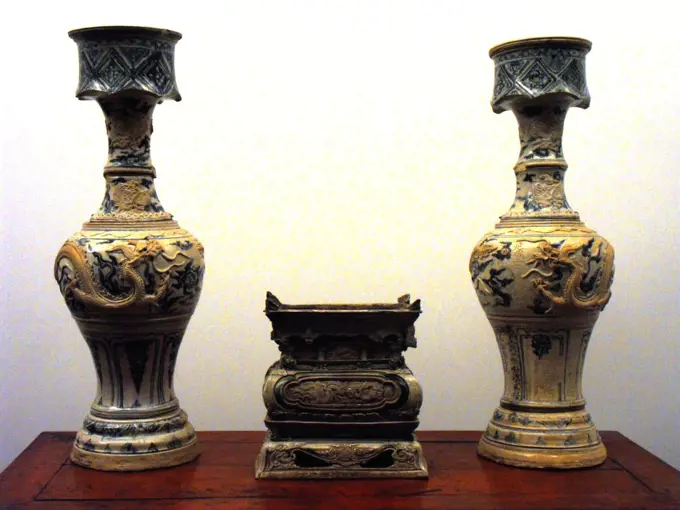
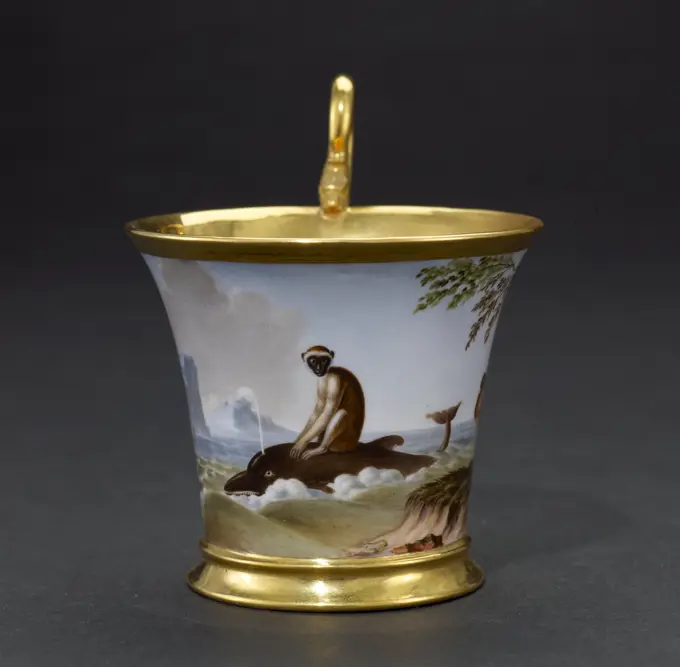
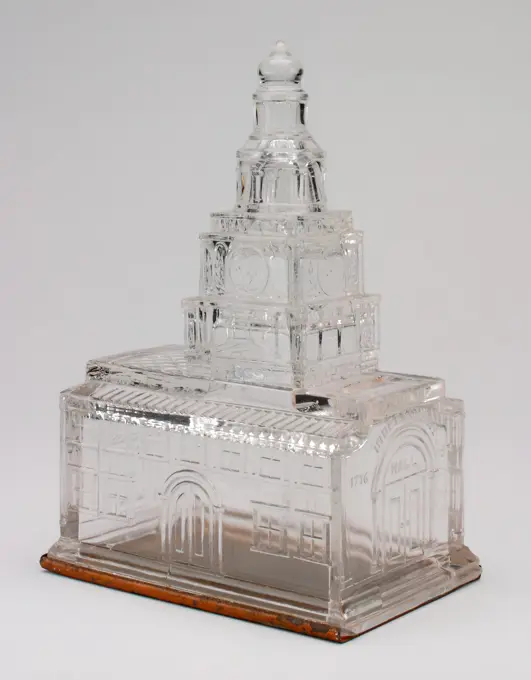
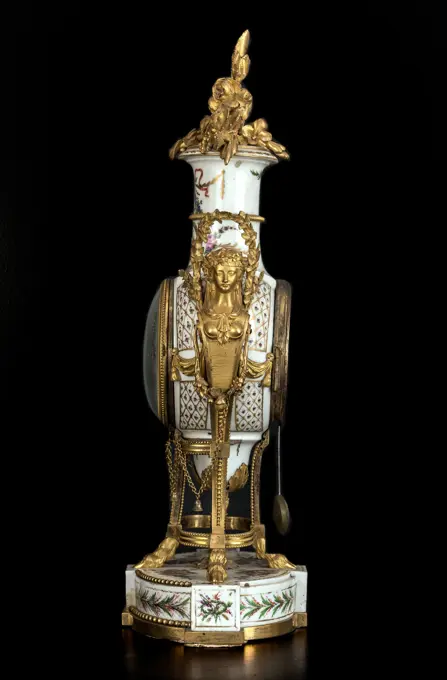
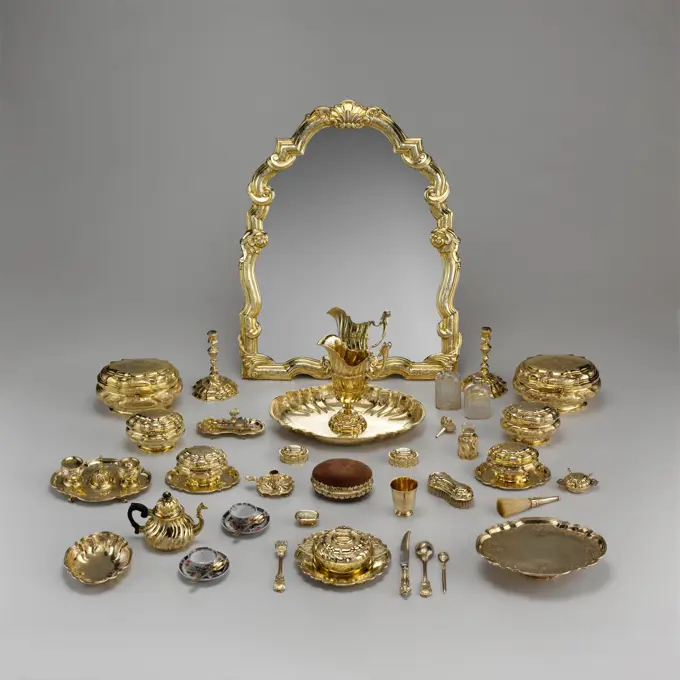
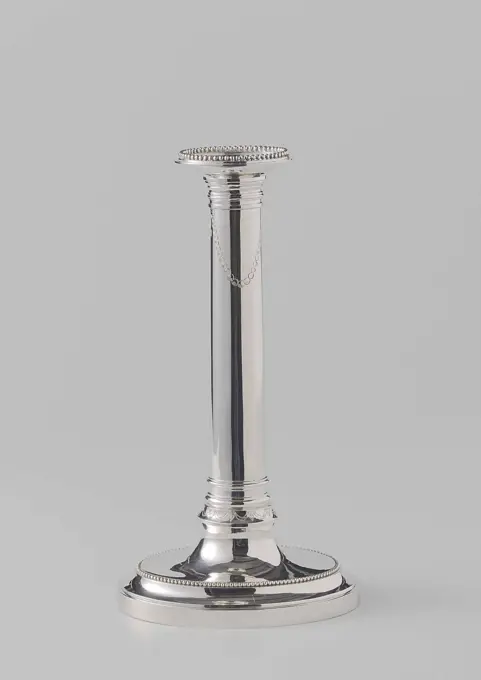
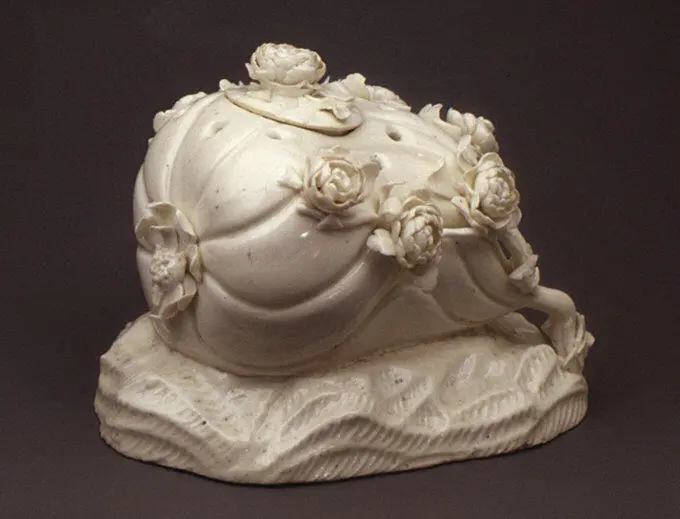
Goldsmith's art, 17th century. Reliquary of the thorn from Jesus Christ's crown of thorns.Pair of corner cabinets ca. 1750 German. Pair of corner cabinets 205786Arm with candle holder of candle crown of two heights, c. 1800 - c. 1875 Candle belonging to a brass candle crown of two heights. The S-shaped arm has a curl at the start, halfway through a dolphin head and turns outside into the flat thickening with a screw hole. The candle holder is secured with the fat catcher. The fat catcher is ribbed at the bottom of the opening and has a slightly excellent edge and is decorated with grooved hefty rings. The Cylindrian candle holder has a profiled and a little excellent edge, two grooved rings, a rib and a profiled hollow bottom, which turns into a protrusion with a thread with a center hole. This is the second arm of the upper position ring, numbered with 2 round points. Netherlands brass (alloy) casting Candle belonging to a brass candle crown of two heights. The S-shaped arm has a curl at the start, halfway through a dolphin head and turns outside into the flat thickening with a screw hole. The candle holder is secured with the fat catcher. ThWhale Oil Lamp. Culture: American. Dimensions: H. 8 5/8 in. (21.9 cm). Maker: Probably New England Glass Company (American, East Cambridge, Massachusetts, 1818-1888). Date: 1830-40. Museum: Metropolitan Museum of Art, New York, USA.Rattle, Whistle, and Bells 1755-68 Nicholas Roosevelt American Refined silver and gold luxury goods were not the exclusive purview of adults in colonial America. This elegant gold and coral whistle and bells is at once a toy, teething device, and talisman to ward off illness. It would have hung by the loop on the whistle from a ribbon or chain around the neck or waist of a privileged child. Rattles of this type featuerd prominently in portraits of European and colonial American children not only as emblems of prosperity and social standing but also, and perhaps more imporant, because they serve the serious purpose of safeguarding the child. Since ancient times coral has been considered a potent amulet against disease and evil. Pliny is known to have touted the medicinal virtues of coral, and throughout history coral was thought to safeguard against dangers ranging from witchcraft to epilepsy. When used for teething, it also was believed to strengthen teeth. Far more than a frivolous toPair of Firedogs. Attributed to Pierre Gouthière (French, 1732 - 1813/1814, master 1758)Ewer ca. 1590-95 Probably by Pierre Estève Faience, or tin-glazed and enameled earthenware, first emerged in France during the sixteenth century, reaching widespread usage among elite patrons during the seventeenth and early eighteenth centuries, prior to the establishment of soft-paste porcelain factories. Although characterized as more provincial in style than porcelain, French faience was used at the court of Louis XIV as part of elaborate meals and displays, with large-scale vessels incorporated into the Baroque garden designs of Versailles. Earlier examples of French faience attest to the strong influence of maiolica artists from Italy. Later works demonstrate the ways in which cities such as Nevers, Rouen, Lyon, Moustiers, and Marseille developed innovative vessel shapes and decorative motifs prized among collectors throughout Europe. While faience can be created from a wide mixture of clays, it is foremost distinguished by the milky opaque white color achieved by the addition ofSugar bowl 1845 Andrew Ellicott Warner. Sugar bowl. American. 1845. Silver. Made in Baltimore, Maryland, United StatesAndirons. American; Probably New York, New York. Date: 1785-1795. Dimensions: 76.2 × 35.6 × 25.4 cm (30 × 14 × 10 in.). Brass. Origin: New York. Museum: The Chicago Art Institute, Chicago, USA.Footed bowl ca. 1500-1525 Italian (Venice). Footed bowl 460753Hat, 14 1/2 x 15 x 15 in. (36.83 x 38.1 x 38.1 cm) (with dangling wire), Silver, ChinaEurope, Ireland, Waterford. Waterford Crystal Factory showroom. THIS IMAGE RESTRICTED - Not available to U.S. land tour travel operators. PR for Education/Travel/Tourism.Spice container, 19th century, 8 15/16 x 2 7/16 x 2 7/16 in. (22.7 x 6.19 x 6.19 cm), Silver, 19th centuryPedestal with candleholder (one of a pair) ca. 1775 British. Pedestal with candleholder (one of a pair). British. ca. 1775. Mahogany, brass, glass. Woodwork-FurnitureBell. unknown, craftsmanPair of candlesticks Russian 18th-19th centuryCandlestick (USA); silver, glassVase. Korzec (manufaktura porcelany ; 1790-1832), factoryGlobe Cup, Christoph Ritter (3), after Hendrik Hondius (1), c. 1640 The natural globe is supported by Emperor Augustus and stands on a triangular base, decorated with sea monsters, cartouches and shells. A medal is applied to the bottom. The medal and cartouches carry inscriptions, which explain why an honorable role has been assigned to August and Alcmenene. The globe is crowned by an eagle on his nest. maker: Neurenbergafter print by: Amsterdam silver (metal). afwerking: gold (metal) gilding / casting / etching / engraving The natural globe is supported by Emperor Augustus and stands on a triangular base, decorated with sea monsters, cartouches and shells. A medal is applied to the bottom. The medal and cartouches carry inscriptions, which explain why an honorable role has been assigned to August and Alcmenene. The globe is crowned by an eagle on his nest. maker: Neurenbergafter print by: Amsterdam silver (metal). afwerking: gold (metal) gilding / casting / etching / engravingPair of Chestnut Vases, Jacob Hendrik Stellingwerff, 1803 The striker oval chestnut vases (A and B) each rest on a high, strongly rejuvenating foot on a straight -walled base. The vase -shaped body rises higher on the sides and has been widened at the top. The multiple vaulted lid is crowned by a pineal. From the top of the foot, the high rising, curved, flattened ears rise from top, each of which splits into two leaf -shaped ends, with which they are attached to the upper part of the vase body. The lower part of the vase and the upper part of the lid are scanned. At the top of the base, at the top of the foot, along the top edge of the vase, traffic jams and over the ears run filet edges. Amsterdam silver (metal) The striker oval chestnut vases (A and B) each rest on a high, strongly rejuvenating foot on a straight -walled base. The vase -shaped body rises higher on the sides and has been widened at the top. The multiple vaulted lid is crowned by a pineal. From the top of the foot, thFili Anka with Wedut; Baranówka (Porcelain Manufaktura; 1804-2012); 1829 (1829-00-00-1829-00-00);FANAL DE POPA DE LA LOBA - GALERA CAPITANA DE DON ALVARO DE BAZAN EN LA BATALLA DE LEPANTO - SIGLO XVI. Location: MUSEO NAVAL / MINISTERIO DE MARINA. MADRID. SPAIN.Inkwell with a Rampant Lion late 17th century probably northern European. Inkwell with a Rampant Lion. probably northern European. late 17th century. Bronze. Sculpture-BronzeCandlestick with Two Branches ca. 1745-60 or 19th century French, Paris. Candlestick with Two Branches. French, Paris. ca. 1745-60 or 19th century. Gilt bronze.. Metalwork-BronzeCup with cover 1711-12 Thomas Folkingham. Cup with cover 202043Tea service and stand. This early Meissen porcelain tea service is richly painted with chinoiserie. A special stand was made for it in an even costlier material, silver gilt. The ensemble is a splendid decoration for the table, in which the individual pieces all contribute to the grand total impression. The service was probably made for Tsarina Elizabeth of Russia.Bouilloire in the form of a melon. Kettle on Komfoor with burner. The boiler has a melon-shaped body, a lid constructed from foam motifs, awarded by a melon. The uprights of the handle consist of double, ribbed volutes. The handle is from rosewood. The Komfoor consists of three S-shaped, ribbed uprights and two rings. The outer of these is made up of leaf motifs and a melon. The burner in the inner rest, the cap of which is decorated with floral motifs.Incense Burner China. Incense Burner. China. Porcelain decorated in molded relief pattern with famille verte enamels. Qing dynasty (1644-1911), Kangxi period (1662-1722). CeramicsMonstrans, anonymous, c. 1550 The object consists of the following cast parts: the foot, which turns into the lower half of the trunk, the nodus, the upper part of the trunk, the bottom of the holder, the holder for the host (the lunula), the frame For the glass cylinder, the two vertical connecting pieces (buttresses), the striker. The sea -lobby foot ends in a wide flat edge. It passes upwards into the six -square trunk, on which the hollow nodus provided with six facets is mounted and then in the six -square, gradually broadening tribal area, on which the cylinder is placed. The two cylinder frames have edges, consisting of cross flowers. Each supporting has a curl decorated with highs at the bottom. They end in pinnacles. Inside, the buttresses have an edge of rings. The striker is flat and round, it is provided with a notch. The buttresses have been restored to the foot. Some pinnacles are missing. Similarly the glass cylinder and the crown, in the form of a cross. Rijnstreek (PosPair ofcandlesticksMug; Rawlings & Summers (London; company Z Otnicz; Fl. 1817-1897); 1842/43 (1842-00-00-1843-00-00);Stam of candle crown of three heights with six arms each, with maria chapel in the middle, c. 1475 - c. 1485 The trunk is occupied by six bars provided with spuwers and buttresses, which form a chapel with the twelve -angled pedestal on a six -sided console, ending in a lion's head with migratory ring, and with the hood provided with twelve pinnacles. On the pedestal Maria with the child, standing on the crescent moon and surrounded by a jet wreath. A striker composed of six bars is applied to the hood, transferring to a rod to which the oval hanging ring is screwed. Six arms can be attached to the pedestal, the hood and the center of the bars each time. Southern Netherlands brass (alloy). spits: iron (metal) casting The trunk is occupied by six bars provided with spuwers and buttresses, which form a chapel with the twelve -angled pedestal on a six -sided console, ending in a lion's head with migratory ring, and with the hood provided with twelve pinnacles. On the pedestal Maria with tCandle of candle crown, c. 1475 - c. 1485 Candle arm belonging to a candle crown of three heights with Maria Chapel in the middle. The arm is bent twice and has eleven leaves. The fat catcher rests at the end, which has a vertical serrated edge with cruciferous motifs on the underside. The candle holder is six-flagged with a perforated side on the front and back and has a vertical ring-shaped lower piece. This is the fifth arm of the middle ring (center of the bars), numbered with 5 dots. Southern Netherlands brass (alloy) casting Candle arm belonging to a candle crown of three heights with Maria Chapel in the middle. The arm is bent twice and has eleven leaves. The fat catcher rests at the end, which has a vertical serrated edge with cruciferous motifs on the underside. The candle holder is six-flagged with a perforated side on the front and back and has a vertical ring-shaped lower piece. This is the fifth arm of the middle ring (center of the bars), numbered with 5 dots. Southern NeCandle of candle crown, c. 1475 - c. 1485 Candle arm belonging to a candle crown of three heights with Maria Chapel in the middle. The arm is bent twice and has five leaves. The fat catcher rests at the end, which has a vertical serrated edge with cruciferous motifs on the underside. The candle holder is six-flagged with a perforated side on the front and back and has a vertical ring-shaped lower piece. This is the sixth arm of the upper ring (the hood), numbered with 6 dots. Southern Netherlands brass (alloy) casting Candle arm belonging to a candle crown of three heights with Maria Chapel in the middle. The arm is bent twice and has five leaves. The fat catcher rests at the end, which has a vertical serrated edge with cruciferous motifs on the underside. The candle holder is six-flagged with a perforated side on the front and back and has a vertical ring-shaped lower piece. This is the sixth arm of the upper ring (the hood), numbered with 6 dots. Southern Netherlands brass (alloy) caPotpourri vase mounts 1745-49, porcelain mid-18th century Chinese with French mounts. Potpourri vase 206520Celery vase 1849-58 United States Pottery Company. Celery vase 1513Kingdom of AragÑn (1412). Compromise of Caspe. Chalice of the compromise. Jewelry.Sword Pommel Made 1625-1675 Italy. Iron .Perch for the Parrot on a Perch, 1896-1903. Mikhail Evlampievich Perkhin (Russian, 1860-1903), House of Fabergé (Russian, 1842-1918). Silver, enamel; overall: 15.3 x 7.4 cm (6 x 2 15/16 in.). This frame is meant to hold a hardstone parrot sitting on a perch. In creating luxurious accessories for a desk or tabletop, Fabergé often used native hardstones such as multicolored agate and jasper, green nephrite, pink rhodonite, and rock crystal found in the Ural Mountains of western Russia. By paying careful attention to the unique colors and textures of the stones, Fabergé and his craftsmen brought them to life, turning milky agate into a begging poodle or green and black jasper into a parrot sitting on a perch. The use of native materials also promoted Russian nationalism, which appealed greatly to the tsar and his family.Cigar and Tobacco Stand 1859-1872 Sweden. Ebony and other woods, silver liner, decorations of motherñofñpearl, gilded brass, blue glass, and blue velvet . Adolf Johan Lindberg (Maker)Teapot. Culture: American. Dimensions: Overall: 6 3/8 x 6 15/16 x 4 5/8 in. (16.2 x 17.6 x 11.7 cm); 16 oz. 7 dwt. (508.8 g)Cover: Diam. 3 11/16 in. (9.4 cm)Body: H. 5 3/4 in. (14.6 cm); 13 oz. 11 dwt. (422.1 g). Maker: William B. Heyer (active ca. 1807-22). Date: 1810-20. Museum: Metropolitan Museum of Art, New York, USA.Candlestick 1660-80. Candlestick. 1660-80. Brass. Made in EnglandGold pendant in the form of a vase 2nd century B.C. Greek Pendant in the form of a perfume bottle.. Gold pendant in the form of a vase. Greek. 2nd century B.C.. Gold. Hellenistic. Gold and SilverCandlestick 1750-60 E. Durnall. Candlestick. 1750-60. Brass. Probably made in EnglandReliek ostensorium. The foot has no flat edge, as the monstrans discussed here have. The upper part consists of a cupboard with glass on front and back. The front is attached to a hinge and can be opened. The glass in front is caught in a frame, consisting of a finely ribbed edge and an edge of acanthus leaves. The cupboard is surrounded by seven scroll-like protrusions in which six-leaf roses are caught, with silver-plated leaf wreath and gold-plated heart ball. In the cabinet, a silver pendant of Filigree is placed on a standard with a crown and an oval glass diamond in the middle. This part was added in the second half of the 17th century.Pair of candlesticks, Gilt bronze, marble, Each candlestick has a square plinth and cylindrical truncated fluted column of white marble with ribbed molding on base and top in gilt bronze. Striding bronze putto with one arm lifted and holding gilt bronze cornucopia with partly reeded candle socket with screwed baboche., France, ca. 1780, metalwork, Decorative Arts, Pair of candlesticksBustle. Culture: American. Date: 1872-74. Museum: Metropolitan Museum of Art, New York, USA.Invention Horn. An invention-horn made by Halary in Paris around 1850 in the original wooden box and with 9 brackets (BES, A, AS, G, F, E, ES, D, C)Ancient lamp isolated on the whiteJohn Scofield, Hand or Chamber Candlestick, 1796-1800, silver.Ancient lamp isolated on the whiteMilk jug, part of coffee and tea service with cityscapes, milk jug coffee service tea set tableware holder ceramic porcelain glaze, fried glazed painted enamelled Milk jug Classic shaped. Slim high ovoid pot completely externally plated. High rising ear leaf figure on the attachment on the belly. Wide pouring cliff. Stand with profile rings. One window on the side with cityscape the corresponding caption is on the bottom of the bottom amsterdam topography coffee coffee drinking tea tea drinking Amsterdam serve serving classic dairyCandlestick ca. 1705 Cornelius Kierstede American These richly ornamented candlesticks and the accompanying snuffer stand were originally owned by Johannes Schuyler, the mayor of Albany from 1703 to 1706, and his wife, Elsie Staats Schuyler, who were married in 1695. The chinoiserie chasing on the bases is extremely rare in American silver.. Candlestick 1224Claterr with the views of PA ACU in Nieborów; Manufaktura Majoliki in Nieborów (Nieborów; Wytwórnia; 1881-1899); 1881-1886 (1881-00-00-1886-00-00);Manufacture of Sèvres, bronze frame attributed to Pierre Gouthière (1732-1813), French bronzier. Pendulum. Porcelain, gilded bronze, 1780-1785. Paris, Cognacq-Jay museum. 78927-23 Bronze gilded, gilding, manufacture of sevres, bronze frame, pendulum, porcelain, 18th 18th 18th 18th 18th 18th 18 centuryGlass; Non -like Lona Huta; around 1720-1740 (1720-00-00-1740-00-00);Waste bowl, from a five-piece children's tea service, c. 1863-1912, Bigelow, Kennard & Co., 1 7/8 x 2 3/4 x 2 1/2in. (4.8 x 7 x 6.4cm), Sterling silver, United States, 19th-20th centuryBenjamin Burt, Creampot, c. 1765, silver.Birdcage, Galvanized iron and wire., Hanging type. Cruciform shape. Pierced metal sides painted green and red. Cage attached to base by four wire loops. (B) Base is of inverted umbrella shape, on flaring circular foot. Eight groups of painted flowers on underside., USA, 1850-99, containers, Decorative Arts, BirdcageInk set; Ink set on which lying Chinese in the dresser. Combined watch standard, ink set and candle holder. On a set-up rectangular bottom item, a watch holder is flanked in the middle by candle holders in canilla forms. The ink set has been painted with a water landscape and the underfaith with a writing figure surrounded by classicist buildings. On the lid a Chinese (), Dressed in dressing gown.Coffee Mill, Maria Breda (attributed to), 1745 Coffee mill with crank and drawer. The drawer has a button and a diamond shape is engraved on the drawer. The coffee grinder is marked: stk. = Amsterdam, Jrl. = L (1745), Mt. = Maria Breda and a Zwijnskop. Amsterdam silver (metal) Coffee mill with crank and drawer. The drawer has a button and a diamond shape is engraved on the drawer. The coffee grinder is marked: stk. = Amsterdam, Jrl. = L (1745), Mt. = Maria Breda and a Zwijnskop. Amsterdam silver (metal)Salt. Culture: American. Dimensions: 1 7/8 x 3 x 2 3/8 in. (4.8 x 7.6 x 6 cm). Maker: Jersey Glass Company of George Dummer (1824-1862). Date: 1829-40. Museum: Metropolitan Museum of Art, New York, USA.Statuette 19th century, after 1640-50 original Elkington & Co. British This electrotype is after a 1640-45 original at Romanoff House, Moscow, at the time of reproduction, actually in the treasury of the Kremlin, Moscow.. Statuette 186527Royal Loo Remembrance Cup 1851. A table piece in the form of a female falconer on horseback, with a falcon in her left hand and in her right hand the blindfold of the falcon. In addition to her a falconersman with a window, on which three blindfolded falcons are seated. A Dead Heron is located at the foot of the horse. The whole placed on a rocky soil, and caught in a black-painted wooden plinth. On both the front and back the crowned weapon of King Willem III, on the front also 'Loo Challenge Cup 1851', on the downside 'Challenge Cup Given by HM The King of the Netherlands to be Won Two Years in Succession by the Same Person won in 1851 and 1852, by Mr Stirling Crawfurd's Darkie 'Carta Gloria Frame 1765-1766 Italy. This magnificent altar set, made by the Roman Rococo goldsmith Leandro Gagliardi, is comprised of statuettes of four apostlesóSaints Andrew, John, Peter, and Paul; four candlesticks; a crucifix; and three frames to hold cards indicating the part of the Mass being performed. The altar set was made for Flavio Chigi (1711ñ1771) and bears the Chigi and Albani coats of arms. It might have been intended for use in the family chapel of the Palazzo Chigi in the Piazza Colonna, Rome.. Gilt bronze . Leandro GagliardiSoup tureen 1759-60 British, London. Soup tureen 192144Capital from a Reliquary Shrine 1175-1200 German. Capital from a Reliquary Shrine 464401Pair of altar vases dated 1579. 16th century Chinese stonewareStam of a candle crown with angel, 1825 - 1875 The object consists of an iron rod and the next cast parts: the hanging ring (which is sounded on the rod), the angel, the coat of arms with the hands (which are sounded on the arms there), the part made of copper plate with the two Wings (which is attached to the back of the angel with a pin), the upper strain, the position ring with six slots, the bottom strain, the lion's head (which four parts are sounded to a whole), the tensile ring. The kneeled angel holds a shield with the letter P in Gothic minus skill. The upper tribe part is predominantly sphere and hollow-rounded and is also decorated with two pairs of grooved rings. The bottom tribe rejuvenates downwards and has six pairs of grooved rings. The slots in the stand ring are numbered with one to six stretched triangles. West-Europa brass (alloy). iron (metal) casting / forging The object consists of an iron rod and the next cast parts: the hanging ring (which is sounded on the rodArm with candle crown candle holder, 1825 - 1875 Candle belonging to a brass candle crown. The S-shaped arm is decorated with nine vine leaves of wingerd leaves, partly to entangled tenders, and ends in the flat thickening with a screw hole. The round Vetvanger is equipped with ajour processed serrated decorations on the underside. This is attached with an eight -fold front and rear perforated candle holder on a vertical ring -shaped base, which are screwed onto the arms. This is the fifth arm, numbered with 5 triangles. West-Europa brass (alloy) casting Candle belonging to a brass candle crown. The S-shaped arm is decorated with nine vine leaves of wingerd leaves, partly to entangled tenders, and ends in the flat thickening with a screw hole. The round Vetvanger is equipped with ajour processed serrated decorations on the underside. This is attached with an eight -fold front and rear perforated candle holder on a vertical ring -shaped base, which are screwed onto the arms. This is the2 candlesticks, 17th century, goldsmith's art and textile art from the 16th to the 20th century, St., Sankt, SaintCup from a tea service for twelve, 1807-08, Christophe-Ferdinand Caron; Manufacturer: Sèvres Porcelain Factory, French (Sèvres), French, 1774-1831, 4 5/16 x 4 1/2 x 3 3/8 in. (10.95 x 11.43 x 8.57 cm), Hardpaste porcelain, gilt, France, 19th century, Napoleon commissioned this service in 1807 and presented it to Prince William of Prussia in September of 1808. Each piece in the set is decorated with at least one scene derived from Jean de La Fontaine's fables. Stories illustrated on the cups include the tortoise and the hare and the fox and the stork.Baptismal font in the renovated Nikolaikirche, Berlin, Germany, EuropeCase for inkstand, 1792, Vincenzo Coaci, Italian, (Rome), 1756-1794, 31 1/4 x 22 1/2 x 17 in. (79.38 x 57.15 x 43.18 cm), Leather, Italy, 18th century, This leather carrying case takes the form of a fortified medieval town, a clear reference to its purpose - to protect the silver inkstand.Silver lamp in Saint Alex cathedral , Calangute , Goa , India Copyright: xHarixMahidhar/DinodiaxPhotoxIndependence Hall' candy container, 1876, William R. Kirchner, American, Glass, metal, 19th centuryMovement signed Jean-Antoine Lépine (1720-1814), French watchmaker. Pendulum. Porcelain, gilded bronze, 1770-1785. Paris, Cognacq-Jay museum. 79923-23 Bronze gilded, bust, gilding, woman, flower, pendulum, porcelain, pink, 18th 18th 18th 18th 18th 18th 18th centuryPedestal 1870-75 American. Pedestal. American. 1870-75. Rosewood, pine, poplar, burl walnut, tulip. Made in United StatesOld retro style lantern made of metalKelch - At the beginning of the 17th century, Christian Grail Kelch - at the beginning of the 17th century, Christian GrailLand;  early XIX century (1801-00-00-1810-00-00);Tjapka of first or second regiment Lansiers, M. 1841, Anonymous, c. 1841 - c. 1849  Head cover of black leather bulb, valve, with yellow metal edge. Yellow metal sun, rosettes, kin chain (from Sjako M.1865: see small links), white linen bottom (later painted green). Yellow metal corners, orange winds, chocked, piping. Interior: brown leather sweat tape, linen lining. Netherlands leather. brass (alloy). linen (material). wool   NetherlandsMirror frame ca. 1743-45 Johann Valentin Gevers German. Mirror frame. German, Augsburg. ca. 1743-45. Silver gilt. Metalwork-SilverPair of candlesticks possibly British 19th century View more. Pair of candlesticks. possibly British. 19th century. Brass. Metalwork-Brass. Oval candlestick of silver. The foot and the fat catcher decorated with a pearl edge.Potpourri (one of a pair) ca. 1730-50 Saint-Cloud factory. Potpourri (one of a pair) 187770 Factory: Saint-Cloud, French, active by 16931766, Potpourri (one of a pair), ca. 173050, Soft-paste porcelain, Height: 5 3/4 in. (14.6 cm). The Metropolitan Museum of Art, New York. Gift of Henry G. Marquand, 1894 (94.4.153a, b)forex candlestick hand drawn. illustration graph, market data, analysis chart forex candlestick vector sketch. isolated black illustration. forex candlestick sketch hand drawn vectorPEZ DE CRISTAL DE ROCA - SIGLO XVI. Location: CATEDRAL. Albarracín. TERUEL. ESPAíA.Jewel casket; c.1870 England; Birmingham. Attributed to John Hardman & Co.; Gilt; brass and enamel.Decorative retro flower pot as gardening equipmentCandlestick from brass, anonymous, c. 1600 - c. 1699 Foot, trunk and fat catcher are cast by one piece. The candle pin sounded with the convex bottom of the fat catcher in two places in the fat catcher. The foot ends in a flat edge. This turns into a narrow and hol round part that finally utilizes. The trunk consists of a vase, a knot and a small baluster. The transition from the wall to the edge of the profiled fat catcher is formed by a rib. Foot and trunk are hollow on the inside. The hollow part of the foot has turned on the inside, the foot edge has also turned on the inside. The candle pin is false Nuremberg brass (alloy) casting Foot, trunk and fat catcher are cast by one piece. The candle pin sounded with the convex bottom of the fat catcher in two places in the fat catcher. The foot ends in a flat edge. This turns into a narrow and hol round part that finally utilizes. The trunk consists of a vase, a knot and a small baluster. The transition from the wall to the edge of the prPair of candlesticks 1723-24 John Clifton Sr.. Pair of candlesticks 191794Vase (USA); Possibly by Coalport Porcelain Factory; porcelainTea Caddy ca. 1720 Simeon Soumaine Rare survivals in early American silver, this pair of octagonal tea caddies and matching sugar box emulate contemporary English design. They also evoke the passion for tea-drinking and its costly accessories that became as fashionable in the Colonies as they were abroad. Each vessel is engraved with the arms and crest of the Bayard family of New York. Although only one tea caddy entered the Metropolitans collection in 1964 (64.249.5a,b), the set was reunited in 2015 with the purchase of the matching caddy and sugar box (2015.93.1a,b-2a,b).. Tea Caddy 686631Vases with Views Senatskaya Square and Stock Exchange from Imperial Ceramic Works in St. Petersburg, Antique Decorative Arts, Russia, Moscow, State Historical MuseumARPA BARROCA. Location: PRIVATE COLLECTION. MADRID. SPAIN.Apothecary jar (albarello). Culture: Italian, Faenza. Dimensions: Height: 13 in. (33cm). Date: ca. 1550. Museum: Metropolitan Museum of Art, New York, USA.DA-SC-89-09777. Base: UnknownAntiques, junk dealers, second-hand, plant bowl with figures, albut, old camp, part of the former military training area Muensingen, former military and barracks facility, crew, lieutenants and officers' quarters, monument protection, conversion, leisure, enjoyment, manufactures, art, sale, buildings, houses, open-air grounds, outdoor facilities, Muensingen-Auingen, Swabian Alb Biosphere Centre, Baden-Wuerttemberg, Germany, Europe. The pagoda was an important symbol of China for Westerners. These structures were illustrated in travel accounts, more often than they occurred in reality. Westerners eagerly collected these kinds of porcelain pagodas, which were specially made for them. This example comes from the collection of Chinese objects assembled by Jean Theodore Royer.