Antique Glassware and Silver Decor

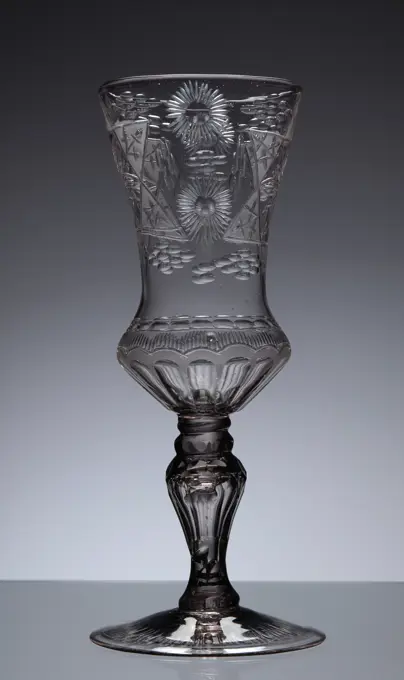
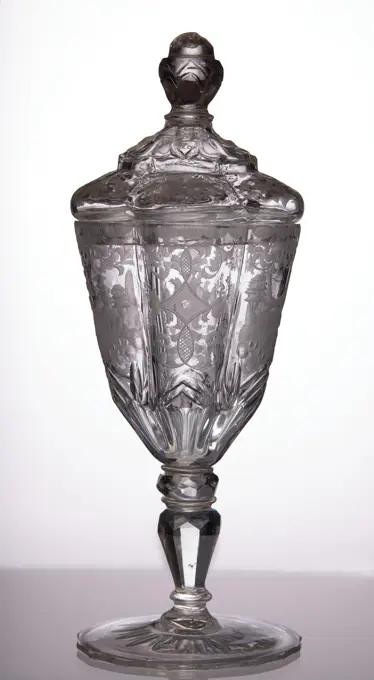
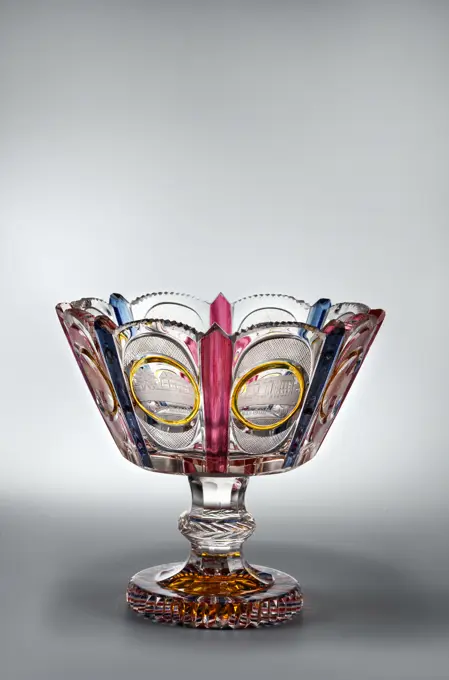
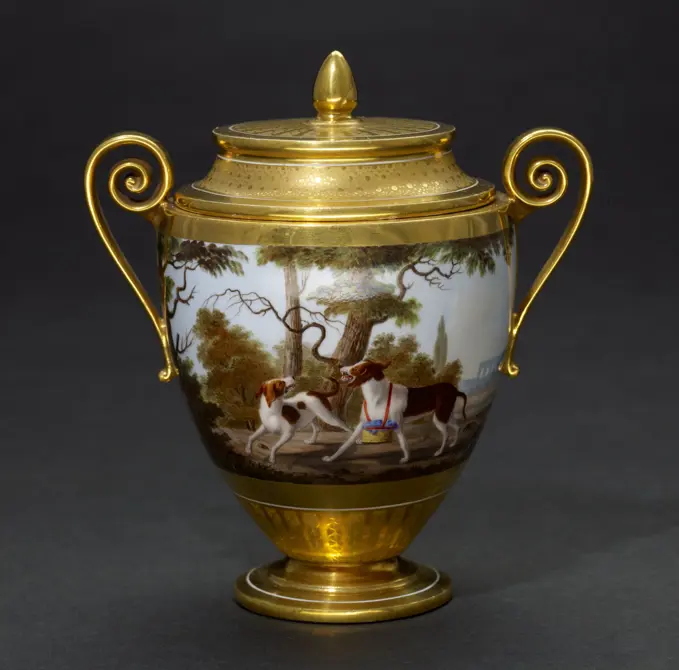
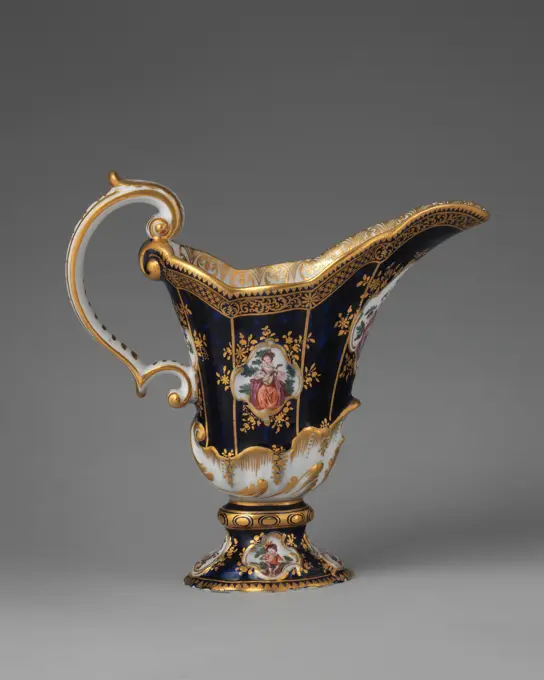
A collection of ornate glass and silver objects, featuring detailed hunting scenes, intricate faceting, and elegant designs, showcasing craftsmanship from Bohemia, c. 1725-1875.

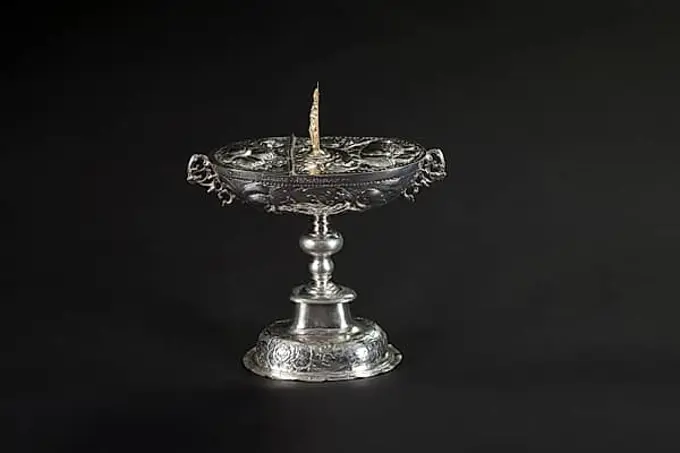
Silver handbell with pine cone as bud, handbell sound silver, mold poured bell-shaped bell with claw baluster shaped fluted stem pine cone as button inside bell (smashed) communication sound meal fake
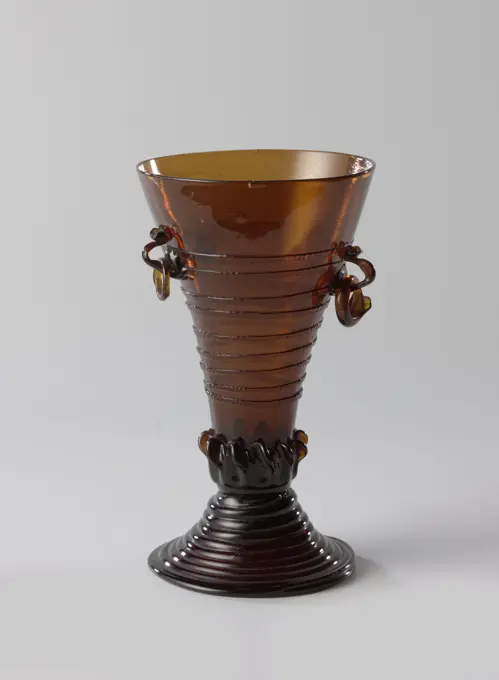
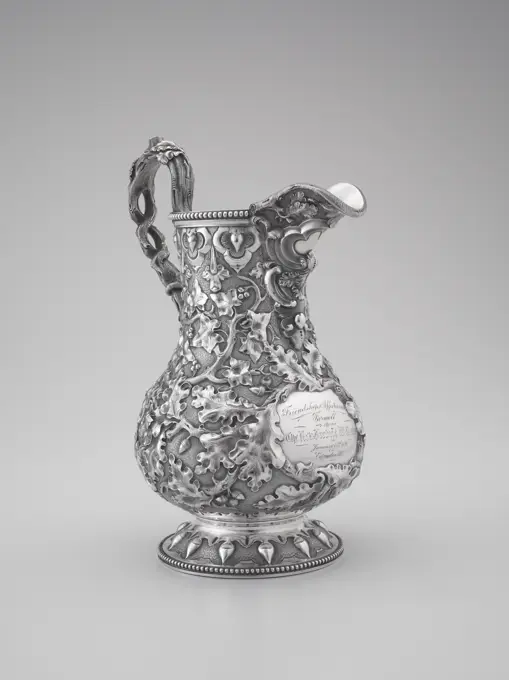
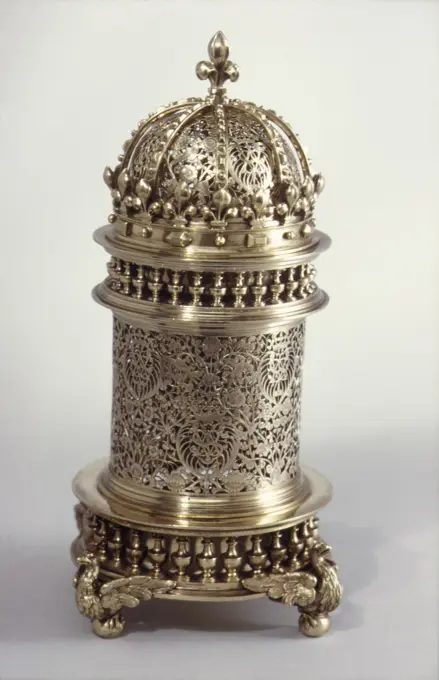
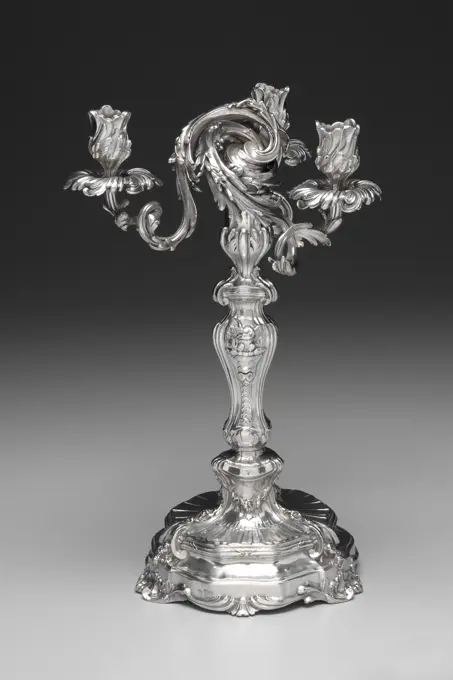
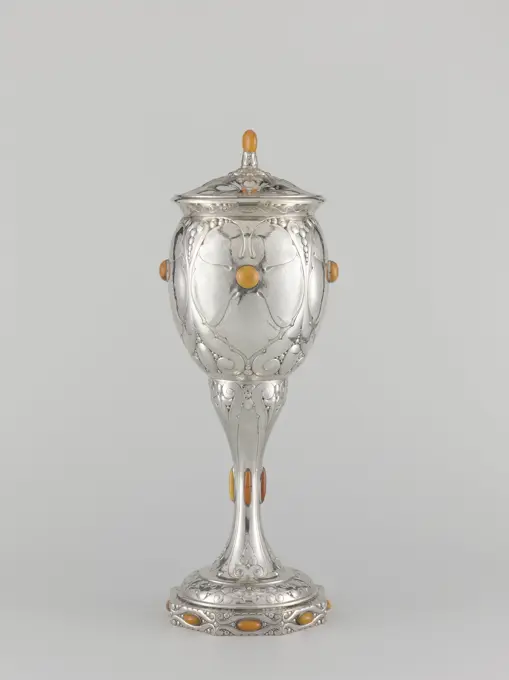
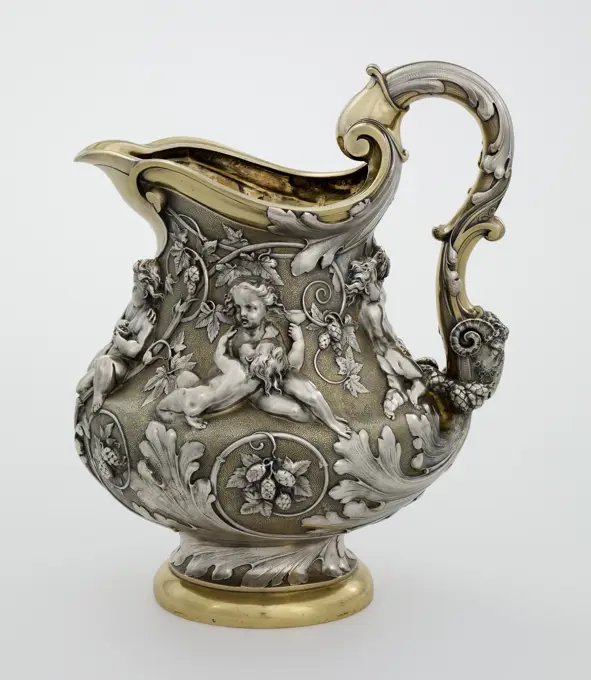
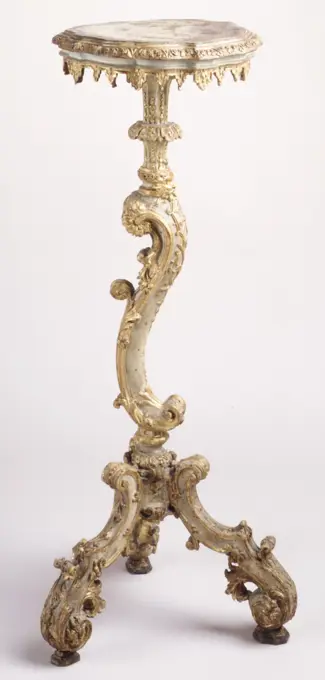
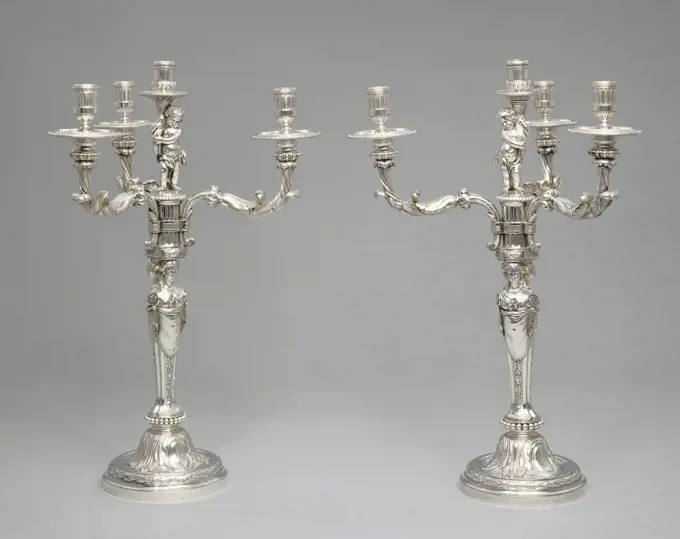
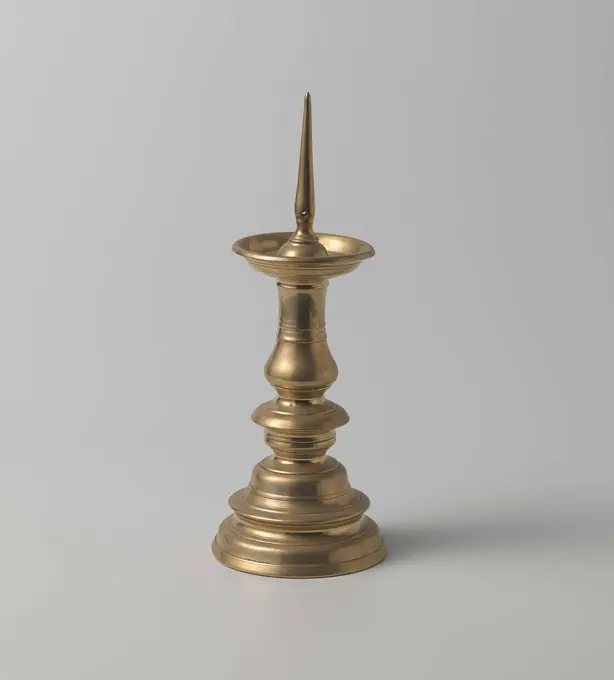
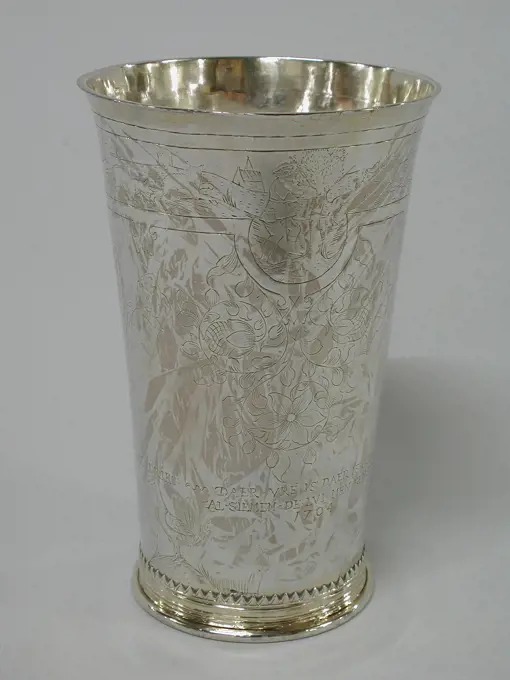
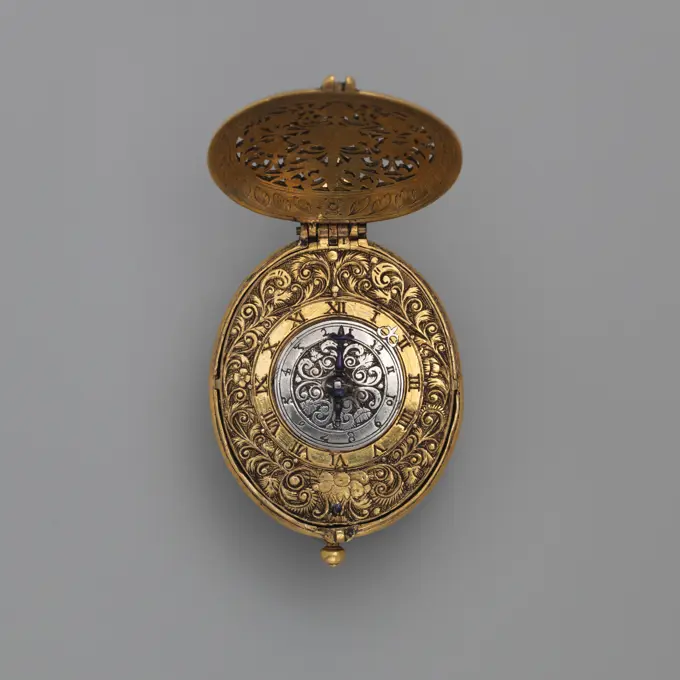
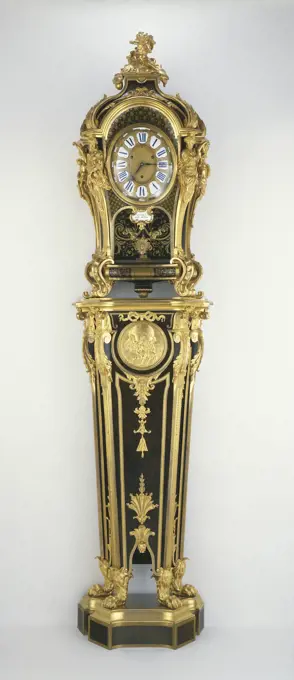
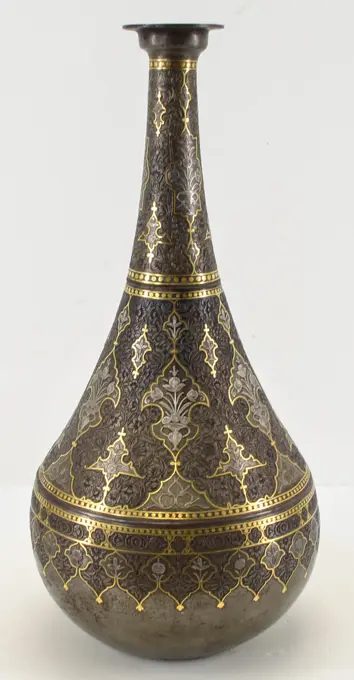
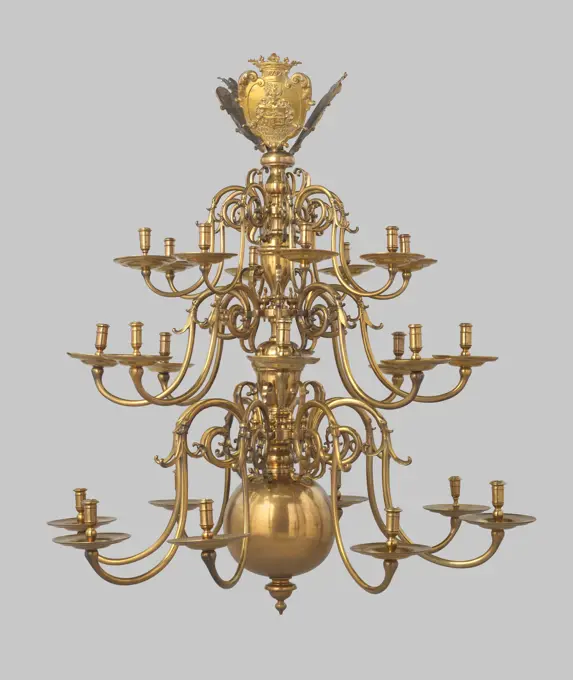
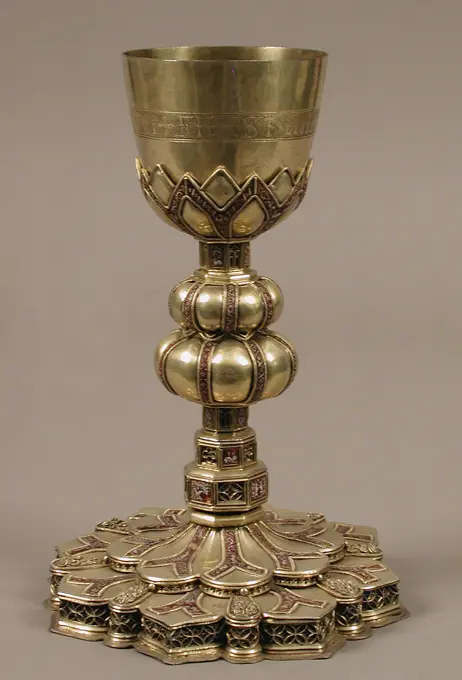
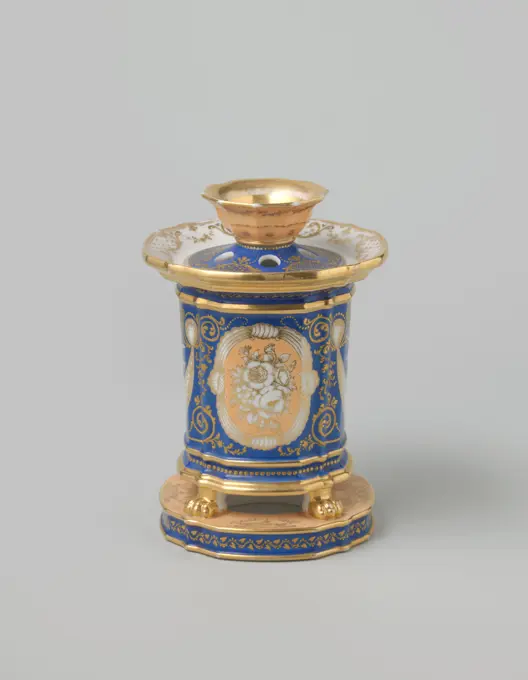
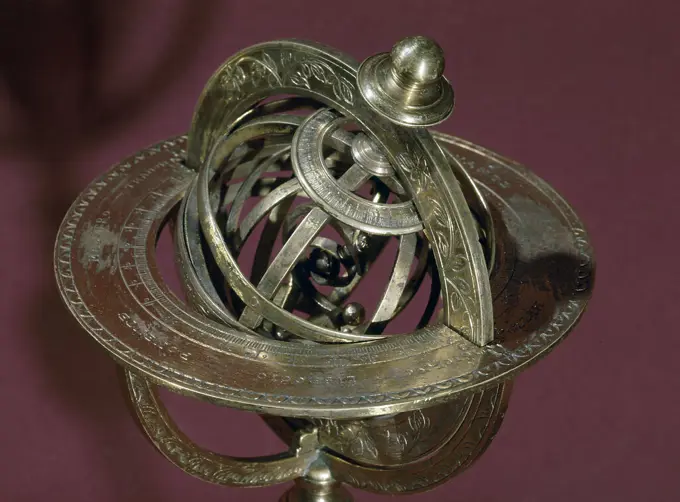
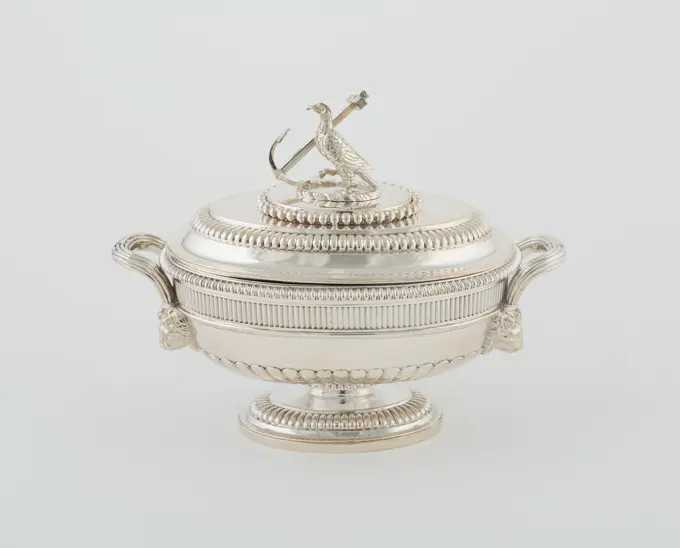
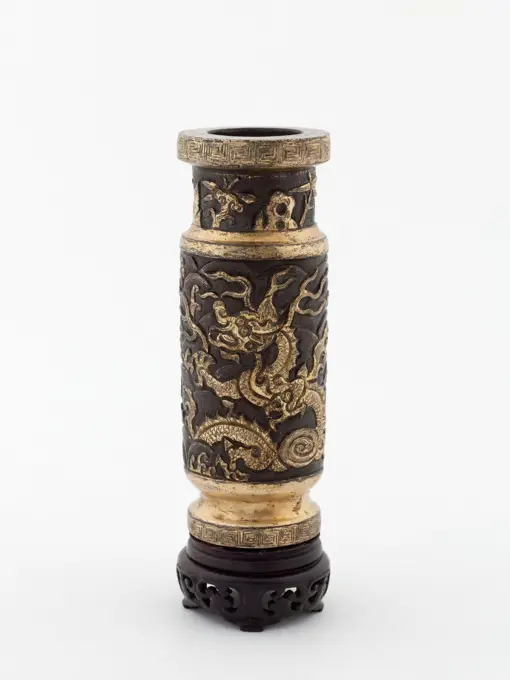
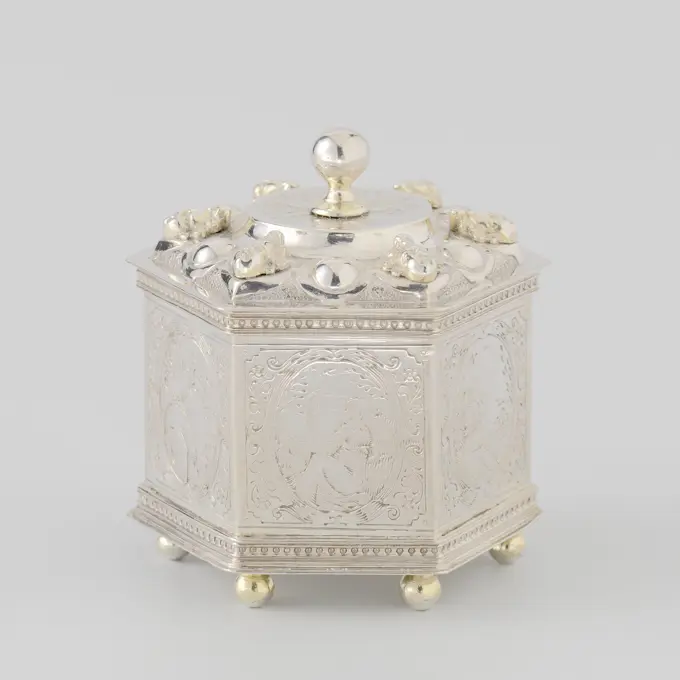
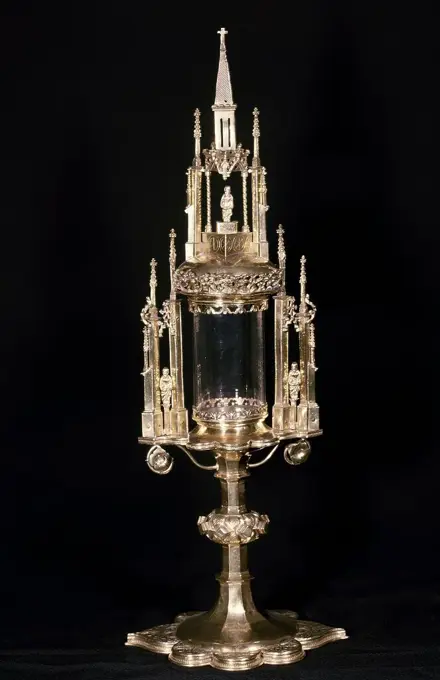
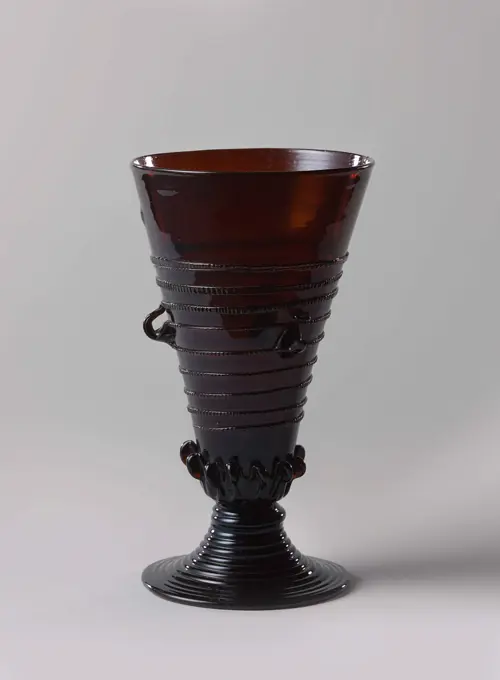
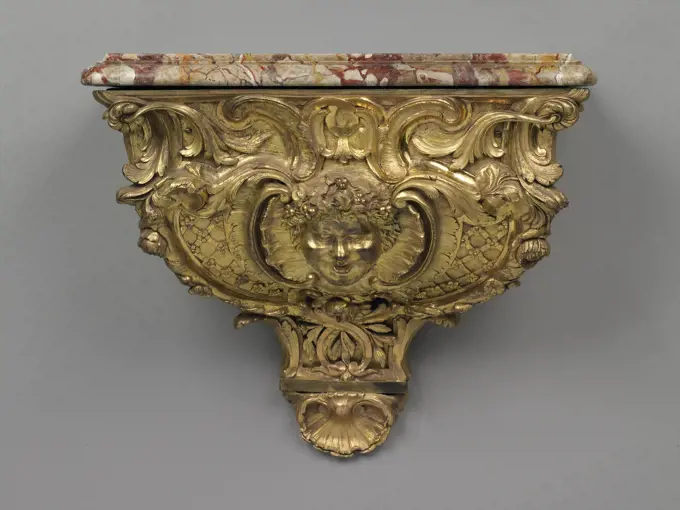
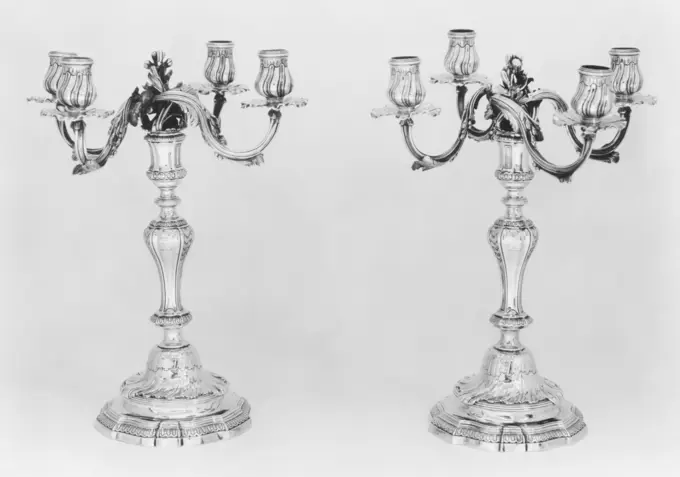
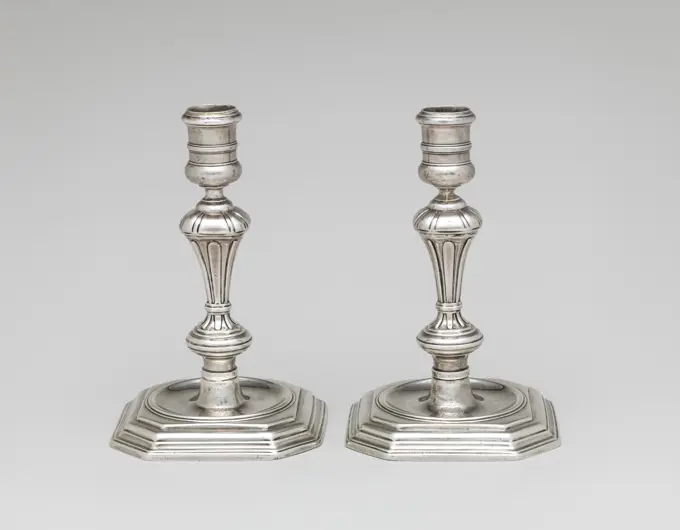
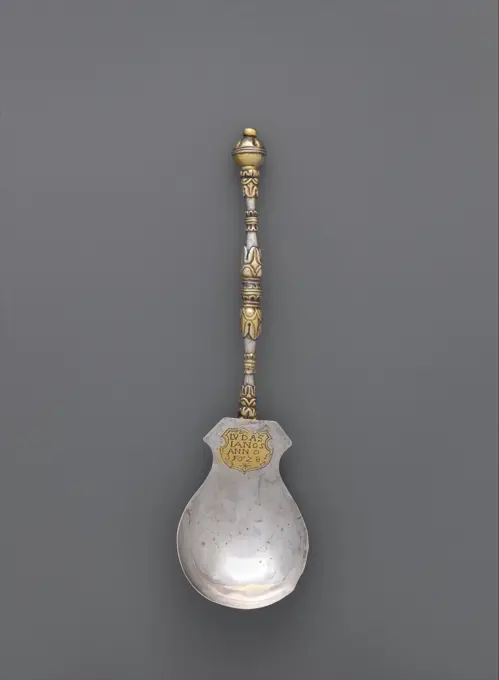
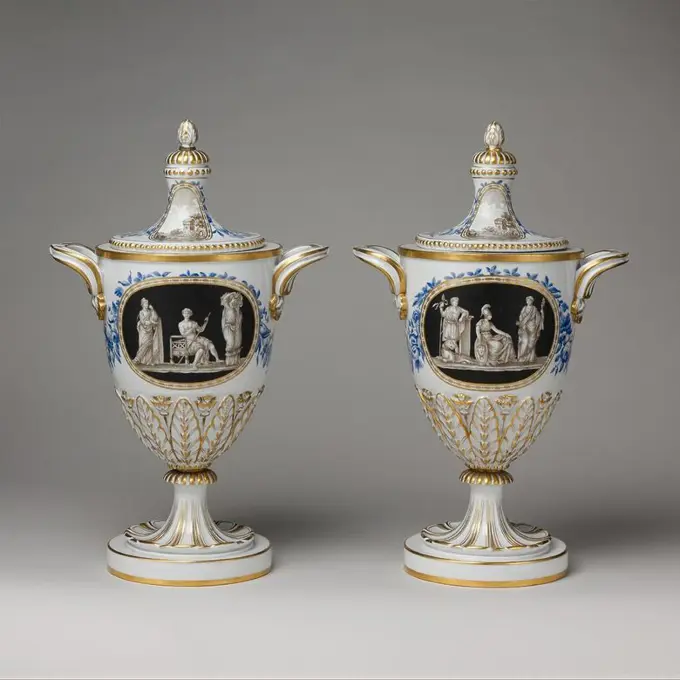
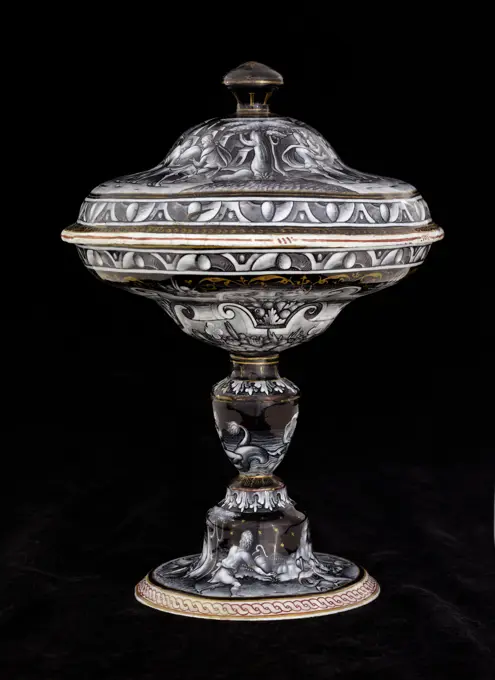
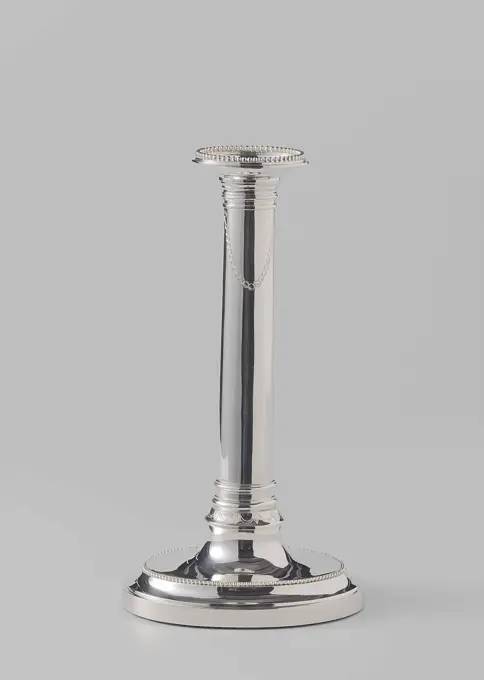
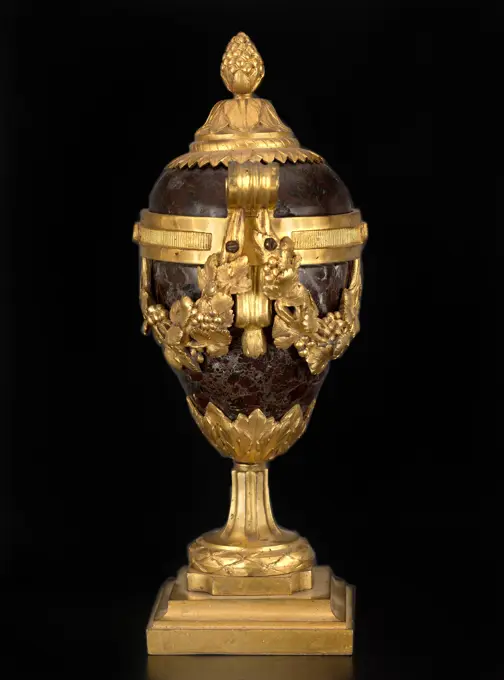
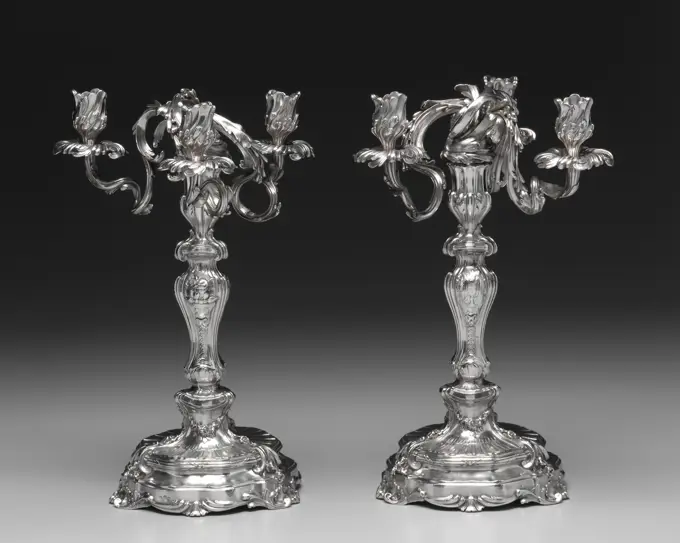
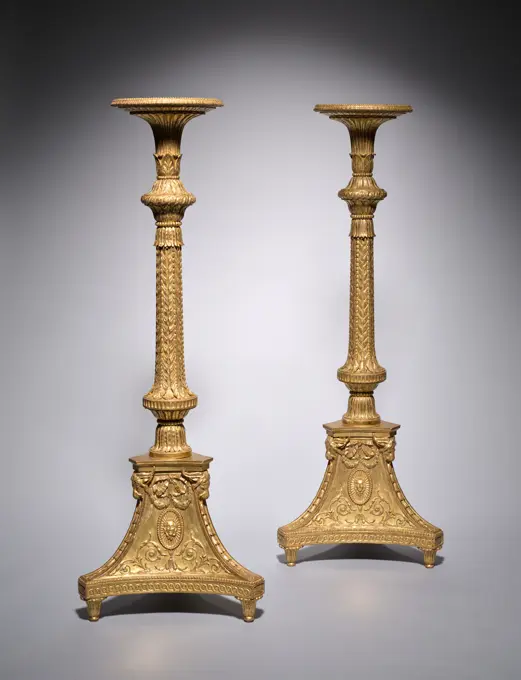
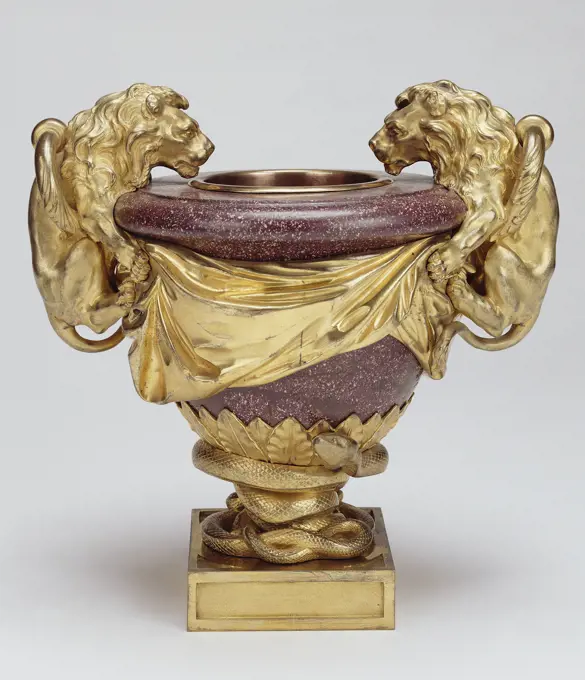
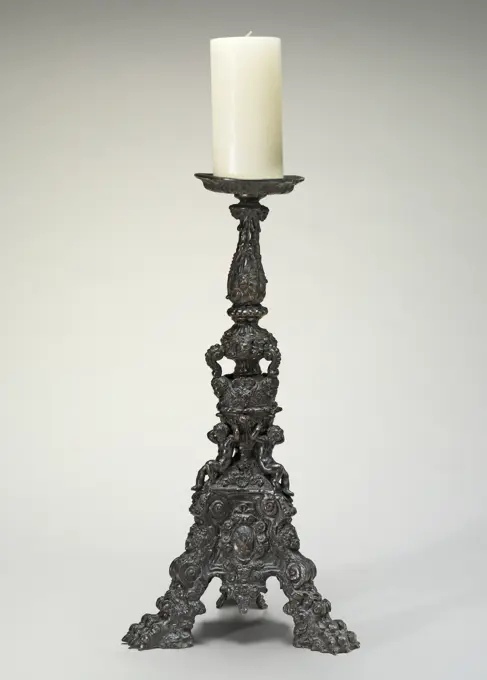
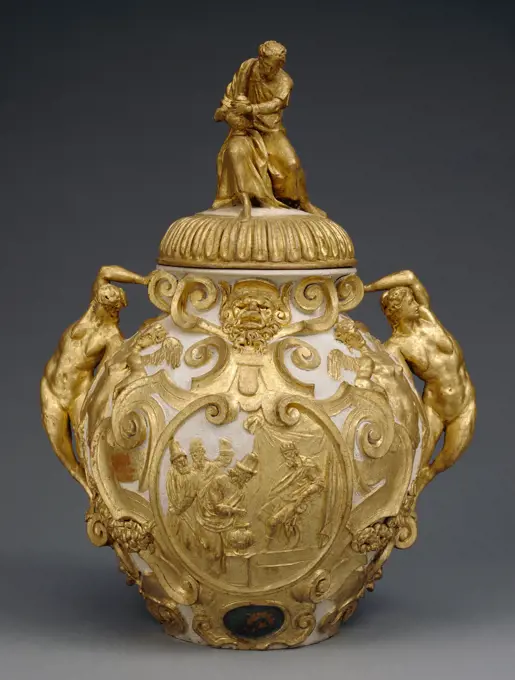
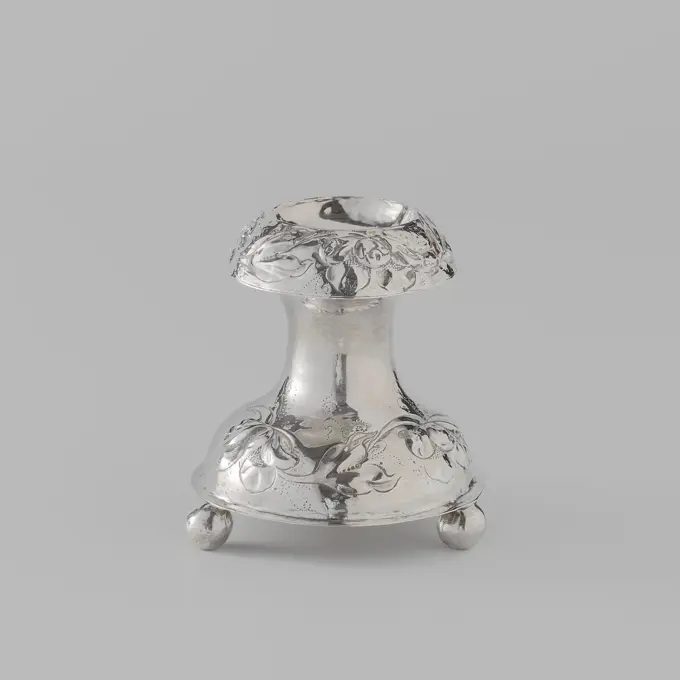
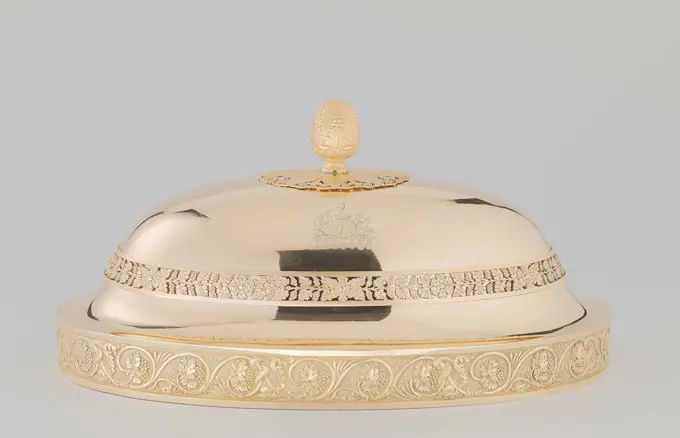
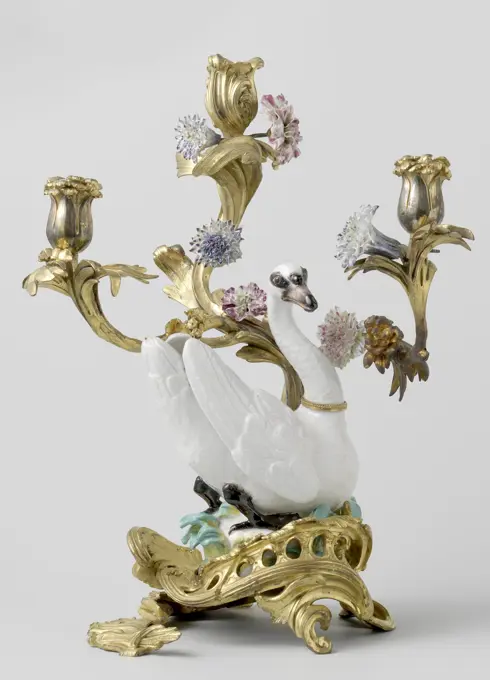
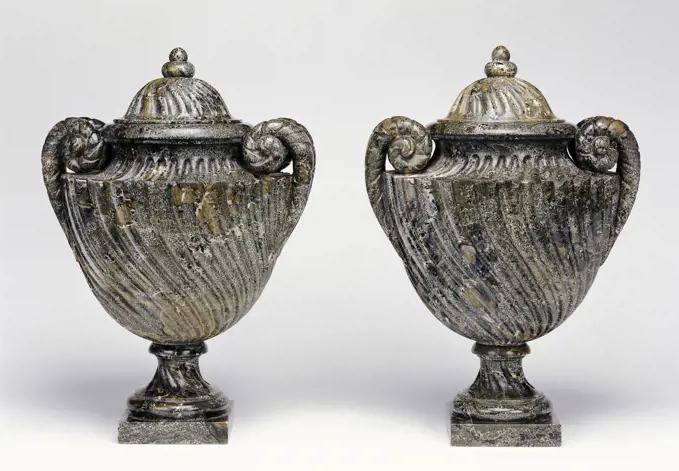
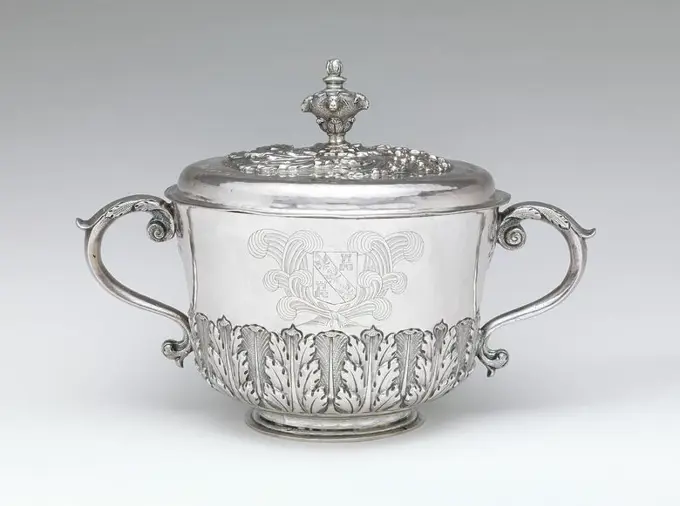
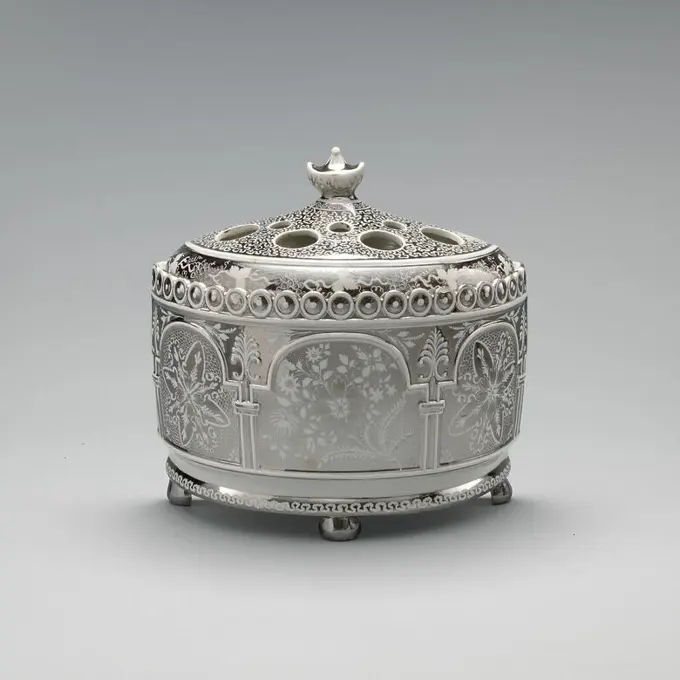
Pedestal ca. 1870 American. Pedestal 15984Ringelbeker, anonymous, c. 1800 - c. 1900 Concave, spun from a wire. Funnel -shaped chalice, around which a ribbed thread is laid spiral. Drop -shaped ornaments on the underside of the chalice. Three eyes on two -thirds of the chalice, with rings hanging. Germany glass glassblowing Concave, spun from a wire. Funnel -shaped chalice, around which a ribbed thread is laid spiral. Drop -shaped ornaments on the underside of the chalice. Three eyes on two -thirds of the chalice, with rings hanging. Germany glass glassblowingBranches; New brothers (porcelain factory; 1818-1850); 1 PO. 19th century (1801-00-00-1850-00-00);Compote 1815-30 French. Compote 2220CAJA DE PLATA. Location: CONGRESO DE LOS DIPUTADOS-OBJETOS. MADRID. SPAIN.Pitcher. Manufacturer: William Gale and Son, American, active 1850-58; 1862-67Retailer: Tiffany and Company, American, founded 1837Fruit shell, cut-away and gold-plated. Fruit shell from porcelain, open and plated.AJLC Berger. "Cup". Money. 1811-1819. Museum of Fine Arts of the City of Paris, Petit Palais. 74383-2 Money, silverware, gobletSugar Bowl 1850-70 Bakewell, Pears and Company. Sugar Bowl 7953Silver Cup, 1809-1810. George Fenwick (Scottish). Silver; diameter of mouth: 10.8 cm (4 1/4 in.); overall: 16.6 cm (6 9/16 in.).Perfume burner probably French 19th centuryCandelabrum, 1757-1758. François Thomas Germain (French, 1726-1791). Silver; diameter: 19.9 cm (7 13/16 in.); overall: 38.1 x 24.5 cm (15 x 9 5/8 in.).Bokaal with egg -shaped cuppa and vaulted lid, crowned by a amber, J.M. Van Kempen & Son, 1917 Cup of partially gilded silver. The cup rests on an octagonal straight -walled base. The high constricted trunk carries the egg -shaped cuppa. The vaulted lid is crowned by an amber. The entire surface is decorated. Voorschoten silver (metal). gilding (material). amber (fossil resin) gilding Cup of partially gilded silver. The cup rests on an octagonal straight -walled base. The high constricted trunk carries the egg -shaped cuppa. The vaulted lid is crowned by an amber. The entire surface is decorated. Voorschoten silver (metal). gilding (material). amber (fossil resin) gildingUnknown, Bouquetière Pot à fire (common name) cover. Great fire earthenware, polychrome enamels. Petit Palais, Museum of Fine Arts of the City of Paris.Przeszo Przyszoci unknownBeer jug, 1884-1885 (designed 1883), Pierre-Emile Jeannest; Manufacturer: Elkington and Co., British, founded 1836, 12 x 7 1/2 x 9 1/4 in. (30.48 x 19.05 x 23.5 cm), Silver, gilt, England, 19th century, Although the firm of Elkington and Company is known for its high quality electroplated silver, the company also manufactured sterling silver. This beer jug, decorated with inebriated putti and surrounded by hop vines was exhibited as part of Elkington's display at the 1855 Paris Exposition Universelle. This jug is a later re-issue of the original design.Incense boats, goldsmithing and textile art from the 16th to the 20th century, St., Sankt, SaintCandlestick; Silver Products Factory K.F. Malcza (Warsaw; Sreber label; 1828-1864), Malcz, Karol (1797-1867); 1852 (1840-00-00-1860-00-00);One of a Pair of Traveling Candlesticks ca. 1290-1310 French The legs of the candlesticks fold, allowing for flat storage of the object. Seven different coats of arms are represented, but some of them are inaccurately drawn, suggesting they were chosen purely as design motifs rather than armorial bearings.. One of a Pair of Traveling Candlesticks 467494Vase lid. Porcelain lid. The loose lid has a hole in the middle around which five smaller ones. A "Jeu de Fond" ornament in gold on salmon-colored ground; Comes five times on the lid in gold against a blue ground.Linstock early 18th century European. Linstock 34295Cup with cover 19th century, after 16th century original British, after German, Nuremberg original This electrotype is after a sixteenth-century original in the Chéréméteff collection, St. Petersburg, at the time of reproduction.. Cup with cover. British, after German, Nuremberg original. 19th century, after 16th century original. Silver on base metal. Metalwork-ElectrotypeTankard 19th century, after 17th century original British, after Russian original This electrotype is after a seventeenth-century original in Uspenski Sobor, Moscow, at the time of reproduction.. Tankard 186551Ewer (part of a set) 1727-28 Simon Pantin I British The arms are those of Sir Nathaniel Curzon and his wife, Mary Assheton.. Ewer (part of a set). British, London. 1727-28. Silver gilt. Metalwork-SilverCandle crown of three heights with eight arms each, Anonymous, 1650 - 1700 Candle crown of three heights with eight arms each, of brass and iron. Netherlands metal Candle crown of three heights with eight arms each, of brass and iron. Netherlands metalCandlestand ca. 1750 Italian, Venice. Candlestand 200057Przeszo Przyszoci unknownPair of Candelabra; Robert-Joseph Auguste (French, 1723 - 1805, master by royal order 1757); Paris, France; 1779 - 1782; Silver;Candlestick of brass. Foot, trunk and fat catcher are poured into one whole. The candle pin is riveted in two places in the fat catcher with the bottom of the fat catcher. The profiled pin has a horizontal hole at the bottom. The profiled conical foot is over in a strain, which is at the top of baluster-shaped, and then in a profiled fat catcher. All parts are decorated with rings, the Baluster also with shivering. Foot and trunk are hollow inside. The stand ring of the foot is turned on the inside.Ciene;  And PO .Xix w. (1801-00-00-1850-00-00);Lucas Stender, Silver cup with engraved inscription: DAER VRE IS DAER IS GODT. DAER TWIST IS DAER IS SPOT. DAER LOSS IS DARGER, goblet drinkware tableware holder silver gold, gilded Cylindrical slightly widening upwards inside light gilded profiled foot with toothedge master mark: LS drink together Cup obtained from Ritman collection Dutch Renaissance Art Amsterdam.Sgabello, anonymous, c. 1800 - c. 1900 Chair of Notenhout, resting on a stand placed in spread, front and rear board, connected by a twisted sport. The front board shows in low relief volutes on lion claws, which flanks a cartouche with empty coat of arms. The chair rule shows a rosette. The crossing seat is rectangular. The back has the shape of an inverted similar triangle with two flat panels; Volues stretched on the corner styles with a scaly stitch. The upper sill has a cartouche, volutes and circle roses. Tuscan wood (plant material). walnut (hardwood) Chair of Notenhout, resting on a stand placed in spread, front and rear board, connected by a twisted sport. The front board shows in low relief volutes on lion claws, which flanks a cartouche with empty coat of arms. The chair rule shows a rosette. The crossing seat is rectangular. The back has the shape of an inverted similar triangle with two flat panels; Volues stretched on the corner styles with a scaly stitch. The upper sill Platter. Śląsk, creatorWatch ca. 1640-50 Watchmaker: Edward East. Watch. British, London. ca. 1640-50. Silver gilt. HorologyJar and lid, Glass, Round body cut with vertical flutes in graduated lengths, prismatic cutting above and below, with vertical flutes around lip, a star on bottom of base; domed cover with mushroom finial cut with star, sides cut with blazes of graduated lengths and short row vertical flutes at outer rim., Ireland or England, ca. 1810, glasswares, Decorative Arts, Jar and lidPedestal Clock; Paris, France; late 19th - early 20th century; Oak veneered with tortoise shell, ebony, and brass; enameled metal plaques; gilt bronze mounts; 284.5 x 69.5 x 33 cm (112 x 27 3,8 x 13 in.)Vase 19th century The classic pear-shaped profile of this vase reflects a continuity with an established form found in glazed ceramics and glass that harkens back to the fifteenth and sixteenth centuries. Skilled forging of steel is also a long tradition in Iran where it was used primarily for the production of weapons. In the nineteenth century, however, a demand among members of the court, elite and wealthy merchant class gave way to the introduction of a range of objects in steel such as bowls, ewers, standards (ʿalams), and objects in the shape of fruits such as pears and apples and animals such as cats, peacocks and deer.. Vase. 19th century. Steel; chased and damascened in gold and silver. Made in Iran. MetalChalice. Culture: German. Dimensions: Overall: 8 7/16 x 5 1/16 in. (21.5 x 12.9 cm). Date: 15th century. Museum: Metropolitan Museum of Art, New York, USA.Arm of a candle crown in three heights, Anonymous, 1717 chandelier The S-shaped arm is equipped with a ridge on the tribe side to secure it with a pin in the stand ring. At the trunk, the arm is decorated at the end and to the center with two stylized dolphin heads and with curls, the shape of which is derived from the lobe ornament. To the outside, the arm ends in a thickening, in which a hole provided with a thread is applied to attach the candle holder to the fat catcher. The arm is cast using the same model as the other arms of the wreath. The candle holder is cylinder -shaped with profiled excellent edge and with a baluster foot, which turns into a threaded end, in which the center hole at the bottom. The fat catcher is deepened twice at the top towards the center. At the bottom it is profiled around the hole in the somewhat spherical center and the edge is ribbed. The fat catcher has been cast using the same model as the other fat catchers of this wreath. The pin is equipped withChalice first half 16th century Spanish The inscription on the bowl reads: hic est envm calix sangvinis mei nvovi (For this is my blood of the New Testament). It also has the marks for the maker (luis) and for Córdoba.. Chalice 464352Cover of a vase with flowers, scrolls and birds, anonymous, c. 1800 - c. 1899 Cover of a four -sided vase of porcelain, painted on the glaze in blue, salmon color and gold. On the removable upper part of the vase a tire with tendrils and window motifs, five holes and a ten -angled head shape decorated with garlands and flower heads and with an open bottom. France porcelain. glaze. gold (metal) painting / gilding / vitrification Cover of a four -sided vase of porcelain, painted on the glaze in blue, salmon color and gold. On the removable upper part of the vase a tire with tendrils and window motifs, five holes and a ten -angled head shape decorated with garlands and flower heads and with an open bottom. France porcelain. glaze. gold (metal) painting / gilding / vitrificationESFERA ARMILAR ITALIANA BRONCE DORADO ANO 1650-DET SUPERIOR. Location: PRIVATE COLLECTION. MADRID. SPAIN.Tankard 19th century, after 17th century original British, after Russian original This electrotype is after a seventeenth-century original a treasure of the Patriarch, Moscow, at the time of reproduction.. Tankard 186568Sauce Tureen and Cover from the Hood Service 1807-1808 England. Sterling silver . Paul StorrCandlestick of brass. The object is composed of two parts: the foot and the trunk with the candle holder. These are poured and turned. The foot, which slowes to the edge, can serve as a fat catcher. He increases greatly to the middle, where the strain has been caught and carefully turned. The strain is decorated with a baluster between two buttons and transmits into a profiled almost cylindrical candle holder with rectangular holes in the wall, which lie in each other's extension. Foot and trunk are decorated with shivers. The holder shows casts and is damaged.Vase / URNE LEI MATIATURES. Bronze. Chine. Par musée musée malée. 71127-25 Chinese art, bronze, dragon, extended form, decorative motif, base, urn lei, vase, miniatureTaperstick 1778-79 Samuel Meriton British. Taperstick. British, London. 1778-79. Silver gilt. Metalwork-SilverCOPA-ESTILO SEGUNDO IMPERIO-FRANCIA-S XIX 2ªMITAD-MARMOL/BRONCE-72 CM ALT. Author: Robert. Location: BANCO HIPOTECARIO. MADRID. SPAIN.Knottedoos, anonymous, 1600 - 1650 Hexagonal knotty box made of silver. Optimous representations are engraved on the sides: love, loyalty, caution, bloom, music and fertility. Friesland silver (metal) Hexagonal knotty box made of silver. Optimous representations are engraved on the sides: love, loyalty, caution, bloom, music and fertility. Friesland silver (metal)CUSTODIA IMITACION DE MODELOS CENTROEUROPEOS DE LA PRIMERA MITAD DEL SIGLO XV REALIZADA EN EL SIGLO XIX-XX - AZOFAR - 58x21,5. Location: MUSEO LAZARO GALDIANO-COLECCION. MADRID. SPANIEN.Ringel cup. Concave, spun base from a wire. Funnel-shaped chalice, which is spiraling a ribbed wire. At the bottom of the chalice drip-shaped ornaments. Halverweg the chalice three eyes.Wine jug;  the beginning of the 20th century (1801-00-00-1900-00-00);Bracket; France; about 1720 - 1725; Gilt bronze, with a core of oak; 38 cm (14 15,16 in.)Rose water bottle of silver driven with flower and leaf vines, anonymous, c. 1700 - c. 1725 Rose water bottle on profiled base with pear -shaped body and screw -on neck end in a flower -shaped peak. There are holes between the stamens of the flowers. The entire vial is decorated with flower and leaf vines. Above the nodus -shaped widening at the underside of the neck we see a decoration of pointed scaly -placed leaves (pineapple). India or Sri Lanka, 18th century. India silver (metal) Rose water bottle on profiled base with pear -shaped body and screw -on neck end in a flower -shaped peak. There are holes between the stamens of the flowers. The entire vial is decorated with flower and leaf vines. Above the nodus -shaped widening at the underside of the neck we see a decoration of pointed scaly -placed leaves (pineapple). India or Sri Lanka, 18th century. India silver (metal)Pair of candelabra 1768-69 Jean-Baptiste-François Chéret. Pair of candelabra 200358CALIZ S XVI. Location: CONVENTO DE SAN CLEMENTE-MUSEO. Toledo. SPAIN.Bottle belonging to oil and vinegar consisting of two bottles and one holder, Francois Marcus Simons, 1803 Bottle with sharpened decoration. The silver cap is attached to the holder with a chain The Hague crystal (lead glass) Bottle with sharpened decoration. The silver cap is attached to the holder with a chain The Hague crystal (lead glass)Corner Cupboard. Corner Cupboard: Painted twice with the Nazi Administration/Zentralstelle f¸r Denkmalschutz (Central Office for Monument Protection) confiscation number "AR 653" on the back. Inscribed in Polish ìJosef Bone(k) Poprawial w roku 1845,î which translates to ìimproved in the year 1845,î on bottom of central drawer. Clock: Spring of the striking train signed ìBuzot aout 1744.î Graffiti scratched on front plate ìRK. 1788 ie 28 Aprilis Kurk-hausy,î and on dial plate, ìmetez/cinq/pieds/gros/troux/Etienne LeÖ/AÖS/17/77.îPair of candlesticks 1710/11 David Willaume I British These candlesticks bear the royal arms of Queen Anne and may have been supplied by the Jewel House, probably as part of an ambassadorial service. Functional candlesticks like these were sometimes ordered in sets as large as forty-eight.. Pair of candlesticks 197722Armor 18th century Chinese. Armor 32074Spoon mid-16th century possibly Hungarian The carefully applied partial gilding and the elaborate leaf-shaped handle of this spoon reflect the international court style of the mid-sixteenth century. While, from the point of view of its style, it could have been produced almost anywhere in Central Europe or Northern Italy, the inscription in Hungarian suggests it may have been made in the region. However the dedication in Hungarian from 1628 was engraved later.LiteratureJudit H. Kolba. Hungarian Silver: The Nicolas M. Salgo Collection. London, 1996, p. 139, no. 117.Wolfram Koeppe 2015. Spoon 237051Vase with cover (one of a pair). Culture: Spanish, Madrid (Buen Retiro). Dimensions: Height (with cover): 18 3/4 in. (47.6 cm). Factory: Real Fabrica de Buen Retiro (Spanish). Date: 1784-95.The Buen Retiro factory was established in 1759 when Charles VII of Naples became Charles III of Spain. In that year, Charles disbanded the porcelain factory at Capodimonte in Naples and moved the enterprise, with workers and raw materials, to the palace of Buen Retiro outside Madrid. The new factory continued to use the Capodimonte mark of a fleur-de-lis for its products.The early wares and figures made at Buen Retiro are often difficult to distinguish from objects made at Capodimonte, but the fully Neoclassical character of these vases marks them as Buen Retiro, as the Capodimonte factory was closed before the Neoclassical style took root. The form of the vase is based on an antique model, and the oval medallions on one side are painted with figures from classical antiquity. Further classicizingCovered tazza, late 16th century, Pierre Reymond, French (Limoges), French (Limoges), 1513-1584, 9 3/4 x 7 in. (24.8 x 17.78 cm), Enamel on copper, France, 16th centurySugar bowl from a tea service for twelve, 1807-08, Christophe-Ferdinand Caron; Manufacturer: Sèvres Porcelain Factory, French (Sèvres), French, 1774-1831, 6 1/4 x 5 5/8 x 3 3/4 in. (15.88 x 14.29 x 9.53 cm), Hardpaste porcelain, gilt, France, 19th century. Oval candlestick of silver. The foot and the fat catcher decorated with a pearl edge.Tureen with Cover 1783-1784 Edinburgh . William Davie (Silversmith)Anonymous. Vase mounted. Marble, gilded bronze, 1775-1785. Paris, Cognacq-Jay museum. 79923-8 Dore bronze, cover, gilding, vine leaf, marble, vase monte, 18th 18th 18th 18th 18th 18th centuryTea jug;  19th century (1801-00-00-1900-00-00);Candelabrum Pair , 1757-1758. François Thomas Germain (French, 1726-1791). Silver; diameter: 19.9 cm (7 13/16 in.); overall: 38.1 x 24.5 cm (15 x 9 5/8 in.). This pair of candelabra is from an enormous service made for the Russian court in the 1750s.Pair of Candle Stands (torchères), c. 1773. Thomas Chippendale (British, 1718-1779). Gilt-wood, gesso; each: 154 x 56 x 51 cm (60 5/8 x 22 1/16 x 20 1/16 in.). This pair of gilded candle stands was made by Thomas Chippendale, the most renowned cabinetmaker in eighteenth-century London, for the grand drawing room of Brocket Hall, a large country house in Hertfordshire, England. With finely carved acanthus leaves, swags, fluting, and oval masks depicting the Roman goddess Diana, these candle stands exhibit Chippendales masterful understanding of neoclassical proportion, scale, and ornament. His landmark book of furniture designs, The Gentleman and Cabinet-Makers Director (first published in 1754), was highly admired as a source of inspiration by cabinetmakers and architects around England as well as in Europe and America.Fire-Making Tool (LotingSantik)Porphyry Urn; Unknown, After a design by Ennemond-Alexandre Petitot (French, 1727 - 1801); Paris, France; vase 1700s; mount about 1765 - 1770; Porphyry; red marble; gilt-bronze mounts; 38.7 x 41 x 27.7 cm (15 1,4 x 16 1,8 x 10 7,8 in.)Claude-Nicolas Delanoy. "Cup". Money. 1789. Museum of Fine Arts of the City of Paris, Petit Palais. 74381-15 Money, silverware, gobletVenetian 16th Century, Altar Candlestick with Shield of Arms of the Garzoni of Venice, third quarter 16th century Altar-Candlestick with Shield of Arms of the Garzoni of VeniceCandelabrum. Schmidt, Samuel Gotthelf (1752 lub 1753-1827), goldsmithTheriac Drug Jar; Attributed to Annibale Fontana (Italian, about 1540 - 1587); Milan (possibly), Northern Italy, Italy; about 1580; Terracotta with white paint and gilt exterior and glazed interior; 59.9 cm (23 5,8 in.)Covered dish, 19th century, 3 1/8 x 6 5/8 x 6 5/8 in. (7.94 x 16.83 x 16.83 cm), Porcelain with enamel decoration and gilding, France, 19th centurySalt barrel in diabolo shape on curved foot with three bol feet. Foot and edge with driven flowers and leaves., Anonymous, c. 1680 Diabolo-shaped salt barrel of silver, resting on three Bolpootjes. The wide, curved foot gradually turns into a convex rand with bowl -shaped center. Foot and edge decorated with driven flowers and leaves. Middelburg silver (metal) Diabolo-shaped salt barrel of silver, resting on three Bolpootjes. The wide, curved foot gradually turns into a convex rand with bowl -shaped center. Foot and edge decorated with driven flowers and leaves. Middelburg silver (metal)Pair of Candlesticks; Unknown; n.d.; Bronze; Various, see extensionsOval Dish Cover. Empire high-roughed lid of gold-plated silver. Along the lid two, openwork tires with grape vines. With corresponding saucer with narrow palmet edge. (BK-17031-B-2)Candlestick with figures of caryatids and putti 19th century Italian The eclectic and inconsistent style of this candlestick with figures of caryatids and putti, including Renaissancestyle elements (the top section and dripping pan) as well as later motifs (the cannelured column and praying angels), the fake coat of arms, and the superficial chemical patina, point to a nineteenth-century date. The monogram SB on one of the escutcheons could be a playful reference to the name of the caster, possibly S. Bitti.. Candlestick with figures of caryatids and putti 460860Flakon with a stopperSwan of multicolored painted porcelain, in frame of bronze, anonymous, c. 1750 Swan of multicolored painted porcelain, on pedestal with plastic leaf decorations in blue -green, green and yellow. The swan has a ring of gilded bronze around the neck. The swan is placed in a gilded bronze frame in Rococo style, in the form of a three-armed candeletry, to which flowers of porcelain in blue, pink, green and violet are attached. The swan in marked. maker: Parisporcelain company: MeissenMeissenporcelain company: Vincennesporcelain company: Sèvres porcelain. bronze (metal) gilding Swan of multicolored painted porcelain, on pedestal with plastic leaf decorations in blue -green, green and yellow. The swan has a ring of gilded bronze around the neck. The swan is placed in a gilded bronze frame in Rococo style, in the form of a three-armed candeletry, to which flowers of porcelain in blue, pink, green and violet are attached. The swan in marked. maker: Parisporcelain company: MeissenMeissenporcelaEwer ca. 1761 Chelsea Porcelain Manufactory. Ewer. British, Chelsea. ca. 1761. Soft-paste porcelain. Chelsea Porcelain Manufactory (British, 1745-1784, Gold Anchor Period, 1759-69). Ceramics-PorcelainA cup of cup;  End of the 19th century (1895-00-00-1900-00-00);Ancient lamp isolated on the whiteCUSTODIA BARROCA PROCESIONAL DEL CORPUS.PLATA.1678. Author: ANTONIO PEREZ MONTALTO (S XVII). Location: CATEDRAL-MUSEO. MURCIA. SPAIN.Pair of Lidded Vases; about 1700; Green granite;Two-handled cup with cover. Culture: British, London. Dimensions: Overall (confirmed): 9 9/16 x 13 1/2 x 8 7/8 in. (24.3 x 34.3 x 22.5 cm). Maker: I H (British, mid-late 17th century). Date: 1676/77.This cup originally was made for use in a private home--perhaps as a "loving cup"--to be passed among guests or displayed on a sideboard. In 1765, when it would have seemed distinctly old fashioned, it was bequeathed to the Church of Charing, where it was used as a communion cup. The donor, Elizabeth Ludwell, had her coat of arms engraved on the side and an inscription added to the cover. Museum: Metropolitan Museum of Art, New York, USA.Lid awarded Chinese mandarin. Lid awarded Chinese mandarin. Together with a silver vase, forms a table piece with Chinese scenes on a pedestal.Whale Oil Lamp 1830-40 Probably New England Glass Company. Whale Oil Lamp 5459Vase and lid. Gubbio (ośrodek ceramiczny ; ca 1500-1600), Andreoli, Giorgio (ca 1470-1553), company owner, Deruta (ośrodek ceramiczny ; ca 1500- ), factorySilver chalice gilded and lacquered, made in the late 14th century by Catalan workshops. Museum: Museo parroquial, Traiguera.Standing Lamp with a Cross on a Pricket Stand 5th century Byzantine Standing lamps decorated with crosses and supported on footed bases were common in the early Byzantine world. Bishop Theodoret of Cyrrhus in Syria (d. ca. 466) described Saint Symeon Stylites, who lived atop a column, as this dazzling lamp, [who as if placed on a lampstand, has sent out rays in all directions likes the sun.”. Standing Lamp with a Cross on a Pricket Stand 468574A large (A) and two small (B and C) Oval Terrines in Louis XVI style, Philippus Priee, 1773 A large (A) and two small (B and C) Oval Terrines in Louis XVI style decorated with driven cannelures, garlands wrapped with ribbons, appliqued festons and pearl edges. Each terrine has a lid with a button and stands on four legs. All terrines marked under soil: Middelburg; Annual letter K - 1773; mt. P above prie = Philippus prié; crowned o = release stitches; ax = tax inspection. Terrine BK-1995-14-C is engraved on the inside with N: 2. Note: All terrines have an inner box Middelburg silver (metal) A large (A) and two small (B and C) Oval Terrines in Louis XVI style decorated with driven cannelures, garlands wrapped with ribbons, appliqued festons and pearl edges. Each terrine has a lid with a button and stands on four legs. All terrines marked under soil: Middelburg; Annual letter K - 1773; mt. P above prie = Philippus prié; crowned o = release stitches; ax = tax inspection. Terrine BK-1995-1Jardinière with cover. Culture: British. Dimensions: 8 3/4 × 9 in. (22.2 × 22.9 cm). Date: early 19th century. Museum: Metropolitan Museum of Art, New York, USA.Milk; Lilpop, Karol Jerzy (Fl. 1820-1833); 1920s (1820-00-00-00-1829-00-00);Masonic cup. unknown, authorSugar bowl with cover and tray 1777-78 Joseph-Théodore Vancombert (né Van Cauwenbergh). Sugar bowl with cover and tray. French, Paris. 1777-78. Silver. Metalwork-SilverCup 19th century Scythian. Cup 468773