Antique Glassware Artistry

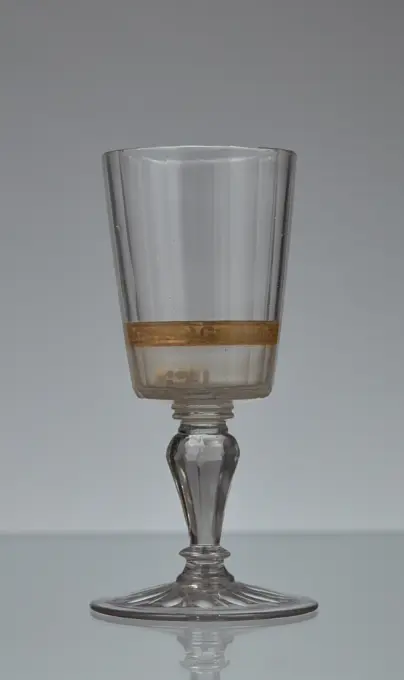
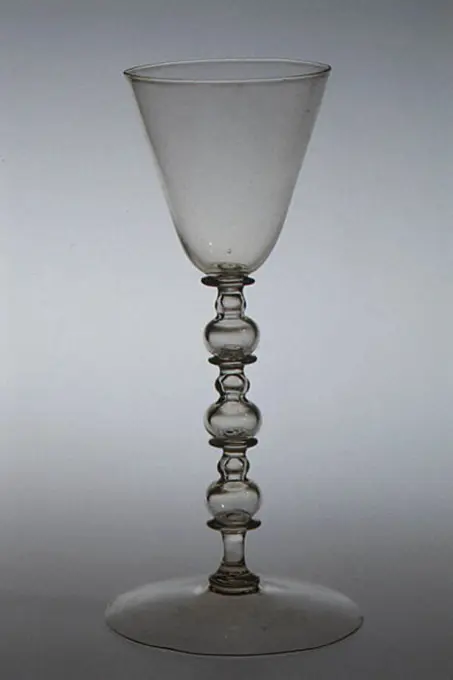
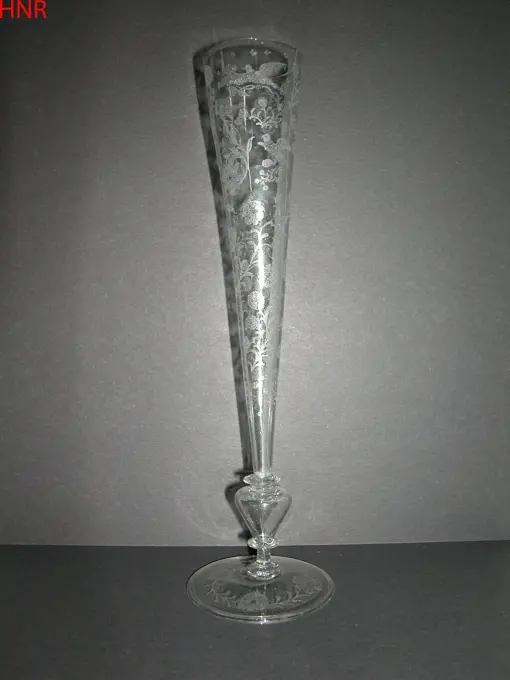
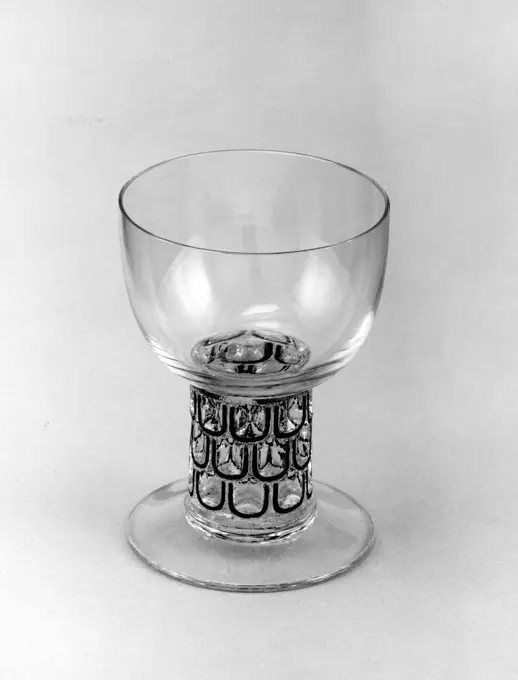
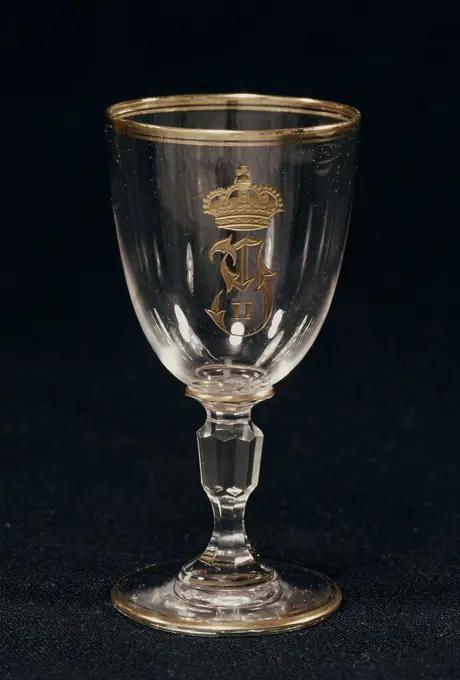
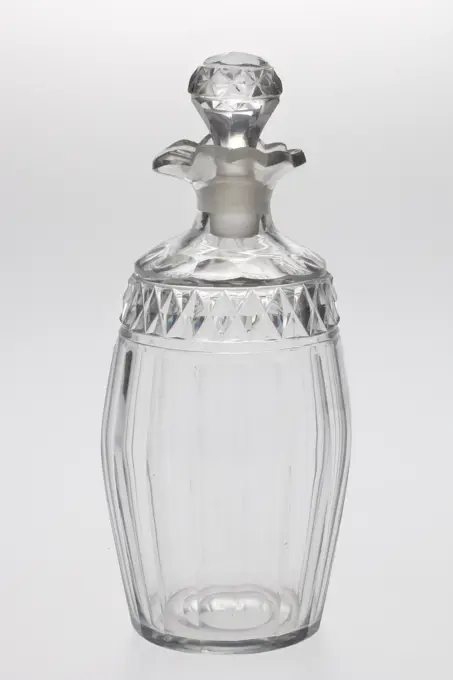
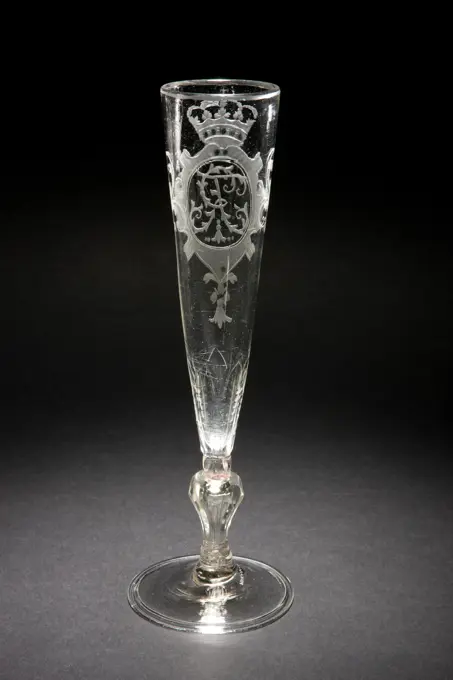
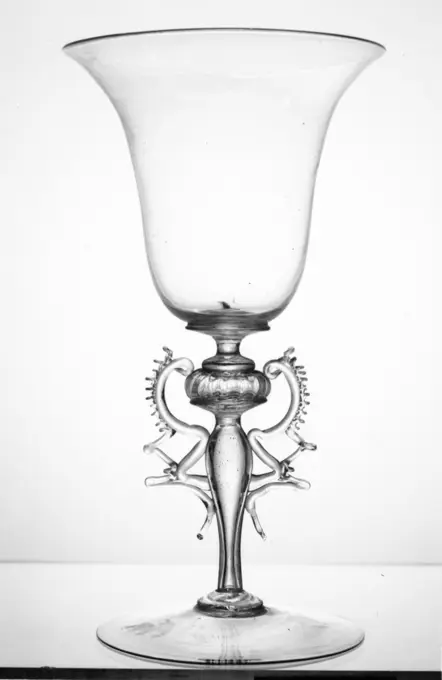
Exquisite glassware with intricate designs from the 18th and 19th centuries. Depicts elegance with fine details and vintage charm.

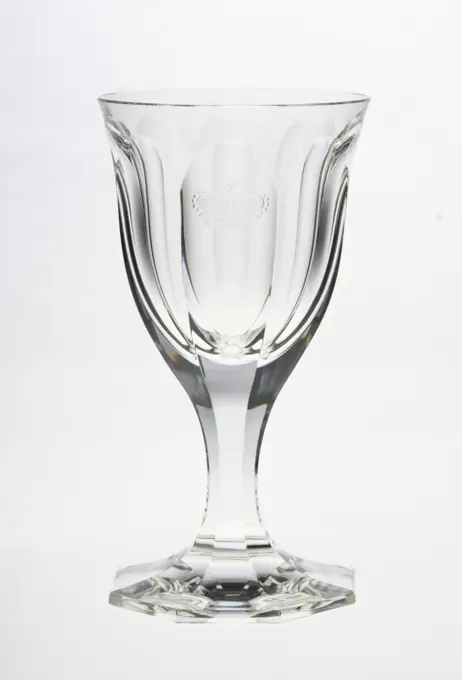
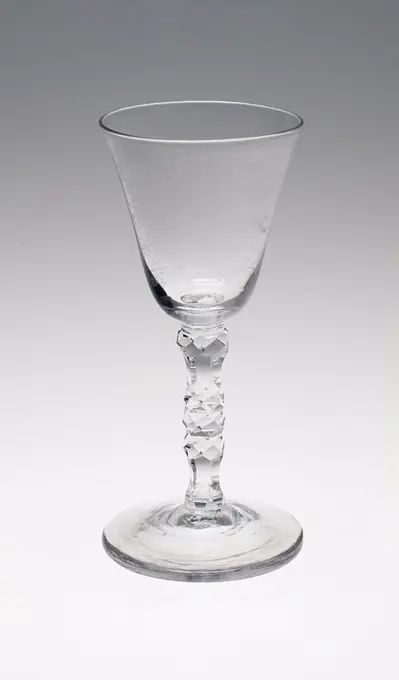
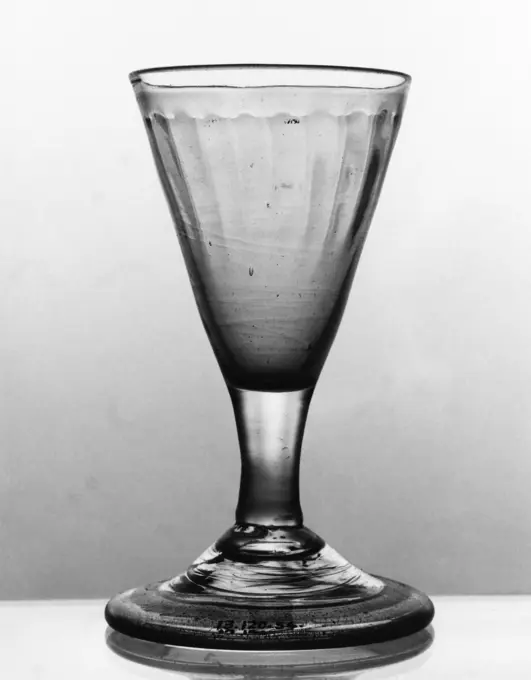
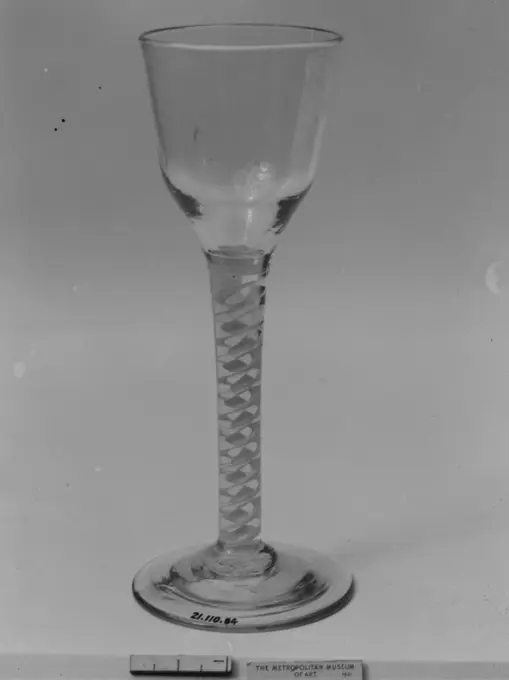
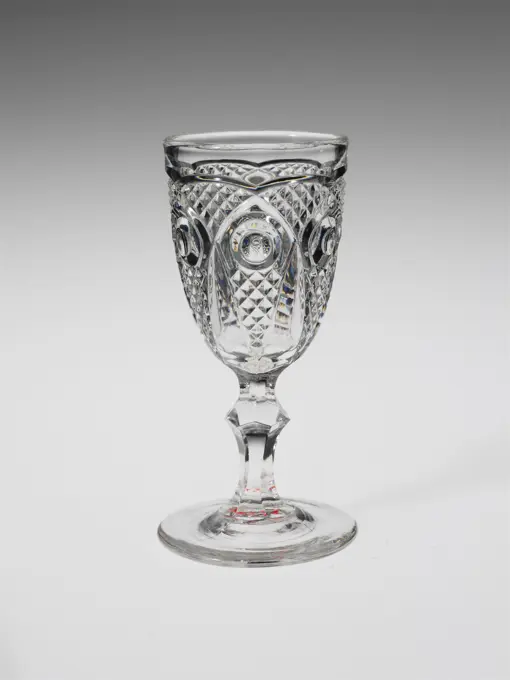
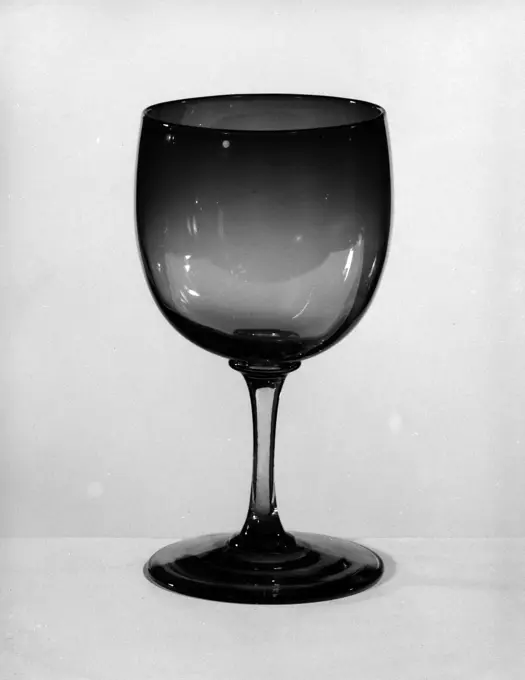
Wine glass, 18th-19th century, 6 5/8 x 2 7/8 x 2 7/8in. (16.8 x 7.3 x 7.3cm), Glass, United States, 18th-19th century
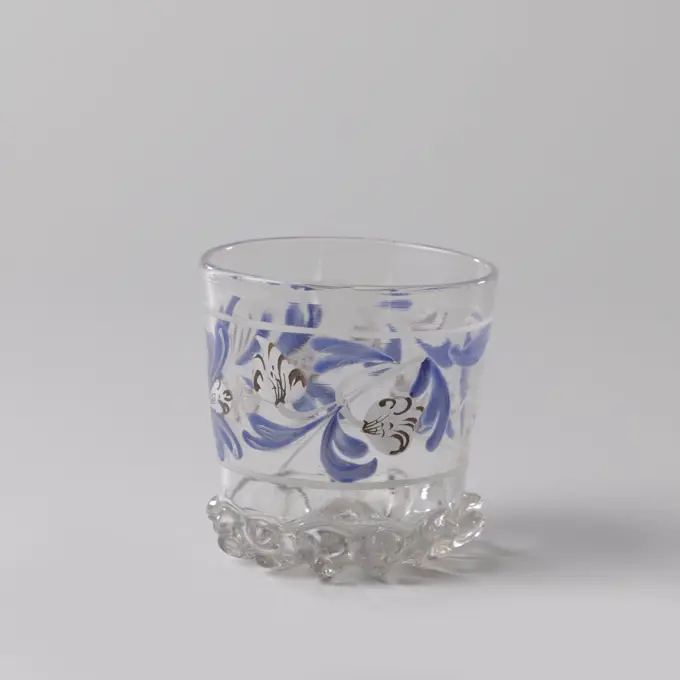
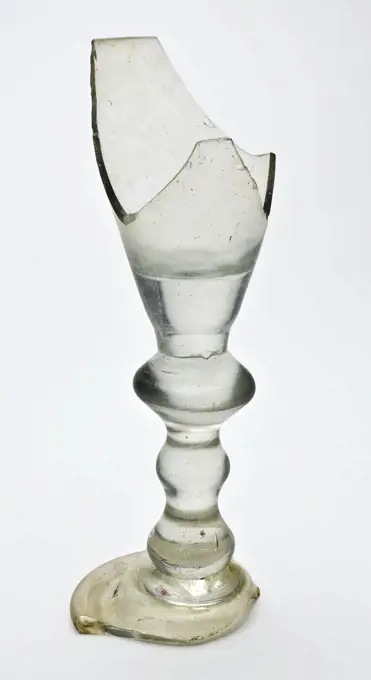
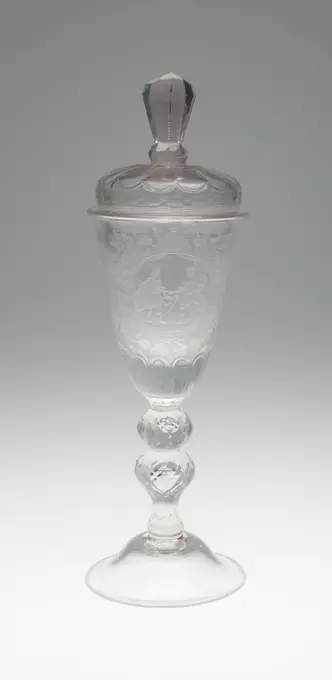
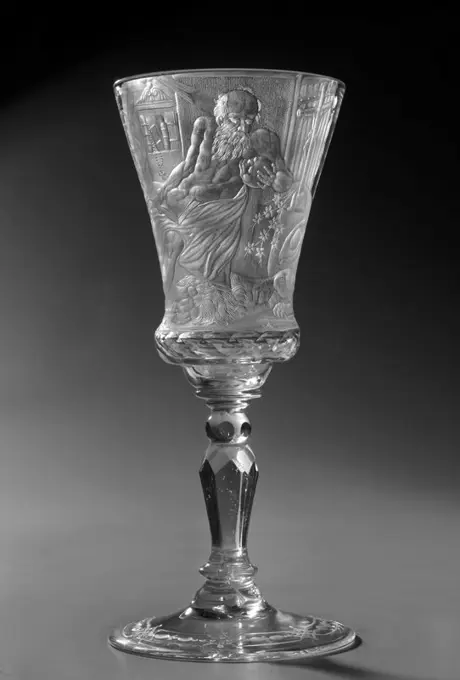
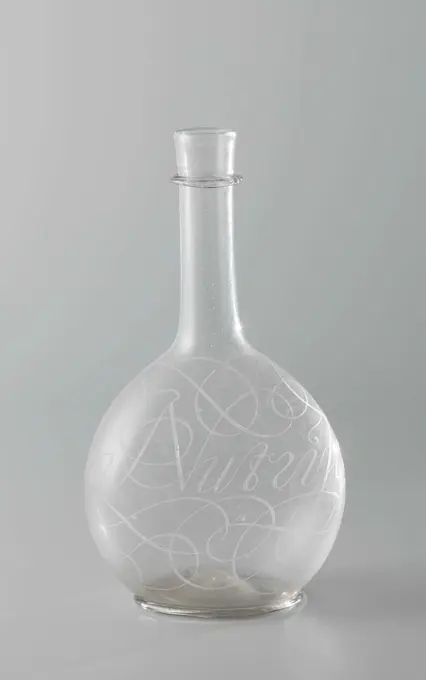
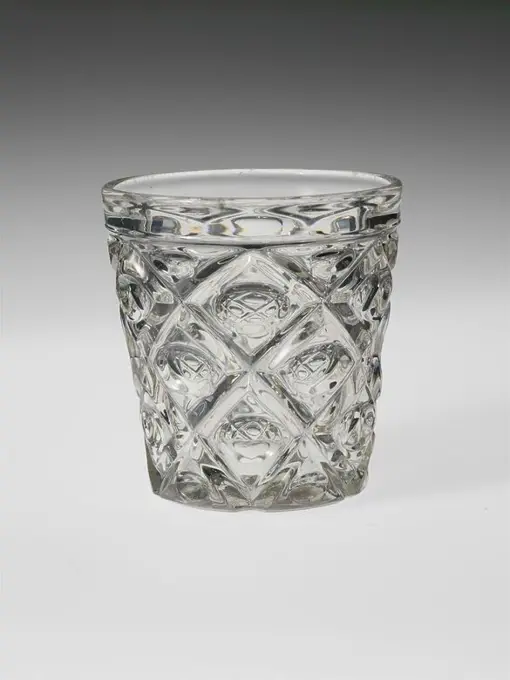
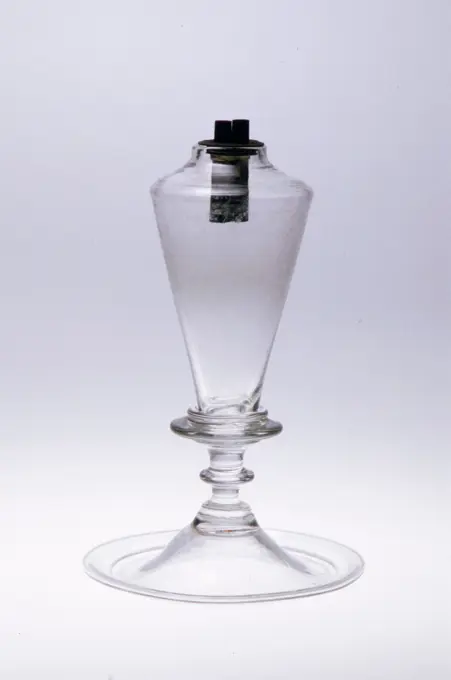
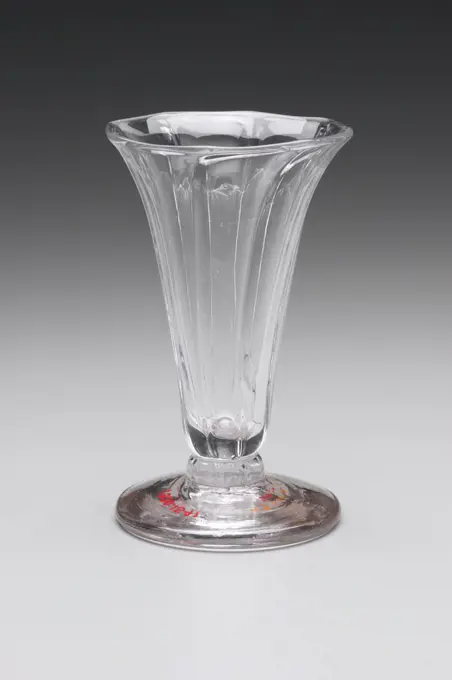
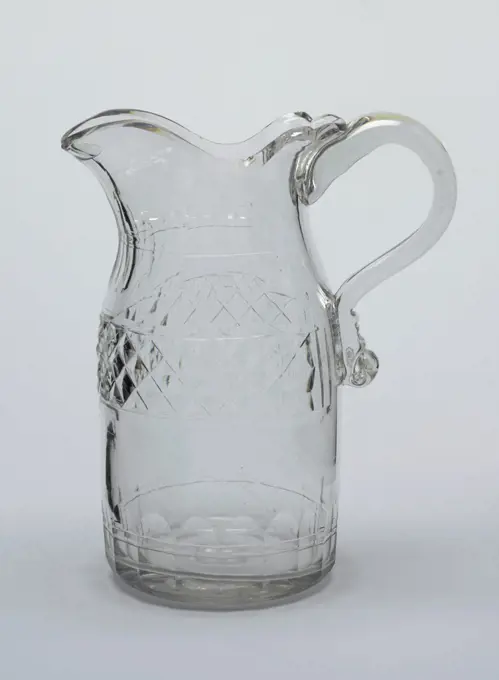
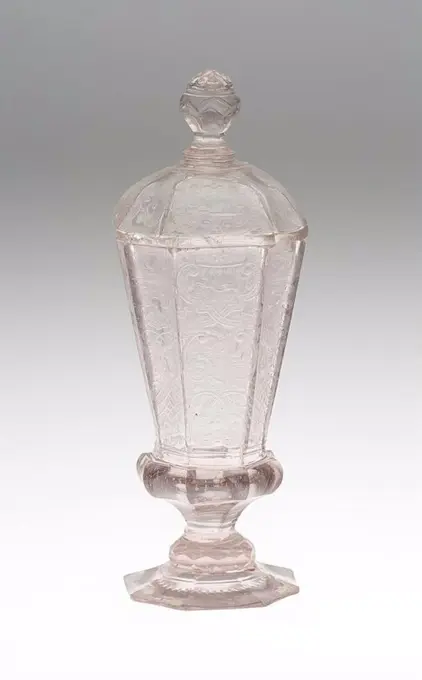
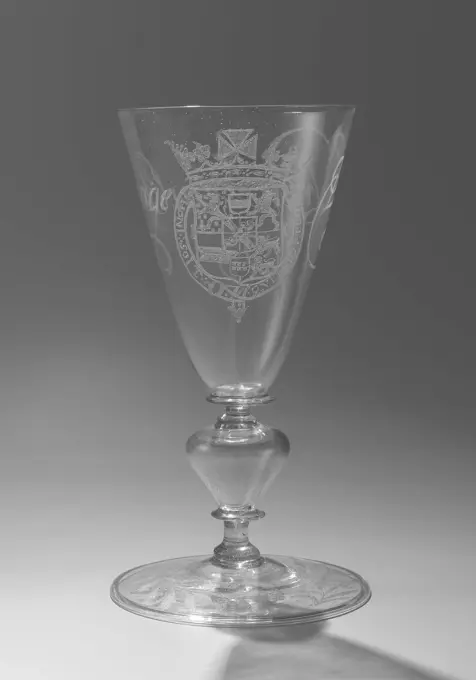
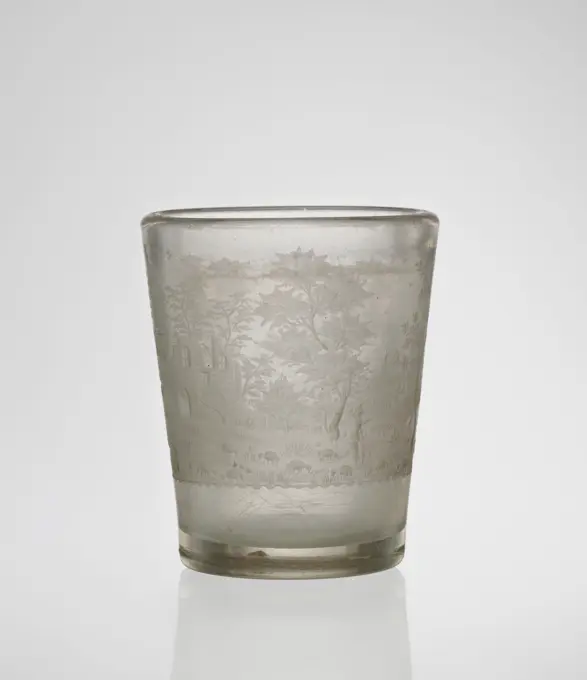
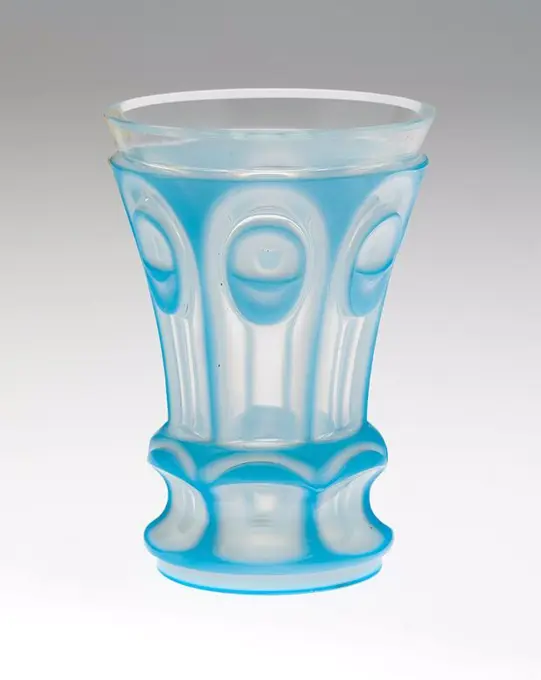
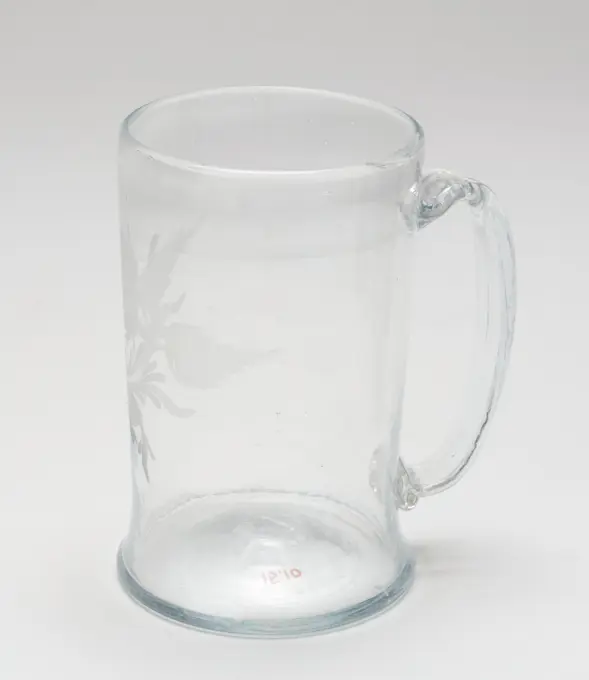
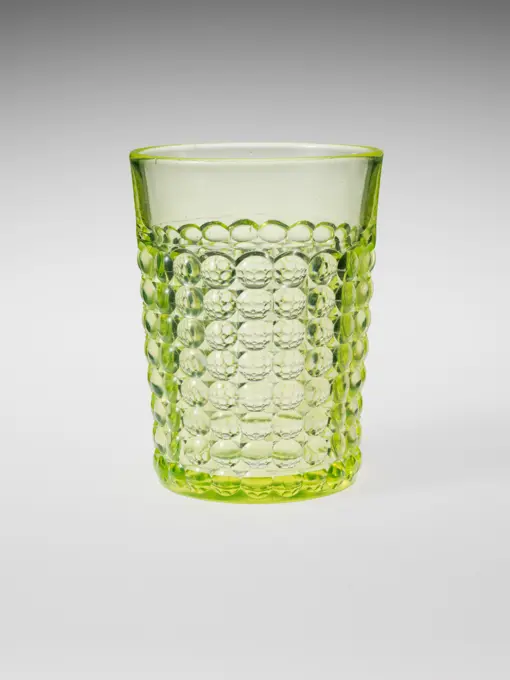
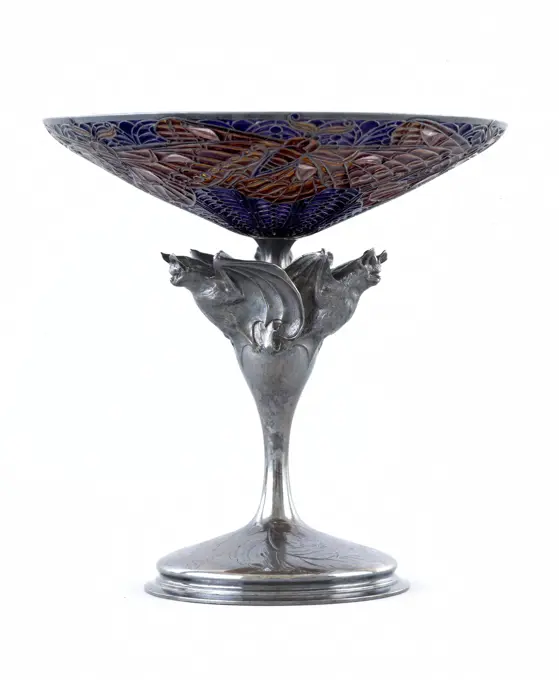
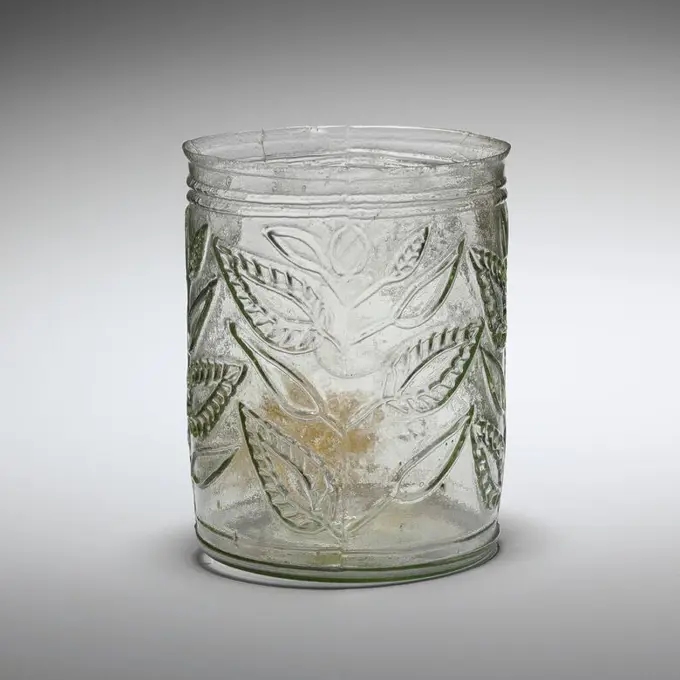
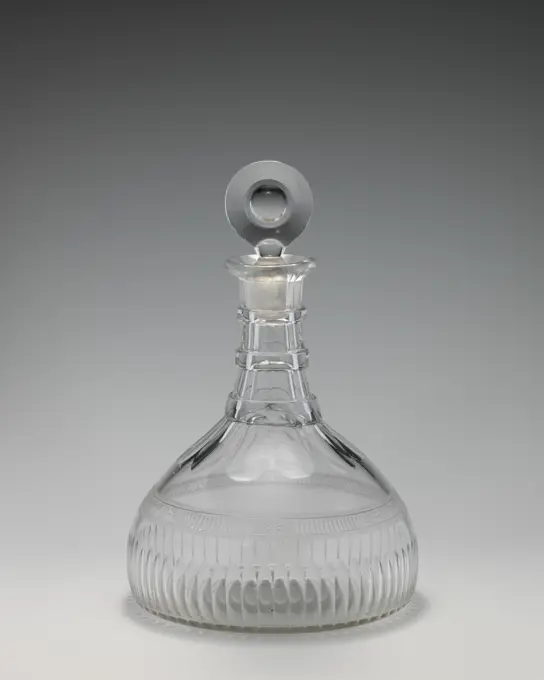
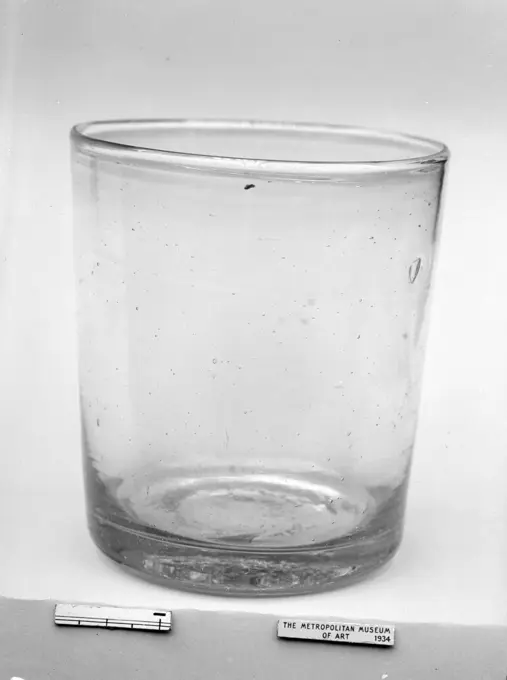
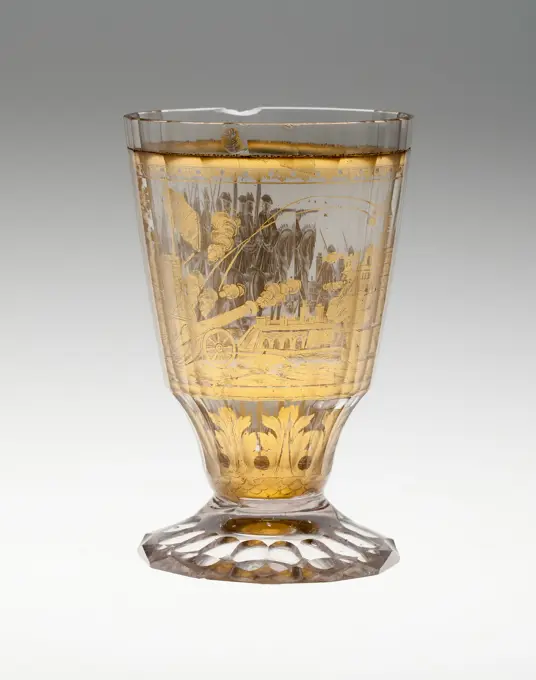
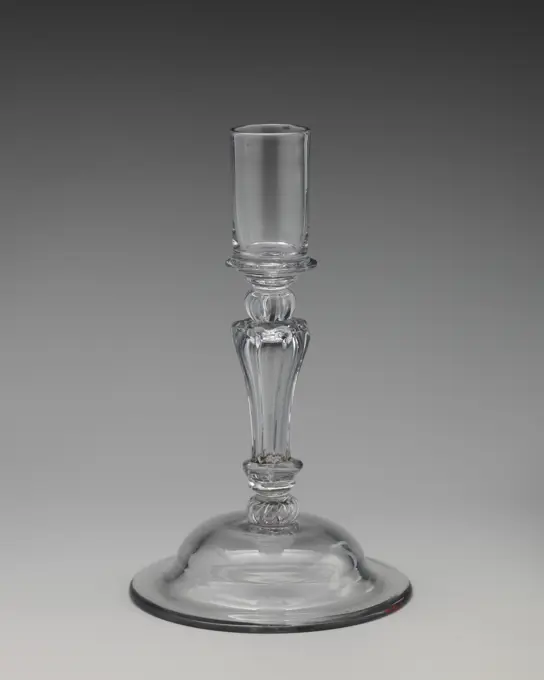
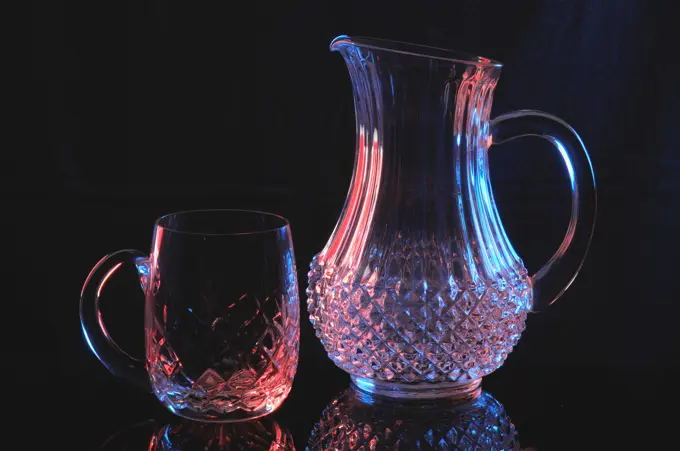
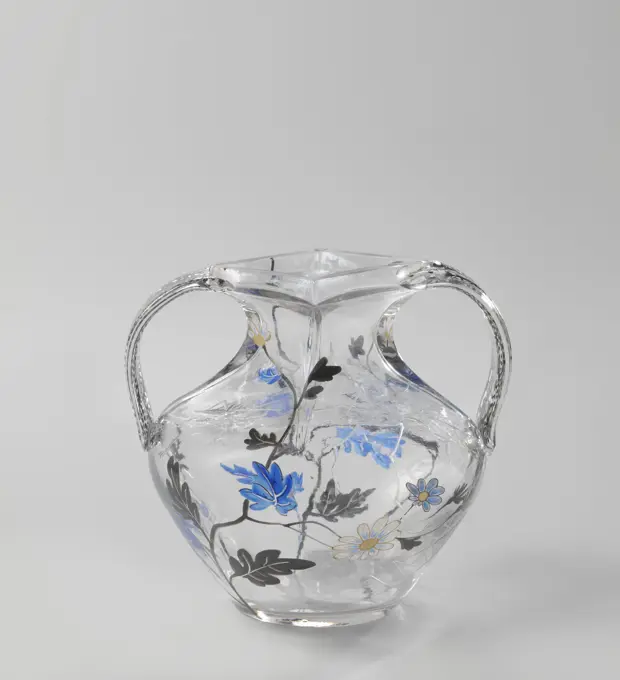
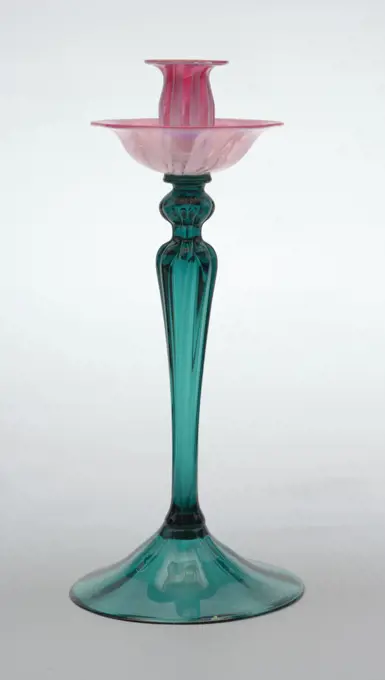
Three glassesGlass;  1920-39 (1920-00-00-1939-00-00);Compote - Late Nugget pattern Jefferson Glass Company, Limited Jefferson Glass Company, LimitedGoblet. Germany. Date: 1655-1685. Dimensions: H. 27.8 cm (10 15/16 in.). Glass. Origin: Germany. Museum: The Chicago Art Institute, Chicago, USA.Cup with flower ranks, anonymous, c. 1700 Soil and stand ring optically blown in star -shaped ribs. Cylindrical body with flower vessels in white, black and blue. Middle glass glassblowing Soil and stand ring optically blown in star -shaped ribs. Cylindrical body with flower vessels in white, black and blue. Middle glass glassblowingHand-blown goblet or trumpet glass, colorless clear glass, balustere stem, pontilmark, drinking glass drinking utensils tableware holder soil find glass, free blown Hand-blown goblet or trumpet glass. Clear and colorless glass. Massive stem balusterstam with three buttons Foot with folded rim soul and pontilmerk. conical chalice Slight discolouration due to iris archeology Valckensteyn Poortugaal Albrandswaard serving serve drinking wine Soil discovery: Kasteel Valckensteyn Poortugaal.Goblet 1739 Germany. Glass .Goblet with Cover 1725-1735 Lauenstein. Glass .Wine Glass. England or Netherlands Engraved: Northern Netherlands. Date: 1755-1785. Dimensions: 17.3 × 7.9 cm (6 13/16 × 3 1/8 in.). Glass; cut and stipple engraved. Origin: England. Museum: The Chicago Art Institute, Chicago, USA.Punch bowl -Wineglass; Façon de Venise (or possibly), Tuscany, Italy; 1600 - 1650; Free-blown colorless (slightly gray) glass with diamond-point engraving; 14.9 x 13 cm (5 7,8 x 5 1,8 in.)Roemer with two rows of braam buds. Roemer with inserted bottom on high, concave, spun base from a wire. The spherical chalice and the strain that is busy with two rows of branamons are blown separately. The transition from the chalice to the trunk is indicated by a ribbed wireWine Glass 1780-1825 American or British. Wine Glass 9878Cocktail glass for Mexican drinksKelkglas with the weapons of the States General and the Seven Provinces. Vaulted foot. Baluster trunk with knots, the middle with a double row of air bubbles. Upper part of the trunk with air bubbles injured in spirals. On the conical chalice, the arms of the States General surrounded by the weapons of the seven provinces. Signed on the foot: Jacob Sang FEC. Amsterdam 1760.SaltCup; Naliboki (glassworks; 1722-1862); 1736-1744 (1736-00-00-1746-00-00);Fles met het opschrift: nutrisco e extinguo.Smooth stand ring. Lightly inserted soul. Flattened, spherical body. A drip ring on the neck. In Italian letters, it is engraved on the body 'Nutrisco E Extinguo' (I feed and put off).Glass; Huta Szk A Tarnowiec; Ok. PO. 19th century (1840-00-00-1860-00-00);Beresay Amant Zoltan, commemorative, purchaseTumbler. Culture: American. Dimensions: H. 3 7/8 in. (9.8 cm); Diam. 3 1/2 in. (8.9 cm). Date: 1850-60.With the development of new formulas and techniques, glass-pressing technology had improved markedly by the late 1840s. By this time, pressed tablewares were being produced in large matching sets and innumerable forms. During the mid-1850s, colorless glass and simple geometric patterns dominated. Catering to the demand for moderately-priced dining wares, the glass industry in the United States expanded widely, and numerous factories supplied less expensive pressed glassware to the growing market. At the Exhibition of the Industry of All Nations at New York's Crystal Palace in 1853, for example, the New England Glass Company exhibited 130 pieces of one design, "consisting of bowls, tumblers, champagnes, wines, and jelly glasses." This object belongs to one such service. Although the glass manufactory is not known, the glassware is very typical of the large services that were very popuWineglass 1750-1800 British, probably Bristol. Wineglass. British, probably Bristol. 1750-1800. Glass. GlassPrzeszo Przyszoci unknownWing glass, anonymous, c. 1650 - c. 1700 Wing glass on a flat base with overflowed edge. The trunk made up of a rod made in loops, with white and blue threads. Completed three pinched. Flat disc under a conical chalice. Netherlands glass glassblowing Wing glass on a flat base with overflowed edge. The trunk made up of a rod made in loops, with white and blue threads. Completed three pinched. Flat disc under a conical chalice. Netherlands glass glassblowingRoemer with two rows of Braamnoppen, Anonymous, c. 1750 - c. 1810 Roemer with inserted bottom on high, concave, spun from a wire. The spherical chalice and the trunk, which is occupied with two rows of blackberry naps, are blown separately. The transition from the chalice to the trunk is indicated by a ribbed thread Netherlands glass glassblowing Roemer with inserted bottom on high, concave, spun from a wire. The spherical chalice and the trunk, which is occupied with two rows of blackberry naps, are blown separately. The transition from the chalice to the trunk is indicated by a ribbed thread Netherlands glass glassblowingWineglass Italian, Venice (Murano) 19th centuryWhale Oil Lamp 1830-50. Whale Oil Lamp 5445Beaker. William Gregg; American, 1800-1867; Petersburg, Virginia, Columbia and Charleston, South Carolina. Date: 1818-1842. Dimensions: 8.1 × 8.3 cm (3 3/16 × 3 1/4 in.). Silver. Origin: South Carolina. Museum: The Chicago Art Institute, Chicago, USA.Champagne Saucer, Embassy” Pattern. Designer Walter Dorwin Teague, American, 1883-1960 Designer Edwin W. Fuerst, American, 1903-1988 Manufacturer: Libbey Glass Company, a subsidiary of Owens-Illinois Glass Co., American, 1935-1943Glass of drinking whiskey isolated on a white backgroundVase ca. 1820 probably Irish. Vase. probably Irish. ca. 1820. Glass. GlassCelery Vase. Culture: American. Dimensions: H. 7 7/16 in. (18.9 cm); Diam. 5 1/8 in. (13 cm). Maker: Bakewell, Page & Bakewell (1808-1882). Date: ca. 1825. Museum: Metropolitan Museum of Art, New York, USA.Taperstick (one of a pair) ca. 1775 British This taperstick is one of a pair with 64.101.1035.. Taperstick (one of a pair). British. ca. 1775. Glass. GlassBeaker before 1646 Moravian, Brno (Brünn). Beaker 206219Decanter 1815-35 American. Decanter. American. 1815-35. Blown and engraved glass. Probably made in Pittsburgh, Pennsylvania, United StatesWine Glass 1860-70 New England Glass Company. Wine Glass 9941Chalip glass with three trumpet narcissions, Theresienthal Krystallglasfabrik, c. 1900 - c. 1910 Flat base, slim, swelling in the middle, bowl -shaped chalice, on which three yellow trumpet narcisses are painted. Along the edge of the foot and the chalice a gilded piping. Theresienthal glass glassblowing / gilding Flat base, slim, swelling in the middle, bowl -shaped chalice, on which three yellow trumpet narcisses are painted. Along the edge of the foot and the chalice a gilded piping. Theresienthal glass glassblowing / gildingJellyGlass, Mold-blown glass, 4 × 2 5/8 in. (10.16 × 6.67cm), Made in England, British, 18th-19thcentury, Containers -GlassCompote - Diamond Flint Glass Company, 1903-1913 Diamond Flint Glass Company, 1903-1913Jug, Glass, Barrel-shaped body tapering at neck, shaped lip with pouring spout, loop handle; cut around center with diamond band, around neck and base with wide vertical fluting; ground pontil mark bottom., possibly Cork, Ireland, ca. 1815-18, glasswares, Decorative Arts, JugFlute glass, anonymous, c. 1675 - c. 1700 Flat base with turned around and pontil brand. Hollow, baluster -shaped trunk with two discs. High, funnel -shaped chalice. Flower branches and birds are engraved on the chalice, flower branches on the foot. glassblower: Low CountriesNorthern Netherlands glass glassblowing Flat base with turned around and pontil brand. Hollow, baluster -shaped trunk with two discs. High, funnel -shaped chalice. Flower branches and birds are engraved on the chalice, flower branches on the foot. glassblower: Low CountriesNorthern Netherlands glass glassblowingGoblet with Cover. Germany, Schleswig. Date: 1720-1730. Dimensions: 18.9 x 6.5 cm (7 7/16 x 2 9/16 in.). Glass. Origin: Schleswig. Museum: The Chicago Art Institute, Chicago, USA.Decanter with stopper (one of a pair) late 18th century British. Decanter with stopper (one of a pair). British. late 18th century. Glass. GlassBeaker with Hunting Scene. Bohemia, second quarter of 19th century. Furnishings; Serviceware. GlassCocktail Glass, Saint-Nabor” Pattern.   Maker: René Lalique, French, 1860-1945Empty glass for whiskey rotated isolated on white backgroundShip decanter (one of a pair). Culture: British or Irish. Dimensions: Overall: 9 3/4 × 6 in. (24.8 × 15.2 cm). Date: ca. 1830. Museum: Metropolitan Museum of Art, New York, USA.wineglass on a white backgroundRoemer; Schwanhardt, Georg st. (1601-1667), indefinite Lona Huta; Ok. PO. 18th century (1640-00-00-1675-00-00);genre scenes, symbolic scenesUnknown, Tumbler, c. 1780-1820, colorless non-lead glass.. Konian foot with folded edge and pontital brand. Hollow, baluster-shaped strain with two flat discs. Funnel-shaped, rugged on the bottom. At Den Kelk, the crowned coat of arms of Stadholder-King Willem III is engraved, surrounded by the garter of the order of the same name and the associated spell 'Honi Soit Qvi Mal y Pense'. The inscription 'The Prince of Orange' is on the down side. The thickened, vertical parts of the letter O of Orange are made in the form of two and profil stated maskons. Two flower branches are engraved on the foot.Roemer with the inscription: A Demain Les Affairs, Anonymous, c. 1800 - c. 1896 Roemer of clear, colorless glass. The trunk is hollow with studs. On the chalice engraved in graceful curly letters: A Demain Les Affairs. The engraving is possibly a 19th-century addition. glassblower: Low CountriesNorthern Netherlands glass glassblowing Roemer of clear, colorless glass. The trunk is hollow with studs. On the chalice engraved in graceful curly letters: A Demain Les Affairs. The engraving is possibly a 19th-century addition. glassblower: Low CountriesNorthern Netherlands glass glassblowingSalt c 1784-1795 Maryland. The ìcheckered-diamondî pattern on this salt has been found on glass attributed to New Bremen, but diamond molding was popular on both American and European, particularly Bohemian and English, objects for many years. Thus, this piece, like many from early America, could have been made here or made abroad for use in America.. Non-lead glass . New Bremen Glass ManufacturyGlass; Non -like Lona Huta; 1. W. 18th century (1700-00-00-1725-00-00);Beaker. Bohemia, Czech Republic. Date: 1840-1850. Dimensions: 12.1 × 8.7 cm (4 3/4 × 3 7/16 in.). Glass; blown, cut, overlaid with opaque blue glass. Origin: Bohemia. Museum: The Chicago Art Institute, Chicago, USA.Mug, 1765-1780, 5 x 4 1/4 x 4-1/4 in. (12.7 x 10.8 x 10.8 cm), White flint glass, United States, 18th centuryTumbler ca. 1888 Richards and Hartley Flint Glass Co.. Tumbler 9152COPA DE LA CRISTALERIA DE ISABEL II. Location: PALACIO DE LA MAGDALENA. Santander. Cantabria. SPANIEN.Decanter -  Waterford WaterfordCup with a medallion with the letter "L", Anonymous, c. 1790 - c. 1810 Flat, concave cut soil, cylindrical body on which an oval medallion in Louis XVI style, surrounded by a leaf vank. In the medallion the letter 'L'. Along the top edge an egg list. France glass glassblowing Flat, concave cut soil, cylindrical body on which an oval medallion in Louis XVI style, surrounded by a leaf vank. In the medallion the letter 'L'. Along the top edge an egg list. France glass glassblowingGobletWineglass 16th century Italian, Venice (Murano) During the Renaissance, Venetian glassmakers, working on the island of Murano, were celebrated across Europe for their fine and sparkling work. Called cristallo” emulating the clarity of rock crystal, in the hands of the most skilled glassblowers the medium could be delightfully manipulated, variously stretched paper-thin flat, or playfully twisted, or blown into molds with spectacular patterns.. Wineglass. Italian, Venice (Murano). 16th century. Glass. GlassVase in the Shape of a GuBeakerRubber stampEmpty liqueur glass, isolated on a white backgroundEgg cup 18th century probably British. Egg cup. probably British. 18th century. Glass. GlassTwelve glasses with the figure of Louis-Philippe ". Cristal. Paris, Museum of romantic life. Threatening art, crown, crystal, royal emblem, dishes, glassTumbler after 1886 Probably Hobbs, Brockunier and Company. Tumbler. American. after 1886. Pressed cranberry, opalescent and opaque white glass. Made in Wheeling, West Virginia, United StatesEugène leaves (1870-1916). Cut the night. Melted, forged and chiseled silver, up -to -date enamels. 1901. Museum of Fine Arts of the City of Paris, Petit Palais. 78194-2 Mondé silver, Art Nouveau, Bat, Cisele, Cup, Email, Forge, Decorative SubjectGlass of drinking water isolated on a white background. Glass on a white backgroundFunnel box with blue studs, anonymous, c. 1900 - c. 1910 Chalice on the foot of clear glass, decorated with blue studs. Venice (possibly) glass Chalice on the foot of clear glass, decorated with blue studs. Venice (possibly) glassDecanter 1830-40 Probably Boston & Sandwich Glass Company. Decanter. American. 1830-40. Blown molded lead glass. Made in Sandwich, Massachusetts, United StatesGlass beaker. Culture: Roman. Dimensions: diameter 2 1/2in. (6.3cm). Date: 1st century A.D..Translucent pale green.Outsplayed unworked rim; cylindrical body with vertical sides; uneven, slightly convex bottom. Two vertical mold seams run down sides from rim to edge of bottom through floral sprays, with a separate shallow disk-shaped base section.On body, large continuous central frieze bordered above and below by two horizontal ridges, comprising four vertical floral sprays of matching design but with slight variations (one complete and two half sprays on each side of mold); on bottom, broad ring in relief with small central hollow circle.Broken and repaired on one side of rim and upper body, but complete; some pinprick and larger bubbles; small areas of creamy brown weathering and faint iridescence. Museum: Metropolitan Museum of Art, New York, USA.Pair of Whale OilLamps. Maker, attributed to: Cains’ Glass House, American, 1822-1852Proprietor: Thomas H. Cains, American, born England, 1779-1865Flakon; Non -like Lona Huta; XVIII/19th century (1780-00-00-1810-00-00);Ship decanter (one of a pair) ca. 1830 British or Irish. Ship decanter (one of a pair). British or Irish. ca. 1830. Lead glass. GlassWine Glass ca. 1883-88 Probably New England Glass Company. Wine Glass. American. ca. 1883-88. Blown glass. Made in East Cambridge, Massachusetts, United StatesTumbler. Manufacturer: New Bremen Glass Manufactory, American, 1784-1795Proprietor: John Frederick Amelung, American, born Germany, 1741-1798Chalip glass on square base, with the inscription: Souvenir de la Citadelle d 'Anvers, Anonymous, 1830  Facetted, curved foot on thick, square, smooth base. Run upwards, facets cut in facets in an egg -shaped chalice with a smooth mouth edge. The chalice cut with a tire circles between two tires diamond grinding. In a square medallion in diamondgravure the inscription: 'Souvenir / de la Citadelle / D' Anvers 18 10/27 30 'and the initials' P v d de C l'. With image of the Military William Order. (Iron Cross) glassblower: FranceLow Countries glass grinding / glassblowing  Citadel of Antwerp (19th century)Tumbler after 1886 Probably Hobbs, Brockunier and Company. Tumbler. American. after 1886. Pressed cranberry glass. Made in Wheeling, West Virginia, United StatesWhiskey glass. Whiskey glass with liquid. 3d illustrationWine Glass 1850-1899 Bohemia. Glass; blown, cut, stained red and engraved .Glass; Lobmeyr, J. & L. (Vienna; 1823-); 1920-39 (1920-00-00-1939-00-00);Glass for alcoholic drinks Elegant glass for alcoholic drinks on a reflective surface. Retro style Copyright: xZoonar.com/gkunax 14572935Bottle 1700-1800. Bottle 654Glass Lausitzer glassworksTumbler ca. 1800 American. Tumbler. American. ca. 1800. Free-blown aquamarine glass. Probably made in Pittsburgh, Pennsylvania, United StatesPair of Candlesticks c 1860-1900 United States. Glass . Artist unknownBeaker with Battle Scene 1725-1735 Bohemia. Glass with engraved gold leaf decoration .transparent glasses shadow 2Candlestick ca. 1740 British. Candlestick. British. ca. 1740. Glass. GlassCrystal cup with jug 9-May-2010 Copyright: xSunilxKapadia/DinodiaxPhotoxRobert Cooper, Caster, 1715/16, silver.Realistic transparent and isolated whiskey snifter glass. Alcohol drink glass vector icon illustration. Vector realistic transparent and isolated whiskey snifter glass. Alcohol drink glass icon illustrationBeaker late 18th century G. I. P.. Beaker. Portuguese, Lisbon. late 18th century. Silver. Metalwork-SilverVase with a cricket, a spider, a grasshopper and a dragonfly between flower and leaf vines, Émile Gallé (workshop or), c. 1884 - c. 1889 Vase with flat bottom. Bented body transferred to a bent, square mouth, flat, curved ears. On the body in radgravure a cricket, a spider, a grasshopper and a dragonfly between flower and leaf vines in black, white, blue and gilt. Leaves stylized on the ears. On the bottom the signature in red email e gallé nancy. Nancy glass glassblowing Vase with flat bottom. Bented body transferred to a bent, square mouth, flat, curved ears. On the body in radgravure a cricket, a spider, a grasshopper and a dragonfly between flower and leaf vines in black, white, blue and gilt. Leaves stylized on the ears. On the bottom the signature in red email e gallé nancy. Nancy glass glassblowingGlass of drinking beer isolated on a white backgroundPair of candlesticks, Tiffany & Company, American, established 1853, Favrile glass, Green stems, pink flowers; Candle socket and bobeche with flared rims of transparent ombréed rose glass with milky vertical stripes; transparent dark green inverted baluster stem with eight ribs, surmounted by flattened knop and merese; broad shallow trumpet-shaped foot., New York, New York, USA, ca. 1900, glasswares, Decorative Arts, Pair of candlesticksCocktail glass isolated on black background. Cocktail glassBeer glasses isolated on the white background