Antique Glassware Artistry

Exquisite glassware with intricate designs from the 18th and 19th centuries. Depicts elegance with fine details and vintage charm.

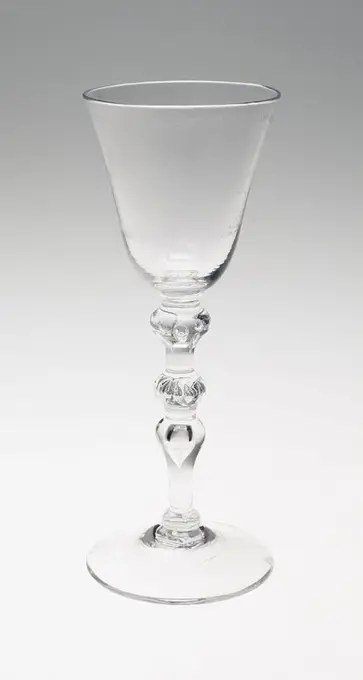
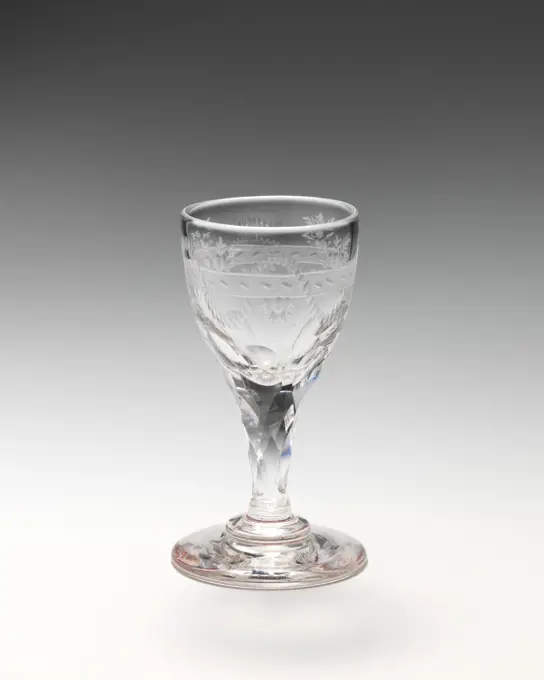
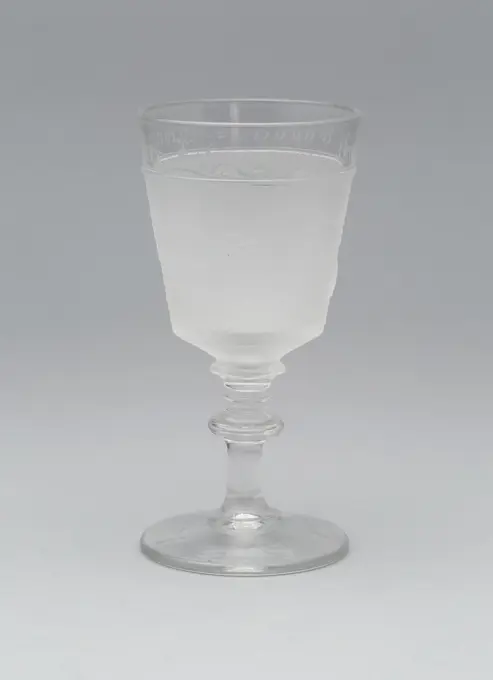
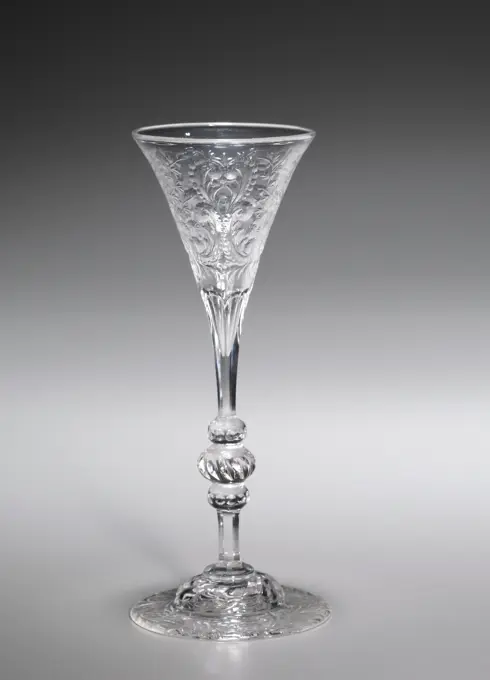
Wine glass, 18th-19th century, 6 5/8 x 2 7/8 x 2 7/8in. (16.8 x 7.3 x 7.3cm), Glass, United States, 18th-19th century
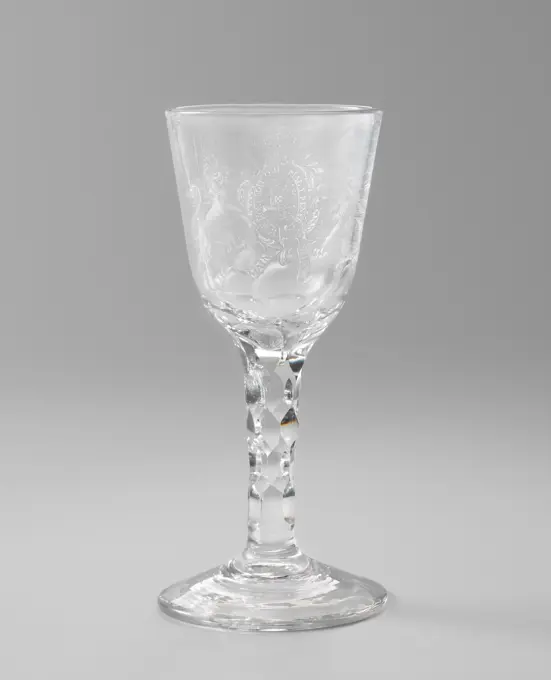
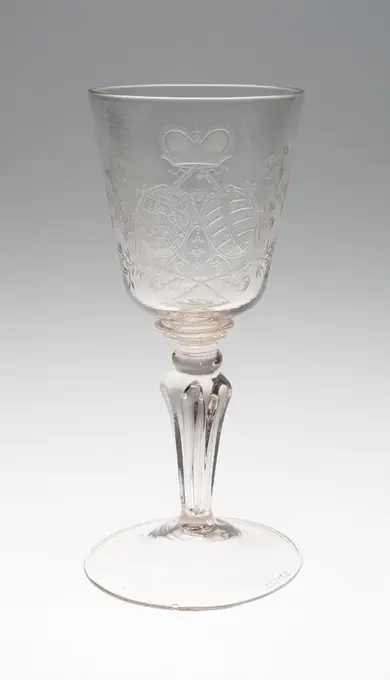
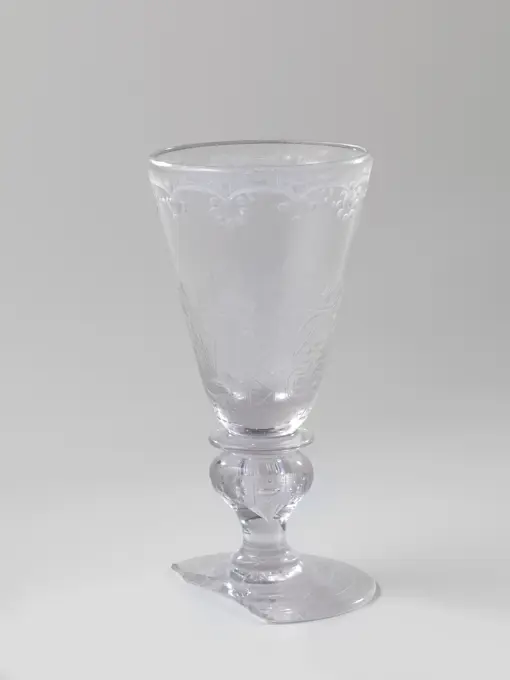
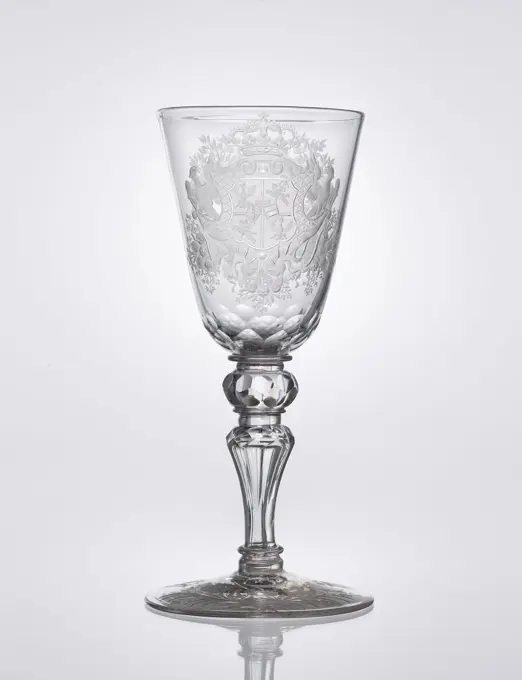
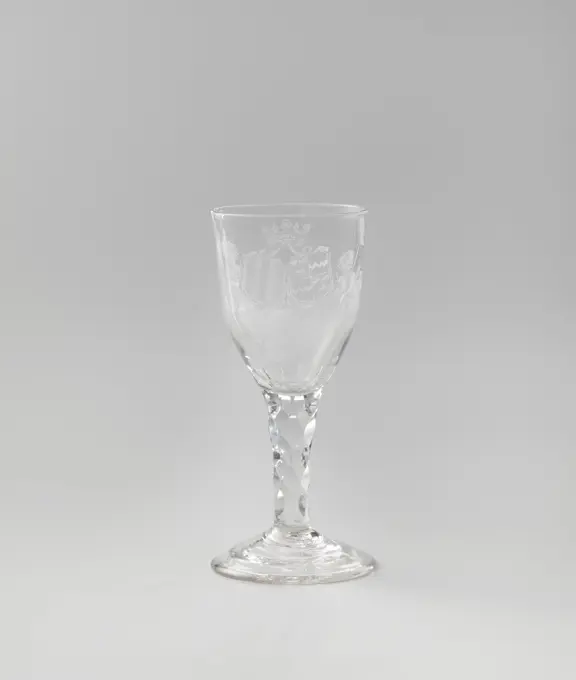
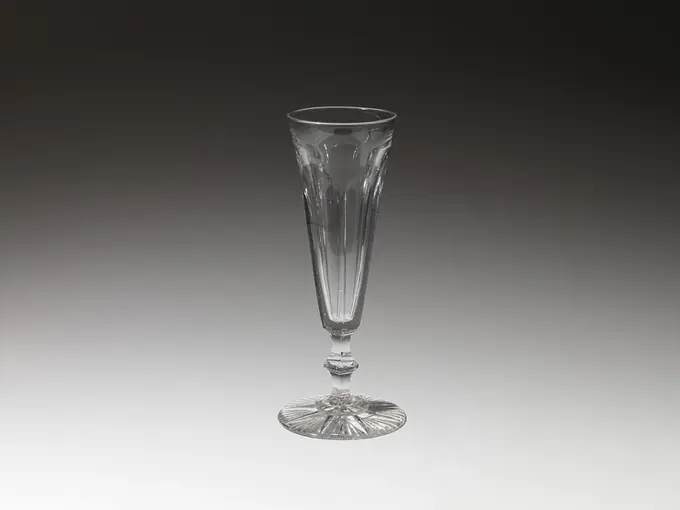
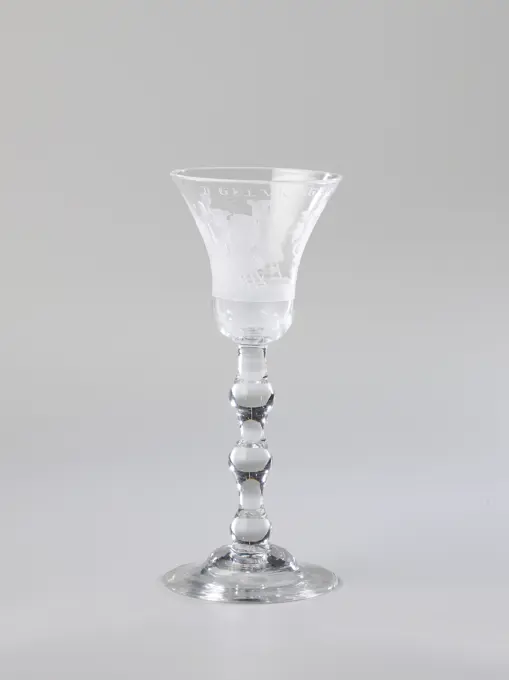
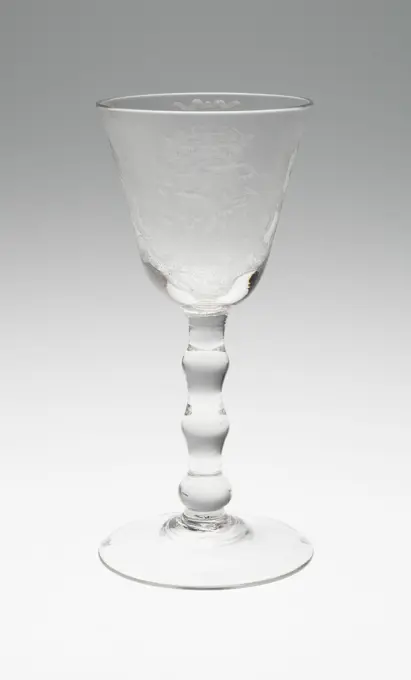
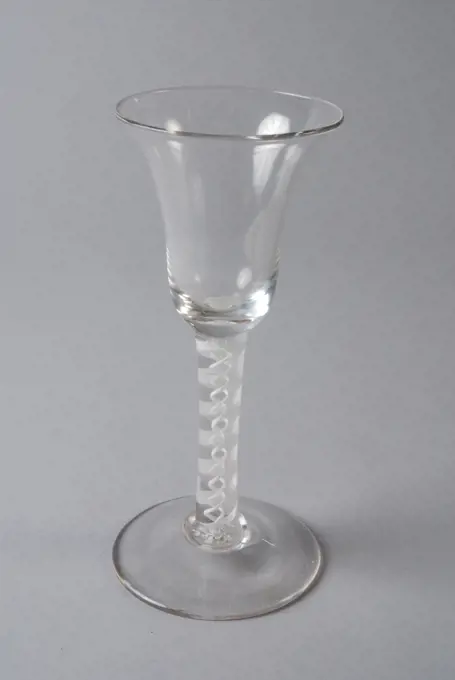
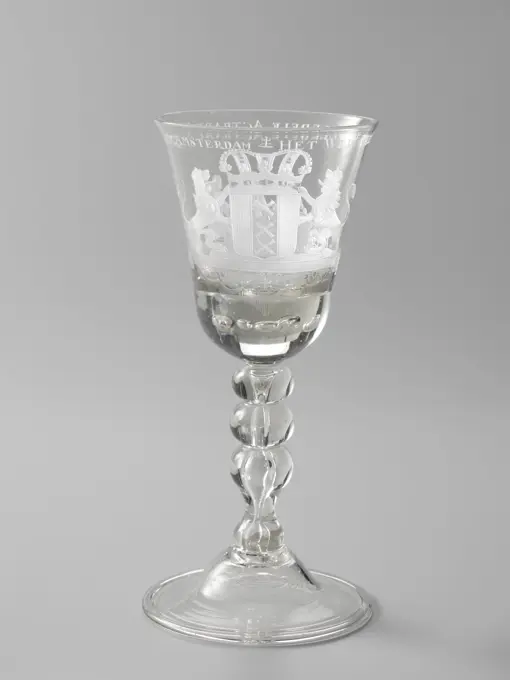
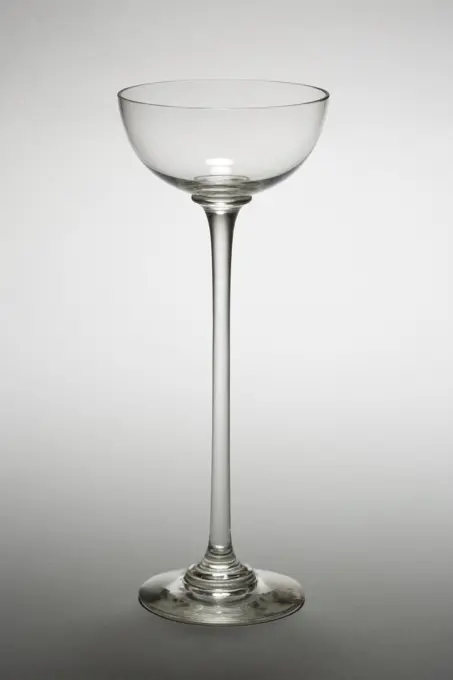
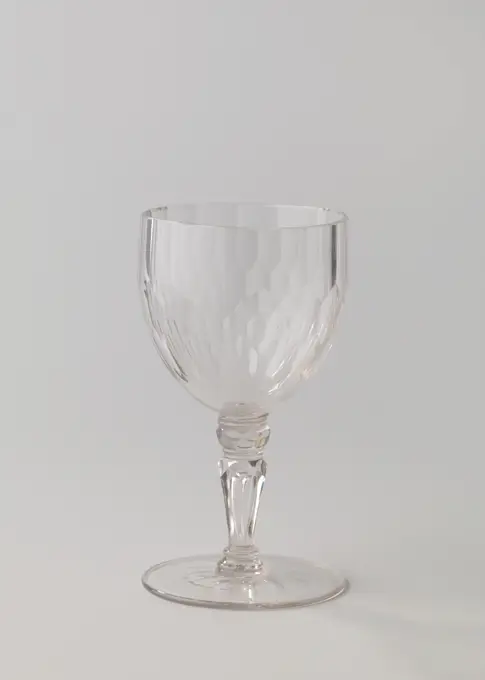
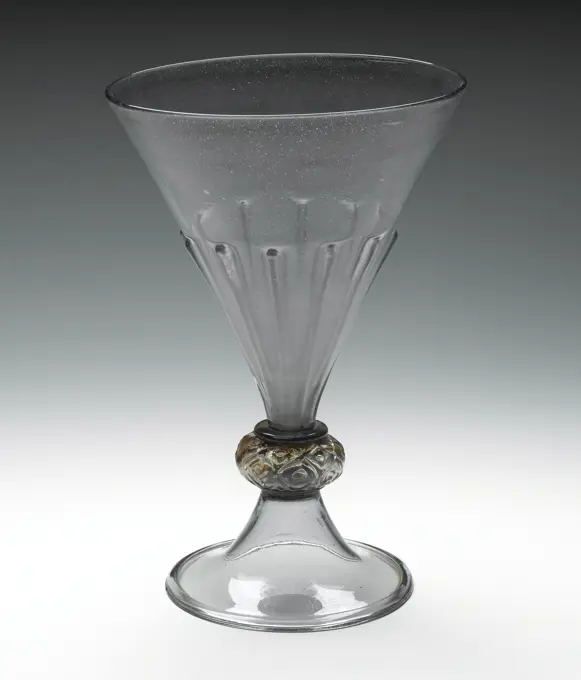
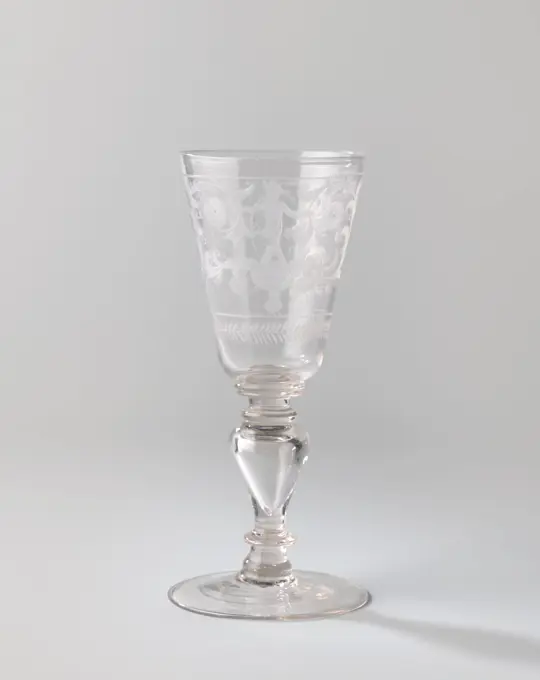
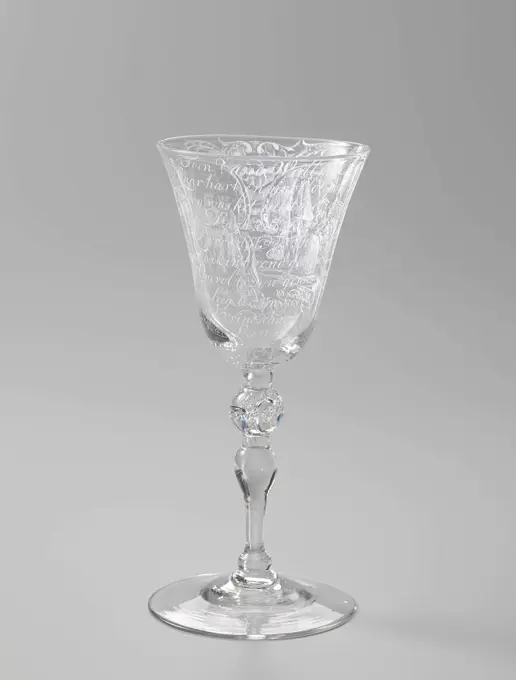
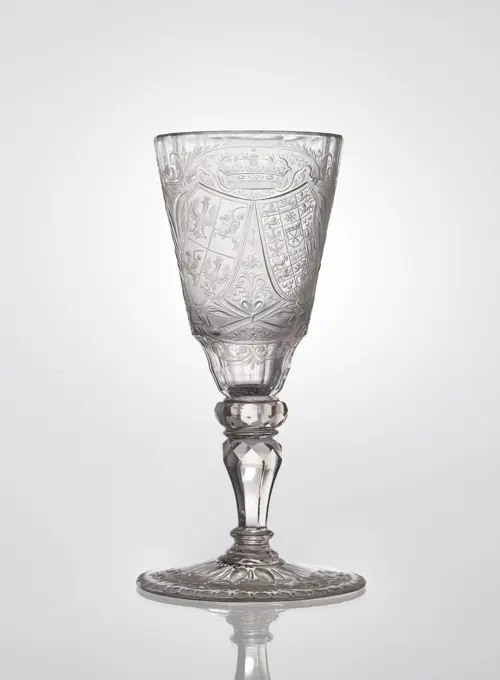
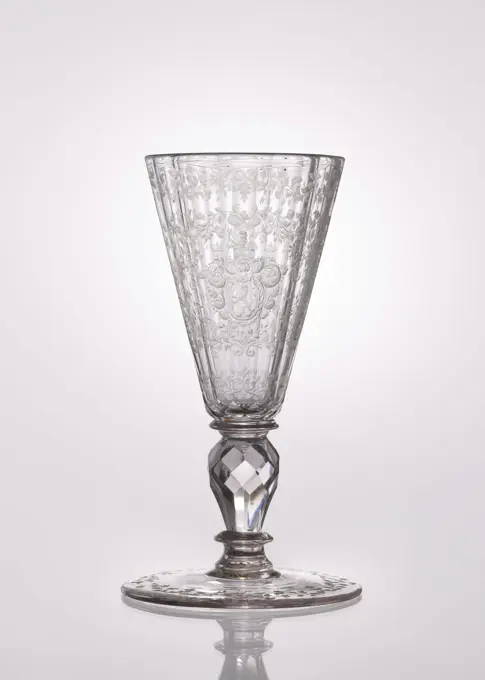
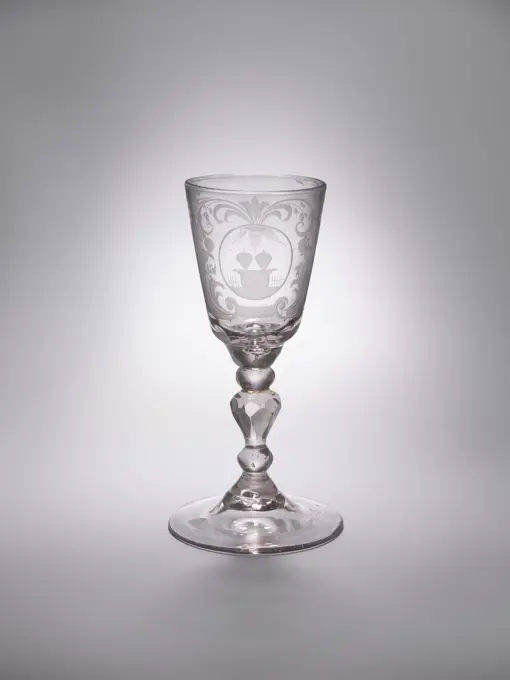
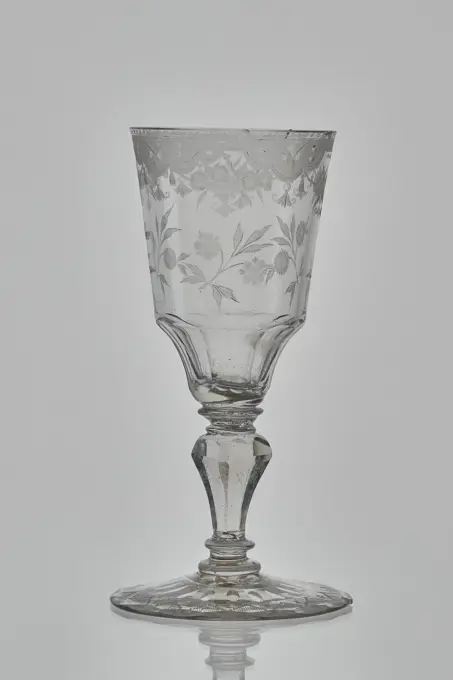
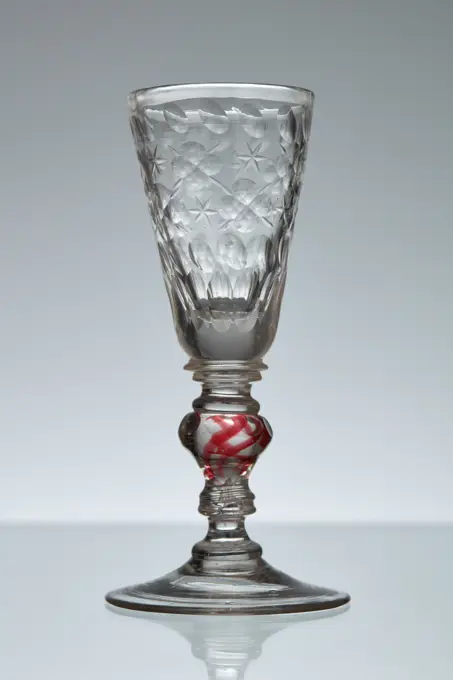
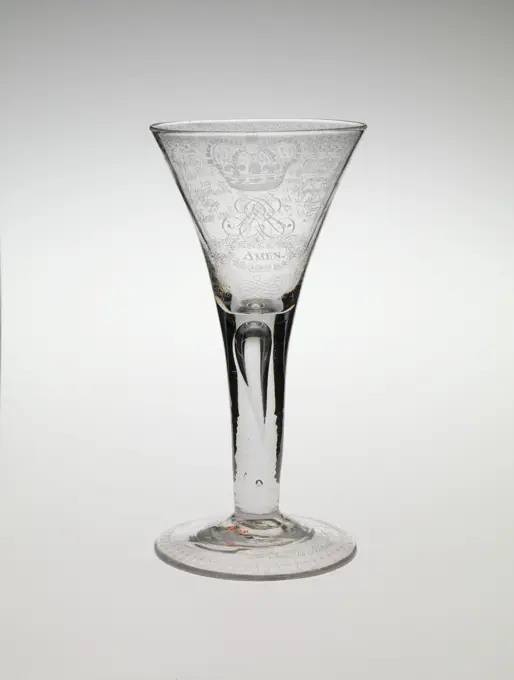
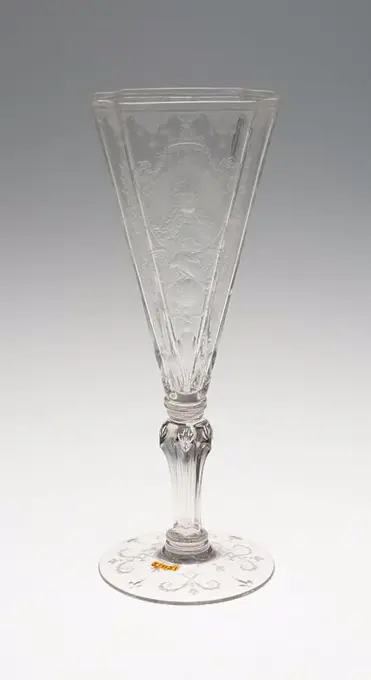
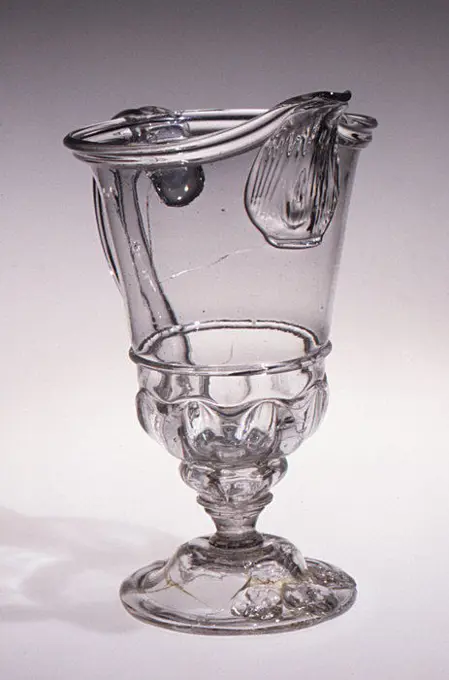
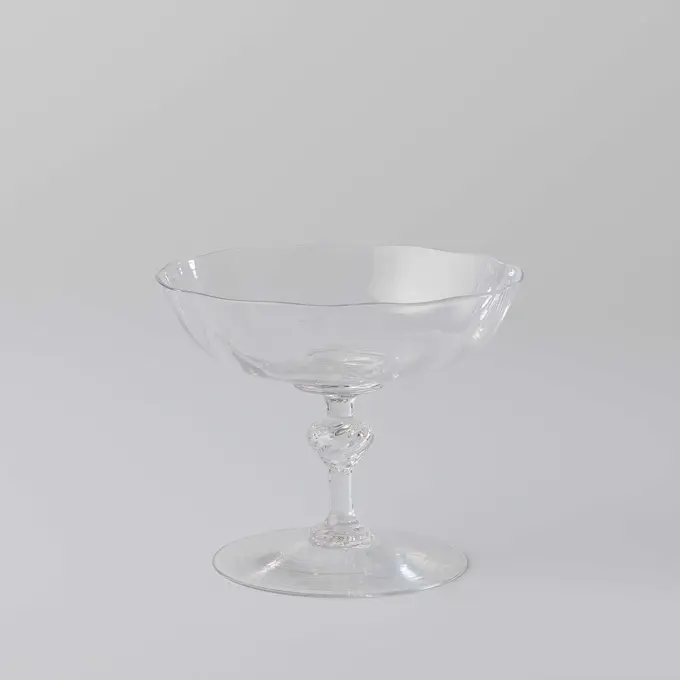
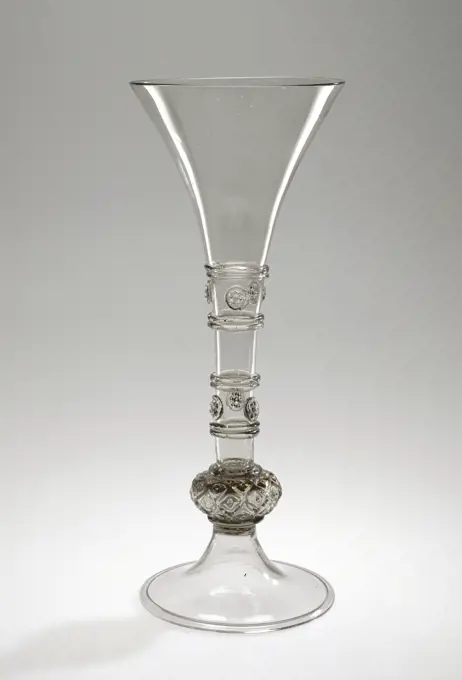
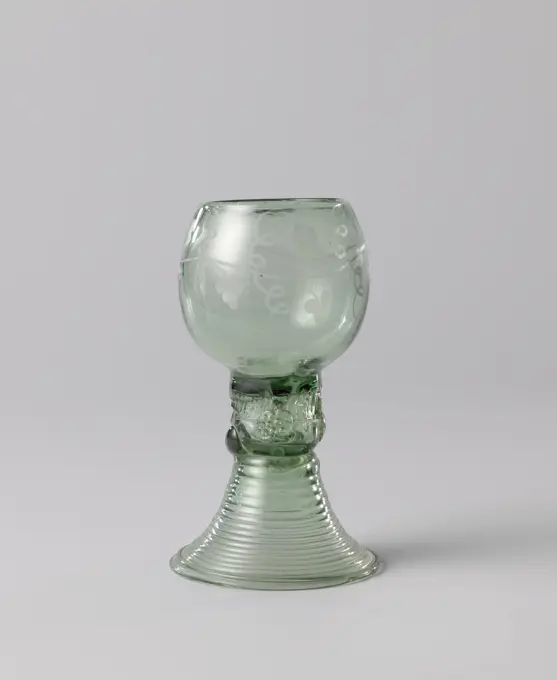
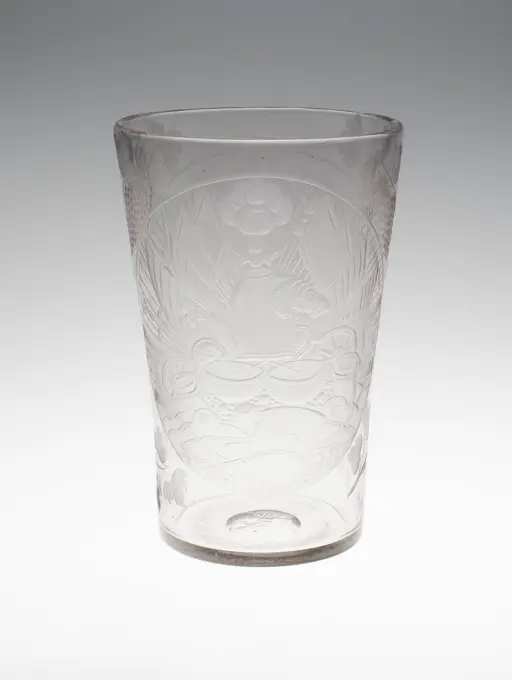
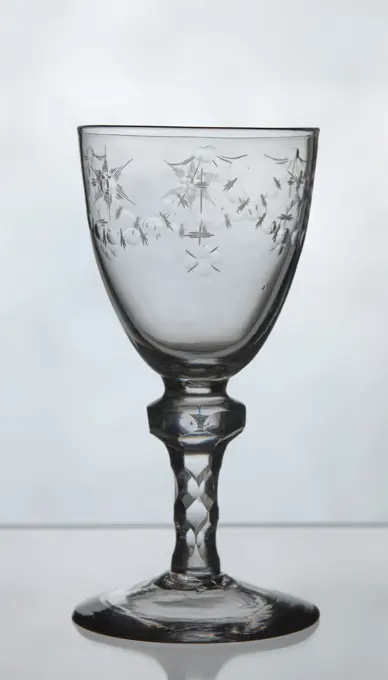
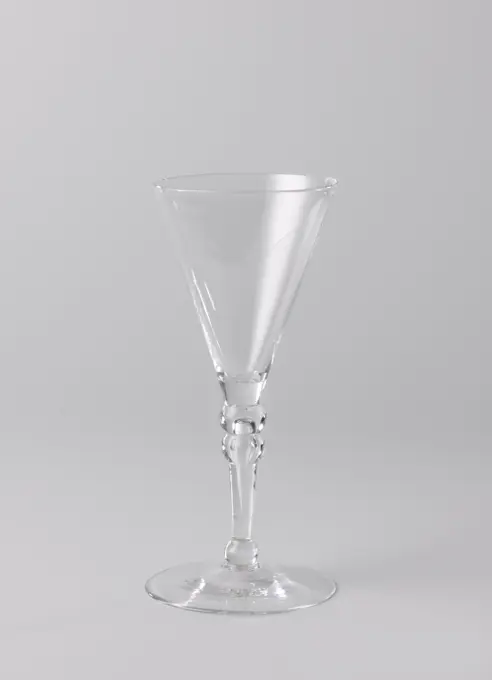
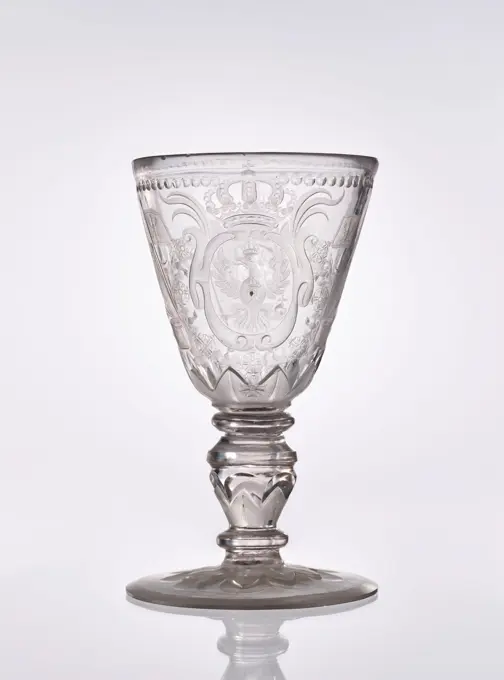
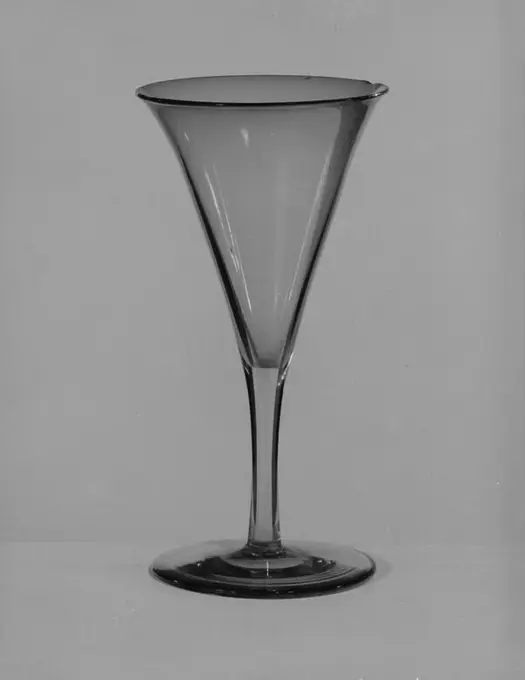
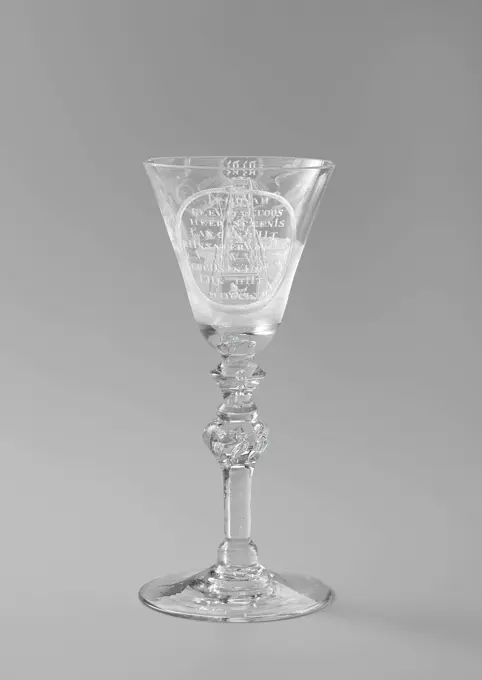
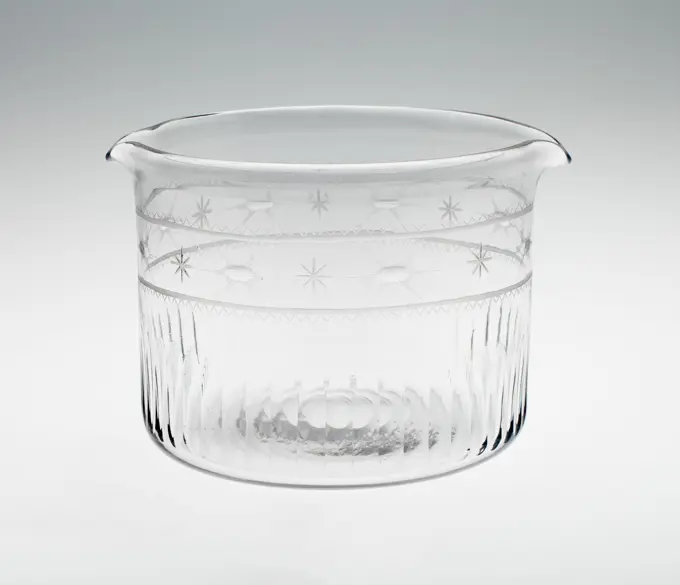
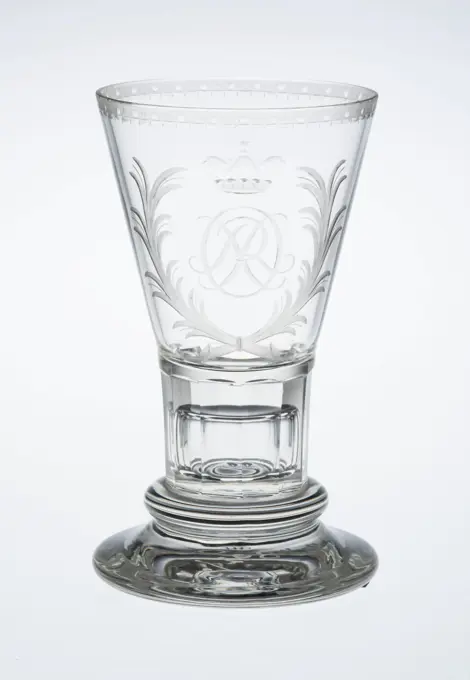
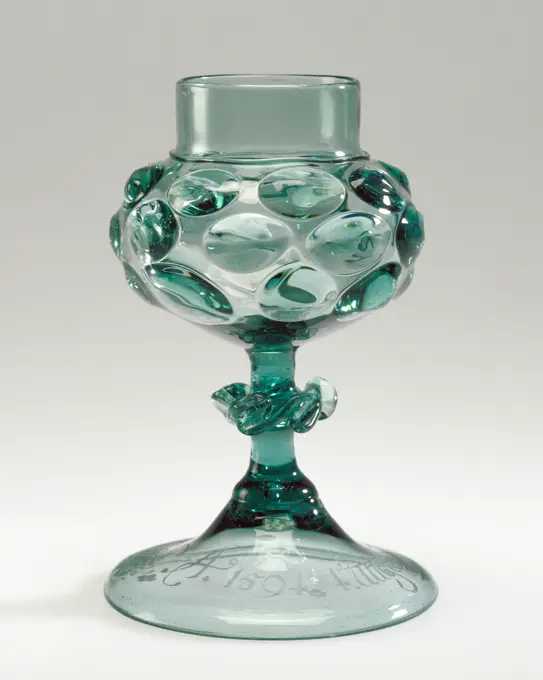
Jar with Hanover Anna Coat of Arm. Cup with conical foot. Baluster trunk with three buttons. Conical chalice with the crowned weapon by Anna van Hanover (1709-1759).Slingerlas with a personification of faith, anonymous, c. 1780 - c. 1810 Konical foot with pontil brand. The trunk made up of a baluster and a nodus. A double air garland in the trunk. Bell -shaped chalice with rounded bottom. On the chalice, faith is depicted in an oval medallion. England glass glassblowing Konical foot with pontil brand. The trunk made up of a baluster and a nodus. A double air garland in the trunk. Bell -shaped chalice with rounded bottom. On the chalice, faith is depicted in an oval medallion. England glass glassblowingWine Glass. Netherlands Engraving attributed to David Wolff. Date: 1781-1791. Dimensions: 20.5 × 7.9 cm (8 1/16 × 3 1/8 in.). Glass; blown and stipple engraved. Origin: England. Museum: The Chicago Art Institute, Chicago, USA.Slinger glass with bell-shaped chalice. Slinger glass with conical foot and a ballustroid tribe. In the trunk opask white garlands around white network spiral. Bell-shaped chalice.Wine glass, 18th-19th century, 6 5/8 x 2 7/8 x 2 7/8in. (16.8 x 7.3 x 7.3cm), Glass, United States, 18th-19th centuryWineglass 1750-1800 British, probably Bristol. Wineglass. British, probably Bristol. 1750-1800. Glass. GlassSling glass with bell -shaped calyx, anonymous, c. 1750 - c. 1775 Slinger glass with flat foot and straight trunk. In the trunk, white garlands swinging around, white network spiral. Bell -shaped chalice. England glass glassblowing Slinger glass with flat foot and straight trunk. In the trunk, white garlands swinging around, white network spiral. Bell -shaped chalice. England glass glassblowingBeer or ale glass 1725-75 British. Beer or ale glass. British. 1725-75. Glass. GlassKelkglas with the arm of Willem V. Conical foot. Breading, faceted trunk, undervantage in a curved chalice. On the chalice, in a ray wreath, the coat of arms of Stadholder Prince Willem V with the garter and the text: Honi sad qui malm y Pense. As shield carriers two crowned lions. Under the weapon in a banderle the text: your main ten dray.Wineglass 18th century British or Dutch. Wineglass. British or Dutch. 18th century. Glass. GlassNo. 168 Sherry Glass; Designed by Ludwig Lobmeyr (Austrian, 1829 - 1917); Manufactured by J. & L. Lobmeyr GmbH (Austria); Austria; mouth-blown crystal, facet-cut and polishedGoblet. Germany; Georg Ernst Kunckel (German, 1692-1750). Date: 1715-1725. Dimensions: 31.8 x 9.5 cm (12 1/2 x 3 3/4 in.). Glass. Origin: Germany. Museum: The Chicago Art Institute, Chicago, USA.Kelkglas met ornamentranden, anonymous, c. 1700 - c. 1725 Vaulted foot. Baluster tribe with a disc and a tear -shaped bubble. Conical chalice with rounded soil. Along the underside of the chalice and the mouth edge ornament edges in Louis XIV style. glassblower: GermanyLauenstein glass glassblowing Vaulted foot. Baluster tribe with a disc and a tear -shaped bubble. Conical chalice with rounded soil. Along the underside of the chalice and the mouth edge ornament edges in Louis XIV style. glassblower: GermanyLauenstein glass glassblowingWine Glass 1745-1755 Germany. Glass .Goblet. Drezno (huta szkła ; 1699-post 1756), creatorWine Glass 1685-1695 England. Glass .CupKelkglas with a three-master to a quay and the inscription: the good negotion. Selk glass with conical chalice on slim solid baluster shaped trunk. A disk between chalice and strain and a bullet between the trunk and the a little rising base. A double warehouse in which vessels are lifted on the chalice in radical work; on the quay bales and barrels; On the other hand, a meried frigate, flag and pennant to different directions. Clear glass. Inscription: On the edge of the chalice: the good negative.Chalice glass with an alliance weapon worn by two putti, anonymous, c. 1775 - In or Before 1798 Conical foot. Broadening, moving in facets, transferring to a curved chalice. On the chalice an alliance weapon that hangs on a crown with a ribbon, and is stopped by two putti on clouds; The left with a key in the hand and a dog at the feet, and the right with freedom staff and hat. It, heraldic, right weapon, with two posts, has not been identified. The left weapon, from the Herlaar family, is in celebration, in 1 and 4 three crowned lion heads, in 2 and 3 a double tilted crossbar. glassblower: EnglandThe Hague glass grinding / glassblowing Conical foot. Broadening, moving in facets, transferring to a curved chalice. On the chalice an alliance weapon that hangs on a crown with a ribbon, and is stopped by two putti on clouds; The left with a key in the hand and a dog at the feet, and the right with freedom staff and hat. It, heraldic, right weapon, with two posts, has not been identified. TSling glass with bell -shaped calyx, anonymous, c. 1750 - c. 1775 Slinger glass with flat foot and straight trunk. In the trunk, white garlands swinging around, white network spiral. Bell -shaped chalice. England glass glassblowing Slinger glass with flat foot and straight trunk. In the trunk, white garlands swinging around, white network spiral. Bell -shaped chalice. England glass glassblowingSling glass with bell -shaped calyx, anonymous, c. 1750 - c. 1775 Sling glass with flat foot and trembled stem. In the stem Opening White Slingers around White network spiral. Bell -shaped calyx. England glass glassblowing Sling glass with flat foot and trembled stem. In the stem Opening White Slingers around White network spiral. Bell -shaped calyx. England glass glassblowingCordial glass late 18th-early 19th century British. Cordial glass. British. late 18th-early 19th century. Glass. GlassJar with a Karnton in the middle of agricultural equipment. Flat, facet cut foot. Baluster-shaped, faceted trunk with a silver frame and three buttons. Conical, on the bottom facet cut, rounded chalice. On the chalice a pendulum of ten weapons, hanging on a bow and connected by a two branches that cross on the bottom. On the downside a Karnon in the middle of garden tools, a donkey, a corn sheaf and a bundle of hay, with a farm in the background. Along the edge a bridrank.Wine glass, c. 1765, 6 3/8 x 2 3/4 x 2 3/4 in. (16.2 x 7.0 x 7.0 cm), Lead glass, England, 18th centuryJar with lid, with a three -mast, a factory and the inscription: T. Welvaren van de Negotie, Anonymous, c. 1725 - c. 1750 Cup with lid, made of clear, colorless glass. On the chalice an engraved representation of a three -mast in a factory and the inscription: T. Welvaren of the Negotion. The lid has a baluster -shaped button and is decorated with engraved leaf vines. glassblower: GermanyNorthern Netherlands glass glassblowing Cup with lid, made of clear, colorless glass. On the chalice an engraved representation of a three -mast in a factory and the inscription: T. Welvaren of the Negotion. The lid has a baluster -shaped button and is decorated with engraved leaf vines. glassblower: GermanyNorthern Netherlands glass glassblowingWineglass Containing Two Uncirculated Charles II Silver Coins Dated 1670 and 1671 1685-1715 . Blown lead glass with applied decoration and silver inclusions .Goblet 1700-1799 Netherlands. Glass; diamond engraved .Westward Ho!/Pioneer pattern cordial glass 1881 Philadelphia. Glass . Gillinder and Sons (Manufacturer)Large drinking vessel. Culture: American. Dimensions: 6 5/8 in. (16.8 cm). Manufacturer: Brooklyn Flint Glass Company (American, Brooklyn, New York, 1824-1868). Date: ca. 1855.This drinking glass is one of three (2015.459.2-.4) graduated sizes of glasses made for a large luxury table service. In addition to the glasses, the Museum has a compote and a decanter from the same service (69.257, 2015.459.1a, b). Dating to the mid-19th century, the service represents a moment when dining patterns were evolving, and fine tables were set with a proliferation of glassware for different functions. A Gothic-style "H" is prominently engraved on each piece of glass. The service descended in the family of Johns Hopkins (1795-1873), prominent businessman, entrepreneur, abolitionist, and philanthropist of Baltimore, Maryland. Hopkins may have purchased the service for use in his country estate, Clifton, outside of Baltimore, which he extensively renovated into an Italianate mansion in 1858. It is knowChampagne flute. Culture: American. Dimensions: 4 7/8 in. (12.4 cm); Diam . 2 7/8 (7.3 cm). Manufacturer: Jersey Glass Company of George Dummer (1824-1862). Date: 1824-35. Museum: Metropolitan Museum of Art, New York, USA.Chalice glass with a boy and a girl with a goat, anonymous, c. 1760 - c. 1780 Conical foot. Straight, faceted strain. Funnel -shaped chalice rounded at the bottom. On the chalice, between low trees, a boy who holds a girl around the waist. A goat jumps up against her. On the right a urn on a high, square base. glassblower: EnglandThe Hague glass grinding / glassblowing Conical foot. Straight, faceted strain. Funnel -shaped chalice rounded at the bottom. On the chalice, between low trees, a boy who holds a girl around the waist. A goat jumps up against her. On the right a urn on a high, square base. glassblower: EnglandThe Hague glass grinding / glassblowingChalip glass with a company at the table and the inscription: D gelvkige Verenag, Anonymous, c. 1725 - c. 1750 Chalice glass on high trunk with two knots. Laying glass. On the chalice a company at the table as well as the inscription: D gelvkige Ver Iaardag. The foot is cracked. glassblower: EnglandNorthern Netherlands glass glassblowing Chalice glass on high trunk with two knots. Laying glass. On the chalice a company at the table as well as the inscription: D gelvkige Ver Iaardag. The foot is cracked. glassblower: EnglandNorthern Netherlands glass glassblowingWineglass first half 18th century British. Wineglass. British. first half 18th century. Glass. GlassTumbler 1830-70 American With the development of new formulas and techniques, glass-pressing technology had improved markedly by the late 1840s. By this time, pressed tablewares were being produced in large matching sets and innumerable forms. During the mid-1850s, colorless glass and simple geometric patterns dominated. Catering to the demand for moderately-priced dining wares, the glass industry in the United States expanded widely, and numerous factories supplied less expensive pressed glassware to the growing market. At the Exhibition of the Industry of All Nations at New Yorks Crystal Palace in 1853, for example, the New England Glass Company exhibited 130 pieces of one design, "consisting of bowls, tumblers, champagnes, wines, and jelly glasses." This object belongs to one such service. Although the glass manufactory is not known, the glassware is very typical of the large services that were very popular with Americas middle class in the nineteenth century.. Tumbler. American. Wine Glass. England. Date: 1755-1765. Dimensions: H. 14.6 (5 3/4 in.). Glass. Origin: England. Museum: The Chicago Art Institute, Chicago, USA.Wine Glass 1760 Netherlands. Glass; blown and stipple engraved .Chalice, sling glass, wine glass drinking glass drinking utensils tableware holder glass lead glass, free blown and shaped glass processing Six chalice glasses (1-6) pendulum glasses in clear colorless and opaque white glass Pontil mark under hollow light ascending hollow foot all with chips from edge. Mounted massive cylindrical stem with ribbon-shaped bundled thin opaque-white glass wires around two intertwined flat opaque white wires. Tulip-shaped chalice with fire-rounded edge.Chalice glass with an ornament edge, anonymous, c. 1725 - c. 1750 Chalice glass on thin trunk with three knots. Along the top edge of the chalice an ornament edge with poultry. glassblower: NetherlandsNorthern Netherlands glass glassblowing Chalice glass on thin trunk with three knots. Along the top edge of the chalice an ornament edge with poultry. glassblower: NetherlandsNorthern Netherlands glass glassblowingWine glass with the weapon of Amsterdam, c. 1725 - c. 1750 Vents with the rim turned. Balus -shaped trunk with buttons and an elongated bubble. Conical, slightly flared chalice with a thickened, rounded bottom with air bubbles. On the chalice the crowned weapon of the city of Amsterdam on a pedestal, on which a lambrequin with frills hangs. On the downside, on a tiled floor, four men sit at an oval table with an ink jar with a spring and documents. Along the mouth edge the inscription: the prosperity of the wealthy agthable government of Amsterdam. glassblower: GermanyNorthern Netherlands glass glassblowing  Amsterdam Vents with the rim turned. Balus -shaped trunk with buttons and an elongated bubble. Conical, slightly flared chalice with a thickened, rounded bottom with air bubbles. On the chalice the crowned weapon of the city of Amsterdam on a pedestal, on which a lambrequin with frills hangs. On the downside, on a tiled floor, four men sit at an oval table with an ink jar with a spGlass Lobmeyer J.&L.Chalip glass with cut rings and oval, anonymous, c. 1750 Flat base with turned around. Balus -shaped trunk with one nodus. Curved chalice. Foot, tribe and chalice sharpened in rings and oval. Bohemia glass glassblowing / grinding Flat base with turned around. Balus -shaped trunk with one nodus. Curved chalice. Foot, tribe and chalice sharpened in rings and oval. Bohemia glass glassblowing / grindingWineglass 1750-1800 British. Wineglass. British. 1750-1800. Glass. GlassWine Glass 1700-1725 Bohemia. Glass with engraved gold leaf decoration .Goblet, 17th century, H.13 x W.8-7/8 x D.8-7/8 in., Glass, Italy, 17th centuryGlass;  1920-39 (1920-00-00-1939-00-00);CupDouble loft with ornaments. On top of the lid instead of the button a drinking glass decorated in the same way.Bokaal with ornaments and inscription: va t'en, il est déjà ramonné, anonymous, c. 1700 - c. 1800 Vaulted foot. Solid baluster tribe with elongated bubble and a knot. On the bell-shaped chalice with an amorous show, line and vegetable ornament and the inscription: "va t'en, il est déjà ramonné". Bohemen (possibly) glass glassblowing Vaulted foot. Solid baluster tribe with elongated bubble and a knot. On the bell-shaped chalice with an amorous show, line and vegetable ornament and the inscription: "va t'en, il est déjà ramonné". Bohemen (possibly) glass glassblowingJar with a naked boy and flower branches, anonymous, c. 1725 - c. 1750 Cup of clear, colorless glass, with flat base, hollow, baluster -shaped trunk and funnel -shaped chalice with round bottom. A Frisian is engraved on the chalice with a naked boy holding a continuous branch with sunflowers. Bohemia glass glassblowing Cup of clear, colorless glass, with flat base, hollow, baluster -shaped trunk and funnel -shaped chalice with round bottom. A Frisian is engraved on the chalice with a naked boy holding a continuous branch with sunflowers. Bohemia glass glassblowingWine glass commemorating the wedding and birthday of Elisabeth van de Wall. Elisabeth van de Wall married on her birthday. This glass was engraved thirteen years later to celebrate her anniversary and 37th birthday.Translation of inscription: 21 February 1705 and 21 .Febru.1729 / When Van de Wall with Steen, / Forged her heart and fate to one, / It was the very day on which / Her life on earth had begun. / That occasion is now commemorated, / And I am carried ‘round, / Brimful one moment, / And then soon empty found. / A sign of friendship shown by all, / To Steen and Van de Wall. / H. Zweerts. 1742.Goblet. Kotlina Jeleniogórska (ośrodek rytownictwa ; ca 1600- ), glass engraver, Weiberberge (huta szkła ; post 1702-ante 1754), creator, Weissbach (huta szkła ; 1617-ante 1754), creatorGoblet. Kotlina Jeleniogórska (ośrodek rytownictwa ; ca 1600- ), glass engraver, Weiberberge (huta szkła ; post 1702-ante 1754), creator, Weissbach (huta szkła ; 1617-ante 1754), creatorCup; Non -like Lona Huta; 2. PO. 18th century (1750-00-00-1800-00-00);Glass; 4. Exercise of the 18th century (1775-00-00-1800-00-00);Przeszo Przyszoci unknownJacobite "amen" glass between 1720 and 1749 British. Jacobite "amen" glass. British. between 1720 and 1749. Glass. GlassGoblet, 18th century, 8 1/2 x 3 3/4 x 3 3/4in. (21.6 x 9.5 x 9.5cm), Glass, Germany, 18th centuryKelkglas with an ornament edge. Kelkglas whose chalice is engraved with a leaf edge with birds. The chalice is bell-shaped. Trunk with three buttons. The foot is arched in the middle. Clear glass.Goblet. Germany, Schleswig. Date: 1720-1735. Dimensions: 21.1 x 7.8 cm (8 5/16 x 3 1/16 in.). Glass. Origin: Schleswig. Museum: The Chicago Art Institute, Chicago, USA.Flute glass. Flat foot with beaten edge. The stem made up of a hollow Baluster and a disc. Funnel-shaped chaliceCup; Non -like Lona Huta; 2. PO. 18th century (1750-00-00-1800-00-00);Ewer late 17th century French, Normandy. Ewer 186113Wine glass with the inscription Fatherland, Peace and Liberty, anonymous, c. 1795 Conical foot. Straight trunk with a double, white pendulum around a white stocking. Funnel -shaped chalice rounded at the bottom. Putti, sitting on clouds on the chalice. The left holds a laurel wreath and a lance with a hate of freedom, the middle a shield with the lion of the province of Holland and the right a branch. Above the show a banderolle with the text: Fatherland Peace and Vryheid. glassblower: EnglandNorthern Netherlands glass glassblowing Conical foot. Straight trunk with a double, white pendulum around a white stocking. Funnel -shaped chalice rounded at the bottom. Putti, sitting on clouds on the chalice. The left holds a laurel wreath and a lance with a hate of freedom, the middle a shield with the lion of the province of Holland and the right a branch. Above the show a banderolle with the text: Fatherland Peace and Vryheid. glassblower: EnglandNorthern Netherlands glass glassblowingCompote - Minerva PatternTazza. Light conical foot. Massive baluster-shaped, preserved trunk. Low chalice with nozzle optically blown ribs.Covered Goblet (Pokal) 1710-1720 Germany. Engraved glass, silver finial .Cup with ornament edge. Cup of clear, colorless glass. Along the mouth edge a engraved ornament edge.Glass Zbigniew Horbowy, Huta Gospodarcza SzczytnaGoblet (Trichterpokal); Façon de Venise, possibly the Glashütte of Sebastian Höchstetter (Austrian, active 1540 - 1569); Hall, Austria; about 1550 - 1560; Free- and mold-blown colorless (purplish-gray) glass with gilt applied decoration; 38.1 x 16.2 cm (15 x 6 3,8 in.)Beaker 1700-1799 Netherlands. Glass .Glass from a Place Setting, c. 1890-1920. Probably America, late 19th-early 20th century. Glass; overall: 15.2 x 6.2 cm (6 x 2 7/16 in.).Slinger glass with bell-shaped chalice. Slinger glass with conical foot and a ballustroid tribe. In the trunk opask white garlands around network spiral. Bell-shaped chalice.Bokaal with a cupid and a woman and the inscription: ofie is aiming orie in my kransie komie does not., C. 1725 - c. 1750 Vaulted foot. Facetted baluster tribe with button and bubble. Klock -shaped chalice with faceted, massive bottom. On the chalice the engraved representation of a Cupido and a woman with a wreath in her right hand. Along the mouth edge the inscription: ofie is aiming ore in my kransie Komie. Glassblower: Saksennorthern Netherlands glass grinding / glassblowing Vaulted foot. Facetted baluster tribe with button and bubble. Klock -shaped chalice with faceted, massive bottom. On the chalice the engraved representation of a Cupido and a woman with a wreath in her right hand. Along the mouth edge the inscription: ofie is aiming ore in my kransie Komie. Glassblower: Saksennorthern Netherlands glass grinding / glassblowingRoemer with vines, anonymous, c. 1750 - c. 1810 Roemer with tired bottom on high, spun from a wire. The spherical chalice and the trunk, which is occupied with three blackberry naps, have been blown separately. A vine is engraved on the chalice with the wheel. The transition from the chalice to trunk is indicated by a ribbed thread. Netherlands glass glassblowing Roemer with tired bottom on high, spun from a wire. The spherical chalice and the trunk, which is occupied with three blackberry naps, have been blown separately. A vine is engraved on the chalice with the wheel. The transition from the chalice to trunk is indicated by a ribbed thread. Netherlands glass glassblowingBeaker with the House of Hanover Arms (probably) 1695-1705 Germany. Glass .Goblet (Ireland); glassPrzeszo Przyszoci Huta Uarzecko NalibockieRummer. England. Date: 1775-1785. Dimensions: H. 19.1 cm (7 1/2 in.). Glass. Origin: England. Museum: The Chicago Art Institute, Chicago, USA.Chalice glass with funnel -shaped chalice, anonymous, c. 1750 Chalk glass on conical foot. Balustrian trunk with inserted tear -shaped bubble. Funnel -shaped chalice. England (possibly) glass glassblowing Chalk glass on conical foot. Balustrian trunk with inserted tear -shaped bubble. Funnel -shaped chalice. England (possibly) glass glassblowingGlass; Lobmeyr, J. & L. (Vienna; 1823-); 1920-39 (1920-00-00-1939-00-00);Tumbler 1830-70 American With the development of new formulas and techniques, glass-pressing technology had improved markedly by the late 1840s. By this time, pressed tablewares were being produced in large matching sets and innumerable forms. During the mid-1850s, colorless glass and simple geometric patterns dominated. Catering to the demand for moderately-priced dining wares, the glass industry in the United States expanded widely, and numerous factories supplied less expensive pressed glassware to the growing market. At the Exhibition of the Industry of All Nations at New Yorks Crystal Palace in 1853, for example, the New England Glass Company exhibited 130 pieces of one design, "consisting of bowls, tumblers, champagnes, wines, and jelly glasses." This object belongs to one such service. Although the glass manufactory is not known, the glassware is very typical of the large services that were very popular with Americas middle class in the nineteenth century.. Tumbler 9159Cup; Potsdam (glassworks; 1674-1736); before 1713 (1701-00-00-1713-00-00);Fryderyk and Hohenzollern (King of Prussia - 1657-1713), coats of arms, monograms, orders, rulersGlass;  1920-39 (1920-00-00-1939-00-00);Scale on foot, with arches and stars, anonymous, c. 1725 - c. 1750 Flat, faceted foot. Facet cut, baluster -shaped trunk with four discs. Wide, oval chalice with facet -cut soil. On the chalice a continuous pattern of arches under a clear, sharpened band with stars. This kind of glass mainly served for serving candies. Bohemia glass glassblowing Flat, faceted foot. Facet cut, baluster -shaped trunk with four discs. Wide, oval chalice with facet -cut soil. On the chalice a continuous pattern of arches under a clear, sharpened band with stars. This kind of glass mainly served for serving candies. Bohemia glass glassblowingSherry Glass. Culture: American. Dimensions: H. 4 3/8 in. (11.1 cm). Maker: Probably New England Glass Company (American, East Cambridge, Massachusetts, 1818-1888). Date: ca. 1888. Museum: Metropolitan Museum of Art, New York, USA.Cup with pearls, bows and garlands, anonymous, c. 1800 - c. 1810 Flat faceted bottom, cylindrical chalice, cut in half oval on the bottom. The upper half of the chalice decorated with pearls hanging on bows and garlands. Along the top edge a pearl edge with small flower branches. France glass glassblowing Flat faceted bottom, cylindrical chalice, cut in half oval on the bottom. The upper half of the chalice decorated with pearls hanging on bows and garlands. Along the top edge a pearl edge with small flower branches. France glass glassblowingKelkglas with an obelisk and a face on the Brasemermeer at Rijnsaterwoude. Vaulted foot. Baluster trunk with buttons and a disc. Conical chalice with solid floor and air bubbles. On the chalice the face on the Braassemermeer, with inscription: 'Iehova Geeve Altoos Heer Steenis Langen Tijt - Rijnsaterwoudes wife a lot of good things in d'delicious mdcclxi'. Furthermore, the weapons of Rijnsaterwoude and Steenis.Compote - 101 pattern Burlington Glass Works Burlington Glass WorksWine Glass Cooler 1700-1799 England. Glass .Footed Bowl Bowl; Ireland; glassCandlestick Candlestick; glassWine glass, c. 1575-1600, 6 1/2 x 4 7/16 x 4 7/16 in. (16.51 x 11.27 x 11.27 cm), Glass, Italy, 16th-17th centuryGlass;  1920-39 (1920-00-00-1939-00-00);Flute; Non -like Lona Huta; Ok. PO. 18th century (1740-00-00-1760-00-00);Berkemeyer with two rows of prunts, anonymous, c. 1550 - c. 1599 Berkmeier of blue -green glass on the served foot. Cylindrical shaft blown as one piece with conical chalice. Two rows of Doornnoppen on shaft. The transition from the chalice to the shaft indicated by a smooth, double thread. Germany glass glassblowing Berkmeier of blue -green glass on the served foot. Cylindrical shaft blown as one piece with conical chalice. Two rows of Doornnoppen on shaft. The transition from the chalice to the shaft indicated by a smooth, double thread. Germany glass glassblowingWineglass 18th century Dutch. Wineglass. Dutch. 18th century. Glass. GlassGlass; Lobmeyr, J. & L. (Vienna; 1823-); 1920-39 (1920-00-00-1939-00-00);Glass; Lobmeyr, J. & L. (Vienna; 1823-); 1920-39 (1920-00-00-1939-00-00);Drei leere transparente Weingläser in einer Reihe isoliert auf weiß. Drei leere transparente Weingläser in einer Reihe isoliert auf weiß. LicenseRF Copyright: xZoonar.com/KatsiarynaxHuravax 23384253Stemmed and Prunted Goblet. Unknown