Antique Glassware Collection

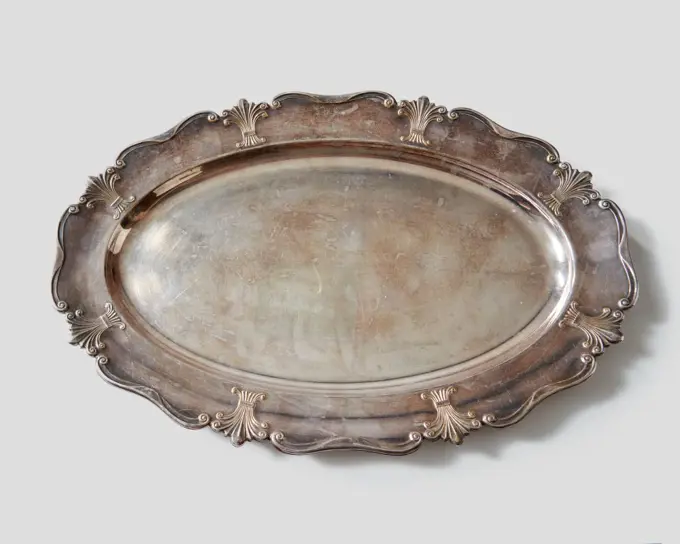
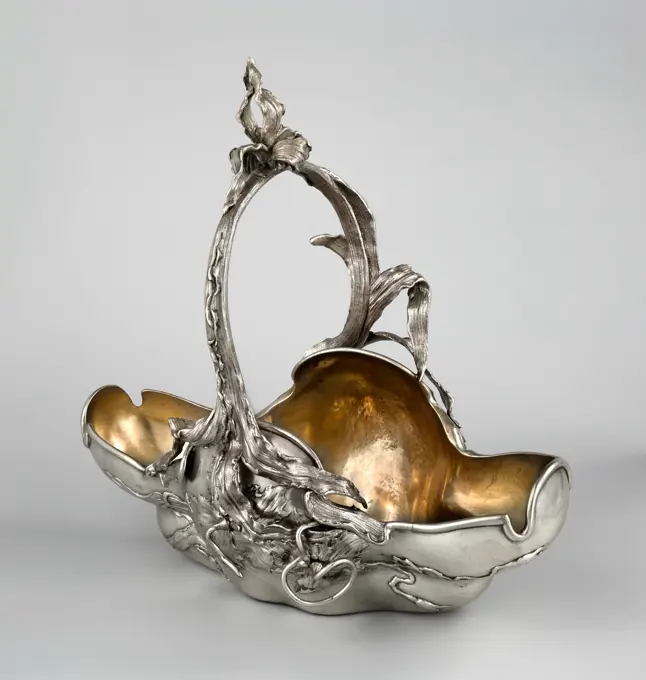
A variety of elegant glass and metalware, including compotes, honey dishes, and decorative pots, showcasing intricate designs and historical craftsmanship.
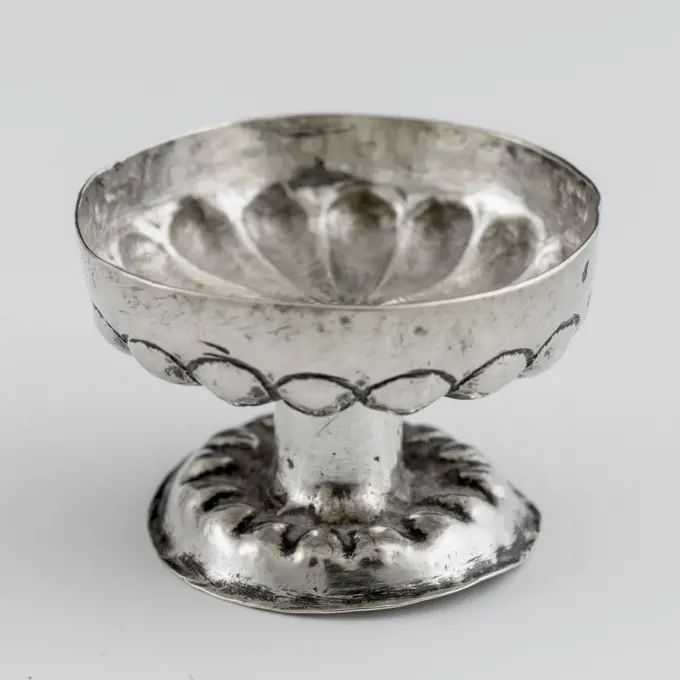
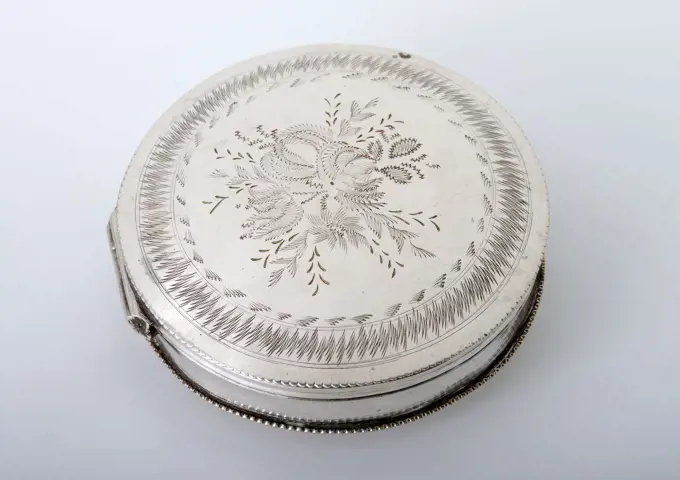
Silver miniature bowl on foot, drinking bowl dish tazza crockery holder dolls toy relaxing medium miniature model silver, Round drinking bowl on high foot; foot and bottom bowl with lobes (lobes). tax stamp: J drinking play home interior
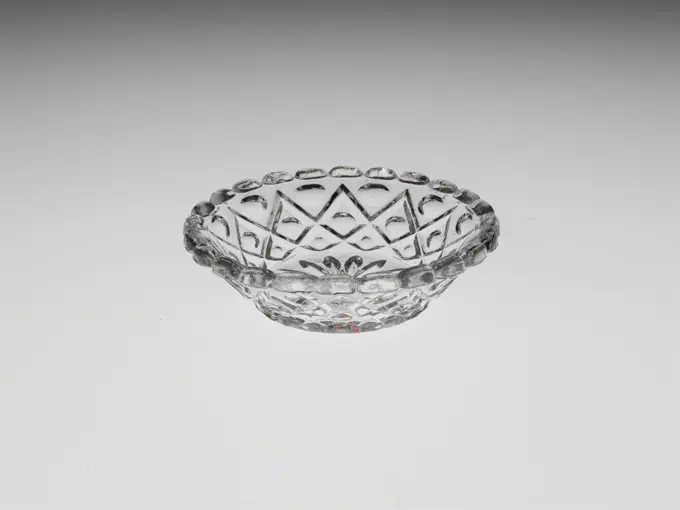
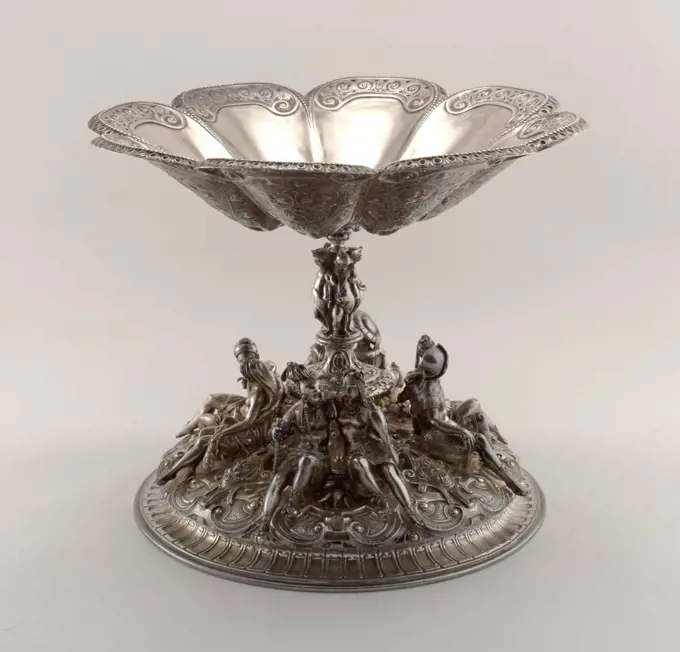
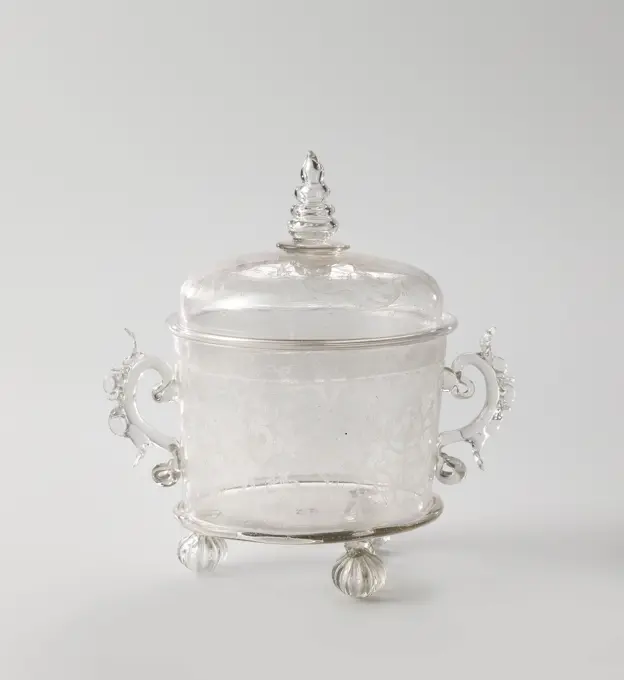
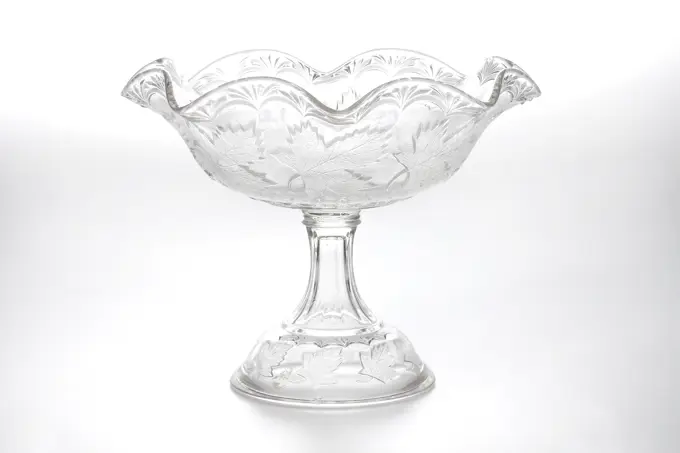
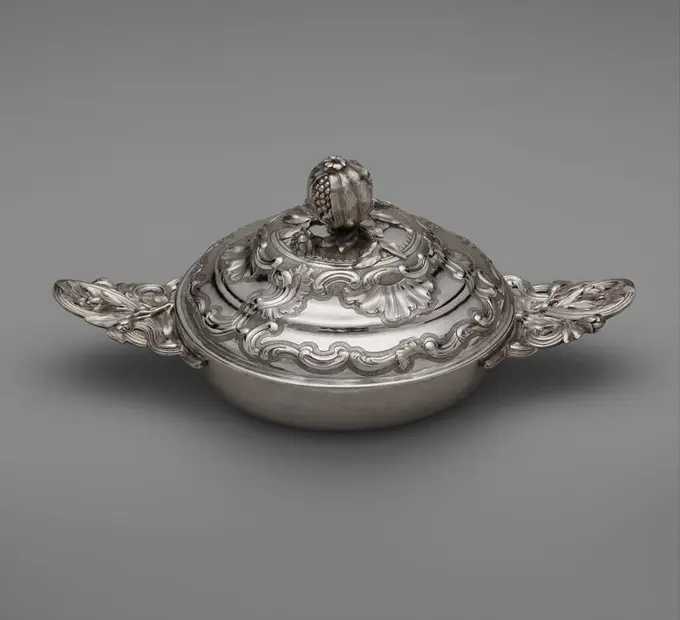
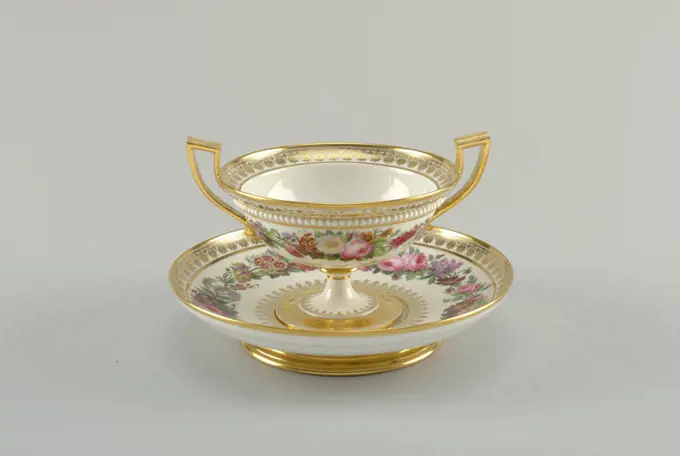
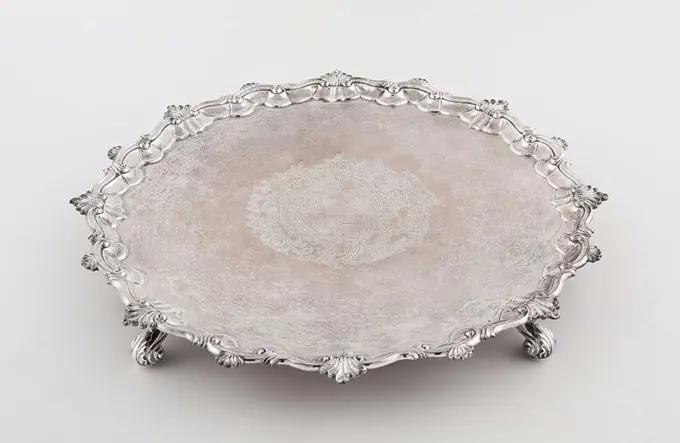
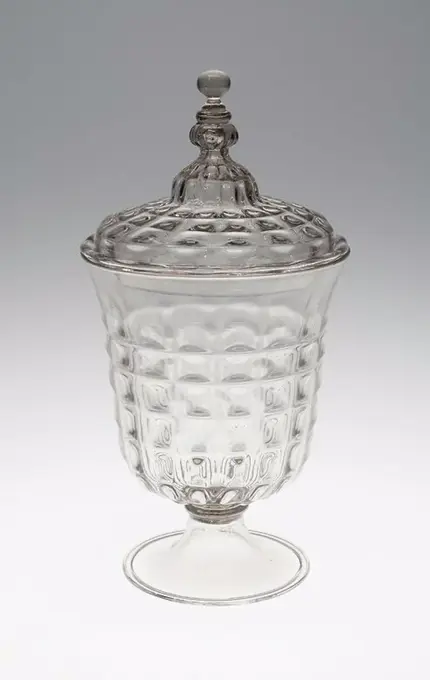
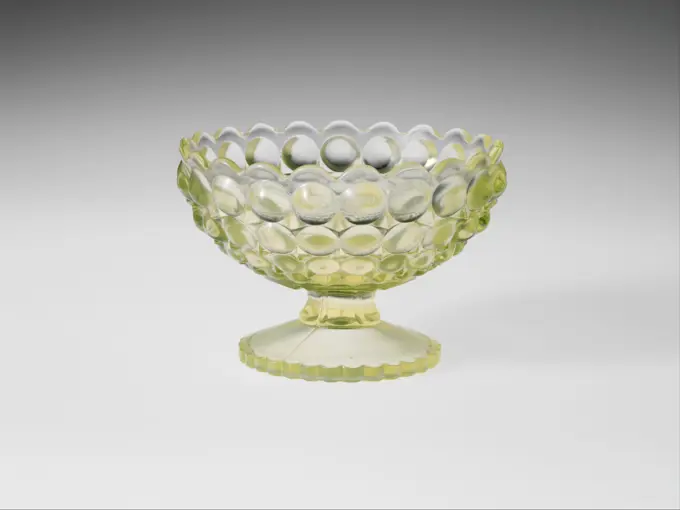
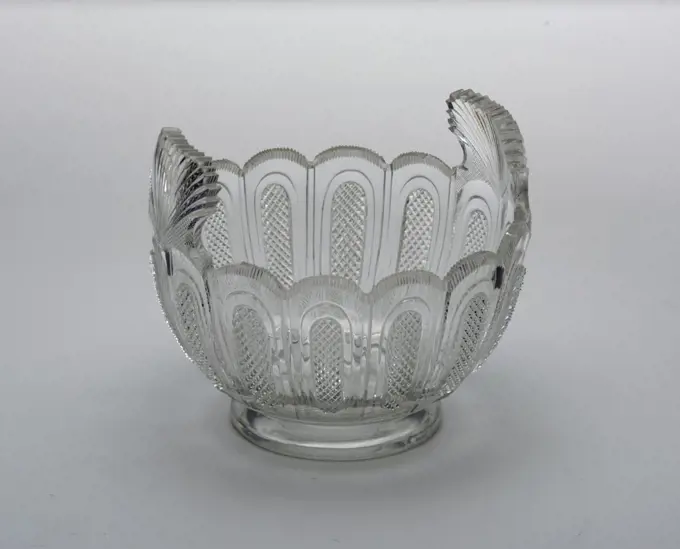
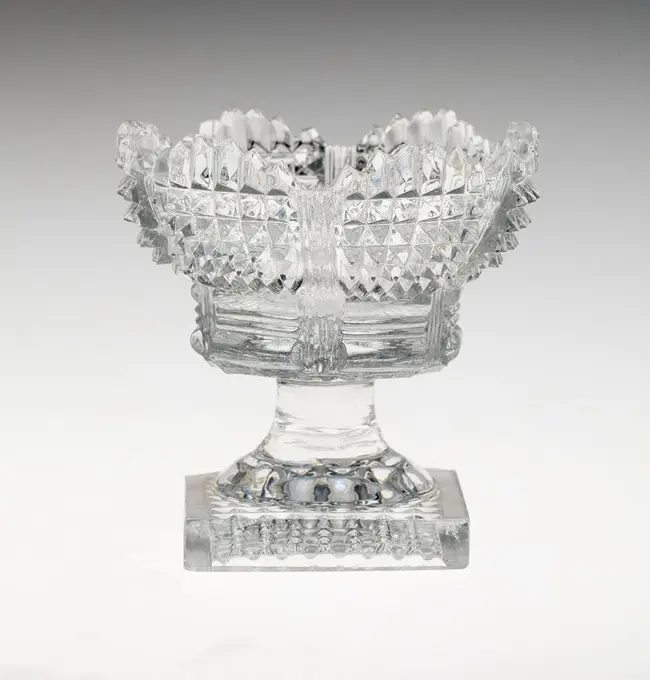
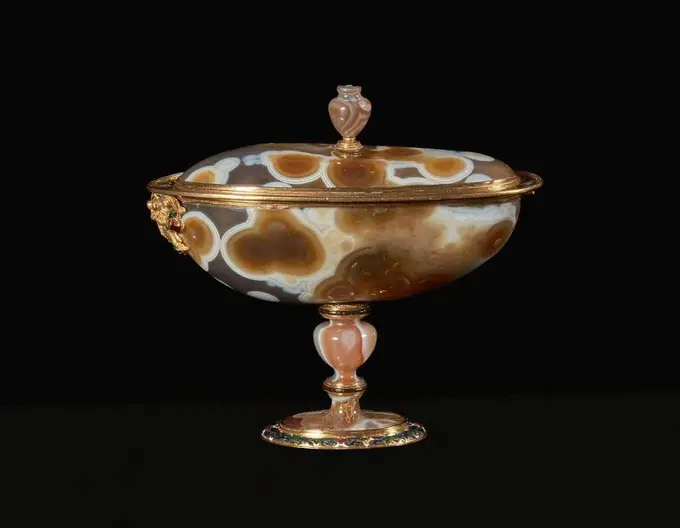
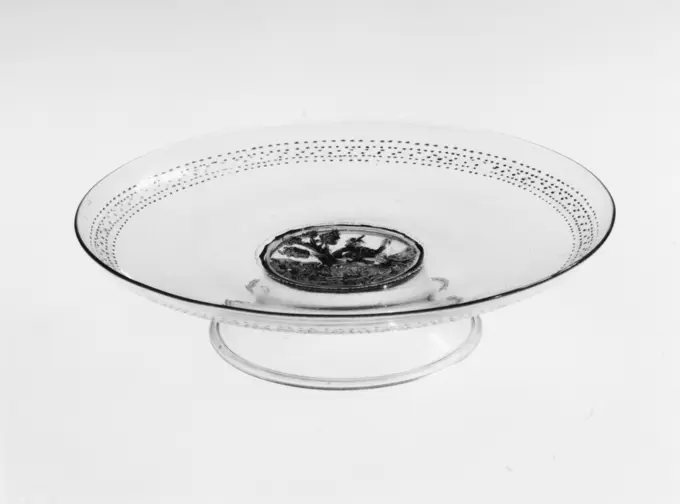
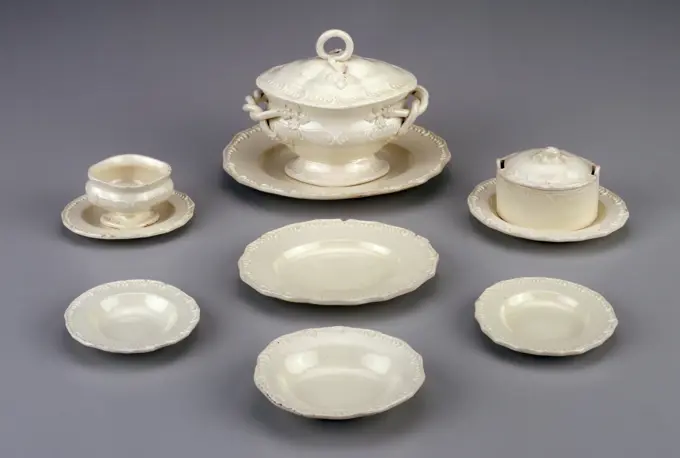
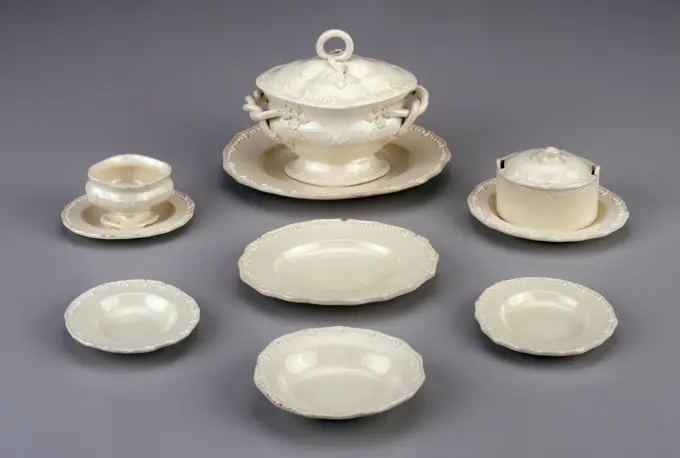
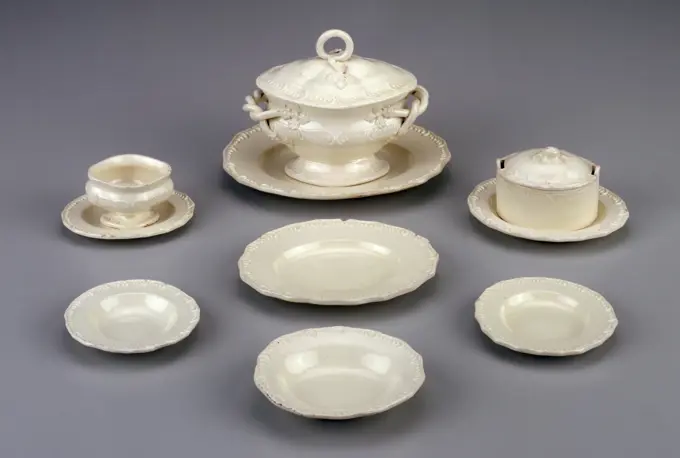
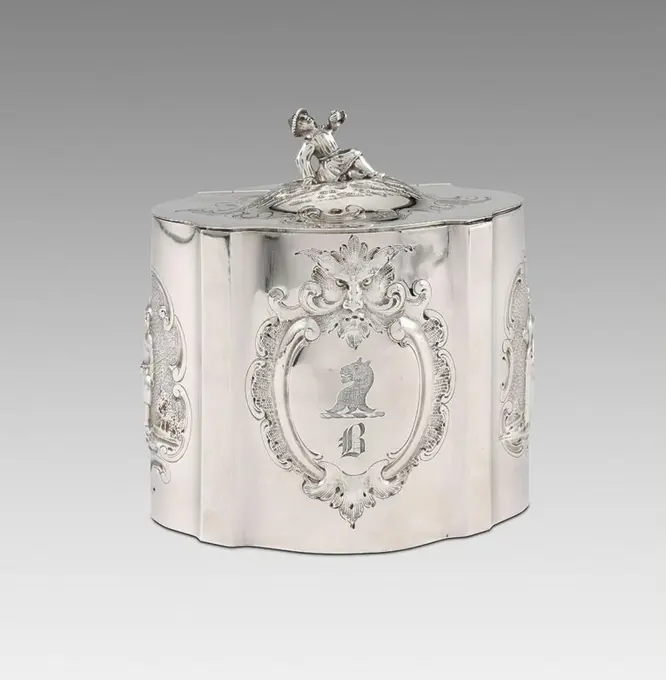
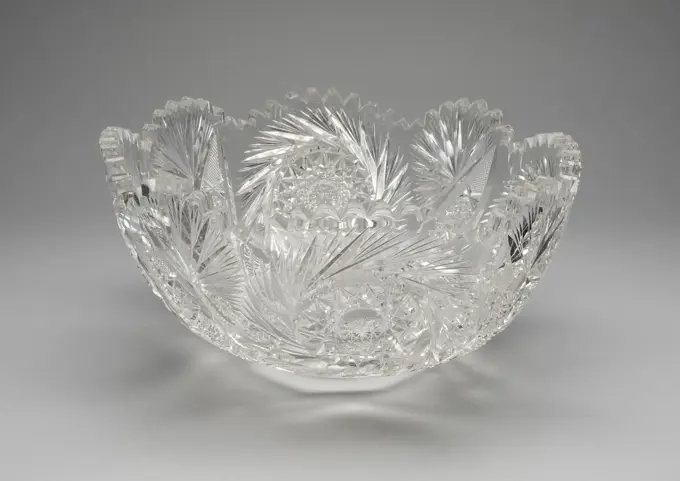
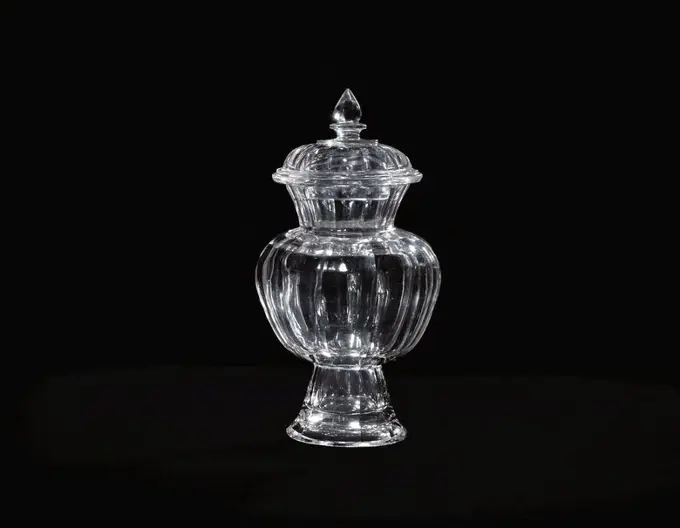
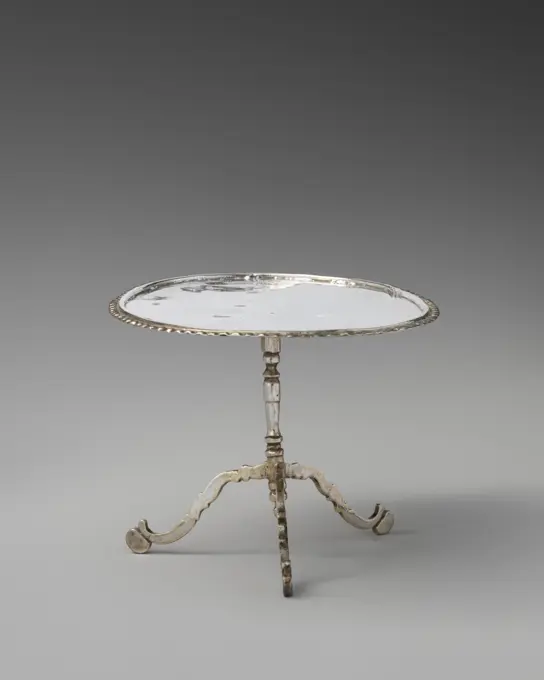
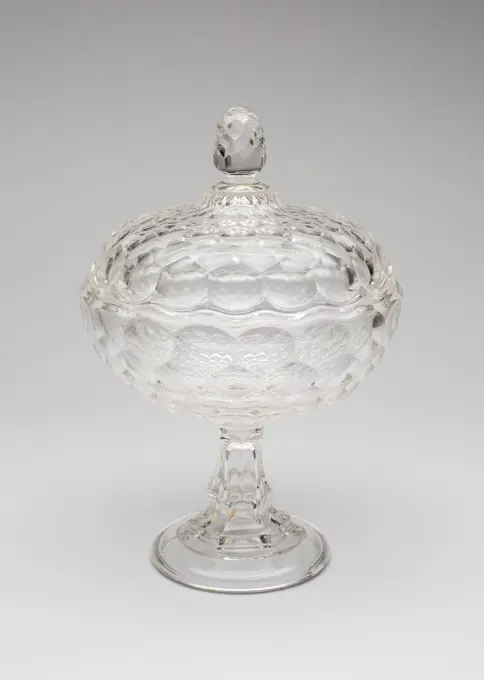
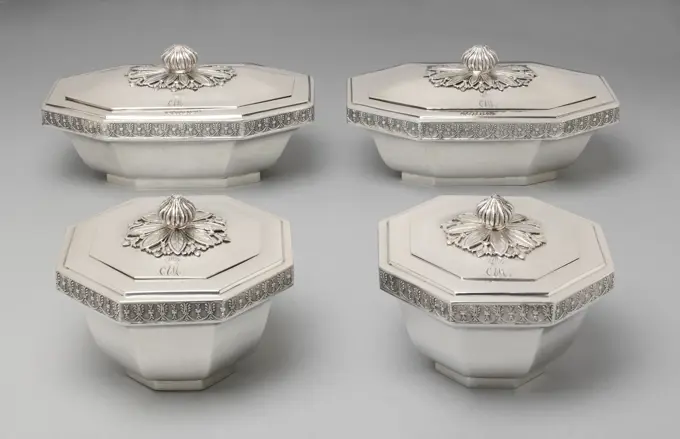
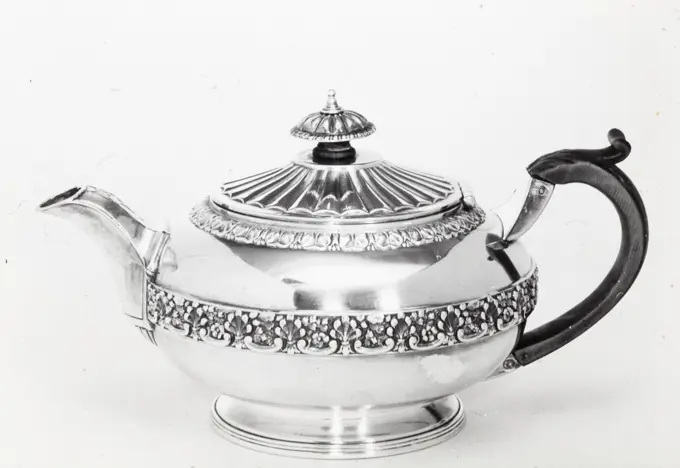
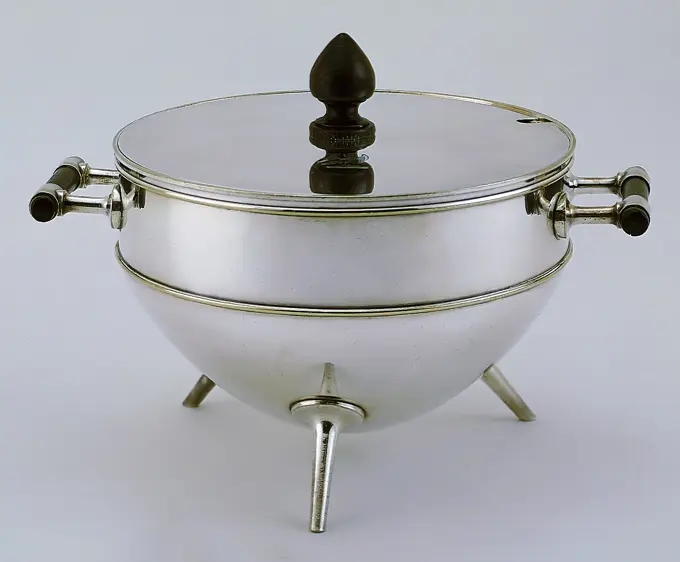
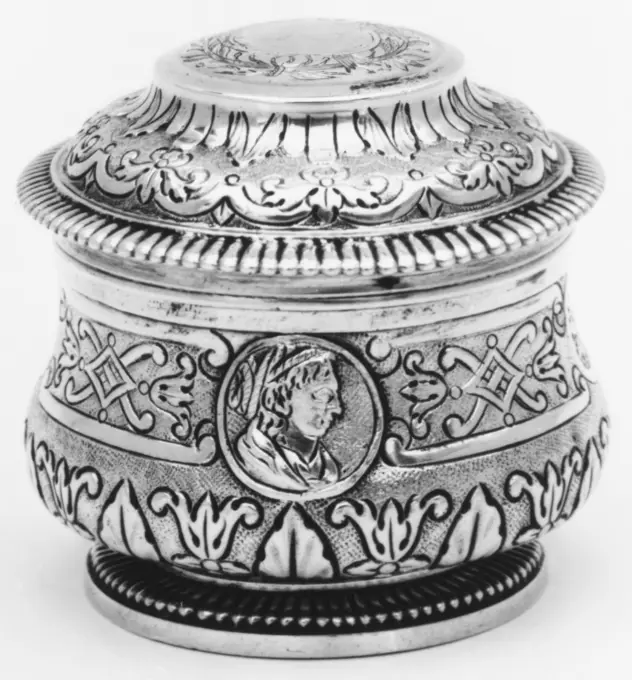
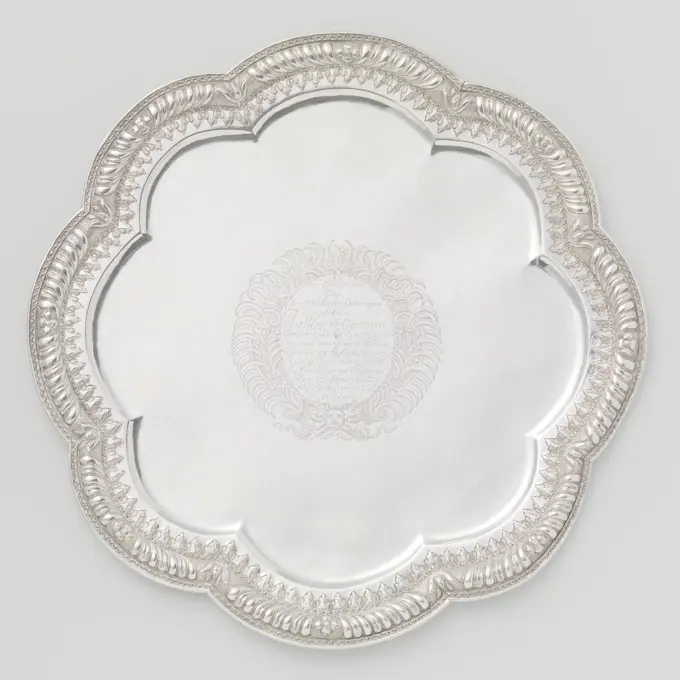
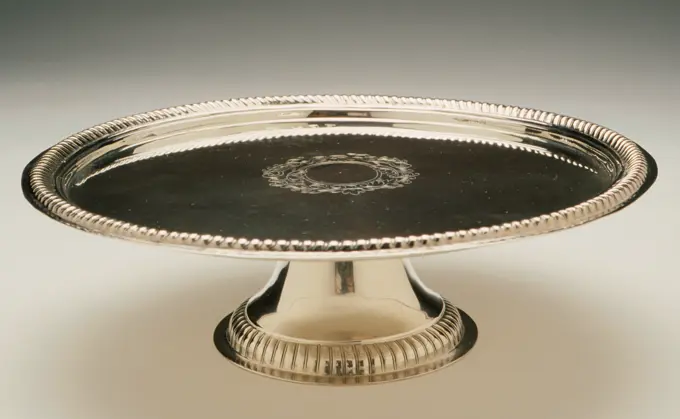
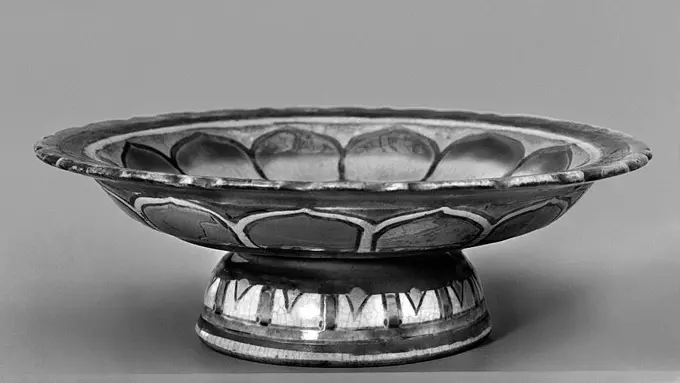
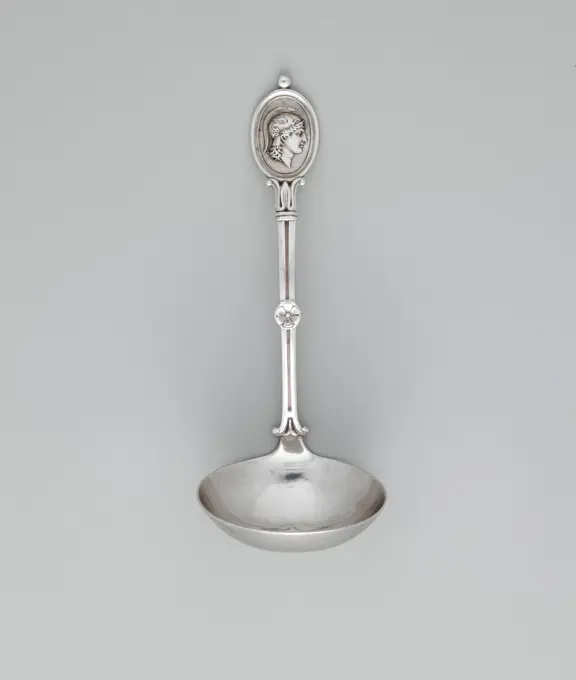
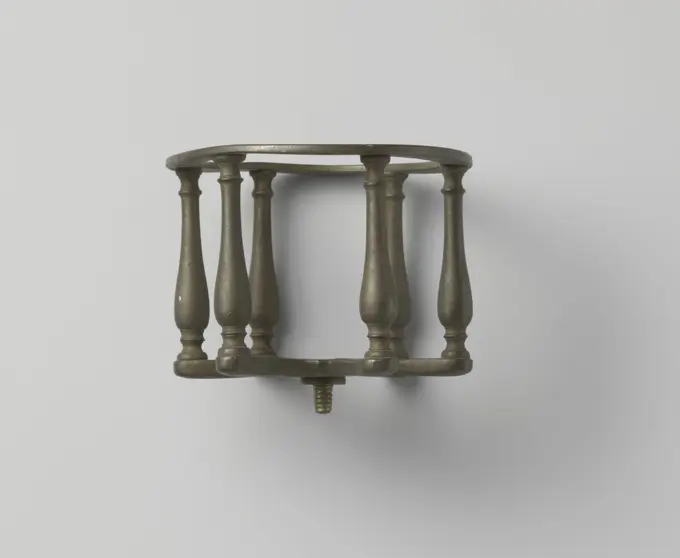
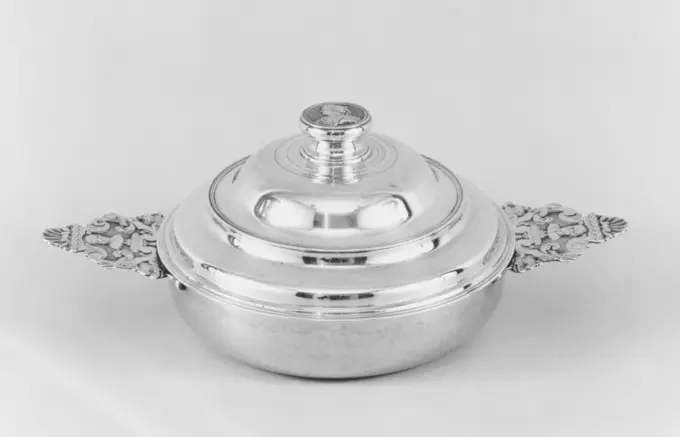
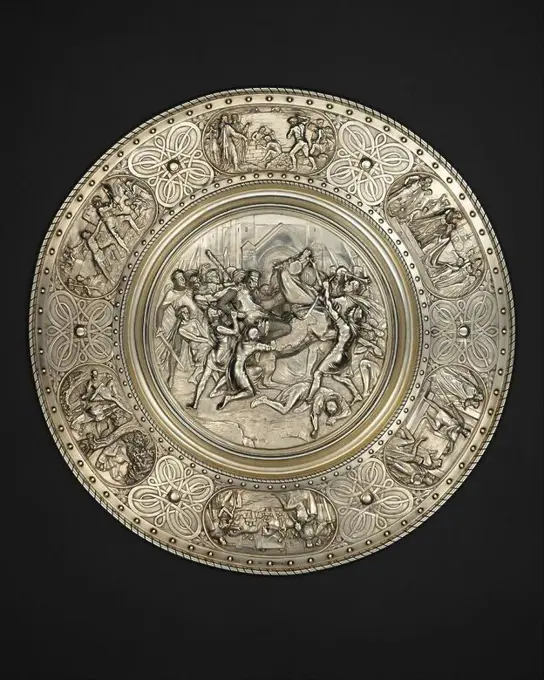
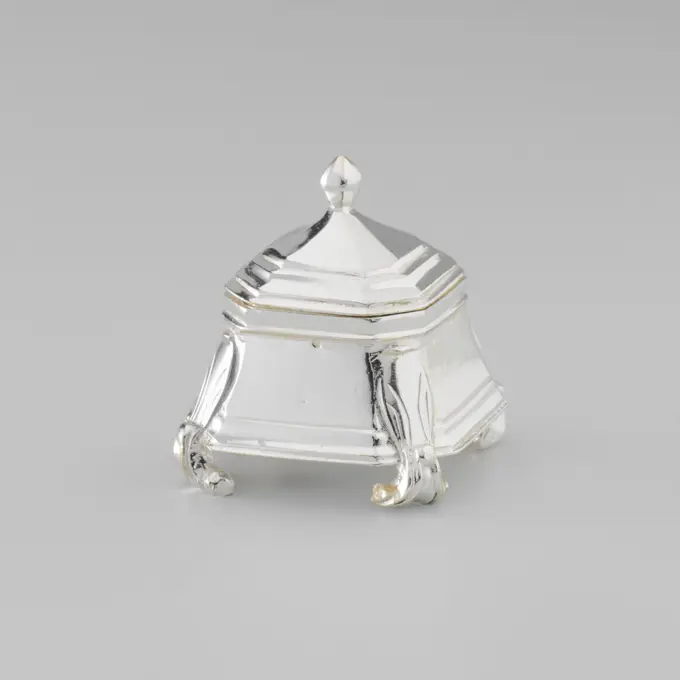
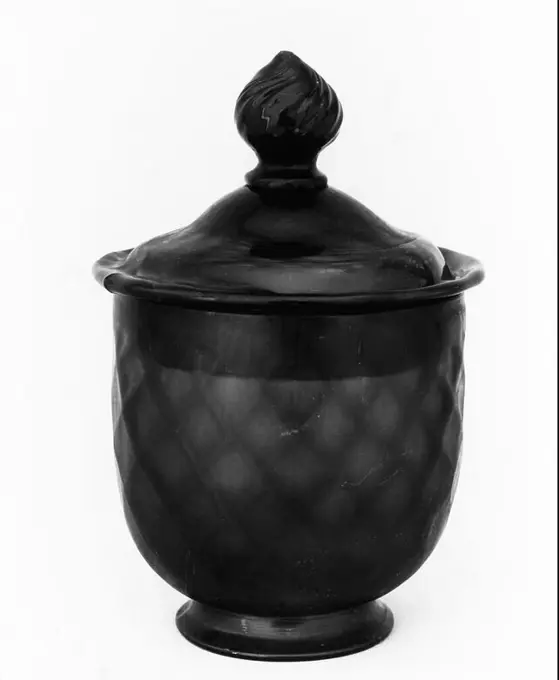
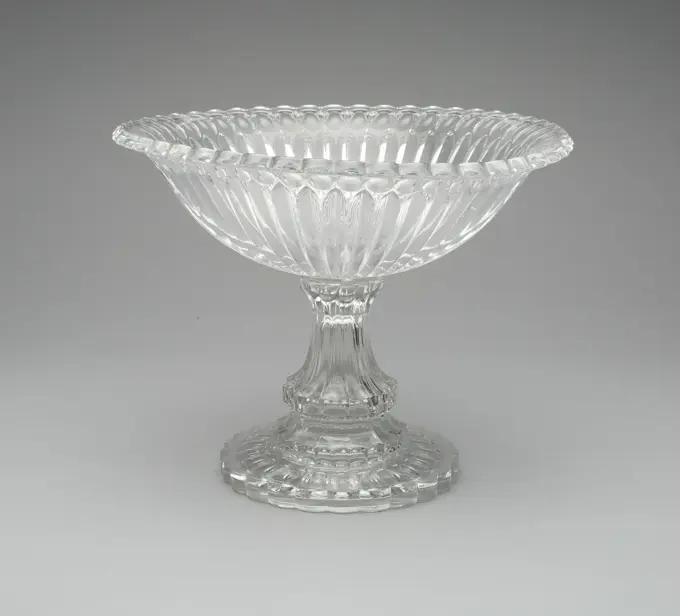
Compote in Thumbprint pattern c 1850-1860 Pittsburgh. Pressed glass . Artist unknownHoney Dish 1850-60 American With the development of new formulas and techniques, glass-pressing technology had improved markedly by the late 1840s. By this time, pressed tablewares were being produced in large matching sets and innumerable forms. During the mid-1850s, colorless glass and simple geometric patterns dominated. Catering to the demand for moderately-priced dining wares, the glass industry in the United States expanded widely, and numerous factories supplied less expensive pressed glassware to the growing market. At the Exhibition of the Industry of All Nations at New Yorks Crystal Palace in 1853, for example, the New England Glass Company exhibited 130 pieces of one design, "consisting of bowls, tumblers, champagnes, wines, and jelly glasses." This object belongs to one such service. Although the glass manufactory is not known, the glassware is very typical of the large services that were very popular with Americas middle class in the nineteenth century.. Honey Dish 4390Tazza, Félix-Jacques Duban, French, 1798 - 1870, Silver, Scrolled base with four pairs of seated figures representing the Four Continents; arms of Solomon Rothschild (1774-1885)., France, ca. 1840, metalwork, Decorative Arts, TazzaPot with lid on legs, with a side pattern, anonymous, c. 1690 - c. 1710 Pot with lid, cylinder -shaped, standing on three spherical, ribbed legs. The lower edge with a smooth thread. S-shaped ears with pinched combs. The vaulted lid has a double -folded edge and a conical, cut button four times. Box and lid are engraved in a side pattern with the diamond. Venice glass glassblowing Pot with lid, cylinder -shaped, standing on three spherical, ribbed legs. The lower edge with a smooth thread. S-shaped ears with pinched combs. The vaulted lid has a double -folded edge and a conical, cut button four times. Box and lid are engraved in a side pattern with the diamond. Venice glass glassblowingCompote - Maple Leaf PatternBowl (Écuelle) with cover. Culture: French, Toulouse. Dimensions: Overall: 4 3/4 × 7 × 11 5/8 in., 37.492oz. (12.1 × 17.8 × 29.5 cm, 1063g);Wt: tureen only: 562g;Wt. cover only: 501g. Maker: Louis Landes (master ca. 1770, active 1789). Date: 1774.Covered bowls such as this were known in France as ecuelles, and were intended for the serving of hot broth or soup. Broth was commonly served in the morning in the bedroom during the toilette, the elaborate washing and dressing ritual. The bowl's cover kept the contents warm, and the broth could be sipped from the bowl by using the two handles, while bread rested on the stand.This basin and stand are decorated with the most common of all Rococo motifs, scrolls in the form of the letter C, and with abstract shell and vegetal forms. The handles are formed of looping bands entwined with laurel branches. The design of this ecuelle is masterful; little is known about the Toulouse silversmith Louis Landes, but the Rococo silver produced in ToulCompote and Stand, Sèvres Porcelain Manufactory, French, established 1756 to the present, hard paste porcelain, vitreous enamel, gold, France, 1832, ceramics, Decorative Arts, compote and stand, compote and standSalt cellar; Lilpop, Karol Jerzy (Fl. 1820-1833); 1820-29 (1815-00-00-1820-00-00);Silver miniature bowl on foot, drinking bowl dish tazza crockery holder dolls toy relaxing medium miniature model silver, Round drinking bowl on high foot; foot and bottom bowl with lobes (lobes). tax stamp: J drinking play home interiorChrist and the Woman of Samaria late 16th or early 17th century Suzanne de Court French. Christ and the Woman of Samaria 460603Butter dish - Bowtie pattern Jefferson Glass Company, Limited Jefferson Glass Company, LimitedHolder with three legs of Zoutvat, Wijnand Warneke (attributed to), 1791 The round, cast, openwork holder rests on three curved legs that are crowned by a foam edge. The upper edge is made up of flower branches, the bottom edge of C-Voluten on which foam edges hang. At the top a smooth ring runs along the inner edge, on which the actual barrel rests. Amsterdam silver (metal) The round, cast, openwork holder rests on three curved legs that are crowned by a foam edge. The upper edge is made up of flower branches, the bottom edge of C-Voluten on which foam edges hang. At the top a smooth ring runs along the inner edge, on which the actual barrel rests. Amsterdam silver (metal)Tray. William Preston; English, active 1745-60; London, England. Date: 1755-1756. Dimensions: 6.4 x 56.8 cm (2 1/2 x 22 3/8 in.). Silver. Origin: London. Museum: The Chicago Art Institute, Chicago, USA.Ice Cream Plate from Mackay Service Tiffany & Co. 1878 This silver ice cream dish and accompanying plates are part of one of the most renowned and lavish dinner services ever created in America. Commissioned in 1877 by John W. (1831-1902) and Marie Louise Hungerford (1843-1928) Mackay, the dinner service for twenty-four consisted of over 1,250 pieces. A poor Irish immigrant with little education, John W. Mackay became one of the wealthiest men in America when he and three partners, James Fair, James Flood, and William OBrien, struck a silver deposit known as "The Big Bonanza" at Nevadas Comstock Lode in 1873. During a visit to the mine, Marie Louise asked her husband for a silver dinner service "made by the finest silversmith in the country." Her husband responded, "You shall have it. I like the notion of eating off silver brought straight from the Comstock." He proceeded to have a half ton of silver delivered from the mine to Tiffany & Co., where two hundred men worked for almost two Covered Cup. Belgium, Antwerp. Date: 1575-1599. Dimensions: H. 26.2 cm (10 5/16 in.). Glass. Origin: Belgium. Museum: The Chicago Art Institute, Chicago, USA.Battling Marine Deities 1575-1600 Workshop of The Saracchi, Milan For a covered cup with somewhat similar marine figures, see 41.100.316a, b.. Battling Marine Deities 188883 Maker: Workshop of The Saracchi, Milan, Battling Marine Deities, 15751600, Rock crystal, Overall: 2 7/8  8 1/4  2 7/8 in. (7.3  21  7.3 cm). The Metropolitan Museum of Art, New York. The F.O. Matthiessen Collection, Gift of Mrs. Emma Matthiessen, in memory of her husband, 1904 (04.6.33)Compote. Bakewell, Page & Bakewell (attributed to) (United States, Pennsylvania, Pittsburgh, 1811-1827). United States, circa 1824-1836. Furnishings; Accessories. GlassPour piring or memory board, monogrammist HS (Goldenmid), c. 1722  Round plate with a raised edge that is decorated with a running button list between two wavy edges. In the middle weapon with helmet, helmet sign (lion) and cover rugs. On draperie underneath engraved inscription: for the Daggenisse of Anna Susanna Moerbeek Huijsvrouw van den Coopman Johannes Tiques. Born den 10th Meij Ao. 1699. and died on September 28th anno. 1722. aged 23 years 4 months and 18. Days. Marked. Reverse: Master sign: Hs. Annual letter: M. Batavia. On the weapon l. standing lion, r. Three hearts. Note: on sticker: 1st quarter 18th century Batavia and the number 4750. Batavia silver (metal) forging / engravingFruit bowl - Inconnu / UnknownSauce Dish ca. 1888 Richards and Hartley Flint Glass Co.. Sauce Dish 7188Ice Cream Plate from Mackay Service Tiffany & Co. 1878 This silver ice cream dish and accompanying plates are part of one of the most renowned and lavish dinner services ever created in America. Commissioned in 1877 by John W. (1831-1902) and Marie Louise Hungerford (1843-1928) Mackay, the dinner service for twenty-four consisted of over 1,250 pieces. A poor Irish immigrant with little education, John W. Mackay became one of the wealthiest men in America when he and three partners, James Fair, James Flood, and William OBrien, struck a silver deposit known as "The Big Bonanza" at Nevadas Comstock Lode in 1873. During a visit to the mine, Marie Louise asked her husband for a silver dinner service "made by the finest silversmith in the country." Her husband responded, "You shall have it. I like the notion of eating off silver brought straight from the Comstock." He proceeded to have a half ton of silver delivered from the mine to Tiffany & Co., where two hundred men worked for almost two Bowl, Glass, Round body on short foot, 2 fan shaped handles extending up from scalloped lip; body cut with design of verticle sections each with oval panel of small diamonds, thin vertical fluting around lip, rayed flutes on handles; cutting very sharp., Ireland, ca. 1810-30, glasswares, Decorative Arts, BowlNappy - Bewaded Oval & Fan No.1 pattern Jefferson Glass Company, Limited Jefferson Glass Company, LimitedSugar bowl. Popiel, Jan (fl. lata 20.XIX-ca 1850), goldsmithCompote and Stand 1795-1815 England. Glass .Mustard pot. Round mustard pot with four legs, two raised ears and a hinged lid, which is crowned by a handle. The mustard pot is also equipped with a colorless glass inner bin. Signature and dated.Basket Basket; Made by Thomas Heming (English), Thomas Heming (British, active 1745 - 1783); England; silverSebastian Crespel I, Dish and Cover with Stand and Lamp, 1772/73, silver.Pastry scale decorated with block motif and dots in yellow and black, Chris van der Hoef, c. 1900 - c. 1925 Pastry scale of earthenware with accompanying nine dishes (B to J). The edges of the dish are decorated with a block motif with dots in yellow and black in between three yellow piping on either side. The dish is decorated in the middle with a rosette in the same colors and has a handle -decorated with cubes, which bridges the entire flat. Designer: Netherlandsmaker: Oegstgeest earthenware Pastry scale of earthenware with accompanying nine dishes (B to J). The edges of the dish are decorated with a block motif with dots in yellow and black in between three yellow piping on either side. The dish is decorated in the middle with a rosette in the same colors and has a handle -decorated with cubes, which bridges the entire flat. Designer: Netherlandsmaker: Oegstgeest earthenwareArt Nouveau tray. Henneberg, Bracia (Warszawa ; wytwórnia złotnicza ; 1856-1944), factoryPair of chafingdishes.   Maker: Jacob Hurd, American, 1702-1758Ecuelle And Lid (France); After H. H. Isenheim; pewterJar And Lid; glassEpergne. Eliza Godfrey; English, active 1731-1758; London, England. Date: 1755-1756. Dimensions: Overall: 24.6 x 48.3 cm (9 3/4 x 19 in.); Central Dish: 12.5 x 26.7 cm (5 x 10 1/2 in.); Stand: 25.4 cm (10 in.) square. Silver. Origin: London. Museum: The Chicago Art Institute, Chicago, USA.Basket a Ur.; Comyns & Sons (London; company z Otnicz; Fl. 1859-1953); 1904/05 (1904-00-00-1905-00-00);Footed Dish ca. 1888 Richards and Hartley Flint Glass Co.. Footed Dish 7520Tureen, 1812. Paul Storr (British, 1771-1844). Silver; overall: 35.2 x 43.2 cm (13 7/8 x 17 in.). Silver fulfilled a prominent role in projecting wealth, status, power, and ritual in British life during the 1600s and 1700s. Elaborate forms such as this tureen, with its acanthus leaves and fluted detailing, not only represented wealth in its sheer silver weight but also provided royal and aristocratic owners a surface for displaying engraved coats of arms. The arms of the High Sheriff of Yorkshire, Timothy Hutton and his wife Elizabeth Chaytor of Spennithorne Hall in northern England are engraved on this tureen by Paul Storr, one of the most prominent London silversmiths of the period.Cup (part of a service) 1750-60 Chinese, for British market. Cup (part of a service) 201041Incense sheep. Incense boat of silver. The boat ends in a large full-length curl. The lid is decorated with a large palm with relief.Two Salts. Baccarat Glassworks; French, founded 1764. Date: 1825-1835. Dimensions: 7.6 x 7.3 cm (3 x 2 7/8 in.). Glass. Origin: Lunéville. Museum: The Chicago Art Institute, Chicago, USA. Author: Baccarat Glassworks.Tureen lid - Quebec. From Point Levis. Québec. Vue de Point Levis D'après Robert Cochran & Company, 1846-1896Sugar Bowl. Culture: American. Dimensions: H. 3 in. (7.6 cm); Diam. 3 1/8 in. (7.9 cm). Date: 1780-1820. Museum: Metropolitan Museum of Art, New York, USA.Teapotstand.   Maker: Standish Barry, American, 1763-1844No. 196 Finger Bowl; Designed by Ludwig Lobmeyr (Austrian, 1829 - 1917); Manufactured by J. & L. Lobmeyr GmbH (Austria); Austria; mouth-blown crystalDish 1722-26 French, Paris. Dish. French, Paris. 1722-26. Silver. Metalwork-SilverOttavio Miseroni; Jan Vermeyen / 'Boat-shaped agate cup with two masks and cover'. 1590 - 1600. Agate, Enamel, Gold. Museum: Museo del Prado, Madrid, España.Cup plate. American. Date: 1826-1835. Dimensions: diam. 10.5 cm (4 1/8 in.). Pressed glass. Origin: United States. Museum: The Chicago Art Institute, Chicago, USA.Bowl. Gorham Manufacturing Company; American, founded 1831; Providence, Rhode Island. Date: 1886. Dimensions: 3.8 × 21.3 × 14.6 cm (1 1/2 × 8 3/8 × 5 3/4 in.). Silver. Origin: Providence. Museum: The Chicago Art Institute, Chicago, USA.Ashtray of porcelain. Ashtray of porcelain, from within gray-green, the edge of green and gold and on the wall ornamental ornaments in green, yellow, red and gold, partially applied in reel. Signature: Scepter in underglazing blue: Rijkeappel; in red kpm; in black 6872; in gold 28 and 43.; Inrummation E.M.Tazza ca. 1500-1525 Italian (Venice). Tazza 461232Plate with relief portrait of Henry IV of France possibly French 19th century View more. Plate with relief portrait of Henry IV of France. possibly French. 19th century. Pewter. Metalwork-PewterBoiler. Flat round kettle with a spout in the shape of a hose head. The handle is S-shaped. On the spout and on the handle is a ring that is attached to a chain that runs over the lid. The lid has a spherical button. The boiler has not been marked.Coupe. Fashioned by a goldsmith, the mount of this cup immediately catches the eye. The pattern of flowers and birds was first chased in gold, and then filled with glass powder and fired. Given the different melting point of each colour of glass, the process must have been repeated at least seven times. The handle was subsequently set with gemstones.Meat Dish, from a Child's Dinner Service, c. 1775, 1/2 x 3 1/2 x 3in. (1.3 x 8.9 x 7.6cm), Creamware, England, 18th centuryPlate, from a Child's Dinner Service, c. 1775, 5/16 x 2 11/16 in. (0.8 x 6.83 cm), Creamware, England, 18th centuryServing Dish, Cover, and Stand, from a Child's Dinner Service, c. 1775, 1 7/8 x 3 1/2 x 2 15/16in. (4.8 x 8.9 x 7.5cm), Creamware, England, 18th centuryMeat Dish, from a Child's Dinner Service, c. 1775, 1/2 x 4 3/4 x 4 in. (1.27 x 12.07 x 10.16 cm), Creamware (Earthenware), England, 18th centuryDish, Hendrik Duller, 1794 Oval dish with serrated edge. Flowers are engraved in the edge. An eight -pointed star is engraved in the middle of the dish. The dish is marked: stk. = Amsterdam, Jrl. = K (1794), Mt. = Hendrik Duller, Crowned O, written letter V (re -inspiring French era), Foot 930 (re -cur). The dish is stored under a non-corresponding terrine (BK-NM-11177-245-B). Amsterdam silver (metal) Oval dish with serrated edge. Flowers are engraved in the edge. An eight -pointed star is engraved in the middle of the dish. The dish is marked: stk. = Amsterdam, Jrl. = K (1794), Mt. = Hendrik Duller, Crowned O, written letter V (re -inspiring French era), Foot 930 (re -cur). The dish is stored under a non-corresponding terrine (BK-NM-11177-245-B). Amsterdam silver (metal)Tea Caddy. Vincent Laforme and Francis J. Laforme; American, 1823-1893 and 1827-1895; Retailed by Lincoln & Foss; American, c. 1820-1857; Boston, Massachusetts. Date: 1854-1860. Dimensions: 14 × 13.3 × 10 cm (5 1/2 × 5 1/4 × 4 in.). Silver. Origin: Boston. Museum: The Chicago Art Institute, Chicago, USA.Punch bowl c 1880-1900 United States. Glass . Artist unknownGiovanni Battista Metellino (Workshop of); Anonymous () / 'Small urn in faceted rock crystal'. Early Finales del siglo XVI - XVII century. Rock crystal / Hyaline quartz. Museum: Museo del Prado, Madrid, España.Miniature tilt-top table 18th century Dutch, Amsterdam. Miniature tilt-top table. Dutch, Amsterdam. 18th century. Silver. Metalwork-Silver-MiniatureLeaf-shaped table on three legs, anonymous, c. 1700 - c. 1799 Leaf -shaped porcelain table on three legs in the shape of a monster head, covered with a monochrome turquoise, blue glaze. Monochrome. China porcelain. glaze vitrification Leaf -shaped porcelain table on three legs in the shape of a monster head, covered with a monochrome turquoise, blue glaze. Monochrome. China porcelain. glaze vitrificationCovered Compote c 1850 Pittsburgh. Pressed glass . Pittsburgh Glass Company (Manufacturer)Box ca. 1800 Johann Christian Sick German (Stuttgart) These silver boxes, part of larger silver, presumably were used to keep sweets and other delicacies, as the handy form and tightly closing lids suggest. The ciphers below closed crowns belong to Charlotte Augusta Mathilde, queen of Wurttemberg (1766-1828). The form mirrors the Neoclassical principles of German silver design towards a formal reduction of the shape and geometry. The daring juxtaposition of plain polished areas with matted ornamental applications has an astonishingly modern aesthetic.. Box 231242Teapot, c. 1815, 5 3/4 x 9 1/2 x 6 1/4 in. (14.61 x 24.13 x 15.88 cm) (includes finial), Sheffield plate (silver fused to copper), wood, England, 19th centuryTureen, c. 1880, Christopher Dresser; Manufacturer: Hukin & Heath; Retailer: Martin & Co., Scottish, 1834-1904, 8 x 9 x 9 in. (20.32 x 22.86 x 22.86 cm) (at handles), Silverplated metal, ebonized wood, England, Arts and CraftsBox (one of a pair) (part of a toilet service) 1726-28 Jean-Baptiste Boullemer. Box (one of a pair) (part of a toilet service) 232048Beaker 19th century, after 17th century original Franchi and Son This electrotype is after a seventeenth-century original in the collection of the Victoria and Albert Museum, London, at the time of reproduction.. Beaker 185848Salver (Piring), Jan van Cloon, 1729 Pour piring of silver with eight-lobe edge with crack and leaf decorations and a flower between the lobes. On the flat a medallion with laurel wreath and skull with crossed bones within which the inscription: for the daggets van den Wel nobles lord of Anthonij Huijsman first council and director General of the Dutch India. Births to Jaffenapatnam den 9thember 1668 and died as Batavia den 19 'September 1729 old 60s 9 mn and 10 days. Indonesia, 1729. Batavia silver (metal)   Dutch East Indies, The Pour piring of silver with eight-lobe edge with crack and leaf decorations and a flower between the lobes. On the flat a medallion with laurel wreath and skull with crossed bones within which the inscription: for the daggets van den Wel nobles lord of Anthonij Huijsman first council and director General of the Dutch India. Births to Jaffenapatnam den 9thember 1668 and died as Batavia den 19 'September 1729 old 60s 9 mn and 10 days. Indonesia, 1729. Batavia sEmpty metal old oval-shaped tray with a decorative pattern presented on a gray background with space for text. Flat lay. Vintage metal oval shaped tray with pattern on a gray background with copy space. Flat layCompote - Nova Scotia Diamond Ray PatternFragmentary Attic Red-Figure Cup. Euphronios, painter (Greek (Attic), active 520 - 480 B.C.) Kachrylion, potter about 490 B.C. The cup is fragmentary and badly burned. Interior: There is a reserved circle below the rim. The tondo has a simple reserved border and contains a palmette, lotus-bud and tendril complex. Exterior: There is a reserved circle below the rim and palmettes and lotus buds under each handle. Side A depicts the body of Achilles. From the right is a man (Phoenix) in chiton and himation moving to the right with head bent. The top of the head is either bald or cloaked. His right hand is forward and holds a spear or staff in added red. Most of the head, cheast and shoulders are missing. A woman (Thetis) strides right and looks back. Her left arm is stretched in front of her and her right raised to her head in mourning. her chiton has a pattern of dots and she wears a bracelet in added red. A bearded warrior (Ajax) walks to the right with a Corinthian helmet on his head anJ. van Geelen Czn. (), Round silver peppermint box, peppermint box pillbox box holder silver, Silver peppermint box made in 1842 with text G. Stevenson rescued April 25, 1844 incised J.J. Montijn G. Stevenson rescued April 25, 1844 V. Rolandus rescue 1844 drug medicine Montijn RotterdamTea Cup and Saucer dated 1731 Japan. Tea Cup and Saucer 42572Basin 1771 French, Toulouse. Basin 209210John Sutton, Footed Salver, 1704/5, silver.Silversmith: Cornelis Knuijsting, Round silver tangle basket, trowel basket basket holder silver, sawn Round box with open sawn wall upwards slightly pivoting bottom underside (smashed) knitting savePair of salt cellars. Malcz, Karol (1797-1867), goldsmithFooted dish with lotus pattern 19th century China. Footed dish with lotus pattern. China. 19th century. Porcelain painted in overglaze polychrome enamels (Bencharong ware for Thai market ). Qing dynasty (1644-1911). CeramicsSauce Ladle ca. 1862 John R. Wendt The mid-nineteenth century witnessed an efflorescence of creativity in the American silver industry, fueled by the burgeoning middle classs increasing demand for refined luxury goods. Silversmiths devoted considerable time and creative energy to generating an endless variety of new designs and patterns. During the 1860s and 1870s silver flatware ornamented with portrait medallions inspired by antique coins and cameos enjoyed widespread popularity, with virtually every American silversmith producing their own proprietary "medallion" pattern. In 1862, the German-born silversmith John R. Wendt received the first patent for a medallion pattern, which is seen here in this elegant ladle. This pattern inspired innumerable variations and inaugurated a veritable mania for medallion flatware. Although this ladle is marked by the Philadelphia retailer J. E. Caldwell, most of the surviving examples of this pattern are marked by Ball, Black & Co. of New York, whoKyatos. warsztat Chiusi, workshopTea Bowl And Saucer Tea Bowl And Saucer (France); Cup: 4 x 7.6 cm (1 9/16 x 3 in.) Saucer: 2.1 x 12 cm (13/16 x 4 3/4 in.); Bequest of Jane M. Epstine; 2006-20-23-a,bTobacco spot, manufactured as a reminder of the award on January 26, 1787 by the Académie Royale and Patriotique van Valence, from a place of honor to Adriaan Paets van Troostwijk (1752-1837) and Cornelis Kraijenhoff (1758-1840). The square pot has a separate lid and an inside cover of silver-plated metal with a silver button. The pot is resting on a widened, stage-standing basis with an imposed, stepped lower edge, which is worn by four cast legs. The legs have a right angle and a corrugated contour on the inside, ending in volutes. The contour of the legs is continued in the wall of the base, inside this wall is openworked with bows with rosettes. The body is closed at the top by a widened edge that corresponds to the base, above which an inward mouth edge. Parel lists are arranged at the top of the base, below along the top edge and along the corners of the part in between. The walls of legs, base and top edge are decorated in gloss stitch with fields with geometric edges. The four Holder for Handloper, Anonymous, 1700 - 1750 Holder for hourglass. Netherlands brass (alloy) casting Holder for hourglass. Netherlands brass (alloy) castingBowl with cover (Écuelle) 1730-40 François-Isaac Balduc. Bowl with cover (Écuelle) 200065Glass Cooler 1809-1819 Paris. The cool, bright nature of silver is exploited to great effect in this bowl, or verriËre. Its decorative motif was also meant to create a chilly impression, showing swans, cattails, and playful dolphins above a band of aquatic plants. When this piece was made, guests at elegant dinner parties customarily consumed menus of many courses, each with its own carefully selected accompaniment from the wine cellar. In the days before modern refrigeration, serving chilled drinks was not as simple a task as it is today the glasses themselves first had to be cooled on a bed of ice and then filled with vintages that were cooling in their own ice-filled silver containers.This verriËre is part of a larger dinner service made for Pauline Bonaparte, sister of Napoleon, on the occasion of her marriage to the Roman nobleman Camillo Borghese, Sixth Prince of Sulmona. The coat of arms of the Borghese family is prominently displayed. Its iconographyóan eagle above a winged draSugar filigree pliers;  1920s (0-00-00-0-00-00);Basket with pierced sides, Etienne Blancheron, c. 1790 - c. 1800 Porcelain basket with openwork wall in the form of braid, painted on the glaze with gold. Ribbed edges. porcelain company: Paris (possibly)Low Countries (possibly) porcelain. glaze. gold (metal) painting / gilding / vitrification Porcelain basket with openwork wall in the form of braid, painted on the glaze with gold. Ribbed edges. porcelain company: Paris (possibly)Low Countries (possibly) porcelain. glaze. gold (metal) painting / gilding / vitrification. Bell-shaped head of porcelain with a straight wall, painted on the glaze in black and gold. On the outside twice a representation of the crucifixion with the two Maria's; the bottom with a sprig; On the inner edge a band with a decorative pattern. A crack in the wall. Part of a tea service. European performance in Encre de Chine.Sauce turreen andtop.   Maker: Sunshing, Chinese, 1790-1820The Stockbridge Cup. Culture: British, London. Designer: Designed by Henry Hugh Armstead (British, London 1828-1905 London). Dimensions: Diameter: 28 1/4 in. (71.8 cm). Maker: for firm of Hancock and Co., London, England. Date: 1870.This large dish was the prize winner of the Stockbridge race, run every year, with a silver "cup" for the owner of the winning horse. The value of the silver being the monetary value of the prize, in 1870 the value of the prize was 280 pounds--a considerable sum then. The name of the winning horse was Mortimer and the owner was a T. French. The length of the course was seven furlongs (1.75 miles).The scenes around the border and in the center of the plate recall the days of the early Norman kings William I, William II, and Henry I, whose seat was at Winchester, not far from Stockbridge. Scenes from their eventful lives are pictured in the six ovals on the border of the dish. The central scene shows the near fatal ambush of Henry I in Dives, a town on the Dish. Culture: China. Dimensions: Diam. 5 in. (12.7 cm). Museum: Metropolitan Museum of Art, New York, USA.Tray. unknown, craftsmanSalt cellar; Koenigliche Porzellan Manufaktur (KPM; Berlin; 1763-1918); 1763-1800 (1832-00-00-1850-00-00);Tobacco spot, Jan Embroidery, 1755 Square tobacco spot on four volute -shaped legs that are crowned by imposed leaf motifs. The rejuvenating pot has beveled corners as well as the square, rejuvenating lid. The loose lid has a pointed button. Profile edges have been installed along the top and bottom of the pot and along the bottom of the lid. The tobacco spot is marked: stk. = Amsterdam, Jrl. = V (1755), Mt. = Jan embroidery and a italic I (re -inspection). Amsterdam silver (metal) Square tobacco spot on four volute -shaped legs that are crowned by imposed leaf motifs. The rejuvenating pot has beveled corners as well as the square, rejuvenating lid. The loose lid has a pointed button. Profile edges have been installed along the top and bottom of the pot and along the bottom of the lid. The tobacco spot is marked: stk. = Amsterdam, Jrl. = V (1755), Mt. = Jan embroidery and a italic I (re -inspection). Amsterdam silver (metal)Tea Caddy. Jacobi and Jenkins; American, 1894-1908; Baltimore, Maryland. Date: 1896. Dimensions: 8.9 × 7.6 × 7.6 cm (3 1/2 × 3 3/4 × 3 3/4 in.). Silver. Origin: Baltimore. Museum: The Chicago Art Institute, Chicago, USA.Covered Sugar Bowl. Culture: American or British. Dimensions: H. 6 1/2 in. (16.5 cm); Diam. 3 5/8 in. (9.2 cm). Date: 1780-1820. Museum: Metropolitan Museum of Art, New York, USA.Art Nouveau basket. Hempel, Bracia (Warszawa ; wytwórnia złotnicza ; 1894-1944), factory. Folding table on a baluster-shaped leg that runs into a tripod. The leaf is oval and has an applicated, scalloped edge. The folding table has been marked: STK. = Amsterdam, JRL. = Z (1759) and MT. = Arnoldus van Geffen. A tray with a coffee and tea set is stored on the table (BK-NM-11177-158). The folding table is equal to a folding table with Invnr. BK-NM-11177-181-A.