Antique Glassware Collection

Exquisite antique glassware pieces, featuring intricate designs and historical significance, ideal for collectors and decor enthusiasts.

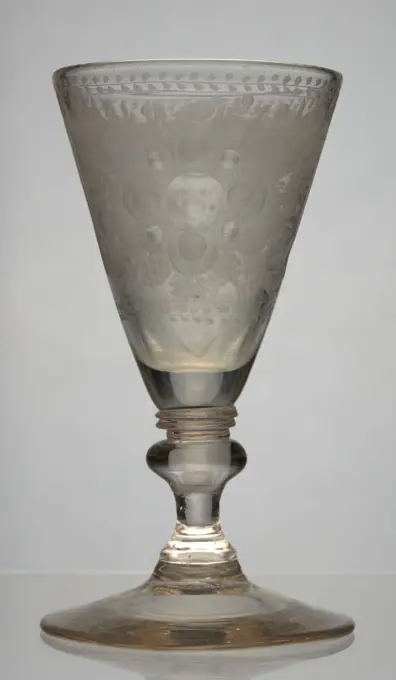
Chalice glass with an ornament edge, c. 1725 - c. 1750 Conical foot. Balus -shaped trunk with four knots. Funnel -shaped chalice with rounded bottom. Along the mouth edge of the chalice, a symmetrical ornament edge composed of band work, volutes, tendrils, clocks and three parrots. glassblower: Low CountriesNorthern Netherlands glass glassblowing Conical foot. Balus -shaped trunk with four knots. Funnel -shaped chalice with rounded bottom. Along the mouth edge of the chalice, a symmetrical ornament edge composed of band work, volutes, tendrils, clocks and three parrots. glassblower: Low CountriesNorthern Netherlands glass glassblowing
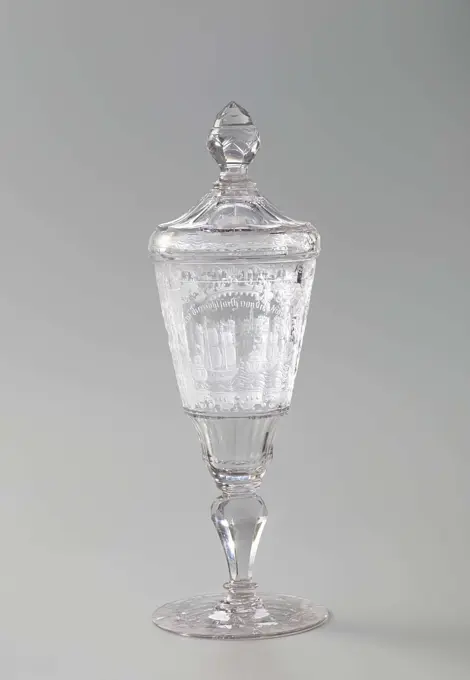
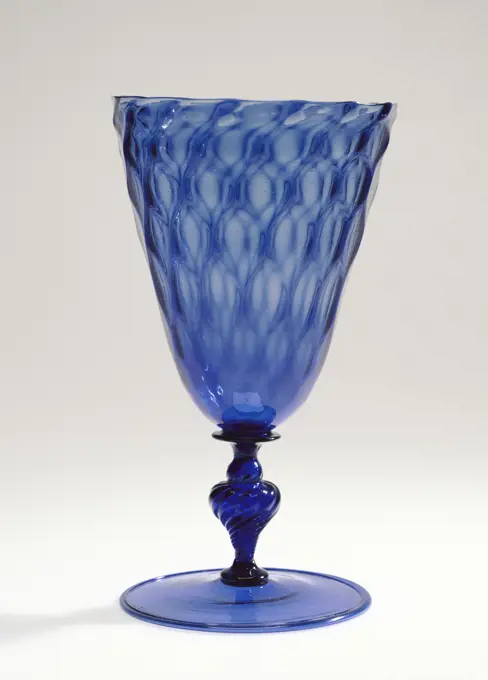
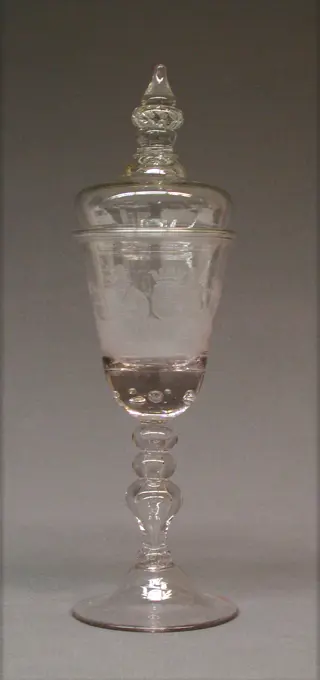
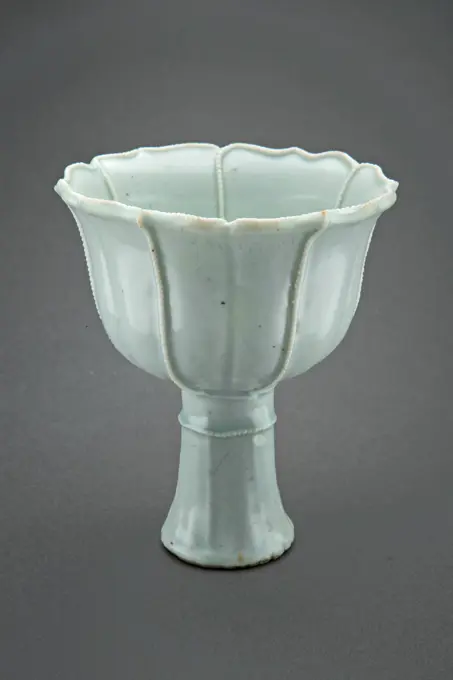
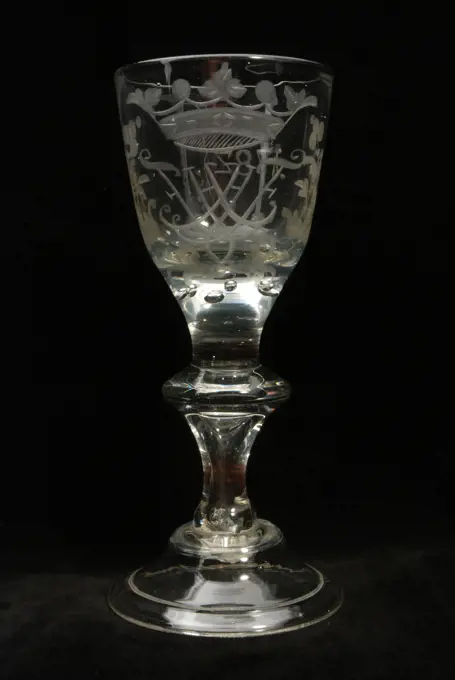
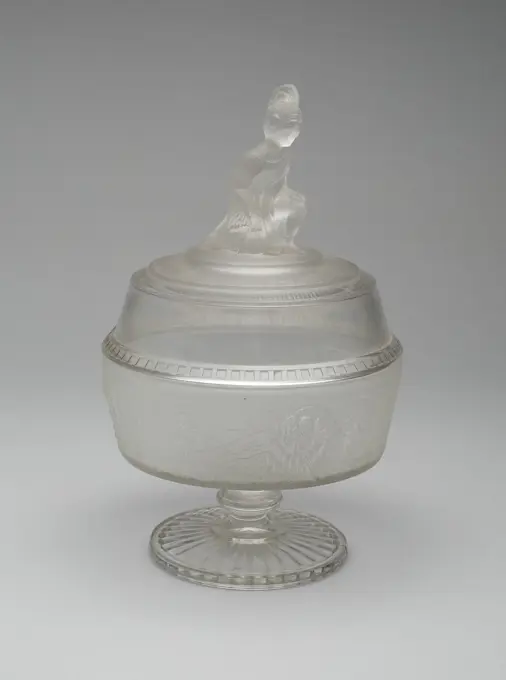
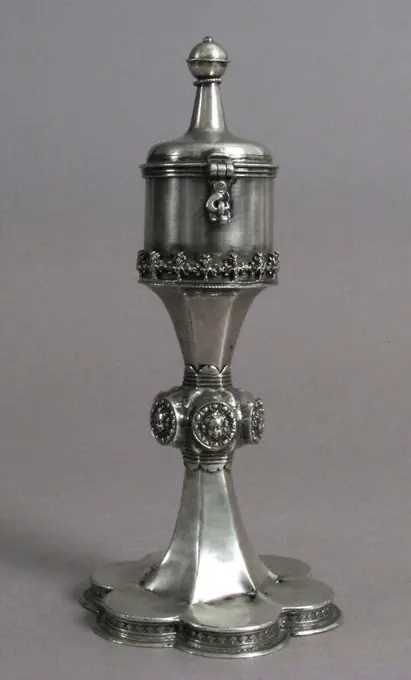
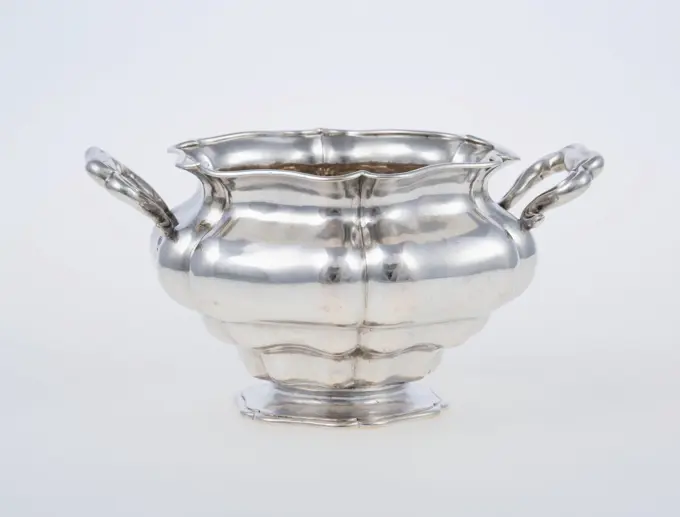
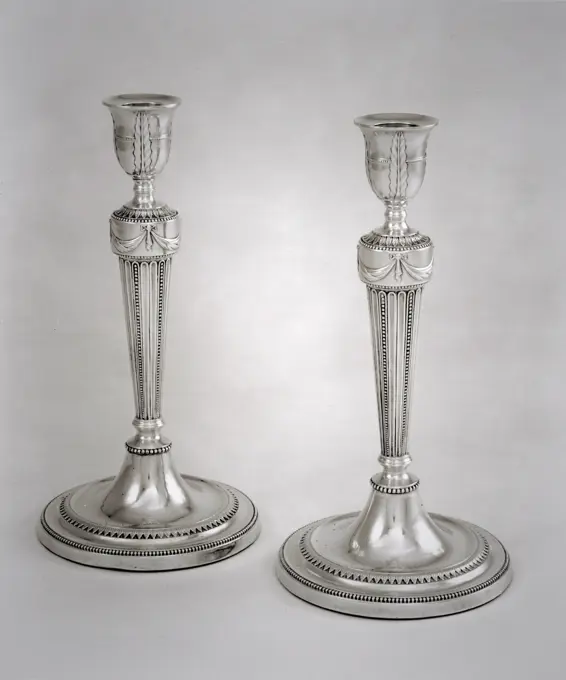
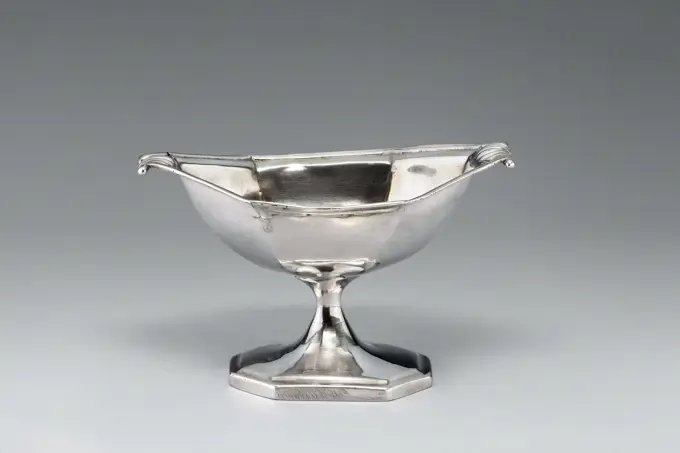
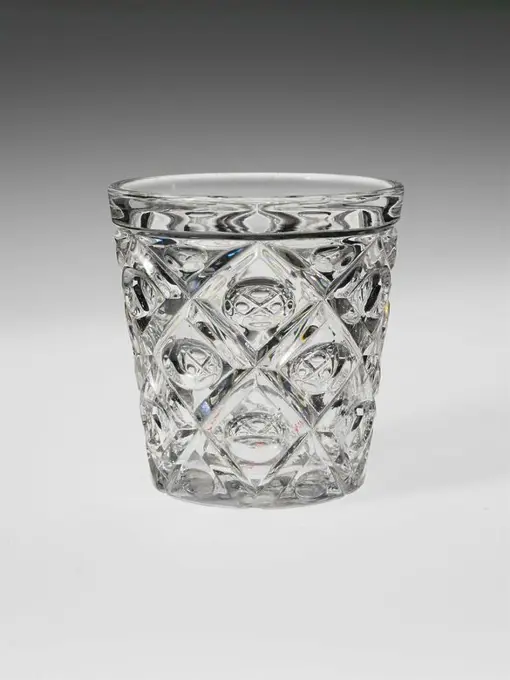
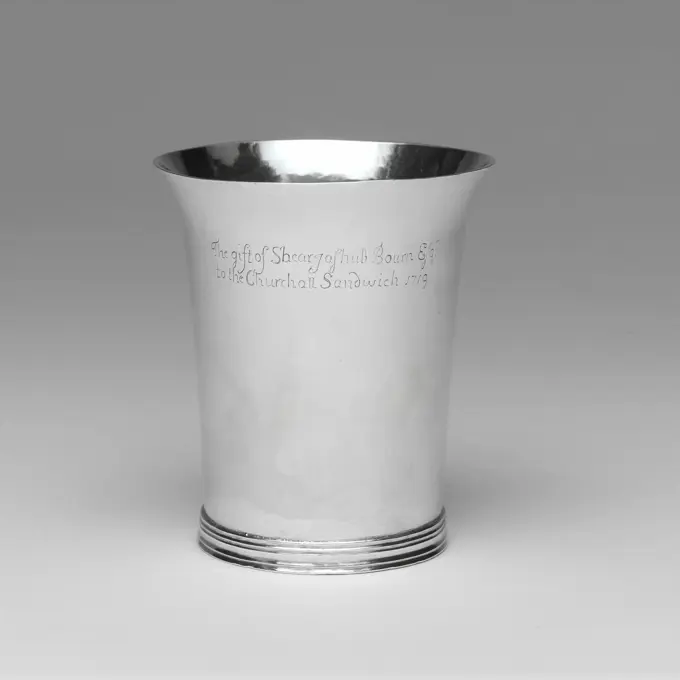
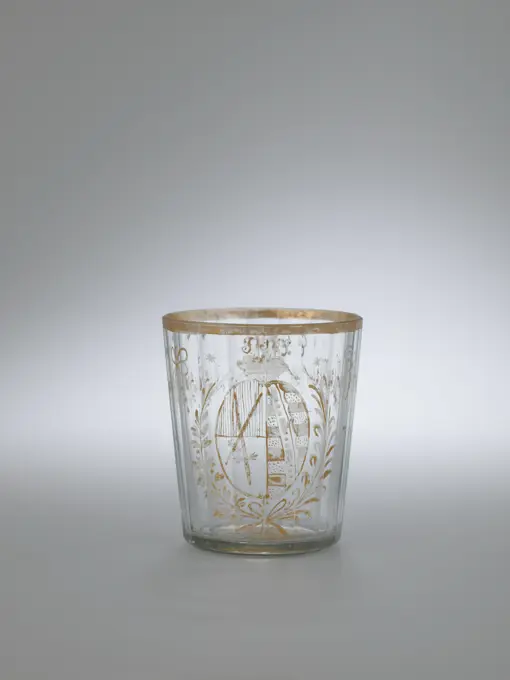
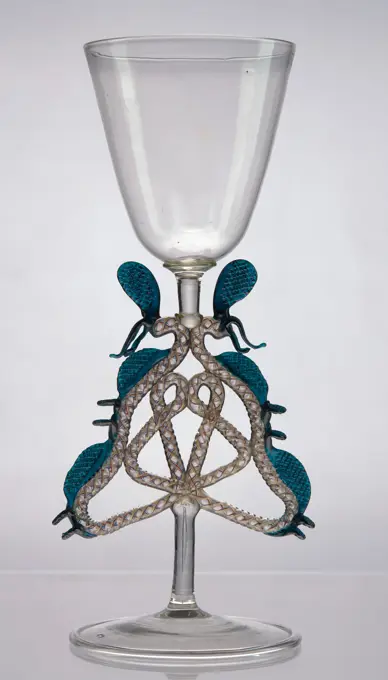
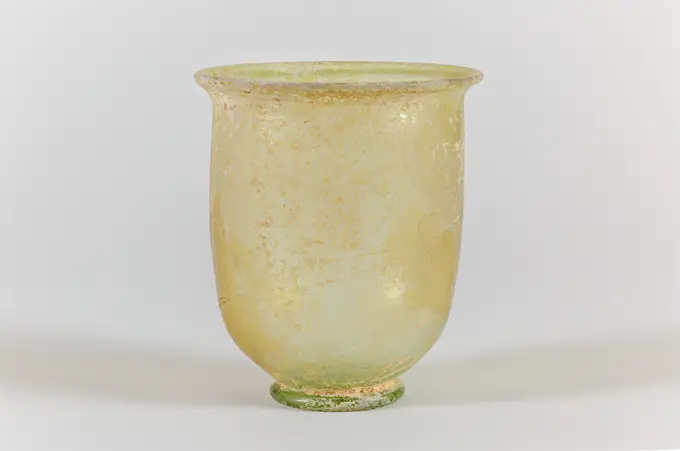
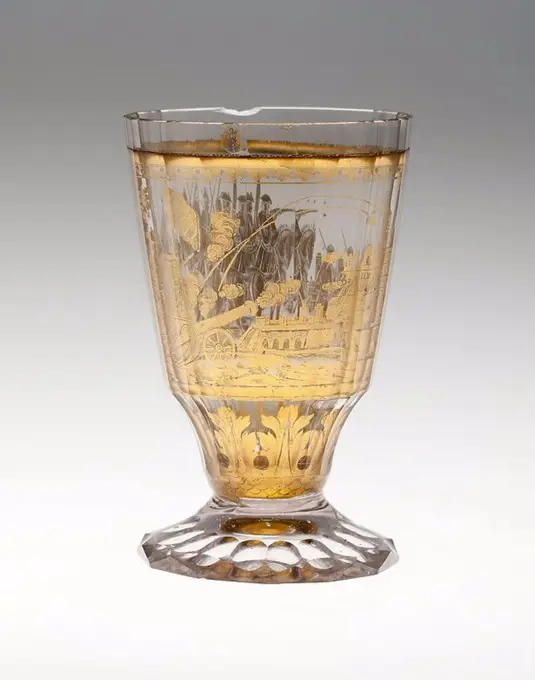
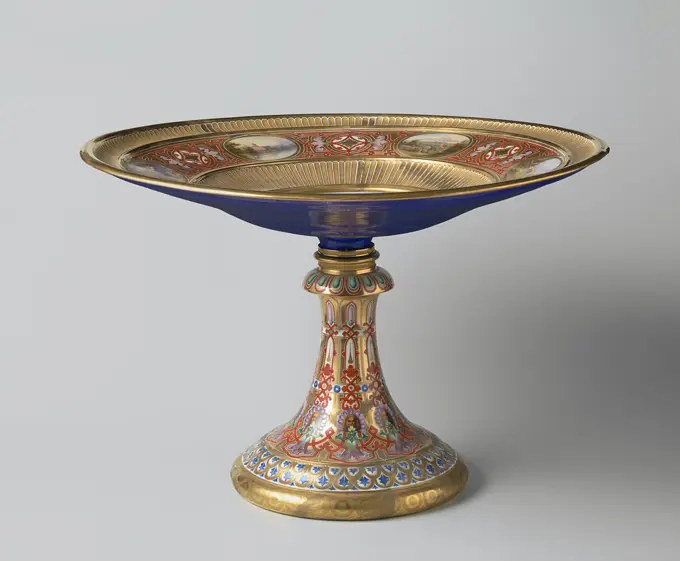
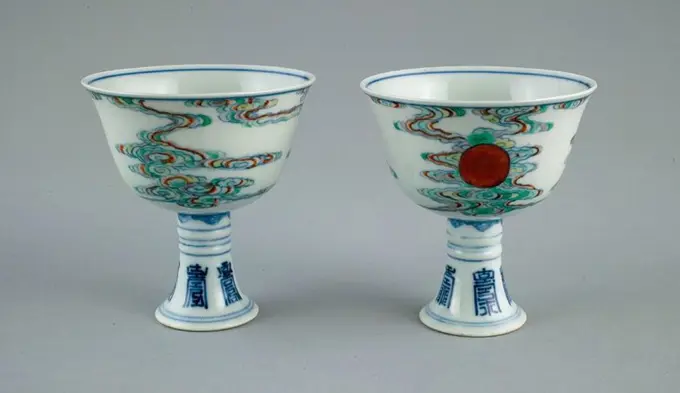
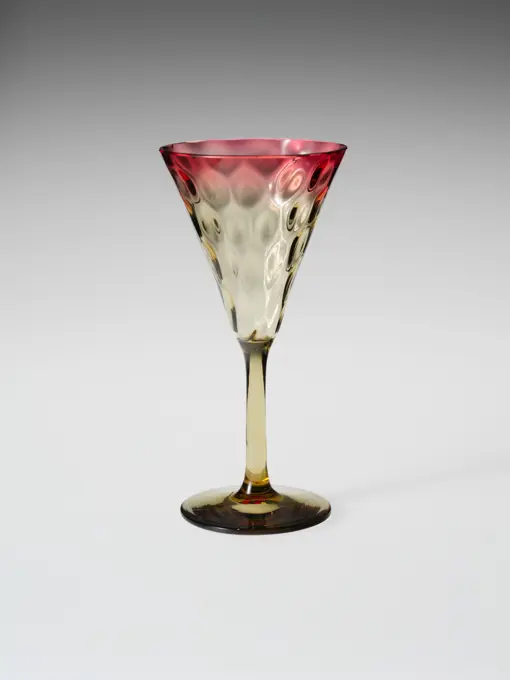
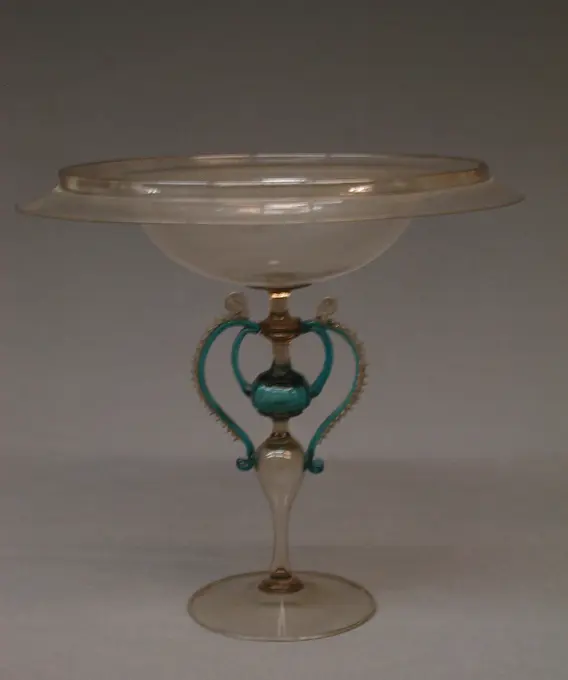
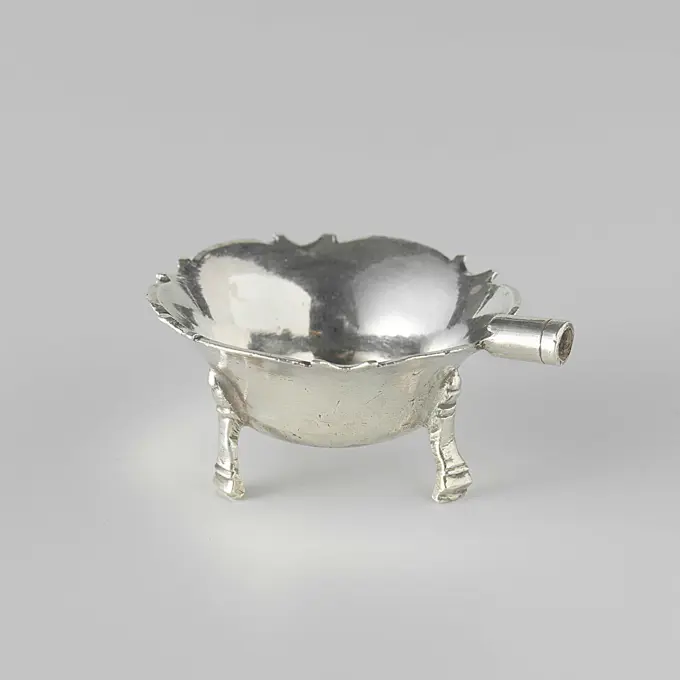
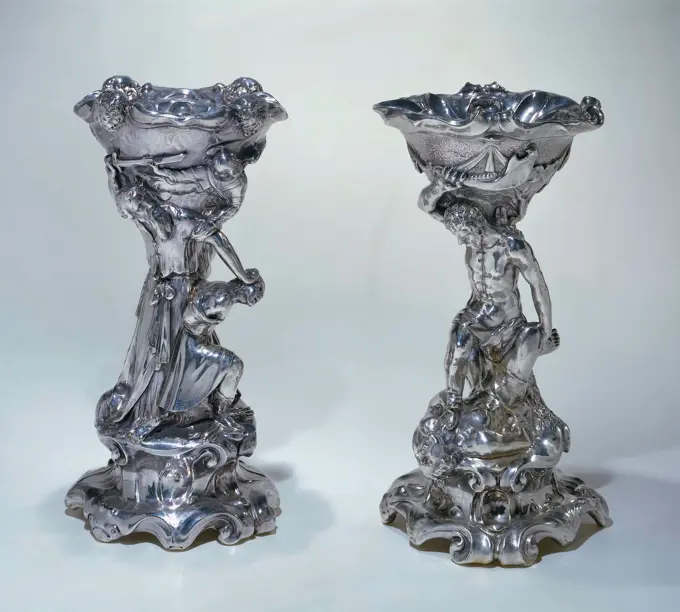
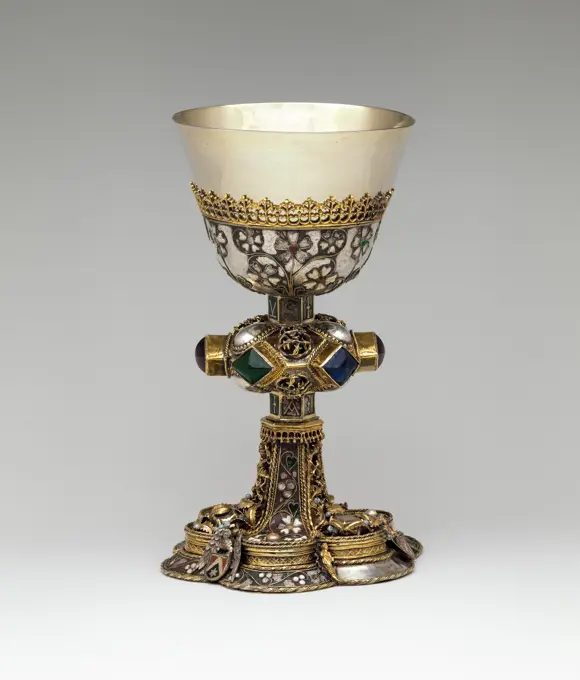
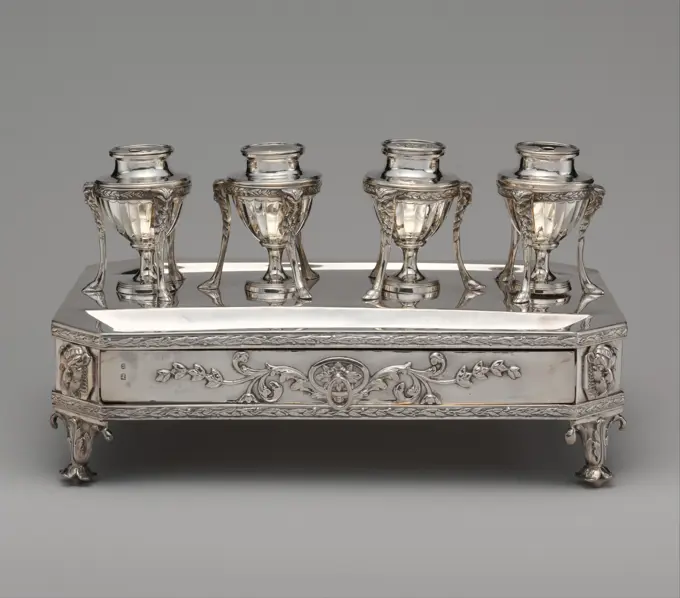
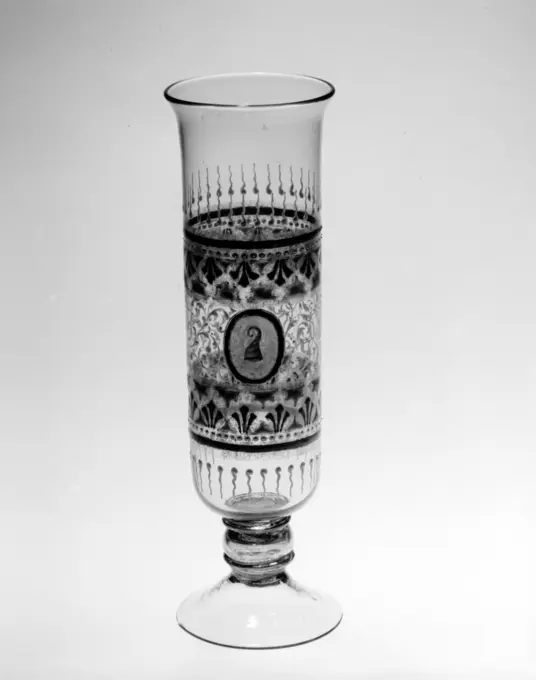
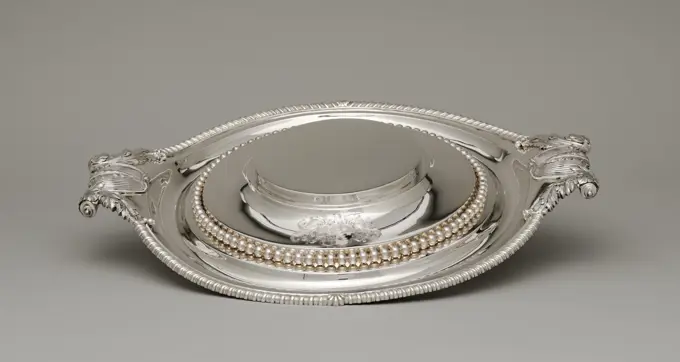
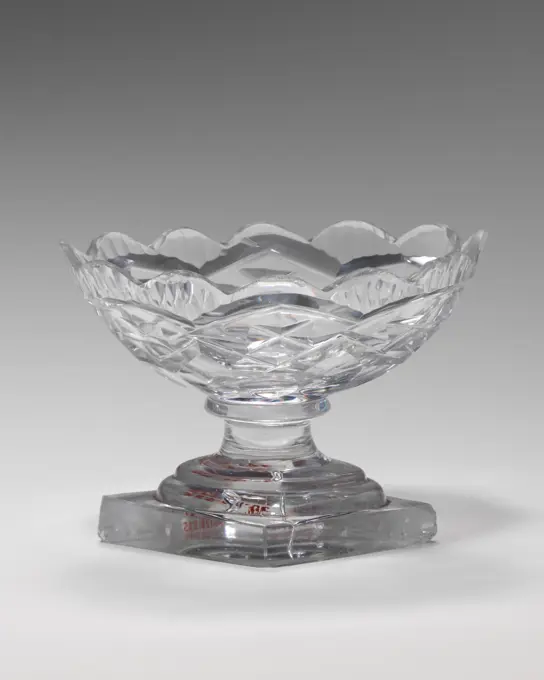
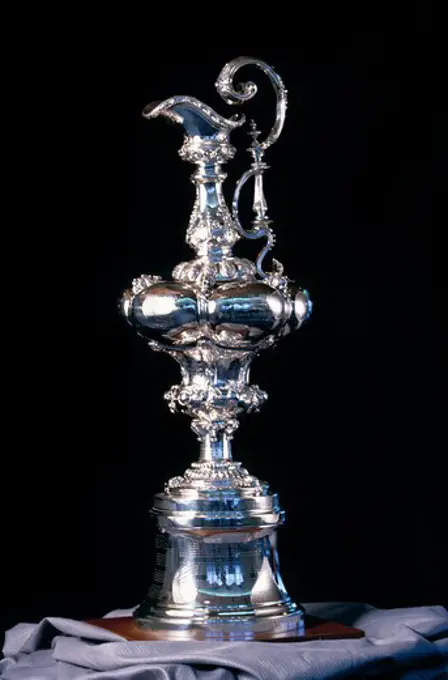
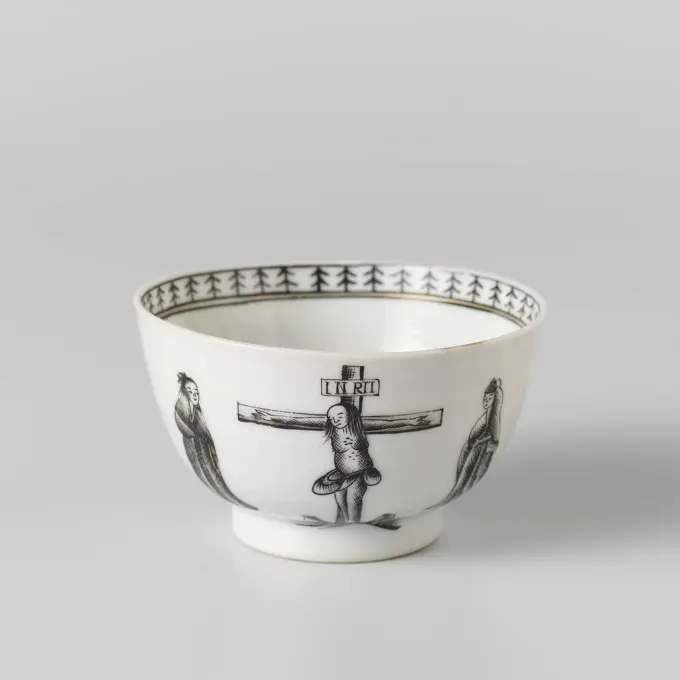
goblet, glass, Curved sides cut with diagonal flutes and above, a row of diamonds; taperedfluted stem; 7-sided flat base; glass bluish in color, heavy; cutting clumsy., Europe, n.d., glasswares, Decorative Arts, gobletCordial glass, from a set of four, c. 1865, New England Glass Company (), American (Cambridge, Massachusetts), American (Cambridge, Massachusetts), H.4 x Dia.2 in., Lead glass, United States, 19th century. Facet cut, flat foot. Facet cut, baluster-shaped strain with a flat button. Conical chalice with facet cut swamed soil. The facet cut, vaulted lid with a facet cut crown in the form of a peak. On the chalice, between volutes and band work with flower and leafwork and fruits, two tweemasters are shown and a sailboat under a canopy. Above the performance The text: Auf Diewohlfarth von der Negotie. On the other side, also under a canopy, a four-pane in the field for a walled city. On the lid Voluten and bandwerk, interspersed by three ships.Compote 1850-60 American With the development of new formulas and techniques, glass-pressing technology had improved markedly by the late 1840s. By this time, pressed tablewares were being produced in large matching sets and innumerable forms. During the mid-1850s, colorless glass and simple geometric patterns dominated. Catering to the demand for moderately-priced dining wares, the glass industry in the United States expanded widely, and numerous factories supplied less expensive pressed glassware to the growing market. At the Exhibition of the Industry of All Nations at New Yorks Crystal Palace in 1853, for example, the New England Glass Company exhibited 130 pieces of one design, "consisting of bowls, tumblers, champagnes, wines, and jelly glasses." This object belongs to one such service. Although the glass manufactory is not known, the glassware is very typical of the large services that were very popular with Americas middle class in the nineteenth century.. Compote. American. Goblet; Façon de Venise, Netherlands (possibly); late 16th or early 17th century; Free- and mold-blown light cobalt-blue glass; 21.7 x 12.9 cm (8 9,16 x 5 1,16 in.)Wineglass with cover first half 18th century German. Wineglass with cover. German. first half 18th century. Glass. GlassStemcup with Pearl-Edged Lobes and Central Floret 1279-1368 China. Qingbai ware; glazed porcelain with underglaze applied decoration .Cup Huta enamel in NalibokiChalice glass engraved with monogram and year 1782, wine glass drinking glass drinking utensils tableware holder glass, free blown and shaped radgraving Goblet wineglass in clear colorless glass Pontil mark under bell shaped ascending foot with down turned rim Hollow inverted balustere with solid sharp knot (, cm) Bucket-shaped chalice with thick foot (h 3.5 cm) in which seven trapped air bubbles (six smaller ones around one larger) to fire-rounded edge. Front side of the chalice engraving under crown of mirrored monogram W (V) HF with leaves on both sides. At the backside 1782 monogram Wv HF and year 1782Wineglass 1725-50 Dutch or Flemish. Wineglass. Dutch or Flemish. 1725-50. Glass. GlassSilver-gilt chalice, 18th century, Huesca Diocesan Museum, Aragon community, Spain.Wine cup 1618-19 R. W., London. Wine cup 205224Jar 19th century Italian, Venice (Murano). Jar. Italian, Venice (Murano). 19th century. Glass. GlassWestward Ho!/Pioneer pattern covered footed compote c 1876 Philadelphia. Glass . Gillinder and Sons (Manufacturer)Olearium. Culture: Bohemian. Dimensions: Overall: 7 1/8 x 3 7/16 in. (18.1 x 8.8 cm). Date: first half 16th century. Museum: Metropolitan Museum of Art, New York, USA.Lotus Bowl; Designed by Clara Barck Welles (American, 1868 - 1965); Manufactured by The Kalo Shop (United States); USA; raised and chased silverPezé Pilleau, Bowl (altered), 1736/37, silver.Probably Boston and Sandwich Glass Works, Decanter and Stopper, c. 1826-c. 1840, colorless glass.Confectioner;  2. PO. 19th century (1851-00-00-1900-00-00);Presentation chalice 1870-88 Boston & Sandwich Glass Company This chalice may have been made by Lutz, a glassmaker for the Boston and Sandwich Glass Company famous for his flower compositions and his fine threaded stemware. Tradition has it that he presented the piece to a fellow employee before the companyshut down in 1888.. Presentation chalice 6777. Conical, profiled foot of red painted wood. The stem made up of a flat and a round, red painted, wooden nodus. Funnel shaped chalice. Along the edge remains of gildings. On the chalice, the name Lisbet Hendricks, a leaf drink and the year 1590 is engraved.Maker Unknown, Pair of Candlesticks, c. 1785/86, Fused silverplate.Compote 1870-90 Adams and Company. Compote 2225Lidded beaker, anonymous, c. 1550 - c. 1575 Cup with lid of rock crystal in an enamelled, golden frame. The barrel is scanned all around. The vaulted lid is crowned by an enamelled gold button. Malib gold (metal). Cup with lid of rock crystal in an enamelled, golden frame. The barrel is scanned all around. The vaulted lid is crowned by an enamelled gold button. Malib gold (metal).Chalice 1625-26 Adam Pijart. Chalice 197083Wine glass, from a set of four, c. 1830, 5 1/4 x 2 1/2 x 2 1/2 in. (13.34 x 6.35 x 6.35 cm), Cut glass, France (), 19th centuryCompote 1845-1855 Bohemia. Glass with red flashing .Candlestick ca. 1815-30 American. Candlestick. American. ca. 1815-30. Glass, blown. Probably made in Pittsburgh, Pennsylvania, United StatesJellyGlassSalt-cellar. Le Bass, James (fl. 1808-1845), goldsmith. The date 1644’ is engraved on the stem of this glass, between the top row of raspberry prunts. The bowl isornamented with a view of the city of Nijmegen, seen across the River Waal. As a source, the engraver reliedon an illustration from a book about the history of Gelderland.Tumbler. Culture: American. Dimensions: H. 3 7/8 in. (9.8 cm); Diam. 3 1/2 in. (8.9 cm). Date: 1850-60.With the development of new formulas and techniques, glass-pressing technology had improved markedly by the late 1840s. By this time, pressed tablewares were being produced in large matching sets and innumerable forms. During the mid-1850s, colorless glass and simple geometric patterns dominated. Catering to the demand for moderately-priced dining wares, the glass industry in the United States expanded widely, and numerous factories supplied less expensive pressed glassware to the growing market. At the Exhibition of the Industry of All Nations at New York's Crystal Palace in 1853, for example, the New England Glass Company exhibited 130 pieces of one design, "consisting of bowls, tumblers, champagnes, wines, and jelly glasses." This object belongs to one such service. Although the glass manufactory is not known, the glassware is very typical of the large services that were very popuSherry Glass ca. 1888 Probably New England Glass Company. Sherry Glass. American. ca. 1888. Blown glass. Made in East Cambridge, Massachusetts, United StatesT. G. Hawkes and Company, Water Bottle or Carafe, c. 1907, colorless lead glass.Goblet (Kelchpokal); Façon de Venise, possibly the Glashütte of Sebastian Höchstetter (Austrian, active 1540 - 1569); Hall, Austria; 1540 - 1560; Free- and mold-blown colorless (purplish-gray) glass with gilding; 17.6 x 13.3 cm (6 15,16 x 5 1,4 in.)Cruet Stand ca.1796 Joseph Dubois. Cruet Stand 2747PIEZA DE VIDRIO DE LA GRANJA. Location: MUSEE D'ARTS DECORATIFS. MADRID. SPANIEN.Salt (one of a pair). Culture: Irish or British. Dimensions: Overall: 3 1/8 × 3 in. (7.9 × 7.6 cm). Date: early 19th century. Museum: Metropolitan Museum of Art, New York, USA.Group of vases. Two of the vases in this group bear the mark of the Porceleinfabriek aan den Amstel, the successor of the Loosdrecht porcelain factory. Just as the factory at Loosdrecht had earlier bought up the stock and moulds of its predecessor in Weesp, so did the factory in Ouderkerk aan de Amstel take over the inventory of Loosdrecht.Römer. Ravenscroft, George (1632-1683), company owner, Mooleyser, Willem (-1697), workshopPrzeszo Przyszoci unknownBeaker ca. 1719 Moody Russell The sum of eight pounds bequeathed by Shearjashub Bourne to the church in Sandwich, Massachusetts, likely was used to purchase these two beakers. Bourne was a prominent and affluent citizen whose wealth derived from a lucrative trade he carried on with Native Americans. At his death, Bourne's estate was appraised at £943.1s.4d. Although a domestic form, beakers often were used as communion cups. These beakers appear to have served as models for four other beakers made for the church in the nineteenth century by Lewis Cary.. Beaker 422Coupe. The beautiful tonalities of the stone contrast with the colours of the mount.Glass; Non -like Lona Huta; 2. PO. 18th century (1750-00-00-1800-00-00);Wine Glass 1850-1899 Bohemia. Glass; blown, cut, stained red adn engraved .. Flat foot. Short strain with one disc. High, tulip-shaped chalice, on which two couplets from Wien Neerlandsch Blood are engraved under the head of national anthem; Below it, in an oval medallion the name Tollens, surrounded by a winch, trumpet and Ganzeveer between flower reflections. On the other side the inscription to reclain to the 1830-1831 Antwerp. Citad.l to mines friend De Weled.l Gestr. HR. M. Brandon Mondolfo Ridder Der Mil. W. Order. Below this Amsterdam 26 Aug 1856 with Diamant Gekek. and in a small, oval unevenness in the glass mass the signature and the year DH D C FEC 1856. Furthermore, the glass is engraved on the glass with a medallion with the names of the cities of Hasselt and Leuven and a second iron cross with a medallion With the name of the city of Bautersum and the date 8 Aug 1831.Przeszo Przyszoci unknownCup (Egypt); olive yellow-green glassBeaker (Humpen) 1693 Saxony. Glass with enamels .Glass beaker 3rd-4th century A.D. Roman Translucent pale blue green.Everted, rounded rim; almost straight, vertical side, then curving inwards; low tubular ring base; flat bottom with pontil scar on exterior, low kick on interior.Intact; few bubbles; dulling, slight pitting, whitish weathering, and iridescence, with soil encrustation around ring base.. Glass beaker. Roman. 3rd-4th century A.D.. Glass; blown. Late Imperial. GlassSugar Bowl, c. 1800. William Haverstick (American, 1756-1823). Silver; overall: 22.7 x 11.8 cm (8 15/16 x 4 5/8 in.).Beaker, c. 1715. Moody Russell (American, 1694-1761). Silver; diameter: 12.4 x 9.4 cm (4 7/8 x 3 11/16 in.).Natotycki mass cup; Pile, Florian (fl. 1513-1540); 1515-20 (1515-00-00-1520-00-00);Zgorzelec (church of St. Peter and Paul) - equipment, gothic (style), message (provenance)Beaker with Battle Scene. Bohemia, Czech Republic. Date: 1725-1735. Dimensions: 11.4 × 9.8 cm (4 1/2 × 3 7/8 in.). Glass with engraved gold leaf decoration. Origin: Bohemia. Museum: The Chicago Art Institute, Chicago, USA.Foot from coupe with topographic images in medallions. Foot from porcelain coupe, painted with topographic images in medallions.Pair of Stem Cups with Sun amid Clouds and Stylized Characters for "Long Life" (Shou). China. Date: 1723-1735. Dimensions: H. 8.7 cm (3 7/16 in.); diam. 8.0 cm (3 1/8 in.). Porcelain painted in underglaze blue and overglaze enamels (doucai). Origin: China. Museum: The Chicago Art Institute, Chicago, USA.Sauce Dish 1870-90 Challinor, Taylor and Company. Sauce Dish. American. 1870-90. Pressed purple marble glass. Made in Tarentum, Pennsylvania, United StatesSherry Glass ca. 1885-87 Probably Hobbs, Brockunier and Company. Sherry Glass 7432Bowl with cover and stand early 19th century Continental European. Bowl with cover and stand. Continental European. early 19th century. Glass. GlassDecanter mid-19th century European. Decanter. European. mid-19th century. Glass. GlassTazza 19th century Italian, Venice (Murano). Tazza. Italian, Venice (Murano). 19th century. Glass. GlassWine glass with a portrait of Johan van Oldenbarnevelt (1574-1619), anonymous, c. 1780 - in or before 1798 Conical foot. Broadening, facet -cut trunk, transferring to a curved chalice. On the chalice a portrait of Johan van Oldenbarneveld (1574-1619) in half, with a laurel branch on the left and an oak branch on the right, which are tied together under the show. Under the portrait the text: Johan van Oldenbarneveld // Advokaat van Holland. glassblower: EnglandNorthern Netherlands glass grinding / glassblowing Conical foot. Broadening, facet -cut trunk, transferring to a curved chalice. On the chalice a portrait of Johan van Oldenbarneveld (1574-1619) in half, with a laurel branch on the left and an oak branch on the right, which are tied together under the show. Under the portrait the text: Johan van Oldenbarneveld // Advokaat van Holland. glassblower: EnglandNorthern Netherlands glass grinding / glassblowingTazza with a trunk with three dolphins, anonymous, c. 1800 - c. 1900 Flat. Stam made up of three twisted threads. On each wire a dolphin of blue glass with gilt; Eyes of green and black glass. Scale -shaped chalice with wide bent edge. Venice glass glassblowing / gilding Flat. Stam made up of three twisted threads. On each wire a dolphin of blue glass with gilt; Eyes of green and black glass. Scale -shaped chalice with wide bent edge. Venice glass glassblowing / gildingTobacco cup. Around three-profiled, flattening, flat legs. The edge of the komfoor is scalloped. The Komfoor has an impetus for a handle. On the photo, the wooden stem is still present, but the stem is now missing. The Komfoor has been labeled: STK. = Amsterdam, JRL. = U (1754), Mt. = Jan Embroidery and an ax.Tumbler, c. 1730. Bohemia, 18th century. Zwischengoldglas (glass); diameter: 8.5 x 6.6 cm (3 3/8 x 2 5/8 in.).Flask. Dimensions: H. 2 3/4 in. (7 cm)W. 1 1/2 in. (3.8 cm). Date: 10th-11th century.Rock crystal was one of the most treasured materials at the Fatimid court. Imported from afar, the material was endowed with magical properties. Because of the hardness of the material, carving such smoothly beveled vegetal designs in rock crystal required tremendous skill and patience. This flask probably served as a perfume container. Museum: Metropolitan Museum of Art, New York, USA.. These two silver sculptures are actually salt-cellars. Each depicts an Old Testament scene with a figure threatening another. One presents Cain killing his brother out of envy, and the other Abraham obeying Gods command to sacrifice his son Isaac.Cup, Tumbler or Salt Holder, 1650-1700. Pinto Collection - Purchased from Edward H Pinto, 1965.. This walnut tumbler holder, made around 1675-1700, would most likely have been the work of a rural craftsman working on a pole lathe. The marks of the lathe can be clearly seen on the underside of the vessel. The sharply pointed interior of the bowl is characteristic of this type of vessel which was used to hold the pointed tumblers which were not able to stand up by themselves. Although the ring turning on the stem is quite heavy, it is interesting to see that the stem has been made up of two different widths.Chalice mid-15th century Central European This is one of two Gothic chalices formerly in the collections of Baron Nathaniel de Rothschild in Vienna and Thomas F. Flannery in Chicago. Salgo prized these works because most similar vessels are still part of ecclesiastical treasuries. Repairs to and replacements on this object were inevitable due to its age and the delicacy of the enamel and other fragile materials. A fall may have damaged the upper part, including the gilded pierced border above the basket as well as the cup, which no longer fits tidily. A Hungarian mark dating from 1800 to 1828 could have been made by a proud goldsmith who restored the chalice.. Chalice 478974Flügelglas. Flat foot. The stem constructed from a tangled rod with red and white wires laid in loops. Three wrapped on both sides. Conical chalice changes into a octagon.No. 126 Finger Bowl; Designed by Ludwig Lobmeyr (Austrian, 1829 - 1917); Manufactured by J. & L. Lobmeyr GmbH (Austria); Austria; mouth-blown crystal, hand-painted goldDish, anonymous, c. 1675 - in or before 1692 Low dish with a wide edge with slammed edge. On the edge it is engraved in Italian letters "No man can be used to do that, who wants to bet with trouble." On the flat the monogram 'V H' under a wreath. glassblower: Low CountriesLeiden glass glassblowing Low dish with a wide edge with slammed edge. On the edge it is engraved in Italian letters "No man can be used to do that, who wants to bet with trouble." On the flat the monogram 'V H' under a wreath. glassblower: Low CountriesLeiden glass glassblowingInkstand 1802 John Plimmer The inkstand has four vase-shaped containers supported in tripod frames that suggest, in miniature, the stands of antiquity that Europeans called "Atheniennes." Two of the containers have holes in the covers for pens and inks and a third has a pierced design on the cover for sand, which served to dry the ink. The fourth container probably held waferssmall readymade paste-disks for sealing letters. There is a deep slot on each of the long sides for pens and a tray to contain other equipment, such as spare quills and the pen knife that was used to recut quills when they split or frayed from use. A medley of decorative motifs combine for the ornament of what would be otherwise a plain rectangular low box with inkwells on its top. The feet are formed of bunched acanthus leaves and above them, on the diagonally cut corners, are lion masks with a suggestion of Egyptian pharaonic headdresses. The oval at the center of the tray which holds the ring drawer-pull encloLamp (Cesendello) 19th century Italian, Venice (Murano) After successful experiments conducted by Gaetano Negrisolo between 1830 and 1852, enameling on glass was resumed in Venice after a hiatus of some three centuries. This example is based on an early Renaissance hanging lamp in the Murano Museum.. Lamp (Cesendello). Italian, Venice (Murano). 19th century. Glass, enamelled and gilt. GlassStand for Covered Tureen, 1812. Paul Storr (British, 1771-1844). Silver; overall: 50.8 cm (20 in.). Silver fulfilled a prominent role in projecting wealth, status, power, and ritual in British life during the 1600s and 1700s. Elaborate forms such as this tureen stand, with its acanthus leaves and fluted detailing, not only represented wealth in its sheer silver weight but also provided royal and aristocratic owners a surface for displaying engraved coats of arms. The arms of the High Sheriff of Yorkshire, Timothy Hutton and his wife Elizabeth Chaytor of Spennithorne Hall in northern England are engraved on this stand by Paul Storr, one of the most prominent London silversmiths of the period.Roemer with a poem to Constantijn Huygens. Anna Roemers Visscher engraved one of her own poems on a wine glass as a gift for Constantijn Huygens. The verses contain both a lament and a request: her pen has run dry, and her mind has turned to rust. She asks Huygens to fetch her some water from Helicon - home of the Muses - so that her ink will flow freely and she can write poems once again.Salt late 18th century British or Irish. Salt. British or Irish. late 18th century. Glass. GlassBridal Cup, c. 1600. Germany, Nuremburg(), 17th century. Silver; overall: 27.4 cm (10 13/16 in.); container: 14 cm (5 1/2 in.).Candlestick. Culture: British. Dimensions: H. 10 3/8 in. (26.4 cm). Maker: Ebenezer Cocker (active ca. 1739). Date: 1764-66. Museum: Metropolitan Museum of Art, New York, USA.. Bell-shaped bowl of porcelain, painted in underglaze blue. The wall of the bowl has been opened with five medallions saved in it. In four medallions two modeled and gold-plated figures, the eight immortals; The last medallions with a show of Shoulao. The underside of the wall and the outer edge with a tire with flower drinks in low relief. The bottom is unglazed. Some chips in the edge; A crack in the wall. Gifts probably from later date and added to Europe. Ming porcelain in blue and white.Bell-shaped cup with a crucifixion scene, anonymous, c. 1780 Bell -shaped head of porcelain with a straight wall, painted on the glaze in black and gold. On the outside a representation of the crucifixion with the two Maria's; the soil with a twig; A band with a decorative pattern on the inner edge. Part of a tea set. European performance in Encre de Chine. China porcelain. glaze. gold (metal) painting / gilding / vitrification Bell -shaped head of porcelain with a straight wall, painted on the glaze in black and gold. On the outside a representation of the crucifixion with the two Maria's; the soil with a twig; A band with a decorative pattern on the inner edge. Part of a tea set. European performance in Encre de Chine. China porcelain. glaze. gold (metal) painting / gilding / vitrificationMug 18th century. Mug 5281Wing glass with tulip -shaped chalice, anonymous, c. 1600 - c. 1700 Wing glass on a flat base with overflowed edge. The trunk made up of a rod made in loops with white and red threads. Four blue combs on both sides. Flat disc above which a tulip -shaped chalice. Low Countries glass glassblowing Wing glass on a flat base with overflowed edge. The trunk made up of a rod made in loops with white and red threads. Four blue combs on both sides. Flat disc above which a tulip -shaped chalice. Low Countries glass glassblowingVase. France, Épinay-sur-Seine; Charles Schneider (French, 1881-1953). Date: 1927-1929. Dimensions: H. 30.5 cm (12 in.). Glass. Origin: Épinay-sur-Seine. Museum: The Chicago Art Institute, Chicago, USA.Salt 1800-1899 Europe. Glass .COPA DE VIDRIO DE LA GRANJA. Location: MUSEO DE HISTORIA DE MADRID-CRISTALERIA. MADRID. SPAIN.Salt cellar;  Of the 19th century (1850-00-00-1920-00-00);The America's Cup trophy.. Bell-shaped head of porcelain with a straight wall, painted on the glaze in black and gold. On the outside twice a representation of the crucifixion with the two Maria's; the bottom with a sprig; On the inner edge a band with a decorative pattern. A crack in the wall. Part of a tea service. European performance in Encre de Chine.Chalice unknownpainted, German glass drinking goblet, 1500 - 1525Humpen. Hall (huta szkła; 1534- ca 1615), creator, Wenecja (ośrodek szklarski ; ca 1000- ), creatorRoman glass- Cage Cup, Novara, 4th cent. AD. Drink and you may live many years ITALY.Trophy cup isolated on a white background - Vintage metalGoblet probably late 19th century Italian (probably Venice). Goblet 460761Bell-shaped cup with a crucifixion scene, anonymous, c. 1780 Bell -shaped head of porcelain with a straight wall, painted on the glaze in black and gold. On the outside a representation of the crucifixion with the two Maria's; the soil with a twig; A band with a decorative pattern on the inner edge. A crack in the wall. Part of a tea set. European performance in Encre de Chine. China porcelain. glaze. gold (metal) painting / gilding / vitrification Bell -shaped head of porcelain with a straight wall, painted on the glaze in black and gold. On the outside a representation of the crucifixion with the two Maria's; the soil with a twig; A band with a decorative pattern on the inner edge. A crack in the wall. Part of a tea set. European performance in Encre de Chine. China porcelain. glaze. gold (metal) painting / gilding / vitrificationTin wine mug with decorations from tin with decorationsTumbler (Italy); glass, cut with gilt decorationTin wine mug with decorations from tin with decorationsBeaker with St. Stephen's Cathedral, Vienna. Anton Kothgasser; Austrian, 1769-1851; Vienna, Austria. Date: 1825-1835. Dimensions: 11 x 8.4 cm (4 5/16 x 3 5/16 in.). Glass; colorless, blown, cut, transparent enamels and gilding. Origin: Vienna. Museum: The Chicago Art Institute, Chicago, USA.