Antique Glassware Collection

Exquisite antique glassware pieces, featuring intricate designs and historical significance, ideal for collectors and decor enthusiasts.

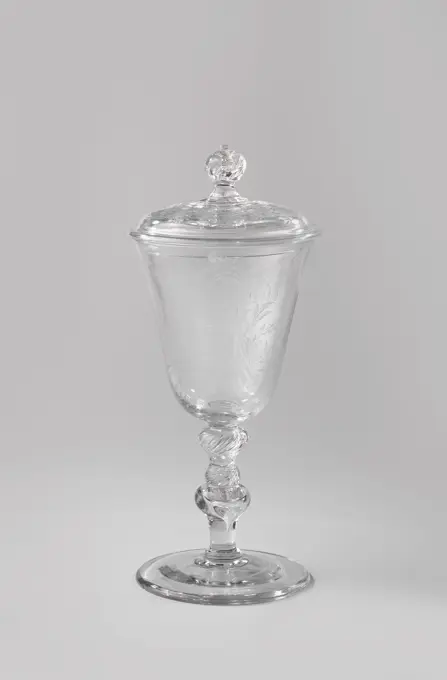
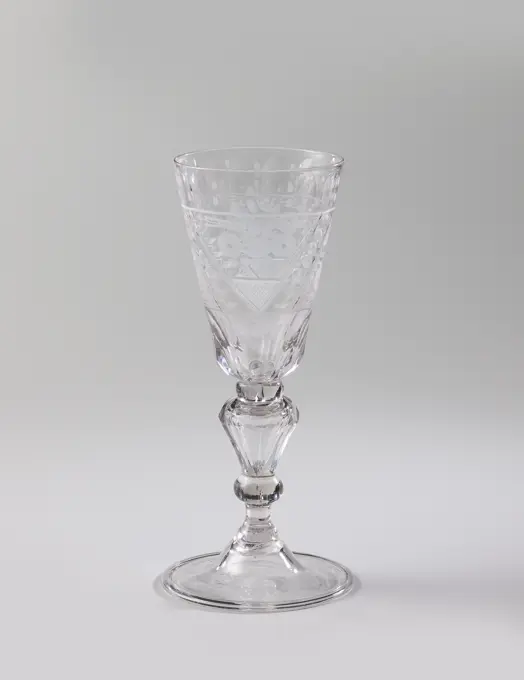
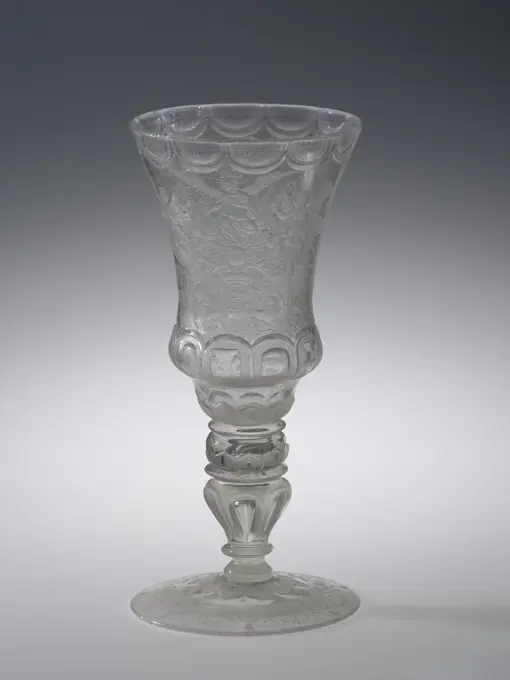
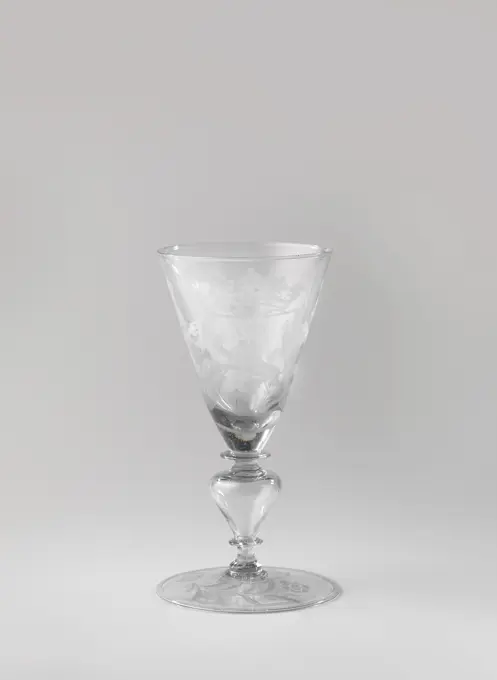
Chalice glass with an ornament edge, c. 1725 - c. 1750 Conical foot. Balus -shaped trunk with four knots. Funnel -shaped chalice with rounded bottom. Along the mouth edge of the chalice, a symmetrical ornament edge composed of band work, volutes, tendrils, clocks and three parrots. glassblower: Low CountriesNorthern Netherlands glass glassblowing Conical foot. Balus -shaped trunk with four knots. Funnel -shaped chalice with rounded bottom. Along the mouth edge of the chalice, a symmetrical ornament edge composed of band work, volutes, tendrils, clocks and three parrots. glassblower: Low CountriesNorthern Netherlands glass glassblowing
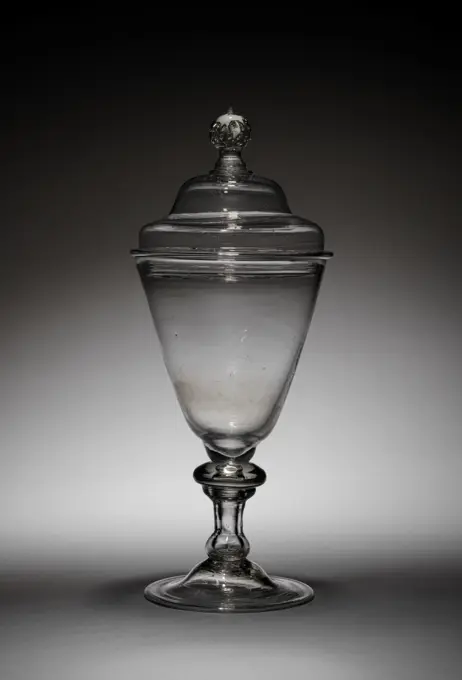
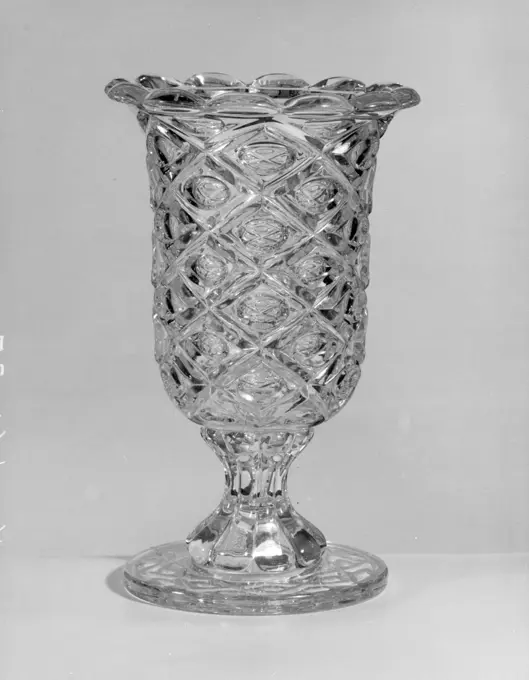
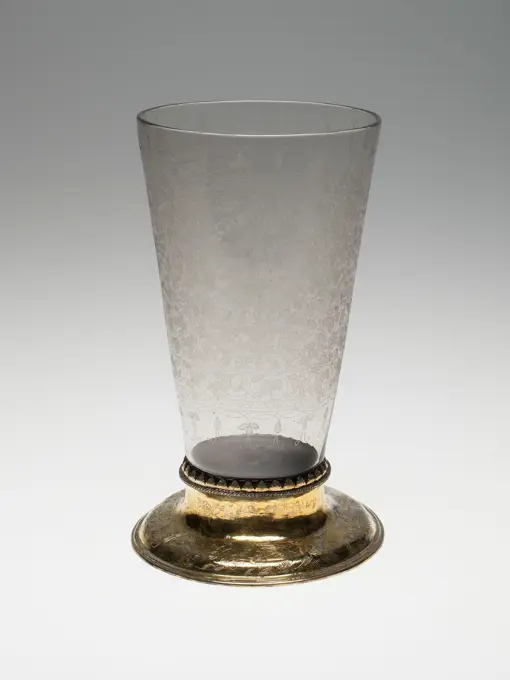
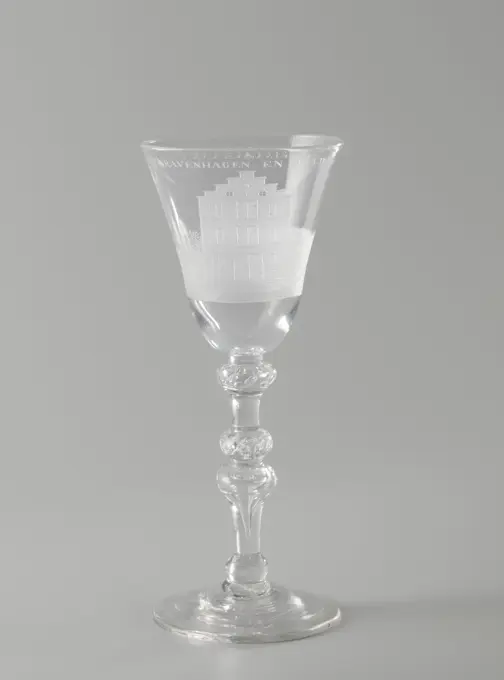
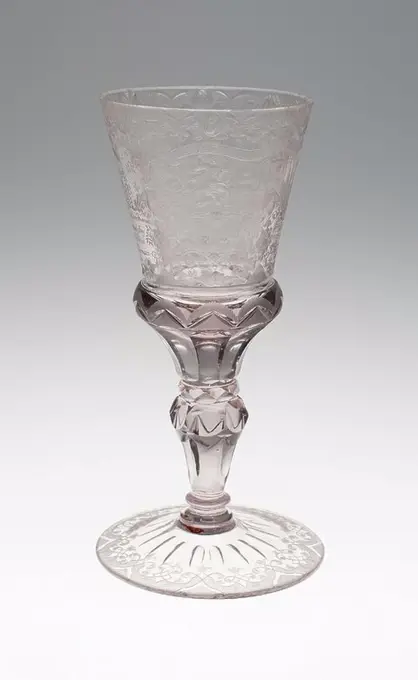
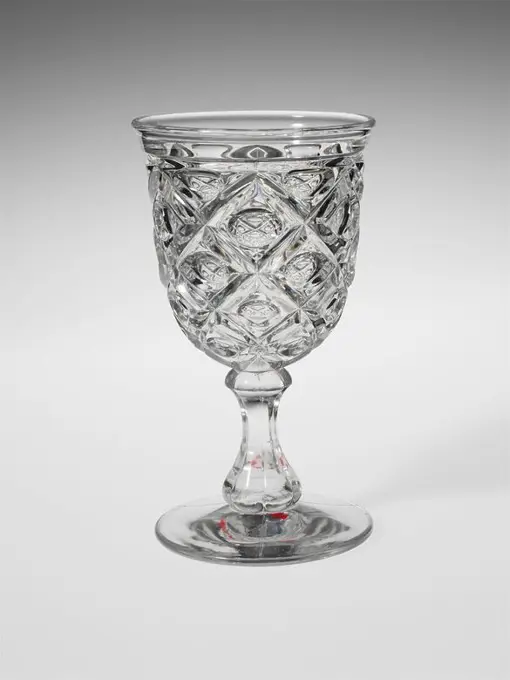
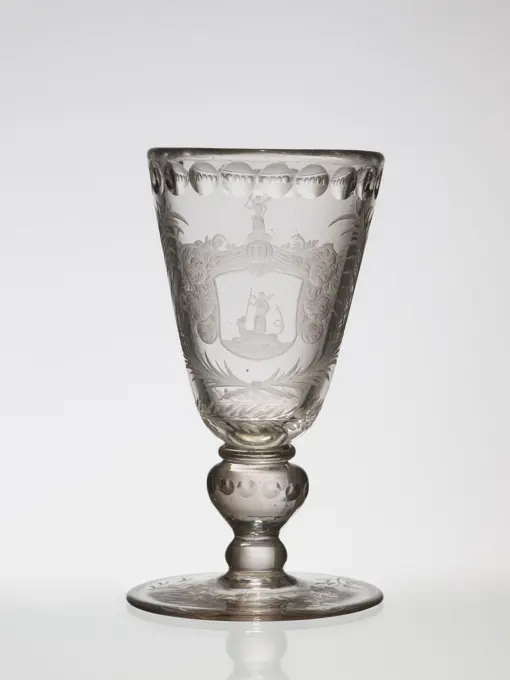
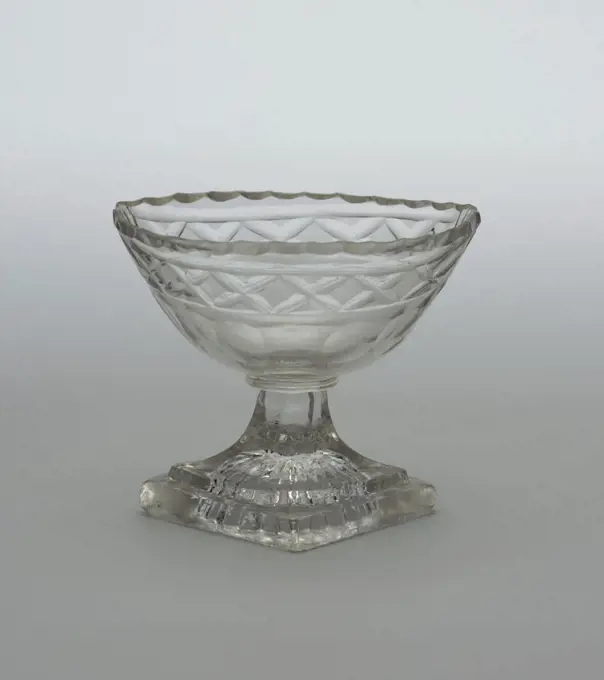
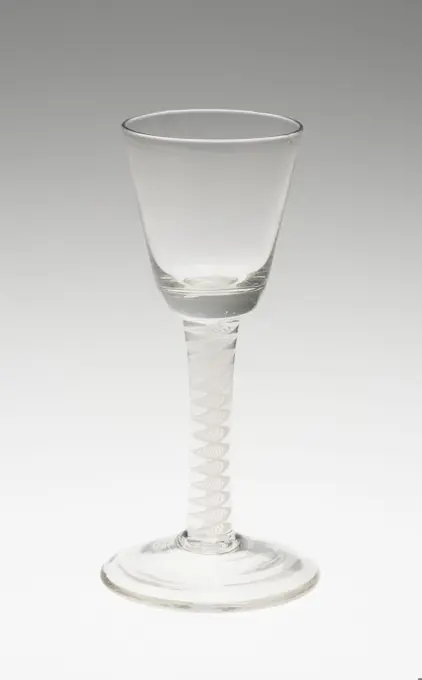
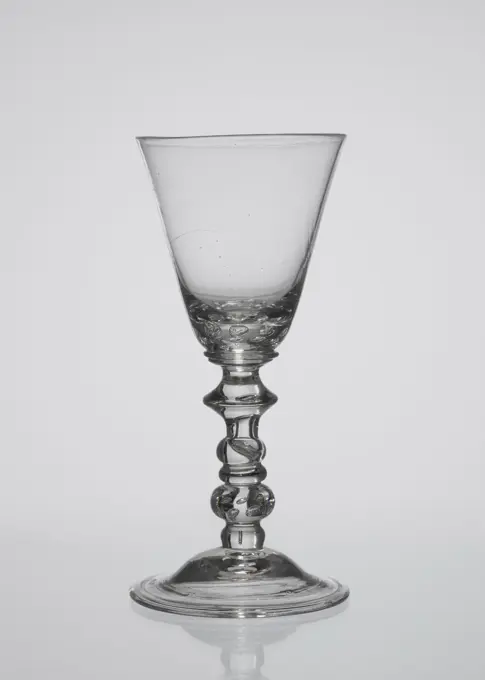
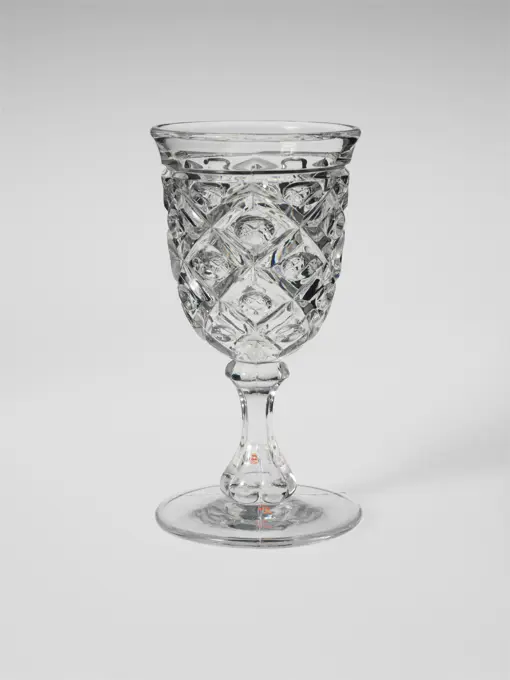
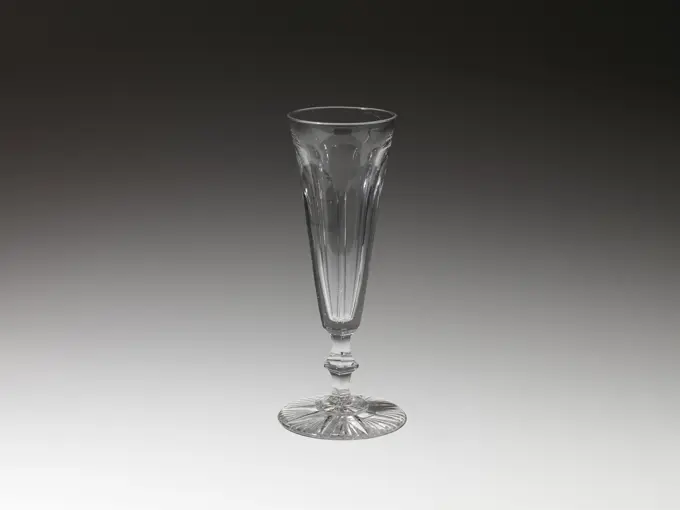
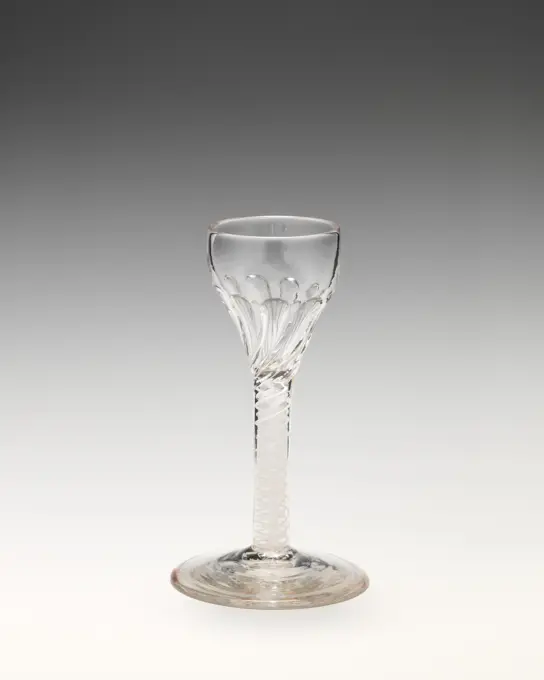
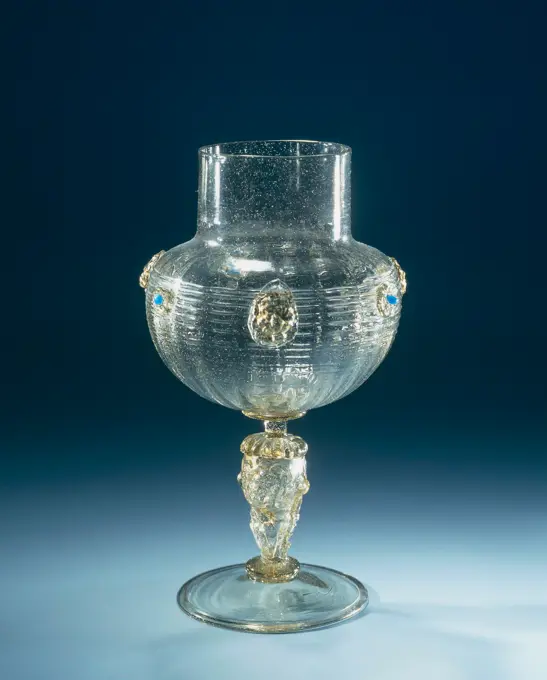
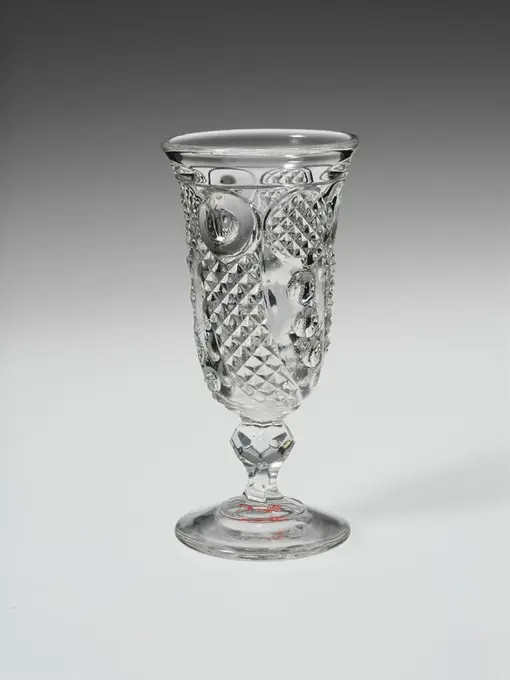
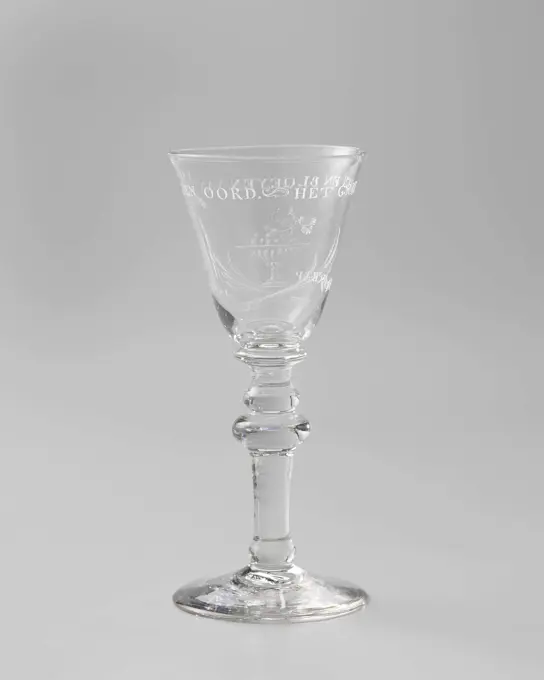
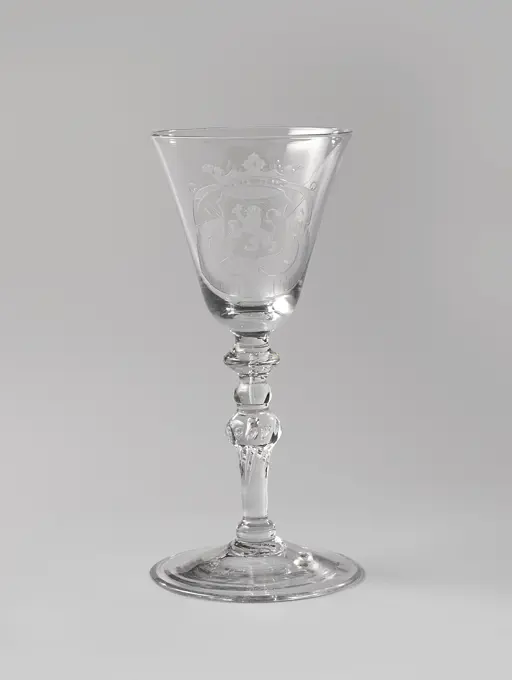
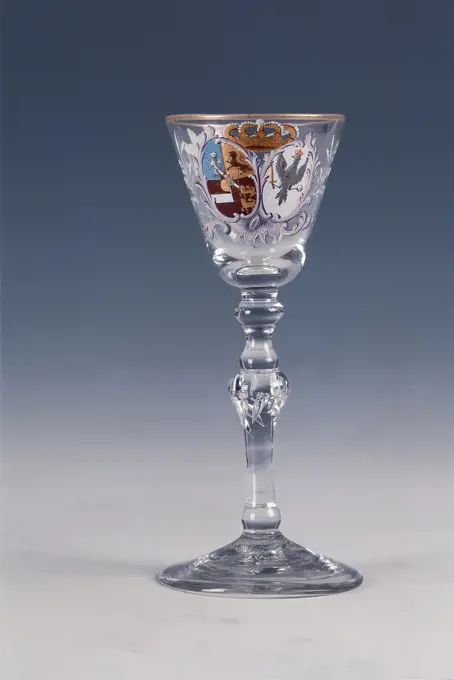
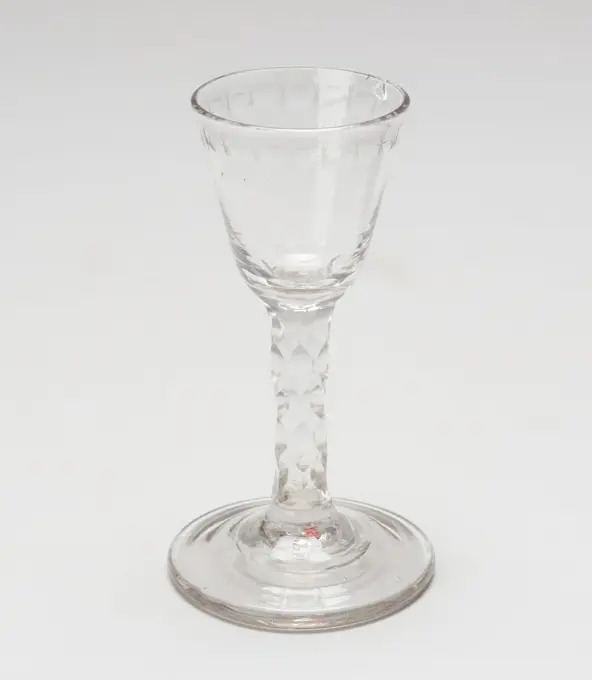
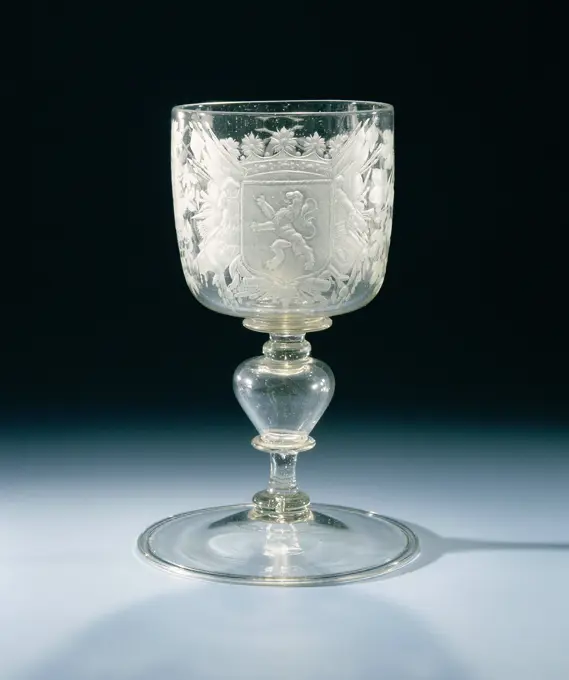
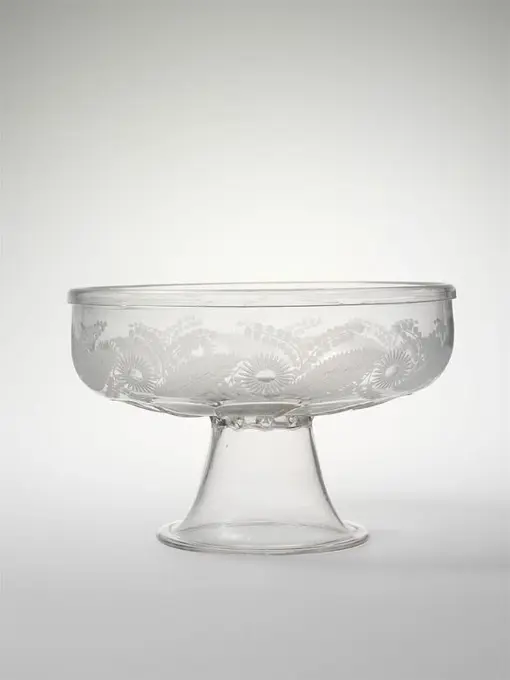
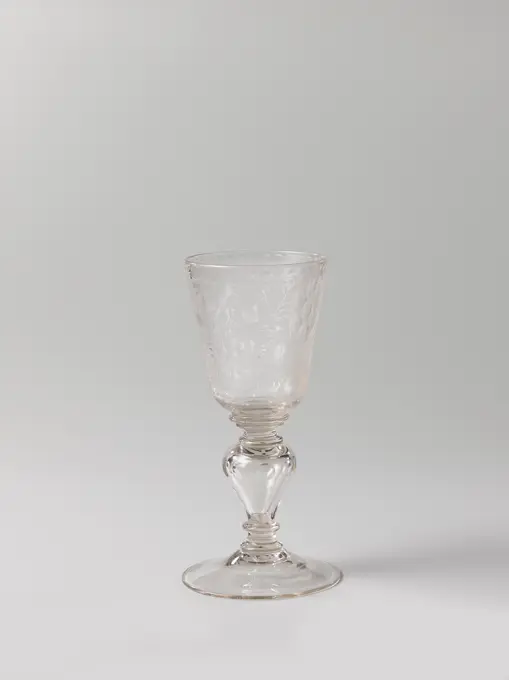
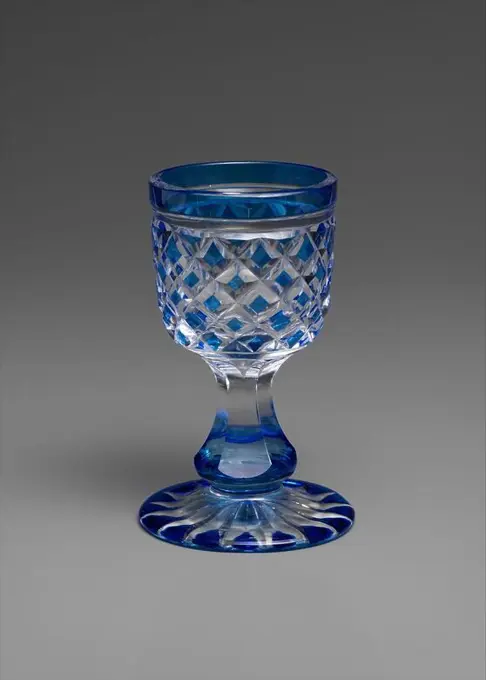
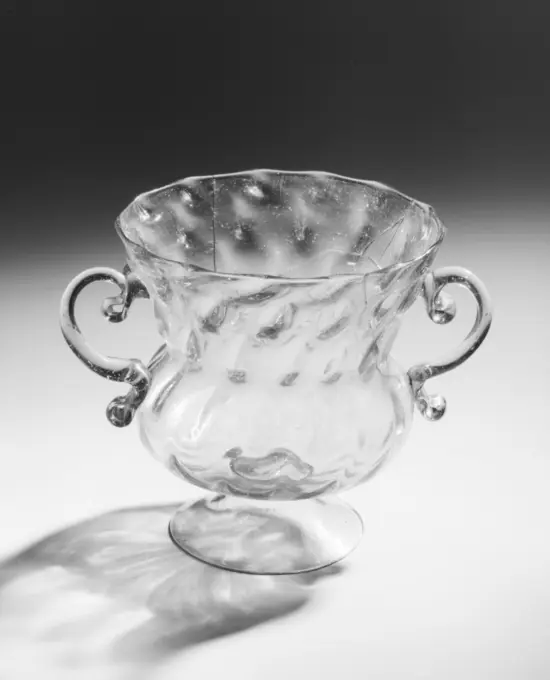
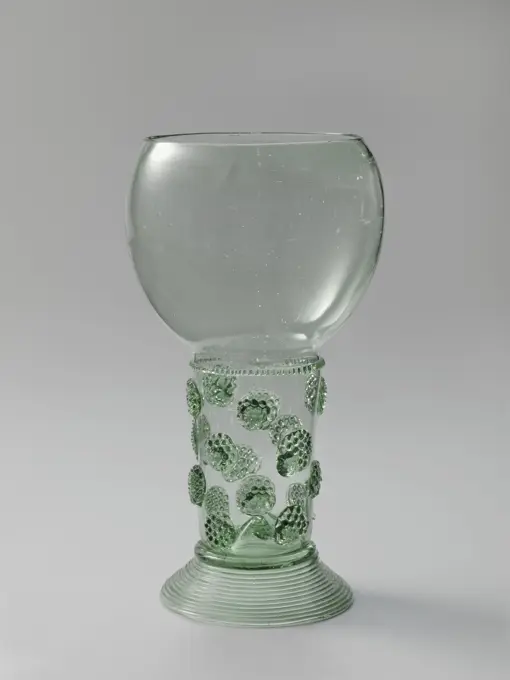
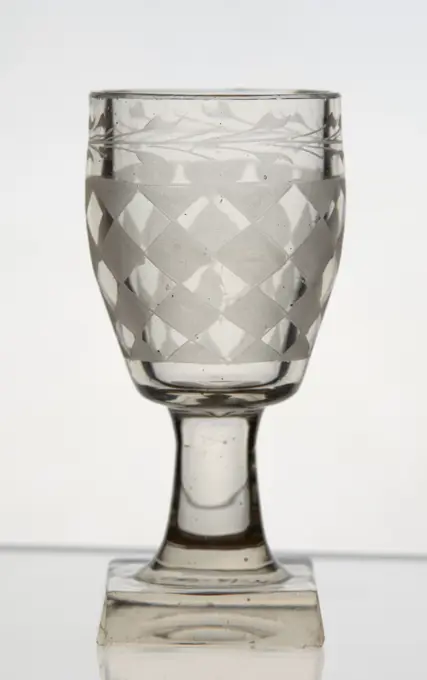
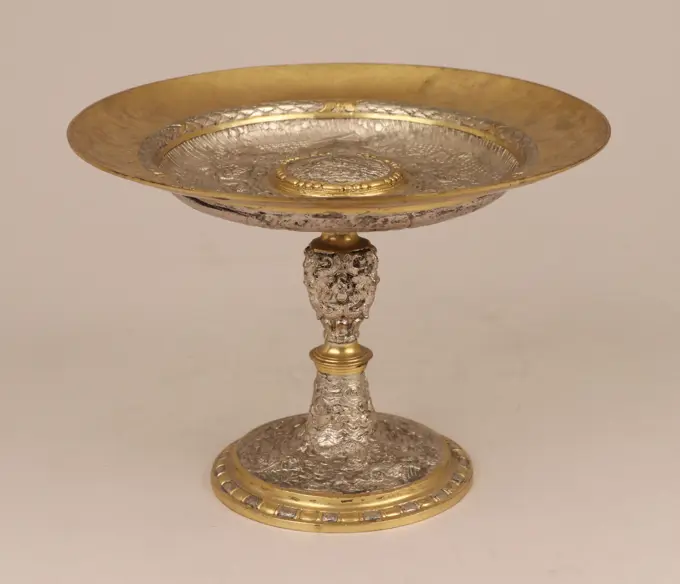
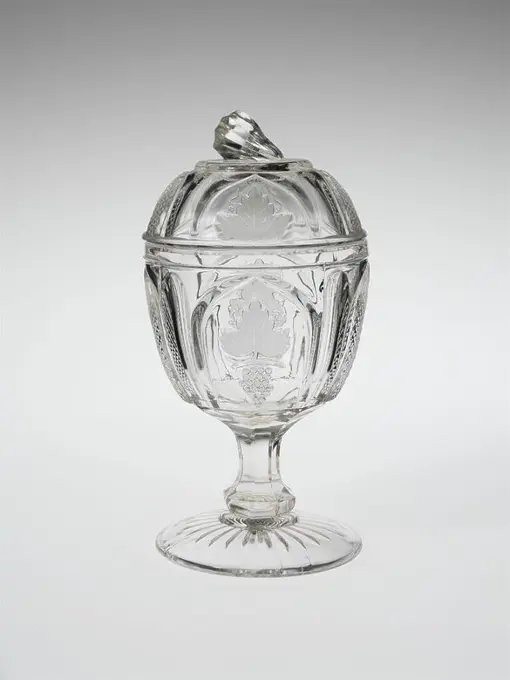
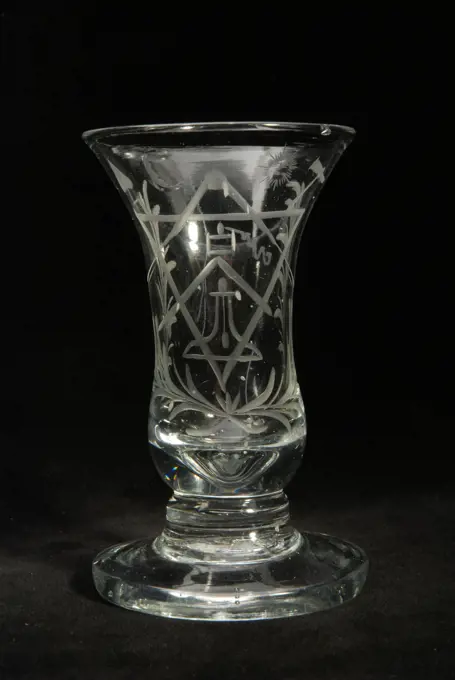
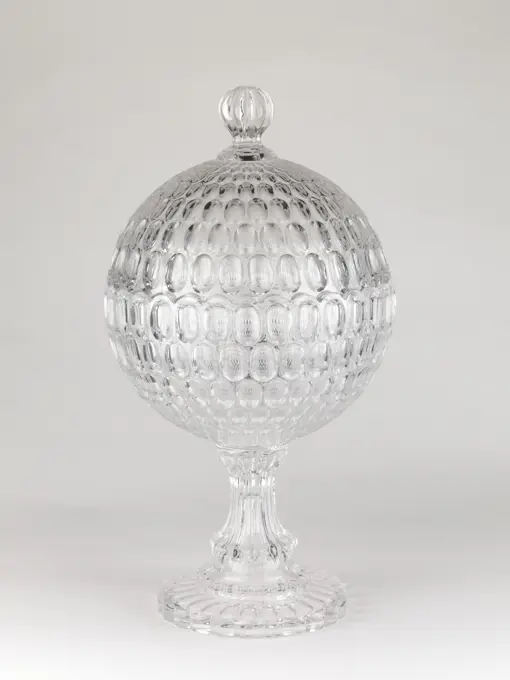
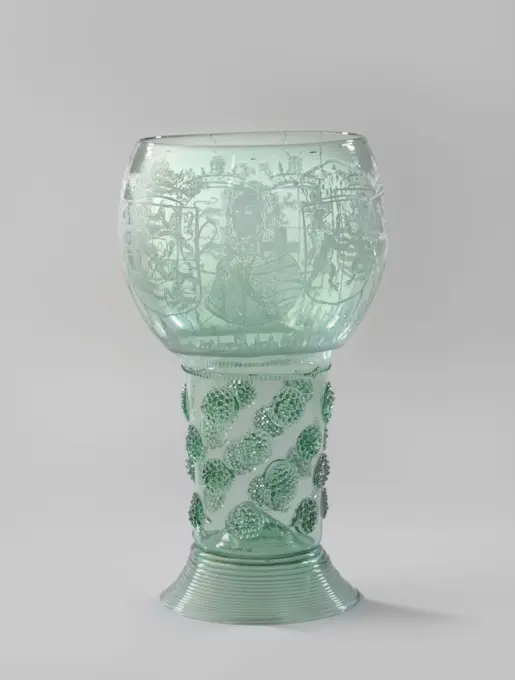
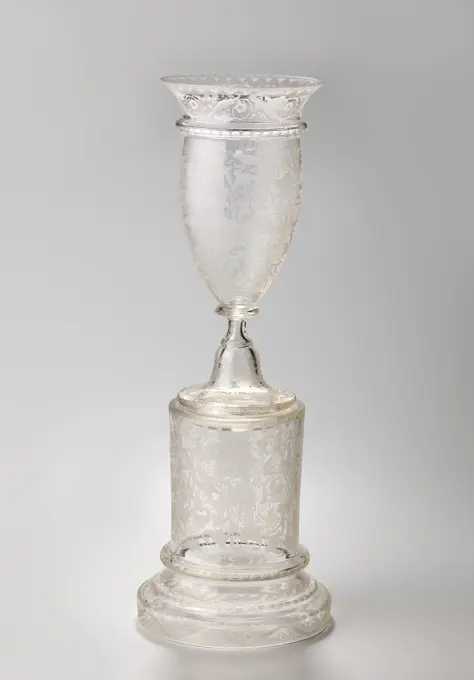
Jar with a pigeon and tools for distilling drinks (), Anonymous, c. 1755 Slightly curved foot. Strain made up of double baluster in which resp. A tear -shaped bubble and a multiple spiral. Engraved performance on Kelk: surrounded by Rococo Ornament a pigeon on the ground, underneath a ton, well and hammer. On the reverse one with two sailing ships, a village and a forest. GUIRLANDES ABOUT RAND CHELL AND LID. Signed under Ton and Put: H: v. Gimnig Fec. glassblower: Southern NetherlandsHaarlem (possibly) glass Slightly curved foot. Strain made up of double baluster in which resp. A tear -shaped bubble and a multiple spiral. Engraved performance on Kelk: surrounded by Rococo Ornament a pigeon on the ground, underneath a ton, well and hammer. On the reverse one with two sailing ships, a village and a forest. GUIRLANDES ABOUT RAND CHELL AND LID. Signed under Ton and Put: H: v. Gimnig Fec. glassblower: Southern NetherlandsHaarlem (possibly) glassJar with triangular fields with stylized tendrils. Bowl with a engraved tire with triangular fields with stylized tendrils.goblet, glass, Clear glass goblet. Vessel is inverted bell shape with etched decoration., Switzerland, early-mid-18th century, glasswares, Decorative Arts, gobletCup; Non -like Lona Huta; 19th century (1801-00-00-1900-00-00);Wineglass or vase late 18th-early 19th century possibly British. Wineglass or vase. possibly British. late 18th-early 19th century. Glass. GlassCup with two hands and inscription. Bokaal with facets cut baluster trunk in three sections. Two hands sealed on the chalice two hands segregated over two hearts surrounded by palm branches and applicable four-line verse: Long live two / in prosperity peace and vree / love sy your well-being / until the end of you.Bokaal with a three -mast and the inscription: 1725 - c. 1750 Cup of clear, colorless and red glass, with an engraved representation of a three -mast and the inscription: Red threads in the trunk. Germany glass glassblowing Cup of clear, colorless and red glass, with an engraved representation of a three -mast and the inscription: Red threads in the trunk. Germany glass glassblowingGoblet with Cover. Germany, Potsdam. Date: 1695-1725. Dimensions: 38.4 x 12.7 cm (15 1/8 x 5 in.). Glass. Origin: Potsdam. Museum: The Chicago Art Institute, Chicago, USA.Chalice glass with an ornament edge, c. 1725 - c. 1750 Conical foot. Balus -shaped trunk with four knots. Funnel -shaped chalice with rounded bottom. Along the mouth edge of the chalice, a symmetrical ornament edge composed of band work, volutes, tendrils, clocks and three parrots. glassblower: Low CountriesNorthern Netherlands glass glassblowing Conical foot. Balus -shaped trunk with four knots. Funnel -shaped chalice with rounded bottom. Along the mouth edge of the chalice, a symmetrical ornament edge composed of band work, volutes, tendrils, clocks and three parrots. glassblower: Low CountriesNorthern Netherlands glass glassblowingWine glass with views of two plantations in Suriname: Schravenhagen and Alida, both belonging to Maria Lemmers-Wossink, anonymous, c. 1752 - c. 1775 Vaulted foot. Baluster tribe with four knots and air bubbles. Conical chalice with rounded soil. On the chalice the face on two plantations in Suriname with the inscription: glassblower: Low CountriesAmsterdam glass glassblowing  Suriname Vaulted foot. Baluster tribe with four knots and air bubbles. Conical chalice with rounded soil. On the chalice the face on two plantations in Suriname with the inscription: glassblower: Low CountriesAmsterdam glass glassblowing  SurinameCup; Karlsthal (glassworks; 1754-Post 1874), Jeleniogórska Basin (engraving center; Ca 1600-); 1760-1770 (1750-00-00-1770-00-00);John (journalist - 1725-1797), Wilkes, Portraits, Silesia (Prussia - 1740-1918)Wine glass with the arms of William IV. translation of inscription: Long Live / William Charles Hendrick Friso, Prince / Stadholder, Captain and Admiral-GeneralVase. Culture: American. Dimensions: 18 1/2 in. (46.4 cm) highLip diameter: 9 in. (22.9 cm)Base diameter: 7 7/8 in. (20 cm). Manufacturer: H. P. Sinclaire and Company (1904-28). Date: 1904-5. Museum: Metropolitan Museum of Art, New York, USA.Champagne flute 1824-35 Jersey Glass Company of George Dummer. Champagne flute 21484Goblet. William Gale & Son; American, 1850-58; 1862-66; New York, New York. Date: 1852. Dimensions: 15.3 × 9.2 cm (6 × 3 5/8 in.). Silver. Origin: New York City. Museum: The Chicago Art Institute, Chicago, USA.Goblet. Germany, Schleswig. Date: 1747. Dimensions: 21.6 x 9.5 cm (8 1/2 x 3 3/4 in.). Glass. Origin: Schleswig. Museum: The Chicago Art Institute, Chicago, USA.Goblet with a keeshond, anonymous, c. 1775 - c. 1795 Facetted, curved foot. Facetted baluster tribe with two knots. Conical chalice with faceted, rounded soil. A keeshond on the chalice; At the edge a winger rank like a pendulum. glassblower: Low CountriesNorthern Netherlands glass grinding / glassblowing Facetted, curved foot. Facetted baluster tribe with two knots. Conical chalice with faceted, rounded soil. A keeshond on the chalice; At the edge a winger rank like a pendulum. glassblower: Low CountriesNorthern Netherlands glass grinding / glassblowingLid of a jar. Part of a double gown. The lid rests on a jar (BK-NM-2122-2), which itself is a lid of an under-location (BK-NM-2122-1).Glass Huta KrysztaGoblet. Germany, Potsdam. Date: 1715-1725. Dimensions: 13 x 8.3 cm (5 1/8 x 3 1/4 in.). Glass. Origin: Potsdam. Museum: The Chicago Art Institute, Chicago, USA.Goblet. Culture: American. Dimensions: H. 6 7/16 in. (16.4 cm); Diam. 3 5/16 in. (8.4 cm). Date: 1850-60.With the development of new formulas and techniques, glass-pressing technology had improved markedly by the late 1840s. By this time, pressed tablewares were being produced in large matching sets and innumerable forms. During the mid-1850s, colorless glass and simple geometric patterns dominated. Catering to the demand for moderately-priced dining wares, the glass industry in the United States expanded widely, and numerous factories supplied less expensive pressed glassware to the growing market. At the Exhibition of the Industry of All Nations at New York's Crystal Palace in 1853, for example, the New England Glass Company exhibited 130 pieces of one design, "consisting of bowls, tumblers, champagnes, wines, and jelly glasses." This object belongs to one such service. Although the glass manufactory is not known, the glassware is very typical of the large services that were very poCup; Potsdam (Huta Szk A; 1674-1736), Zchlin (Huta Szk 1. PO. 18th century (1700-00-00-1750-00-00);salt, glass, Oval bowl on tall spreading fluted stem, diamond-shaped base with molded star fluting on bottom; sides of bowl cut with scalloped edge, flat diamond band and a row of printies; glass greenish, bubbly., Ireland, ca. 1800, glasswares, Decorative Arts, saltWine Glass 1700-1799 England. Glass .Bokaal with the weapons of Willem IV and Friesland, Anonymous, 1731 Cup of clear, colorless glass. Chalice and tribe with facets, which surrounded by attributes and figures on one side the weapon of William IV, Prince of Orange and on the other side that of Friesland and the Monogram PVO (Prince of Orange). Dresden (possibly) glass glassblowing Cup of clear, colorless glass. Chalice and tribe with facets, which surrounded by attributes and figures on one side the weapon of William IV, Prince of Orange and on the other side that of Friesland and the Monogram PVO (Prince of Orange). Dresden (possibly) glass glassblowingCup; Non -like Lona Huta; around 1730-1740 (1730-00-00-1740-00-00);Wineglass. Culture: British. Dimensions: Height: 6 1/2 in. (16.5 cm). Date: probably ca. 1780. Museum: Metropolitan Museum of Art, New York, USA.Chalip glass with the coat of arms of the Hinlopen family, Anonymous, 1660 Flat base with turned around. Hollow baluster tribe with two discs. Conical chalice with rounded soil. On the chalice the crowned weapon of the Amsterdam family Hinlopen, a pelican that feeds her boy, a bobbin with chicks and two turtles on a branch. With inscription in ongoing band under the performances: the Klockhens Trovwycheyt.der Dvyfkens trecke Becke. Dated 16 July 1660. glassblower: Low CountriesNorthern Netherlands glass glassblowing Flat base with turned around. Hollow baluster tribe with two discs. Conical chalice with rounded soil. On the chalice the crowned weapon of the Amsterdam family Hinlopen, a pelican that feeds her boy, a bobbin with chicks and two turtles on a branch. With inscription in ongoing band under the performances: the Klockhens Trovwycheyt.der Dvyfkens trecke Becke. Dated 16 July 1660. glassblower: Low CountriesNorthern Netherlands glass glassblowingCup; Non -like Lona Huta; XVII/18th century (1680-00-00-1710-00-00);Goblet 1850-60 American With the development of new formulas and techniques, glass-pressing technology had improved markedly by the late 1840s. By this time, pressed tablewares were being produced in large matching sets and innumerable forms. During the mid-1850s, colorless glass and simple geometric patterns dominated. Catering to the demand for moderately-priced dining wares, the glass industry in the United States expanded widely, and numerous factories supplied less expensive pressed glassware to the growing market. At the Exhibition of the Industry of All Nations at New Yorks Crystal Palace in 1853, for example, the New England Glass Company exhibited 130 pieces of one design, "consisting of bowls, tumblers, champagnes, wines, and jelly glasses." This object belongs to one such service. Although the glass manufactory is not known, the glassware is very typical of the large services that were very popular with Americas middle class in the nineteenth century.. Goblet 9943Chalice glass with the weapon of Holland, c. 1675 - c. 1700 Chalice glass made of clear, colorless glass, engraved with the crowned weapon of Holland flanked by two lions. glassblower: Low CountriesRotterdam glass glassblowing Chalice glass made of clear, colorless glass, engraved with the crowned weapon of Holland flanked by two lions. glassblower: Low CountriesRotterdam glass glassblowingWine Glass 1745-1755 Germany. Glass .Spoon vase. Spoon vase of silver. The oval vase rests on a diamond-shaped plinth. The chalical container has an openwork decoration. The sloping upright edge is interrupted by 12 segment-shaped reserves in which the spoons can hang.Wineglass ca. 1740-80 British. Wineglass. British. ca. 1740-80. Glass. GlassGoblet 1700-1725 Germany. Glass .Champagne flute 1824-35 Jersey Glass Company of George Dummer. Champagne flute 21483Flip Cup, c. 1800. America, early 19th century. Glass; overall: 49.9 x 20.7 cm (19 5/8 x 8 1/8 in.).Bokaal with lid and inscription "To our parents J: D: V: WZ & C: J: C: Den 23 Nov 1809", Anonymous, c. 1750 - c. 1775 Conical foot, baluster -shaped trunk with two nodi, conical chalice with rounded underside. Foot, trunk, underside chalice, top cover and button faceted. On the chalice, in a medallion built -up from a ribbon tied at the bottom, the assignment "to our parents/J: D: V: Wz/&/C: J: C:/den 23 Nov 1809". The glass is depicted in the eighth book of W: G: J: & Ch de Vos, October 1809, fol.5 (J. de Vos del.) Northern Netherlandsglassblower: Bohemen glass grinding Conical foot, baluster -shaped trunk with two nodi, conical chalice with rounded underside. Foot, trunk, underside chalice, top cover and button faceted. On the chalice, in a medallion built -up from a ribbon tied at the bottom, the assignment "to our parents/J: D: V: Wz/&/C: J: C:/den 23 Nov 1809". The glass is depicted in the eighth book of W: G: J: & Ch de Vos, October 1809, fol.5 (J. de Vos del.) Northern NetherlanKelkglas with Hanover Anna weapon. Kelkglas with conical foot. Baluster trunk with five buttons and air bubbles. On the conical chalice, an engraved representation of the crowned weapon of Anna van Hanover (1709-1759) between two bay branches.Kelkglas with a portrait of Pieter Adriaansz. Van der Werff and a face on Leiden. Vaulted foot. Baluster-shaped strain with three knots. Funnel-shaped chalice with a slightly outstanding mouth edge and a rounded soil. On the chalice the siege of Leiden in 1573. In the foreground a army camp where an angel, armed with a sword, determines the outcome of the struggle that takes place in the background for the city walls. On the right the Marekerk. Under the picture: vt. Sancherib.a.ierusalem 2.reg.19. On the downside, on a base, the portrait of the mayor of Leiden Pieter Adriaansz. Van der Werff, up to the inscription: Dessens of the yard that stood Pal / So Binne Leiden Wal / For Church and Religion / and damped with Syn Mouth Baldeus War List / Pest Hungry Burger Twist / And Jerking Off Served Fire / The Free Hang of the Country .Wine Glass 1830-70 American With the development of new formulas and techniques, glass-pressing technology had improved markedly by the late 1840s. By this time, pressed tablewares were being produced in large matching sets and innumerable forms. During the mid-1850s, colorless glass and simple geometric patterns dominated. Catering to the demand for moderately-priced dining wares, the glass industry in the United States expanded widely, and numerous factories supplied less expensive pressed glassware to the growing market. At the Exhibition of the Industry of All Nations at New Yorks Crystal Palace in 1853, for example, the New England Glass Company exhibited 130 pieces of one design, "consisting of bowls, tumblers, champagnes, wines, and jelly glasses." This object belongs to one such service. Although the glass manufactory is not known, the glassware is very typical of the large services that were very popular with Americas middle class in the nineteenth century.. Wine Glass 9974Wineglass late 18th century British, possibly Bristol. Wineglass. British, possibly Bristol. late 18th century. Glass. GlassChalip glass with a representation of Iustitia, Anonymous, c. 1760 - c. 1780 Conical foot. Balus -shaped trunk with a tear -shaped bubble, two knots with a wreath of air bubbles. Conical chalice rounded at the bottom. On the chalice, against a background of trees, Iustitia, personified by a throne woman with sword and scales. Above her a banderolle with the text: Iustitia. Northern Netherlands glass glassblowing Conical foot. Balus -shaped trunk with a tear -shaped bubble, two knots with a wreath of air bubbles. Conical chalice rounded at the bottom. On the chalice, against a background of trees, Iustitia, personified by a throne woman with sword and scales. Above her a banderolle with the text: Iustitia. Northern Netherlands glass glassblowingCome on foot with multicolored painting, anonymous, c. 1500 Trumpet -shaped base with turned around and vertical ribs. A ring on the separation between foot and chalice. The chalice, optically blown, has decorated slanted ribs and a smooth edge with a gilded scaly motif and green and red dots. Venice glass. gilding / glassblowing Trumpet -shaped base with turned around and vertical ribs. A ring on the separation between foot and chalice. The chalice, optically blown, has decorated slanted ribs and a smooth edge with a gilded scaly motif and green and red dots. Venice glass. gilding / glassblowing. Jar without lid, on flat foot with beaten edge. Baluster-shaped, hollow strain, blown in the form with mascarons and rosettes under a border of cracks. Flattened spherical, optical in ribs blown body; Cylindric neck. Around the body a thread has been thrown on which three studs with mascarons and three small rosette buds with a heart of opaque turquoise glass are arrangedStanding cup ca. 1725-30 Workshop of Friedrich Winter. Standing cup. German, Silesia (Petersdorf). ca. 1725-30. Glass. GlassClaret Glass. Dimensions: H. 4 7/8 in. (12.4 cm). Date: 1850-70. Museum: Metropolitan Museum of Art, New York, USA.. translation of inscription: the growth and prosperity of Vreeden Oord / Peace and FriendshipGlass from a Place Setting, c. 1890-1920. Probably America, late 19th-early 20th century. Glass; overall: 16 x 7.2 cm (6 5/16 x 2 13/16 in.).. Drinking dish of silver. The scale is decorated with driven fruit and has a half sphere in the middle with folding lid. Below is a gold-plated children's figure hidden.Wineglass 1750-1800 probably British. Wineglass. probably British. 1750-1800. Glass. GlassBokaal with the coat of arms of the Republic of the Seven Provinces in the Hollandse Garden, Anonymous, c. 1752 - c. 1775 Cup of clear, colorless glass, with conical foot. The baluster -shaped trunk has four knots, two layers of air bubbles and an elongated bubble. The conical chalice has a rounded bottom. On the chalice an engraved performance of the Dutch garden with the weapon of the Republic of the Seven United Provinces for two crossed anchors. At the end of each of the anchors a letter A for Admiralty of Amsterdam. glassblower: Low CountriesAmsterdam glass glassblowing  Amsterdam. Netherlands Cup of clear, colorless glass, with conical foot. The baluster -shaped trunk has four knots, two layers of air bubbles and an elongated bubble. The conical chalice has a rounded bottom. On the chalice an engraved performance of the Dutch garden with the weapon of the Republic of the Seven United Provinces for two crossed anchors. At the end of each of the anchors a letter A for Admiralty of Goblet Italian, Venice (Murano) glass 17th century, stand 19th century During the Renaissance, Venetian glassmakers, working on the island of Murano, were celebrated across Europe for their fine and sparkling work. Called cristallo” emulating the clarity of rock crystal, in the hands of the most skilled glassblowers the medium could be delightfully manipulated, variously stretched paper-thin flat, or playfully twisted, or blown into molds with spectacular patterns. View more. Goblet. Italian, Venice (Murano). glass 17th century, stand 19th century. Glass, gilt bronze. GlassChalice glass with the weapon of the Van Beuningen family, c. 1700 - c. 1725 Chalice glass made of clear, colorless glass. Flat. The twisted, baluster -shaped trunk has a red spiral, a bubble and three Mereses. The trumpet -shaped chalice has a rounded bottom. On the chalice, in a cartouche consisting of volutes with matted surfaces with dots and circles, surrounded by leaf work, there is an oval medallion with the crowned family crest of Beuningen, flanked by two branches that are bound together at the bottom. Along the mouth edge a band with symmetrical leaf work and flower branches and two pigeons between a cartel edge and a stylized branch with leaves. The foot is trimmed with a tire consisting of matted half ovals. Glassblower: BOHEME DEPTION (POSSIBLY) glass Chalice glass made of clear, colorless glass. Flat. The twisted, baluster -shaped trunk has a red spiral, a bubble and three Mereses. The trumpet -shaped chalice has a rounded bottom. On the chalice, in a cartouche consistingBokaal with the portrait of Emperor Charles VI (), Anonymous, c. 1710 - c. 1720 Vaulted foot. Double baluster tribe with a knot. Conical chalice with rounded soil. On the chalice the portrait of a man in Roman gestation and the Habsburg weapon, possibly of Emperor Charles VI (1685-1740). The foot, baluster and the bottom of the chalice are decorated with cut Acanthus magazines. Potsdam glass grinding / glassblowing Vaulted foot. Double baluster tribe with a knot. Conical chalice with rounded soil. On the chalice the portrait of a man in Roman gestation and the Habsburg weapon, possibly of Emperor Charles VI (1685-1740). The foot, baluster and the bottom of the chalice are decorated with cut Acanthus magazines. Potsdam glass grinding / glassblowingSalt vessel spherical on square base, Bennewitz and Zonen, 1830 firm The four spherical vessels of colorless glass, with bent edge, each rest on a round, curved, rejuvenating foot on a square base. A ribbed strap runs on the bottom of the foot and a cable edge at the top. The barrel is sharpened in a motif of diamonds, the scalloped edge in facets. The foot is filled with plaster. Amsterdam silver (metal). glass. gypsum The four spherical vessels of colorless glass, with bent edge, each rest on a round, curved, rejuvenating foot on a square base. A ribbed strap runs on the bottom of the foot and a cable edge at the top. The barrel is sharpened in a motif of diamonds, the scalloped edge in facets. The foot is filled with plaster. Amsterdam silver (metal). glass. gypsumEnamel painter: William Beilby (1740 - 1819) of Mary Beilby (1749 - 1797), Goblet, painted (enamel) with weapons of Stadholder William V and Wilhelmina of Prussia, wine glass drinking glass drinking utensils tableware holder lead glass glass paint enamel paint, free-blown and molded painted Wine glass in clear colorless lead glass Pontil mark under round light ascending hollow foot (is slightly tilted). On convex knot massive reverse balustere with seven drop-shaped air bubbles in baluster node to two convex knots. Round-shaped funnel-shaped chalice with gold-colored band along fire-rounded edge. On calyx in white red blue black and golden enamel paint: under arms united by stadholder William V and his wife Wilhelmina of Prussia Back: in white painted vines heraldry alliance stadholder prince prince William V Willem V princess Wilhelmina of Prussia princess Wilhelmina of Prussia Frederica Sophia Wilhelmina of Prussia Oranje Nassau marriage wedding party 1767 serve drink rememberLidded goblet with the alliance arms of William IV and Anne of Hanover. On the front of this goblet are the alliance arms - the combined arms - of Stadholder William IV and his wife, Anne of Hanover. On the back are the arms of the Seven United Provinces of the Netherlands affixed to a rock with the allegorical figure of Liberty. The provinces are united, steadfast as a rock in the sea.Translation of inscription: Shame on him who thinks evil of it / I shall keep / steady as a rock in the sea, so shall our union stand.Roemer with lid, with two rows of Braamnoppen, Anonymous, c. 1690 - c. 1800 Roemer with inserted bottom on high, conical, spun from a wire. The egg -shaped chalice blown as a whole with the trunk, which is set with two rows of brambles. The transition from the chalice to the trunk indicated by a ribbed thread. Vaulted lid with a protruding edge and a solid convex button. Low Countries glass glassblowing Roemer with inserted bottom on high, conical, spun from a wire. The egg -shaped chalice blown as a whole with the trunk, which is set with two rows of brambles. The transition from the chalice to the trunk indicated by a ribbed thread. Vaulted lid with a protruding edge and a solid convex button. Low Countries glass glassblowingBitters Bottle 1850-70 Bakewell, Pears and Company. Bitters Bottle. American. 1850-70. Pressed glass. Made in Pittsburgh, Pennsylvania, United StatesToy chalice -Compote - Canadian Thistle Pattern Jefferson Glass Company, Limited Jefferson Glass Company, LimitedGlass; End of the 17th century (1680-00-00-1700-00-00);Cordial glass, 19th century, 4 5/8 x 2 1/2 x 2 1/2 in. (11.75 x 6.35 x 6.35 cm), Lead glass, England, 19th centuryChalip glass with the weapon of Holland, Anonymous, c. 1675 - c. 1700 Flat base with turned around. Hollow baluster tribe with two flat knots and two discs. Cylindrian chalice with the weapon of Holland, two oak, orange tree and grape vines. glassblower: Low CountriesNorthern Netherlands glass glassblowing Flat base with turned around. Hollow baluster tribe with two flat knots and two discs. Cylindrian chalice with the weapon of Holland, two oak, orange tree and grape vines. glassblower: Low CountriesNorthern Netherlands glass glassblowingLamp 1870-80 Adams and Company. Lamp. American. 1870-80. Pressed yellow glass. Made in Pittsburgh, Pennsylvania, United StatesCompote. Culture: American. Dimensions: H. 5 3/4 in. (14.6 cm); Diam. 8 13/16 in. (22.4 cm). Maker: Bakewell, Page & Bakewell (1808-1882); Benjamin Bakewell & Co. (1809-1813) or. Date: 1810-25.The rhythmic design of a band of leaves and daisies framed by stylized, berry-studded branches was one of the stock engraving patterns at the Bakewell factory. Museum: Metropolitan Museum of Art, New York, USA.Bokaal, Anonymous, c. 1725 - c. 1750 Vaulted foot. Hollow baluster tribe with button and three discs. Fruits and flowers cut between tires on the chalice. On the foot garlands. Bohemia glass glassblowing Vaulted foot. Hollow baluster tribe with button and three discs. Fruits and flowers cut between tires on the chalice. On the foot garlands. Bohemia glass glassblowingGoblet with Cover 1725-1735 Schleswig. Glass .Dish 1845-1855 Bristol. Glass .Galvanoplastic reproduction of a Tazza with a representation of Lot and his daughters, Fa. Elkington & Co., 1881 Galvanoplastic reproduction of a Tazza. Central to a medallion a performance of Lot and his daughters surrounded by birds and flowers; The baluster -shaped trunk with lion heads and rings, interspersed with brackets. London copper (metal). silver (metal) Galvanoplastic reproduction of a Tazza. Central to a medallion a performance of Lot and his daughters surrounded by birds and flowers; The baluster -shaped trunk with lion heads and rings, interspersed with brackets. London copper (metal). silver (metal)Wine glass with a company drinking and a bacchante on a barrel, anonymous, c. 1750 - c. 1775 Facetted, curved foot. Facetted baluster tribe with button and bubble. On the chalice a company at a table; A small bacchus on a barrel with inscription: the good veriate. On the lid leaf ornament. glassblower: EnglandNorthern Netherlands glass grinding / glassblowing Facetted, curved foot. Facetted baluster tribe with button and bubble. On the chalice a company at a table; A small bacchus on a barrel with inscription: the good veriate. On the lid leaf ornament. glassblower: EnglandNorthern Netherlands glass grinding / glassblowingSpice cabaret; Malcz, Karol (1797-1867), Silver Products Factory K.F. Malcza (Warsaw; Sreber label; 1828-1864), Kostrz BSKI, Walerian (FL.1852-1860); 1852 (1852-00-00-1852-00-00);Cordial. Culture: American. Dimensions: Height: 4 in. (10.2 cm). Engraver: Possibly cut by Joseph Stouvenel and Company (1851-1857). Manufacturer: Brooklyn Flint Glass Company (American, Brooklyn, New York, 1824-1868). Date: 1850-55.New York City was an important center for machine-cut luxury glass in the middle of the nineteenth century. This partial group (2014.626.1a,b -.7) of blue-cut-to-clear glass is extraordinarily rare and perhaps even experimental when it was made in the 1850s. This is the only known blue plated cut glass attributed to the Brooklyn Flint Glass Works. The diamond pattern is thought to have been executed by Joseph Stouvenel, a highly skilled glass cutter whose works were exhibited at the New York Exhibition of 1853-54 and published during the period. Museum: Metropolitan Museum of Art, New York, USA.Egg glass; Fraget, Józef (Warsaw; Silver and Plated Products Factory; 1824-1945); before 1868 (1820-00-00-1867-00-00);Glass; Single Germans, Netherlands; End of the 17th century (1680-00-00-1700-00-00);Zoutvat, anonymous, c. 1600 - c. 1700 Salt barrel on a wide low foot, transferring to a conically tapered trunk. The foot hurled with a smooth blue thread, a corrugated blue thread around the trunk. The semi -spherical chalice, blown in one piece with the trunk, is double -walled by unblocking the top Venice glass glassblowing Salt barrel on a wide low foot, transferring to a conically tapered trunk. The foot hurled with a smooth blue thread, a corrugated blue thread around the trunk. The semi -spherical chalice, blown in one piece with the trunk, is double -walled by unblocking the top Venice glass glassblowingCup on foot 17th-early 18th century Italian, Venice (Murano) During the Renaissance, Venetian glassmakers, working on the island of Murano, were celebrated across Europe for their fine and sparkling work. Called cristallo” emulating the clarity of rock crystal, in the hands of the most skilled glassblowers the medium could be delightfully manipulated, variously stretched paper-thin flat, or playfully twisted, or blown into molds with spectacular patterns.. Cup on foot. Italian, Venice (Murano). 17th-early 18th century. Glass. GlassVase 1500-1599 Spain. Glass with enamel .. Conical foot. Straight trunk with a double white spiral. Funnel-shaped, rugged on the bottom. On the chalice a three-master aerker with the name Propatria. Two rowing boats are next to the ship on whaling with harpoten. Above the image a banderolle, with the text T prudish of the Groenlanche Visschery. Under the image signed J. van den schr.Tazza (footed drinking cup) with a Gathering of the Olympian Gods. Paulus van Vianen spent most of his career in the service of rulers outside the Netherlands, but this drinking cup proves that artistic developments in his workshop were closely followed on the home front. He conceived the design for this composition the same year that this cup was executed in Utrecht by his nephew Ernst Jansz van Vianen.Compote - Good Luck PatternWineglass. Culture: British, probably Bristol or possibly Dutch. Dimensions: Height: 5 7/8 in. (14.9 cm). Date: 1750-1800. Museum: Metropolitan Museum of Art, New York, USA.Roemer with four rows of raspberry prunts, anonymous, c. 1650 - c. 1700 Conical foot of injured glass wire. Inserted soil. Cylindrical shaft blown on one piece with convex chalice. Four rows of Braamnoppen on shaft. The transition from the chalice to the shaft indicated by a ribbed thread. Germany glass glassblowing Conical foot of injured glass wire. Inserted soil. Cylindrical shaft blown on one piece with convex chalice. Four rows of Braamnoppen on shaft. The transition from the chalice to the shaft indicated by a ribbed thread. Germany glass glassblowingCup with lid, with the portrait of Charles VI. Vaulted foot. Hollow, facet cut, baluster-shaped strain with three buttons and three writing. The conical chalice has a rounded bottom. The vaulted lid has a pointed crown on a button and two writing. On the chalice The portrait of Emperor Charles VI from Habsburg (1685-1740) in an oval medallion. He is wearing the Insignia of the Golden Fleece. Left of him a crown. On the other side, in an oval medallion the text: VIVAT / CAROLUS / III / REX / HISPA / NIAE. To the left of the portrait Two drums with drumsticks, right a crowned helmet with closed visor above two crossed swords. Around the performances of symmetrical war trophies in the middle of leaf refines. The latest also on the lid.GlassTazza 19th century, after late 16th century original Elkington & Co. British This electrotype is after a late sixteenth-century German original in the collection of the Victoria and Albert Museum, London, at the time of reproduction.. Tazza 185876Covered Sugar Bowl. Culture: American. Dimensions: H. 8 11/16 in. (22.1 cm). Maker: Boston & Sandwich Glass Company (American, 1825-1888, Sandwich, Massachusetts). Date: 1830-70. Museum: Metropolitan Museum of Art, New York, USA.Sweetmeat Glass (Ireland); glassMass cupGlass on foot (kanonglas) engraved with masonic symbols, drinking glass drinking utensils tableware holder lead glass glass, grams free blown and formed radgraving Small glass on foot (so-called canonglas) in clear colorless lead glass Pontil mark under thick hollow light ascending foot On flat sale at bottom rounded and upwardly extending chalice with large air bubble in thick foot and fire-rounded edge. To chalice wheel engraving with Freemason symbols: triangle passer square hook plumb level trowel spit hammer sun and moon On both sides surrounded by palm branches freemasonryCovered compote 1850-70 Bakewell, Pears and Company One of the earliest patterns used in the Pittsburgh area, Argus,” also known as Thumbprint,” is a deliberate imitation of cut glass. The concave oval facets create a highly reflective surface and a dramatic optical effect. The rims of the cover and the bowl are scalloped to fit seamlessly together and form a perfect sphere.. Covered compote 2351Roemer with a portrait of Willem III, Anonymous, c. 1665 - c. 1680 Konian, spun from a wire. Inserted soul with pontil brand. The trunk, which is set with four rows of blackberry, is blown as a whole with the spherical chalice. A ribbed thread indicates the transition from the trunk to the chalice. On the chalice, the bust is engraved of Stadholder Prince William III with his weapon on the left and the weapons of the Seven Provinces. Under the weapons and the portrait a landscape with a face on a city. glassblower: Low Countriesafter print by: Northern Netherlands glass glassblowing Konian, spun from a wire. Inserted soul with pontil brand. The trunk, which is set with four rows of blackberry, is blown as a whole with the spherical chalice. A ribbed thread indicates the transition from the trunk to the chalice. On the chalice, the bust is engraved of Stadholder Prince William III with his weapon on the left and the weapons of the Seven Provinces. Under the weapons and the portrait a laJar, with sunflowers, berries and circles, anonymous, c. 1725 - c. 1750 Hollow baluster -shaped trunk with button and seven discs. On the chalice cut fruits and sunflowers between tires. Foot with garlands. The trunk consists of two parts that are screwed together. Bohemia glass glassblowing Hollow baluster -shaped trunk with button and seven discs. On the chalice cut fruits and sunflowers between tires. Foot with garlands. The trunk consists of two parts that are screwed together. Bohemia glass glassblowingFour Continents Standing Cup; Germany; diamond-cut and engraved glassWineglass with cover 1700-1750 Dutch The engraved scene and inscription on the bowl indicate that this wineglass was possibly commissioned by a sailor or sea captain who became a farmer.. Wineglass with cover. Dutch. 1700-1750. Glass. GlassCelery Vase 1850-70 American With the development of new formulas and techniques, glass-pressing technology had improved markedly by the late 1840s. By this time, pressed tablewares were being produced in large matching sets and innumerable forms. During the mid-1850s, colorless glass and simple geometric patterns dominated. Catering to the demand for moderately-priced dining wares, the glass industry in the United States expanded widely, and numerous factories supplied less expensive pressed glassware to the growing market. At the Exhibition of the Industry of All Nations at New Yorks Crystal Palace in 1853, for example, the New England Glass Company exhibited 130 pieces of one design, "consisting of bowls, tumblers, champagnes, wines, and jelly glasses." This object belongs to one such service. Although the glass manufactory is not known, the glassware is very typical of the large services that were very popular with Americas middle class in the nineteenth century.. Celery Vase. AmBeaker 1600-1625 Germany. Glass with silver gilt foot .No. 103 Sherry Glass; Designed by Theophil Hansen; Manufactured by J. & L. Lobmeyr GmbH (Austria); Austria; mouth-blown crystal, cut and polished ornamentsVase on pedestal, with a menagerie between leaf and flower vines, anonymous, c. 1850 - c. 1900 Large vase on a hollow base, with a profiled base and a cylindrical body. Klock -shaped base, which passes through a short trunk to an egg -shaped chalice with a bent edge. The pedestal and vase decorated with a menagerie between leaf and flower vines. Bohemen (possibly) glass glassblowing Large vase on a hollow base, with a profiled base and a cylindrical body. Klock -shaped base, which passes through a short trunk to an egg -shaped chalice with a bent edge. The pedestal and vase decorated with a menagerie between leaf and flower vines. Bohemen (possibly) glass glassblowing